




Weak, brittle nails that peel, split, or break at the slightest touch can be incredibly frustrating. You file them down, apply a fresh coat of polish, and within days—sometimes hours—you’re dealing with chips and breaks all over again. It’s a cycle that leaves you wondering if strong, healthy nails are even possible for you.
Here’s the thing: your nails aren’t just decoration. They’re made of layers of a protein called keratin, and when they’re constantly breaking, it’s often your body’s way of signaling that something needs attention. Maybe you’re low on certain nutrients, or perhaps your daily habits are quietly doing damage. The good news? You don’t need expensive salon treatments or harsh chemical strengtheners to turn things around.
Natural solutions can work remarkably well for strengthening weak nails. We’re talking about simple changes to what you eat, how you care for your hands, and which products you use. These aren’t quick fixes or miracle cures—they’re sustainable habits that support nail health from the inside out.
Why Your Nails Are Breaking (and What They’re Trying to Tell You)
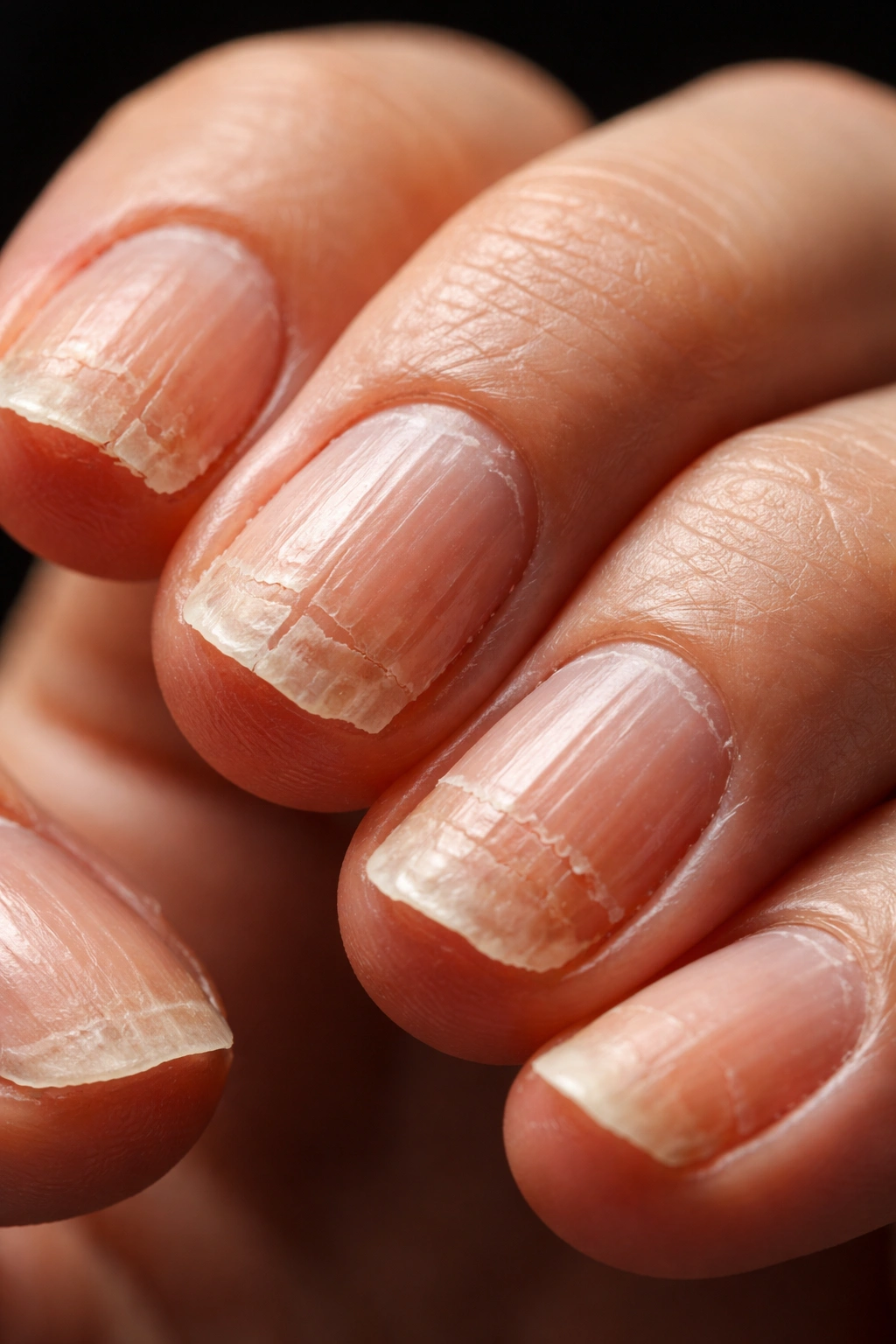
Before we dive into solutions, it’s worth understanding why nails become weak in the first place. Your nails can actually reveal quite a bit about what’s happening inside your body.
Nutritional deficiencies rank among the most common culprits. When you’re not getting enough protein, biotin, iron, or zinc, your nails suffer right along with your energy levels and overall health. Since nails are made primarily of keratin—a structural protein—they need adequate protein intake to maintain their strength and integrity.
But it’s not just about what you eat. External factors play a massive role too. Constant exposure to water, harsh cleaning chemicals, and drying products like acetone-based nail polish removers can strip away the natural oils that keep nails flexible and strong. When nails dry out, they become brittle and prone to cracking.
Age and hormonal changes can weaken nails as well. As we get older, circulation to our extremities naturally decreases, which means less oxygen and fewer nutrients reach the nail matrix where growth begins. Women going through menopause often notice their nails becoming thinner and more fragile.
Sometimes weak nails point to underlying health conditions. Thyroid issues, anemia, psoriasis, and even fungal infections can all manifest as nail problems. If you’ve tried multiple remedies without improvement, or if you notice sudden changes in nail color or texture, that’s your cue to check in with a healthcare provider.
Feed Your Nails From Within
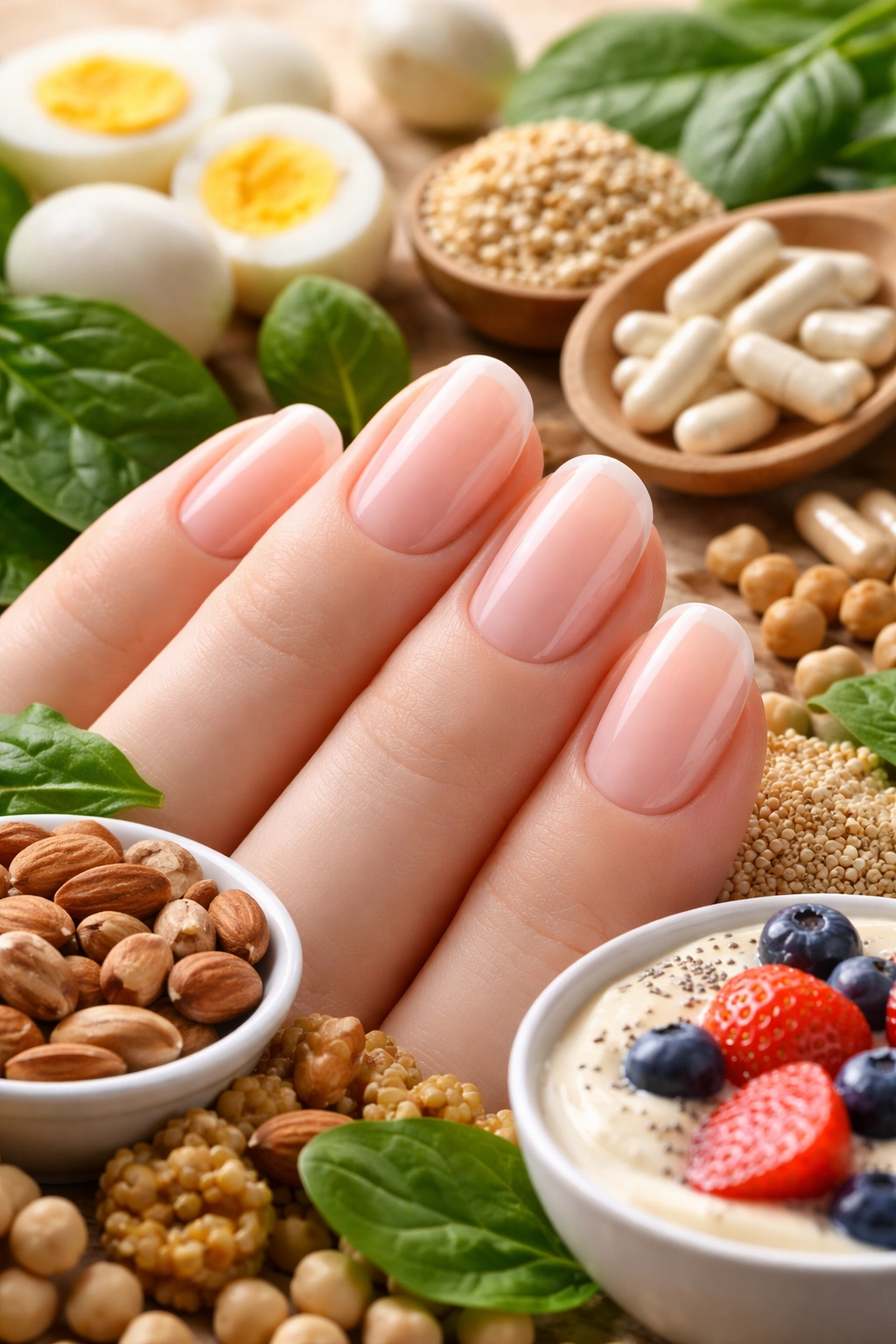
You can slather on all the topical treatments you want, but if you’re not nourishing your nails from the inside, you’re fighting an uphill battle. What you put on your plate directly impacts nail strength and growth.
Protein should be your priority. Since keratin is a protein, getting enough of it in your diet is non-negotiable for healthy nails. Aim for about 0.8 grams of protein per kilogram of body weight daily. That means if you weigh 150 pounds (roughly 68 kilograms), you need around 54 grams of protein each day.
Lean meats, fish, eggs, and poultry are excellent sources. If you’re plant-based, load up on lentils, black beans, chickpeas, tofu, and nuts. These foods provide the amino acids your body needs to build strong keratin structures in your nails.
Biotin is the nail vitamin you’ve probably heard about. This B-vitamin supports keratin production, and research shows it can help people with brittle nail syndrome. You’ll find biotin naturally in eggs (cooked, not raw—raw eggs actually block biotin absorption), salmon, nuts, seeds, sweet potatoes, and avocados.
Some people swear by biotin supplements, typically ranging from 30 to 100 mcg daily. But here’s the catch: studies on biotin for nail strength have mixed results. It works well for some people, especially those with a deficiency, but it’s not a guaranteed fix for everyone. Always chat with your doctor before adding supplements to your routine.
Iron deficiency can leave your nails thin and concave. If you’re low on iron, your nails might develop ridges or even take on a spoon-like shape. Include iron-rich foods like red meat, spinach, lentils, and leafy greens in your meals. Pair them with vitamin C sources (like bell peppers or citrus) to boost absorption.
Don’t forget zinc, either. This mineral is essential for cell growth and repair. When you’re zinc-deficient, nail growth slows down and nails weaken. Nuts, root vegetables, seeds, and shellfish can help you meet your zinc needs.
Foods rich in omega-3 fatty acids—think salmon, walnuts, flaxseeds, and chia seeds—help reduce dryness and inflammation. They keep your nails (and cuticles) moisturized from within, making them less likely to crack and peel.
Hydration: Inside and Out
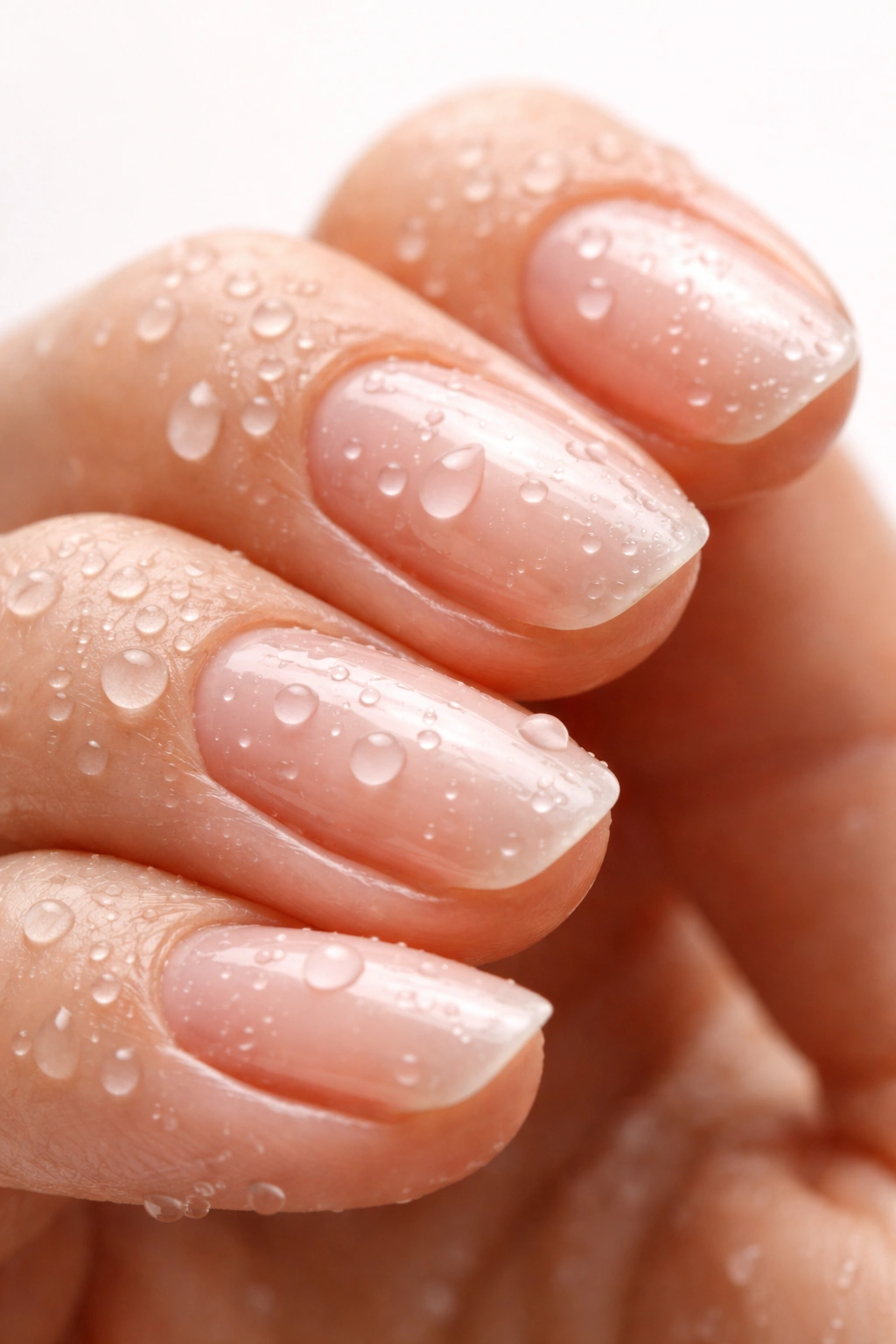
Dehydrated nails are brittle nails. It sounds simple, but staying properly hydrated throughout the day can make a real difference in nail strength.
When your body doesn’t get enough water, your nails can’t retain the moisture they need to stay flexible. Dry nails snap and break easily, whereas well-hydrated nails have some give to them. Most people can stay hydrated by drinking water when thirsty and at meals, but if you’re active or live in a dry climate, you’ll need more.
Carry a reusable water bottle with you. Choose water over sugary drinks. Make it a habit to drink a glass with each meal. These small shifts add up.
But here’s the tricky part: while drinking water is essential, too much exposure to water can actually weaken your nails. Sounds contradictory, right? Nails can absorb about 1,000 times more water than skin. When they repeatedly soak up water and then dry out, they expand and contract. This cycle weakens the nail structure and makes them prone to peeling and breakage.
That means those long bubble baths, extended dishwashing sessions, and frequent hand washing can all contribute to weak nails. You don’t need to avoid water entirely (that would be absurd), but being mindful helps. Wear gloves when washing dishes or cleaning. Keep your hands out of the bathwater when you’re soaking.
The Power of Natural Oils
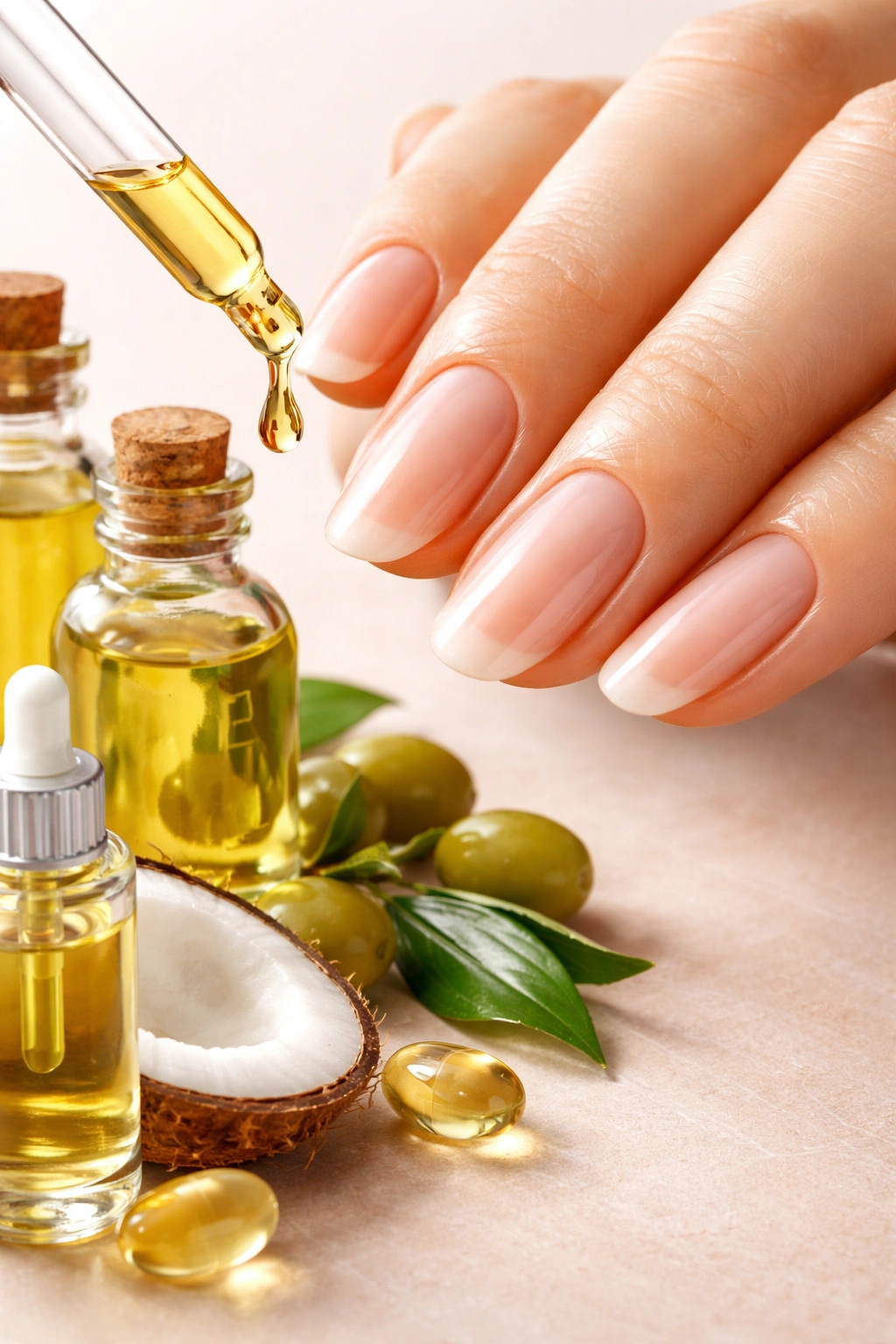
Natural oils can work wonders for strengthening nails and nourishing cuticles. They penetrate the nail plate, delivering moisture and nutrients where they’re needed most.
Coconut oil is a nail care MVP. Packed with fatty acids and antioxidants, it deeply nourishes nails and helps prevent infections. Warm up some virgin coconut oil and massage it into your nails and cuticles for about five minutes. For best results, do this every night before bed, then slip on a pair of cotton gloves and let it work its magic overnight.
Olive oil has been used for centuries to strengthen brittle nails and keep them flexible. It’s easily absorbed and helps nails retain moisture. Mix one tablespoon of lemon juice with three tablespoons of olive oil, warm it slightly, and soak your nails for 10-15 minutes once a week. The olive oil hydrates while the lemon juice helps strengthen and brighten.
Vitamin E oil is excellent for repairing damaged nails. It has powerful antioxidant properties and has been shown to improve nail strength and even help with conditions like yellow nail syndrome. Break open a vitamin E capsule and massage the oil directly into your nails and cuticles daily.
Other beneficial oils include jojoba oil, sweet almond oil, argan oil, and avocado oil. You can use them individually or mix a few together to create your own custom nail treatment.
Apply cuticle oil as often as you can—ideally at least once daily. Your cuticles protect the nail matrix where growth originates. When that skin is dry or compromised, your nails suffer. Massage the oil in thoroughly, working it into the base of each nail where it can penetrate most effectively.
Kitchen Remedies That Actually Work
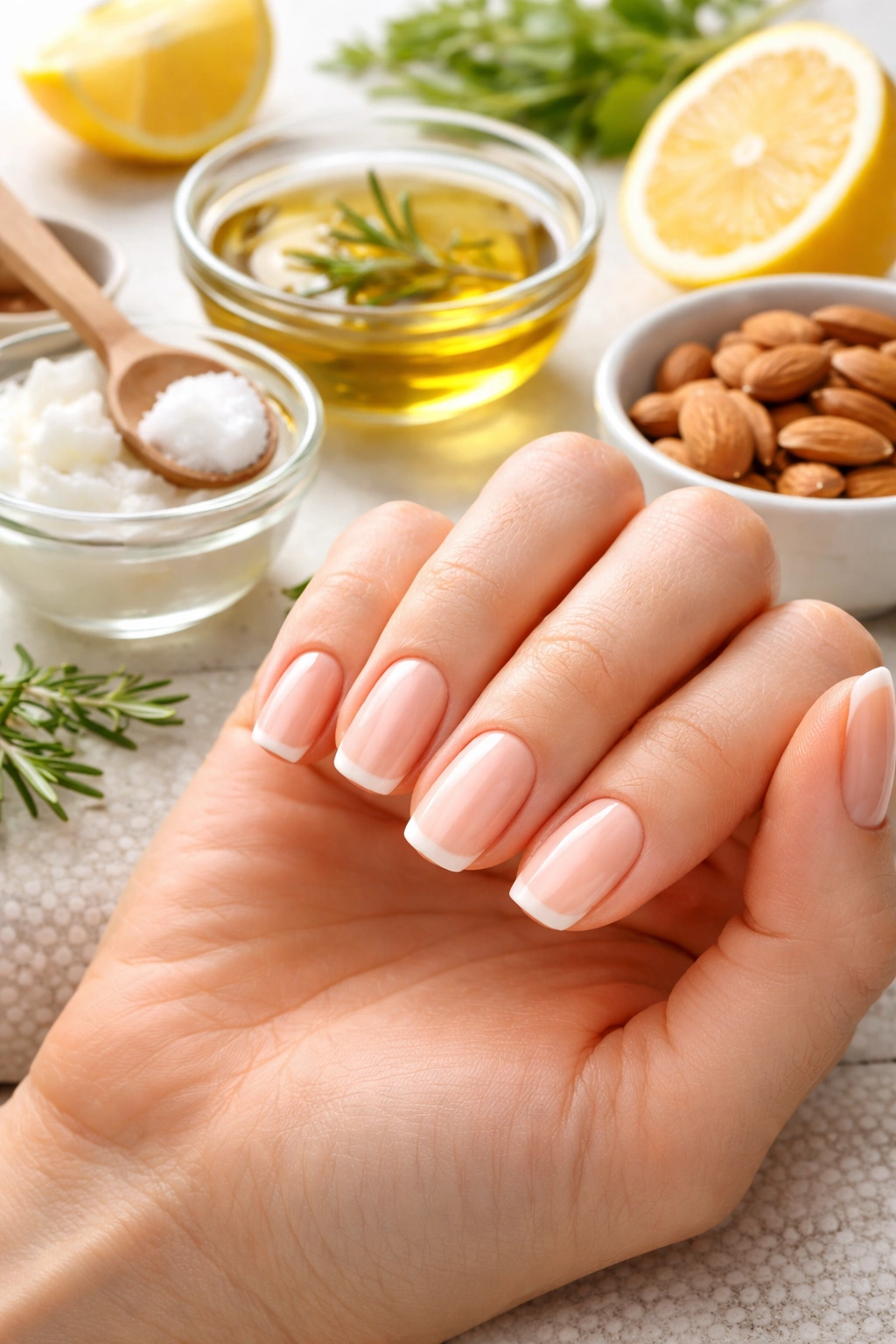
You don’t need to buy fancy nail treatments when your kitchen likely holds some effective natural remedies. These DIY solutions use common household ingredients to strengthen weak nails.
The lemon and olive oil soak we mentioned earlier deserves another mention. Vitamin C from the lemon helps with collagen production, which is crucial for nail health. The olive oil provides deep moisture. This combo brightens yellowed nails while making them stronger and less prone to breaking.
Apple cider vinegar has nutrients that benefit nails. Mix equal parts apple cider vinegar and water, then soak your nails for about 10 minutes daily. The acidity helps balance pH levels and can prevent fungal infections that weaken nails.
A baking soda scrub can help whiten discolored nails and ward off fungal problems. Make a paste with baking soda and water, then gently scrub your nails with it once a week. Don’t overdo it—too much scrubbing can cause damage.
Eggshells contain calcium that can help strengthen nails. Clean and dry eggshells, grind them into a fine powder, and mix with water to form a paste. Apply it to your nails and let it sit for 15-20 minutes before rinsing. The extra calcium gives your nails a boost.
Honey mixed with a few drops of lemon juice makes a nourishing nail mask. Honey fights bacterial and fungal growth while keeping nails and cuticles soft. Massage it into your nails, leave it on for 15-20 minutes, then rinse thoroughly.
Garlic might smell pungent, but it packs serious antifungal power. Crush a clove and add it to a bottle of clear nail polish. Let it infuse for at least a week, then paint the mixture onto your nails to help kill fungus and strengthen them. If the smell bothers you, rubbing a sliced garlic clove on your nails once a week can also help.
What You Need to Stop Doing Right Now
Sometimes strengthening your nails is less about what you add to your routine and more about what you need to stop doing. These common habits can sabotage even your best efforts.
Put down those nail clippers when you’re tempted to bite. Nail biting and cuticle picking are among the worst things you can do. These habits damage the nail bed, create openings for bacteria and fungus, and prevent healthy growth. If you struggle with this, try keeping your nails short and painted (it’s harder to bite through polish), or look into bitter-tasting deterrent products.
Stop using your nails as tools. Opening soda cans, peeling off labels, prying things open—all of these put stress on your nails that leads to cracks and breaks. Use the pads of your fingers, a coin, a pen, or an actual tool instead.
Ditch the acetone-based nail polish remover. Acetone is incredibly drying and strips away the natural oils your nails need. When nail cells dry out, they lift and peel off, leaving you with thin, weak nails full of ridges and bumps. Switch to an acetone-free formula, and use remover sparingly—not every day.
Cut back on hand sanitizer. While keeping your hands clean is important, alcohol-based sanitizers dry out both your hands and nails. Use them when necessary, but try to keep the product off your nails when possible, and follow up with moisturizer.
Wear gloves when cleaning. Detergents, soaps, bleach, and other cleaning products contain harsh chemicals that weaken nails over time. A pair of rubber gloves creates a barrier between your nails and these damaging substances. They also protect your nails from prolonged water exposure during cleaning tasks.
Give gel and acrylic nails a rest. The application process, the chemicals involved, and especially the removal process can seriously damage your natural nails. The UV light used to cure gel polish carries cancer risk, and the aggressive scraping during removal weakens the nail plate. If you love these manicures, take breaks between applications—at least a few weeks, ideally longer—to let your natural nails recover.
The Right Way to Care for Your Nails
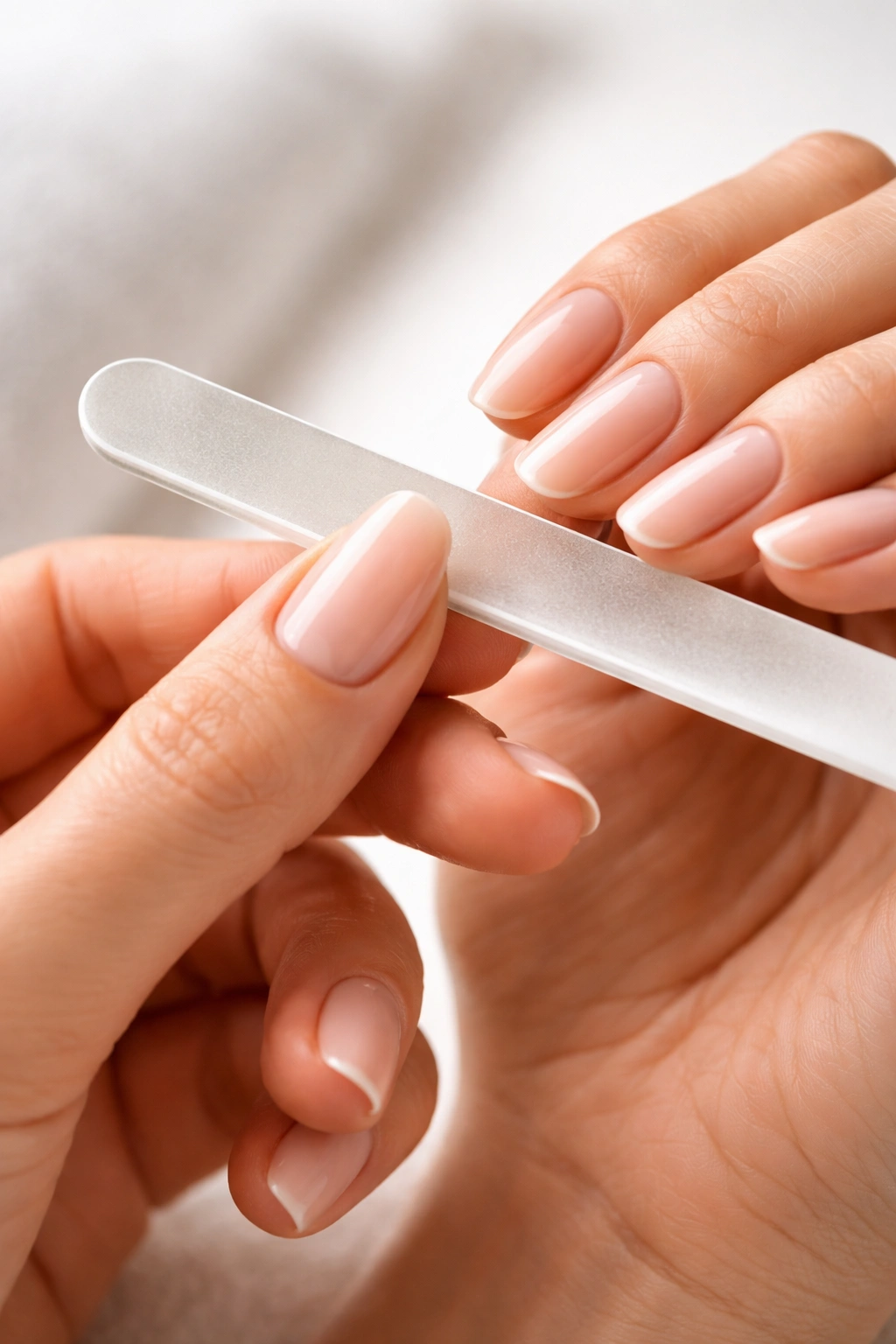
Proper nail care technique makes a bigger difference than you might think. Small changes in how you trim, file, and maintain your nails can prevent damage and promote strength.
Keep your nails on the shorter side, especially while you’re working to strengthen them. Long nails are more likely to catch on things, bend, and break. Short nails are sturdier and less prone to trauma.
File in one direction only. Sawing back and forth with a nail file creates tiny tears in the nail that lead to splitting and peeling. Choose a direction—left to right or right to left—and stick with it, using gentle, short strokes. A glass nail file or crystal file is gentler on nails than traditional emery boards.
File lightly along the sides. Filing too much on the sides weakens the nail structure. Focus on the free edge (the tip), and go easy on the corners.
Push back cuticles gently—don’t cut them. Your cuticles seal and protect the nail matrix. When you cut them, you remove that protective barrier, allowing bacteria and fungi to enter. This leads to infections that damage nail growth. Instead, massage oil into your cuticles to soften them, then use a cuticle pusher or orange stick to gently push them back. A cotton-tipped swab works too.
Trim hangnails carefully with nail clippers. Never rip or tear them—this creates an open wound and increases infection risk. Clip them neatly at the base instead.
Moisturize after every hand washing. This is crucial. Every time you wash your hands, you strip away natural oils. Apply hand lotion immediately afterward to replace that moisture before it escapes. Make sure to work the lotion into your nails and cuticles too.
Apply a natural nail strengthener if you want extra support. Look for products with natural ingredients like keratin, peptides, pistacia oil, or hyaluronic acid rather than harsh chemicals like formaldehyde. Leave-on treatments that don’t require polish remover are better choices than nail hardeners that act like clear polish.
Give Your Nails a Break
Your nails need breathing room, literally. Constantly coating them with polish, gel, or acrylics prevents air and moisture from reaching them, which can lead to discoloration and weakness.
Going polish-free for a while might feel like a sacrifice, but it’s one of the best things you can do for weak nails. Polish-free periods let your nails reset and recover. Nails take six to twelve months to completely grow out and replace themselves, so the longer you can go without polish, the better.
If you must wear polish, at least give your nails a break between manicures. After wearing polish for a week or so, remove it with acetone-free remover and let your nails go bare for at least a week. Use that time to focus on moisturizing and nourishing treatments.
When you do get your nails done, opt for soak-off gel instead of traditional gel. It’s gentler on your nails. Even better, stick with regular polish when possible—it’s the easiest on your nails overall.
If you’re attached to artificial nails, make sure you’re going to a reputable salon that properly sterilizes tools between clients. Take breaks every two to three months to give your natural nails recovery time. And seriously consider whether the temporary aesthetic is worth the long-term damage.
Natural, healthy nails have their own beauty. A simple manicure with just shaping, cuticle care, and buffing can make your nails look polished without any actual polish. You might be surprised at how good they look once they’re healthy.
When Natural Isn’t Enough
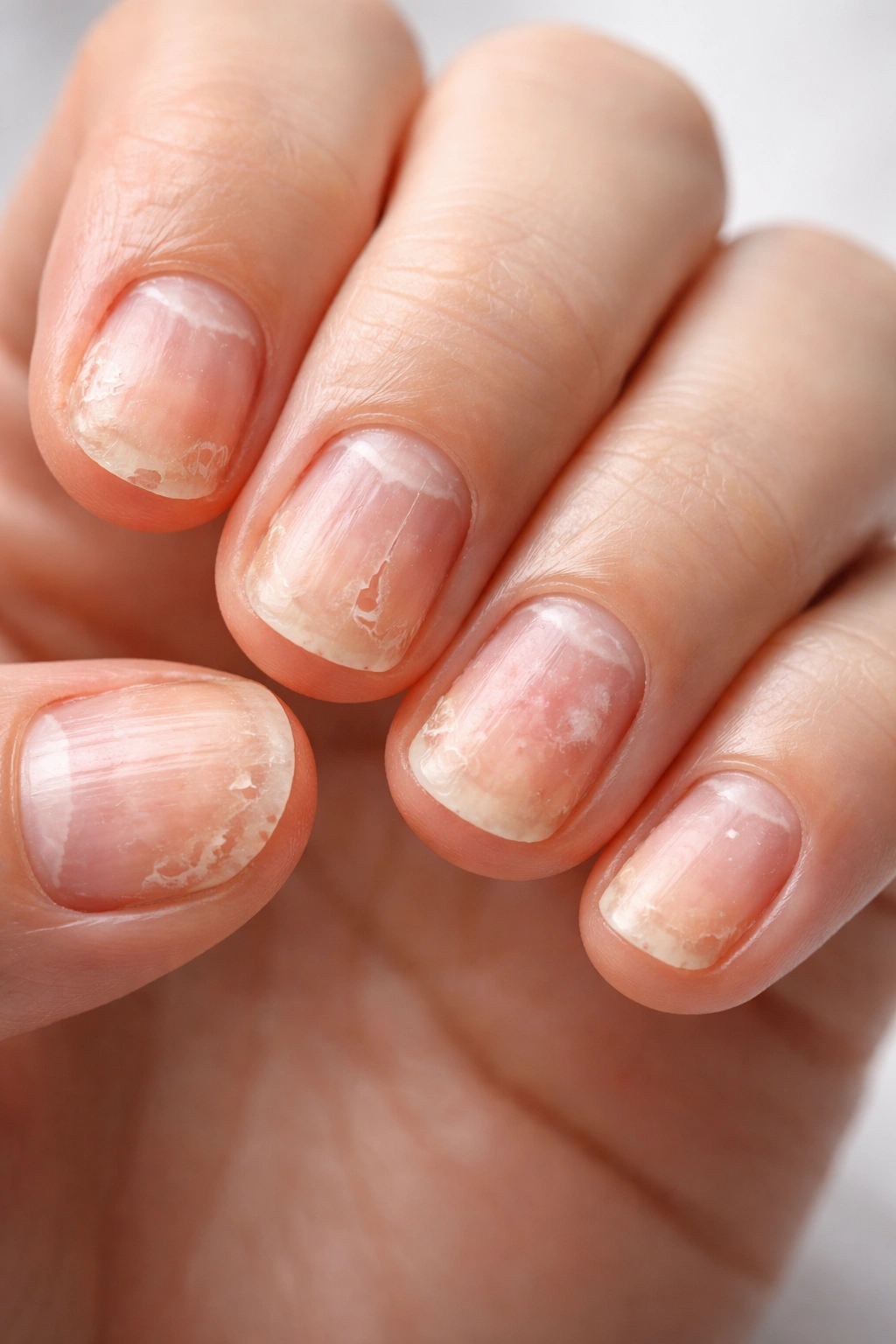
Natural remedies work well for many people, but sometimes you need professional help. Certain situations warrant a trip to the doctor or dermatologist.
See a healthcare provider if your nails don’t improve after three to six months of consistent natural care. Persistent weakness despite good habits might signal an underlying issue that needs medical attention.
Watch for these warning signs: changes in nail color (yellowing, dark streaks, entire nail changing color), changes in shape (curling, spooning, thickening, or thinning), nails separating from the nail bed, bleeding or swelling around nails, pits or grooves forming, nails that stop growing entirely, or pain around the nail area.
These symptoms can indicate thyroid problems, anemia, psoriasis, eczema, fungal infections, or other conditions. Treating the root cause is the only way to restore nail health in these cases.
A dermatologist can assess your nails, review your health history and care routine, and recommend targeted treatments. They might prescribe prescription-strength nail treatments, topical medications, oral supplements at specific doses, or treatments for underlying conditions affecting your nails.
Don’t ignore persistent nail problems or assume they’re just cosmetic. Your nails can provide valuable clues about your overall health, and addressing issues early often leads to better outcomes.
Wrapping Up
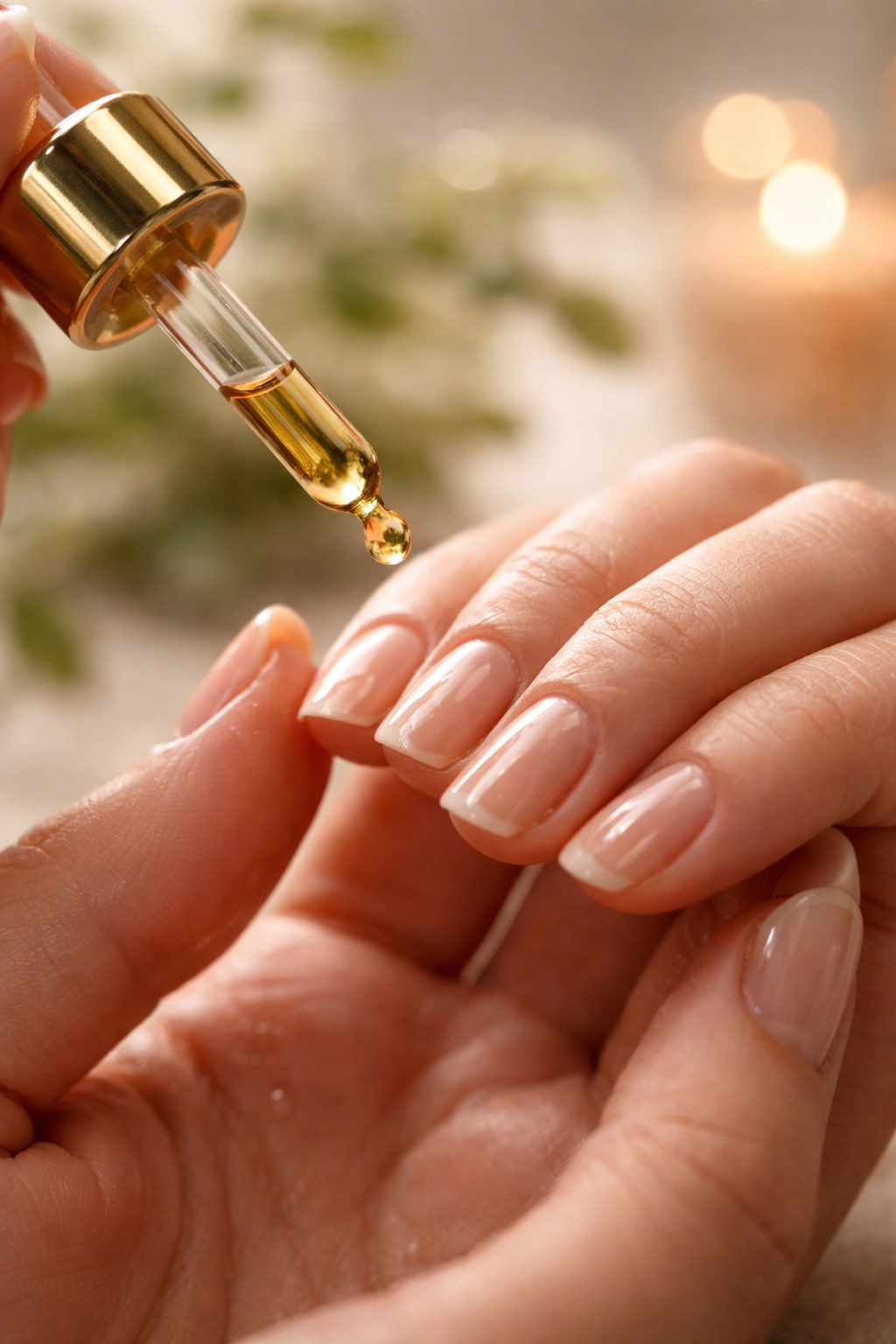
Strengthening weak nails naturally doesn’t happen overnight, but it’s absolutely achievable with patience and consistency. Focus on nourishing your body from within with adequate protein, biotin, iron, and zinc. Stay hydrated, but protect your nails from excessive water exposure. Moisturize religiously with natural oils and hand cream.
Treat your nails gently—file in one direction, keep them trimmed, and never use them as tools. Ditch harsh chemicals like acetone and give your nails breaks from polish. Try simple kitchen remedies like olive oil soaks and vitamin E massages.
Small changes add up to significant results over time. You might notice improvement in just a few weeks, but remember that nails grow slowly. It can take several months to see the full effects of your new routine as healthier nail grows out to replace the damaged portions.
The journey to stronger nails is really about developing sustainable habits that support overall health. When you take care of your body—eating well, staying hydrated, managing stress—your nails reflect that care. And when you treat your nails with gentleness and protection, they reward you by becoming more resilient.
Start with one or two changes today. Maybe swap your nail file for a glass one, or add more protein to your breakfast. Pick up some coconut oil for a nightly nail massage. These small steps are the foundation for the strong, healthy nails you’re after.
