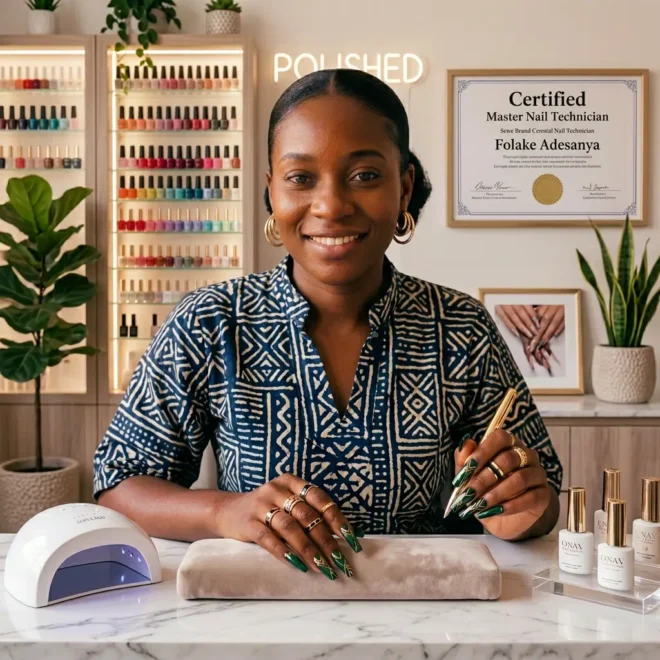


Walking into a nail salon these days can feel overwhelming. The menu’s gotten longer, the options more varied, and you’re left wondering what half of these services even mean—let alone which one you should book. Gone are the days when “getting your nails done” meant one thing. Now there’s gel, shellac, dip powder, acrylics, polygel, and about a dozen other options that all promise something slightly different.
Here’s the thing: the right manicure for you depends on your lifestyle, your budget, and what you’re actually hoping to achieve. Are you trying to grow out your natural nails? Do you need something that’ll survive two weeks of typing and dishwashing? Or are you just looking for a quick color change before the weekend?
Let’s break down the best nail services worth asking for right now, what makes each one special, and how to figure out which one deserves your time and money.
Why Your Manicure Choice Actually Matters
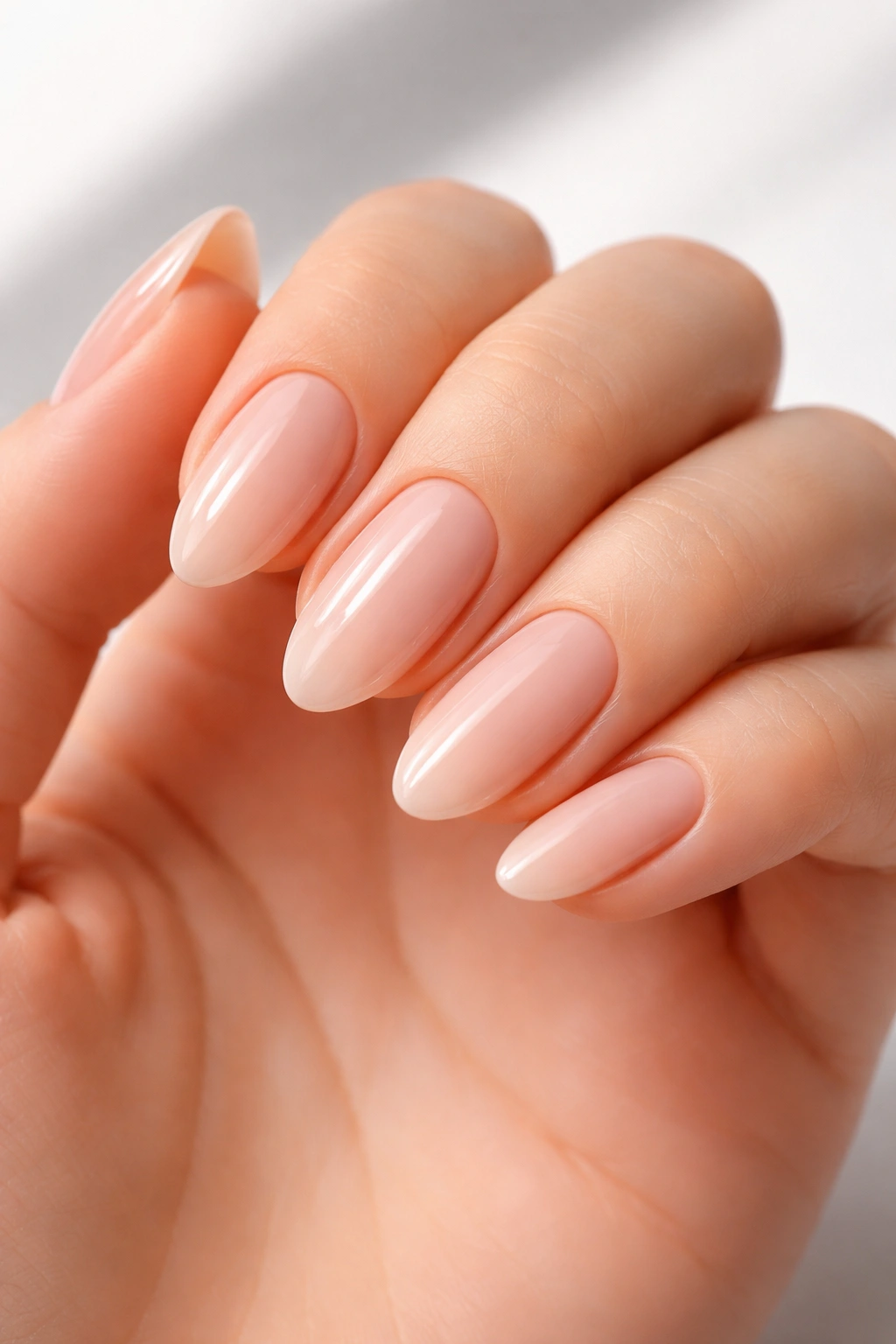
You might think all manicures are basically the same, just with different price tags attached. Not quite. Each type of service uses different products, techniques, and removal methods. Some add serious length and durability. Others prioritize nail health and flexibility. A few require commitment (and acetone-soaked removal sessions), while others let you switch things up every few days.
Choosing the wrong manicure can mean wasted money when your polish chips after two days. Or worse, it can mean damaged nail beds that take months to recover from. On the flip side, finding your perfect match means nails that look fresh, feel comfortable, and actually last.
The current nail scene is all about options. Salons have expanded their services to include everything from quick 15-minute press-on applications to intricate two-hour gel art sessions. Prices range from $10 to $150 depending on what you’re getting. And honestly? More expensive doesn’t always mean better for your specific needs.
Gel Manicures: The Crowd Favorite
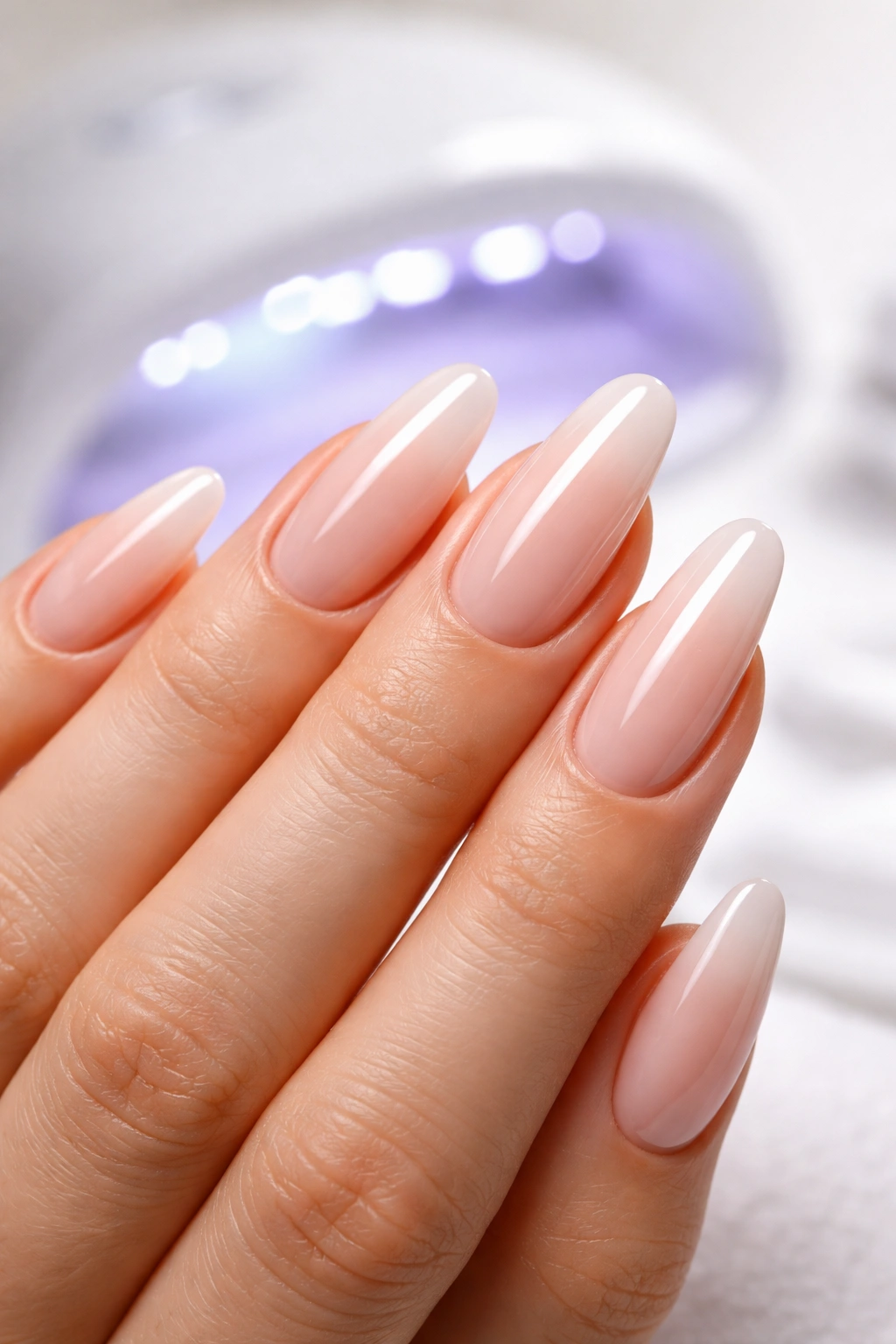
If you’ve been getting your nails done in the past few years, you’ve probably tried gel. It’s become the go-to for people who want their manicure to actually last past the first hand-washing session. Gel polish is cured under a UV or LED light, which hardens it into a durable, high-shine finish that can survive two to three weeks of normal wear.
The application process takes about 45 minutes to an hour. Your nail tech will prep your nails, apply a base coat, add two coats of color, and finish with a top coat. Each layer gets cured under the lamp for 30 to 60 seconds. The best part? Zero drying time. You can grab your keys and head out immediately without worrying about smudges.
Gel works beautifully for nail art, too. Since each layer cures solid, your tech can build up intricate designs without worrying about colors bleeding together. Think detailed florals, geometric patterns, or those trendy glazed donut nails that have been everywhere lately.
Here’s what you need to know about maintenance: gel requires proper removal. Don’t pick at it (seriously, don’t) because you’ll peel off layers of your actual nail. Either visit the salon for removal, which typically costs $10 to $20, or do it yourself with acetone, cotton pads, and aluminum foil. Expect to pay between $30 and $60 for the initial application.
The downside? Repeated gel manicures without breaks can leave your nails feeling thin and brittle. Give your nails a week off between applications every few months. During that time, load up on cuticle oil and a strengthening treatment.
BIAB: The Nail Strengthener Everyone’s Talking About
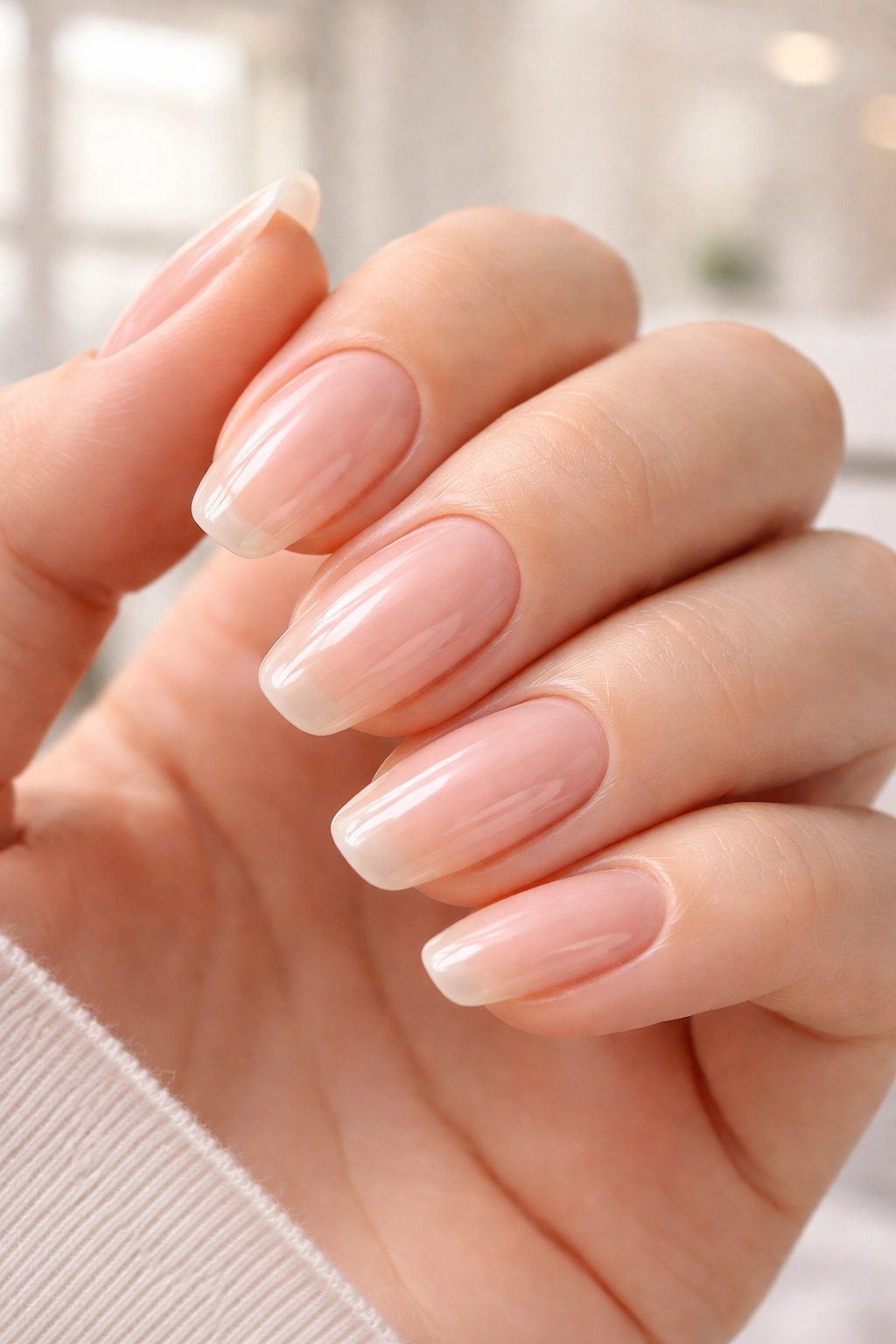
Builder in a Bottle, or BIAB, has taken over as the service nail techs recommend when you mention your nails are weak or damaged. It’s a type of soft gel specifically designed to add structure and protection to your natural nails while they grow. Unlike regular gel polish, BIAB has a thicker, self-leveling formula that reinforces the nail plate.
You can wear BIAB on its own for a glossy, natural look, or your tech can apply regular gel polish on top for color. The product creates a flexible but strong layer that moves with your nail instead of against it. This makes it less likely to crack or lift compared to harder enhancement products.
Application takes about an hour and involves building up thin layers of the gel, curing each one under an LED lamp. The result looks smooth and professional without excessive filing. BIAB lasts three to four weeks before you’ll need either a full removal and reapplication or an infill to address the grown-out portion.
Cost-wise, expect to pay $50 to $80 for a full BIAB service. Removal takes time because you’ll need to file off the top layer and then soak your nails in acetone for 15 to 20 minutes. But if you’ve been struggling with nails that bend, peel, or break, this service is worth the investment.
The main benefit here is strength without the harshness of acrylics. Your nails get protection while they grow, and you’re not dealing with the same level of damage during removal. Just remember to moisturize your cuticles daily with a good oil to keep everything flexible.
Dip Powder: The Low-Maintenance Winner
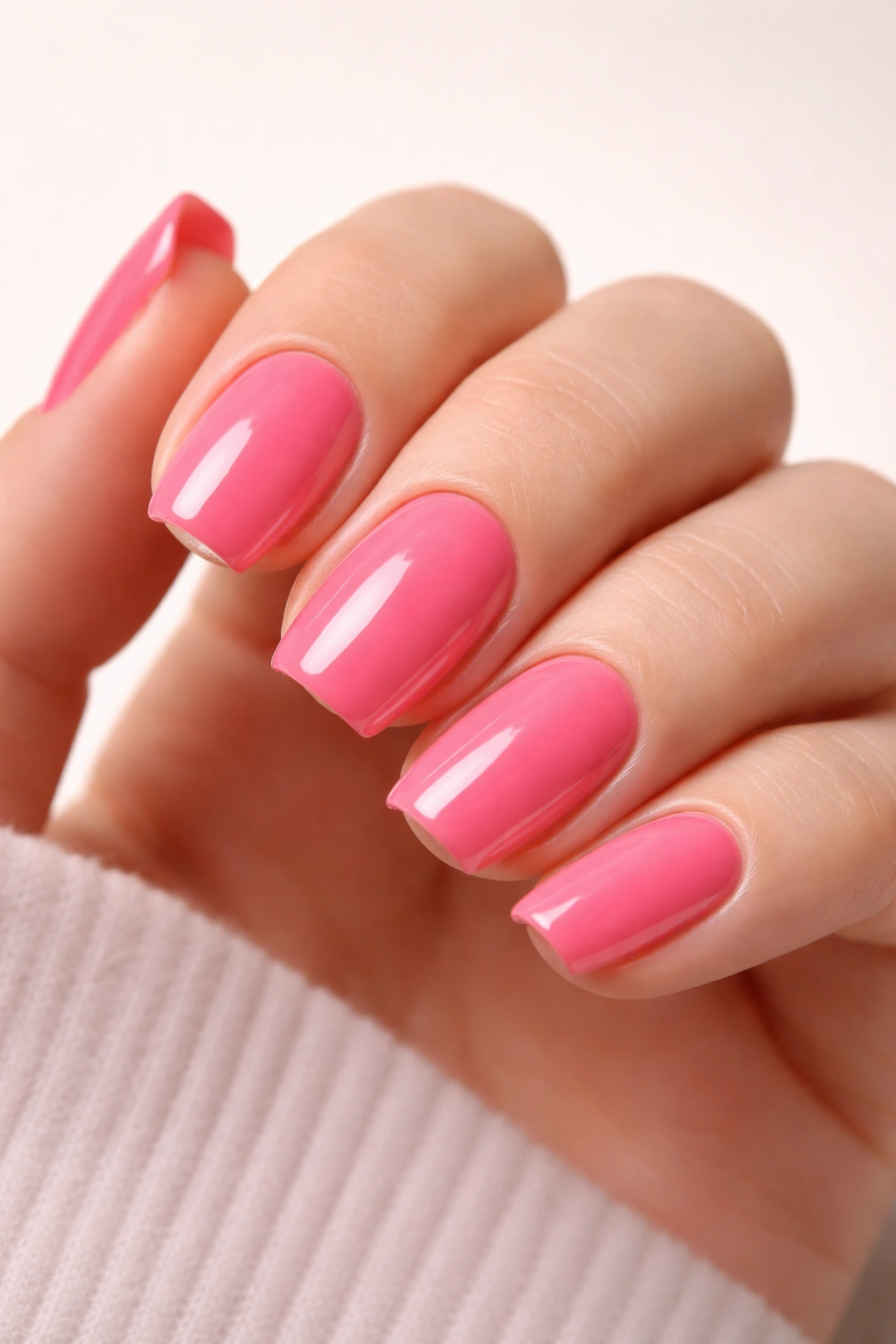
Dip powder nails have surged in popularity over the past few years, and it’s easy to see why. They’re incredibly durable, lasting three to four weeks without chipping. The process is also faster than gel extensions and doesn’t require UV curing, which appeals to people who’d rather avoid lamp exposure.
Here’s how it works: your tech applies a resin-like base coat to your prepped nail, then either dips your finger into colored powder or sprinkles the powder over the nail. This process repeats two or three times until you’ve got full, opaque coverage. An activator liquid hardens everything, and then a glossy top coat seals it all in.
The finish is smooth, shiny, and remarkably tough. Dip powder feels lighter than acrylics but stronger than regular gel. It’s particularly great if you work with your hands a lot or tend to be rough on your manicures. The color selection has expanded too—most salons now carry hundreds of shades, from classic nudes to bold metallics.
Pricing typically falls between $40 and $60 for a full dip powder manicure. Removal requires the same acetone-soak method as gel, taking about 15 to 20 minutes. One thing to watch for: make sure your salon sprinkles the powder onto your nail rather than having you dip into a communal jar. The sprinkle method is more hygienic.
The main complaint people have about dip powder is that it can feel a bit thick or bulky, especially if your tech applies too many layers. A skilled technician will keep it refined and natural-looking. Also, while it’s marketed as healthier than acrylics, any service that requires acetone removal and filing can be hard on your nails if overdone.
Acrylic Nails: The Length Extension Classic
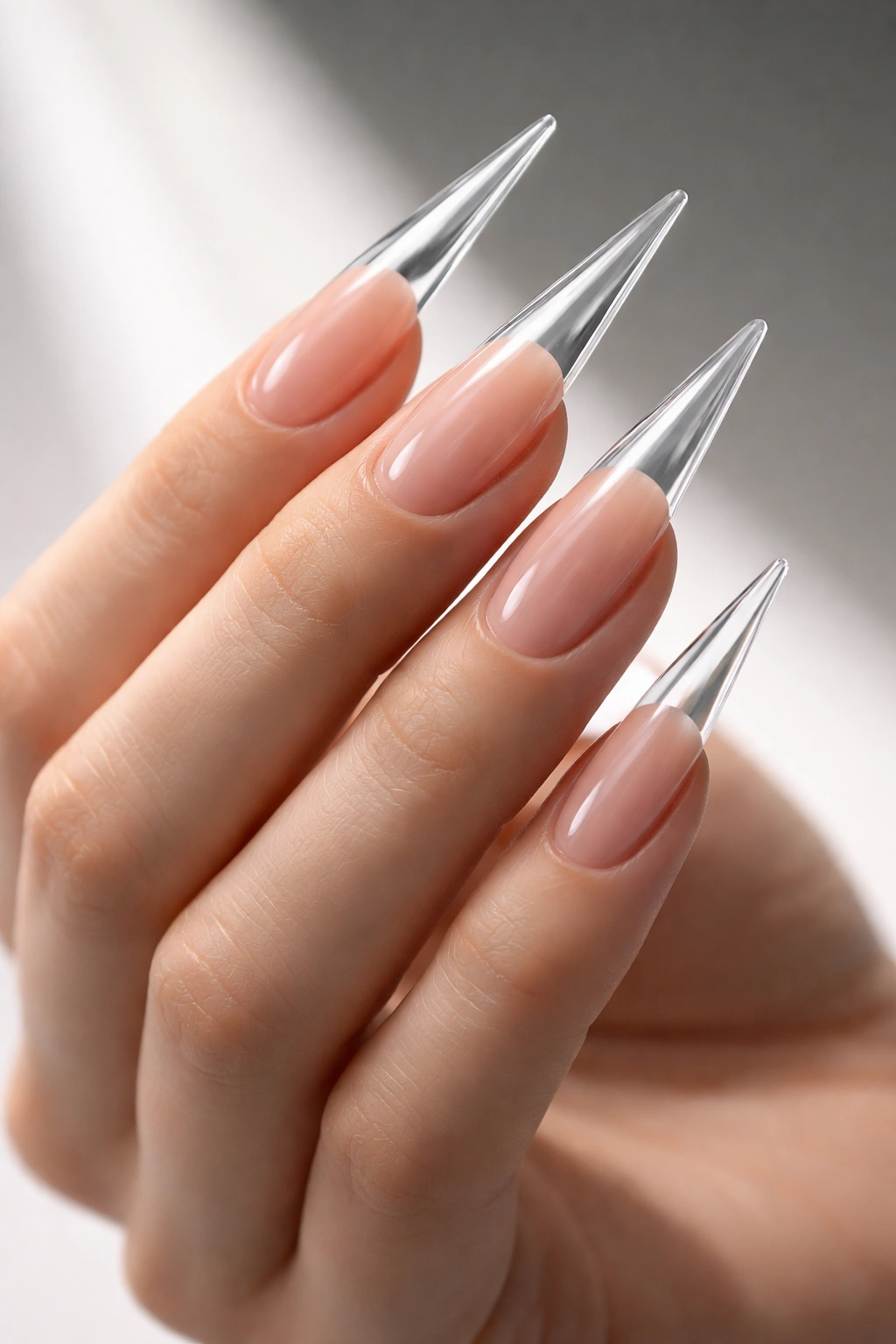
Acrylics have been around forever, and they’re still one of the most popular choices for people who want dramatic length and shape. This service involves mixing a liquid monomer with acrylic powder to create a paste that’s sculpted over your natural nails and any tips that have been glued on. Once the mixture hardens (which happens through air exposure, not UV light), your tech files and shapes everything before applying polish.
The strength of acrylics is unmatched. They’re the go-to for anyone who wants long stiletto nails, dramatic coffin shapes, or intricate 3D nail art. Because they’re so hard and durable, acrylics can support elaborate designs that would never work on natural nails. They last two to three weeks before you’ll need a fill-in to address growth.
Full sets typically cost $45 to $80, with fill-ins running $25 to $40. The application process takes about 90 minutes, sometimes longer if you’re adding detailed art. Removal is where things get tricky—acrylics need to be soaked off in acetone for 20 to 30 minutes, and then your tech will file away any remaining product.
Here’s what you need to consider: acrylics are tough on your natural nails. The application process involves filing down the nail plate to help the acrylic adhere, and improper removal can strip away layers of your nail. If you decide to take a break from acrylics, expect your natural nails to feel weak and thin for a while. Combat this with daily cuticle oil and a strengthening treatment.
But if you’ve always wanted long, glamorous nails and your natural nails won’t cooperate, acrylics deliver. Just make sure you’re visiting a reputable salon that uses quality products. Stay away from places using MMA (methyl methacrylate) as the monomer liquid—opt for the safer EMA (ethyl methacrylate) instead.
Gel X Extensions: The Lighter Alternative
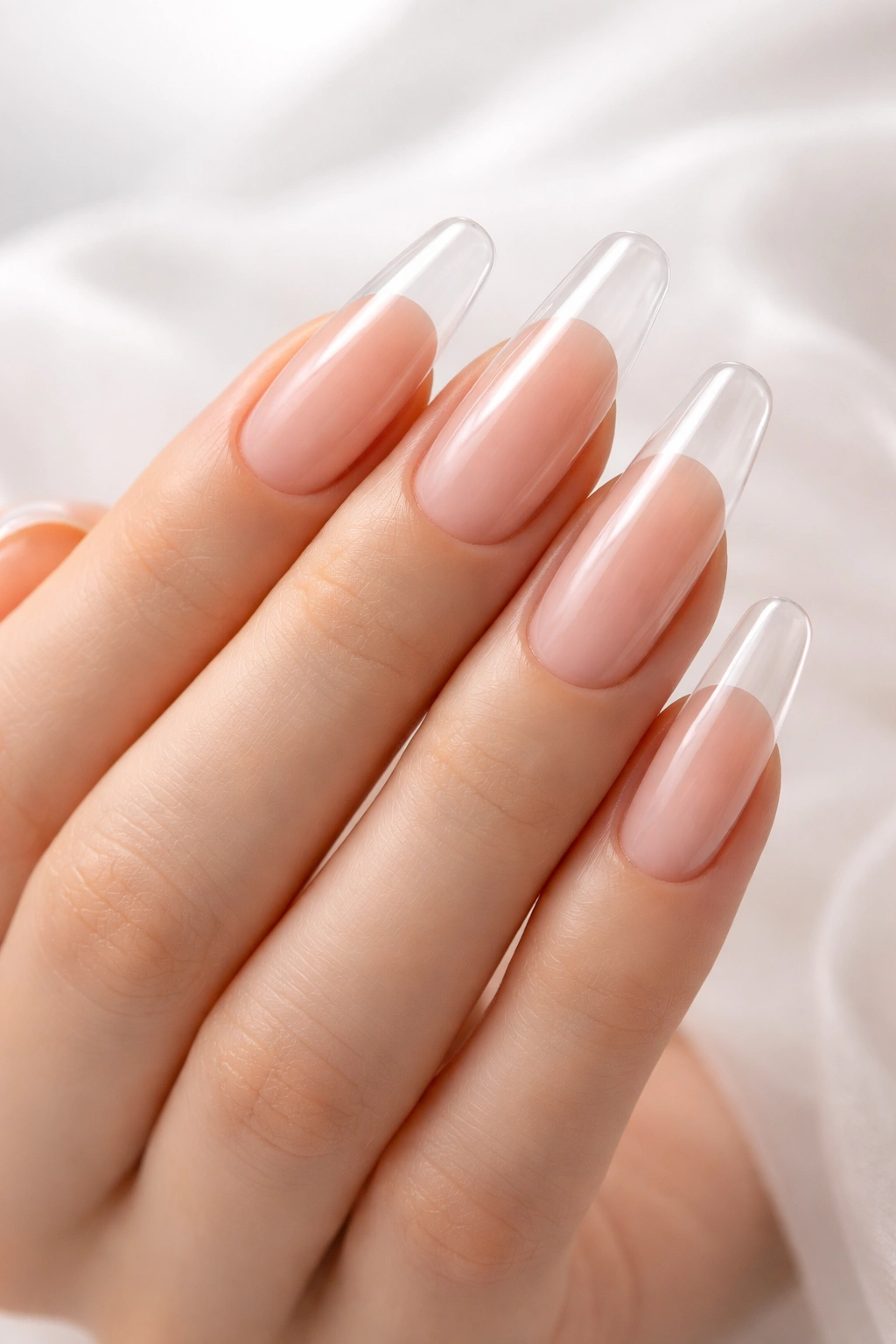
Gel X nails have become the preferred choice for people who want the length of acrylics without the heaviness. This service uses preformed soft-gel tips that are applied with builder gel and cured under an LED light. The tips come in various shapes and lengths, so you can customize your look without the need for extensive filing and shaping.
The application process is quicker than traditional acrylics, usually taking about an hour. Your tech will prep your natural nails, apply the builder gel, press on the preformed tip, and cure everything under the lamp. Once the tips are secure, they’ll file them to your desired length and shape before applying gel polish.
Gel X extensions feel significantly lighter and more flexible than acrylics. They’re also easier to remove—a proper acetone soak will break down the gel in about 15 to 20 minutes. This makes them gentler on your natural nails over time. The extensions last three to four weeks with proper care.
Expect to pay between $70 and $120 for a full set of Gel X extensions. The price varies based on your location and whether you’re adding nail art. The main drawback is that they’re not quite as strong as acrylics, so they might not hold up as well if you’re particularly hard on your hands.
Gel X works perfectly for special occasions when you want temporary length, or if you’re someone who likes to switch up nail shapes and styles regularly. The preformed tips make it easy to go from short and square to long and almond without the commitment of growing out acrylics.
The Classic Polish Manicure: Still Worth It
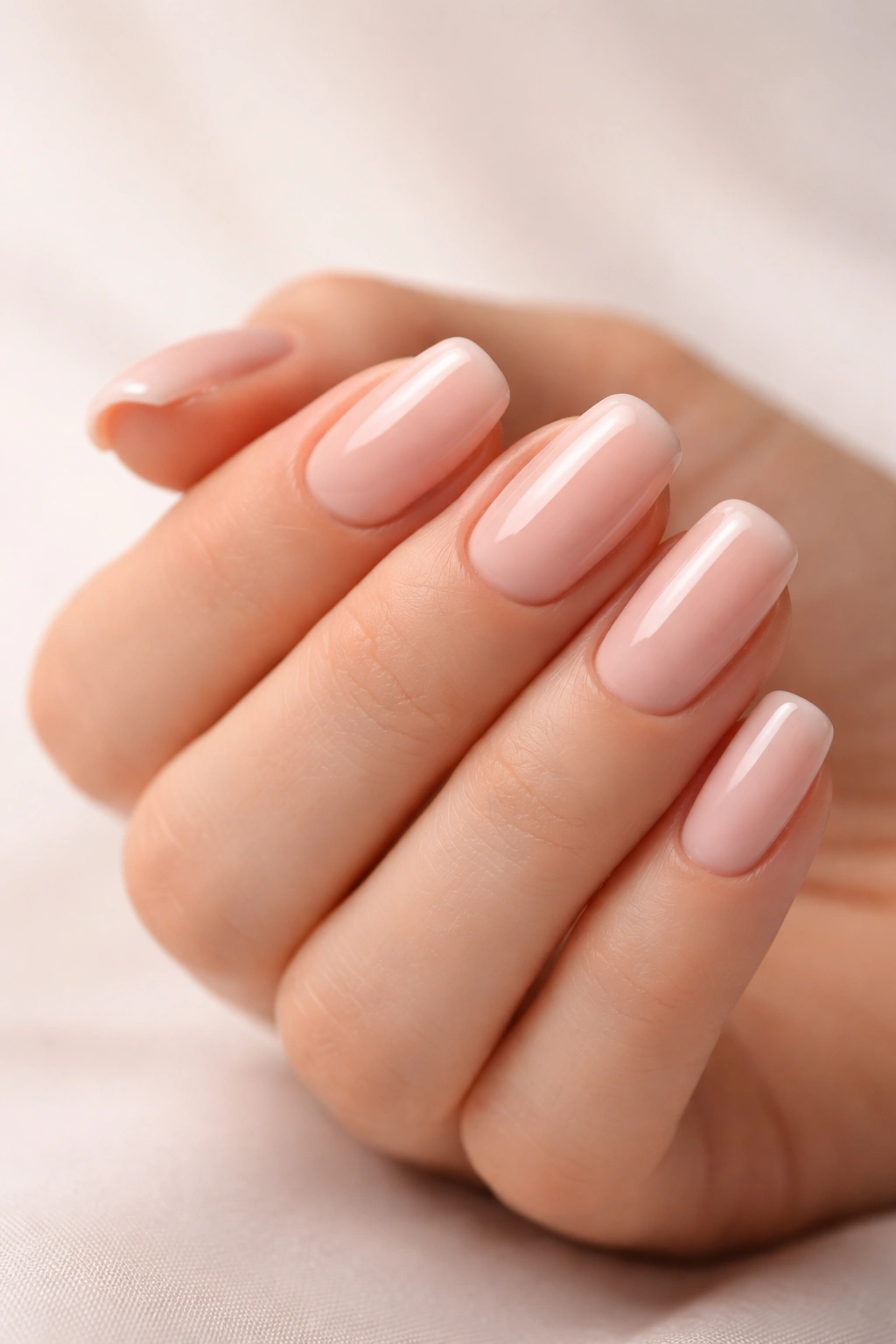
Sometimes simple is best. A classic polish manicure remains a solid choice for people who like to change their nail color frequently or who don’t want to commit to a two-week look. The service includes all the basics: nail shaping, cuticle care, a hand massage, and traditional polish application with a base coat, two coats of color, and a top coat.
Classic manicures are the most affordable option, typically costing $15 to $30. The appointment takes about 30 minutes, and you’ll need to sit under a dryer for 10 to 15 minutes to let the polish set. Removal couldn’t be easier—just swipe on some polish remover at home and you’re done.
The main limitation is longevity. Regular polish lasts five to seven days before you’ll start seeing chips, sometimes less if you’re rough on your hands. But that’s actually a benefit if you’re someone who gets bored easily or likes to match your nails to different outfits and occasions.
Make sure your salon (or you, if you’re DIY-ing) uses quality polish that’s free from harsh chemicals like formaldehyde, toluene, and DBP. Brands like Ella + Mila, Zoya, and Olive & June offer great formulas that are easier on your nails. Always finish with a good top coat to extend the life of your manicure and add extra shine.
Classic manicures are perfect for people with naturally strong, healthy nails who just want a little color. They’re also ideal if you have a packed schedule and can’t carve out time for acetone removal appointments down the line.
Press-On Nails: The Quick-Change Artist
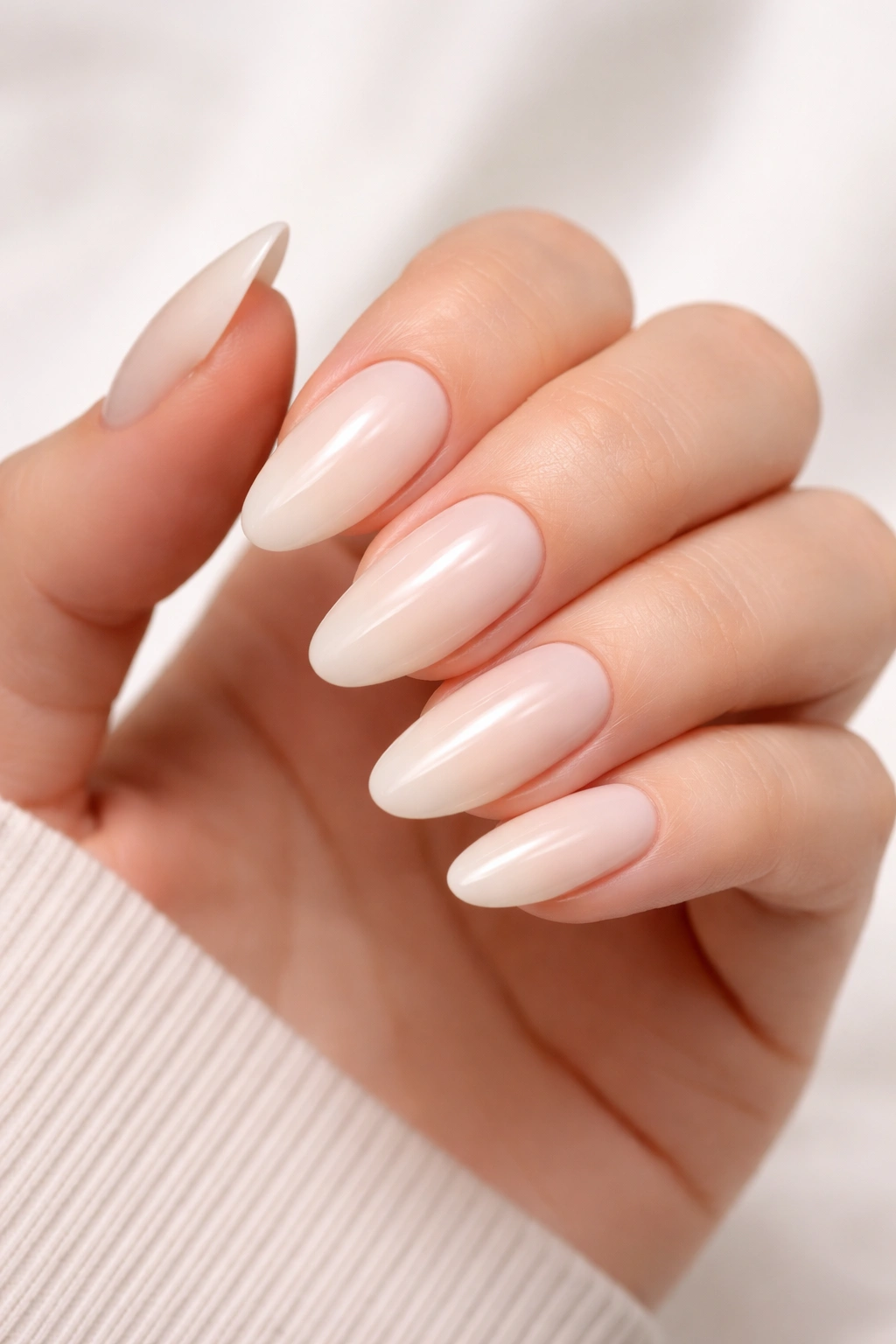
Press-ons have had a major glow-up in recent years. What used to be a cheap, temporary solution now includes salon-quality options that look incredibly realistic and can last up to two weeks. Brands like Static Nails, Olive & June, and Glamnetic offer pre-designed sets in every style imaginable, from minimalist nudes to bold patterns.
Application takes 15 to 30 minutes and can be done entirely at home. You’ll prep your natural nails by gently buffing the surface and wiping with alcohol. Then you either apply adhesive tabs (for short-term wear) or nail glue (for longer wear) before pressing each false nail into place. The best part? You can file and shape press-ons to fit your nail beds perfectly.
Cost-wise, press-ons are a steal. Sets range from $10 to $30, and if you’re careful during removal, you can reuse them multiple times. Just pop them off by soaking your nails in warm, soapy water or using a bit of acetone, then store them safely for next time.
Press-ons are ideal for people who hate sitting in salons, want to save money, or like to switch up their nail look constantly. They’re also perfect for special events when you want a specific style for just one night. The main downside is that they’re not as durable as salon services and can pop off unexpectedly if you didn’t apply enough adhesive.
Quality matters here. Invest in well-made press-ons that come with properly sized tips and strong adhesive. Cheap sets from the drugstore might save you a few bucks, but they’ll look fake and won’t last.
Russian Manicures: The Ultra-Precise Option
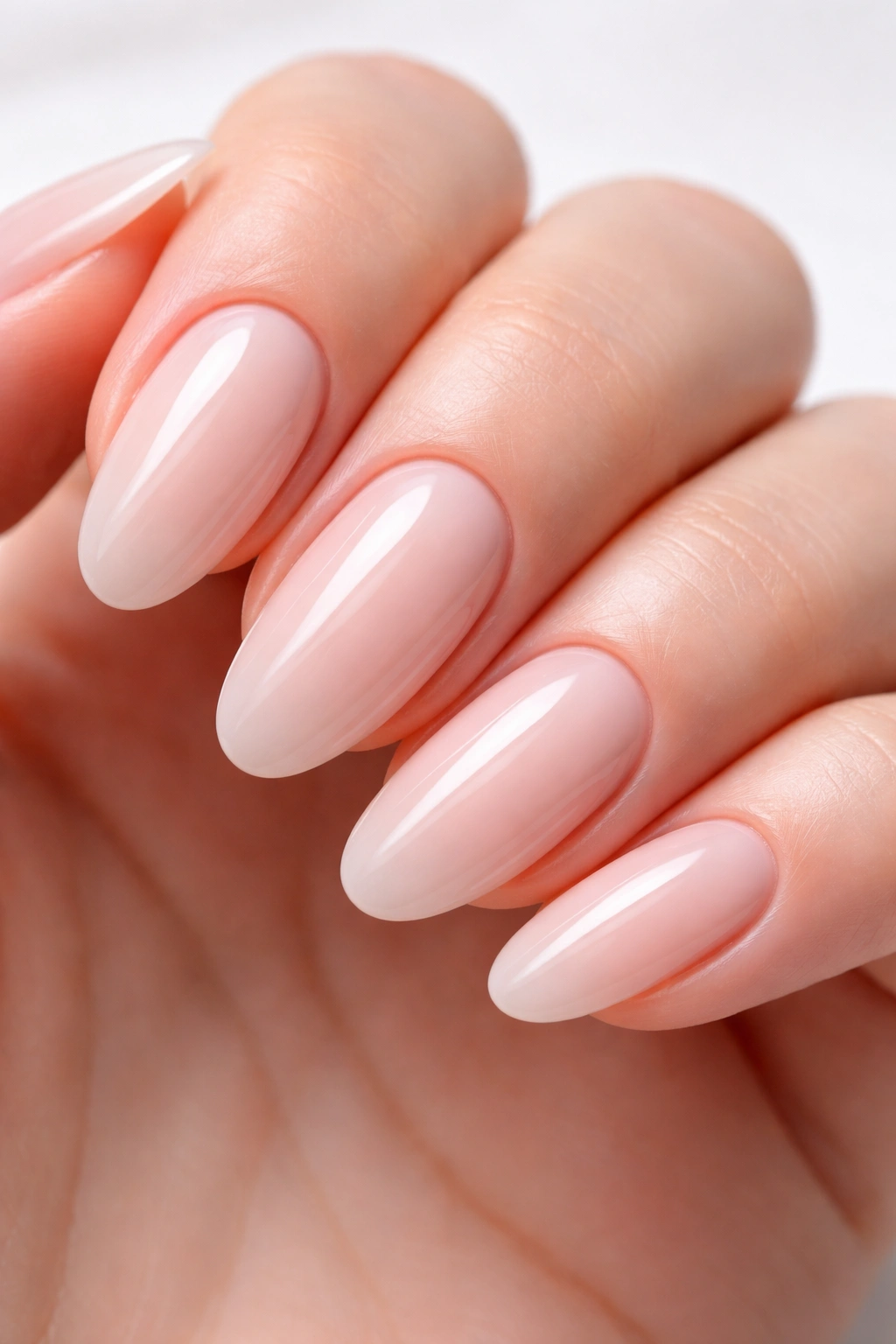
Russian manicures have gained a cult following for their incredibly clean, polished appearance. This technique focuses on meticulous cuticle work, removing the entire cuticle to expose more of the nail bed. The result is a manicure where the polish sits flush against the skin with zero gaps, creating an elongated, airbrushed look.
The process uses an electric file with various drill bits to gently lift and remove excess cuticle and dead skin. Your tech won’t soak your hands in water first, which keeps the cuticles tighter and makes removal more precise. After the prep work, gel polish is applied right up to the newly exposed nail bed.
Russian manicures last longer than standard gel manicures because there’s more nail surface for the polish to adhere to. You can typically go three to four weeks before regrowth becomes noticeable. The ultra-clean finish looks particularly striking with minimalist colors—think sheer nudes, soft pinks, or glossy clear coats.
Expect to pay $40 to $70 for this service, sometimes more depending on your location. The appointment takes about an hour. Proper cuticle care between visits is crucial—use cuticle oil daily to keep the exposed nail bed moisturized and protected.
One thing to consider: some dermatologists don’t recommend removing the entire cuticle because it serves as a protective barrier against bacteria. Make sure you’re visiting a highly skilled technician who knows how to perform the service safely. Done incorrectly, aggressive cuticle removal can cause irritation or infection.
Nail Art: Making Your Manicure Personal
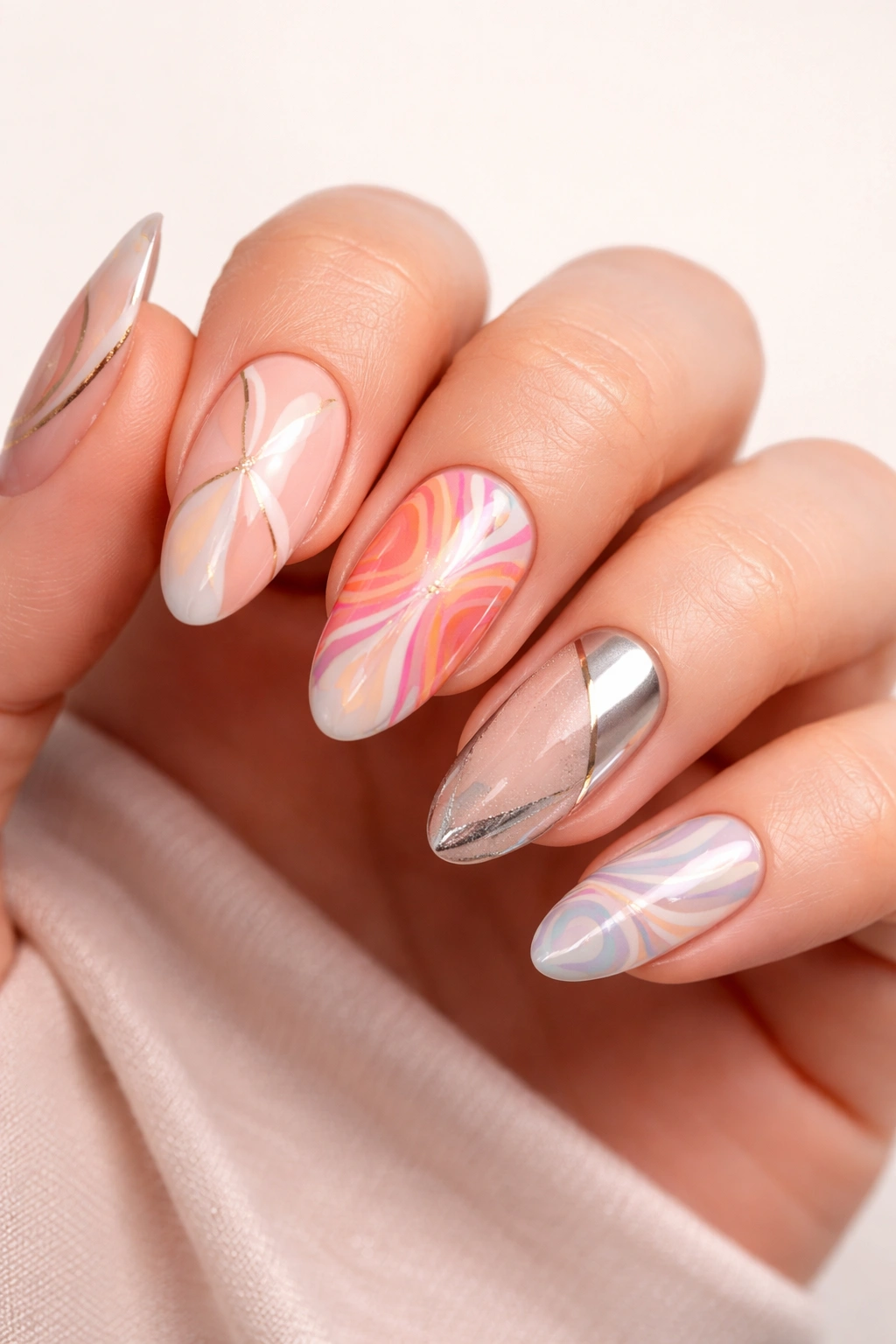
Once you’ve chosen your base service—gel, dip powder, whatever—nail art is where you can really make things your own. Current trends lean toward maximalist designs with lots of texture, dimension, and unexpected elements. Think chrome finishes, 3D embellishments, hand-painted details, and mixed textures all on one hand.
French tips have evolved way beyond the classic white-tipped look. Now you’ll see colored tips, wavy lines, geometric patterns, and even reverse French manicures that highlight the half-moon at the base of the nail. Minimalist line art is also having a moment—delicate, abstract designs that look artistic without being over-the-top.
Nail art pricing varies wildly depending on the complexity. Simple designs might add $5 to $10 to your bill, while intricate, hand-painted work can tack on $30 to $50 or more. Embellishments like crystals, charms, or 3D elements cost extra, usually $2 to $5 per nail.
If you’re not ready to commit nail art to all ten fingers, try an accent nail or two. A single statement nail on each hand lets you experiment with bolder designs without the full commitment (or cost). You can also ask your tech to place the art strategically—like on your ring fingers—to draw attention where you want it.
When booking nail art, bring reference photos. Screenshot designs from Instagram or Pinterest and show your tech exactly what you’re hoping for. This eliminates miscommunication and ensures you both have the same vision. Just remember that super-detailed designs take time, so book accordingly.
Choosing Based on Your Lifestyle
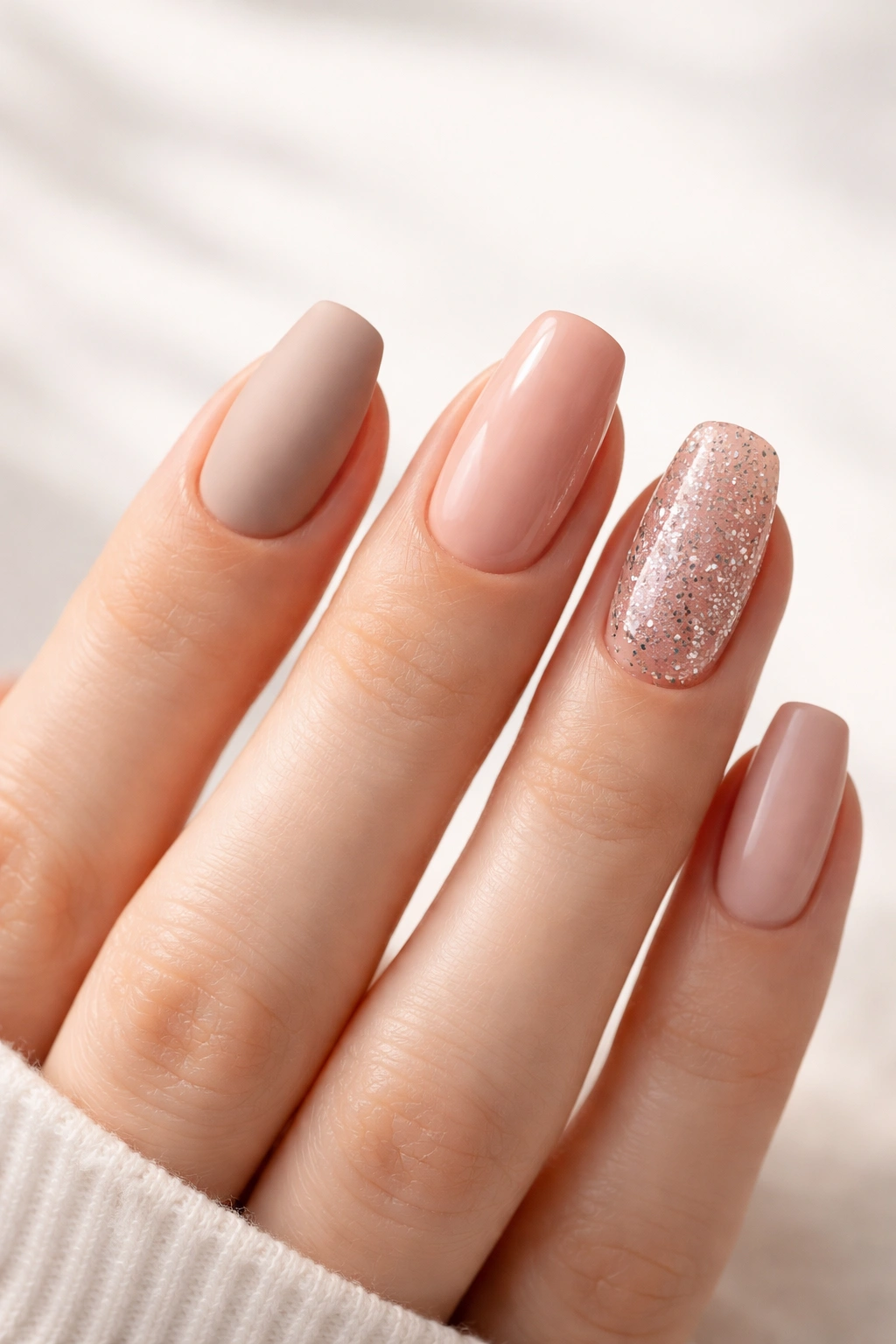
Your daily routine should heavily influence which manicure you book. If you’re typing on a keyboard eight hours a day, you’ll need something different than someone who’s mainly using their hands for light tasks. Be honest about how rough you are on your nails.
For busy professionals who need low-maintenance nails that look polished, gel or dip powder makes sense. Both offer two-plus weeks of chip-free wear, and they maintain their shine without much effort. If you work in healthcare, food service, or another field with strict hygiene requirements, a classic manicure or natural buffed nails might be your only option.
Active people who work out regularly or spend time in water should skip press-ons and delicate nail art. Instead, opt for durable services like BIAB or dip powder that can handle moisture and impact. Keep your nails at a short to medium length to prevent breakage during workouts.
If you’re a chronic nail biter or have weak, damaged nails, BIAB or gel overlays can help break the habit by adding a protective layer that’s harder to bite through. Acrylic extensions work too, but they’re tougher on your nail beds in the long run. Talk to your tech about building up your natural nails gradually rather than jumping straight to long extensions.
Budget-conscious? Stick with classic manicures that you can maintain at home between salon visits, or invest in quality press-ons. Save the pricier services like Gel X or detailed nail art for special occasions when you really want to splurge.
Wrapping Up
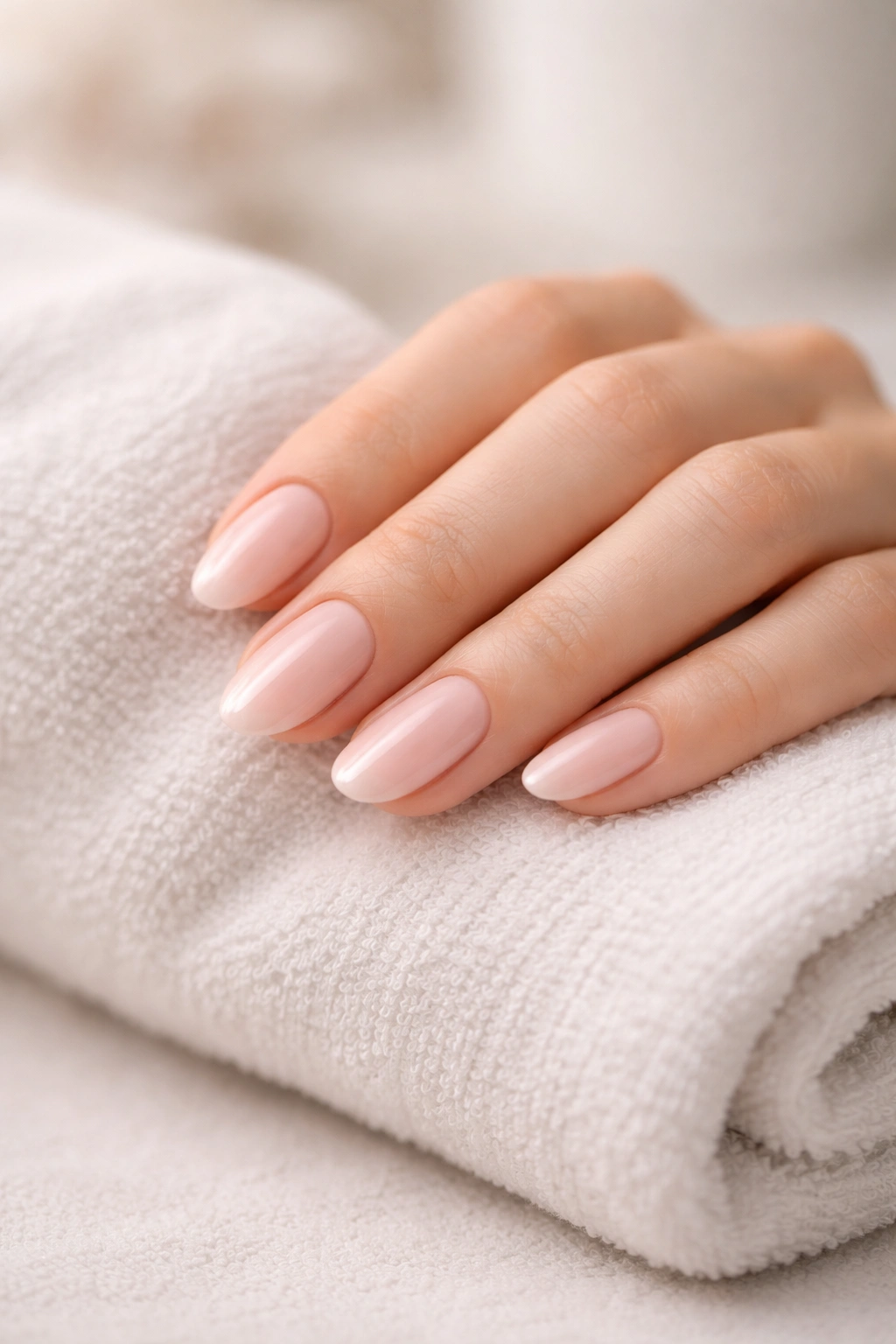
The best nails to ask for right now are the ones that fit your life, your budget, and your nail health goals. Trends come and go, but having a manicure you can actually maintain is what matters. Whether that’s a simple nude gel, dramatic acrylic extensions, or ever-changing press-ons depends entirely on you.
Don’t be afraid to try different services and see what works. Your nails are unique, and what works perfectly for your friend might not be right for you. A good nail tech will listen to your concerns, assess your natural nails, and recommend services that make sense.
And remember: nail health comes first. Pretty nails mean nothing if they’re damaged underneath. Take breaks between services, moisturize daily with cuticle oil, and never (ever) pick off gel or dip powder. Proper application and removal matter just as much as the service itself.
Your next salon visit doesn’t have to be overwhelming. Walk in knowing what you want, what you can commit to maintaining, and what your nails can handle. The right choice is out there—you’ve just got to find it.