


When you’re tired of weekly touch-ups and polish that chips before you’ve even left the parking lot, it’s time to explore longer-lasting options. Both gel and dip powder manicures promise weeks of glossy, chip-free nails—but they deliver that durability in completely different ways.
If you’ve been curious about which one actually keeps your nails looking fresh longer, you’re not alone. The choice between these two popular manicure methods goes beyond just longevity. It’s about understanding how each formula works, what they feel like on your hands, and which option fits seamlessly into your daily routine.
Let’s break down everything you need to know about gel versus dip powder nails, so you can walk into your next salon appointment (or set up your at-home kit) with total confidence.
How Gel Nail Polish Creates Its Long-Lasting Finish
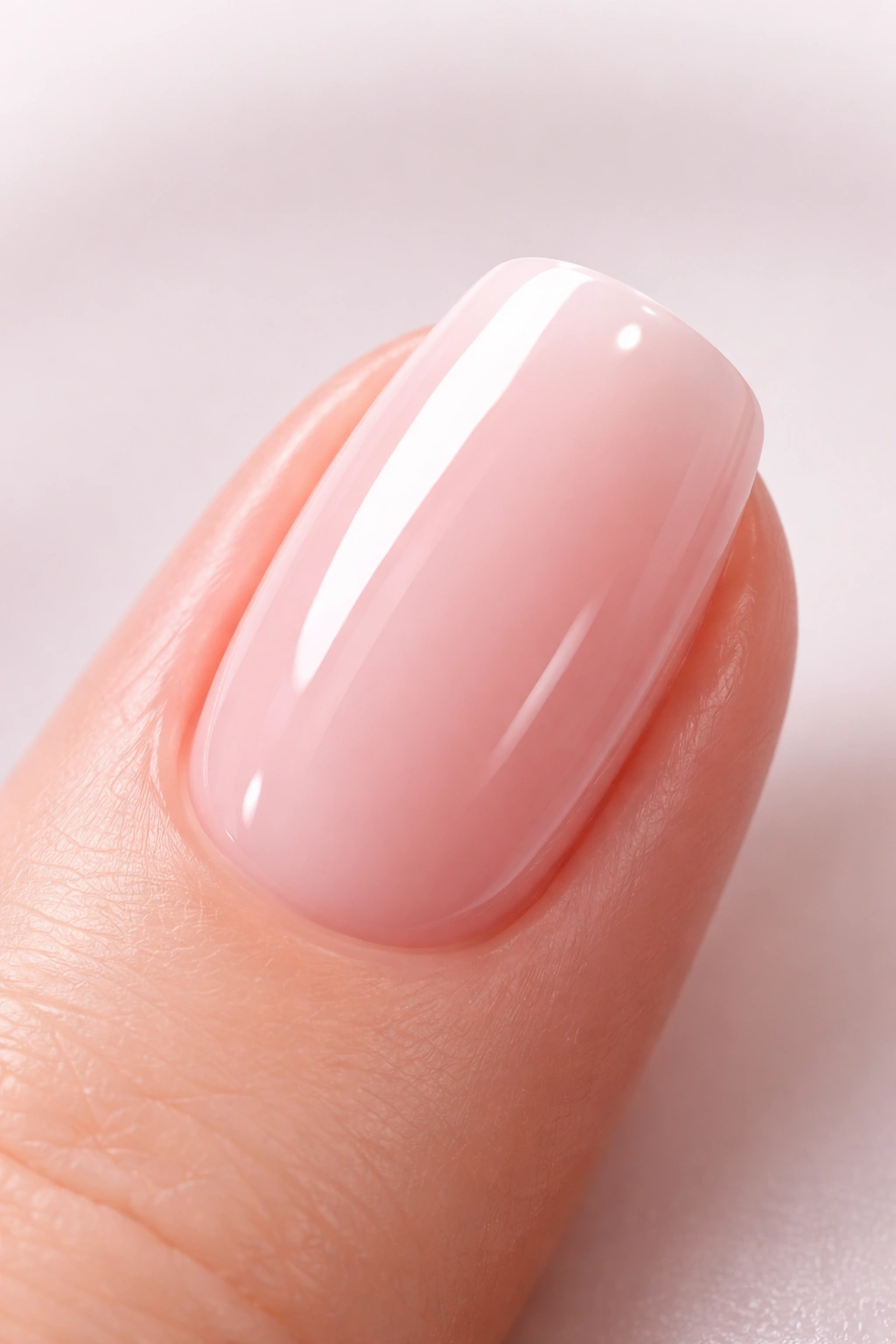
Gel polish looks a lot like regular nail polish when it’s in the bottle. You brush it on in thin, even layers just like you would with traditional lacquer. The magic happens when you slide your hand under that UV or LED lamp.
The gel formula contains special photo-initiated polymers. When these polymers absorb light from the lamp, they harden almost instantly. This curing process bonds the gel directly to your nail plate, creating a smooth, flexible coating that moves with your natural nail.
Each layer gets cured separately—base coat, color coats, and top coat. The whole process typically takes about 30 to 45 minutes, including prep time. Once you’re done curing that final layer, your nails are completely dry and ready to go. No waiting around hoping you don’t smudge them.
The finished result feels lightweight and natural. You’ll notice that signature glossy shine that makes gel manicures so recognizable. The flexibility of the cured gel means it bends slightly with your nail, which helps prevent cracking.
How Dip Powder Forms a Durable Manicure
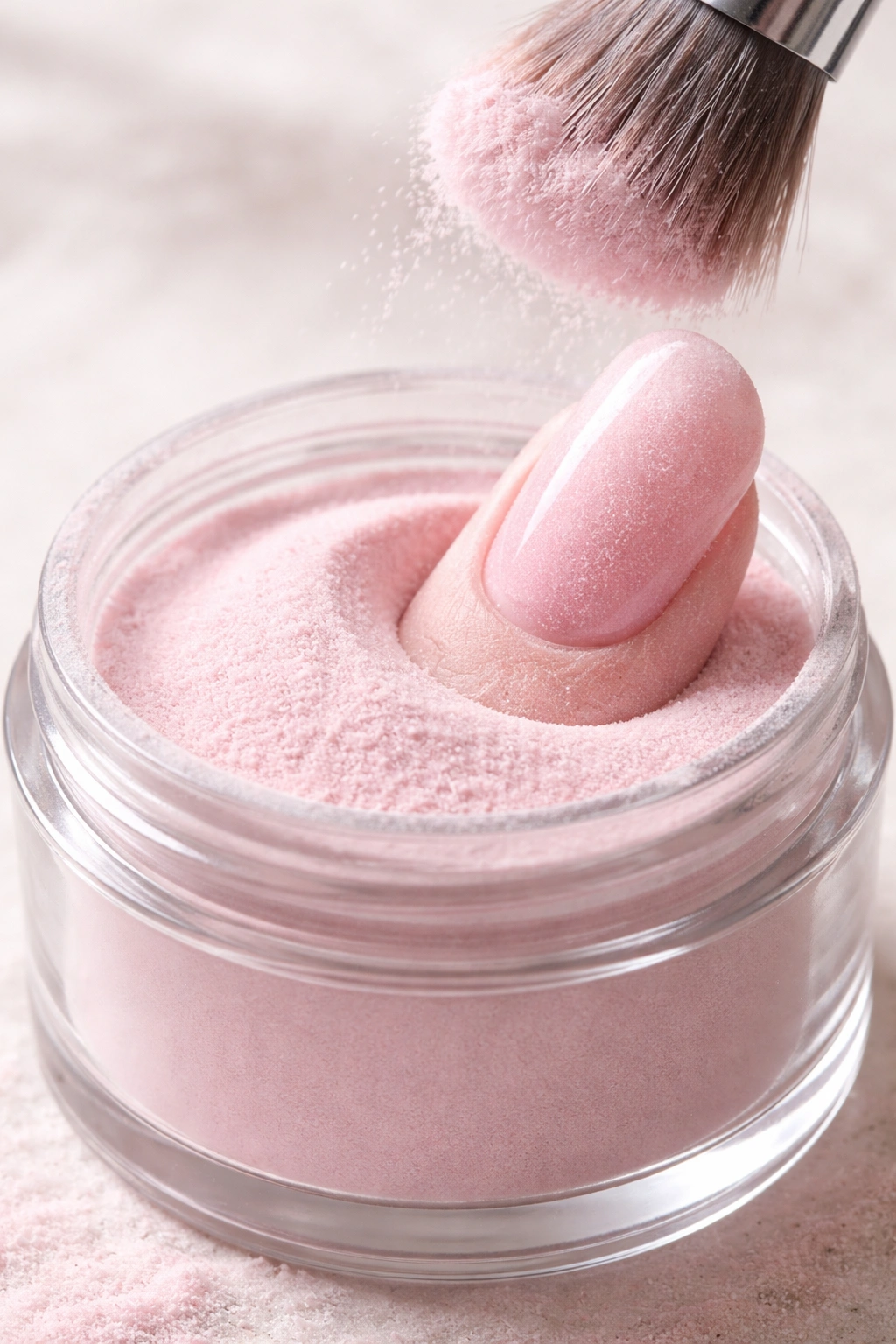
Dip powder takes a completely different approach. Instead of painting on liquid polish, you’re working with finely milled acrylic powder and a bonding resin that’s similar to nail glue.
Here’s how it works: Your nail tech (or you, if you’re doing this at home) applies a base coat of resin to your prepped nail. While that resin is still wet, your fingertip gets dipped straight into a jar of colored powder. The powder sticks to the wet resin, and you shake off the excess.
This dipping process gets repeated two or three times to build up enough coverage and strength. After the final dip, an activator liquid is brushed over the powder. This activator causes the whole thing to harden in just a couple of minutes—no UV lamp needed.
Once it’s set, the surface gets buffed smooth with a file or electric tool. Then a top coat goes on to seal everything and add shine. The whole service takes about 45 minutes to an hour.
What you end up with is a thicker, harder coating on your nails. It feels more substantial than gel, kind of like having acrylics but without the nail extensions.
Comparing Wear Time: Gel vs Dip Powder
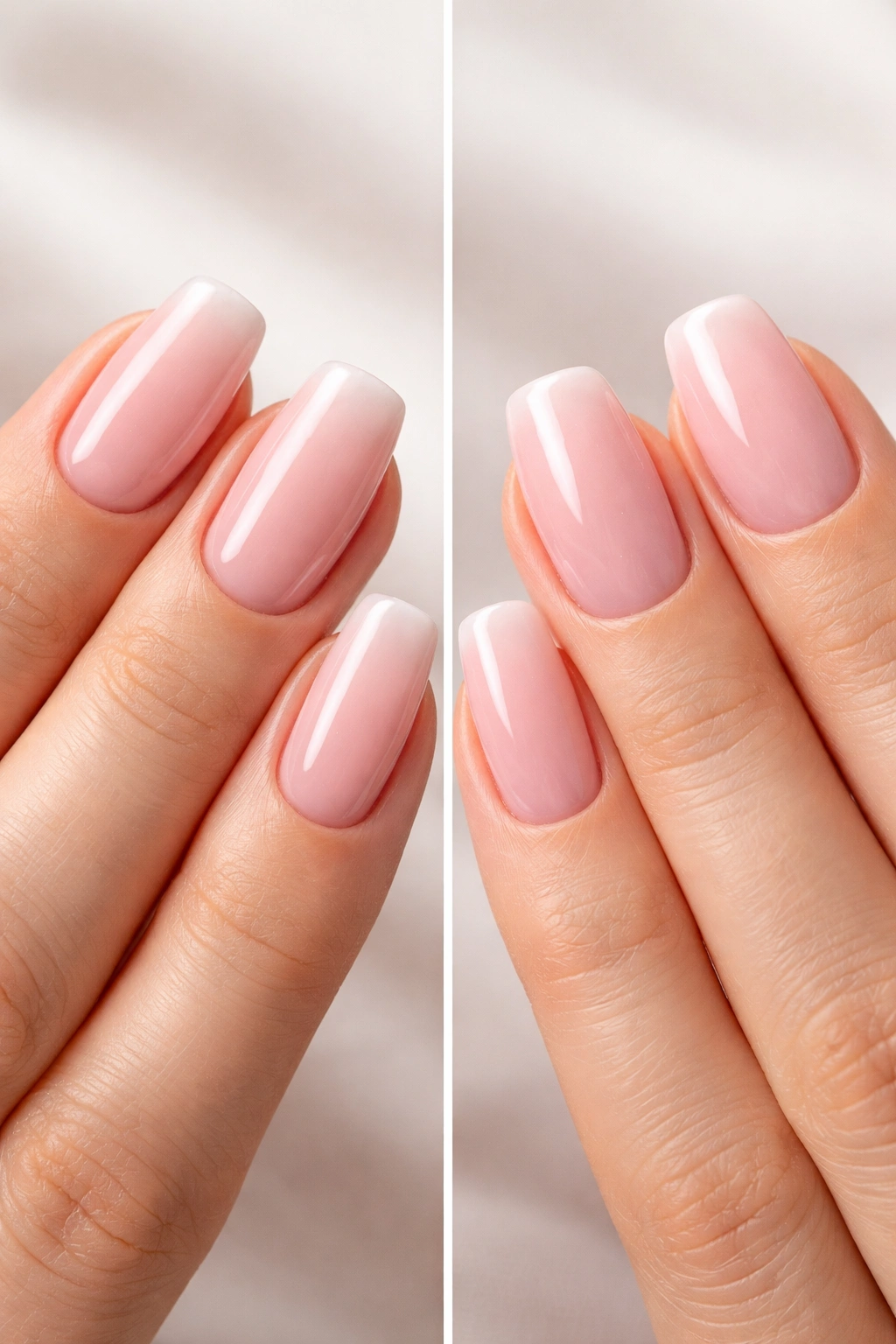
Let’s get to the heart of the matter. When it comes to pure longevity, dip powder typically outlasts gel polish.
A properly applied gel manicure will stay chip-free for about two to three weeks. That’s pretty impressive compared to regular polish, which might start showing wear in just a few days. Some people with oilier nail beds or very active lifestyles find their gel doesn’t quite make it to the three-week mark.
Dip powder, on the other hand, can easily last three to four weeks. With excellent application and careful maintenance, some people stretch it to five weeks. The glue-like bonding resin creates such a strong attachment that the manicure just doesn’t want to let go.
The difference comes down to chemistry. Dip powder uses cyanoacrylate—yes, that’s the main ingredient in super glue. That creates a bond that’s significantly stronger than what gel polymers can achieve.
But here’s something to consider: Just because dip can last five weeks doesn’t mean you’ll want it to. As your nails grow, you’ll see more and more of that gap at your cuticle line. For some people, the cosmetic look matters more than squeezing out every possible day of wear.
The Thickness and Feel on Your Nails
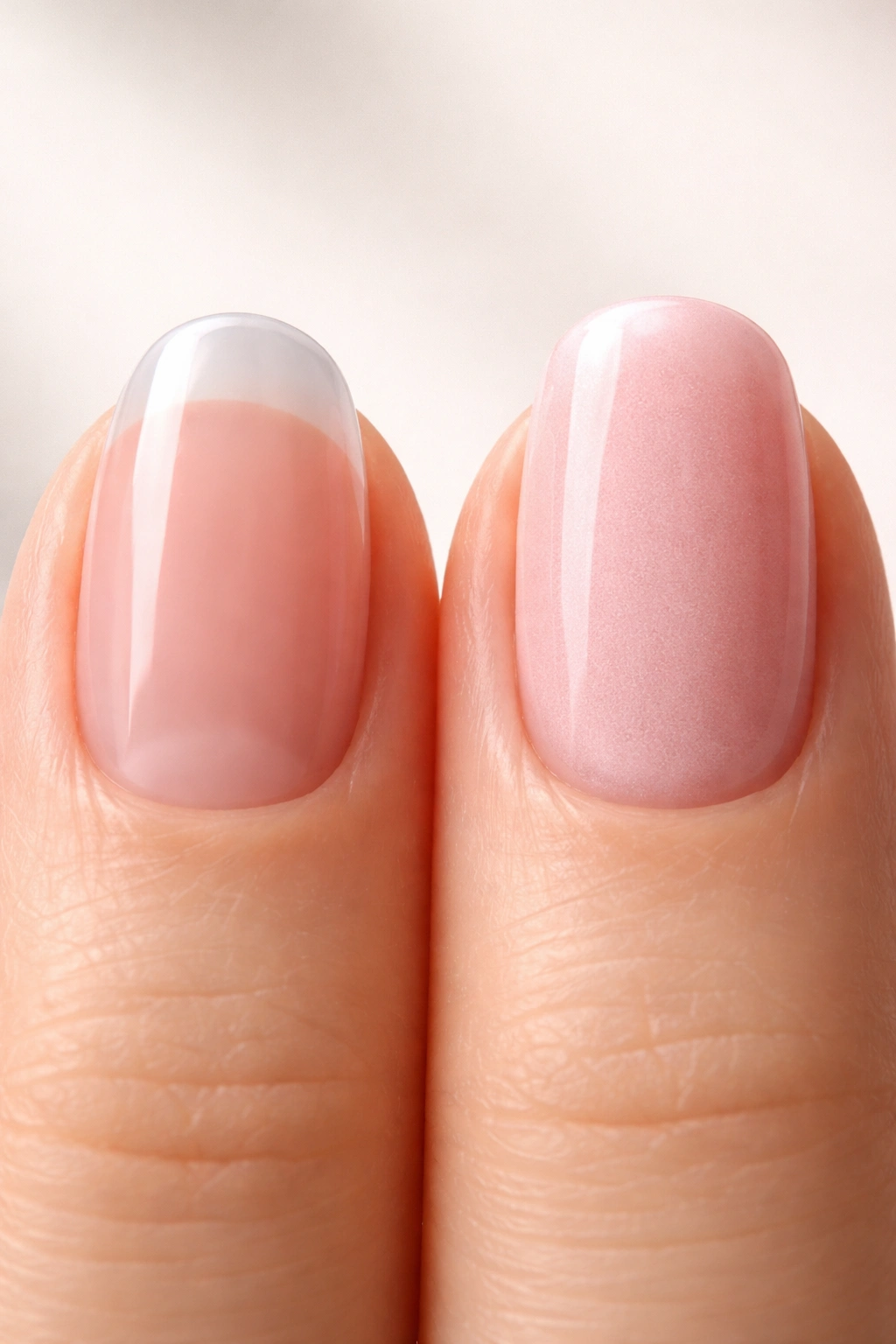
The way these manicures feel on your hands is surprisingly different, and it matters more than you might think.
Gel polish creates a thin, flexible layer over your natural nail. It doesn’t add much bulk at all. When you tap your nails on a desk or keyboard, they feel and sound pretty much like your natural nails. Many people forget they’re even wearing polish.
The flexibility is a key feature. Your nails naturally bend slightly when you use your hands. Gel moves with that natural flex, which makes it comfortable for extended wear.
Dip powder is noticeably thicker and more rigid. You’ll feel the weight and bulk, especially if you’re not used to wearing nail enhancements. When you type, you’ll hear that distinctive clicking sound of acrylic-style nails hitting the keys.
That thickness isn’t necessarily bad—it’s actually what makes dip powder so durable. The rigid structure protects your natural nails underneath. If you have weak or brittle nails that tend to peel or break, that extra reinforcement can be really helpful.
It just takes a day or two to adjust to the feeling. Some people love the sturdy sensation. Others find it a bit bothersome for detailed tasks like typing, texting, or picking up small objects.
Chip Resistance and Daily Wear Performance
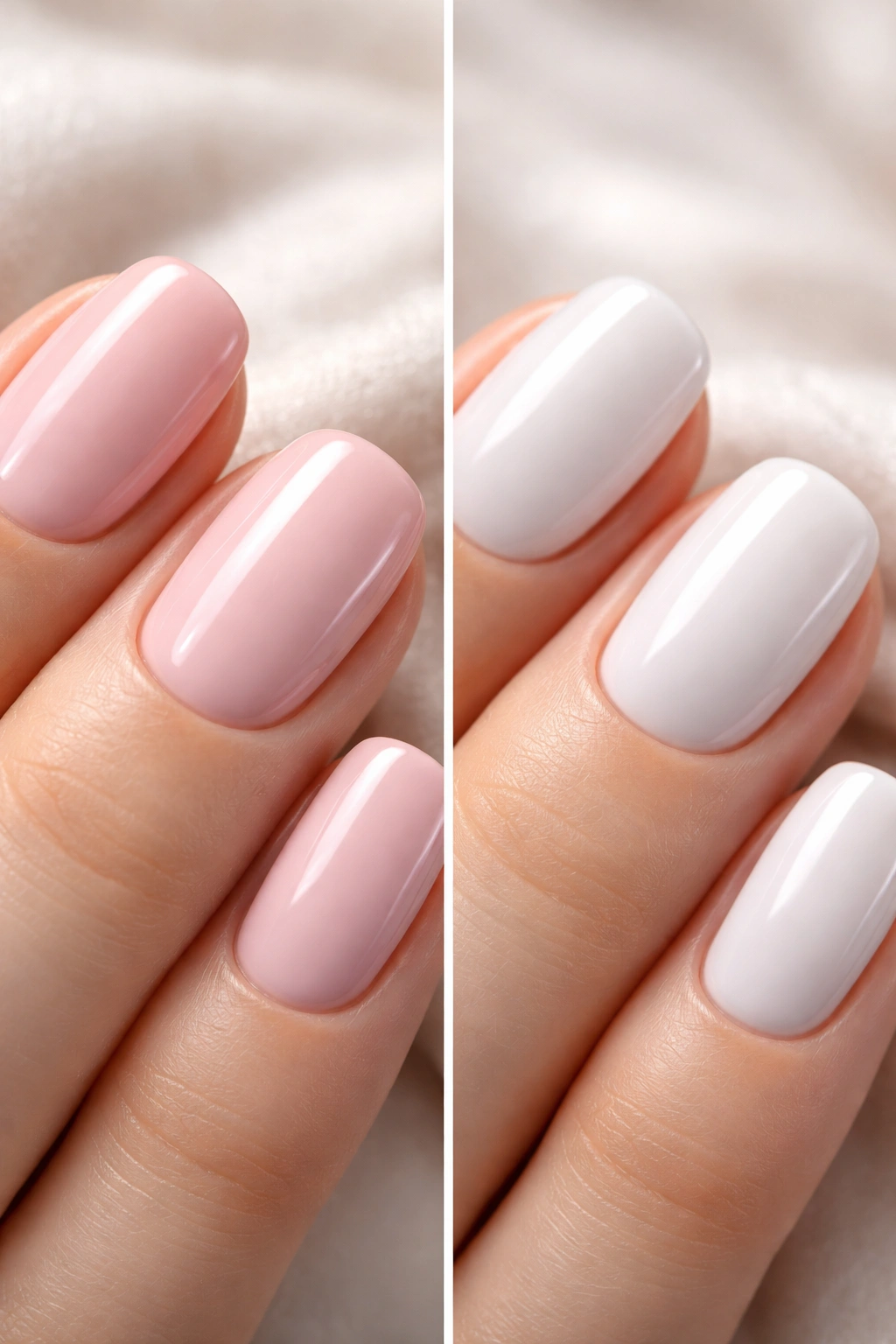
Both options dramatically outperform regular nail polish when it comes to resisting chips and scratches. But they handle wear and tear differently.
Gel polish is flexible enough to absorb minor impacts without chipping. However, if you’re rough on your hands—think gardening, cleaning, working in healthcare, or any job where you’re constantly using your hands—gel can start showing wear sooner than you’d like. You might notice lifting at the tips or around the cuticles as moisture works its way underneath.
Dip powder is incredibly chip-resistant because of its hard, protective layer. People who work with their hands often get much better performance from dip. It stands up to daily abuse better than gel.
That said, the rigidity of dip powder means it doesn’t bend with your nail. If your natural nail flexes too much or takes a hard knock, the dip coating can crack. When that happens, the crack often goes straight through to your natural nail underneath, which can be painful.
Water exposure affects both types, but in different ways. Gel can lift if you’re constantly soaking your hands—whether that’s from washing dishes, swimming, or frequent hand washing. Dip powder is more water-resistant, but prolonged exposure to hot water can still compromise the bond over time.
What Happens During the Removal Process
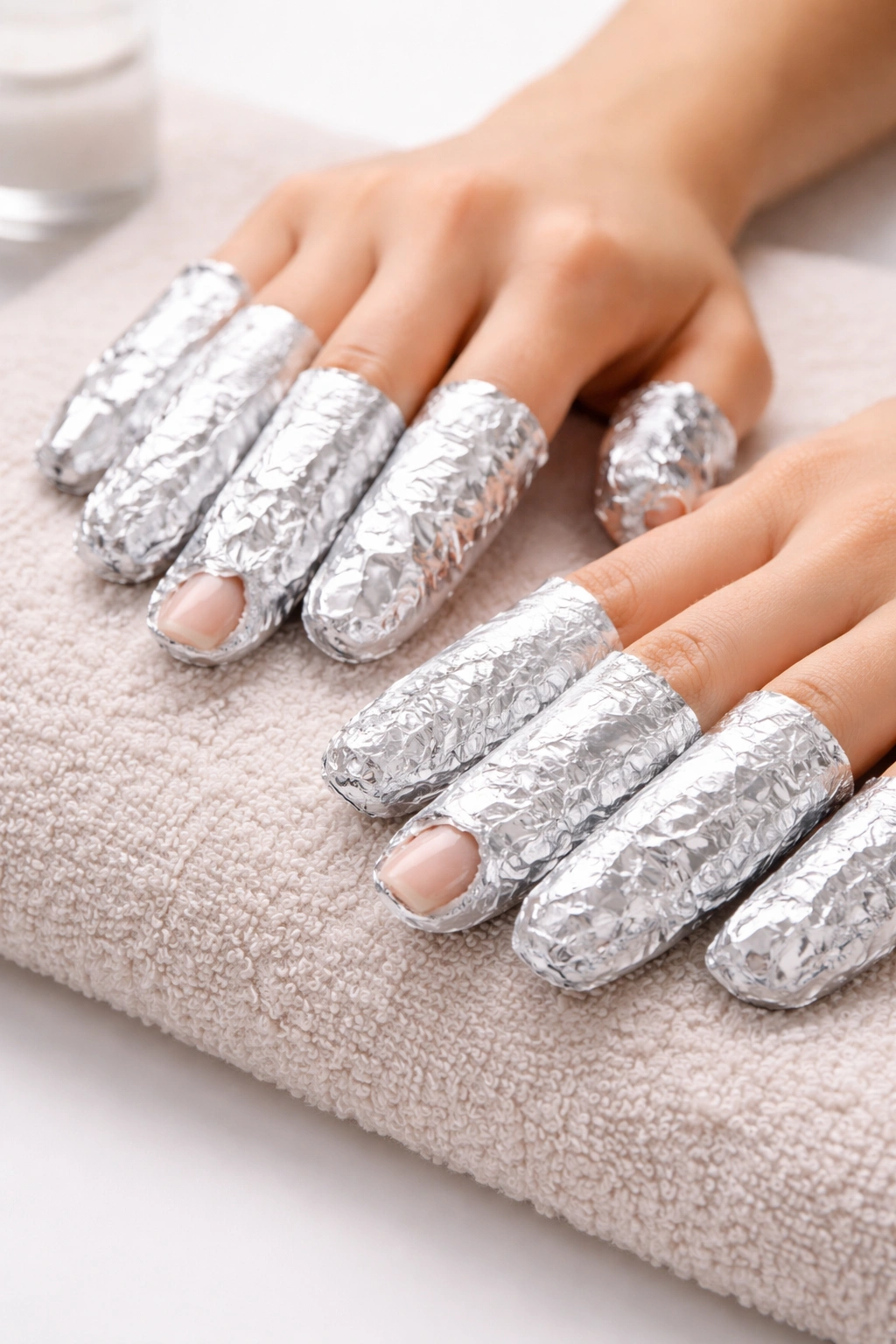
Neither of these manicures can just be wiped off with regular nail polish remover. Both require acetone and patience—though dip powder needs quite a bit more of both.
Removing gel polish starts with filing off the shiny top coat to break the seal. Then you soak cotton pads in acetone, place them on each nail, and wrap everything with foil or use removal clips. After about 10 to 15 minutes, the gel softens enough that you can gently push it off with a wooden cuticle stick.
The whole removal process for gel takes about 20 to 30 minutes if you’re careful and patient. Rushing it or trying to peel the gel off is where nail damage happens.
Dip powder removal follows a similar process but takes longer. After filing the top layer, your nails need to soak directly in a bowl of acetone for 15 to 20 minutes—sometimes longer. The thick, multilayered structure just takes more time to break down.
Even after soaking, you might need to buff away remaining powder, then soak again. Some people end up repeating the process two or three times to get all the product off. The whole removal can take 30 to 45 minutes.
That extended acetone exposure is something to keep in mind. Acetone is incredibly drying to your nails and the skin around them. The longer your fingers are submerged, the more dehydrated everything becomes.
Impact on Natural Nail Health
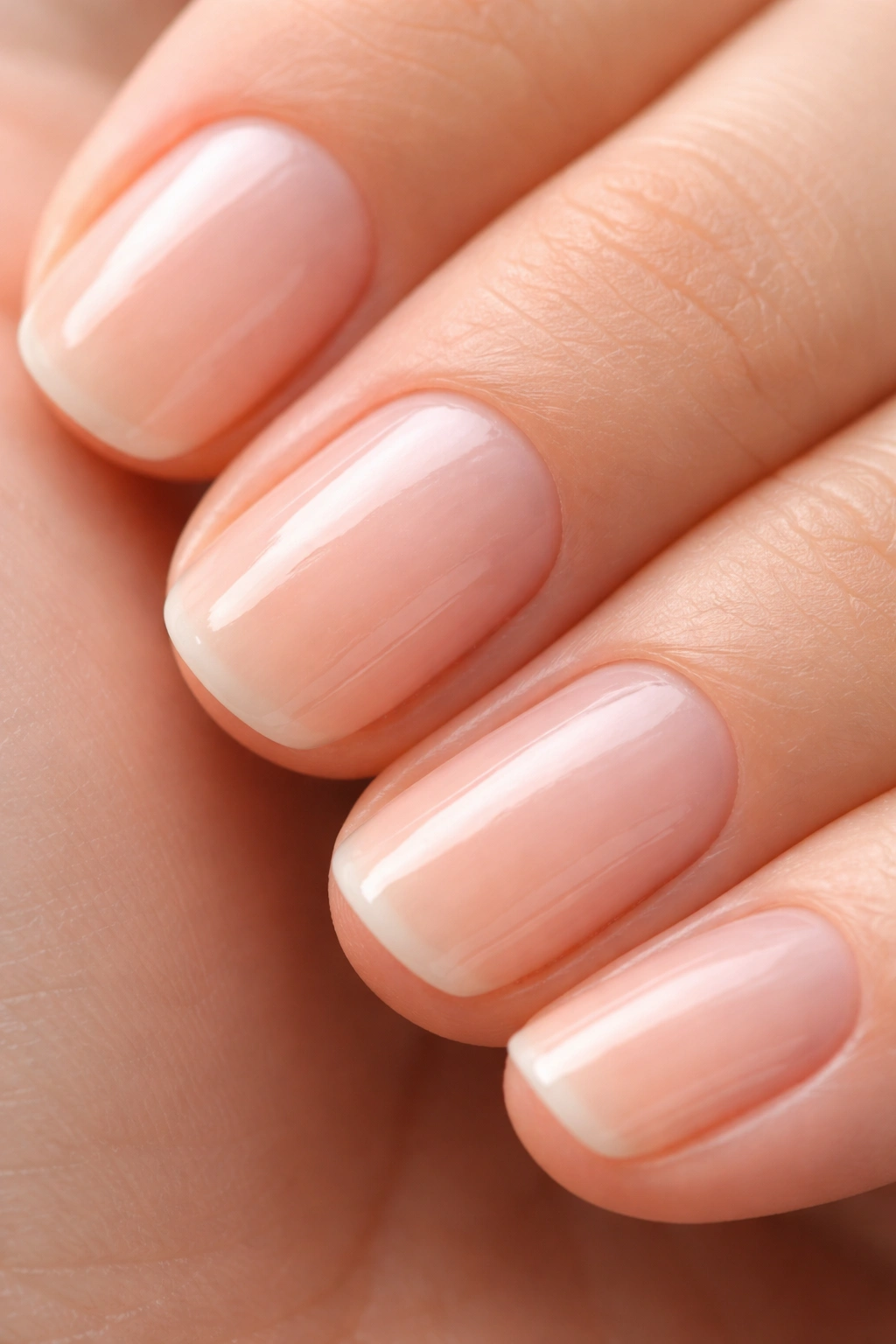
Here’s the truth: Neither gel nor dip powder damages your natural nails when they’re applied correctly and removed properly. The damage happens when shortcuts are taken or proper technique goes out the window.
The biggest nail health risk with both methods is improper removal. Picking, peeling, or prying off either type of manicure will take layers of your natural nail with it. That leaves your nails thin, weak, and brittle. Always, always have these manicures removed professionally or follow removal instructions carefully if you’re doing it at home.
With gel manicures, the UV exposure during curing is sometimes a concern. While the amount of UV exposure is minimal and considered safe, you can wear fingerless gloves or apply sunscreen to your hands if it makes you feel more comfortable.
Dip powder avoids UV exposure entirely, which some people prefer. However, the sanitation practices at your salon matter more with dip. If your salon is dipping multiple clients’ fingers into the same jar of powder, that’s a cross-contamination risk. Reputable salons will either sprinkle powder over your nails or pour it into a separate container just for you, then discard any leftover powder.
The extended acetone soaks required for dip removal can leave nails feeling parched and fragile. Between manicures, give your nails some recovery time with cuticle oil and strengthening treatments.
Both methods can be worn long-term without causing harm as long as you’re giving your nails proper care, staying hydrated, and taking occasional breaks if your nails start feeling weak.
Cost Considerations and Salon Time
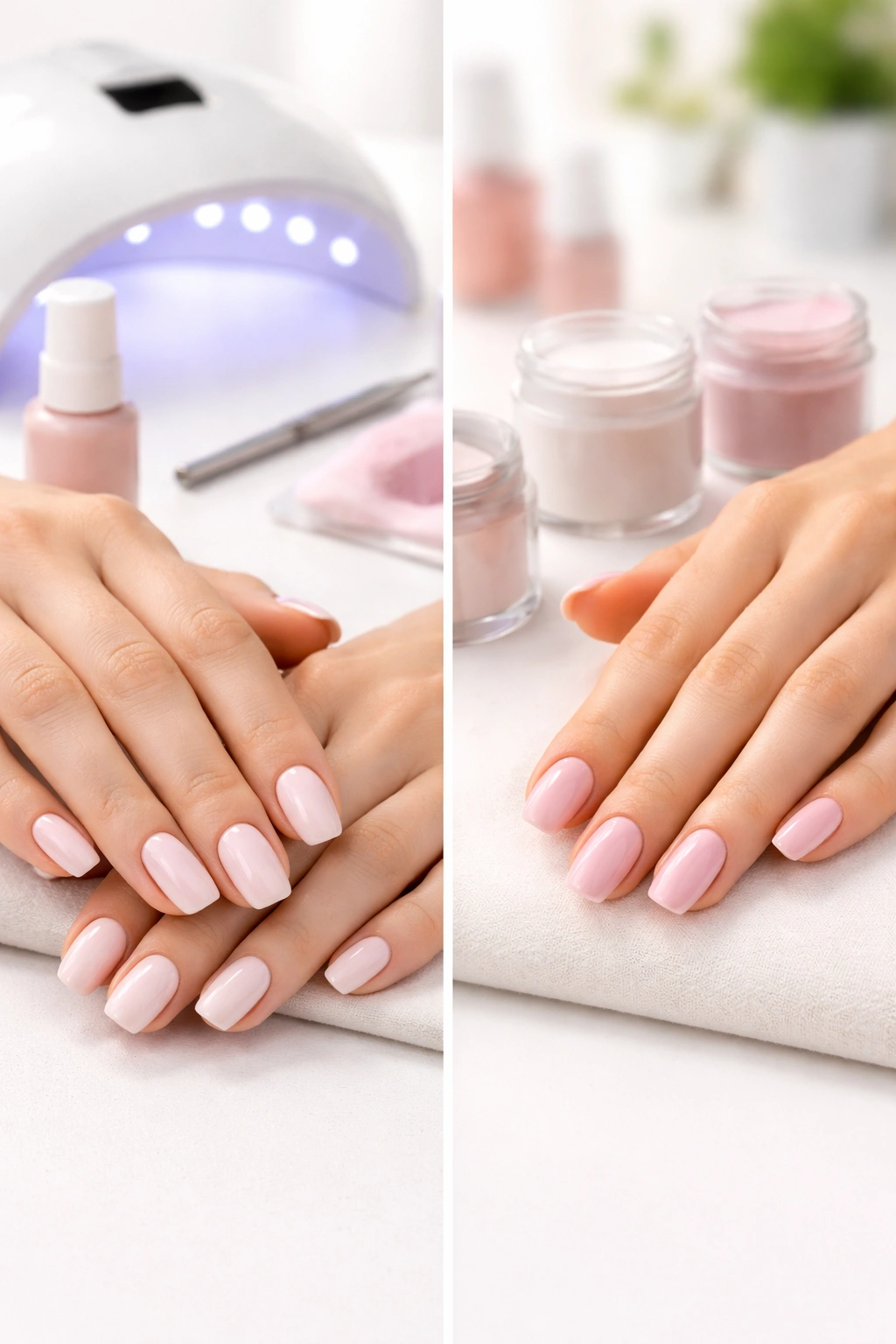
Money and time are practical factors that influence which manicure makes sense for your lifestyle.
Gel manicures typically cost between $30 and $45 at most salons, depending on your location and the salon’s positioning. Removal usually adds another $5 to $10 if you’re not getting a new manicure right away.
Dip powder manicures run slightly higher, usually $40 to $50. That’s about $5 to $10 more than gel. The higher price reflects the extra product used and the additional time required for application.
Application time is fairly similar for both. Gel takes about 30 to 45 minutes, while dip takes 45 minutes to an hour. The difference isn’t huge, but it’s worth factoring in if you’re squeezing salon visits into a busy schedule.
Here’s where the math gets interesting. Yes, dip costs more upfront. But if it lasts four weeks instead of two, you’re actually spending less money over time because you need fewer salon visits. Fewer appointments also means less time spent in the salon overall.
For at-home enthusiasts, dip powder kits run about $75 and include enough product for 30 or more manicures. Gel requires an initial investment in a UV or LED lamp (around $30 to $100) plus bottles of gel polish (about $10 to $20 per color). Both can be cost-effective if you’re committed to doing your own nails regularly.
Choosing Based on Your Lifestyle and Needs
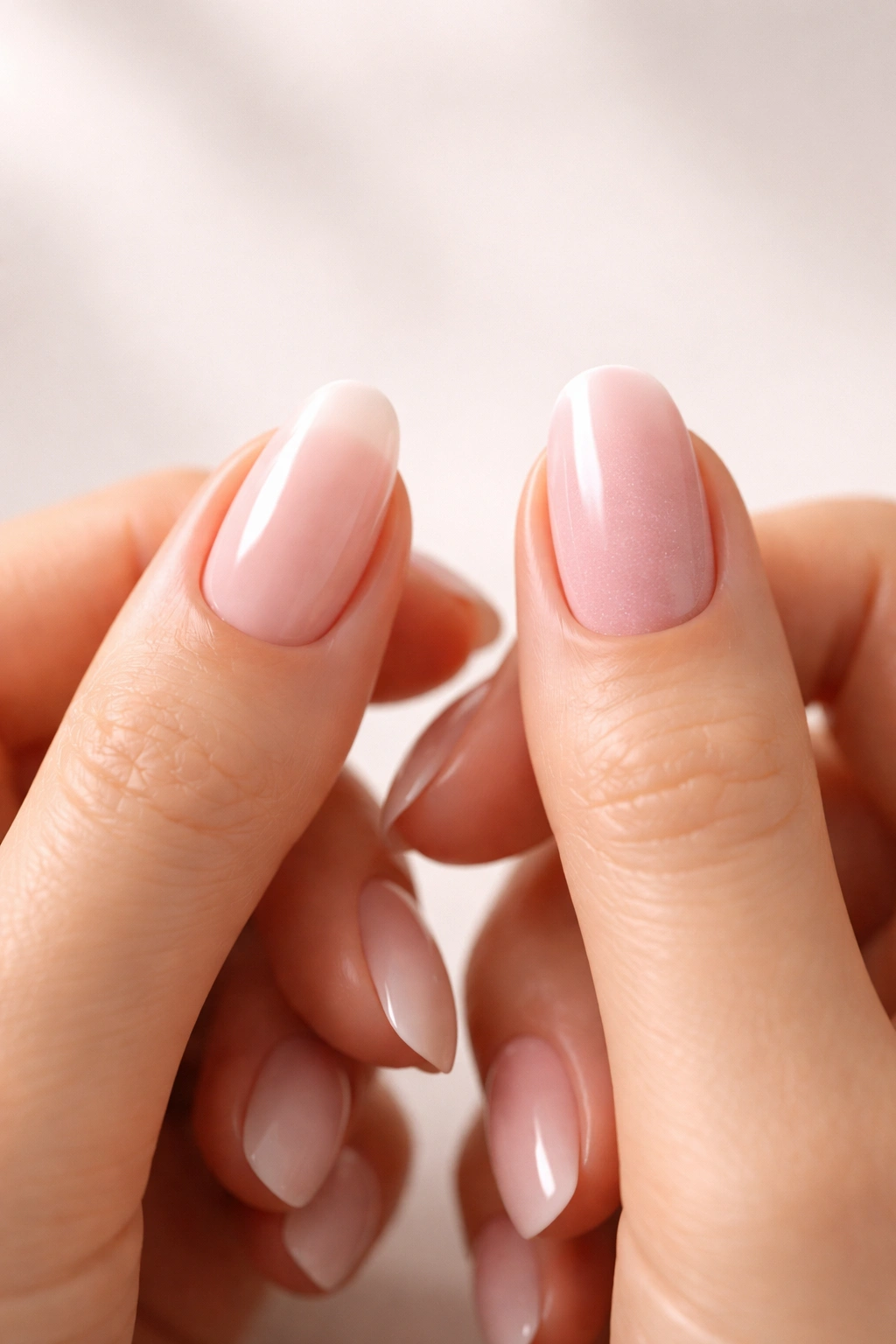
The best manicure for you isn’t about which one is objectively “better”—it’s about which one fits your specific needs and preferences.
Choose gel nails if you love changing your nail color frequently. Since gel is easier and faster to remove, you won’t dread switching up your look every couple of weeks. The lightweight, flexible feel is perfect if you type a lot, play instruments, or do detailed work with your hands.
Gel is also your best bet if you’re into elaborate nail art. The formula is easier to manipulate for gradients, ombré effects, intricate designs, and encapsulated elements like pressed flowers or glitter. Nail artists generally prefer working with gel for custom designs.
Choose dip powder if you want maximum longevity with minimal maintenance. If you’re too busy for frequent salon visits, or you simply want to set it and forget it for a month, dip delivers. It’s also ideal if you have weak nails that need extra reinforcement and protection.
People with very active lifestyles—think healthcare workers, teachers, parents of young kids, or anyone who works with their hands constantly—often get better performance from dip. The extra strength and chip resistance really shine in demanding conditions.
If you’re concerned about UV exposure, dip powder eliminates that consideration entirely. And if you prefer doing your nails at home, dip kits are often easier for beginners since there’s no curing lamp to worry about.
Think about your nail goals too. Are you trying to grow out damaged nails? Dip can protect them while they recover. Do you already have healthy, strong nails and just want polish that lasts? Gel might be all you need.
Final Thoughts
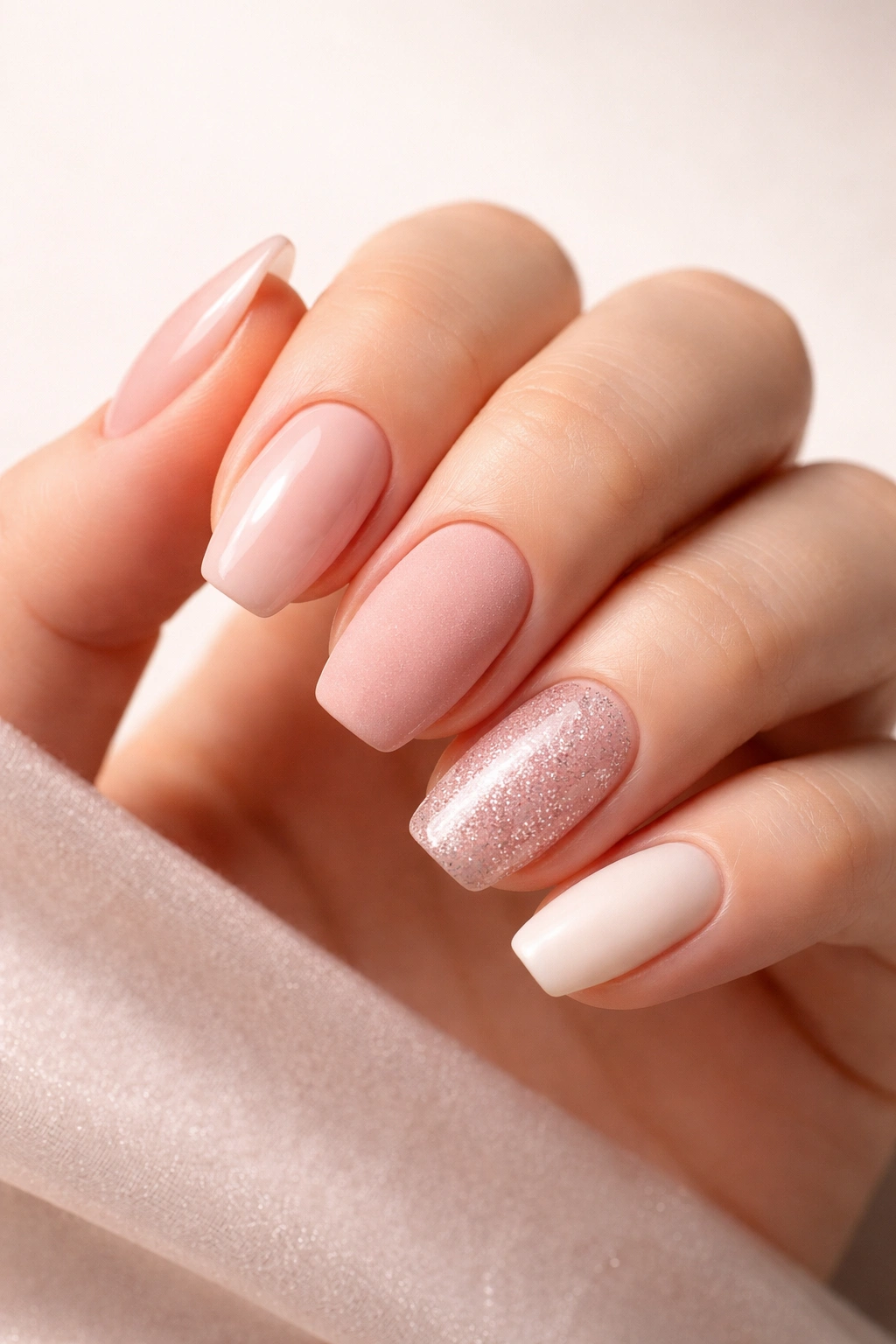
When it comes to longevity, dip powder nails hold the crown. They consistently outlast gel manicures by about a week, giving you three to four weeks of chip-free wear compared to gel’s two to three weeks. That extra durability comes from the super-strong bonding resin that makes dip powder so resilient.
But lasting longer doesn’t automatically make dip the right choice for everyone. Gel offers a lighter, more natural feel and unmatched versatility for nail art and frequent color changes. It’s gentler on your natural nails during removal and feels comfortable for people who aren’t used to wearing enhancements.
The best approach? Try both and see which one your nails respond to better. Pay attention to how each one feels, how long it actually lasts on your nails, and which removal process works better for your schedule. Your hands, your lifestyle, and your personal preferences will guide you to the right choice.