




There’s nothing quite as frustrating as watching your nails break just when they’re finally growing out. You might be weeks away from the length you want, or simply trying to maintain healthy nails, and suddenly you’re dealing with splits, cracks, and that sinking feeling of watching a nail snap off. If this sounds familiar, you’re not alone—nail breakage affects millions of people, and it’s far more common than you might think. The real question isn’t whether it can happen to you; it’s understanding why it’s happening and what you can actually do to stop the cycle.
What makes nail breakage so maddening is that it rarely comes from just one cause. Your nails are breaking because of a combination of factors working against them—some you can control immediately, and others that require patience and consistency to reverse. Maybe your hands are constantly in water because of your job, or you’re using a harsh polish remover without realizing the damage it’s doing. Perhaps your diet is missing key nutrients your nails desperately need, or an underlying health condition is quietly weakening them from the inside. The good news? Once you understand what’s actually happening to your nails and why, you can take targeted steps to fix the problem.
This guide digs into the real science behind nail breakage and gives you practical, actionable strategies you can implement right now. We’re not talking about vague tips like “use better products”—we’re getting specific about which nutrients matter, how to moisturize correctly, and exactly what habits are sabotaging your nail health. By the end, you’ll know precisely what’s breaking your nails and the exact steps to build them back stronger.
Understanding Nail Breakage: What’s Actually Happening
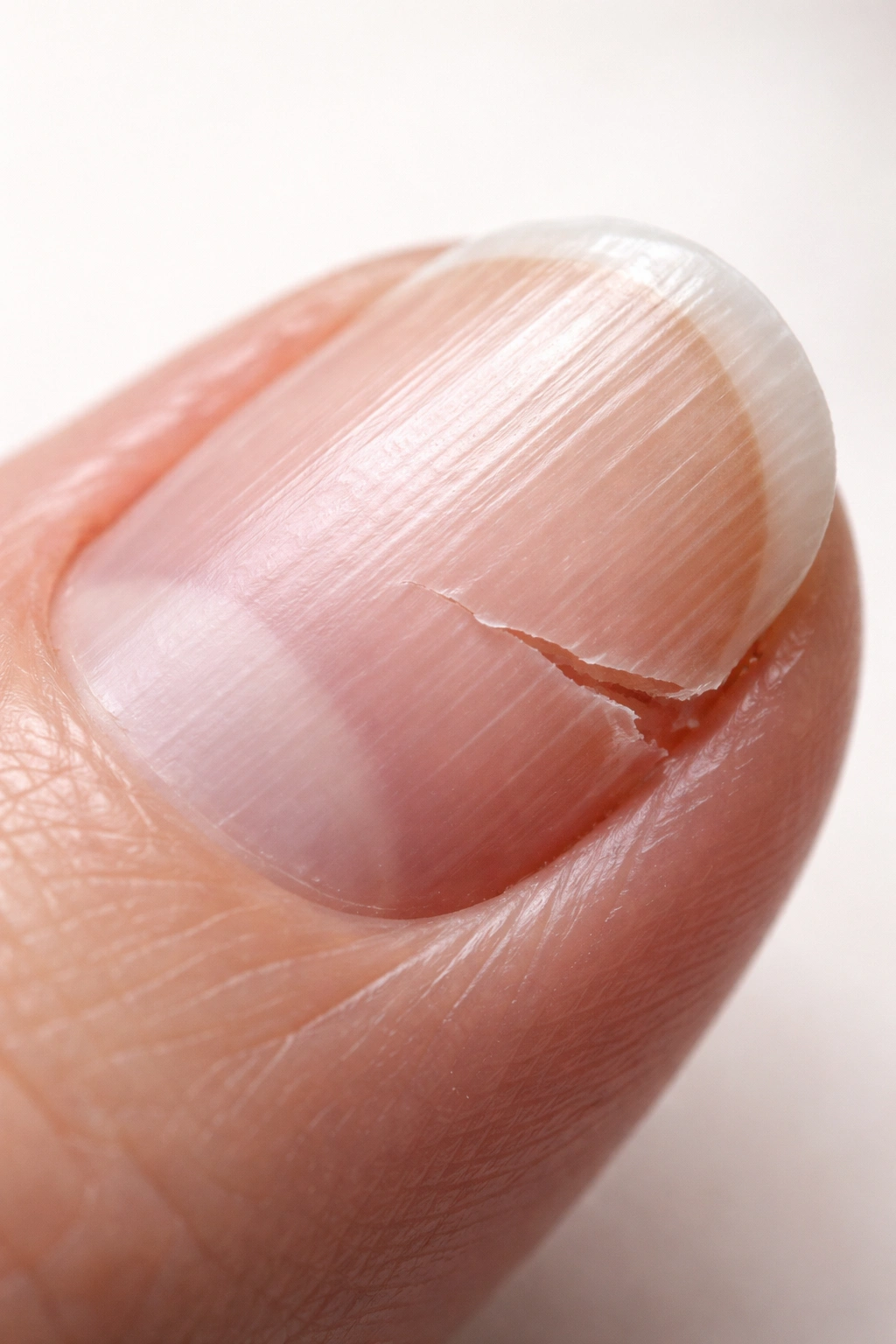
Before you can fix breaking nails, it helps to understand what’s going on beneath the surface. Your nails aren’t made of some magical substance that’s either strong or weak—they’re made of a protein called keratin, the same protein in your hair and skin. This keratin is organized in layers, and when those layers lose moisture or become damaged, the nail loses its flexibility and starts to crack, split, or break.
The key insight is this: healthy nails bend and flex slightly. Brittle nails, by contrast, are rigid and inflexible, which makes them prone to snapping. Think of the difference between a fresh green branch and a dried-out stick. The green branch bends; the stick breaks. Your nails work the same way. When keratin production slows down or when your nails lose moisture, they become that dried-out stick, and even normal daily stress—typing, opening containers, bumping your hand—becomes enough to cause damage.
Medical professionals call this condition onychoschizia, and it affects approximately one in five people. Research shows it’s more common in women than men, and it becomes increasingly prevalent as people age. The condition typically presents as nails that split vertically along the ridges, peel in layers, crack along the edges, or break cleanly across the nail bed. Sometimes the nail looks dull and worn; other times you’ll see actual visible breakage that’s impossible to ignore.
Dehydration and Moisture Loss: The #1 Culprit
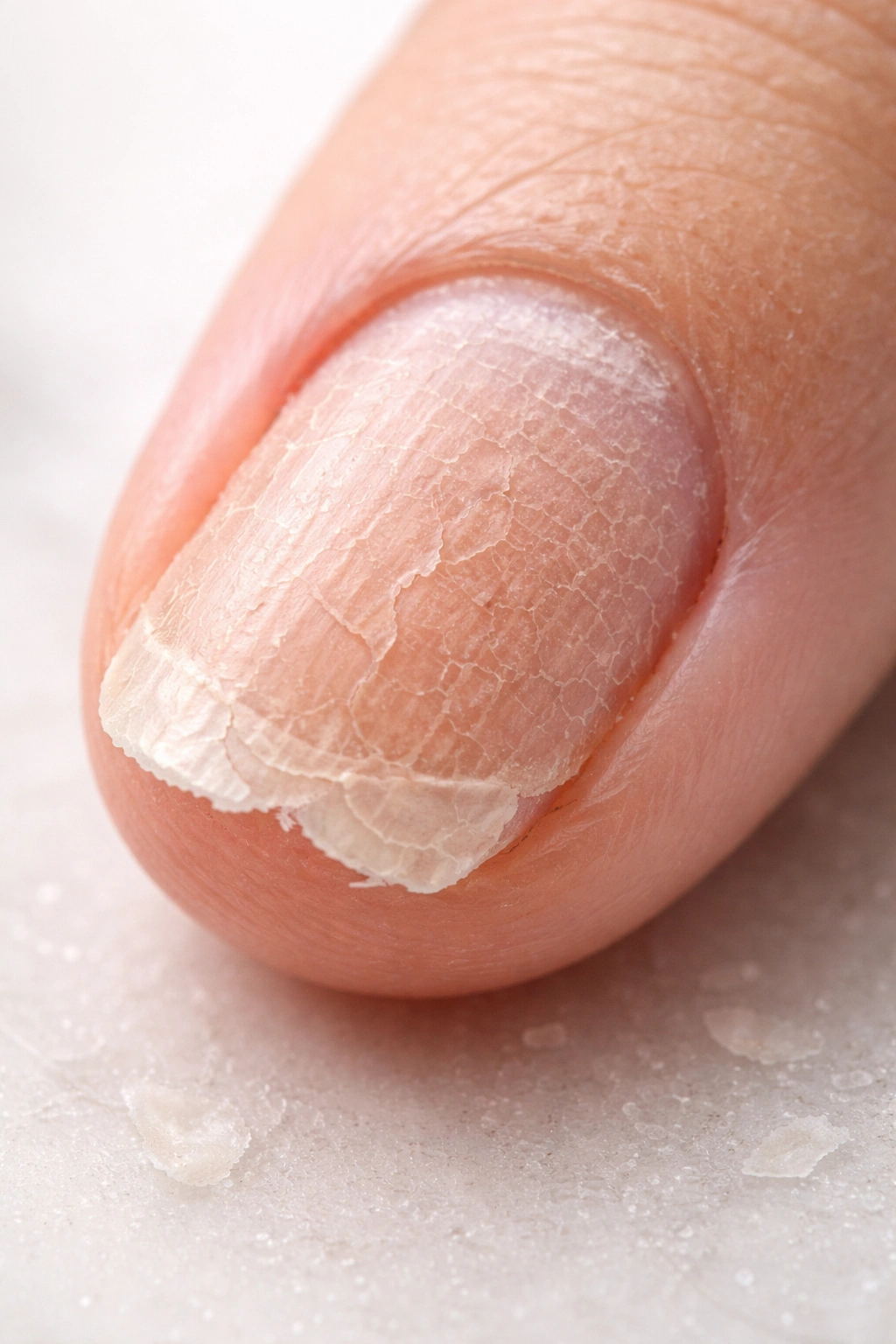
If you had to pick a single reason why nails break, dehydration would be it. Your nails need water to maintain their flexibility, just like your skin does. When nails dry out, they lose the very thing that makes them bend instead of break. The problem is that nails lose moisture far faster than skin does—they’re more porous and more exposed to the elements, which means they’re constantly vulnerable to drying out.
Frequent hand washing is one of the biggest offenders. While hand hygiene is absolutely important, the constant cycle of wetting and drying your hands strips moisture from your nails. Each time you wash, water penetrates the nail temporarily, causing it to swell. Then, as it dries, the nail actually shrinks, and this repeated swelling and shrinking creates stress on the nail structure. Over months, this repeated trauma weakens the nail until it becomes brittle and prone to breaking. If you work in healthcare, food service, or any role that requires frequent handwashing, your nails are under particular stress.
Hand sanitizers create a similar problem. The alcohol in sanitizers is extremely drying, and if you’re using them multiple times throughout the day, your nails are being stripped of moisture each time. Cold, dry weather makes this worse—winter months are particularly brutal for nail health because both the environment and indoor heating systems suck moisture out of the air. Your hands and nails are exposed to this dry air constantly, and there’s nowhere to escape it.
Even simple household activities contribute to the problem. Washing dishes without gloves, doing laundry, cleaning bathrooms—all of these activities expose your nails to water, detergents, and harsh chemicals that disrupt the nail’s moisture balance. If you’re someone who frequently has your hands submerged in water, your nails are getting beaten down every single day.
Nutritional Deficiencies That Weaken Nails
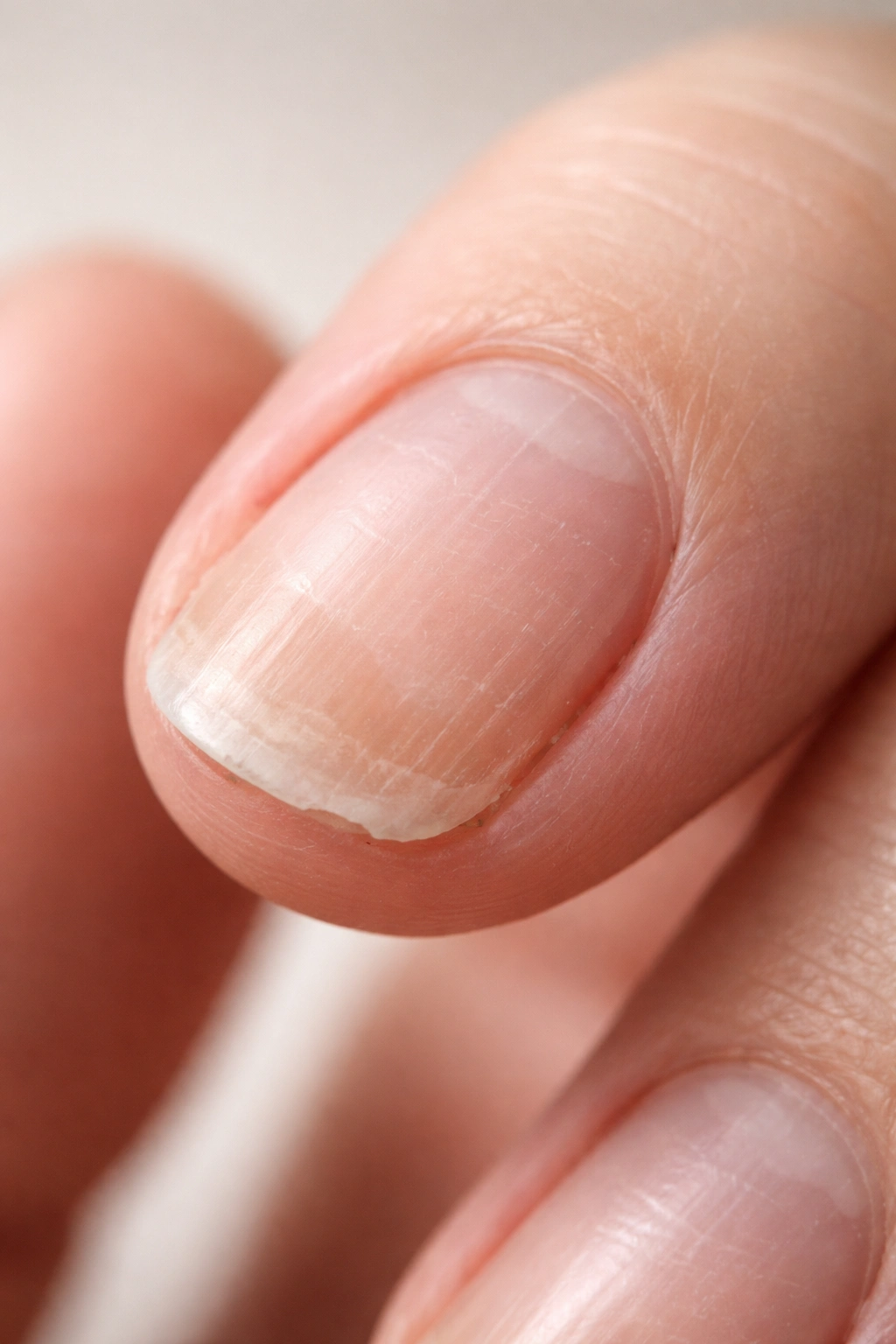
Your nails can’t be stronger than the nutrients your body is providing to build them. Keratin production requires specific vitamins and minerals, and if your diet is lacking in these essentials, your nails will reflect that deficiency. This isn’t about what you put on your nails—it’s about what you’re putting in your body.
Biotin, a B vitamin also called vitamin B7, is one of the most critical nutrients for nail health. Studies have shown that biotin supplements can measurably improve nail strength and thickness. A 2007 study recommended a daily dose of 2.5 milligrams of biotin to see improvements in nail health. The reason biotin works is that it’s directly involved in the production and strengthening of keratin. Without adequate biotin, your body simply can’t produce the strong, flexible keratin your nails need. You can find biotin naturally in eggs (one egg yolk contains about 10 micrograms), nuts, seeds, fish, and leafy greens like spinach (which contains about 7 micrograms per serving).
Iron deficiency is another major culprit. When your body doesn’t have enough iron, it can’t produce healthy red blood cells efficiently, which means less oxygen is being delivered to your nail beds. This leads to weak, brittle nails that break easily. If you’re experiencing nail breakage along with fatigue, shortness of breath, or pale skin, iron deficiency might be the underlying issue. Meat, poultry, fish, and plant-based sources like beans and lentils are rich in iron.
Beyond biotin and iron, your nails also need protein, zinc, vitamin E, omega-3 fatty acids, and adequate calcium. Protein is especially critical—your nails won’t grow strong without a minimum of about 45 grams of protein daily. These nutrients work together to support the structural integrity of your nails and promote healthy growth. If you’re eating a heavily processed diet or skipping meals, your nails are likely suffering as a consequence.
Harsh Chemicals and Toxic Nail Products
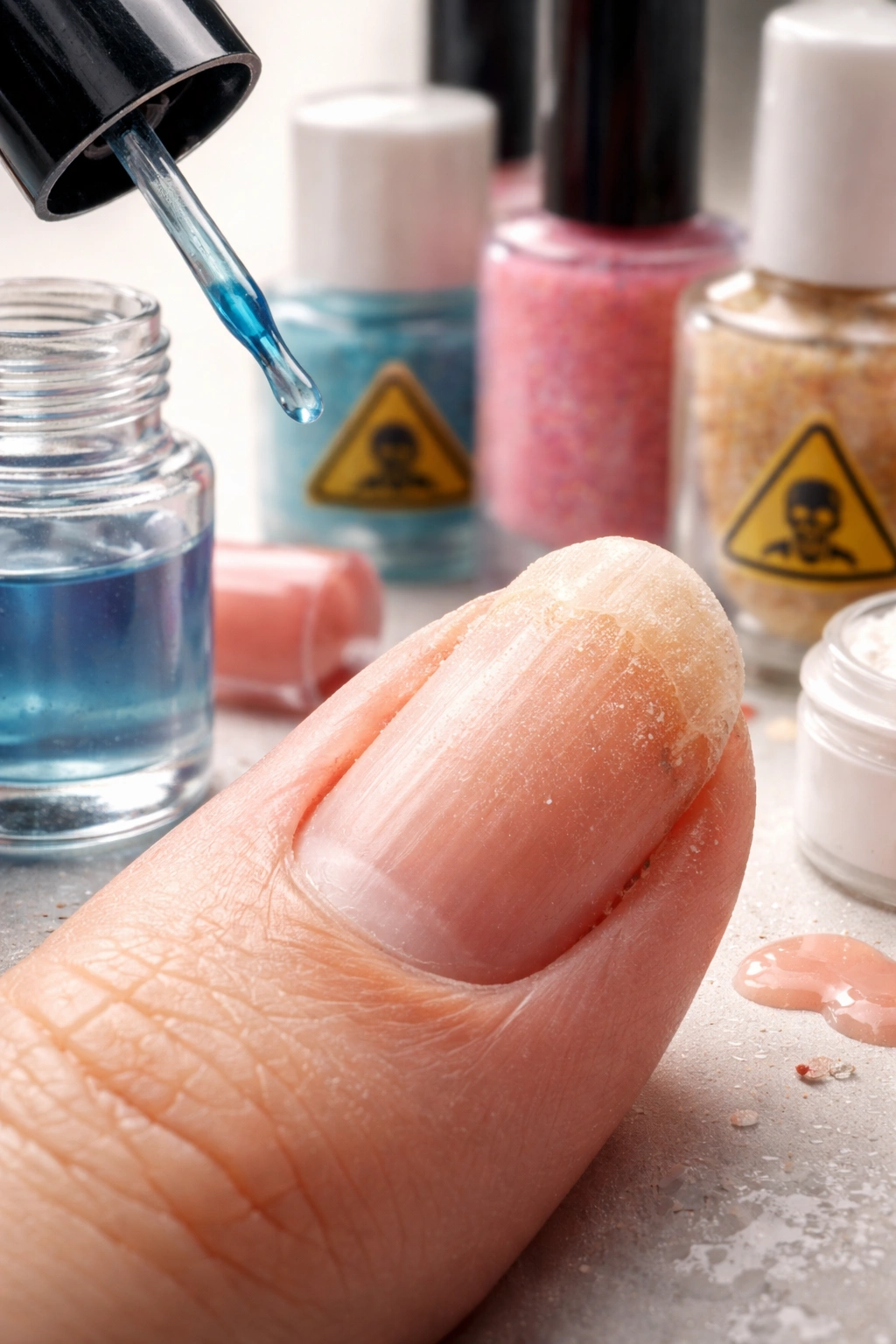
The products you use on your nails can either nourish them or damage them—and many common nail products do far more harm than good. Regular nail polish, gel manicures, and especially nail polish removers contain chemicals that weaken and dry out your natural nails over time. If you’re not careful about product selection, you might be actively damaging the very nails you’re trying to grow.
The worst offender is acetone-based nail polish remover. Acetone is an incredibly harsh solvent that dissolves nail polish, yes, but it also dissolves the oils and moisture that keep your nails flexible. Each time you remove polish with acetone, you’re essentially chemically stripping your nails. If you’re removing polish regularly—even once a week—you’re exposing your nails to this damage on a consistent basis. Acetone is so harsh that over time, it can cause nails to become thin, peeling, and brittle.
Nail polish itself contains chemicals called the “Toxic Trio”: dibutyl phthalate (DBP), toluene, and formaldehyde. These chemicals can weaken the nail bed and cause brittleness, especially with frequent use. When you paint your nails regularly, you’re coating them with these substances, and they absorb into the nail. The longer the polish stays on, the more exposure your nails have to these chemicals. The fix here is clear: look for nail polishes that are “5-free” or higher, which means they exclude these harmful chemicals. There are many quality brands now making safer formulas.
Acrylic nails and gel manicures present their own set of problems. The process of applying acrylics involves filing the nail’s surface down until it’s rough, applying harsh chemicals, and then using a curing light. When you remove them, the acetone soak can be incredibly drying. Even soak-off gel polish, while gentler than acrylics, still requires soaking in acetone for removal and can leave nails weakened and peeling. If you’re getting manicures frequently, your natural nails never get a chance to recover.
Frequent Hand Washing and Water Exposure
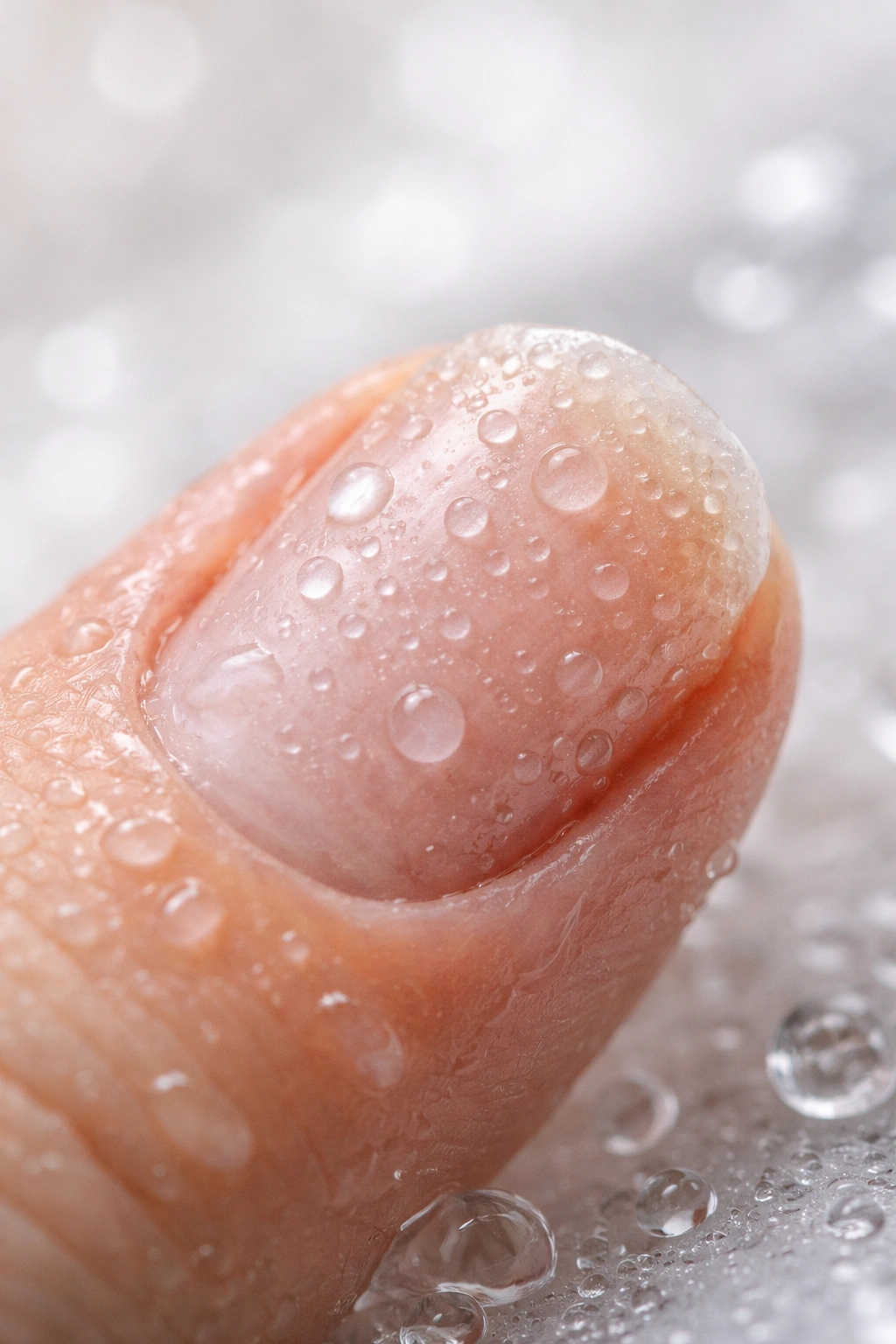
Hand washing is essential for health and hygiene, but it’s also one of the most damaging daily habits for your nails. This might seem like a contradiction—you need to wash your hands, so how do you protect your nails? The answer is that while you can’t stop washing your hands, you can minimize the damage through protective habits and proper aftercare.
Here’s what happens when your nails are constantly exposed to water: the nail temporarily absorbs water and swells. When it dries, it shrinks back. This repeated swelling and shrinking creates stress on the nail structure, and over time, that stress causes splits and cracks to form. The problem is compounded if you’re also using harsh soaps or sanitizers, which not only expose your nails to water but also strip away their natural oils.
Professions that involve constant water exposure create the perfect storm for nail breakage. Healthcare workers, food service employees, swimmers, and people who do a lot of dishwashing often develop severely brittle nails despite otherwise good health. In one revealing observation by dermatologists, patients whose toenails are strong and healthy but whose fingernails are breaking are likely experiencing nail damage from environmental factors like water exposure rather than an internal health issue.
The solution requires both protection and strategic moisture replenishment. Wearing cotton-lined rubber gloves when your hands will be in water prevents the repeated wetting and drying cycle. Immediately after washing your hands or exposing them to water, apply a moisturizer while your hands are still slightly damp—this helps lock moisture into the nails. This simple habit of moisturizing immediately after each hand washing can make a dramatic difference over time.
Aging and Natural Nail Changes Over Time
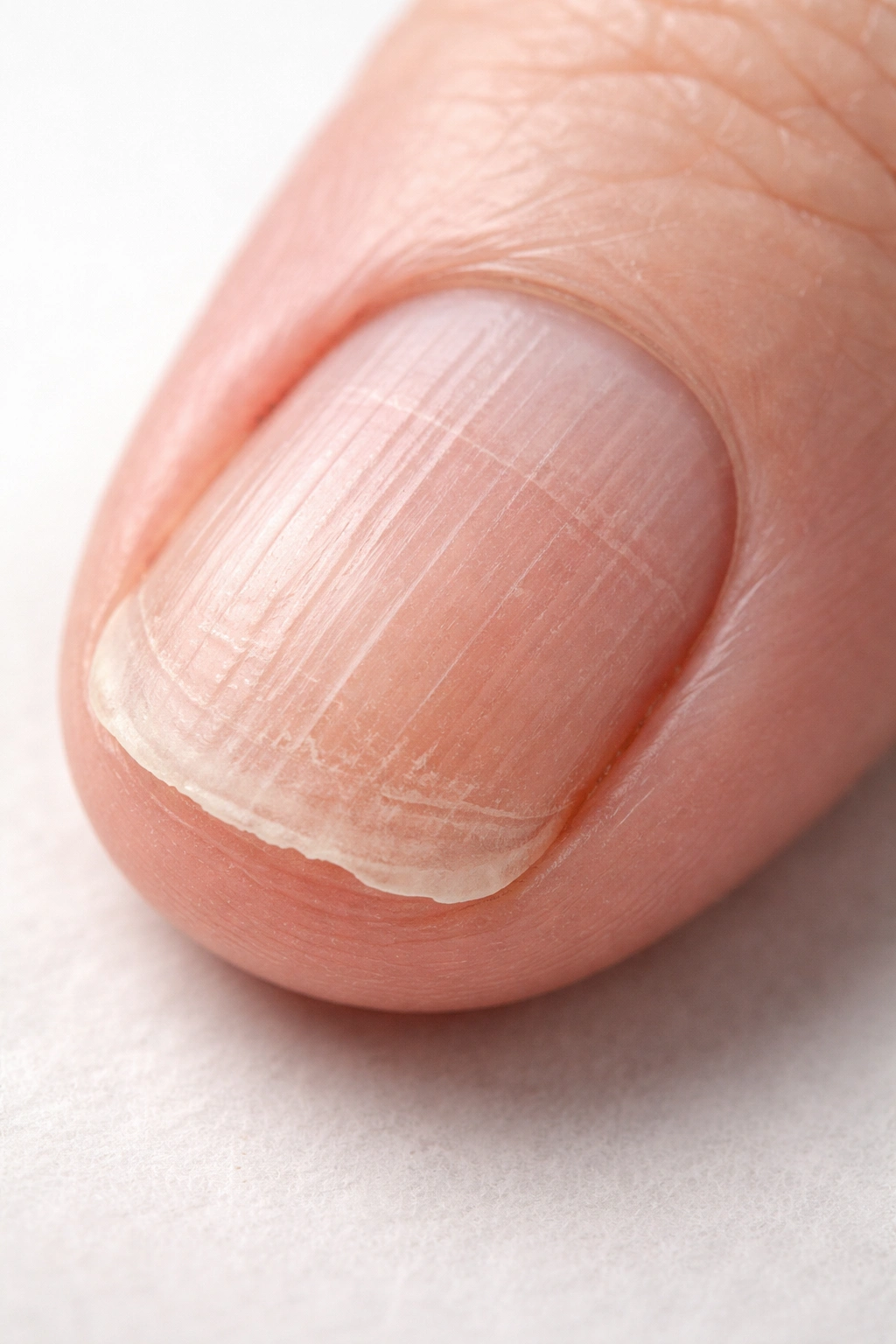
One of the most frustrating aspects of nail breakage is that it often increases with age. This isn’t something you did wrong—it’s just what happens to your body as you get older. Nails naturally change as you age, and understanding why can help you adjust your care routine accordingly.
As you age, keratin production slows down. Your body simply doesn’t produce the amount of keratin in your 60s that it did in your 20s. This means your nails grow more slowly and become thinner and more brittle. Additionally, your nails naturally produce fewer oils, so they lose moisture more easily. The rate at which your nail cells regenerate also decreases, which means that even when you’re caring for your nails properly, they take longer to recover from damage.
Studies show that brittle nails become increasingly common in women over 60, though men can absolutely experience this too. You might also notice that along with breakage, you develop ridges on your nails or see peeling and layering. These are all normal age-related changes, but that doesn’t mean you’re stuck with weak nails—it just means you need to be more intentional about your care routine.
The key is adjusting your expectations and your habits. If you’re aging, your nails likely won’t be as resilient as they were when you were younger, which means you need to be gentler with them and more consistent with your moisturizing routine. Keeping your nails shorter also reduces the surface area where damage can occur. If you’ve historically worn long nails, moving to a shorter length can dramatically reduce breakage while you’re working on strengthening them.
Underlying Health Conditions to Consider
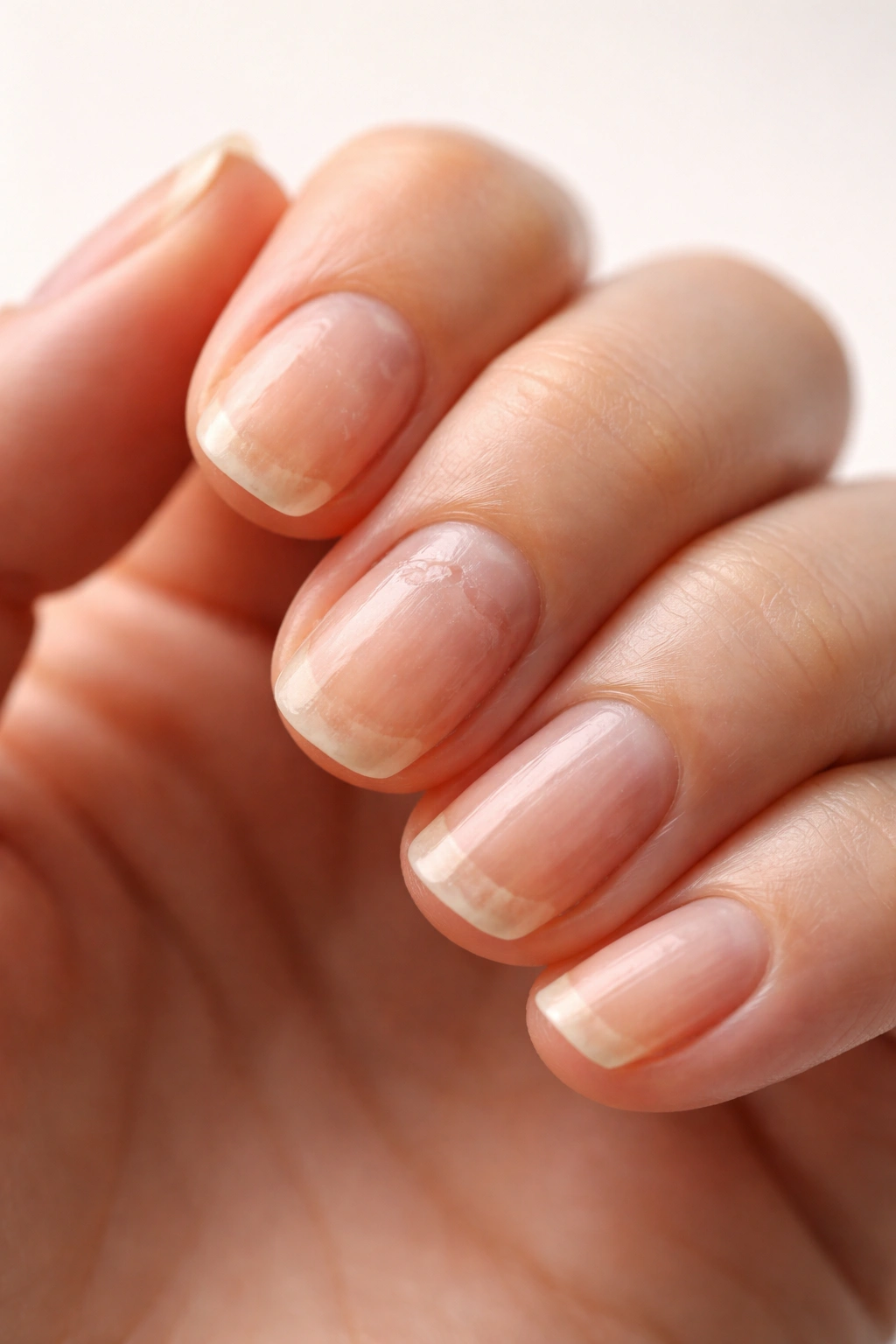
Sometimes nail breakage isn’t about moisture or chemicals—it’s a sign that something else is going on inside your body. Several medical conditions can cause or contribute to brittle, breaking nails, and identifying these conditions can lead to treatment that fixes the problem at the source.
Thyroid disorders are one of the most common culprits. Both hypothyroidism (underactive thyroid) and hyperthyroidism (overactive thyroid) can cause brittle nails. Your thyroid controls your metabolism and affects how your body produces proteins like keratin. When your thyroid isn’t functioning properly, nail health suffers. If you’re experiencing brittle nails along with fatigue, weight changes, or hair loss, a simple blood test can check your thyroid function.
Psoriasis is an autoimmune condition that often affects the nails. It can cause pitting (small dents in the nail), discoloration, thickening, and most relevantly, nails that are prone to cracking and breaking. The condition can affect only your nails or appear elsewhere on your body as well. Treating the underlying psoriasis usually improves nail health.
Anemia, caused by iron deficiency, is another condition that manifests in your nails. When your body doesn’t have enough iron to produce healthy red blood cells, your nails become weak and brittle. Raynaud’s syndrome, which affects blood circulation to the extremities, can also cause brittle nails because your nail beds aren’t receiving adequate blood flow and nutrients.
Fungal infections can cause nails to become thick, discolored, and brittle. These infections are more common in toenails but can affect fingernails too. Other skin conditions like eczema can contribute to nail breakage as well. If you suspect an underlying health condition, it’s worth getting evaluated by a dermatologist or your primary care physician. A simple blood test or examination can often identify or rule out these conditions.
How to Moisturize Your Nails Effectively
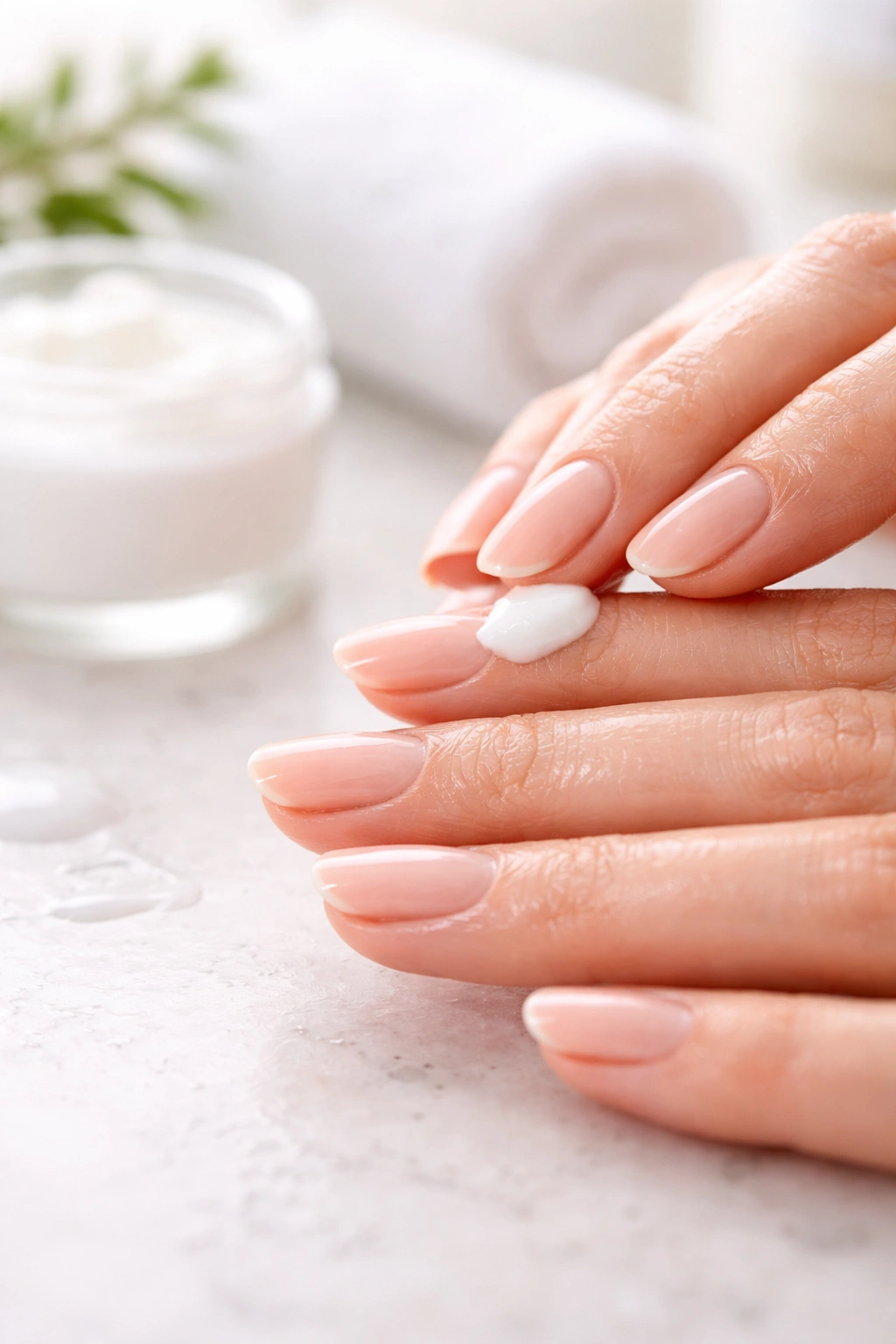
Moisturizing is the single most important thing you can do to fix breaking nails, but there’s a right way and a wrong way to do it. Simply slapping on hand lotion once a day isn’t enough—you need a consistent, intentional moisturizing strategy.
The best approach is to moisturize frequently throughout the day, especially after activities that expose your nails to water or harsh conditions. The ideal time to apply moisturizer is when your hands are still slightly damp from washing—this helps the moisture penetrate the nail better. Look for products that contain lanolin or alpha-hydroxy acids (AHAs), both of which are excellent at hydrating nails and preventing them from drying out. Cuticle oil is one of the most effective products for nail health. Apply it as often as you want—ideally at least once daily, though more frequently is better. It promotes flexibility in the nails and helps prevent peeling.
Before bed, implement a more intensive overnight moisturizing routine. After soaking your fingers in warm water for 2-3 minutes, pat them dry and apply an occlusive moisturizer like Vaseline or Aquaphor. Put on white cotton gloves and sleep in them overnight. This “slugging” technique for nails traps all that moisture against the nail surface, allowing it to deeply penetrate. You’ll wake up with noticeably softer, more hydrated nails. If overnight treatment seems extreme, at minimum apply a rich hand cream before bed.
During the day, keep a hand lotion or cuticle oil at your desk, in your bag, or in your car. Apply it after handwashing, after showering, and anytime your hands feel dry. The more consistently you moisturize, the faster you’ll see improvement. It typically takes 6-8 weeks to see visible results because that’s how long it takes for the entire nail to grow out, but you should notice softer, more flexible nails within 2-3 weeks of consistent moisturizing.
Strengthening Your Nails From Within
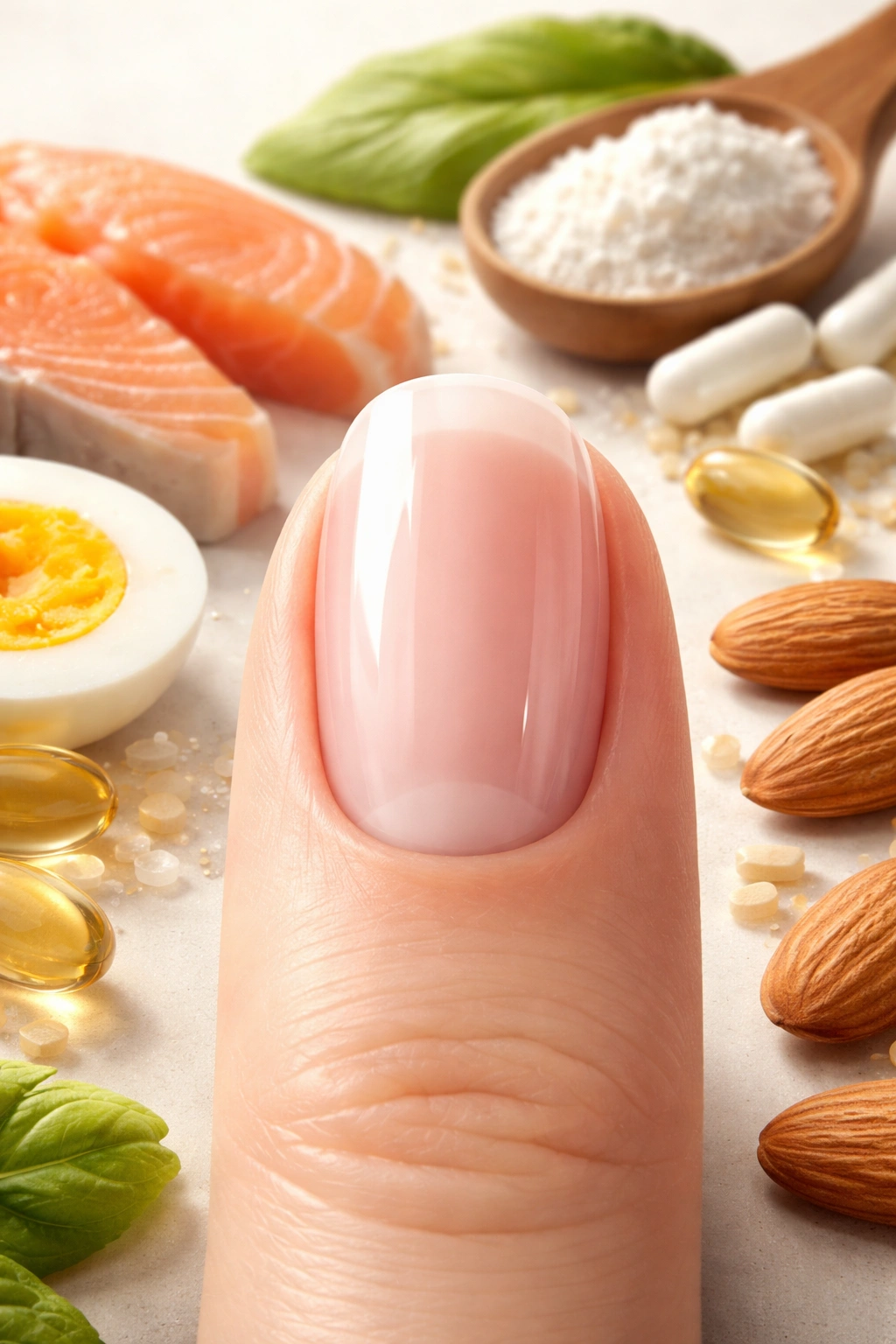
While moisturizing tackles the external problem, feeding your nails the right nutrients addresses the root cause internally. This is where diet and targeted supplementation come in, and the results can be dramatic if you’re consistent.
Start by eating a balanced, protein-rich diet. Make sure you’re getting at least 45 grams of protein daily—this could be from eggs, chicken, fish, beef, beans, or plant-based sources. Add biotin-rich foods to your meals: eggs, nuts, seeds, fish, and sweet potatoes are all excellent sources. A single egg yolk provides about 10 micrograms of biotin, so having eggs for breakfast several times a week is a simple way to boost your intake.
Regarding biotin supplements, the situation is nuanced. Dermatologists used to routinely recommend biotin supplements, but a 2017 FDA warning noted that biotin can interfere with certain lab tests, particularly cardiac troponin tests used to diagnose heart attacks. Because of this, many doctors now suggest getting biotin from food rather than supplements. That said, if your doctor determines you have a biotin deficiency, supplementation is appropriate. If you choose to supplement, consult your healthcare provider first, and avoid extremely high doses.
Beyond biotin, focus on eating foods rich in iron, zinc, vitamin B12, and omega-3 fatty acids. Meat, fish, and poultry are excellent sources of all these nutrients. If you follow a plant-based diet, make sure you’re getting adequate iron from sources like lentils, spinach, and fortified grains, and consider asking your doctor if a multivitamin would be helpful. A simple general multivitamin can cover the bases if you’re worried about deficiencies, though whole foods are always preferable because your body absorbs nutrients better from food.
Give this dietary approach time to work. Because nails grow slowly—about 3.5 millimeters per month for fingernails—it takes 6-8 weeks for the strengthening effects of better nutrition to become visible on your nails. You’re literally growing new, healthier nail material, and that takes time. But if you’re consistent, this approach produces real, lasting results.
Protective Habits That Prevent Breakage
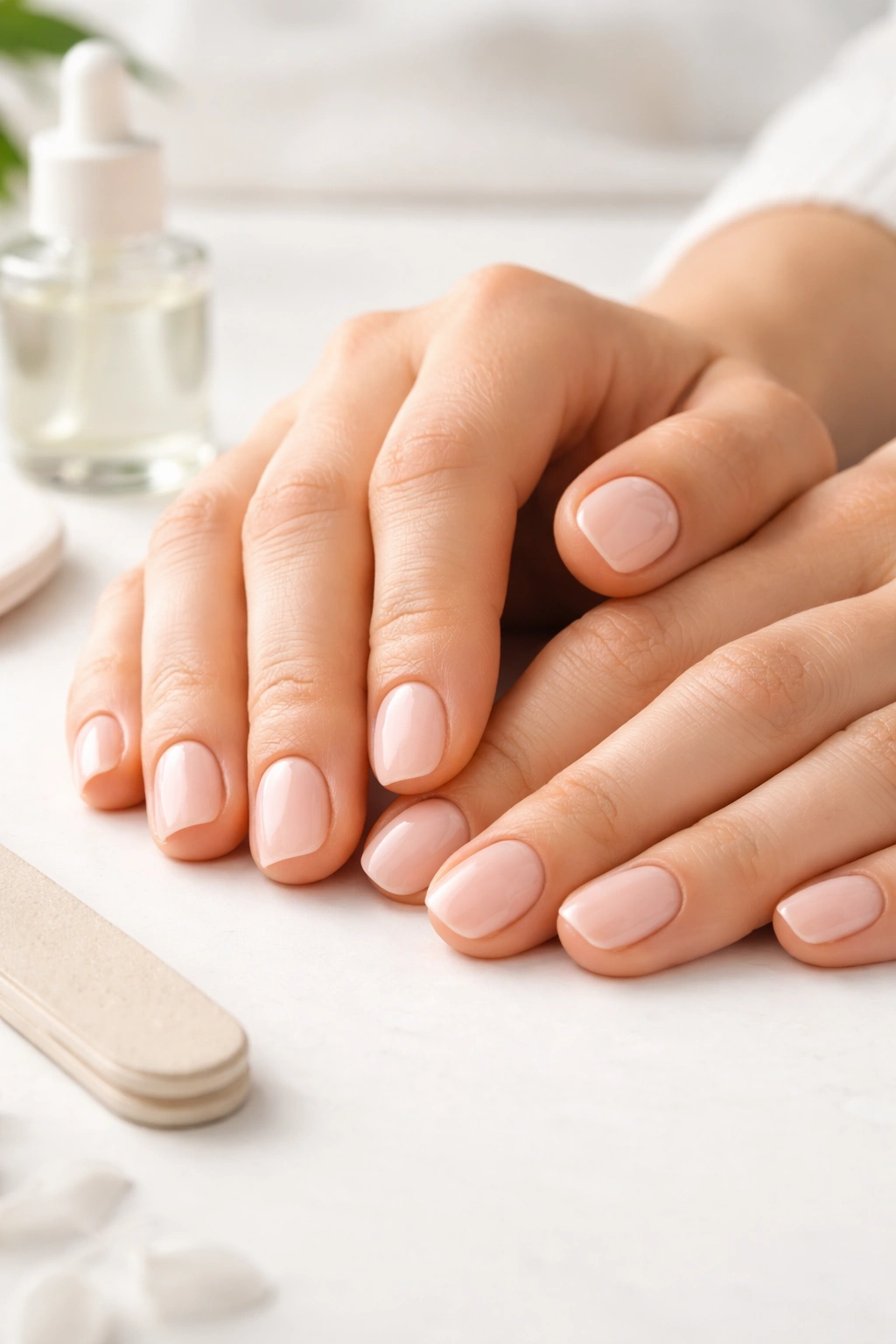
Prevention is always easier than repair, which is why building protective habits into your daily routine is crucial. Once your nails have broken or become damaged, stopping the ongoing damage is the first step toward recovery.
Keep your nails short to medium length. Longer nails have more surface area and more leverage where they can snag, tear, and break. If you’re dealing with breakage, trim them shorter than you’d like—it’s a temporary sacrifice that allows them to recover. Round or oval shapes are far less prone to breaking than square shapes, which have vulnerable corners that catch on everything.
File your nails properly. Use only a glass or fine-grit file. Rough files can cause the edges to fray and crack. Always file in one direction only, moving from the outer corner toward the center. Never use a back-and-forth sawing motion, which causes the nail to split. File gently and slowly, allowing the file to do the work rather than forcing it.
Don’t use your nails as tools. This includes opening cans, scratching off labels, or digging at anything. Using your nails as tools is one of the fastest ways to break them. Keep a bottle opener, scraper, or other tool handy instead.
Wear gloves when appropriate. When washing dishes, cleaning, doing laundry, or using any household chemicals, wear cotton-lined rubber gloves. This is the single most important protective habit for preventing water damage to your nails. The cotton lining absorbs any moisture, preventing your nails from getting saturated.
Avoid picking, peeling, or biting your nails. If your nails are peeling or if your polish is chipping, resist the urge to pick at them. Instead, apply a keratin-based strengthener or sealer. Replace the picking habit with self-care—apply cuticle oil or hand lotion instead.
Limit nail polish and acrylic use. If you love wearing polish, choose “5-free” or higher formulas, and try to leave nails bare for a few days between applications to let them breathe. Avoid gel and acrylic nails, or at minimum limit them to special occasions. When you do get acrylics, make absolutely sure they’re removed by a professional using proper soak-off technique—never peel them off yourself.
When to See a Dermatologist
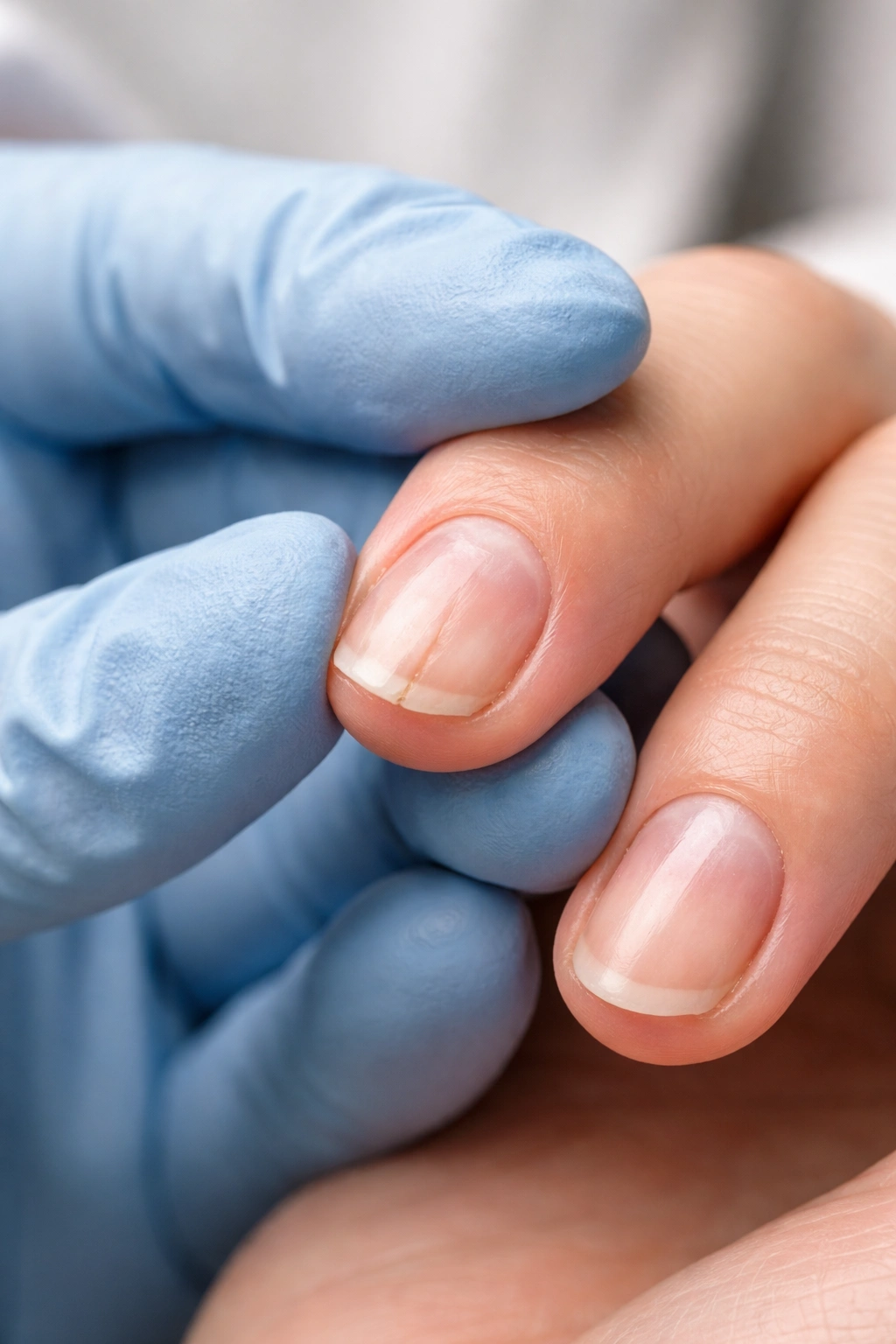
While most cases of nail breakage can be successfully managed at home with the strategies outlined here, there are situations where professional evaluation is necessary. Knowing when to reach out to a dermatologist can help you get answers and treatment faster.
See a dermatologist if your brittle nails don’t improve after 2-3 months of consistent home care. At that point, there might be an underlying condition that needs professional diagnosis. You should also seek professional help if you notice redness, swelling, or soreness around your nails, as this can indicate infection. Discoloration that you can’t explain—such as yellowing, darkening, or unusual streaking—warrants evaluation.
If your nails are separating from the nail bed or you see unusual grooves or pits, these can be signs of psoriasis, fungal infection, or other conditions that need treatment. Excessive ridging or significant peeling can also indicate an underlying issue. Additionally, if you’re experiencing bleeding or swelling around the nail, or if the nail refuses to grow out normally, get it checked.
A dermatologist can run tests to check for fungal infections, nutritional deficiencies, thyroid problems, or autoimmune conditions. They can also prescribe stronger treatments if over-the-counter approaches aren’t working. Don’t feel like you’re bothering them—nail health matters, and dermatologists specialize in this.
Final Thoughts
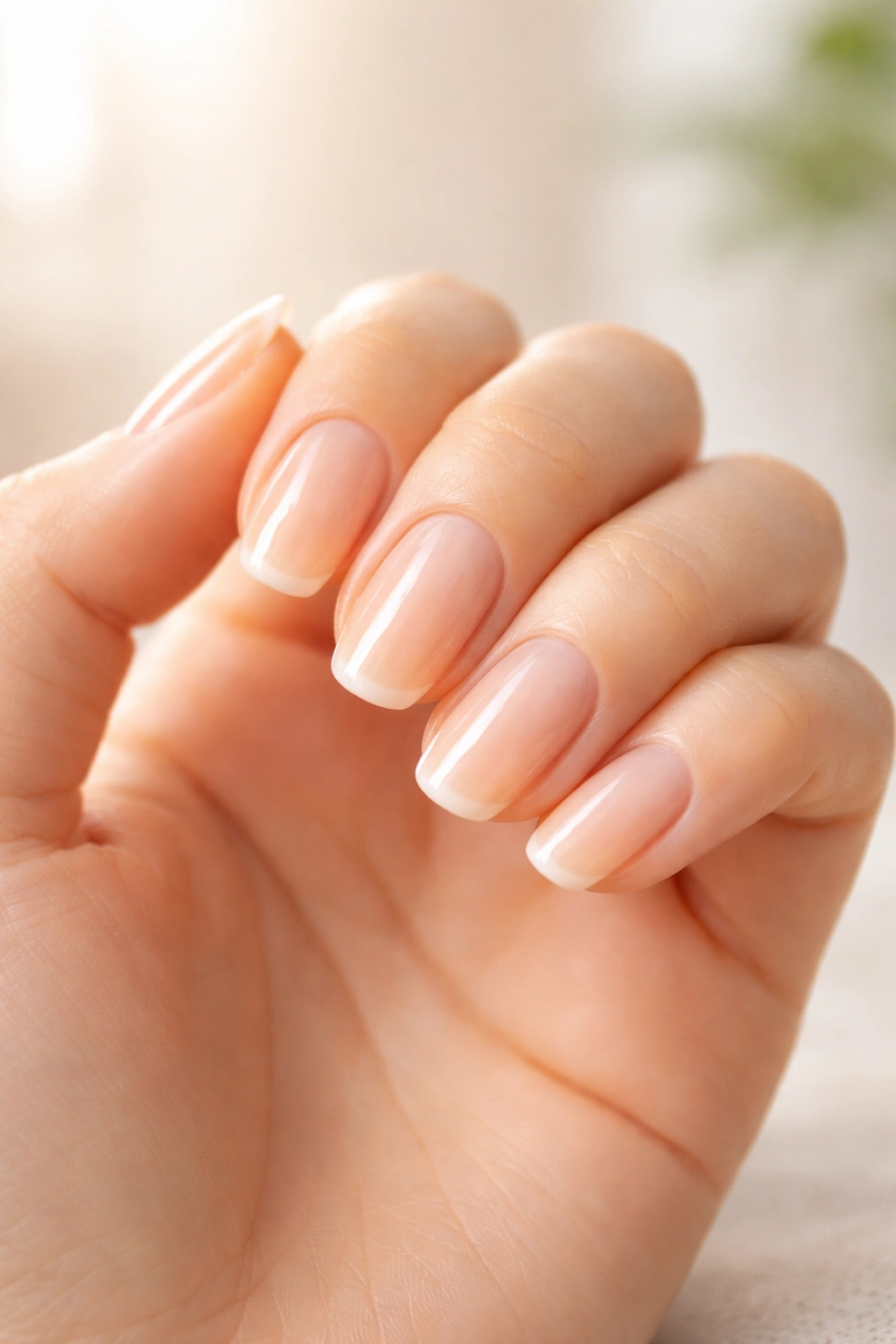
Breaking nails is frustrating, but it’s almost always fixable once you understand what’s causing the problem. For most people, the solution involves a combination of protective habits, consistent moisturizing, and nutritional support. The key is addressing both external factors—water exposure, harsh chemicals, and mechanical stress—and internal factors like diet and underlying health conditions.
Start by implementing the protective habits immediately: wear gloves, file gently, moisturize after washing, and cut your nails short if needed. These changes cost nothing and can make a real difference within weeks. Then work on your nutrition and moisturizing routine for more lasting results. Be patient with the process—your nails didn’t break overnight, and they won’t strengthen overnight either. But with consistency, you’ll see steady improvement, and within 2-3 months, you should have noticeably healthier, stronger nails that can actually grow without breaking. The stronger nails you’ve always wanted are possible; it just takes understanding what went wrong and committing to a better routine.
