

You’ve just finished painting your nails in that perfect shade of mauve, and by the time you’re making breakfast the next morning, there’s already a crack forming at the corner. Sound familiar? If you’re dealing with weak, brittle nails that seem to break if you so much as look at them wrong, you’re definitely not alone—and here’s the thing: the shape you’re choosing might be making everything worse.
Most of us pick nail shapes based on what looks trendy or what we see all over social media. But when your nails are fragile and prone to breaking, choosing the right shape becomes less about aesthetics and more about survival. The good news? You don’t have to sacrifice style for strength. There’s a sweet spot where beauty meets durability, and finding it could be the difference between nails that last two weeks and nails that chip before you even leave the salon.
After diving deep into what nail professionals actually recommend (not just what looks good on Instagram), it turns out there’s a clear winner when it comes to protecting weak nails. Let’s break down everything you need to know about choosing a nail shape that’ll help your nails grow stronger instead of constantly starting over from scratch.
Why Your Nail Shape Actually Matters More Than You Think
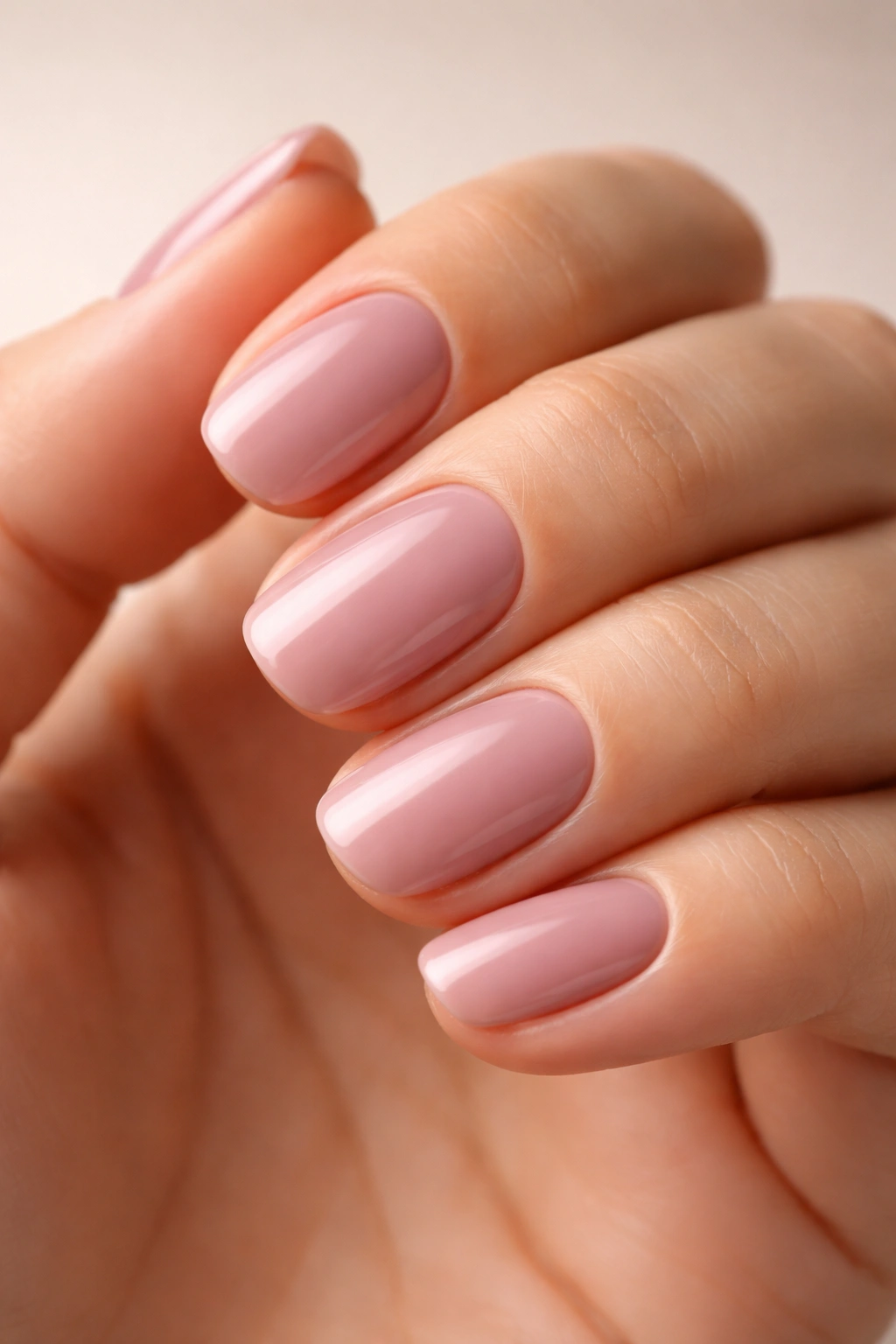
Here’s something most people don’t realize: your nail shape directly affects how much stress your nails can handle. Think of it like architecture. Some shapes distribute pressure evenly, while others create weak points that are basically begging to break.
Sharp corners and pointed tips act like stress concentrators. When you’re opening a can, typing on your laptop, or doing literally anything with your hands, those angular edges take the brunt of the force. That’s why you’ll notice breakage usually starts at the corners or tips—those are the vulnerable spots.
The shape you choose also determines how much your nails catch on things throughout the day. Ever snagged a nail on your sweater and watched in horror as it tore? That’s not just bad luck. Certain shapes are way more likely to catch on fabric, hair, or anything else you touch.
Width matters too. Wider shapes provide more surface area and structural support, while narrow, tapered shapes concentrate all the stress on a smaller point. For weak nails, you want to spread out that pressure as much as possible.
The Winner: Squoval Nails Take the Crown
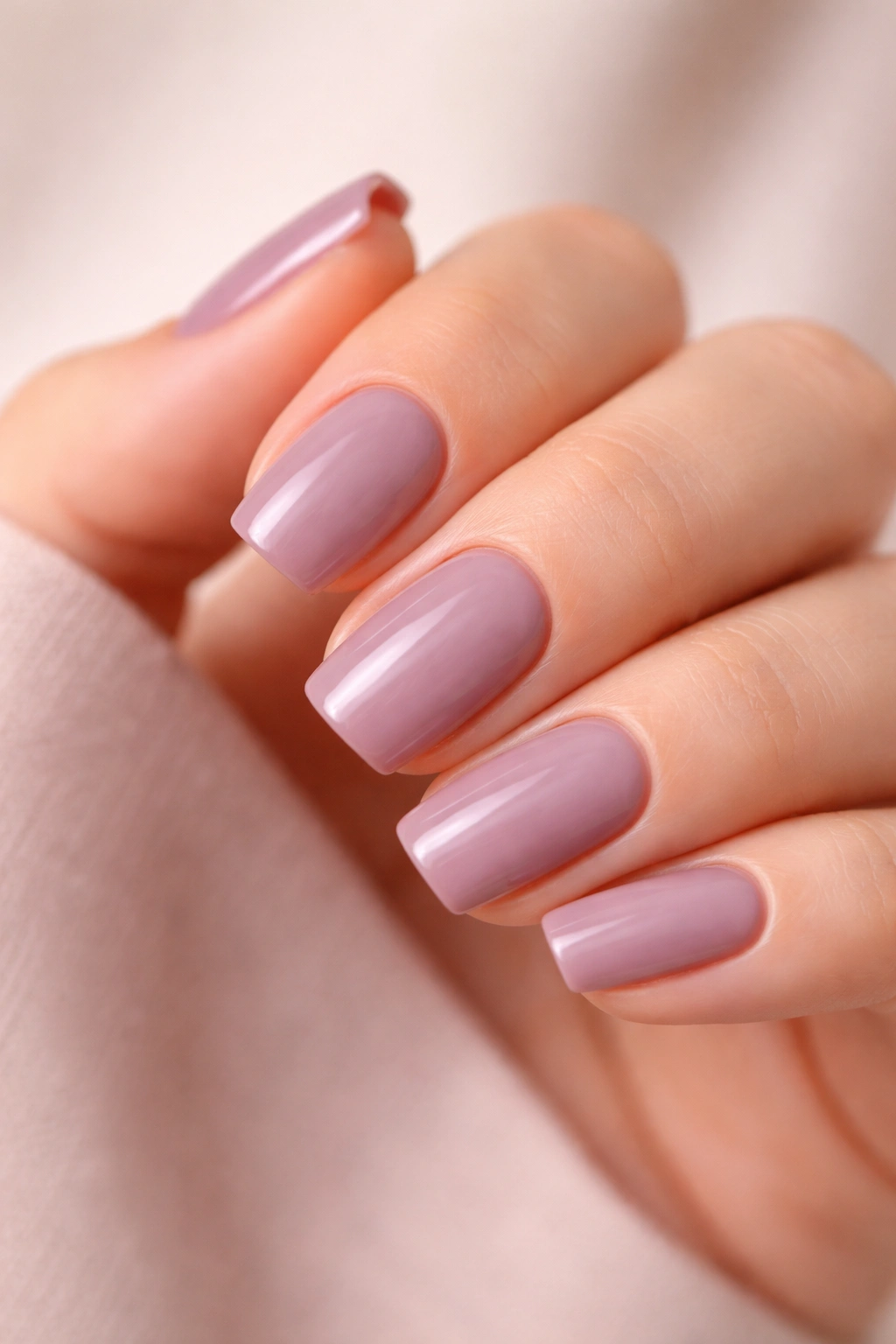
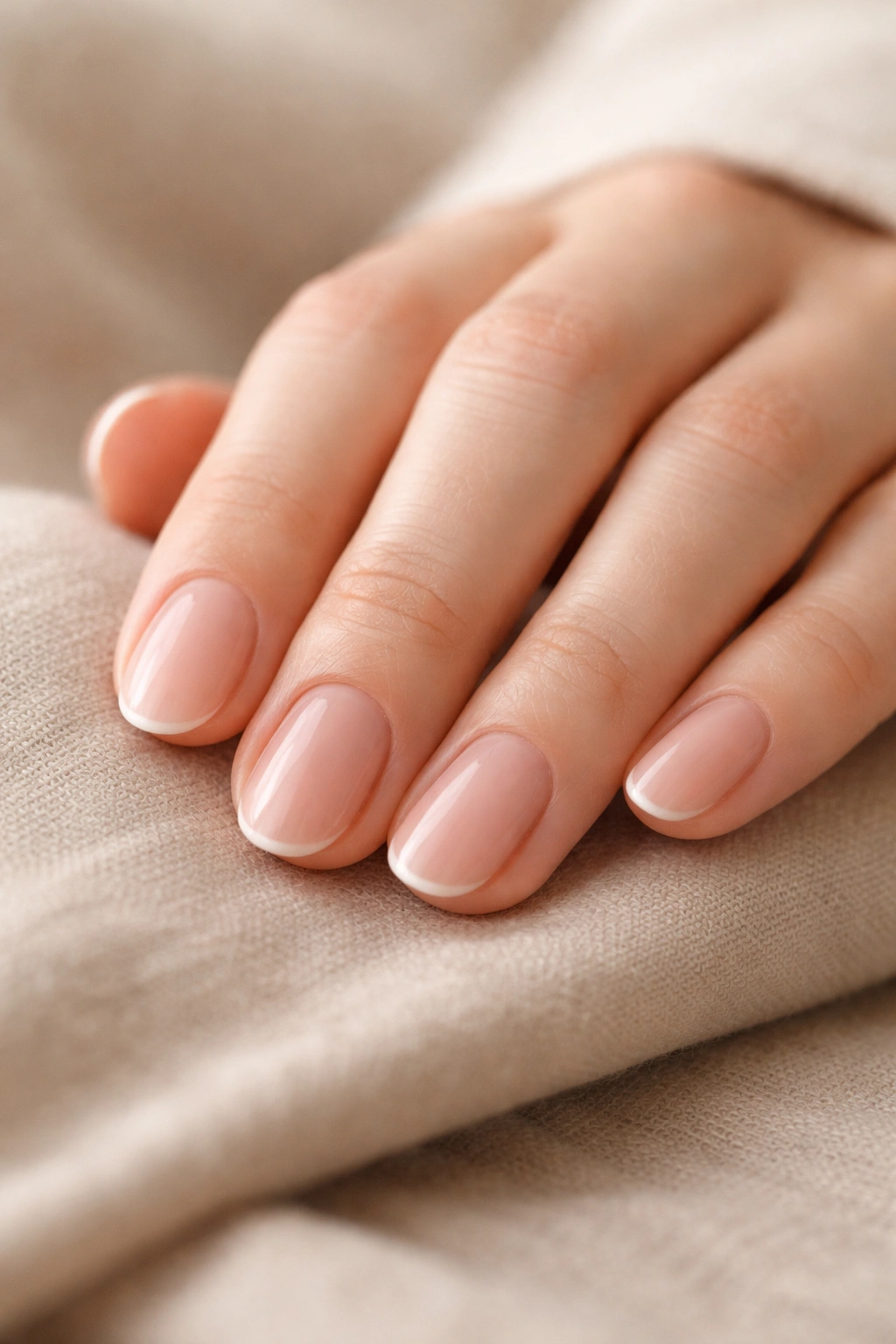
Multiple nail professionals agree: if you’ve got weak nails, squoval is your best friend. This shape combines a square base with gently rounded corners, giving you the structural integrity of a square shape without those sharp edges that love to snag and break.
What makes squoval so perfect for brittle nails? The straight edge across the top reinforces your nail, while the softened corners eliminate weak points that are prone to catching. It’s like getting the best of both worlds—strength and wearability rolled into one flattering package.
Nail techs consistently point out that squoval nails are resistant to breakage because there aren’t any sharp edges creating stress points. The rounded corners also reduce the likelihood that your nails will catch on things and tear, which anyone with weak nails knows is a constant battle.
This shape works beautifully on both short and long nails, though if your nails are particularly fragile, keeping them on the shorter side with a squoval shape gives you maximum durability. You’re essentially creating a protective silhouette that can handle daily life without constantly betraying you.
Round Nails: The Low-Maintenance Champion
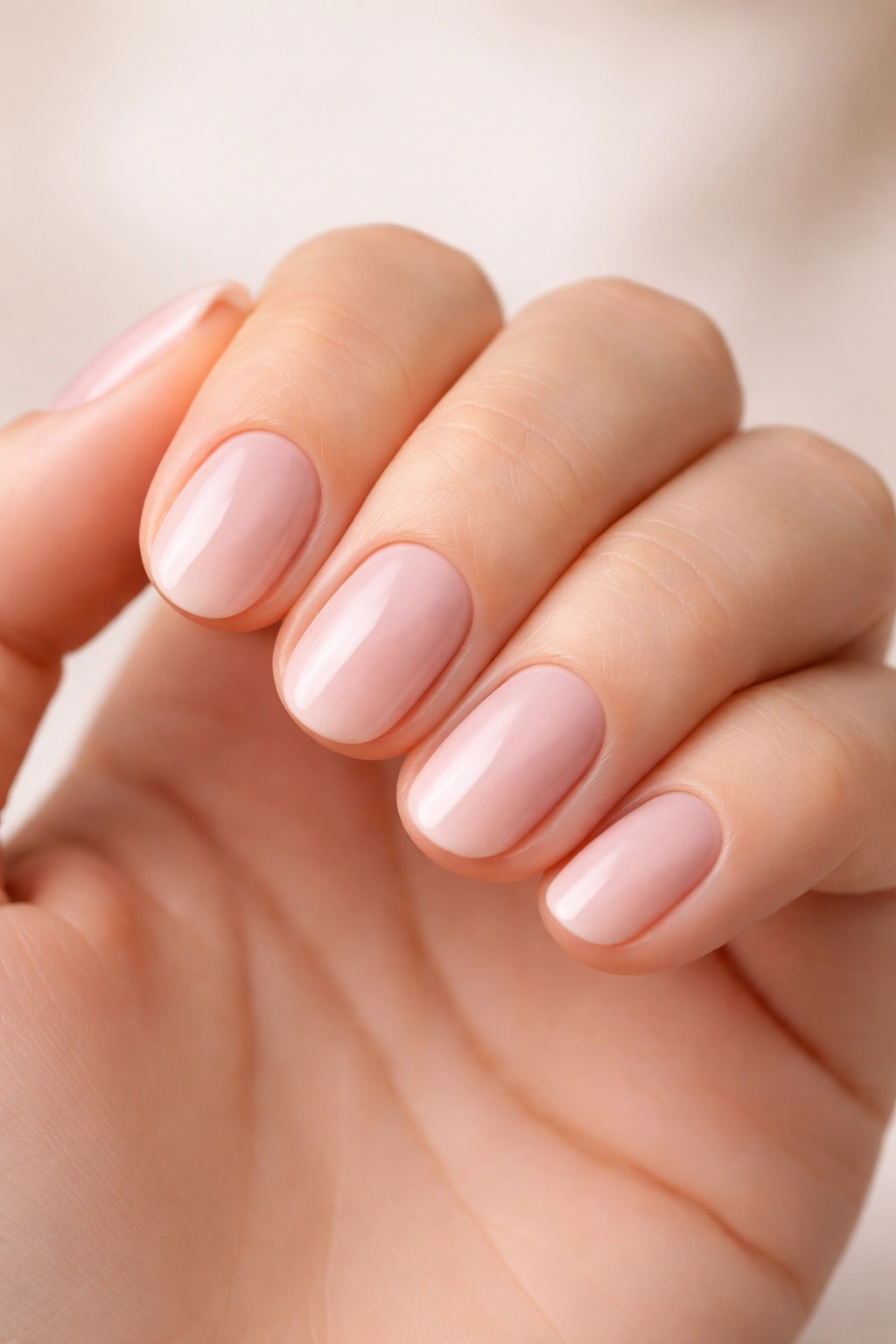
If you’re someone who uses your hands constantly—whether that’s washing dishes, working at a keyboard all day, or wrangling kids—round nails might be your ideal match. This shape follows the natural curve of your fingertip, creating a soft, durable edge that’s seriously hard to break.
Round nails work especially well if you prefer keeping your nails short. The curved shape eliminates corners entirely, which means there’s nowhere for cracks to start forming. You’re basically removing all the usual trouble spots in one go.
This shape is perfect for anyone with wide nail beds or shorter fingers, since the rounded silhouette creates a lengthening effect. But beyond aesthetics, round nails are genuinely practical. They don’t catch on things, they’re easy to maintain at home, and they hold up remarkably well even when you’re doing hands-on work.
Filing your nails into a round shape is also pretty straightforward. You’re just following your natural fingertip curve and gently rounding the free edge. No complicated angles or precise measurements required—just smooth, even curves that protect your nails from unnecessary stress.
Oval Nails: Elegance Meets Durability
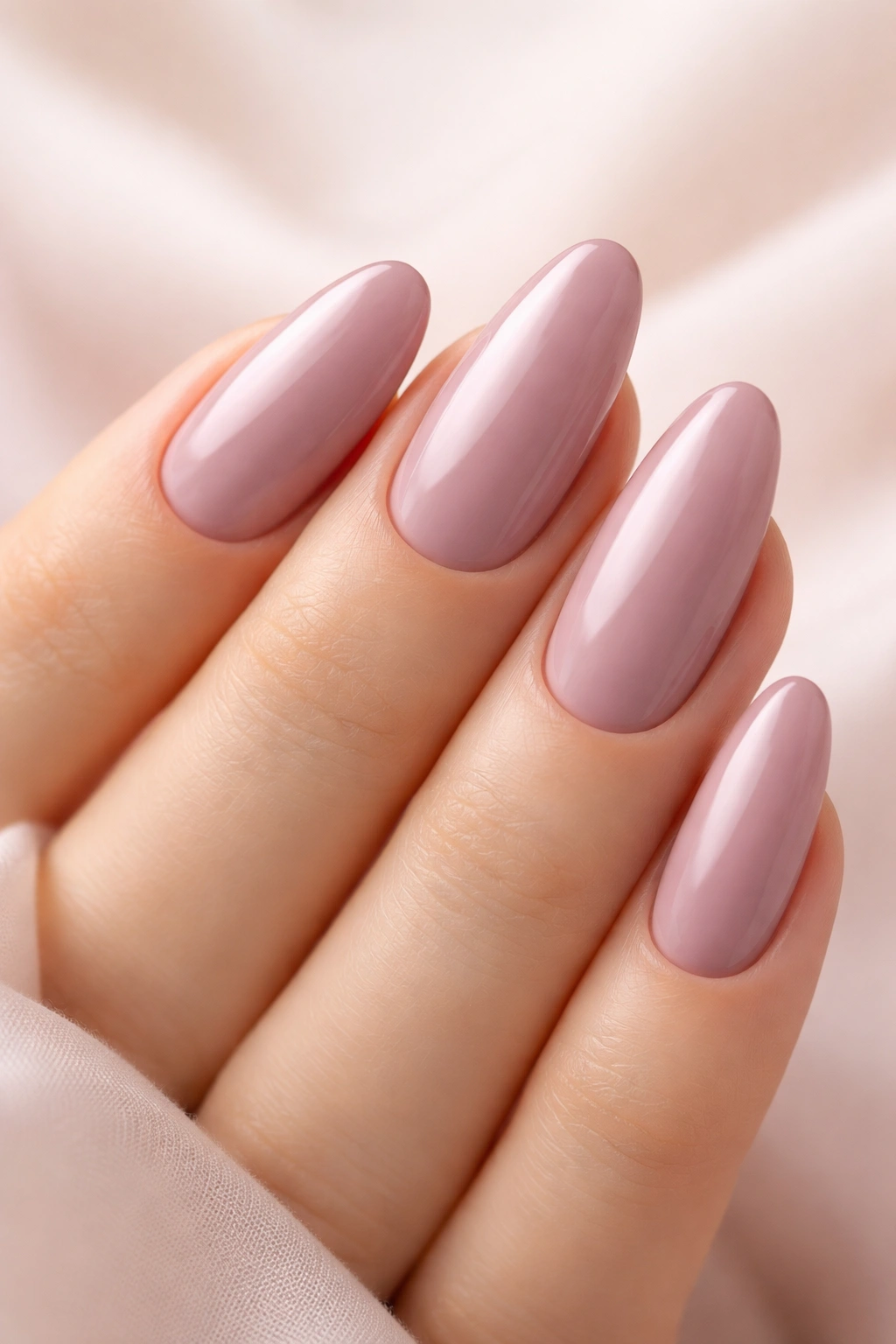
Oval nails take everything great about round nails and add a touch more sophistication. The shape is similar to round but with slightly more length and a gentler taper on the sides. For weak nails, this offers an excellent compromise between durability and style.
What makes oval shapes work so well? The curved edges distribute stress evenly across the nail, rather than concentrating it at specific points. There are no sharp corners to catch or break, and the gentle tapering actually helps elongate the appearance of your fingers while keeping things strong.
Nail professionals often recommend oval shapes for clients with shorter or wider fingers who want their hands to look more slender. But the real magic is in how well this shape holds up. The continuous curve means pressure gets spread out naturally, reducing the likelihood of chips and breaks.
If you’re trying to grow out damaged nails, oval is a smart transitional shape. It gives you enough length to feel polished without pushing your fragile nails beyond what they can handle. You can always extend the length gradually as your nails get stronger.
Why Sharp Shapes Are Your Weak Nails’ Worst Enemy
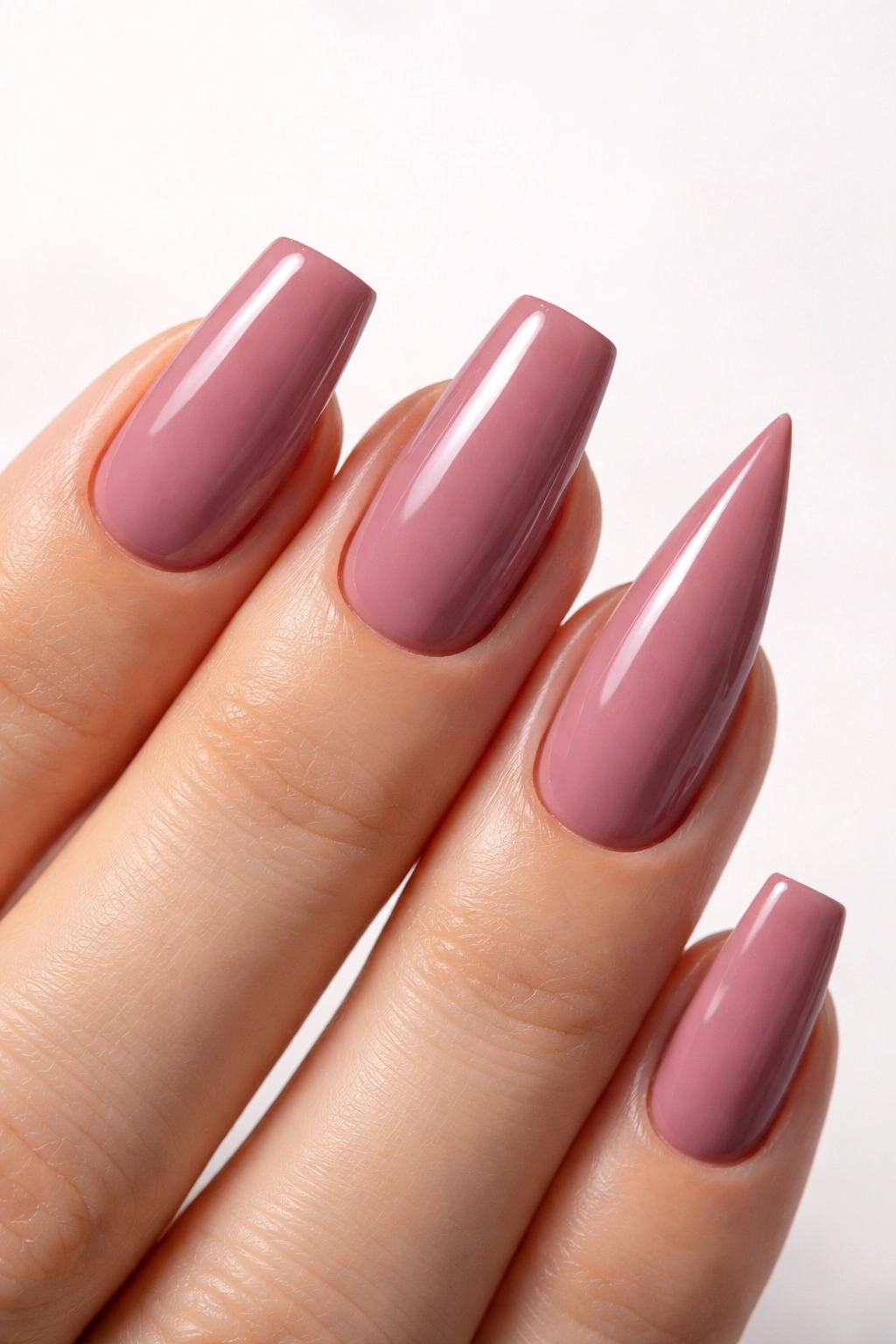
Let’s talk about what you should probably avoid if your nails are constantly breaking. Square, stiletto, coffin, and other angular shapes create stress points that weak nails just can’t handle. Those sharp corners and pointed tips look dramatic, but they’re basically asking for trouble.
Square nails have straight sides and flat tips with sharp 90-degree corners. Those corners are where breakage almost always starts because they concentrate all the force into tiny areas. One wrong move and you’ve got a crack traveling down your nail.
Coffin and stiletto shapes are even trickier. These require serious length and typically need reinforcement from acrylics or gel to survive. On weak natural nails? Forget it. The narrow points and tapered sides create so much stress that breakage is pretty much inevitable.
Nail experts consistently warn that straight-edge shapes and pointed styles are the most prone to snagging and breaking. If you absolutely love these looks, you’ll need some kind of overlay or extension to give your natural nails the support they desperately need. Otherwise, you’re setting yourself up for disappointment.
The Length Factor: Shorter Isn’t Just Safer, It’s Smarter
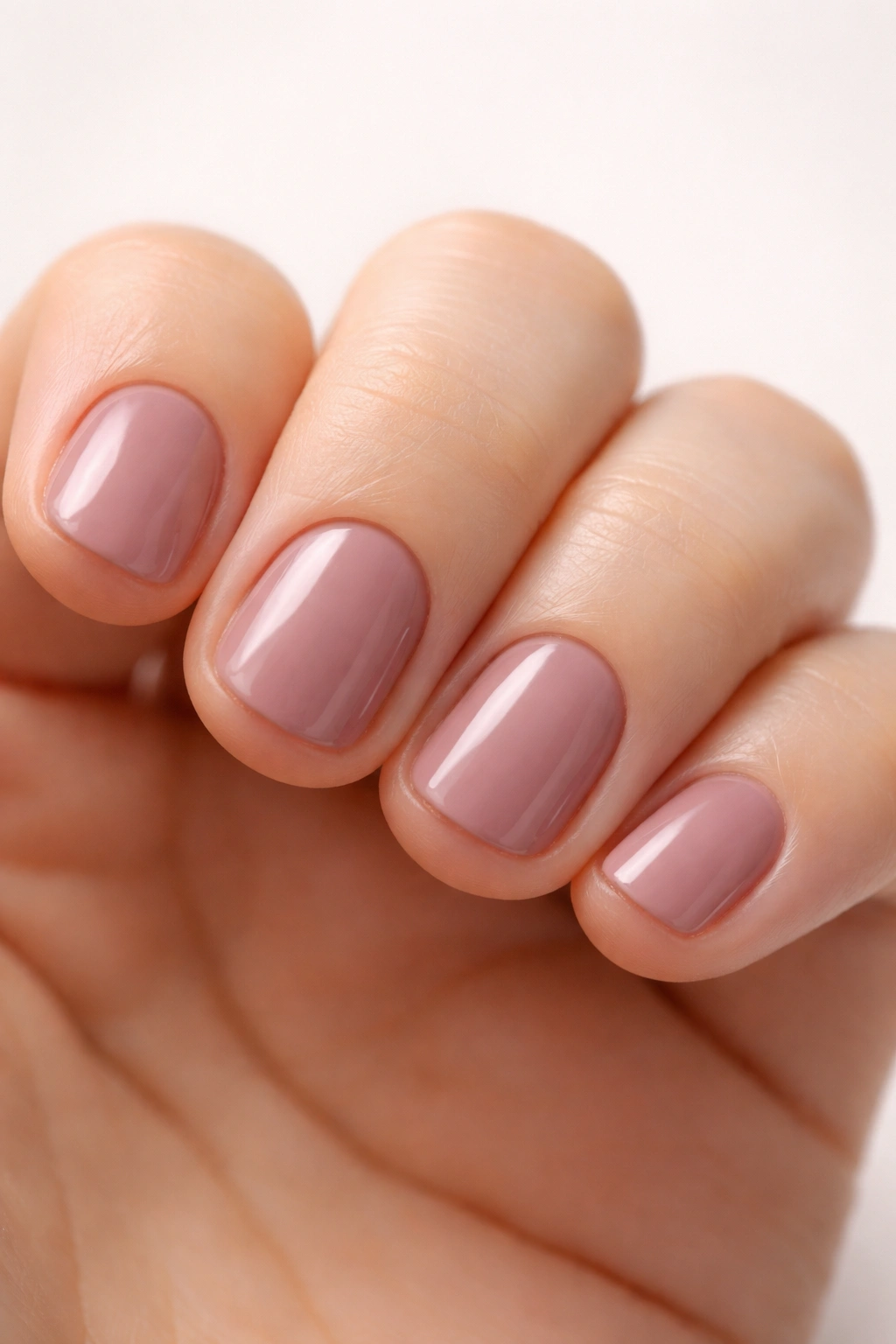
Here’s something that might hurt to hear if you’re dreaming of long, glamorous nails: keeping your nails shorter significantly reduces breakage, regardless of shape. Length creates leverage, and leverage creates pressure on your already-fragile nail structure.
Think of it this way—the longer your nail extends beyond your fingertip, the more likely it is to encounter obstacles and take hits. Every time you type, open something, or brush your hair, that extra length acts like a lever amplifying the force on your nail bed.
Shorter nails have less surface area exposed to potential damage. They’re less likely to catch on things, easier to protect during daily activities, and they put less strain on your nail bed. For weak nails trying to recover and grow stronger, shorter lengths give them that chance.
You don’t have to go super short—even keeping your nails just at or slightly past your fingertip can make a huge difference. Combine that modest length with a protective shape like squoval or round, and you’ve got a winning formula for nails that actually last.
Proper Filing Technique Makes or Breaks Your Shape
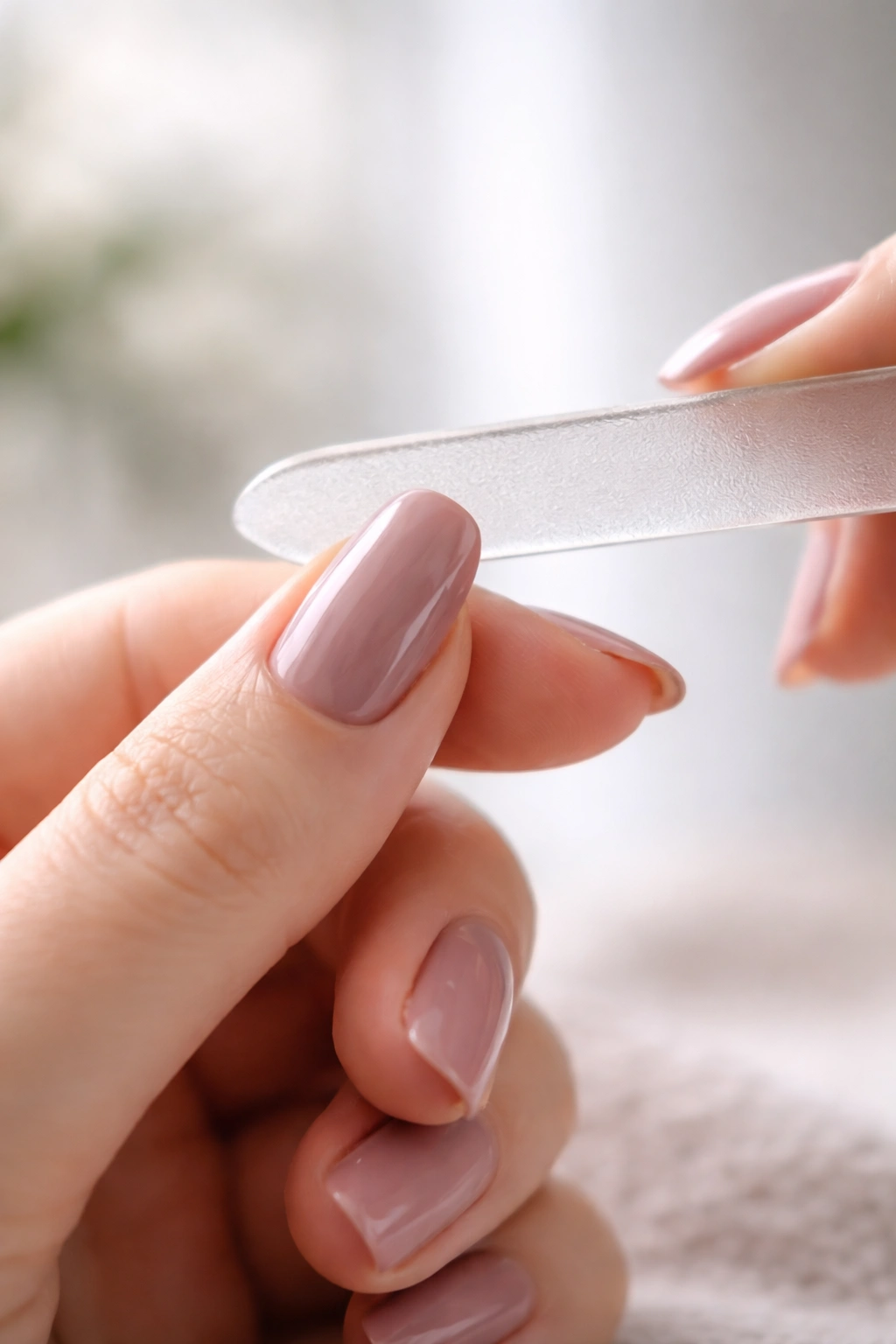
Even the perfect nail shape won’t save you if you’re filing incorrectly. The sawing motion most people use—going back and forth across the nail edge—actually causes splitting and weakening. This is especially damaging for nails that are already brittle.
The right way to file is simple but requires patience: file in one direction only. Start from the outside corner and move toward the center in smooth, gentle strokes. Then do the same from the other corner. This seals the nail edge rather than tearing at it.
Choose your tools carefully too. Glass or crystal nail files are gentler on weak nails compared to coarse emery boards. The finer the grit, the less damage you’ll cause. Those super-rough files might work faster, but they’re literally shredding your nail structure in the process.
When you’re shaping your nails, work slowly and check your progress frequently. It’s way better to take off less and come back for more than to over-file and weaken your nails further. Flip your hand over and look at your nails from different angles to make sure the shape is even and symmetrical.
Strengthen From the Inside Out: Why Nail Care Goes Beyond Shape
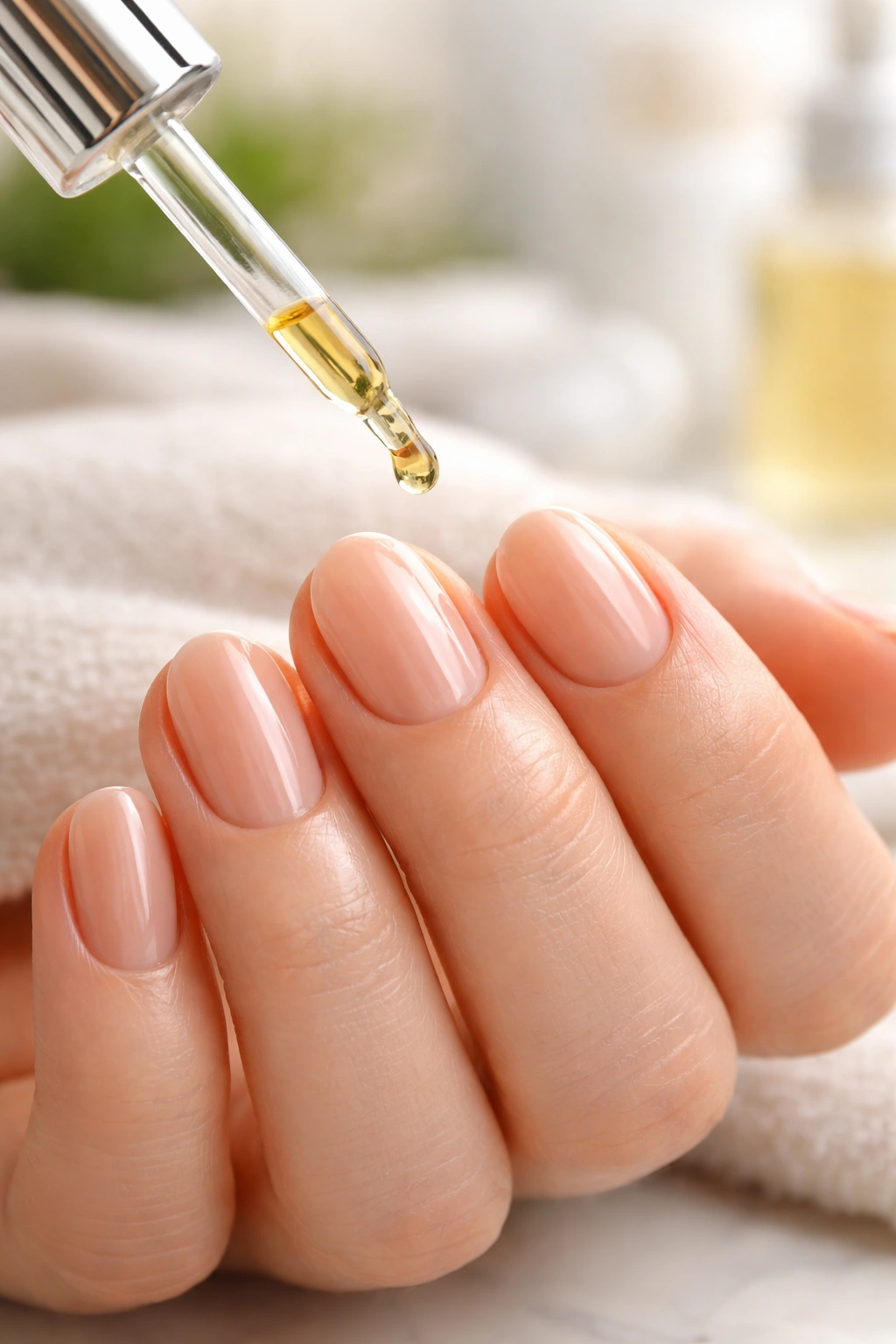
Choosing the right shape is crucial, but it’s only part of the equation. Your nail health starts at the cuticle and nail bed, so treating those areas properly can make a massive difference in how strong your nails grow.
Cuticles are basically the gatekeepers of nail health. They seal the area where new nail cells form, protecting against bacteria and damage. When you push back cuticles too aggressively or cut them (please don’t cut them), you’re compromising that protective barrier and setting up your nails for weakness.
Daily cuticle oil application is one of those things that sounds optional but really isn’t—not if you want stronger nails. Oils keep the nail flexible rather than brittle, which means they’ll bend slightly under pressure instead of snapping. This flexibility is especially important for weak nails.
Your nails also need protection from water and chemicals. Constant exposure to water causes nails to expand and contract repeatedly, which weakens the structure. Wearing gloves when you’re cleaning or doing dishes might feel fussy, but it genuinely helps preserve nail strength.
When Gel or Acrylic Overlays Might Help
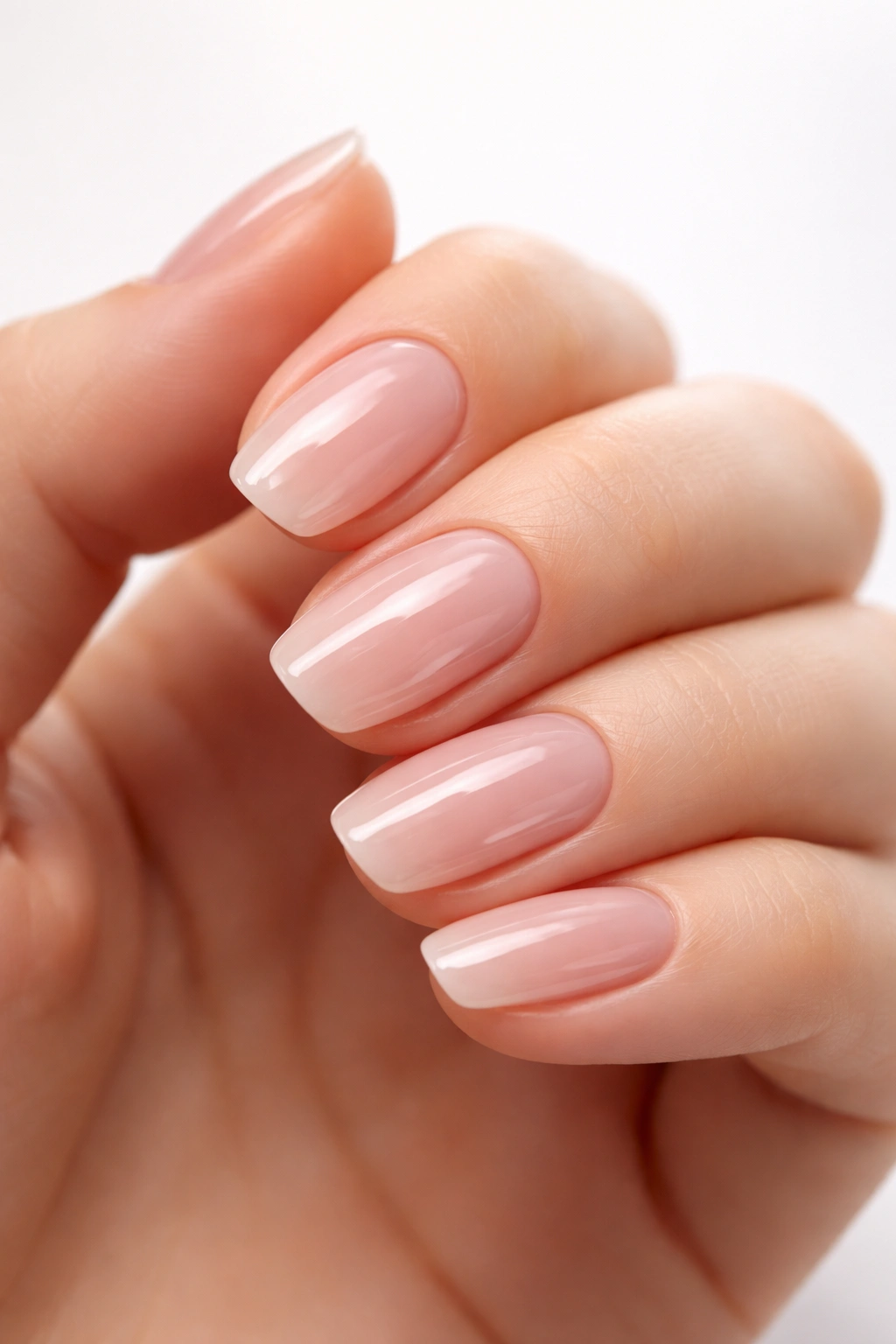
If your natural nails are so weak that even the best shape isn’t cutting it, a light gel overlay can add the reinforcement you need while your natural nails grow and strengthen underneath. This isn’t about extensions or added length—just a protective layer.
Builder gel or a thin gel overlay acts like armor for your fragile nails. It provides structural support that helps prevent breaking while still allowing you to have a nice manicure. The gel cures hard under a UV or LED lamp, creating a shield that can handle daily wear and tear.
Here’s the catch though: application and removal need to be done correctly, or you’ll end up doing more harm than good. Make sure whoever’s applying your gel isn’t over-buffing your natural nail first (that thins it out even more). And when it’s time for removal, proper soaking is non-negotiable—never peel or pick off gel.
If you’re going the overlay route, stick with shapes that provide maximum support. Even with reinforcement, choosing squoval or oval gives you better odds than going straight for stiletto or coffin shapes. Work with your nail tech to find a length and shape combination that looks good but prioritizes your nail health.
Daily Habits That Make Your Nail Shape Last Longer
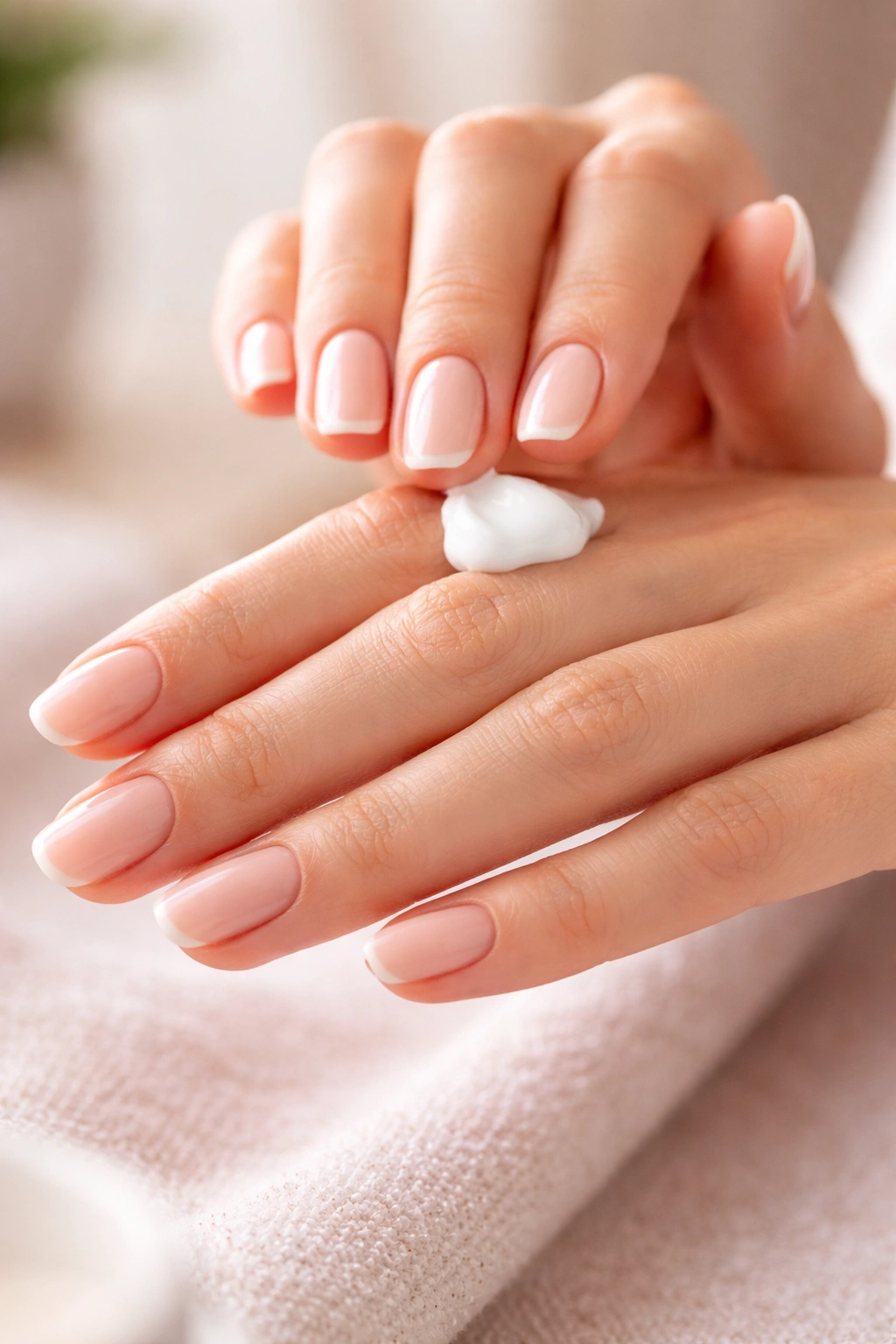
You’ve got the perfect shape, but keeping it requires some mindfulness about how you use your hands. Treating your nails like tools is probably the biggest habit you need to break. Opening cans, scratching off stickers, prying things open—all of that creates stress that leads to breakage.
Moisturizing your hands and nails regularly keeps everything flexible and less prone to cracking. When your skin and nails are dry, they become brittle and stiff, which makes them snap under pressure. A good hand cream applied multiple times a day can actually extend your manicure’s lifespan.
Pay attention to how you’re typing. If you’re constantly jamming your nail tips into your keyboard, you’re creating unnecessary stress. Try adjusting your hand position so you’re using the pads of your fingers rather than your nails.
Be strategic about when you do potentially nail-damaging activities. If you just got your nails shaped and polished, maybe wait a day before deep-cleaning your house or organizing that storage closet. Give your nails a chance to settle into their new shape before putting them through the wringer.
What Your Nail Shape Says About Your Nail Health
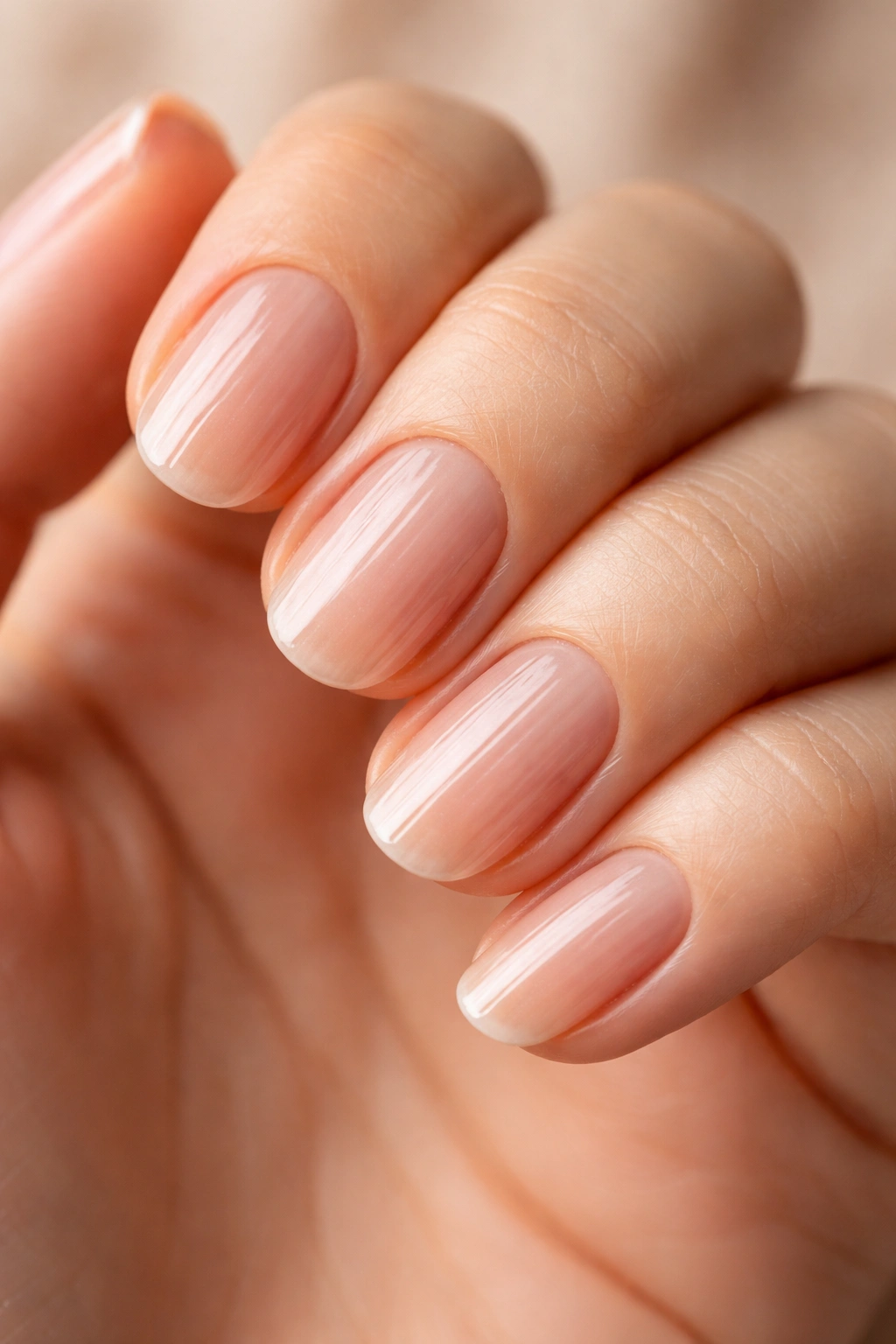
Sometimes the shape your nails naturally grow into can give you clues about underlying issues. If your nails are spooning (curving up at the edges) or developing ridges, the shape you choose becomes even more important for managing these conditions.
Spoon-shaped nails, where the nail dips in the center and edges curve up, can indicate iron deficiency or other nutritional issues. If this is happening to you, stick with shorter shapes that minimize the visible curvature while you address the underlying cause.
Vertical ridges are pretty common and often just a sign of aging or genetics. They don’t necessarily mean your nails are weak, but they can make nails more prone to splitting along those ridges. Gentle shaping and keeping nails shorter can help prevent splits from traveling down the ridge line.
If you’re noticing your nail shape changing—like the nail bed lifting up or the nail becoming unusually thick—that’s worth mentioning to a doctor. Sometimes these changes indicate infections or other conditions that need treatment beyond just choosing a better nail shape.
Making Peace With What Works for Your Nails
Look, there’s going to be some gorgeous almond or coffin nail design on your feed that makes you want to immediately book a salon appointment. And that’s fine—appreciate it, screenshot it, whatever. But being realistic about what your nails can actually handle right now is going to save you so much frustration.
Weak nails aren’t a permanent sentence. With proper care, the right shape, and some patience, your nails can get stronger over time. But pushing them to do things they’re not ready for will only set back that progress and leave you dealing with constant breaks and repairs.
Think of it this way: you’re playing the long game. Choosing a shape that supports your nail health now means you might be able to experiment with trendier shapes down the line once your nails have recovered. Squoval or oval might not be the flashiest options, but they’re the ones that’ll actually let your manicure last.
Your nail journey is yours alone. Someone else might be able to rock stiletto nails with zero problems while your nails break if you file them too square. That’s not a personal failing—it’s just how your nails work. Finding what works for you is way more valuable than chasing what works for someone else.
Key Takeaways: Your Weak Nail Game Plan
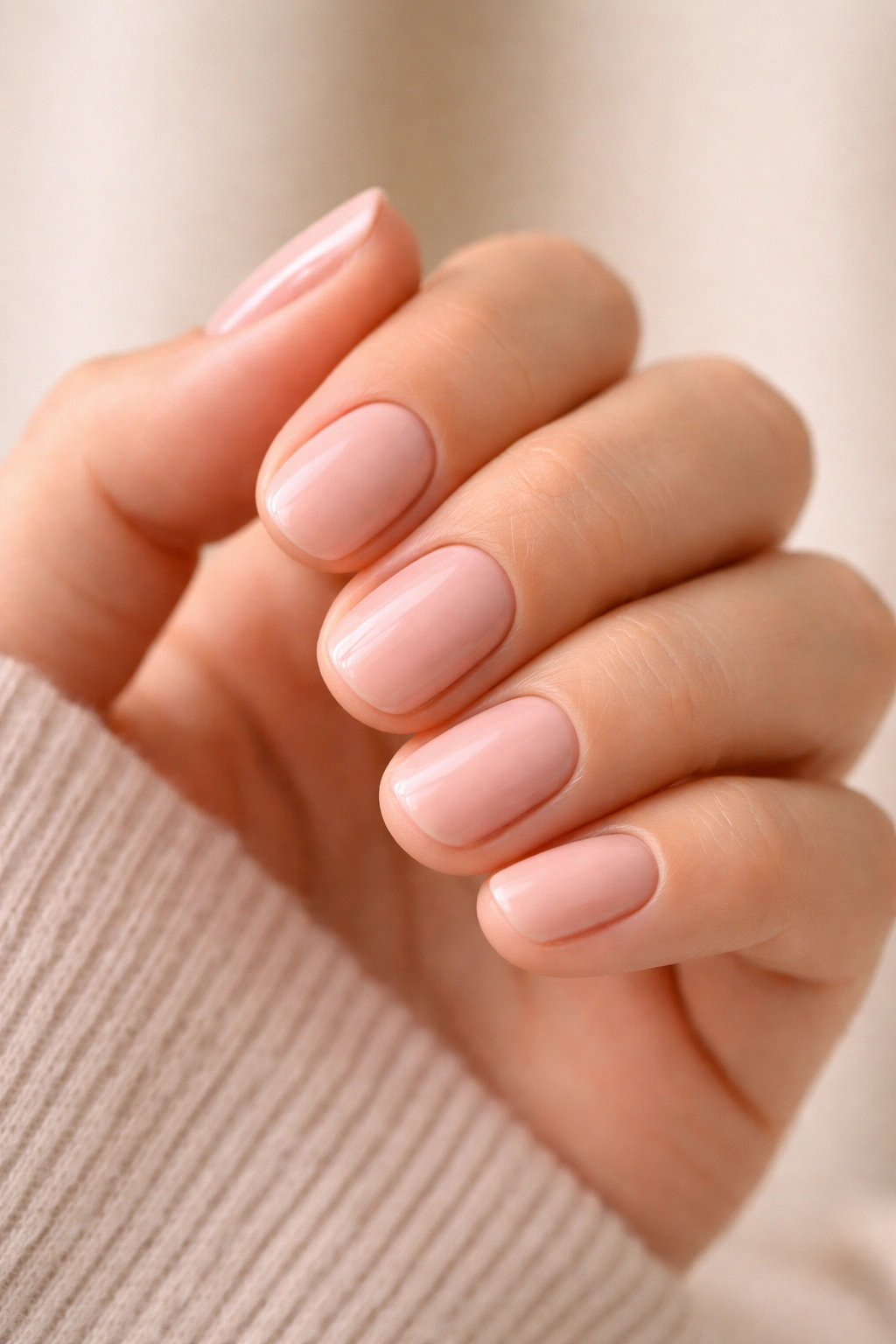
If there’s one takeaway from all this, it’s that squoval and round shapes are your safest bets for weak, brittle nails. These shapes eliminate the stress points and sharp corners that lead to breaks while still looking polished and put-together.
Keep your nails on the shorter side while you’re building strength. Resist the urge to grow them super long before they’re ready. Use a gentle filing technique—always in one direction—and invest in quality tools that won’t shred your nail edges.
Don’t skip the cuticle care. Daily oil application might seem like a small thing, but it makes a genuine difference in nail flexibility and overall health. Protect your nails from excessive water exposure and chemical damage by wearing gloves during household tasks.
Consider a light gel overlay if your nails need extra support, but make sure it’s applied and removed properly to avoid causing more damage. Work with a nail tech who understands that your priority is nail health, not just the latest trend.
Most importantly, be patient with your nails. Strengthening them takes time, and there’s no shortcut around that. But with the right shape and proper care, you can absolutely get to a place where your manicures last longer and your nails feel stronger. Your perfect nail shape is out there—and chances are, it’s squoval.