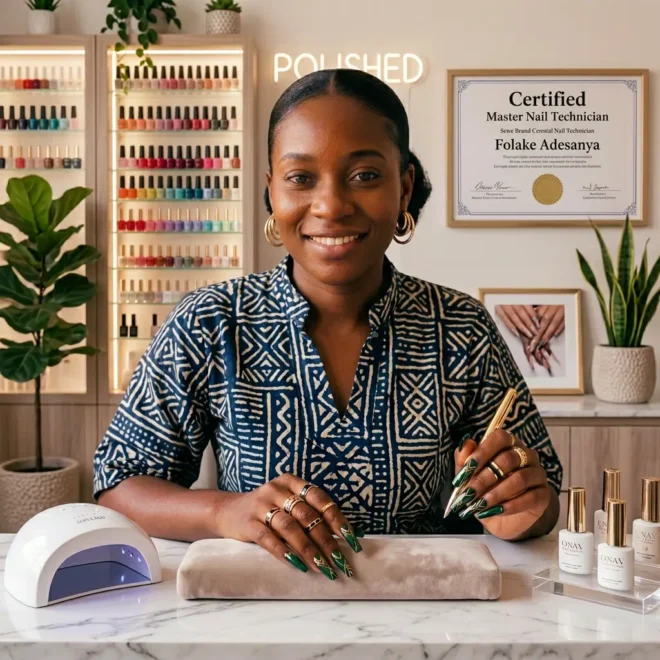


You’re sitting in the nail salon chair, polish color picked out, feeling good about your choice. Then your nail tech asks: “What shape do you want?” And suddenly, you’re faced with more options than a Netflix menu at midnight.
Here’s the thing—nail shape isn’t just some minor detail you mumble through while scrolling Instagram. It changes how your hands look, how your polish wears, and whether you’ll be able to open a soda can without calling for backup. Some shapes make your fingers look miles long. Others add width where you might not want it. A few are downright impractical unless you’ve got a personal assistant to handle all your texting.
There’s no single “best” nail shape that works for everyone. Your hands are different from your best friend’s, your lifestyle doesn’t match your coworker’s, and what looks stunning on your favorite influencer might feel totally wrong on you. But there is a best shape for you—one that fits your fingers, survives your daily routine, and makes you want to show off your hands every chance you get.
We’re going to walk through every shape worth knowing, from the classics your mom probably wore to the edgy styles dominating your feed. You’ll learn which shapes flatter different hand types, which ones require serious commitment, and how to figure out what actually works for your life. No confusing terminology, no one-size-fits-all advice—just real talk about finding your perfect match.
Why Your Nail Shape Decision Actually Matters
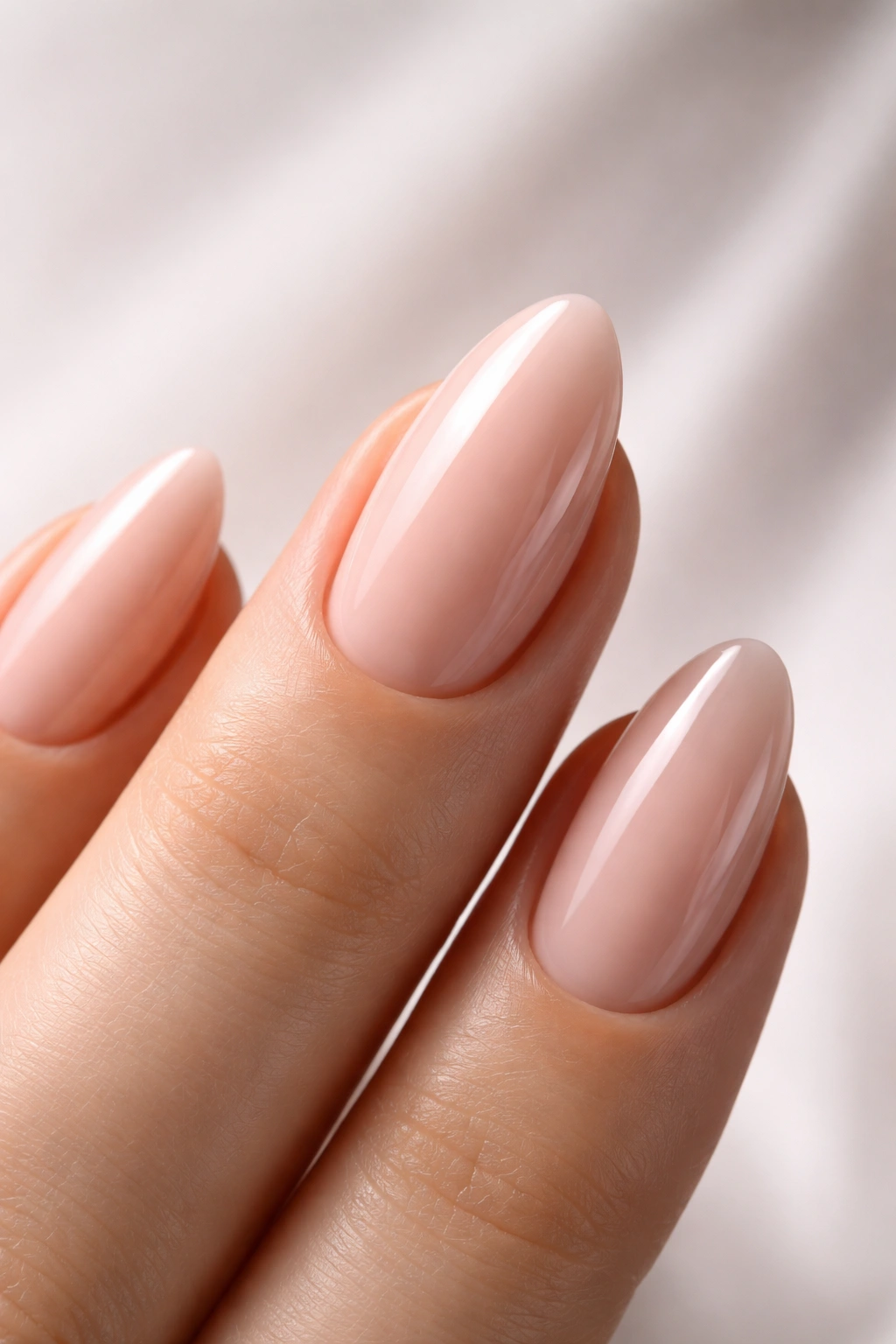
Walk into any salon and you’ll see people sporting wildly different nail shapes. That’s not random. Each shape creates a completely different vibe and changes how your entire hand looks.
Shape affects proportion in ways you might not expect. A square tip can make short fingers look even shorter. An almond taper can add visual length to stubby nail beds. Round edges soften wide hands, while straight sides balance out super-narrow nails. It’s not magic—it’s just how lines and curves play with your eye.
Beyond aesthetics, shape impacts durability. Those gorgeous stiletto points? They snag on everything and break if you breathe wrong. Classic round nails? They’re basically indestructible. If you’re tired of chips and breaks two days after your manicure, your shape choice might be the culprit, not your polish.
And let’s talk practicality. Some shapes let you live your normal life—typing, cooking, putting in contacts. Others turn simple tasks into Olympic events. Before you commit to a dramatic shape because it looks cool on someone else, think about whether you’re willing to adapt your whole routine around your nails.
The right shape makes everything better. Your polish lasts longer. Your hands look more balanced. You feel confident instead of constantly worried about breaking a nail. That’s worth taking five minutes to figure out what actually suits you.
Figure Out Your Hand Type Before Anything Else
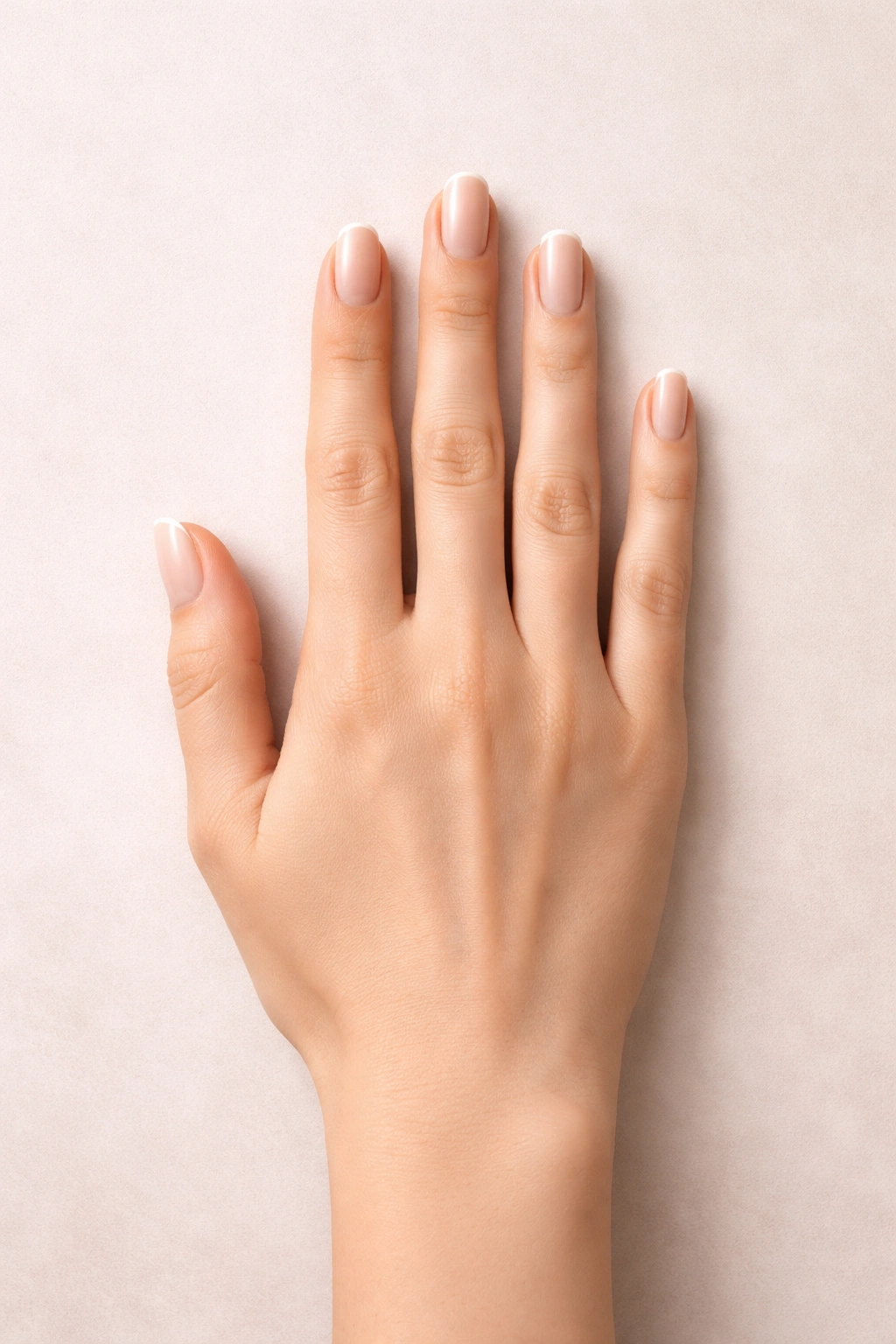
Before you fall in love with a particular nail shape, take an honest look at your hands. Three things matter most: finger length, nail bed width, and palm size. These factors determine which shapes will flatter you and which ones might throw off your proportions.
Start by examining your fingers. Hold your hand up and look at the length from knuckle to tip. Are they long and slender, short and compact, or somewhere in between? Long fingers give you more flexibility—they can handle bold shapes without looking overwhelming. Shorter fingers benefit from shapes that create the illusion of length rather than emphasizing width.
Next, check out your nail beds. Push back your cuticles slightly and look at the natural width of each nail. Wide nail beds can appear even wider with the wrong shape, while narrow beds might look unbalanced with certain styles. There’s nothing wrong with either—you just want to work with what you’ve got instead of fighting it.
Your palm matters too, though people forget about this. A wide palm with short fingers creates different proportions than a narrow palm with long fingers. The goal isn’t to “fix” anything—your hands are fine as they are. You’re just choosing shapes that create visual balance and make you feel great.
One more thing to consider: nail strength. If your natural nails are thin and break easily, you’ll want to avoid shapes with weak points like sharp corners or dramatic tapers. Or you’ll need to use gel or acrylic reinforcement to make those shapes work. Be realistic about what your nails can handle.
Round Nails: The Underrated Classic
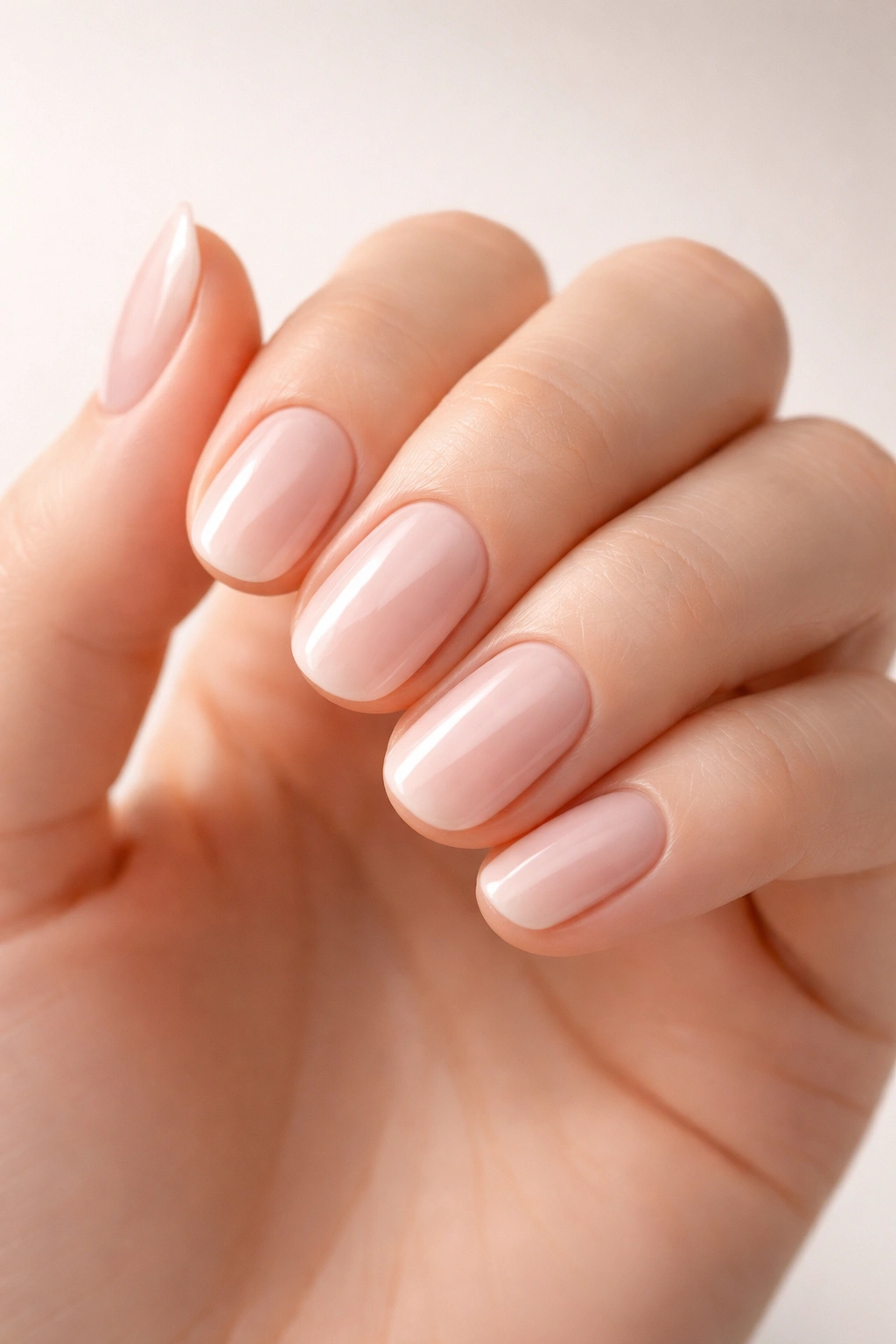
Round nails follow your natural fingertip curve with a softly rounded edge. Nothing fancy, nothing dramatic—just clean, simple, and way more versatile than they get credit for. This shape has been around forever because it actually works.
The beauty of round nails is their practicality. They’re the strongest shape you can choose because there are no weak points or sharp corners to snag and break. If you’re rough on your hands, work in a job that’s hard on your nails, or just want something low-maintenance, round nails deliver. They grow out nicely without looking weird, and they require minimal filing to maintain.
Round nails work especially well if you have short fingers or wide nail beds. The curved edge creates a softer, more elongated look that balances out width. They’re also perfect for short nail lengths—you don’t need lots of length for this shape to look polished and intentional.
Don’t mistake “simple” for “boring.” Round nails provide a clean canvas for any color or design. A deep red or berry shade looks sophisticated. Pastels feel fresh and feminine. Even intricate nail art works beautifully because the shape doesn’t compete for attention. The nails frame your polish choice instead of overshadowing it.
To get this shape at home, file from the sides following your natural nail curve. Work in one direction rather than sawing back and forth—this prevents fraying and splitting. Keep the curve gentle and even, checking both hands to make sure they match. It’s straightforward enough that you can maintain this shape yourself between salon visits.
Oval Nails: Elegant Without Trying Too Hard
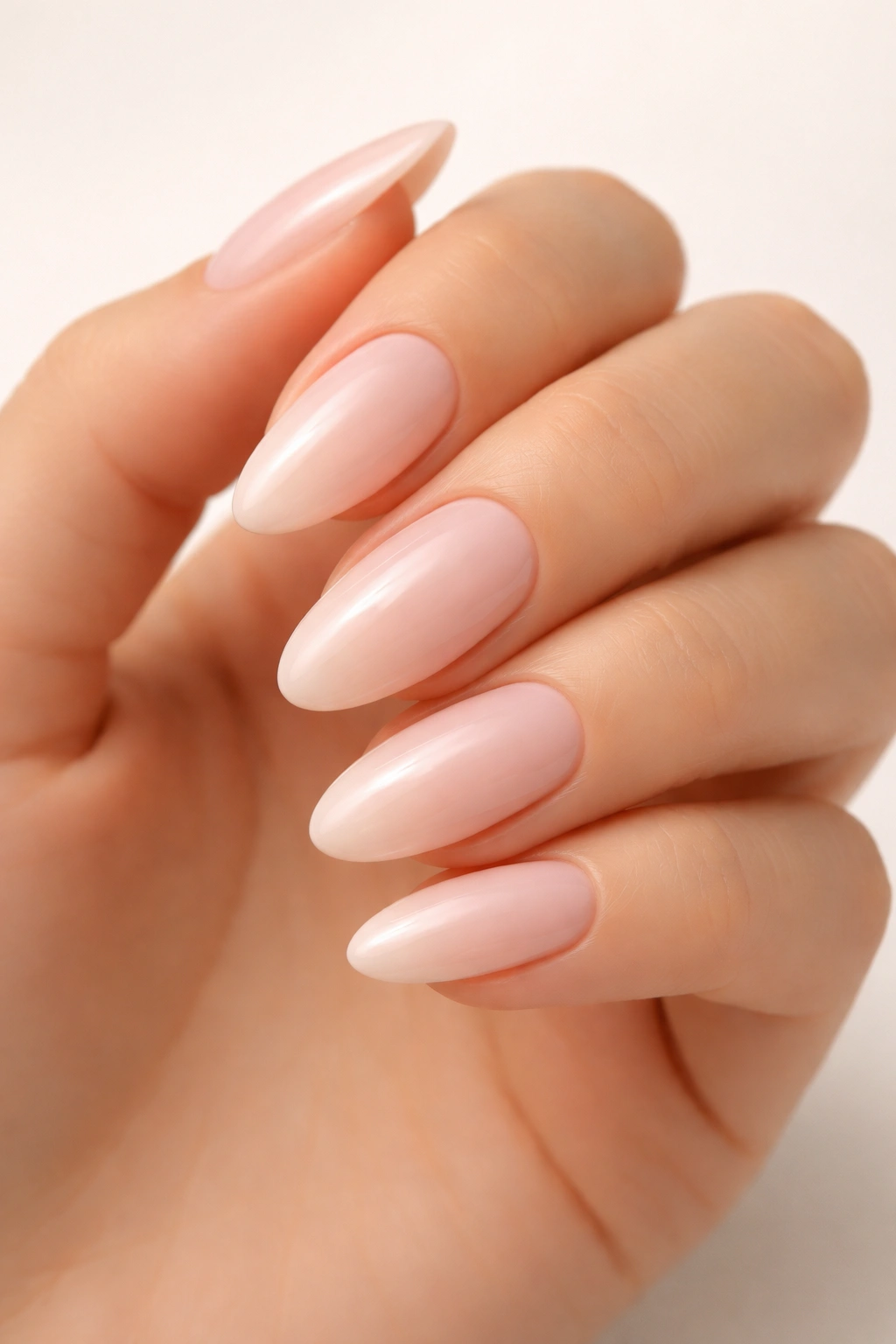
Oval nails take the round shape and stretch it out slightly, creating an egg-like silhouette that’s a bit more tapered. This shape hits that sweet spot between classic and modern, practical and pretty. It’s flattering on almost everyone, which explains why it’s such a salon staple.
What makes oval special is how it lengthens everything visually. The gentle taper makes your fingers look longer and more slender without requiring dramatic length. If you have shorter fingers or wider nail beds, oval nails create balance and proportion. They’re also softer and more feminine than square shapes while still looking polished and put-together.
Oval works across different nail lengths, though it shines best on short to medium nails. You don’t need tons of length for this shape to look intentional and elegant. That makes it practical for people who want style without the maintenance headaches of super-long nails. It’s also durable—the lack of sharp corners means less breakage than square or stiletto shapes.
This shape pairs beautifully with any polish color or nail art. Neutrals look sophisticated and expensive. Bright colors feel fun without being over-the-top. French tips? Gorgeous. Minimalist designs? Perfect canvas. The oval doesn’t impose its personality on your polish choice—it just enhances whatever you pick.
Creating oval nails takes a bit more precision than round ones. File the sides to taper them slightly, then round the free edge to create that elongated egg shape. The key is keeping the taper gentle and the tip centered. Check your work by flipping your hands over and looking at the shape from different angles. Adjust until both hands look even.
Square Nails: Bold and Modern
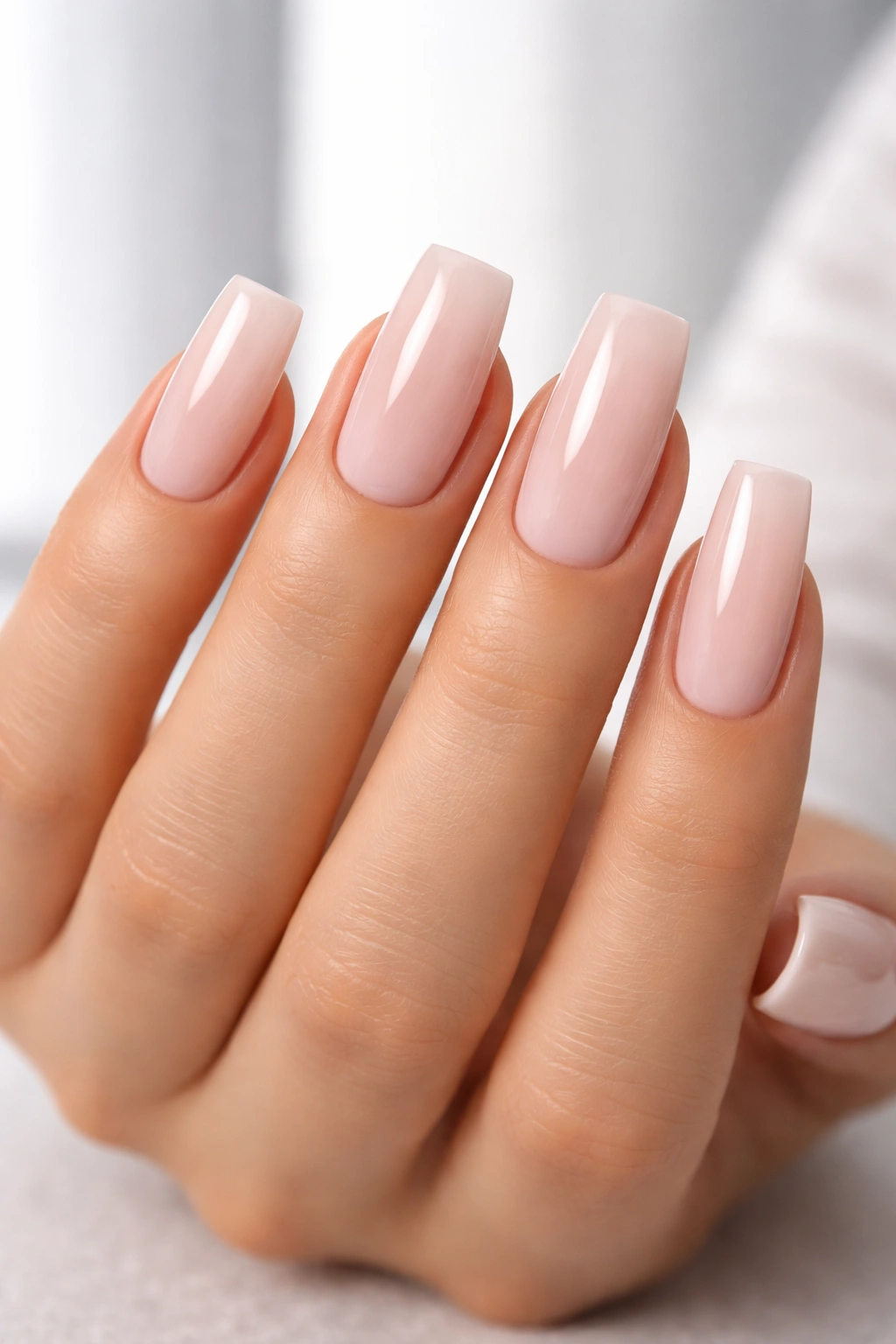
Square nails bring sharp edges and clean lines to your fingertips. The free edge is filed straight across with distinct corners, creating a strong, modern look. This shape makes a statement—it’s confident, slightly edgy, and definitely not trying to blend in.
Square nails look best on longer fingers with narrow nail beds. The straight edges add visual width, which balances out narrow proportions beautifully. If you have shorter, wider fingers, though, square nails can emphasize that width and make your hands look more compact. It’s one of those shapes where your natural proportions really matter.
This shape requires some length to look right. Super-short square nails can appear stubby, while medium to long lengths show off those clean lines perfectly. Square is also popular for acrylics and gel extensions because the shape provides a strong, stable base for enhancements. French manicures look especially crisp with square tips.
The downside? Those corners are weak points. They’re the first things to snag on fabric, bags, or hair. If your nails are thin or you’re active with your hands, you’ll likely deal with more chips and breaks. Some people soften the corners slightly to reduce breakage while keeping that square aesthetic.
Filing square nails is straightforward but requires precision. Trim or file straight across the free edge, keeping the line parallel to your cuticle. The sides should be filed straight and perpendicular to the tip. Use a fine-grit file to smooth any rough edges, but resist the urge to round those corners—that creates a different shape entirely.
Squoval Nails: The Shape That Works for Everyone
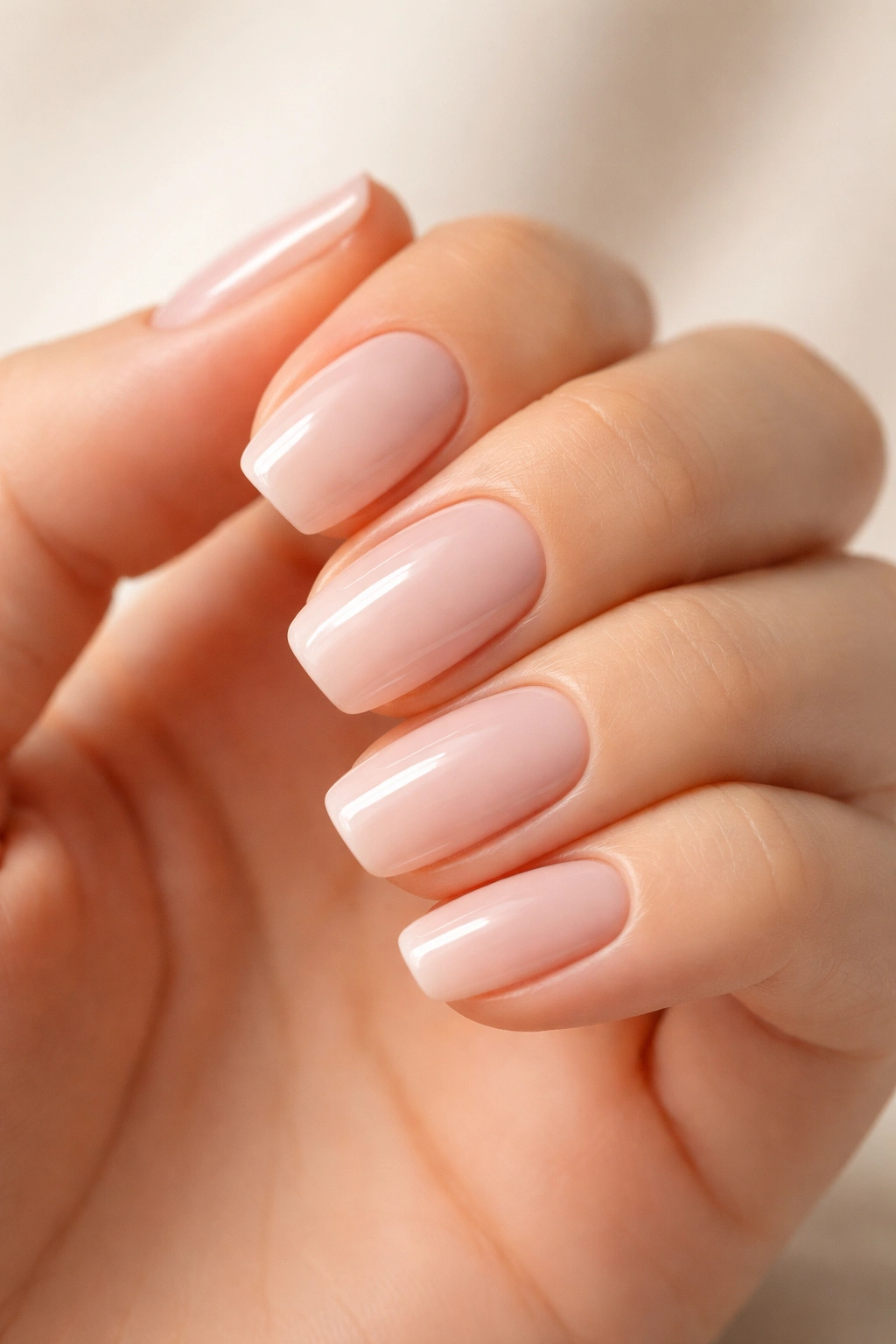
Can’t decide between square and oval? Squoval combines both, giving you straight sides with softly rounded corners. Think of it as square nails that went to therapy and learned to relax a little. This hybrid shape is flattering on nearly everyone and practical enough for real life.
Squoval is the most universally wearable shape out there. It works on short fingers and long ones, wide nail beds and narrow ones, natural nails and extensions. The straight sides provide structure while the rounded corners add softness and reduce breakage. It’s modern without being trendy, feminine without being fussy.
This shape is particularly brilliant if you’re growing out damaged nails or transitioning from one shape to another. Squoval is forgiving—slight imperfections don’t ruin the overall look. It’s also the easiest shape to maintain at home because you’re essentially just softening square corners. No complicated filing techniques required.
Length flexibility is another bonus. Squoval looks intentional and polished whether your nails are short and practical or longer and more dramatic. You’re not locked into a specific length the way you are with shapes like almond or stiletto. As your nails grow, the squoval shape grows with them naturally.
Creating squoval nails is simple. File straight across the top to create a square shape first. Then gently round each corner with your file, connecting the top edge to the sides in a smooth curve. The amount of rounding is up to you—more rounding leans toward oval, less keeps it closer to square. Find what looks balanced on your hands.
Almond Nails: Sleek and Sophisticated
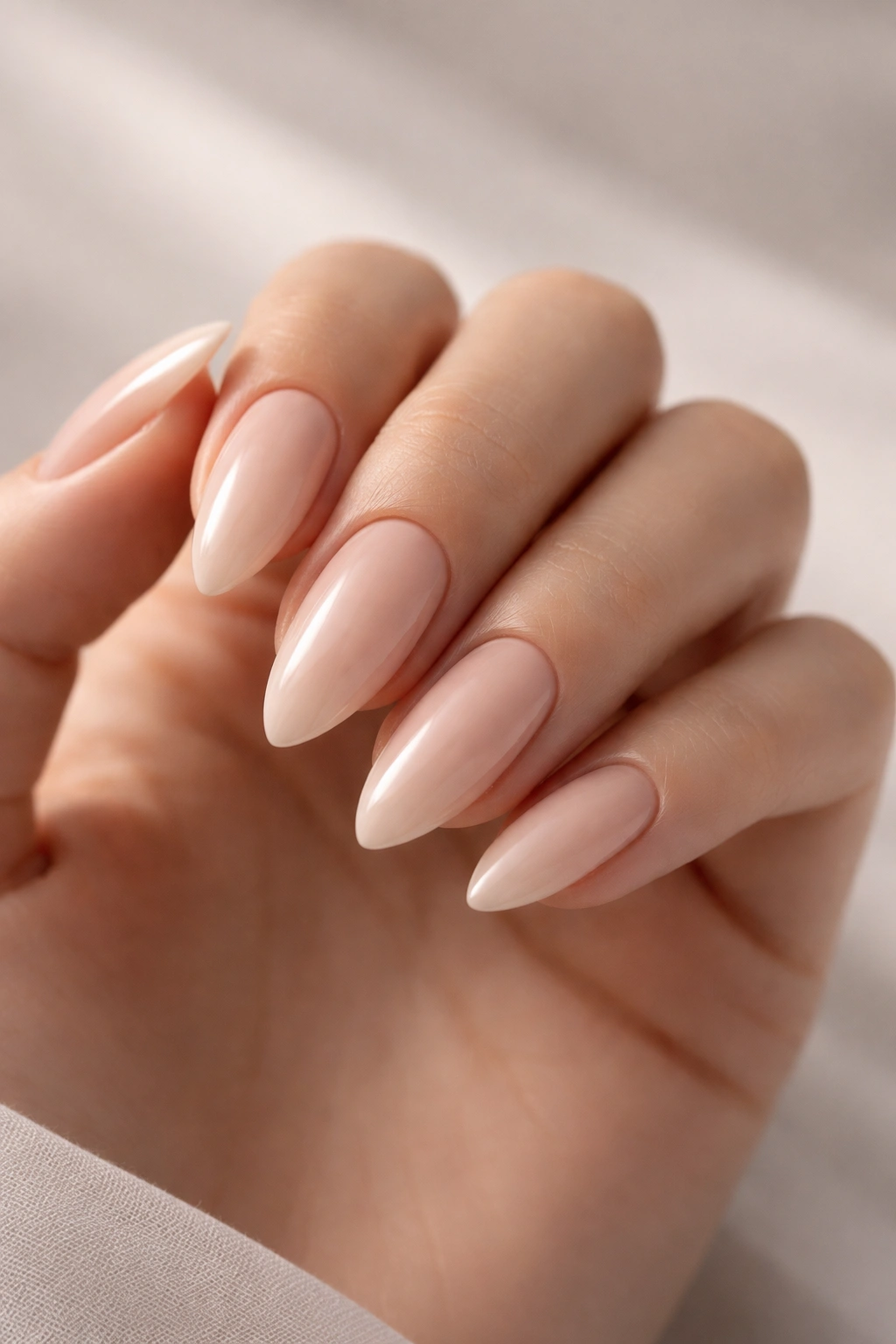
Almond nails taper along the sides to a softly rounded point, mimicking the shape of an actual almond. This style is undeniably elegant—it’s the nail equivalent of a little black dress. Sleek, feminine, and instantly elevating whatever polish color you choose.
The almond shape is amazing for creating the illusion of length. The tapered sides draw the eye up and out, making your fingers look longer and more slender. If you have short or wide fingers, almond nails can visually balance your proportions beautifully. They’re also perfect for wider nail beds since the taper creates a narrower appearance.
You’ll need some length to pull off this shape properly. Almond nails look best at medium to long lengths—too short and they just look like poorly filed ovals. Many people choose gel or acrylic enhancements for almond nails because natural nails at that length can be fragile. The tapered sides are stronger than stiletto points but still more delicate than blunt shapes.
Almond nails provide gorgeous canvas for nail art. The elongated shape makes patterns and designs look more elegant and intentional. Ombré effects flow beautifully along the taper. Minimalist designs feel modern and chic. Even solid colors look more expensive somehow on almond-shaped nails.
Filing almond nails requires patience and precision. Start by filing both sides at an angle, working toward the center of the nail to create a peak. Then round that peak gently to soften the point. The key is keeping the taper symmetrical on both sides—this takes practice and frequent checking from different angles. Take your time and file conservatively. You can always take more off, but you can’t put it back.
Coffin Nails: Drama in a Shape
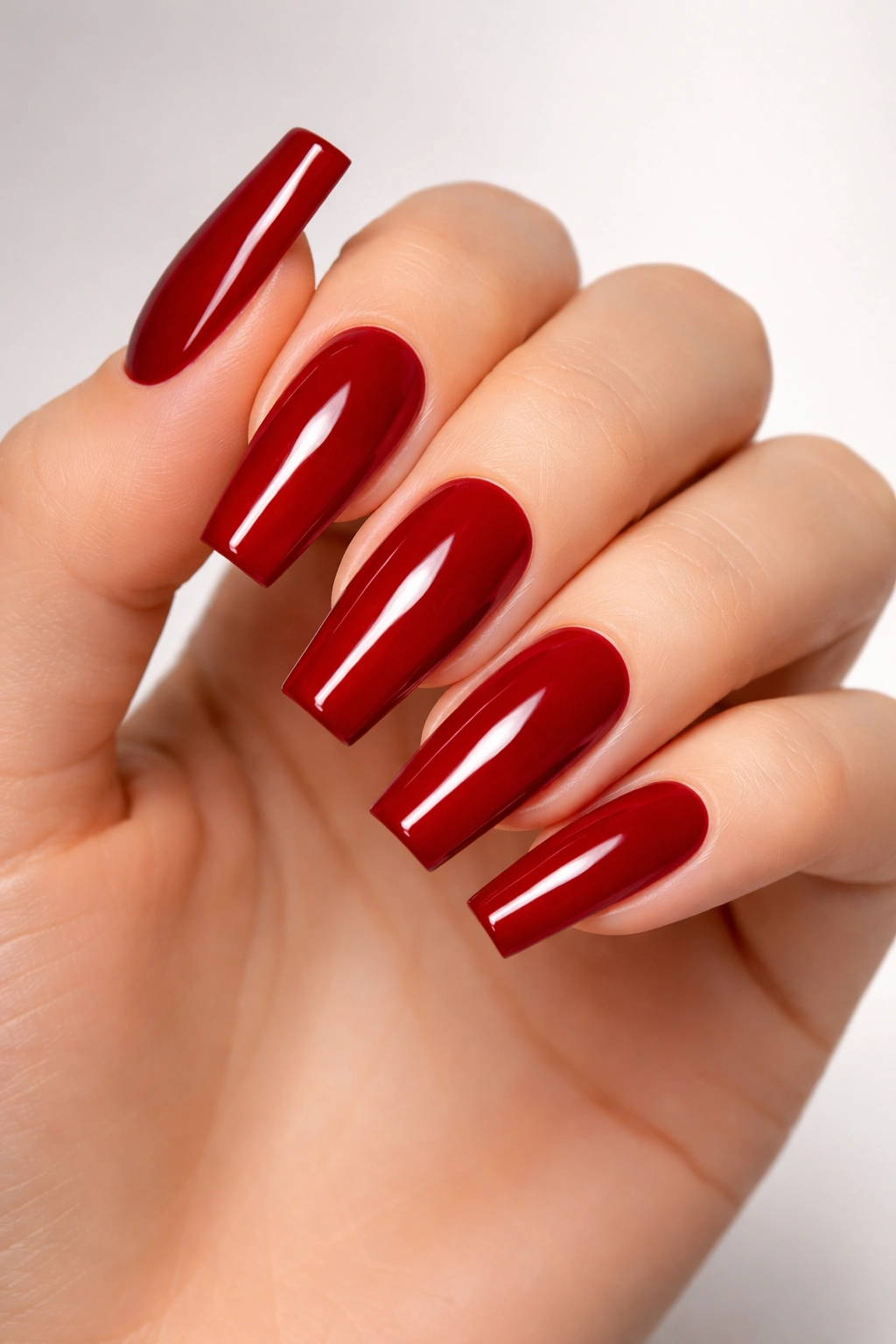
Coffin nails—also called ballerina nails—feature tapered sides like almond nails but with a squared-off tip. The result resembles a coffin lid or a ballerina’s pointe shoe, depending on whether you’re feeling morbid or graceful. Either way, it’s dramatic, eye-catching, and definitely makes a statement.
This shape is all about impact. Coffin nails are bold, trendy, and perfect if you want your nails to be a focal point. They’re Instagram-famous for good reason—they photograph beautifully and provide tons of space for elaborate nail art, embellishments, and creative designs. If you love having nails that start conversations, coffin is calling your name.
Coffin nails work best on longer nail beds with strong nails or quality enhancements. You need significant length for this shape to look right—short coffin nails just look like awkward squares. Most people get coffin nails done with acrylics or gel extensions because maintaining this shape on natural nails is challenging. The tapered sides are vulnerable to breakage without reinforcement.
Lifestyle matters a lot with this shape. Those squared tips catch on things. Typing takes adjustment. Putting in contacts becomes an adventure. If your daily routine involves a lot of hand work, coffin nails might frustrate you more than delight you. They’re better suited for people who can baby their nails a bit or who prioritize aesthetics over practicality.
Creating coffin nails requires skill, especially on natural nails. File the sides at an angle to create a tapered effect, then file straight across the tip to create that flat edge. The width of the tip is crucial—too wide and it looks odd, too narrow and the shape looks wrong. This is definitely one shape where you might want professional help, at least the first few times.
Stiletto Nails: Maximum Impact, Maximum Commitment

Stiletto nails taper to a sharp, dramatic point that resembles—you guessed it—a stiletto heel. This shape is fierce, bold, and absolutely not for the faint of heart. It’s the nail shape equivalent of wearing leopard print to a job interview. You’re making a choice.
Stiletto nails are pure drama. They elongate your fingers dramatically and make your hands impossible to ignore. If you want attention-grabbing nails that scream confidence, this is the shape. Celebrities love stilettos for events and photo shoots because they photograph beautifully and create that high-fashion, slightly dangerous vibe.
Real talk, though—stiletto nails are high-maintenance and impractical for most lifestyles. That sharp point catches on literally everything: clothes, hair, bags, your own skin when you’re trying to scratch an itch. Typing is difficult. Picking up small objects becomes a challenge. You’ll need to relearn basic tasks or accept that some things are just harder now.
These nails almost always require acrylic or gel reinforcement. Natural nails can’t maintain that long, pointed shape without breaking. You’re also committing to regular salon visits to maintain the shape as they grow. Fills and reshaping become necessary every couple of weeks. Budget time and money accordingly if you’re going this route.
Filing stiletto nails demands precision and experience. You’re creating a point by filing both sides at a steep angle toward the center. Unlike almond nails where you round the peak, stiletto keeps that point sharp. This is genuinely difficult to do evenly—one side always wants to be more aggressive than the other. Unless you’re experienced with nail shaping, let a professional handle stilettos.
The Trendy Shapes Worth Knowing About
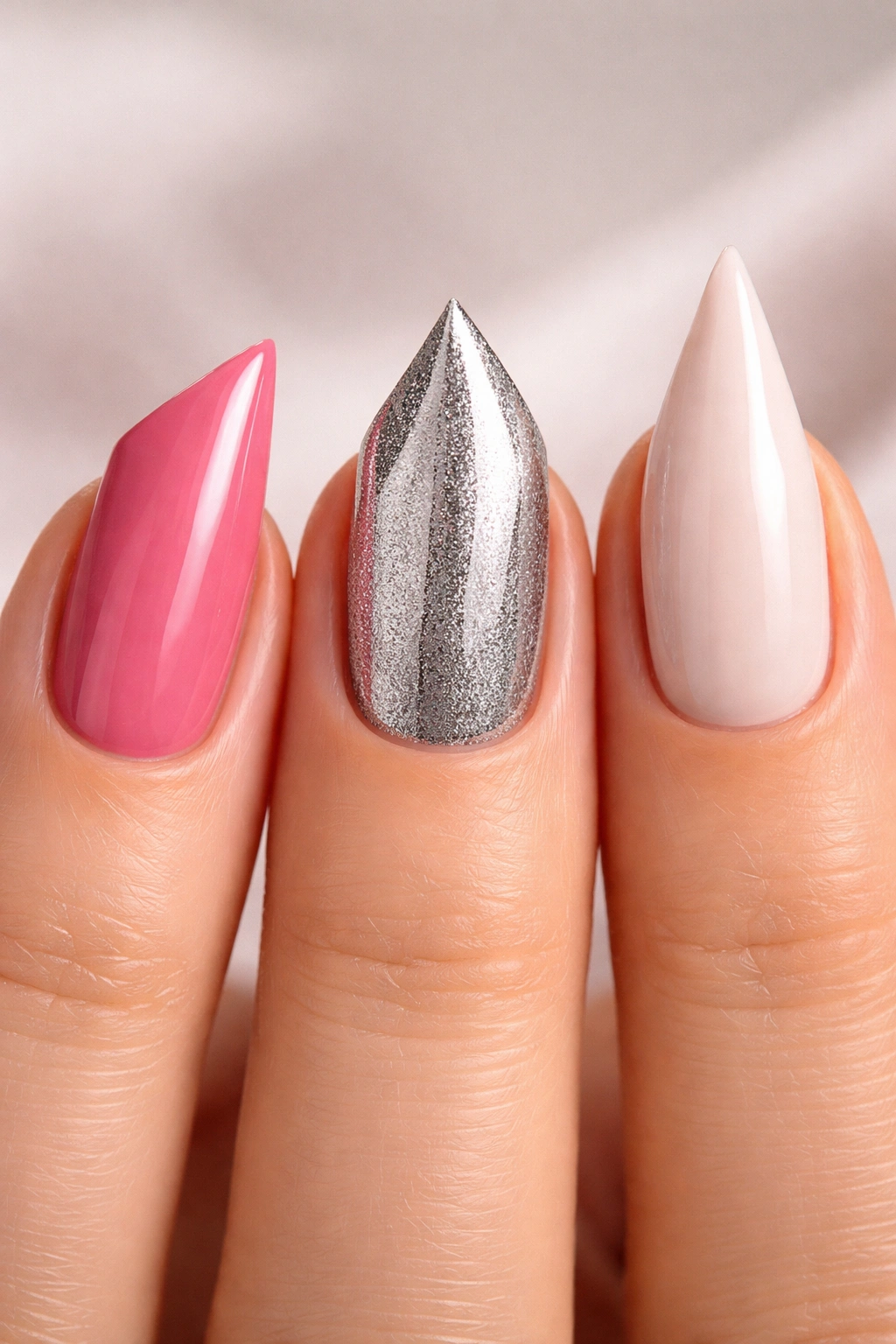
Beyond the classics, several trendy shapes have emerged that you’ll see all over social media. These shapes are fashion-forward and fun to experiment with, even if they’re not everyday practical.
Lipstick nails feature a diagonal, slanted tip that resembles a fresh tube of lipstick. This asymmetrical shape is quirky and eye-catching—definitely a conversation starter. It works on various nail lengths and creates an edgy, artistic vibe. The angled tip is less practical than traditional shapes, but it photographs beautifully and lets you show off creative polish application.
Edge or arrowhead nails create a point like stiletto but with a wider, flatter tip. It’s slightly less dramatic than a full stiletto while still being sharp and modern. This shape suits people who want that pointed aesthetic without going quite as extreme. It’s still high-maintenance but marginally more practical than its stiletto cousin.
Mountain peak nails feature a sharp ridge running down the center of the nail, creating a dimensional effect. This shape is truly unique and eye-catching but requires professional application with acrylics or builder gel. It’s more art installation than practical nail shape—wear it when you want to make an impression.
Flare nails (sometimes called duck nails) widen at the tip instead of tapering. They’re wider at the free edge than at the base, creating an unusual silhouette. This shape was trendy in the early 2000s and makes occasional comebacks. It’s definitely a love-it-or-hate-it situation—not much middle ground. If you’re feeling experimental and nostalgic for Y2K trends, give it a shot.
Matching Nail Shape to Your Hand Type
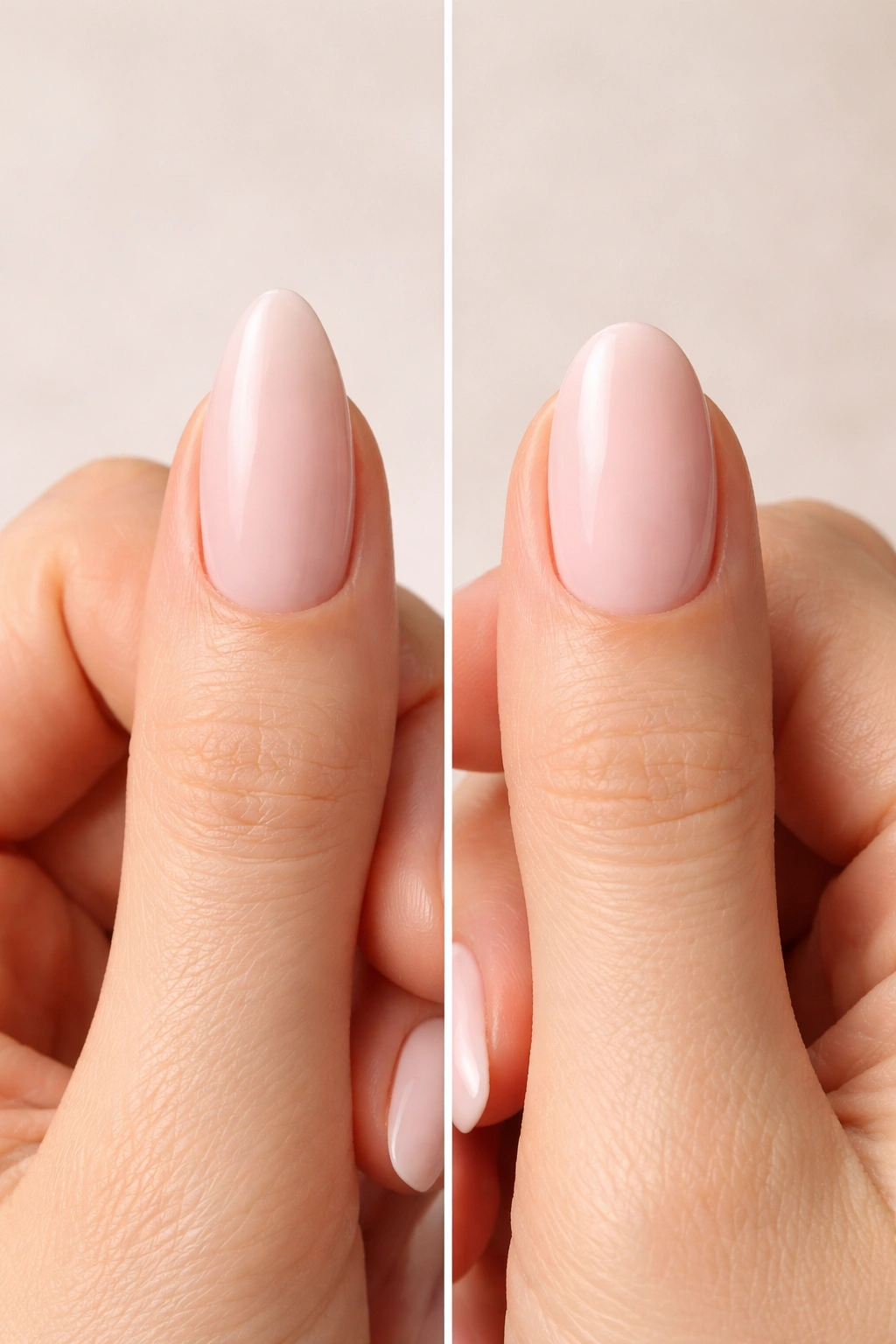
Now that you know the shapes, let’s get specific about which ones flatter different hand types. Remember, these are suggestions, not rules. Wear what makes you happy. But if you’re looking for traditionally flattering options, here’s where to start.
Short fingers with wide nail beds benefit most from oval, almond, or round shapes. These create vertical lines that elongate your fingers visually. The tapering or curved edges make wide nail beds appear narrower and more balanced. Avoid very square or short shapes that emphasize width instead of length.
Long, slender fingers can wear pretty much anything, but square, coffin, and stiletto shapes particularly shine here. These shapes add visual width that balances out length beautifully. Your natural proportions give you flexibility—this is your chance to try dramatic shapes that might overwhelm smaller hands.
Wide palms with short fingers look best with almond or oval nails that create length. The tapered shapes draw the eye vertically, balancing out the width of your palm. Keep length moderate—super-long nails on short fingers can look disproportionate. The goal is harmony, not fighting against your natural shape.
Long palms with long fingers can handle any shape, but square-tapered (like coffin) or almond shapes create beautiful proportion. You’ve got the canvas for nail art, dramatic length, and pretty much any shape you’re drawn to. Your main consideration is lifestyle and maintenance rather than finding a flattering shape.
Narrow nail beds work well with square, squoval, or coffin shapes that add visual width. Very tapered shapes like stiletto can emphasize the narrowness. That might be exactly what you want, or you might prefer shapes that create more balance. Experiment to see what feels right on your hands.
Your Lifestyle Matters More Than You Think
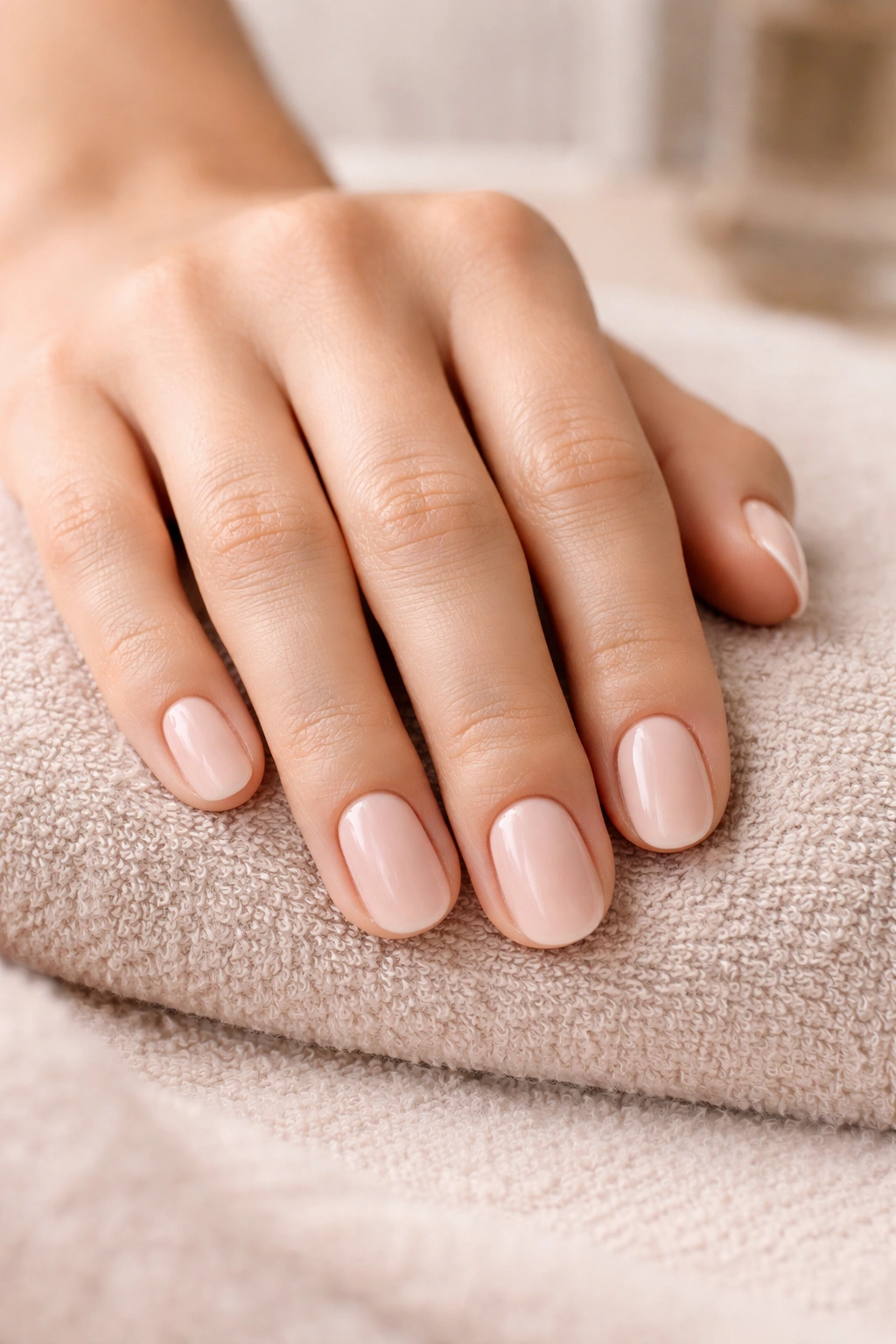
Here’s something nail shape guides often skip: your actual life. The most flattering shape in the world is wrong if it doesn’t survive your daily routine. Before committing to a shape, honestly assess how you use your hands.
If you’re typing constantly—whether for work, school, or just texting your entire life away—shorter shapes like round, oval, or squoval make life easier. Long nails make typing awkward and increase mistakes. Sharp points get in the way of the keys. Save yourself the frustration and choose something practical that lets you work efficiently.
People who work with their hands in any capacity—healthcare, food service, cleaning, childcare, hair styling—need durable, low-maintenance shapes. Round and squoval are your friends here. They’re strong, they don’t snag on gloves or materials, and they survive the constant use. Dramatic shapes get destroyed quickly when you’re hands-on all day.
Contact lens wearers, take note. Pointed shapes like stiletto or coffin make putting in contacts genuinely difficult and potentially dangerous. Round, oval, or short squoval nails let you handle your lenses without stabbing yourself in the eye. Your cornea will thank you.
If you’re constantly digging through bags, dealing with zippers, or handling small objects like jewelry or crafts, avoid shapes with sharp corners or points. These snag on everything and break frustratingly often. Rounded shapes glide through tasks without catching.
For people with flexible schedules or less hands-on lifestyles, go wild. If you’re not typing all day or changing diapers or digging through purses, you can prioritize aesthetics over practicality. Choose shapes that make you feel gorgeous, even if they’re high-maintenance.
How to Maintain Your Shape at Home
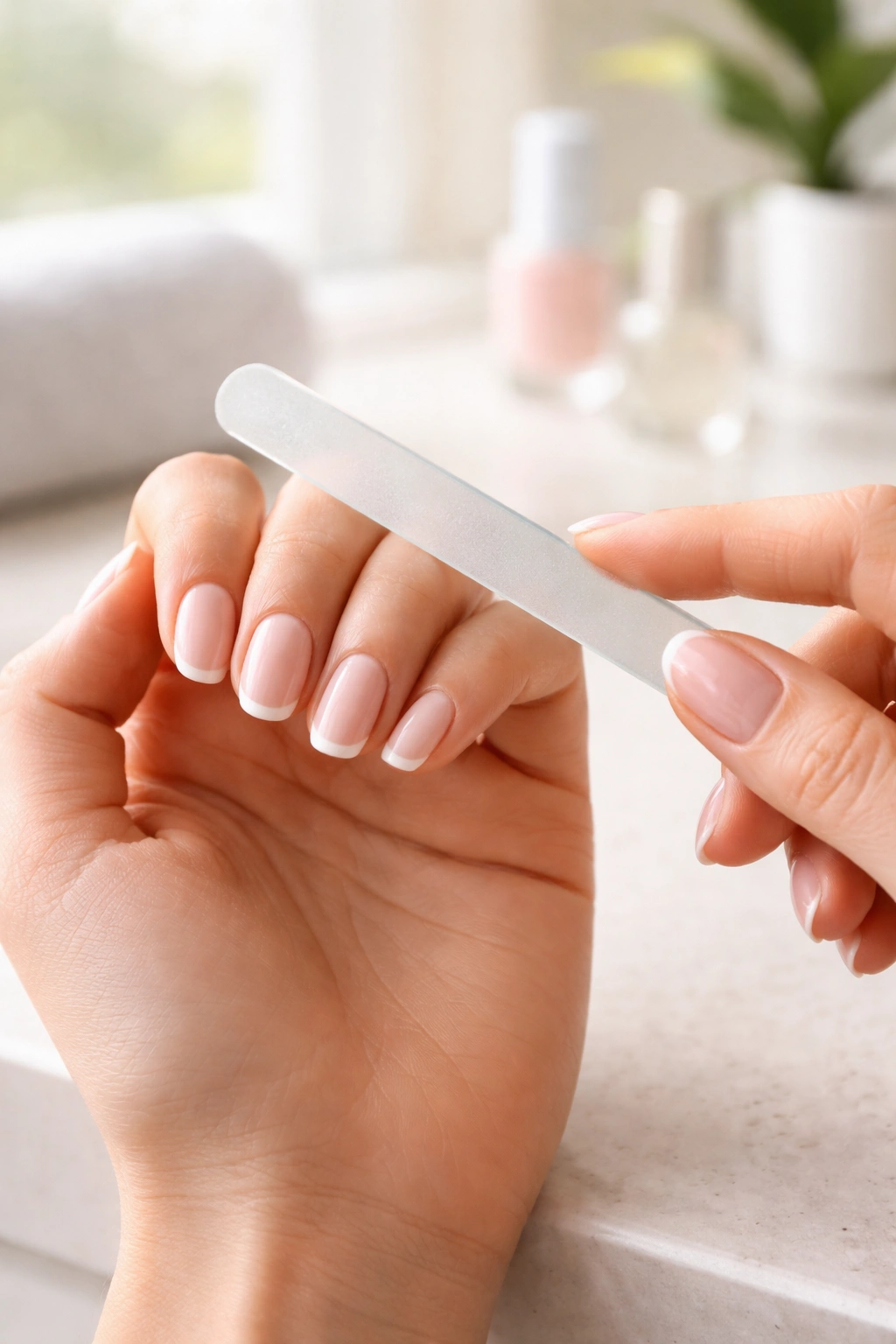
Professional manicures are lovely, but you’ll spend most of your time between appointments. Learning to maintain your nail shape at home keeps your nails looking polished and prevents that awkward grown-out phase where your shape looks undefined.
Invest in a good-quality nail file—not those cheap cardboard ones that tear up your nails. A glass or crystal file is gentler and more precise. Medium-grit files work for most shaping, while fine-grit files smooth edges without removing too much nail. Keep your file clean and replace it when it gets worn.
File in one direction, not back and forth. Sawing motion creates friction that can weaken your nails and cause splitting. Pick a direction and stick with it—file from the outer edge toward the center in smooth, even strokes. This technique keeps your nail edge smooth and prevents fraying.
Shape your nails when they’re dry, never wet. Wet nails are softer and more flexible, which makes filing less precise. You might file too much without realizing it, or create an uneven shape that only becomes apparent once they’re dry. File after your shower or hand-washing, not during.
Check your work frequently. File a few strokes, then look at both hands together to make sure they match. Look at them from different angles—straight on, from the side, with palms facing you. Small asymmetries become obvious when you compare both hands. It’s easier to fix shape issues gradually than to realize you’ve filed one side much more than the other.
Maintain your shape every week or so. Don’t wait until your nails have grown significantly and the shape is completely lost. Small, regular maintenance is easier than major reshaping. Keep a nail file handy and touch up any rough spots or uneven growth as soon as you notice them.
When to Choose Natural Nails vs. Enhancements
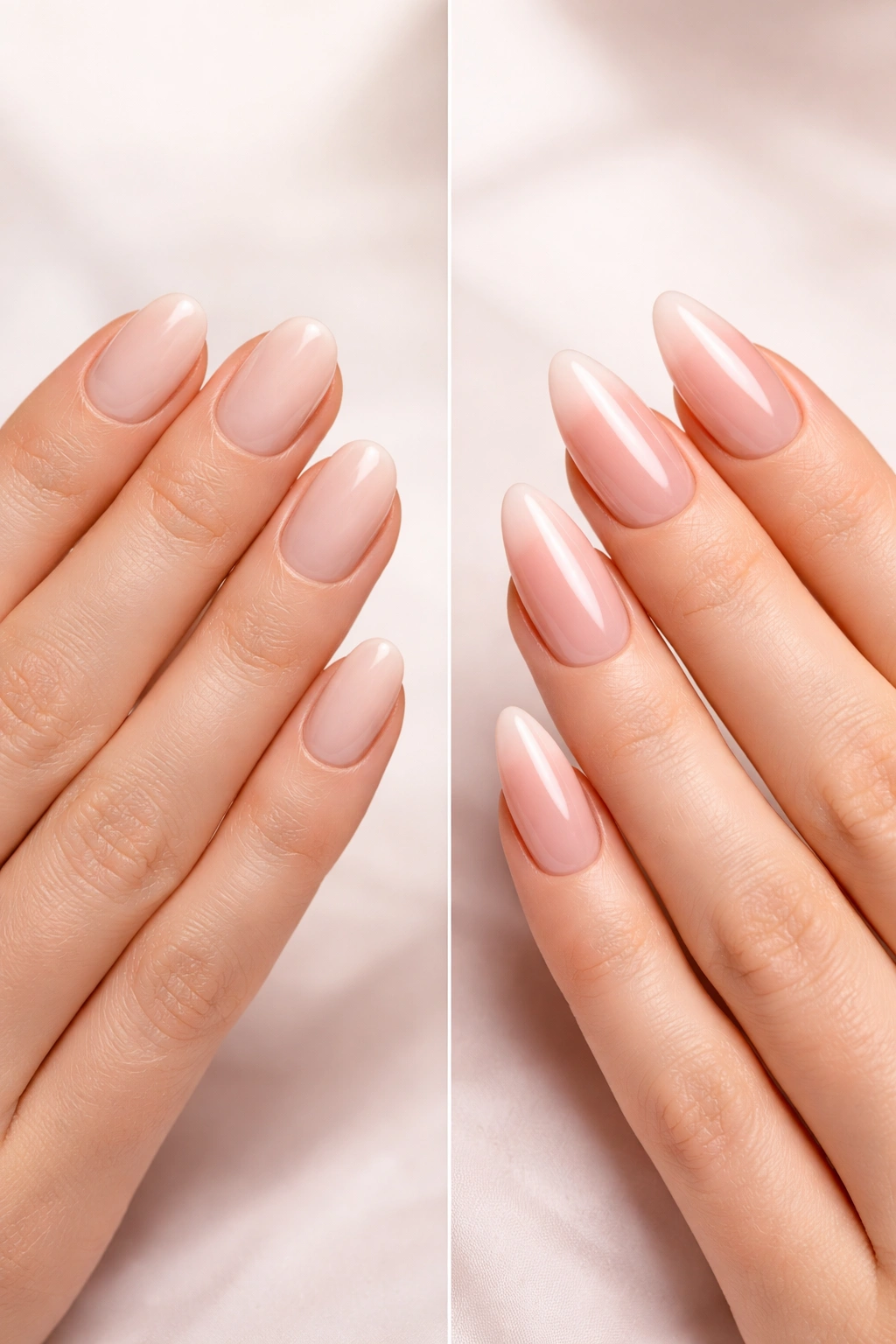
Some shapes work beautifully on natural nails, while others pretty much require acrylics, gel, or other enhancements. Understanding this distinction helps you set realistic expectations and make informed choices.
Round, oval, square, and squoval shapes all work great on natural nails. These shapes are achievable with filing alone and don’t require significant length. Natural nails at short to medium lengths can maintain these shapes beautifully with regular filing and basic care. If you prefer keeping your natural nails, stick with these classics.
Almond nails sit in the middle zone. You can achieve this shape on natural nails if they’re naturally strong and you can grow them to medium length. However, the tapered sides are weaker than blunt shapes, so thin or brittle natural nails might struggle. Many people use gel polish or builder gel to reinforce natural nails for almond shape without full extensions.
Coffin, stiletto, lipstick, and other dramatic shapes almost always need enhancements. These shapes require length and structure that most natural nails can’t maintain. The tapered sides and pointed or flat tips create weak points that break easily on natural nails. Acrylics, dip powder, or gel extensions provide the strength these shapes demand.
Consider your nail health when making this choice. If your natural nails are damaged, very thin, or recovering from previous enhancements, gentler shapes on natural nails might be your best bet. Give your nails time to strengthen before committing to shapes that require extensions or heavy reinforcement.
Budget and time matter too. Enhancements require salon visits, fills, maintenance, and removal—all of which cost money and time. Natural nails with simple shapes are more economical and you can maintain them yourself at home. Balance your aesthetic desires with practical considerations about upkeep.
Testing Shapes Before Committing
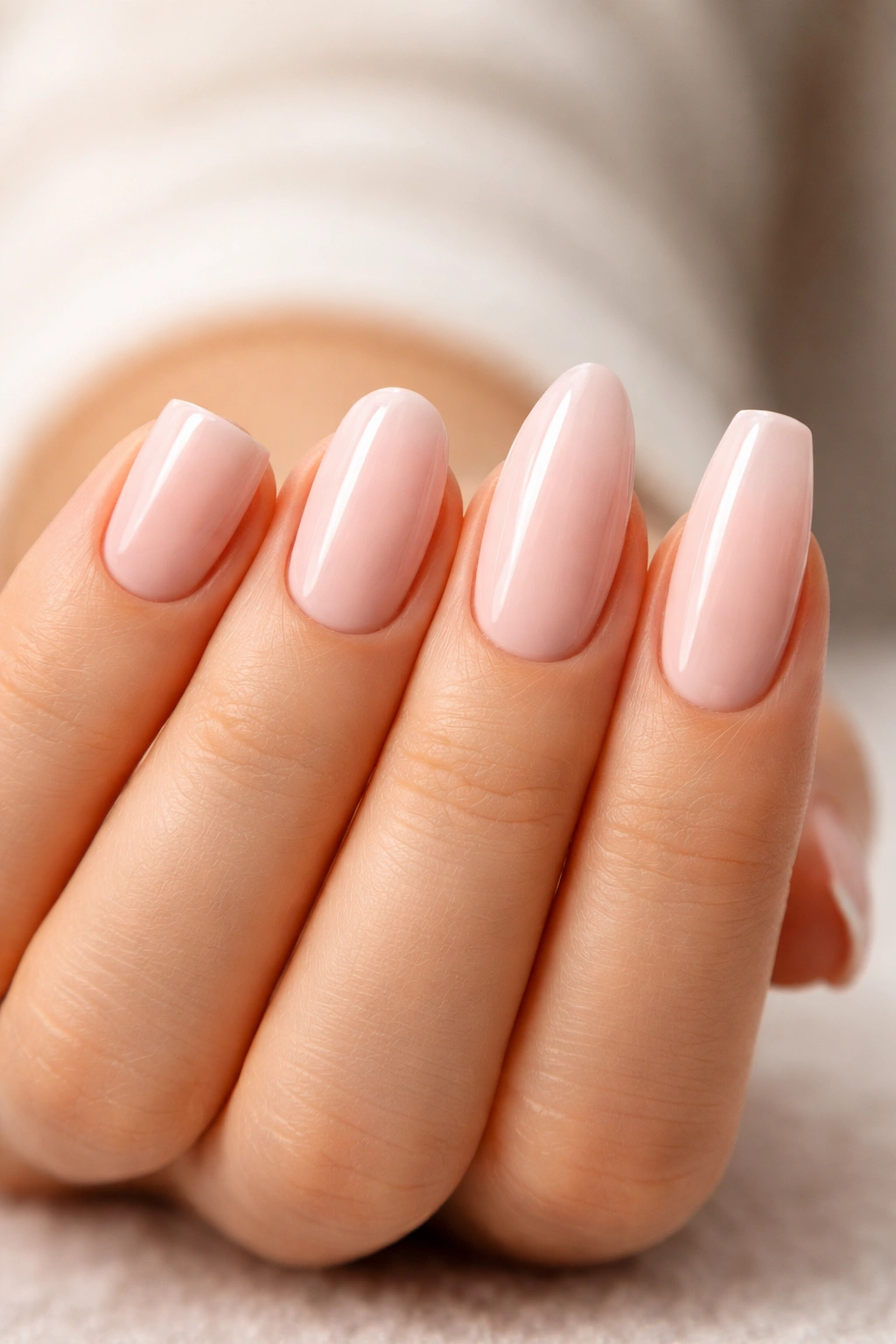
Not sure if a shape is right for you? Test drive it before committing to permanent changes or expensive salon work. Press-on nails are perfect for this—they let you experiment with different shapes for a few days without any long-term commitment.
Buy press-ons in the shape you’re curious about. Wear them for at least three days, longer if they stay on well. Live your normal life—work, exercise, cook, type, do whatever you usually do. Notice what annoys you. Does the shape catch on things? Make tasks difficult? Feel unnatural? Or do you love it?
Pay attention to how the shape makes you feel. Do you constantly look at your hands and smile? Feel more confident? Or do you feel awkward and self-conscious? Your emotional response matters just as much as practical considerations. Nails should make you feel good, not uncomfortable.
Photograph your hands with different shapes. Sometimes a shape looks different in photos than in person. If you’re planning a special event or just like to share nail pics on social media, see how each shape photographs. Some shapes are more photogenic than others.
Get honest opinions from people you trust. Ask friends or family what they think, but take their feedback with a grain of salt—ultimately, you’re the one wearing these nails. Their perspective might catch things you’ve missed, but your preference is what counts.
If you love a shape on press-ons, that’s a green light to try it at the salon or grow your natural nails into that shape. If you’re constantly frustrated or relieved when you take them off, that shape probably isn’t for you. Better to learn this with $10 press-ons than after a $60 acrylic appointment.
Key Takeaways: Finding Your Perfect Nail Shape
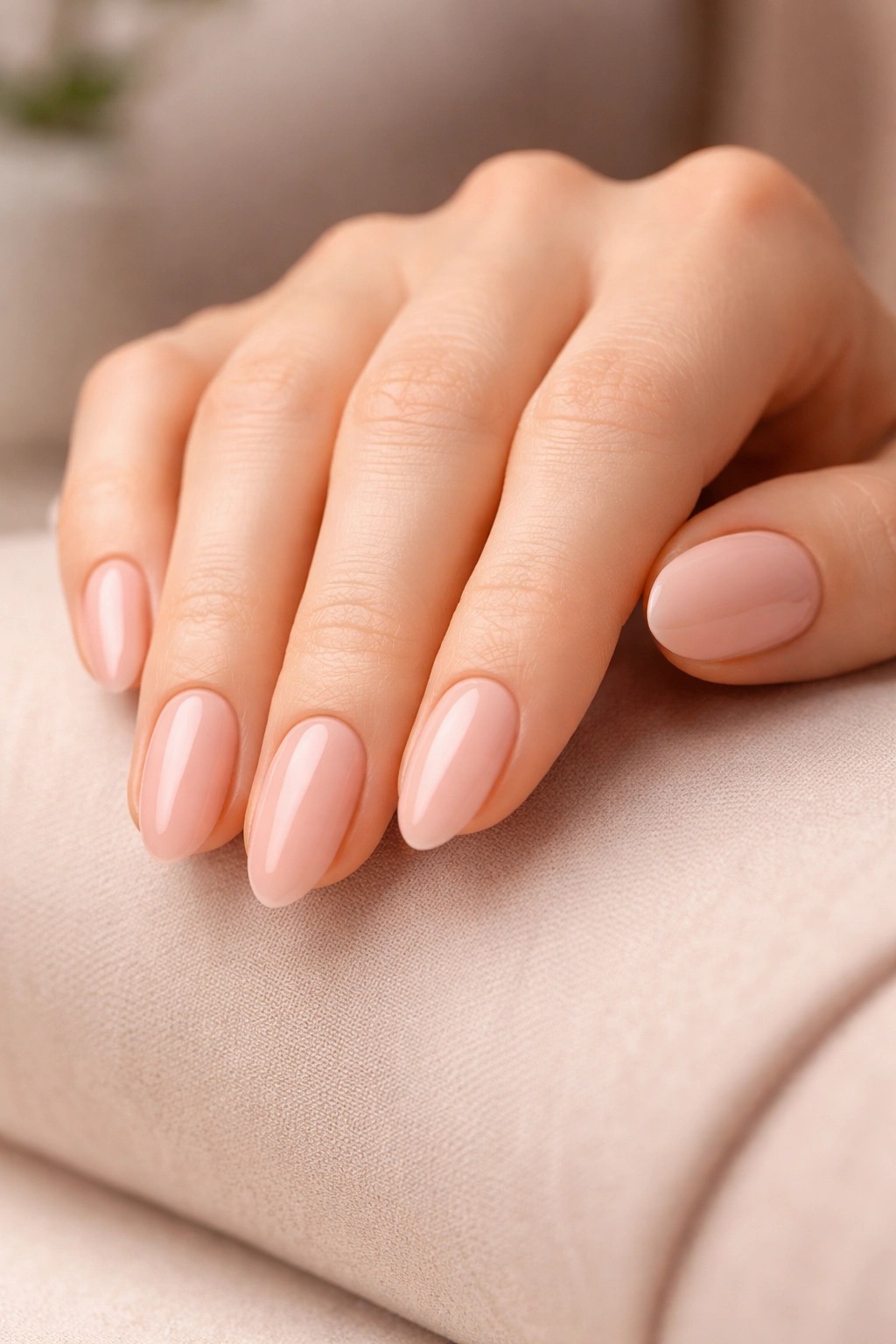
There’s no universal “best” nail shape because hands are different, lifestyles vary, and personal style matters. What works beautifully for someone else might feel totally wrong on you, and that’s completely fine. The best nail shape for you checks three boxes: it flatters your natural hand shape, survives your lifestyle, and makes you feel confident.
Start with your hand proportions. Look at your finger length, nail bed width, and overall hand size. Choose shapes that create visual balance rather than emphasizing features you’re less fond of. Elongating shapes work well for shorter fingers, while shapes that add width balance out long, narrow hands.
Factor in your real life. If you’re typing all day, forget stilettos. If you’re constantly using your hands for physical work, round or squoval nails will outlast everything else. If you have a more flexible lifestyle, you can prioritize aesthetics and try dramatic shapes without worrying about practicality.
Don’t be afraid to experiment. Your nail shape doesn’t have to be permanent. Try different shapes seasonally, for special events, or just when you’re bored with your current look. Press-ons make experimentation easy and low-commitment. You might discover you love something you never considered before.
Pay attention to maintenance requirements. Some shapes need weekly attention and professional upkeep, while others are easy to maintain at home. Be honest about how much time and money you want to invest in keeping your nails shaped perfectly.
Most importantly, wear what makes you happy. All the “rules” about flattering shapes are just guidelines. If you love coffin nails despite having short fingers, rock them with confidence. If round nails make you feel polished and put-together, that’s your perfect shape. Your hands, your choice. Find what feels right and own it.