


The decision between acrylic and gel nails feels simple until you’re actually sitting in a nail salon trying to figure out which option will survive your life without constant repairs. Both acrylic and gel nails promise longevity that natural nails simply can’t deliver, but they achieve durability in completely different ways — and the differences matter far more than most people realize when it comes to real-world wear.
Here’s what confuses most people: acrylic nails and gel nails are both enhancement systems that extend the natural nail and harden to create a durable finish. Yet the chemistry, application process, removal method, and how they perform under daily stress are strikingly different. Understanding these distinctions isn’t just nail salon trivia — it directly determines which option will actually hold up through your schedule, survive your habits, and keep looking fresh between appointments.
The question of which lasts longer isn’t as straightforward as “one always wins.” Both can last 2 to 3 weeks before requiring maintenance, but how they degrade, where they fail, and what causes damage differ significantly. Your choice depends entirely on your lifestyle, budget, how you use your hands, and what kind of maintenance commitment you’re willing to make. By the end of this comparison, you’ll understand not just which lasts longer in theory, but which will genuinely last longer for your specific situation.
How Acrylic and Gel Nails Are Chemically Different
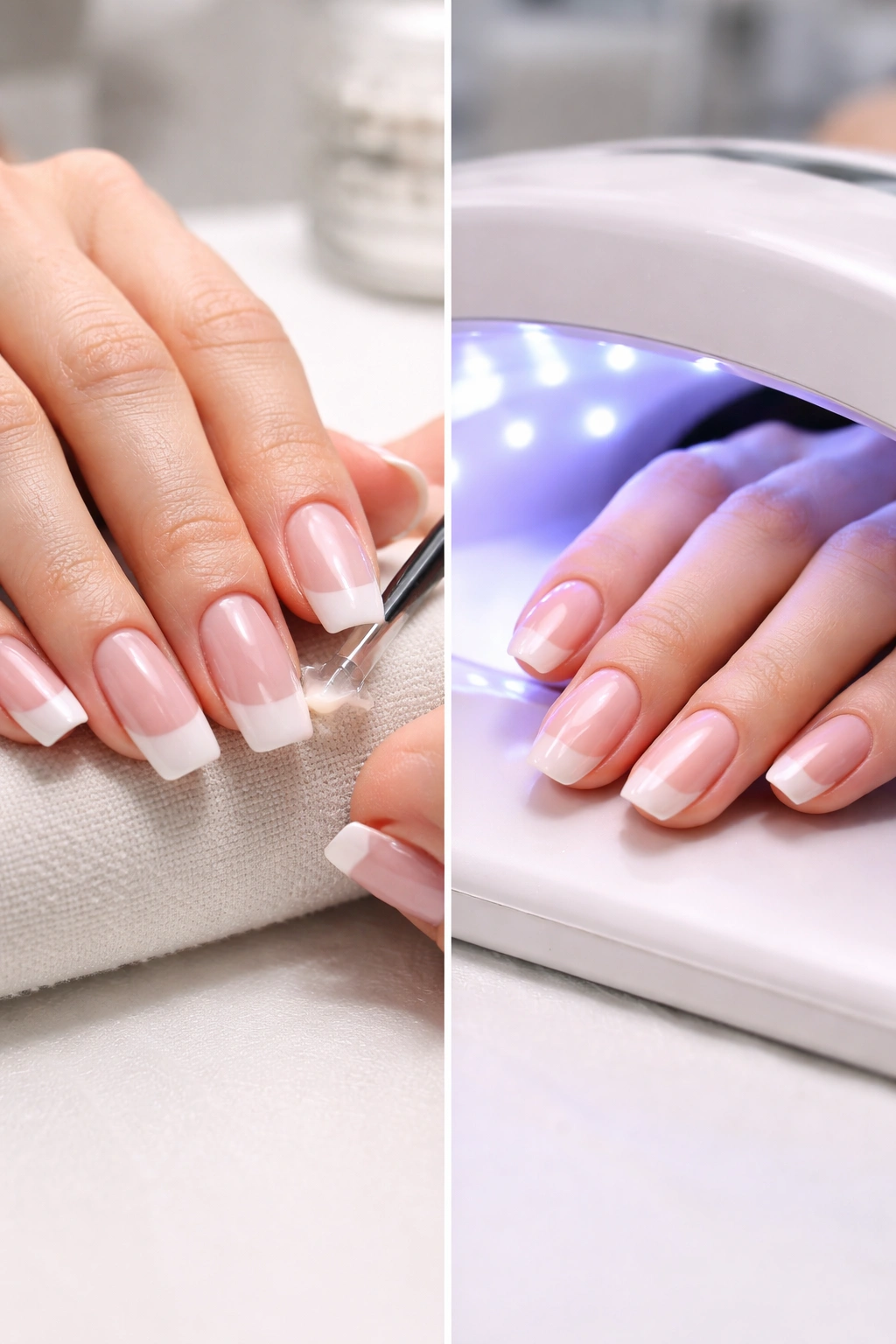
The fundamental difference between acrylic and gel nails lies in how they harden and bond to the nail bed. Acrylic nails are created by mixing a liquid monomer with a powder polymer — when these two components meet, they undergo a chemical reaction that causes the mixture to harden at room temperature. This process creates a plastic-like material that builds up on the nail through application and sculpting, then air-dries and cures within minutes.
Gel nails, by contrast, start as a pre-mixed liquid resin that doesn’t harden until exposed to ultraviolet or LED light. You apply the gel directly to the nail, shape it with a brush or nail form, then place your hand under a UV or LED lamp where the light triggers a photochemical reaction that causes the gel to cure and harden. This is why gel nails require a lamp — the light is essential to the hardening process, not just an optional finishing step.
This chemical difference creates a cascade of practical consequences. Acrylic nails cure through a chemical reaction that happens continuously while you’re wearing them, meaning they actually continue to harden and strengthen over the first few hours. Gel nails cure completely during that single lamp session and don’t continue to harden further. This sounds like a small detail, but it affects how each type responds to stress, impact, and daily wear over weeks of use.
The monomer liquid used in acrylic applications has a distinctive smell — the sharp, pungent odor many people associate with nail salons — because the chemical reaction releases fumes. Gel curing under a lamp produces virtually no odor. For people with chemical sensitivities or those working in poorly ventilated spaces, this difference can be significant beyond just preference.
Durability: Which Lasts Longer in Daily Wear
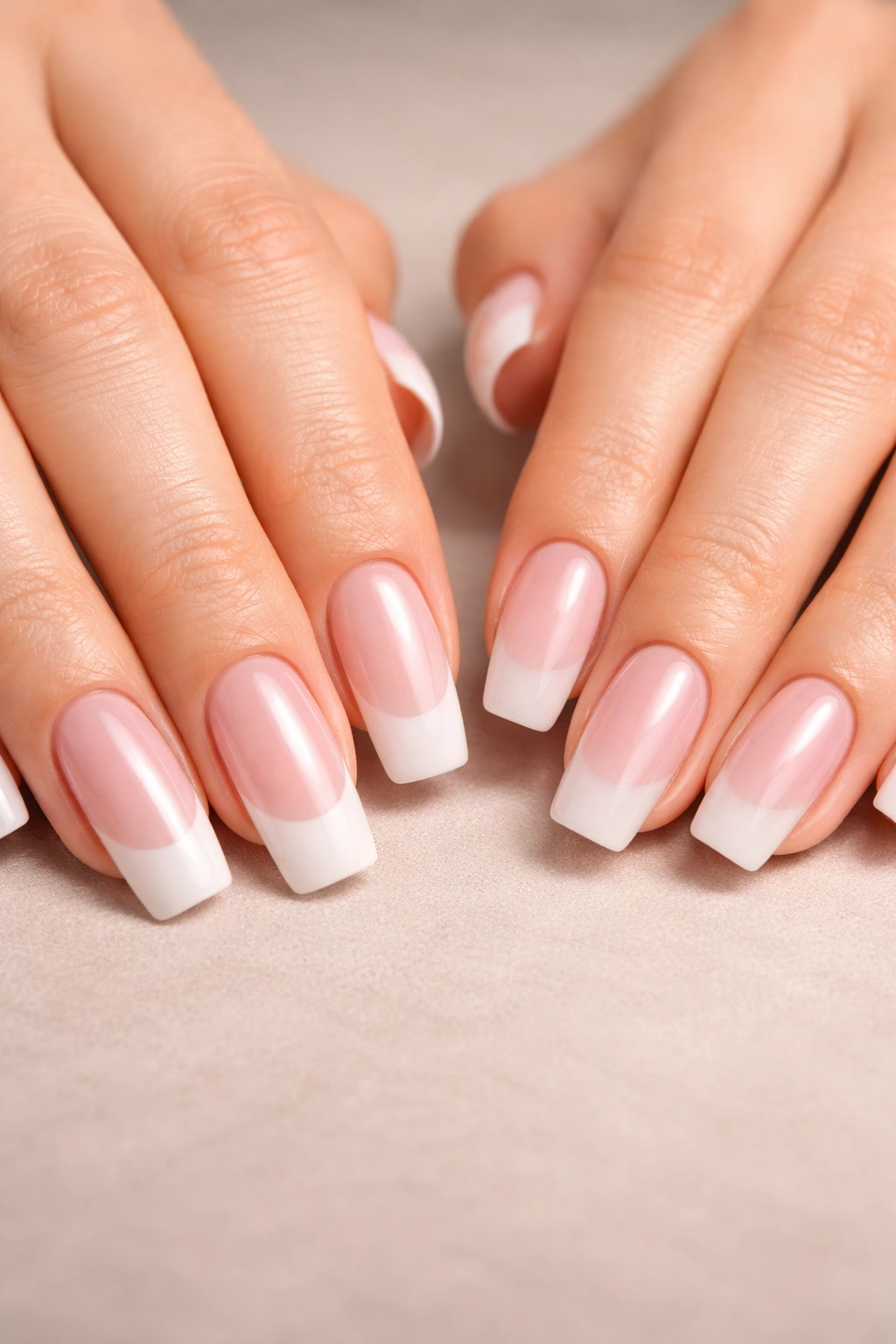
When it comes to sheer durability in typical daily use, acrylic nails generally have the edge. The plastic-like material that forms acrylic nails is inherently more rigid and harder than cured gel. This hardness means acrylic nails resist fine scratches, scuffing, and surface wear better than gel nails, which can develop a slightly dulled appearance after a week or two of heavy use.
Acrylic’s rigidity is also an advantage when it comes to impact resistance. If you accidentally hit your acrylic nail against a hard surface, it’s less likely to flex or bend in ways that stress the bond between the enhancement and the nail bed. Gel nails, being slightly more flexible, can bend under impact — and while flexibility sounds like it might prevent breaking, it actually allows the base to move slightly, which can eventually cause lifting or separation if the trauma is severe enough.
However, durability also depends on thickness and application quality. A properly applied thick acrylic nail will outlast a thin gel nail, but a thick gel nail with a well-bonded base can match thin acrylic in terms of how long it takes to show visible wear. The real difference emerges after 2 to 3 weeks: acrylic nails tend to maintain their appearance and structural integrity longer, while gel nails begin showing signs of wear — slight cloudiness, loss of shine, or fine micro-cracks in the surface.
The type of activities you do matters enormously here. If your day involves typing on a keyboard, washing dishes, or handling paper and cardboard, acrylic’s hardness means less visible damage and wear. If you’re doing gentler activities or working in an office where your nails aren’t constantly stressed, gel’s flexibility might actually feel more comfortable and look just as durable.
Chip and Break Resistance: The Weak Point for Both
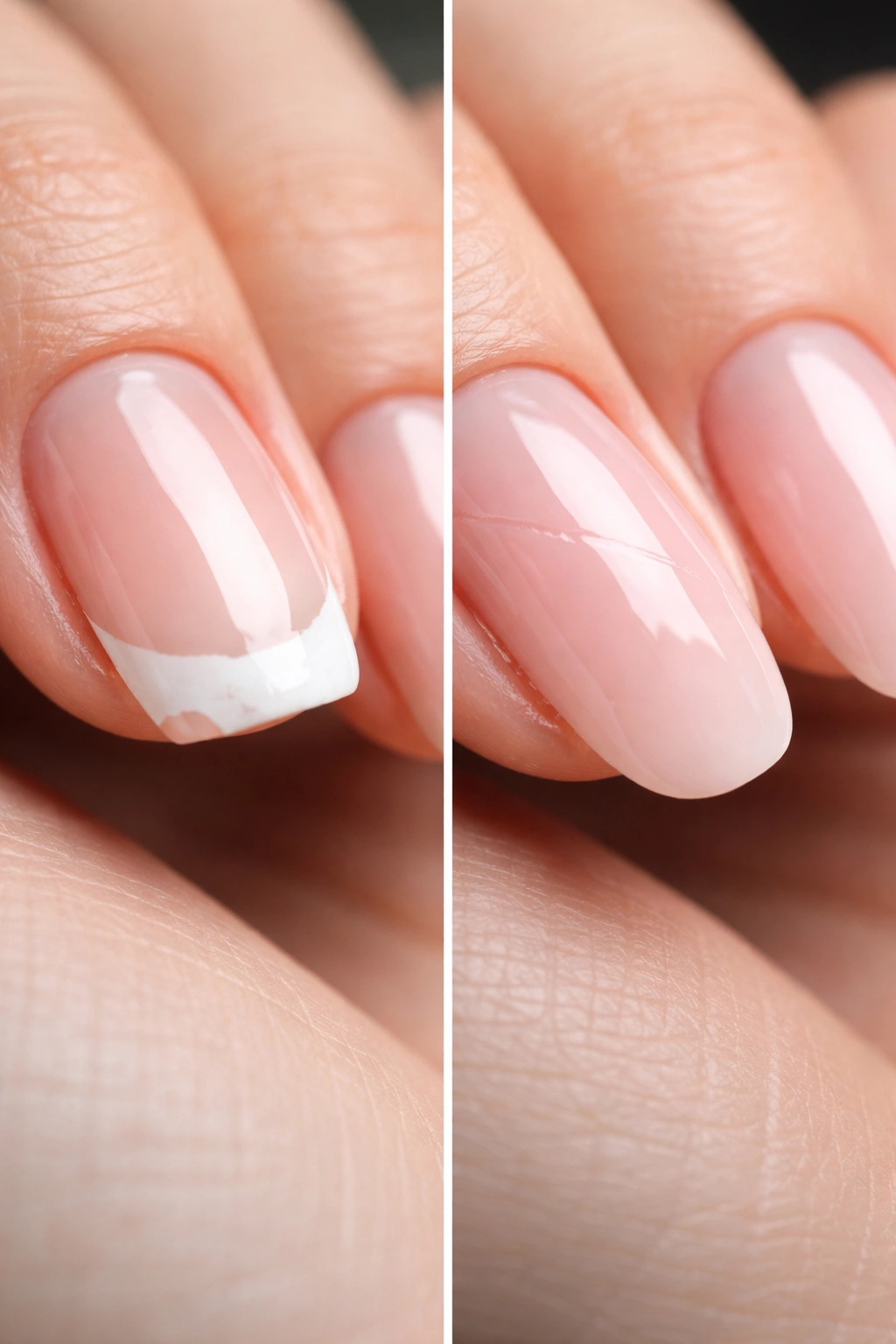
Both acrylic and gel nails can chip or break, but they chip differently and for different reasons. Acrylic nails typically break along the seam where the acrylic meets the natural nail, or they break at the point where acrylic was applied too thinly. When acrylic breaks, it usually breaks cleanly — a straight break that you can file smooth or have patched in a salon. This makes acrylic chips easier to repair temporarily at home if you’re in a pinch.
Gel nails chip by developing small cracks or peeling pieces off the surface, especially if the gel was applied too thick or if the lamp cure time was insufficient. A gel chip often looks like a small cloudiness or missing section that spreads from the edge, and it’s harder to repair at home because the entire lifted section needs professional removal and reapplication.
Acrylic nails are more forgiving when it comes to impact damage. The plastic material can absorb a certain amount of shock without transferring that stress directly to the nail bed. Gel’s slight flexibility, while nice for comfort, means impact stress gets distributed through the bond between the gel and nail, which can cause lifting. A hard knock on an acrylic nail might cause a visible chip but still keep the entire nail intact. The same knock on a gel nail might cause the entire tip to lift or crack.
That said, how well either type resists chipping comes down to application technique and the nail shape you choose. Thicker applications resist chipping better than thin ones. Square or slightly rounded nail shapes chip less easily than very long, sharp stiletto shapes where the tip experiences maximum leverage stress. Natural nails with acrylic or gel extensions are also more chip-resistant than full acrylic or gel overlays because the natural nail provides some flex and shock absorption.
How Long Each Type Actually Lasts: The Timeline
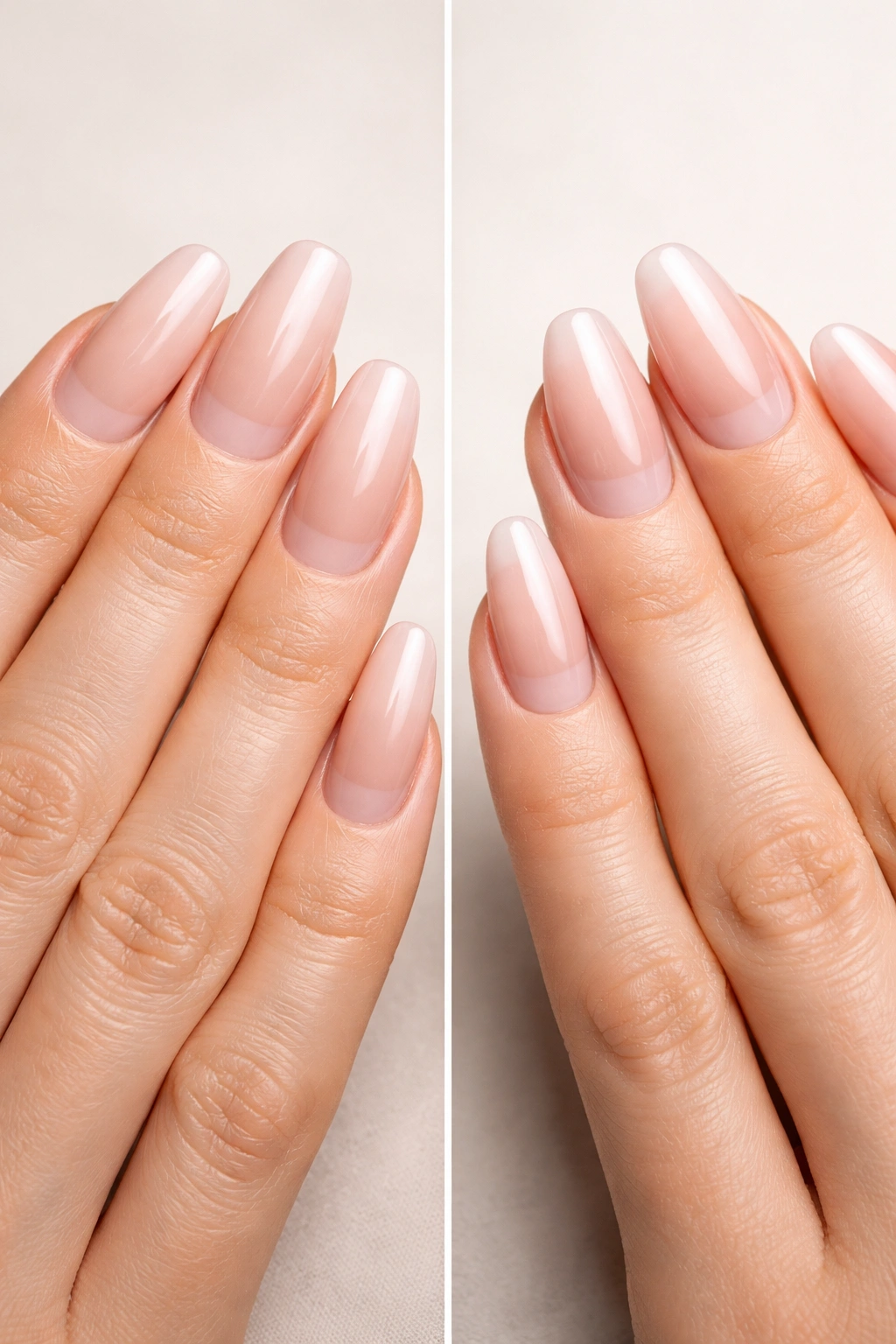
Let’s talk about realistic timelines. Most acrylic nails last between 2 to 3 weeks before they require a fill appointment. During this time, your natural nails grow underneath the acrylic enhancement, creating a visible gap at the base. If you do heavy manual work or your nails get knocked around frequently, you might need a fill or complete replacement after 2 weeks. If you’re gentle with your nails and avoid excessive water exposure, you can sometimes stretch it to 3.5 weeks before the gap becomes too visible or the acrylic lifting becomes noticeable.
Gel nails follow a similar timeline — typically 2 to 3 weeks before natural nail growth and gel degradation make them need attention. However, gel tends to show visible wear and loss of shine around week 2 to 2.5, even if there’s no lifting or chipping. The surface can develop a slightly cloudy, matte appearance as microscopic damage accumulates. Acrylic nails maintain their high-gloss appearance longer, so even at week 3, they still look relatively fresh.
The difference is subtle but becomes obvious if you compare acrylic and gel nails side by side after 2 weeks. The acrylic catches light and looks shiny; the gel looks duller, maybe slightly chalky or cloudy. This is why some people feel like gel doesn’t last as long — not because it fails structurally faster, but because it shows visible aging and wear more obviously.
In terms of the actual structural integrity, gel nails can go slightly longer than acrylic before complete failure or major lifting. A gel nail that’s well-bonded can make it to 3+ weeks without lifting, whereas acrylic nails almost always show some visible lifting or gap by week 3 due to the way acrylic continues to harden and can separate from the natural nail as both materials expand differently with moisture and temperature changes.
Application Time: Which Process Is Faster
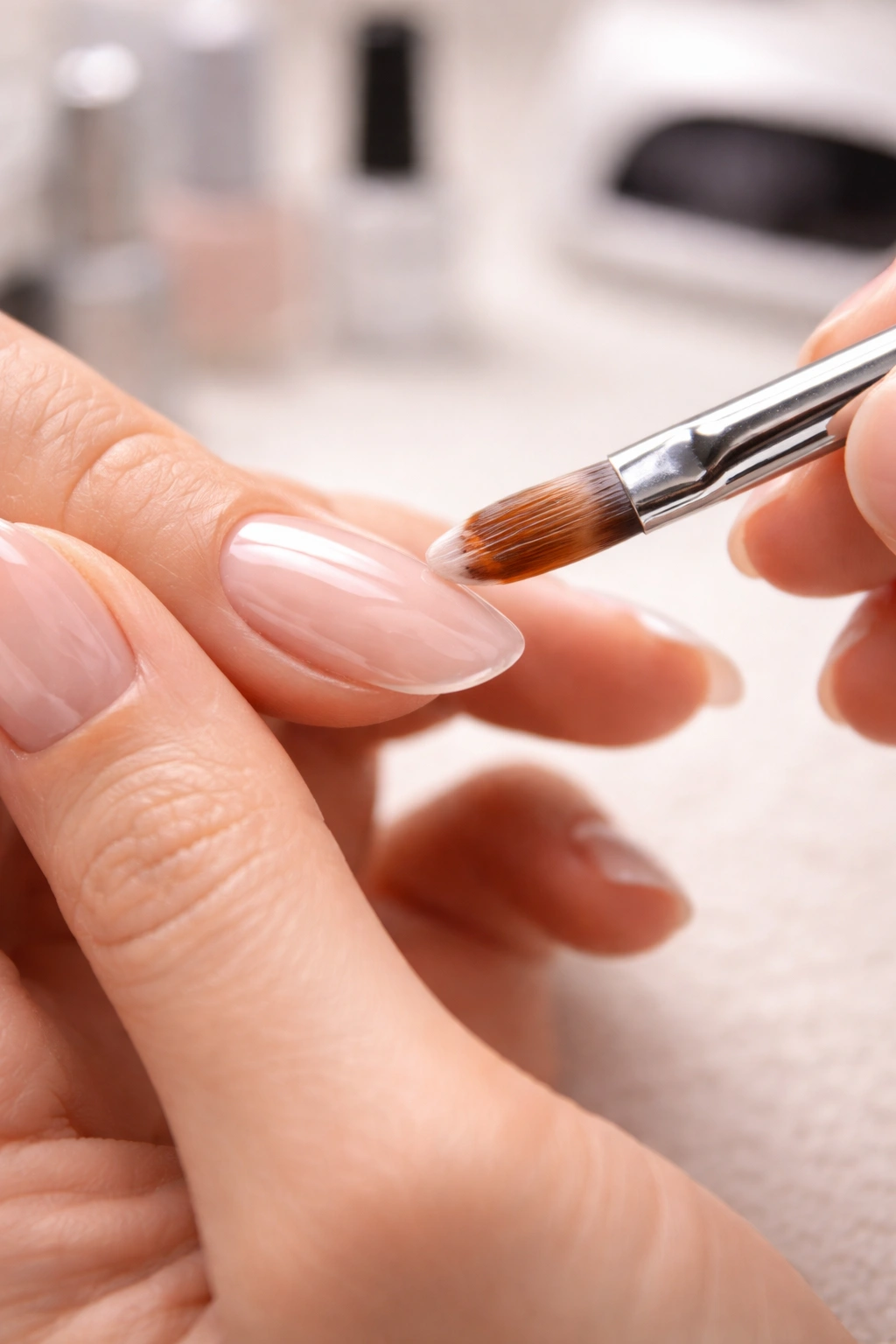
If you value your time in the salon, gel nails are faster to apply. A full gel manicure typically takes 30 to 45 minutes from start to finish. You’re looking at roughly 10 to 15 minutes of prep and polish base application, then 8 to 10 minutes under the lamp for the first color coat, and another 8 to 10 minutes for the final color and top coat. Add another 5 to 10 minutes for cleanup and final design touches, and you’re done.
Acrylic nails require 45 minutes to 90 minutes depending on the complexity and the technician’s speed. The process is more labor-intensive: prepping nails, applying nail forms or tips, mixing and applying the acrylic liquid and powder mixture, sculpting and shaping each nail individually, filing to shape, applying base coat, applying color (usually 2 coats), sealing with top coat, and final polishing. Each step requires drying time, and there’s no lamp to speed up curing — acrylic relies on air-drying, which is slower.
The speed advantage becomes even more pronounced for touch-ups. A gel fill takes 25 to 35 minutes, while an acrylic fill (where the technician extends the acrylic at the gap between natural nail and existing acrylic) takes 45 to 60 minutes because of the additional sculpting and shaping required.
For people with limited salon time or busy schedules, gel’s faster application is a genuine advantage. You can get gel nails done during a lunch break or between work and social plans. Acrylic requires a more substantial time commitment, though the results tend to look and last longer, which some people feel justifies the extra salon time.
The Removal Process and Damage Risk
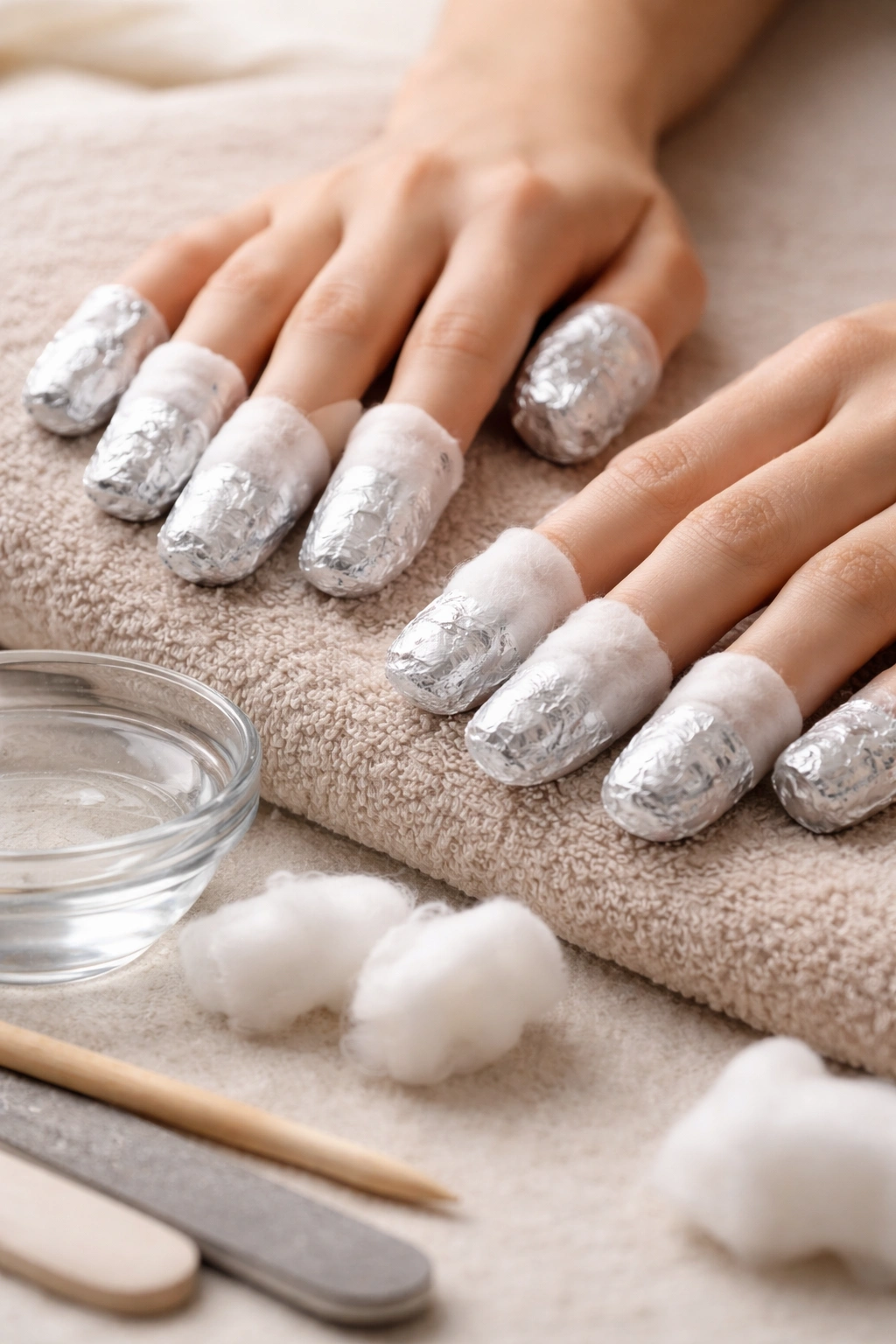
This is where the differences become critically important — and why removal method is actually one of the biggest factors in determining which option is ultimately better for your natural nails’ long-term health. Acrylic nails require soaking in acetone for 15 to 30 minutes to dissolve the acrylic material. The acetone breaks down the polymer bonds that hold the acrylic together, causing it to soften enough to remove. During removal, you’re exposing your hands to a harsh chemical that strips moisture from your skin and nails, and if the acrylic isn’t fully softened, technicians have to scrape or file it off, which can gouge the natural nail bed.
Gel nails require a similar acetone-soaking process, typically lasting 10 to 15 minutes. Gel dissolves more quickly than acrylic because it’s already in a more liquid form; it just needs chemical breakdown. However, many salons now use gentler removal methods for gel: placing a soaked cotton pad with acetone on each nail for 10 minutes, or using an electronic file (called a “drill” in the industry) to carefully buff away the top layer of gel before the acetone soak, which reduces overall acetone exposure time.
The critical difference: acrylic removal is more traumatic to the natural nail if not done carefully. The scraping and filing required to remove fully-hardened acrylic can thin the natural nail, create ridges, or cause flaking and peeling that lasts for weeks. Gel removal is gentler because gel doesn’t require as much mechanical scraping — once softened by acetone, it comes away much more easily.
For people who get their nails done every 2 to 3 weeks consistently, the cumulative damage from repeated acrylic removal can gradually weaken natural nails. Gel’s gentler removal means less long-term damage to the nail bed, which is a significant health advantage if you’re planning to wear enhancements regularly.
Cost Comparison: Application and Maintenance
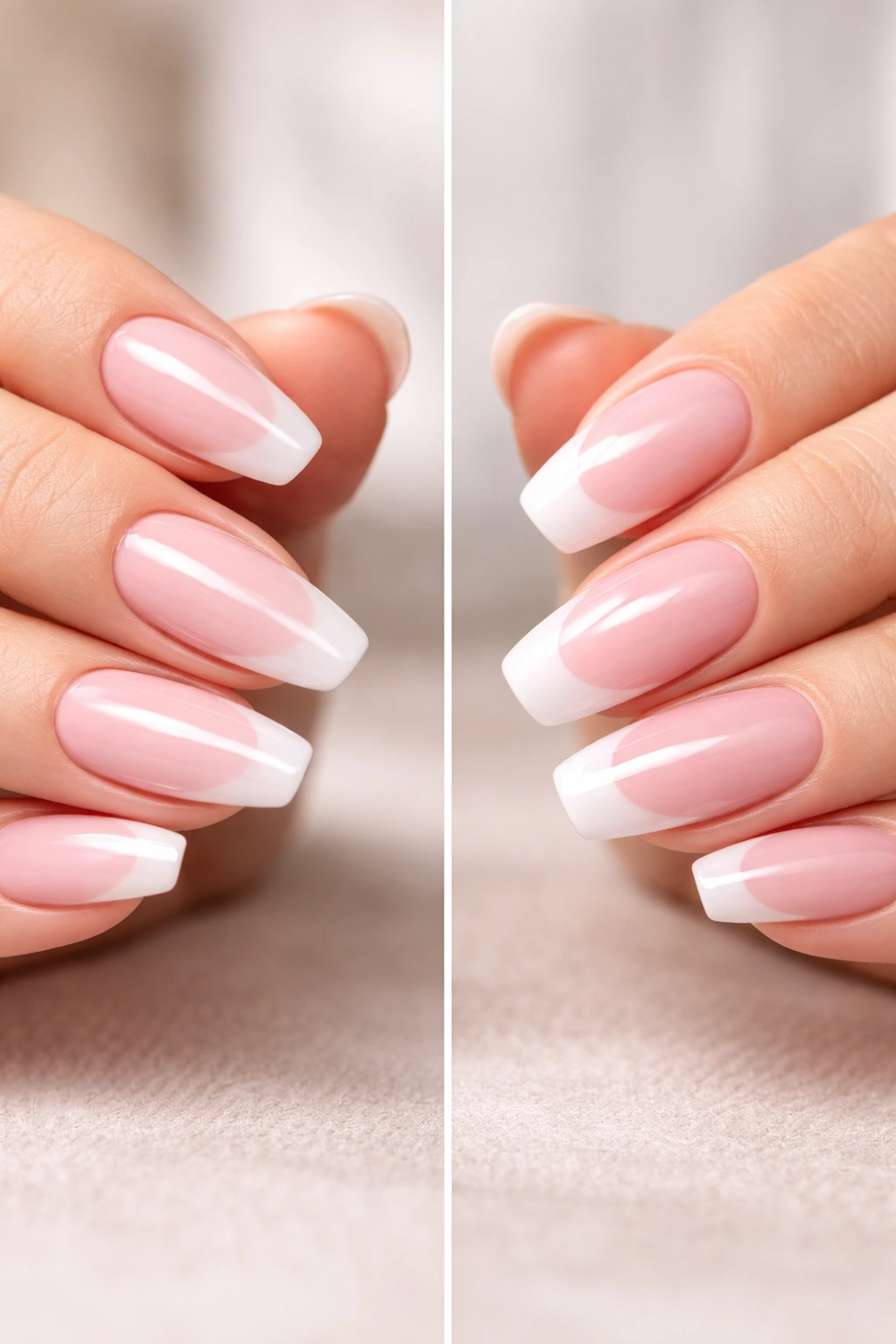
Gel manicures are generally more expensive upfront. A full gel manicure typically costs $40 to $70, depending on your location and salon. Acrylic manicures typically cost $35 to $55. That initial difference might seem small, but it compounds with every visit.
Gel fills are usually $25 to $45, while acrylic fills are typically $20 to $40. Over a year of regular appointments every 3 weeks, gel costs roughly $200 to $300 more annually than acrylic, assuming you’re maintaining the same nail style and length.
However, cost isn’t just about the appointment price. Acrylic nails are cheaper to apply but more likely to require repairs between appointments due to chipping or breaking. If you chip an acrylic nail after 10 days and need to get it fixed before your scheduled fill appointment, you’re paying for an additional salon visit or doing a risky DIY repair at home. Gel nails chip less frequently, so you’re less likely to need emergency repairs.
There’s also the cost of at-home repair supplies and removal products. Many people buy acetone, nail files, and strengthening treatments specifically because they’re trying to mitigate damage from acrylic removal or repair broken acrylics at home. If you’re religious about professional removal and never attempting DIY repairs, this cost difference may not apply, but realistically, many people do attempt home repairs to save money.
For budget-conscious people, acrylic is the cheaper option when you’re comparing appointment costs alone. For people who value not paying for emergency repairs and not dealing with removal damage to natural nails, gel’s slightly higher cost might feel justified by fewer complications.
Appearance and Finish: Shine, Thickness, and Versatility
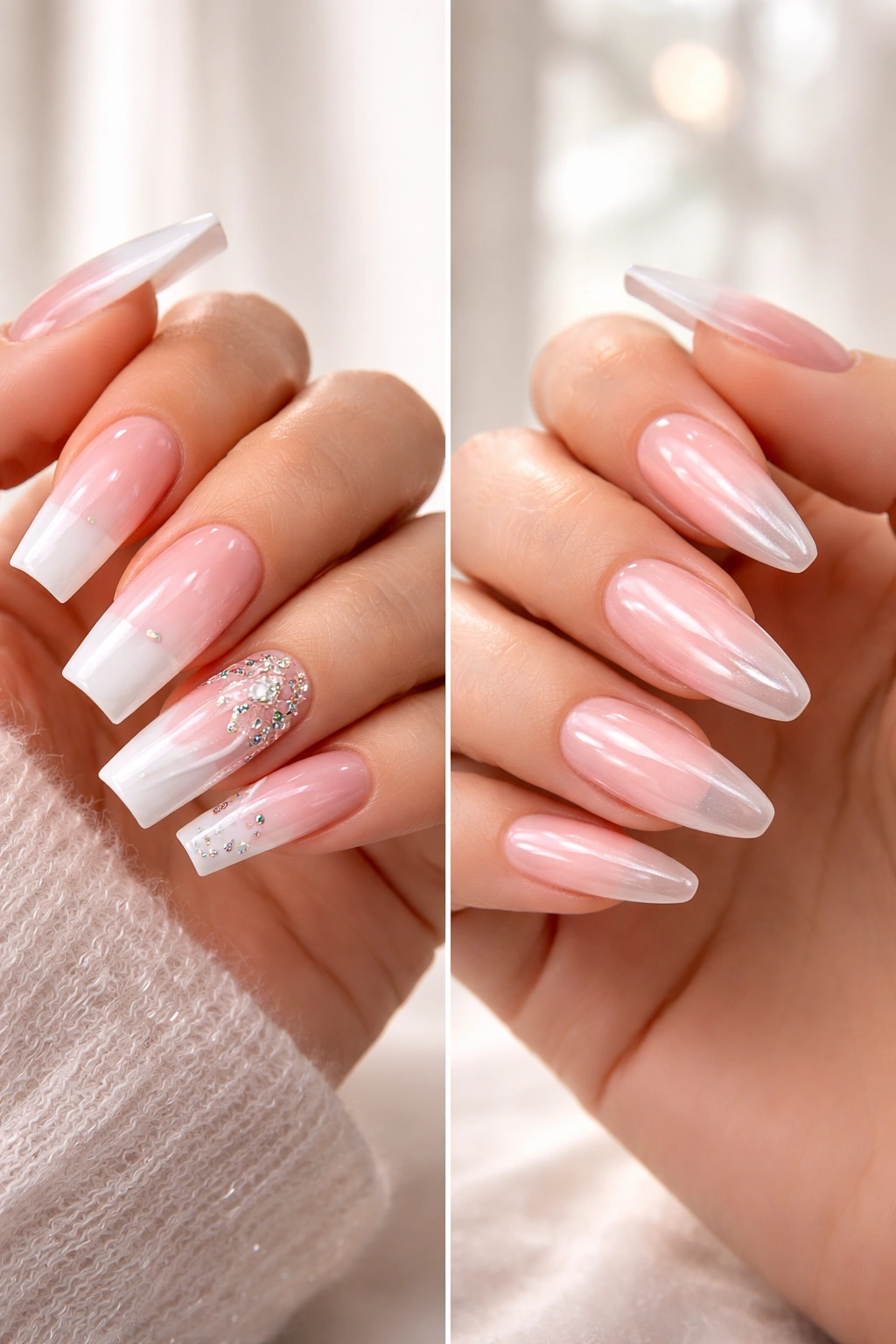
Acrylic nails can look thicker and less natural than gel nails if applied incorrectly. A skilled technician can create thin, natural-looking acrylic nails, but acrylic’s rigid plastic-like material often looks more artificial, especially in thicker applications or bright colors. Acrylic also tends to have a slightly plastic-like appearance under certain lighting — it’s not as translucent as gel.
Gel nails look sleeker and more like natural nail because gel is more translucent and flexible. A gel application feels smoother to touch and looks shinier right out of the salon because gel takes an ultra-glossy top coat that acrylic naps can match but often looks slightly less refined. Gel nails have a wet-looking, salon-fresh appearance that lasts longer — that shine and glossiness is part of why they look more expensive and feel more luxurious.
In terms of color and design options, both acrylic and gel can accommodate the same nail art, extensions, length, and shape. However, acrylic allows for more versatility in sculpting extreme shapes — very long stilettos, dramatic curves, or intricate 3D sculptural designs are easier to achieve with acrylic’s sculptable material. Gel requires either nail forms or tips as a structure, so extreme customization is harder.
Acrylic also chips more visibly in lighter colors — a white or nude acrylic nail that chips shows gray or yellowed natural nail clearly. Gel nails hide chips slightly better because the color is more evenly integrated throughout the gel material, though this is a minor advantage.
For people who prioritize salon-fresh appearance and sleek aesthetics, gel wins. For people who want extreme nail art, sculptural designs, or longer-lasting color intensity, acrylic offers more flexibility and boldness.
Flexibility and Comfort: How It Feels to Wear Them
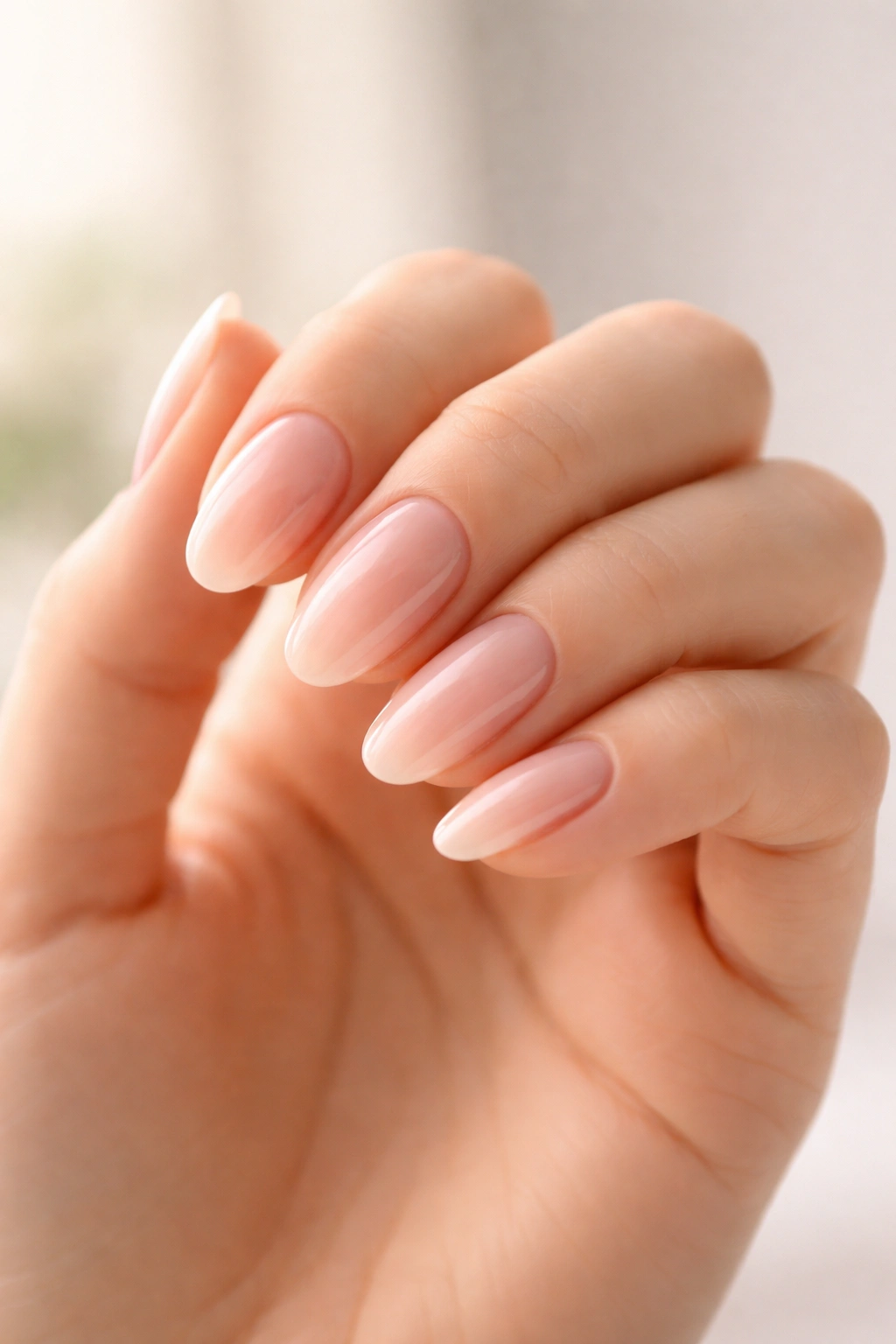
Gel nails feel more natural and flexible when you wear them. Because gel retains slight flexibility even after curing, your nails can flex slightly with your natural nails, creating a more comfortable feel during daily activities. Many people describe gel nails as feeling like their natural nails but stronger and longer — there’s less of a “foreign object” sensation.
Acrylic nails feel stiffer and more rigid, which some people hate and others prefer. The rigidity means less flex, which some find irritating (they prefer the give of gel), while others find the rigidity protective (it prevents the feeling of their nails bending, which they find unpleasant). The psychological comfort of acrylic varies widely by person — some feel powerful and confident wearing thick, rigid acrylic nails, while others find the rigidity unnatural and uncomfortable.
Flexible gel nails also feel better during activities like typing or texting because there’s less resistance. Acrylic nails can feel clunky when typing, especially if they’re thick or long. People who work on keyboards often prefer gel for this reason.
That said, acrylic’s rigidity has a functional advantage for certain activities. If you do any work involving precise hand movements, detailed work, or activities where you need maximum nail stability (like playing certain instruments or detailed crafting), acrylic’s stiffness can actually be beneficial because it provides more structural support.
Maintenance and Touch-Up Requirements
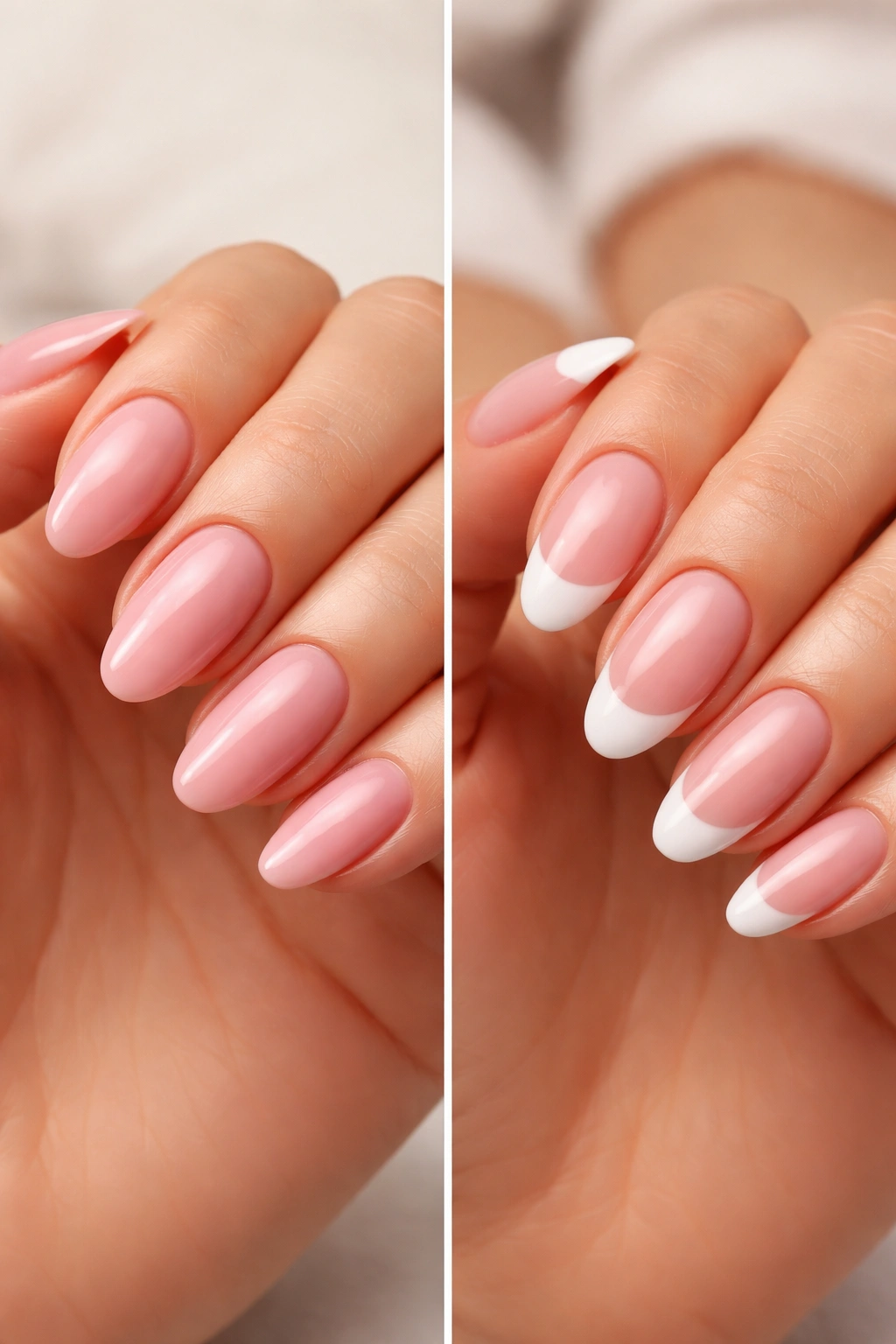
Both acrylic and gel nails require the same basic maintenance between appointments: regular cleaning, moisturizing cuticles, and careful handling to avoid impacts. However, the touch-up schedule differs slightly.
Gel nails are lower-maintenance between appointments because the color and finish don’t require touch-ups to stay fresh-looking — only the regrowth at the base is visible. You can go the full 3 weeks with your gel nails looking relatively unchanged. If you want to remove the gel polish and reapply a new color without removing the gel extension itself, that’s an option at many salons.
Acrylic nails may require polish touch-ups between appointments if the color chips or you want a fresh look. The acrylic structure itself doesn’t need re-doing, but the nail polish on top can chip or fade. Some people use acrylic-safe polish removers and nail polish at home to touch up the color between salon visits, essentially refreshing the look without needing a full salon visit.
In terms of preventing problems, gel nails require consistent moisturizing of cuticles (the gel can dry out the nail bed and cuticles) and avoiding prolonged water exposure without protection. Acrylic nails are similarly sensitive to moisture and require cuticle care, but the acrylic material itself is less affected by water than gel is.
Both require avoiding harsh chemicals, excessive water exposure, and rough handling. Using gloves while cleaning, avoiding acetone-based products, and keeping hands moisturized prevents premature wearing and lifting for both types.
Water Resistance and Daily Activity Durability
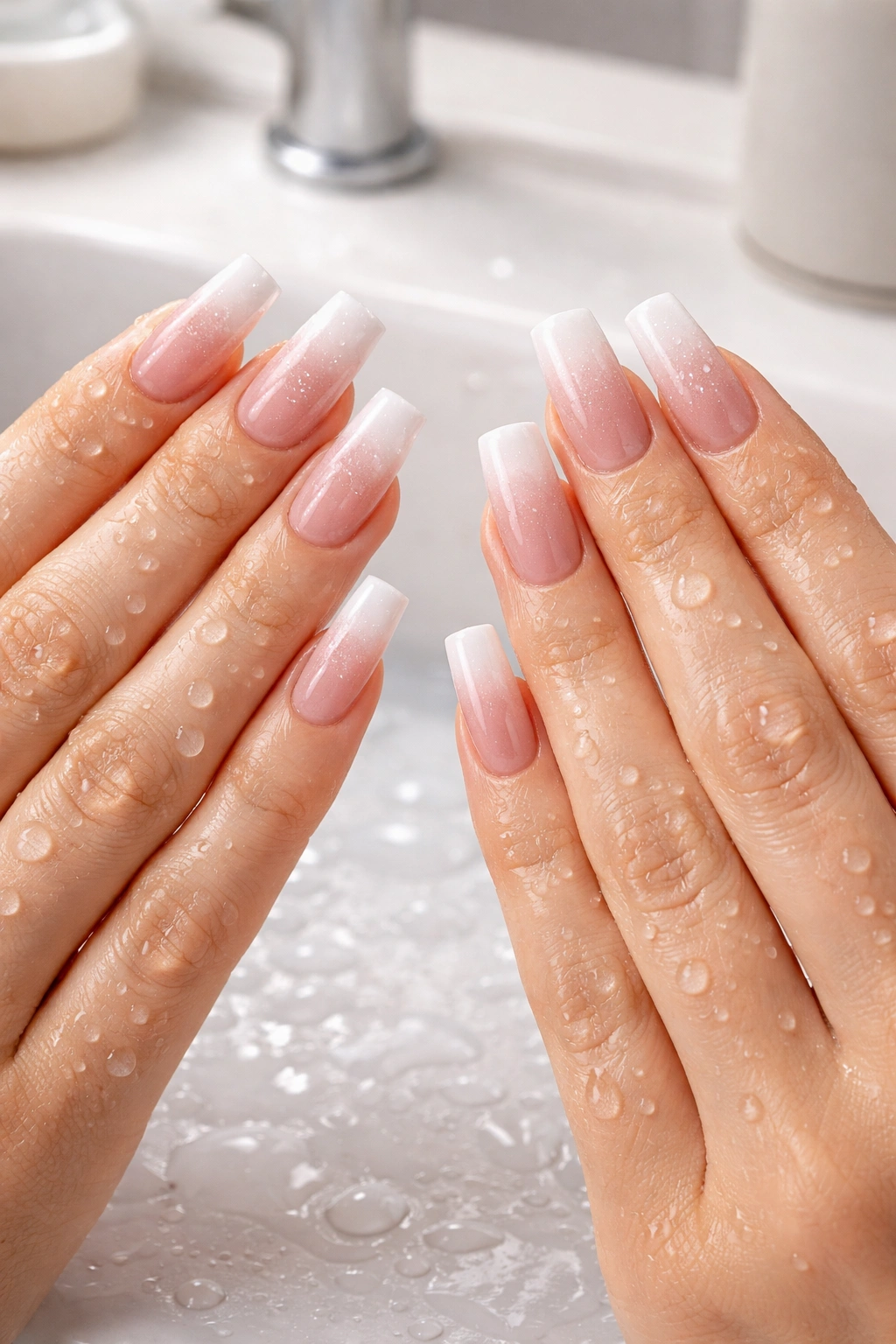
Here’s where the differences matter for specific lifestyles. Acrylic nails are more water-resistant than gel nails. The plastic-like material that comprises acrylic is inherently less porous and resists water absorption better. This means acrylic nails are better for people who work in wet environments — dishwashers, swimmers, people who shower multiple times daily, or anyone whose hands are frequently submerged.
Prolonged water exposure causes gel nails to swell slightly and soften, which can cause lifting at the base. If you’re a frequent swimmer or work in a wet environment, gel nails may start lifting after 1.5 to 2 weeks instead of the full 3 weeks, because water breaks down the gel-to-nail-bed bond over time.
Acrylic nails can handle water exposure consistently without degrading, though excessive water can still cause lifting if the acrylic application wasn’t perfectly sealed. People with water-heavy jobs (healthcare workers, restaurant staff, plumbers, gardeners who water plants constantly) generally have better luck with acrylic nails lasting the full 2 to 3 weeks.
For typical daily activities — washing hands, dishes, showers — both types handle moisture fine if you’re not submerging your nails for extended periods. The difference only becomes critical if your lifestyle involves frequent, prolonged water exposure.
Health and Safety Considerations: Long-Term Nail Bed Effects
The health impact of regular acrylic or gel nail use is a legitimate concern if you’re planning to wear enhancements regularly over months or years. Acrylic nails, when applied and removed properly, have minimal health risks beyond the acetone exposure during removal. The acetone can dry out skin and nails temporarily, but this reverses once you stop the acetone exposure. The main risk with acrylic is improper removal — if technicians scrape too aggressively, they can permanently thin or damage the nail bed.
Gel nails are gentler during removal, which means less risk of mechanical damage to the nail bed. However, gel application does require UV or LED light exposure, and there’s an ongoing debate about whether repeated UV exposure poses a skin cancer risk. Research suggests the risk is minimal because nail salon lamp exposure is much lower than natural sun exposure or tanning beds, but people concerned about UV exposure might prefer acrylic or use protective gloves during gel curing.
The most significant health concern for either type is the acetone exposure during removal. Both require acetone soaking, which dries skin severely and can irritate sensitive individuals. People with asthma or chemical sensitivities may react to the fumes. Using good ventilation, asking for gentler removal methods (like the soaked cotton pad method instead of full bowl soaking), or buffing the top layer away before acetone exposure reduces this risk for both acrylic and gel.
Long-term, wearing either acrylic or gel continuously for years can make natural nails slightly weaker or more brittle when you finally stop wearing enhancements, because the nails haven’t been building strength on their own. Taking breaks between extension applications — going without for a few weeks every few months — allows natural nails to recover and rebuild.
Best Use Cases: Which Type Should You Choose
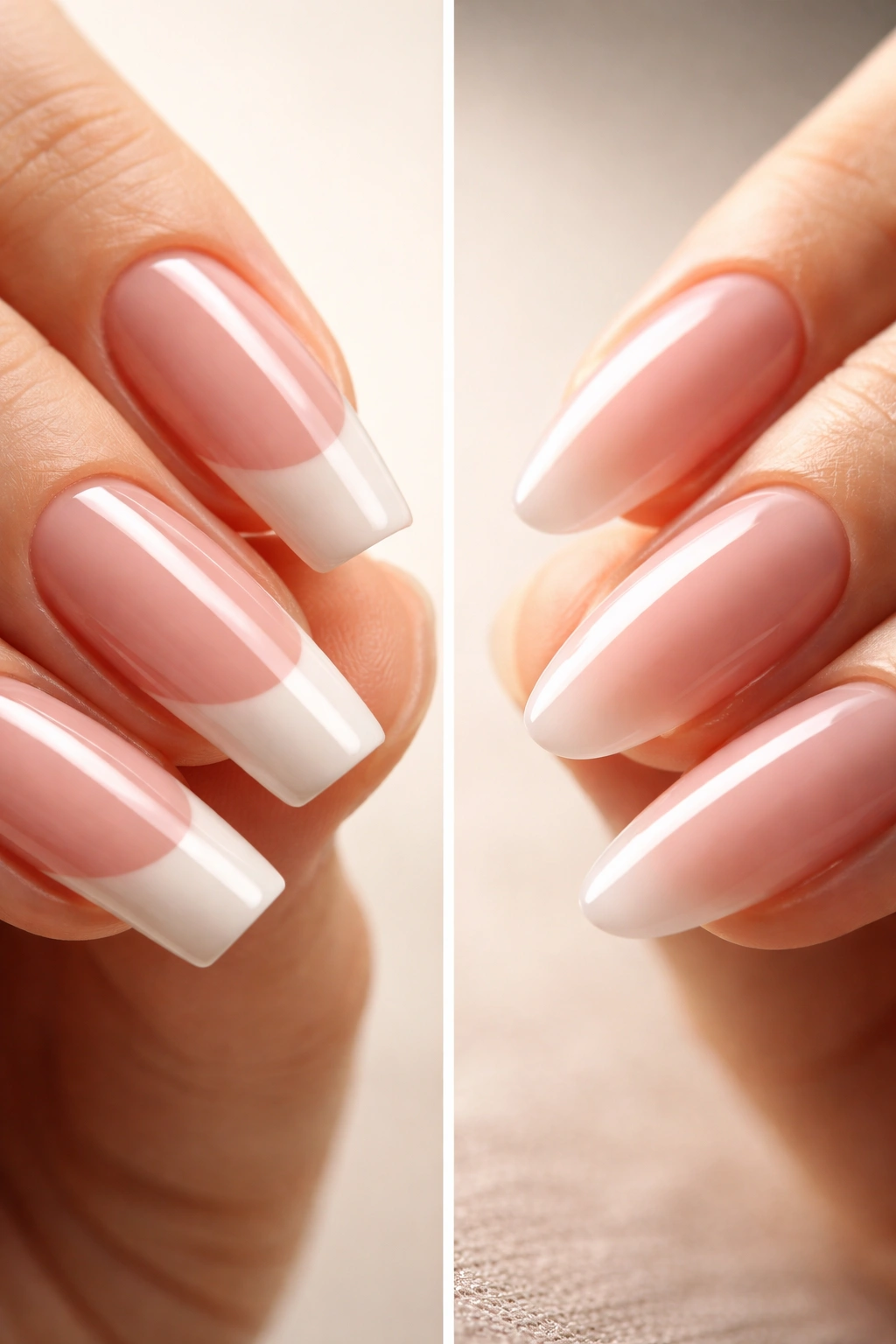
Choose acrylic nails if: you want maximum durability and appearance longevity, you do frequent manual labor or heavy-duty activities, you have a lifestyle with lots of water exposure, you prefer thick, sculptural nail designs, you want the sharpest and longest-lasting artificial nail aesthetic, you have a generous budget for regular salon visits, or you prefer the stiff, rigid feel of acrylic nails.
Choose gel nails if: you prioritize comfort and flexibility, you want minimal-damage removal that’s gentle on your natural nails, you prefer a sleek, salon-fresh aesthetic that lasts throughout the 3-week cycle, you have time constraints and want faster salon appointments, you’re concerned about acetone exposure, you want your nails to feel like natural nails just enhanced, you type or do detailed hand work frequently, or you’re willing to pay slightly more for a less damaging removal process.
If you’re torn between the two, your lifestyle is the deciding factor. Someone who swims, gardens, or works in healthcare will have better success with acrylic. Someone who works in an office, values comfort, and wants to minimize damage to natural nails will prefer gel. If you’re new to nail extensions entirely, gel is a gentler introduction that’s easier to remove without commitment.
Final Thoughts
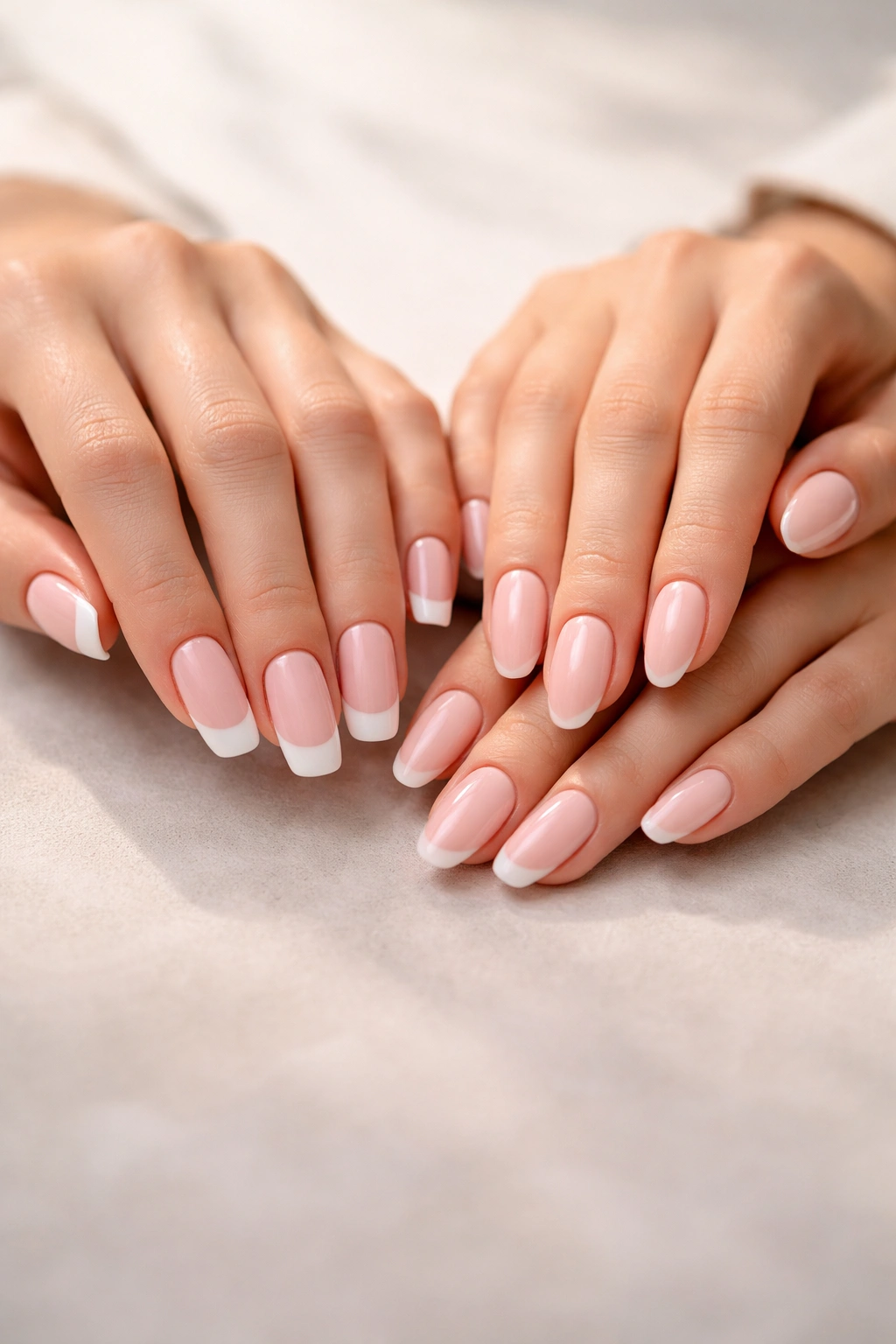
The answer to which lasts longer isn’t actually “one is definitively superior” — it’s that acrylic nails maintain their appearance and structural integrity slightly longer throughout the 2 to 3-week cycle, but gel nails are more likely to last the full 3 weeks without lifting or breaking, especially if your hands aren’t in water constantly. Acrylic shows wear more dramatically after week 2, while gel shows wear more subtly but consistently. Acrylic is harder and more chip-resistant but requires harsher removal that can damage your natural nails over time. Gel is more flexible and comfortable with gentler removal, but it chips less visibly and requires slightly better maintenance.
The real deciding factor isn’t which lasts longer in weeks or months — it’s which will last longer in your actual life, with your specific habits, your manual work level, your water exposure, and your tolerance for salon time and chemical exposure. Neither type is objectively better; they’re just better for different situations. Pick the one that matches your lifestyle, commit to proper maintenance and professional removal, and you’ll get the full lifespan from whichever you choose.