




Nail biting is one of those habits that feels impossible to break, even when you desperately want to. You know it damages your nails, introduces bacteria into your mouth, and can eventually cause permanent harm to your nail beds. You’ve probably tried to stop dozens of times—and stopped those attempts dozens of times too. The frustrating truth is that willpower alone rarely works, because nail biting isn’t really about lack of willpower. It’s a body-focused repetitive behavior (BFRB) that serves a purpose in your life, whether that’s managing stress, channeling anxiety, or simply occupying your hands when you’re bored.
The good news? The habit can be broken, but it requires understanding what drives your specific nail-biting behavior and replacing it with strategies that actually address the underlying need. This isn’t about shame or judgment—it’s about practical, evidence-based approaches that have helped thousands of people finally grow nails they’re proud of. The five tips in this guide aren’t generic suggestions you’ve heard before. They’re grounded in behavioral psychology, dermatology expertise, and real experiences from people who’ve successfully quit.
Understanding Why You Bite Your Nails
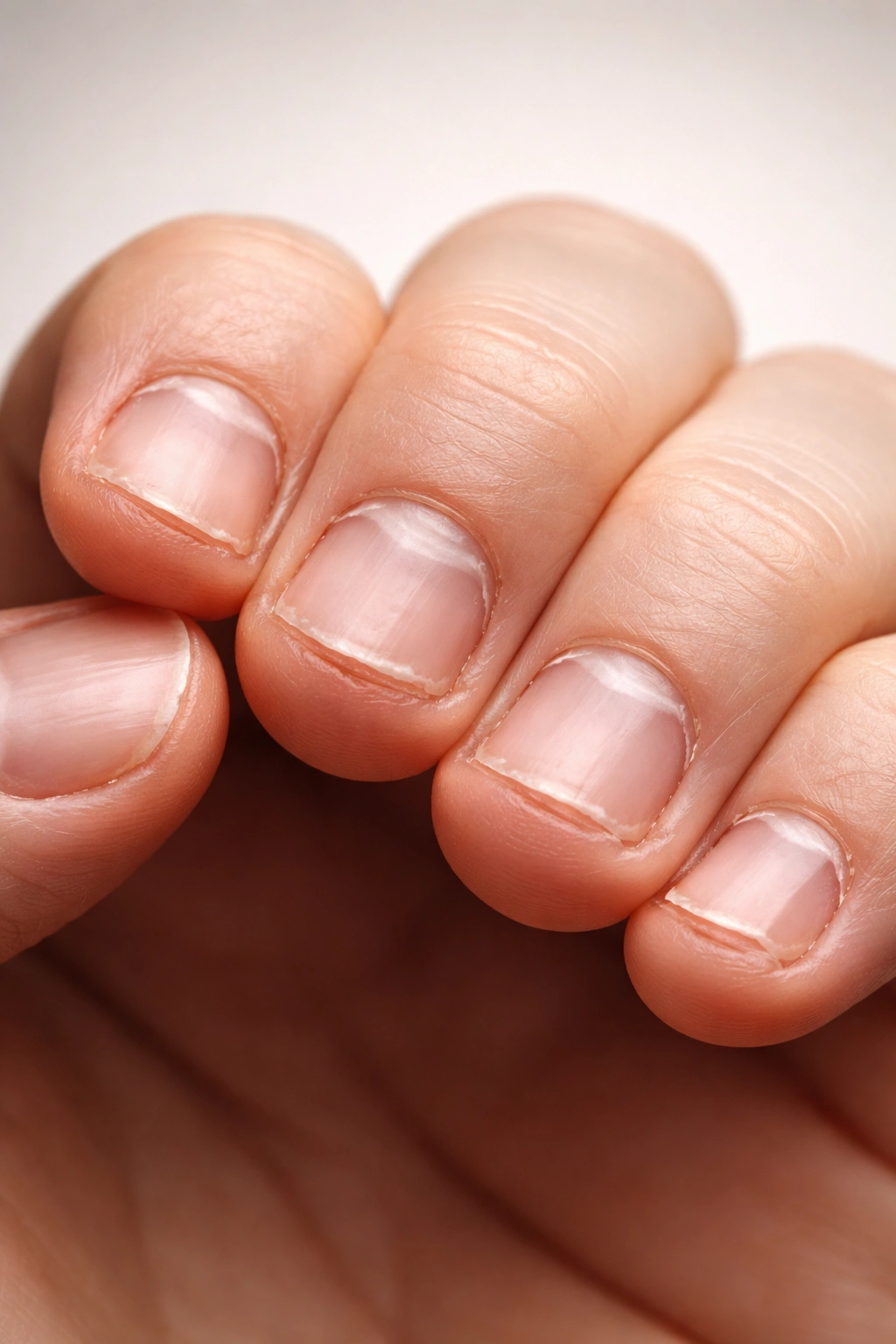
Before you can effectively stop biting your nails, it helps to understand what’s actually happening. Nail biting—clinically called onychophagia—affects between 20% to 30% of people in the United States across all age groups. It’s not a sign of weakness or a character flaw. Rather, it’s classified as a body-focused repetitive behavior, the same category that includes hair pulling and skin picking.
The reasons people bite their nails vary. For some, it’s purely sensory—they’re drawn to the texture and the physical sensation of biting. For others, it’s a coping mechanism for stress, anxiety, or boredom. When you bite your nails, your brain releases a small amount of endorphins, giving you a momentary sense of calm or relief. This creates a feedback loop: you feel stressed, you bite your nails, you feel slightly better temporarily, your brain remembers this pattern, and the next time stress hits, you automatically reach for your nails.
What makes nail biting so stubborn is that it often happens automatically. You might be watching a movie, working on a project, or having a tense conversation, and suddenly realize your nails are in your mouth—without consciously deciding to put them there. Your brain has essentially turned it into a default behavior, like fidgeting or jiggling your leg. Understanding this automatic quality is crucial because it means you can’t just decide to stop. You need strategies that interrupt the automatic pattern and replace it with something else.
The Real Damage Nail Biting Can Cause
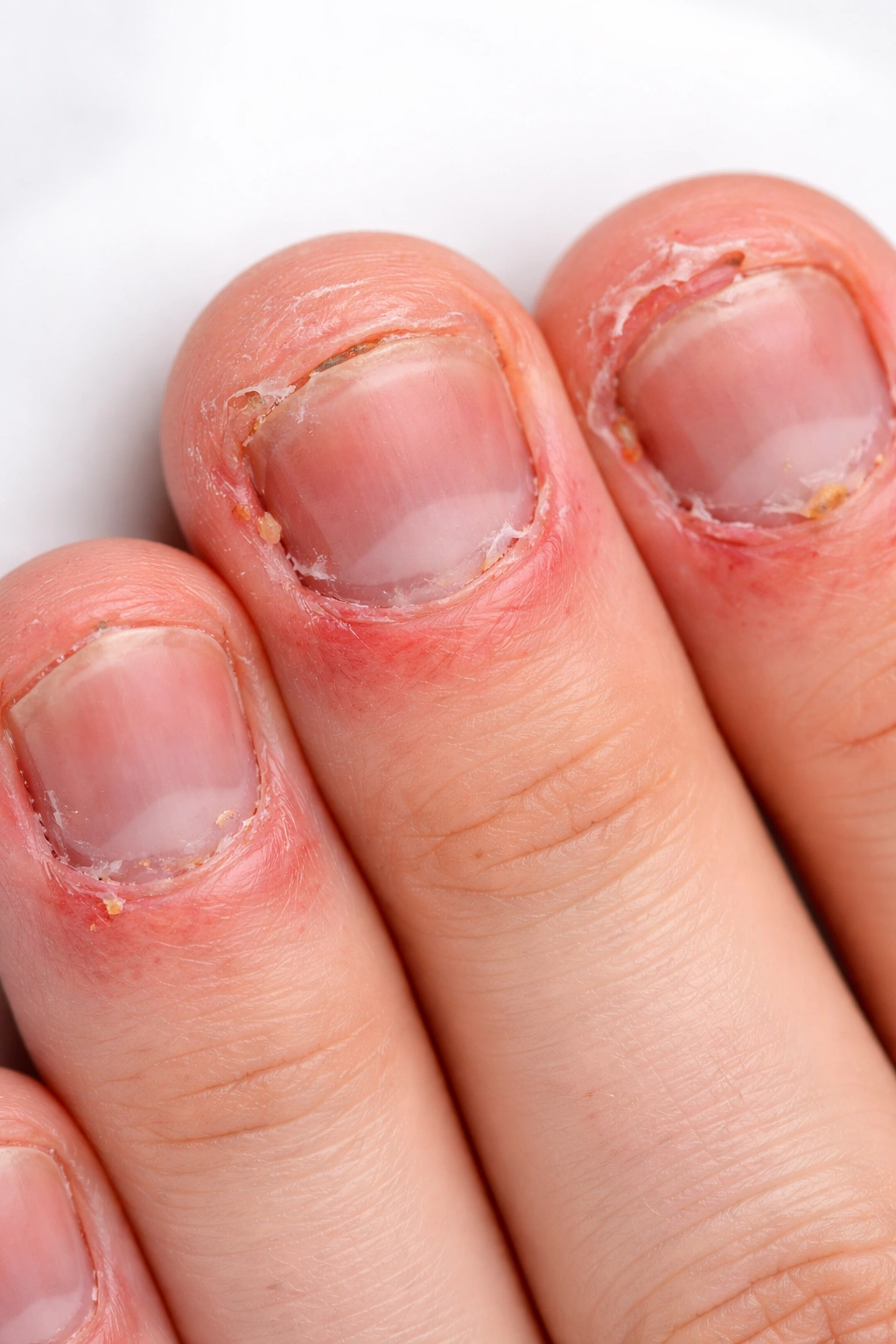
Understanding the consequences isn’t meant to make you feel worse about yourself—it’s meant to give you concrete motivation grounded in reality rather than vague guilt. The damage from nail biting is progressive and, in some cases, permanent if the habit continues for years.
Immediate damage includes bleeding cuticles, cracked skin around the nail, and soreness that can be genuinely painful. Every time you bite and tear at the skin surrounding your nail, you’re creating tiny open wounds. These aren’t just cosmetic problems. Open skin is an entry point for bacteria and fungi. People who chronically bite their nails develop bacterial infections (sometimes requiring antibiotics), fungal infections, and warts—particularly difficult to treat when they develop under or around the nail.
Longer-term damage affects the nail bed itself, which is the tissue beneath the hard part of your nail. If you damage this area repeatedly over months or years, your nails may permanently stop growing to their normal length. Instead of beautiful, long nails, you end up with nails that only grow to a certain point no matter how long you avoid biting. This damage can be irreversible, even after you successfully quit.
Beyond your nails, chronic nail biting can damage your teeth, cause jaw problems, and chip or crack tooth enamel. You’re also introducing whatever bacteria and viruses are on your hands directly into your mouth and digestive system. While a single instance won’t make you sick, the cumulative exposure from constant hand-to-mouth contact does increase your infection risk over time.
Identifying Your Personal Triggers
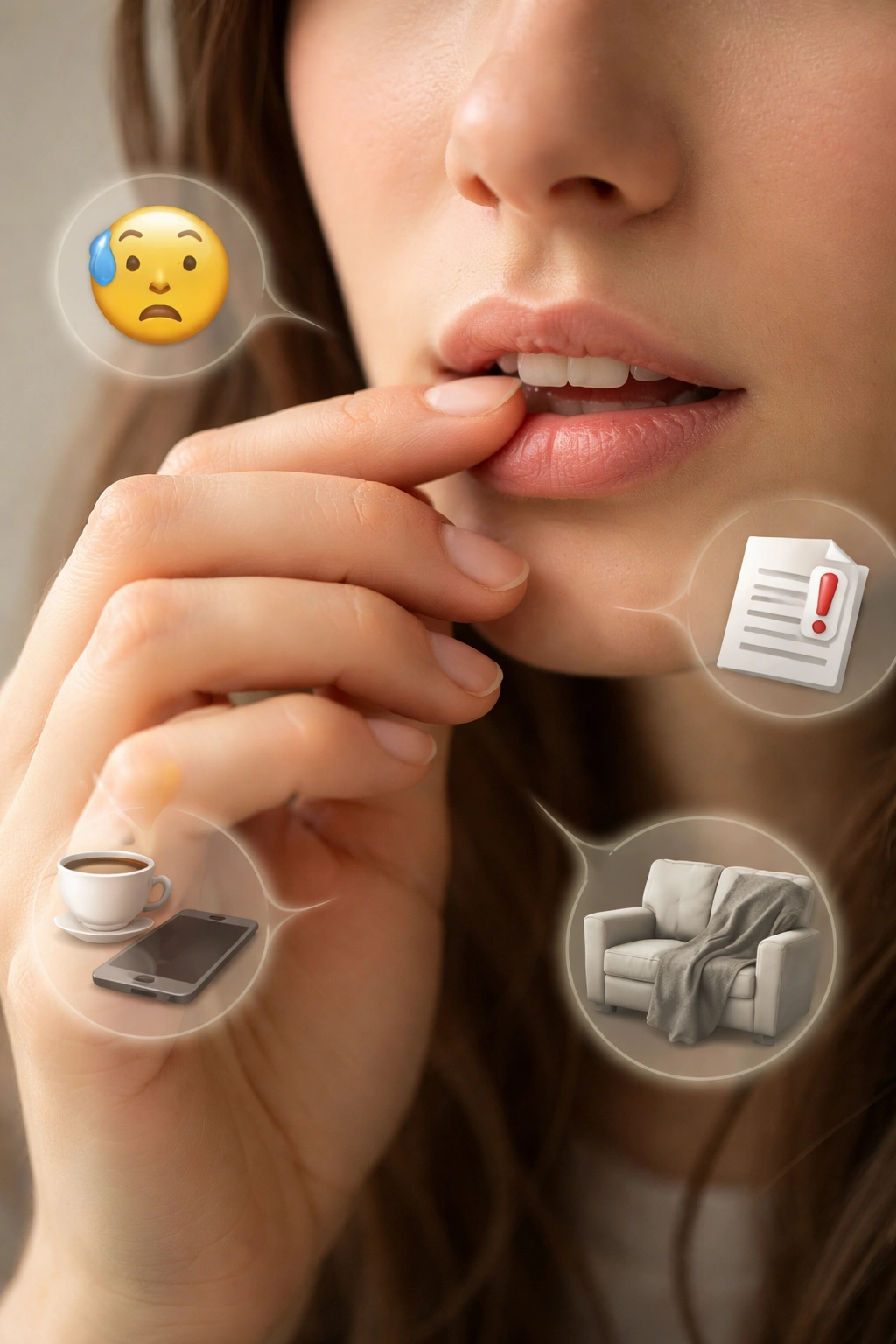
This step is where most people fail without realizing it. They try generic solutions without understanding what specifically causes their nail biting. Everyone’s triggers are different, and one-size-fits-all solutions rarely work because they don’t address your particular pattern.
There are several categories of triggers to identify. Sensory triggers include the actual feeling of a hangnail, rough cuticle, or uneven nail edge. You notice something slightly off and automatically reach to “fix” it with your teeth. Emotional triggers are the big ones—stress, anxiety, boredom, frustration, or that restless feeling when you’re trying to focus. Environmental triggers are specific situations: certain times of day, particular settings like being in a car or at your desk, or specific activities like studying or watching TV.
Start tracking when and where you bite. Keep a simple note on your phone for just one week. Jot down the time, what you were doing, how you were feeling, and what specifically prompted the bite. After a week, you’ll likely see clear patterns. Maybe you bite most when you’re sitting at your computer. Maybe it’s during phone calls when you’re anxious. Maybe it’s in the evening when you’re bored. Once you know your pattern, you can develop a specific counter-strategy instead of trying random techniques that don’t address your actual trigger.
1. Practice Mindfulness Over White-Knuckle Willpower
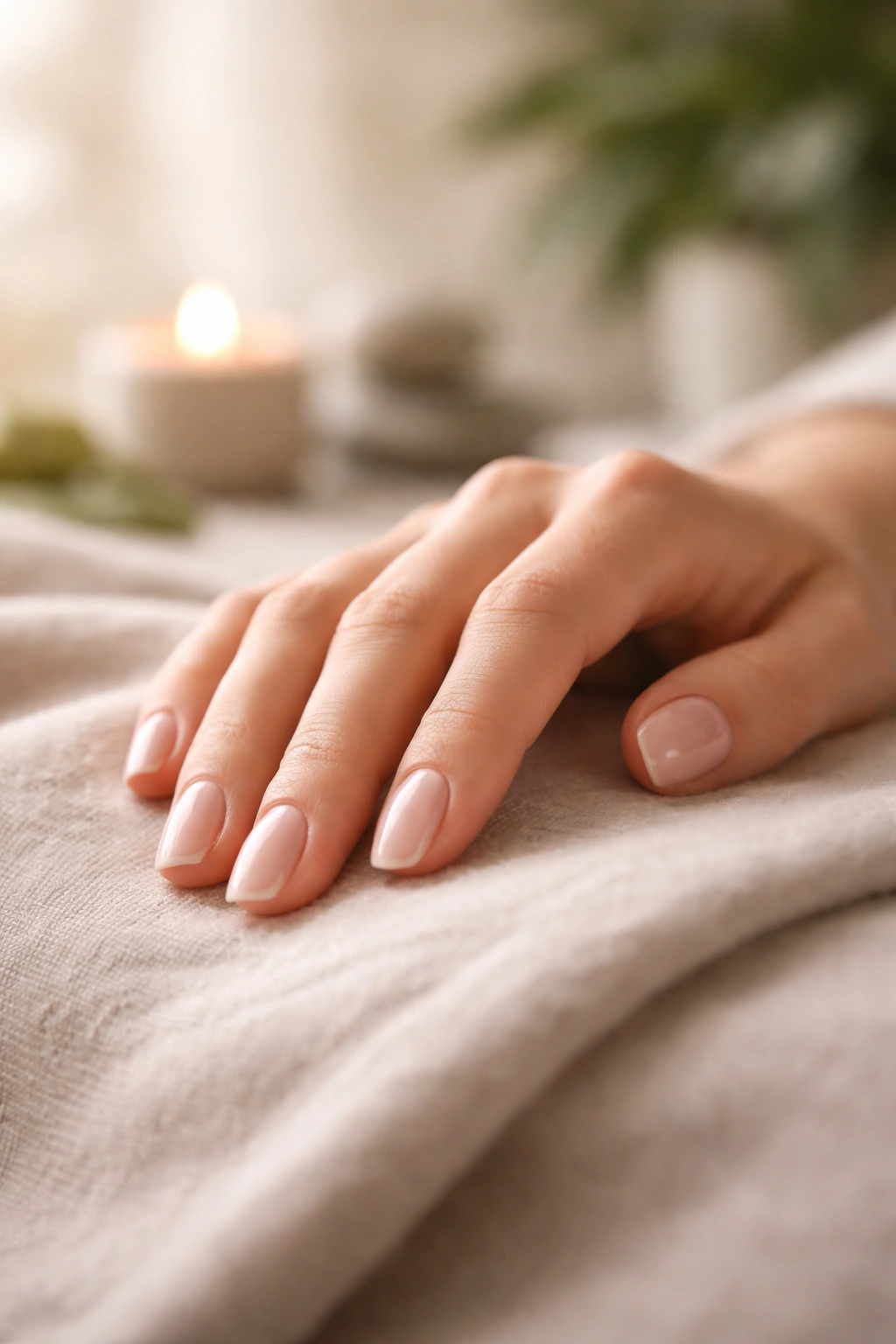
The most surprising finding from research on nail biting is that mindfulness actually works better than willpower. This might sound counterintuitive, but it makes sense when you understand how the habit functions. Because nail biting is often automatic, catching yourself in the moment is half the battle. Simply noticing that your hand is moving toward your mouth—before you bite—creates an opportunity to choose a different response.
The mindfulness approach doesn’t require meditation or any special training. It’s simply about increasing your awareness of the behavior as it happens. When you become aware that you’re about to bite—or that you’re already biting—you’ve already created a small gap where change becomes possible. Instead of biting four hundred times a day without conscious awareness, maybe you consciously catch yourself fifty times. That’s a massive improvement.
What makes this work even better is pairing mindfulness with specific anxiety reduction or grounding techniques. When you feel the urge to bite, use that moment as a signal. Instead of immediately biting, pause and ask yourself: What am I actually feeling right now? Am I stressed? Bored? Anxious? If you’re feeling anxious, taking three deliberate breaths often reduces the urge significantly. If you’re bored, switching your attention to something else helps. The bite urge is often strongest when you’re not really noticing what you’re doing—so bringing awareness to your hands and your emotional state creates immediate change.
One practical application is to simply set a phone reminder for random times during your day. When the reminder goes off, pause and check your hands. Are you biting? If not, that’s a win—acknowledge it mentally. If you are, notice without judgment: I’m biting again, that’s the automatic habit, but right now I’m going to do something different. This simple awareness practice alone helps many people reduce their biting by 30-50% within the first week.
2. Replace the Habit with a Competing Tactile Sensation
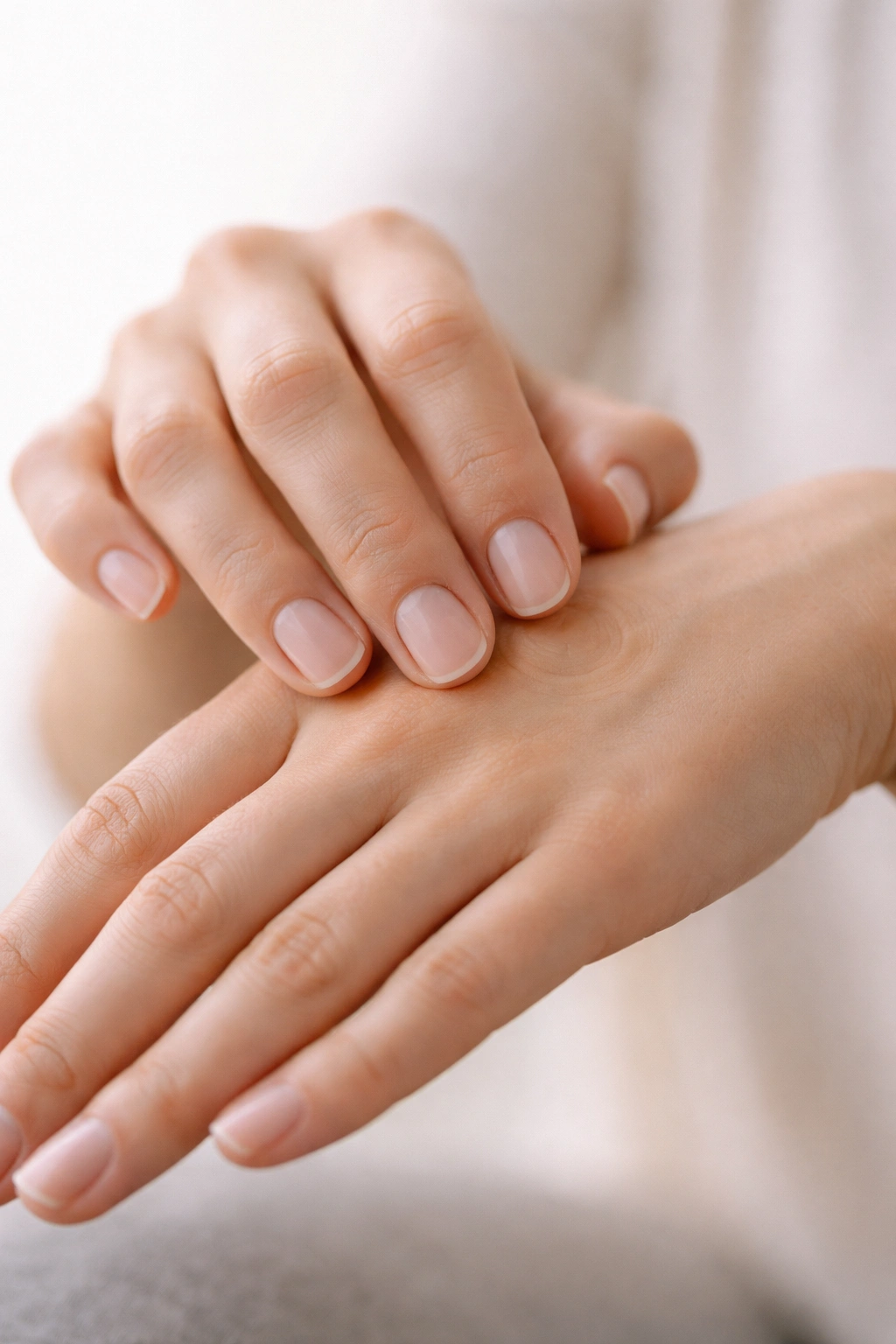
Since nail biting serves a purpose—satisfying a sensory need, providing a way to discharge tension—simply removing it leaves a void. Your brain will keep looking for that sensation. The solution isn’t to use willpower to resist, but to give your hands and nervous system something equally satisfying to do instead.
The most successful replacement behaviors are ones that provide similar sensory stimulation but without causing damage. Rubbing two fingers together gently, tracing circles on your palm, or engaging in what researchers call “gentle touch” has been shown to reduce nail biting and skin picking in about 50% of people who try it. The technique is simple: whenever you feel the urge to bite, instead rub your fingertips together, massage your palm, or trace slow circles on the back of your hand. It sounds too simple to work, but the sensory input satisfies part of what your brain is seeking.
Other effective replacement behaviors include keeping a fidget toy, stress ball, worry stone, or even a smooth coin in your pocket. When you feel the urge to bite, pull out your fidget toy instead. Some people keep silly putty or air-dry clay with them—the tactile sensation of manipulating it is genuinely satisfying and keeps hands occupied. Others find success with a rubber band on their wrist, though instead of snapping it (which can become its own harmful habit), simply rolling it between your fingers provides stimulation without damage.
The key is choosing a replacement behavior that you’ll actually use. If you hate fidget toys, they won’t help. If you like texture and movement, find something that provides that. If you like pressure and resistance, a stress ball works better than rubbing your fingers together. The replacement needs to feel genuinely satisfying, not like punishment.
3. Make Your Nails Visually Unappealing to Bite
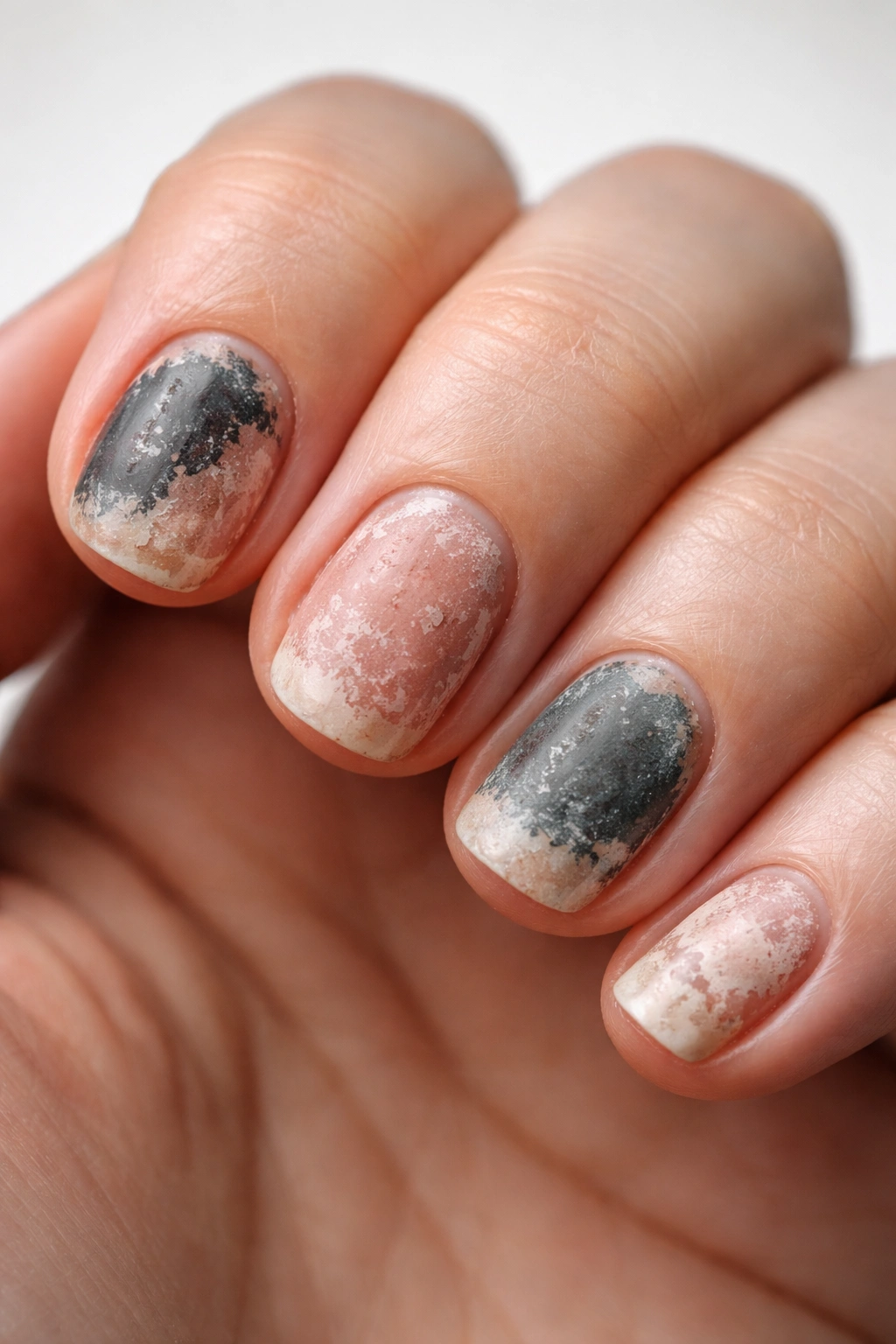
This strategy works because it leverages motivation and visual psychology rather than willpower alone. When your nails look nice—either beautifully polished or professionally maintained—biting them feels like actually destroying something you’ve invested in. This creates natural resistance.
Nail polish is one of the simplest tools. The obvious deterrent is taste—bitter-tasting polishes like Mavala Stop or Bitrex are designed to taste genuinely terrible, creating immediate negative feedback when you go to bite. But beyond the taste factor, colored polish or nail art creates a psychological barrier. You’ve made an effort to make your nails look nice, and you won’t want to ruin that work by biting. Choose a color or design you genuinely like so the motivation stays strong.
Some people find even more success with professional manicures, particularly gel manicures or acrylics. The combination of the professional appearance (your nails look genuinely beautiful), the money invested, and the time spent creates strong motivation to keep those nails intact. If your nails are professionally done, the thought of biting and ruining them feels like actively destroying something valuable.
If you can’t afford or prefer not to get professional manicures, a simple routine at home works well. After washing your hands, apply cuticle oil or hand lotion, push back your cuticles gently (this makes nails look longer and more attractive), and apply nail polish. Even a simple neutral color or clear polish with shine provides motivation. The act of maintaining your nails—creating visible progress as they grow longer—is its own reward. You can take photos as a visual record of your progress, which many people find surprisingly motivating.
The visual approach also taps into a different psychological mechanism than taste or texture deterrents. It’s not about punishment or negative reinforcement. It’s about pride and the desire to maintain something you’ve created or invested in. This tends to be more sustainable long-term than relying on bad taste alone.
4. Keep Your Nails Short and Handle Triggers Properly
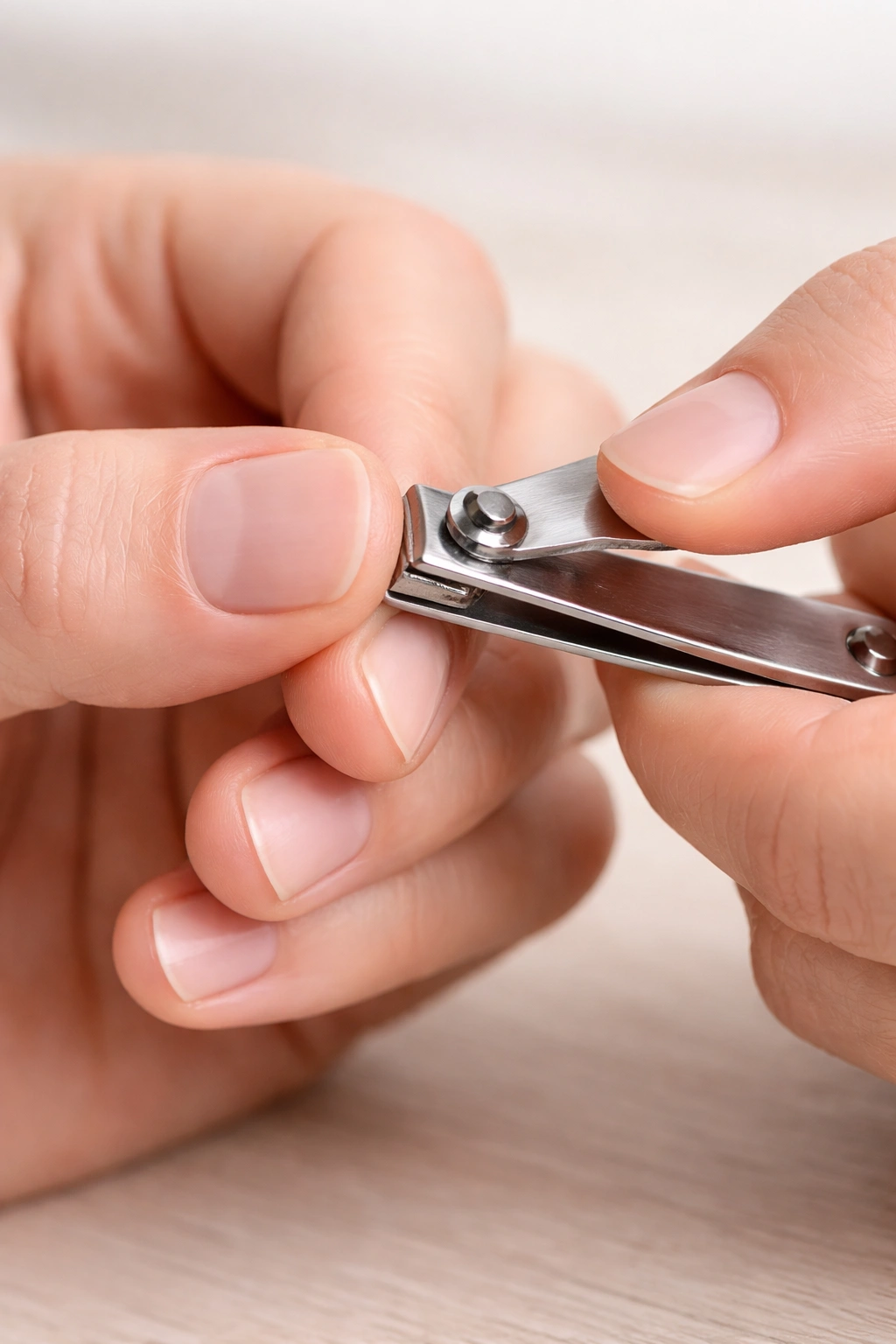
This tip seems almost too simple, but it’s grounded in solid psychology: you can’t bite what isn’t there. Keeping your nails trimmed short removes the primary temptation. There’s less to grab with your teeth, less to bite, and less that feels satisfying when you do bite.
More importantly, short nails reduce the sensory trigger for many nail biters. If you frequently bite because you notice a rough edge, a hangnail, or uneven growth, having very short nails means fewer of these sensory triggers exist. You’re literally removing the problem before it starts. This is especially helpful during the first few weeks of breaking the habit, when resistance is hardest.
The strategy here is to take control of nail grooming yourself rather than letting the urge drive the behavior. Keep nail clippers with you. If you notice a rough edge, use the clippers immediately instead of reaching for your teeth. If you feel a hangnail starting, trim it with clippers or scissors designed for cuticles. By satisfying the grooming urge (which is a legitimate urge) through proper tools, you’re addressing the underlying need without damaging your nails.
This approach works particularly well for people whose nail biting is primarily driven by the presence of hangnails or cuticle problems. One study found that some people were able to stop biting entirely simply by implementing a proper nail maintenance routine—keeping nails trimmed, cuticles pushed back regularly, and rough areas handled with proper tools. It’s preventative and proactive rather than reliant on willpower.
The added benefit is that as your nails grow and look better, the motivation to keep them that way naturally increases. After a few weeks of maintaining short, neat, attractive nails, you’ve built a new routine that feels normal rather than restrictive.
5. Address Underlying Anxiety and Build Alternative Coping Skills

This final tip is the deepest and most important for people with chronic nail biting. Research consistently shows that nail biting is often a symptom of anxiety, stress, or other emotional regulation difficulties. While the previous tips all work on the surface behavior, this tip addresses the root cause.
If you find yourself biting your nails most intensely during stressful periods, when you’re anxious, or when you’re struggling emotionally, the biting is actually serving a real function. It’s your brain’s way of self-soothing and releasing nervous tension. Taking away that coping mechanism without replacing it with healthier alternatives often fails because you’re left without a way to manage the underlying emotions.
The solution is to identify what you actually need in those moments and provide it in a healthier way. If you bite when you’re bored, you need stimulation—take a short walk, call a friend, start a hobby, or do something engaging. If you bite when you’re anxious, you need to reduce anxiety—try deep breathing, progressive muscle relaxation, meditation, or exercise. If you bite when you’re overwhelmed or frustrated, you need a way to discharge that energy—exercise is particularly effective, as is any physical activity.
Some people benefit from keeping specific anxiety-reducing tools nearby. A stress ball, worry stone, or fidget spinner addresses the need to discharge nervous energy. Chewing sugar-free gum addresses the oral fixation component. Writing in a journal, talking to someone, or practicing breathing exercises address emotional regulation directly.
For more severe cases where anxiety is significant, working with a therapist—particularly one trained in cognitive behavioral therapy (CBT) or habit reversal training—can be genuinely transformative. A therapist can help you understand your specific triggers, develop coping skills tailored to your actual needs, and work through any underlying anxiety or OCD-spectrum issues. Some people also benefit from supplements like N-acetyl cysteine (NAC), which research suggests may help reduce body-focused repetitive behaviors, though discussing this with a doctor first is important.
The key insight is this: you can’t successfully break nail biting by just stopping the behavior. You have to replace it with something that meets the same need. Once you understand what emotional or sensory need the nail biting is meeting, you can deliberately build a better way to meet that need.
Combining Strategies for Maximum Success
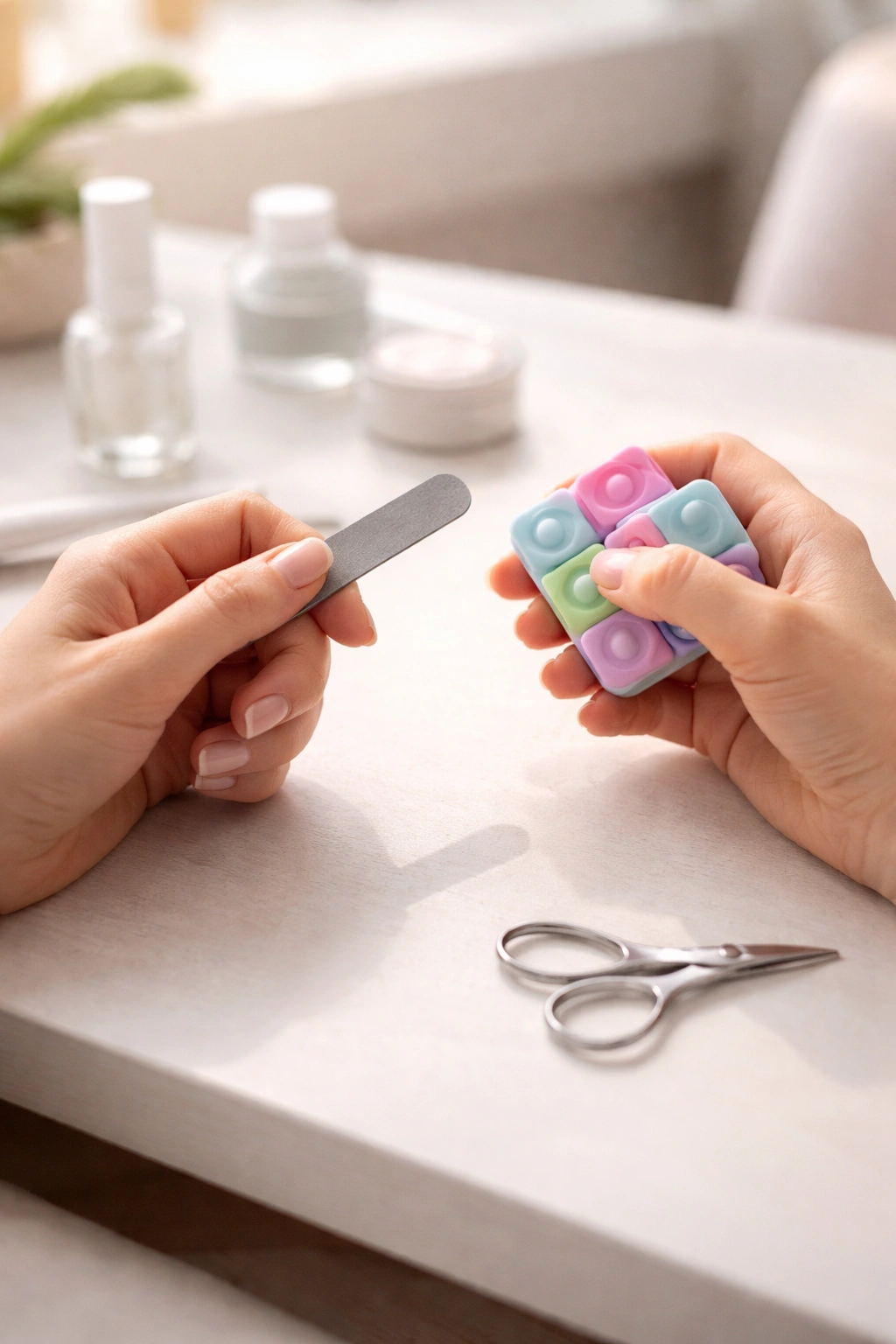
The most successful people at breaking nail biting don’t rely on just one tip. They layer strategies together. Someone might keep their nails short (tip 4), wear nail polish (tip 3), keep a fidget toy nearby (tip 2), practice mindfulness (tip 1), and work on stress management through exercise and journaling (tip 5). The combination is more powerful than any single approach.
A realistic timeline involves 21 to 90 days of consistent effort. The first two weeks are often the hardest because the automatic behavior is still dominant. By week three, you’ll likely notice real progress if you’re consistently using your chosen strategies. By week six to eight, many people find that the urge to bite has decreased dramatically. Three months of consistent practice typically creates enough of a shift that the habit no longer feels automatic or irresistible.
When to Seek Professional Help

For most people, the strategies above are sufficient. But for some, nail biting is severe enough—causing significant pain, bleeding, infection, or emotional distress—that professional help makes sense. If you find yourself biting until your nails bleed regularly, if you’ve developed infections, or if the shame and anxiety around your appearance is affecting your social life or work, consulting a dermatologist is worthwhile. They can treat any infections and assess whether there’s permanent damage.
For people whose nail biting feels genuinely compulsive—as though you cannot stop despite desperately wanting to—consulting a therapist trained in behavioral approaches is valuable. Nail biting that feels impossible to control sometimes indicates OCD or another condition that responds well to professional treatment.
Key Takeaways

Breaking a nail-biting habit isn’t about shame, punishment, or forcing yourself through willpower alone. It’s about understanding what the habit does for you, addressing that underlying need, and building healthier alternatives. The five real tips—mindfulness, competing sensations, visual motivation, proper maintenance, and addressing underlying anxiety—work because they address different aspects of why people bite their nails in the first place.
Start with the tip that resonates most with your situation. If you’re mainly driven by sensory triggers, focus on proper nail maintenance and competing tactile sensations. If stress and anxiety drive your biting, prioritize anxiety reduction and habit replacement. If you’re motivated by appearance, invest in keeping your nails visually attractive.
The path to beautiful, healthy nails isn’t a single moment of willpower. It’s a series of small choices made over weeks and months until the new behavior becomes automatic and the old behavior fades into the past.
