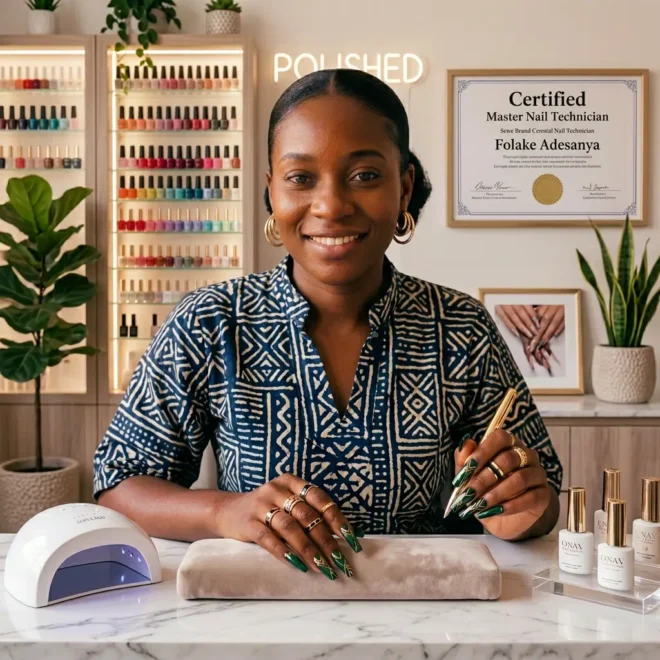


You glance down at your fingernails and wince. Another split. Another break. Another reminder that your nails aren’t quite as strong as they used to be. If you’ve been dealing with nails that crack, peel, or snap at the slightest touch, you’re not alone. Dry, brittle nails are surprisingly common, affecting millions of people who wash their hands frequently, work with their hands, or simply battle against harsh weather conditions.
Here’s what makes this issue so frustrating: your nails can actually tell you quite a bit about your overall health. When they’re constantly breaking and flaking, it’s often your body’s way of saying something needs attention. Maybe you’re low on certain nutrients. Perhaps you’ve been too rough during your last few manicures. Or it could be that you’re simply not giving your nails the hydration they desperately need.
The good news? You don’t need expensive salon treatments or complicated routines to get your nails back on track. Most of the time, restoring nail health comes down to understanding what’s causing the damage and making a few smart changes to how you care for your hands. We’re talking about simple, doable habits that fit into your daily life without adding hours to your routine.
Why Your Nails Turn Brittle (And It’s Probably Not What You Think)
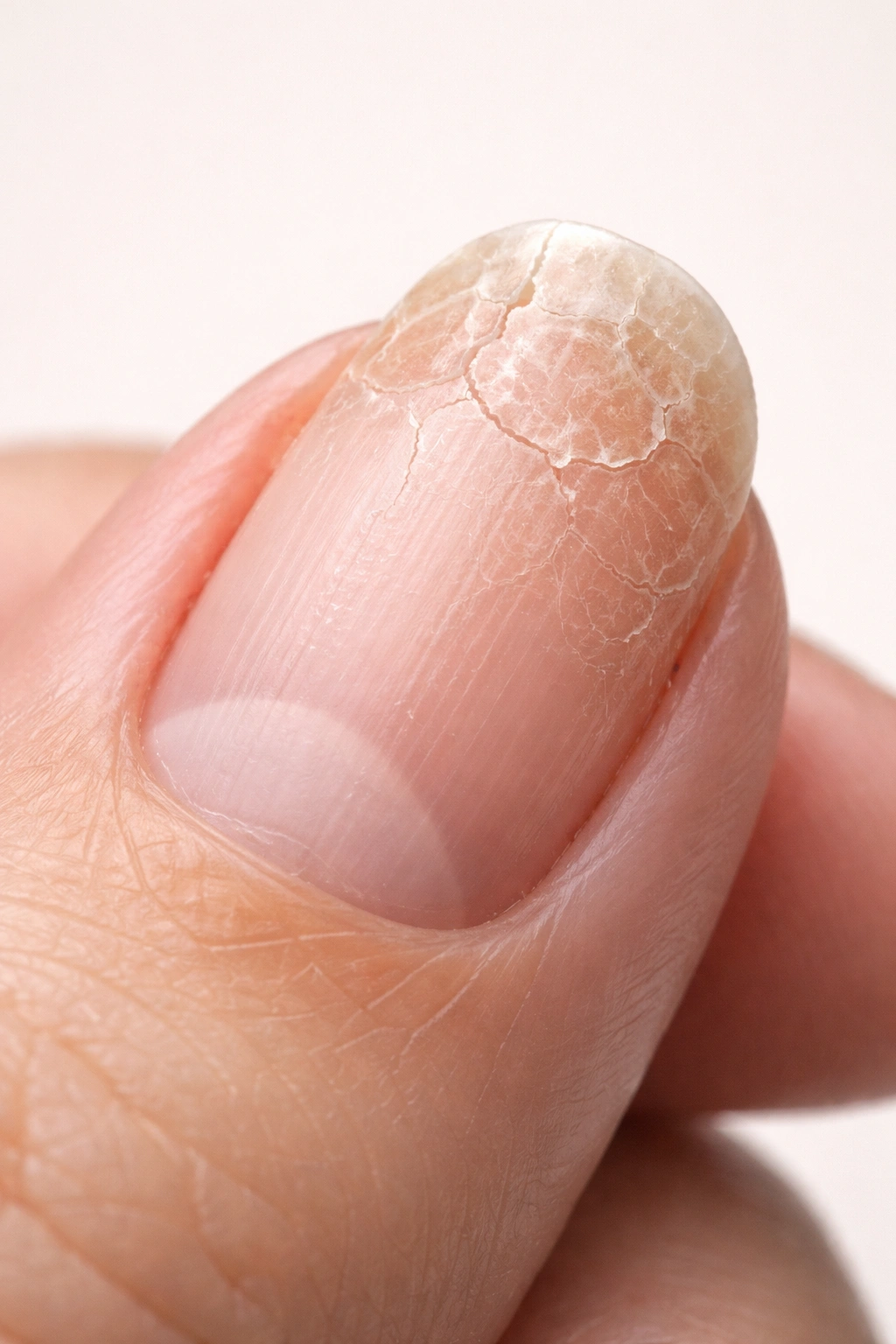
Before we jump into solutions, let’s talk about what’s actually happening when your nails become dry and brittle. Your fingernails are made of layers of a protein called keratin, the same stuff that makes up your hair. When these layers lose moisture and essential oils, they become rigid and inflexible. That’s when the splitting and cracking starts.
Water is one of the biggest culprits, which sounds weird at first. How can water dry out your nails? Well, here’s the thing: your nail plate is incredibly porous, actually about 1,000 times more absorbent than your skin. Every time you wash your hands, do dishes, or take a long bath, your nails expand as they soak up water. Then, when they dry out, they contract again. This constant swelling and shrinking weakens the bonds between those keratin layers.
Then there’s the issue of harsh chemicals. That hand sanitizer you’ve been using multiple times a day? It’s loaded with alcohol that strips away natural oils. Same goes for cleaning products, acetone-based nail polish removers, and even some soaps. These products do their job of cleaning, but they’re also incredibly drying to your nails.
Nutritional deficiencies play a bigger role than most people realize. Your nails need specific vitamins and minerals to grow strong. Without enough biotin, iron, zinc, or protein, your body simply can’t produce healthy nail cells. It’s like trying to build a house without enough bricks.
Age is another factor that nobody likes to talk about, but it matters. As we get older, our nails naturally grow slower and produce less of the oils that keep them flexible. Women over 50 tend to experience more nail brittleness because of decreased cholesterol levels in the nail plate. Hormonal changes, especially during menopause, can make this even worse.
Moisture Is Your Best Friend (Use It Wisely)
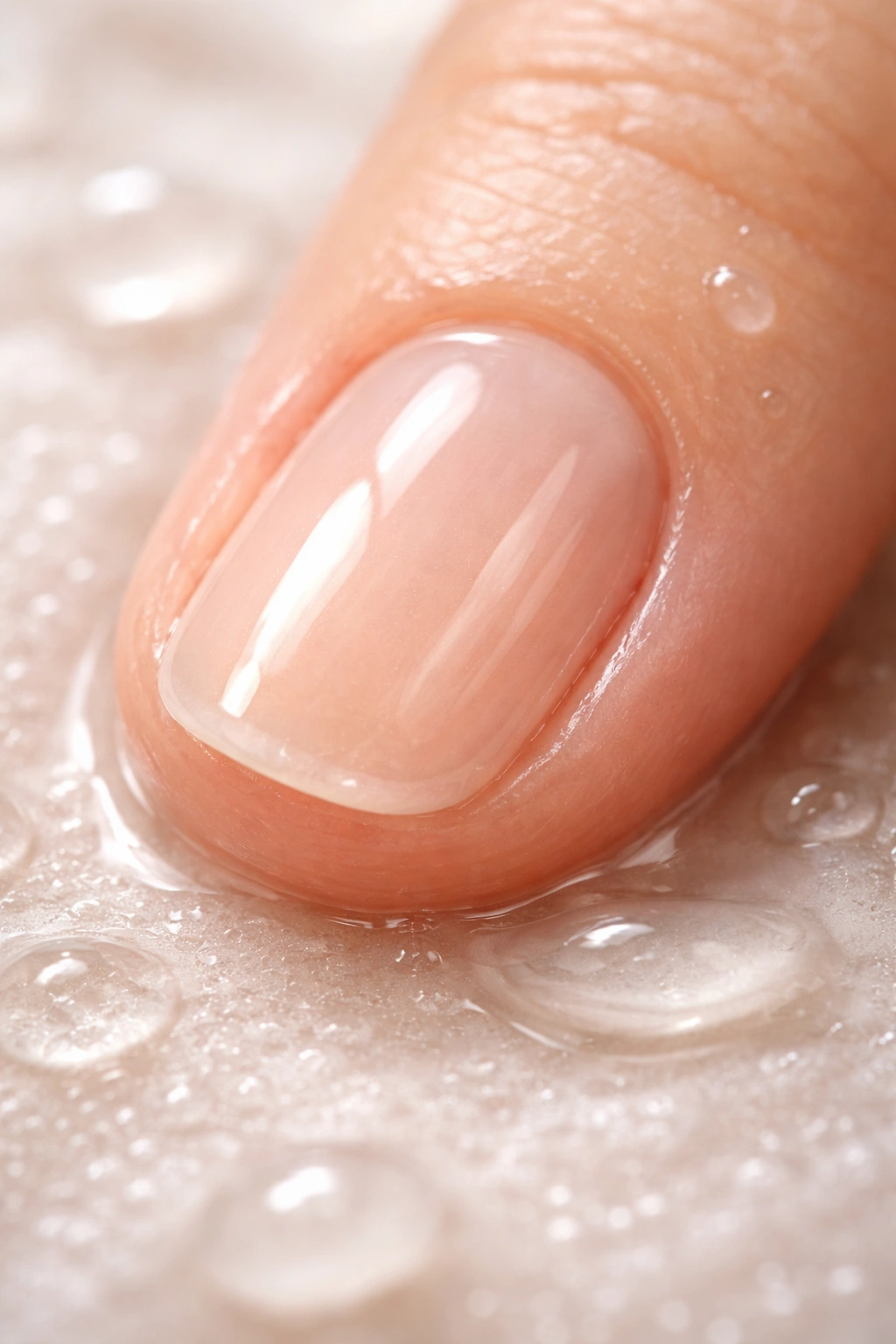
If there’s one piece of advice you take from this entire article, make it this: moisturize your nails like your life depends on it. Seriously. Keeping moisture locked into your nails is the foundation of everything else you’ll do to strengthen them.
Start by treating your nails the same way you treat your face. After every single hand washing, apply hand cream. Not just any cream, though. You’ll want something thick and rich with ingredients like shea butter, glycerin, or hyaluronic acid. These ingredients don’t just sit on the surface; they actually penetrate the nail plate and help it retain water.
At night, go heavy with the moisturizer. This is when your body does most of its repair work anyway. Slather on a thick layer of hand cream or even plain petroleum jelly, paying extra attention to your nails and the skin around them. Some people swear by what’s called “nail slugging,” where you coat your nails in an occlusive product like Vaseline or Aquaphor to seal everything in overnight.
For an even more intensive treatment, try wearing cotton gloves to bed after applying your moisturizer. This keeps the product from rubbing off on your sheets and creates a sort of mini-spa environment for your hands. You might feel a bit silly at first, but your nails will thank you in the morning.
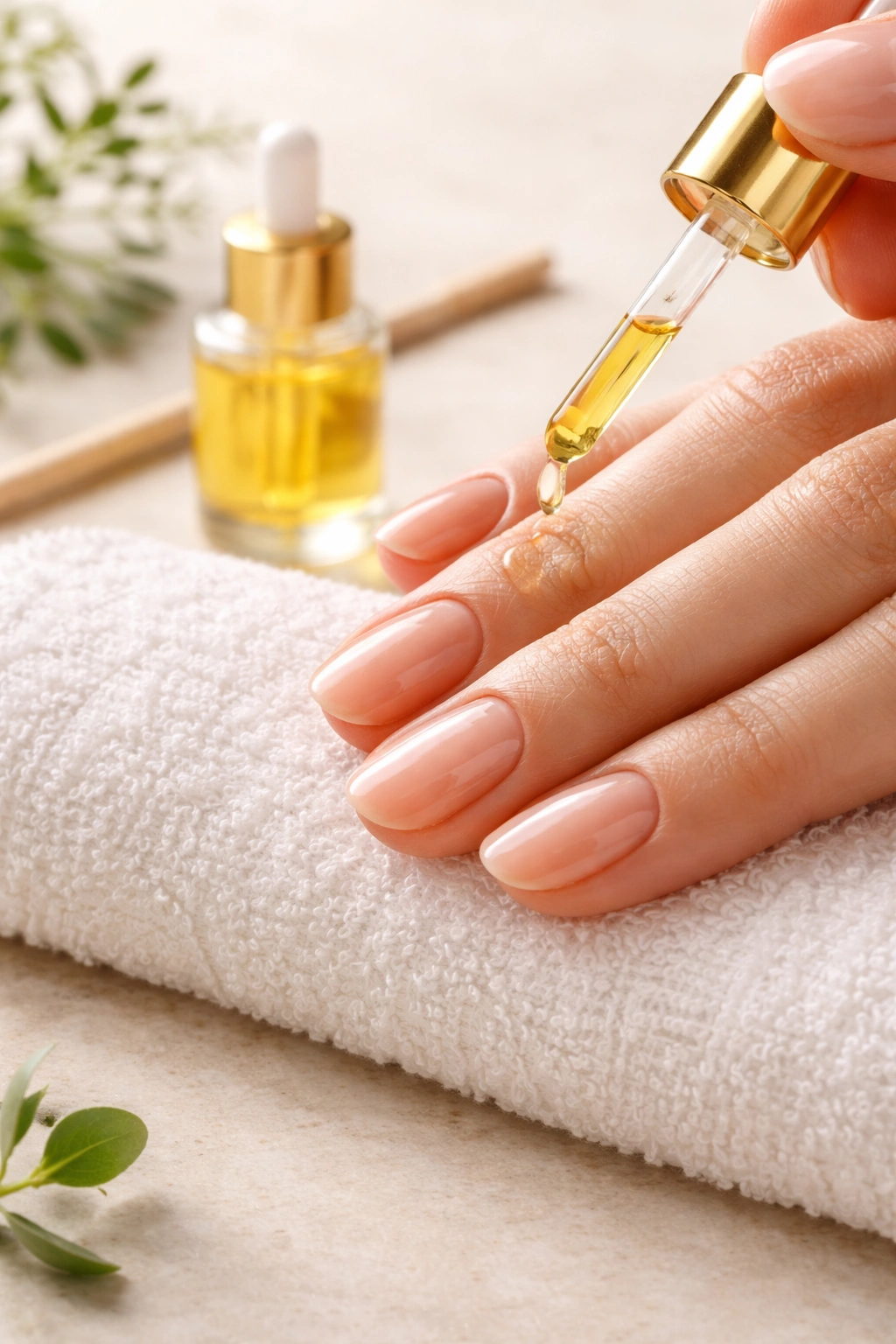
Cuticle oil deserves its own mention here. Your cuticles act as a protective seal for new nail growth, and when they’re dry and ragged, your entire nail suffers. Apply cuticle oil at least once daily, massaging it into the base of each nail and the surrounding skin. Oils with jojoba, vitamin E, sweet almond, or avocado are particularly nourishing. You can even use olive oil or coconut oil from your kitchen if you don’t have a fancy cuticle product on hand.
The Right Way to Hydrate Your Nails
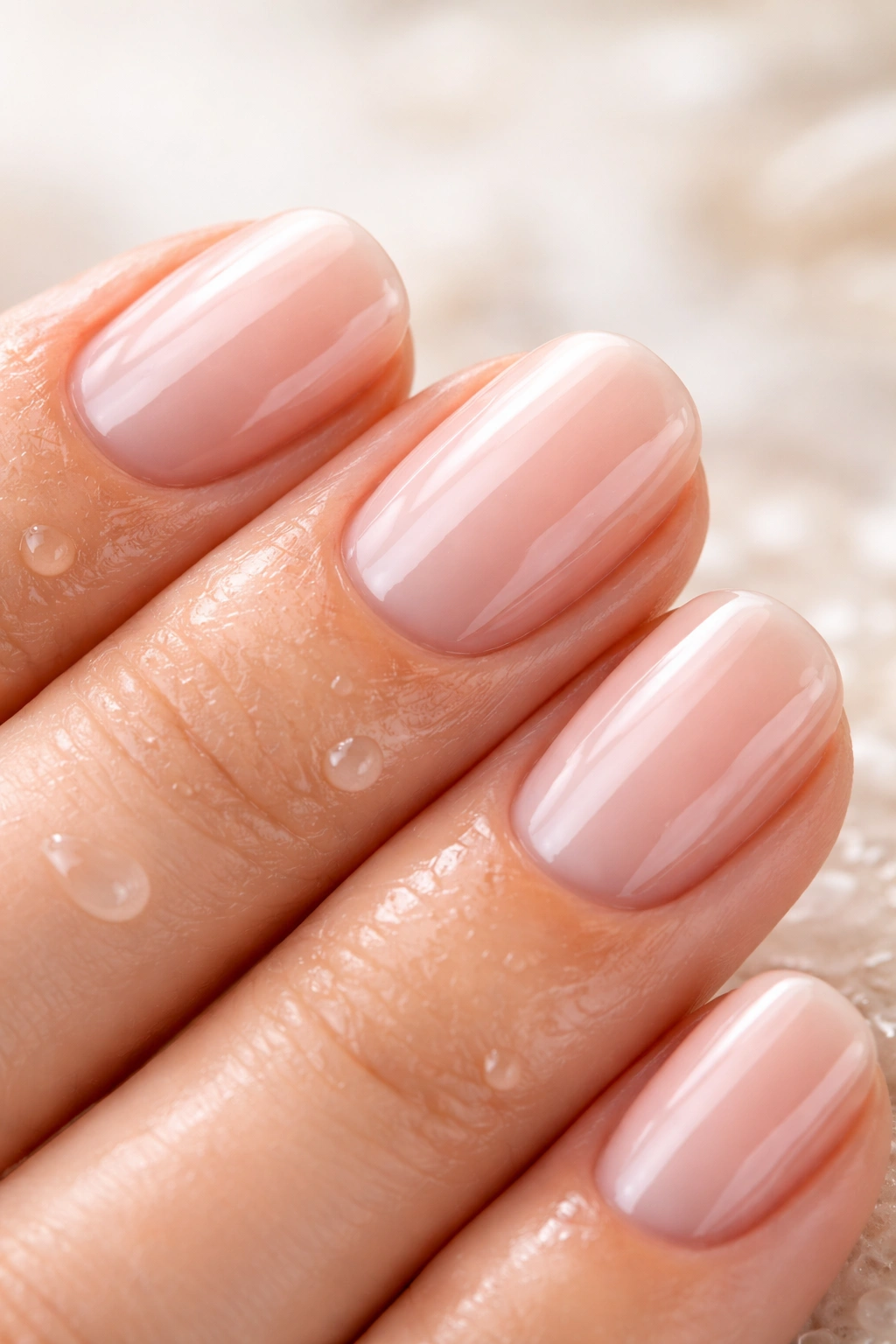
Hydration isn’t just about what you put on your nails. What goes into your body matters just as much. Drinking enough water throughout the day supports nail health from the inside out. Aim for at least eight glasses daily, though your individual needs might be higher depending on your activity level and climate.
But here’s where people get confused. While staying hydrated is important for your overall health, you can’t exactly “drink your way” to stronger nails. The moisture your nails need comes more from topical treatments than from your water bottle. That said, chronic dehydration can definitely contribute to brittle nails, so it’s still worth keeping your water intake up.
Soaking your nails can provide an immediate moisture boost, but you need to do it right. A quick 5-10 minute soak in warm water mixed with natural oils works wonders. Try adding olive oil, jojoba oil, or even a bit of honey to your bowl of warm water. The warmth helps soften the cuticles and nail plate while boosting circulation, and the oils help seal in moisture rather than letting it evaporate.
Here’s a pro tip: always follow up any water exposure with moisturizer. Whether you’ve been soaking your nails intentionally or just finished washing dishes, apply hand cream or cuticle oil immediately afterward. This prevents that expansion-contraction cycle we talked about earlier from causing damage.
What You’re Eating Matters More Than You Think
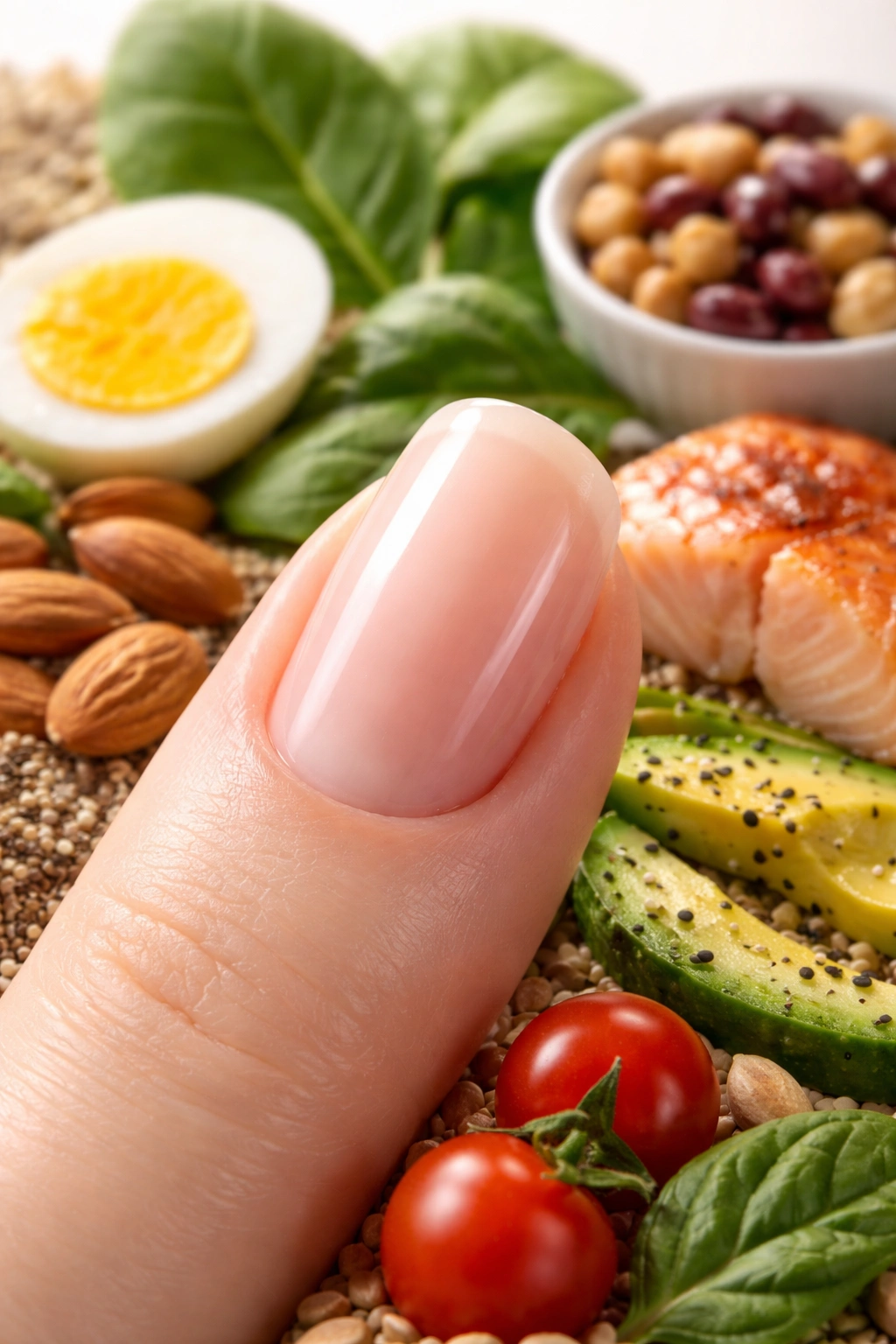
You can slather on all the fancy creams in the world, but if you’re not feeding your body the right nutrients, your nails will still struggle. Nail cells need building blocks to grow strong, and those building blocks come from your diet.
Protein is non-negotiable. Your nails are literally made of it, so skimping on protein-rich foods means your body can’t produce healthy nail cells. Aim for at least 45-50 grams of protein daily from sources like eggs, chicken, fish, beans, and nuts. If you’re vegetarian or vegan, make sure you’re getting enough plant-based proteins from legumes, tofu, and quinoa.
Biotin has become famous as the “hair and nail vitamin,” and there’s good reason for that. Studies show that taking a biotin supplement (around 2.5-5 milligrams daily) can significantly improve nail thickness and reduce splitting. You can also get biotin from foods like eggs, salmon, sweet potatoes, almonds, and spinach. Just know that if you go the supplement route, you’ll need to be patient. It takes about six to eight weeks to see real results.
Iron deficiency is another common culprit behind brittle nails. Without enough iron, your body can’t carry oxygen efficiently to your nail beds, which slows growth and weakens the nail structure. If you suspect you might be low on iron (especially if you also feel tired or notice hair loss), talk to your doctor about getting your levels checked. In the meantime, eat iron-rich foods like red meat, leafy greens, and fortified cereals.
Don’t overlook zinc, vitamin E, and omega-3 fatty acids either. Zinc supports cell growth and repair, vitamin E protects nail cells from damage, and omega-3s reduce inflammation and dryness. You can get these from a varied diet that includes fish, nuts, seeds, and colorful vegetables. A daily multivitamin can help fill any gaps, but whole foods should always be your first choice.
Stop Doing These Things to Your Nails
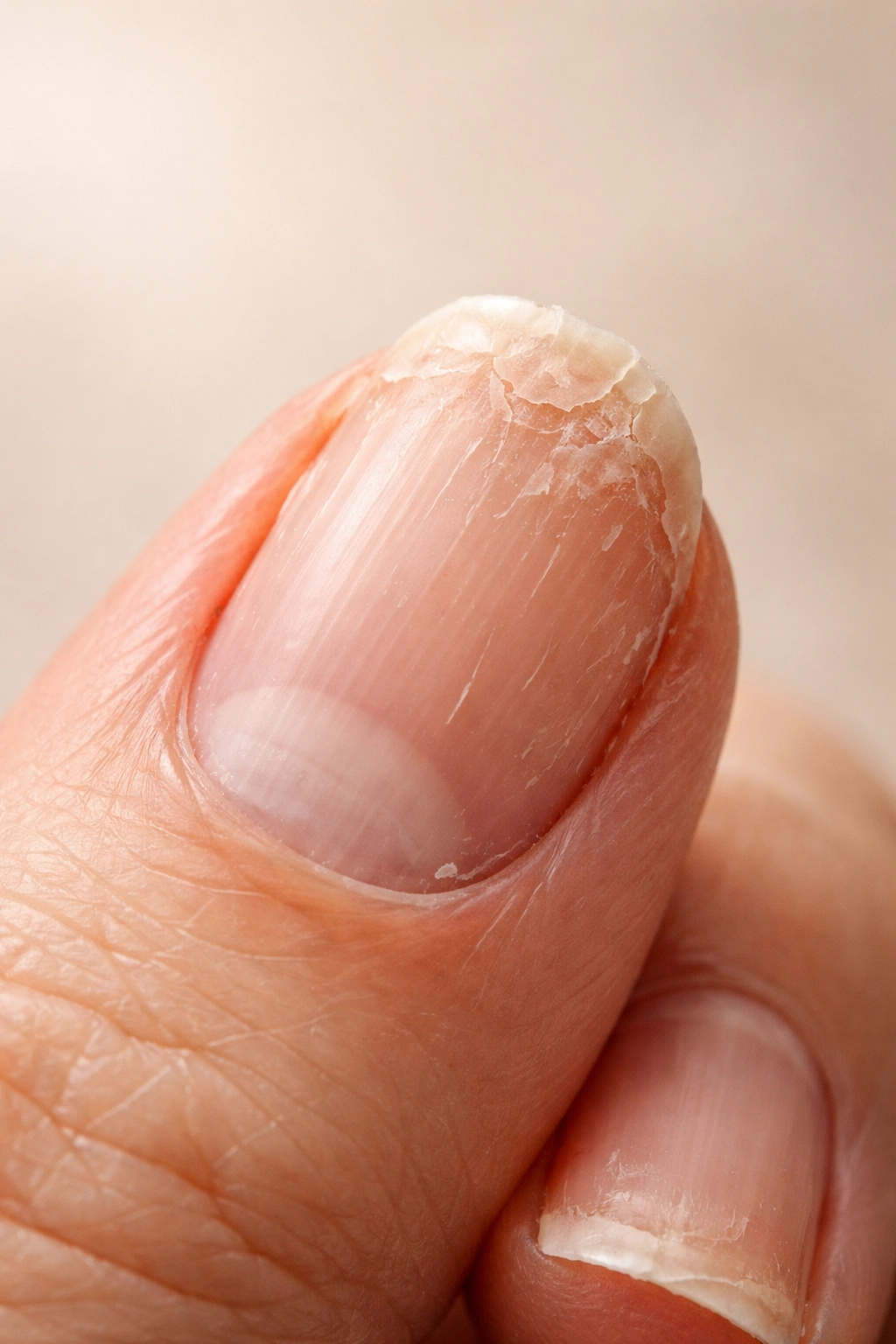
Sometimes getting healthier nails is less about what you add to your routine and more about what you stop doing. Certain habits cause serious damage without you even realizing it.
Put down those clippers when you’re nervous. Nail biting and cuticle picking are tough habits to break, but they’re incredibly destructive. Every time you bite or pick, you’re traumatizing the nail bed and creating entry points for bacteria and fungi. If you’re a chronic nail biter, keep your nails trimmed super short so there’s less to bite. You can also try applying a bitter-tasting nail treatment designed to discourage the habit.
Stop using your nails as tools. We’ve all done it—prying open a can, scraping off a sticker, opening a package. But your nails weren’t designed for that kind of stress. The pressure can cause lifting, splitting, and breaks that take months to grow out. Keep actual tools handy instead. A butter knife works great for most of those tasks.
Those gel and acrylic manicures? They’re pretty, but they’re also brutal on your natural nails. The application process involves buffing and filing that removes layers of your nail plate. The removal process is even worse, especially if you peel or pick them off (never, ever do this). If your nails are already brittle, take a break from enhancements. Go polish-free for at least a month to let your nails recover.
When you do wear regular polish, avoid acetone-based removers like the plague. Acetone is incredibly drying and strips away the natural oils your nails need to stay flexible. Switch to an acetone-free remover that contains hydrating ingredients. Better yet, limit how often you remove and reapply polish. Every removal session causes some damage, so the less frequently you do it, the better.
The Smart Way to File and Trim
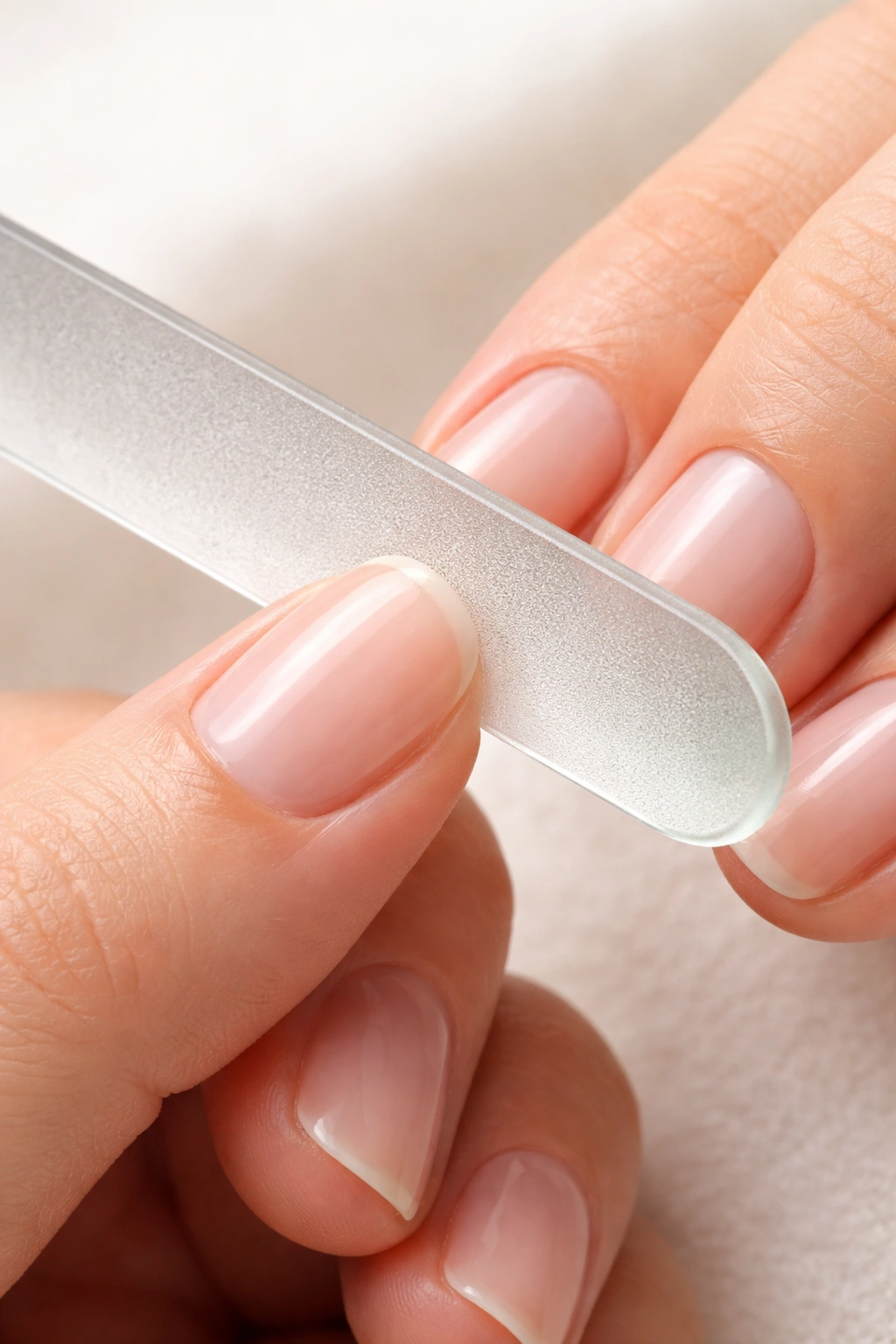
How you shape and maintain your nails makes a huge difference in whether they break or stay strong. Most people file their nails incorrectly, which actually creates weak spots that are prone to splitting.
Always file in one direction rather than sawing back and forth. That back-and-forth motion creates microscopic tears in the nail that eventually turn into splits and breaks. Choose one direction—typically from the outer edge toward the center—and stick with it. Use long, smooth strokes rather than short, choppy ones.
The type of file you use matters, too. Those cheap emery boards you can buy in bulk? Toss them. They’re too rough and cause more harm than good. Invest in a glass or crystal nail file with a grit higher than 200. These create a smooth, sealed edge that’s less likely to snag or peel. As a bonus, glass files can be washed and sterilized, so they last much longer.
Keep your nails on the shorter side while they’re healing. Long nails look gorgeous, but they’re also more prone to breakage because there’s more leverage. By keeping them trimmed to just past your fingertip, you reduce the chances of catching them on something and causing damage. Once they’ve strengthened up, you can gradually let them grow longer.
Shape matters more than you might think. A rounded or slightly oval shape distributes pressure more evenly across the nail, making breaks less likely. Square nails with sharp corners create pressure points that can lead to cracks. Aim for a gentle curve that follows the natural shape of your fingertip.
Always trim and file your nails when they’re completely dry, never right after a shower or bath. Wet nails are softer and more flexible, which might sound like it would make them easier to work with. Actually, filing wet nails can cause splitting, peeling, and uneven edges because the layers separate more easily.
Products That Actually Work (No Hype, Just Results)
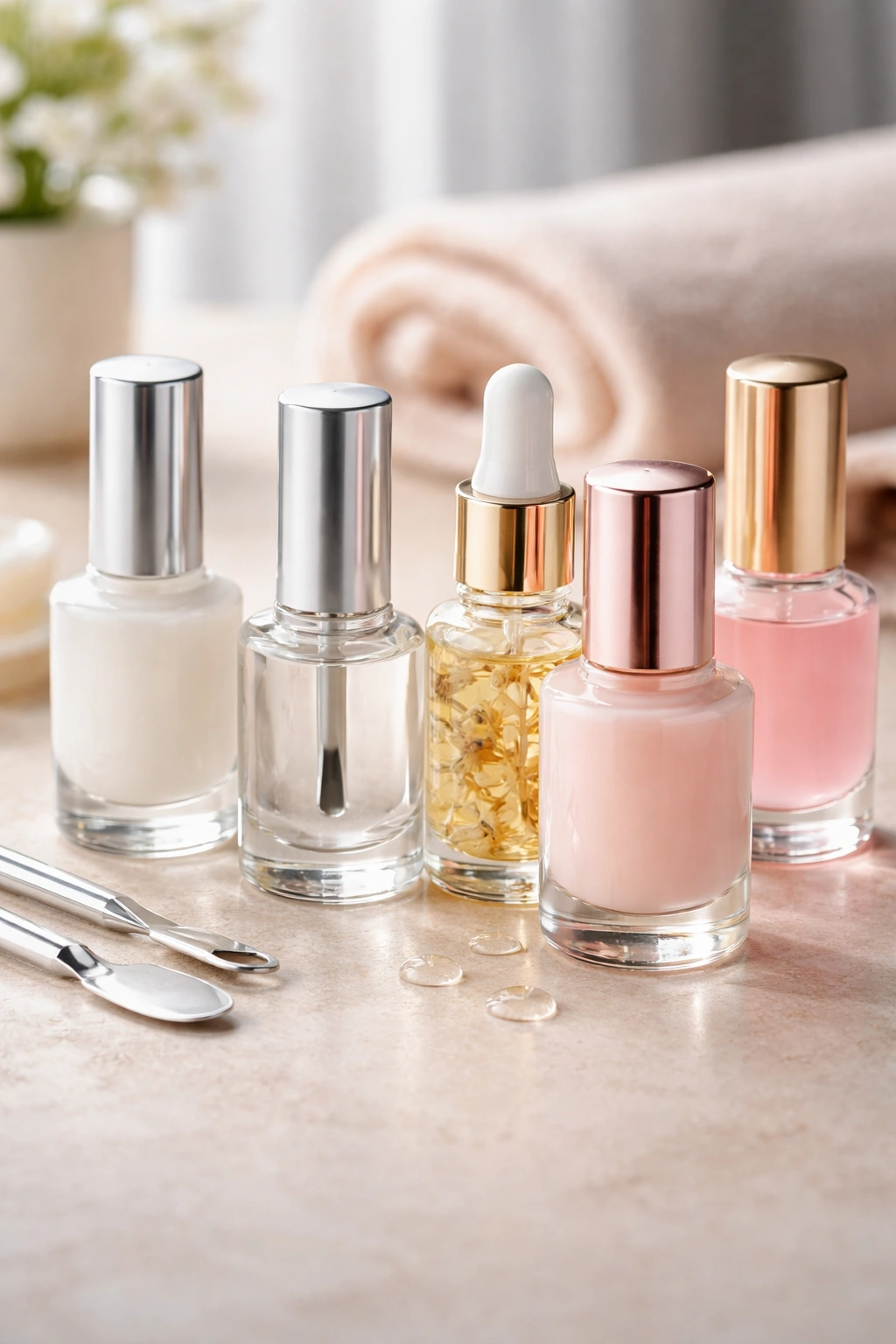
The nail care aisle can be overwhelming, with products making all sorts of bold claims. Let’s cut through the noise and talk about what actually helps dry, brittle nails.
Nail strengtheners used to be made with formaldehyde, which made them effective but also potentially harmful. These days, you can find strengtheners that use plant-based ingredients like keratin, peptides, vitamin E, and natural oils to reinforce the nail without harsh chemicals. Look for formulas that explicitly say they’re formaldehyde-free. Apply them according to the package directions, typically as a base coat under polish or alone on bare nails.
A quality base coat serves double duty: it protects your nail from staining by pigmented polishes, and it provides a smooth, strengthened surface. If you’re going to wear polish, never skip the base coat. Some base coats even contain nourishing ingredients that treat your nails while you wear them.
Cuticle creams and oils are worth the investment. Products containing lanolin, jojoba oil, vitamin E, and almond oil penetrate deeply to condition both the cuticle and the nail plate. Keep a cuticle oil pen in your purse or on your desk for easy application throughout the day. The more consistently you use it, the better your results will be.
For really intensive repair, look for overnight nail treatments or masks. These thick, concentrated formulas are designed to be applied generously before bed and left on while you sleep. Some come in peel-off formats, while others are simply rinsed off in the morning. Using one of these a few times a week can speed up the healing process significantly.
Hand creams specifically formulated for very dry skin often work better than regular lotions. Look for ingredients like shea butter, ceramides, dimethicone, and glycerin. These create a protective barrier that prevents moisture loss while actively hydrating the skin and nails. The thicker and richer the formula, the better it typically works for brittle nails.
Winter Requires Extra Attention
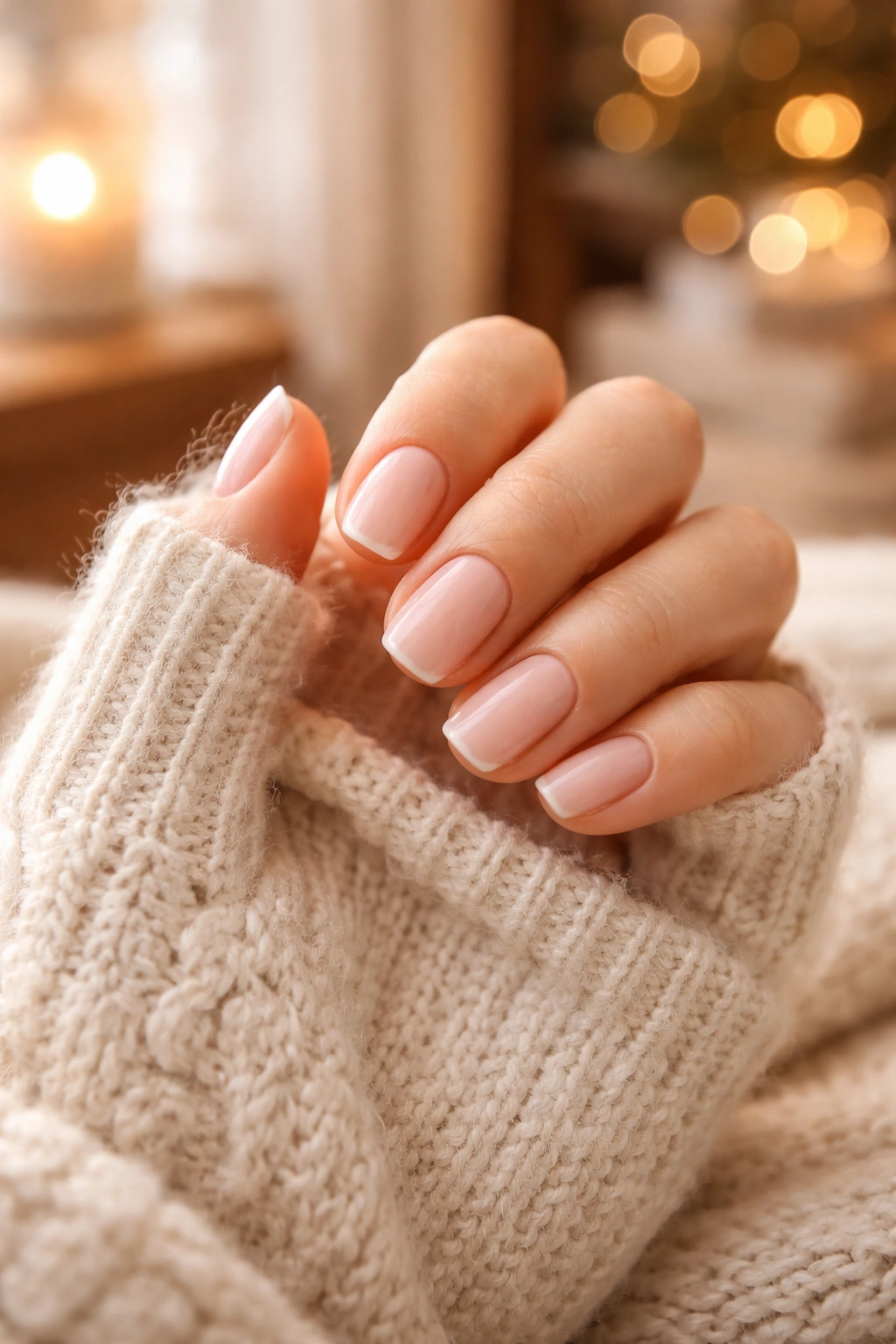
If your nails are always worse during the colder months, you’re not imagining things. Winter weather is incredibly harsh on nail health, combining cold outdoor temperatures with dry indoor heating to create the perfect storm for brittle nails.
Cold air holds less moisture than warm air, so just being outside in winter weather dries out your nails. Then you come inside where the heat is cranking, further reducing humidity levels. This constant shift between cold and hot causes your nail cells to expand and contract repeatedly, weakening the bonds between layers. Wear warm gloves or mittens every single time you go outside, no exceptions.
Indoor heating systems zap moisture from the air, leaving your entire body drier. Consider running a humidifier in your bedroom at night to add moisture back into the air. This helps your skin, your nails, your hair, and even your sinuses. You can also keep small humidifiers at your desk if you work in a particularly dry office environment.
You’re probably washing your hands more frequently during cold and flu season, which means more water exposure and more drying soap. Make it a habit to apply hand cream after every single wash. Keep small tubes of hand cream everywhere—your purse, your car, your desk, next to every sink. The easier you make it to moisturize, the more likely you’ll actually do it.
Gloves aren’t just for the outdoors. Wear rubber gloves with cotton linings whenever you’re doing dishes, cleaning, or using any kind of chemical cleaner. The waterproof barrier protects your nails from both the water and the harsh ingredients in cleaners. If the gloves get damp inside, switch to a fresh pair.
When It’s Time to See a Professional
Most of the time, dry and brittle nails respond well to the kind of at-home care we’ve been discussing. But sometimes, there’s a bigger issue at play that requires medical attention.
If you’ve been consistently following a good nail care routine for several months and haven’t seen any improvement, that’s a red flag. Nails grow slowly—fingernails take about six months to grow out completely—so you do need to be patient. But if nothing’s changing after that kind of time frame, something else might be going on.
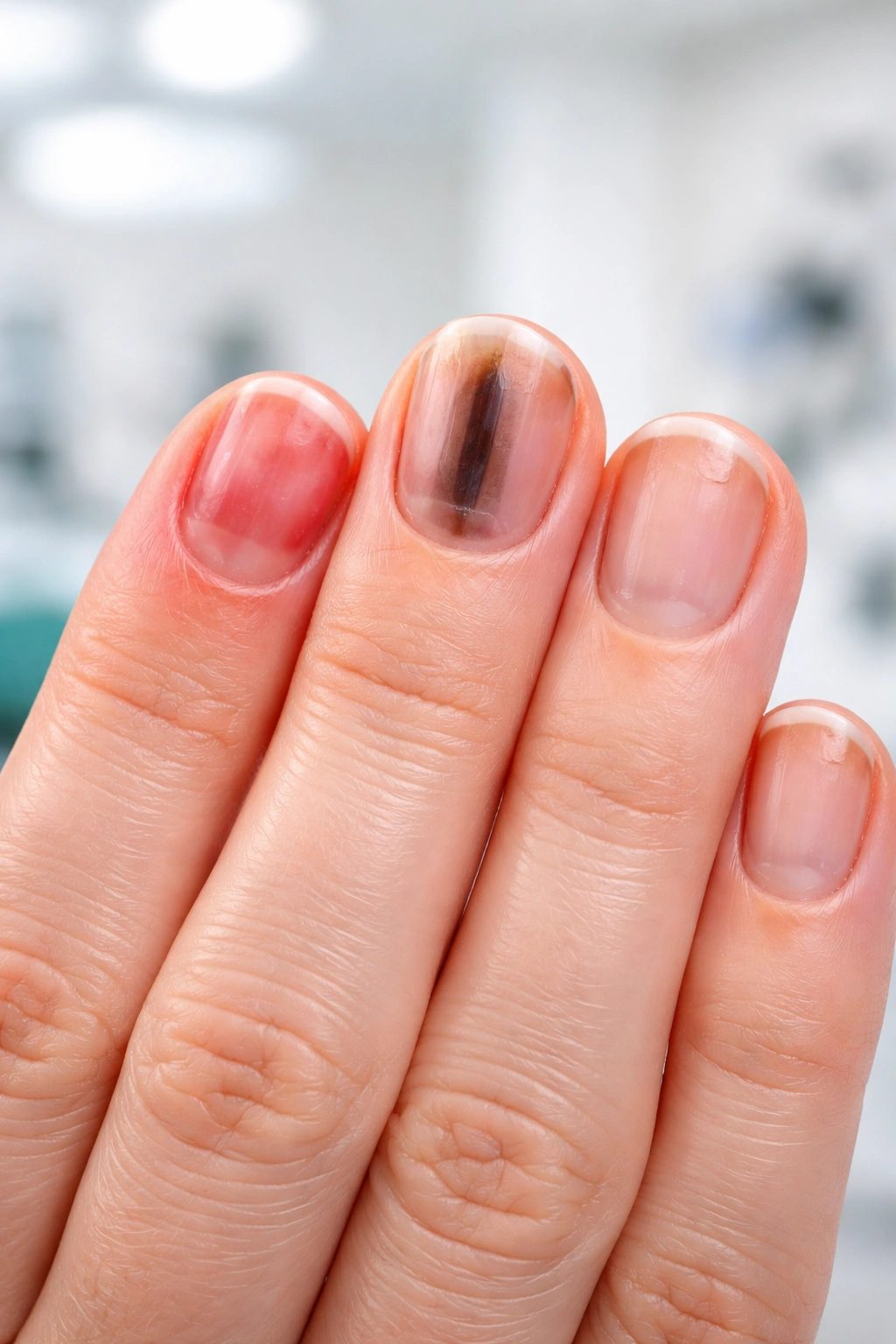
Watch for signs of infection, like redness, swelling, pain, or pus around your nails. These symptoms need prompt medical care to prevent the infection from spreading. Never try to treat a nail infection on your own with home remedies.
Certain changes in your nails warrant a doctor’s visit. If your nails develop dark streaks, change color throughout the entire nail, start pulling away from the nail bed, or develop deep grooves or pits, get them checked out. These can sometimes indicate underlying health conditions like thyroid disorders, psoriasis, or even fungal infections that need prescription treatment.
Sudden nail changes are particularly concerning. If your nails were fine and then rapidly became brittle, especially if you’re also experiencing fatigue, hair loss, or other symptoms, see your doctor. Brittle nails can be an early warning sign of thyroid problems, anemia, or nutritional deficiencies that need proper diagnosis and treatment.
A board-certified dermatologist can evaluate your nails and determine whether there’s an underlying condition contributing to the brittleness. They can also prescribe stronger treatments if over-the-counter products aren’t cutting it. Some dermatologists even specialize specifically in nail health and can provide expert guidance.
Wrapping Up
Getting your nails from brittle and broken to strong and healthy isn’t rocket science, but it does require consistency and patience. Those keratin layers didn’t become damaged overnight, and they won’t heal overnight either. Give yourself at least two to three months of dedicated care before expecting dramatic results.
The core principles are straightforward: keep your nails moisturized, protect them from damage, feed your body the nutrients it needs, and stop habits that cause trauma. It’s not about buying expensive products or spending hours on elaborate treatments. Simple, regular care wins every time.
Start with just one or two changes if a complete routine overhaul feels overwhelming. Maybe you begin by applying cuticle oil every night before bed and wearing gloves when you do dishes. Once those habits stick, add another layer of care. Small, sustainable changes are more effective than trying to do everything at once and then giving up when it feels like too much.
Your nails are resilient, and they want to be healthy. Give them the moisture, protection, and nutrients they need, and they’ll reward you with strength and flexibility. Those splits and cracks will become less frequent, your polish will last longer, and you’ll finally be able to grow your nails to the length you’ve always wanted. Here’s to healthier, happier nails that make you feel confident every time you glance down at your hands.