

There’s a moment that comes for almost everyone in a nail salon: you’re about to book your manicure, and your technician asks the fateful question—”Which shape would you like?” If you’ve narrowed it down to almond or oval, you’re definitely onto something. These two shapes have absolutely dominated the nail world, and they’re not just popular because they look stunning. There’s real substance to both of them. The thing is, picking between them isn’t just about what looks good in photos. Your lifestyle, hand shape, natural nail strength, and how much maintenance you’re willing to commit to all matter deeply. Let’s untangle what makes these two shapes different and help you figure out which one belongs on your hands.
The Core Shape Differences That Matter
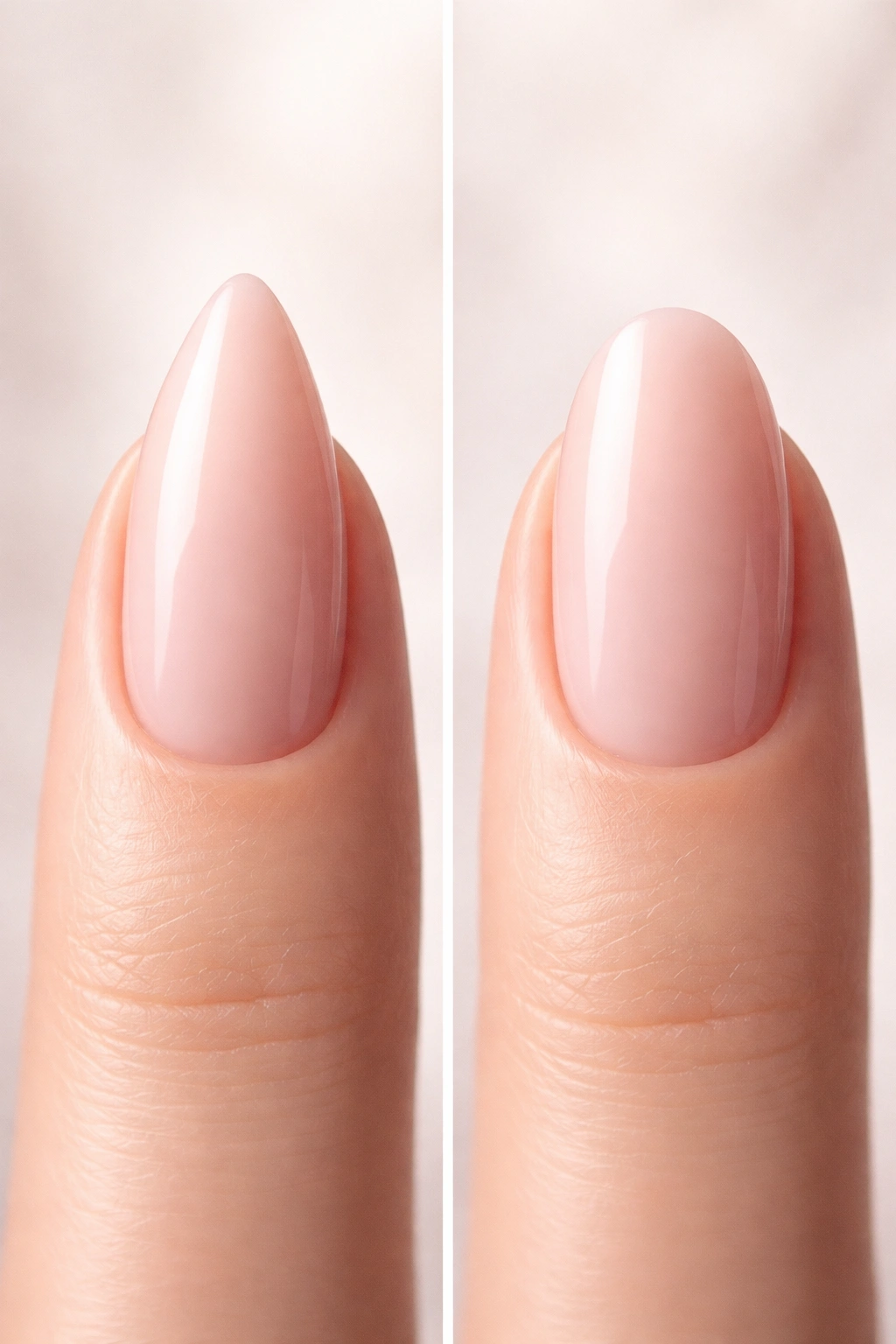
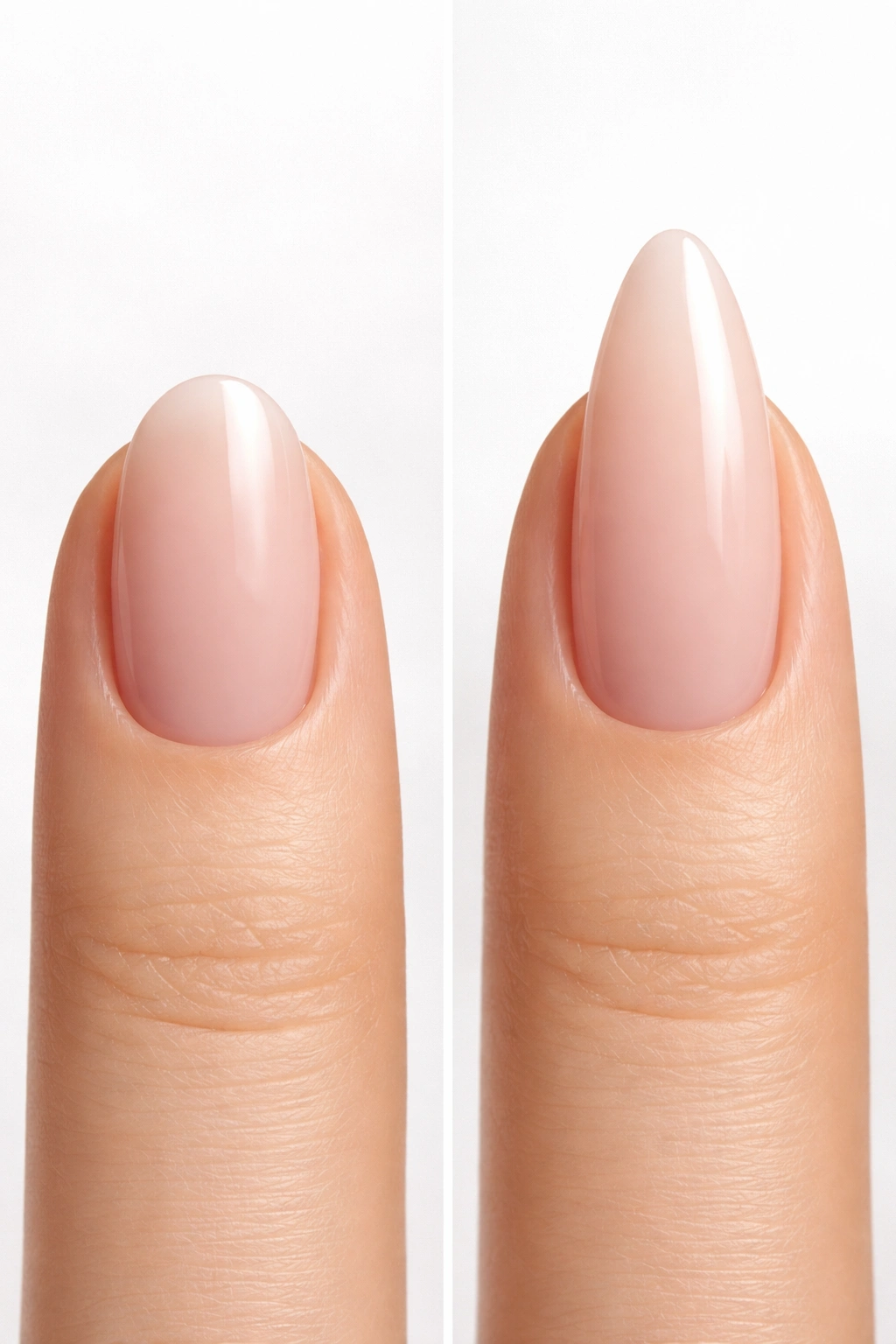
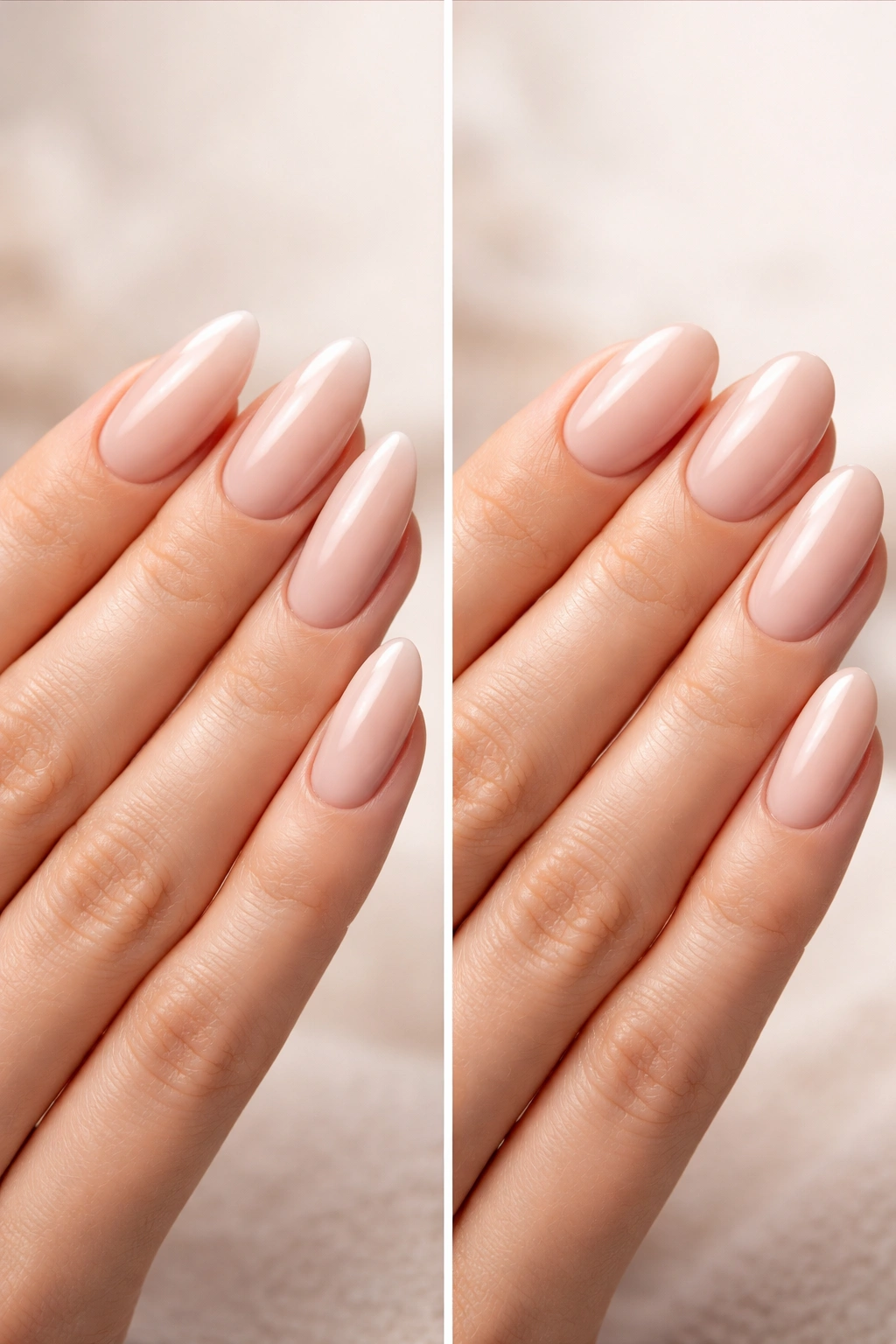
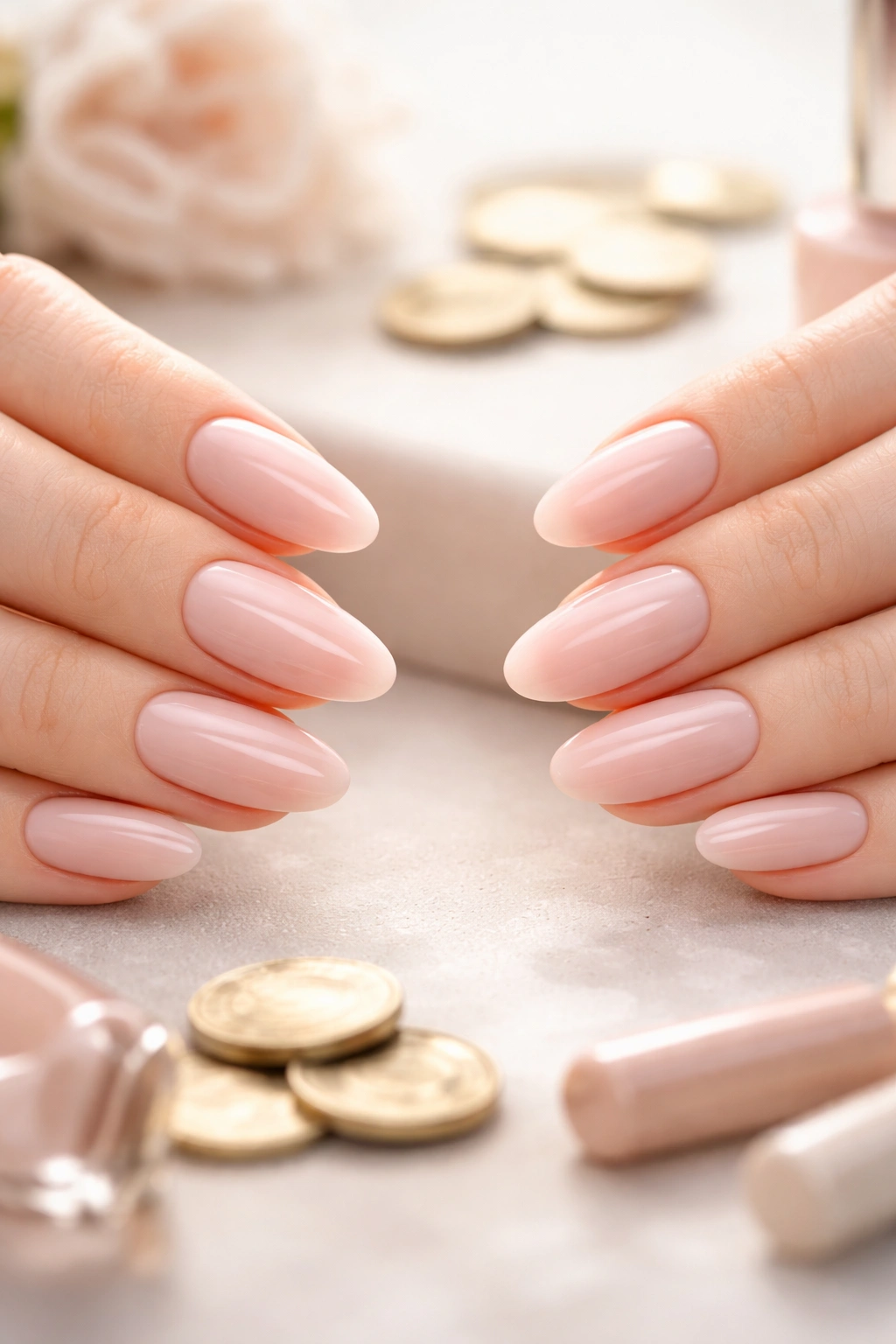
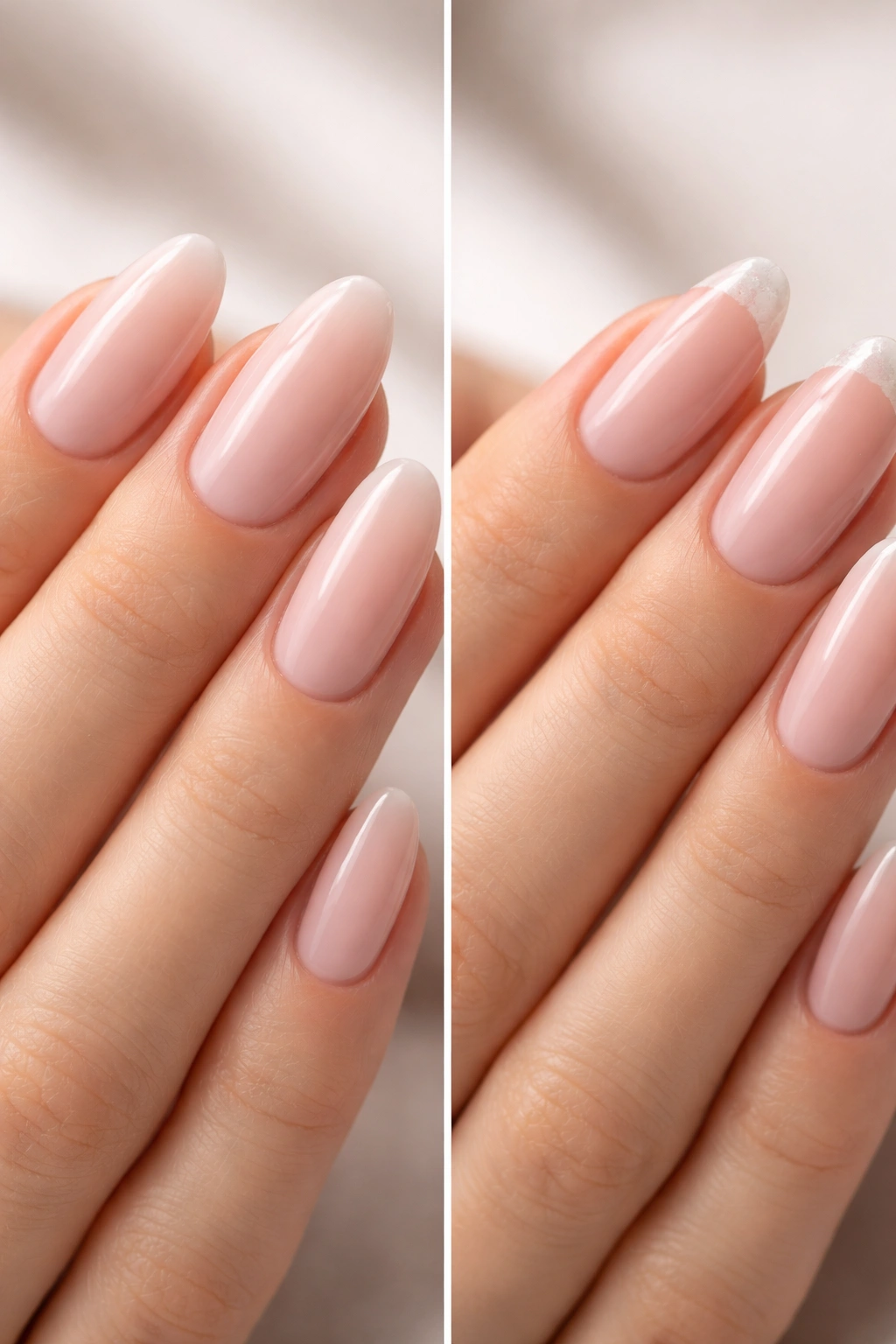
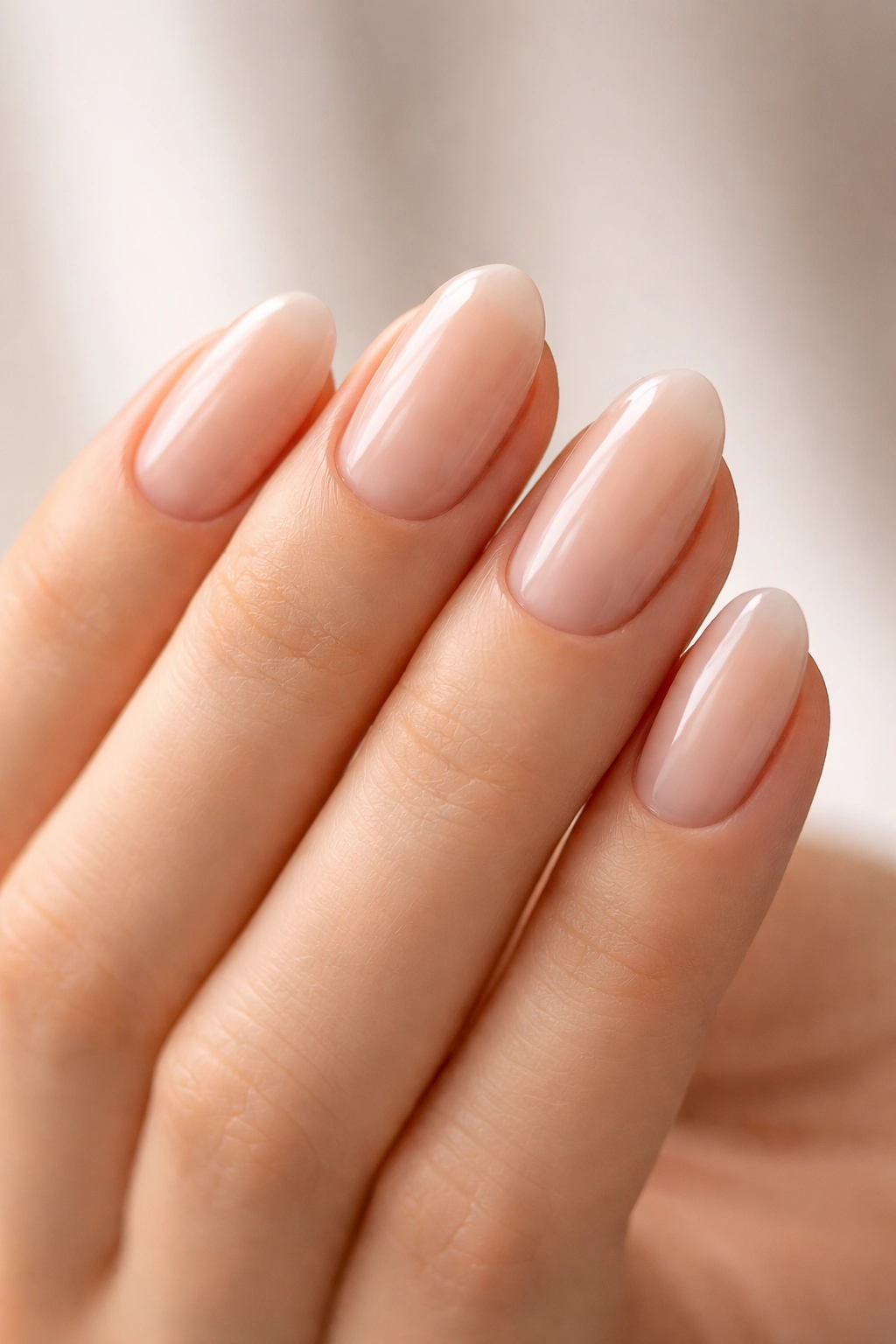
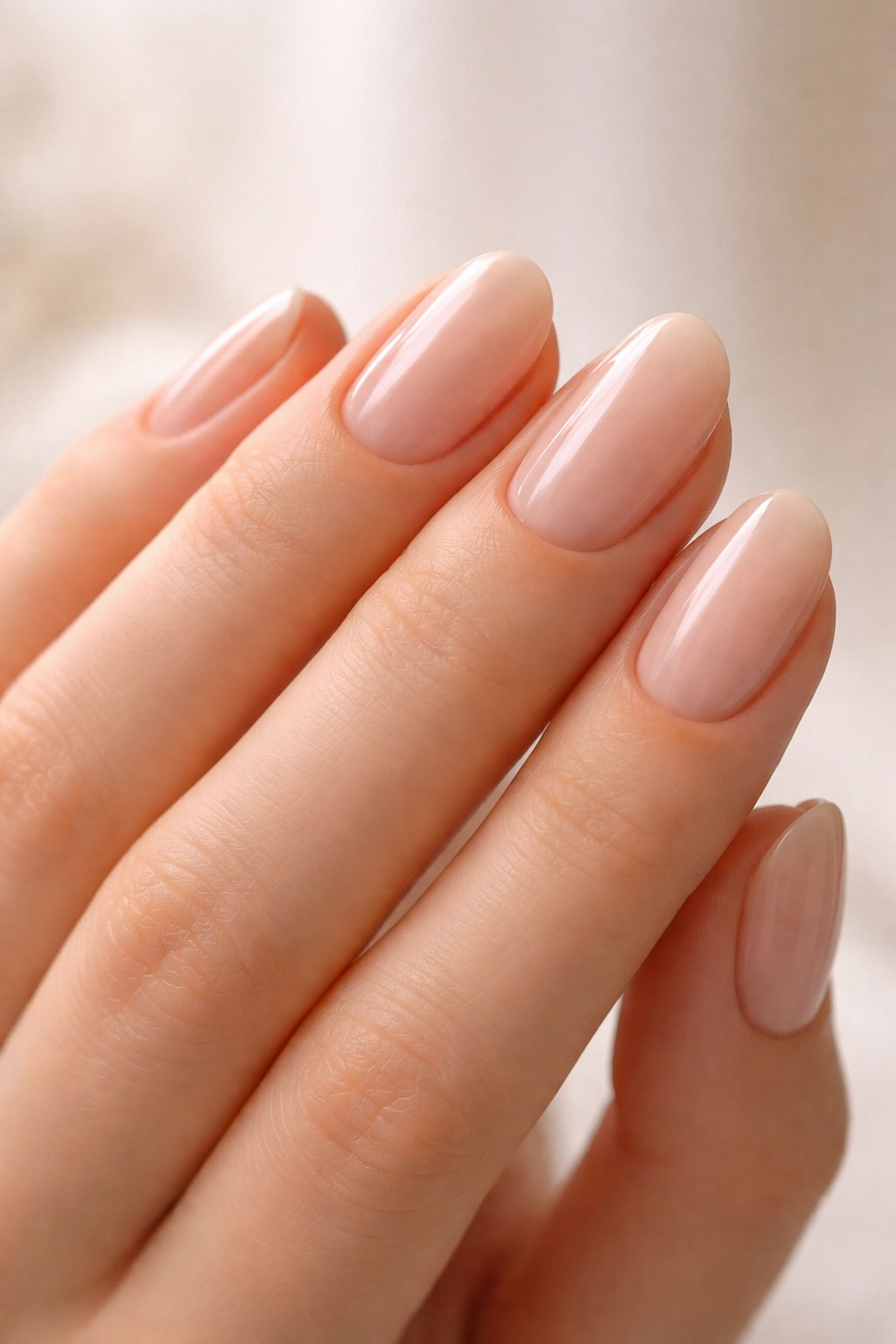
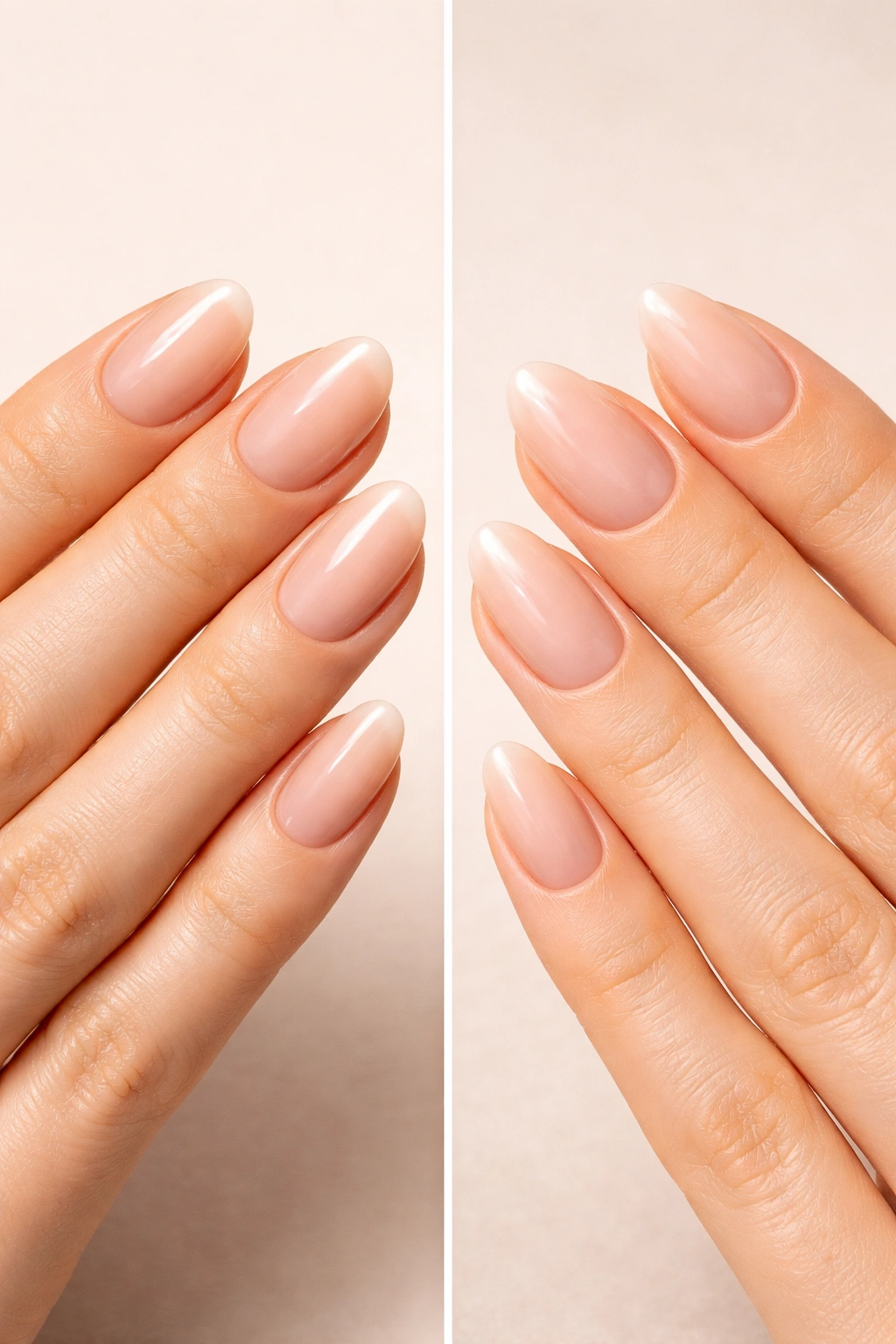
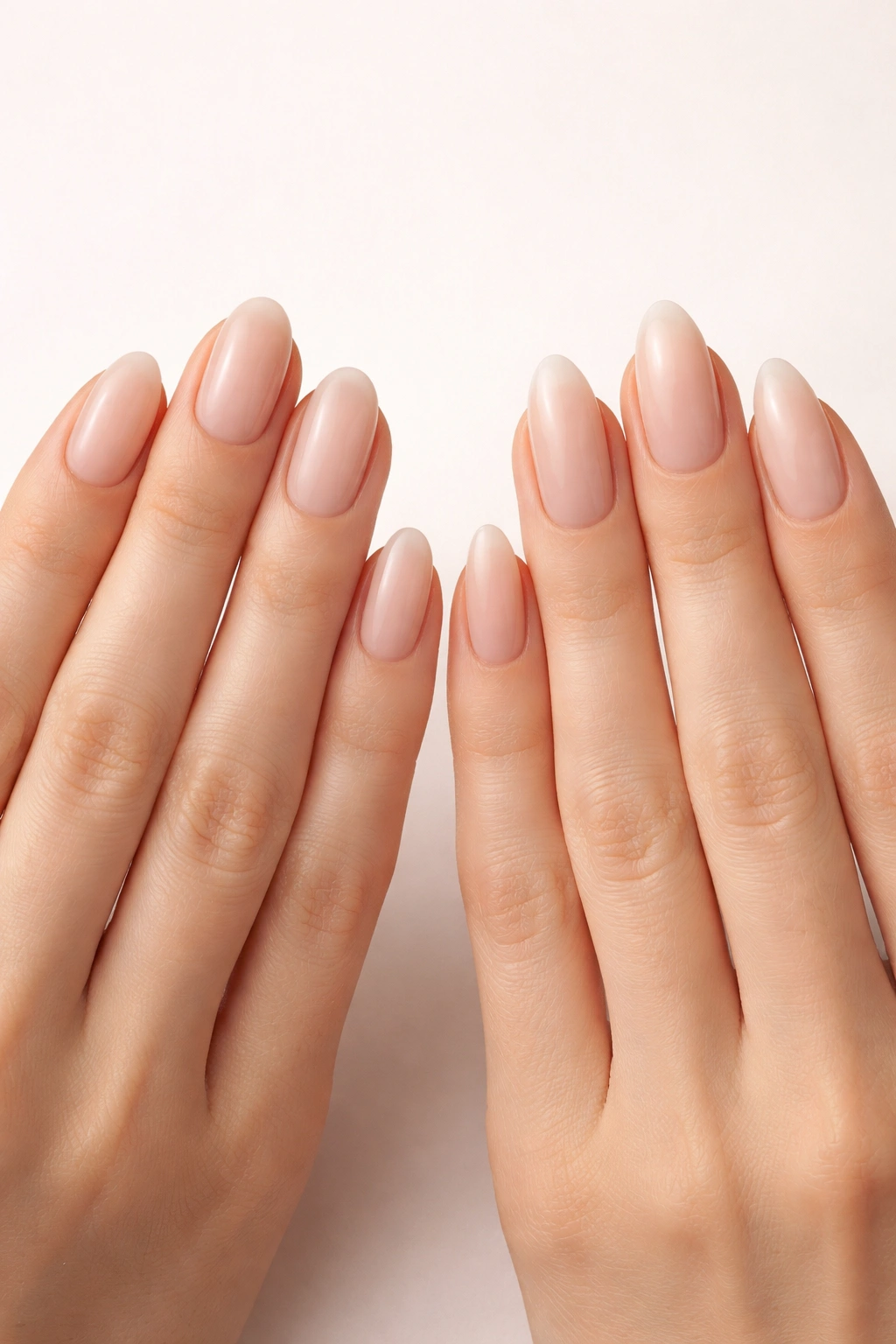
At their core, oval and almond nails look similar at first glance, but the differences become obvious once you start comparing them side by side. Oval nails feature a rounded tip with gently tapered sides, creating a shape that’s symmetrical and smooth. Imagine taking a square and softening every edge—that’s essentially an oval. The sides narrow gradually from the base of the nail to the tip, ending in a soft, curved point.
Almond nails, by contrast, taper much more dramatically toward a pointed tip, resembling the actual shape of an almond nut. The sides angle inward with more intention, creating a sharper, more defined silhouette. The tip comes to an almost-point, though it’s still rounded rather than needle-sharp like a stiletto. The base is wider, then the nail bed and sides converge as you move toward the tip.
This fundamental difference in geometry influences everything else—how they wear, how they break, what they pair with, and whether they suit your lifestyle. The rounded softness of an oval is forgiving and approachable. The tapered drama of an almond is bold and elegant.
Visual Impact: How Each Shape Changes Your Hand’s Appearance
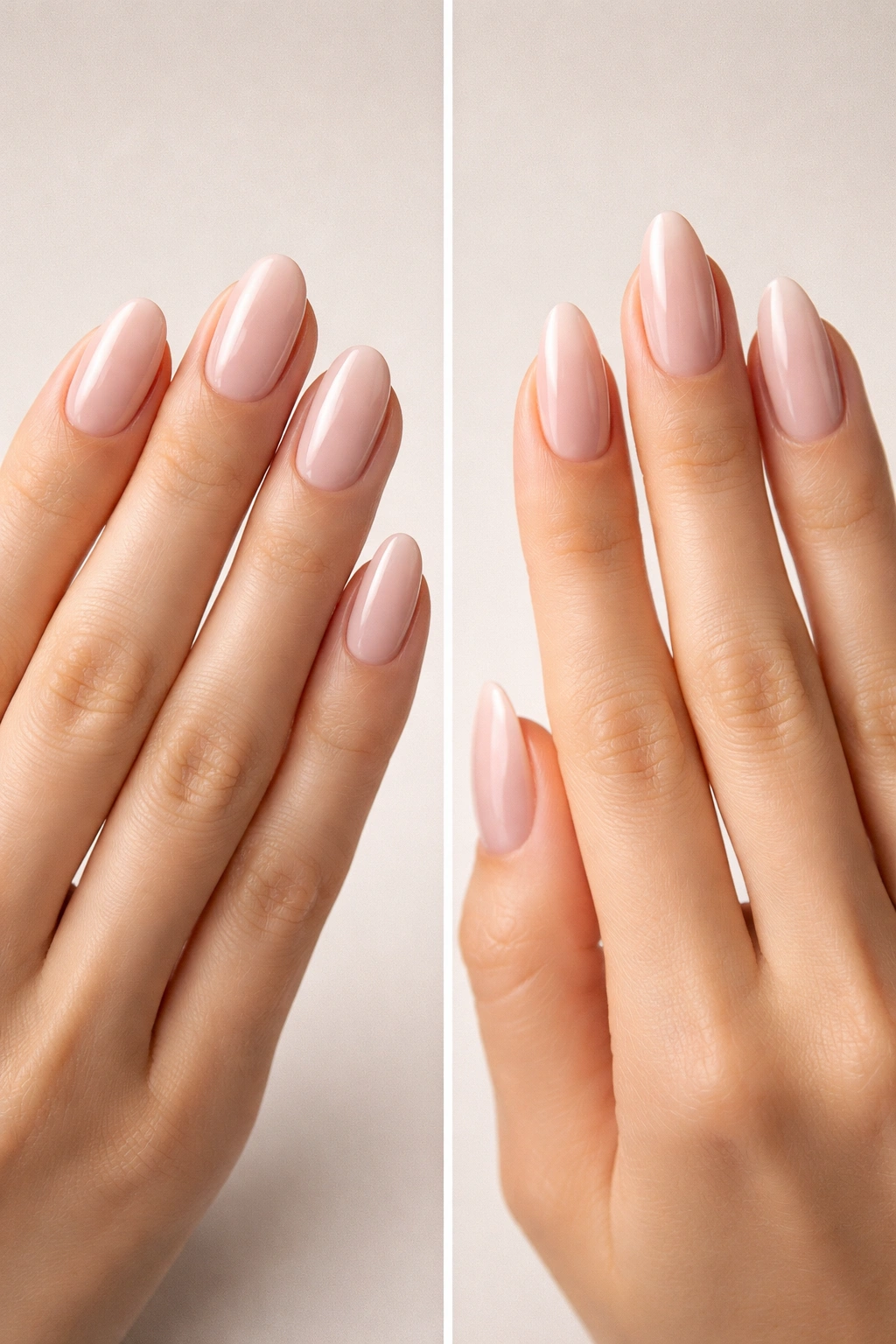
The aesthetic difference between these two shapes is significant, and understanding it helps you choose based on what you actually want your hands to look like. Oval nails create a softening effect on your hands. They make fingers appear more balanced and proportional, especially if you have shorter fingers or wider nail beds. They give a subtle elongation without being aggressive about it. If you’re looking for elegance that whispers rather than shouts, oval delivers that.
Almond nails have a completely different energy. They create a pronounced elongating effect on the fingers, making even shorter fingers look visibly longer and more slender. This is one of their biggest selling points—they add drama and sophistication to your hand shape. If you’ve always felt like your fingers could use some lengthening, almond nails do that optical trick beautifully. The pointed tip draws the eye upward, creating visual height that oval simply cannot replicate.
The choice here really depends on your aesthetic goal. Do you want your hands to look naturally elegant and balanced, or do you want them to look deliberately elongated and dramatic? Both are valid answers. Both create beautiful results. They just emphasize different qualities.
Durability: Which Shape Actually Holds Up Better
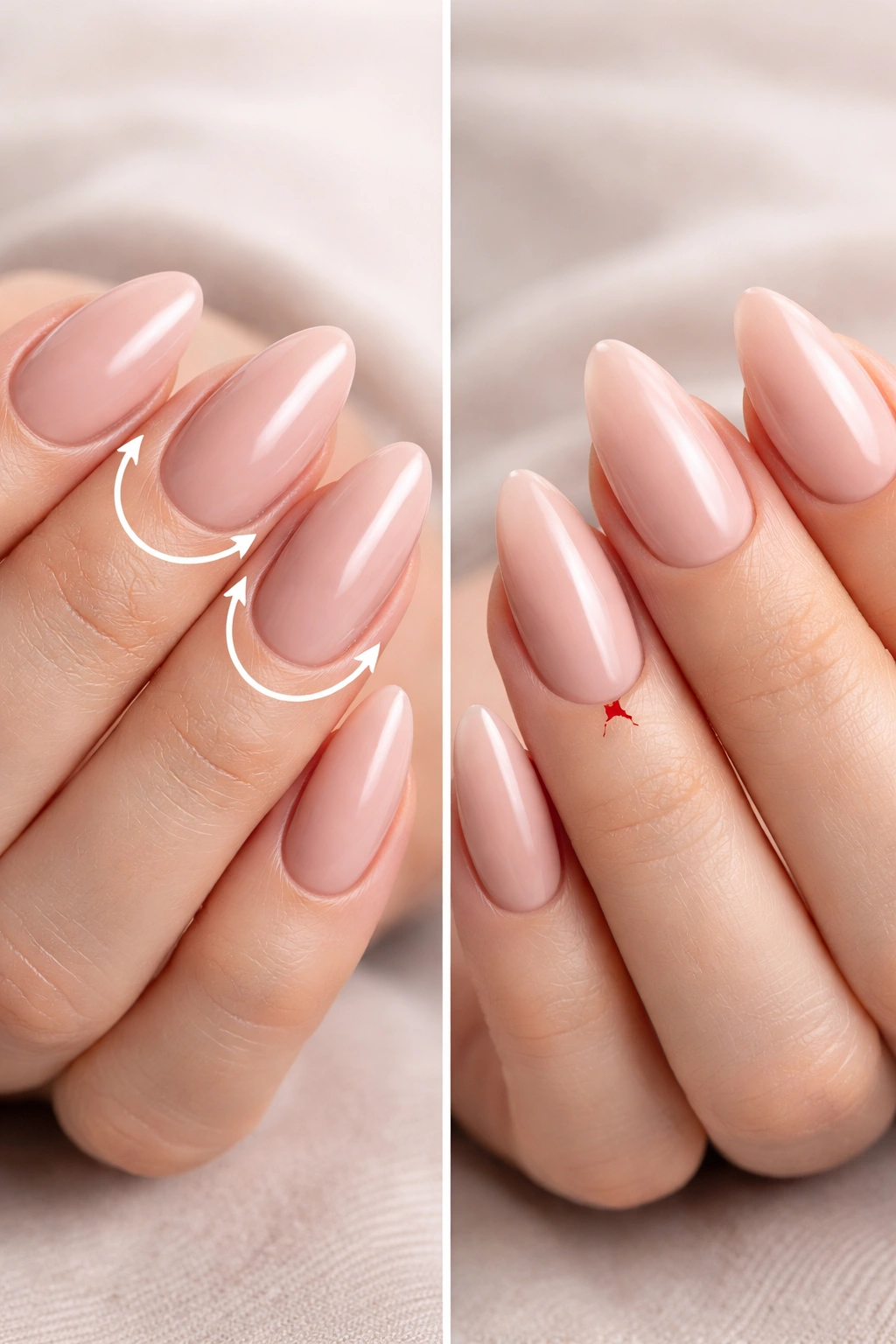
Real talk: oval nails are the durability champion. The rounded edges and thicker structure mean there’s less stress concentrated at any single point. The nail shape itself distributes pressure more evenly, which is why oval nails are significantly less prone to breaking, chipping, or snapping during everyday activities. If you type a lot, wash dishes frequently, or work with your hands, oval nails will stay intact longer with less babying.
Almond nails require more delicate handling. The pointed tip is a vulnerable point where stress naturally concentrates. All those little bumps and knocks that oval nails shrug off can cause the pointed tip to snap or crack. This doesn’t mean almond nails are fragile—it just means they demand more conscious care. If you’re reaching for things, typing on a keyboard, or doing any activity that puts lateral pressure on your nail tips, almond nails will challenge you more.
That said, on natural nails, neither shape is invincible. Most people who wear almond nails use gel overlays or acrylics to reinforce them. These enhancements add structural integrity that natural nails simply cannot provide. If you’re committed to extensions anyway, the durability gap closes significantly. But if you’re trying to rock almond on natural nails alone, be prepared for more frequent breaks.
Maintenance: The Time and Effort You’ll Actually Invest
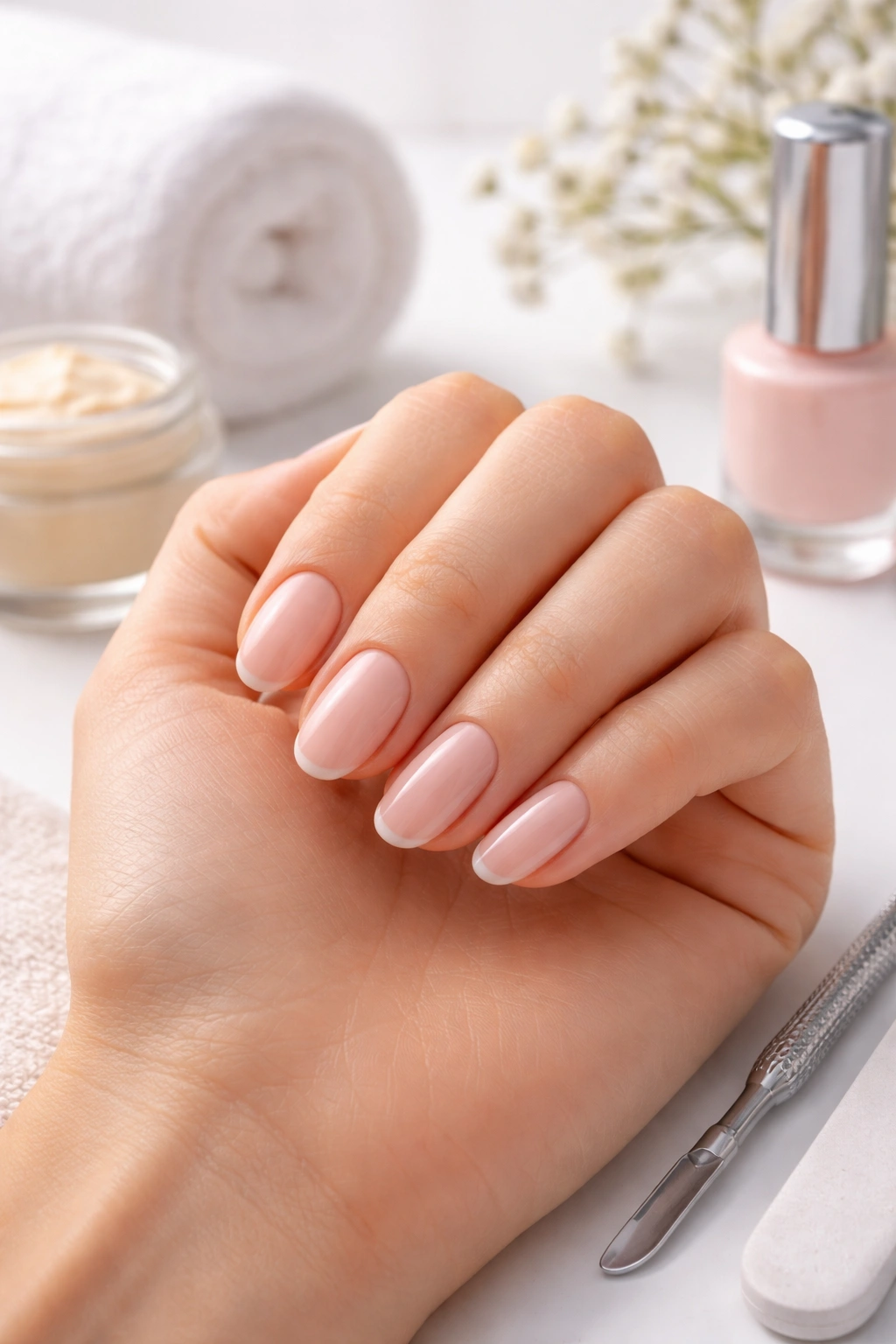
Oval nails are genuinely low-maintenance. You file them periodically to maintain the shape, moisturize your cuticles regularly, and that’s it. The rounded edges don’t require precise reshaping—a few swipes with a file keeps them looking polished. If you’re busy, tired, or simply not interested in a high-maintenance beauty routine, oval nails won’t demand much of you. They’re the shape that lets you forget you got a manicure and just enjoy having nice nails.
Almond nails demand more attention. To maintain that signature pointed tip, you need to file the sides in a specific curve and keep the point sharp and clean. As they grow out, the shape shifts and needs reshaping to look intentional rather than just broken. If you get gel or acrylic almond nails, fills become more critical because the structure relies on that reinforcement. You can’t skip fills and expect them to look good—the pointed tip will look chunky and shapeless without proper upkeep.
The maintenance difference is real and worth considering. If you’re the kind of person who struggles to maintain commitments (no judgment—many of us are), oval nails are the safer choice. They’ll look intentional and beautiful even if you neglect them a bit. Almond nails show neglect quickly.
Ideal Nail Lengths for Each Shape
The length of your natural nails matters significantly when choosing between these shapes. Oval nails look fantastic at virtually any length—short, medium, or long. A short oval is perfect for everyday practicality while still looking polished. A long oval has glamour without being unwieldy. This versatility is one of oval’s biggest advantages. Whether you’re growing out your natural nails or getting extensions, oval works beautifully across the spectrum.
Almond nails perform better at medium to long lengths. On very short nails, the almond shape can look stubby and lose its elegant impact. The pointed tip needs room to be seen and appreciated. If your natural nails are short, you’ll likely need extensions to achieve the full almond effect. Medium-length almonds start looking sophisticated, and longer almond nails are where they truly shine. If you’re not willing or able to add length through extensions, oval is a more practical choice.
This is particularly important if you’re trying to figure out what shape to request for natural nails. If you have short natural nails and want almond, your technician might suggest oval because the shape will work better proportionally. Pay attention to that guidance—professionals can see what works with your actual nail beds.
Which Shape Suits Your Hand Type Best
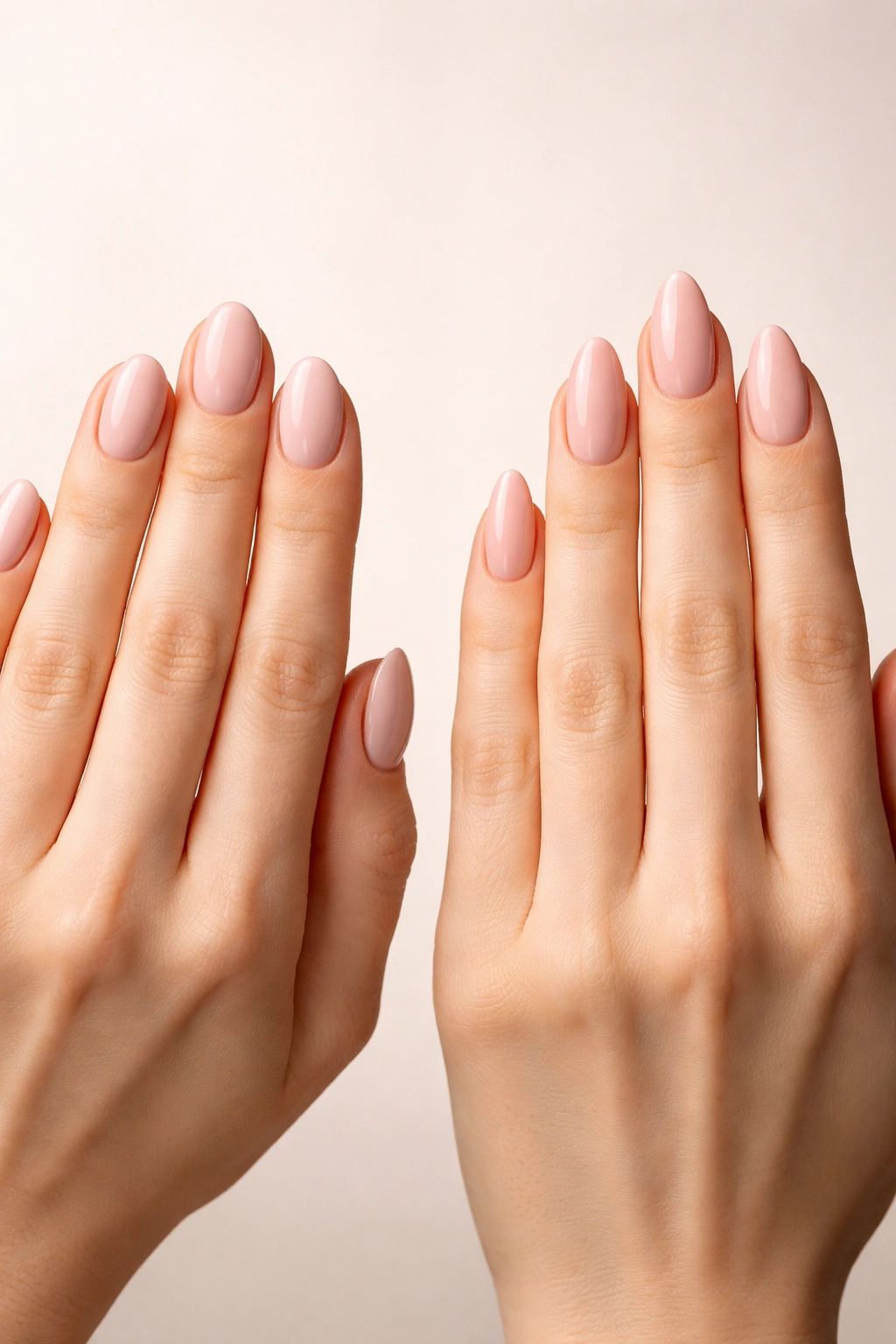
Hand and finger shapes influence how different nail shapes look on you. Oval nails are remarkably universally flattering. They work on short fingers, long fingers, wide hands, narrow hands, square hands, delicate hands. There’s almost no hand shape where oval looks wrong. If you have any uncertainty about what will suit you, oval is the safe, beautiful choice.
Almond nails particularly enhance longer fingers and slender hands. On these hand types, the pointed tip creates a cohesive, elongated aesthetic that’s stunning. Almond nails also work well on people who want to emphasize the length of their fingers or who naturally have a more delicate hand structure.
On shorter, broader hands, almond nails can sometimes feel disproportionate—the point might look too dramatic for the rest of your hand. This isn’t a rule that can’t be broken, and plenty of people with all hand types wear almond beautifully. But if you’re uncertain about how something will look, consider your actual hand and finger proportions. What creates visual balance for you?
Nail Art Possibilities and Design Compatibility
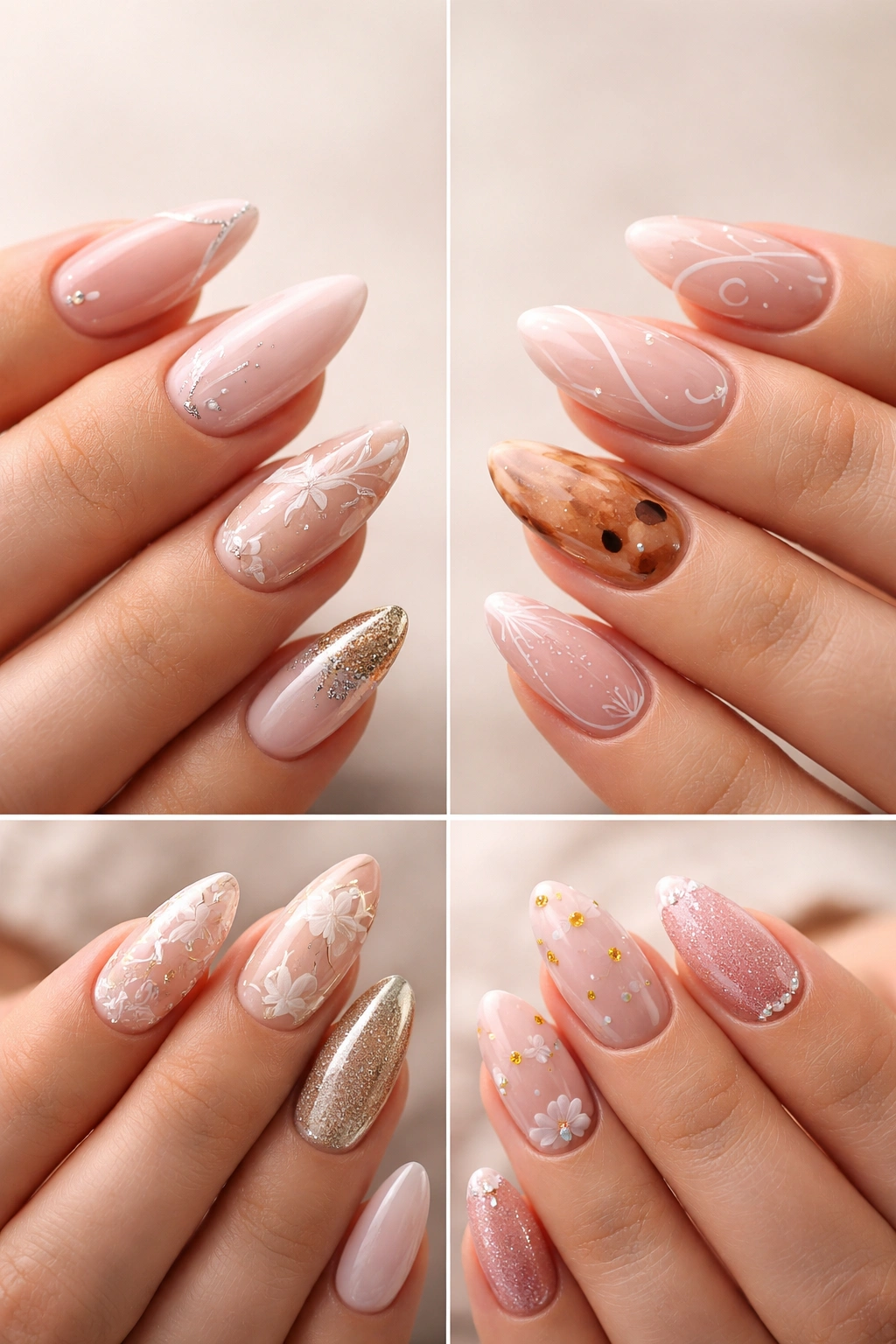
Both shapes are excellent canvases for nail art, but they suit different design aesthetics. Oval nails pair beautifully with minimalist designs, solid colors, and classic patterns. French tips look timeless on oval. Gradient effects and ombre transitions flow naturally across the oval shape. Geometric patterns, simple line work, and delicate florals all look sophisticated on oval nails. The rounded shape doesn’t demand attention itself, so whatever art you add can take center stage.
Almond nails are a statement in themselves, and they pair exceptionally well with bold, intricate, and detailed nail art. The elongated tip provides more space for detailed work. The shape naturally draws attention, so designs can be more complex and still read clearly. Almond nails shine with ombre effects, glitter accents, detailed nail art, and anything that celebrates the nail’s elegant length. Some designs literally use the pointed tip as part of the art—for instance, painting just the tip a contrasting color becomes a dramatic feature.
If nail art is important to you, consider the kinds of designs you actually love. If you gravitate toward simple, clean aesthetics, oval might be more naturally complementary. If you love detailed, creative designs, almond gives you more visual space to work with.
Practicality for Active Lifestyles and Daily Work
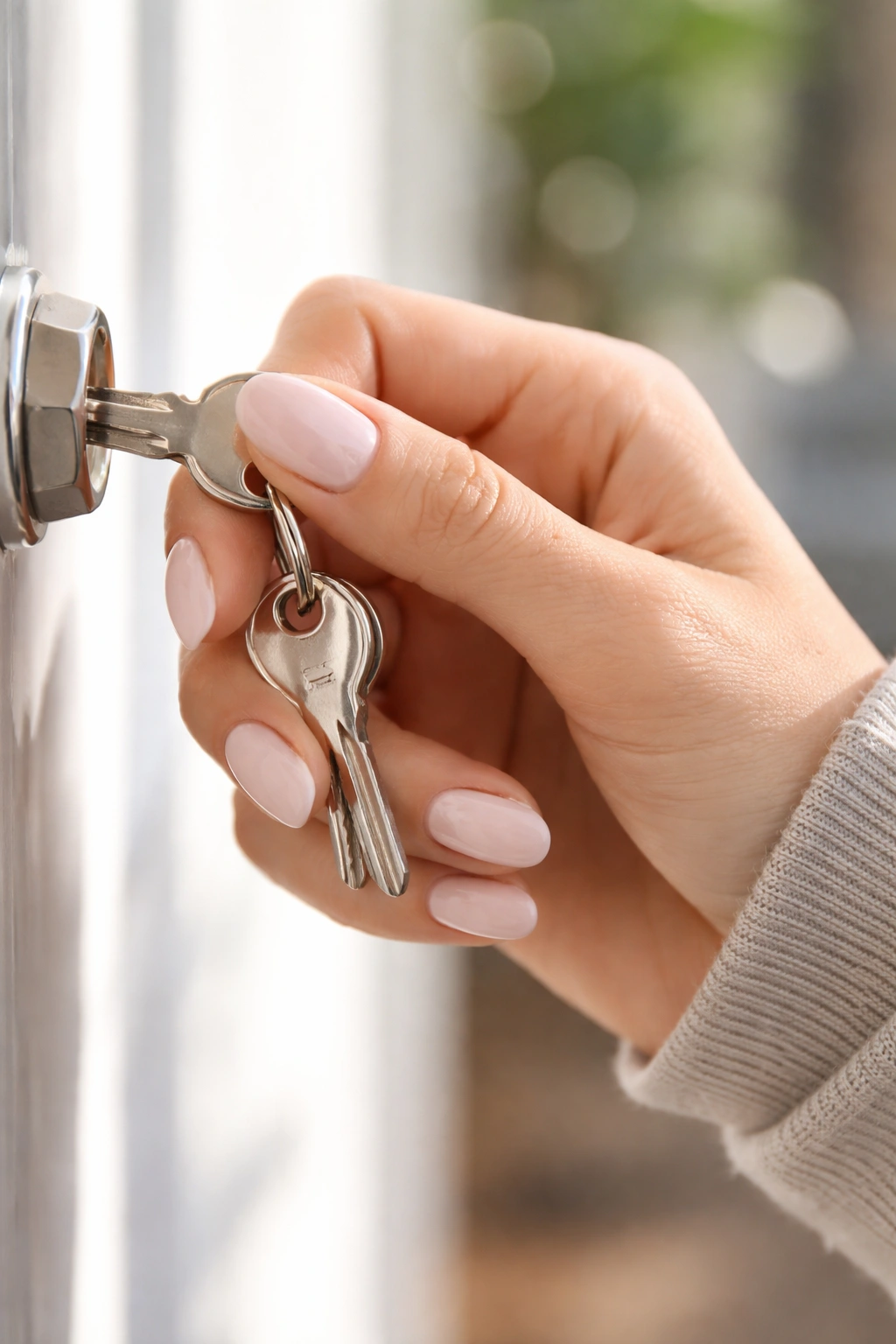
Your actual life—what you do with your hands every day—should heavily influence this decision. Oval nails are the practical choice for active people. If you’re a parent changing diapers, a healthcare worker wearing gloves, an athlete, someone who does manual work, or anyone whose hands are in constant motion, oval nails won’t drive you crazy. The rounded shape won’t catch on things, won’t break with every bump, and won’t make ordinary tasks feel risky.
Almond nails require you to be more conscious and careful about how you use your hands. That pointed tip will catch on hair, fabric, and various surfaces. Opening things becomes slightly more strategic. Any kind of physical activity requires awareness. This isn’t impossible—plenty of active people wear almond nails successfully. But you need to either accept the higher maintenance and break-risk, or choose oval for peace of mind.
Be honest about your lifestyle. If you know you’re hard on your hands, almond will frustrate you. If you have the luxury of a more careful lifestyle or you’re willing to get extensions that are reinforced with gel or acrylic, then the practicality gap narrows.
Break Risk and Longevity of Your Manicure
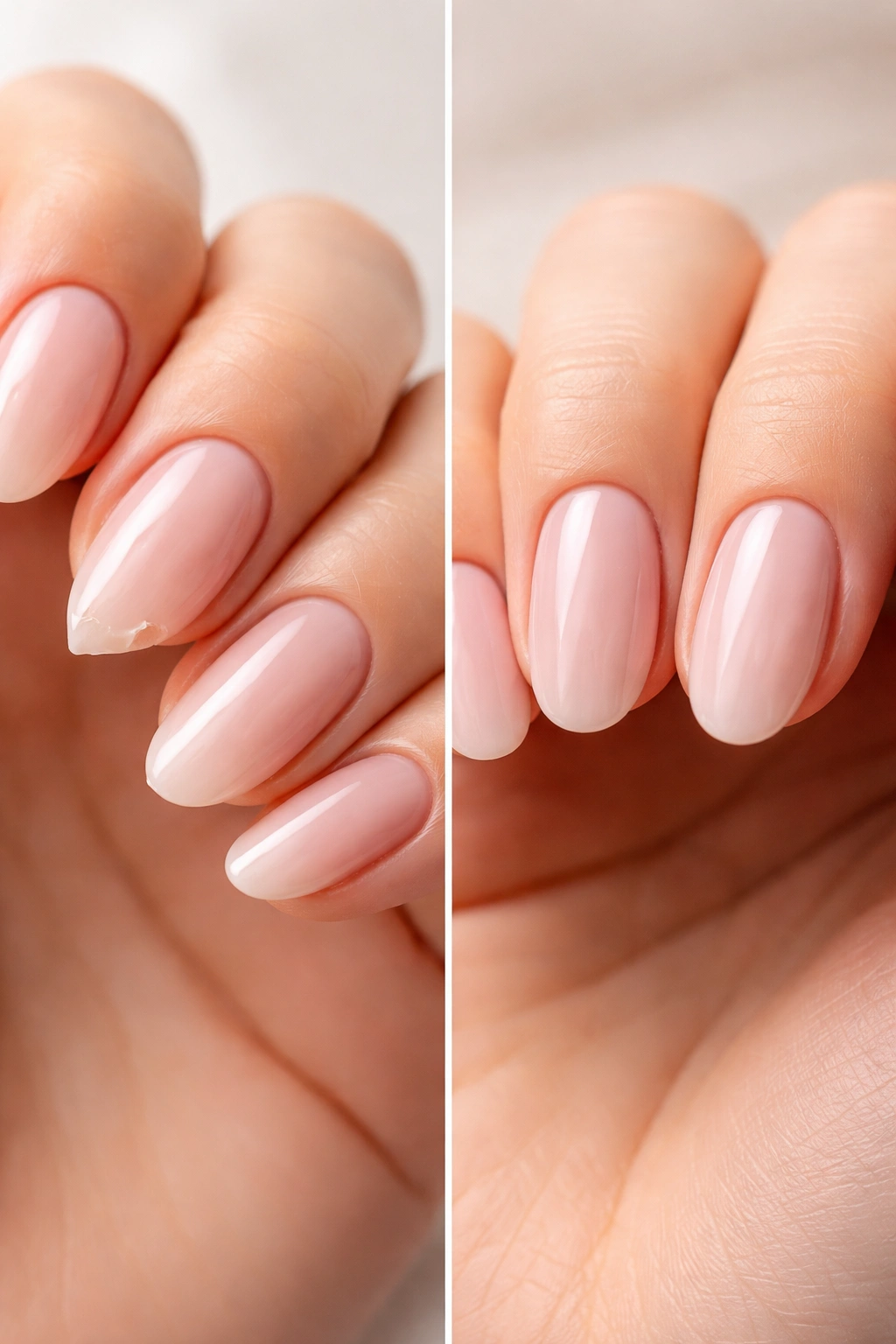
Oval nails last longer before breaking. You can reasonably expect an oval manicure—whether it’s polish, gel, or natural nails—to hold up beautifully for weeks with minimal drama. The rounded tip is genuinely difficult to break because there’s no vulnerable point where force concentrates. Even when an oval nail does eventually chip or break, it happens cleanly and doesn’t usually cascade into a bigger problem.
Almond nails break more frequently, especially on natural nails. When you do break an almond tip (and statistically, you will at some point), it can be heartbreaking because that pointed tip is such a defining feature. A break at the tip usually means you need to file the whole nail down or use a nail repair before it looks good again. With extensions, breaks are less catastrophic because the structure underneath is reinforced.
If you’re investing money in regular manicures and want them to last and look good for as long as possible, oval edges out almond. You’ll get more weeks of perfection and fewer surprise breaks that require emergency salon visits or at-home repairs.
Application and Customization Ease
Getting your desired shape done professionally is generally straightforward with both options, but they do differ. Oval nails are quick and easy for technicians to create. A skilled nail artist can shape oval nails rapidly on natural nails or as extensions. There’s less precision required, fewer angles to get exactly right, and more room for minor imperfections. Filing your own oval nails at home is also relatively forgiving—you’re less likely to create weird asymmetries.
Almond nails require more precision. Creating the correct taper and point takes more attention to detail. If you’re getting them professionally, this usually isn’t a big deal—good technicians do it in their sleep. But if you’re trying to file or reshape almond nails yourself at home, it’s easier to accidentally create an uneven or asymmetrical point.
Press-on nails and gel-x tips come in both shapes, which is convenient either way. The application process is essentially identical. But if you ever need to customize or file down a press-on almond nail, that pointed tip makes it trickier than filing down a press-on oval.
Cost: Is One Shape More Expensive Than the Other
Pricing is generally similar between the two shapes, but there are some subtle differences worth noting. At most salons, oval and almond gel manicures or polish manicures cost the same amount. The technician’s time is roughly equivalent, so the price point doesn’t change.
If you’re using extensions, almond sometimes costs slightly more because it requires more precision work and potentially more filing. But we’re talking a few dollars difference, not a major gap. Press-on nails in both shapes are similarly priced, often in the $15-$30 range depending on quality and design.
The real cost difference isn’t about the shape itself—it’s about longevity and maintenance. Because oval nails last longer before breaking and require less maintenance, you might actually spend less money over time. Almond nails, needing more frequent touch-ups and prone to more breaks, can end up costing you more if you’re visiting the salon frequently.
Longevity: How Long Until You Need to Change Them
If you get gel or acrylic extensions, both shapes last about two to three weeks before needing a fill-in or full replacement, depending on your growth rate and lifestyle. That’s consistent across shapes. The difference is what happens between appointments.
With oval nails, you’ll likely be happy with how they look for the full two to three weeks (or beyond). With almond nails, you might notice the point getting slightly dull or broken somewhere around the two-week mark, prompting an earlier appointment. On natural nails, oval polish manicures tend to look fresh longer than almond because there’s less tip stress, which means fewer chips and breaks that compromise the look.
This matters most if you’re trying to stretch time between appointments to save money or just avoid the salon routine. Oval gives you more grace between visits.
Which Shape Feels Better on Natural Nails
If you’re trying to grow out your natural nails without extensions, oval is significantly easier and more satisfying. Your nails will look intentional and manicured even at awkward lengths during the growth phase. There are no vulnerable points to protect. The rounded shape feels natural and looks polished.
Almond on natural nails is challenging. Most people’s natural nails simply aren’t structured to hold a perfect pointed tip without support. You can attempt it, but you’ll likely be filing and reshaping constantly, and the tip will still feel fragile. Natural nails are thinner at the tip anyway, so creating a pronounced almond point usually means filing your nails very thin, which makes them more prone to breaking. Extensions exist partly because almond is so difficult to achieve and maintain on natural nails alone.
If you’re committed to natural nails with no gel, acrylics, or dip powder, oval is the realistic choice.
Beginner-Friendly Choice
If you’re new to intentional nail shape choices and want something forgiving, oval is more beginner-friendly. It looks great immediately, requires less maintenance, breaks less easily, and is harder to get wrong. If your technician makes a minor misstep, it usually looks fine anyway. There’s more room for imperfection while still looking intentional.
Almond has less margin for error, especially if you’re trying to maintain it yourself. A slightly off-center point or asymmetrical sides become noticeable. If you’re brand new to this, you might feel frustrated by how much upkeep almond requires before it looks right again.
That said, if you’re drawn to almond and willing to commit to maintenance or get professional fills, going straight for almond is totally reasonable. You’re not locked into oval just because you’re new. But if you want something easy that you can confidently pull off and enjoy immediately, oval is the more forgiving entry point.
When Almond Is Worth Choosing Despite the Extra Work
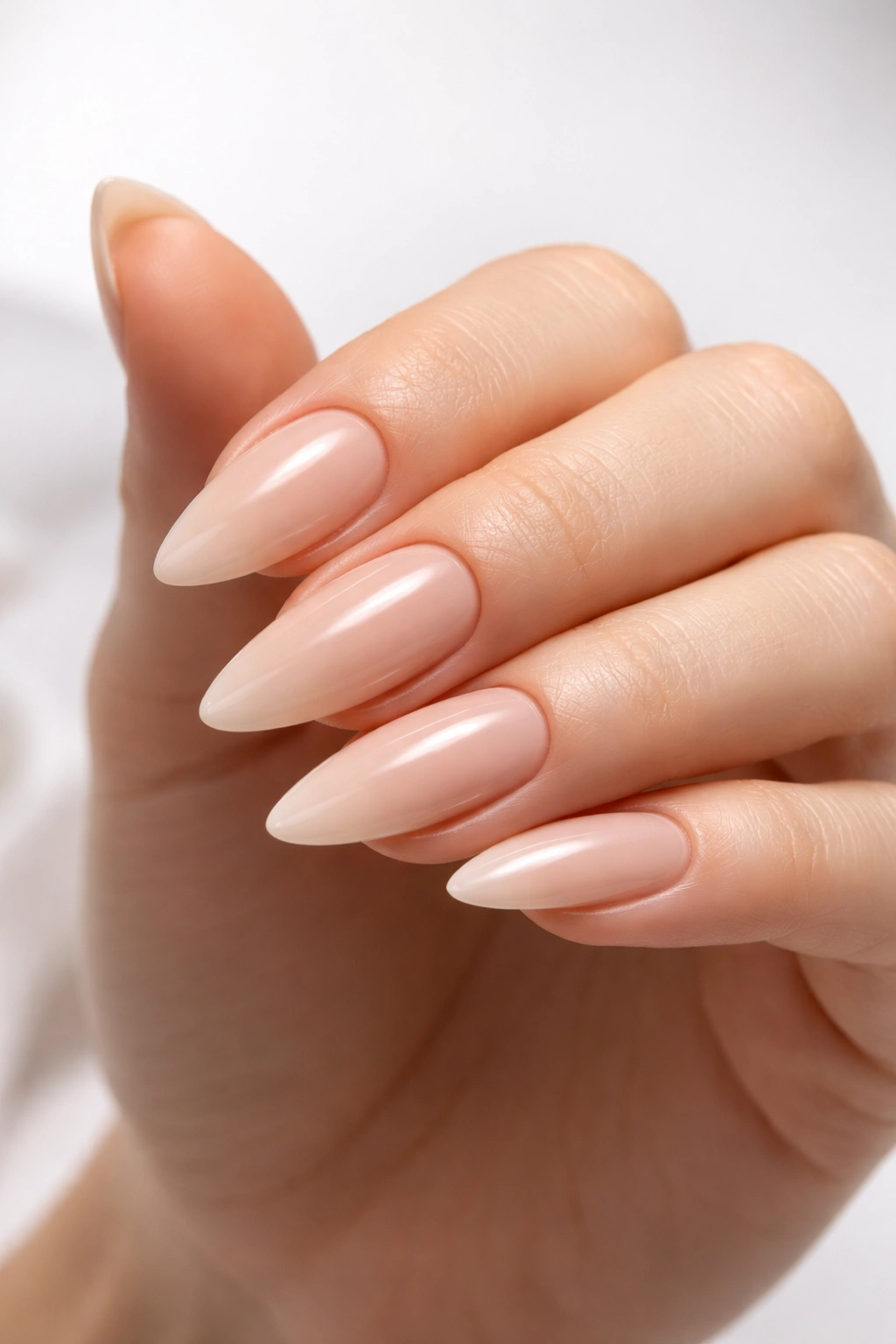
So here’s the real question: if oval is easier, more durable, and more forgiving, why would anyone choose almond? Because when almond is right for you, it’s absolutely worth the extra effort. If you have longer fingers or a naturally delicate hand shape, almond creates an elegance that oval simply cannot match. The visual elongation is real and noticeable. If you love nail art and want dramatic, detailed designs, almond provides a canvas that feels sophisticated and intentional.
Additionally, if you get quality extensions (gel overlays or acrylics with proper fills), almond becomes much more practical and less prone to breaking. The durability gap closes when you have reinforced structure. Many people love their almond nails once they commit to a maintenance schedule with professional fills every two to three weeks.
If almond is what makes you feel confident and beautiful, and you’re willing to maintain it, it’s absolutely the right choice for you. Beauty isn’t purely about practicality—it’s about what makes you feel good when you look at your hands.
Key Takeaways for Making Your Decision
This decision ultimately comes down to a few core questions that only you can answer. First, what’s your lifestyle like? If your hands are constantly in motion or doing practical work, oval is gentler. If you have the luxury of being more careful with your hands, almond works beautifully.
Second, what draws you aesthetically? Do you want elegance that’s subtle and timeless, or do you want drama and visual impact? Both are worthy goals—they’re just different aesthetics.
Third, how much maintenance are you willing to commit to? Oval is genuinely low-maintenance. Almond requires more attention between appointments. Be honest with yourself about what you’ll actually do consistently.
Finally, what’s your hand and finger shape? If you have shorter or broader hands, you might find oval more naturally flattering. If you have longer fingers or a delicate hand structure, almond could be stunning on you.
There’s genuinely no wrong choice between these two shapes—they’re both beautiful, both popular, and both work wonderfully for different people in different situations. Your perfect nail shape is the one that makes you feel confident and beautiful while fitting realistically into your lifestyle. That might be oval, it might be almond, or you might even switch between them seasonally or depending on what’s happening in your life at the moment.
Final Thoughts
The choice between almond and oval nails matters less than you might think, and that’s actually liberating. Both shapes are currently popular for excellent reasons—they genuinely do look stunning and suit a wide range of people. What matters most is that you choose the shape that aligns with your actual lifestyle, your hand shape, and the feeling you want to have when you look at your nails.
If you’re still uncertain, there’s nothing wrong with starting with oval. Enjoy how easy they are to maintain, how long they last, and how universally flattering they look. If you fall in love with almond later, you can always switch. Your nails will grow out, change shape, and give you endless opportunities to experiment. This isn’t a permanent decision—it’s just what you’re choosing for right now.