


If you’ve ever scrolled through nail inspiration online and found yourself squinting at the screen, wondering whether those stunning nails were ballerina or coffin style, you’re definitely not alone. These two shapes look remarkably similar at first glance—both are long, tapered, and end in a flat tip rather than a sharp point. Yet there are subtle but meaningful differences that make a real impact on how they look on your hands, feel when you’re typing, and hold up over time.
The confusion is completely understandable. Many nail salons, manicurists, and even online sources use the terms interchangeably, which doesn’t help clarify things. But here’s the thing: once you understand what sets them apart, choosing the right shape for your lifestyle and aesthetic becomes straightforward. The decision comes down to a few key factors—how dramatic you want to go, how much maintenance you’re willing to handle, and whether you prioritize elegance or edge.
This guide will walk you through every difference between ballerina and coffin nails so you can make a confident choice at your next appointment or when ordering press-ons online.
The Visual Difference: What You’re Actually Looking At
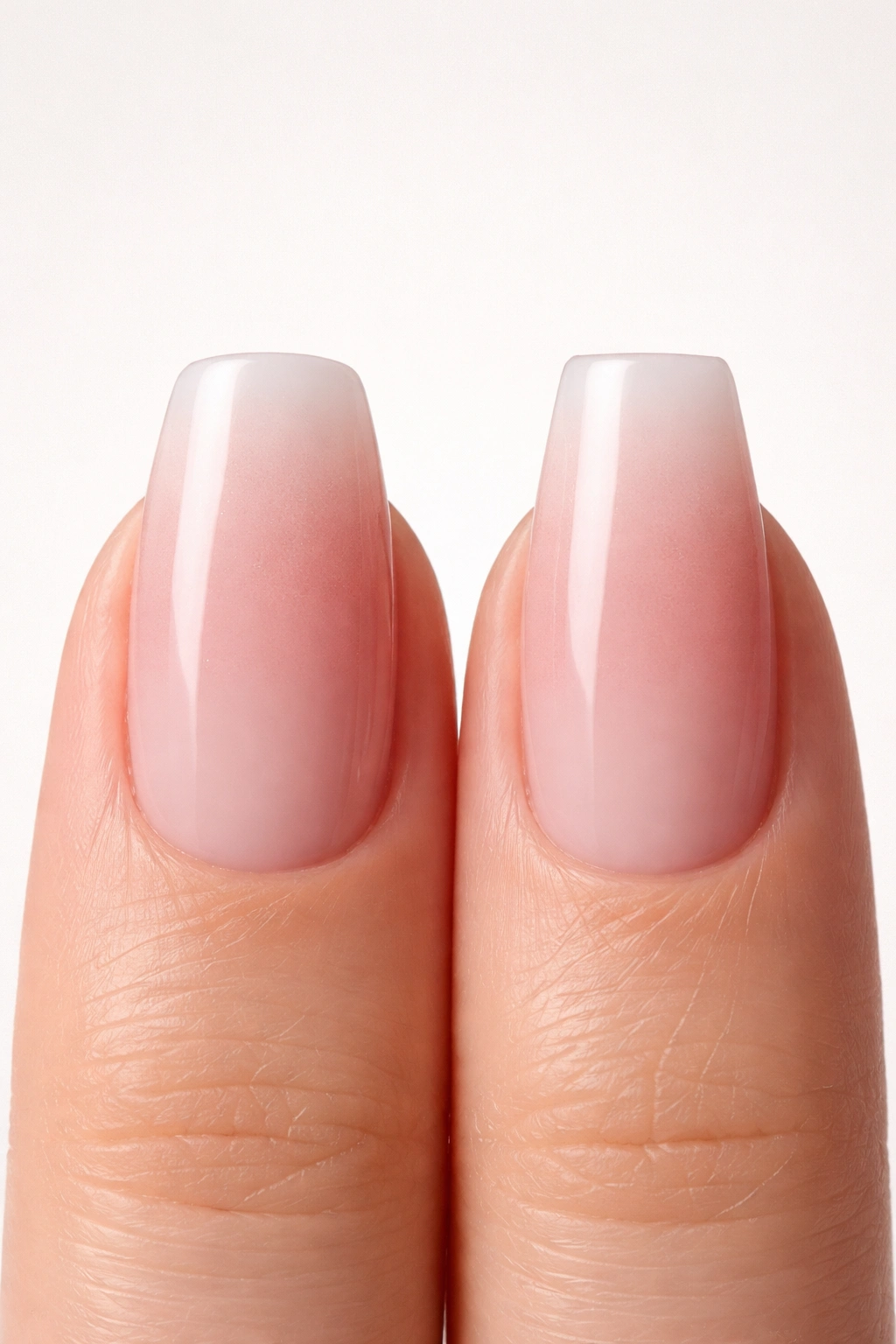
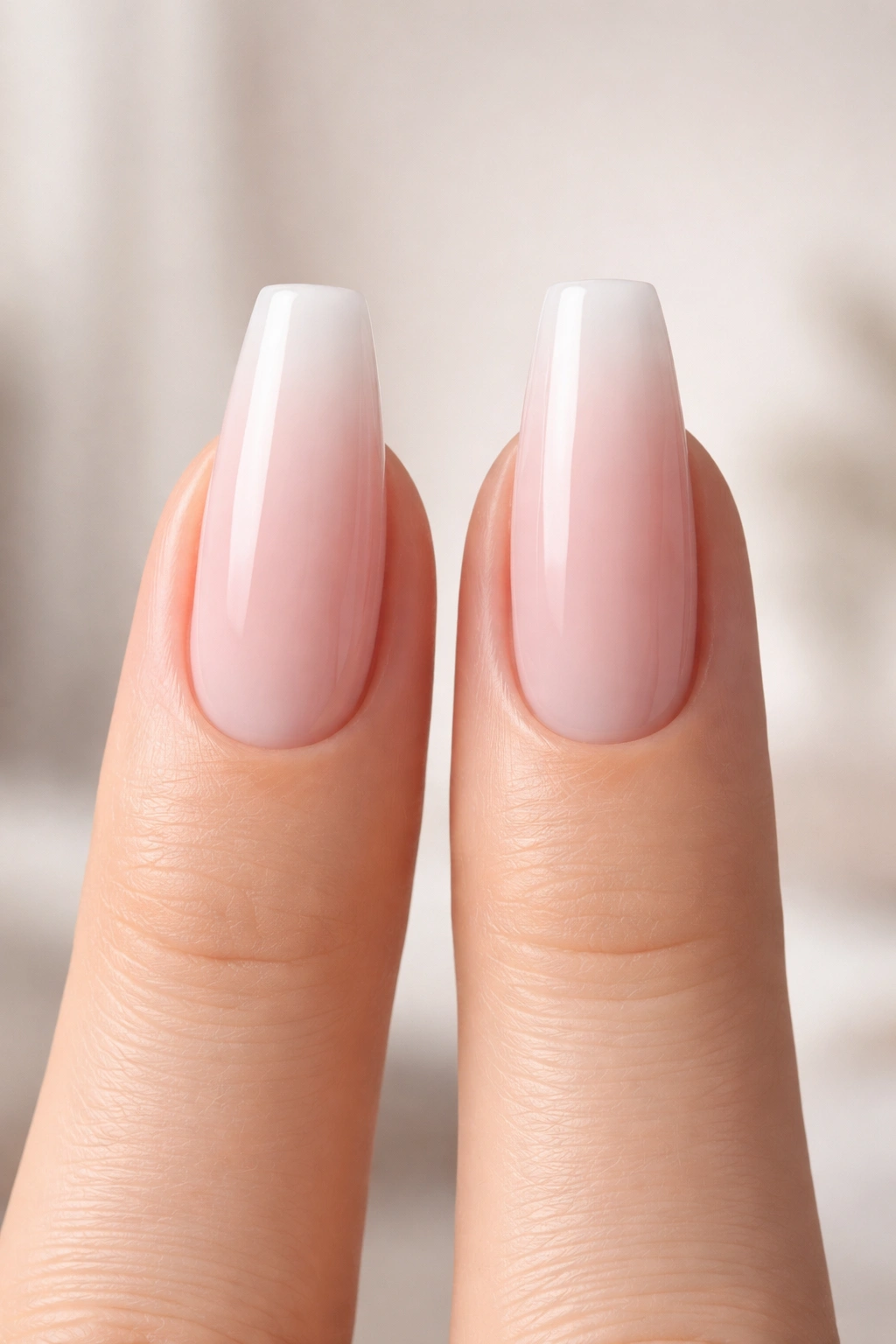
The most obvious difference between these two shapes is the tip edge. Ballerina nails feature a soft, slightly rounded flat tip that creates gentle curves along the sides as they taper down. Think of the toe of a ballet pointe shoe—graceful and refined, but still ending in a defined (not pointed) edge. The overall silhouette is elegant without being sharp.
Coffin nails, on the other hand, have sharper, more defined corners at the tip. The sides taper more dramatically toward the end, creating a more angular, geometric appearance. The corners form nearly perfect 90-degree angles, giving them that coffin-shaped look they’re named after. If you flip an old-fashioned coffin upside down, you’ll see the resemblance immediately.
To spot the difference in photos, look closely at the edges of the nail tip. If the corners are softly rounded or slightly curved inward, that’s ballerina. If the corners are crisp and sharp with clear definition, that’s coffin. The difference is genuinely subtle, but it changes the entire feel of the nail once you see it clearly.
How the Taper Shape Affects the Overall Look
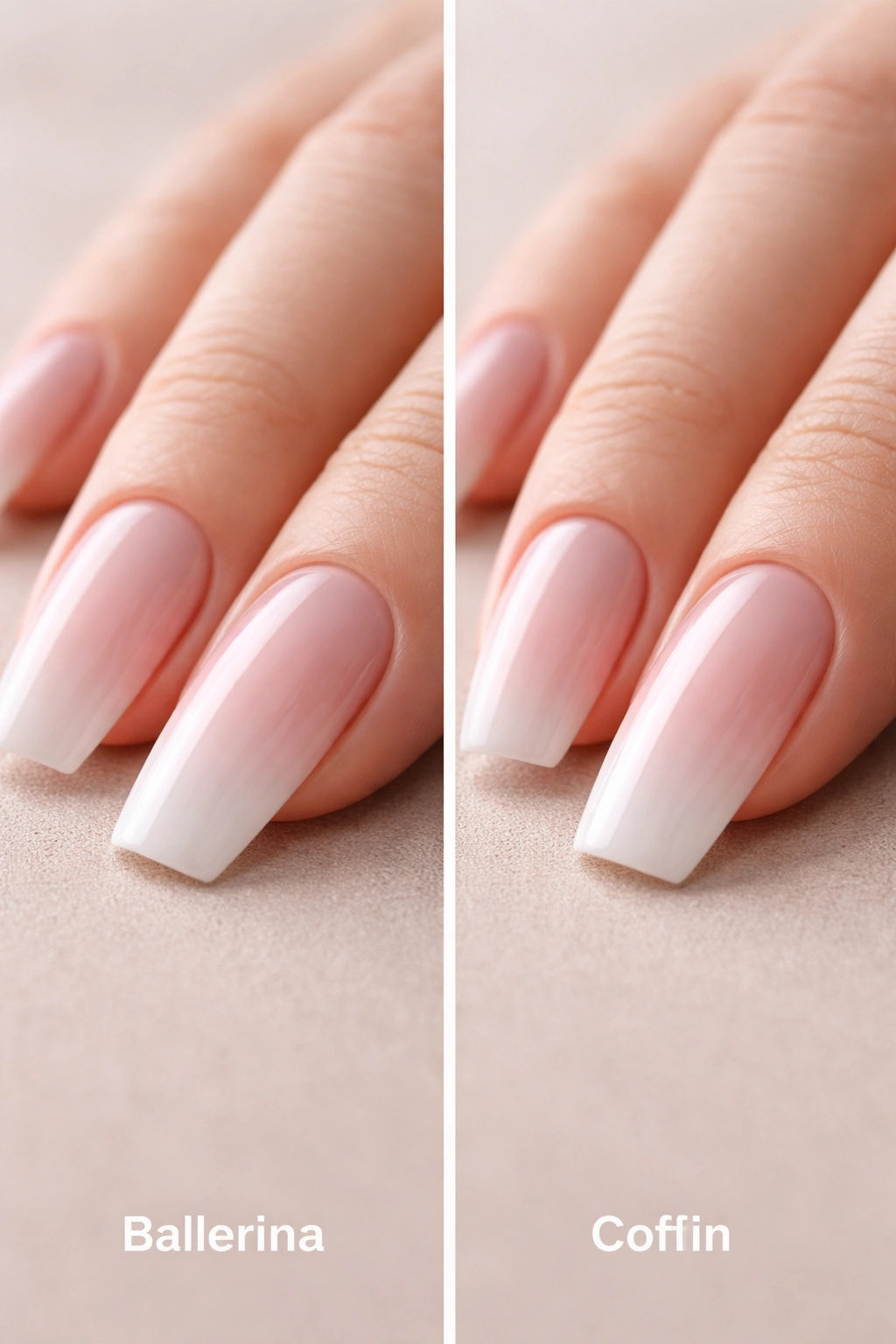
Both nail shapes taper as they extend from the nail bed toward the tip, but the way they taper differs in important ways. Ballerina nails taper gradually and smoothly, creating a flowing, elegant line from the cuticle to the tip. This creates visual harmony and a more delicate appearance overall.
Coffin nails feature a more pronounced, angular taper. The sides come in more sharply, which creates that distinctive coffin silhouette and a bolder visual presence. The tapered sides are more defined and geometric, contributing to a more dramatic, fashion-forward aesthetic.
If you’re deciding between the two, pay attention to how the taper feels on your own hands. Run your finger along the side profile of each shape—does the gradual flow of ballerina appeal to you, or do you prefer the more structured geometry of coffin?
Edge Durability: Why Sharp Corners Matter More Than You’d Think
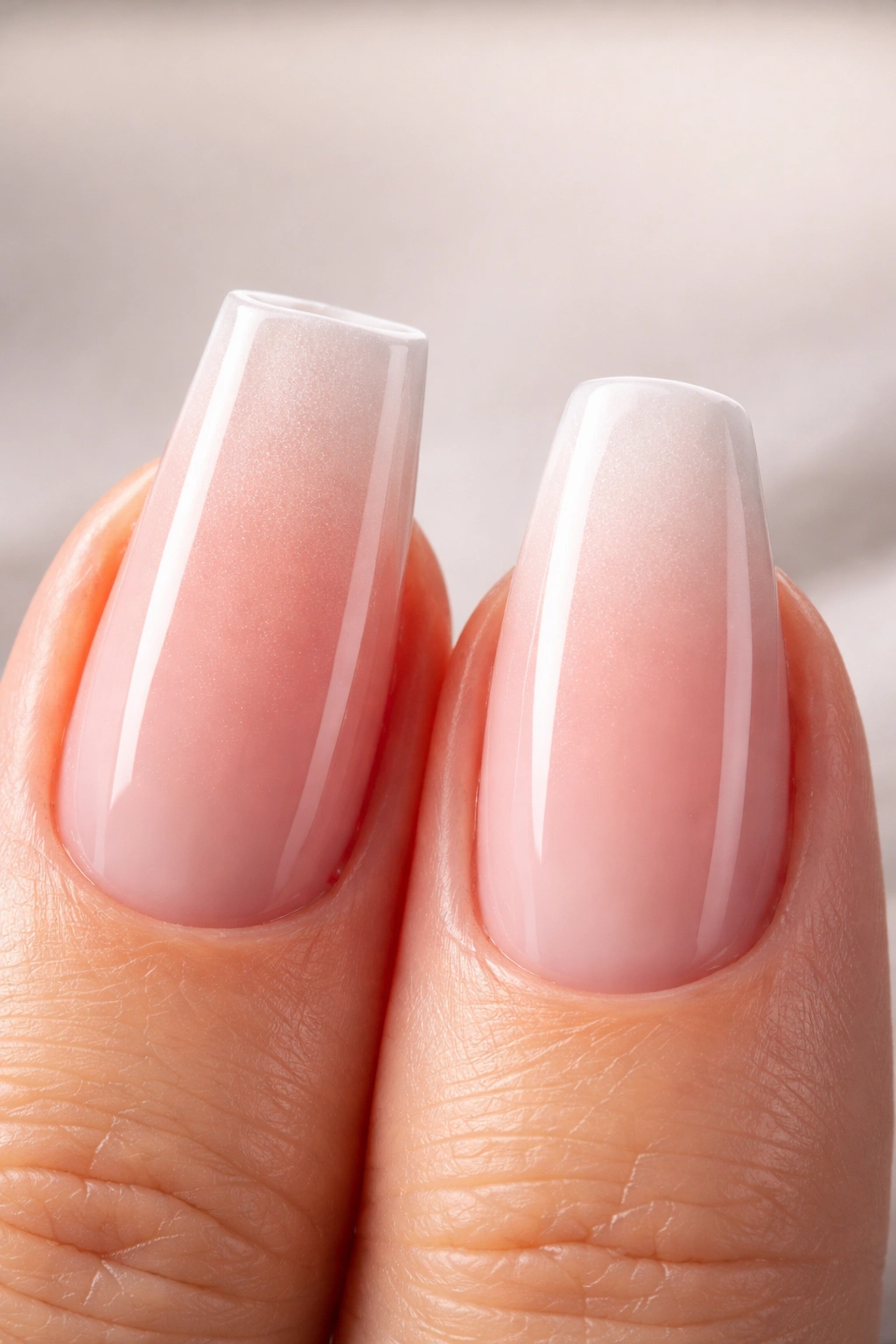
Here’s something most people don’t consider until they experience it firsthand: the sharpness of coffin nail corners makes them more prone to catching and snagging on fabric, clothing, and skin. When you’re getting dressed, typing, or even scrolling on your phone, those sharp edges can catch on delicate materials like silk, chiffon, lace, or even tights and stockings.
Ballerina nails, with their softer, rounded edges, are significantly less likely to snag. The gentler curve means there’s less likelihood of catching on things during everyday activities. If you frequently wear delicate fabrics or sheer stockings, or if you work with your hands constantly, this difference becomes noticeable quickly.
Many people who wear coffin nails report needing to file down those sharp corners slightly or apply a thin layer of builder gel to soften the edges and prevent snagging. It’s an extra maintenance step that adds to the overall upkeep. Ballerina nails require less of this kind of preventive maintenance, making them inherently more practical for daily wear.
Wearability for Daily Tasks and Work
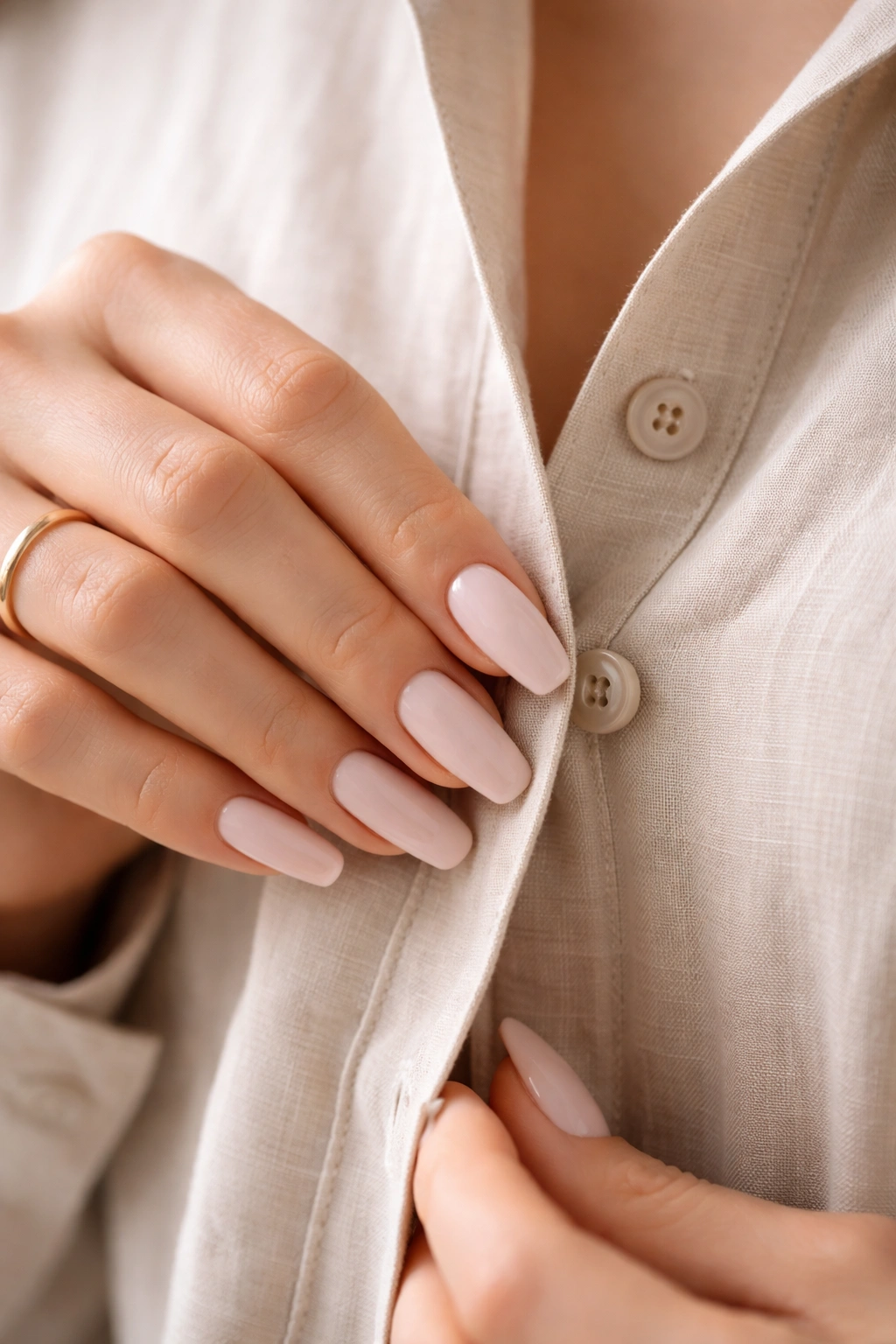
If your job involves typing, working with your hands, or being in a professional environment, ballerina nails are generally the easier choice. The softer edges don’t impede typing speed or create the clicking sound that longer, sharper nails sometimes make on keyboards. Many people who wear ballerina nails report feeling less limited in their daily activities.
Coffin nails work best when you’re more intentional about when and how you use them. They’re absolutely beautiful, but they require more conscious hand movements—being mindful when reaching into bags, typing (which may feel awkward initially), or opening things. Some people adapt to this quickly, while others find it frustrating.
Think honestly about your daily routine. How much time do you spend typing? Do you work with small objects or delicate materials? Do you use your hands in ways that require precision? These factors should influence your choice. If you’re unsure, ballerina offers more day-to-day comfort without sacrificing style.
Longevity and Chip Resistance
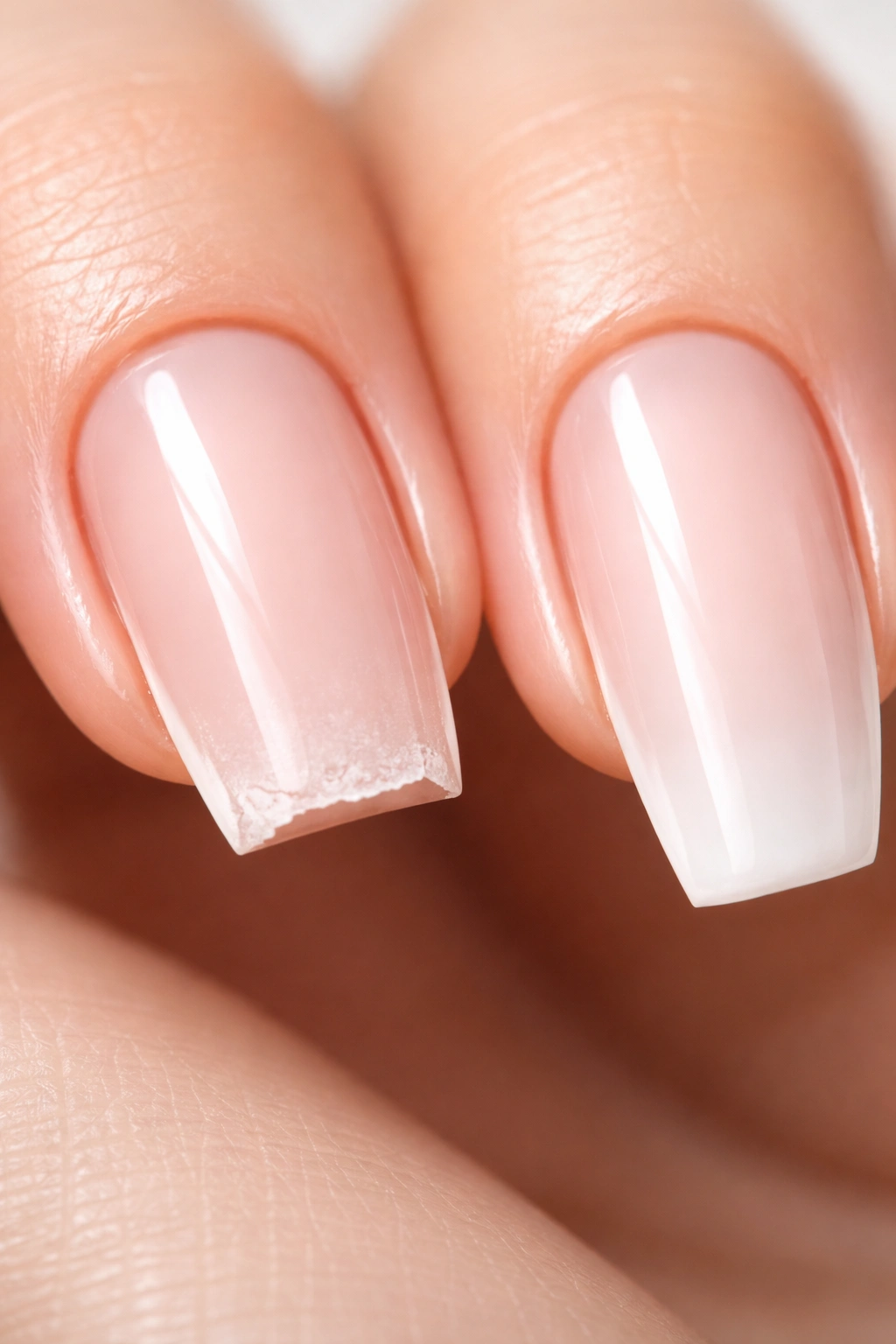
Both ballerina and coffin nails are susceptible to chipping and breaking simply because they’re longer and more extended from the nail bed. However, ballerina nails generally have a slight advantage in terms of durability. The softer edges and more gradual taper mean less stress concentration at the corners, which is where coffin nails tend to chip first.
Coffin nails are prone to corner breakage because those sharp 90-degree angles are structurally weaker points. A minor bump or catch can cause a chip that’s noticeable and annoying. With ballerina nails, damage is usually less dramatic when it happens.
That said, both shapes require proper care and maintenance. Regular filing to maintain the shape, avoiding extreme pressure on the tips, and keeping nails hydrated with cuticle oil all extend the lifespan of either style. The material matters too—gel and acrylic formulations hold up better than natural nails for these longer shapes.
What Different Nail Art Styles Look Best On Each Shape
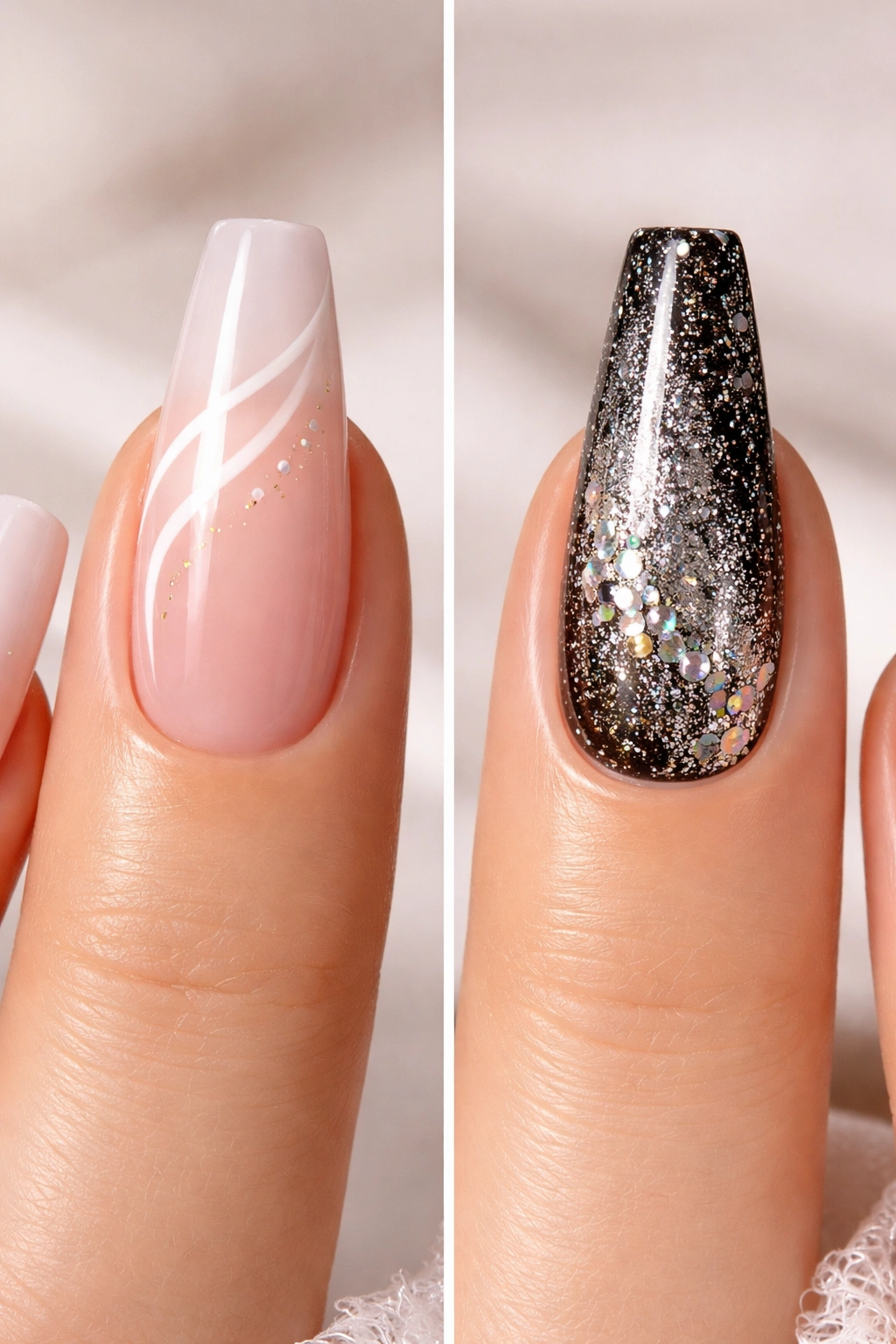
Here’s where your design preferences should genuinely influence your choice. Ballerina nails are the ideal canvas for softer, more refined designs. They look stunning with glossy finishes, pearlescent polish, delicate ombre fades, and minimalist nail art. French tips, subtle floral designs, thin geometric lines, and marble effects all complement the elegant vibe beautifully. The softer shape creates harmony with understated designs.
Coffin nails are made for bold statement designs. High-impact finishes like glitter, chrome, holographic effects, and metallic shimmers look phenomenal on this shape. The larger surface area and bold silhouette can handle intricate, detailed artwork without looking overwhelming. Think 3D elements, dramatic color-blocking, complex patterns, and eye-catching combinations. Coffin nails say “look at me,” and the nail art should match that energy.
If you love minimal, classic designs, ballerina is the natural fit. If you want to experiment with trending nail art, go bold with color combinations, or showcase intricate designs you’re excited about, coffin gives you a more dramatic foundation to work with. Your design preferences matter—don’t pick a shape and then feel frustrated that it doesn’t suit the style you actually love.
How Nail Length Works With Each Shape
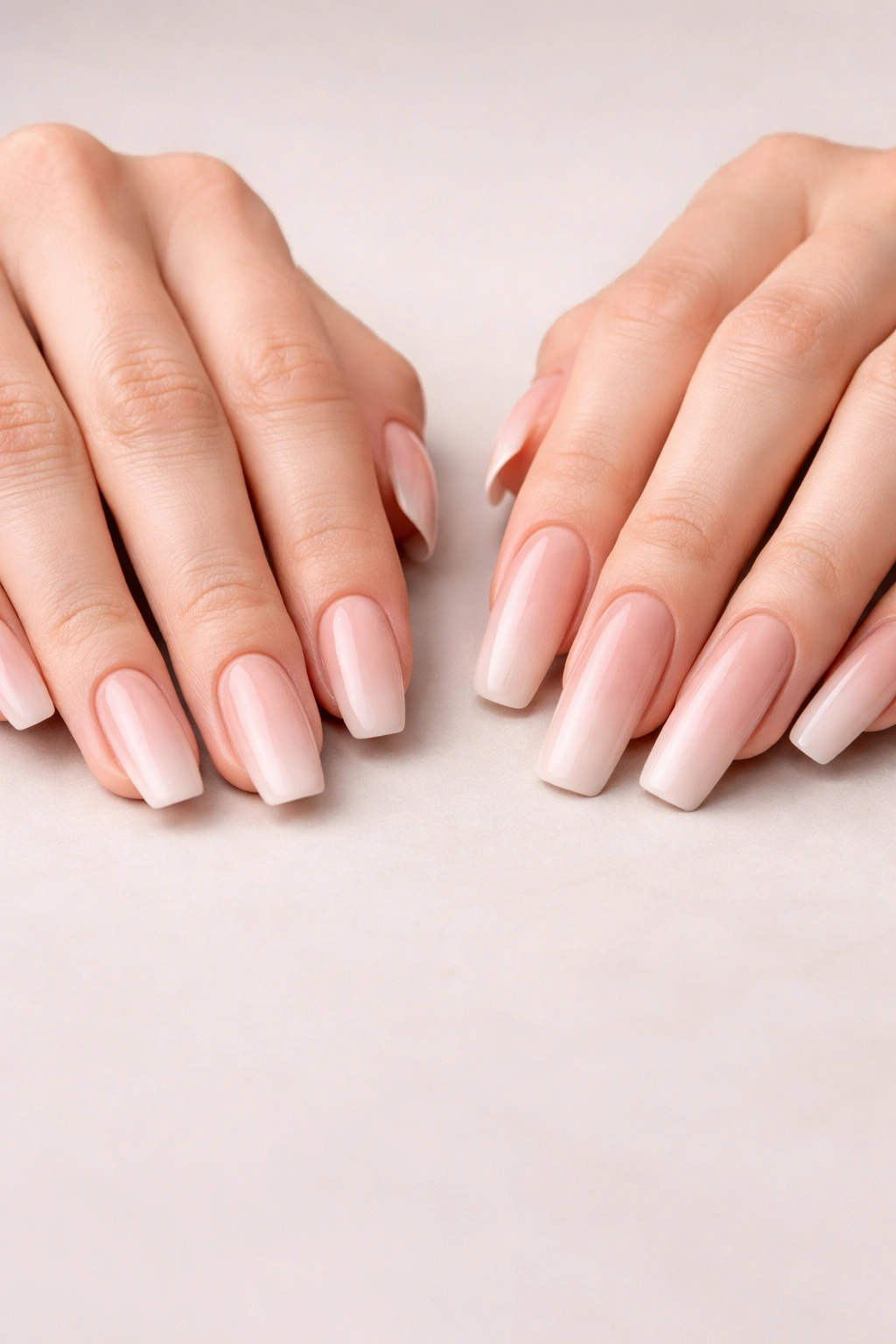
Ballerina nails look proportional across a range of lengths, from short-to-medium all the way to extra-long. This versatility is one of their biggest strengths. Even shorter ballerina nails (around medium length for an acrylic or gel set) look sophisticated and complete. This makes them perfect if you like changing up your length frequently or prefer not to go extremely long.
Coffin nails really shine when they’re longer. The coffin silhouette is most striking when you have the length to show off the full dramatic taper and define those sharp corners. Very short coffin nails can look a bit odd—not quite short enough to be classic square nails, but without enough length to showcase the coffin shape properly. Most coffin nail wearers keep them medium-length or longer.
If you’re the type to vary your nail length or prefer not committing to very long nails, ballerina is the more flexible choice. If you love the aesthetic of longer nails and don’t mind maintaining that length, coffin is absolutely doable.
Personal Style Expression: Polished Versus Bold
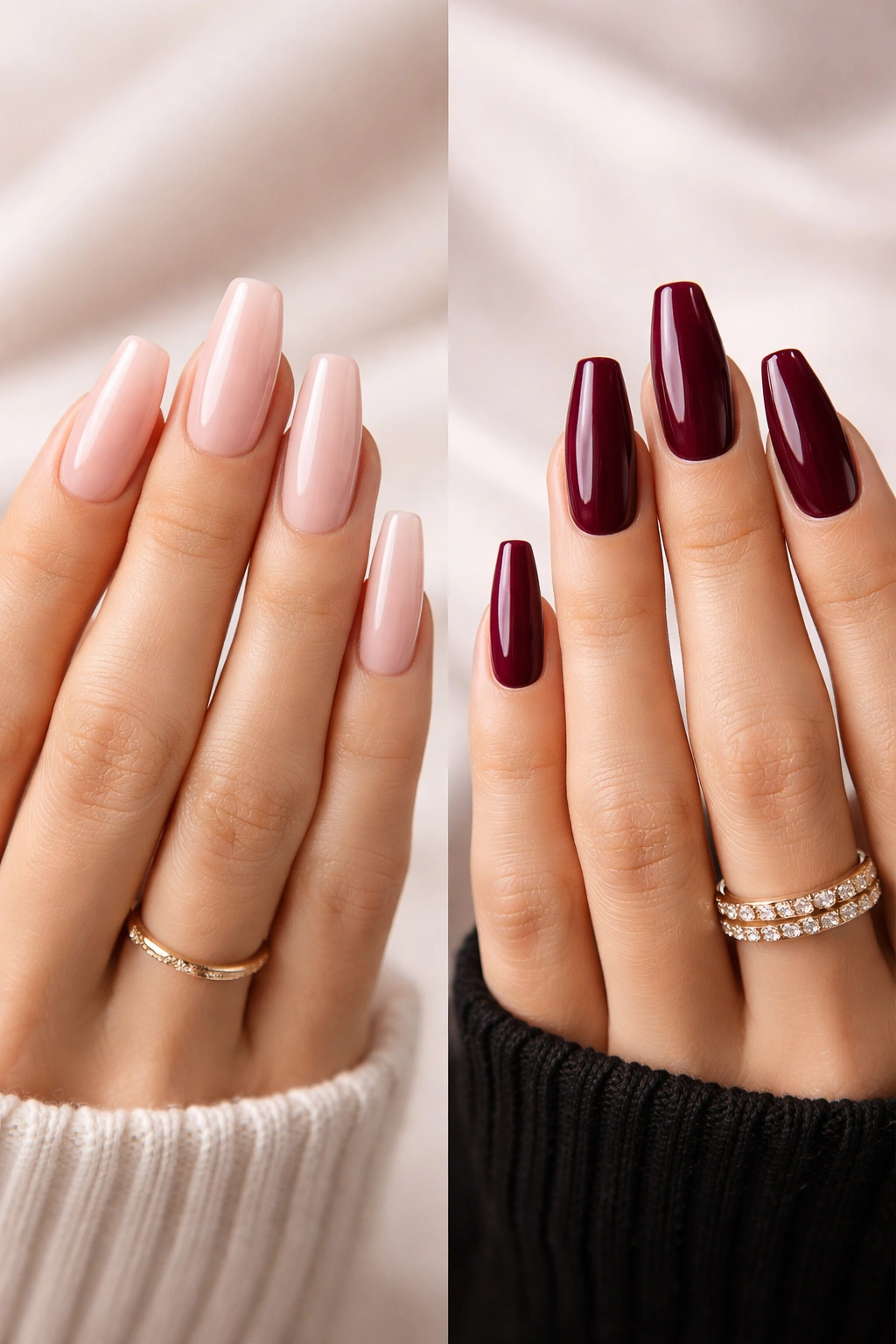
The subtle design of each nail shape sends a distinct message about your aesthetic. Ballerina nails communicate polish, refinement, and timeless elegance. They work seamlessly in professional settings, formal events, and everyday life. They’re the shape you’d see in boardrooms and on brides. There’s something inherently sophisticated about them that transcends trends.
Coffin nails make a bolder statement about personal style and fashion-forward thinking. They communicate confidence, creativity, and willingness to take risks with aesthetics. They’re fashion-first, popular with influencers, celebrities, and anyone who loves using nails as an expression of their personality. They’re trendy and unapologetically dramatic.
Neither is better—it’s purely about which vibe resonates with you. Are you drawn to timeless elegance that works anywhere, or do you want your nails to be a conversation starter? Do you prefer blending in with understated sophistication, or standing out as a style statement? Your answer here should heavily influence your decision.
Professional Environments and Career Considerations
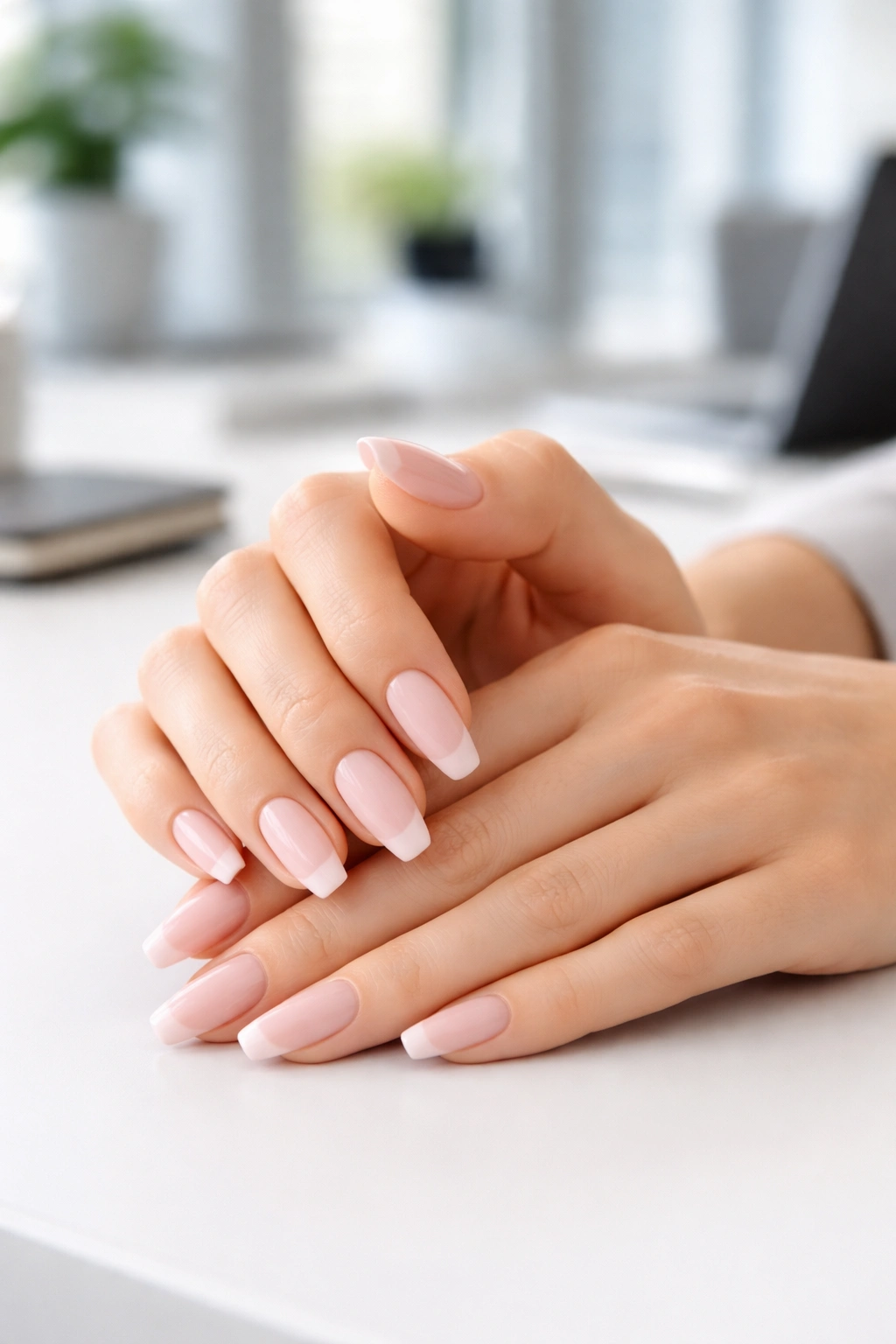
If you work in a traditional corporate environment, client-facing role, or conservative industry, ballerina nails are the safer choice. They read as professional and polished without being distracting. They signal attention to grooming and aesthetics without raising eyebrows. Many professionals wear ballerina nails regularly without any concern.
Coffin nails can work in professional settings too, but it depends on your specific industry and workplace culture. Creative fields, fashion, beauty, entertainment, and social media industries are generally more accepting of this bolder shape. Traditional finance, law, medicine, or government roles might read coffin nails as too bold or trendy for the environment.
Think about your workplace culture honestly. Would longer, sharper nails be seen as an edgy fashion choice or as unprofessional? Your own comfort matters too—you shouldn’t feel self-conscious about your nails at work. If there’s any doubt, ballerina is the universally accepted choice.
Cost and Maintenance Expectations
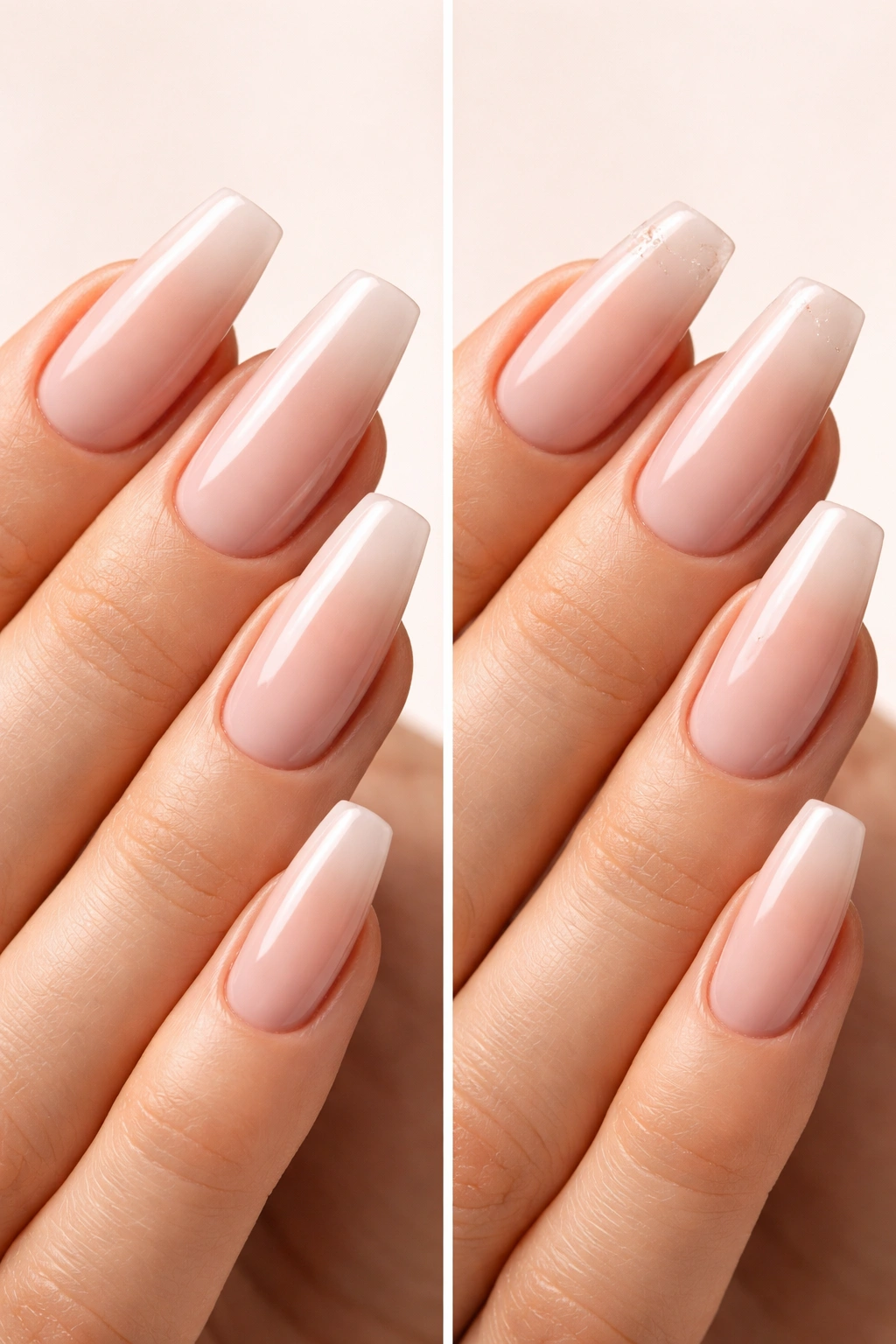
Both ballerina and coffin nails cost roughly the same when done professionally. You’re paying for the length, the shape work, and the quality of the enhancement (acrylic, gel, or dip). The base cost is comparable across both shapes.
Where coffin nails might cost slightly more is in maintenance and touch-ups. Because the sharp corners are more prone to chipping, you may need to visit your nail technician more frequently for repairs and reshaping. Over time, that adds up. Ballerina nails, being more durable, might stretch out your salon visits slightly longer between touch-ups.
If you’re doing press-on nails at home, you’ll find both shapes available at similar price points. The durability difference still applies—ballerina press-ons typically last longer without breaking at the corners.
Budget-conscious? Factor in potential additional maintenance when considering coffin nails. Ballerina nails are slightly more economical because they require less frequent repair work.
Styling Tips That Make Each Shape Shine
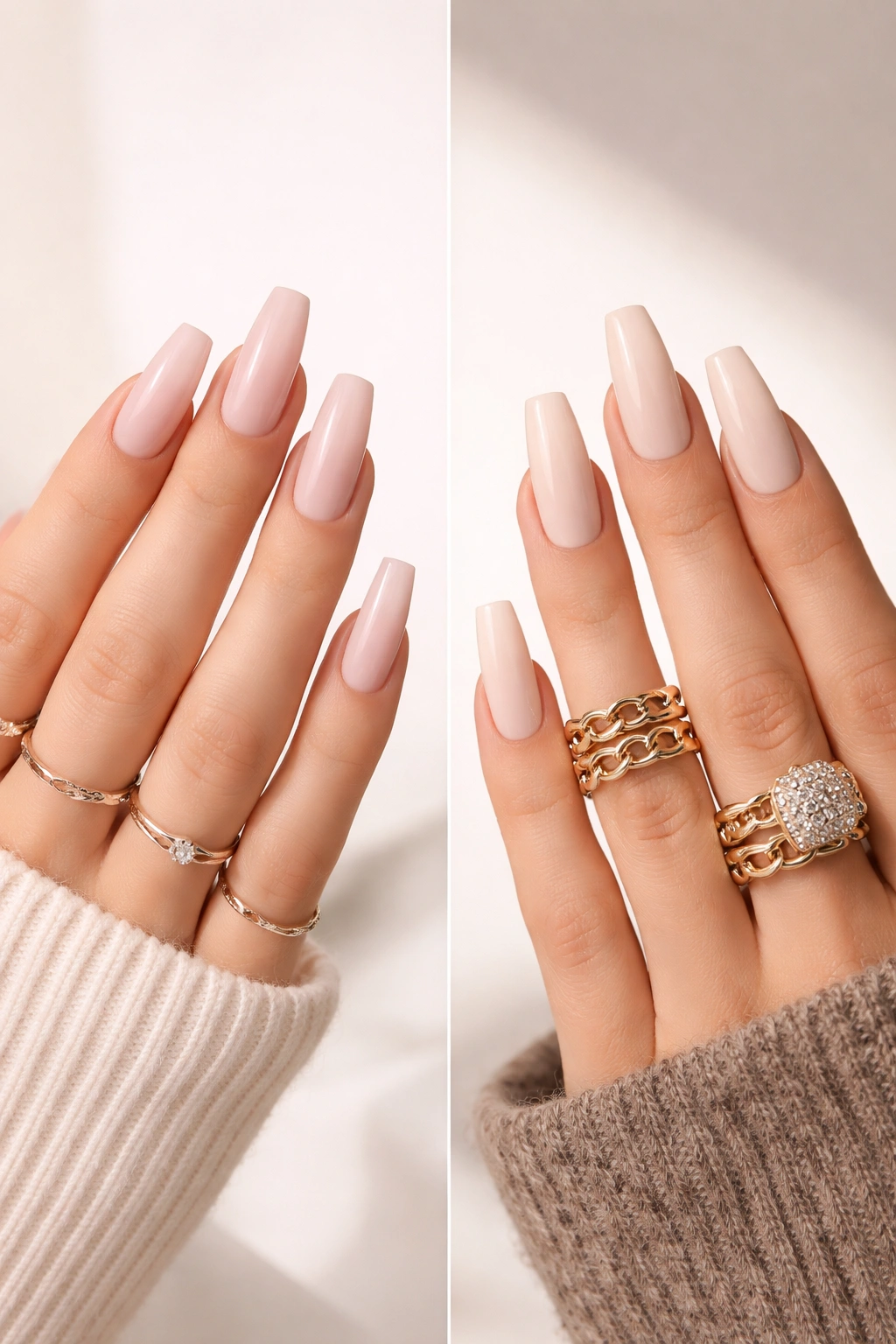
For ballerina nails, lean into refined jewelry and understated accessories. Thin gold or silver rings, delicate bracelets, and minimal hand jewelry complement the elegant aesthetic. Pair them with neutral tones, soft colors, or classic French tips. Keep hand care visible—this shape deserves moisturized, glowing skin around the nails. Long sleeves, minimal bracelets, and simple styling let ballerina nails be the subtle focal point of your hands.
For coffin nails, go bolder with everything. Statement rings, chunky bracelets, and noticeable hand jewelry complement the drama. Pair them with darker tones, jewel tones, metallics, or high-impact colors. These nails photograph beautifully, so think about how your hands will look in photos—on your phone, in selfies, or at events. Coffin nails benefit from intentional styling where your hands are part of the overall aesthetic statement.
The way you style your hands around your chosen nail shape amplifies the effect. Ballerina nails work with subtle, refined styling. Coffin nails deserve equally bold, intentional styling to look their absolute best.
Testing Before Committing: Press-Ons as Trial Runs
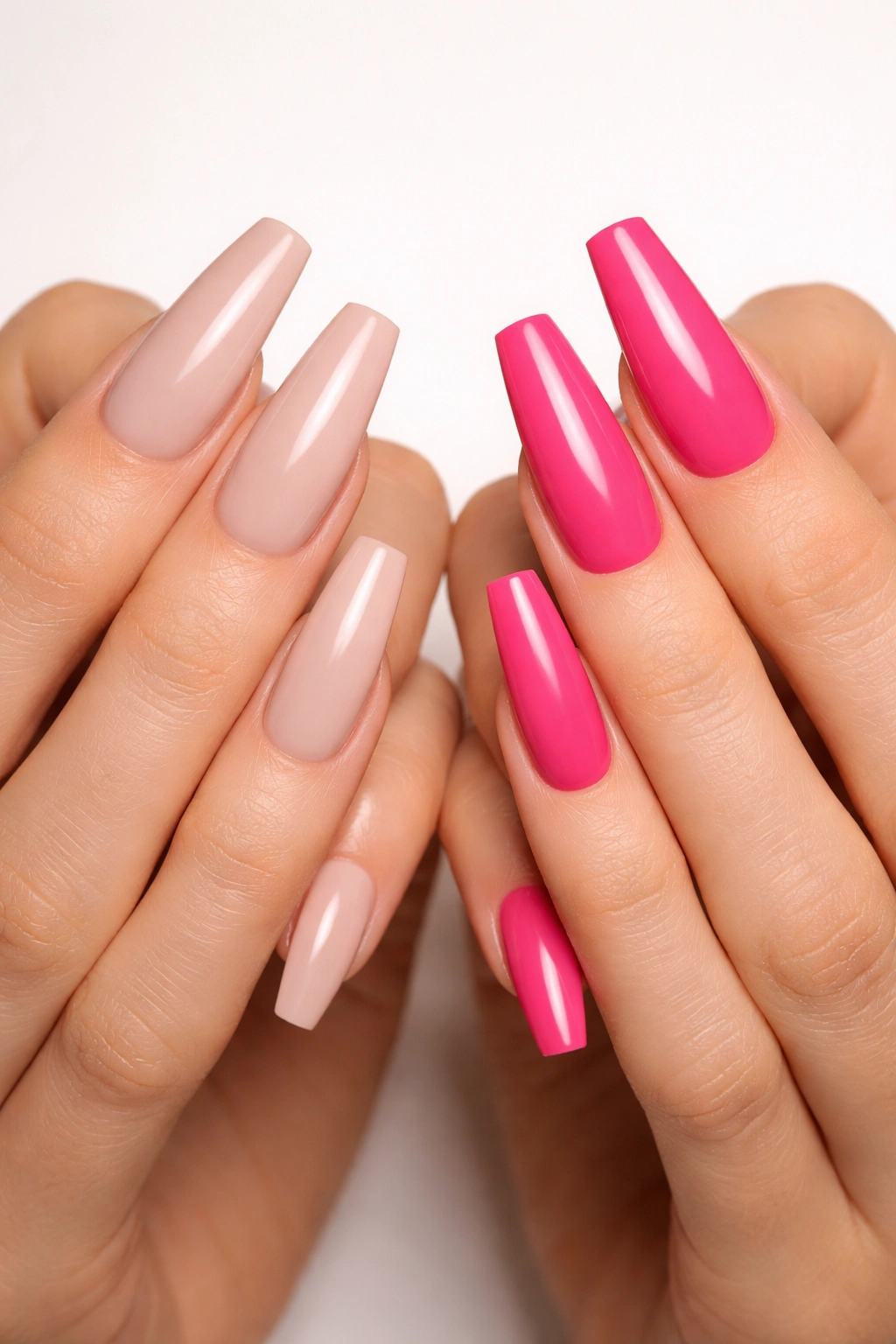
If you’re genuinely uncertain which shape is right for you, the smartest move is to try both using press-on nails before booking a salon appointment for an expensive acrylic or gel set. Press-on nails cost a fraction of salon prices and let you experience how each shape actually feels on your hands for real daily tasks.
Order a set of ballerina press-ons from a quality brand and wear them for a few days. Notice how they feel when typing, getting dressed, and going through your normal routine. Pay attention to how they photograph, how comfortable they are, and whether you find yourself admiring them or feeling self-conscious. Then remove them, let your nails breathe, and try a set of coffin press-ons.
This hands-on comparison is invaluable. You’ll discover your genuine preference instead of guessing based on photos or descriptions. Many people are surprised by what they actually prefer once they experience it physically. This low-commitment test run eliminates guesswork from your decision.
Making Your Final Decision: A Practical Framework
Start by honestly assessing your daily life. How much of your time involves typing, fine motor tasks, or wearing delicate fabrics? If the answer is “a lot,” ballerina wins on practicality. If you have flexibility and don’t mind being mindful of your nails, coffin is viable.
Next, think about your style personality. Do you prefer timeless, classic aesthetics that work everywhere? Ballerina. Do you love being on-trend, using fashion as self-expression, and wanting your nails to make a statement? Coffin.
Consider your professional environment. Conservative workplace? Ballerina. Creative field with flexible dress code? Either works, but coffin if you want impact.
Think about design preferences. Do you gravitate toward minimal, refined nail art? Ballerina. Do you love bold colors, intricate designs, and statement-making finishes? Coffin.
Finally, trust your gut. Which shape makes you genuinely excited when you see it? Which one do you keep coming back to when scrolling inspiration? That instinctive preference matters more than you’d think.
Key Takeaways: Your Comparison at a Glance
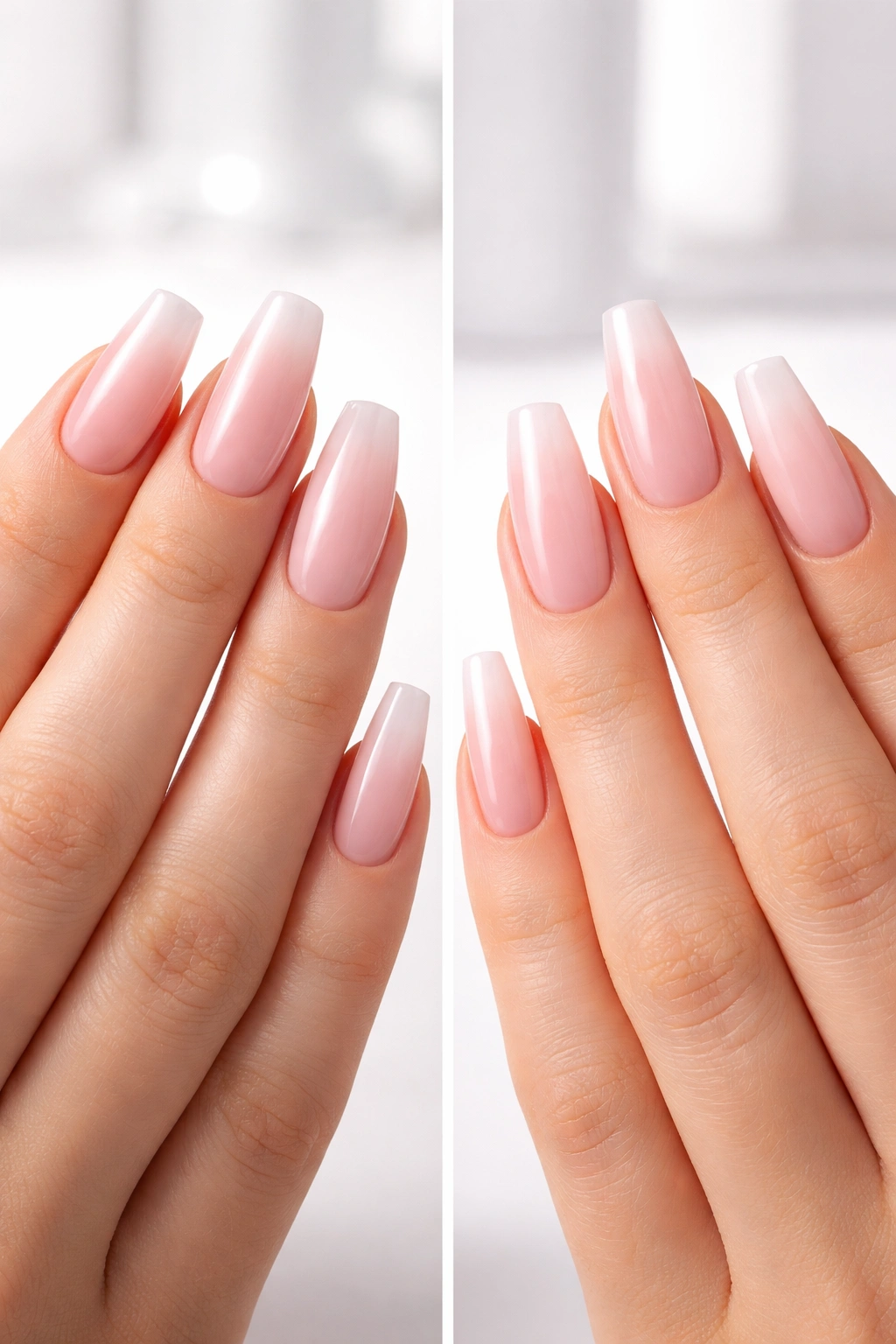
Ballerina nails offer elegant sophistication, better durability for daily wear, softer edges that don’t snag, versatility across lengths, and timeless appeal. They work in any setting and pair beautifully with refined designs. Choose this shape if you want polish without drama, practicality without sacrificing style, and nails that feel graceful and controlled.
Coffin nails deliver bold fashion impact, dramatic visual presence, stunning backdrop for statement designs, and that trendy, fashion-forward vibe. They require more maintenance, work best longer, and make an intentional style statement. Choose this shape if you love drama, want your nails to be noticed, embrace fashion risks, and are willing to be mindful of their sharp corners.
Neither is objectively better—they’re simply different expressions of nail style. The right choice is whichever aligns with your lifestyle, aesthetic preferences, and daily reality. Many people actually wear both at different times, rotating between them depending on the season, occasion, or what they’re feeling style-wise.
Final Thoughts
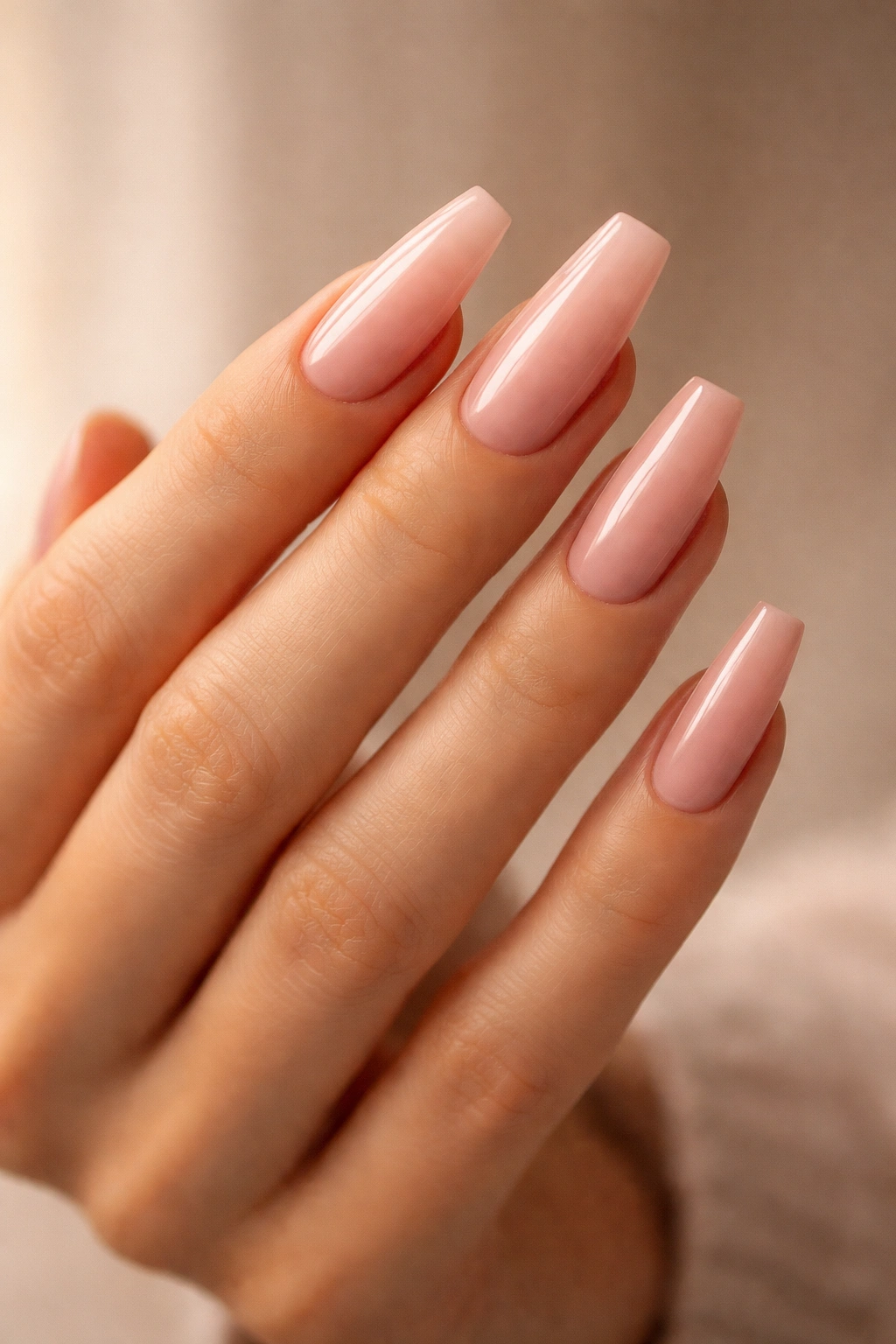
The reality is that ballerina and coffin nails are similar enough that you absolutely cannot go wrong with either choice. The difference in appearance is subtle but meaningful, and the difference in feel and maintenance is noticeable enough to matter in daily life. Your ideal shape is the one that makes you feel confident, beautiful, and comfortable in your own hands.
Take time to really consider what you’re looking for beyond just “pretty nails.” Think about your hands throughout your day—how you use them, what matters to you aesthetically, and what makes you feel like the best version of yourself. That’s where your answer lies. And remember, nail shapes can always change. If you pick one and decide it’s not your perfect match, you can try the other at your next appointment. This is genuinely low-stakes experimentation with real, visible results.
Your nails should feel like an extension of your personality and lifestyle, not a source of frustration or self-consciousness. Whether you choose the refined elegance of ballerina nails or the bold statement of coffin nails, make the decision that feels authentically right for you. That confidence will show in how you wear them.