

When you’re sitting in a nail salon trying to decide between two enhancement systems, it’s easy to feel stuck. Both Gel X and acrylic promise beautiful, long-lasting nails—but they’re built completely differently, feel nothing alike, and will impact your natural nails in distinct ways. The choice isn’t about which one is objectively “better,” but rather which one aligns with your lifestyle, your budget, and what you actually want from your manicure experience.
The nail enhancement world has shifted dramatically in recent years. Acrylic nails dominated for decades with their legendary durability and strength. Then Gel X arrived, offering something fresh: a lightweight, natural-looking alternative that feels like an extension of your own nails rather than a sculptural addition. Today, both systems have fiercely loyal followings, and many skilled technicians work with both, choosing strategically based on each client’s specific needs.
This guide breaks down everything you need to know to make the right choice for your hands and your life. We’ll explore how they differ in application, feel, durability, cost, safety, and real-world performance so you can walk into your next appointment with complete confidence.
What Are Gel X Nails and How Do They Work?
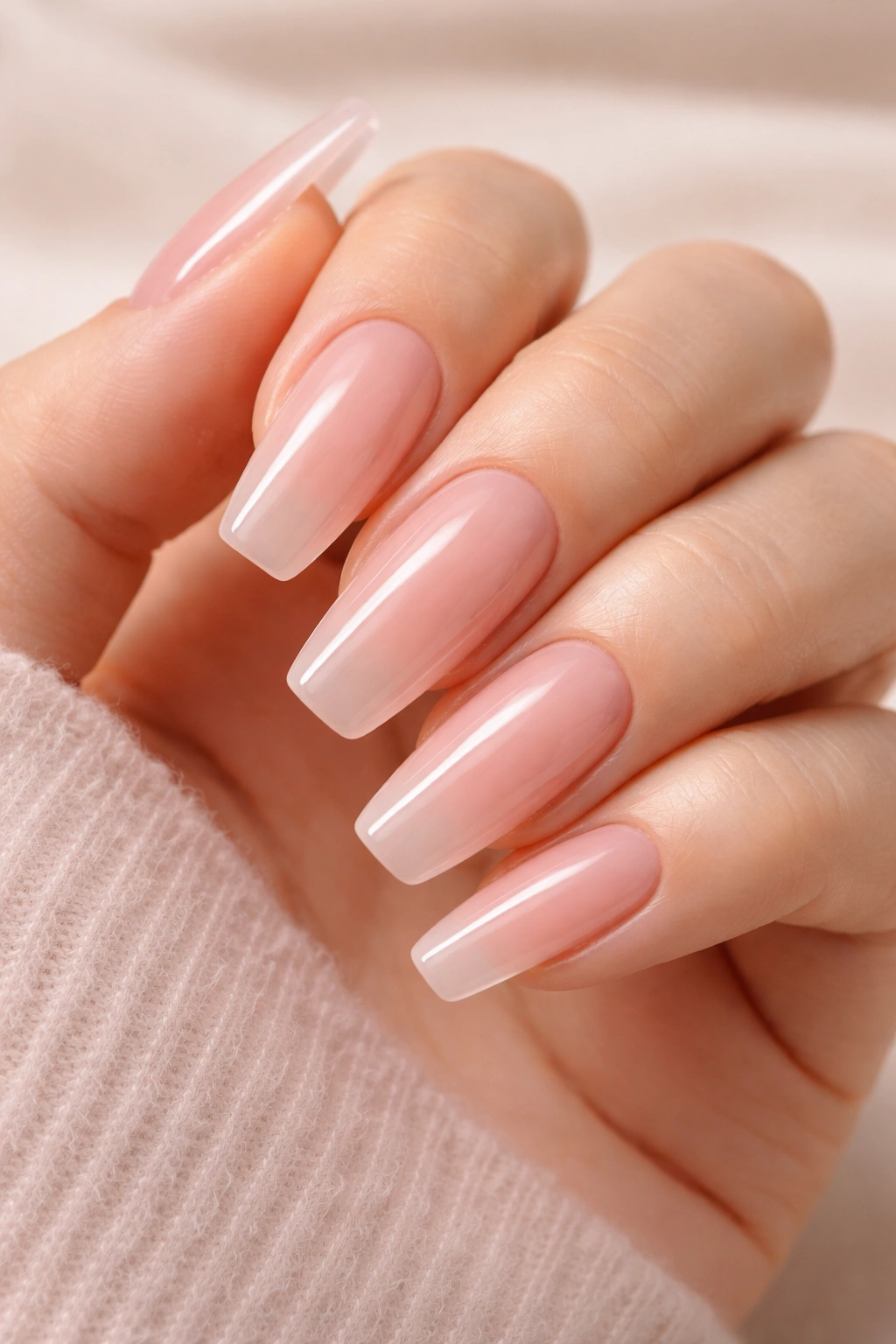
Gel X is a soft gel extension system that uses pre-shaped, pre-filed tips made entirely of gel material. Originally created by Aprés Nail, this system shifted how people think about nail enhancements. Instead of sculpting or building nails from scratch, a technician applies full-coverage tips that already have the perfect shape, length, apex, and structure built in.
The application involves minimal sculpting because the hard work is done. A technician preps your natural nail, applies a gel bonding layer, adheres the pre-shaped tip, and cures everything under an LED or UV lamp. The result is instant, uniform extensions with a smooth, glossy finish. Because the tips come in various lengths and shapes—from short and natural to dramatic and elongated—there’s a pre-made option for nearly every nail bed and style preference.
What makes Gel X distinctly different from traditional gel overlays or builder gel is that the entire nail is already structured and shaped before application. You’re not building anything; you’re adhering a finished product. This is why techs can complete Gel X sets faster than sculpted systems and why the results are so consistent from nail to nail.
The final appearance tends to be ultra-thin, glossy, and incredibly natural-looking. Because Gel X tips are less than half the thickness of a natural fingernail, they maintain a delicate, refined appearance that many clients prefer over heavier alternatives.
What Are Acrylic Nails and How Are They Created?
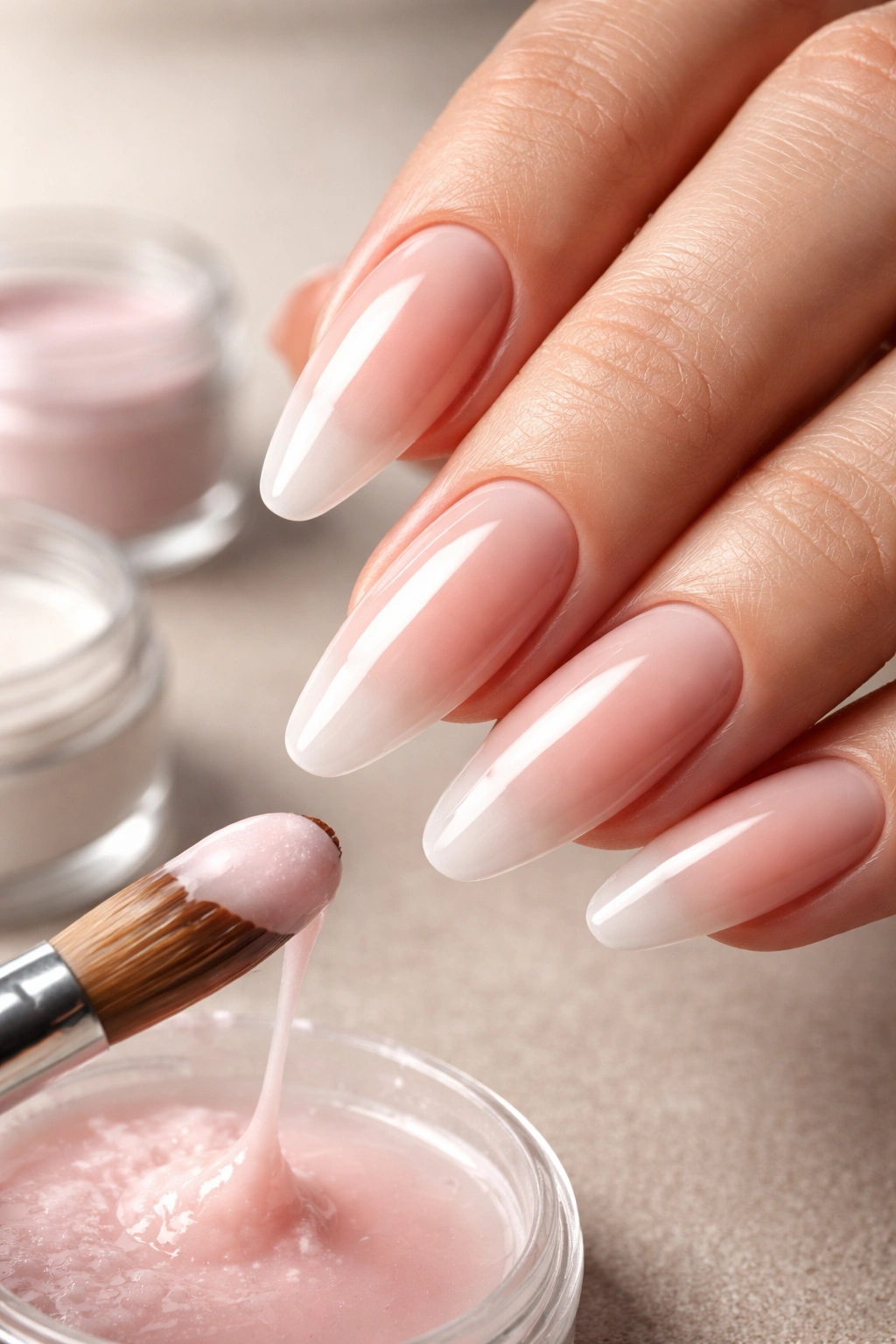
Acrylic nails are built through a chemical reaction between a liquid monomer (the liquid component, typically EMA) and a powder polymer (the powder). When mixed together, these two components form a moldable paste that the technician sculpts directly onto your nail or a plastic form. The mixture hardens through air exposure—no lamp required—allowing the technician to shape and refine the nail as it cures.
This method gives technicians complete control over every aspect of the nail’s structure. They decide the apex placement, the thickness, the curve, and the overall shape based on your natural nail bed, your preferences, and what will look best on your hands. For clients with flat nails, uneven nail beds, or unusual nail shapes, acrylics offer the flexibility to engineer a customized solution.
The application process is more involved because every nail is built individually from the ground up. A technician applies a plastic form under the natural nail, mixes the acrylic powder and liquid to the right consistency, applies and shapes the mixture, allows it to harden, files and buffs it to perfection, and repeats this process ten times over. The final result is a strong, durable, sculptural enhancement that can be shaped into virtually any design.
Acrylics have been the industry standard for decades because they’re incredibly reliable, strong, and repairable. When your acrylic nails grow out, you don’t need a full replacement—your technician can perform a “fill” where they rebalance the apex and fill in the gap where your natural nail has grown. This makes acrylics a long-term maintenance option rather than a complete-replacement system.
How the Application Process Actually Differs
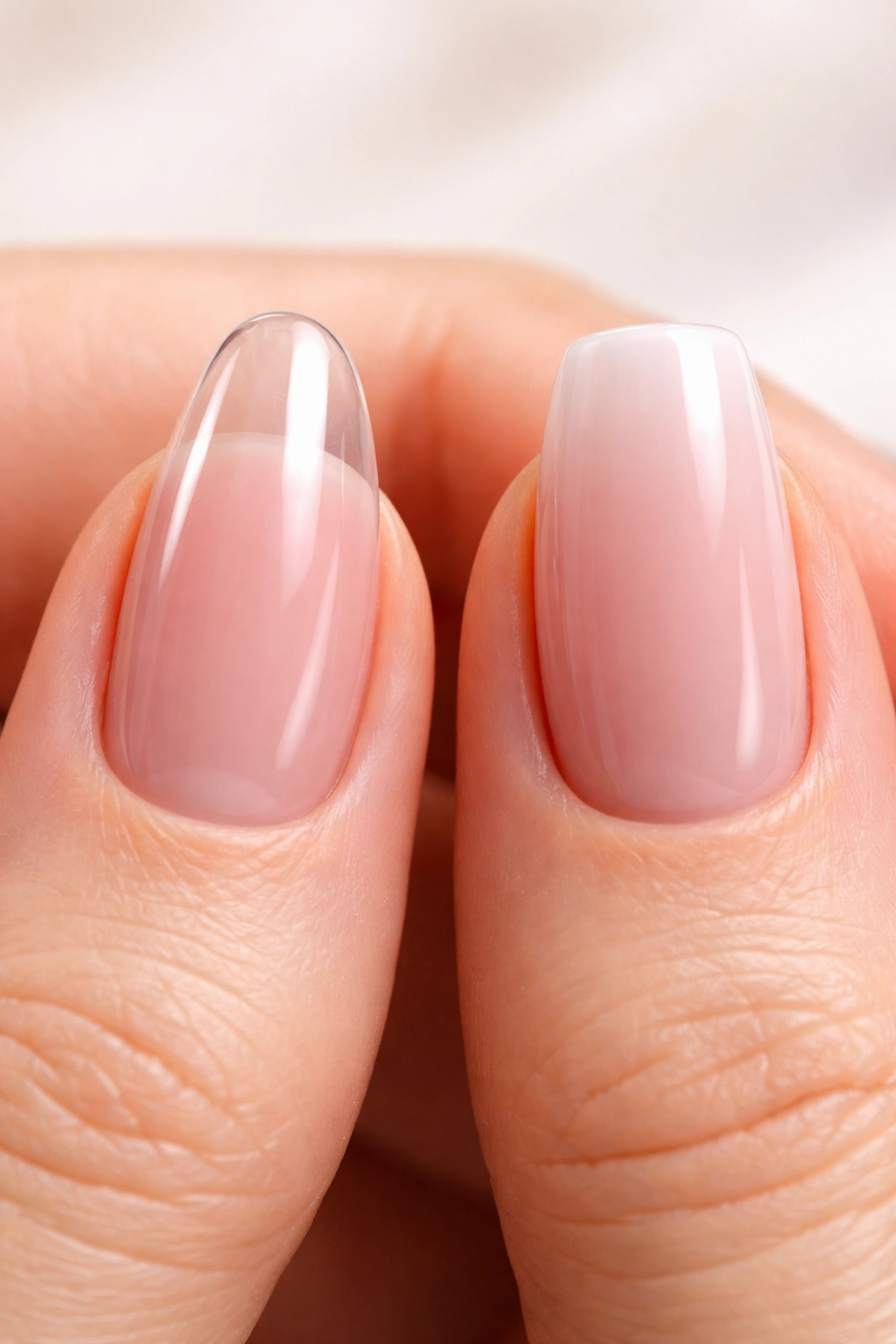
The application experience for Gel X and acrylic is night and day, and this difference shapes how you’ll feel about your manicure from start to finish.
Gel X application is remarkably streamlined once a technician knows your nail sizing and preferences. After prepping your nails—cleaning, buffing lightly, and dehydrating—the technician applies a thin layer of gel bonding adhesive, selects the correctly sized tips, places each one carefully, and cures them under a lamp. The entire process typically takes 45 to 60 minutes. Because there’s no mixing, no sculpting, and no complicated shaping, the workflow is predictable and repeatable. Many technicians find Gel X faster and less physically demanding than acrylic work.
Acrylic application requires more steps and more active sculpting time. After prepping your nails, the technician applies forms or tips, mixes the acrylic powder and liquid to the ideal consistency, applies the mixture to each nail individually, shapes it while it’s still workable, allows it to fully harden in the air, then files and buffs everything to the desired look. This process typically takes 1.5 to 2 hours depending on the length, style, and complexity of the design. The technician is actively working the entire time, and room temperature, humidity, and product control all influence working time.
From a comfort perspective, Gel X produces zero odor and minimal dust. Acrylic application involves noticeable chemical smell from the monomer liquid—something that bothers some clients significantly and doesn’t bother others at all. The smell isn’t harmful when salons are properly ventilated, but it’s a real sensory difference that shapes the experience.
If you value a quick, low-sensory salon visit with minimal odor and dust, Gel X wins decisively. If you don’t mind spending more time in the chair and prefer the traditional acrylic process, that’s absolutely fine too.
Appearance: Which Looks More Natural?
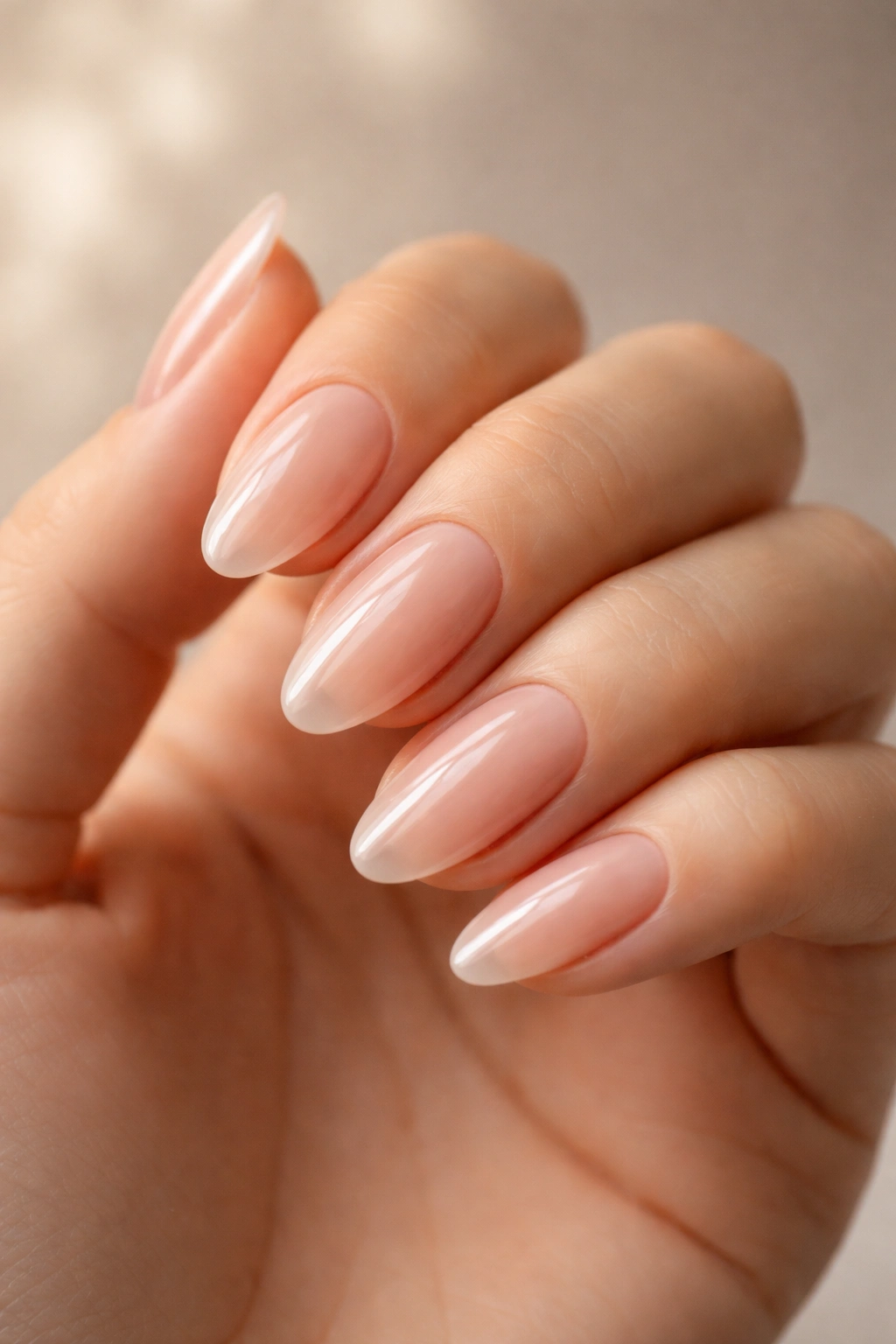
This is where personal preference varies wildly, but the visual differences are measurable and real.
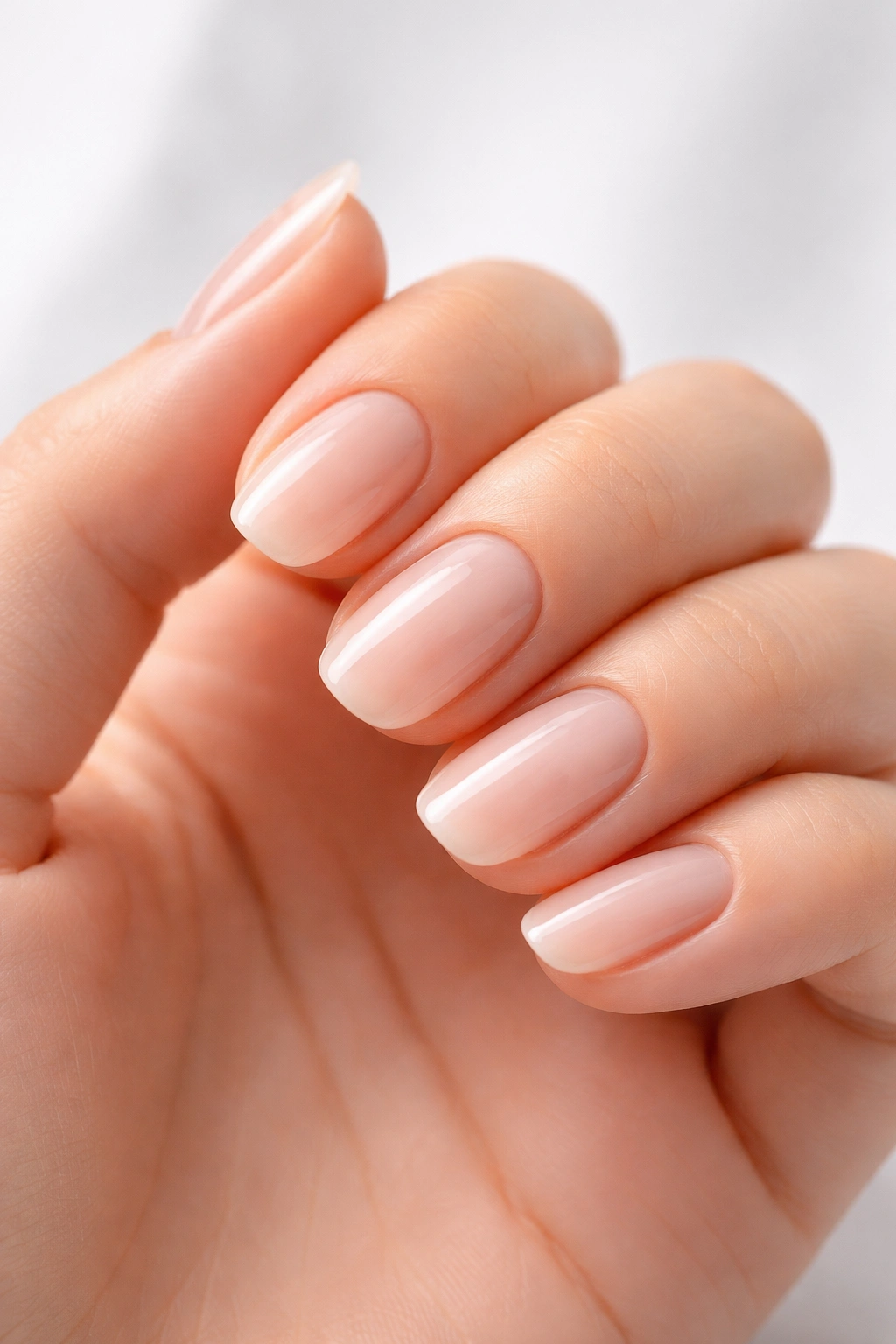
Gel X nails are exceptionally thin and glossy. The base thickness is only about 0.15 millimeters—less than half the thickness of a natural fingernail. This ultra-thin profile means they hug the natural nail shape and maintain an elegant, refined appearance that reads as “enhanced” rather than “artificial.” The inherent glossiness of gel gives them a luminous quality straight out of the salon. Many clients describe them as looking like their own nails, just longer and perfect.
The pre-shaped design means zero sculptural lines or visible seams on the sides of the nail. Every nail matches exactly—same curve, same apex, same proportions. For clients who want symmetry and uniformity, this consistency is a huge advantage. Gel X also works beautifully for natural-toned or neutral designs because the thinness and glossiness make the focus land on the polish color or design rather than the enhancement structure itself.
Acrylic nails tend to appear slightly thicker and more sculptural. Because they’re built up and shaped by hand, individual technician style and skill influence the final look. A skilled acrylic tech can create nails that look incredibly refined and natural, while less precise application can result in a more obvious, thicker appearance. Acrylics can be buffed to a high shine or topped with gel polish for comparable glossiness, but the profile is inherently more visible due to thickness.
That said, acrylic’s structural visibility is actually an advantage for certain looks. If you want dramatic length, bold 3D designs, or architectural nail art, acrylic’s visible structure becomes part of the aesthetic. Acrylics allow technicians to create sculptural textures, dimensional details, and complex designs that softer gel tips simply can’t support in the same way.
For clients obsessed with the “my nails but better” aesthetic and neutral designs, Gel X typically delivers a more natural-looking result. For clients who want bold statements, extreme lengths, or intricate 3D nail art, acrylic’s structural visibility is actually an asset.
Durability: How Long They Actually Last
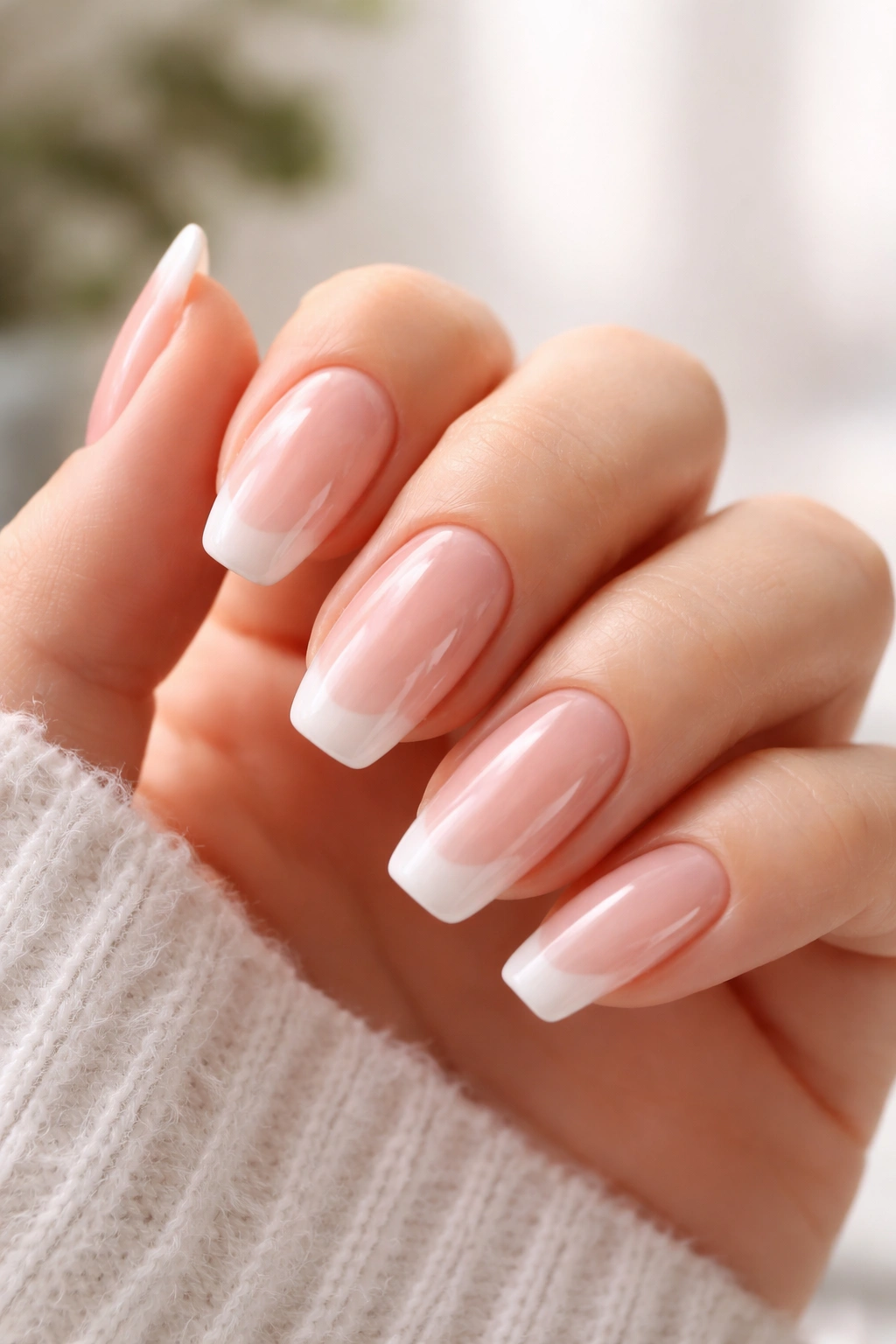
Both systems promise weeks of wear, but maintenance schedules and longevity patterns differ significantly.
Gel X nails typically last 2 to 3 weeks before lifting becomes noticeable or the gel begins to separate from the natural nail. With excellent prep work and proper care, some clients report 4 weeks of solid wear. Because Gel X doesn’t require fills—the entire tip must be soaked off and replaced when maintenance is needed—the timeframe is fixed.
Acrylic nails often last 3 to 4 weeks or longer before requiring maintenance, and the maintenance is a fill rather than full replacement. Your technician removes the lifted areas, rebalances the apex as your natural nail grows out, and applies fresh acrylic over the regrowth. This means the same set can be maintained indefinitely through regular fills, making acrylics theoretically longer-term than Gel X.
However, durability in real life depends heavily on how you use your hands. If you type intensively, clean with harsh chemicals, do manual labor, or have an active lifestyle involving water exposure, acrylic’s rigidity gives it an edge. The harder structure can withstand pressure and impact better than the flexible feel of Gel X. Gel X’s flexibility is actually an advantage if you want to avoid complete breaks—the tips won’t snap as easily—but they can lift earlier with heavy hand use.
For clients with calm, office-based lifestyles who pamper their hands, both systems will easily last 3+ weeks. For clients who are genuinely tough on their hands, acrylic’s superior strength and longer fill window make it the more practical choice.
Removal: Which Process Is Gentler on Your Nails?
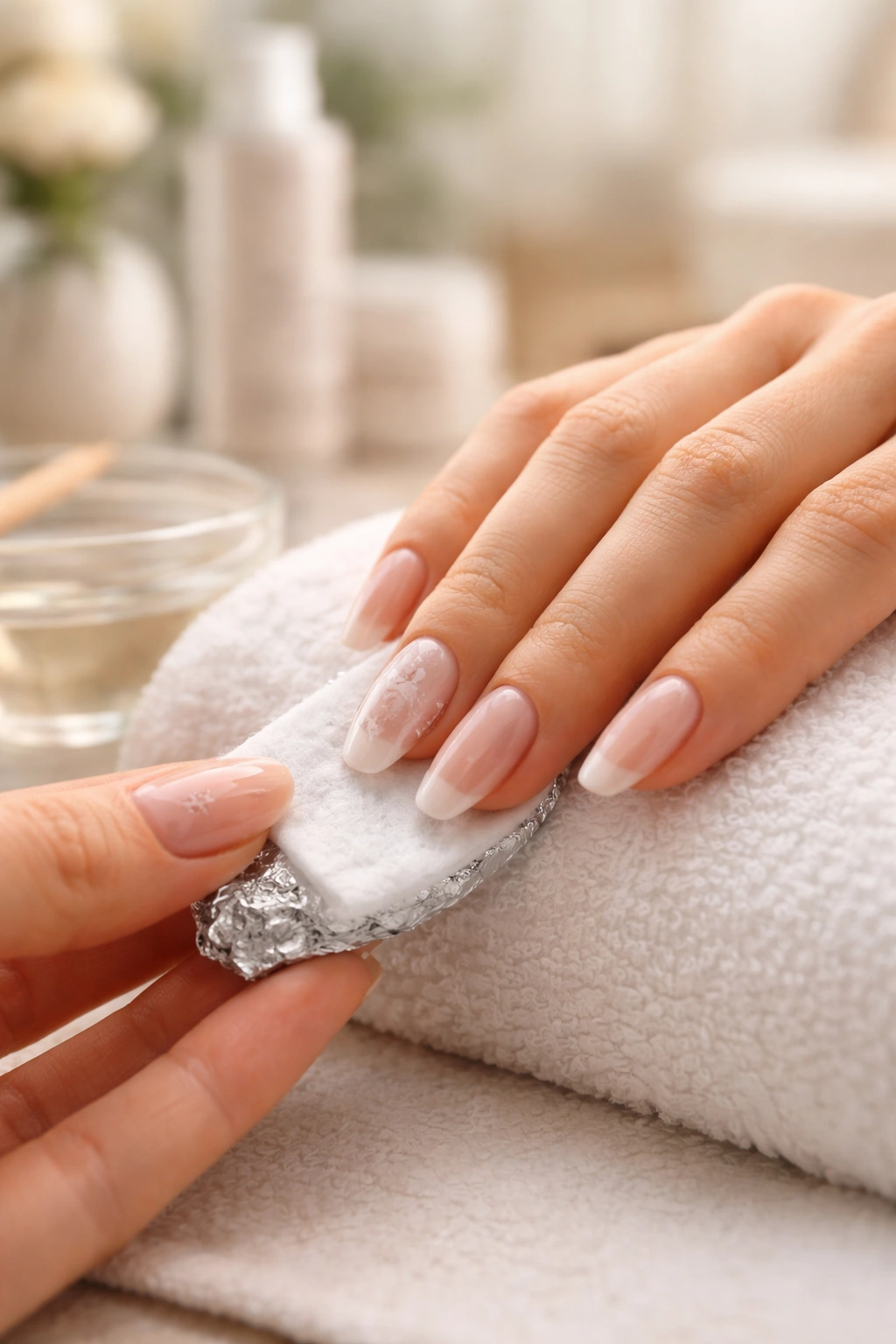
How you remove an enhancement matters more for long-term nail health than the enhancement type itself. Poor removal can damage your nails regardless of which system you choose, but the removal processes are fundamentally different.
Gel X removal is straightforward and relatively gentle. Your technician thins the bulk with a carbide bit, clips the length if desired, soaks your nails in acetone for 15 to 20 minutes until the gel softens, and gently removes the tips with a pusher. Because the gel is designed to soak off rather than be filed off, this process requires minimal aggressive filing and doesn’t involve harsh scraping or prying. The removal is quick—typically 15 to 25 minutes—and when done properly, causes minimal stress to the natural nail plate.
Acrylic removal is more involved. Your technician can either remove the entire set through soaking and scraping, or perform a fill if your natural nails haven’t grown too far. Full removal involves thinning the acrylic with a carbide bit, clipping the length, soaking in acetone for 15 to 30 minutes, and then removing the softened acrylic with a pusher or more aggressive filing. Some technicians prefer a faster method of pre-thinning acrylics before soaking, which reduces soak time but requires more precision to avoid over-filing the natural nail.
The risk with acrylic removal is over-filing the natural nail underneath. If a technician gets too aggressive or files too long, they can thin the nail plate, create ridges, or even cause painful sensitivity. This is why professional removal is strongly recommended—experienced techs know exactly how much filing is safe.
From a purely technical standpoint, Gel X’s soak-off design makes removal gentler and lower-risk for nail damage. However, when both are removed correctly by a skilled professional, neither should cause lasting damage. The issue arises when removal is rushed, done at home without proper technique, or performed by someone without experience.
Cost Comparison: Initial Price vs. Long-Term Value

Pricing varies significantly by location, salon reputation, and technician experience, but the cost structure of these systems is fundamentally different—and understanding the trade-off matters.
Gel X full sets typically range from $60 to $120+ depending on where you live and your salon’s pricing tier. Since each appointment uses a complete set of new tips, bonding gel, and materials, the product cost per service is higher. However, application time is shorter, which can offset the material cost if your tech values their time well or keeps a full schedule.
Acrylic full sets generally cost $30 to $60+, and fills (maintenance appointments) cost $20 to $40+. The product cost for acrylic—the monomer and powder—is significantly cheaper than the product cost for Gel X. This lower per-service cost is appealing upfront, but here’s the critical difference: acrylic fills allow the same set to be maintained multiple times, spreading cost over several weeks.
Let’s look at realistic long-term costs. If you get Gel X every 3 weeks at $80 per set, you’re spending roughly $320 per month. If you get an acrylic full set for $45 and then two fills at $25 each before replacement, you’re spending roughly $95 for a 6-week cycle, or about $160 per month.
From a pure cost perspective, acrylic becomes significantly cheaper over time, especially if you maintain the same set for 2 to 3 fill cycles before going full. However, if you love changing styles frequently, switching lengths, or getting a completely fresh set, Gel X’s full-replacement model gives you more flexibility without guilt—you’re getting a fresh set either way.
For budget-conscious clients seeking long-term value, acrylic wins. For clients who prioritize flexibility and don’t mind paying per service for a fresh start, Gel X is worth the investment.
Which One Feels Better on Your Hands?
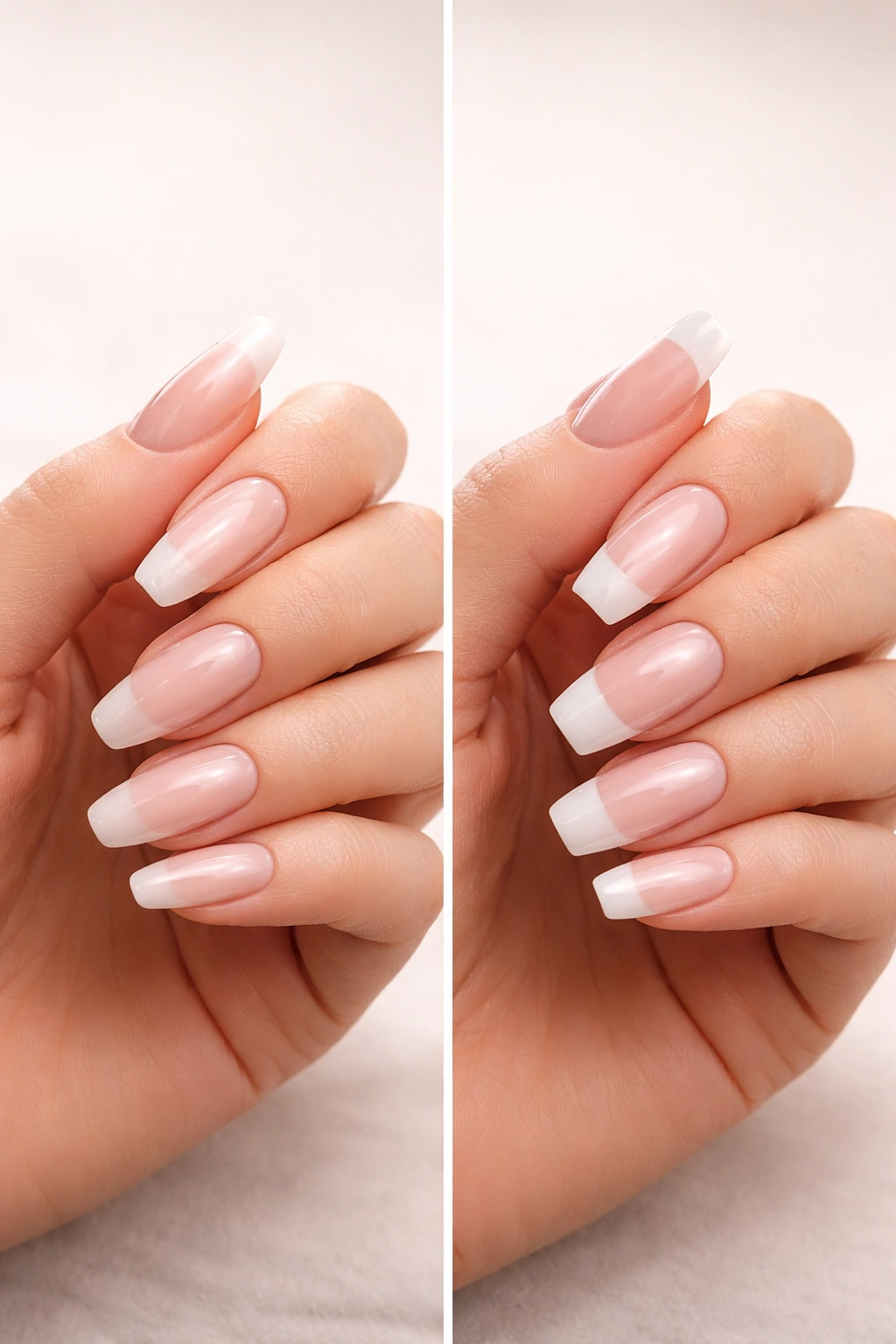
The tactile experience of wearing nail enhancements varies dramatically, and this is often the deciding factor for clients who’ve tried both systems.
Gel X feels lightweight and flexible. Because the tips are made of soft gel rather than rigid acrylic, they move slightly with your natural nail and don’t create that rigid, “plastic” sensation some people find uncomfortable. Many clients describe Gel X as feeling like an extension of their own nails rather than wearing artificial attachments. The tips don’t feel heavy, they don’t create pressure on the nail bed, and they allow for a more natural range of motion in the fingertip.
Acrylic feels firm and rigid. The hard structure provides stability and strength, but it’s noticeably different from how your natural nails feel. Some clients love this—the rigidity feels protective and strong. Others find it uncomfortable, especially if they’re used to flexible, natural nails. The weight is more noticeable, and some people experience mild pressure or adjustment discomfort for the first few days.
Interestingly, the “feel” question often comes down to psychology and habit. Clients who transition from natural nails to acrylic often notice the weight and rigidity initially, but after a few appointments, they stop noticing it and find the durability comforting. Similarly, Gel X feels natural immediately because it mimics the flexibility of real nails.
For clients with sensitive nail beds, thin nails, or anyone who’s experienced discomfort with acrylic in the past, Gel X’s lightweight construction is often revelatory. For clients who love the protective, sturdy feeling of strong nails, acrylic’s rigidity is actually a feature, not a bug.
Nail Health and Safety: Which Is Safer Long-Term?
This question generates strong opinions, but the evidence points to clear differences in how these systems affect your natural nails.
Neither system inherently damages healthy natural nails when applied and removed correctly. The damage that does occur—thinning, peeling, sensitivity, white patches, brittle nails—almost always comes from improper technique, not the enhancement type itself.
That said, Gel X has structural advantages for nail health. The soak-off removal process requires minimal filing, meaning your natural nail isn’t subjected to aggressive abrasion during removal. The soft gel formula typically contains fewer harsh chemicals like methyl methacrylate (a compound in acrylic monomers that can trigger allergic reactions in some people). Gel X also eliminates the risk of MMA-based acrylic products, which, though increasingly rare in professional salons, are known allergens and can cause severe nail damage.
Acrylic systems depend entirely on monomer choice. Professional salons use EMA monomer, which is safe when used properly. However, the application and removal processes involve more contact with chemicals and more aggressive filing. If your natural nails are already thin or compromised, the filing involved in prep and removal can cause additional stress.
The biggest factor affecting nail health across both systems is skin contact during application. Many gel systems contain acrylate ingredients that can cause contact dermatitis if they touch your skin repeatedly. Acrylic monomer can also cause sensitization through skin contact. A skilled technician keeps all products strictly on the nail plate and away from cuticles and surrounding skin, which prevents most issues.
Dermatologists and nail health experts generally recommend taking breaks between enhancement sets—whether Gel X or acrylic—to allow natural nails to breathe and recover. A few weeks every few months of wearing your natural nails strengthens them and prevents long-term weakening from any type of enhancement.
For clients with extremely sensitive skin, a history of allergic reactions to nail products, or those who prioritize maximum nail health, Gel X edges ahead due to fewer harsh chemicals and gentler removal. For clients who follow proper nail care habits and see a skilled technician, acrylic poses no significant health risk.
Strength and Performance for Different Lifestyles
What you actually do with your hands every day should influence your choice significantly.
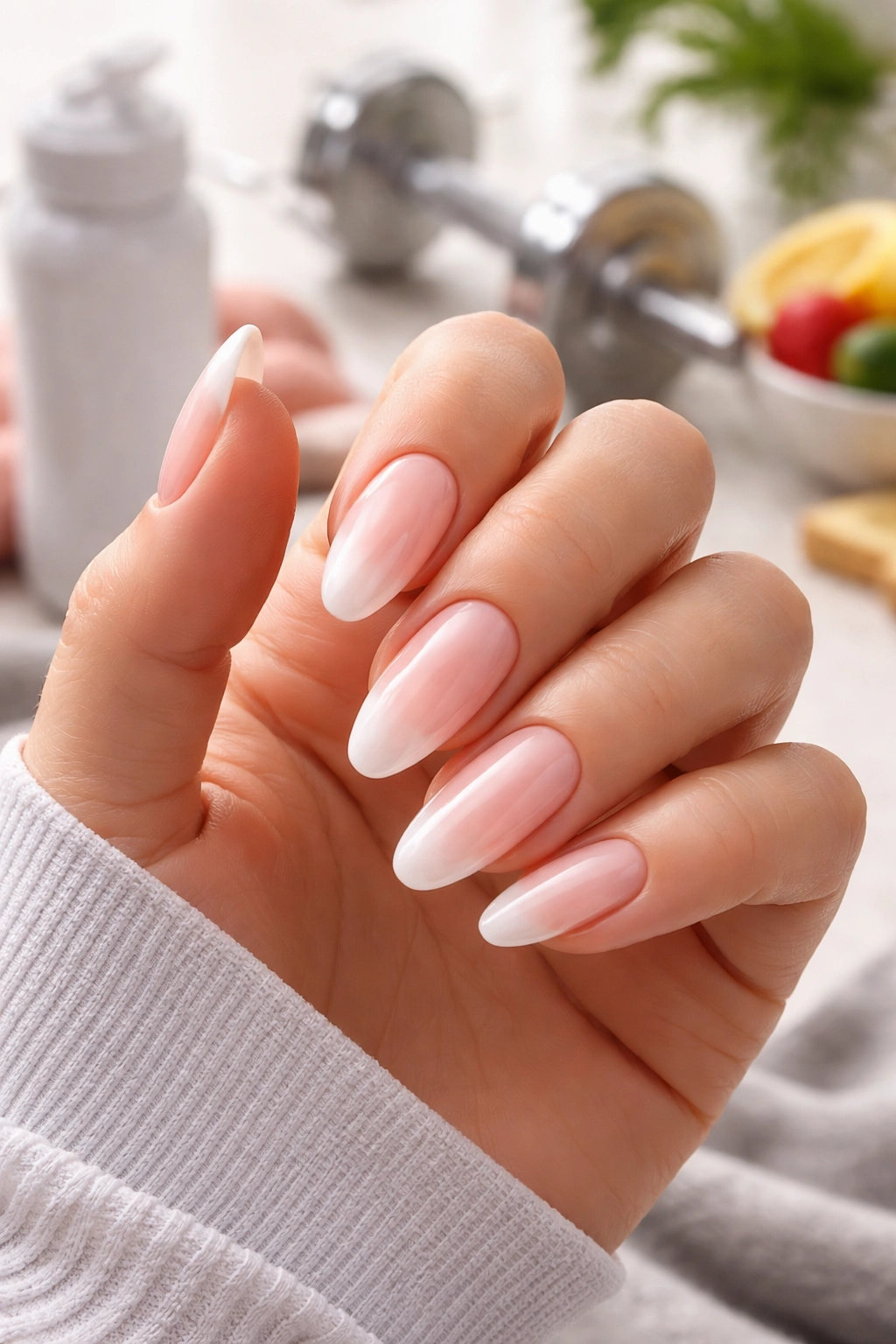
Acrylic nails are objectively stronger and more durable under pressure. If you type extensively, clean with harsh chemicals, do manual labor, work with your hands, or have an active lifestyle involving water exposure and physical impact, acrylic’s rigid structure will outperform Gel X. Acrylics can withstand pressure without lifting, resist breaking under impact, and maintain their integrity even when you’re genuinely rough on your hands.
Gel X nails are adequately strong for most daily activities, but they have limitations. If you’re typing, cooking, doing normal household tasks, and living a relatively calm, office-based lifestyle, Gel X will easily last weeks without problems. However, if you’re constantly immersed in water, doing heavy cleaning, playing sports, or using your hands aggressively, acrylic’s superior strength becomes relevant.
There’s an interesting flexibility advantage to Gel X in certain scenarios. Because the tips are slightly flexible rather than completely rigid, they’re less prone to complete breaks from direct impact. If you accidentally hit your nail against something hard, an acrylic nail might crack from the sudden stress, while a Gel X tip would flex slightly and potentially survive intact. So it’s not that Gel X is universally stronger—it’s that acrylic is stronger under sustained pressure, while Gel X is more forgiving under sudden impact.
For nail biters, clients with weak natural nails, or anyone whose natural nails break constantly, acrylic provides more reliable protection and durability because it creates a barrier over the vulnerable natural nail plate.
Versatility for Nail Art and Design
If you love intricate nail art, 3D designs, and creative styles, the enhancement system you choose actually impacts what’s possible.
Gel X excels at delicate, detailed nail art. Because the smooth gel surface is ideal for thin lines, intricate designs, and detailed work, artists can create beautiful, fine-lined designs with precision. Gel also cures under the lamp, which means the artist can set each layer and continue detailed work without the product hardening too quickly. Chrome finishes, gradient designs, hand-painted details, and sophisticated minimalist art all look stunning on Gel X’s smooth, thin surface.
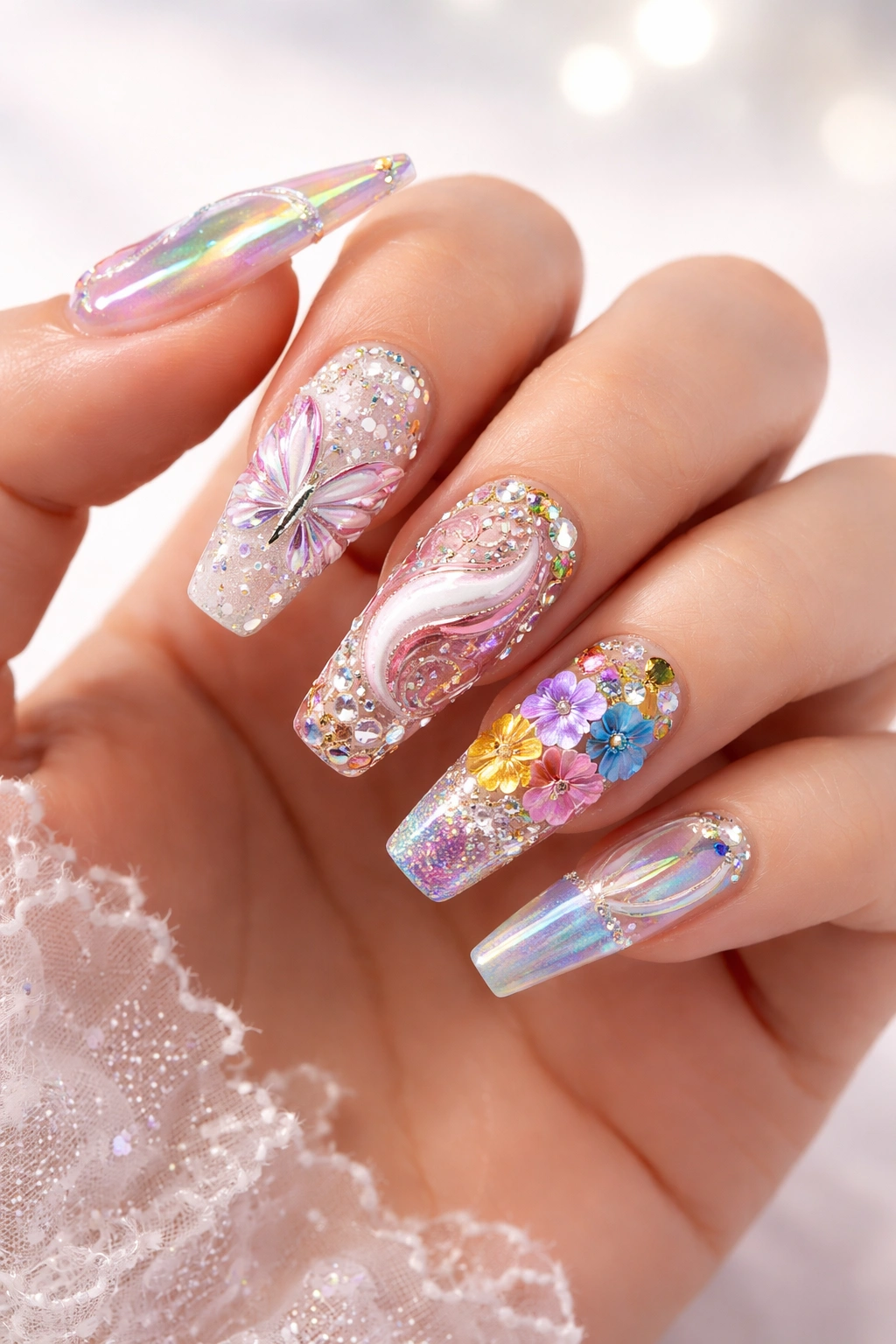
Acrylic is the workhorse for 3D and structural nail art. The rigid, sculptable nature of acrylic makes it perfect for dimension, texture, embedded gems or decorations, and structural designs that require a sturdy base. 3D flowers, architectural designs, textured art, and anything involving dimensional elements is often easier and more stable on acrylic. Because you can sculpt the base structure, add elements while it’s workable, and create height and dimension, acrylic offers design possibilities that gel systems simply can’t match.
Many talented nail artists actually use both systems strategically. They might apply Gel X tips and then use acrylic or builder gel to create 3D elements on top, combining the best of both worlds.
For clients who want delicate, sophisticated art, Gel X is ideal. For clients obsessed with statement designs, dramatic 3D nail art, or embellished styles, acrylic’s structural versatility is indispensable.
Application Speed and Salon Time
How much time you spend in the chair matters, especially if you have a busy schedule.
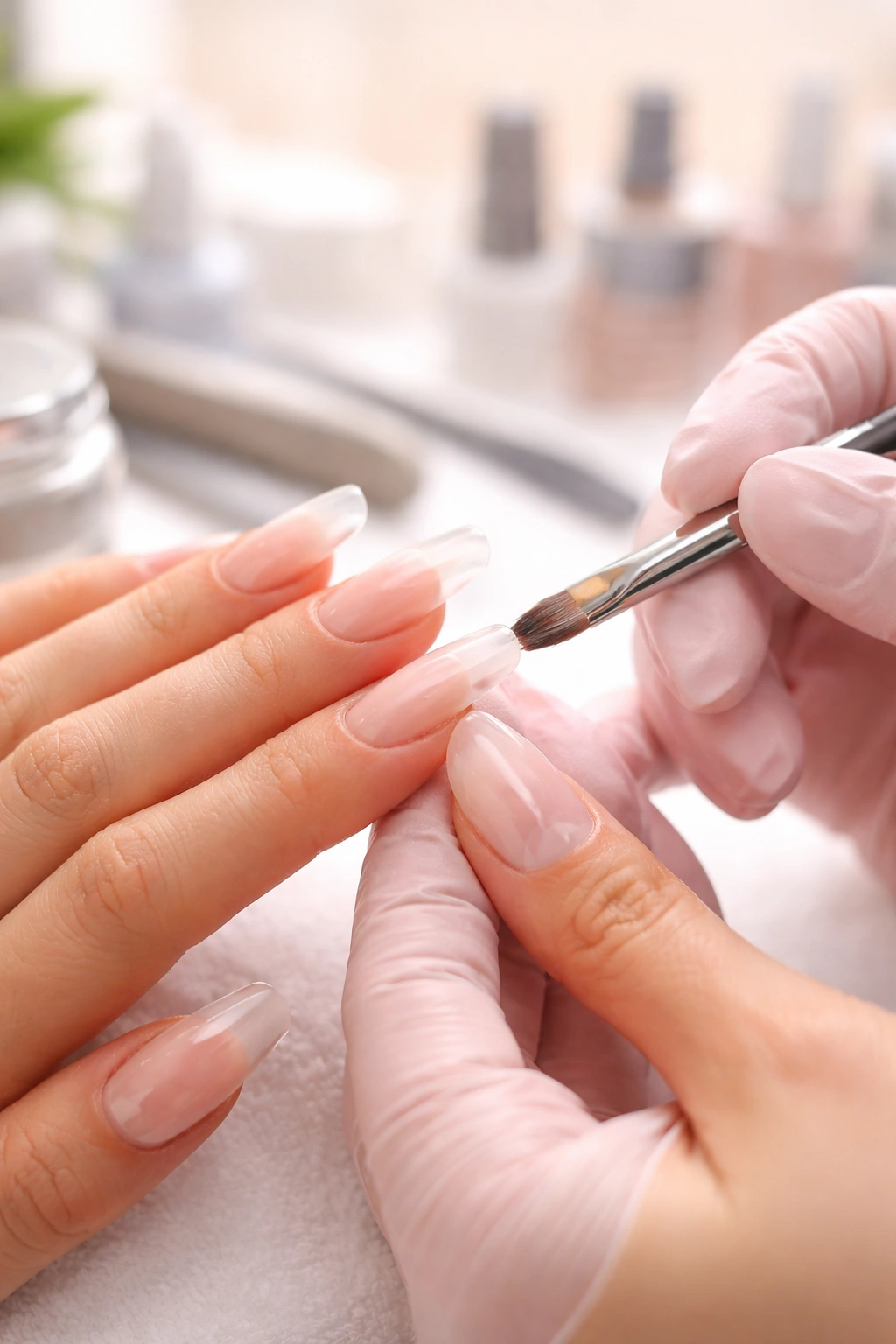
Gel X application is significantly faster. Once a technician knows your sizing and preferences, they can typically complete a full set in 45 to 60 minutes. The process is streamlined: prep, apply tips, cure, finish. Because there’s no sculpting or shaping, variables are minimized and the workflow is repeatable and quick.
Acrylic application takes longer. Most full acrylic sets require 90 to 120 minutes, sometimes more if you want complex designs or custom nail shapes. Every nail must be individually sculpted, shaped, and refined. Clients with very long desired lengths, unusual nail shapes, or those wanting extensive custom work might spend even longer in the chair.
If you value your time and want a quick appointment, Gel X is objectively the faster choice. Many salons even offer expedited acrylic appointments for returning clients (around 60 to 75 minutes) once they know your preferences, but they’re not typically as quick as Gel X.
The Salon Experience: Smell, Sensations, and Comfort

Beyond the technical differences, the actual salon experience of getting Gel X versus acrylic is noticeably different.
Gel X salons are quieter, odorless, and smell-free. Because there’s no monomer, no powder mixing, and no aggressive filing, the salon environment feels calm. There’s minimal dust, no chemical smell, and the overall sensory experience is pleasant and relaxing. This makes Gel X particularly appealing to clients sensitive to smells, those with chemical sensitivities, or anyone who finds the typical nail salon environment overwhelming.
Acrylic salons involve active work, sound, and smell. The monomer odor is noticeable—it’s not dangerous in a properly ventilated salon, but it’s present and can be strong. There’s the sound of electric files, the motion of the technician actively working, and visible dust from buffing and filing. For some clients, this bustling energy is part of the salon experience they enjoy. For others, it’s the reason they’ve switched to Gel X.
If sensory experience influences your comfort level, Gel X creates a noticeably more peaceful salon environment. This might seem like a small detail, but for clients who get regular manicures, the weekly or bi-weekly salon experience matters more than you’d think.
Who Should Choose Gel X Nails
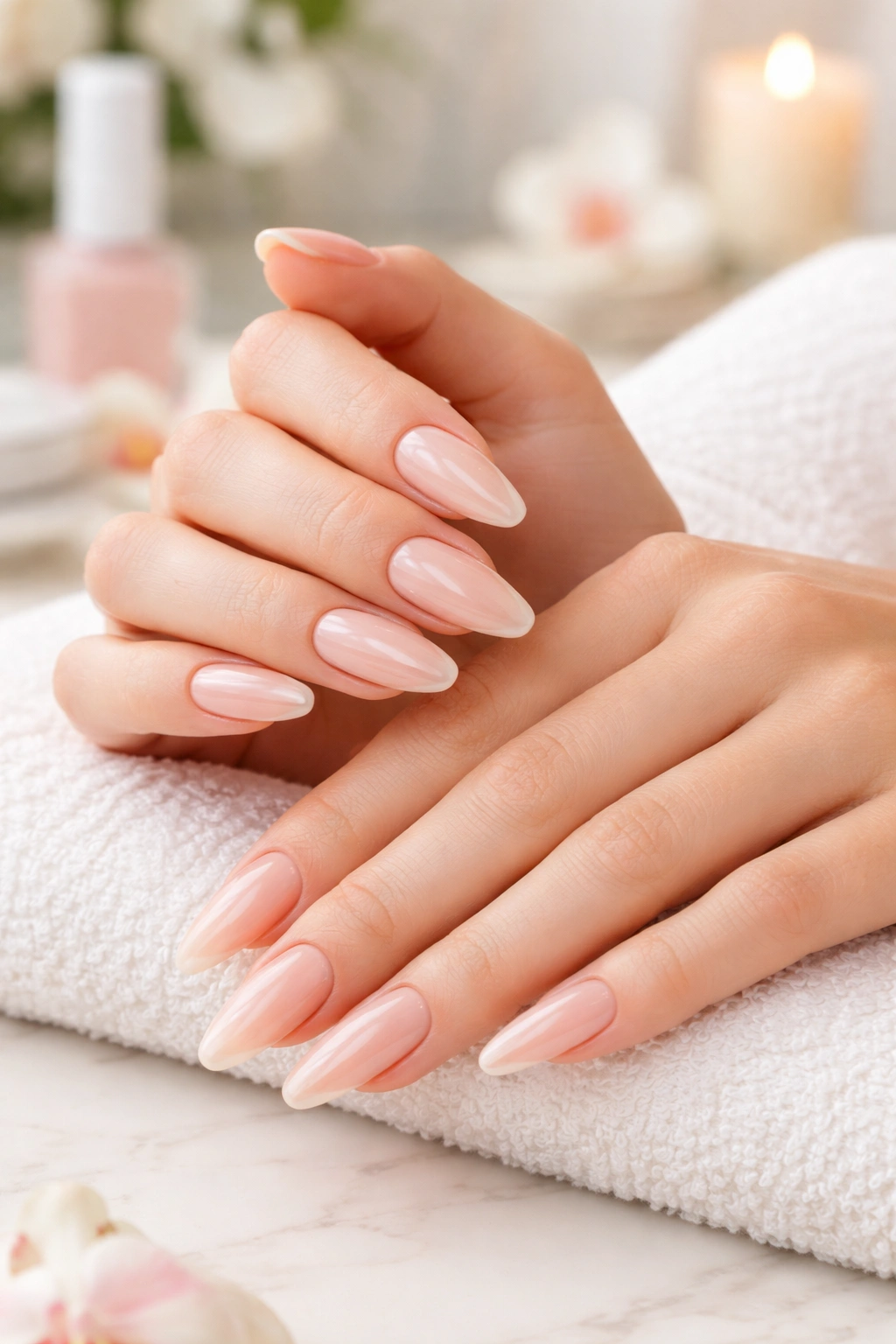
Gel X is the right choice if:
You want nails that look like natural nails, just longer and perfect. You value a lightweight, comfortable feel and don’t want to notice you’re wearing enhancements. You prefer quick salon appointments and want to minimize time in the chair. You’re concerned about chemical exposure or have had allergic reactions to acrylic products in the past. You like changing your nail style frequently without commitment. You have weak or thin natural nails and want a gentler option. You’re sensitive to smells and prefer a quiet, odor-free salon environment. You want a faster, less aggressive removal process that’s gentle on your natural nails. You have an office job or calm lifestyle without heavy hand use.
Gel X also appeals to clients who appreciate modern innovation and want to try the latest technology. It’s increasingly popular among people who prioritize nail health and sustainability.
Who Should Choose Acrylic Nails
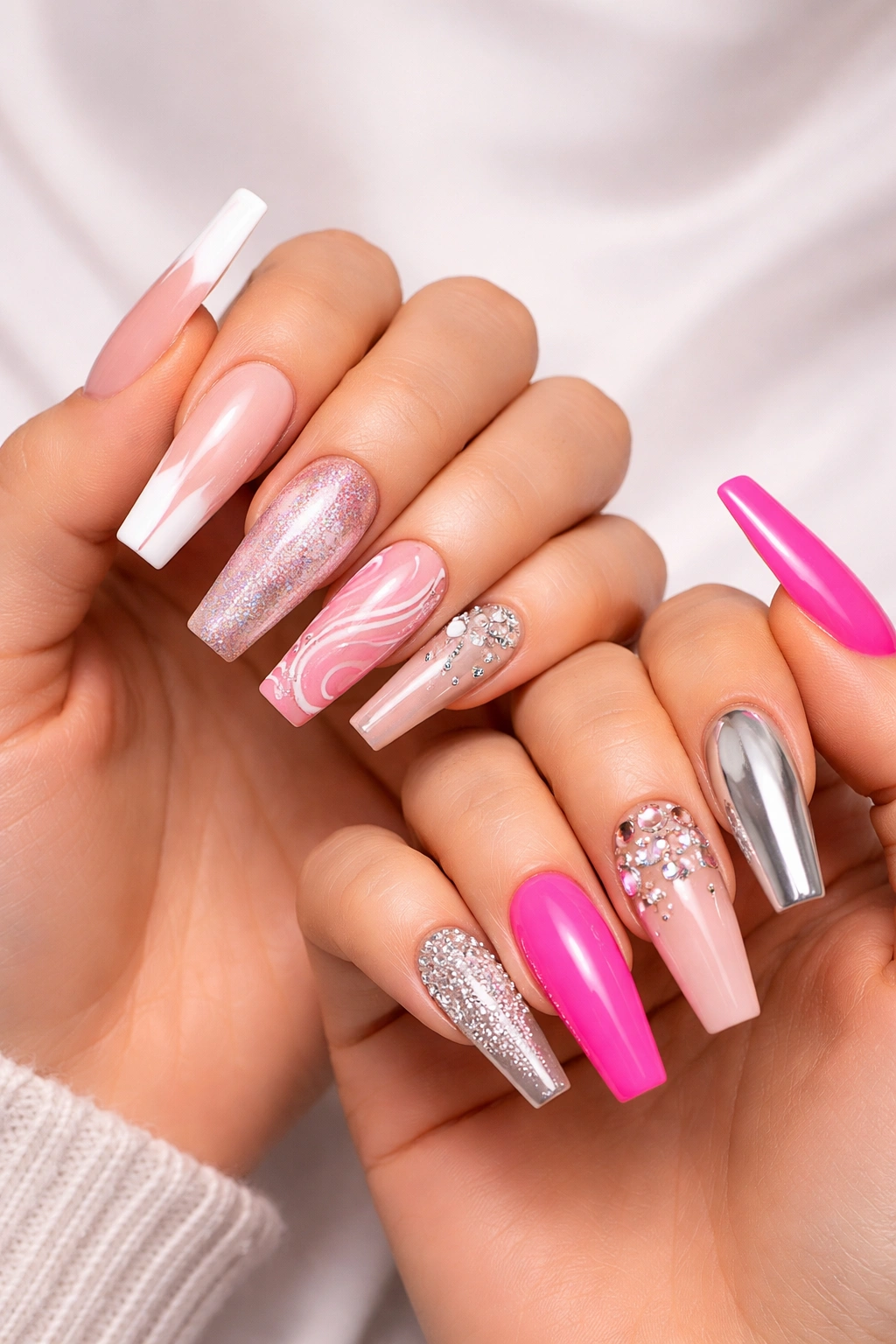
Acrylic is the right choice if:
You need maximum durability and strength to handle an active lifestyle, physical work, or heavy hand use. You want nails that can last longer between appointments with fill options rather than full replacements. You’re interested in long-term cost savings since acrylics are cheaper per service and allow fills. You love bold, dramatic nail designs, 3D nail art, and sculptural styles. You want customizable nails tailored precisely to your natural nail shape and unique needs. You prefer a traditional, time-tested enhancement system with decades of proven results. You don’t mind spending more time in the chair and enjoy the traditional salon experience. You want nails that feel strong and protective. You’re experienced with acrylic and comfortable with the removal process.
Acrylic also appeals to clients who’ve worn them for years and prefer the familiar feel, and those whose lifestyle or work requires the absolute strongest possible nails.
Making Your Final Decision
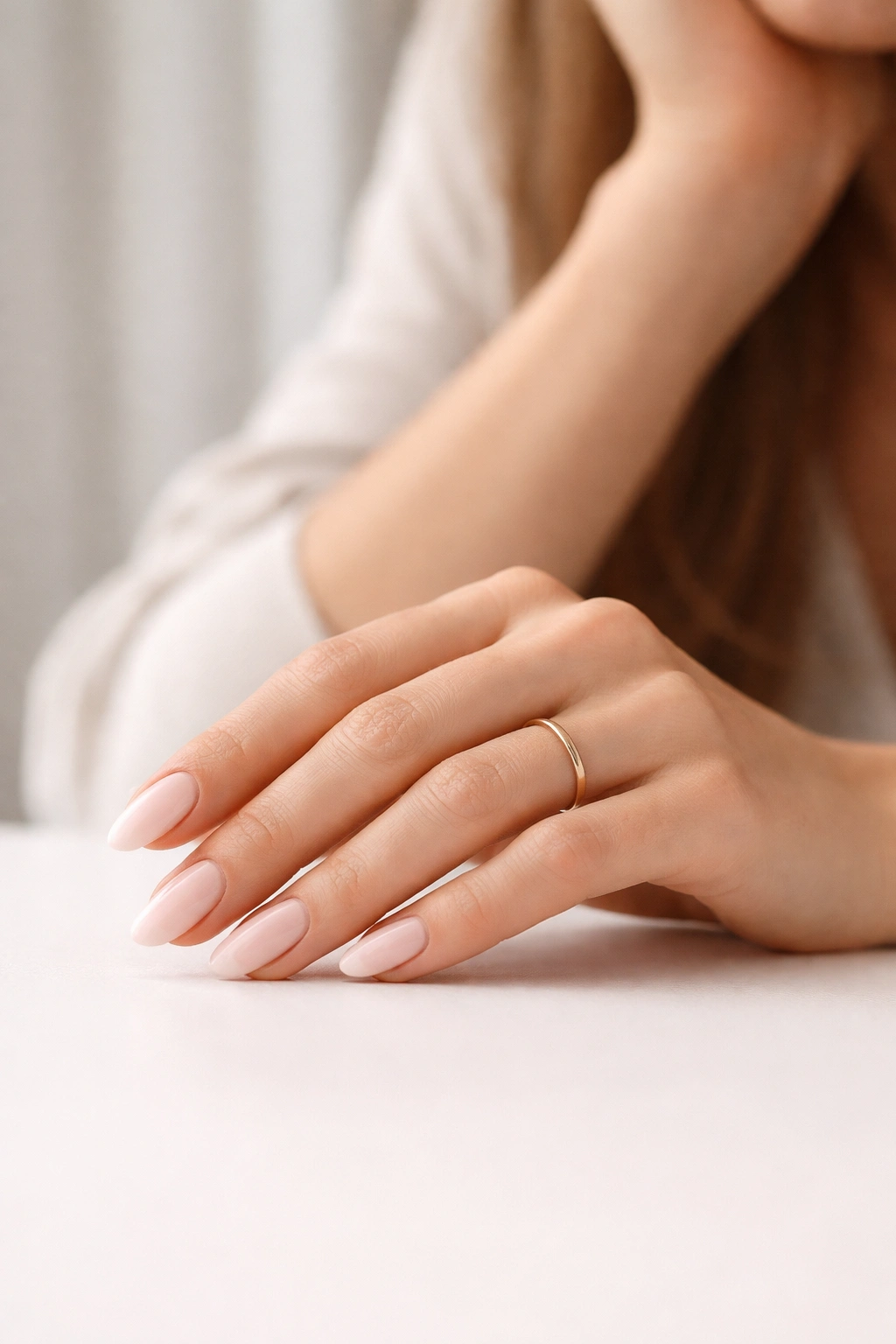
The truth is that there’s no universally “better” option—only the better choice for your unique hands, lifestyle, and preferences.
Start by honestly assessing your daily life. How much do you use your hands? Are you constantly in water, typing, cleaning, or doing physical work? Or do you have a calm, office-based lifestyle where your nails are mostly aesthetic? How much time do you have for salon appointments, and how important is quick application? What’s your budget, and do you prefer spreading cost over time with fills or paying more per appointment for full sets?
Then consider what matters aesthetically. Do you want nails that disappear and read as “your nails but better,” or do you want your nails to make a statement? Are you drawn to delicate, detailed designs or bold 3D art? Do you want to change your style frequently?
It’s also completely reasonable to try both systems. Book a Gel X appointment, wear them for three weeks, notice how they feel, how long they last, and whether you love or dislike the experience. Then try acrylic and compare directly. Many clients discover their preference through experimentation rather than speculation.
Final Thoughts
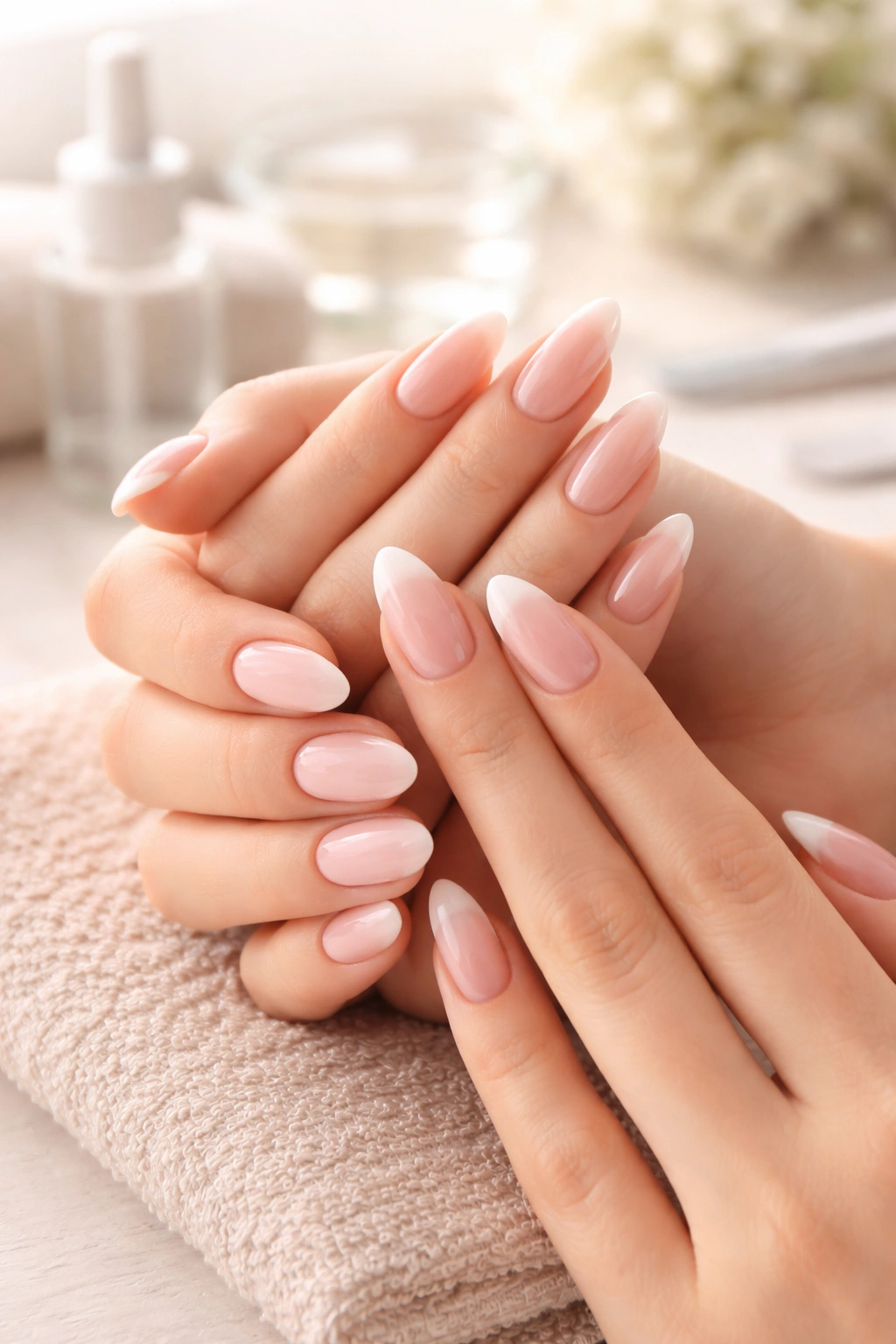
Gel X and acrylic represent two fundamentally different philosophies about nail enhancements. Gel X says: “Let’s make your nails look like themselves, just longer and perfect, with a comfortable, modern experience.” Acrylic says: “Let me sculpt something strong, durable, and customized specifically for your hands, with the versatility to evolve and maintain over time.”
Both deliver beautiful results when applied by a skilled technician. Both can be worn safely long-term when removed correctly. Both have genuine advantages depending on what you value.
The best enhancement system isn’t the one that wins in a theoretical comparison—it’s the one that aligns with how you actually live, what you actually need, and what makes you feel confident and comfortable. Pay attention to how your nails feel on your hands, how long they genuinely last in your daily life, what you like about the salon experience, and how your natural nails look and feel after removal.
Your nails are with you every single day. They’re visible in every interaction and activity. Taking time to choose the right enhancement system—one that genuinely fits your life rather than what someone else recommends—is an investment in feeling great about your hands for weeks at a time.