


Choosing between acrylic and gel nails can feel overwhelming when you’re sitting in the salon chair, trying to decide which option will work best for you. Both manicure types offer gorgeous, long-lasting results that blow regular nail polish out of the water, but they’re not interchangeable.
The main distinction comes down to the materials and how they’re applied. Acrylic nails use a combination of liquid monomer and powder polymer that hardens when exposed to air, creating a thick protective layer over your natural nails. Gel nails, on the other hand, involve a gel-based resin that’s painted onto your nails and cured under UV or LED light.
Understanding these differences matters because the right choice depends on your lifestyle, nail health, budget, and the look you’re going for. Let’s break down everything you need to know so you can walk into your next appointment with confidence.
Understanding Acrylic Nails
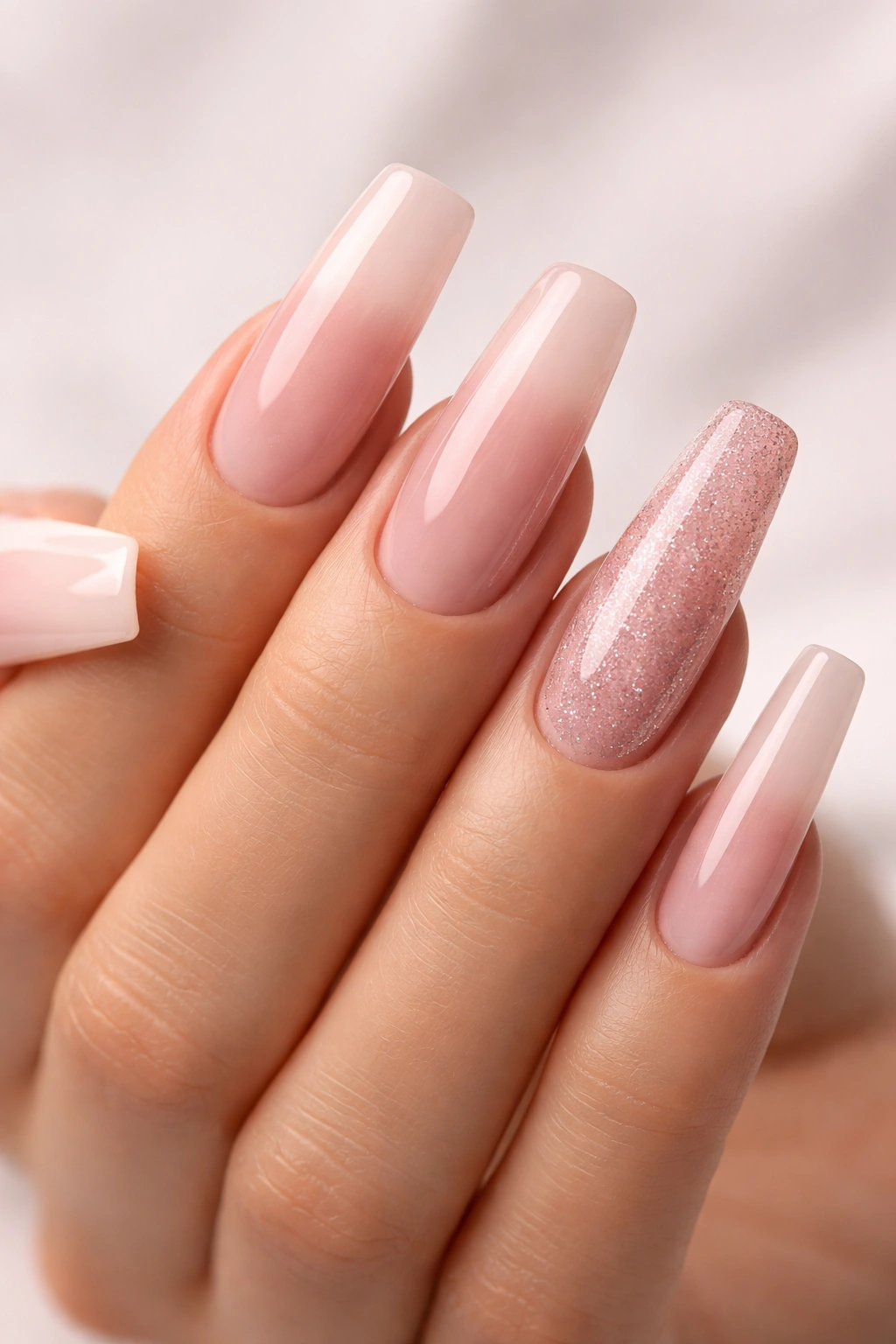
Acrylic nails have been a salon staple for decades, beloved for their incredible strength and versatility. The manicurist creates them by mixing a liquid monomer with a powder polymer to form a paste-like substance.
This mixture gets applied directly onto your natural nails or over nail tips to create extensions. The magic happens when the paste hits the air and starts hardening immediately, which is why your nail tech has to work quickly during application.
The result is a thick, durable shell that can be filed and shaped into virtually any length or style you can imagine. From short and natural-looking to dramatic stiletto shapes covered in crystals, acrylics can handle it all.
Think of acrylics as the sturdy, protective armor for your nails. They’re built to withstand daily wear and tear without breaking or chipping easily.
How Gel Nails Work
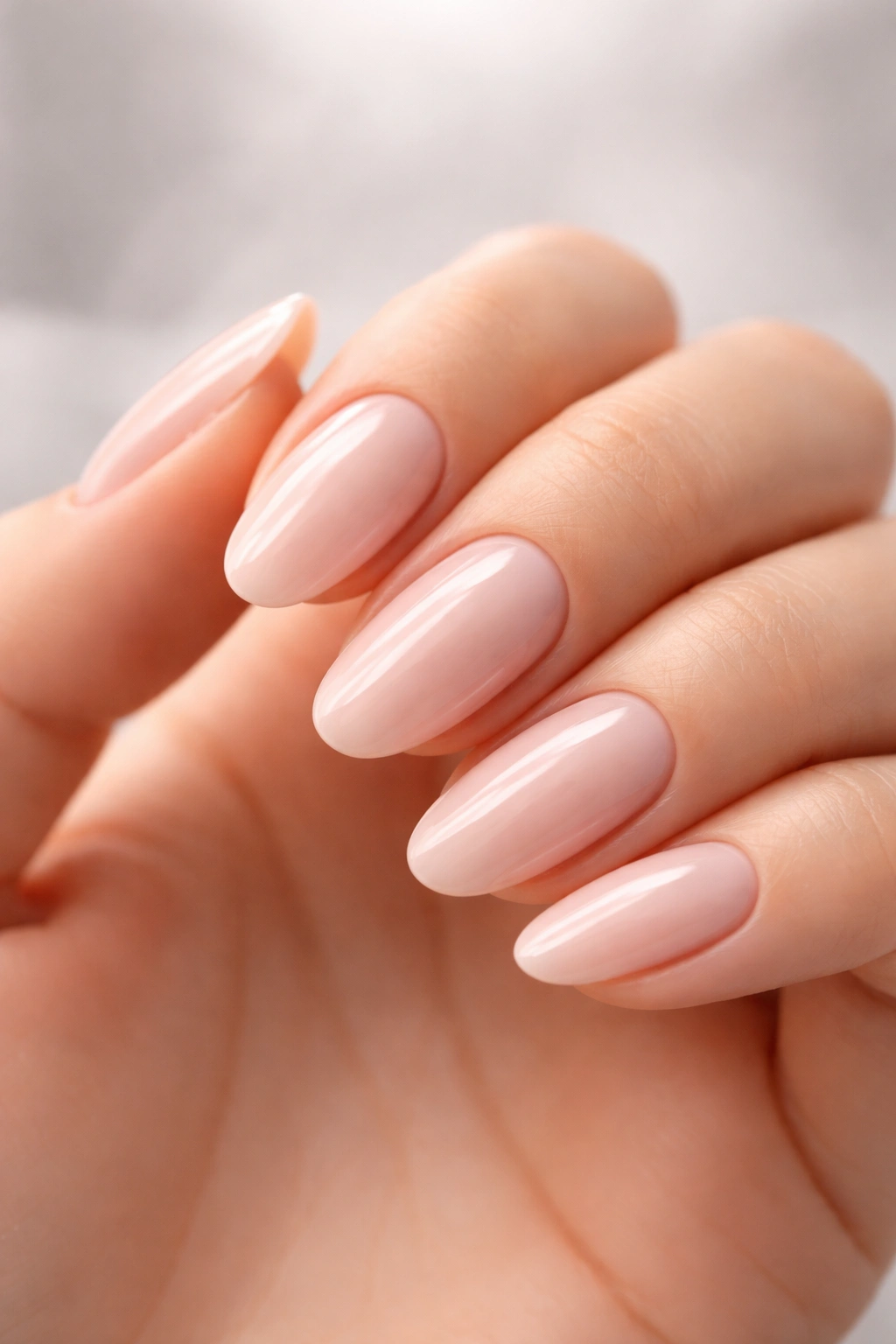
Gel nails come in two main varieties: soft gel polish and hard gel extensions. Soft gel polish (sometimes called Shellac, which is actually a brand name) is the more common type you’ll find at most salons.
With soft gel polish, your nail tech paints layers of gel directly onto your natural nails, similar to regular polish. Each layer gets cured under a UV or LED lamp for 30 to 60 seconds, transforming the liquid gel into a solid, glossy coating.
Hard gel works differently—it’s thicker and used to build out nail extensions or add structure to weak nails. Like soft gel, it requires UV or LED light to cure and harden properly.
The curing process is what sets gel nails apart from acrylics. Without that light exposure, gel polish stays wet indefinitely, giving you plenty of time to fix mistakes before curing.
The Application Process Explained
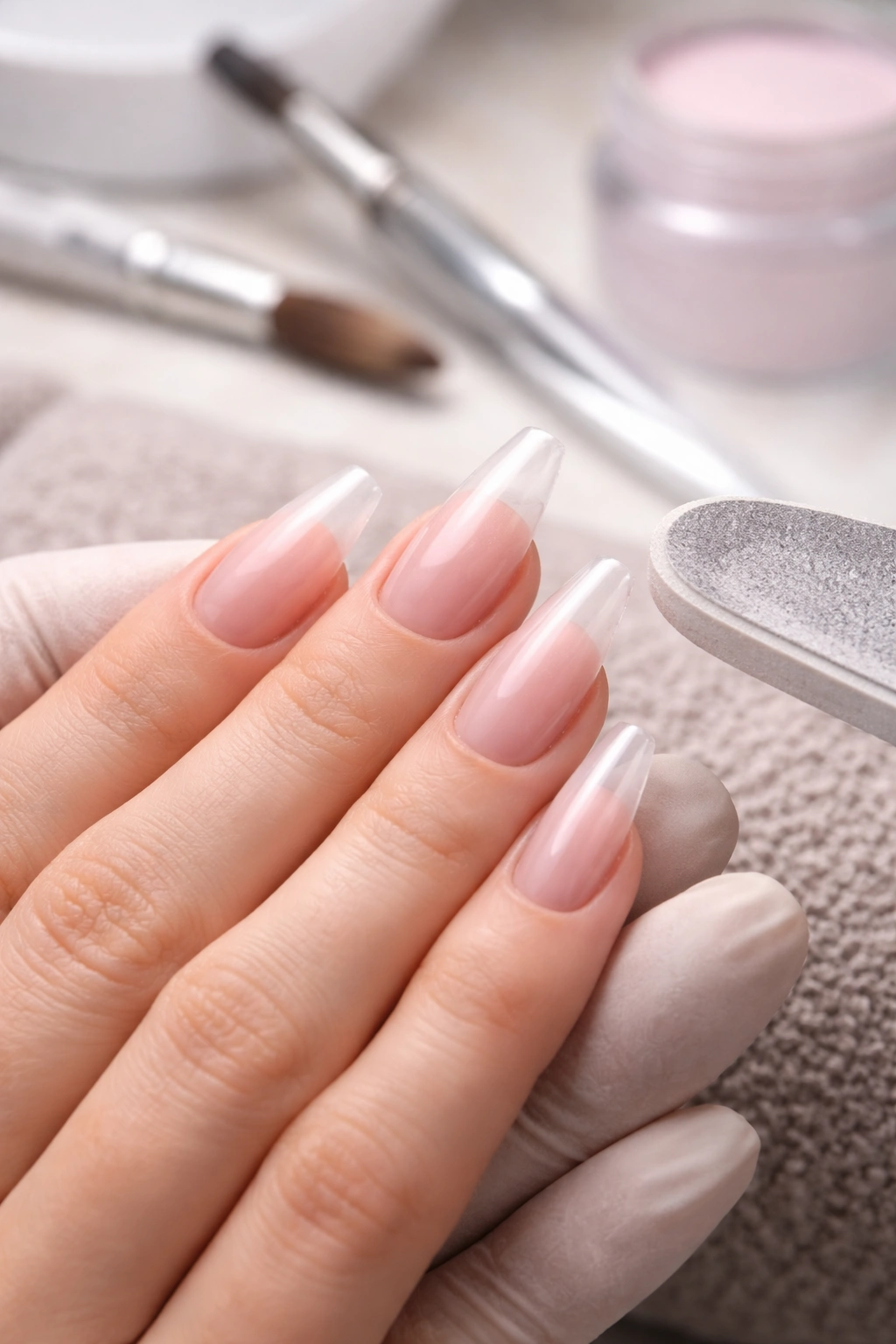
Getting acrylic nails takes considerably more time than a gel manicure. You’re looking at anywhere from 60 minutes to over two hours for a full acrylic set, depending on the complexity of your design.
The process starts with nail prep—cleaning, buffing, and filing your natural nails to create a rough surface for better adhesion. Your nail tech then applies either tips or forms to extend the length before mixing the acrylic and sculpting it onto each nail.
Once the acrylic hardens, it’s filed and shaped to perfection. The filing process can be intense, with lots of buffing to smooth out the surface and create your desired shape.
Gel manicures move much faster, usually wrapping up in 30 to 45 minutes. After the same basic nail prep, your technician applies a base coat, two coats of gel color, and a top coat—curing each layer under the lamp as they go.
There’s no mixing, no sculpting, and no heavy filing involved with gel polish. It’s a more straightforward painting process that feels familiar if you’re used to regular manicures.
Durability and Strength Comparison
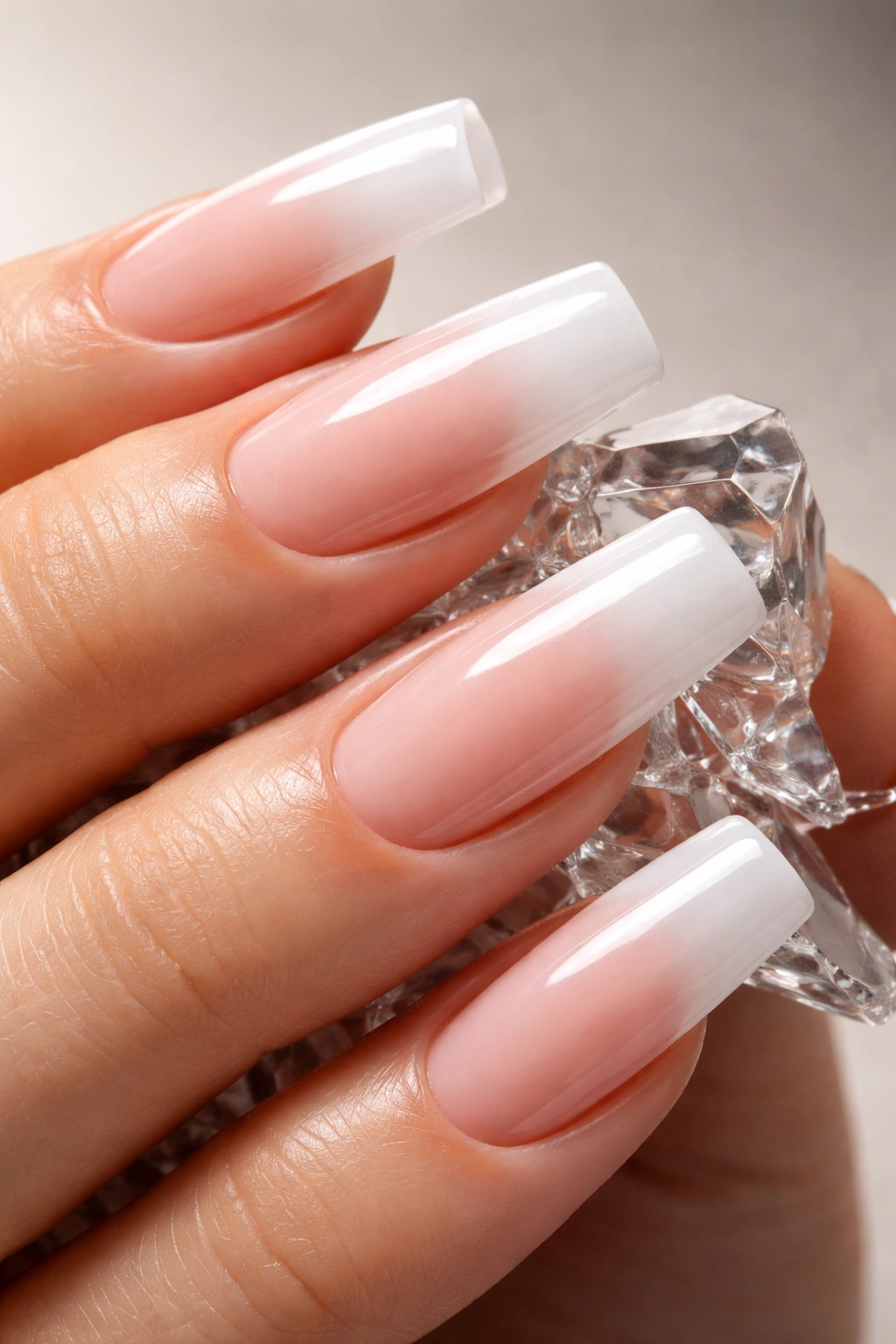
When it comes to sheer strength, acrylic nails win hands down. They’re incredibly hard and resistant to breaking, chipping, or cracking, even when you’re rough on your hands.
The rigid structure of acrylics makes them ideal if you work with your hands, have a habit of picking at your nails, or just want something that can handle a beating. They can last three to four weeks before you need a fill.
Gel nails offer decent durability but can’t quite match acrylics in the strength department. Soft gel polish tends to chip more easily, especially around the tips, though it still outlasts regular polish by miles.
Hard gel extensions are tougher than soft gel polish and can last three to four weeks like acrylics. The difference is that gel has more flexibility, making it slightly more prone to bending or flexing under pressure.
That flexibility isn’t necessarily a bad thing, though. Some people prefer it because it feels more natural and puts less stress on the nail bed.
Natural Look vs. Bold Statement
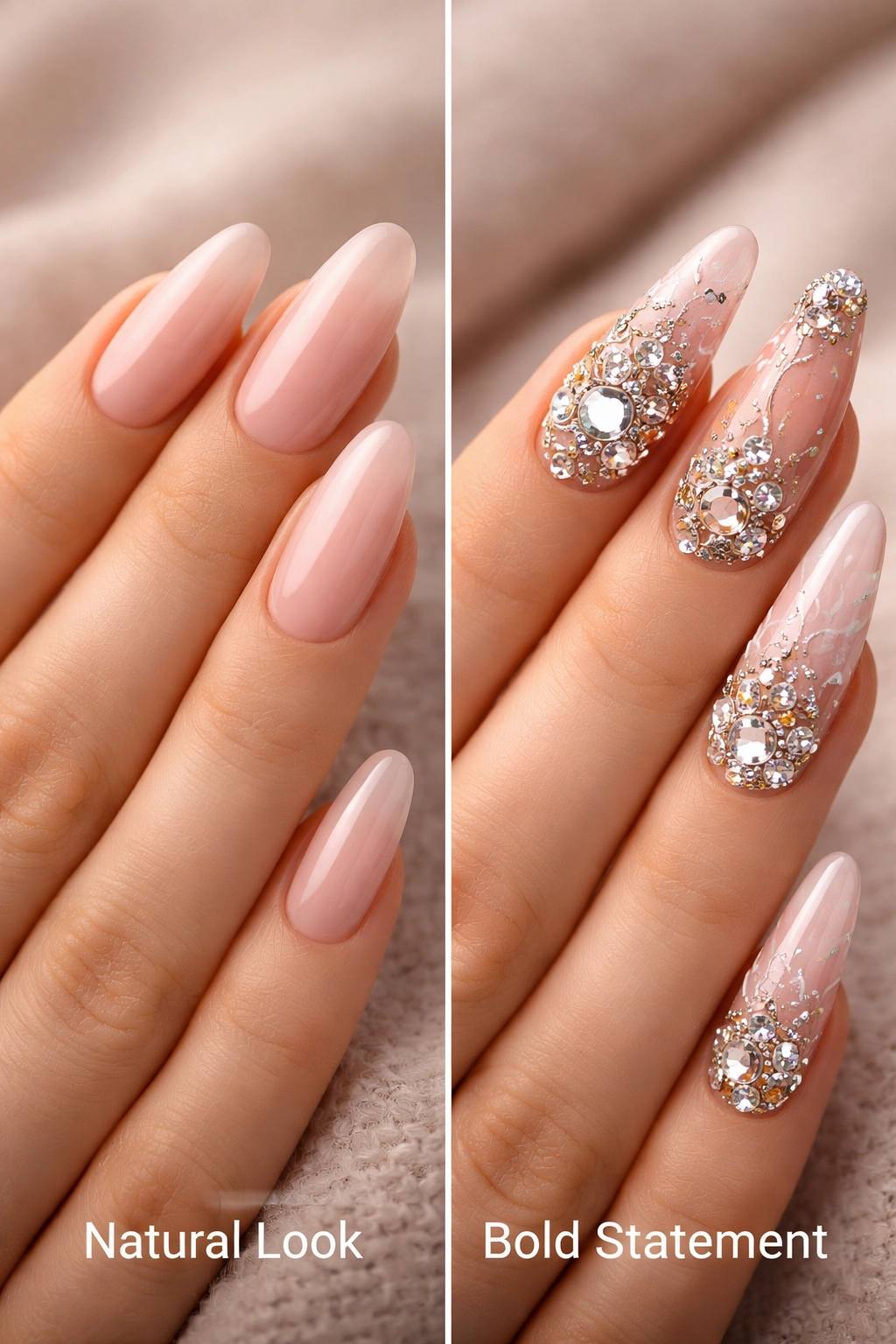
Gel nails take the crown for natural appearance. The thin layers create a finish that closely mimics the look and feel of healthy natural nails, just shinier and more polished.
The glossy finish on gel nails is gorgeous right out of the gate—no buffing or additional top coats needed. They reflect light beautifully and maintain that fresh-from-the-salon shine throughout their wear time.
If you want nails that look like “your nails but better,” gel polish is your friend. The thinner application means they feel lighter and less noticeable on your fingers.
Acrylic nails tend to look and feel thicker, which can make them appear more artificial. They’re bulkier by nature because of the layering process involved in building them up.
That thickness isn’t a flaw, though—it’s part of what makes acrylics perfect for dramatic nail art. The solid surface gives nail artists a sturdy canvas for 3D designs, gems, chains, and intricate hand-painted details that would be difficult to achieve with gel polish.
Cost and Budget Considerations

Your wallet will definitely notice the difference between these two options. Acrylic nails generally cost less upfront than gel extensions, making them more accessible if you’re on a tighter budget.
A full set of acrylic nails typically runs between $25 and $50 at most salons, with fills costing $15 to $30. The price varies based on your location, the salon’s reputation, and any nail art you add.
Gel manicures with soft gel polish are usually priced between $30 and $65, depending on where you live. The cost stays relatively consistent each visit since gel polish requires complete removal and reapplication rather than fills.
Hard gel extensions or gel-acrylic hybrid treatments push the price higher, often ranging from $40 to $80 or more for a full set. The specialized products and equipment required drive up the cost.
Keep in mind that both types require regular maintenance appointments every two to three weeks. Those costs add up over time, so factor that into your decision if you’re planning to maintain enhanced nails long-term.
Maintenance Requirements
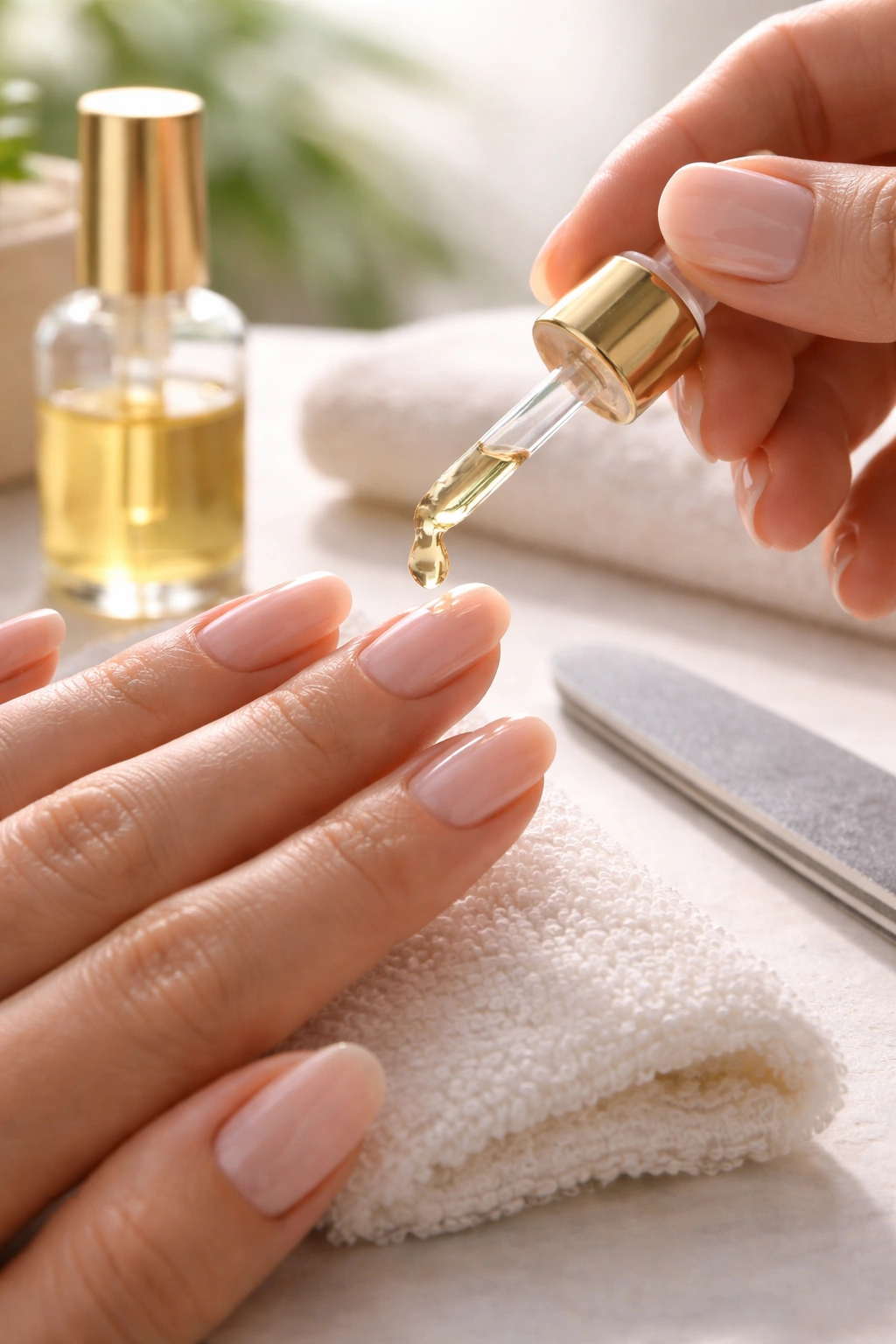
Both acrylic and gel nails need some TLC to keep them looking fresh between salon visits. The basics are the same: keep your nails clean and dry, moisturize your cuticles regularly, and avoid using your nails as tools.
Wearing gloves when you’re doing dishes, cleaning with harsh chemicals, or gardening helps protect your manicure from premature damage. This applies to both types equally.
Acrylic nails require fills every two to three weeks as your natural nails grow out. During a fill appointment, your tech removes the grown-out section and adds fresh acrylic to the base to maintain a seamless look.
With proper fills, you can theoretically keep the same set of acrylic nails going indefinitely, though most professionals recommend taking a break every three months to assess your natural nail health.
Gel polish doesn’t offer the same fill option. Once your nails grow out and you can see that gap at the base, you’ll need to remove the entire manicure and start fresh with a new application.
Hard gel extensions can be filled like acrylics, which is a benefit if you want to maintain length without constant full removals.
The Removal Process
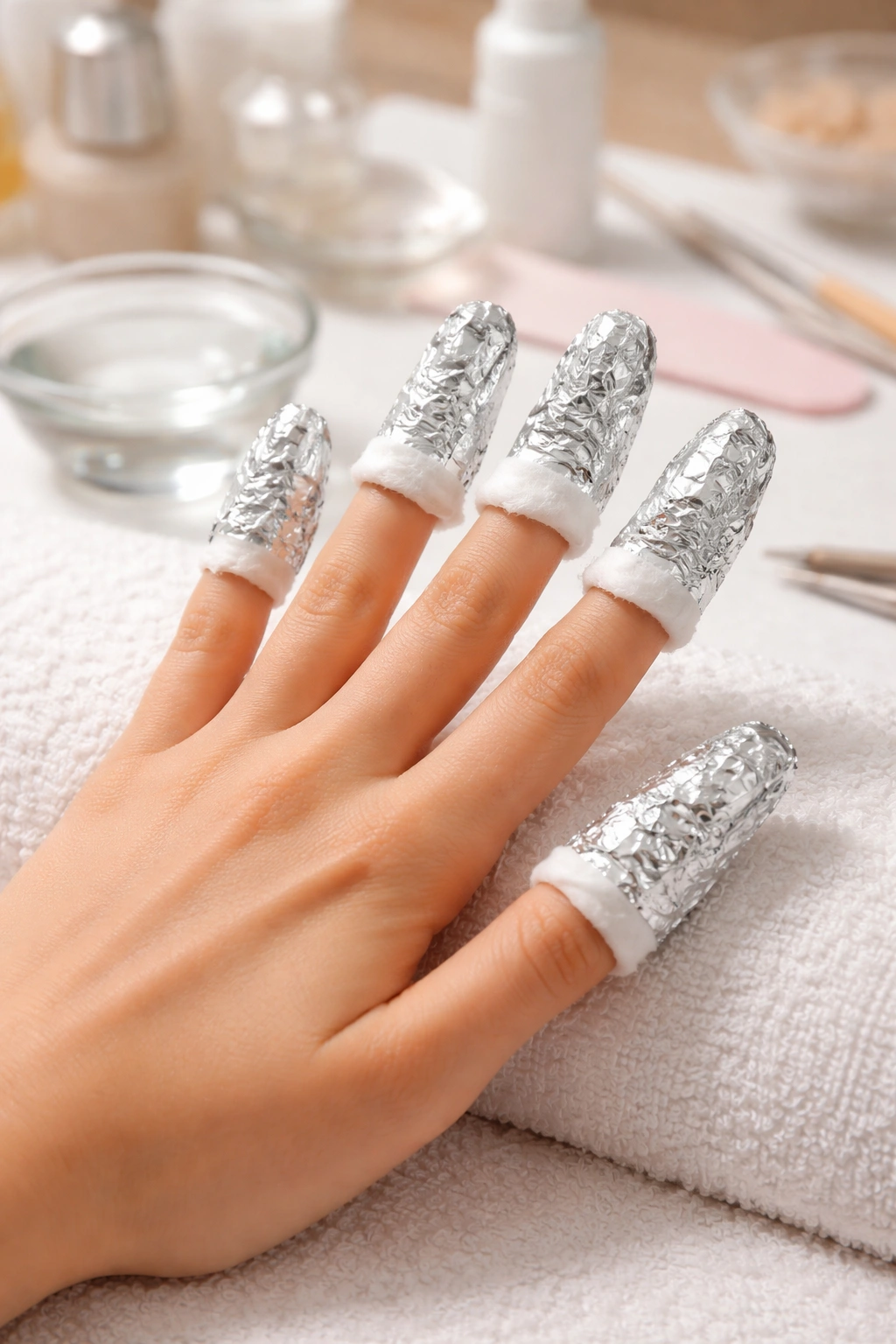
Removing acrylic nails requires patience and acetone—lots of acetone. Your nail tech will soak your nails in pure acetone for 15 to 30 minutes to soften the acrylic before gently scraping it off.
The process can feel long and isn’t particularly pleasant, but it’s necessary to avoid damaging your natural nails. Rushing removal or trying to pry off acrylics before they’re fully softened can cause serious damage.
After soaking, any remaining acrylic gets filed away carefully. The whole removal process usually takes 30 to 45 minutes at a salon.
Soft gel polish comes off more easily than acrylics. Acetone-soaked cotton balls are placed on each nail, wrapped in foil, and left for 10 to 15 minutes. The softened gel can then be gently pushed off.
Hard gel is the trickiest to remove because it’s non-porous and doesn’t break down with acetone. It has to be filed off completely, which takes time and skill to do without damaging the natural nail underneath.
Whatever you do, resist the temptation to peel or pick at either type of nail enhancement. That’s the fastest way to wreck your natural nails and end up with thin, damaged nail beds.
Impact on Natural Nail Health
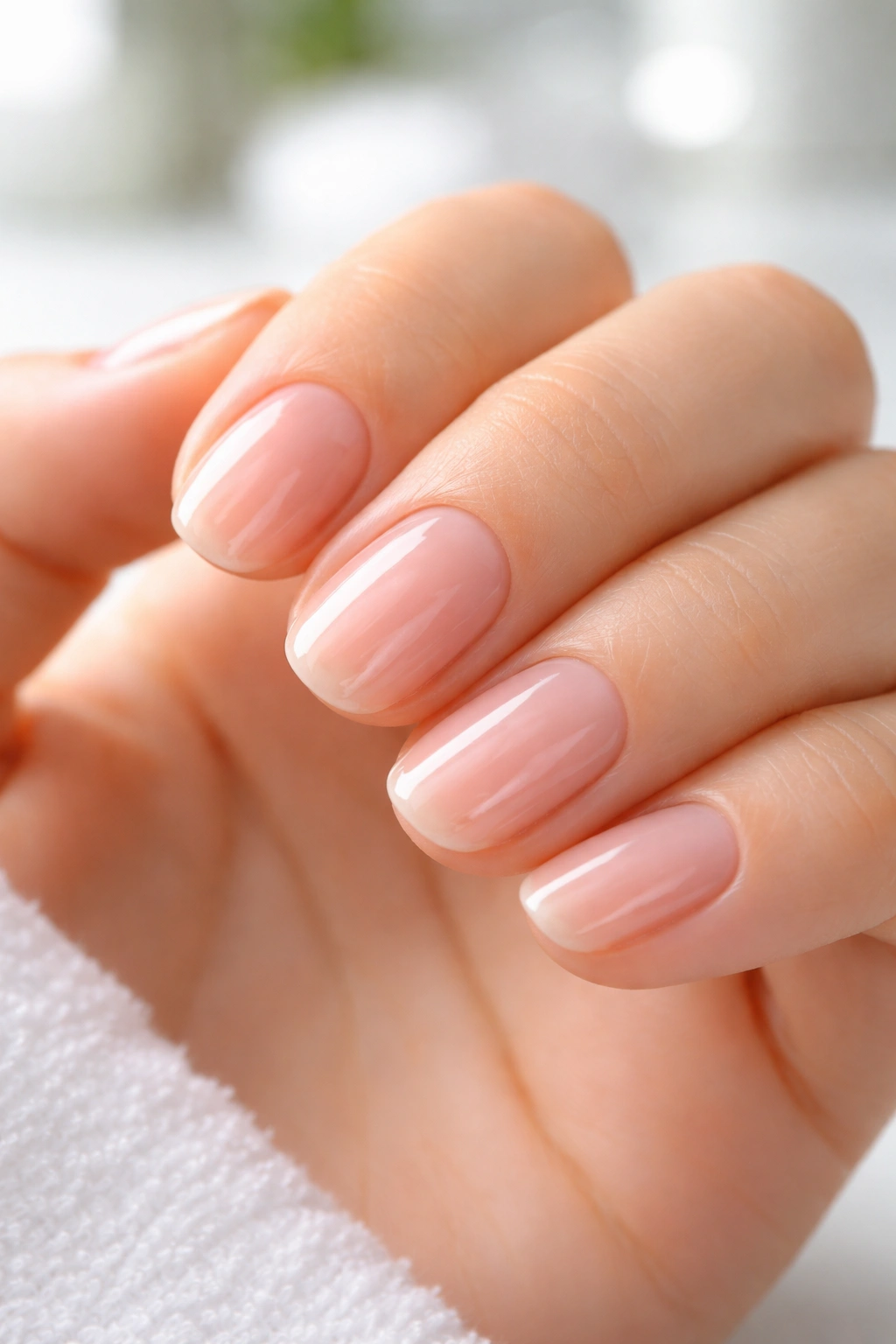
Here’s where gel nails have a clear advantage. They’re gentler on your natural nails during both application and removal, making them a better choice if nail health is your top priority.
Gel polish applies smoothly over lightly buffed nails without requiring aggressive filing of the nail surface. The thinner layers put less weight and pressure on your nail beds, reducing strain.
The main concern with gel nails is UV exposure during curing. While the risk is relatively low, repeated exposure can contribute to skin aging on your hands. Wearing fingerless gloves or sunscreen during application helps mitigate this.
Acrylic nails are harder on natural nails because the application requires more aggressive prep. Your nail surface gets filed down to create texture for the acrylic to grip, which thins the nail plate.
The weight of thick acrylic extensions can also stress your nail beds over time. If acrylics are applied too thickly or improperly, they can cause your natural nails to become weak, brittle, and prone to breakage.
The harsh chemicals in acrylic application can sometimes trigger allergic reactions in sensitive individuals. If you notice redness, swelling, or itching around your nails, that’s a sign to remove them immediately.
Best for Active Lifestyles

If you’re hard on your hands—working in healthcare, food service, childcare, or manual labor—acrylic nails hold up better to constant use and abuse. Their rigid strength means they won’t flex or bend when you’re performing physical tasks.
The downside is that their inflexibility means they’re more likely to crack or break completely if subjected to sudden impact. When an acrylic nail breaks, it can sometimes damage the natural nail underneath.
Athletes and people with very active hobbies often find acrylic nails too cumbersome. The added length and thickness can interfere with activities like rock climbing, playing guitar, typing, or putting in contact lenses.
Gel polish works better for active individuals who don’t want added length but still want durable color. The thin application doesn’t interfere with hand mobility or sensitivity.
Hard gel extensions offer a middle ground—they’re stronger than gel polish but more flexible than acrylics. That flexibility helps them absorb impact without breaking, though they’re still not as tough as acrylics.
Ideal for Special Occasions
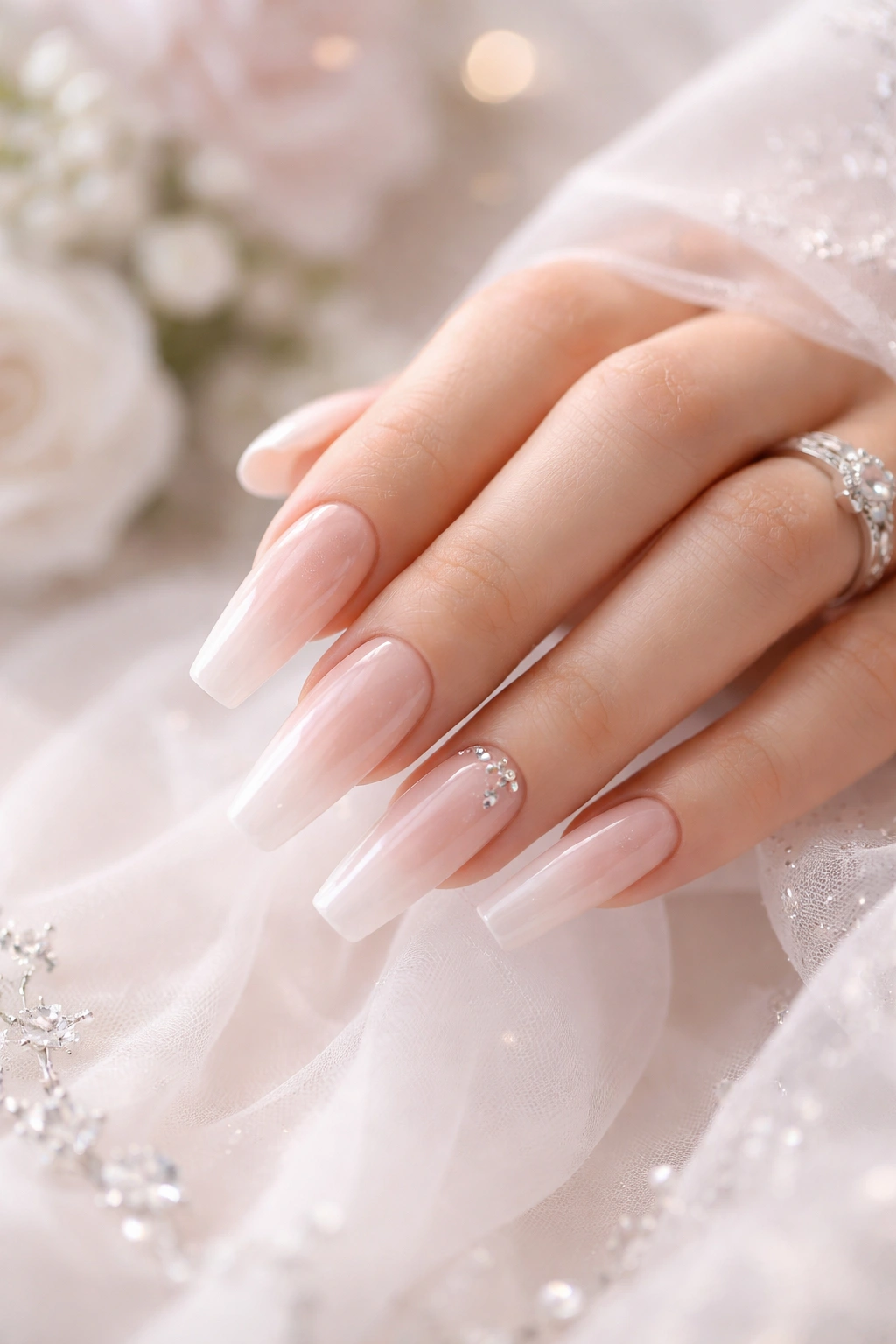
For weddings, vacations, photoshoots, or other special events where you want flawless nails for a specific timeframe, both options work beautifully. The choice comes down to the look you’re going for.
Gel polish is perfect for brides or anyone wanting an elegant, understated look that photographs well. The natural finish and glossy shine complement formal attire without screaming for attention.
The shorter wear time of gel polish (two to three weeks) works well for one-off events. You can remove it after the occasion without committing to months of maintenance.
Acrylic nails shine when you want to make a statement. If your vision involves long, sculpted nails adorned with intricate designs, crystals, or bold colors, acrylics give you that drama.
The extended wear time means acrylics are ideal for longer trips or destination weddings where you won’t have access to a nail salon for touch-ups. They’ll look fresh throughout your entire vacation.
When Weak Nails Need Protection
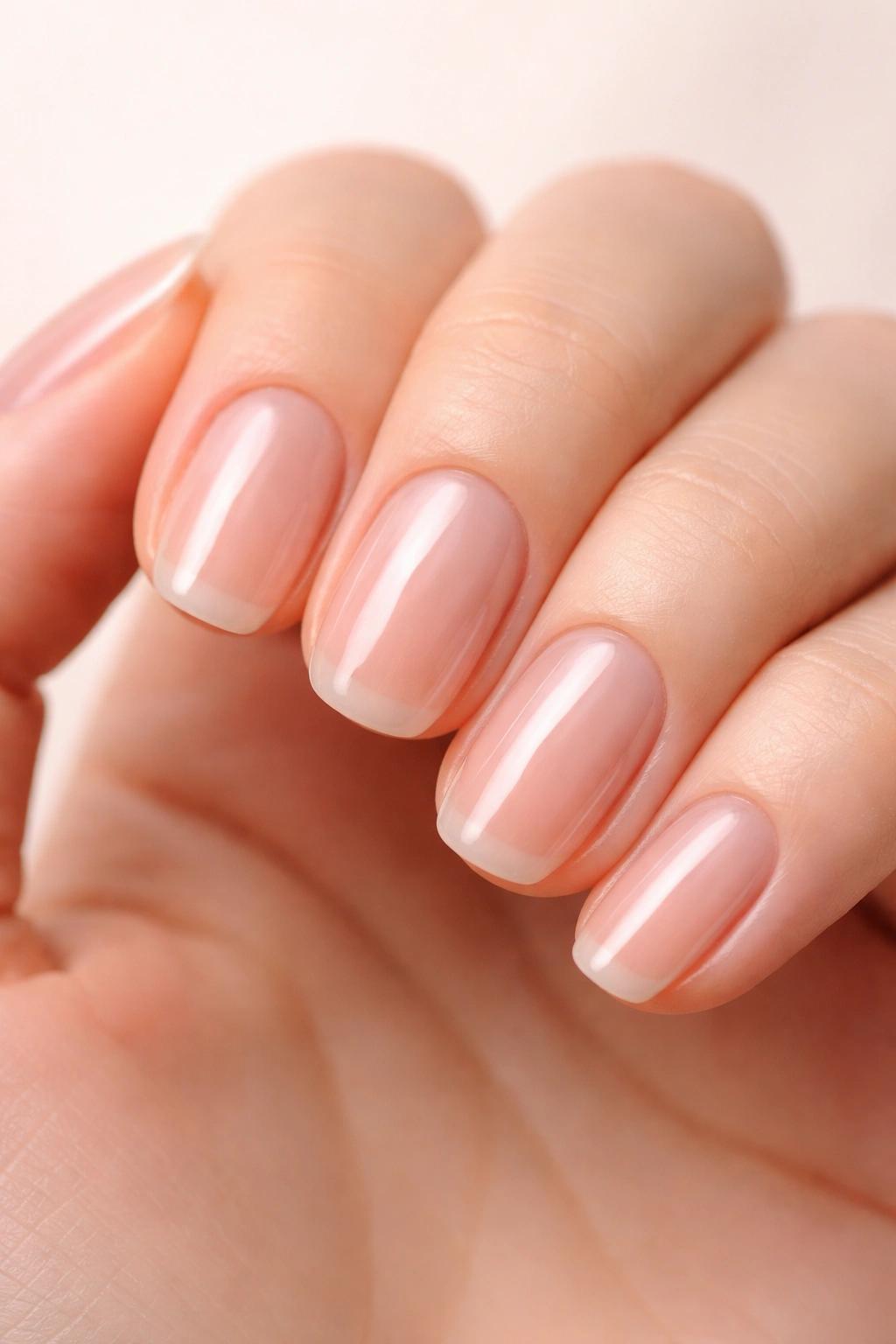
Weak, brittle nails that peel, split, or break easily need reinforcement—but choosing the wrong type can make the problem worse. Gel polish provides a protective coating that strengthens natural nails without overwhelming them.
The flexible layer of gel polish prevents natural nails from bending and breaking during daily activities. Many people find their natural nails actually grow longer and healthier under gel polish because they’re shielded from damage.
Soft gel is gentle enough that it won’t cause additional stress to already-compromised nails. The removal process is relatively mild compared to acrylics, so you’re less likely to cause further damage.
Acrylic overlays (acrylics applied directly to natural nails without extensions) can strengthen weak nails, but they’re a double-edged sword. While they provide a hard protective shell, the application process involves filing that can weaken nails further.
If your nails are already thin and damaged, the aggressive removal process for acrylics can leave them in worse shape than before. You might end up trapped in a cycle where your nails are too weak to go without enhancements.
Flexibility vs. Rigidity
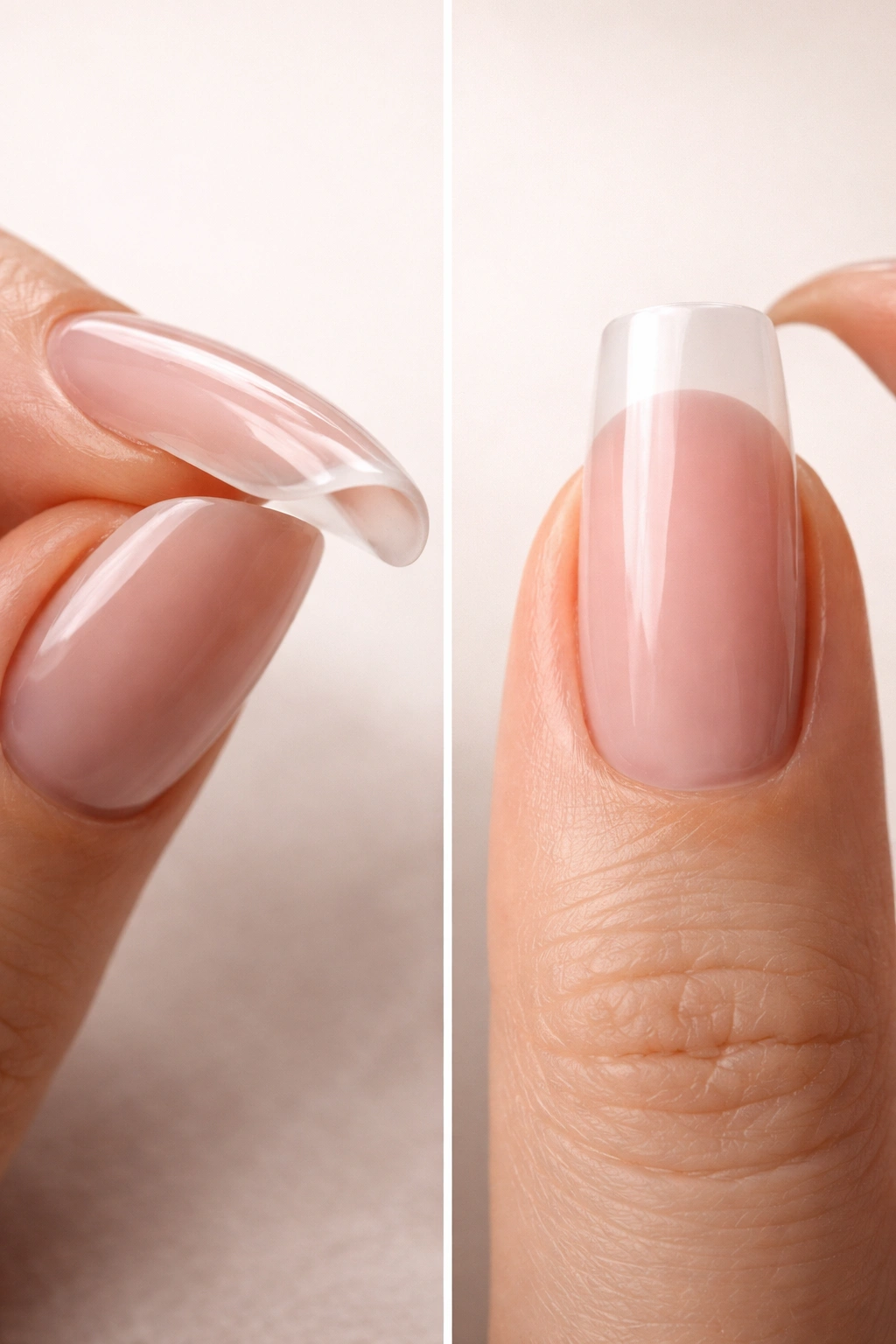
The structural difference between gel and acrylic nails affects how they feel and function on your hands. Acrylic nails are rigid and inflexible, which is part of what makes them so durable but also why they can feel unnatural.
That rigidity means acrylics don’t bend or flex when you apply pressure. They stay perfectly structured, which is great for maintaining shape but can feel stiff and uncomfortable, especially at first.
When acrylic nails do fail, they tend to break cleanly and suddenly rather than gradually weakening. This can be jarring and sometimes painful if it happens unexpectedly.
Gel nails have more give to them. They’ll flex slightly with your natural nails rather than staying completely rigid, which many people find more comfortable for everyday wear.
This flexibility makes gel extensions less prone to sudden breakage. They’re more likely to bend under pressure and bounce back rather than snapping off entirely.
The tradeoff is that gel’s flexibility makes it less suitable for extremely long lengths. Very long gel nails can feel floppy or unstable because they lack the rigid support structure that acrylics provide.
Wrapping Up
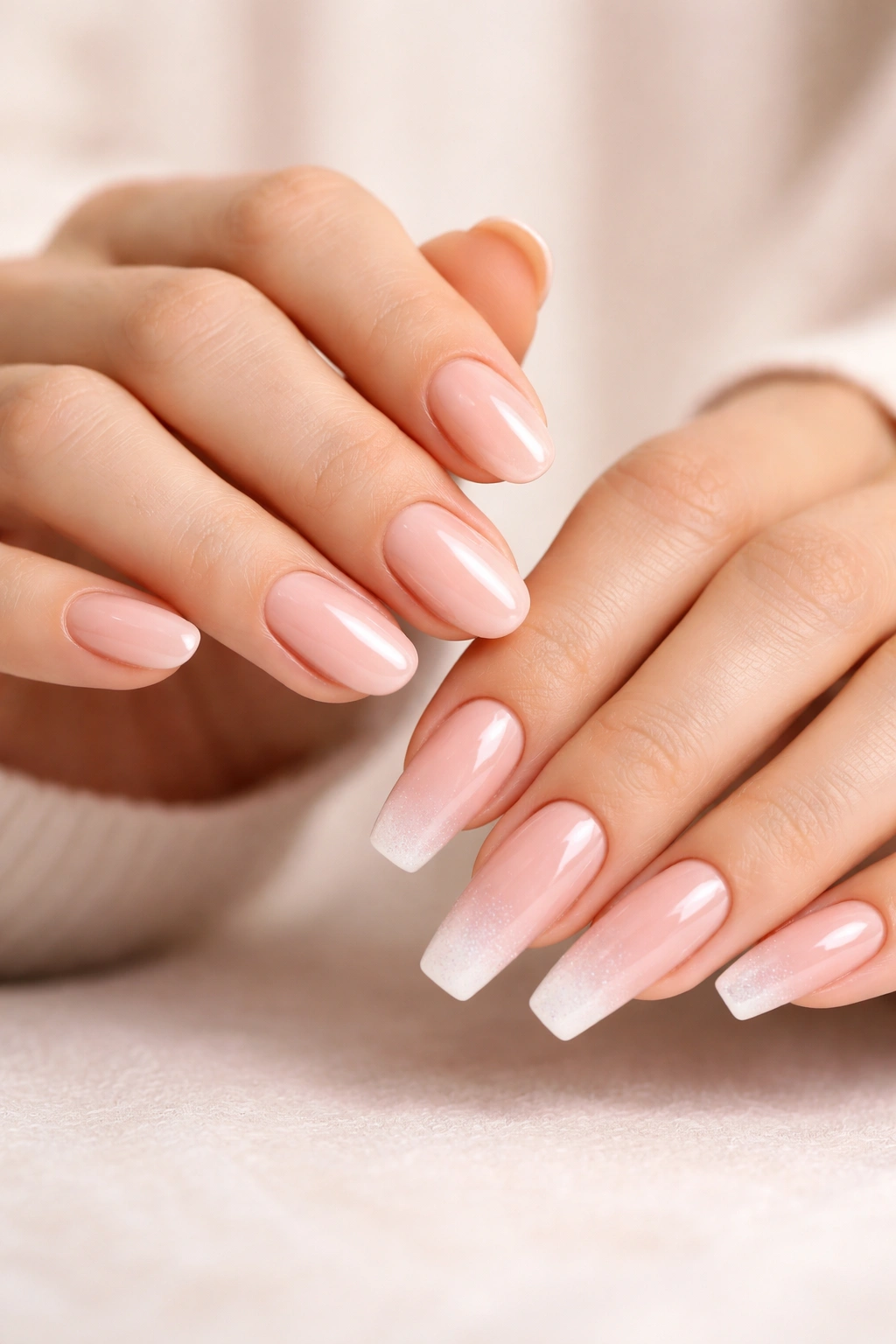
Neither acrylic nor gel nails is objectively better—they excel in different areas and suit different needs. Acrylics win for durability, affordability, and the ability to create dramatic lengths and designs. Gel nails take the lead for natural appearance, flexibility, and gentler impact on nail health.
Consider your daily routine, how you use your hands, and what you want your nails to look like. If you’re torn, start with a gel manicure to test the waters. You can always level up to acrylics or gel extensions later once you know what you’re looking for.