


The world of gel nails has expanded significantly, giving you more options than ever before. If you’ve started researching nail enhancements, you’ve likely stumbled across two terms that seem to get used interchangeably: builder gel and hard gel. But here’s the thing — they’re actually quite different products with distinct purposes, and choosing the right one can make a serious difference in how your nails look, feel, and how long your manicure lasts.
Understanding these two nail enhancement products matters because what works brilliantly for one person’s nails might be frustrating for another. The distinction isn’t just about marketing; it’s about the actual chemistry, application technique, removal method, and the final result you’ll get. Whether you’re a nail technician looking to expand your skill set or someone who loves doing their own nails at home, knowing when to reach for builder gel versus hard gel will help you achieve better results every single time.
In this guide, we’ll break down exactly what each product is, how they differ in meaningful ways, and how to choose the one that’ll work best for your specific needs and lifestyle.
What Is Builder Gel and How Does It Work
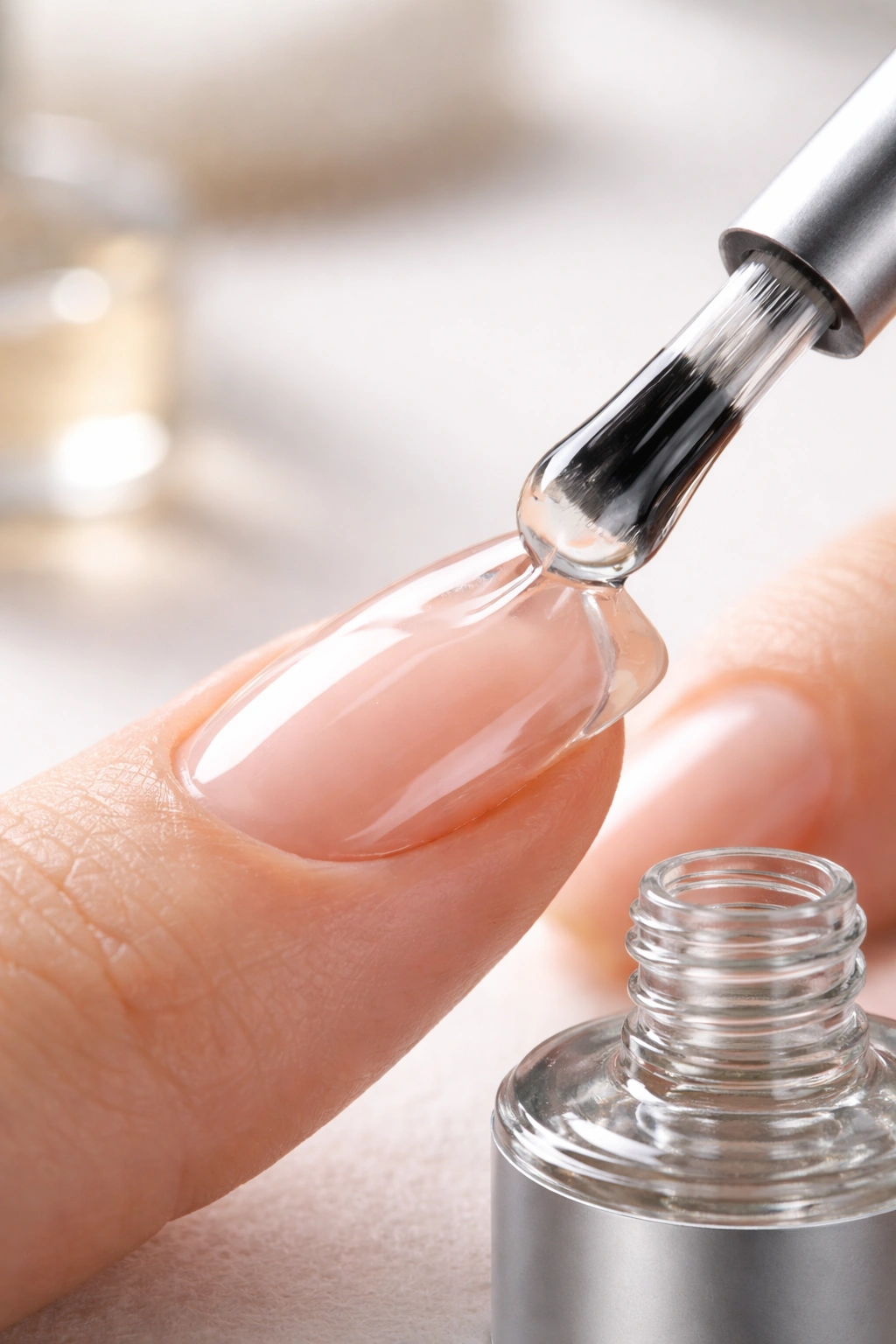
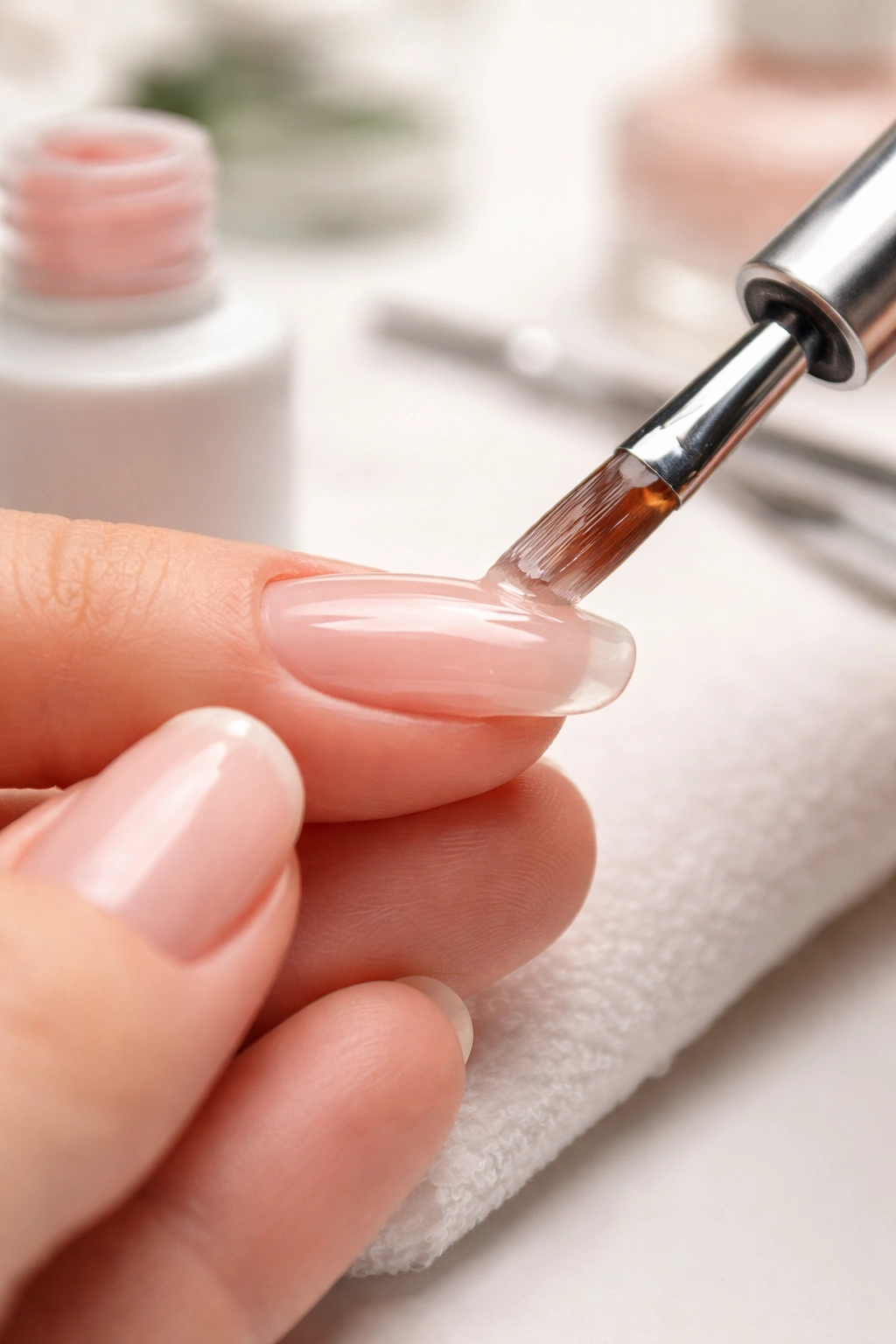
Builder gel, also called Builder in a Bottle™ (BIAB™), is a revolutionary gel product designed specifically for creating strength and structure on nails. It comes in a bottle with a brush applicator, much like traditional gel polish, making it incredibly intuitive to apply even if you’re new to gel work.
The key characteristic of builder gel is its versatility. It sits between regular gel polish and traditional hard gel — thicker and stronger than colored gel polish, but more flexible and user-friendly than hard gel. Builder gel typically has a consistency similar to honey, and this thickness allows you to control the application beautifully without the product running into unwanted areas.
What makes builder gel special is that it bonds directly to your natural nail or nail forms, building up the nail’s apex (the center area of the nail) to create a structured, supportive layer. You can use it for overlays on natural nails, creating extensions with nail forms, or even sculpting custom shapes. Once cured under a UV or LED lamp, builder gel creates a durable enhancement that stays slightly flexible, reducing the risk of breakage and lifting compared to harder alternatives.
Builder gel can be removed relatively easily by soaking in acetone for 10-15 minutes, making the removal process gentler on your natural nails and more accessible if you prefer to remove products at home yourself.
What Is Hard Gel and Its Key Characteristics
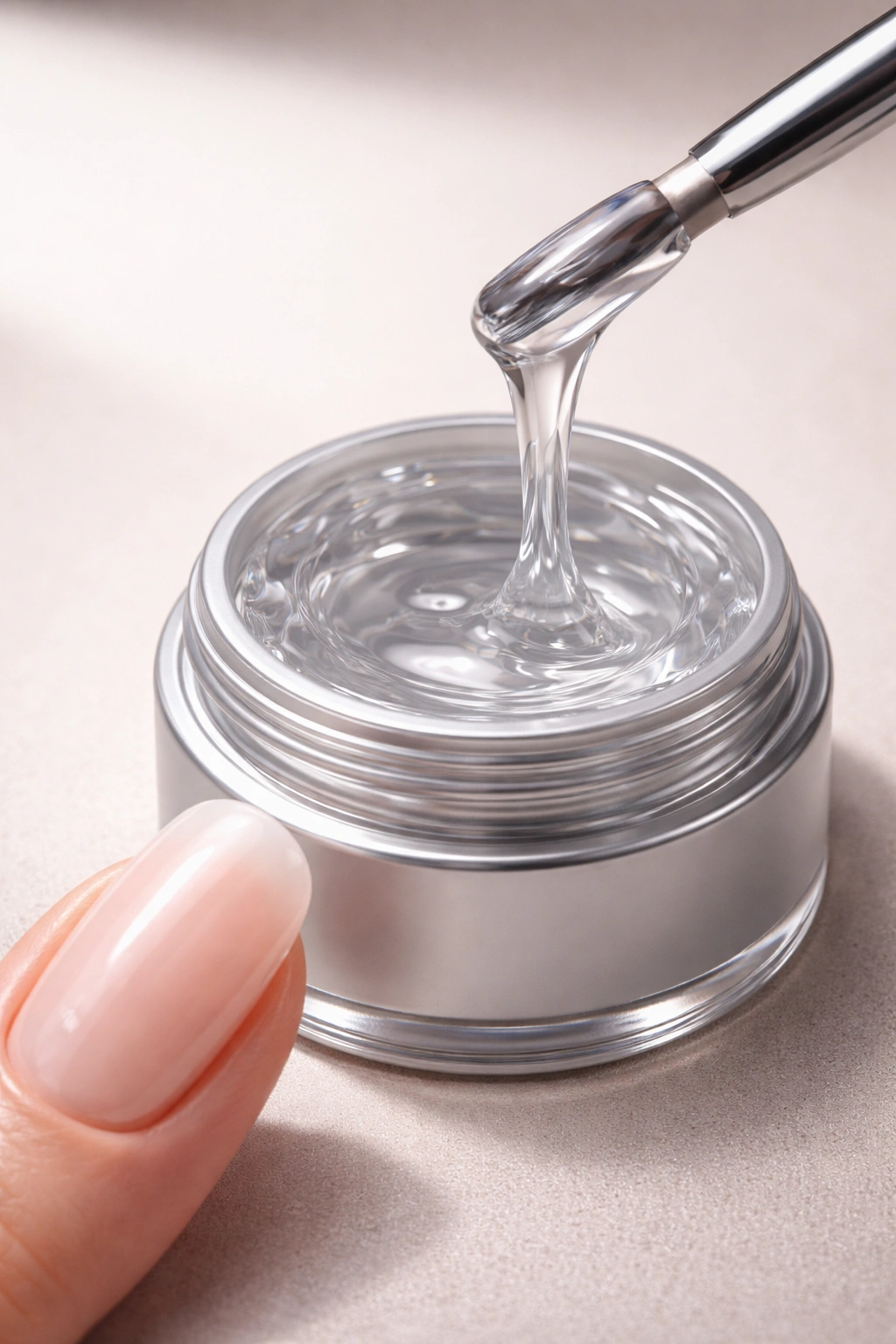
Hard gel is a non-porous gel product that typically comes in a pot and requires a brush for application, much like acrylic powder mixtures. It’s called “hard” because once cured, it creates an extremely durable, inflexible finish that’s designed to withstand significant wear and tear.
Hard gel is an oligomer-based product that cures completely solid under a UV or LED lamp, forming what’s essentially a plastic-like shield over your natural nail or extension tip. The crucial detail here is that hard gel is acetone-resistant, meaning you cannot soak it off — it must be filed down by a professional, which requires specific technique and skill to avoid damaging your natural nails underneath.
The trade-off for this incredible durability is that hard gel is less flexible than builder gel. It doesn’t bend with your nail, which is why it’s ideal for clients who need maximum strength and protection but perhaps aren’t as prone to breakage in their daily lives. Hard gel also typically comes in limited color options — usually just clear, nude, pink, or white shades, though some brands offer shimmer or opalescent finishes. Colored gel polish can be layered on top of hard gel to add design and color.
The Viscosity Difference: Why Thickness Matters
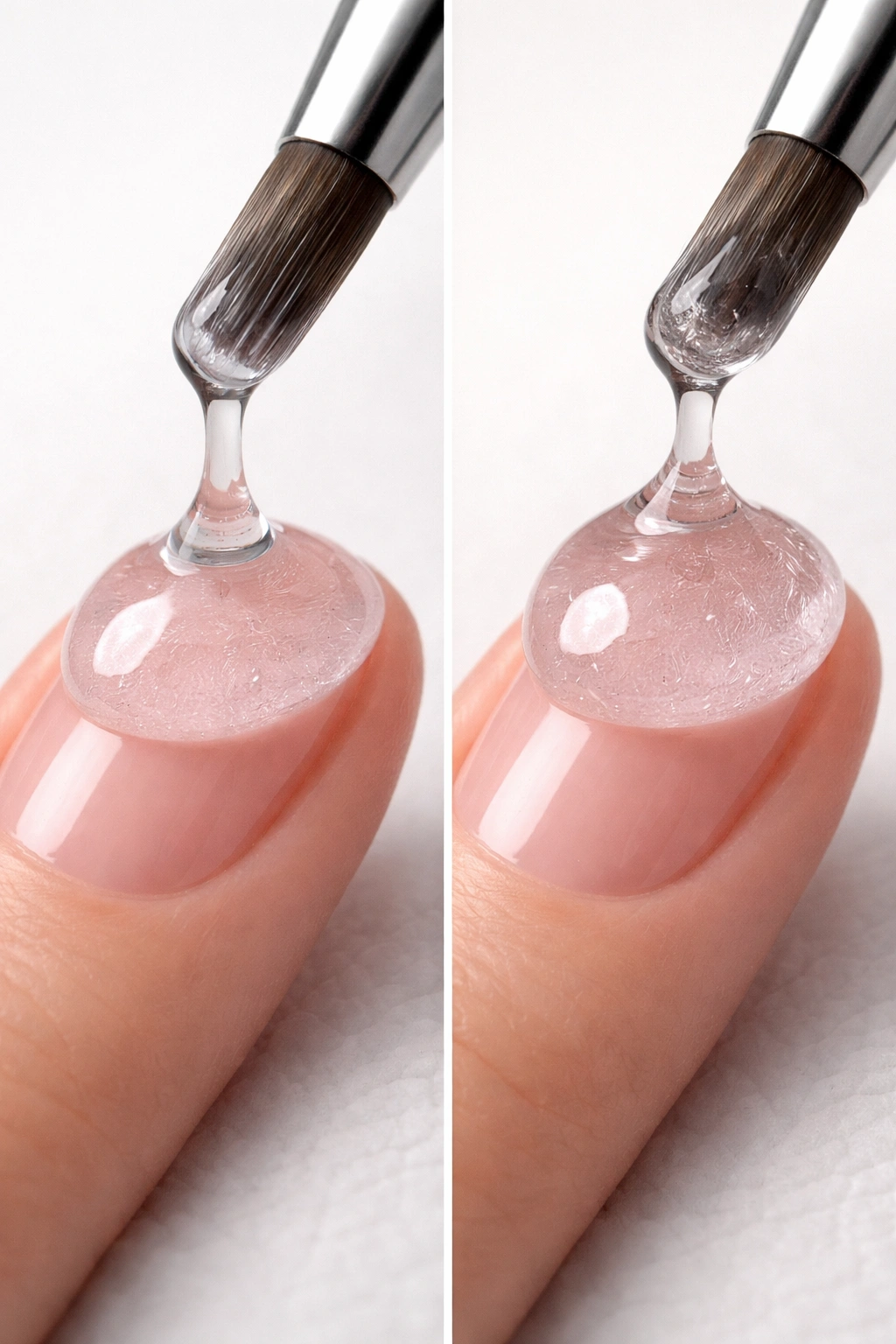
One of the most noticeable differences between builder gel and hard gel is how thick and dense each product feels in its bottle or pot. This isn’t just a superficial distinction — it fundamentally changes how you work with each product and what you can achieve.
Builder gel has a thinner viscosity than hard gel, which makes it more self-leveling. This means when you apply it, it naturally flows and settles into place without requiring extensive manipulation or filing. The thinner consistency allows the product to flow smoothly across the nail surface, and while it does benefit from some light filing to perfect the finish, it needs far less filing than hard gel.
Hard gel, by contrast, is thick and sticky, almost like peanut butter in consistency. This thicker viscosity makes it slightly more challenging to apply evenly, especially if you’re new to gel work. However, that thickness is also why hard gel is so effective for building significant length and structure — it doesn’t sag or shift around once you place it, so you get exactly the shape you create. Hard gel does need filing after application to smooth out the surface and achieve the desired finish, and this filing is a more involved process than with builder gel.
The practical takeaway? If you prefer a product that’s forgiving, easy to apply, and requires minimal filing, builder gel is your friend. If you want a product that holds its shape precisely and doesn’t move until you want it to, hard gel gives you that level of control.
Application Process: Step-by-Step Comparison
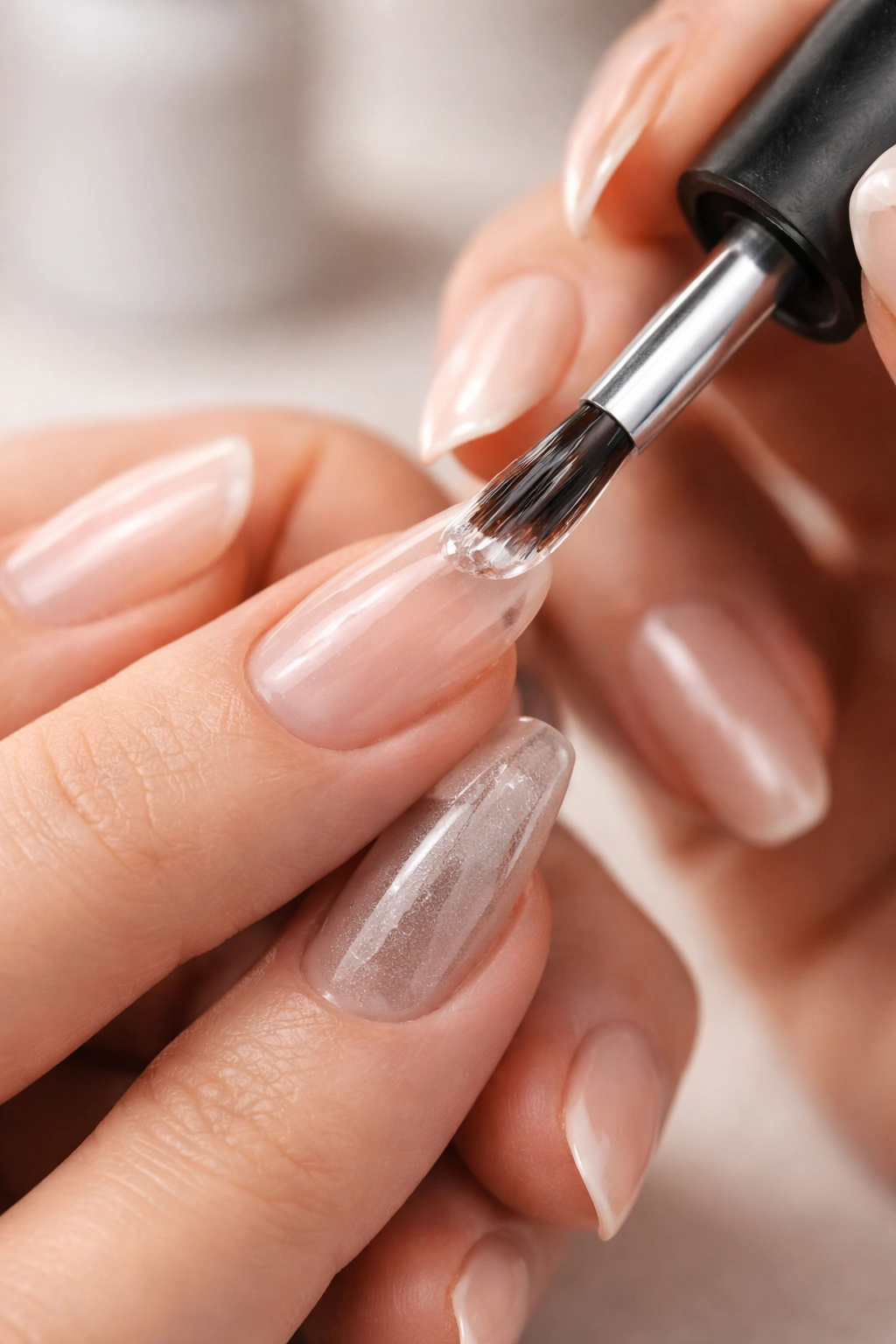
The way you apply builder gel versus hard gel differs significantly, and understanding these processes helps you choose based on how much technique you’re comfortable with.
Builder gel application starts with proper nail prep — cleaning, pushing back cuticles, and applying a base coat. Once cured, you apply builder gel directly from the bottle using the brush applicator, coating the entire nail. Because of its self-leveling nature, you can apply it in a single, thicker layer or build it up in multiple thin layers depending on the look and strength you want. The gel is cured under your lamp after each layer, and once you’ve achieved the desired thickness and shape, you do light filing and buffing to smooth everything out. Finally, you cap the free edge (seal the product at the edge of the nail tip) and apply a top coat.
Hard gel application requires more precision. You prep your nails identically, but then you apply hard gel in thin layers with the brush, curing after each layer. Unlike builder gel’s self-leveling properties, hard gel needs you to shape and sculpt it carefully as you apply it — it won’t settle and smooth itself out. You’ll need more significant filing between and after applications to achieve a smooth, finished appearance. The thick consistency means it holds whatever shape you create, so control and technique matter more here. Because of its acetone resistance, some hard gels don’t require a traditional base coat, though many technicians still apply one for extra adhesion.
The bottom line: Builder gel is more forgiving and faster to apply for most people. Hard gel requires more technical skill and careful manipulation, but gives you more control over the exact shape you’re creating.
Durability and Strength: Which Lasts Longer
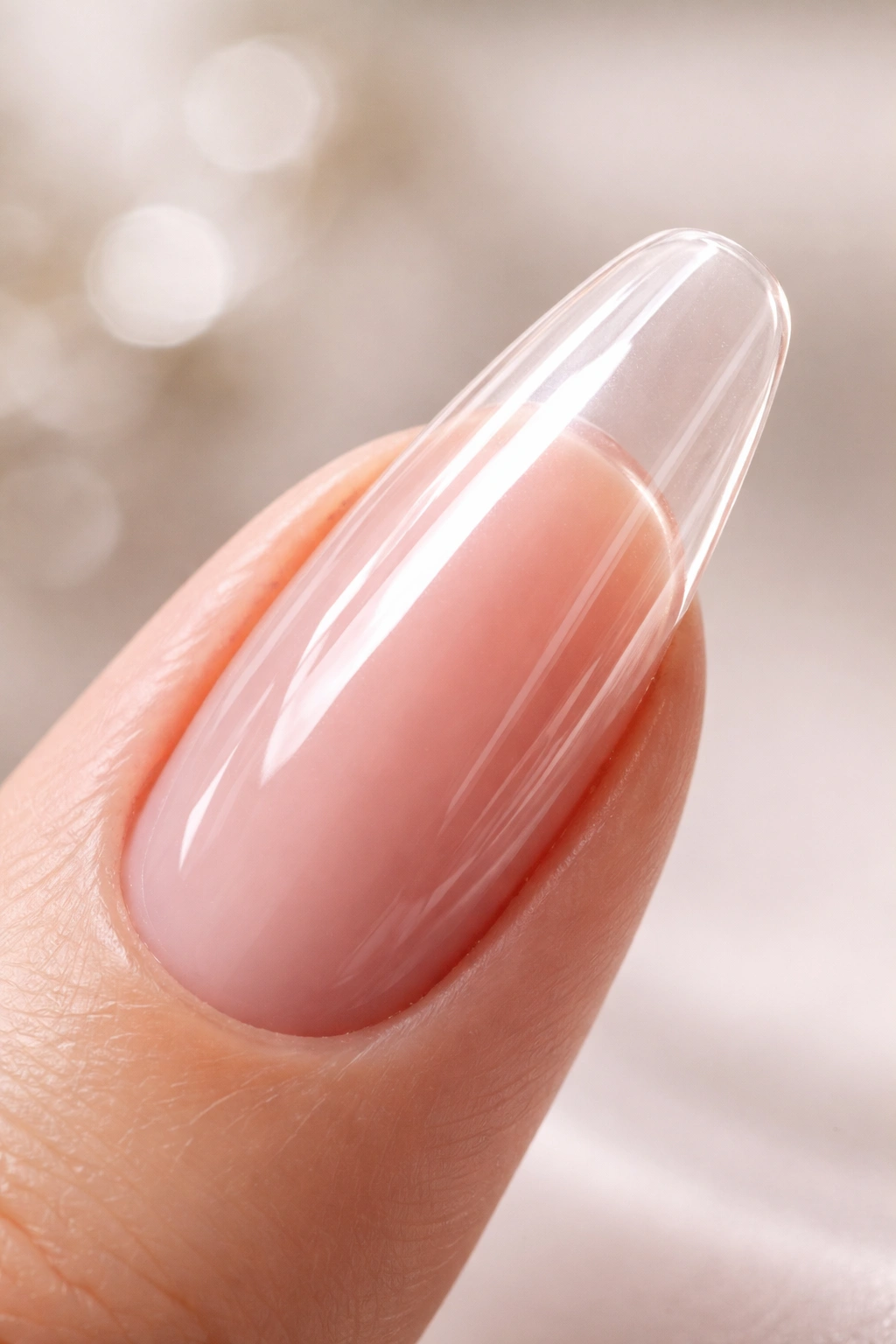
When it comes to how long your manicure lasts and how well it withstands daily activities, durability is everything. This is where builder gel and hard gel show real differences.
Hard gel is the durability champion. Because it’s non-porous and completely rigid once cured, properly applied hard gel nails can last for four weeks or longer without lifting, chipping, or peeling. The inflexible nature means it doesn’t move, doesn’t flex, and doesn’t allow moisture to penetrate and cause lifting. This makes hard gel ideal for people with heavy-handed lifestyles — those who work with their hands constantly, do physical labor, or just tend to be tough on their nails.
Builder gel is no slouch in the durability department, but it typically lasts around three weeks with proper care and maintenance. It doesn’t quite reach hard gel’s longevity because its flexibility, while reducing breakage risk, also means it can eventually lift at the edges if your natural nails grow significantly or if you’re very rough with them. However, this flexibility is actually a benefit for many people — it means the product moves with your nail rather than against it, reducing stress and the risk of the enhancement cracking if you catch it at an angle.
The truth is that both products are significantly more durable than regular gel polish, which might chip after two weeks. Both will outlast your natural nail growth, which typically occurs at about 1 millimeter per week. If you need maximum longevity and have an aggressive lifestyle, hard gel wins. If you want excellent durability with a forgiving, flexible product, builder gel delivers.
Flexibility Versus Rigidity: Finding Your Comfort Zone
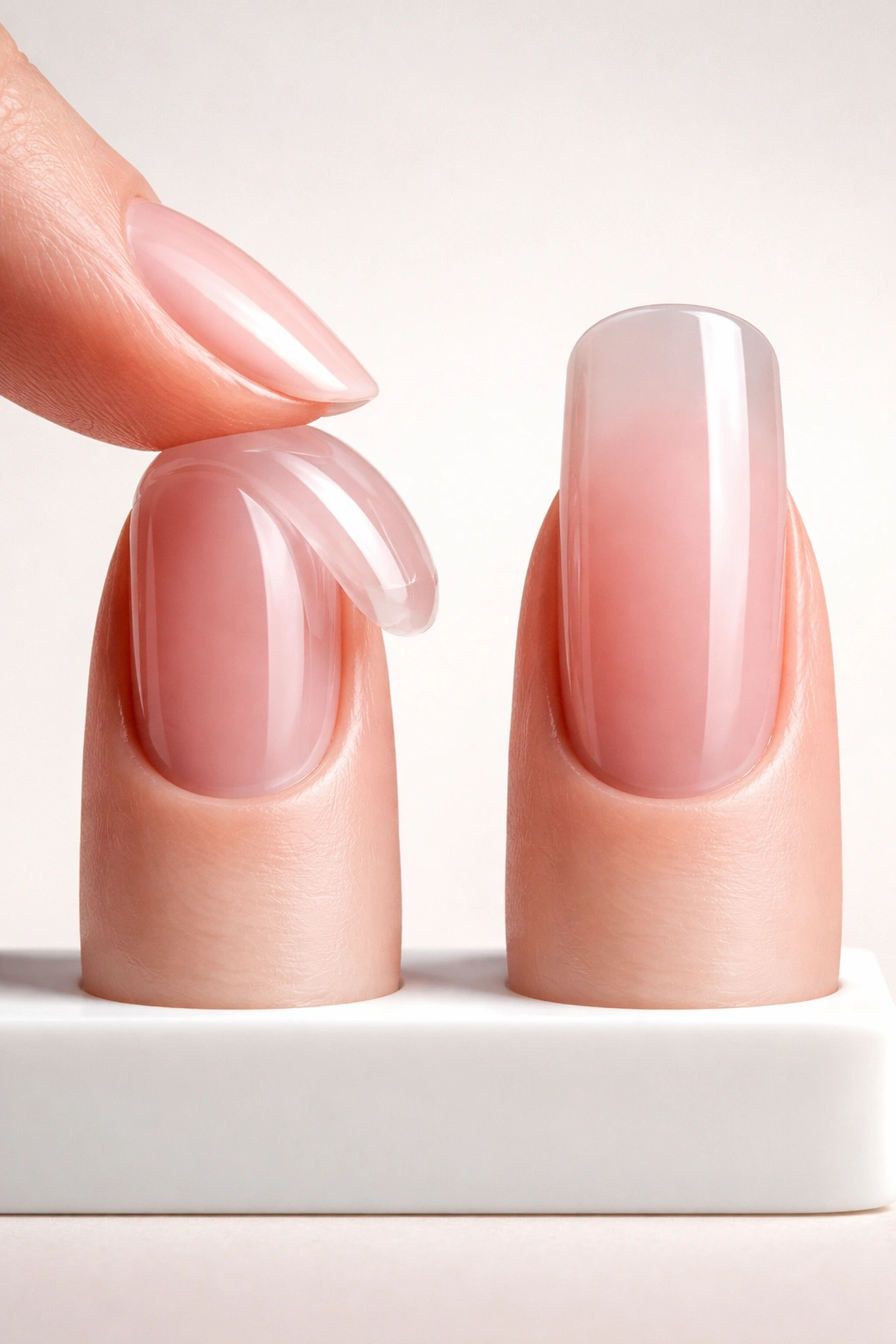
This is where many people make their choice, because the difference in feel is actually quite significant once you have the nails on.
Builder gel is specifically designed to remain slightly flexible after curing. This means your nails have some give to them — they bend very slightly with your natural nail, reducing the stress placed on the enhancement. For people who have weak or brittle natural nails, this flexibility is a game-changer. It takes pressure off the nail bed and the attachment point, reducing the risk of cracking and lifting. The flexibility also creates a more natural feel — your nails don’t feel stiff or plastic-like on your hands.
Hard gel, true to its name, is completely rigid and inflexible once cured. There’s no give whatsoever. Your nails feel very strong and durable, but they also feel noticeably stiffer than builder gel nails. Some people love this — it feels protective and strong. Others find it uncomfortable or unnatural, especially if they’ve never worn nail enhancements before. The rigidity is excellent for dramatic length and intricate nail art, because everything stays exactly where you sculpt it without any flex or movement.
Here’s the practical reality: If you prefer a natural feel and want to minimize the risk of breakage, builder gel’s flexibility is ideal. If you want maximum structural support and dramatic length that stays perfectly shaped, hard gel’s rigidity is what you need.
Removal Process: The Critical Difference
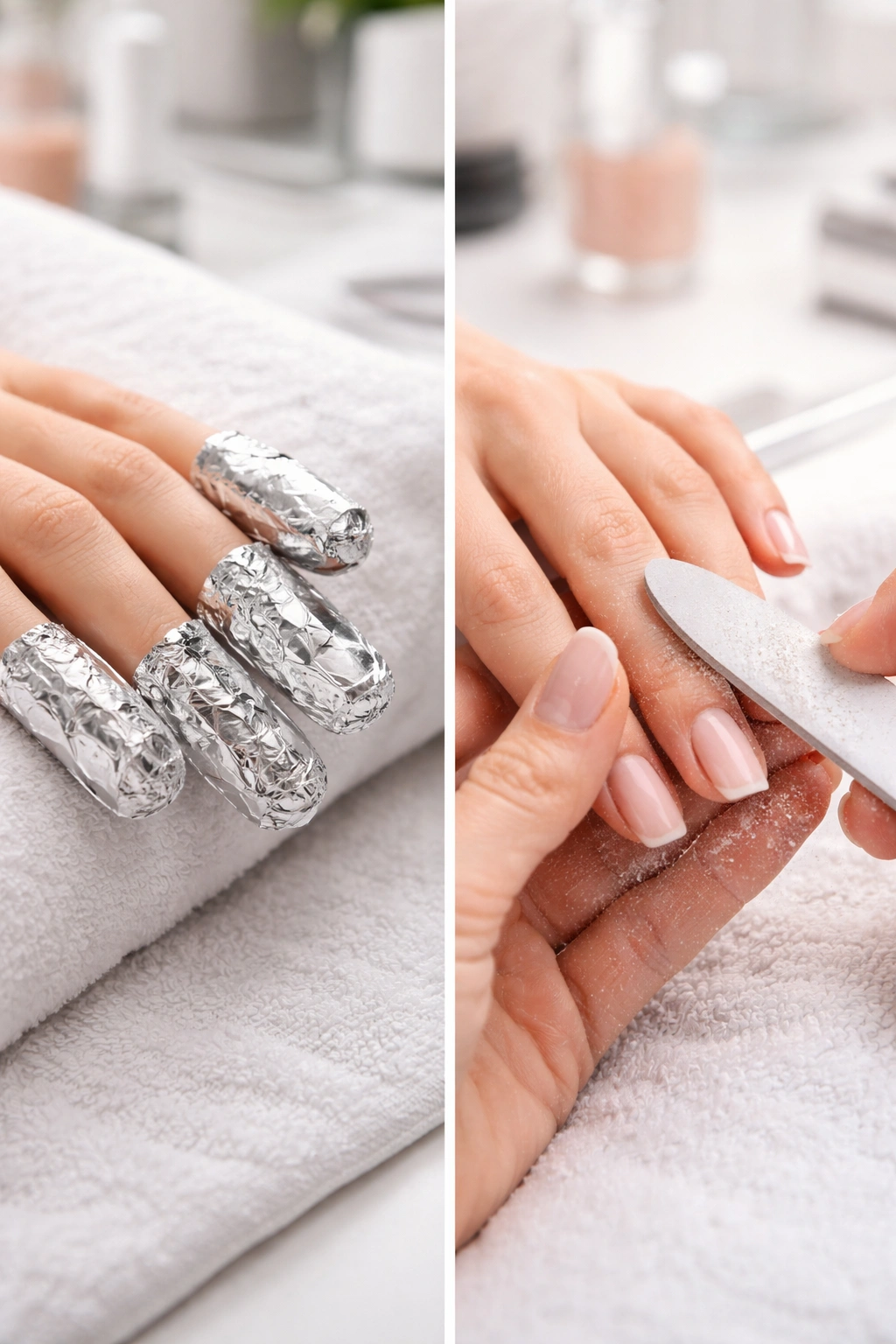
This is perhaps the biggest practical difference between these two products, and it’s something you need to understand before committing to either one.
Builder gel removal is straightforward. Because it’s a soak-off gel (not acetone-resistant), you can remove it by soaking your nails in pure acetone for 10-15 minutes. The typical method is to soak a cotton ball in acetone, place it on top of your nail, and wrap it with foil to keep it in place and allow the acetone to penetrate the gel. After 10-15 minutes, you remove the foil and gently push the softened gel off with an orange stick or cuticle pusher. This process is relatively gentle on your natural nails and can be done at home if you’re comfortable with it.
Hard gel removal requires filing. Because hard gel is non-porous and won’t soak off with acetone, you must file it down completely. This means using a coarse-grit nail file or, more commonly, an electric file (also called an e-file) to remove the gel layer by layer until it’s completely gone. A skilled technician knows exactly when to stop filing to avoid damaging the natural nail underneath — it’s done by feel and by how the nail sounds and looks as the file removes the product. This process takes more time and skill, and if done incorrectly by an inexperienced person, it can cause damage to your natural nails.
The removal process is actually where many people make their final decision. If you want the flexibility of removing your own nails at home, builder gel is the way to go. If you’re willing to invest the time to have a professional remove your nails, hard gel’s durability might be worth it to you.
Removal Safety: Protecting Your Natural Nails
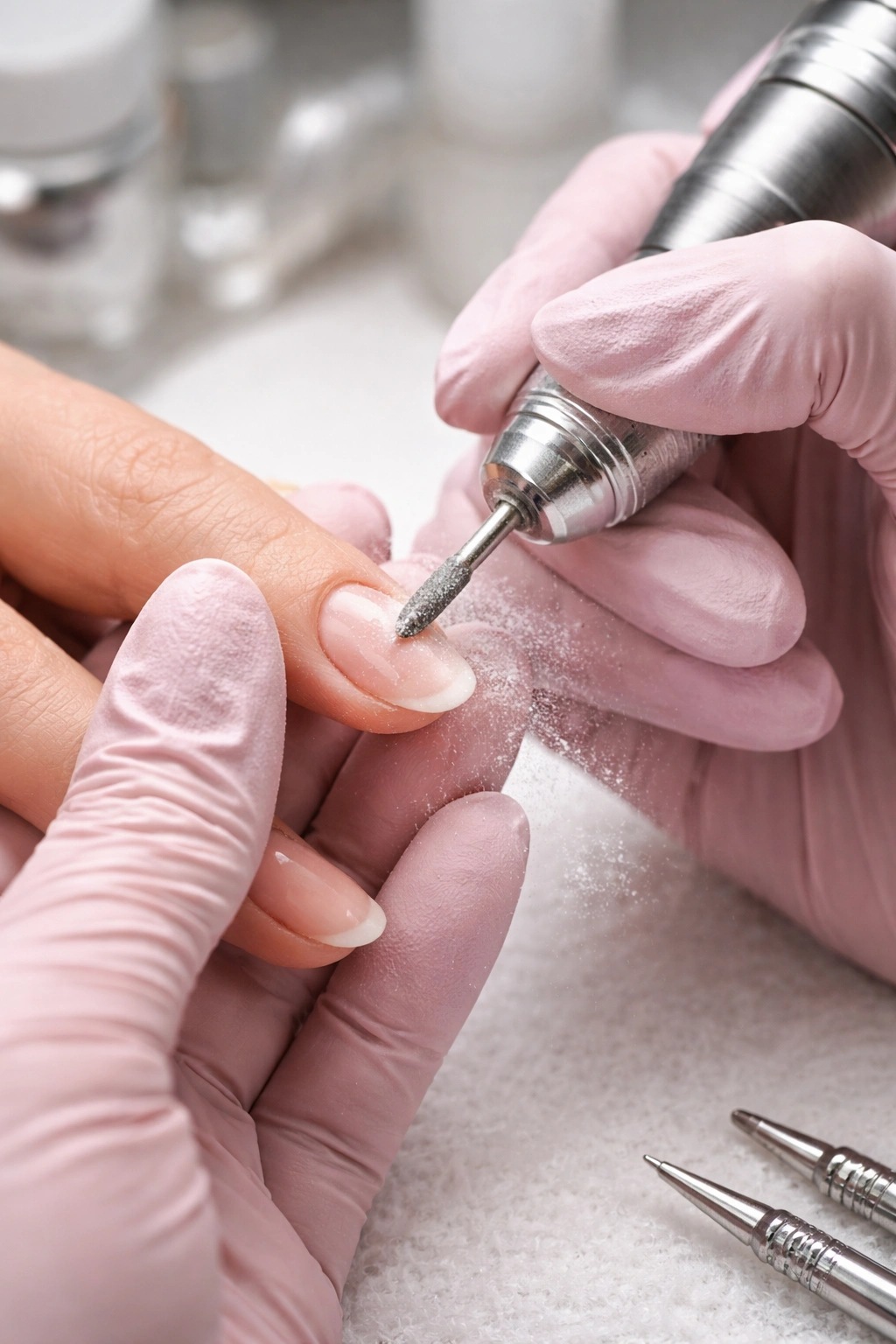
This deserves its own section because nail health matters, and there’s been some concern about whether filing off hard gel damages nails.
The reality: When removed correctly by a skilled professional, hard gel is not damaging to your nails. Licensed nail technicians are specifically trained in the proper technique — they file gradually, use appropriate grit levels, and most importantly, they know when to stop. A professional can feel and hear the difference between the gel and your natural nail by how the file sounds and feels. The “stop filing when you hear it change” technique is real and works when done by someone with experience.
However, improper removal can definitely cause damage. Filing too aggressively, filing too close to the natural nail, or removing hard gel at home without proper knowledge can thin and weaken your natural nails. This is why if you choose hard gel, using a reputable, experienced professional is non-negotiable.
Builder gel removal, while easier overall, can also cause damage if you pick or peel the product off instead of soaking it properly. Always use acetone and patience — never force it off, as this can peel layers off your natural nail.
Which Clients and Nail Types Are Best Suited to Each
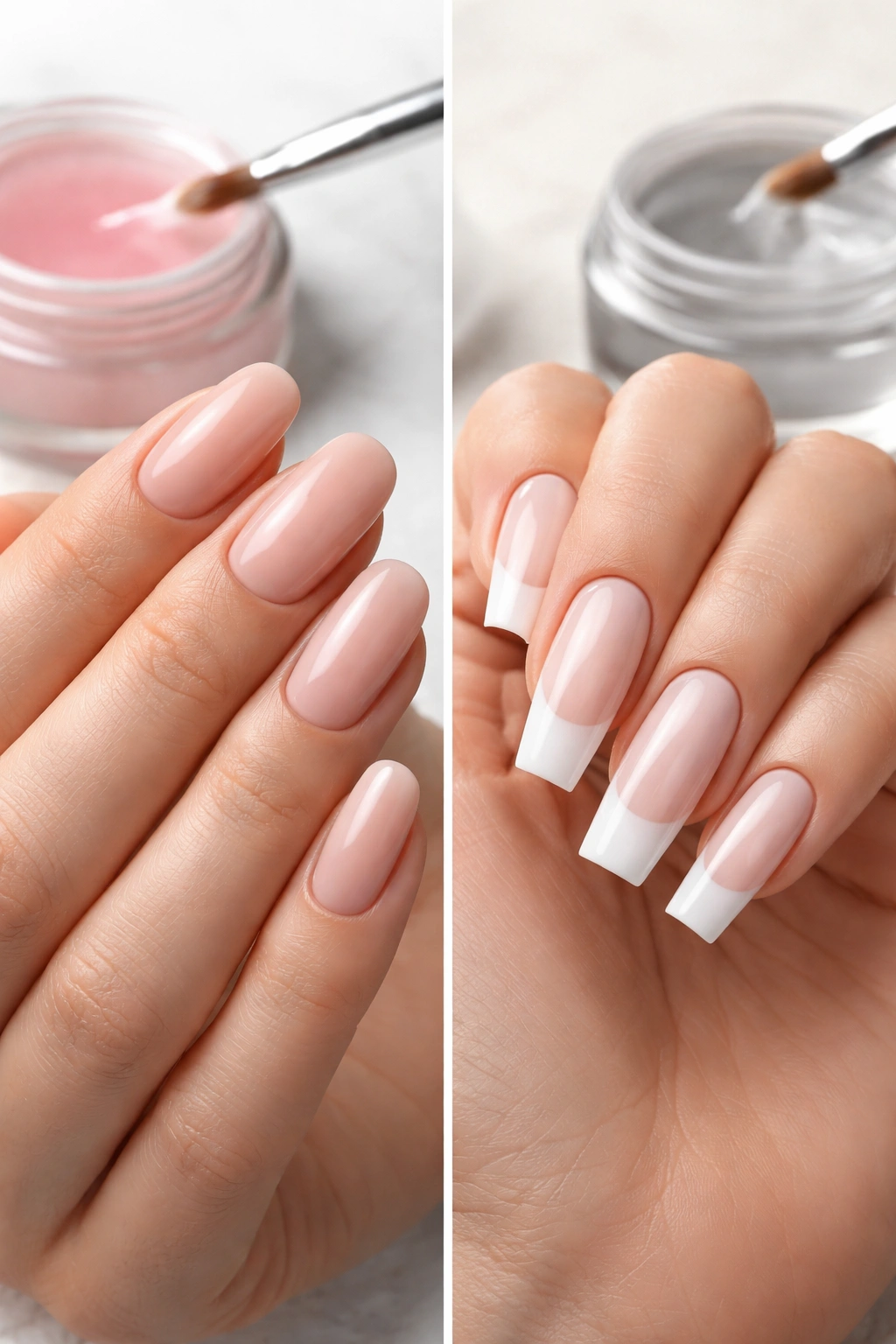
Not everyone’s nails are the same, and that’s the key to making the right choice between builder gel and hard gel.
Builder gel is ideal for:
- Anyone with weak, brittle, or thin natural nails who needs reinforcement without rigidity
- Clients who prefer a more natural feel and flexibility
- Those who want to grow out their natural nails while wearing an enhancement
- People who prefer to remove their own nails at home
- Beginners learning nail enhancement techniques
- Anyone who wants to maintain more natural-looking nails with a structured manicure
Hard gel is ideal for:
- Clients with heavy-handed lifestyles who need maximum durability
- People who want to create dramatic length and intricate nail art
- Those seeking the absolute longest wear time (four weeks or more)
- Clients who won’t be removing their nails frequently
- Anyone who prefers the strong, rigid feel of a complete structural enhancement
- People with active jobs or hobbies that put stress on nails
The prescriptive approach to nail care — matching the product to the individual client’s needs — is increasingly recognized as the professional standard. There’s no one-size-fits-all answer.
Cost Comparison: Initial Application Through Removal
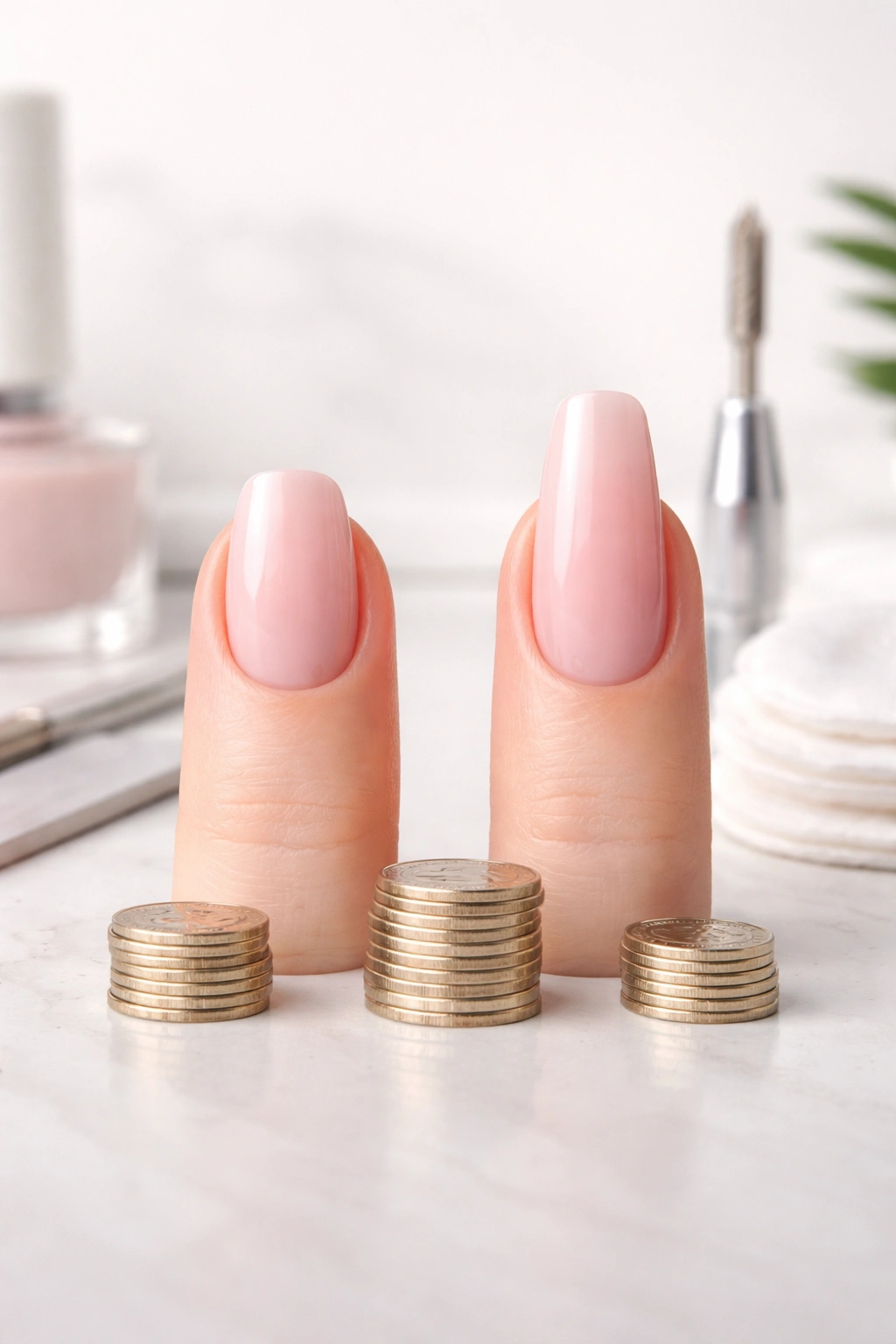
Budget matters when you’re choosing a long-term nail care approach, so let’s break down the real costs.
Initial application costs are fairly similar between builder gel and hard gel. Both require base coat, the gel product itself, and top coat, so the product cost is comparable. Labor might vary slightly depending on your technician and how quickly they can apply each product, but you’re generally looking at similar pricing.
Maintenance costs are also comparable. Both products require fills every 2-3 weeks as your natural nails grow, and fill appointments typically cost similarly for each product type.
Removal costs are where they diverge. If you remove builder gel at home, you’re only paying for acetone and your time. Even if you have a professional remove it, removal appointments are usually quick and relatively inexpensive or sometimes included with a new set. Hard gel removal requires significantly more time and professional expertise because of the filing process, so removal appointments typically cost more. Many people factor this into whether hard gel is worth the investment.
The long-term math depends on how you handle removal. If you’re hands-on and comfortable removing builder gel at home, it’s more economical overall. If you always use a professional, hard gel’s longer wear time might actually be more cost-effective because you need fewer appointments.
Curing Time and Equipment Requirements
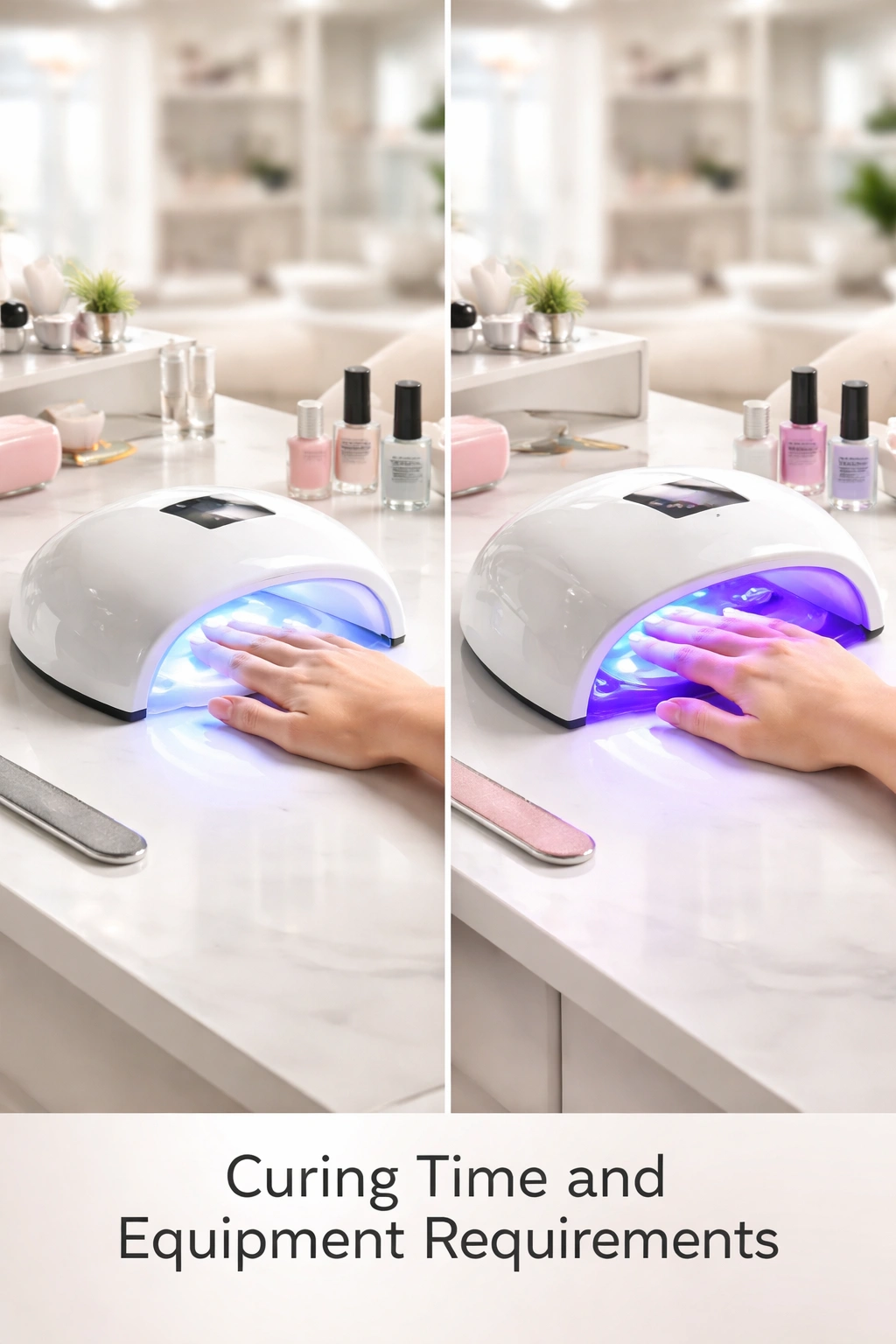
Both products require UV or LED lamps to cure, but there are some nuances worth understanding.
Builder gel can be cured under either a UV or LED lamp, giving you flexibility in equipment. Most modern nail technicians prefer LED lamps because they’re faster and more efficient. Curing times are typically quick — usually 30-60 seconds per layer under an LED lamp.
Hard gel traditionally required UV lamps, though many hard gel formulas now also cure under LED. Always check your specific product’s requirements, because some harder formulations may still require UV lamps specifically. Curing times are similarly quick — around 30-60 seconds per layer.
The practical difference here is minimal for most people, especially if you’re visiting a professional salon that has both lamp options. If you’re investing in your own equipment at home, LED lamps are more modern, faster, and generally preferred, and they’ll work with both product types.
Color Options and Design Possibilities
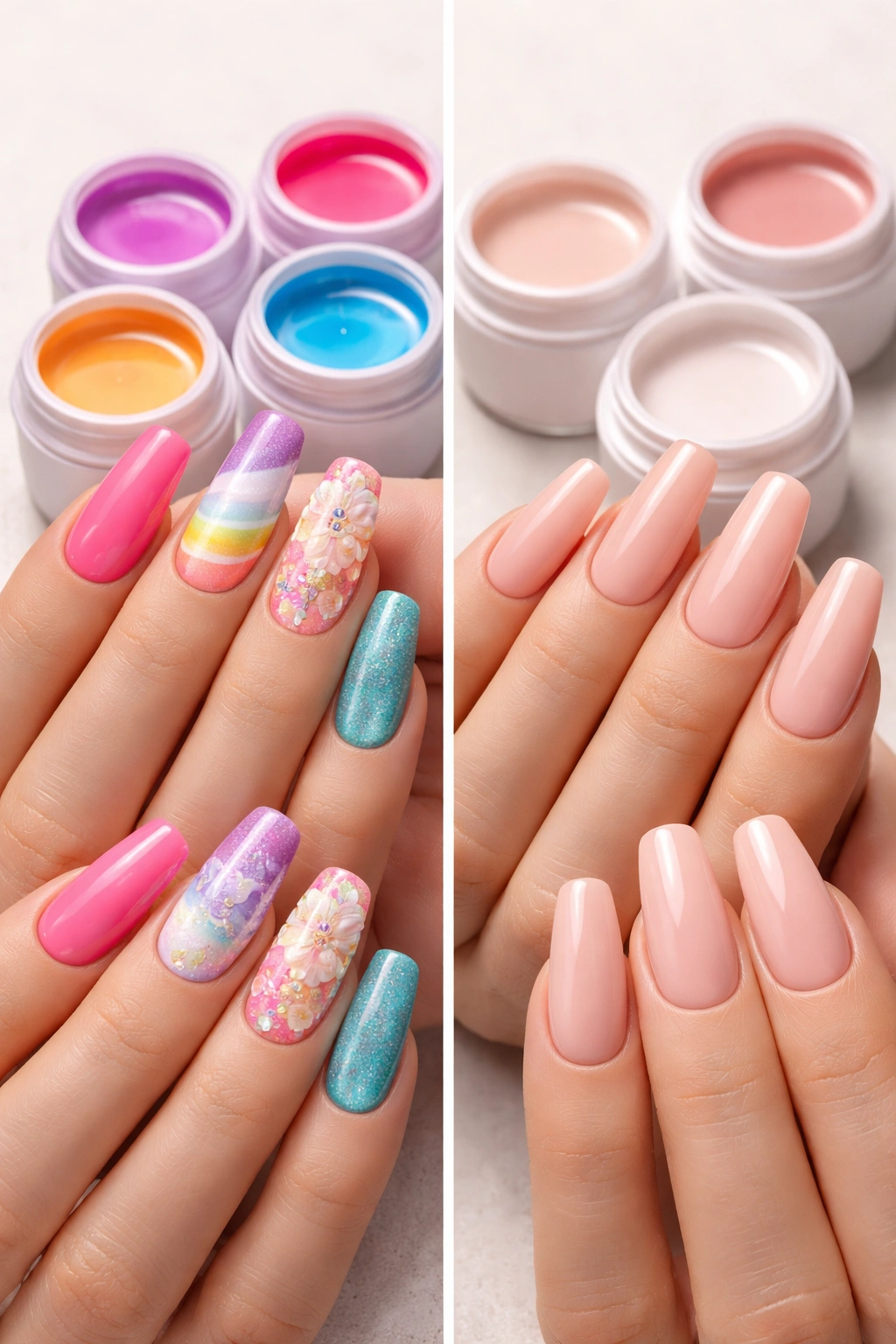
If you love creative nail art and color variety, this difference matters.
Builder gel comes in an expanding range of colors — clear, nude, pink, white, and increasingly, in specialty colors. However, the color selection is still more limited than regular gel polish. The advantage is that colored gel polish can be applied directly over builder gel, giving you unlimited color and design possibilities.
Hard gel traditionally comes in very limited colors — primarily clear, nude, pink, and white. Again, you layer colored gel polish on top if you want color and design. Some brands offer shimmer or opalescent finishes to expand the options slightly.
In practical terms, the limited hard gel colors aren’t actually a limitation for most people because you’re adding colored gel polish on top anyway. If you want an all-in-one product in fun colors, builder gel might edge ahead in variety.
The Learning Curve: Beginner-Friendliness
If you’re learning to apply nail enhancements yourself or as a new technician, the ease of learning matters.
Builder gel is more beginner-friendly. The bottle-and-brush application is intuitive if you’ve ever applied regular gel polish. The self-leveling nature means slight mistakes in application tend to correct themselves. The thinner consistency is forgiving and easier to control. Light filing is much less technical than the filing required for hard gel. Overall, you can achieve decent results faster with builder gel.
Hard gel has a steeper learning curve. The pot application and thicker consistency require more control and spatial awareness. Sculpting and shaping the gel as you apply it takes practice. The filing process afterward is more technical — you need to understand grit levels, filing angles, and how to recognize when you’re getting close to the natural nail. Most people find hard gel more challenging initially but rewarding once they develop the skill.
If you’re new to nail enhancements, builder gel will likely give you better early results and fewer frustrations. Hard gel is worth learning, but expect a longer skill-development period.
Nail Health and Long-Term Considerations
Beyond the immediate manicure, it’s worth thinking about what each product means for your natural nails over time.
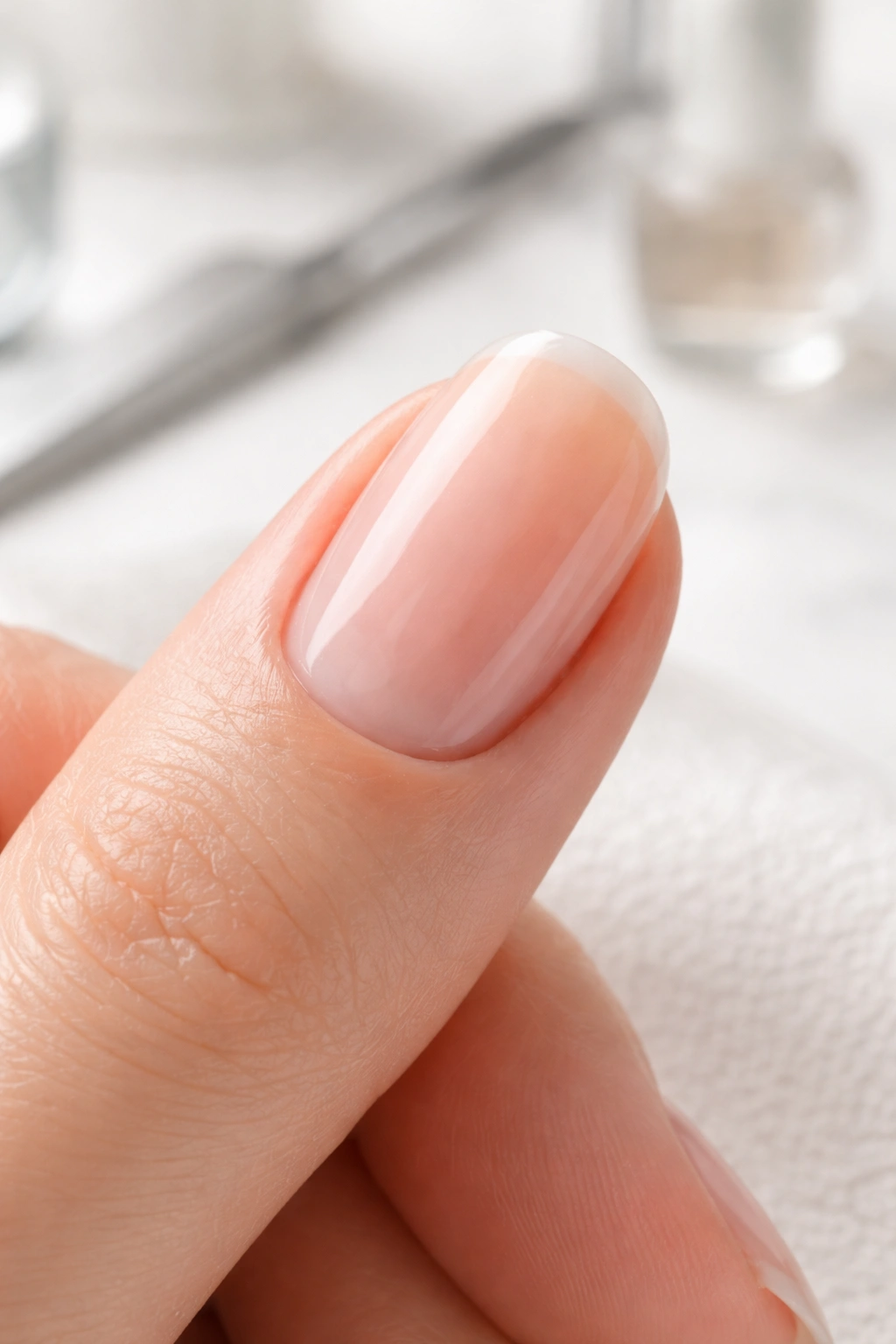
Both products, when properly applied and removed, are safe for nail health. The key word is properly. Builder gel’s flexibility actually reduces stress on the nail bed and the attachment point, making it gentler on fragile nails long-term. Hard gel’s rigidity means all pressure goes through the enhancement rather than your nail, which is protective but only if the product is applied and removed correctly.
The biggest health factor is removal practice. Improper removal of either product — picking, peeling, or aggressive filing of builder gel, or improper filing of hard gel — can thin and weaken your natural nails. Proper removal, whether that’s patient soaking for builder gel or professional filing for hard gel, keeps nails healthy.
If you have a history of weak, damaged, or recovering nails, builder gel is the safer choice because its removal is easier to do correctly at home. If your nails are naturally strong and you’re committed to professional removal, hard gel won’t harm healthy nails.
Which Product Should You Actually Choose
Making this decision comes down to answering a few key questions honestly.
How important is longevity to you? If you want your manicure to last a full month without needing a fill, hard gel is the answer. If three weeks is acceptable and you don’t mind more frequent maintenance, builder gel works beautifully.
Do you prefer a flexible or rigid feel? This is deeply personal. Try both if you can, because the tactile difference is real. Some people find rigid nails stressful; others love the protective feeling.
Are you okay with professional removal, or do you want flexibility? If you want to remove your own nails or have quick removal options, builder gel is practical. If you’re willing to invest in professional removal, hard gel’s durability might be worth it.
What’s your natural nail strength? Weak or brittle nails benefit from builder gel’s flexibility. Strong nails can handle either option.
How technical do you want to get? Beginner-friendly work with builder gel, or invest time in mastering hard gel’s techniques.
The most important truth here is that there is no objectively “best” choice — only the best choice for your specific situation. Many professional nail technicians use both products regularly, choosing based on each client’s individual needs. That prescriptive approach is the real professional standard.
Final Thoughts
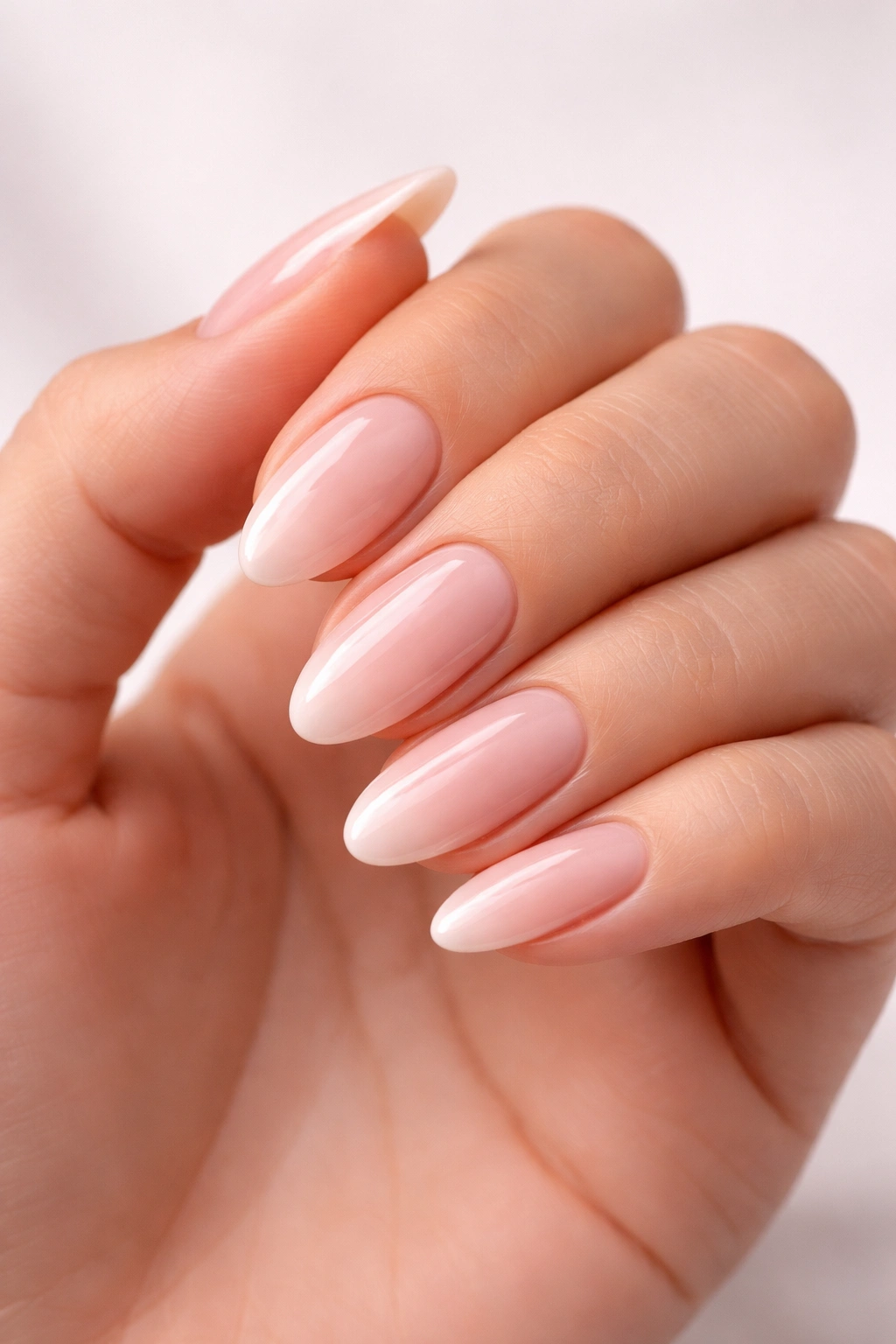
The distinction between builder gel and hard gel comes down to flexibility versus rigidity, easier removal versus maximum durability, and user-friendly application versus technical control. Builder gel is the more forgiving, versatile option that works beautifully for most people, especially those with compromised nails or who value at-home removal. Hard gel is the ultimate durability solution for clients with demanding lifestyles or those who want dramatic length and precision.
The fact that you now understand the genuine differences puts you in a position to make an informed choice rather than just picking whatever your technician suggests or whatever you find first. Whether you’re doing your own nails or working with a professional, knowing when to use each product means better results, longer-lasting manicures, and nails that actually reflect what you want rather than just what you got.
Your ideal manicure experience depends on your lifestyle, your natural nail strength, and what actually makes you feel confident and beautiful. Both of these products can deliver that — you just need to choose the one aligned with what actually matters to you.