


When you’re sitting in the waiting area of your favorite nail salon, the receptionist asks whether you want Shellac or gel, and suddenly you’re caught off guard. Are they the same thing? Is one better than the other? The confusion is completely legitimate—even nail professionals encounter clients who use the terms interchangeably, even though they represent two distinctly different products with very real differences that affect how long your manicure lasts, how easily it comes off, and ultimately, how healthy your nails remain afterward.
The truth is that Shellac and gel polish are not the same thing, despite what you might hear around the salon chair. Shellac is actually a specific brand of hybrid polish created by CND (Creative Nail Design), while “gel” is the broader term for any gel-based nail polish made by dozens of manufacturers. Think of it this way: all Shellac is gel, but not all gel is Shellac. Understanding these differences matters because it changes everything about what to expect from your manicure experience—from the application process that unfolds before your eyes to the removal process weeks later when you’re ready for a fresh look.
The lines between these two have become blurry partly because both use UV or LED lamps for curing, both deliver that coveted chip-free finish, and both promise you’ll still have a flawless manicure days or weeks later. But the formula differences, removal process, durability, and cost implications are significant enough that the choice between them should be intentional, not accidental. Whether you prefer changing your nail color frequently or you’re looking for maximum staying power through a busy season, one of these options will serve you far better than the other. Let’s break down exactly what sets them apart.
What Shellac Actually Is
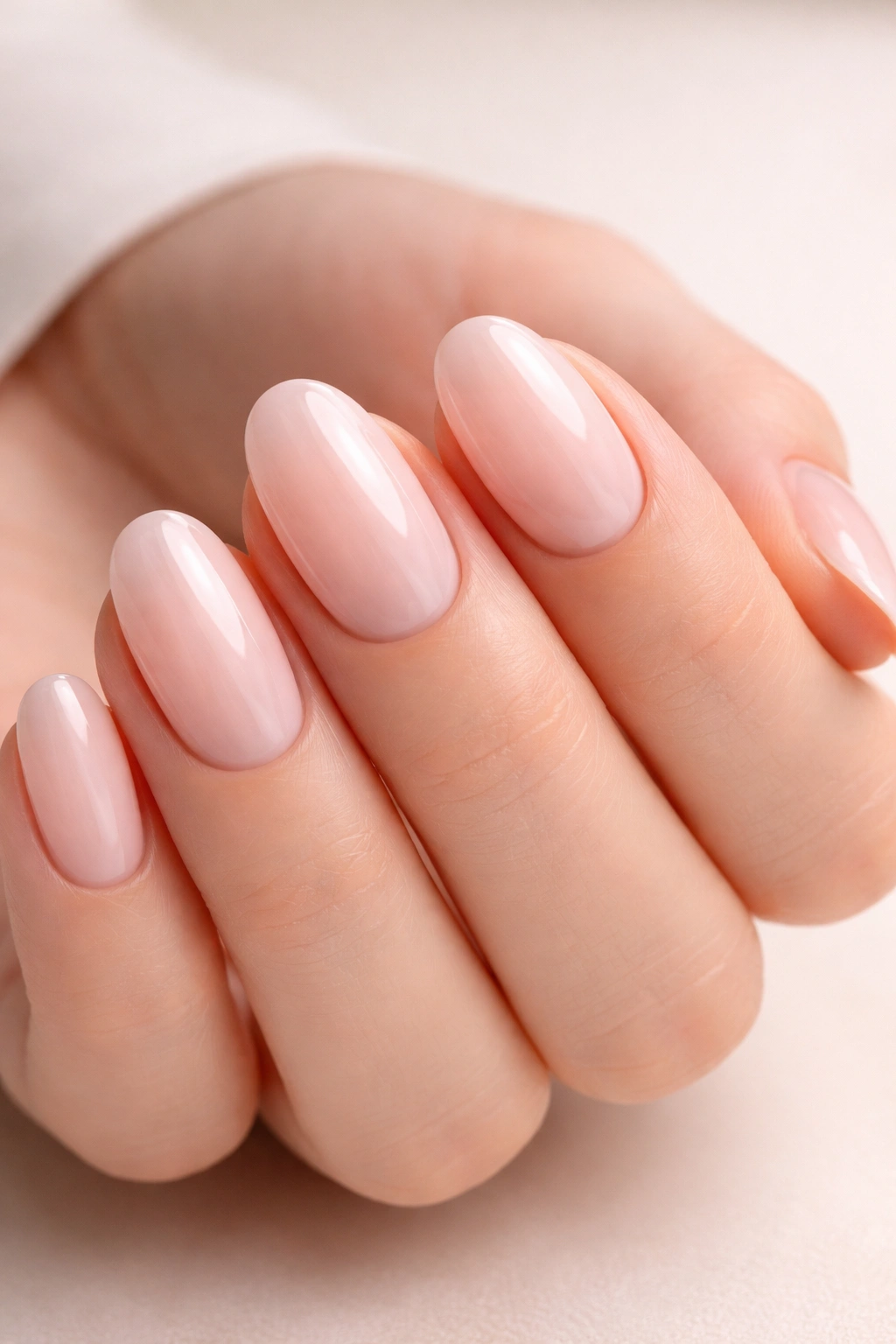
Shellac is a proprietary hybrid formula created exclusively by CND, and it’s probably the most misunderstood product in the nail world. The brand calls it “Power Polish,” and that’s actually a decent descriptor—it’s polish that’s been supercharged with gel properties to create something that feels and performs differently than traditional lacquer alone.
The formula blends traditional nail polish with gel compounds, giving it characteristics of both worlds. It contains more lacquer than pure gel polishes, which contributes to its signature high-gloss shine and natural appearance. This specific formulation is what makes Shellac behave so differently when it’s time to remove it. Unlike gel nails that require aggressive filing and extended soaking, Shellac can be soaked off relatively gently because the formula is designed to release from the nail more cooperatively.
When you get a Shellac manicure, the technician applies a base coat, typically two coats of color, and a topcoat, with each layer cured under a UV lamp. The whole process takes about 30 to 60 seconds per layer under the lamp—notably quick compared to traditional polish, which requires air-drying time. The result is a salon-fresh manicure that emerges from under the lamp ready to go immediately. No waiting for smudges to fade, no anxiety about bumping a wet nail. The convenience of instant curing is one reason Shellac has built such a loyal following.
One critical detail: Shellac is available exclusively through licensed nail professionals and salons. You can’t buy CND Shellac bottles to use at home the way you can with some gel systems. This is by design—the product was created as a complete system with specific lamps, removal products, and techniques that work together to protect your nails throughout the entire process.
Understanding Gel Polish Formulations
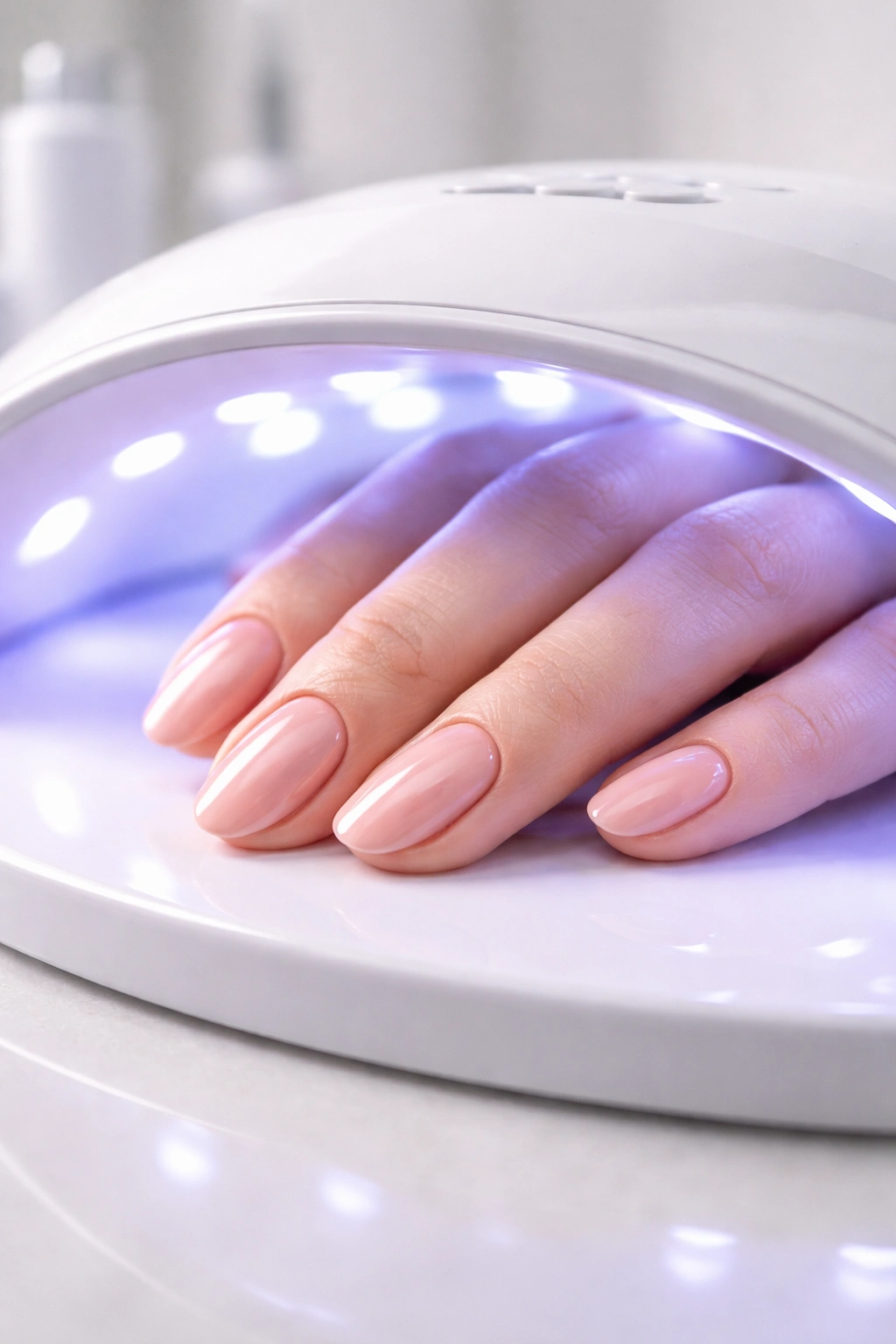
Gel polish, by contrast, is a much broader category that includes products from dozens of manufacturers—OPI, Gelish, Essie, Semilac, and many others. Each brand creates its own gel formulation, but they all share the same fundamental composition: acrylic monomers and oligomers that bond together when exposed to UV or LED light.
The science behind gel polish involves a chemical process called polymerization. When UV or LED light hits the molecules in the gel formula, it triggers a reaction where those molecules lock together, creating a hard, durable coating. This is what causes gel to cure and harden almost instantly under the lamp, and it’s also what makes gel so resistant to chipping and peeling during wear.
There are actually two main types of gel polish available: soft gel and hard gel. Soft gel is applied like regular polish and is used primarily for color application over natural nails. It’s thinner and more flexible than hard gel, making it the choice when you want durability without adding significant bulk to your nails. Hard gel, on the other hand, has a thicker, more substantial consistency and can be sculpted and shaped directly onto nails or nail tips to create extensions—similar to acrylics but without the powder-and-liquid mixing process.
The versatility of gel systems means you have far more options in terms of color range and effects. A gel brand like OPI or Gelish might offer 200 to 400+ color options, while Shellac comes in roughly 100 to 150 shades. For nail art enthusiasts and professionals, this broader palette opens up creative possibilities that matter more when you’re considering intricate designs, specialty finishes like chrome or glitter effects, or very specific color matching.
The Formula Differences That Matter
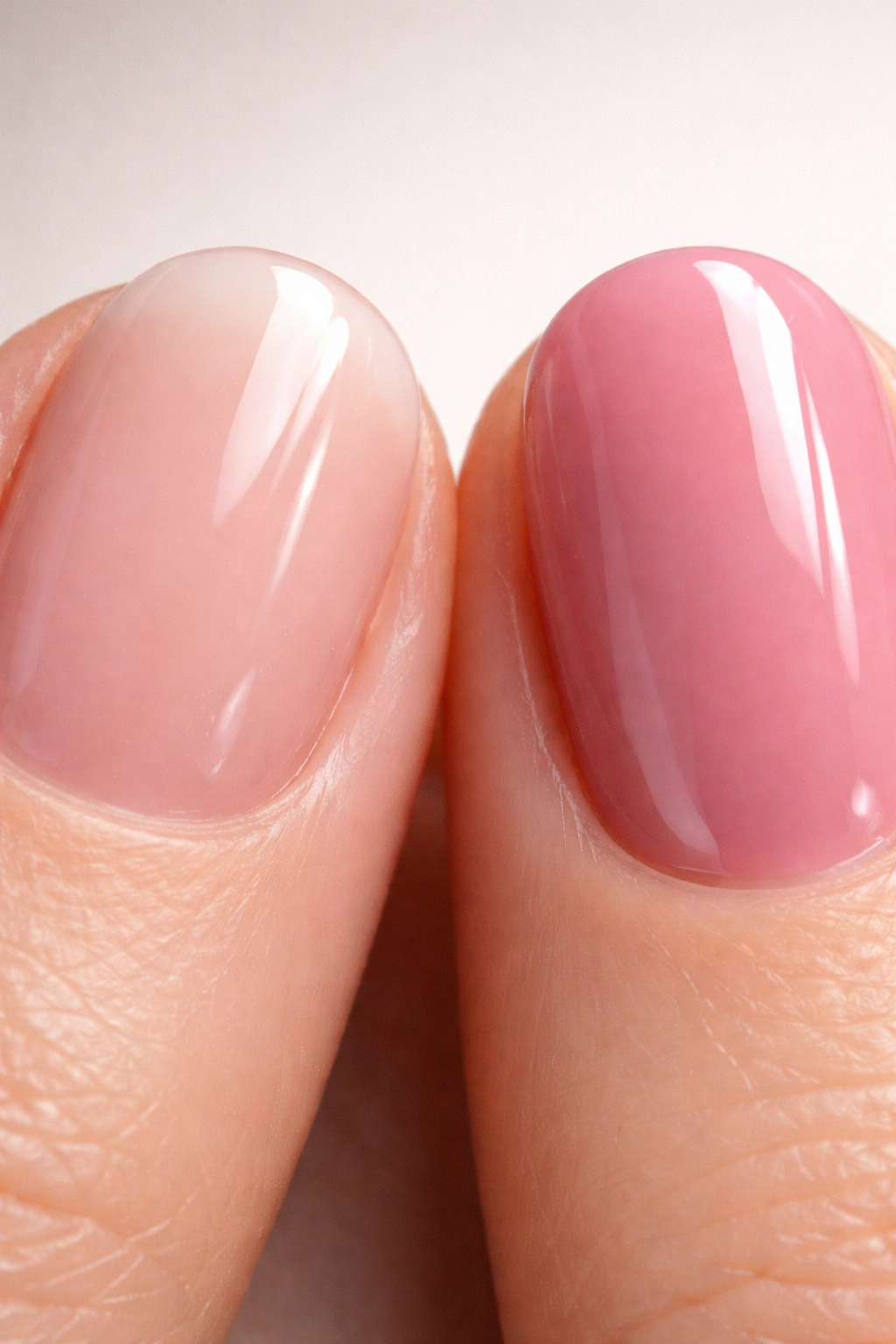
The compositional difference between Shellac and gel polish is the foundation for everything else that differs between them. Shellac’s higher lacquer content is what makes it feel and look more like traditional polish—it has that particular shine and finish that reads as natural and polished rather than thick and glossy.
Gel polish, being pure gel without the added lacquer component, cures into a thicker, more substantial coating. This thickness is actually an advantage when durability is your priority—the more product protecting your nail, the longer it resists chips and wear. The downside is that this thickness means more aggressive removal is typically required, since there’s more product to break down and lift from the nail surface.
This fundamental difference in formulation also affects how the products feel on your nails. Shellac nails feel lighter and more flexible, almost like wearing a particularly durable polish. Gel nails, especially gel extensions, feel more structured and substantial. If you prefer your nails to feel as close to natural as possible, Shellac’s thinner application will feel less foreign on your hands. If you like the feeling of strong, reinforced nails and don’t mind the extra weight, gel delivers that sensory experience.
Application Process: How Each One Goes On
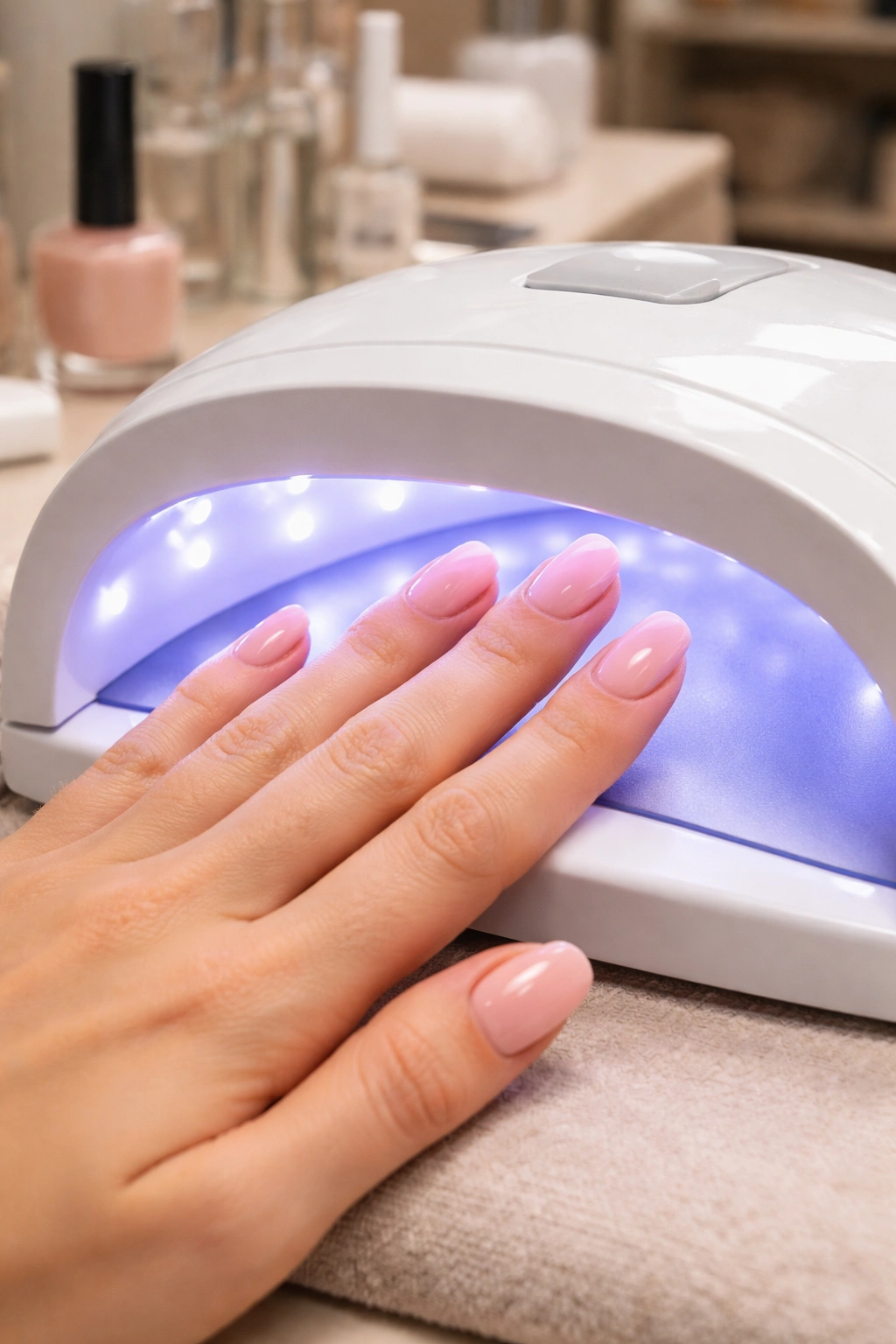
When you settle into the chair for a Shellac manicure, the process is streamlined and straightforward. Your technician begins with a standard manicure—shaping, pushing back cuticles, and lightly cleaning the nail surface. Here’s where Shellac differs from gel: the nail bed does not need to be buffed or roughed up. A simple cleanse with alcohol is all that’s required to dehydrate the surface and prepare it for the base coat.
The technician then applies the base coat and cures it under the UV lamp, applies one or two coats of your chosen Shellac color (each cured separately), and finishes with a topcoat that’s also cured. The total application time is usually 30 to 45 minutes, and you walk out with instantly dry, completely cured nails. There’s no sticky residue to wipe away—some Shellac formulas require an alcohol wipe afterward to remove a slight tacky layer, but it’s minimal.
Gel application follows a similar general pattern but with some key differences in preparation. The nail bed typically requires buffing to create a slightly roughened surface that helps the gel adhere more securely. After buffing, the surface is cleaned with a dehydrating liquid (like alcohol or a specialized gel primer), and then the gel base coat is applied and cured under the lamp. Most gel systems call for two or more thin coats of color, each cured individually, followed by the topcoat and final curing.
The application time for gel is similar—around 30 to 45 minutes depending on whether you’re adding extensions or just doing color on natural nails. Both processes cure under the lamp almost instantly, so there’s no air-drying stage with either one. The main practical difference during application is that nail technicians have slightly more flexibility with gel in terms of customization—they can build extensions, adjust thickness, and create shapes more freely than with Shellac, which is designed to be a straightforward color-and-shine application.
How Long Each One Actually Lasts
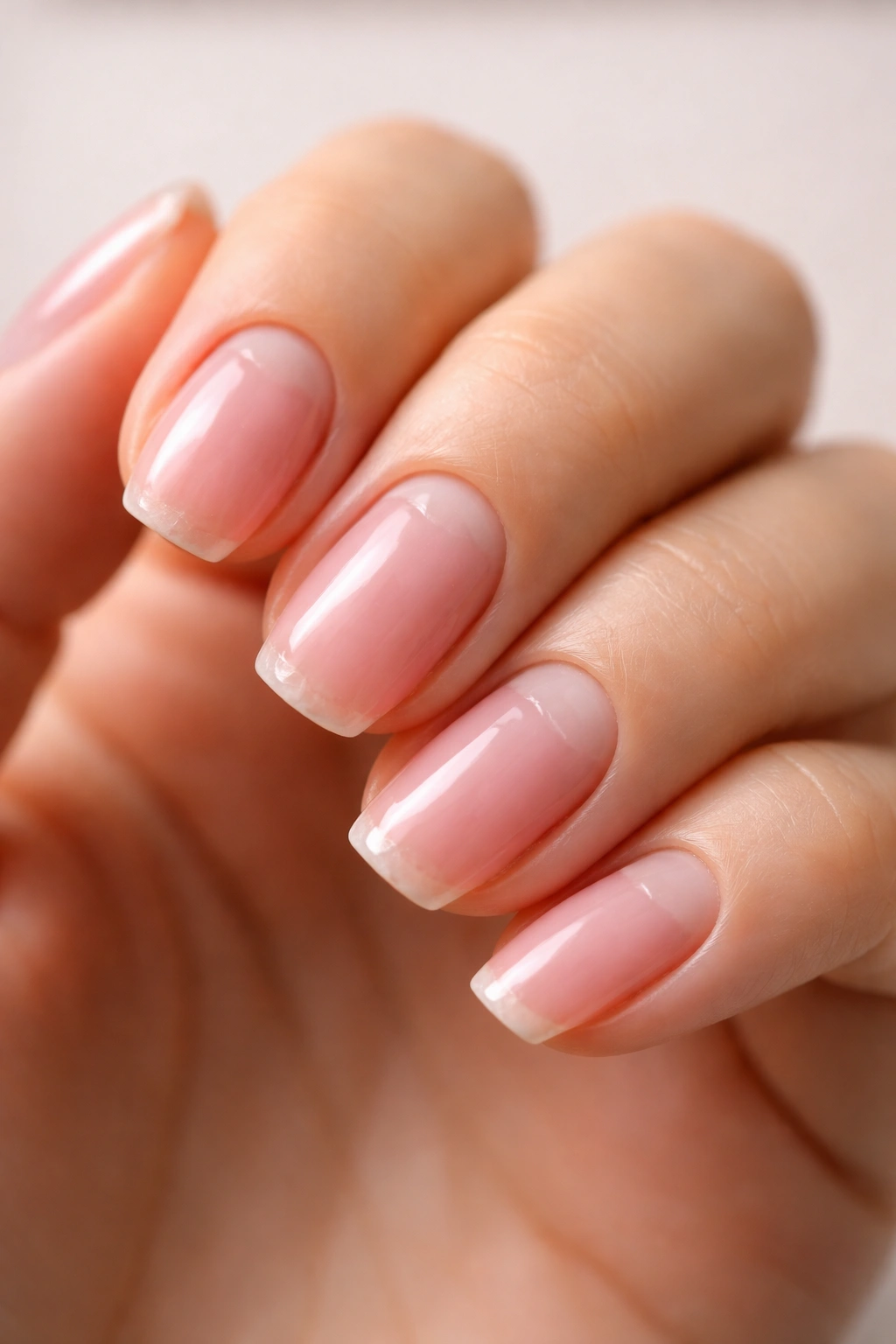
This is where the durability differences become apparent in real-world wear. Shellac manicures typically last 10 to 14 days before you start noticing visible wear or growth showing at the base. Some people report getting two full weeks of flawless appearance, while others see minor chipping or dulling by day 12 or 13. The thinner formula means there’s less product cushioning your nails against daily wear—washing dishes, typing, opening cans, all the small stresses that accumulate on your hands.
Gel manicures, thanks to their thicker formula and stronger adhesion to the nail plate, generally last up to three weeks or even longer without showing significant wear. A well-applied gel manicure can stay glossy, chip-free, and impeccably vibrant for 21 days or more. This extended wear time is one of the primary reasons people choose gel—if you have a busy schedule, travel frequently, or simply hate the thought of returning to the salon every two weeks, gel delivers that convenience.
The difference in durability isn’t just about the product, though. Nail health, growth rate, lifestyle, and how well the manicure was applied all factor into how long either one lasts on your individual nails. Someone who does a lot of hand washing, spends time in water, or works with their hands in physically demanding ways will see their manicure wear out faster than someone whose hands stay relatively dry and protected. Similarly, if your natural nails grow slowly, you might get three weeks out of a Shellac manicure, while someone with faster-growing nails might see growth lines starting to show after 10 days.
The practical consideration here is frequency of salon visits. With Shellac, plan on scheduling maintenance every two weeks. With gel, you can often stretch visits to three weeks, which means fewer salon appointments and potentially lower overall cost, even though each gel service costs slightly more.
The Removal Process: A Critical Difference
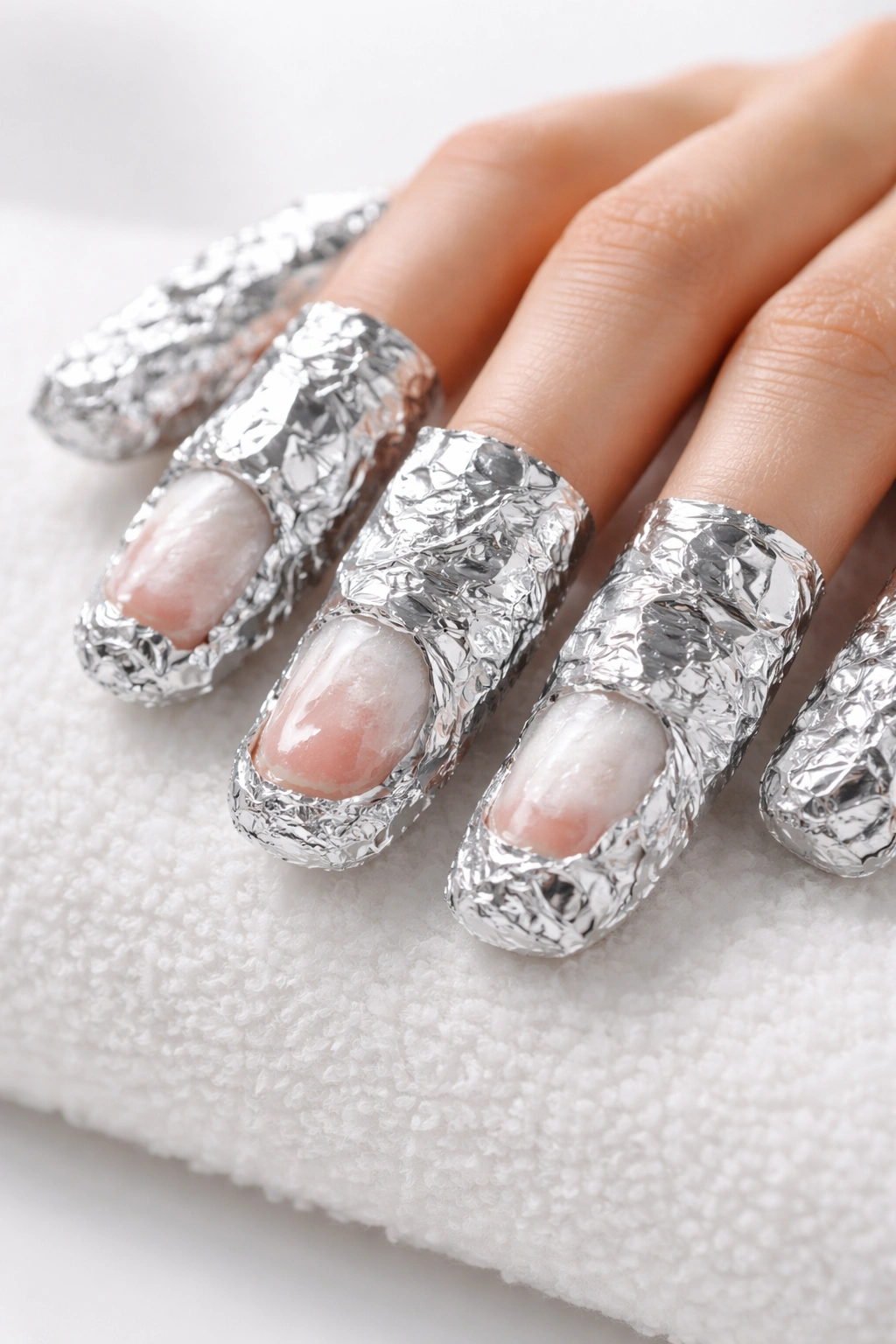
This is arguably the most significant functional difference between Shellac and gel, and it’s why the choice between them matters for nail health. Shellac removal is a breeze, which is one of the major selling points of the product. Your technician wraps your nails in acetone-soaked cotton pads secured with aluminum foil and lets them soak for about 8 to 15 minutes. The acetone penetrates through microscopic tunnels in the Shellac formula and breaks down the coating, allowing it to lift away cleanly.
Once the soaking time is complete, your technician gently pushes the softened Shellac off with a wooden cuticle stick or similar tool. There’s minimal scraping, no aggressive filing, and the whole removal is over in minutes. Your nails are left intact, slightly dehydrated from the acetone exposure, but fundamentally unharmed if the removal was done properly. This ease of removal is why some dermatologists and nail health advocates recommend Shellac over gel, especially for people with delicate or previously damaged nails.
Gel removal requires more intensive work. The technician must first file away the shiny topcoat to break through the seal. Then your nails are wrapped in acetone and left to soak for 15 to 30 minutes—significantly longer than Shellac. After soaking, there’s considerable scraping and filing required to fully remove the gel from the nail plate. Some technicians use electric files to speed up the process, but this means more aggressive abrasion of the nail surface.
The extended acetone exposure and the filing and scraping process mean gel removal carries a higher risk of damage if not done extremely carefully. Your nails might feel temporarily thin, brittle, or weak immediately after gel removal. This isn’t permanent damage if removal was professional and proper, but it’s a real consideration—your nails need recovery time with moisturizing treatments and cuticle oil before you apply another gel manicure.
The removal difference also has a cost implication. Some salons charge extra for gel removal (usually $5 to $15), while Shellac removal is often included in the service or costs minimally. If you’re getting manicures every two weeks, that removal cost accumulates.
Color Options and Creative Possibilities
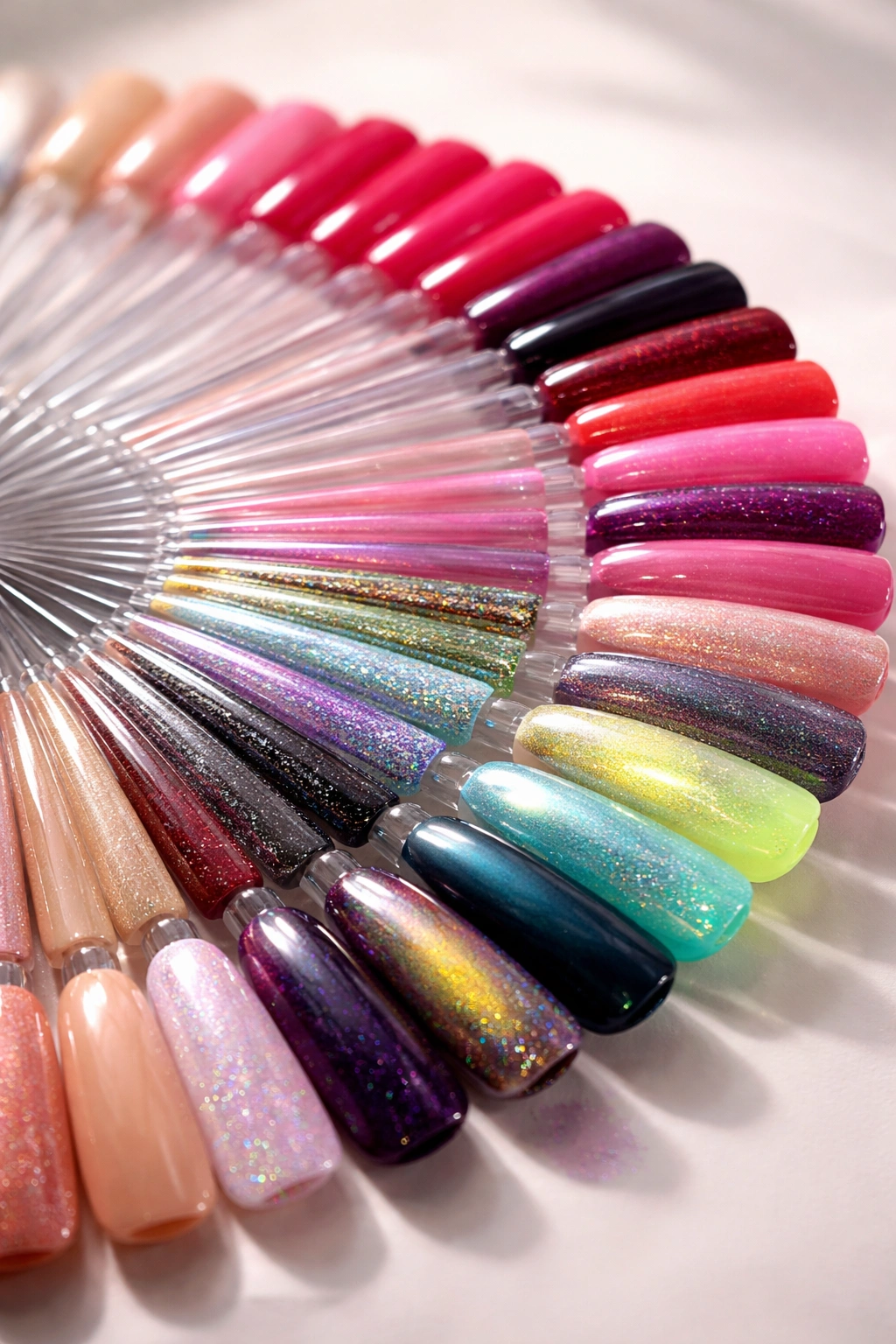
If you’re someone who views your nails as an extension of fashion and likes to change colors based on mood, outfit, or season, this dimension matters. Shellac comes in approximately 100 to 150 color shades. That’s a respectable range—you’ll find nudes, reds, pinks, deep colors, and metallics—but it’s finite. If you’re very particular about matching a specific color or looking for an unusual shade, you might not find it in Shellac.
Gel polish brands collectively offer an enormous spectrum. OPI alone has well over 300 colors. Gelish offers hundreds. When you factor in all the gel brands available in salons, you’re looking at essentially unlimited color options, including not just solid colors but specialty finishes like velvet (cat eye effect), chrome and reflective finishes, holographic effects, gels with suspended glitter, translucent jellies, glow-in-the-dark formulas, and textured finishes.
For nail art and intricate designs, gel also offers superior versatility. The thicker consistency and longer work time before curing mean nail artists can create more detailed designs, build up effects, and experiment with techniques that are harder to execute with Shellac. If you enjoy elaborate nail art—hand-painted designs, 3D embellishments, ombré effects—gel is the better choice.
Shellac is better suited to simple, elegant manicures where the focus is on the polish color, finish, and the natural beauty of the nail. It delivers that “just had a professional manicure” look exceptionally well, but if you want artistic complexity, gel gives technicians more tools to work with.
Cost: What You’ll Actually Pay
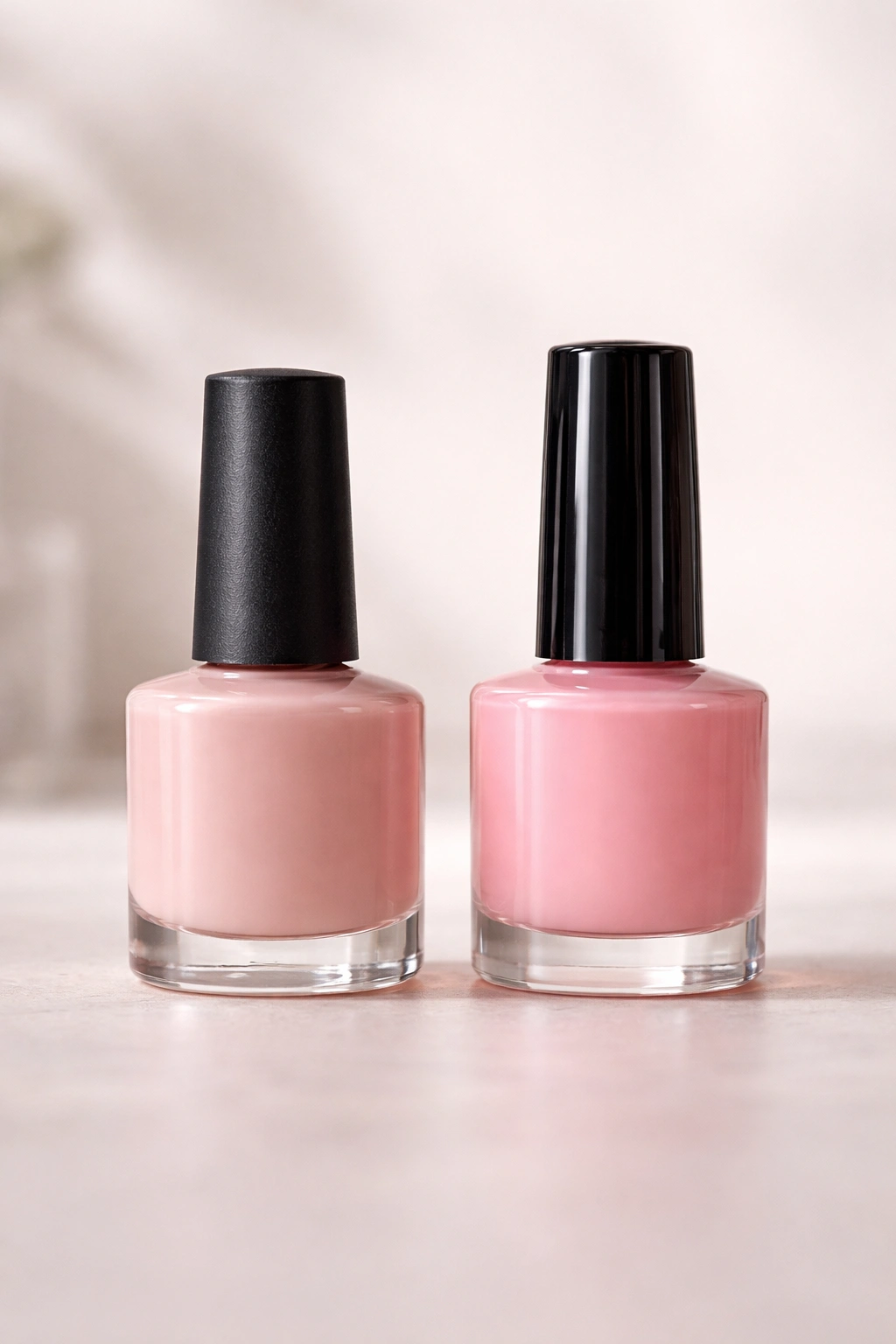
Both Shellac and gel manicures fall in a similar price range at most salons, typically between $35 and $65 depending on location, salon reputation, and whether you’re adding extra services like nail art. The cost difference is often minimal—a few dollars—when you compare a basic Shellac manicure to a basic gel manicure at the same salon.
However, when you factor in removal costs, the picture shifts slightly. Shellac removal is usually included in your next appointment or costs only a few dollars. Gel removal, by contrast, might cost $5 to $15 extra, or some salons bundle it into the cost of your next manicure. Over the course of a year—let’s say 26 salon visits—those removal charges add up.
There’s also the consideration of longevity affecting total cost. If Shellac lasts 14 days and gel lasts 21 days, and you’re getting manicures regularly, you’re visiting the salon more frequently for Shellac. That’s roughly 26 Shellac manicures annually versus roughly 17 gel manicures. Even though each service costs roughly the same, more frequent visits mean higher annual spending on Shellac manicures.
That said, if you prefer changing colors frequently and enjoy the ritual of salon visits, the more frequent schedule might actually appeal to you. The question becomes less about cost-per-manicure and more about what serves your lifestyle and preferences.
Impact on Natural Nail Health
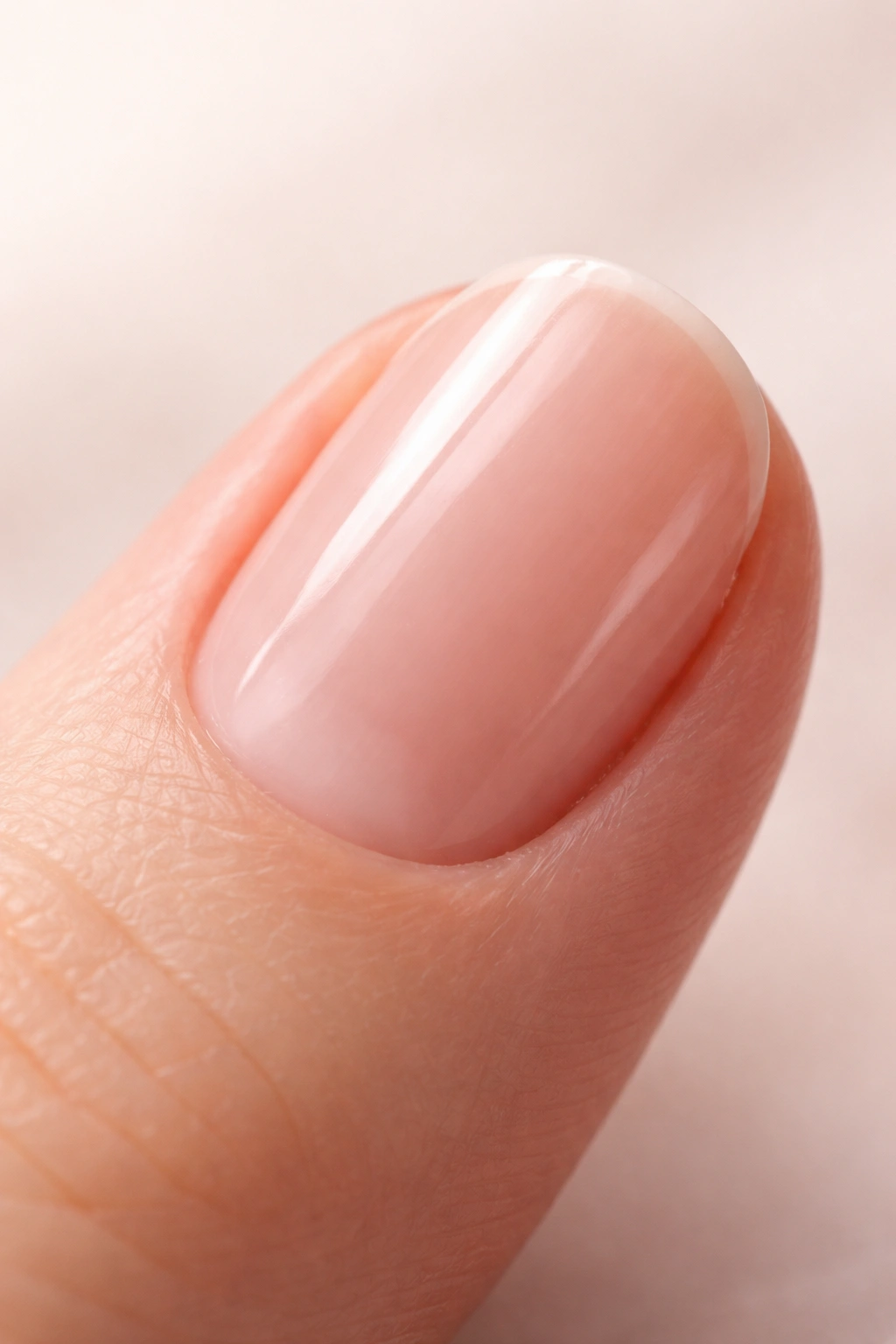
Both Shellac and gel, when applied and removed properly by skilled professionals, don’t inherently damage healthy nails. The catch—and it’s important—is that improper application or removal can cause problems with either product.
Shellac is generally considered gentler on nails because the removal process is less intensive. The thin formula means there’s less stress on the nail bed, and the easy soak-off removal means minimal mechanical damage during removal. If you have naturally thin, weak, or previously damaged nails, Shellac is often the better choice because it’s less likely to cause additional trauma.
Gel requires more aggressive removal, which creates more risk for damage if not done correctly. However, gel application actually requires less nail bed preparation than some people think. Modern gel systems, when applied with proper technique, don’t damage nails. The issue arises during removal—if a technician is too aggressive with filing, doesn’t soak long enough, or uses excessive force to scrape off product, it can weaken the nail plate temporarily.
The biggest threat to nail health with either product is picking or peeling off the manicure yourself. This is a critical point: if either Shellac or gel starts lifting and you’re tempted to pick at it, stop. Peeling off semi-permanent polish removes layers of your natural nail with it. Water seeps into the gap between the polish and nail plate, potentially harboring bacteria and fungus. Damage from picking can take months to fully grow out.
Both products also dry out cuticles due to the acetone exposure during removal. This is temporary and easily managed with cuticle oil and hand moisturizer, but it’s important to factor into your nail care routine if you’re getting manicures frequently.
Which One Suits Different Nail Conditions
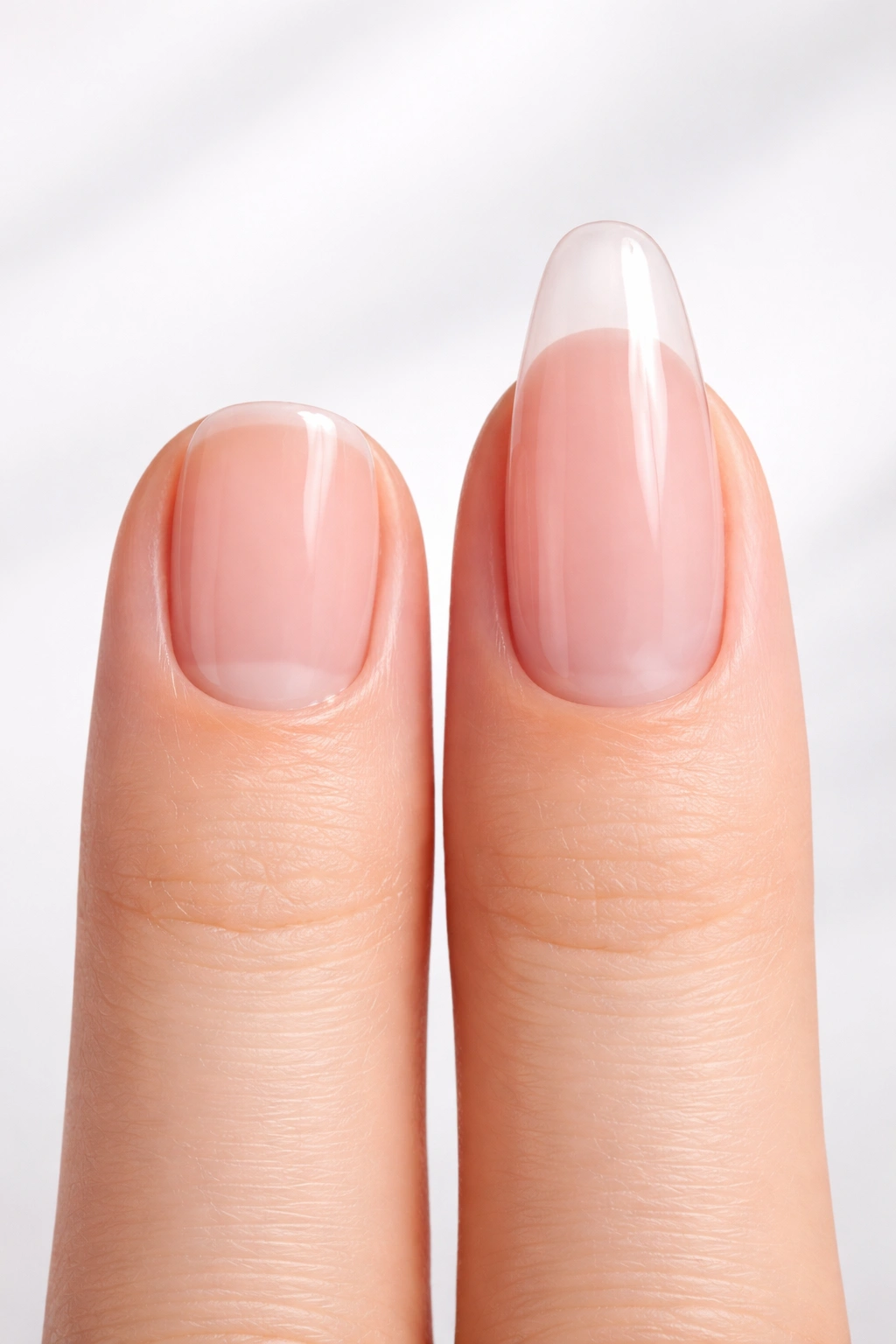
Your starting nail condition should influence your choice. If your nails are naturally healthy, strong, and grow at a normal pace, either option works well. The choice becomes more about preference and lifestyle.
If your nails are thin, weak, brittle, or you’ve recently had gel manicures that left them feeling fragile, Shellac is the better choice. The gentler removal process and thinner application mean less stress on compromised nail beds. Spend a few weeks with Shellac, give your nails breaks between manicures, use cuticle oil religiously, and your nails will recover and strengthen.
If your nails are short or bitten down, gel extensions are an option that Shellac cannot provide. Shellac can only be applied to nails that already exist—it adds color and shine but not length. If you want longer nails and you’re starting with very short nails, gel extensions are necessary.
If you have nail beds that are prone to fungal infections or if you have a history of sensitivity to nail products, consult with your technician or dermatologist. Some people’s chemistry doesn’t react well to gel resins, while others find no issues. Shellac might be worth trying first to see if it works better for your individual nails.
If your lifestyle is very hands-on—you garden, do yard work, play sports, or work with your hands extensively—gel’s superior durability means you’ll get better wear from your manicure and fewer chips to frustrate you. Shellac might show wear faster in these conditions.
Professional Application: Why Technique Matters
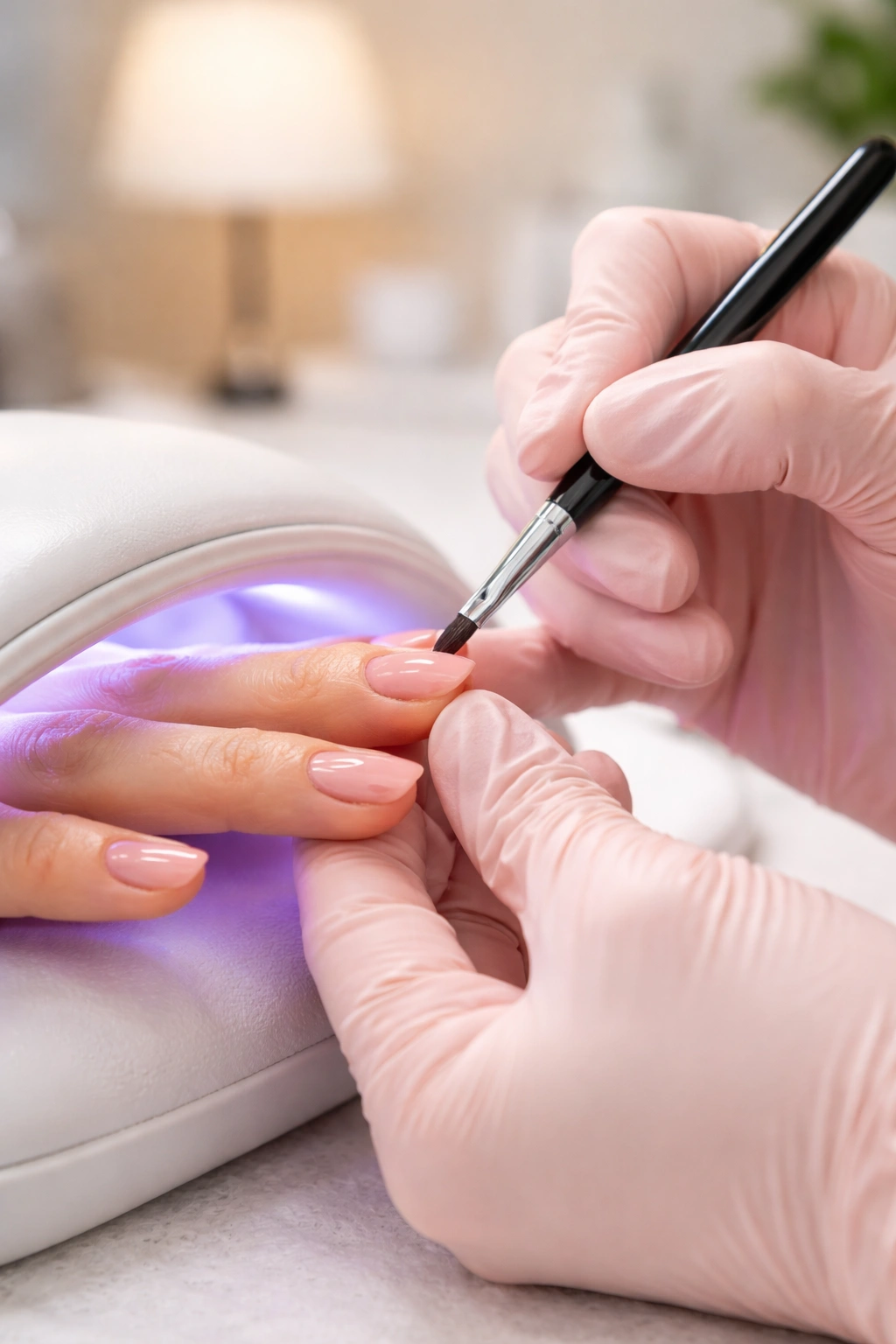
This deserves emphasis because it applies to both products: where you go and who applies your manicure makes an enormous difference in how your nails look and how healthy they remain afterward.
A skilled technician trained in proper Shellac application will roughen the nail bed minimally (or not at all for true Shellac), apply the right amount of product with even coverage, cure each layer adequately, and use the correct removal technique. These fundamentals mean your manicure lasts as long as it should, looks beautiful, and doesn’t damage your nails.
The same applies to gel. A well-trained technician will prep the nail appropriately, apply gel in thin, even layers, ensure thorough curing under the correct lamp type, and use proper removal technique. When this happens, gel manicures are wonderful—durable, beautiful, and nail-safe.
When either is applied or removed poorly, problems arise. A technician who applies product too thickly, doesn’t cure properly, or removes aggressively can cause problems. This is why salon choice matters. Look for technicians who are specifically certified in the products they use, who take time with their work, and who have good reviews from clients specifically praising nail health.
What Nail Damage Actually Looks Like and How to Prevent It
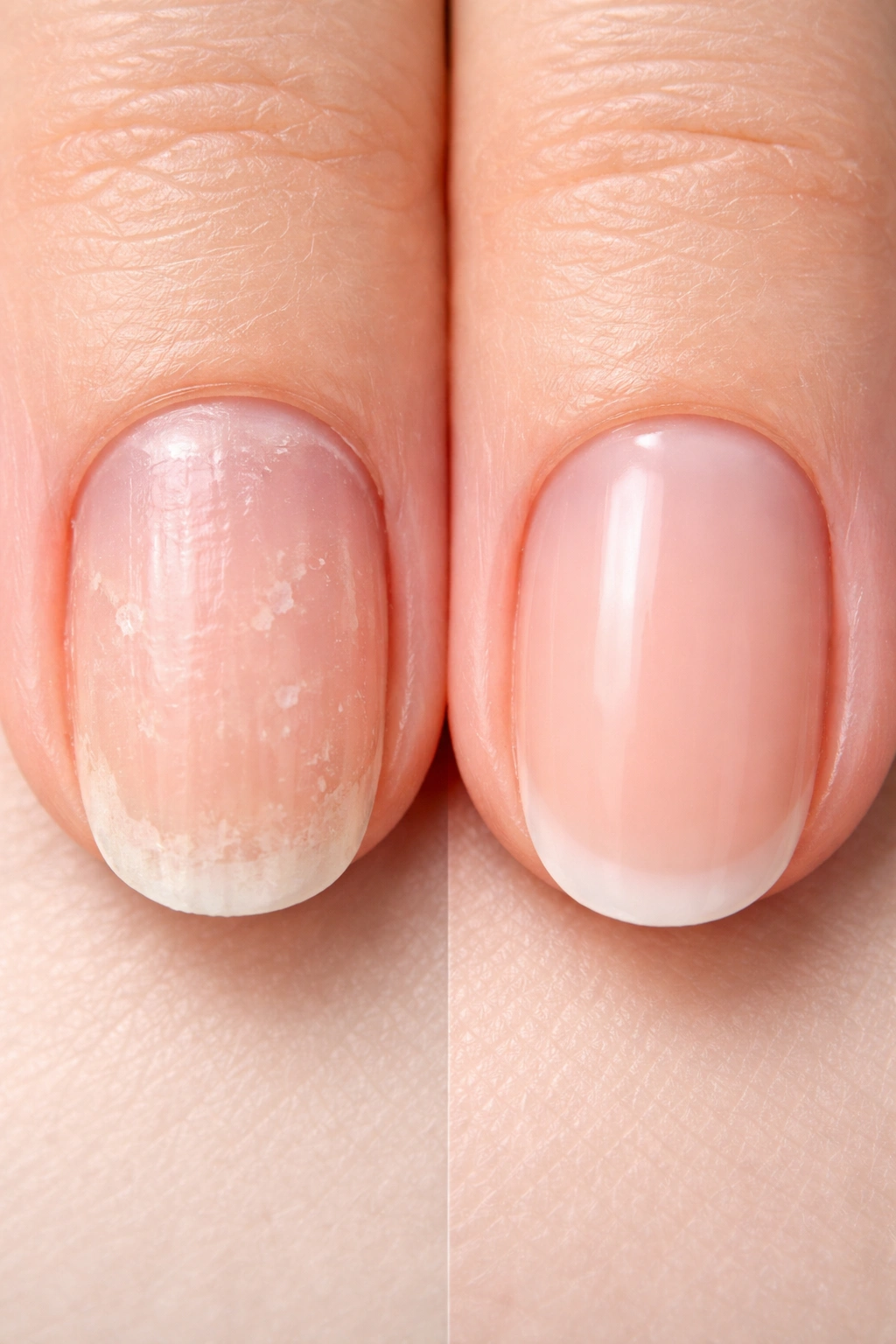
True damage from either Shellac or gel shows up as nails that are noticeably thinner, more brittle, more prone to peeling, or showing white spots and weakness. Mild temporary brittleness right after removal is normal and recovers with moisturizing—that’s not damage. Real damage is when your nails remain compromised weeks after removal.
To prevent damage, follow these guidelines: Never skip professional removal. Don’t pick, peel, or pull off your manicure yourself. If it’s starting to lift and you’re tired of it, go back to the salon and have it removed properly. The few minutes it takes is worth the protection to your nails.
Between manicures, give your nails a break. If you get manicures every two weeks continuously for months on end, your nails will start showing wear. Taking a week or two off between applications—using regular polish or nothing at all—gives nails time to recover and stay stronger.
Use cuticle oil and hand moisturizer regularly, especially if you’re getting frequent manicures. The acetone exposure dries everything out, and replenishing moisture prevents brittleness and peeling. A good cuticle oil applied daily makes a visible difference.
If you notice real damage developing—nails becoming thin, peeling, or chronically weak—pause manicures entirely for a few weeks. Paint your nails with regular polish or leave them bare, use targeted nail strengthening treatments, and let them recover. When you return to semi-permanent polish, consider switching products or going to a different technician if you think application or removal was the issue.
Who Should Choose Shellac
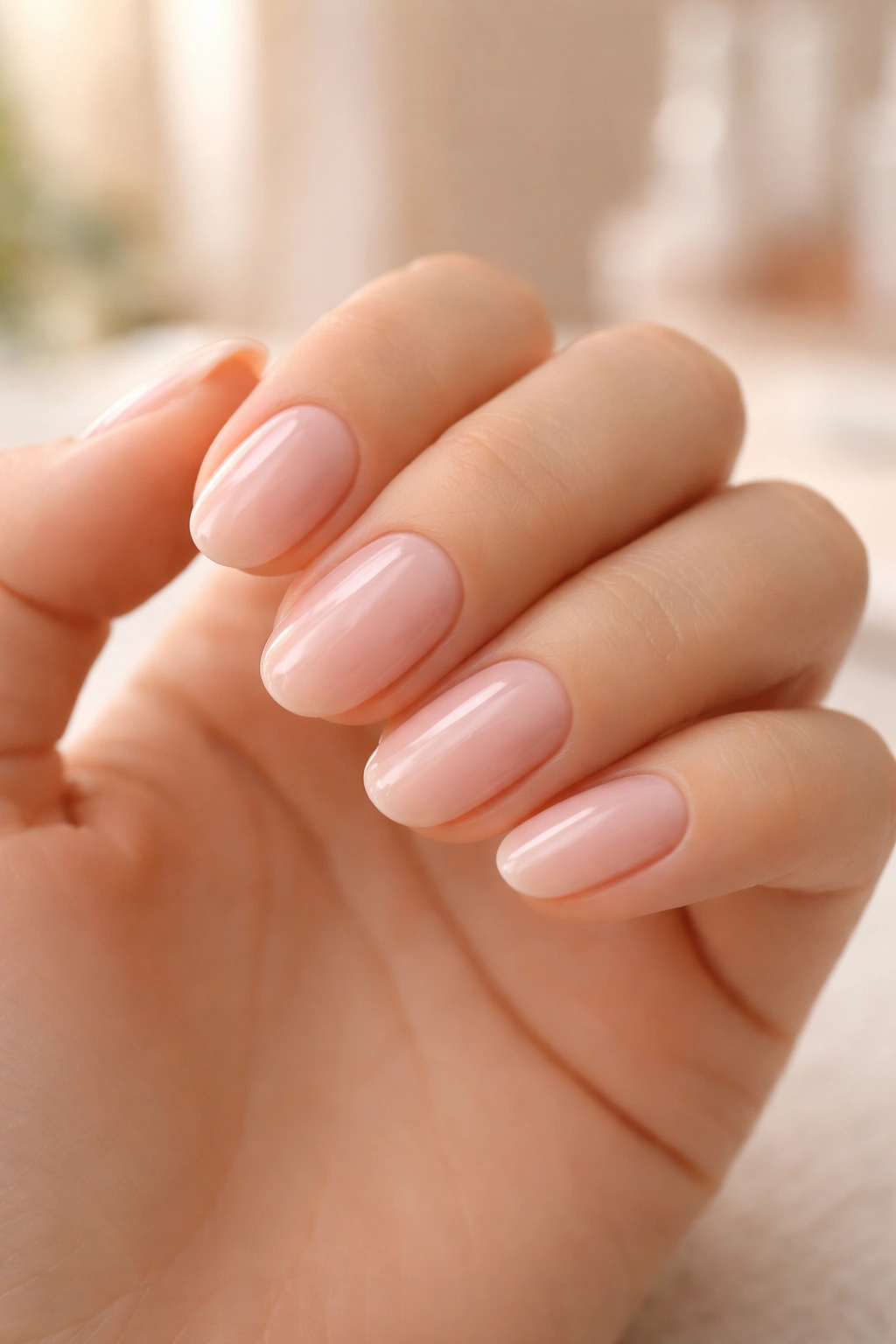
Shellac is ideal if you fall into certain categories. If you like changing your nail color frequently—every two weeks or even more often—Shellac makes sense because removal is easy and quick, and you’re not investing in a product designed to last three weeks when you want a fresh look sooner.
If you have sensitive or previously damaged nails, Shellac is the gentler option. The easier removal process means less risk of trauma to your nail beds. If you prefer your nails to feel as natural as possible and don’t want the structured, robust feeling of gel, Shellac’s thinner application delivers that comfort.
If you’re new to semi-permanent manicures and want to test the waters without committing to gel’s longer wear and more intensive removal, Shellac is a good introduction. You’ll get a chip-free manicure for two weeks, experience the UV lamp process, and see if this style of manicure fits your routine.
If cost is a primary concern and you value removal being included or nearly free, Shellac’s simpler removal means you’re not paying extra fees for that service.
Who Should Choose Gel
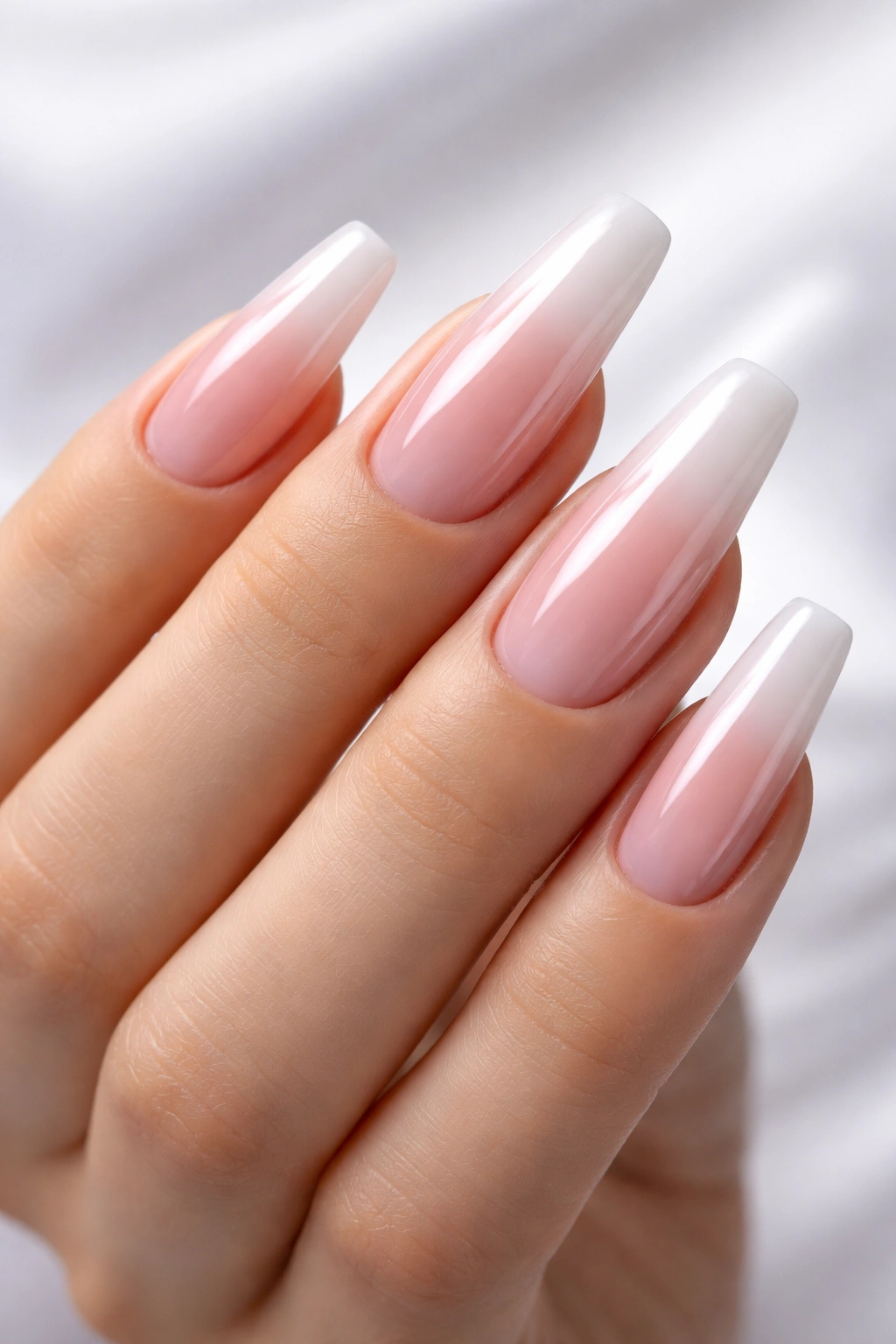
Gel is your pick if durability is paramount. If you travel frequently, have a demanding schedule, or simply hate returning to the salon every two weeks, gel’s three-week-plus wear time is a game-changer.
If you love nail art and creative designs, gel gives your technician more tools and possibilities. The thicker formula, longer working time, and specialty finish options mean more artistic freedom.
If you have healthy, strong nails and want them to feel even more reinforced, gel’s substantial coating delivers that. Some people genuinely prefer the feeling and look of gel’s glossier, more structured finish.
If you want to extend your nail length beyond what you currently have, gel extensions are the way to go. Shellac cannot create length—it’s color and shine only.
If you’re in a profession where your hands are on display and you want absolute guarantee of a flawless manicure lasting three weeks without a single chip, gel is more reliable than Shellac for high-wear situations.
Making Your Decision
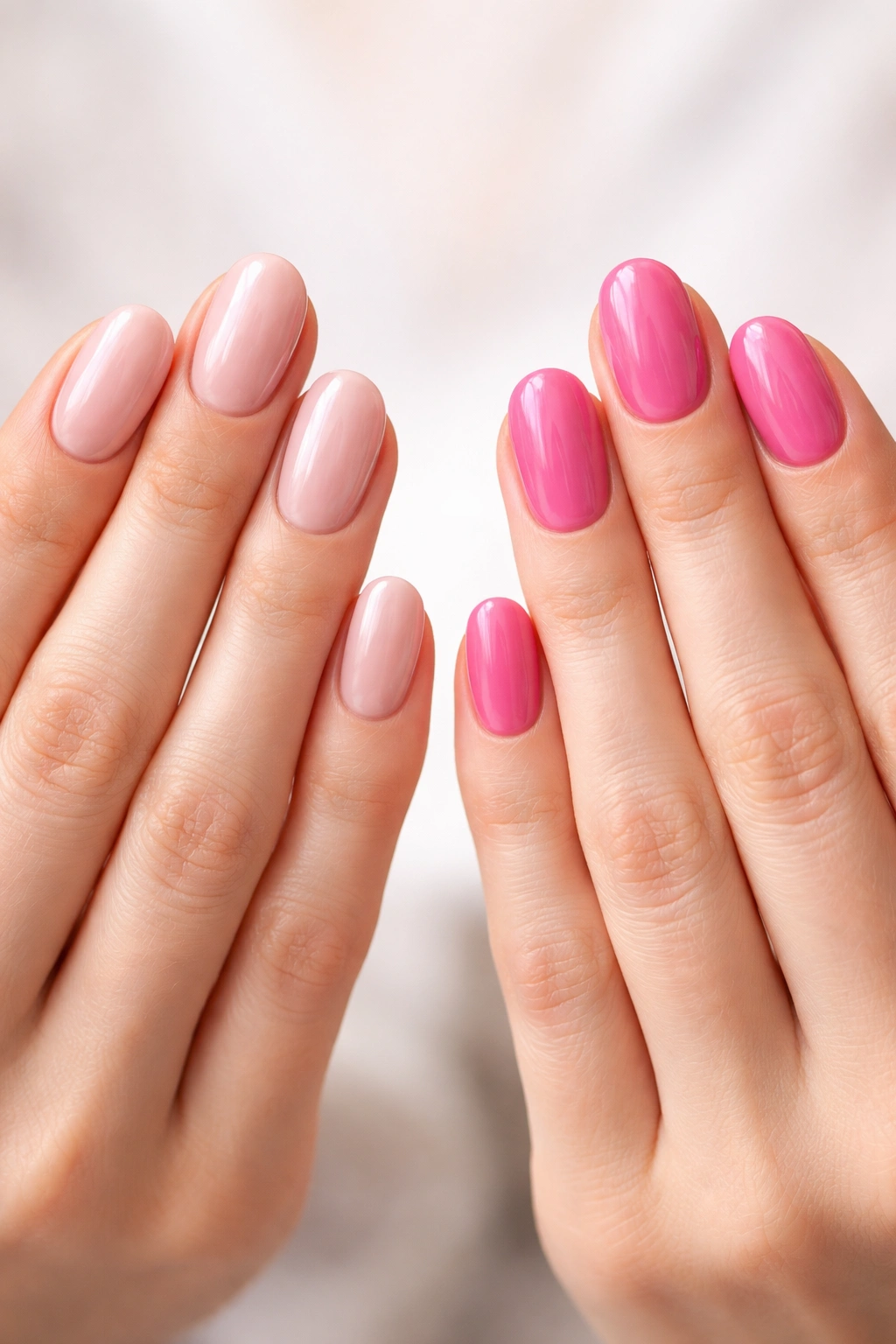
The choice ultimately comes down to what matters most to you personally. Are you prioritizing nail health and easy removal? Shellac wins. Do you want maximum durability and extended time between salon visits? Gel is superior. Do you love color variety and nail art? Gel offers more options. Do you prefer your nails to feel natural and light? Shellac is better.
Consider your lifestyle, your nail health, how frequently you want salon visits, and your aesthetic preferences. If you’ve never tried either and you’re nervous about damaging your nails, starting with Shellac is a smart move. If you’re already a gel enthusiast and your nails are thriving, there’s no reason to switch.
Many people actually use both—Shellac during seasons when they want to change colors frequently, and gel during busy periods when they need maximum durability. There’s no rule saying you must choose one and stick with it forever.
Final Thoughts
Shellac and gel polish are genuinely different products serving different needs. Shellac is the elegant hybrid that prioritizes easy removal and natural appearance, making it the gentler choice for nails and the more flexible choice if you like changing colors. Gel is the durability powerhouse that lasts longer, offers more creative possibilities, and requires fewer salon visits, but demands more careful removal and ongoing nail care.
The best manicure is the one that aligns with your lifestyle, respects your nail health, and makes you feel confident and beautiful. Whether that’s Shellac or gel matters far less than finding a skilled technician who applies and removes your chosen product with care and expertise. Your nails will thank you for the professional attention, and you’ll get to enjoy weeks of flawless color and shine—whichever option you select.