

We’ve all been there—staring at our nails, willing them to grow faster so we can finally achieve that perfect manicure length. Maybe you’ve tried everything from those chalky supplements to expensive salon treatments, only to watch your nails chip, peel, or break just when they start getting somewhere.
Here’s the thing about nail growth: it’s not actually magic, and there’s no secret formula that’ll give you claws overnight. Your nails grow about 3.5 millimeters per month on average, which is roughly the thickness of a pen cap. That’s just biology. But what you can control is how healthy those nails are as they grow, and whether they’ll actually make it to your desired length without breaking.
The real secret isn’t about speeding up growth—it’s about keeping your nails strong enough to survive the journey from cuticle to tip. After talking to dermatologists and nail techs, and honestly, after trying just about everything myself, I’ve learned that growing longer nails comes down to a handful of surprisingly simple habits. Some of them might contradict what you’ve heard before, and a few involve ditching products you thought were helping.
Why Your Nails Aren’t Growing (Or Keep Breaking)
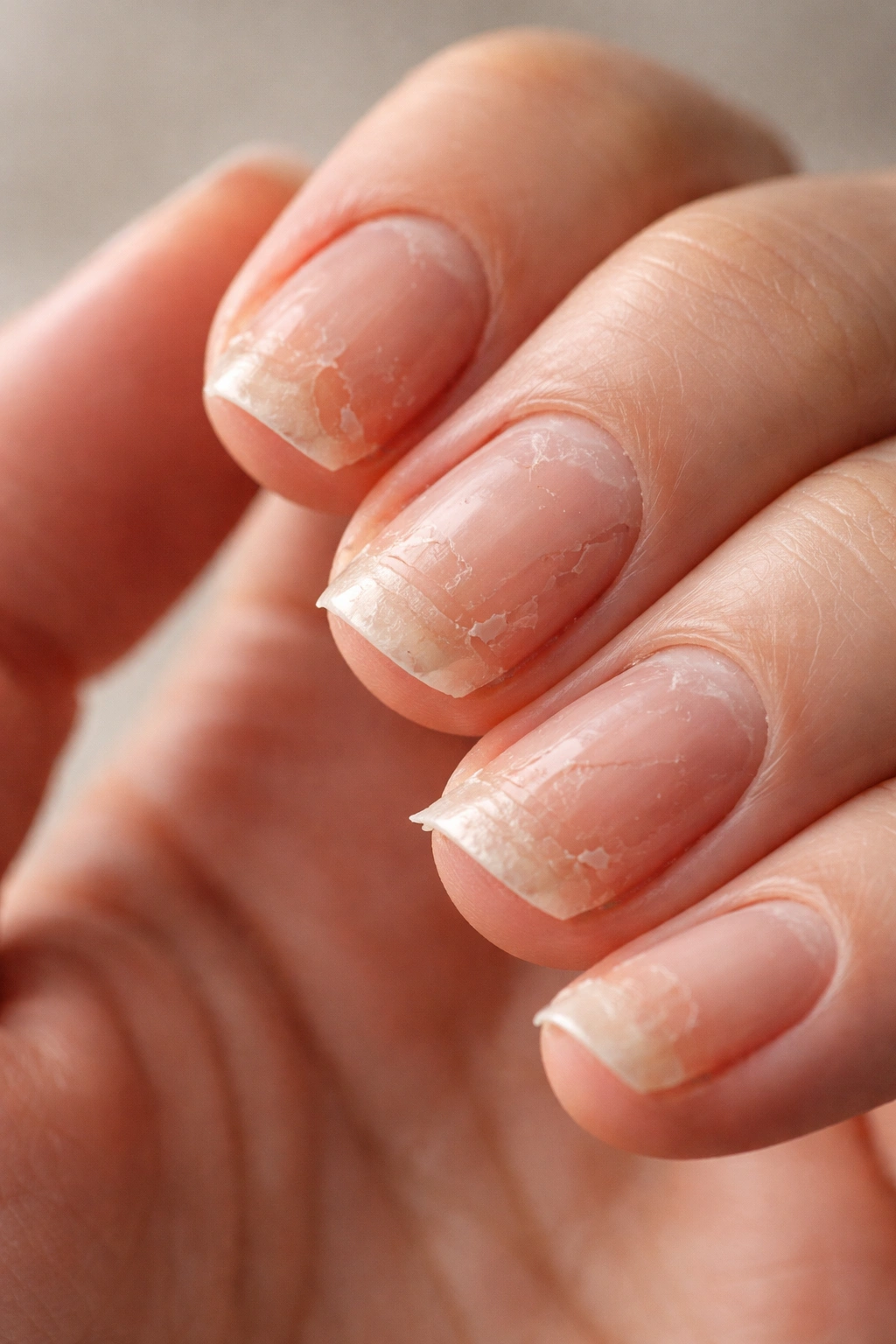
Your nails might be growing just fine, but if they keep breaking before you notice the length, it feels like they’re stuck in place. Nail breakage is the real enemy here, not slow growth.
Brittle nails happen when your nail plate loses moisture and becomes inflexible. Think of it like a dried-out piece of paper versus a slightly damp one—which tears more easily? When nails can’t bend even a tiny bit, they snap under the smallest amount of pressure. Opening a soda can, typing on your phone, even zipping up your jeans can become nail-breaking hazards.
Water exposure is a bigger problem than most people realize. If you’re constantly washing your hands (and who isn’t these days?), doing dishes without gloves, or taking long baths, your nails are absorbing and releasing water repeatedly. This expansion and contraction weakens the nail structure over time, making them prone to peeling and splitting.
Harsh chemicals strip your nails of natural oils. That includes the acetone in most nail polish removers, but also cleaning products, hand sanitizers, and even some soaps. Each exposure leaves your nails a little drier and more vulnerable than before.
Here’s one that surprised me: nail hardeners can actually make things worse. While they seem like the obvious solution for weak nails, many formulas make nails too rigid. Your nails need some flexibility to withstand daily wear and tear. When they’re overly hardened, they become more likely to crack rather than bend.
Skip the Hardener, Reach for Cuticle Oil Instead
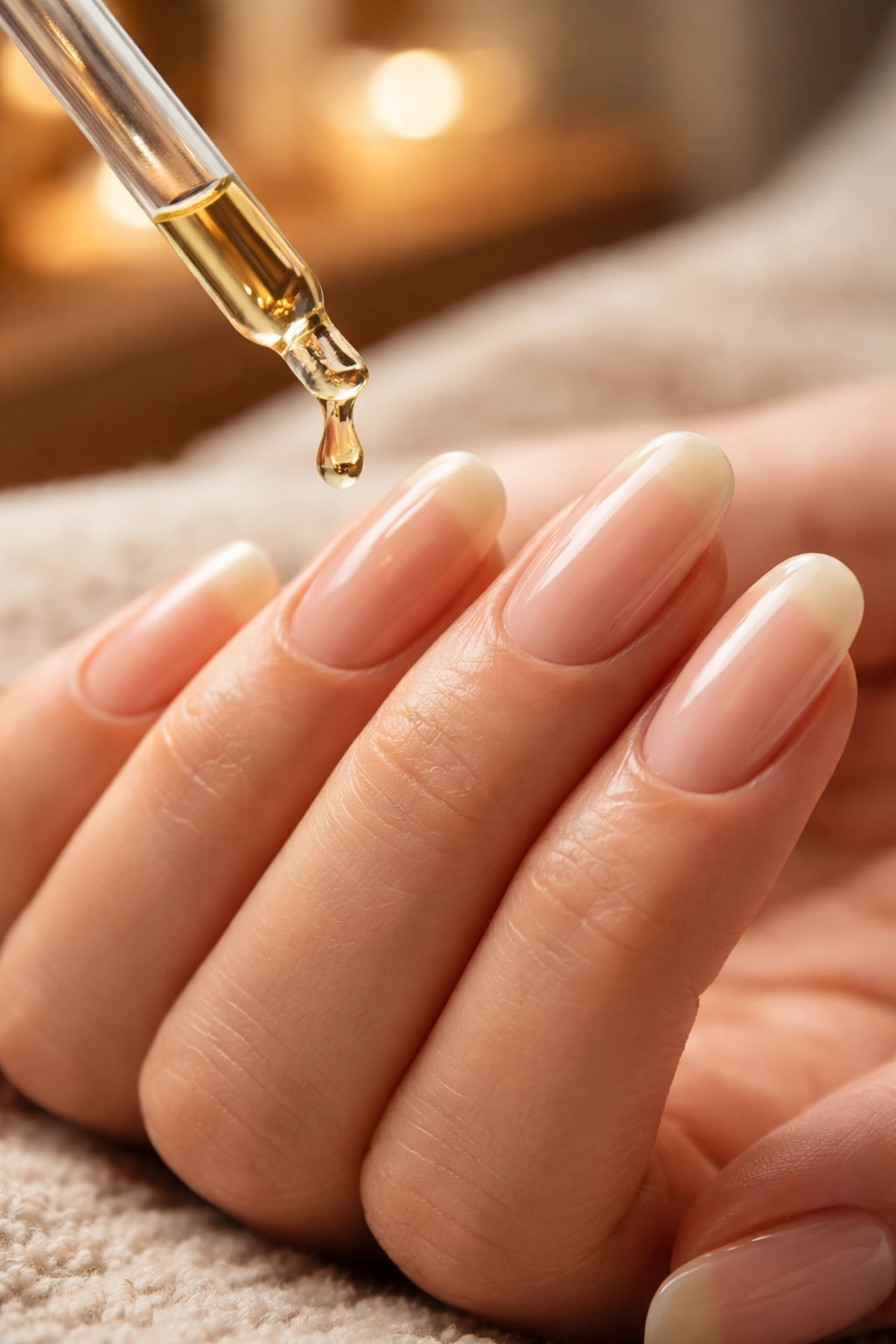
This might be the single most important switch you can make. Cuticle oil isn’t just for making your cuticles look nice—it’s actually one of the best products for nail growth and strength.
Your cuticles act as a protective seal for your nail matrix, which is where new nail cells form. When your cuticles dry out and crack, that seal breaks down. Moisture gets in where it shouldn’t, bacteria can enter, and the whole nail growth process gets disrupted. You might notice white patches, bumps, irregular growth, or discoloration when your cuticles aren’t doing their job properly.
Regular application of cuticle oil maintains hydration in both the nail and the surrounding skin. Unlike nail hardeners that create a rigid surface, cuticle oil keeps nails flexible. This flexibility is what allows them to bend slightly under pressure instead of snapping clean off.
The best time to apply cuticle oil is at night, right before bed. Use just one drop per nail—that’s actually enough. Massage it into your cuticles and nail beds using circular motions. This massage isn’t just relaxing; it stimulates blood circulation to the area, which can promote faster, healthier growth.
Look for oils containing jojoba oil, vitamin E, or plant extracts. Some formulas come with convenient roller balls or brush applicators that make it easy to use without creating a mess. You can also use pure coconut oil, olive oil, or even vitamin E oil straight from the capsule if you prefer a simpler approach.
One nail tech I spoke with swears that the massaging motion is just as important as the oil itself. Improved circulation means more nutrients reaching your nail matrix, supporting the production of new, healthy nail cells. After using cuticle oil consistently for a month, you’ll likely notice your nails feel less brittle and break less often.
Feed Your Nails from the Inside Out
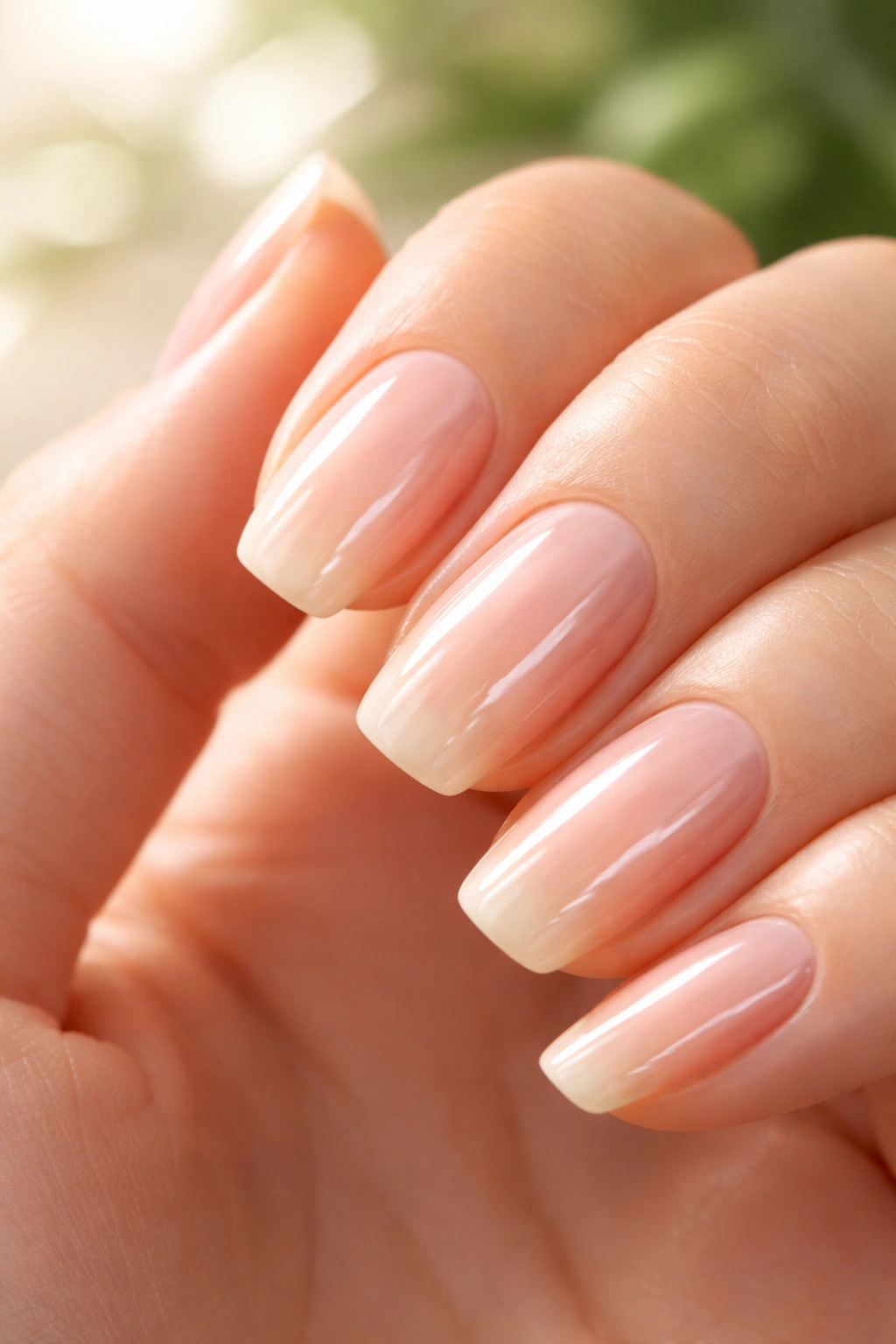
You can slather on all the products you want, but if your diet isn’t supporting nail health, you’re fighting an uphill battle. Your nails are made of keratin, a protein, so what you eat directly impacts how they grow.
Biotin (also called vitamin B7) gets talked about a lot for good reason. This B-vitamin helps your body metabolize the proteins that form keratin. Studies suggest that taking 2.5 milligrams of biotin daily can improve nail strength and thickness in just a few weeks. You’ll find biotin naturally in eggs (cooked ones—raw egg whites actually block biotin absorption), nuts, whole grains, bananas, and mushrooms.
Protein itself is obviously crucial since your nails are literally made of it. If you’re not eating enough protein, your body will prioritize other functions over growing strong nails. Aim to include lean meats, fish, beans, lentils, or dairy in your daily meals.
Iron deficiency shows up in your nails before you might notice it elsewhere. Low iron can cause thin, brittle nails with vertical ridges. Spinach, red meat, lentils, and fortified cereals are solid iron sources. If you eat plant-based iron sources, pair them with vitamin C to boost absorption—think spinach salad with strawberries or lentil soup with a squeeze of lemon.
One person I know discovered their vitamin D levels were low through a routine blood test. After starting a 2000 IU supplement, they noticed their nails became noticeably stronger within a couple months. Low vitamin D has been linked to soft nails that bend and break easily. You can get vitamin D from fatty fish, fortified milk, or brief sun exposure, but many people need a supplement, especially during winter months.
Omega-3 fatty acids support overall nail integrity. These healthy fats help reduce inflammation and keep nails moisturized from within. Salmon, walnuts, flaxseeds, and chia seeds are excellent sources.
Before adding any supplements to your routine, check with your doctor. Blood tests can reveal if you actually have deficiencies, and some supplements can interfere with medications or lab work. Biotin, for instance, can mess with thyroid test results and certain cardiac markers.
Give Your Nails a Fighting Chance with BIAB
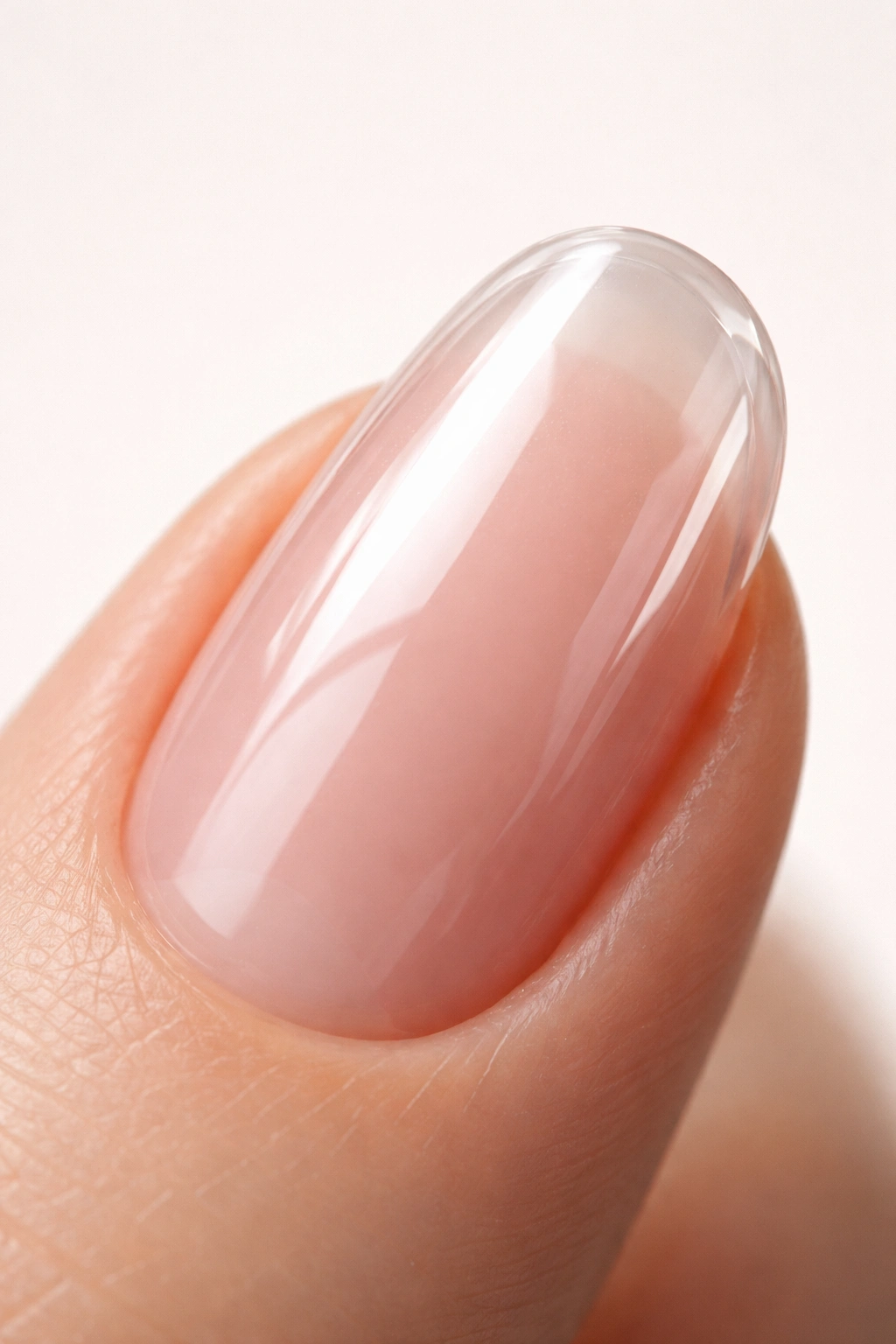
If you love gel manicures but your nails always seem to get weaker and more damaged, Builder in a Bottle (BIAB or builder gel) might change everything for you. This isn’t your typical gel polish.
Traditional gel polish sits on top of your nail and looks pretty, but it doesn’t add any structural support. Builder gel, however, creates a protective layer that reinforces your natural nail. Think of it as armor that allows your nails to grow underneath without the constant threat of breaking.
BIAB typically lasts up to three weeks, and here’s where it gets really interesting: you can get infills instead of complete removal. When you go back to the salon after a couple weeks, your nail tech can fill in the gap near your cuticles where your nail has grown out, rather than soaking off all the gel and starting from scratch. This means less damage from the removal process and continuous protection for your growing nails.
You can usually do two or three infills before you need to remove the BIAB completely and start fresh. This gives your natural nails weeks or even months of uninterrupted growth time while they’re protected from breaking.
The removal process for BIAB is gentler than acrylics. It soaks off rather than requiring aggressive filing, which causes less damage to your nail plate. Dermatologists who’ve compared different nail enhancement options often note that their patients using BIAB maintain healthier nails than those getting regular gel manicures or acrylic nails.
One unexpected benefit: BIAB can help if you’re a nail biter. The harder, more durable finish makes it difficult to bite through, which can help break the habit. After a few weeks of leaving your nails alone, you might find the urge to bite diminishes.
Does this mean you should never take breaks? Not quite. Even with gentler products, your nails benefit from occasional polish-free periods. Just keep in mind that BIAB is a much better option than constantly applying and removing regular gel polish or wearing acrylics continuously.
The Right Tools Make All the Difference
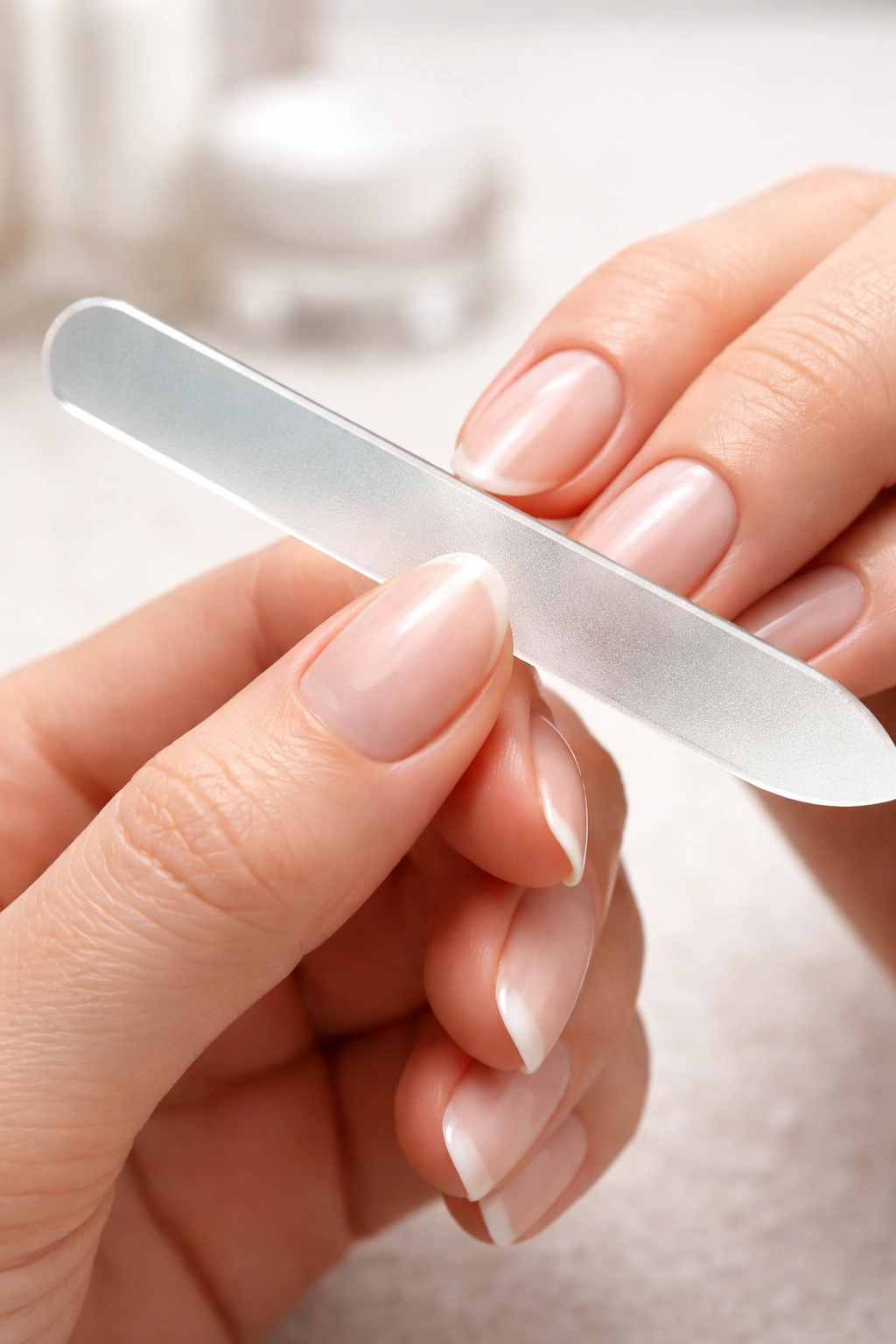
Using the wrong nail file can undo all your other efforts. Those rough, traditional emery boards might seem fine, but they’re actually causing microscopic damage every time you use them.
Glass or crystal nail files create a smoother edge that seals the keratin layers at your nail’s tip. This prevents the splitting and peeling that rough files cause. When you file with a traditional emery board, you’re essentially tearing through the nail layers, leaving rough edges that snag on things and eventually rip.
Glass files glide across the nail surface, creating a perfectly smooth finish. They’re also non-porous, which means you can wash and disinfect them between uses. A quality glass file might cost more upfront, but it lasts indefinitely if you don’t drop it.
When filing your nails, always move in one direction rather than sawing back and forth. Start at the outer edge and file toward the center. Repeat on the other side. This technique prevents the nail from splitting or developing weak points.
Nail scissors or clippers should be sharp and clean. Dull tools can crush the nail as they cut, causing tiny cracks that turn into bigger problems later. Clean your nail tools with rubbing alcohol regularly to prevent bacterial buildup.
Round or oval nail shapes tend to be stronger than square or pointed shapes. Sharp corners and points become stress points where nails are more likely to break. If you’re growing your nails out, an oval shape gives you the best chance of reaching your goal length without breakage.
Moisturize Like Your Nails Depend on It (Because They Do)
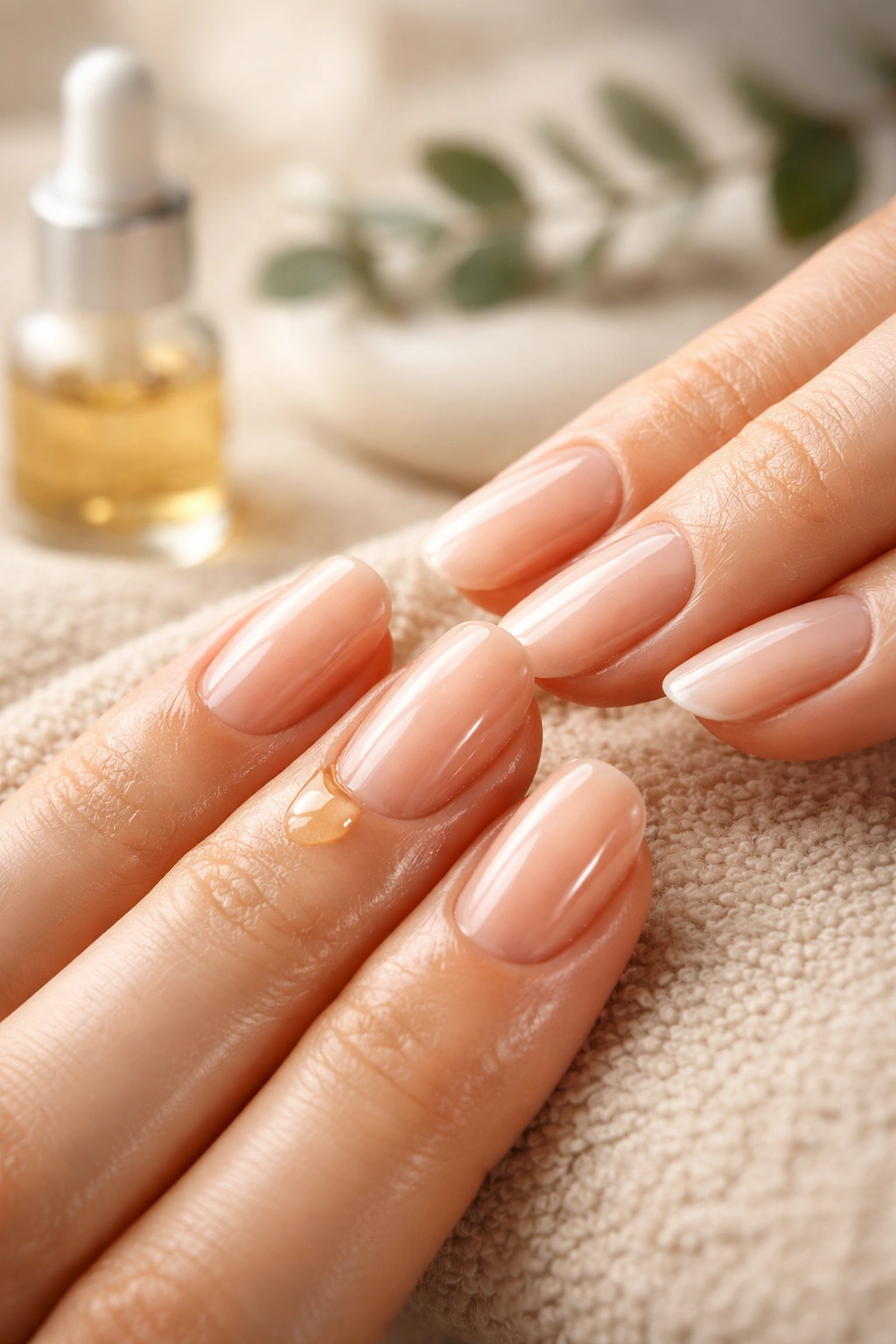
Dry nails are weak nails. Period. You wouldn’t expect your skin to stay healthy without moisturizer, yet many people never think to moisturize their nails.
Hand cream is important, but nails need something more intensive. Look for heavy, oil-based moisturizers specifically formulated for hands and nails. These products penetrate deeper than regular lotions and create a protective barrier against environmental damage.
Apply hand cream every single time you wash your hands. Keep bottles wherever you might need them—by the kitchen sink, in your bathroom, at your desk, in your bag. The goal is to replace the moisture that washing removes before your nails have a chance to dry out.
At night, take it up a notch. Apply a thick layer of moisturizer or pure oil (like coconut oil) to your hands, nails, and cuticles. Some people wear cotton gloves overnight to lock in the moisture. You’ll wake up with noticeably softer hands and more hydrated nails.
Cold weather is particularly brutal on nails. The combination of dry indoor heating and cold outdoor air strips moisture fast. Winter is when you need to be most diligent about moisturizing, and wearing gloves outside isn’t optional—it’s necessary protection for your nails.
When doing dishes or cleaning, rubber gloves are your best friend. Dish soap is designed to cut through grease, which means it’s also cutting through the natural oils on your skin and nails. The warm water compounds the problem by opening up the nail plate and allowing even more moisture loss.
Stop Using Your Nails as Tools (Seriously)
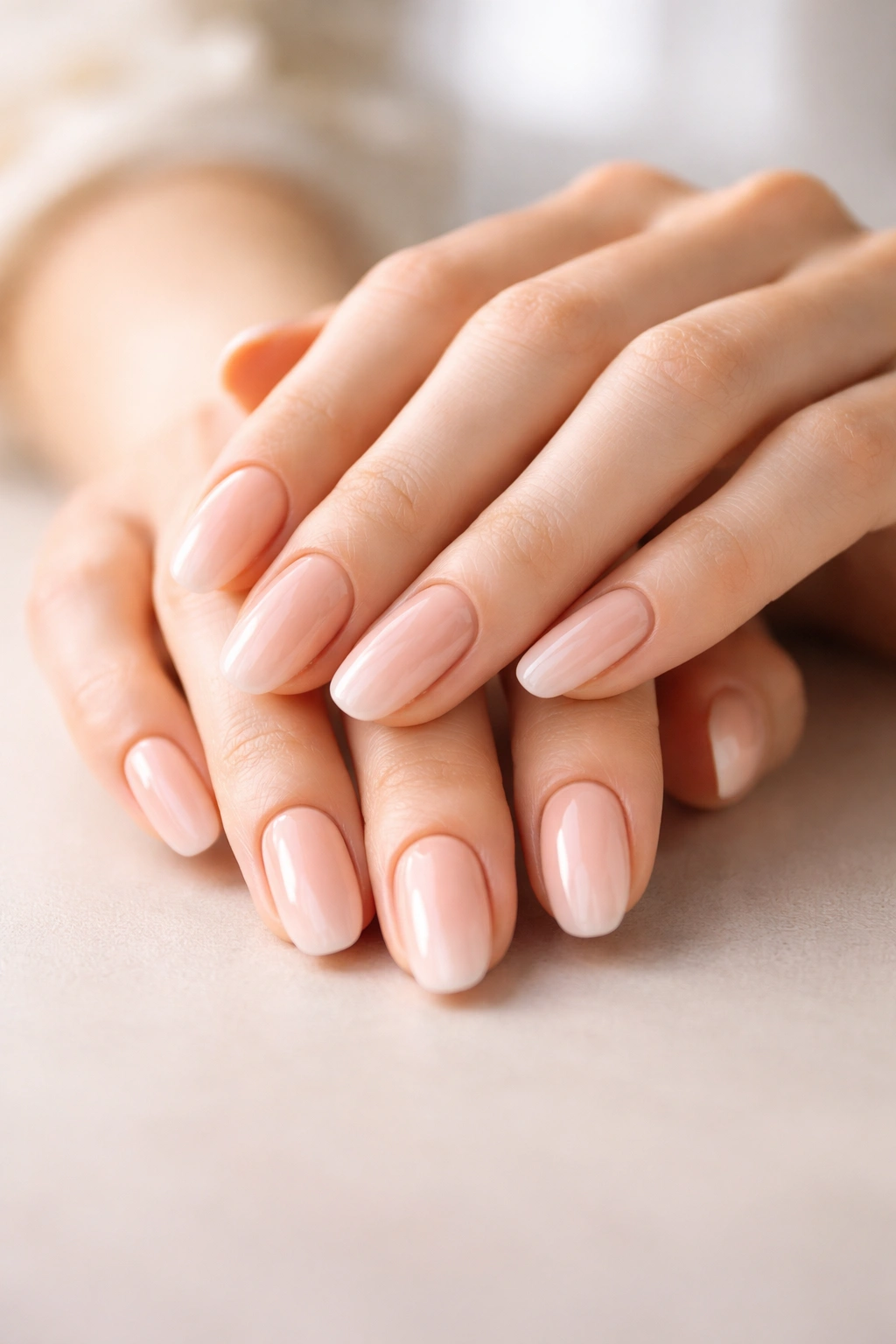
This habit is so common that you might not even realize you’re doing it. Opening soda cans, peeling off price stickers, prying open containers, scratching off labels—every time you use your nails instead of an actual tool, you’re risking damage.
Your nails aren’t designed to withstand that kind of lateral pressure. When you use them to pry or scrape, you’re putting stress on the nail plate that can cause it to separate from the nail bed. These tiny separations might not be visible at first, but they weaken the entire nail structure.
Keep scissors, a box cutter, or even a butter knife handy for tasks that tempt you to use your nails. Opening packages is one of the biggest culprits—switch to a proper package opener and your nails will thank you.
Typing can be gentler on nails if you use the pads of your fingers rather than tapping with your nails. Same with texting on your phone. These small adjustments reduce the repeated stress that can cause nails to weaken over time.
If you find yourself picking at your nails or cuticles when you’re bored or stressed, you need to replace that habit with something else. Try a stress ball, fidget toy, or just keeping your hands busy with something productive. Picking damages the nail matrix and can lead to irregular growth patterns that take months to correct.
The Glycolic Acid Trick for Smoother, Stronger Nails
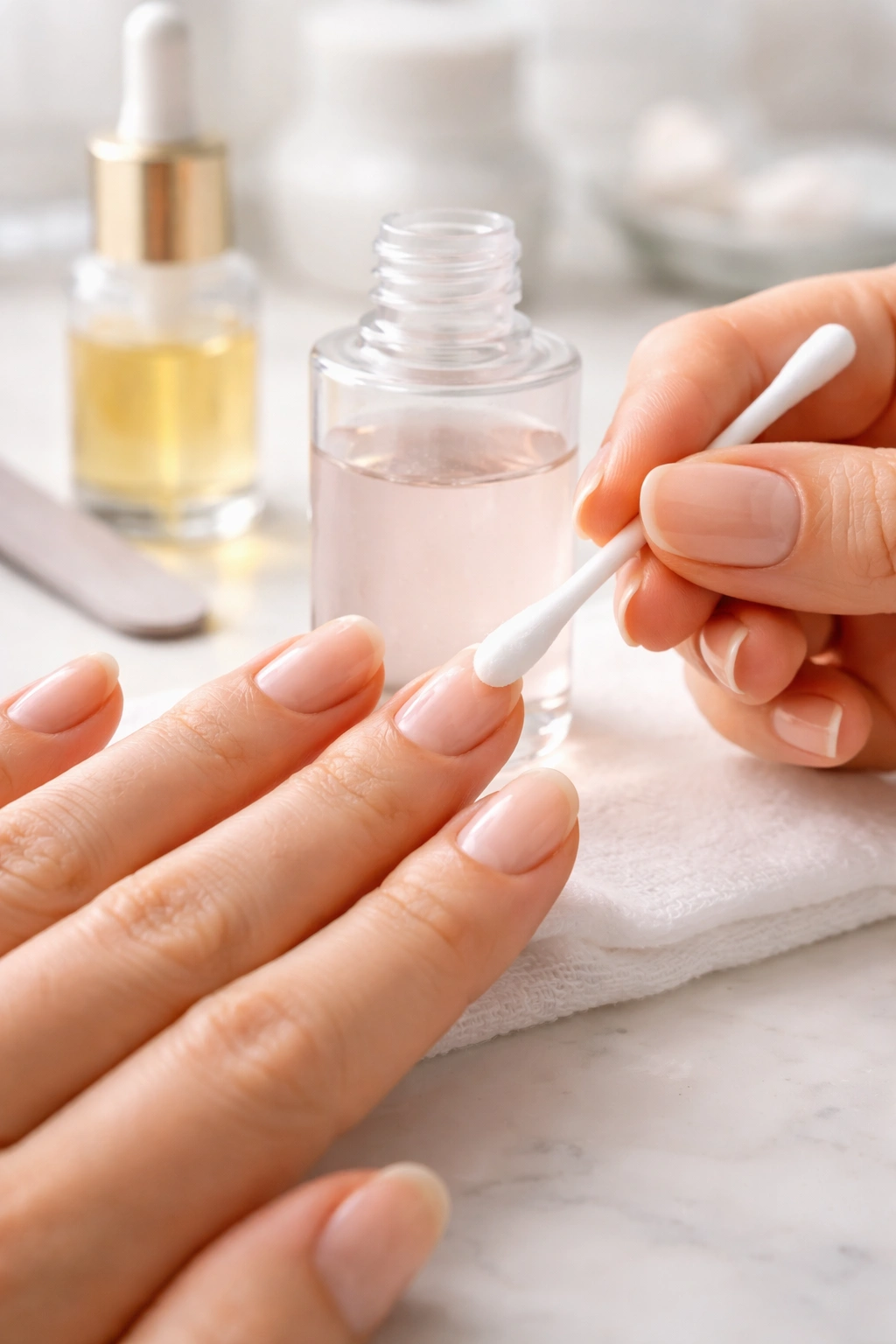
Here’s something that might surprise you: glycolic acid isn’t just for your face. This alpha hydroxy acid (AHA) can actually benefit your nails by gently exfoliating dead cells and promoting smoother growth.
Between manicures, try applying a glycolic acid toner to your nails and cuticles using a cotton swab. Let it sit for a minute, then follow with cuticle oil. This removes flakes, smooths the nail surface, and helps create a better canvas for your next polish application.
You can also look for nail-specific glycolic acid treatments. These typically come as weekly systems that include a glycolic treatment, a primer, and a nourishing oil. The results are smoother, shinier nails that look healthier even without polish.
Don’t overdo it with glycolic acid—once or twice a week is plenty. Too much exfoliation can irritate the skin around your nails and potentially cause sensitivity. Always follow with a hydrating product to keep your nails from drying out.
When to Take a Break from Polish
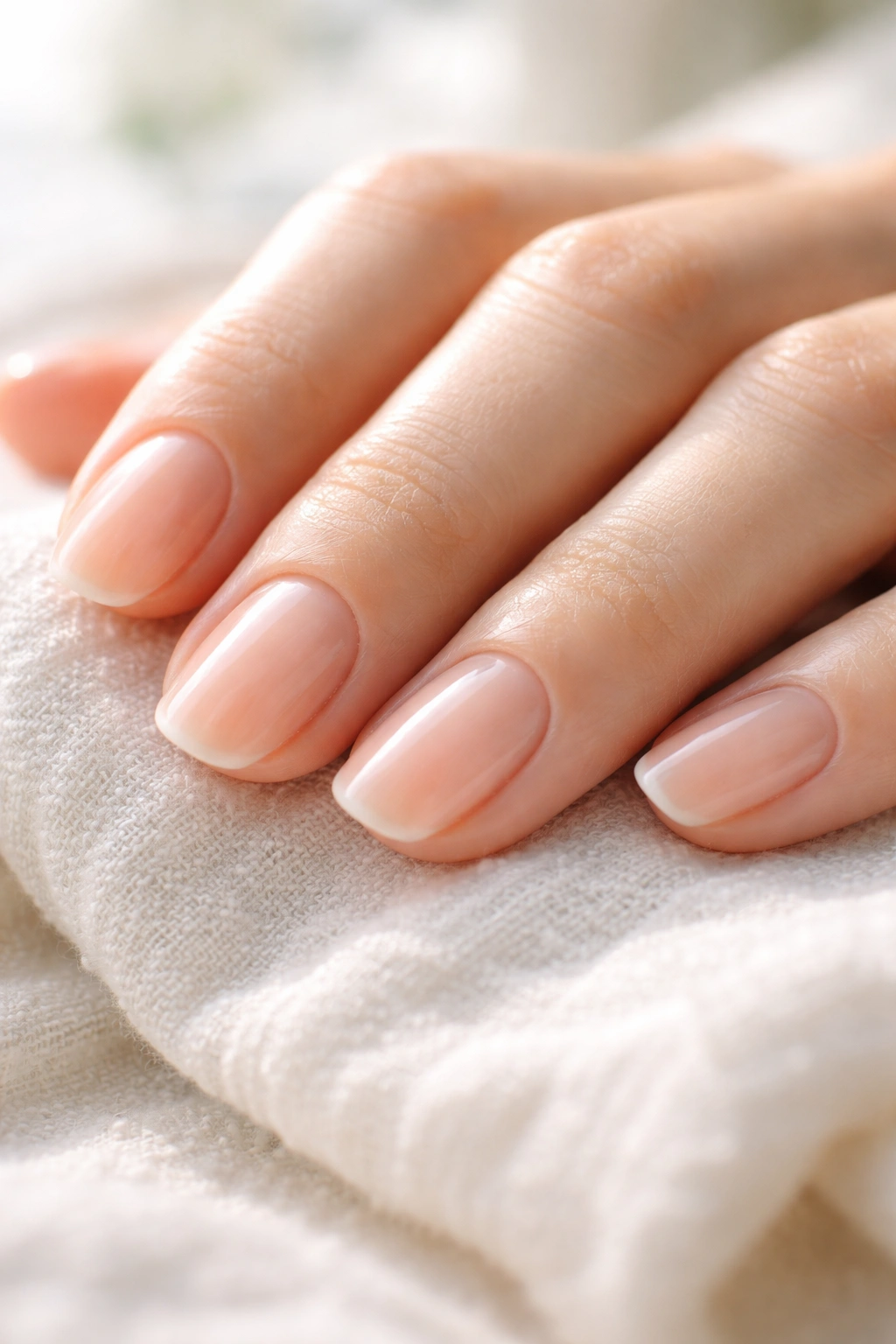
Nail polish isn’t inherently bad for your nails, but wearing it constantly—especially gel or long-wear formulas—can prevent your nails from getting the air and moisture they need. Your nails don’t technically “breathe,” but they do absorb moisture from the environment, and a constant barrier of polish can interfere with that.
Give your nails at least a few days of polish-free time between manicures. A week is even better. During these breaks, focus on intensive moisturizing and cuticle care to help your nails recover and strengthen.
Gel polish requires particularly careful consideration. While it provides a beautiful, long-lasting finish, the UV light exposure and harsh removal process can weaken nails over time. If you love gel manicures, consider alternating them with regular polish or polish-free periods.
Avoid peeling or picking off gel polish. This rips off layers of your natural nail along with the polish, causing significant damage that takes months to grow out. Always remove gel polish properly by soaking it off, preferably with help from a professional.
Acrylic nails and other extensions deserve a break too. While they can help you achieve instant length, the application and removal processes are tough on your natural nails. After removing acrylics, give your nails at least a month to recover before applying another set.
The Bottom Line on Growing Your Nails
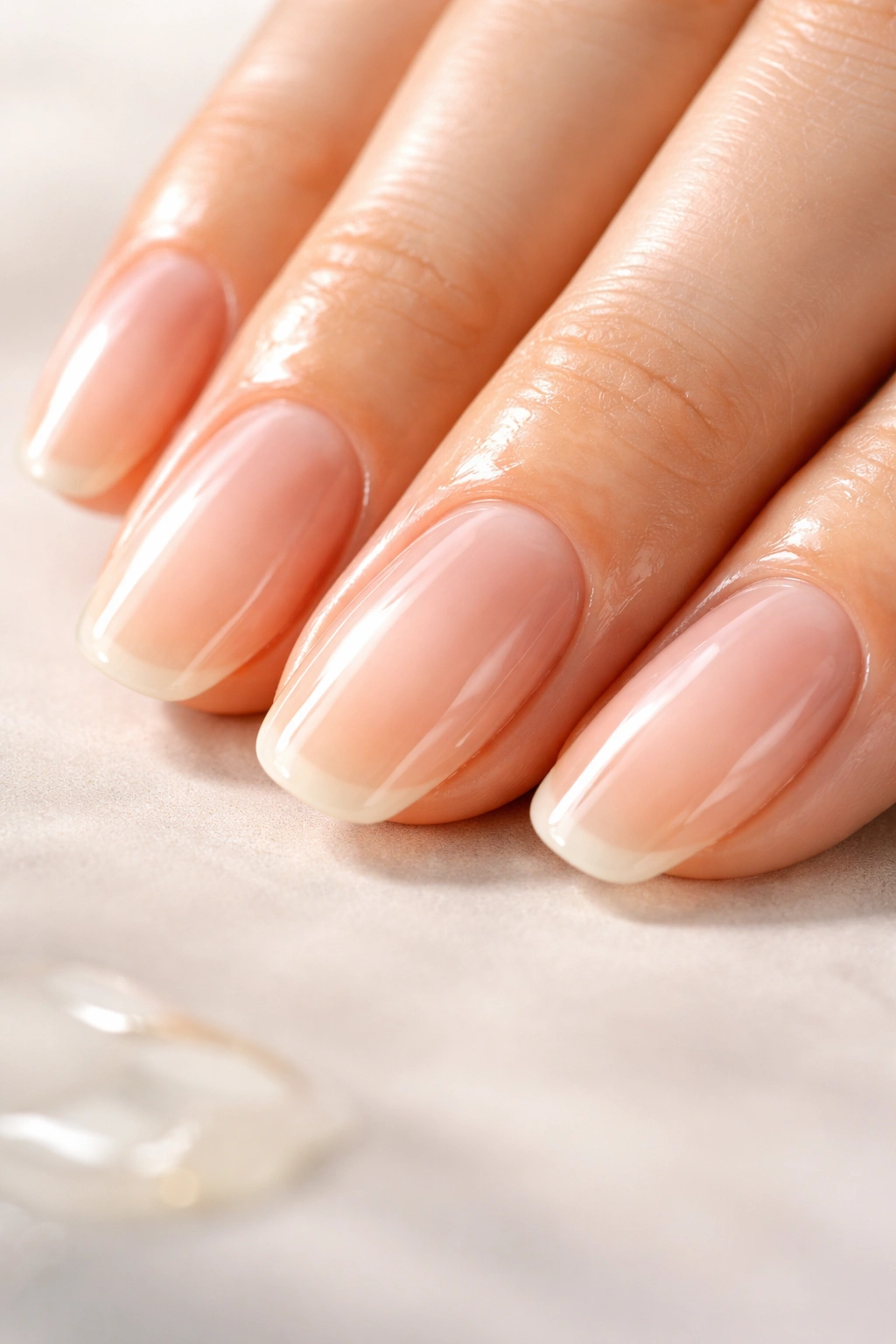
Growing your nails faster isn’t really about speeding up the biological process—it’s about creating the conditions where your nails can survive their natural growth without breaking. That means keeping them hydrated, nourished, and protected from damage.
Your nails reflect your overall health. If you’re eating well, staying hydrated, and managing stress, your nails will show it. The same goes for the opposite—nutritional deficiencies, illness, and poor self-care all appear in your nails eventually.
Patience is part of the process. You won’t see dramatic changes overnight, but if you stick with these habits for a month or two, you’ll notice a real difference. Your nails will feel stronger, break less often, and gradually reach the length you’ve been hoping for.
The most effective approach combines internal nutrition with external care. Take your biotin, eat enough protein, moisturize religiously, use the right tools, and protect your nails from damage. It’s not complicated, but it does require consistency.
One last thing: if your nails are consistently weak, discolored, or growing abnormally despite your best efforts, see a dermatologist. Sometimes nail problems signal underlying health issues that need medical attention. Conditions like thyroid disorders, anemia, or fungal infections can all affect nail growth and appearance.
Beautiful, strong nails are absolutely achievable. They just require a bit of knowledge, some patience, and a commitment to treating your nails with the care they deserve. Now that you know what actually works, you’re equipped to finally grow the nails you’ve been wanting.