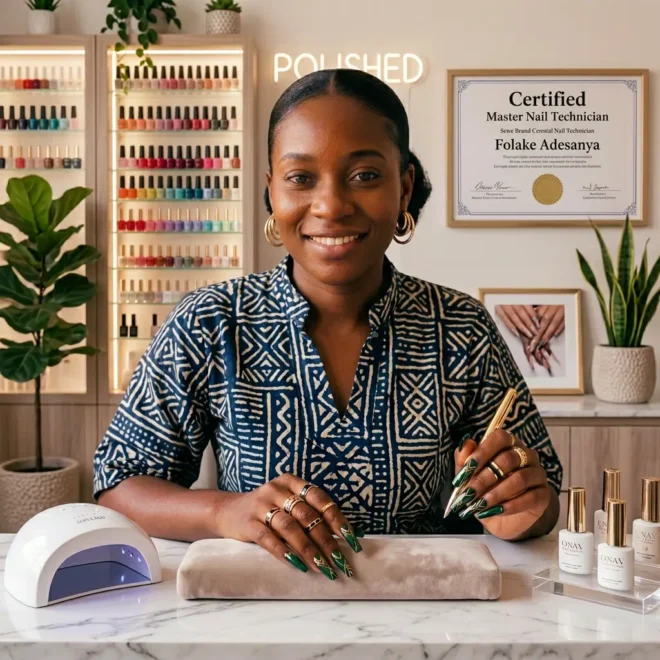


Walking into a nail salon can feel overwhelming, especially when you’re not sure what to ask for or how to communicate what you want. You might sit down in that comfy massage chair, flip through a color book, and realize you’re not entirely sure what questions you should be asking. Here’s the thing: getting your nails done isn’t just about picking a pretty color and hoping for the best.
The difference between a mediocre manicure and an absolutely stunning one often comes down to communication. When you know the right questions to ask, you’re setting yourself up for nails that don’t just look good when you leave the salon—they stay gorgeous for weeks and keep your natural nails healthy underneath.
Think of your nail tech as a partner in this process. They’ve got the skills and expertise, but they need your input to deliver exactly what you’re looking for. Whether you’re a regular at your local salon or trying a new place for the first time, asking the right questions shows you care about the quality of your service and your nail health.
Most people don’t realize that nail techs actually appreciate when clients ask questions. It helps them understand your expectations, avoid miscommunication, and deliver results you’ll love. Plus, their answers tell you a lot about their professionalism and expertise.
Let’s talk about the ten things you should be asking for (and asking about) during your next nail appointment. These aren’t just random questions—they’re the ones that’ll make the biggest difference in your results.
1. Ask About Their Sterilization and Sanitation Practices
Your health comes first, and there’s no shame in asking how a salon keeps things clean. Nail salons deal with tools that touch multiple clients’ skin every single day, which means proper sterilization isn’t optional—it’s absolutely necessary.
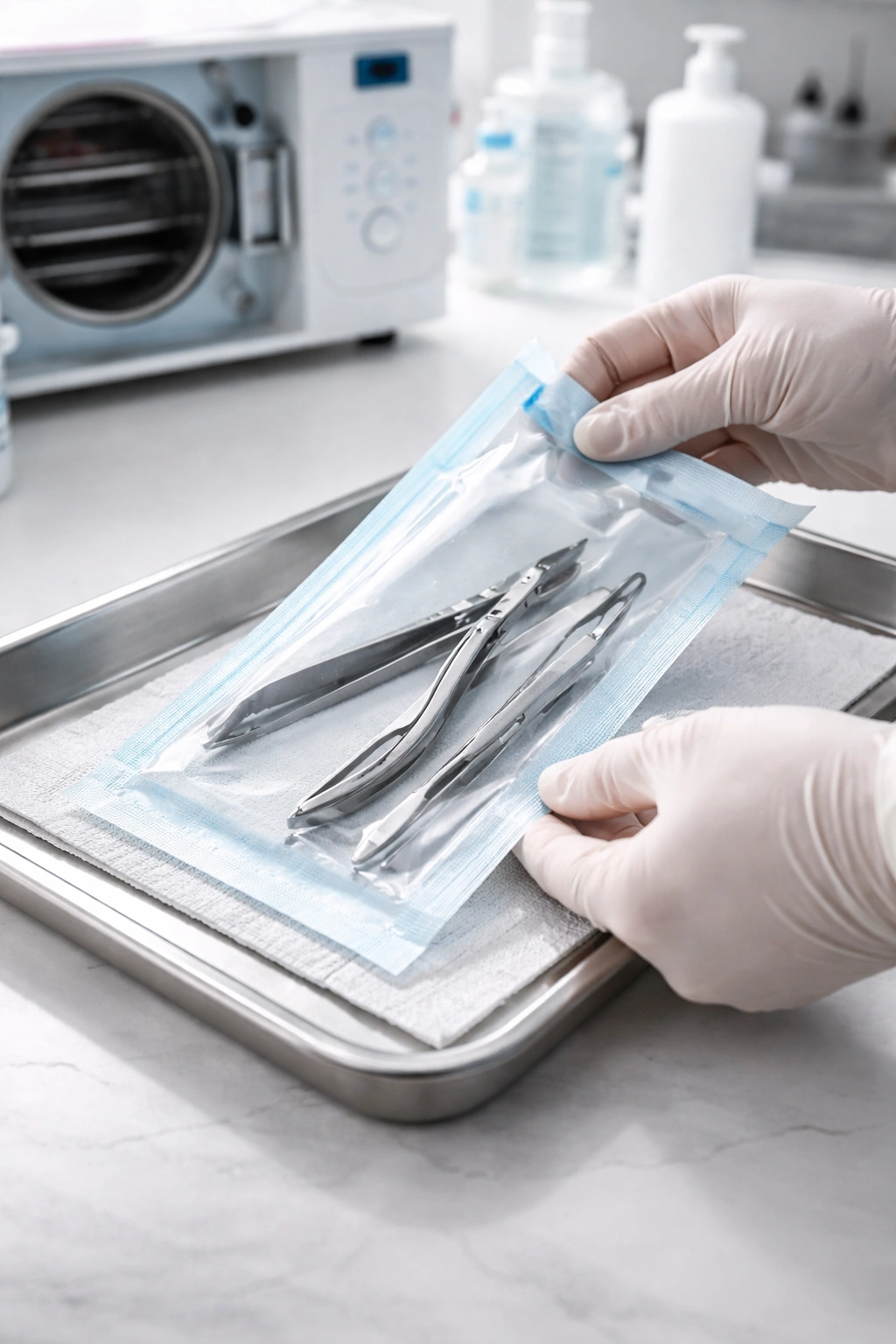
Start by asking what sterilization method they use for metal tools like nippers, pushers, and files. Autoclaves are the gold standard here—they use high-pressure steam to kill bacteria, viruses, and fungi. Some salons use UV sterilizers or chemical disinfectants, which can work but aren’t quite as thorough.
Pay attention to whether your tech pulls tools from a sealed sterilization pouch right in front of you. That little detail matters because it shows the tools were properly sterilized after the last client and haven’t been sitting out collecting who-knows-what.
Don’t forget to ask about their pedicure tub cleaning routine. Those whirlpool jets can harbor some nasty stuff if they’re not cleaned between clients and deep-cleaned regularly. A reputable salon will have a clear protocol they’re happy to explain. If they seem defensive or vague about their cleaning practices, that’s your cue to walk out.
You can also ask if they offer disposable tools or if you can bring your own kit. Many salons now provide single-use files and buffers, which eliminates cross-contamination risks entirely. Some regular clients keep their own tool set at their favorite salon—it’s not weird, it’s smart.
2. Ask Which Nail Shape Will Flatter Your Hands and Lifestyle
Here’s something most people don’t think about: nail shape isn’t just about trends or what looks cute on Instagram. The right shape can make your fingers look longer, your hands more elegant, and—most importantly—it should match how you actually use your hands.
Tell your nail tech about your lifestyle. Do you type all day? Work with your hands? Play sports? These details matter. Someone who’s constantly on a keyboard might struggle with long stiletto nails, no matter how gorgeous they look. Your tech can steer you toward shapes that’ll stay intact through your daily activities.
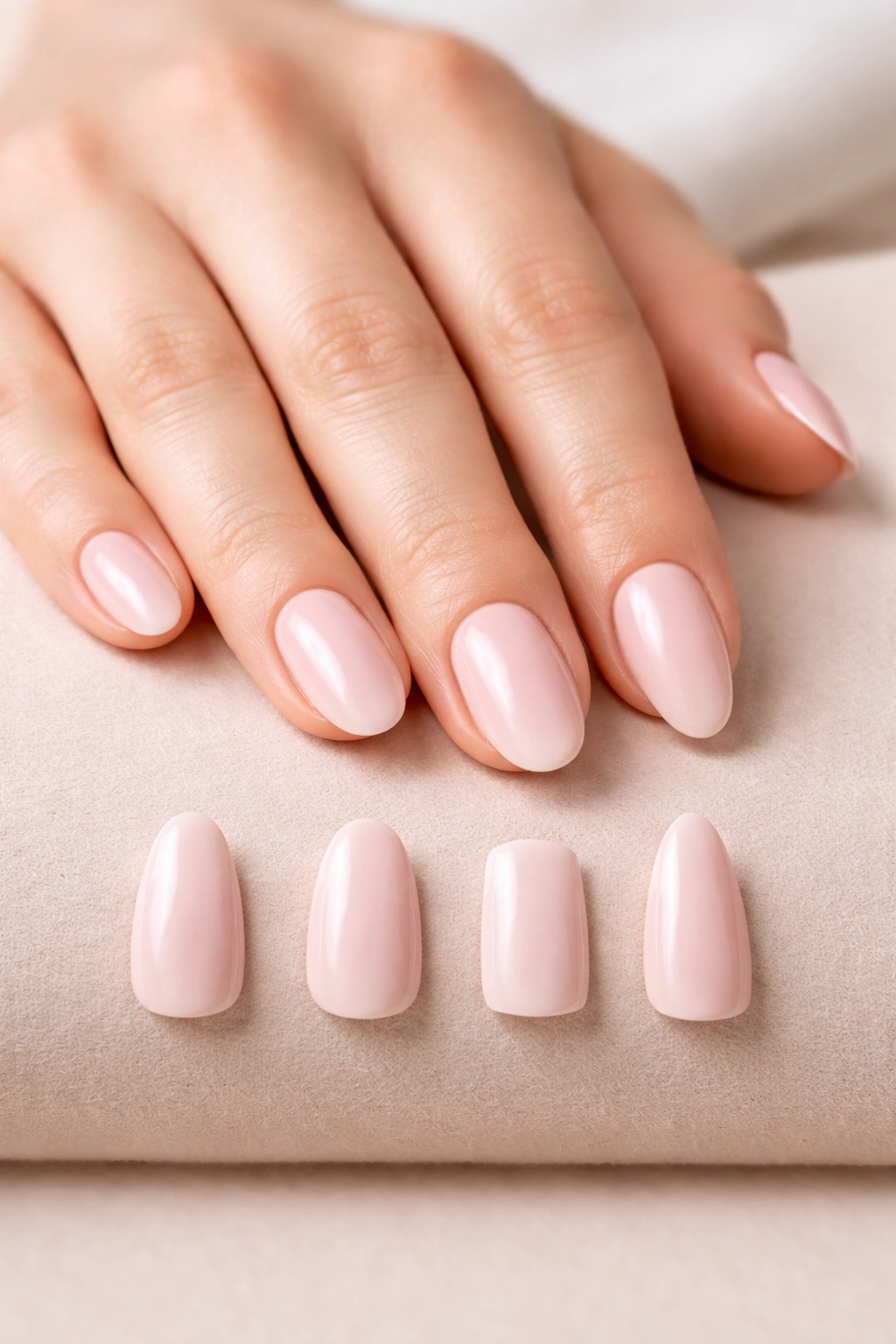
Ask them to look at your natural nail bed and finger shape before deciding. Certain shapes complement different hand types better than others. For instance, almond and oval shapes tend to elongate shorter fingers, while square or squoval shapes can balance out longer nail beds.
If you’re torn between shapes, request that your tech file one or two nails as a test before committing to all ten. This gives you a chance to see how it looks and feels. Sometimes what you pictured in your head doesn’t translate the way you expected, and that’s totally fine—better to adjust early than regret it later.
Remember that you can always go shorter or change the shape, but you can’t add length back once it’s filed off. If you’re trying something new, consider going slightly longer or less dramatic than your final goal, then adjusting at your next appointment once you’ve lived with it for a bit.
3. Ask About Gel Versus Regular Polish and What Fits Your Needs

The gel versus regular polish debate trips up a lot of people, and the truth is that neither option is inherently better—they just serve different purposes. You’ll want to ask your tech which formula makes sense for your specific situation.
Gel polish lasts longer, typically two to three weeks without chipping, and it dries instantly under a UV or LED lamp. There’s no smudging risk, which means you can grab your keys and go right after your appointment. The catch? Removal requires soaking in acetone or filing off, and improper removal can damage your natural nails.
Regular polish usually lasts about five to seven days before you see chips, though top-quality formulas and proper application can stretch that. It takes longer to dry completely—we’re talking 30 minutes to an hour for full hardening—but it comes off easily with regular polish remover. Your nails can breathe between applications more easily, and you can change colors at home whenever the mood strikes.
Ask your tech about their specific gel brands and curing lamps. Not all gel polishes are created equal, and some are gentler on nails than others. Find out if they use a base coat designed to protect your natural nail from staining and damage.
If you’re concerned about UV exposure from gel lamps (totally valid), ask if they have LED lamps, which cure faster and emit less UV. You can also apply broad-spectrum sunscreen to your hands before your appointment—most techs won’t mind at all.
4. Ask How They Approach Cuticle Care
Cuticles are one of those things where technique matters enormously, and not all nail techs handle them the same way. Your cuticles exist to protect your nail matrix from bacteria and infection, so aggressive cuticle work can actually do more harm than good.
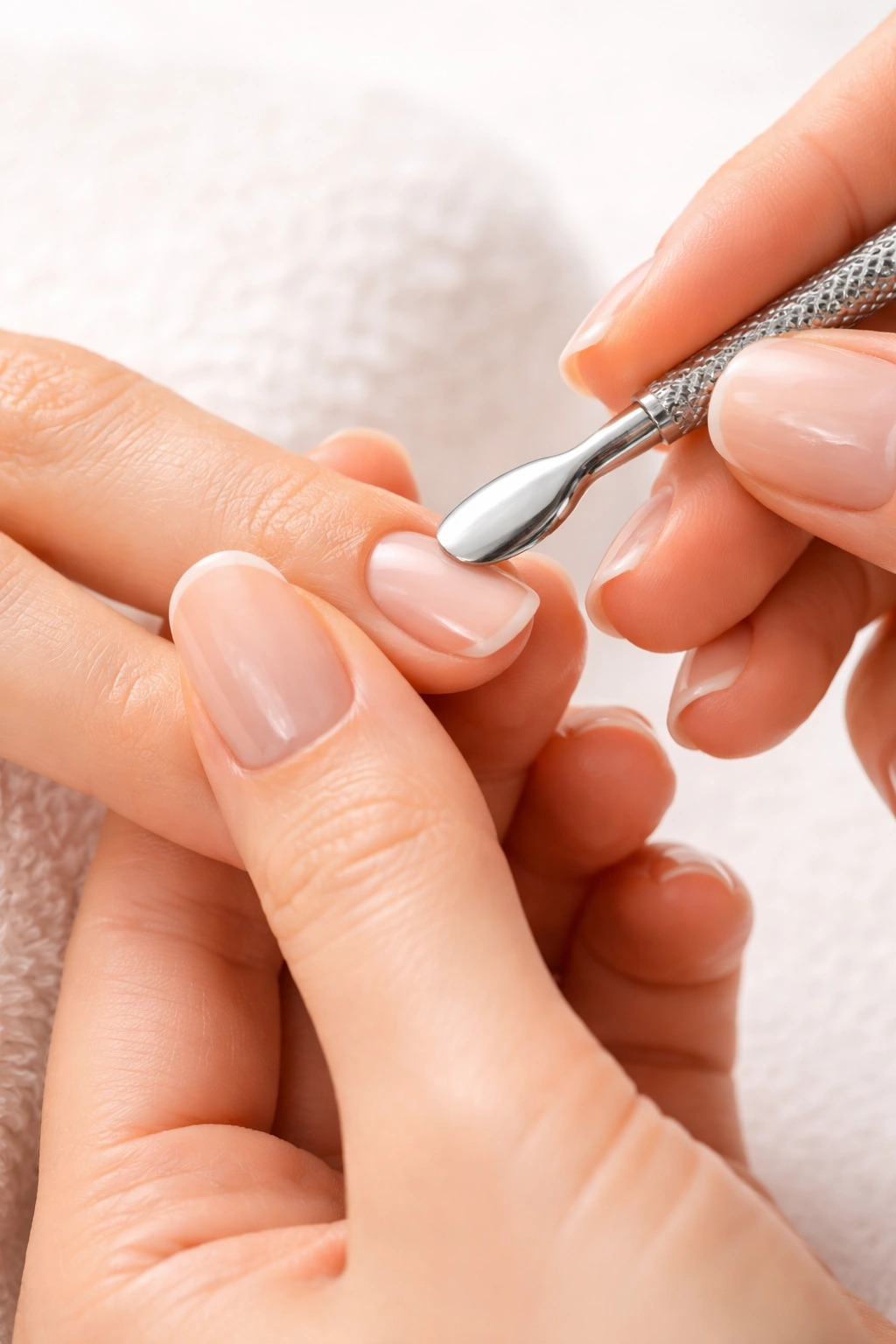
Ask whether they cut cuticles or just push them back. Cutting should be minimal—only removing dead skin tags or hangnails, not slicing into live tissue. Overly aggressive cuticle cutting can lead to infections, painful inflammation, and even permanent damage to how your nails grow.
Find out if they use cuticle remover products and what’s in them. These softening gels or liquids can make pushing back cuticles much easier, but some contain harsh chemicals that can irritate sensitive skin. If you’ve got reactive skin, mention it upfront and ask for gentler alternatives.
Watch how much pressure they apply when pushing cuticles back. It shouldn’t hurt. If you feel discomfort, speak up immediately. A skilled tech knows how to gently coax cuticles back without causing pain or damage.
You can absolutely ask them to skip cuticle cutting entirely if that’s your preference. Many people opt for just pushing back and trimming obvious hangnails. There’s no rule that says cuticles must be cut, and your tech should respect your preference without question.
5. Ask for Their Professional Opinion on Your Nail Health
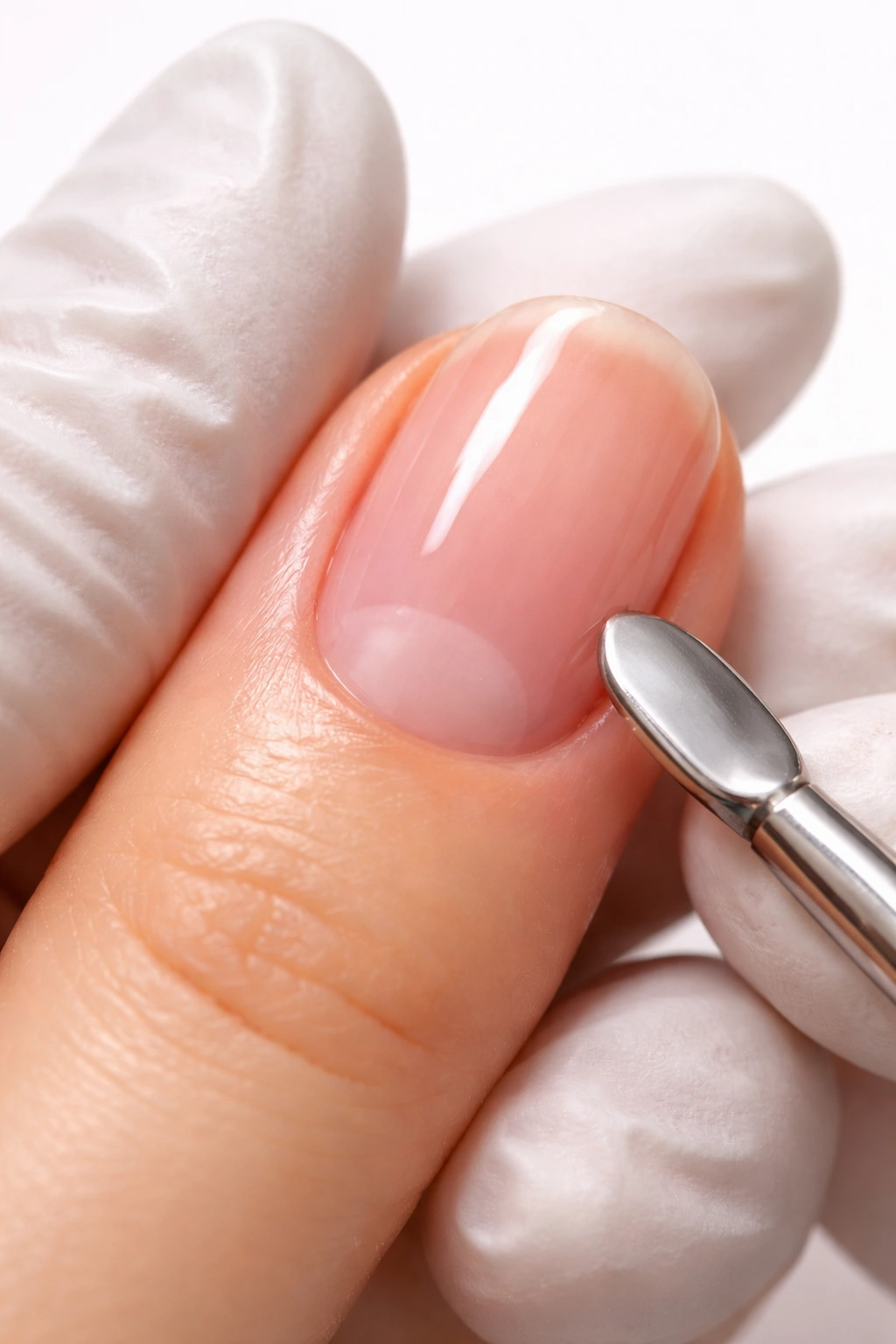
Your nail tech sees hundreds of sets of nails and can spot issues you might not notice. Don’t be shy about asking them to assess your nail health and offer recommendations. They’re not doctors, but experienced techs know what healthy nails look like and what doesn’t.
If you’ve noticed changes—brittleness, peeling, discoloration, unusual ridges, or slow growth—point these out and ask what might be causing them. They might spot signs of nutritional deficiencies, damage from previous services, or habits that are undermining your nail health.
Ask if they think your nails need a break from polish or enhancements. Sometimes nails get thin, weak, or dehydrated from constant coverage, and a few weeks of breathing room with just a strengthening treatment can make a huge difference. A good tech will tell you the truth even if it means losing some business short-term.
Request recommendations for at-home nail care products that address your specific concerns. Maybe you need cuticle oil for dryness, a strengthening base coat for brittle nails, or a different polish remover that’s less harsh. Techs often have insider knowledge about which products actually deliver results.
If something looks concerning—unusual discoloration, painful areas, signs of fungal infection—a responsible tech will suggest you see a dermatologist or podiatrist. That’s not them refusing service; that’s them prioritizing your health over a sale.
6. Ask What Brand and Quality of Products They’re Using
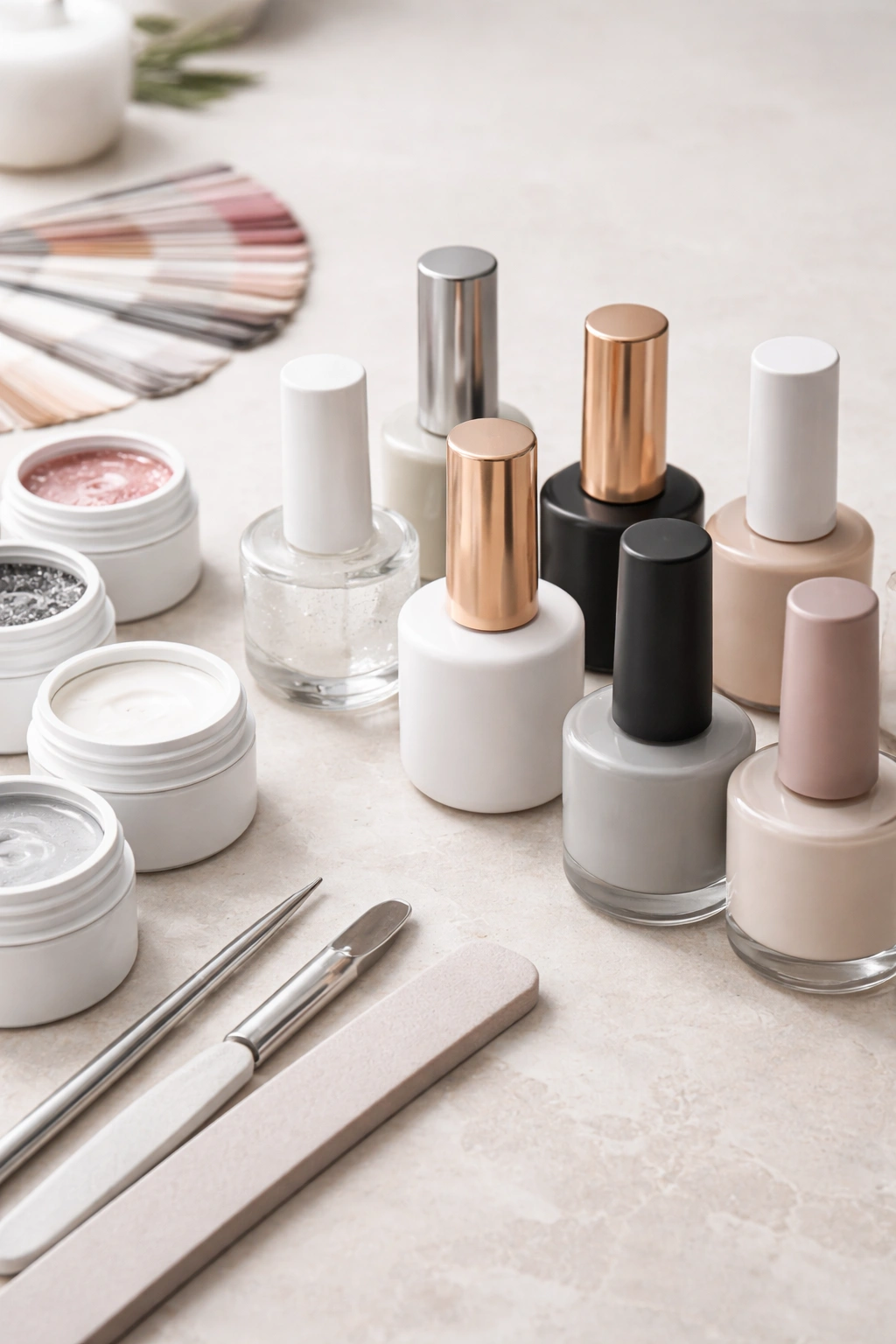
Not all nail products are created equal, and what goes on your nails directly affects how your manicure looks and lasts. You’ve got every right to know what brands the salon uses and why they’ve chosen them.
Ask about the polish brands they carry. Higher-quality polish brands typically have better pigmentation, smoother application, and longer wear time. They’re also more likely to be formulated without some of the harsher chemicals found in budget options. Brands matter, and your tech should be able to tell you what they stock.
If you’re getting enhancements like acrylics, dip powder, or builder gel, the product quality becomes even more critical. Ask specifically what brand they use and whether it’s professional-grade or consumer-grade. Professional products are formulated differently and typically perform better and cause less damage.
Find out about their topcoat situation. A high-quality topcoat can add days to your manicure’s lifespan and keep the shine looking fresh. Some salons use quick-dry topcoats that compromise durability, while others use thicker, more protective formulas that take longer to dry but last much longer.
Don’t hesitate to ask about “free-from” formulations if that matters to you. Many people prefer polishes that are 5-free, 7-free, or even 10-free, meaning they’re formulated without certain controversial chemicals like formaldehyde, toluene, and DBP. Most modern salons offer these options, but you need to ask.
If you have sensitivities or allergies to specific ingredients, mention them clearly and ask to see ingredient lists if needed. Reputable salons should be able to accommodate you or at least be honest if they can’t.
7. Ask for Specific Filing Techniques That Protect Your Nails
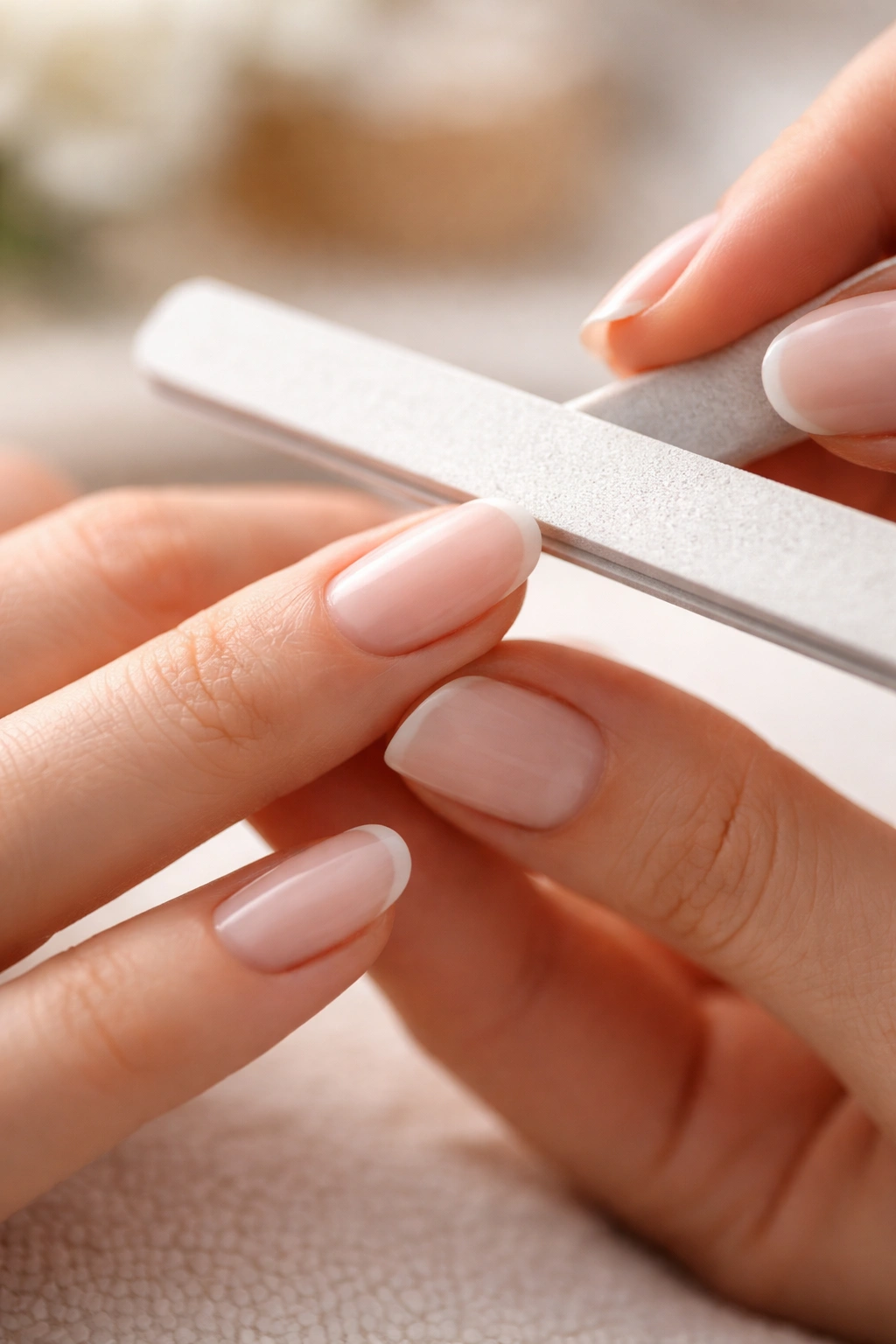
Filing seems straightforward, but the technique your tech uses makes a huge difference in your nail health. Bad filing can cause splitting, peeling, and weakness that takes months to grow out.
Ask your tech to file in one direction rather than sawing back and forth. That back-and-forth motion might be faster, but it creates tiny tears in the nail plate that lead to peeling and breakage. One-directional filing takes a bit longer but keeps your nail edges smooth and sealed.
If you’re getting gel or acrylic removed, ask what method they’ll use to file down the product. Electric files (e-files) are faster but require skill and a light touch—aggressive filing can thin your natural nails significantly. Hand filing is gentler but takes more time. You can ask for hand filing if you’re concerned about nail damage.
Request that they avoid filing too deep into the sidewalls of your nails. Some techs file aggressively along the sides to create a perfect shape, but this thins the nail where it’s already most vulnerable. Your nails should maintain their natural thickness on the sides for strength.
Watch the grit of the files they’re using. Coarser grits (lower numbers like 80 or 100) remove product quickly but are too harsh for natural nails. Finer grits (180 and higher) are appropriate for shaping natural nails without causing damage. If something feels too rough or aggressive, say something.
8. Ask About Dry Time and Proper Aftercare
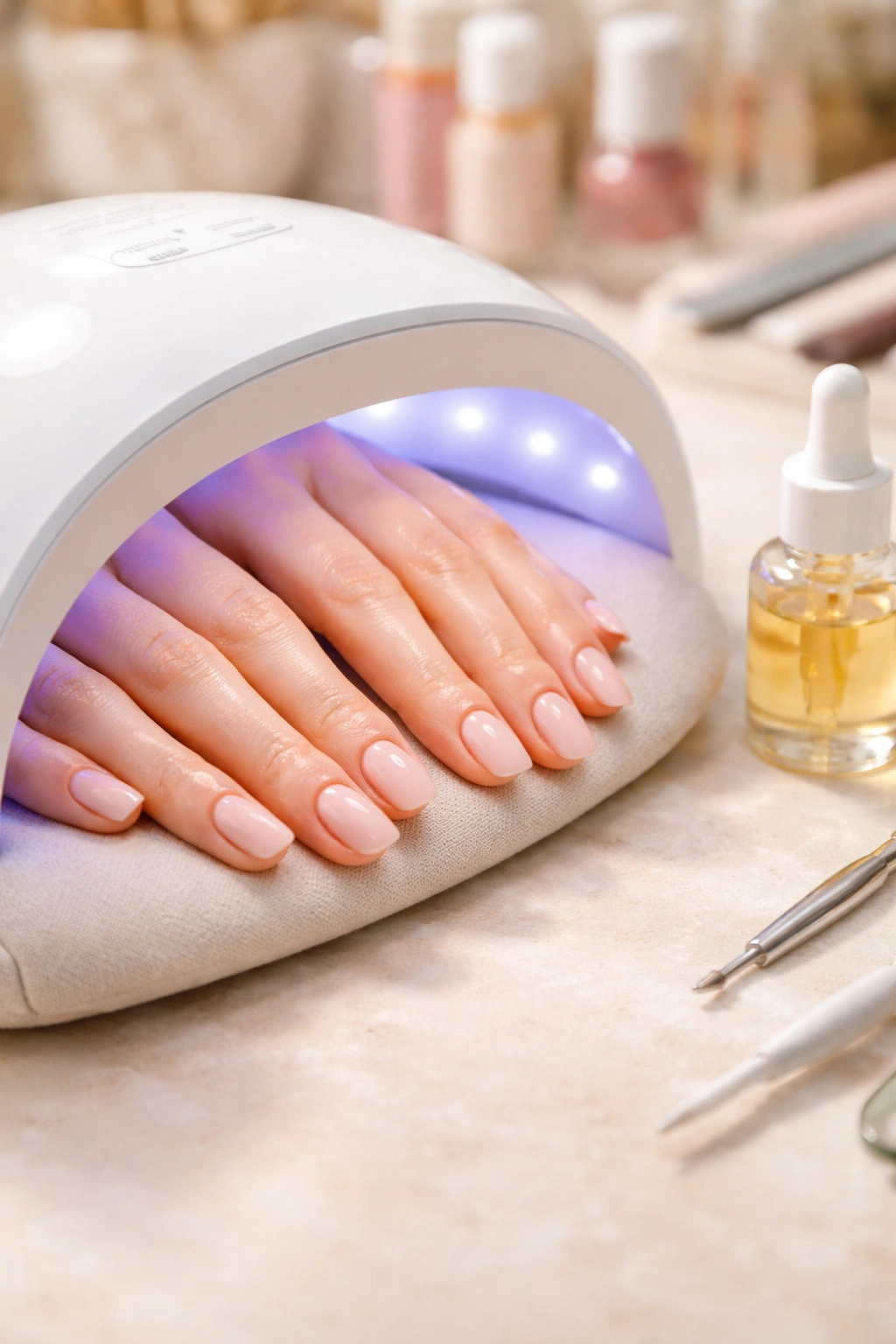
You’d be surprised how many people leave the salon before their polish is truly dry, then wonder why it smudges or dents. Asking about dry time upfront helps you plan your day and prevents disappointing results.
If you’re getting regular polish, ask how long before it’s safe to touch things normally. Surface dry and fully dry are different—polish might feel dry on top within ten minutes, but it can take 30 minutes to an hour to harden completely through all the layers. If you’ve got somewhere to be, let them know so they can use quick-dry products or techniques.
Find out what aftercare steps will keep your manicure looking fresh longer. Should you avoid hot water for a certain period? When can you do dishes or go swimming? Do they recommend specific products for maintenance? These details aren’t always volunteered, but they make a big difference in longevity.
Ask about cuticle oil and how often you should use it. Regular cuticle oil application—ideally daily—keeps the polish flexible, prevents chipping, and maintains healthy nail growth. Your tech can recommend specific oils or tell you that any natural oil like vitamin E or jojoba works fine.
If you’re getting gel polish, ask what you should do if you get a chip or lift. Some minor lifting can be carefully sealed with topcoat to prevent water and bacteria from getting underneath. Knowing how to handle small issues between appointments can prevent bigger problems.
Request their recommendation for touch-ups and when you should schedule your next appointment. This varies based on the service—regular polish might need refreshing weekly, gel every two to three weeks, and acrylics every two to three weeks depending on nail growth.
9. Ask for a Complete Price Breakdown Before Starting

Money conversations can feel awkward, but they shouldn’t be. You deserve to know exactly what you’re paying for before any service begins, and good salons will break down their pricing clearly.
Ask what’s included in the base price of your service. Does a basic manicure include polish, or is that extra? What about nail art, gel topcoat, or French tips? These add-ons can increase your bill significantly, and you should know about them upfront.
Find out if there are different price tiers for different polish types or brands. Some salons charge more for premium polish brands, gel polish, or specialty finishes like chrome or magnetic. If you’re on a budget, ask what options fit your price range before choosing.
Don’t forget to ask about additional services that might get added on. Callus removal during a pedicure, extended massage, hot stone treatments, or paraffin wax are often extras that increase the final bill. If you want these, great—but know they’re coming.
Ask about their tipping policy and whether gratuity is included in the price. Standard tipping for nail services is typically 15-20% of the service cost, but some salons include gratuity for certain services or have other expectations. Better to know going in than be surprised at checkout.
If you’re trying something new like extensions or nail art, ask for an estimate before they start. Complex designs can add significant cost, and you should approve that expense before your tech puts in the work.
10. Ask About the Removal Process for Enhancements
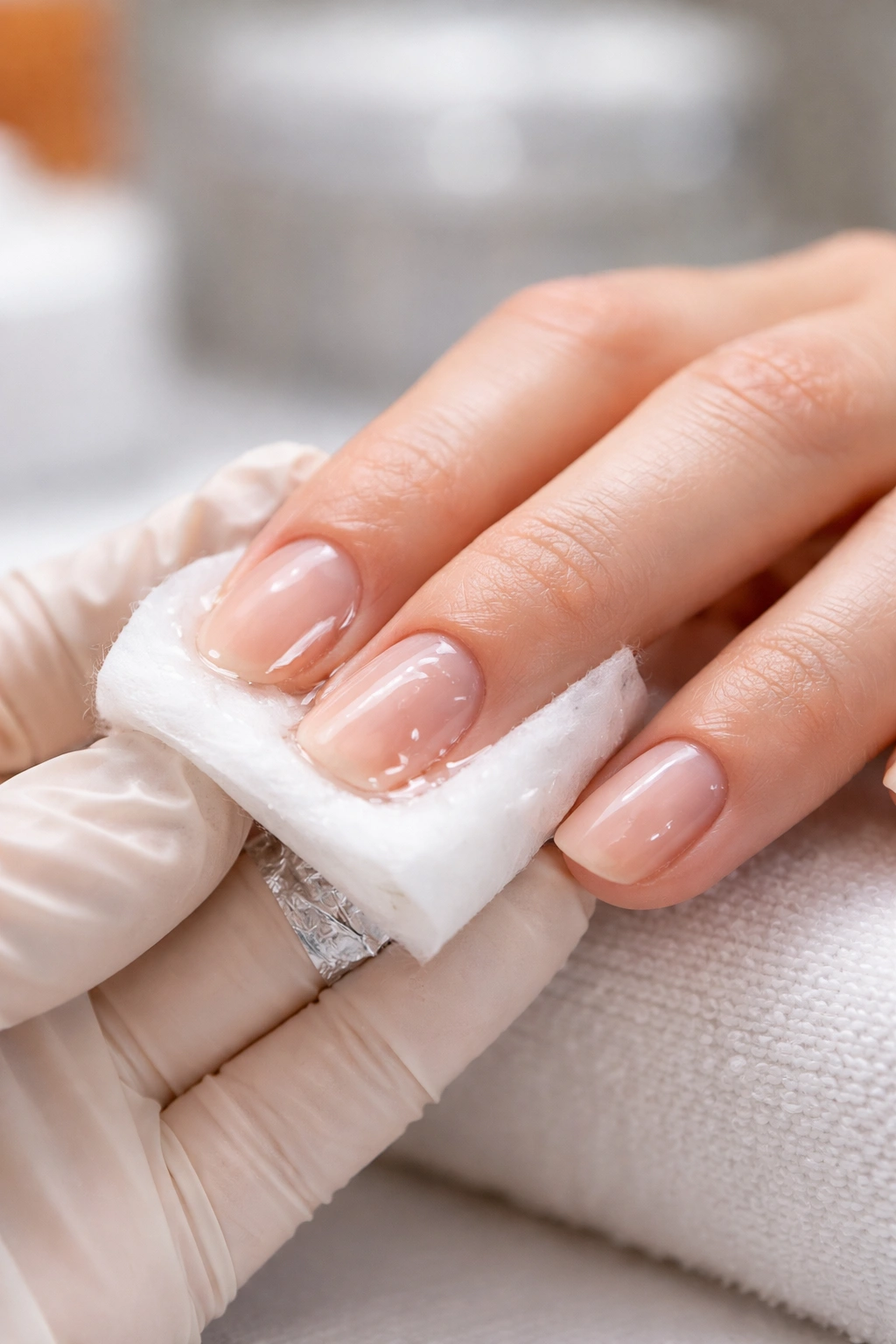
If you’re getting gel polish, acrylics, dip powder, or any enhancement, you need to know how removal works before you commit. Improper removal is one of the biggest causes of nail damage, and the process varies by product.
Ask whether removal is included in future services or charged separately. Some salons include removal in the price of a new set, while others charge a removal fee. If you decide you’re done with enhancements and just want them removed without a replacement service, you need to know what that’ll cost.
Find out what the removal process involves specifically. Gel polish should be soaked off, not peeled or picked. Acrylics need soaking or careful filing down. Dip powder requires patient soaking. Each has a proper technique, and shortcuts damage your natural nails.
Ask how long removal takes so you can plan your appointment accordingly. Rushing removal is where damage happens. Gel polish removal takes 10-15 minutes, acrylics can take 30-45 minutes, and dip powder removal is similar. If your tech seems to be rushing, that’s a red flag.
Request that they don’t force anything off. If an enhancement isn’t releasing easily with proper soaking, more soaking is needed—not aggressive scraping or prying. Your natural nail should never be left feeling raw, sore, or dramatically thinner after removal.
Find out what condition your natural nails will be in afterward and what you can do to help them recover. Most people need a strengthening treatment and some TLC after removing enhancements. Your tech should be able to recommend products or treatments that’ll help your nails bounce back.
Final Words

Getting your nails done should leave you feeling polished and confident, not disappointed or worried about damage. The questions you ask make all the difference between a mediocre experience and one that keeps your nails looking beautiful and healthy.
Remember, you’re not being difficult or high-maintenance by asking these questions. You’re being an informed client who values quality and health. Nail techs who are good at what they do will appreciate your questions and answer them thoroughly. If someone seems annoyed or dismissive, that tells you something about the level of service you can expect.
Communication goes both ways. Be clear about what you want, listen to professional advice, and speak up if something doesn’t feel right during your service. Your nails, your money, your voice.
Start incorporating these questions into your next appointment. You’ll probably notice a difference not just in your results, but in how your tech interacts with you. When clients ask informed questions, techs often step up their game because they know you’ll notice the details.
Your nails spend a lot of time on display—typing, gesturing, holding your coffee cup. They deserve the same level of care and attention you give to your hair, skin, or any other part of your appearance. These ten questions are your toolkit for making sure every salon visit delivers the results you’re paying for.