

How to Ask for Squoval Nails at the Nail Salon
Squoval nails are everywhere right now, and for good reason — they’re the sweet spot between the timeless elegance of a square and the softness of an oval, creating a nail shape that actually works for real life. But here’s the thing: if you walk into a salon and just say “squoval,” you might get blank stares or end up with something that’s not quite right. The difference between a true squoval and a botched attempt often comes down to how clearly you communicate with your nail technician.
Most people don’t realize that many nail techs have their own interpretation of what squoval means, or they’ve never done one before. It’s not malicious — it’s just that the nail industry uses about fifteen different names for shapes that might be similar, and everyone has a slightly different mental image. You could walk out with nails that are too rounded, too sharp, or just plain wrong. But with the right approach, the right visuals, and the right words, you can walk out with exactly the squoval nails you’re envisioning.
This guide walks you through everything you need to know to communicate your squoval dreams to your nail tech with confidence. You’ll learn what squoval actually is, how to find someone who can execute it, what visuals will get you the best results, and exactly how to describe what you want so there’s zero ambiguity. Whether you’re a squoval first-timer or you’ve been trying to perfect the shape, these strategies will get you closer to your ideal nails.
What Exactly Are Squoval Nails and Why Everyone Wants Them
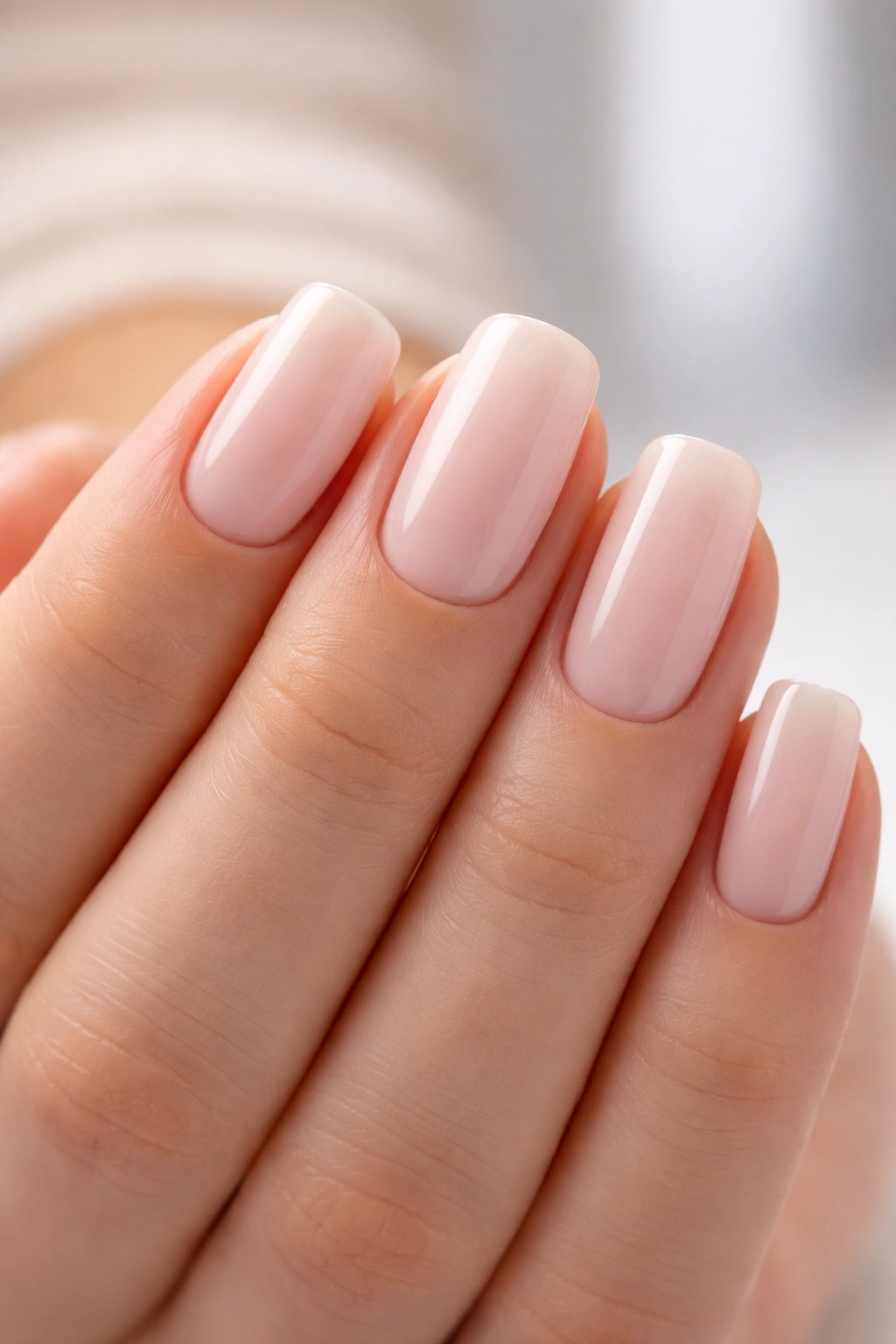
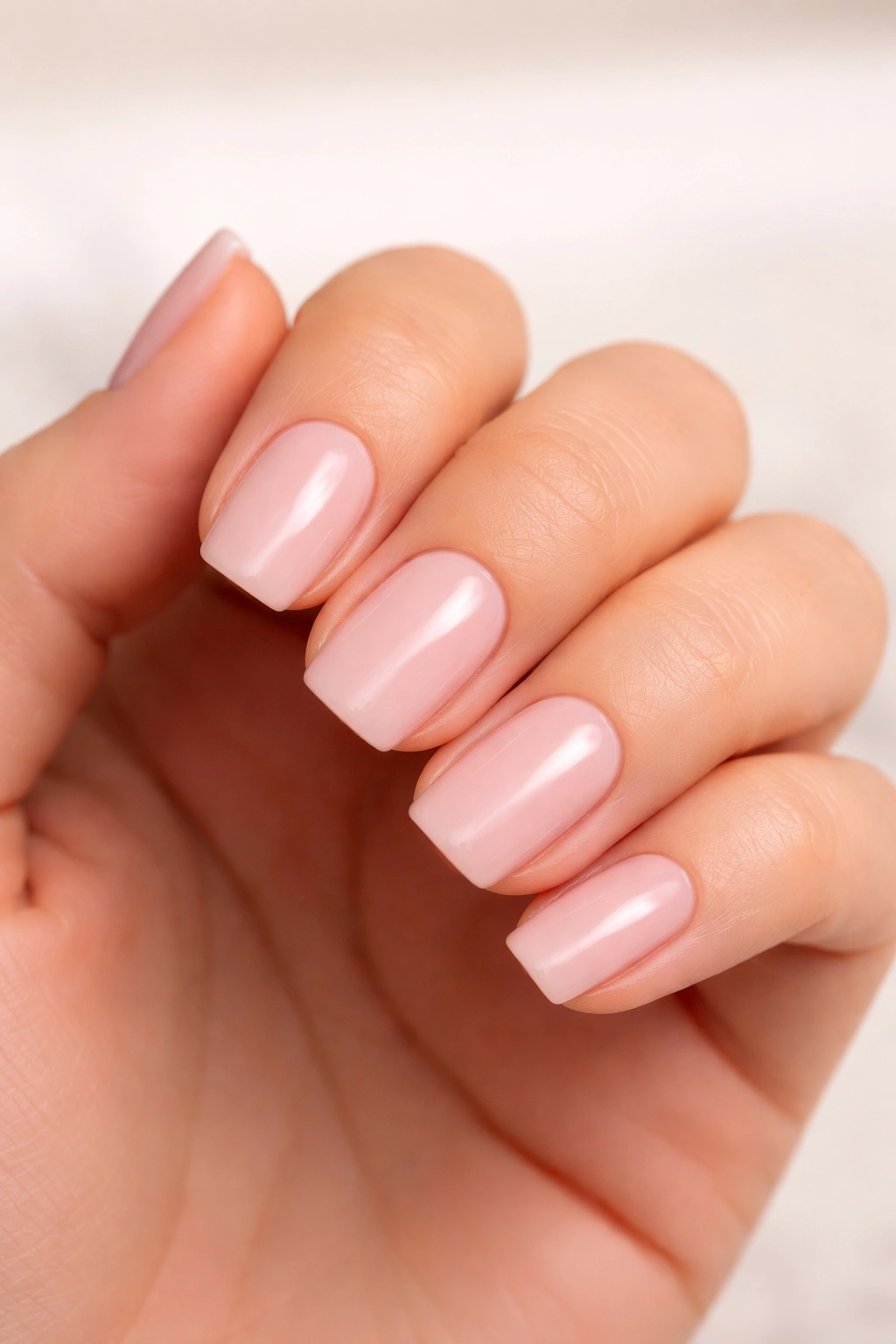
Squoval nails have become the go-to shape for people who want something sophisticated but not too structured. The name itself is literal — it’s a hybrid between a square and an oval, and when it’s done right, it looks effortlessly elegant. The shape combines the flatness and defined edges of a square with enough roundness on the sides and corners to feel modern and soft rather than harsh.
The reason squoval has exploded in popularity is practical. A true square nail is beautiful but can feel a bit formal or rigid, and the pointed edges catch on everything. A classic oval feels safe and timeless, but for some people it can look a little old-fashioned or overly conservative. Squoval splits the difference perfectly — it’s professional enough for a boardroom, trendy enough to feel current, and practical enough that it doesn’t snag on your hair or break easily. It also photographs beautifully, which doesn’t hurt its Instagram appeal.
What makes squoval special is that it flatters almost every hand shape and nail bed. Unlike pure squares, which can look boxy on shorter nail beds, squoval has enough curve that it elongates the finger without feeling dramatic. And unlike pure ovals, which can make shorter nails look stubby, squoval has enough definition that even short nails feel intentional and polished. The shape also works with every nail style — gel, acrylics, dip powder, and natural nails all look stunning in squoval.
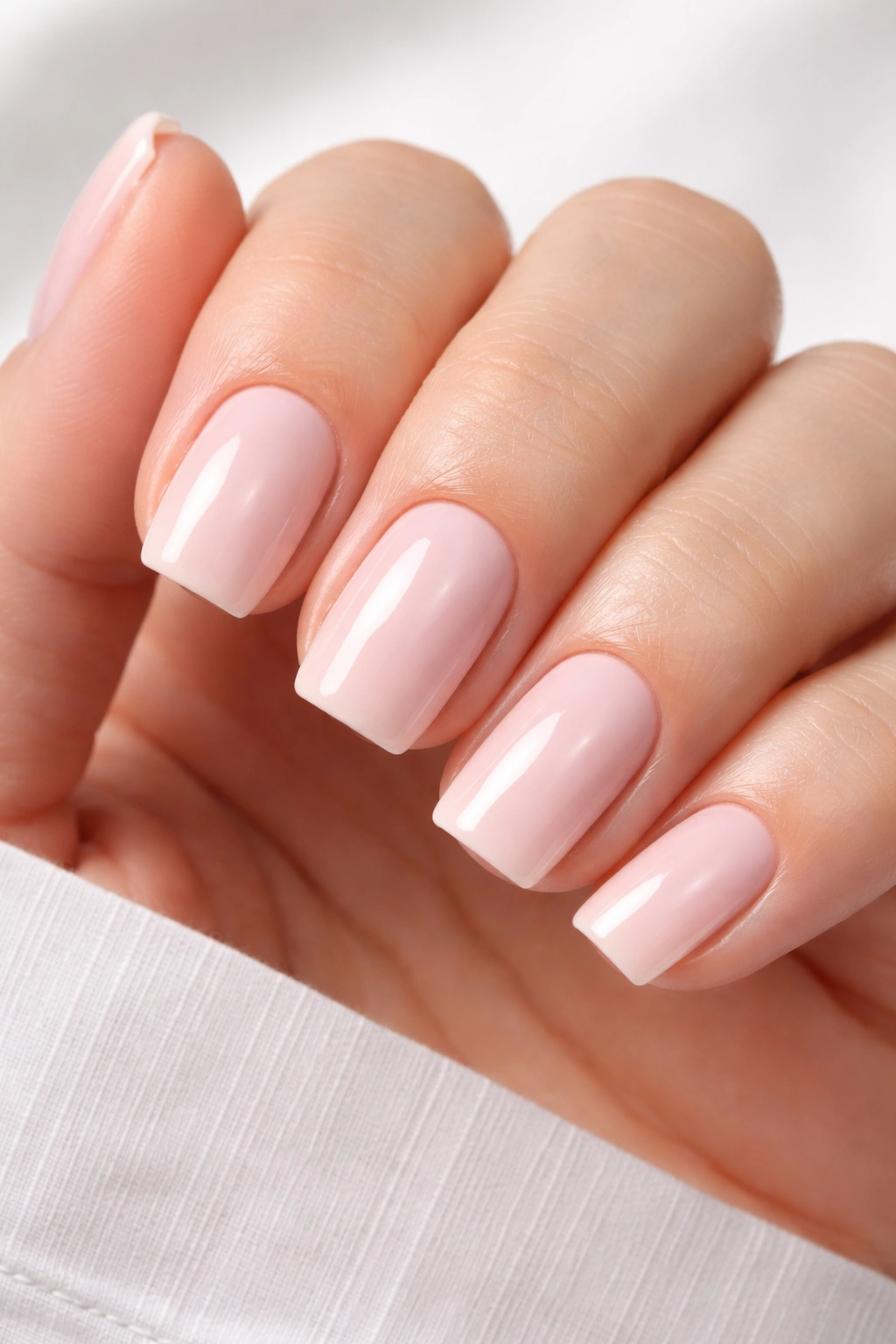
The best squovals have a few consistent features: the sides run relatively straight and parallel (unlike an oval, which curves all the way down), the top edge is fairly flat rather than pointed (unlike a stiletto or coffin), and the corners are rounded but not overly soft. The transition from the flat top to the rounded corners should feel smooth and proportional, not abrupt or exaggerated.
Understanding the Difference Between Squoval and Other Shapes
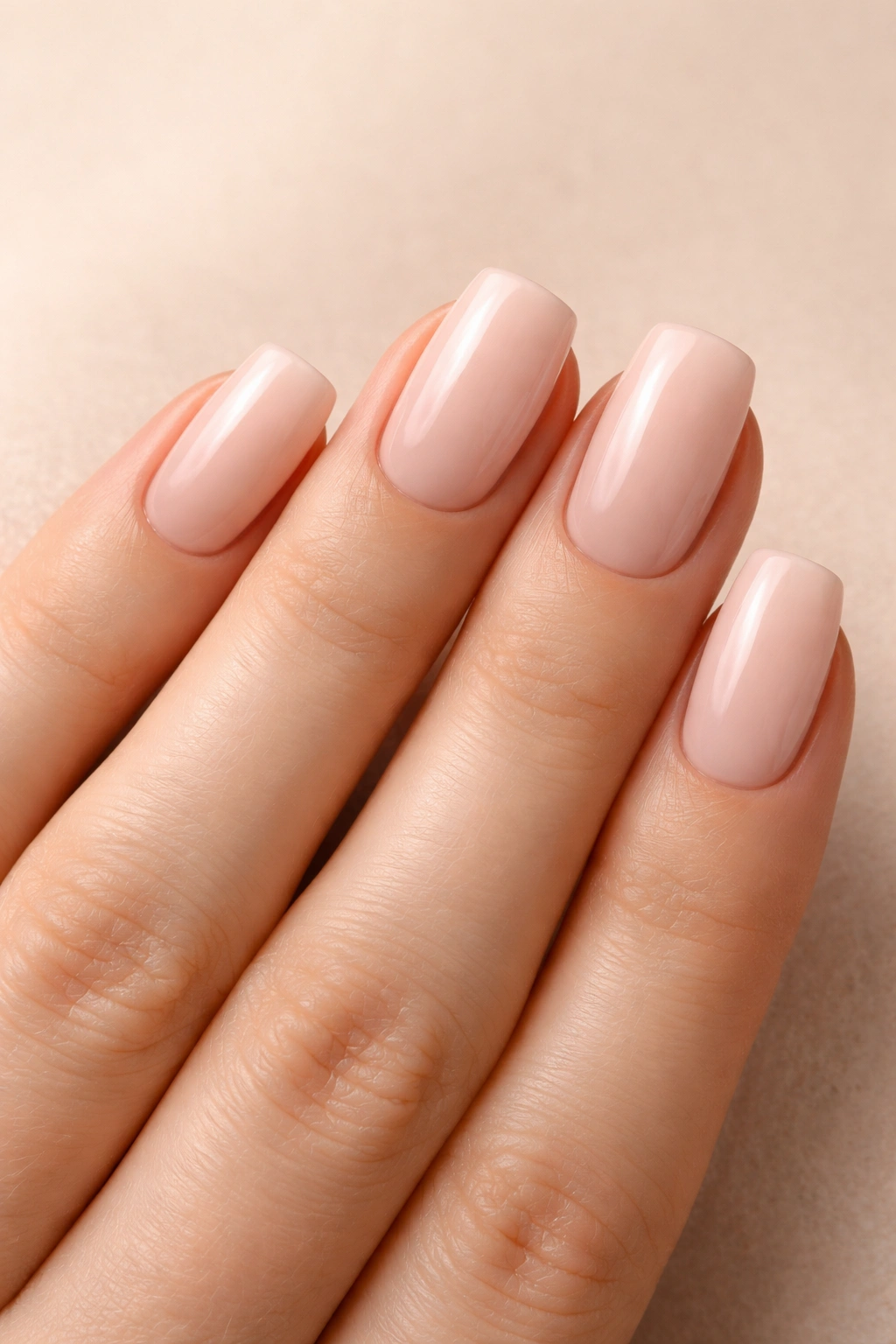
Here’s where most confusion happens. Squoval gets mixed up with almond, round, ballerina, coffin, and even oval. Each of these has a distinct look, and knowing the difference matters because you need to be able to distinguish your squoval from something similar that your tech might suggest.
Squoval vs. Oval: An oval tapers smoothly all the way down the sides of the nail and has no flat spot on top — it’s rounded from every angle. Squoval, by contrast, has that signature flat top and straighter sides that create more definition. If your tech creates something that looks rounded at the top instead of relatively flat, you don’t have a true squoval yet. The top edge of a squoval should feel almost like you could balance a coin on it, even if just barely.
Squoval vs. Round: Round nails are, well, round — they curve all the way across the top and down the sides evenly, creating a dome-like shape. Round is softer and more conservative than squoval. If your nails look like little domes rather than a flatter shape with defined corners, you’ve landed in round territory. Squoval has more visual weight and definition; round looks almost delicate by comparison.
Squoval vs. Almond: Almond nails have a pointed or slightly tapered tip, which creates a longer, more elongated look. Squoval, by contrast, is blunt on top — there’s no point at all. If you’re getting sharp edges or a tapered finish, you’re not looking at squoval anymore; you’re looking at almond or coffin. This is actually one of the most common mix-ups, because the tech misunderstands and creates an almond thinking it’s softer than squoval.
Squoval vs. Coffin (or Ballerina): Coffin and ballerina nails have a flat top like a square, but they’re much wider at the base and taper inward as they go up, creating that distinctive coffin or ballet-slipper shape. Squoval stays relatively the same width all the way down — it doesn’t taper dramatically. Coffin nails are edgier and more dramatic; squoval is balanced and understated by comparison.
The key distinguishing feature of squoval is the combination of a flat-ish top with softly rounded corners and parallel sides. It’s not purely geometric, but it’s not purely organic either. It’s right in the middle, which is exactly what makes it so appealing and also why it needs to be described carefully.
Finding a Nail Technician Who Knows Squoval Nails
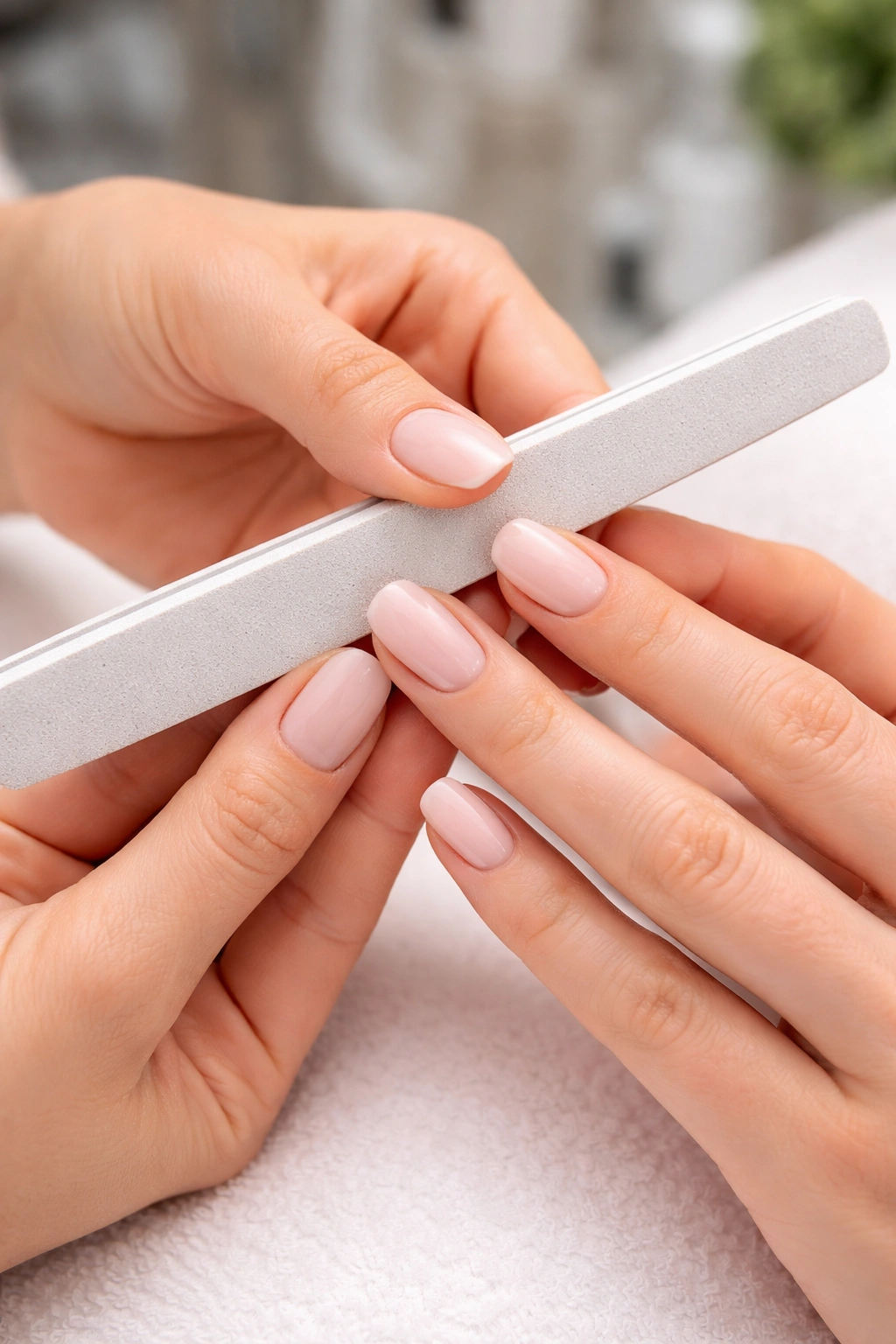
Not every nail tech has done squoval nails, or has done them well. This is your first potential hurdle, and it matters because a tech who’s never executed a squoval before might struggle to recreate one even with perfect visuals and descriptions. This is one area where doing a little homework upfront saves you from walking out disappointed.
Start by checking Instagram and local salon websites. Look at the nail work that techs have posted — do you see squoval shapes? The presence of squoval in their portfolio suggests they’ve done it before and are proud of the results. Squoval is trendy enough that many techs who stay current will have examples. If you can’t find any, that’s not necessarily a dealbreaker, but it does mean you might be teaching them a new shape, which requires extra patience and clarity on both sides.
When you call the salon to book, don’t just ask “Do you do squoval nails?” Instead, say something like: “I’m looking for squoval nails — they have a flat top with softly rounded corners and straight sides. Has your tech done that shape before?” This phrasing does two things: it gives them a quick definition so they can assess whether they know what you mean, and it signals that you know what you want, which puts you on more level footing. A tech who immediately knows what you’re describing is the tech you want.
Ask specifically if you can book with the tech who does the work you’ve seen. Salon quality can vary dramatically from tech to tech, and finding the person whose aesthetic matches your vision matters. If possible, ask for the tech by name or request the person who’s done squoval work before. Most salons will accommodate this, especially if you’re booking for a manicure and not during peak hours.
If you’re open to trying somewhere new, ask friends who get salon nails where they go and specifically who does their nails. Personal recommendations from people whose nails you actually like are worth their weight in gold. A tech who’s done beautiful work for someone you trust is significantly more likely to deliver what you want.
Visual References Are Your Secret Weapon
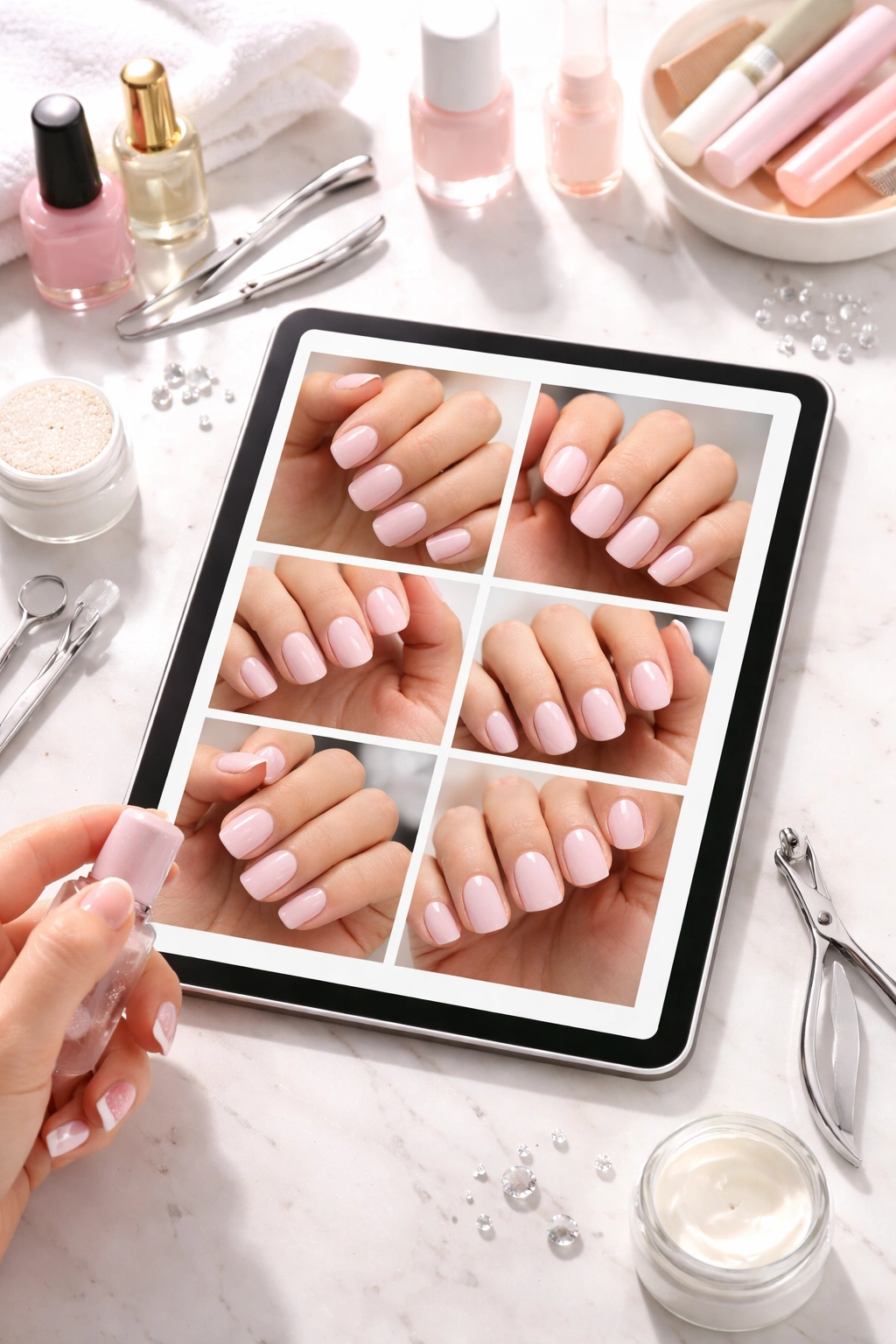
This cannot be overstated: showing your tech a clear visual reference is the single most important thing you can do to get squoval nails right. Words alone, no matter how specific, will never be as clear as a picture. Different people visualize “flat top with rounded corners” in completely different ways — but a photo shows exactly what you mean, and there’s no room for interpretation.
Go to Pinterest or Instagram and search “squoval nails.” Spend time looking through the results and saving 3-5 images that represent exactly what you want. These should be images where the squoval shape is crystal clear — ideally shot straight-on from above so the shape is unmistakable, not angled or blurry. Save these to your phone so you have them ready when you walk into your appointment.
When you’re selecting reference images, think about what matters to you: Are you drawn to shorter squovals or longer ones? Do you like a more pronounced flat top or something subtler? Are you imagining a very subtle roundness on the corners or something more obvious? Do you want them looking more like a square or more like an oval? The answers to these questions should inform which images you choose, because the details matter.
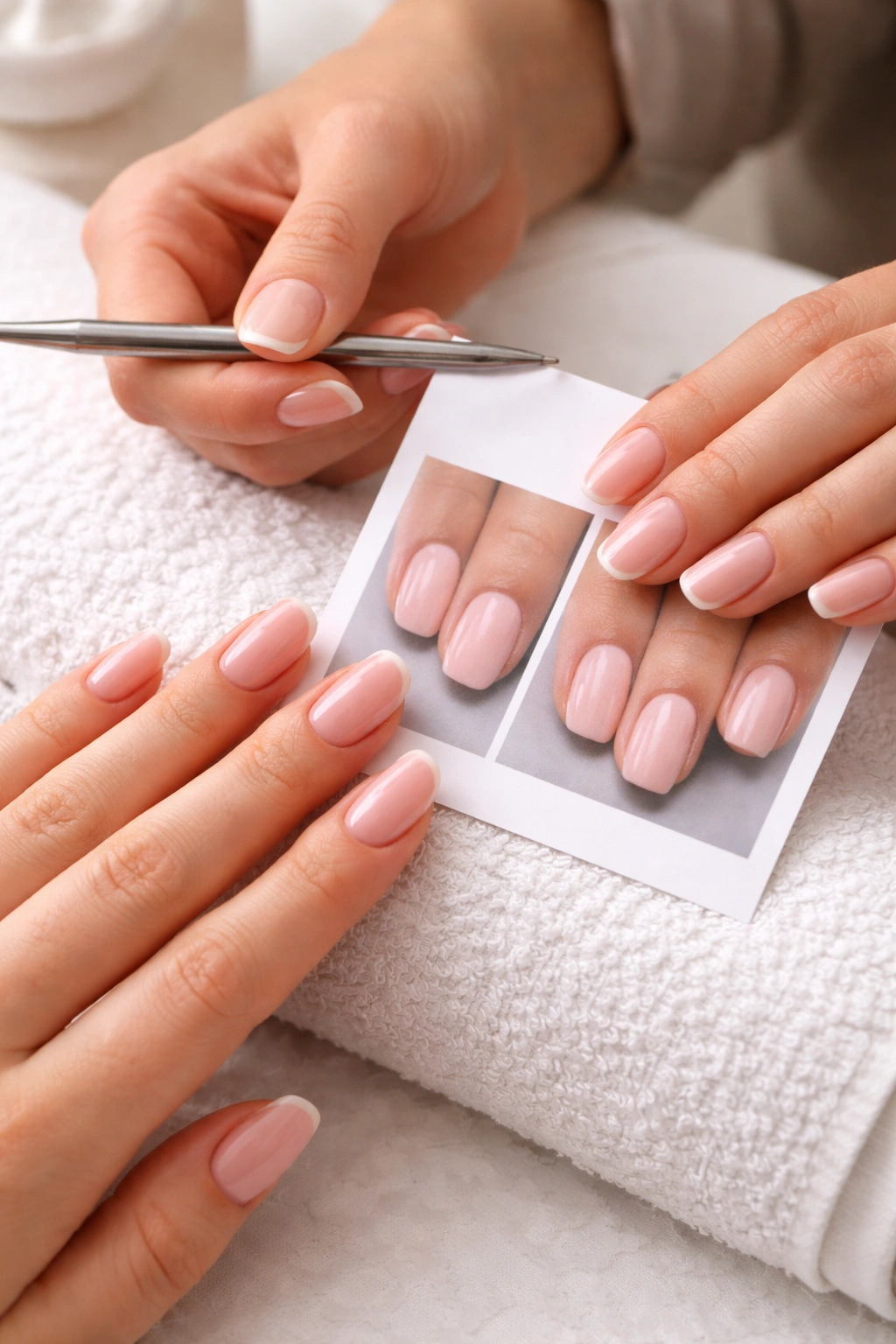
Here’s the critical part: show your tech the photos while you’re still in the consultation stage, before they start working on your nails. Point to the specific images and say “This is the shape I want.” This gives them a chance to confirm they understand, ask clarifying questions, and be honest if they’re not confident they can match it. If they seem unsure or suggest something different, you’re in a position to have a conversation about it before you’ve invested time and money.
During the appointment, it’s totally fine to reference the photos again if you notice they’re heading in a different direction. You might say, “Actually, looking at this photo again, I think I want the corners a bit softer” or “Can we make sure the top stays a bit flatter like in this reference?” Checking in partway through is not being difficult — it’s being smart. Most techs appreciate working with a client who knows what they want and can give feedback.
Take a photo of your finished nails straight-on from above before you leave the salon. This becomes your personal reference for touch-ups and future appointments, plus it’s a record of what you asked for and what you got. If you ever want to recreate these nails, you’ll have visual proof of the exact shape and length.
The Words That Actually Work When Describing Squovals
Okay, you have your reference photos. Now let’s talk about the actual words that communicate squoval most clearly. These are phrases that nail techs recognize and understand consistently.
“Squoval with a flat top and rounded corners.” This is your baseline description. It’s specific enough that it rules out shapes like almond or pure round, but it also clearly indicates you want something softer than a pure square. When you lead with this, you’ve already established that you know the terminology and what you’re asking for.
“Straight sides with softly rounded corners.” This language emphasizes the parallel sides, which is crucial because this is what distinguishes squoval from oval. Oval curves continuously; squoval has those straight edges that create definition. By emphasizing “straight sides,” you’re pointing the tech toward the right execution.
“Square-shaped but with rounded edges, not sharp.” This phrasing works well if you want to approach the description from the square perspective. You’re saying: start with the geometry of a square, but soften all the hard corners. This is helpful if you want something that leans more toward the square side of the spectrum.
“Not too pointy, not too rounded — right in the middle.” This works as a shorthand once you’ve shown your reference photo. It signals that you want balance and proportion, not extremes. It also reassures your tech that you’re not asking for something super trendy or difficult — you’re asking for something classic and wearable.
Specific measurements or comparisons help too: “I like this width at the tip” (pointing to your photo) or “Something like this length” works beautifully. You don’t need to measure in millimeters, but gesturing to the actual visual reference helps lock in the proportions.
Avoid these descriptions — they cause confusion:
- “Square” by itself — this suggests a pure square, not squoval
- “Oval” by itself — this suggests a pure oval shape
- “Almond” — this will get you pointed nails
- “Ballerina” or “Coffin” — these are specific shapes that are not squoval
- “Whatever you think looks good” — this removes your say in the outcome and basically guarantees you’ll get something other than what you wanted
The combination of a clear reference photo plus the phrase “squoval with a flat top and rounded corners” should get you on the right track with almost any competent tech. The photo does the heavy lifting; the words just confirm what you’re pointing to.
Discussing Nail Length and Proportion With Your Tech
The length of your squoval nails dramatically affects how the shape reads. A very short squoval reads more like a barely-shaped natural nail. A very long squoval reads almost like a coffin or stiletto. The right length for squoval is typically somewhere in the middle — long enough that the shape is obvious, but not so long that it becomes unwieldy or starts to look like a different shape altogether.
Talk to your tech about what length you’re imagining before they get started. If you’re showing a reference photo, point out the length in that photo. You might say, “I like the length in this photo” or “I want them this long” while gesturing to the image. Having this conversation prevents the situation where your tech files them shorter or longer than you envisioned.
For shorter squovals (say, 1-2mm past the fingertip), the shape is subtle but sophisticated. The flat top is less pronounced, and the whole nail reads almost like a natural shape that’s been slightly refined. This works beautifully on shorter nail beds and for people who want a professional, understated look. The downside is that the squoval shape is less dramatic, so if you’re going for maximum visual impact, longer might be more satisfying.
For medium squovals (2-4mm past the fingertip), you get a clear, obvious squoval shape that reads distinctly but still looks professional and wearable. This is the sweet spot for most people — it’s long enough that the shape is undeniable, but short enough that it doesn’t interfere with daily life. A medium-length squoval is also easier for techs to execute because there’s more surface area to work with.
For longer squovals (4mm and beyond), the shape becomes a statement. Longer squovals are gorgeous and definitely photograph well, but they require a stronger nail base (whether natural, gel, or acrylic) to support them without breaking, and they’re less practical for people who do detailed work with their hands. If you’re going long, make sure your tech understands that you need them extra strong.
The width of the nail matters too. Some people naturally have wider nail beds, and squoval nails will look proportionally different depending on this. When you’re looking at reference photos, pay attention to the nail-width-to-length ratio in the images you love. Discuss this with your tech — if your nails are naturally narrower than the reference photo, the same length might read differently on your hands.
Customizing Squoval to Match Your Hand Shape
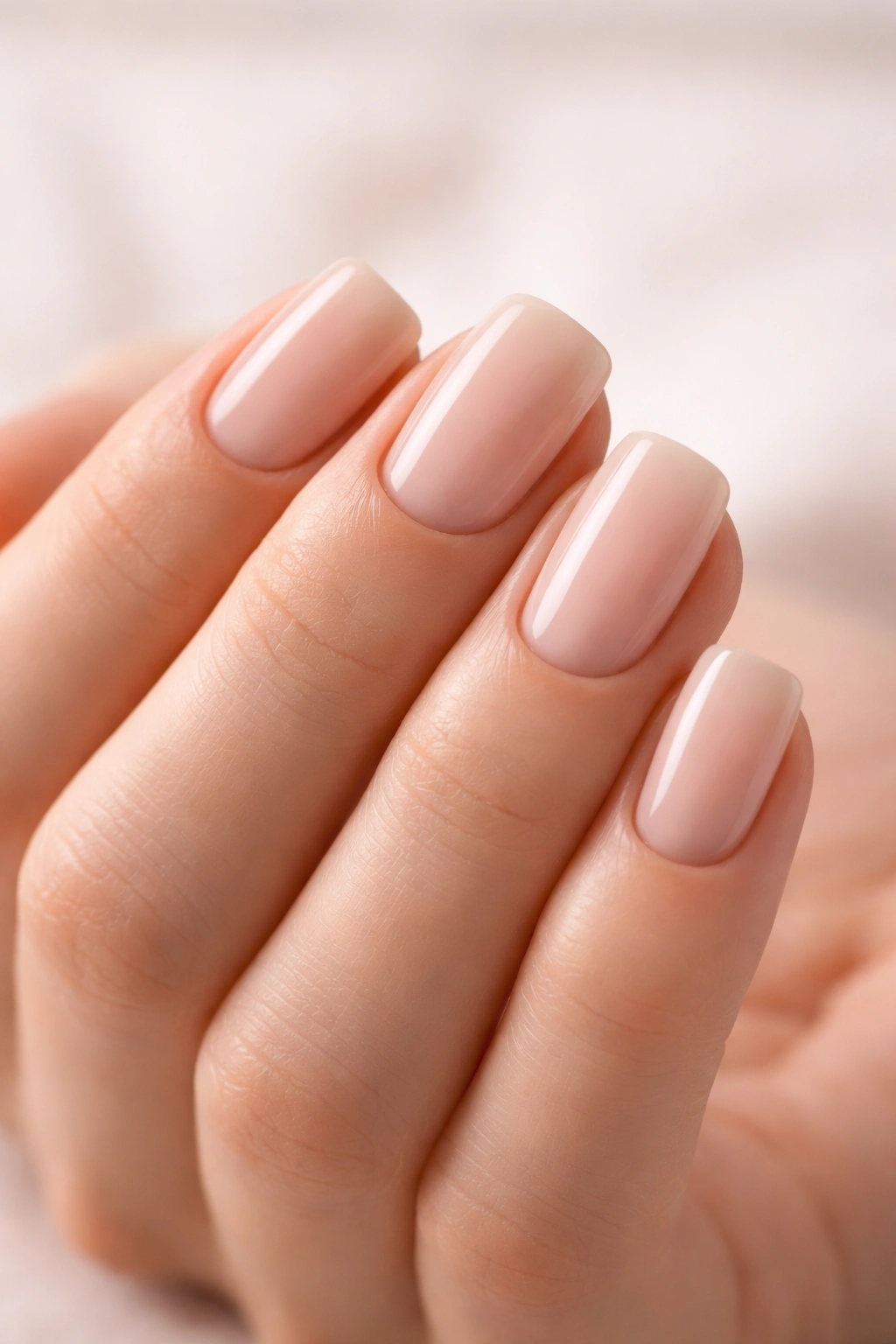
Here’s something most articles skip but that actually matters: the same squoval shape looks different on different people because hands are different. A squoval that’s perfect on long, slender fingers might look wrong on shorter, wider fingers, even if it’s technically the same shape.
If you have long fingers and a larger nail bed, you can probably pull off a more pronounced squoval with a more obvious flat top and definitely rounded corners. The extra space gives you room to play with the proportions.
If you have shorter fingers or a smaller nail bed, you might want a more subtle squoval — maybe one where the flat top is less dramatic and the corners are just gently rounded rather than obviously curved. This prevents the nails from dominating your hands and looking oversized. The shape will still be squoval, but it’ll read more elegantly on your particular hand.
Bring this up explicitly in your consultation: “My fingers are on the shorter side, so I’m wondering if we should do a squoval that’s more subtle, or if this length would still work.” Your tech can give you honest feedback about what will look best proportionally on your hands specifically, not just in general.
Also consider nail thickness. Some people have naturally thicker nails, and some have thin, delicate nails. Squoval on thicker nails reads bolder and more substantial. Squoval on thinner nails reads more delicate and refined. Neither is better — they just look different. If you’re doing acrylics or gel, you also have control over how thick the enhancement is, which affects the overall visual impact.
Communicating About Nail Strength and Durability
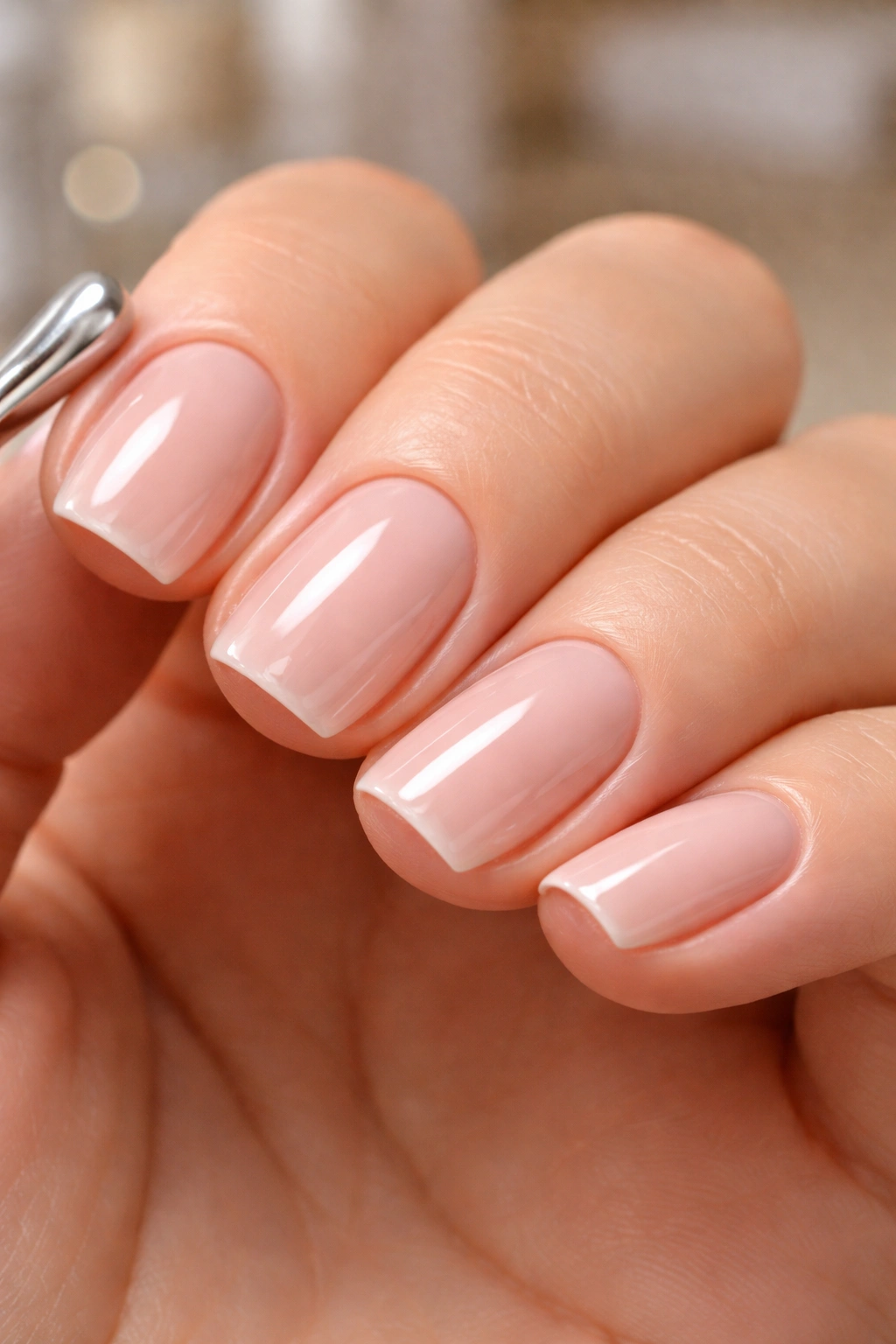
One reason people ask for squoval nails is because they’re more durable than pointy shapes. But the way your squoval is shaped — specifically the thickness and strength of the corners — affects how well they actually hold up. This is worth discussing with your tech, especially if you do a lot with your hands.
If you’re doing natural nails, squoval is one of the more durable shapes because there are no sharp points to snag or break off. The rounded corners disperse stress more evenly. However, natural nails are inherently more fragile, so be prepared for potential breakage if you’re going longer than your nails naturally support.
If you’re doing gel or acrylics, the durability is mostly about the material and application rather than the shape. That said, you can ask your tech to reinforce the corners a bit more if durability is your priority. You might say, “Can you make sure the corners are really strong? I want these to last without breaking.” A good tech will understand this means building up the corner area slightly so it’s less vulnerable.
Discuss the typical lifespan of your chosen manicure type. Natural squovals might last 1-2 weeks before needing a touch-up. Gel squovals typically last 2-3 weeks. Acrylics can last 3-4 weeks or longer depending on how fast your natural nails grow and how well you care for them. Knowing this helps you set realistic expectations.
Also mention if you’re particularly hard on your nails — if you play sports, do manual work, type all day, or regularly get your hands wet. Your tech can adjust the application and potentially the length to accommodate your lifestyle. There’s no point in asking for long squovals if your lifestyle will destroy them in a week; a shorter, stronger squoval might actually be more satisfying because it stays looking good longer.
Edge Details That Complete the Squoval Look
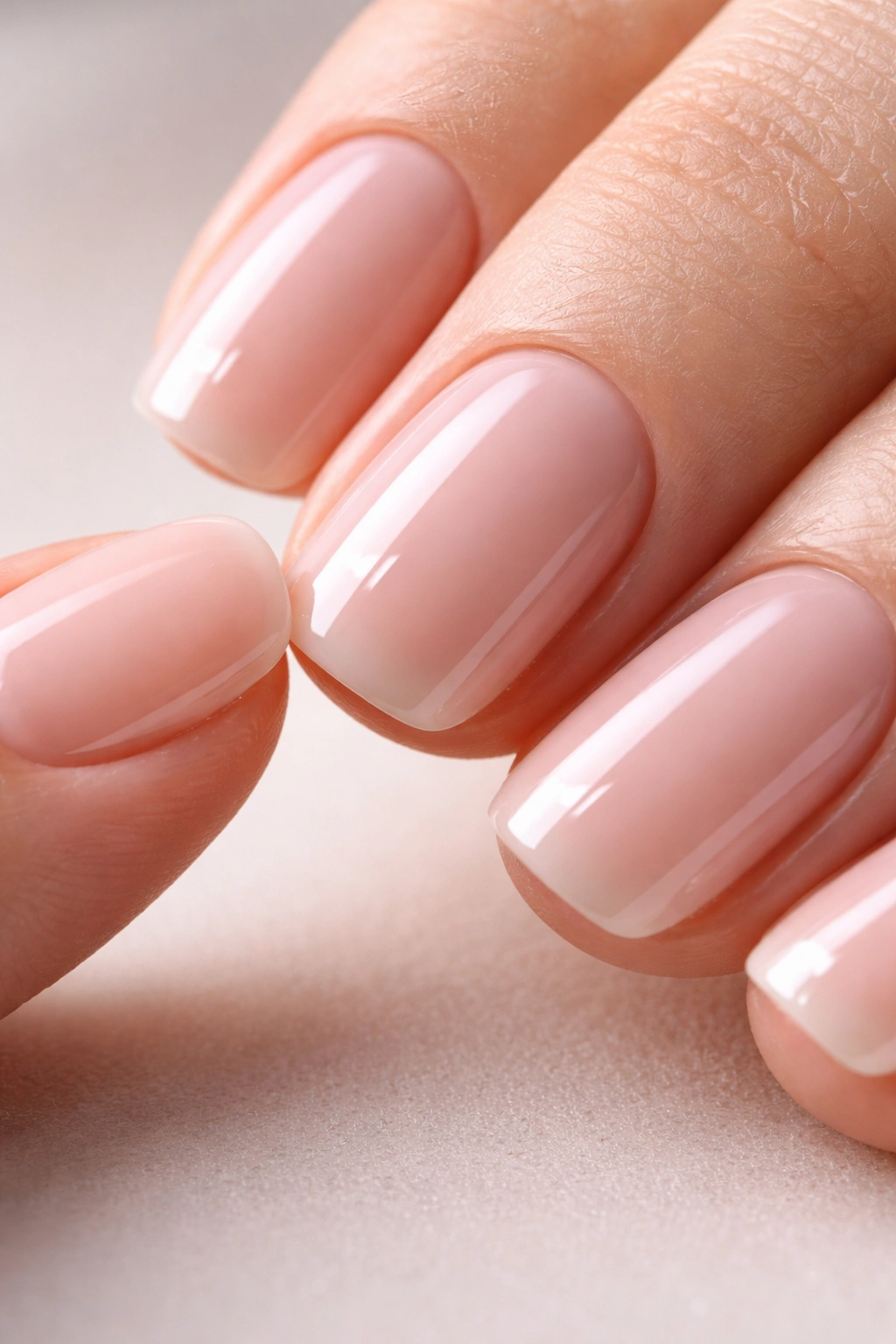
Here’s a detail most people don’t think about but that actually matters: the edge finish on your squoval nails. The way the edge is filed affects how polished and intentional the whole shape looks.
The edge should be filed smooth and even, not rough or uneven. This is basic, but it’s worth confirming if you’re working with someone new. Run your finger across the edge of the nail — it should feel smooth and slightly rounded, not sharp or splintery.
The top edge (the blunt part) should be relatively even and level, not slanted or wavy. This flatness is part of what makes squoval read as intentional. If the top edge is uneven, the shape immediately looks sloppy even if everything else is correct.
The corners should transition smoothly from the flat top to the curved side, not abruptly. There should be no harsh angle or weird bump at the corner. If you trace your finger around the perimeter, it should feel like one smooth, continuous line, not multiple distinct angles.
Ask your tech about filing techniques if you want to get specific. A file stroke that moves from the corner toward the center of the nail creates a smoother curve than random filing back and forth. This is a technical detail, but it’s the kind of thing that separates a techs who think deeply about shaping from ones who just go through the motions.
If you’re getting a manicure with polish or a design, the edge is also where you might consider a thin line of color. Some people like a super clean, simple squoval with all one color. Others love the definition created by painting just the tip a different shade (like a ombre or gradient effect). Your choice here is purely aesthetic, but it’s worth thinking about whether a contrasting tip would enhance the squoval shape you’re going for.
Managing Expectations on Your First Squoval Appointment
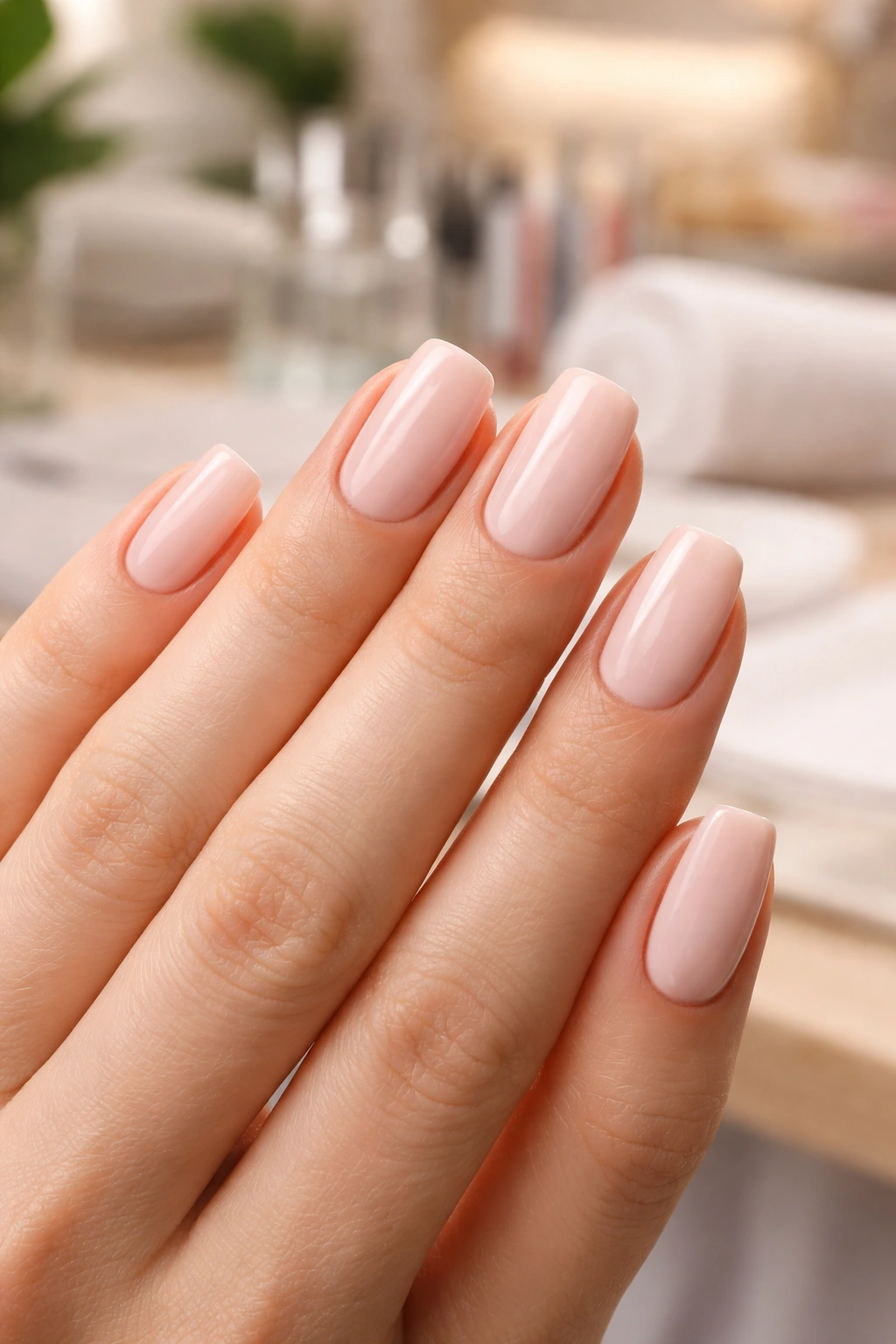
Your first squoval appointment might not be perfect. And that’s actually okay — it’s often a learning experience for both you and your tech. Managing expectations upfront helps prevent disappointment.
Understand that squoval is a shape that requires skill and precision. Not every tech can execute it perfectly on the first try, even with the best reference photos. If your tech is new to squoval, you might need to give them feedback or be prepared to return for a refinement. This is normal and doesn’t mean they’re not good at nails in general — squoval is just a specific skill.
Be specific about what “close enough” means to you. Some people are totally happy with a squoval that’s about 90% there. Others are perfectionists who need it exactly right. There’s no wrong answer, but you should know your own tolerance. If you’re pretty flexible, tell your tech that — it takes some pressure off. If you need it to be very precise, say that too, so they know to take their time.
Ask about refinement policy before you leave the salon. Most reputable salons will fix something if it’s genuinely not what you asked for. Find out whether refinements are free if you come back within a certain timeframe. A salon that stands behind their work gives you peace of mind.
Take that straight-on photo before you leave, even if you’re not 100% sure about the shape. You need a record of what you got so that when you come back (or go to a different tech), you can show them this photo and say, “This is closer to what I want” or “This time I want it a bit different in this way.” Having photographic evidence prevents miscommunication down the road.
If something’s really off, speak up while you’re still at the salon. If your tech finished and the shape is dramatically different from your reference photo, it’s much easier to adjust it then than to come back later. You don’t need to be apologetic or rude — just honest: “Looking at my reference photo again, I think the corners might be a bit too rounded” or “I was hoping for a flatter top. Can we adjust?” A good tech will be willing to make tweaks.
Follow-Up Maintenance and Touch-Up Conversations
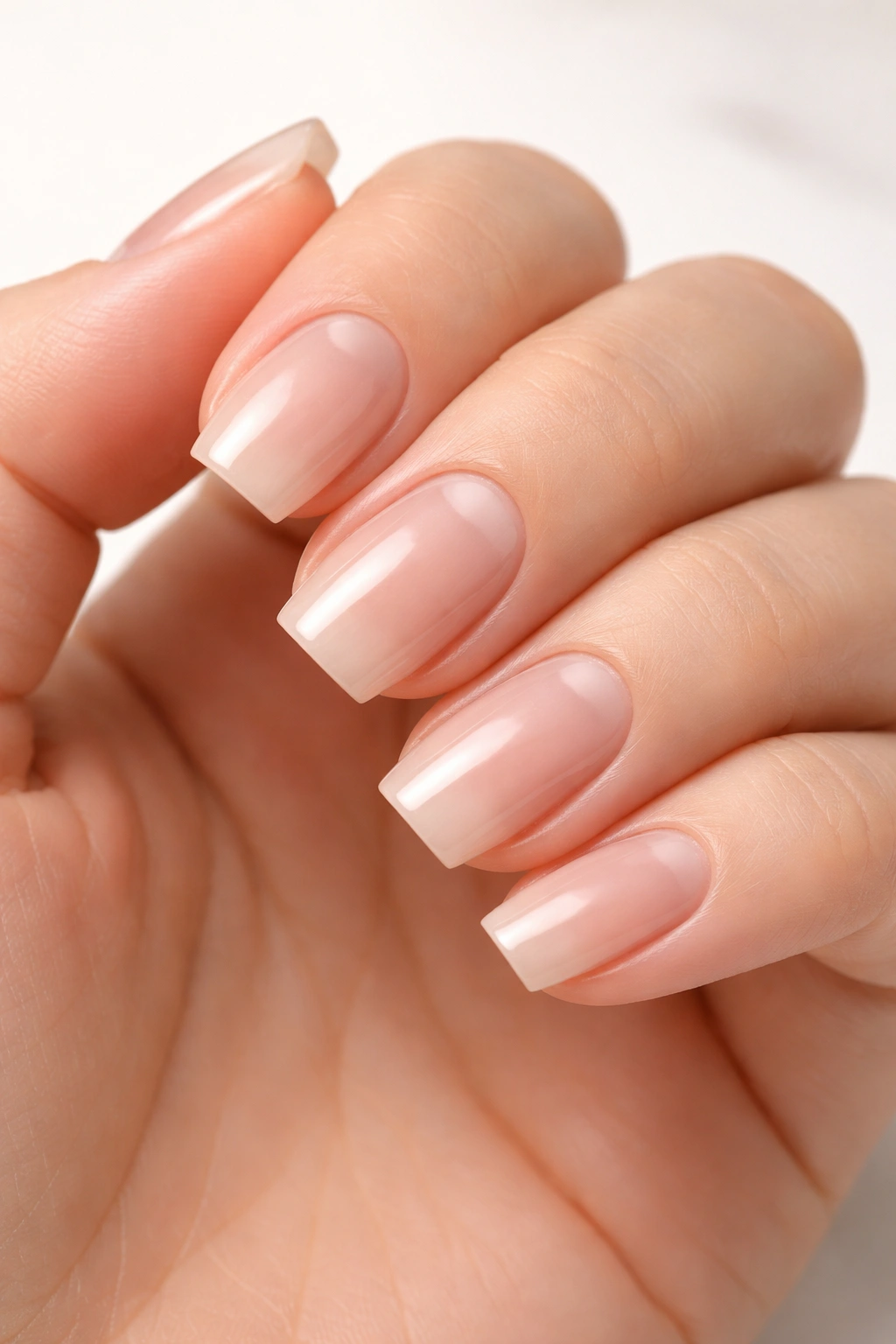
Once you’ve nailed the squoval shape (pun intended), the next conversation is about keeping it looking fresh between appointments. The way your nails are maintained between manicures directly affects how long the shape looks intentional before it starts to look grown-out and blurry.
For natural nails, you’ll need to file regularly to maintain the shape. Ask your tech to recommend a nail file (a glass file is gentlest) and show you the right filing direction — toward the center of the nail, not sawing back and forth, and at a slight angle to maintain those softly rounded corners. Most people with natural squoval nails file lightly 2-3 times per week to keep the shape sharp.
For gel or acrylic nails, you can’t file as aggressively, but you can still do light maintenance. Ask your tech about filing between appointments — can you lightly file the top edge if it starts to feel sharp, or should you avoid filing and just come in for a touch-up? Most techs will tell you to avoid filing and just book a fill or touch-up appointment instead, because improper filing can damage the enhancement and mess up the shape you paid for.
Discuss touch-up timing. How often do you need to come back to keep the squoval looking fresh? For natural nails, maybe that’s every 2-3 weeks. For gel, probably every 2-3 weeks for a fill or full refresh. For acrylics, maybe every 3-4 weeks. Your tech can give you a realistic timeline based on your nail growth and the specific squoval you chose.
When you book a touch-up, reference the original appointment. You might say, “I’d like to see the same tech who did my squoval nails last time, and I want the same shape.” This continuity is huge because your tech will remember what you’re aiming for and will adjust as needed based on how your nails have grown. If you do have to see someone different, bring your reference photos.
Expect the shape to evolve slightly over time. As your natural nails grow, the intersection between the new growth and the shaped part can look a bit different. This is completely normal and is actually why touch-ups exist. A good touch-up appointment includes re-shaping the new growth to match the squoval shape you established initially.
Troubleshooting Common Miscommunications
Even with the best intentions and clearest communication, things sometimes go wrong. Here are the most common miscommunications that happen with squoval nails and how to handle them.
You got almonds instead of squoval. This happens because both shapes have rounded elements, and some techs conflate the two. Almond nails have a point at the tip; squoval has a blunt top. If this happened, the fix is either filing the point blunt (if the length is right and you just need to change the tip) or getting a full redo if the shape is fundamentally wrong. Show your tech the original reference photo and clearly point out the blunt top on the squoval. Frame it as collaboration: “I think we’re going for a blunt top rather than a point — can we adjust?”
The corners are too sharp instead of softly rounded. This usually means the tech filed straight edges instead of curves. The fix is fairly simple — the tech can round the corners by filing them more gently. If you notice this while you’re still there, ask them to soften the corners. If you notice it after you’ve left, come back and ask for a quick adjustment.
The flat top is barely there — it’s basically oval. Sometimes techs interpret “squoval” as “slightly squarer oval” and don’t create a distinct enough flat edge. If your nails read more as pure oval than squoval, you need more definition on the top. Point to your reference photo and say, “I want a more defined flat edge here, more like this.” Show the exact part in the photo where the top should be flat.
The nails are the wrong length. Maybe you wanted medium and got short, or vice versa. If it’s a significant difference, ask your tech directly: “These are a bit shorter than I was hoping. Can we build them back up?” Usually they can lengthen them if you’re doing acrylics or gel, though it might cost extra because you’re essentially getting a full new set rather than a simple manicure. If you’re doing natural nails, your only option is to grow them out longer and file them to the right length yourself.
Your tech says they don’t think they can do squoval. If this happens during your consultation, ask them directly what they’re comfortable doing. Maybe they can do it but are unsure about their skills, in which case you might try someone else. Or maybe they genuinely don’t have the technique, which is important to know upfront. You can say, “No problem — do you know another tech here who’s done squoval?” or decide to try a different salon.
You’re unsure if what you got is actually squoval. When you leave the salon, take that straight-on photo. Compare it carefully to your reference images. Are the sides relatively straight? Is the top mostly flat? Are the corners softly rounded? If yes to all three, you probably got squoval. If you’re genuinely unsure, ask a friend whose nails you trust, or ask online nail communities. The nice thing about clearly-defined shapes is that there’s usually consensus about whether something actually qualifies.
Building a Lasting Relationship With Your Nail Tech
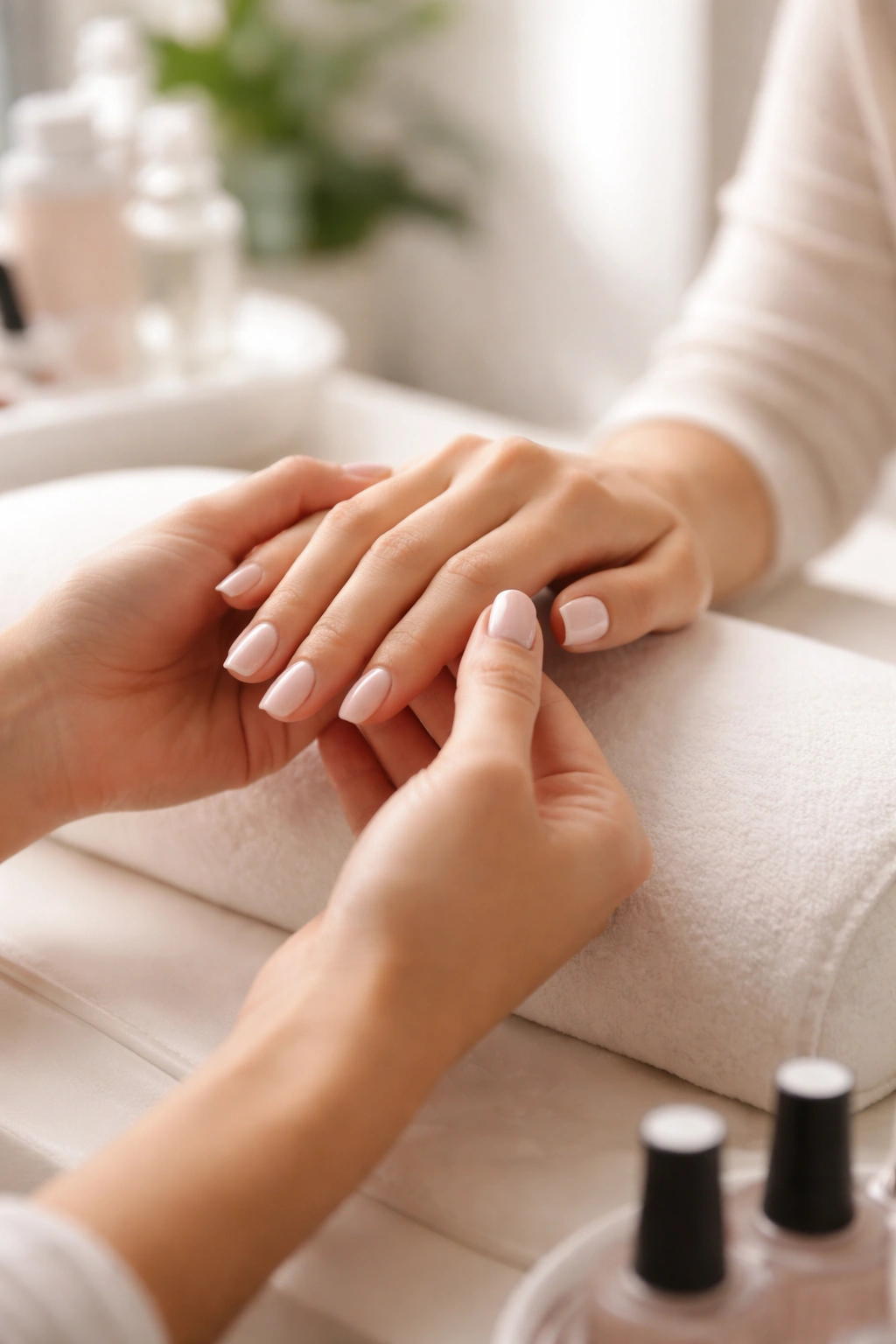
Once you find a tech who nails your squoval (sorry, had to), the smartest thing you can do is build a relationship with them. A tech who knows your vision, your hand shape, your lifestyle, and your preferences becomes exponentially more valuable because you don’t have to start from scratch every single appointment.
Book with the same tech consistently. Request them by name when you call for appointments. If your salon uses an app or online booking, look for their specific profile. Consistency matters because your tech will remember you, remember what you asked for, and make adjustments based on feedback you’ve given them in the past.
Give honest, specific feedback after every appointment. Don’t just say “Thanks, I love them!” If there’s something you’d tweak next time, say it: “These are great — maybe slightly rounder corners next time?” or “Perfect length, can you keep them this exact length next appointment?” Techs genuinely appreciate clients who communicate because it helps them improve and serve you better.
Show them photos of things you love, not just on the day of your appointment but between appointments too. If you find inspiration online and you’re thinking about asking for something slightly different next time, send it to your tech or bring it in a week before your appointment. This gives them time to think about how to execute it rather than springing it on them.
Tip well and book in advance. This signals that you value their time and skill. Clients who tip consistently and book ahead of time get better availability and often better work — it’s just human nature. A tech who knows you respect their work will go the extra mile to make sure your nails are perfect.
Be realistic about what’s possible. If your tech explains that something won’t work the way you’re imagining it, listen. They have technical knowledge that you don’t. If they suggest an adjustment or a different approach, try it. A good tech isn’t being defensive; they’re trying to give you the best possible result.
Celebrate when they get it exactly right. Tell them, take photos, leave a good review, post on social media. Techs absolutely notice and appreciate when clients are happy and vocal about it. You don’t need to be over the top, but acknowledging great work creates good energy and a relationship that benefits both of you.
Final Thoughts
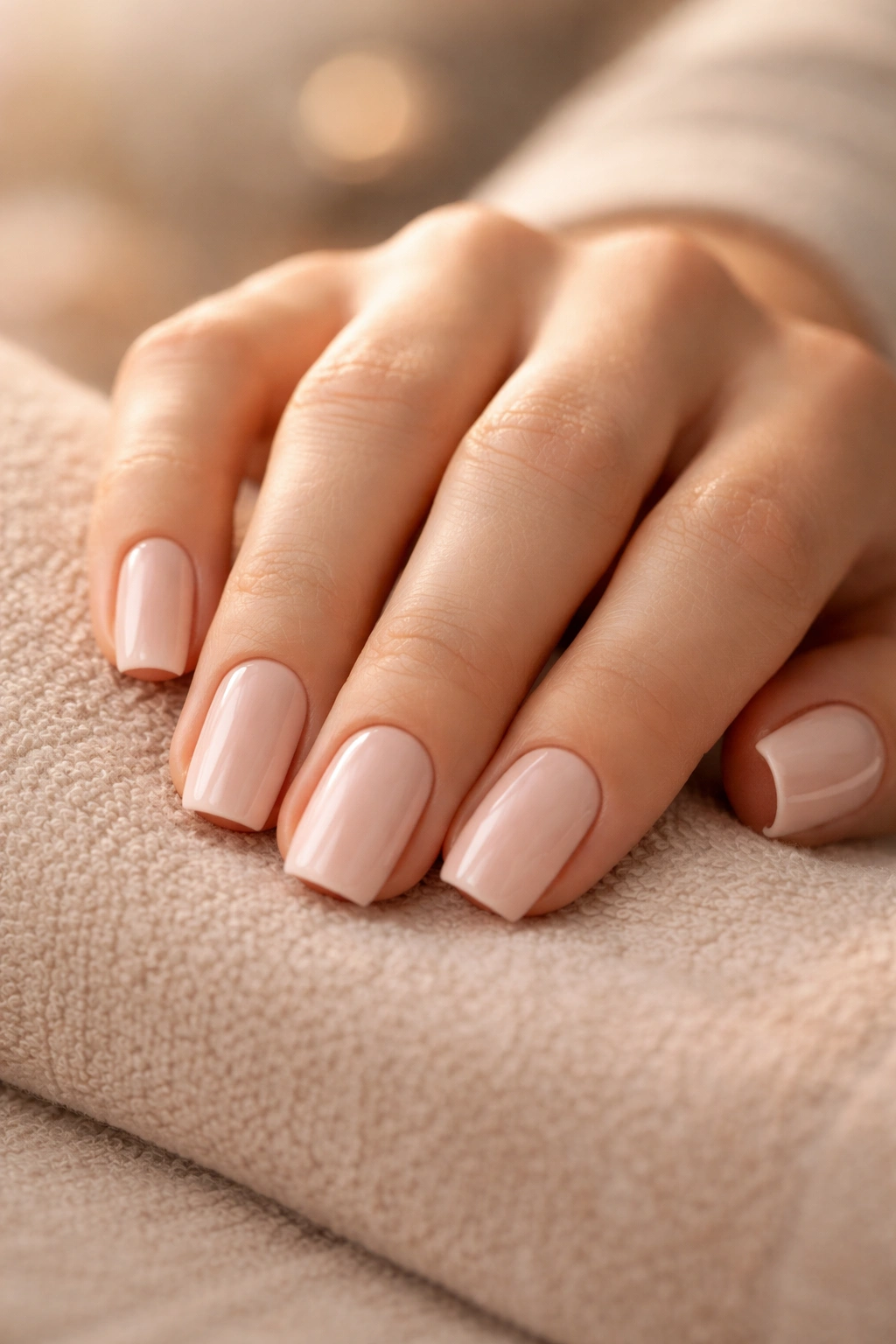
Asking for squoval nails is genuinely straightforward once you know what to do: show a clear reference photo, describe the shape accurately (“flat top with rounded corners and straight sides”), discuss length and proportions, and have an ongoing conversation with your tech about what works best for your hands. The combination of visual reference plus specific language eliminates most miscommunication.
The reality is that squoval is not some hard-to-achieve luxury shape — it’s actually one of the most wearable, practical shapes available. Tons of techs do it beautifully every single day. The key is finding one who understands your vision and is willing to collaborate with you to get it right.
Your first squoval appointment might take a little more planning and conversation than your usual mani, but it’s worth it. Once you have the shape dialed in, future appointments are easy — you just ask to keep it the same, and your tech knows exactly what you mean. And honestly, the communication skills you use to nail the squoval conversation translate to better communication about all your nail goals. You’ll become the kind of client who always gets exactly what they want, and that’s worth the small effort it takes to get there.