


When you’re working with short nails, the choice between gel and dip powder isn’t just about which one lasts longer—it’s about finding the formula that actually works with your nail length rather than against it. Short nails present unique challenges that longer nails don’t face: there’s less surface area to work with, the manicure’s visibility is different, and the dynamics of how products sit on a shorter nail bed change entirely.
The truth is that most nail technicians and online guides treat gel and dip powder as interchangeable, but they’re not. They apply differently, cure differently, require different removal techniques, and they feel completely different on short nails once they’re set. Your short nails deserve specific consideration, because choosing the wrong product can mean brittle nails in three weeks, a salon visit that takes twice as long as you expected, or spending money on a manicure that chips before you get home.
Here’s what separates a great choice from a regrettable one: understanding exactly how each product behaves, what your lifestyle actually demands, and which one respects your nail health while delivering the look you want. Let’s break this down properly so you can make a decision you won’t second-guess.
What Gel Polish Actually Is and How It Works
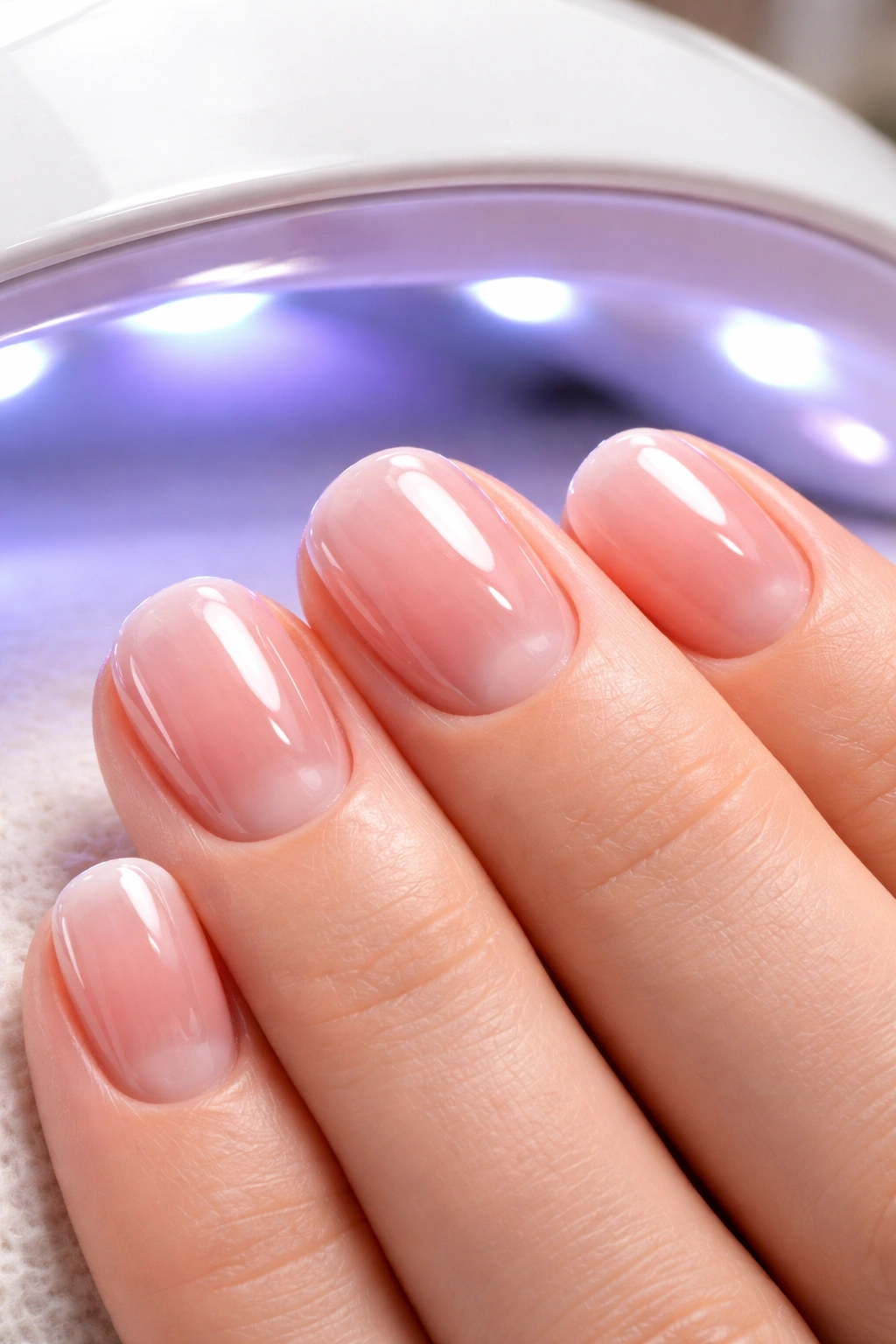
Gel polish sits somewhere between regular polish and a full acrylic sculpture—it’s a thick, pigmented resin that bonds to your nail plate and hardens under UV or LED light. Think of it as a protective coating that cures solid rather than drying in air the way traditional polish does. The chemistry matters here: gel polish contains oligomers and monomers that cross-link and form a hard polymer network when exposed to light, creating that signature glossy finish that doesn’t dull over time.
The application process is straightforward. Your technician starts with a base coat—a sticky layer that helps the gel adhere to the nail. Then comes one or two thin layers of colored gel, with a light curing step between each layer to set it partially. Finally, a top coat seals everything and gives you that mirror-like shine. The whole process typically takes 30-45 minutes from start to finish.
What makes gel especially relevant for short nails is that it doesn’t add thickness to your nail plate the way some products do. You’re literally painting layers onto your existing nail surface, so the final manicure stays proportional to your nail size. Short nails with gel still look delicate and refined rather than chunky or overpowering.
The versatility of gel is genuinely impressive. You can get any finish imaginable—opaque, sheer, glittery, metallic, matte, high-gloss. Want a nude base with sparkle tips? Done. Ombré that fades from one color to another? Absolutely. This flexibility appeals to people who like changing their look frequently or matching specific outfits.
What Dip Powder Actually Is and How It Works
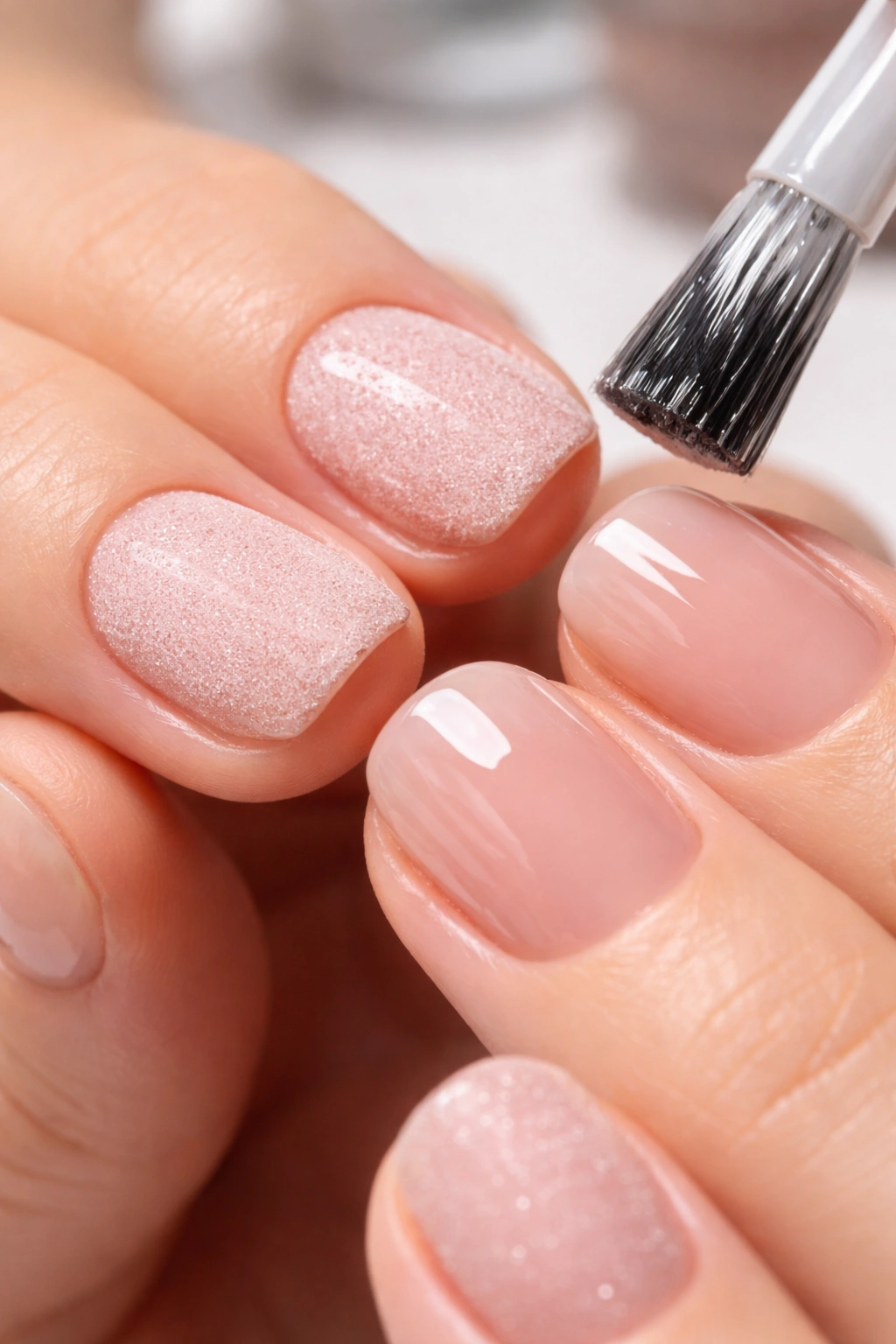
Dip powder is a completely different animal. Instead of painting a liquid onto your nail, you’re dipping your nail into a finely milled powder, then sealing it with a liquid activator and top coat. The powder particles bond together through the activator, creating a hard shell that doesn’t require light curing at all.
The application involves multiple steps: a base coat on your nail, a dip into the colored powder (usually done twice to build up color), then an activator spray that hardens everything, followed by a dusting off of excess powder and a final top coat. Total time is usually 20-30 minutes, which is notably faster than gel application. For people who find sitting under UV lights uncomfortable or who prioritize speed, dip powder has real appeal.
Dip powder has a unique tactile quality—it feels slightly grainy or textured until the top coat is applied, at which point it becomes glossy. Some people actually prefer leaving the top coat off for a matte, velvety finish that’s impossible to achieve with gel. The texture options are honestly more limited than gel (you’re working with powder pigments, not liquid resins), but what’s available tends to be stunning.
The real difference here is the durability profile. Dip powder sits on top of your nail rather than bonding to your nail the way gel does. This creates a different adhesion dynamic that can be either a strength or a weakness depending on your nails and how you use your hands.
Durability and Longevity on Short Nails
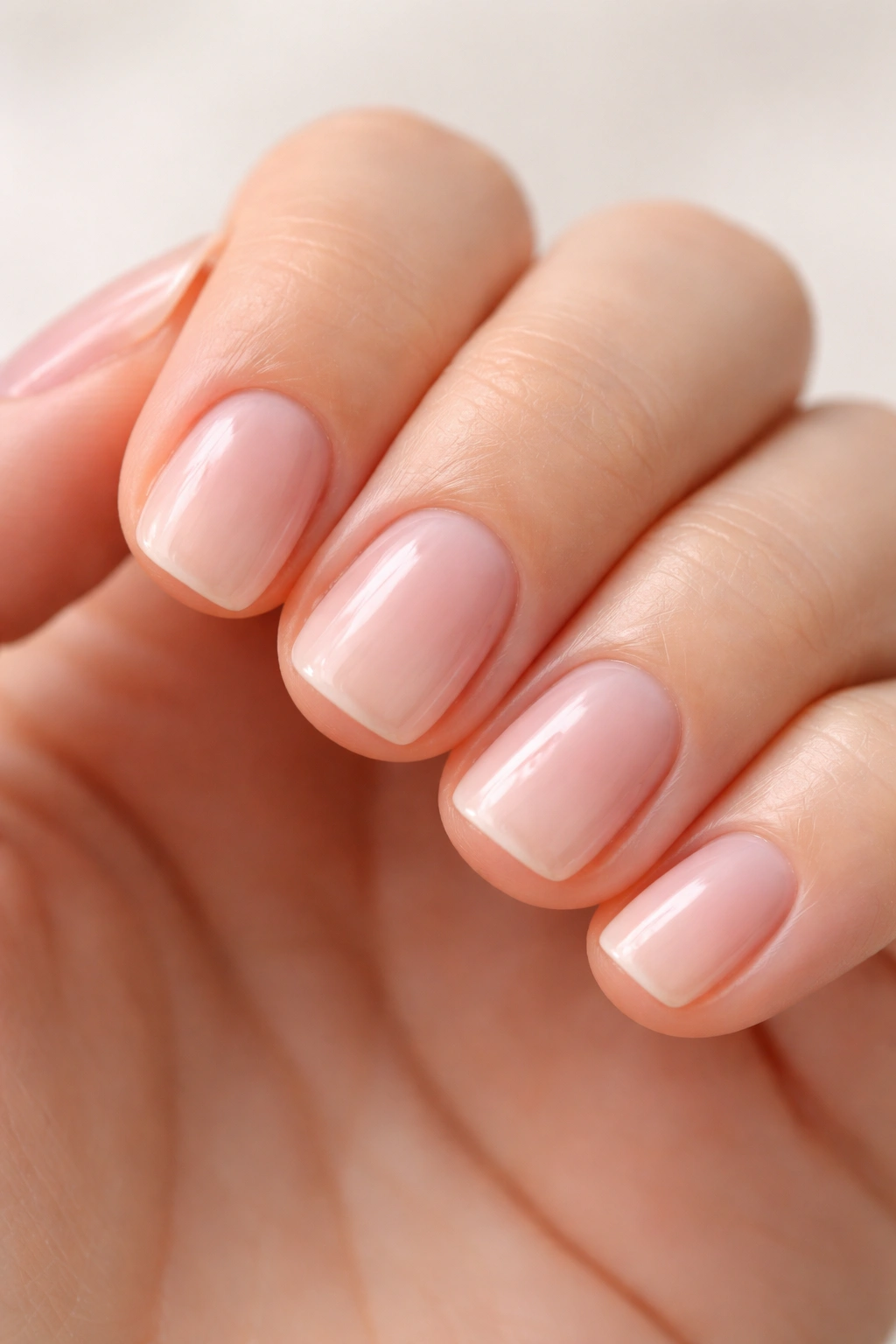
Here’s where short nail length actually changes the equation. On longer nails, gel polish typically lasts three to four weeks before noticeable chipping or growth lines become visible. On short nails, you’re looking at the same timeframe because the length of your nail doesn’t affect how the product cures or bonds—it’s purely about how much surface area is exposed to daily damage.
Dip powder also claims three to four weeks of wear, but the reality on short nails is nuanced. Dip powder’s bond is somewhat more vulnerable to daily wear, particularly at the edges and tips. On short nails, those edges get hit more frequently—your fingertips make contact with everything from a closer angle, and there’s less “nail overhang” to protect the manicure from impact. Experienced technicians will tell you that dip powder on short, frequently-used nails sometimes starts peeling or chipping around week two, especially if you use your hands heavily.
Gel’s molecular bonding to the nail plate makes it slightly more forgiving on shorter nails that experience heavy wear. The color and shine stay intact longer, though you will notice growth lines as your natural nail grows out—this is purely a cosmetic issue, not a durability problem.
For short nails specifically, gel tends to hold its finish more consistently because it’s fused to the nail itself rather than layered on top. Neither product is perfect for everyone, but if you’re someone whose hands are constantly in water or in contact with other people (massage therapists, healthcare workers, teachers), gel has a slight edge on short nails.
Application Time and Salon Visits
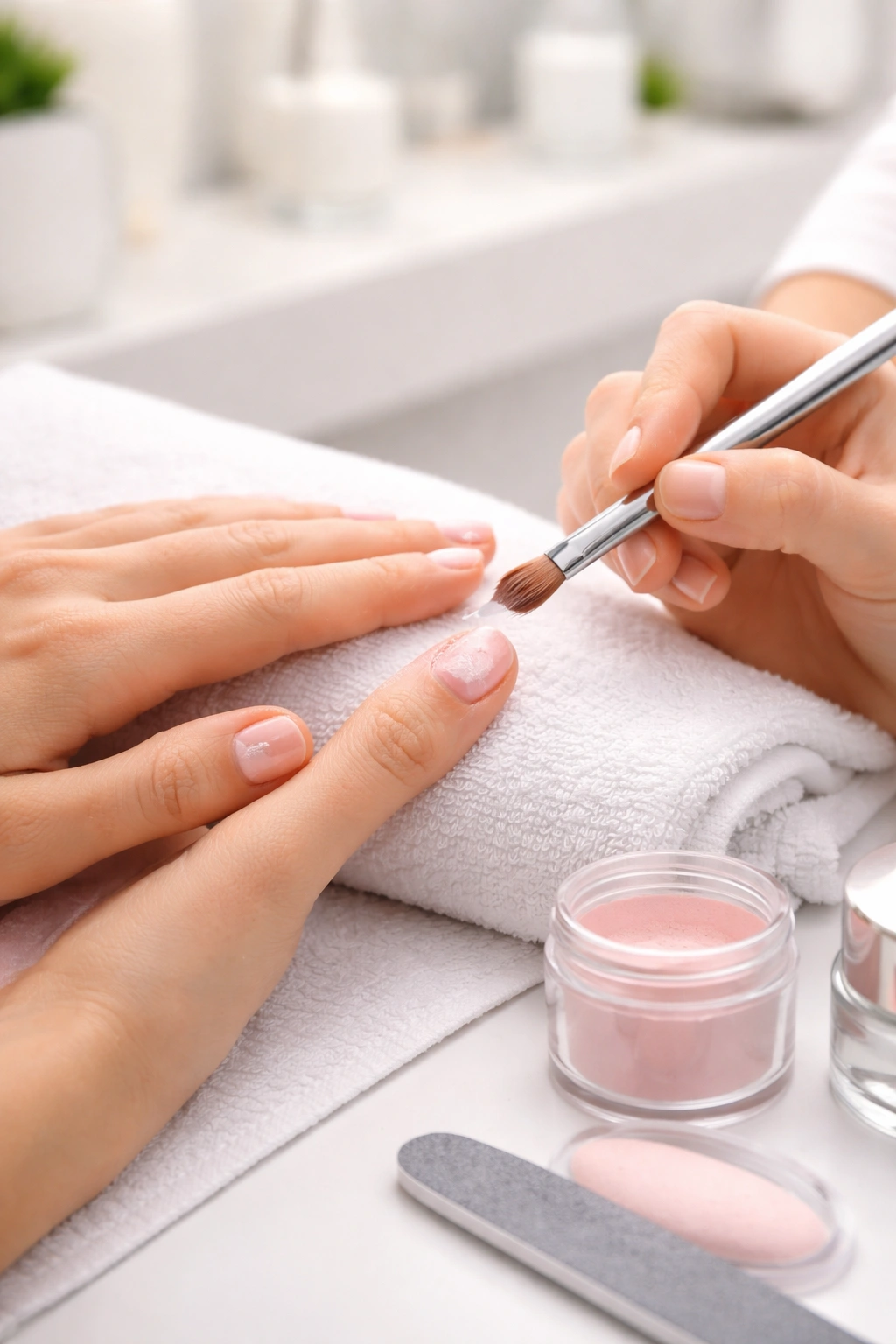
If salon time matters to you, dip powder wins on speed. Most technicians can apply dip powder in 20-30 minutes for a full set of short nails. Gel application for short nails typically takes 35-50 minutes because of the light curing steps between each layer. That’s a meaningful difference if you’re squeezing a manicure into a lunch break or fitting it around childcare.
The salon experience is different too. With gel, you’ll spend time under a UV or LED light—usually two to three separate curing sessions. Some people find this uncomfortable, especially those with sensitive skin or light sensitivity. Dip powder uses no curing light, which appeals to people who prefer to avoid UV exposure or who just want the entire process to move as quickly as possible.
That said, speed doesn’t guarantee a better result. A rushed dip powder application where the powder isn’t packed evenly or the base coat is applied too thick can lead to lifting and peeling. A careful gel application where your technician takes time to properly prep your nail beds and apply thin, even coats will last longer. The best choice depends on whether you value speed or precision more in your individual case.
Drying and Curing Process Differences
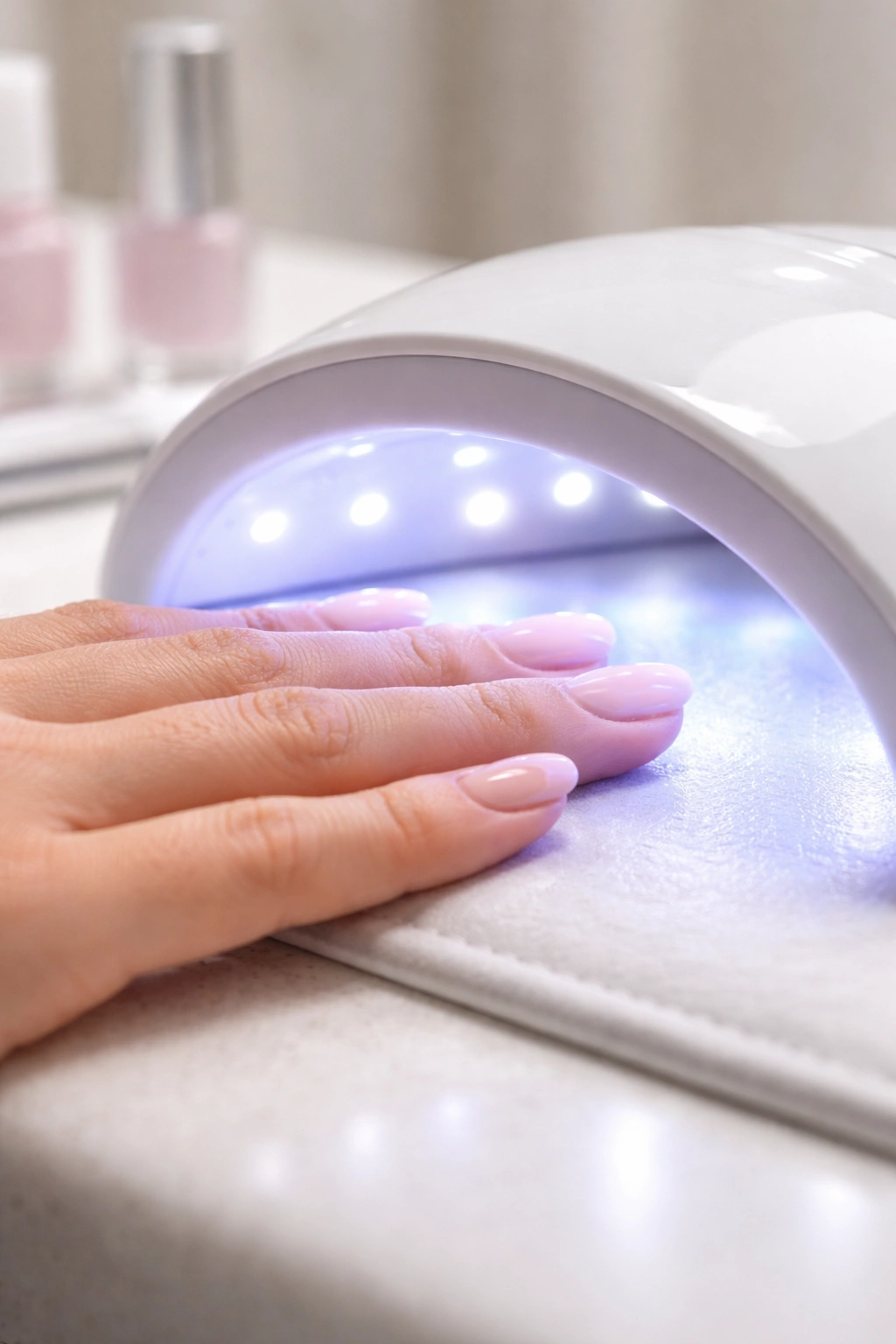
This is where the products diverge in a fundamental way. Gel polish doesn’t dry—it cures. The light literally triggers a chemical reaction that hardens the resin. This means there’s no waiting period after you leave the salon; your nails are immediately hard and ready for action. This is genuinely convenient, especially on short nails where you can’t easily protect longer tips from accidental bumps during a vulnerable drying period.
Dip powder also cures immediately once the activator has done its job and the top coat has set. You can use your hands right away without worrying about smudging or denting the manicure. From a practical standpoint, both products give you nails that are ready to function immediately.
The psychological difference is real, though. With gel, you know exactly how long curing will take (usually two to four minutes per layer, depending on light strength). With dip powder, the activator hardens everything fairly quickly, but there’s a slightly less predictable window where the product is still setting. For short nails, this doesn’t matter much because there’s less surface area handling involved, but it’s worth noting if you have sensitive nails or particular concerns about process control.
Removal Process and Damage Risk
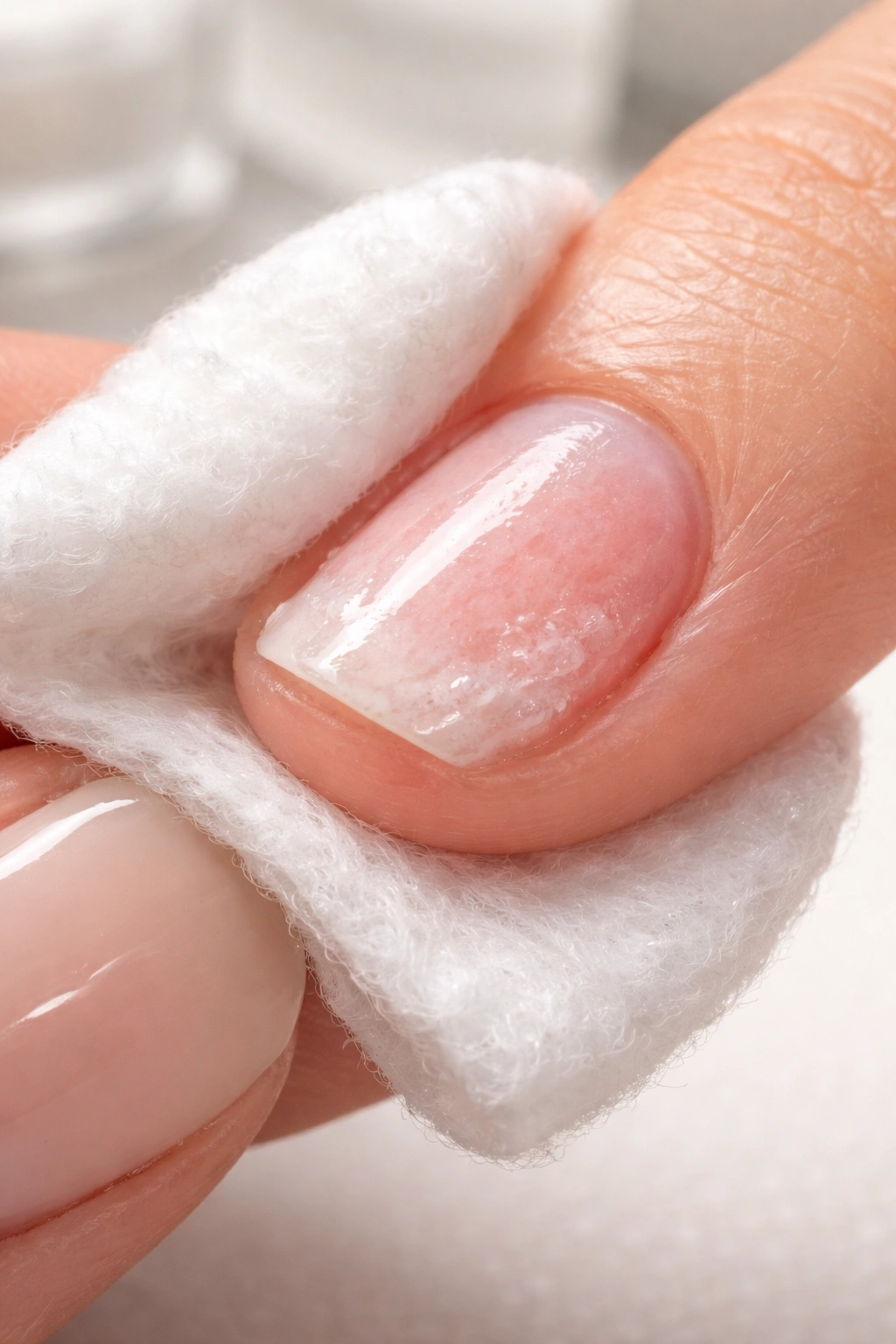
Here’s where you need to pay close attention, because nail health is on the line. Gel removal requires soaking your nails in acetone, usually for 10-15 minutes, sometimes longer if the gel was applied thickly. The acetone dissolves the polymer structure, and the gel either soaks off or is gently scraped away once softened. Done properly, this is a safe removal process. Done improperly—rushing, scraping too aggressively, soaking too long—it can severely dehydrate your nails and cause peeling and brittleness.
Professional removal at a salon is almost always safer than DIY removal because technicians have technique and know exactly how long to soak and how gently to work. On short nails, professional removal matters even more because there’s less nail plate to work with, and over-aggressive scraping can actually damage the nail bed itself.
Dip powder removal is theoretically gentler because it doesn’t require heavy acetone soaking. Your technician will use a nail file to break through the top layer, then soak in acetone to dissolve the powder, which typically comes off with light pressure. The actual acetone exposure time is often shorter, which is genuinely better for nail health.
However—and this is important—if your dip powder was applied too thickly or with too much activator, removal can still be a nightmare. A layer of dip powder that’s too thick can take just as long to remove as gel, and the nail-damaging potential is equally high. The real protection comes from your technician’s application technique, not from the product itself.
For someone committed to maintaining short, healthy nails over time, dip powder’s gentler removal process has appeal. But only if your technician applies it properly and removes it carefully.
Color Selection and Finish Options
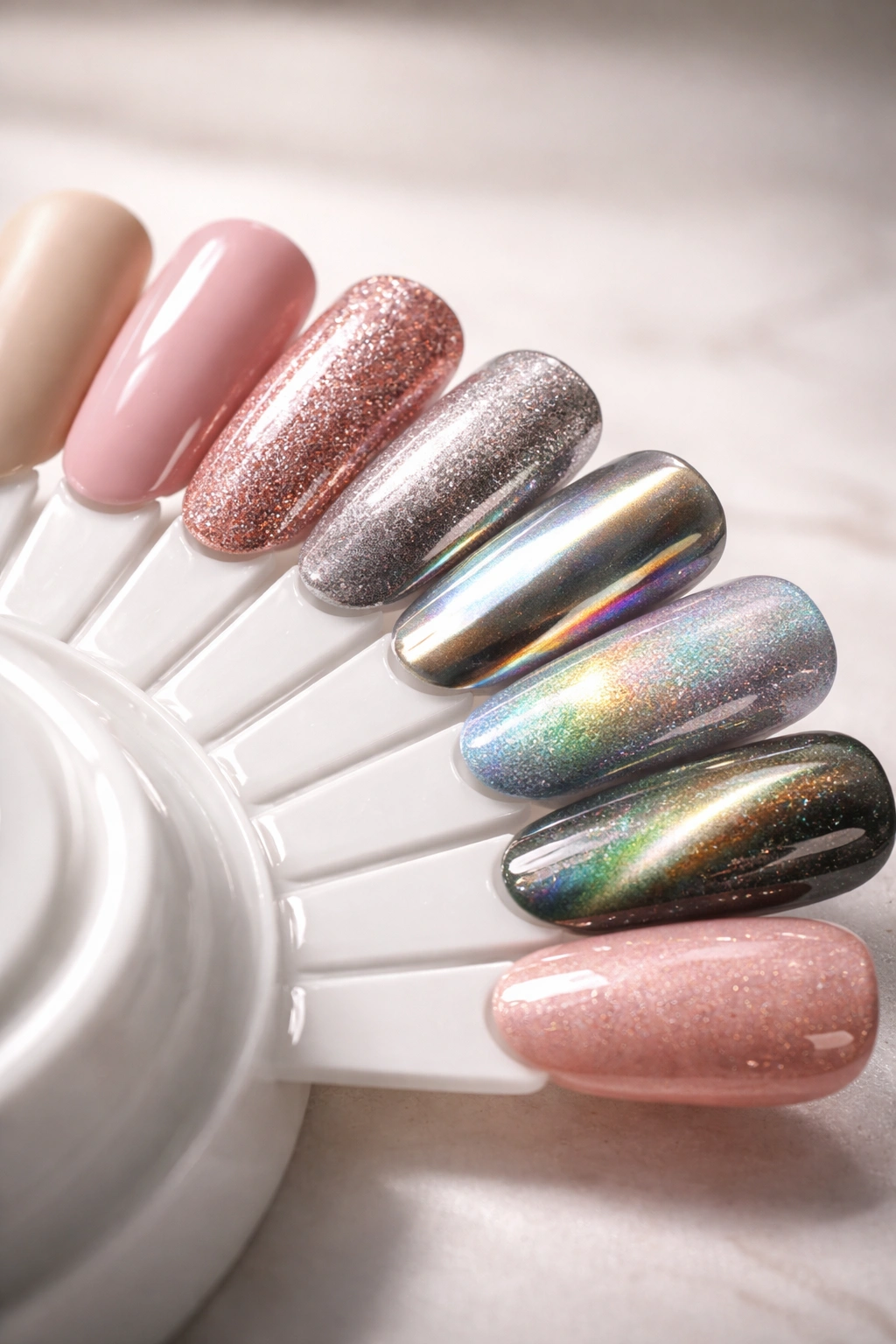
Gel polish is the clear winner on customization. Because it’s a liquid resin, technicians can blend colors together, create smooth ombré transitions, apply nail art with precision, and achieve finishes ranging from barely-there nudes to bold glitters to sophisticated metallics. You can get chrome effects, holographic finishes, cat-eye magnetic effects, and intricate designs. The color palette available in gel is essentially unlimited because manufacturers are constantly creating new formulations.
On short nails, this variety is actually helpful. Short nails can sometimes look stark or plain with a solid, basic color, so having access to interesting finishes—subtle shimmer, soft pink with white tips, matte textures—gives you more styling options that feel polished rather than boring.
Dip powder colors are getting better every year as new brands enter the market and formulate more sophisticated shades. You can find gorgeous nude, pink, red, and neutral tones in dip powder. However, complex effects like ombré, intricate nail art, or chrome finishes are either impossible or extremely difficult with dip powder because you’re working with particles rather than a liquid medium.
If you love experimenting with different colors and finishes, gel gives you freedom. If you prefer classic, solid colors or specific trendy shades, dip powder has likely expanded enough to include what you want.
Cost Comparison: Initial and Maintenance
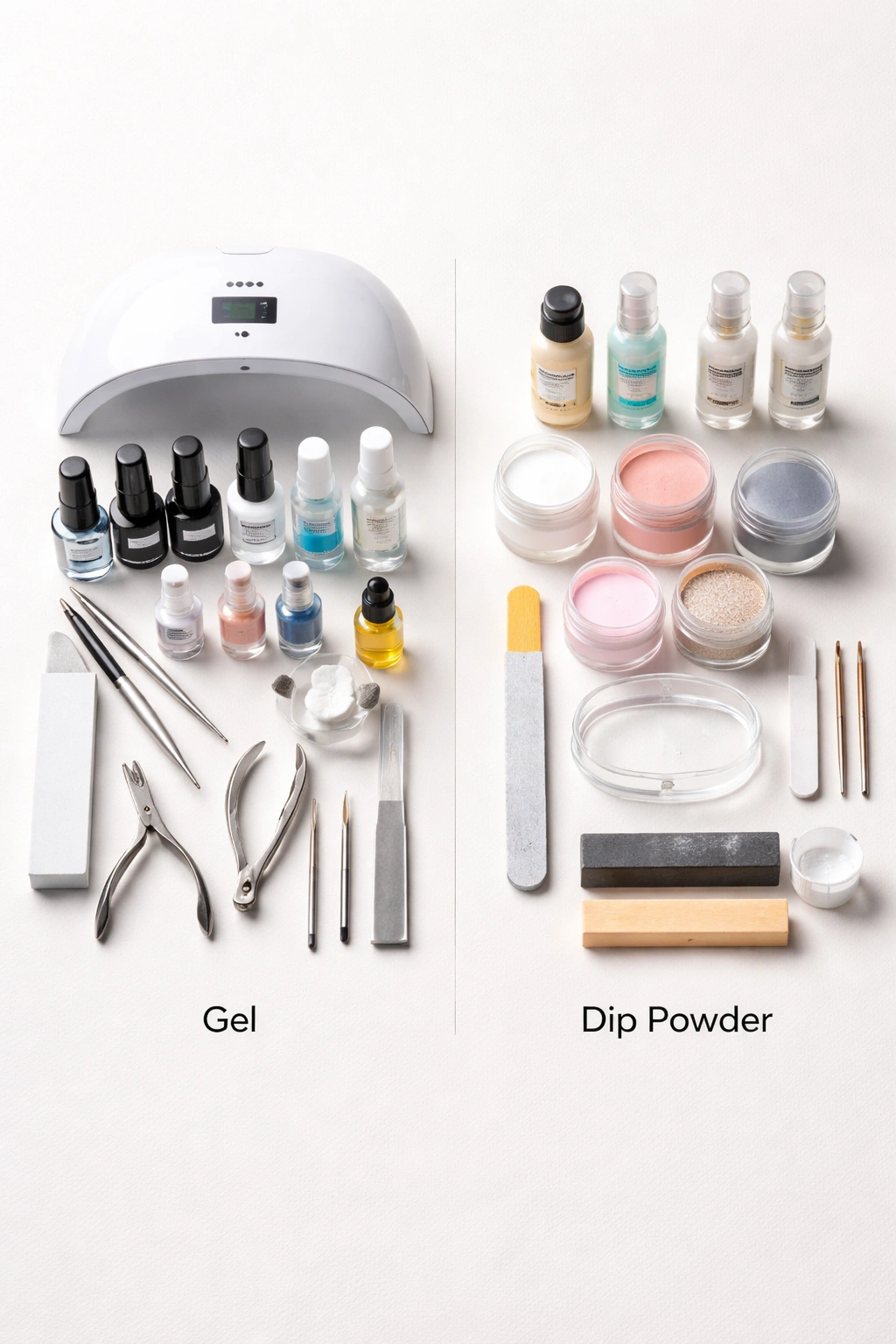
Dip powder typically costs $5-10 less per manicure than gel at most salons. A full set of dip powder short nails might run $25-40, while gel for the same set might be $35-50, depending on your location and the salon. That’s a meaningful difference over time if you’re getting manicures every three to four weeks.
Removal costs vary. Some salons charge separately for gel removal (another $10-15), while dip powder removal is sometimes included in the next manicure price. Always ask about removal pricing upfront so you can factor it into your total cost.
DIY maintenance differs between the two. Gel nails occasionally need minor touch-ups if you’re confident using a gel lamp—you can file and add a tiny bit of gel to broken edges. Dip powder is harder to touch up at home, so most people just live with chips until they can get a full new manicure. This means gel can be slightly more economical over time if you’re willing to do small maintenance at home.
Over a year of manicures, the cost difference probably works out to $40-100 depending on your salon and service choices. If budget is tight, dip powder’s lower base cost adds up. If you’re already spending on regular manicures, the price difference is less significant than the quality of the result you want.
Maintenance Requirements Between Applications
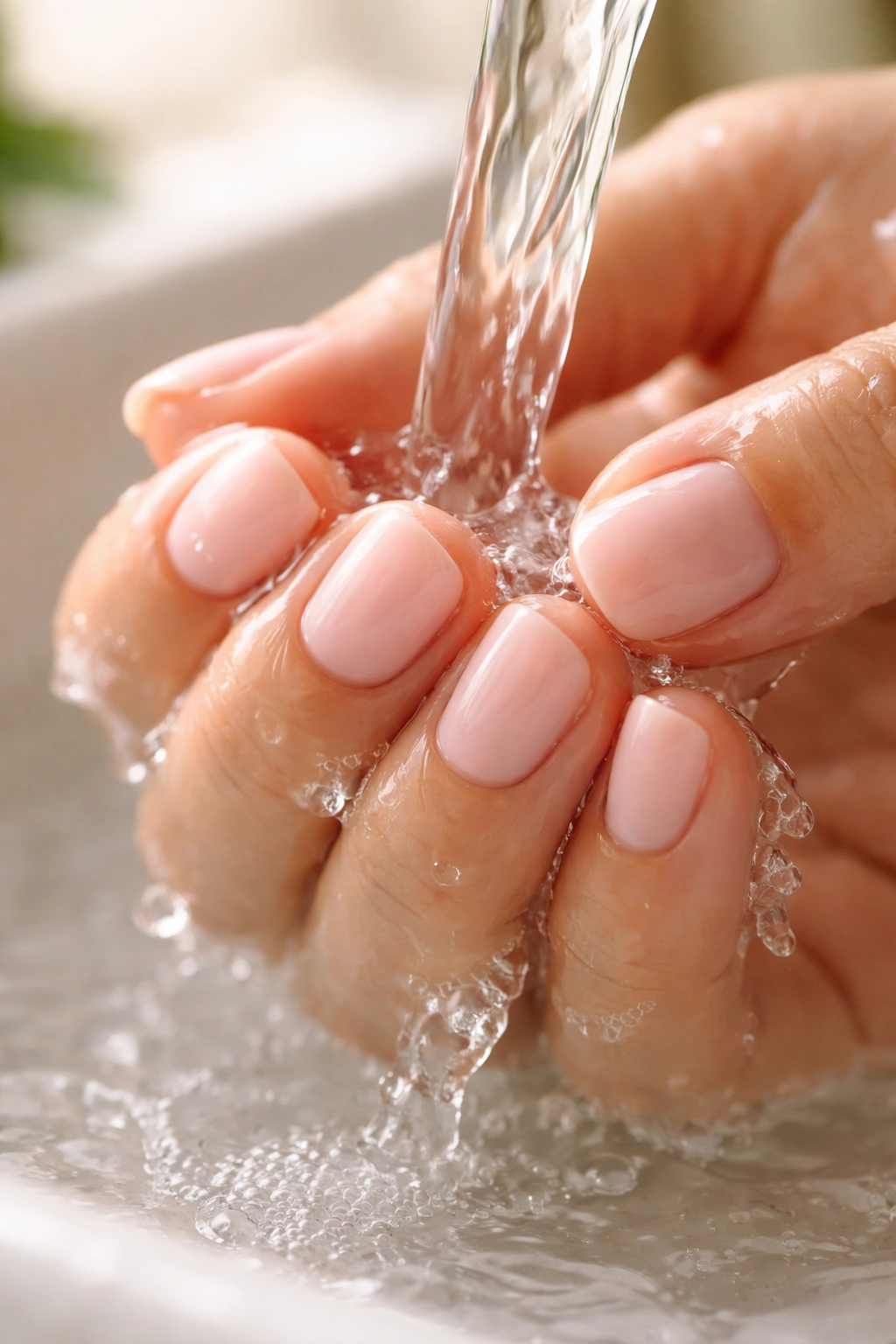
Once your manicure is set, both products require minimal active maintenance. You wash your hands normally, use your hands normally, and neither product demands special care. This is genuinely one of the best parts of both gel and dip powder compared to regular polish—you don’t have to worry about chipping, be careful of your hands, or use special top coats between salon visits.
That said, there are subtle differences in how well each product tolerates repeated hand washing and exposure to water. Gel is more resistant to moisture and soap exposure because it’s a sealed polymer coat. You can wash your hands in hot water, use harsh soaps, or spend time in chlorinated pools and your gel manicure will be unaffected.
Dip powder is also quite water-resistant thanks to the top coat, but the layer is theoretically slightly more vulnerable to persistent water exposure or humidity over time. That said, the difference is minimal for normal daily use. You’re not going to ruin your dip powder by washing dishes.
For short nails specifically, maintenance between applications is less of a concern than it might be for longer nails because short nails accumulate less debris underneath and are less prone to snagging things that might cause damage or lifting.
Health and Safety Considerations
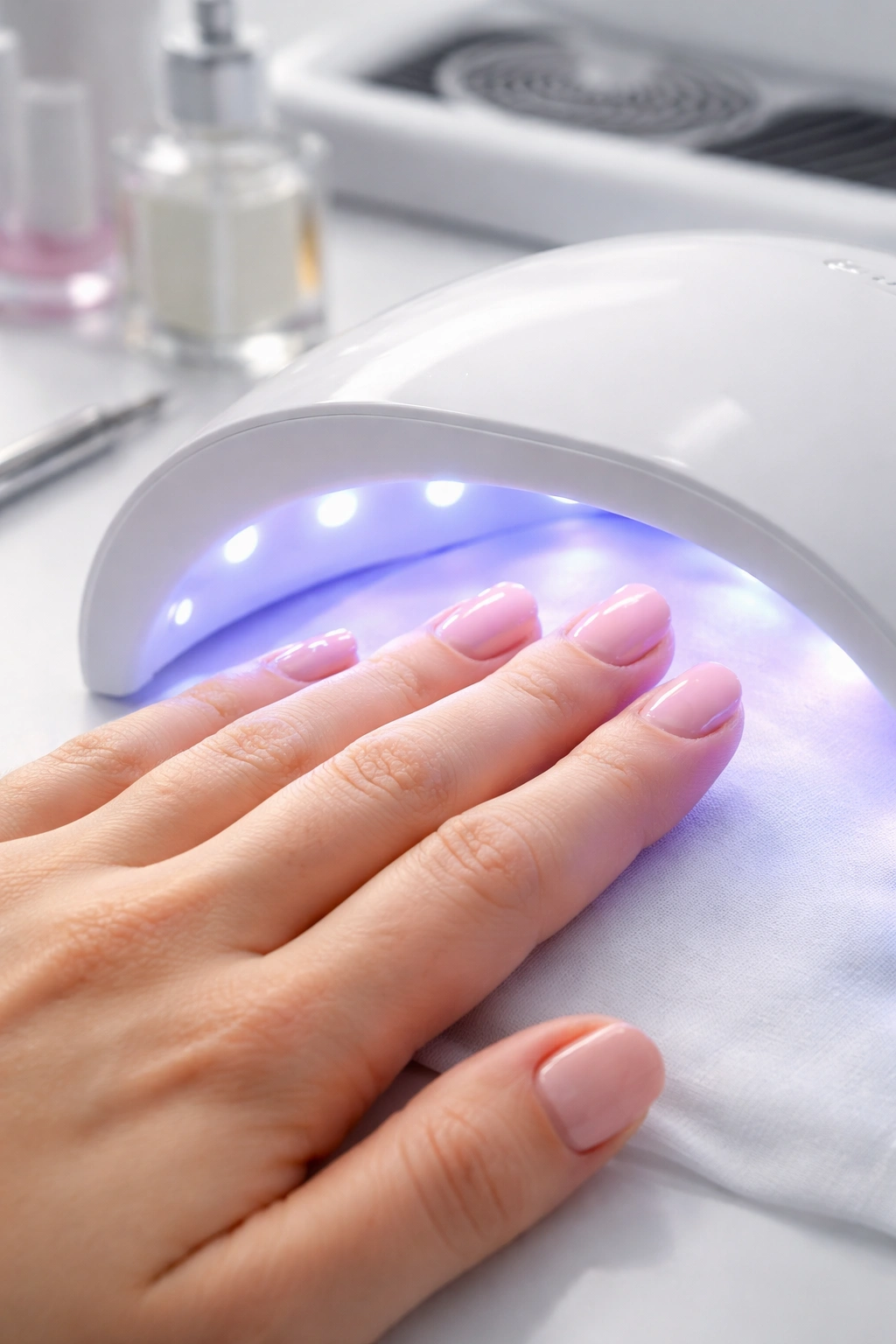
This is the conversation most manicure articles skip over, but it matters. Gel manicures expose you to UV light, which carries a small increased risk of skin damage, though the exposure during a typical gel manicure is brief. Many salons now offer LED lamps instead of UV, which cure faster and emit less potentially harmful radiation. If you’re doing gel manicures frequently (more than two to three times per month), you might consider using a broad-spectrum sunscreen on your hands before your manicure, or requesting an LED lamp specifically.
Acetone removal of gel polish exposes your skin and nails to a strong chemical. Done properly with professional-grade acetone in a salon with good ventilation, this is safe. Done improperly—soaking in non-professional-grade acetone for excessive time in a poorly ventilated space—it can cause irritation, dehydration, and potential skin damage. Always have removal done professionally if you’re concerned about safety.
Dip powder uses the same acetone for removal, so the chemical exposure is comparable. However, the actual soaking time is often shorter, which reduces overall acetone exposure. The powders themselves are made from finely milled minerals and resins—inhaling dust during application could be a concern, though reputable salons use techniques to minimize dust exposure and have good ventilation.
The honest truth: both products are safe when applied and removed professionally at a reputable salon with good ventilation. If you have very sensitive skin, allergies to acrylics, or specific health concerns, discuss this with your technician before committing to either product.
For short nails specifically, there’s no unique health consideration—the nail length doesn’t change the safety profile of either product.
Flexibility and Movement on Short Beds
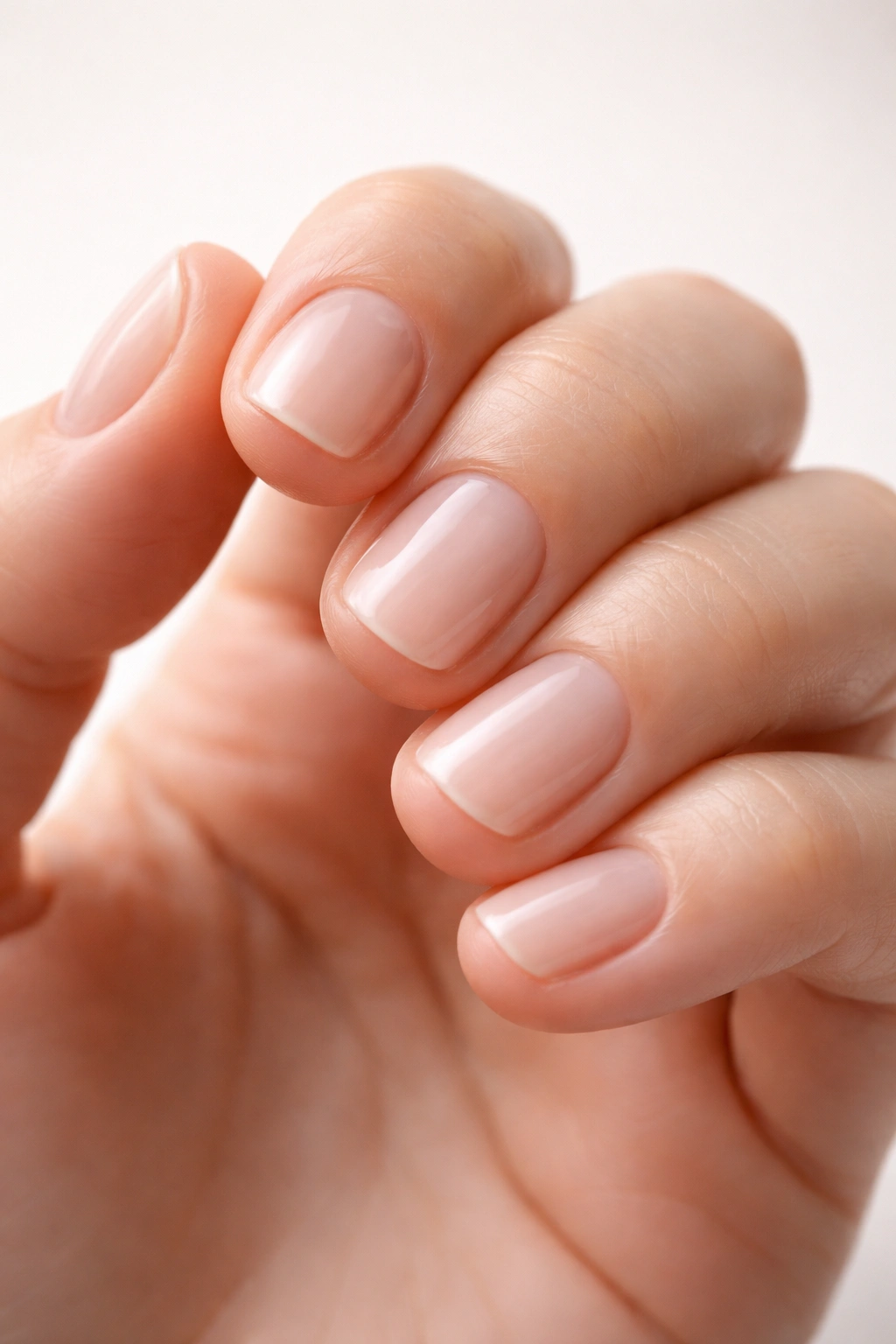
This is a subtle but real difference on short nails. Gel polish, since it’s cured on top of your natural nail, maintains flexibility similar to regular polish. Your nail can flex slightly when you bend your finger, which feels more natural and actually reduces stress on the nail-product bond.
Dip powder creates a harder, more rigid shell. This isn’t necessarily bad, but the lack of flexibility means any flex in your nail causes slightly more stress on the adhesion between the dip powder and your nail bed. For people with naturally very flexible nails or anyone who uses their hands in ways that require finger flexibility, this can occasionally cause faster peeling at the edges.
On short nails, the difference is less pronounced because there’s less leverage and stress overall. But if you’re someone whose nails flex a lot, gel might behave more comfortably. Test both on a few manicures if you’re unsure which feels better to you personally.
Making Your Choice: Key Questions to Ask Yourself

Before you decide, answer these questions honestly—they’ll point you toward the product that’s actually right for your life.
How much time can you realistically spend at the salon? If you’re chronically rushed and every 15 minutes counts, dip powder’s faster application time is a genuine advantage. If you don’t mind 45 minutes and actually enjoy the salon ritual, time isn’t a limiting factor.
What’s your budget flexibility? If you’re cost-conscious and dip powder’s lower price is meaningful, that’s a valid deciding factor. If budget isn’t a constraint, focus on which product gives better results instead of which costs less.
How often do you get manicures, and what condition do you want them in over time? If you’re someone who gets manicures every six weeks and doesn’t mind visible growth lines, both are equally fine. If you’re more frequent (every three weeks) or if you want your manicure looking fresh the entire time, gel’s superior longevity might justify the higher cost.
Do you have specific nail health concerns? If your nails are naturally weak, brittle, or prone to peeling, dip powder’s potentially gentler removal gives it an edge. If your nails are strong and healthy, product choice is less about protection and more about preference.
What look do you actually want? If you love varied colors, nail art, or interesting finishes, gel is your answer. If you prefer solid, classic colors or specific trending shades available in dip, either works.
How much UV exposure are you willing to accept? If light sensitivity is a concern or you prefer to avoid UV exposure, dip powder avoids that entirely. Modern LED lamps are fairly safe for occasional use, but this is a legitimate personal preference.
Do you travel or spend significant time in water? Both products handle water fine, but gel is slightly more chlorine-resistant if you’re a swimmer. This rarely matters in practice unless you’re in a pool constantly.
The answers to these questions almost always point you toward one product being genuinely better for your specific situation. There’s no universally “best” answer—only what’s best for you.
Final Thoughts
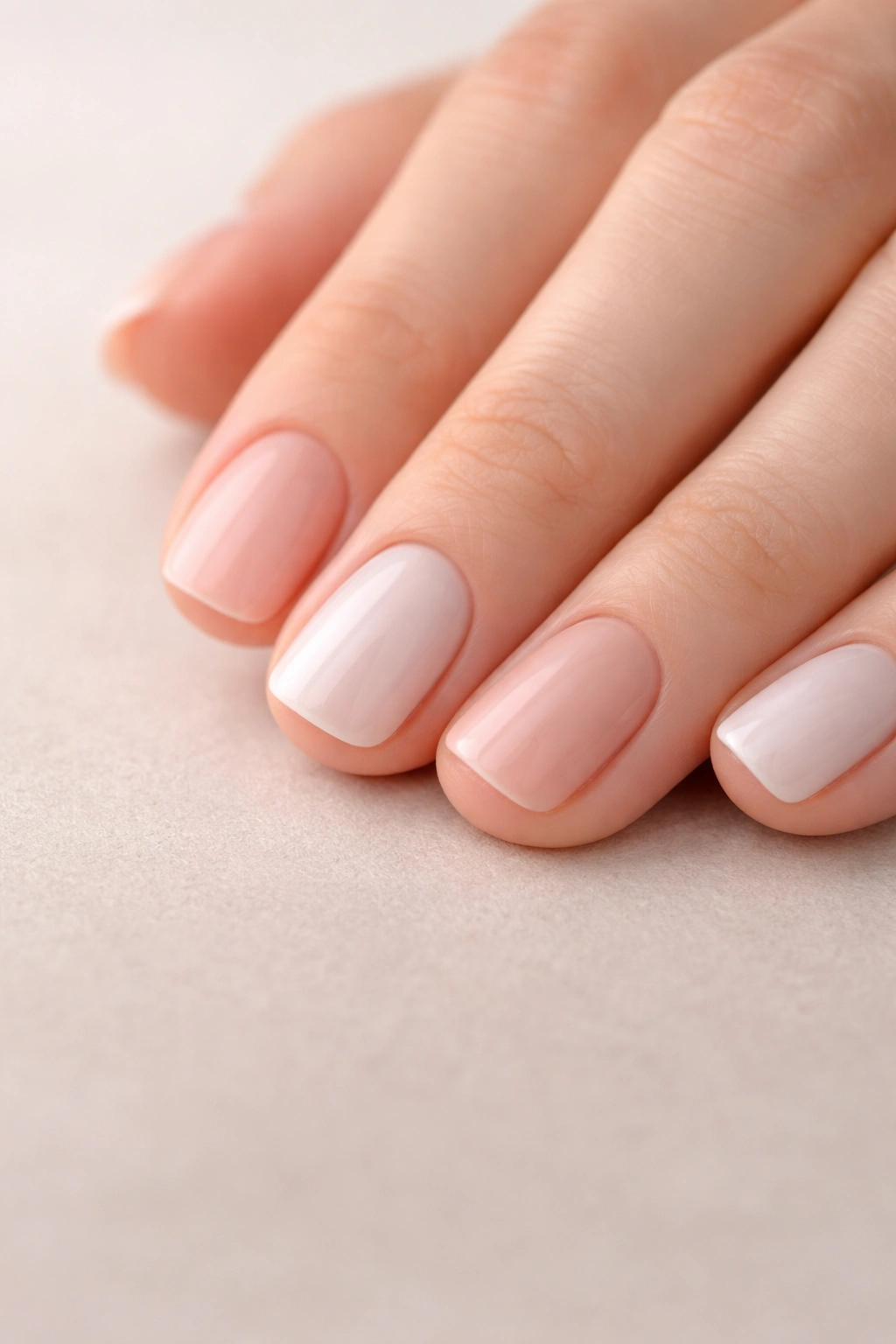
The gap between gel and dip powder is smaller than either industry loyalists or marketing makes it sound. Both products last roughly the same amount of time, both look polished and professional, and both require professional application to look and feel truly good. The real difference is in the details: application speed, removal gentleness, color options, and how they feel on your unique nails.
For short nails specifically, gel edges slightly ahead on durability and finish complexity, while dip powder edges slightly ahead on application speed and removal gentleness. But honestly, either product will deliver a beautiful manicure on short nails if applied well.
Your best move is to try one product at a salon you trust, commit to it for three complete cycles (application, wear, removal, repeat), and notice how your nails actually feel and look. Your own experience matters infinitely more than anyone’s theoretical comparison. Once you’ve actually worn both, you’ll know intuitively which one feels right on your nails, in your budget, and in your lifestyle. And that knowledge is worth far more than any article’s recommendation.