


You’re staring at a menu of manicure options, and two keep catching your eye: SNS and gel nails. Both promise weeks of chip-free shine, but they’re not quite the same thing. One uses powder, the other uses polish. One skips the UV light entirely, while the other requires it.
If you’ve been wondering which one suits your lifestyle better, you’re not alone. The choice between SNS and gel nails goes beyond just picking a color. It’s about how much time you want to spend in the salon, how your nails hold up day-to-day, and what kind of wear and tear you can realistically expect.
Both options have their devoted fans. Some people swear by the rock-solid durability of SNS, while others love the glossy flexibility of gel. Understanding what sets them apart helps you make a smarter choice for your next appointment.
What SNS Nails Actually Are
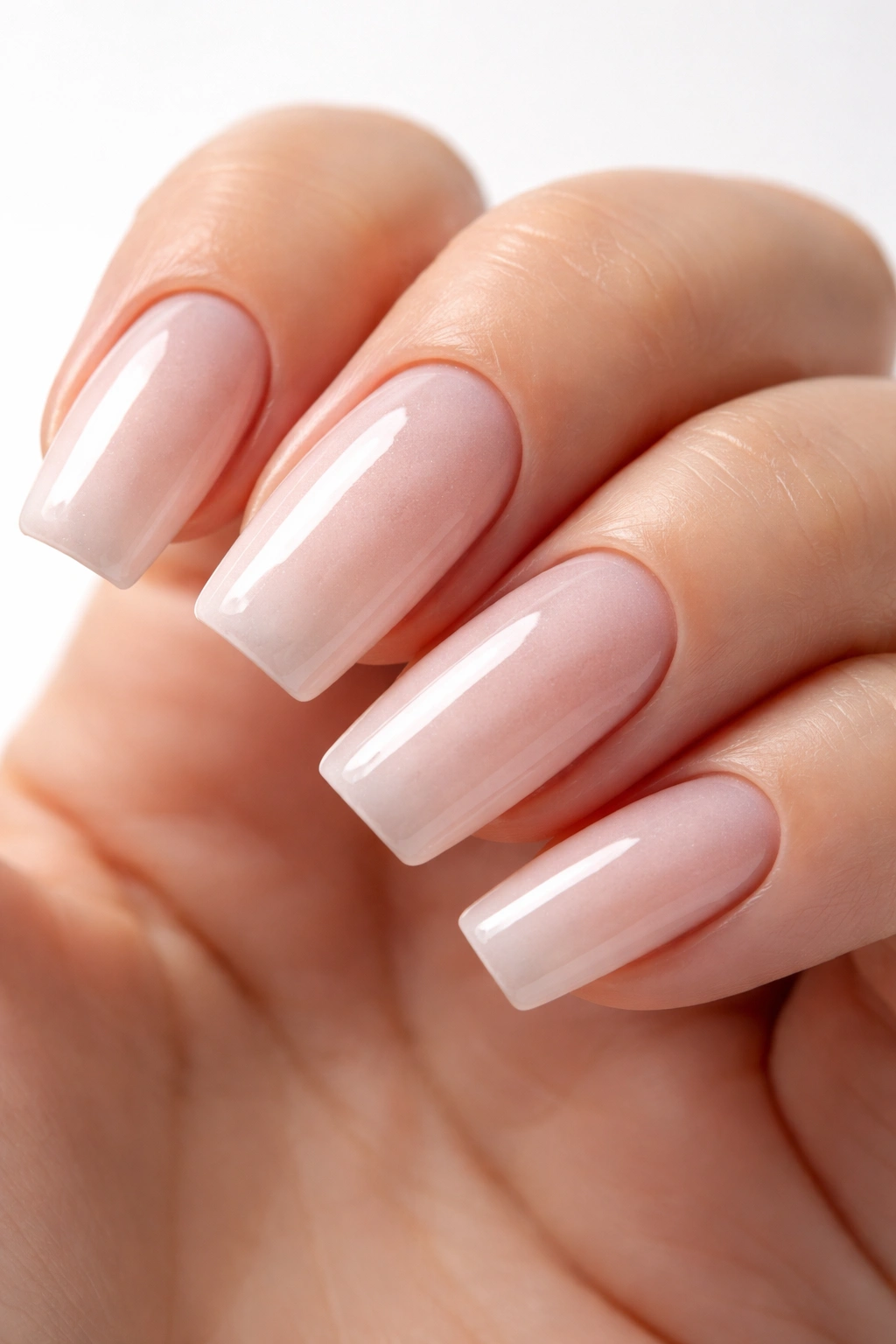
SNS stands for Signature Nail Systems, though most salons simply call them dip powder nails. The process involves coating your nails with a bonding agent, then dipping them into finely milled colored powder. This gets repeated several times until you’ve built up enough layers for a smooth, durable finish.
After the powder layers are applied, an activator sealer hardens everything into place. No UV light needed. The powder dries instantly, which means you’re done faster than you’d think.
The formula typically contains calcium and vitamin E, though these nutrients exist in such small amounts that they don’t dramatically transform nail health. What they do offer is a protective layer that shields your natural nails from breakage and everyday damage.
SNS creates a thicker coating than traditional polish. It feels substantial on your nails, almost like wearing armor. That thickness contributes to its reputation for being incredibly chip-resistant and long-lasting.
What Gel Nails Actually Are
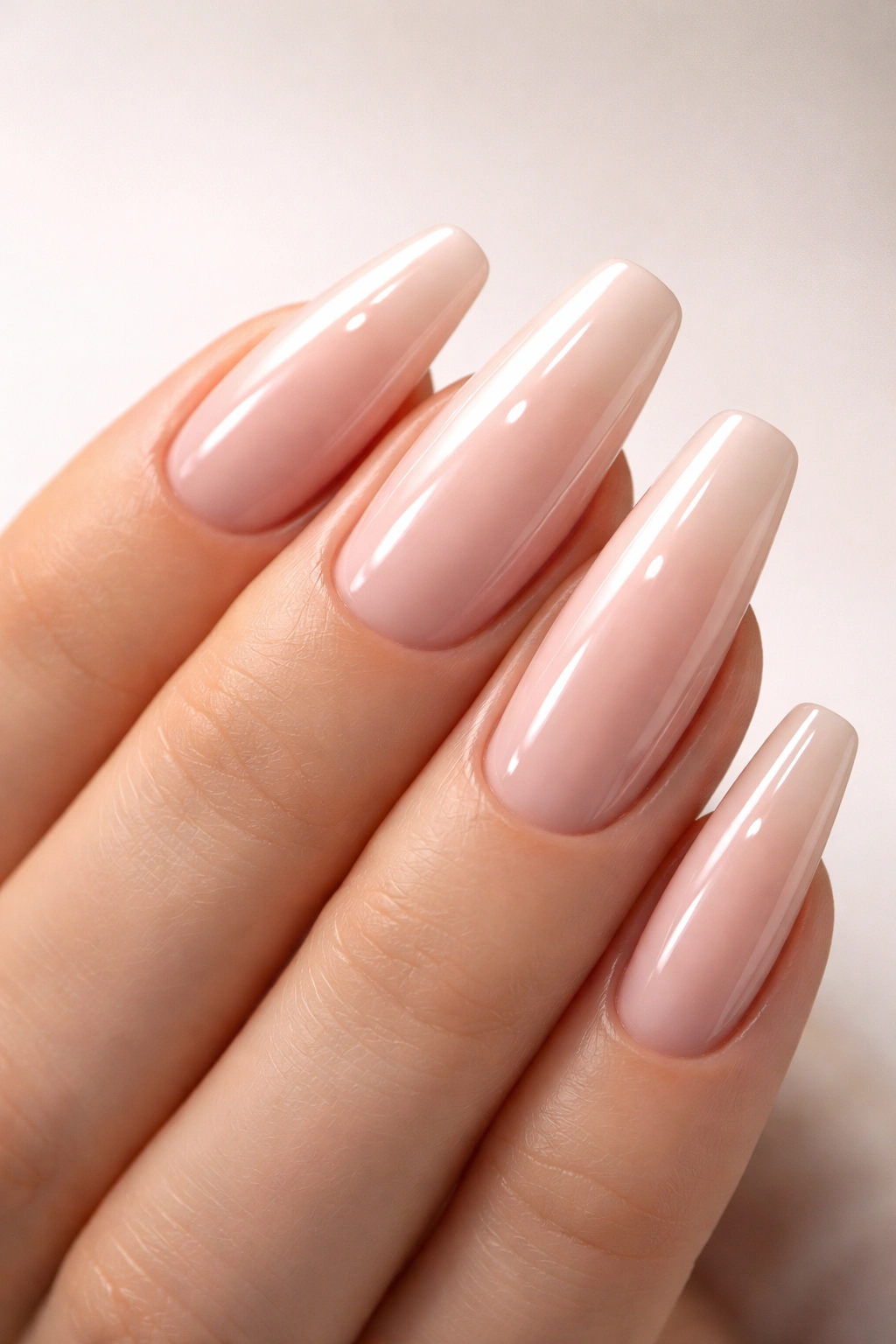
Gel nails use a special polish that remains wet until it’s exposed to UV or LED light. The curing process hardens each layer instantly, creating a glossy, durable finish that outlasts regular nail polish by weeks.
Application follows a familiar pattern: base coat, two or three layers of color, and a top coat. Each layer gets cured under the lamp for 30 to 60 seconds. The whole process takes about 45 minutes, and you walk out with completely dry nails.
There are two types of gel systems: soft gel and hard gel. Soft gel is what most salons use for regular manicures. It’s flexible, lightweight, and can be removed with acetone. Hard gel is thicker and used for extensions or extra strength, though it requires filing off rather than soaking.
Gel manicures bend slightly with your natural nail. That flexibility prevents the kind of cracking you might see with more rigid systems. The finish is unmistakably glossy, with a mirror-like shine that catches light beautifully.
How Application Methods Differ
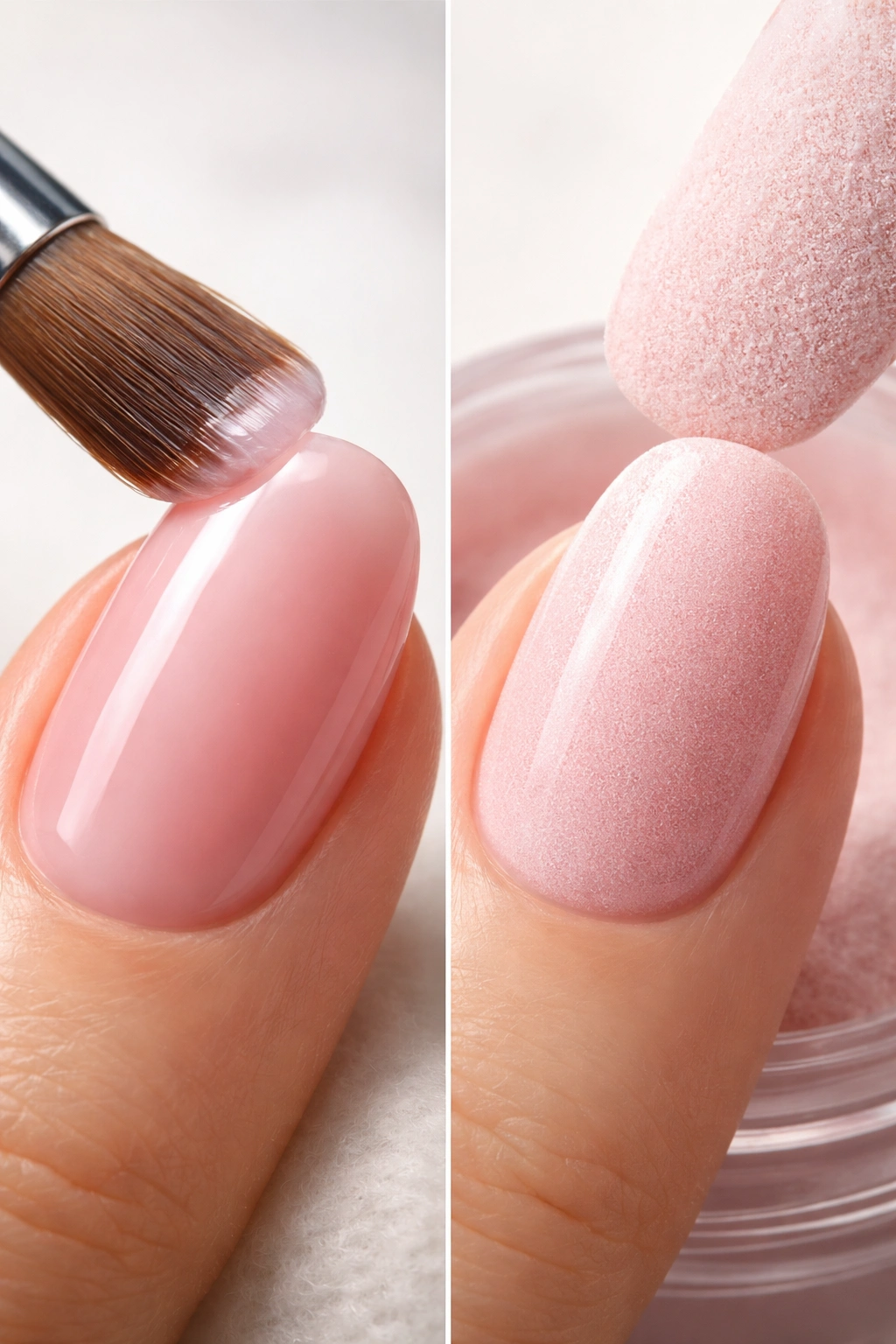
The biggest contrast between SNS and gel shows up during application. Gel polish gets painted on with a brush, just like regular nail polish. You’re probably already familiar with the motion—smooth strokes from cuticle to tip, staying away from the skin.
SNS uses an entirely different technique. Your technician brushes on a bonding glue, then you dip your fingertip straight into a jar of colored powder. The powder sticks to the glue, building up color and thickness with each dip.
Between coats, excess powder gets brushed away. It’s messy in a way that gel isn’t. You’ll see powder scattered on the workstation, and some salons use individual powder pots for hygiene reasons instead of communal jars.
Gel requires a UV or LED lamp for curing. SNS skips this step entirely, relying instead on a liquid activator that hardens the powder chemically. Both methods leave you with dry nails by the end, but the path to get there couldn’t be more different.
Durability and How Long Each Lasts
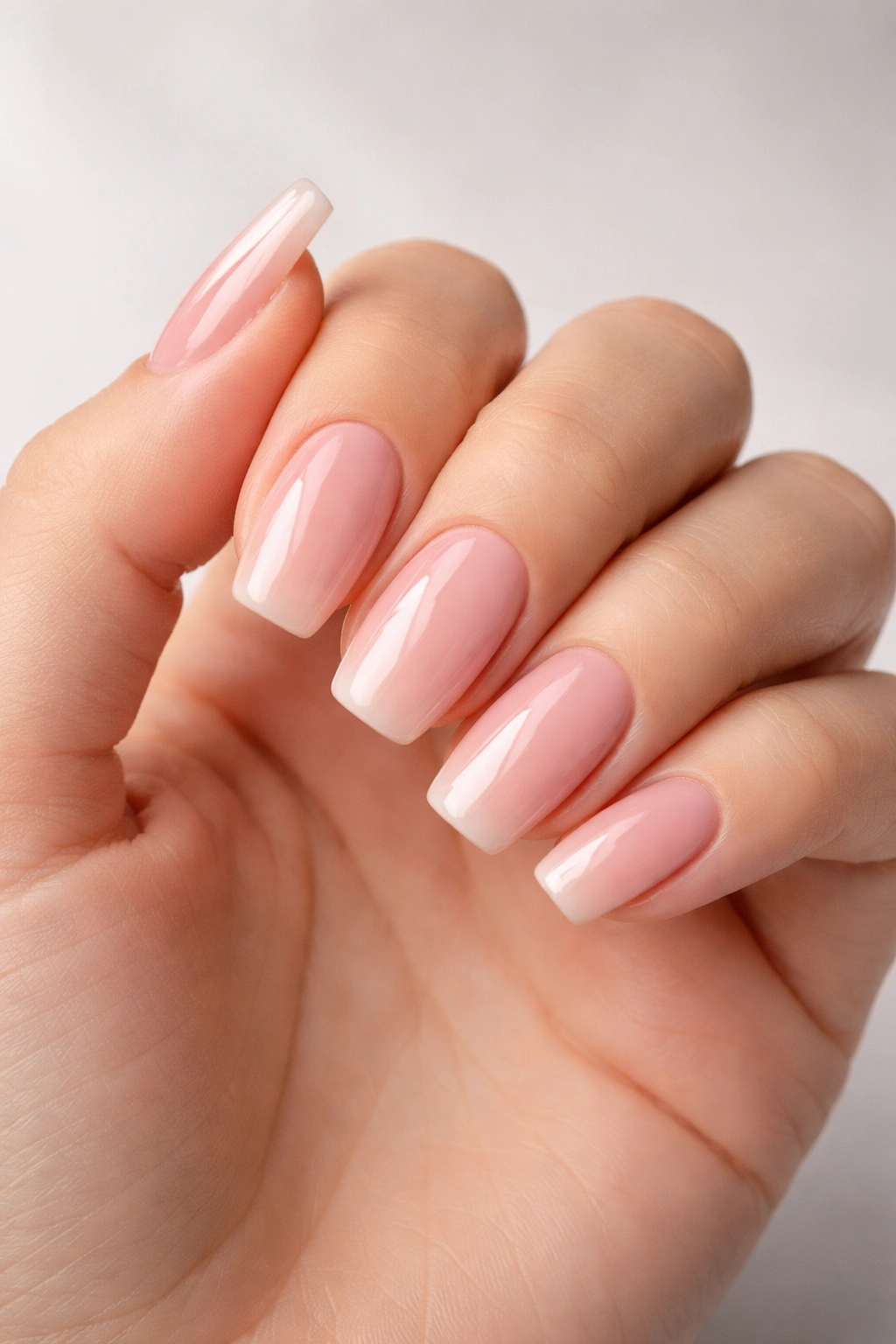
When it comes to staying power, SNS takes the lead. Most people get three to four weeks of wear before needing a touch-up or removal. The powder creates a hard resin layer that resists chips, cracks, and everyday wear surprisingly well.
Gel manicures typically last two to three weeks. They’re not as prone to chipping as regular polish, but they don’t match SNS for sheer toughness. The flexibility of gel is both a strength and a limitation—it bends with your nail, which prevents breakage but can also lead to lifting at the edges.
Your daily activities matter more than you’d think. If you’re constantly washing dishes, typing, or working with your hands, SNS tends to hold up better. Gel can start showing wear sooner, especially around the tips where your nails see the most action.
Growth becomes visible with both styles as your natural nail extends from the cuticle. That growth line is usually what prompts removal rather than actual damage to the manicure itself. SNS can sometimes be refilled, extending wear even longer without starting from scratch.
The Removal Process for Both
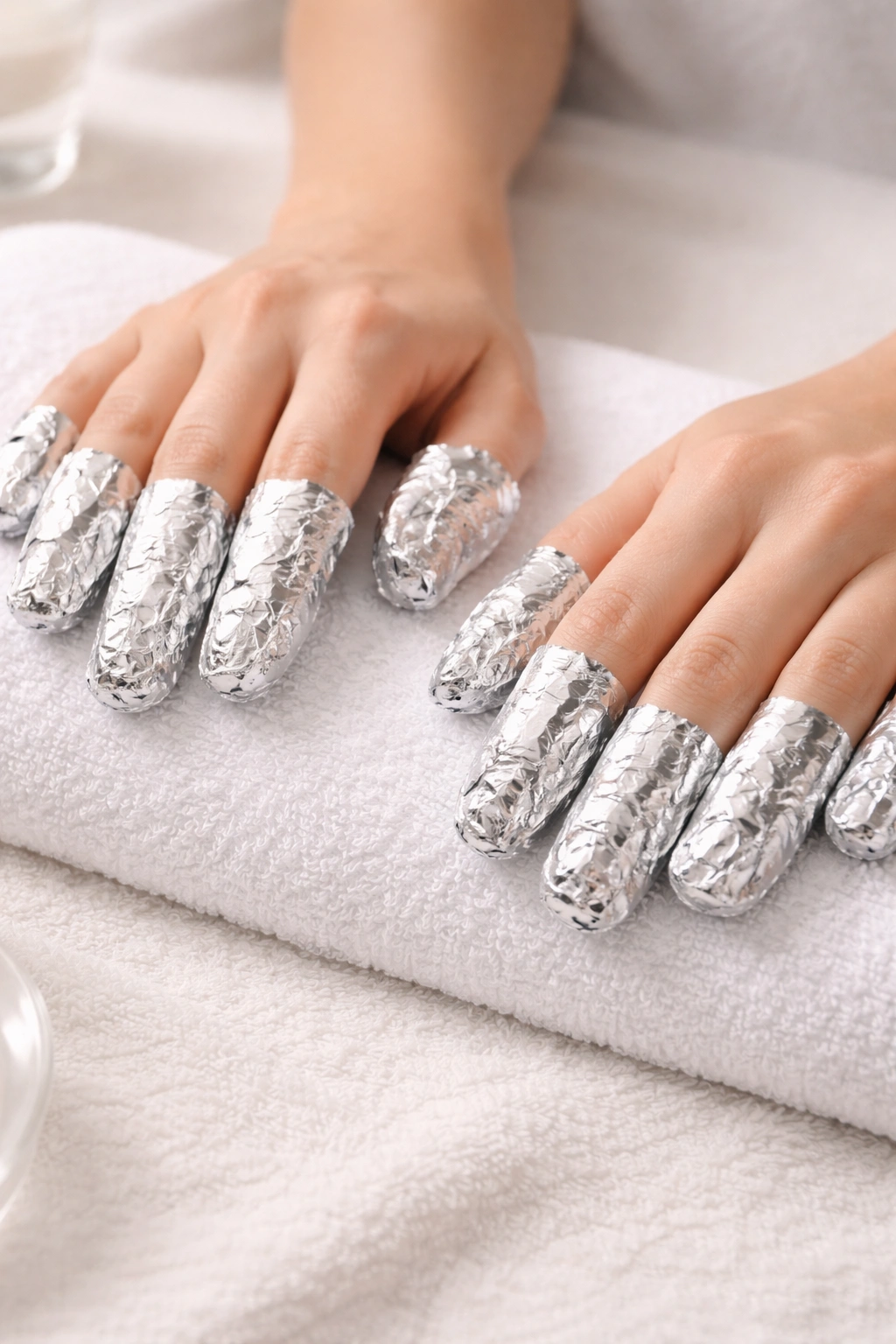
Getting SNS or gel off your nails requires acetone, patience, and ideally a professional. Both involve soaking cotton balls in acetone, placing them on each nail, and wrapping everything in aluminum foil for 10 to 20 minutes.
SNS tends to take longer to break down because the powder creates a thicker, harder layer. You might need a longer soak time, and your technician will likely need to gently scrape away the softened powder with a wooden stick or metal tool.
Gel removal is usually a bit faster. The polish softens more readily, and with proper soaking, it can be wiped or gently scraped away without too much effort. Hard gel is the exception—it often requires filing down rather than soaking.
Never, ever peel either type off yourself. It’s tempting when you see an edge lifting, but peeling strips away layers of your natural nail. The damage can leave you with thin, brittle nails that take months to recover. Always book a professional removal or follow proper at-home acetone soaking protocols.
Cost Comparison Between SNS and Gel
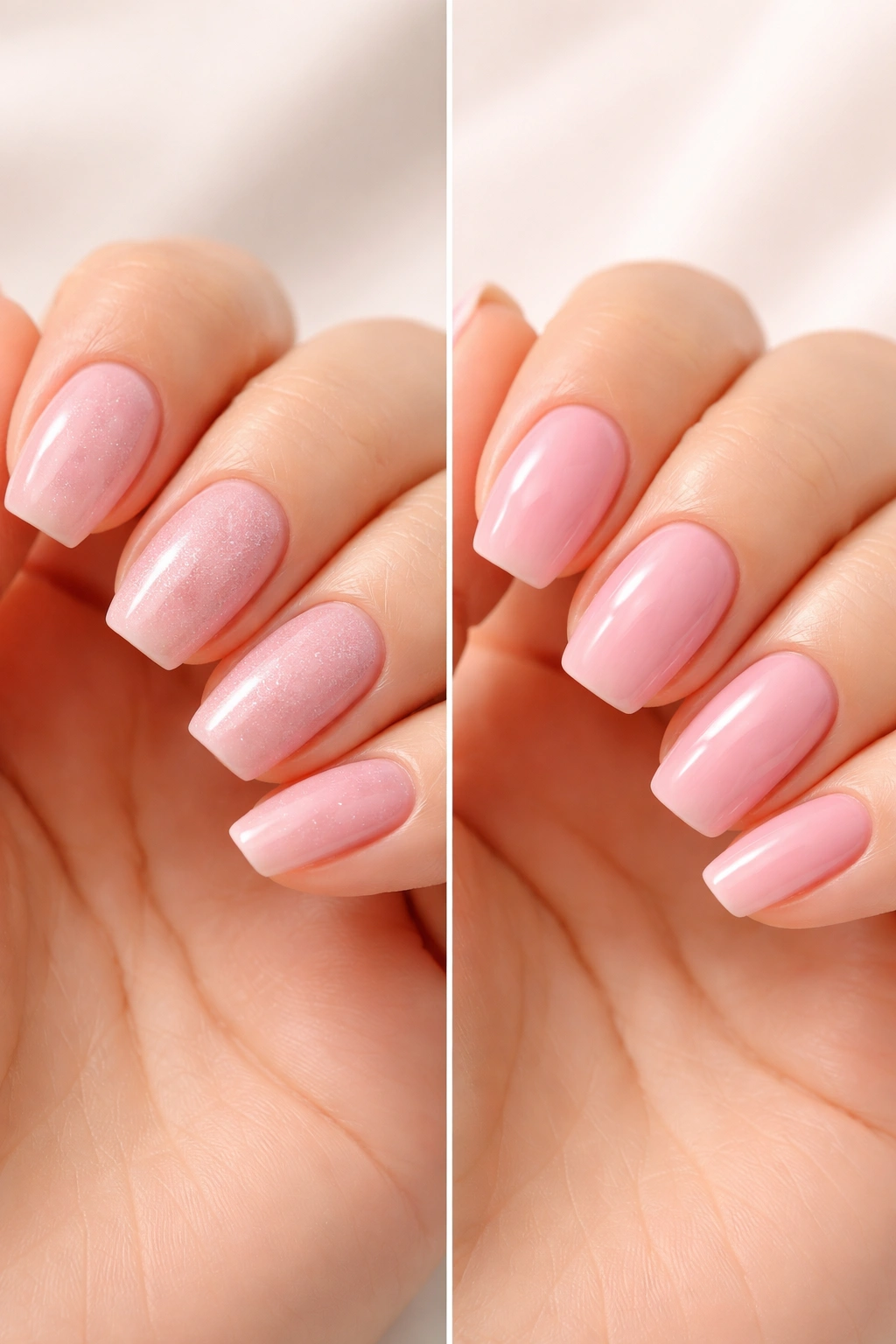
SNS manicures typically run between $60 and $90, depending on your salon and location. The higher price reflects the time-intensive application process and the materials involved. Powder systems cost more upfront for salons to stock, which gets passed along to customers.
Gel manicures usually cost $50 to $80. They’re slightly more affordable, though not by a huge margin. Some salons charge extra for nail art, chrome finishes, or specialty gel colors, which can push the price closer to SNS levels.
Over time, the cost difference might balance out. Because SNS lasts longer, you’ll make fewer trips to the salon throughout the year. If you’re getting gel nails every two weeks versus SNS every three to four weeks, the annual cost of gel appointments adds up faster.
Removal fees add another layer to consider. Most salons charge $15 to $30 for removal if you’re not getting a new manicure right away. Because SNS takes longer to remove, some places charge slightly more for that service compared to gel removal.
Impact on Natural Nail Health
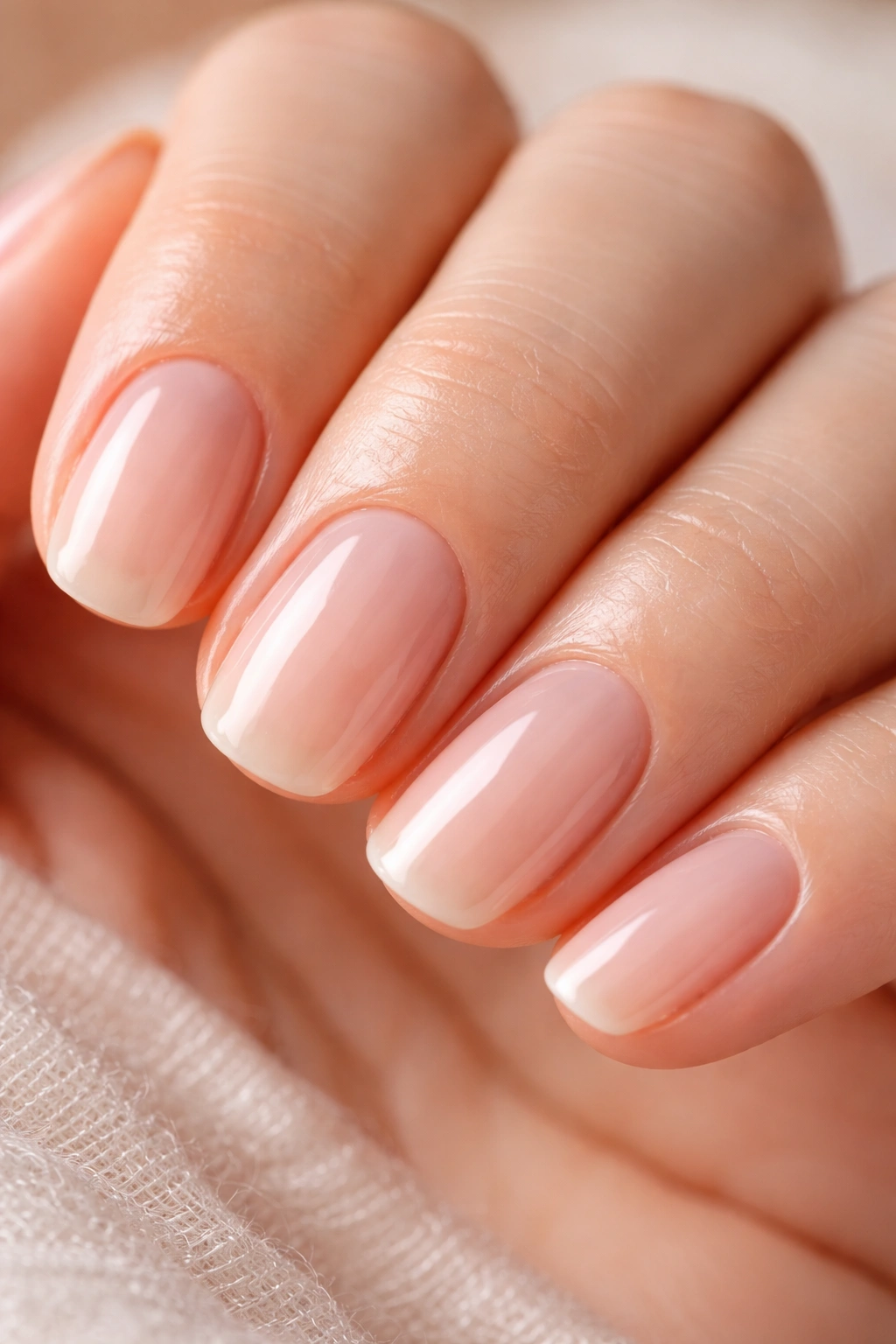
Both SNS and gel can be safe for your nails when applied and removed correctly. The key word there is correctly. Poor technique or overly aggressive removal does more damage than the products themselves ever could.
SNS doesn’t require UV light exposure, which appeals to people concerned about potential skin damage from repeated lamp use. The powder itself creates a protective shell that can actually prevent your natural nails from breaking during wear.
Gel manicures do involve UV or LED light, though the exposure time is minimal. Modern LED lamps emit very low levels of UV, and the risk is considered extremely small by dermatologists. If you’re worried, applying sunscreen to your hands before curing or wearing fingerless gloves offers extra protection.
The real nail damage comes from acetone exposure during removal. Acetone is incredibly drying and strips moisture from both nails and surrounding skin. With either system, regular cuticle oil application and hand moisturizer are essential for maintaining nail health between appointments.
Aesthetic Options and Design Flexibility
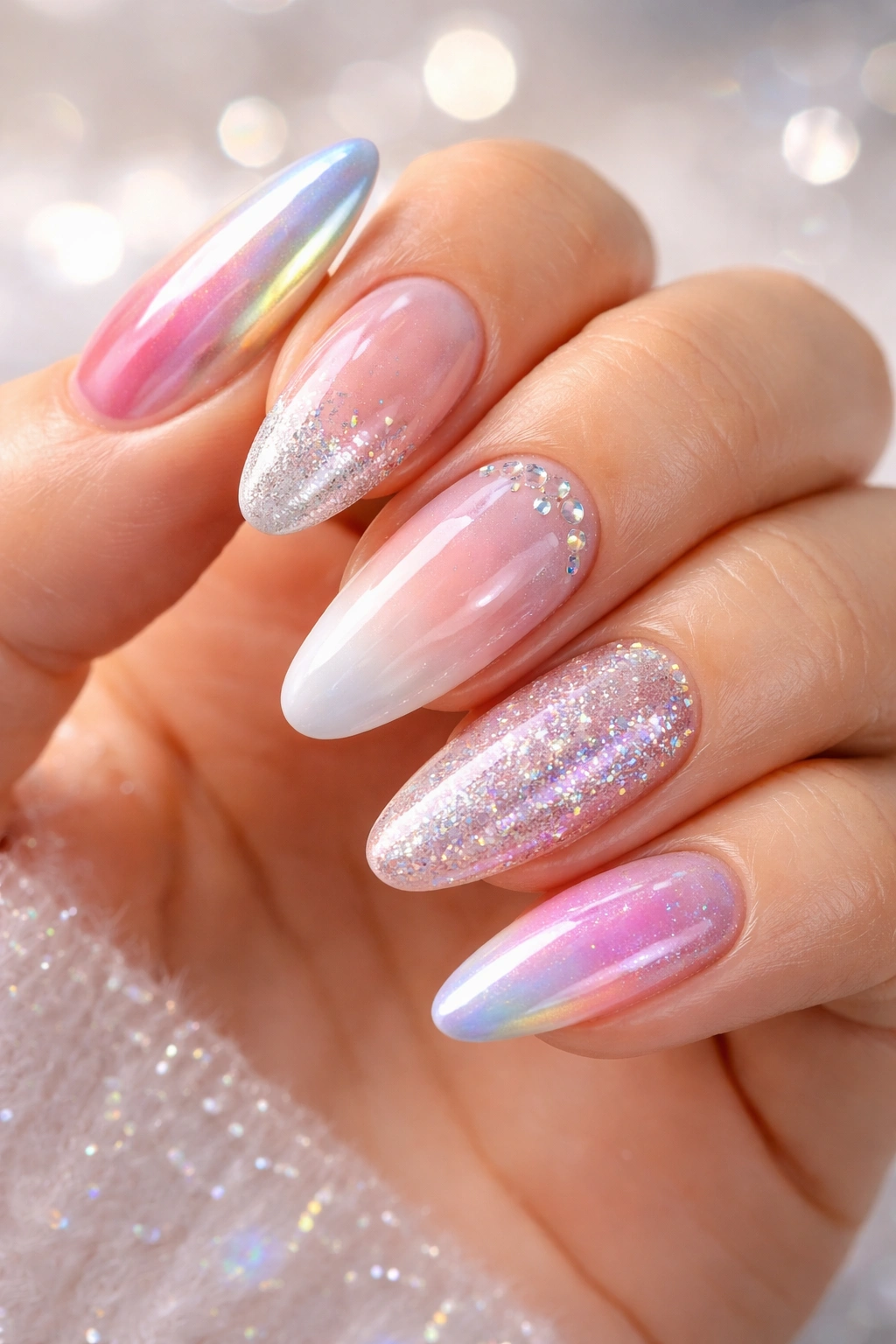
Gel nails win hands-down when it comes to creative options. The polish formula allows for intricate nail art, ombré effects, chrome finishes, and detailed designs. Technicians can layer colors, create gradients, and add embellishments with ease.
The shine factor with gel is unmatched. It has that glass-like, mirror finish that photographs beautifully and catches light from every angle. If you love that ultra-glossy look, gel delivers it consistently.
SNS offers rich, saturated colors with excellent pigment. The powder creates depth that can look stunning in its own right, though the finish tends more toward a satin sheen than high-gloss shine. You can still get matte or glossy top coats with SNS, but the texture is slightly different.
Nail art with SNS is possible but more limited. Some technicians create beautiful designs by sprinkling different colored powders or adding glitter, but the technique doesn’t allow for the same precision as brush-applied gel. French tips and ombré effects work well with powder, though achieving them requires specific molding techniques.
Which Works Best for Active Lifestyles
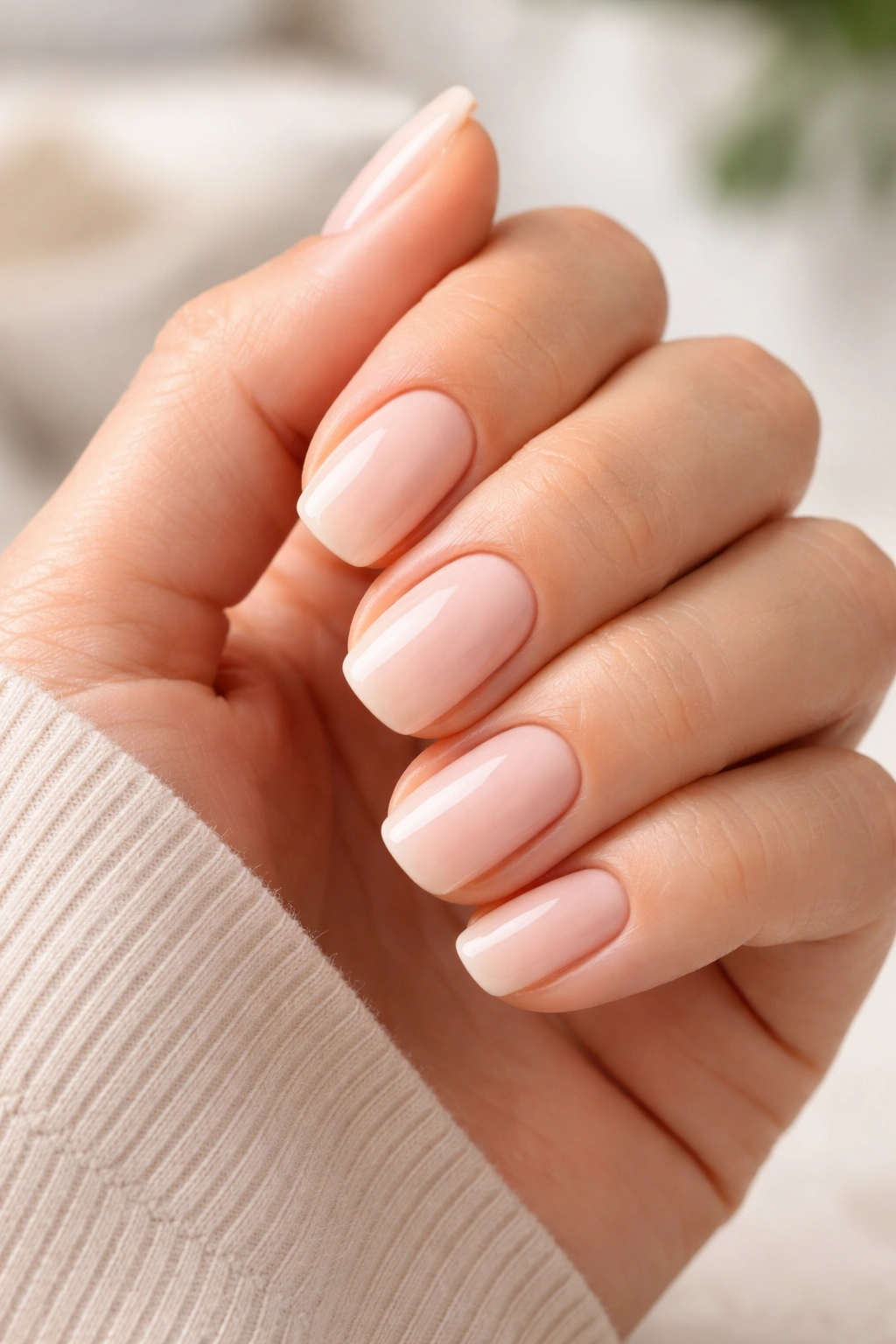
If your hands go through a lot—think gym sessions, outdoor activities, or hands-on work—SNS is probably your better bet. The hard resin coating withstands impact and friction better than gel’s more flexible finish.
Gel nails bend with your natural nail, which sounds like a good thing. And it is, mostly. But that flexibility means they’re more prone to showing wear at the edges, especially if you’re constantly bumping your hands or working in water.
Athletes and people who use their hands heavily often report SNS lasting the full three to four weeks without significant chips. Gel tends to show stress cracks or edge wear sooner under the same conditions.
Water exposure affects both types, though in different ways. Hot water can loosen gel manicures over time, while SNS is more water-resistant overall. If you’re swimming frequently or soaking in hot baths regularly, SNS maintains its integrity better.
Choosing SNS for Strength and Longevity
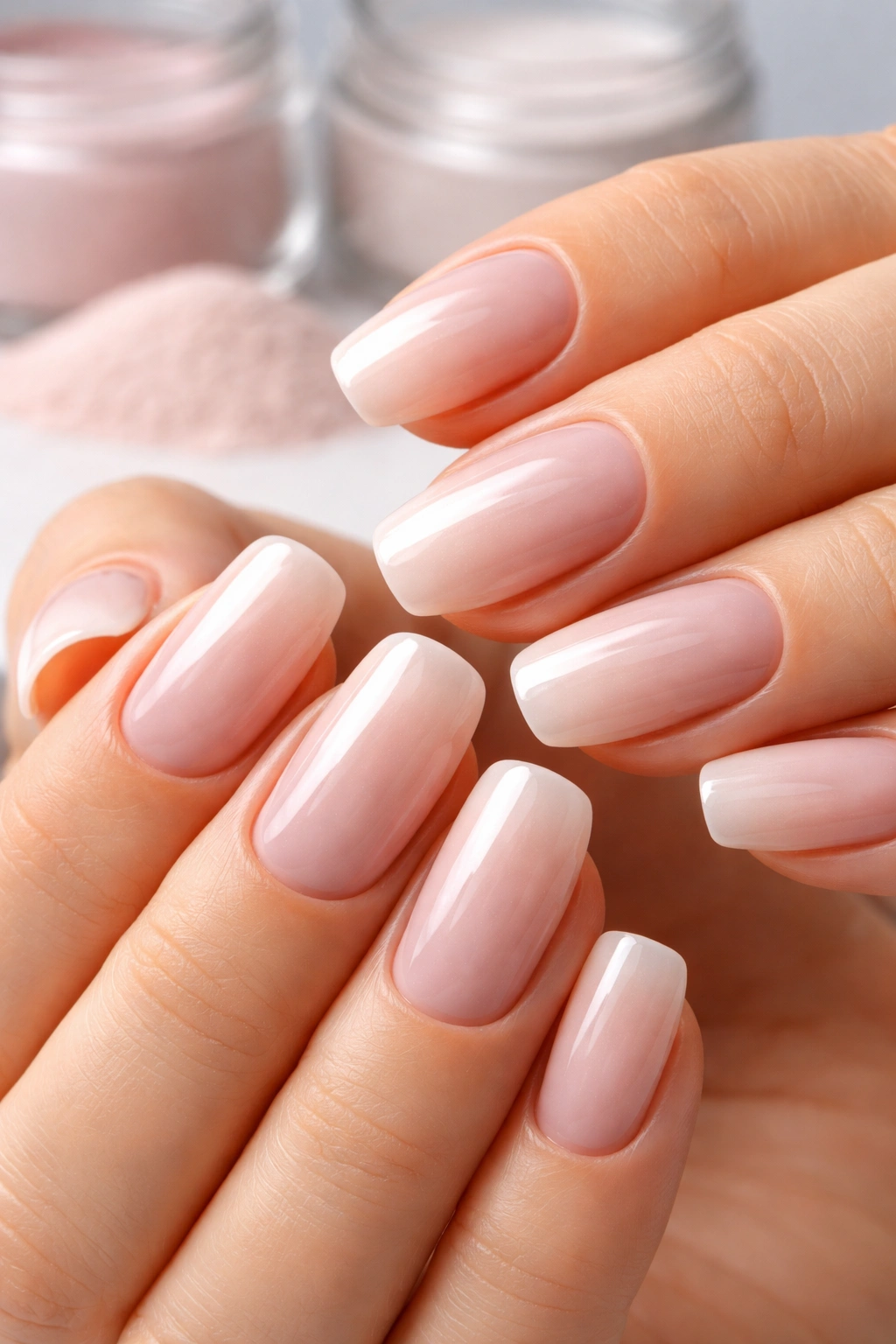
Go with SNS if you want maximum durability. The powder creates a fortress-like coating that protects your natural nails from breakage while resisting chips and cracks like nothing else.
People with weak or brittle nails often prefer SNS for the reinforcement it provides. That thick protective layer prevents your natural nails from bending and breaking, giving them a chance to grow longer underneath.
SNS makes sense if you want to minimize salon visits. Getting three to four weeks of perfect nails means fewer appointments, less money spent over time, and less disruption to your schedule.
The UV-free application appeals to anyone concerned about light exposure. While the risk from gel lamps is minimal, SNS eliminates it entirely. There’s peace of mind in that, especially if you’re getting manicures frequently.
Choosing Gel for Flexibility and Shine
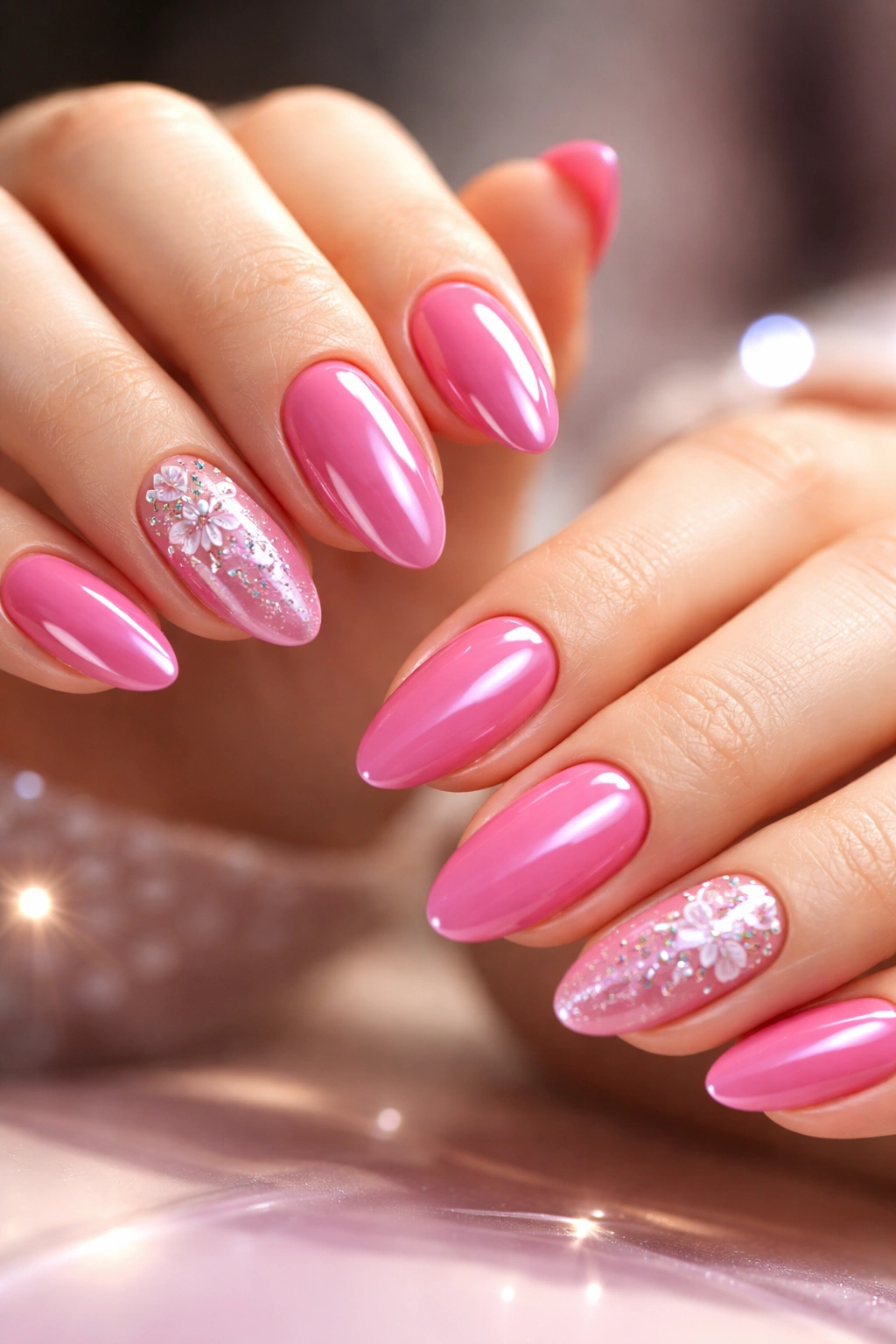
Pick gel if you love that high-gloss, mirror-like finish. Nothing quite matches the shine of a freshly cured gel manicure. It’s the look people think of when they picture perfect, salon-quality nails.
Gel works better if you like changing your nail color frequently. Two to three weeks is still a solid amount of wear time, but it’s short enough that you won’t feel locked into one color for a month or more.
The flexibility of gel makes it more comfortable for some people. It doesn’t feel as thick or heavy on the nails as SNS, and it moves more naturally with your hands. If you’re sensitive to the feeling of having something on your nails, gel is less noticeable.
Nail art enthusiasts should lean toward gel. The polish formula allows for so much more creativity—detailed designs, intricate patterns, chrome effects, and precise application that powder just can’t match.
What to Consider for Nail Health
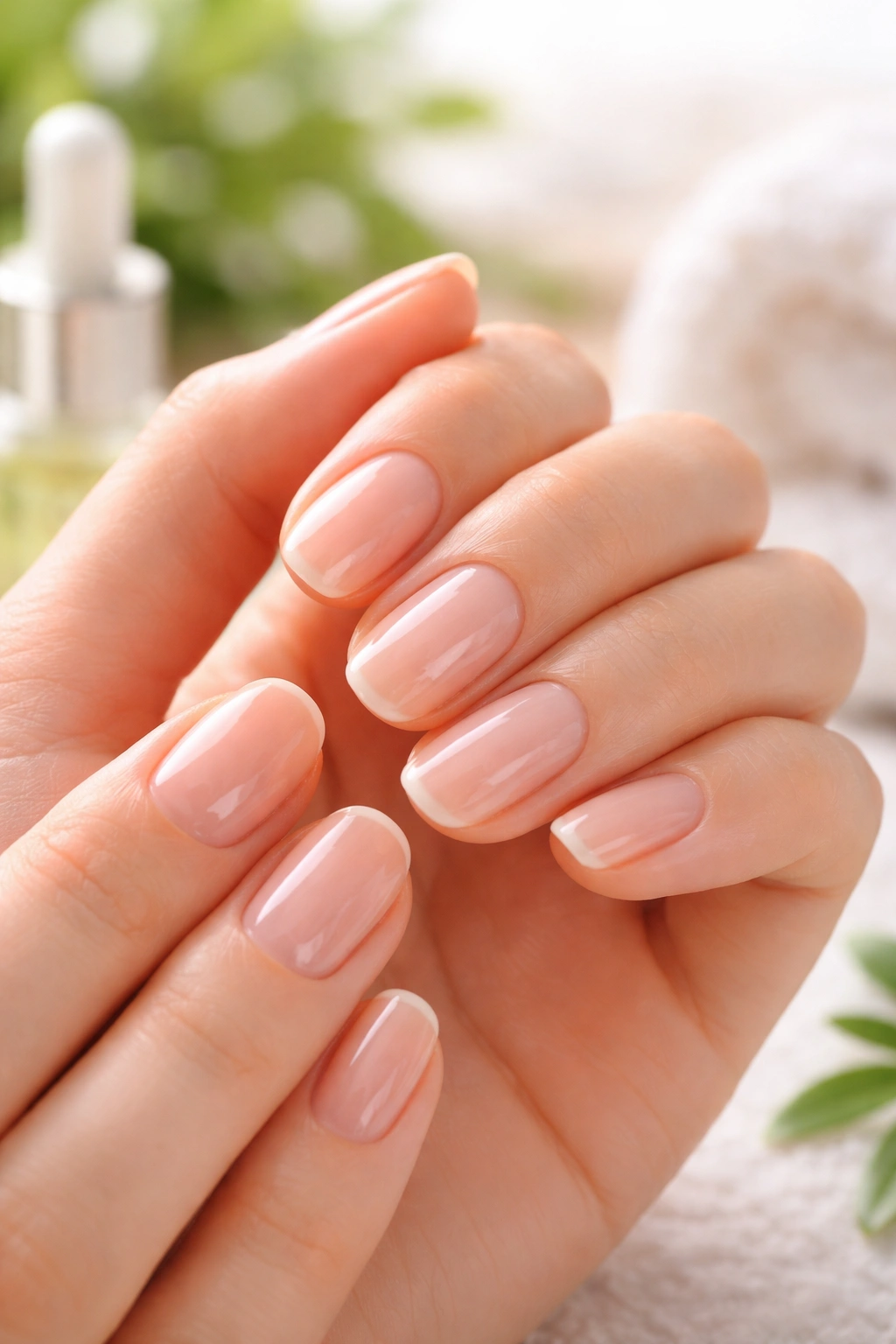
Both systems require proper removal to avoid damage. This point can’t be stressed enough. Peeling, picking, or forcing either SNS or gel off your nails will cause more harm than the products themselves ever could.
Let your nails breathe between applications occasionally. While you don’t necessarily need extended breaks, giving your nails a week or two without any enhancement helps them stay hydrated and strong. Use that time to apply strengthening treatments and cuticle oil generously.
Watch for signs of damage like peeling, extreme brittleness, or white spots. These indicate your nails need a longer break from enhancements. Healthy nails should feel strong and flexible, not paper-thin or prone to snapping.
Work with a skilled technician who understands proper application and removal techniques. A good nail tech preps nails gently without over-filing, applies products correctly, and removes them without aggressive scraping or drilling. The technician’s skill matters far more than which system you choose.
Making Your Final Decision
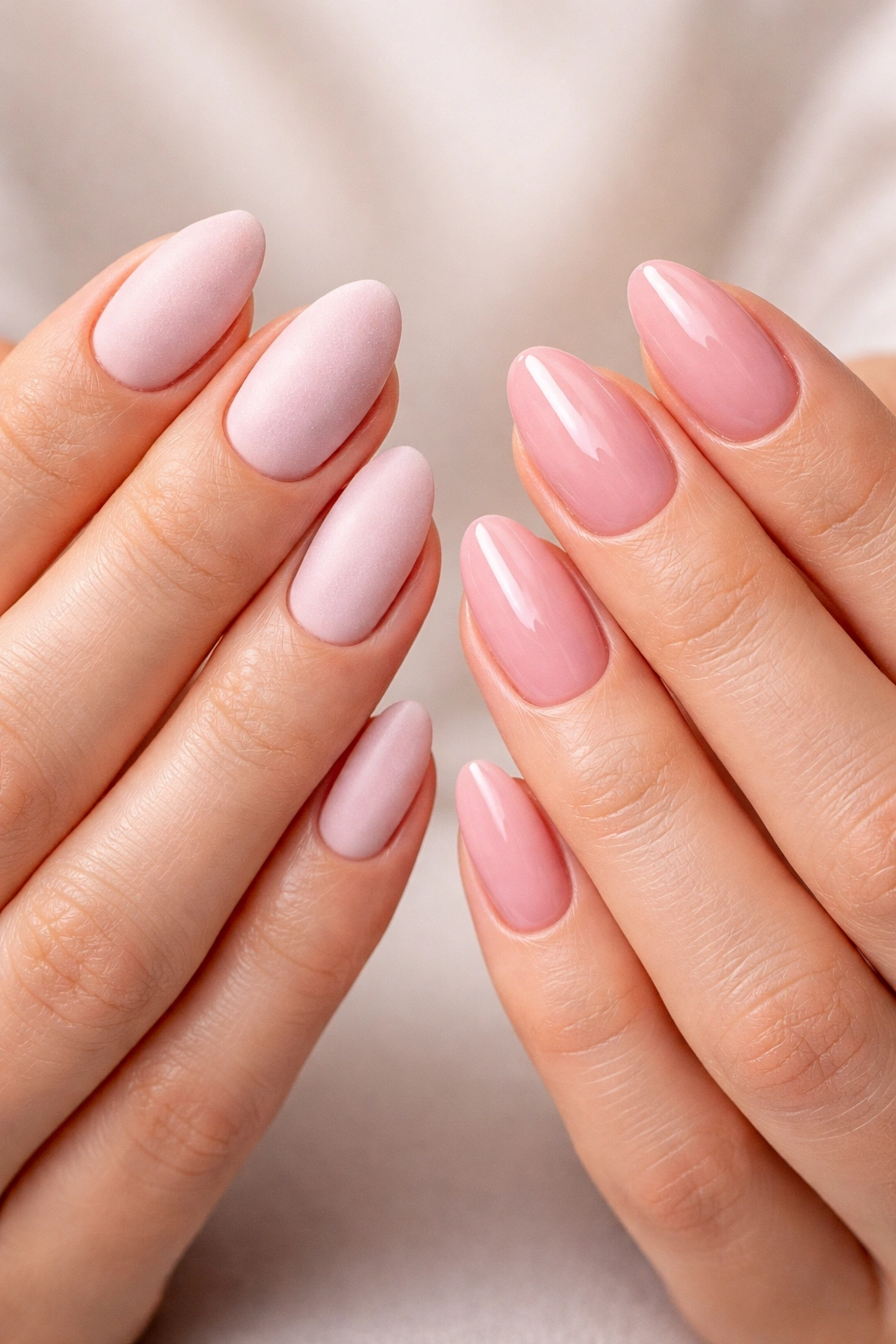
Think about your daily life and what your nails go through. If you’re rough on your hands, SNS offers better protection. If you work in an office or have a gentler routine, gel provides beautiful results without the extra thickness.
Consider your aesthetic preferences. Do you want that ultra-glossy, flexible finish, or do you prefer stronger nails with rich color saturation? Neither choice is wrong—it’s about what looks and feels right to you.
Budget and scheduling factor in too. SNS costs more per appointment but lasts longer, potentially saving money over time. Gel costs less upfront but requires more frequent appointments. Calculate what works better for your wallet and calendar.
Try both at least once if you’re genuinely torn. Personal experience trumps any article or recommendation. What works beautifully for one person might not suit your nail type or lifestyle at all.
Final Thoughts
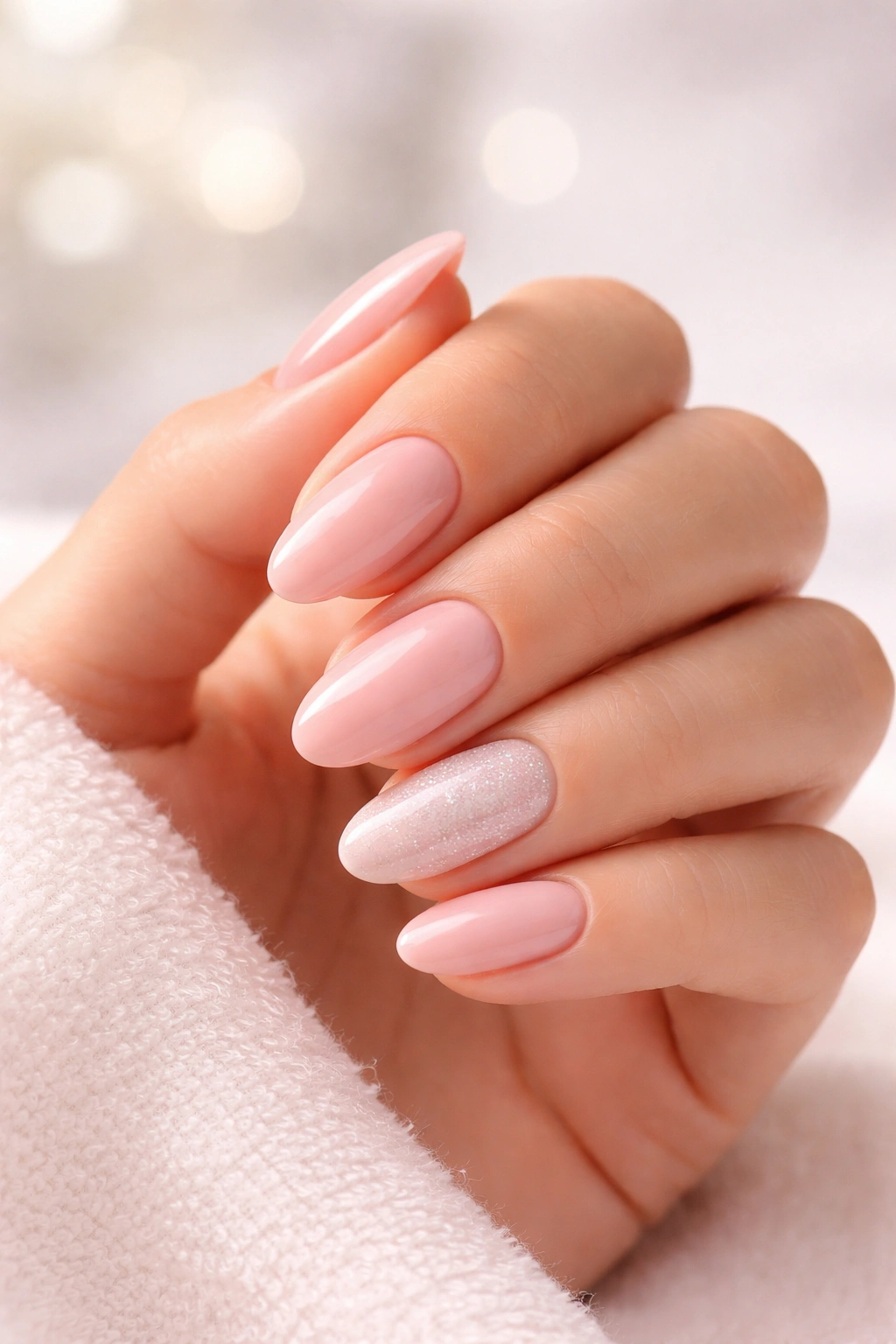
SNS and gel nails both deliver gorgeous, long-lasting manicures that blow regular polish out of the water. The best choice depends on your lifestyle, preferences, and how you want your nails to look and feel.
SNS wins for durability, longevity, and UV-free application. Gel wins for flexibility, shine, and creative options. Neither is inherently better—they’re just different tools for different needs and styles.
Whatever you choose, prioritize proper application and removal. Your nail health depends far more on technique and aftercare than on which system you select. Find a skilled technician, use cuticle oil religiously, and give your nails the occasional break to stay strong and healthy underneath all that beautiful color.