


Your cuticles are quietly working hard to protect your nail health, yet they’re one of the most neglected parts of your entire hand care routine. Cuticle oil is the single most effective product you can use to transform dry, cracked, damaged cuticles into soft, supple, healthy skin that supports strong nails—but only if you’re applying it the right way. The difference between haphazardly dabbing oil on your nails and actually using cuticle oil correctly can mean the difference between nails that chip and break constantly and nails that grow long, strong, and stay polished beautifully for weeks. This guide walks you through exactly how professional nail technicians apply cuticle oil, the techniques that actually work, the timing that matters most, and the mistakes almost everyone makes. By the end, you’ll have a clear, practical system you can integrate into your routine starting tonight.
Why Cuticle Oil Should Be Part of Your Daily Nail Care Routine
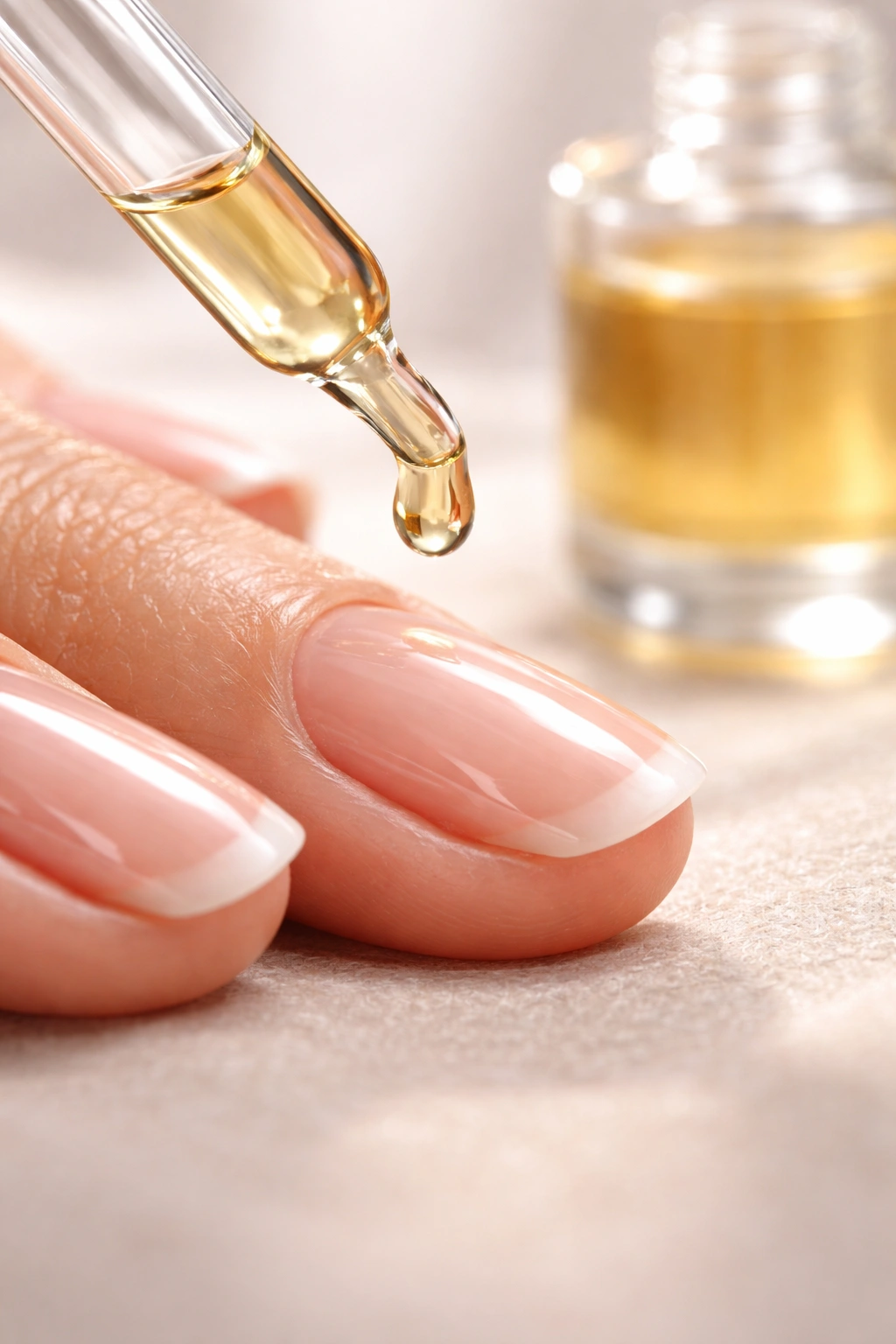
Your cuticles aren’t there just for show—they’re a vital protective barrier that shields the nail matrix, the living tissue at the base of your nails where new nail growth happens. When your cuticles dry out, crack, or tear, you’re essentially removing that protective shield and inviting damage, infection, and stunted nail growth. This is why cuticle oil isn’t optional; it’s foundational to any nail care strategy that actually works.
Cuticle oil hydrates the thin strips of skin at the base of your nails, keeping them flexible and strong. When your cuticles are well-moisturized, they stay intact and actually seal in moisture within the nail plate itself. This means healthier, stronger nails that don’t break as easily and that stay looking polished longer. The hydration from cuticle oil also prevents painful hangnails, those annoying little tears that catch on sweaters and split at the edges. Cuticles exposed to harsh elements—cold weather, frequent handwashing, contact with cleaning products, chlorine, or salt water—become desperately dry without regular oil application.
Beyond the health benefits, cuticle oil creates a visible aesthetic difference. Nourished, shiny cuticles make your entire hand look more polished and cared-for, whether you’re wearing nail polish or showing off bare nails. Professional manicurists finish every single appointment with cuticle oil because they know it’s the final touch that makes polish adhere better, last longer, and catch the light beautifully. You get the same effect at home when you apply it correctly.
Understanding the Right Amount of Cuticle Oil to Use
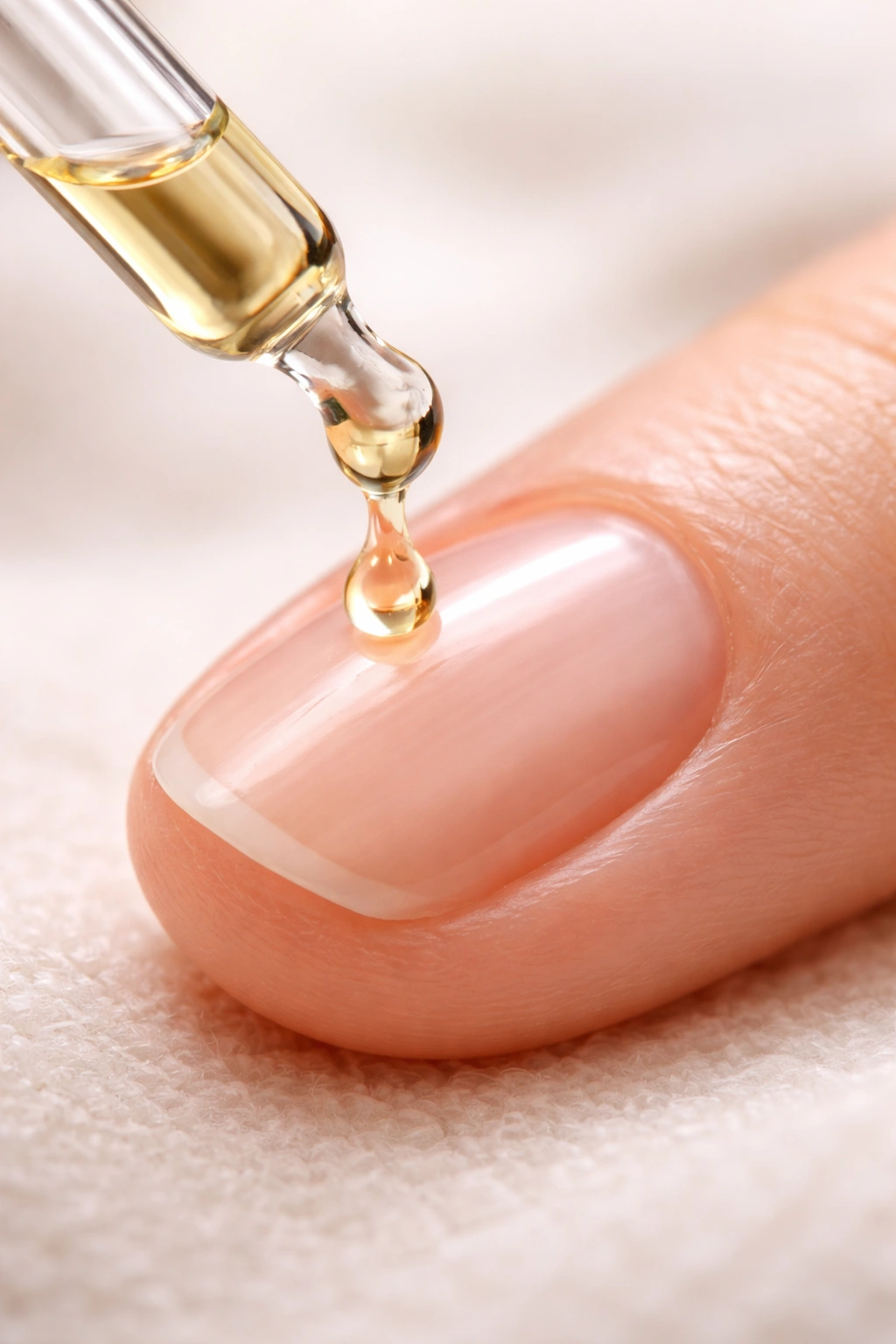
One of the biggest mistakes people make is either applying way too much oil or using such a tiny amount that it doesn’t actually do anything. The golden rule is simple: a little goes a long way, but you need enough to actually work with. For most people, one drop per nail is the starting point. If you have very large nails or particularly dry cuticles, you might use one and a half drops per nail. If you’re applying oil to both hands, that’s typically 10-15 drops total.
More oil isn’t always better. When you apply too much, you end up with greasy fingers that transfer oil onto everything you touch—your phone, your clothes, your work—and the excess product sits on the surface instead of absorbing into the skin where it’s actually useful. You’ll also waste product, and quality cuticle oils aren’t cheap. The amount of oil that feels right is when you can massage it in comfortably without your hands feeling slippery, and it fully absorbs within 5-10 minutes instead of leaving a visible sheen on your skin.
If you do accidentally apply too much, simply wipe away the excess with a clean tissue or cotton ball. Don’t feel like you’ve messed up—you haven’t. Just pat gently rather than wiping hard, which can undo all your massage work. The key is finding the sweet spot where the oil is enough to hydrate and penetrate the cuticle without creating a greasy situation.
Preparing Your Hands and Cuticles for Oil Application

The condition your hands are in before you apply cuticle oil dramatically affects how well the oil actually works. Cold, rough hands won’t absorb product as effectively as soft, warm hands. This is why nail professionals often recommend applying cuticle oil right after you shower or wash your hands with warm water—your skin is already softened by the warmth and moisture, and your pores are open and receptive.
If you’re not applying oil immediately after washing, take a moment to warm your hands. You can run them under warm (not hot) water for a few seconds, rub them together to generate heat, or simply wrap them around a warm cup of tea. This simple step makes a noticeable difference in how quickly and completely the oil absorbs. Your skin is more permeable when it’s warm, which means more of the nourishing ingredients actually penetrate where they matter instead of sitting on the surface.
Next, make sure your hands are actually clean. You don’t need to do anything elaborate—just a quick wash with mild soap removes dirt, debris, and any product residue that could interfere with absorption. Pat your hands dry gently; you want them clean and warm, not soaking wet. If water is sitting on your nails, it creates a barrier that oil can’t penetrate.
Pushing back your cuticles before applying oil is optional but genuinely helpful, especially if you’re doing this as part of a deeper cuticle care routine. To do this safely, first soften your cuticles by soaking your fingertips in warm water for about 5-10 minutes. This makes the skin pliable and much less likely to tear. Then, using a wooden orange stick or a metal cuticle pusher (never your fingernails), gently push the cuticle back toward the nail base with gentle, steady pressure. You’re not trying to remove the cuticle or force it back aggressively—you’re simply encouraging it to retract naturally. The moisturized, softened cuticle will cooperate if you’re gentle. Once you’ve pushed back your cuticles, the oil application becomes even more effective because you’re addressing a larger area of exposed skin.
The Proper Massage Technique for Maximum Absorption
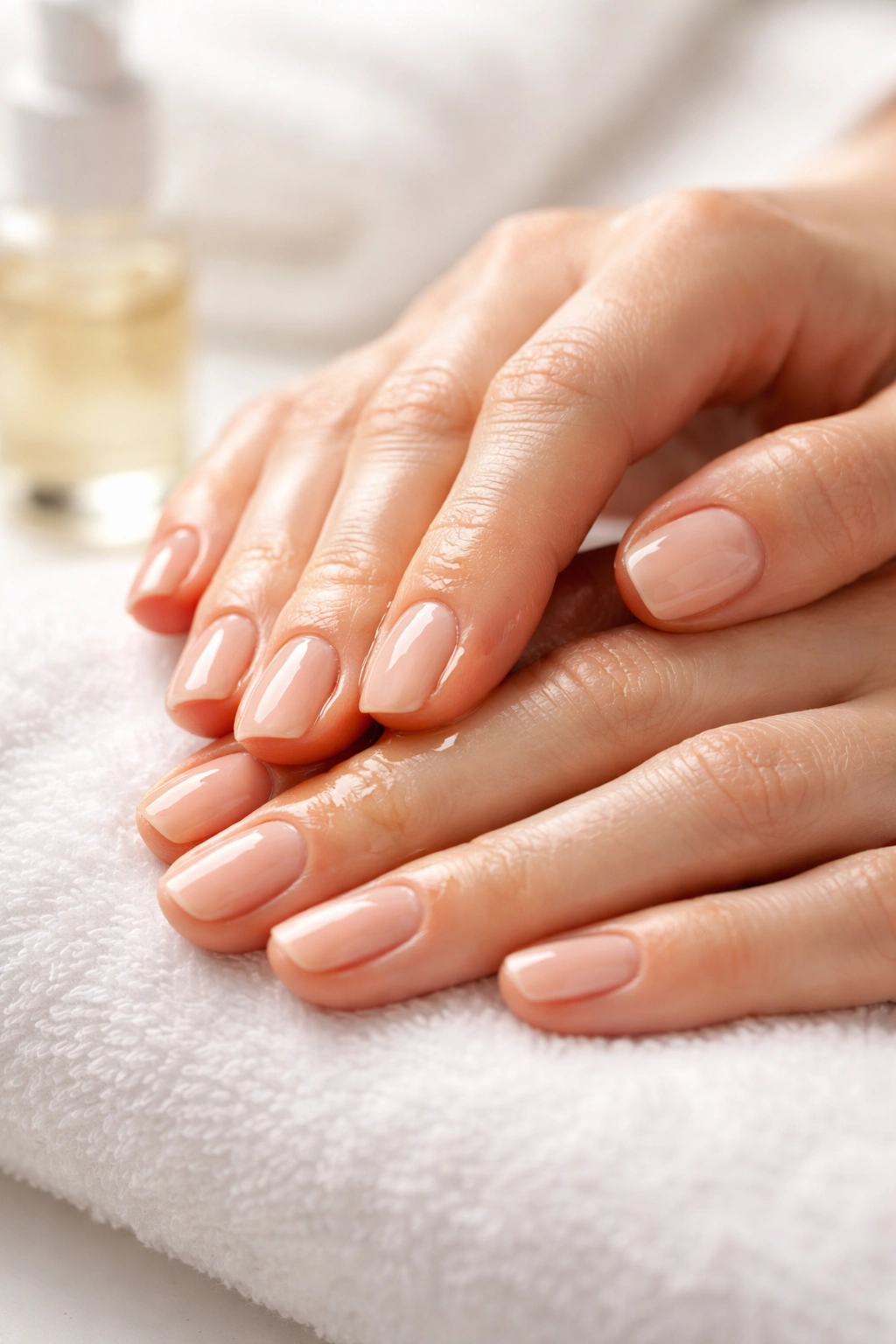
Simply applying oil and leaving it alone isn’t going to give you the best results. The massage step is where the real work happens. When you massage cuticle oil into your skin, you’re not just spreading product around—you’re increasing blood circulation to the nail beds, which stimulates growth, warmth, and nutrient delivery to your nails. You’re also ensuring the oil actually penetrates into the skin layers instead of sitting on top.
Use your fingertips to massage each cuticle individually with gentle, circular motions. Start at the center of the cuticle and work outward toward the sides of the nail and the surrounding skin. Spend about 1-2 minutes on each hand, working through all ten fingers. The circular motion is key—it’s more effective than rubbing back and forth, which can irritate the delicate skin. Apply gentle, consistent pressure; you shouldn’t be pressing so hard that it feels uncomfortable, but you should definitely feel the massage happening.
Make sure you’re including the sides of the nail and the skin that surrounds your entire nail bed, not just the cuticle crescent at the base. The skin along the nail sidewalls needs moisture and care just as much as the cuticle does. Many people focus only on the base and miss these areas entirely. Professional nail technicians massage the entire nail unit—cuticle, sidewalls, and the skin surrounding all edges.
As you massage, you might notice the oil is absorbing into the skin, becoming less visible. That’s exactly what you want to happen. The oil should gradually disappear into your skin over 5-15 minutes. If it’s still visibly sitting on your skin after 20 minutes, you either applied too much or didn’t massage it in thoroughly enough. The next time, use less and massage longer.
How to Apply Cuticle Oil with Different Applicators
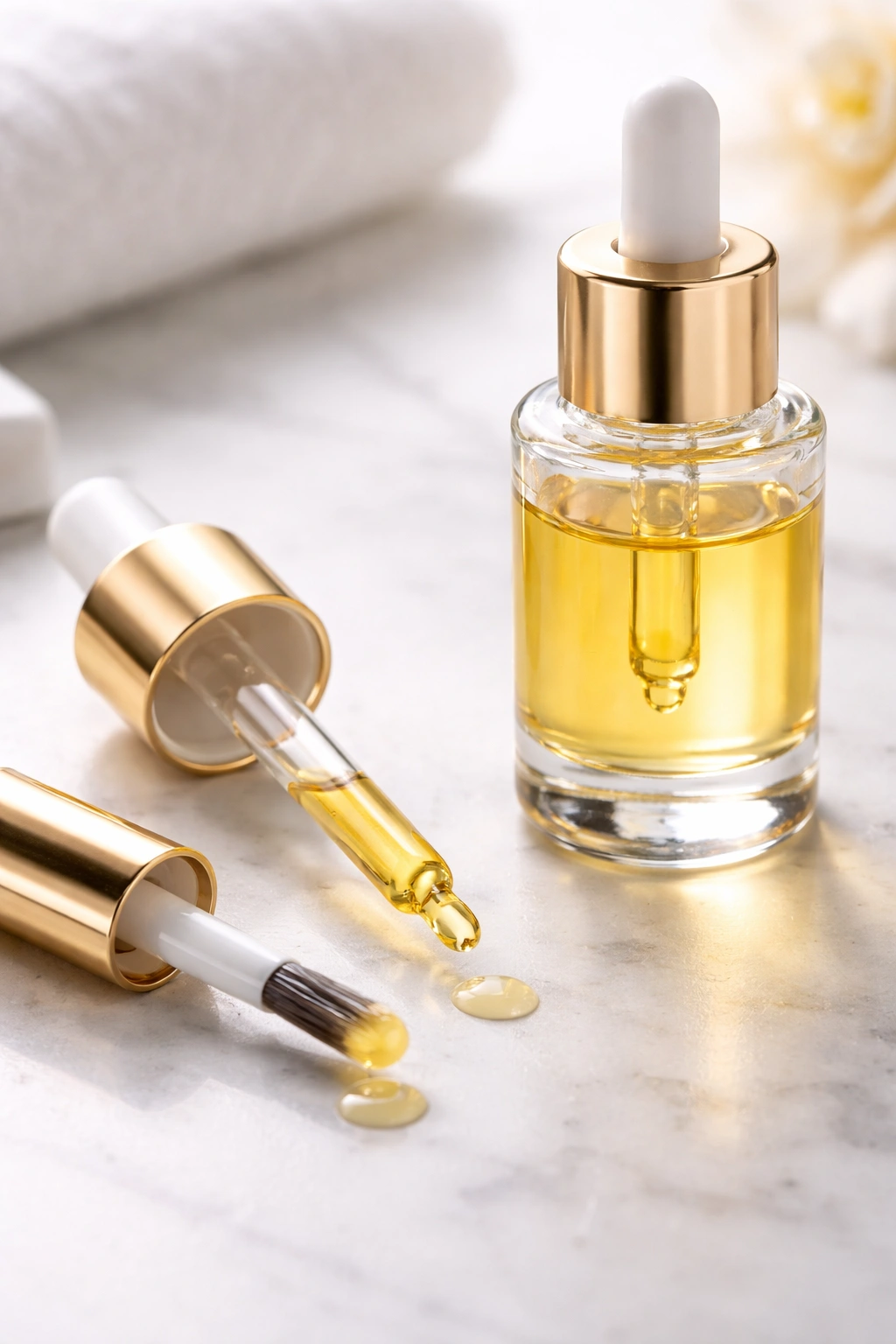
Cuticle oil comes in several different applicator styles, and each has different application advantages. Understanding which applicator you have and how to use it properly ensures you get the product exactly where it needs to go.
Dropper Applicators
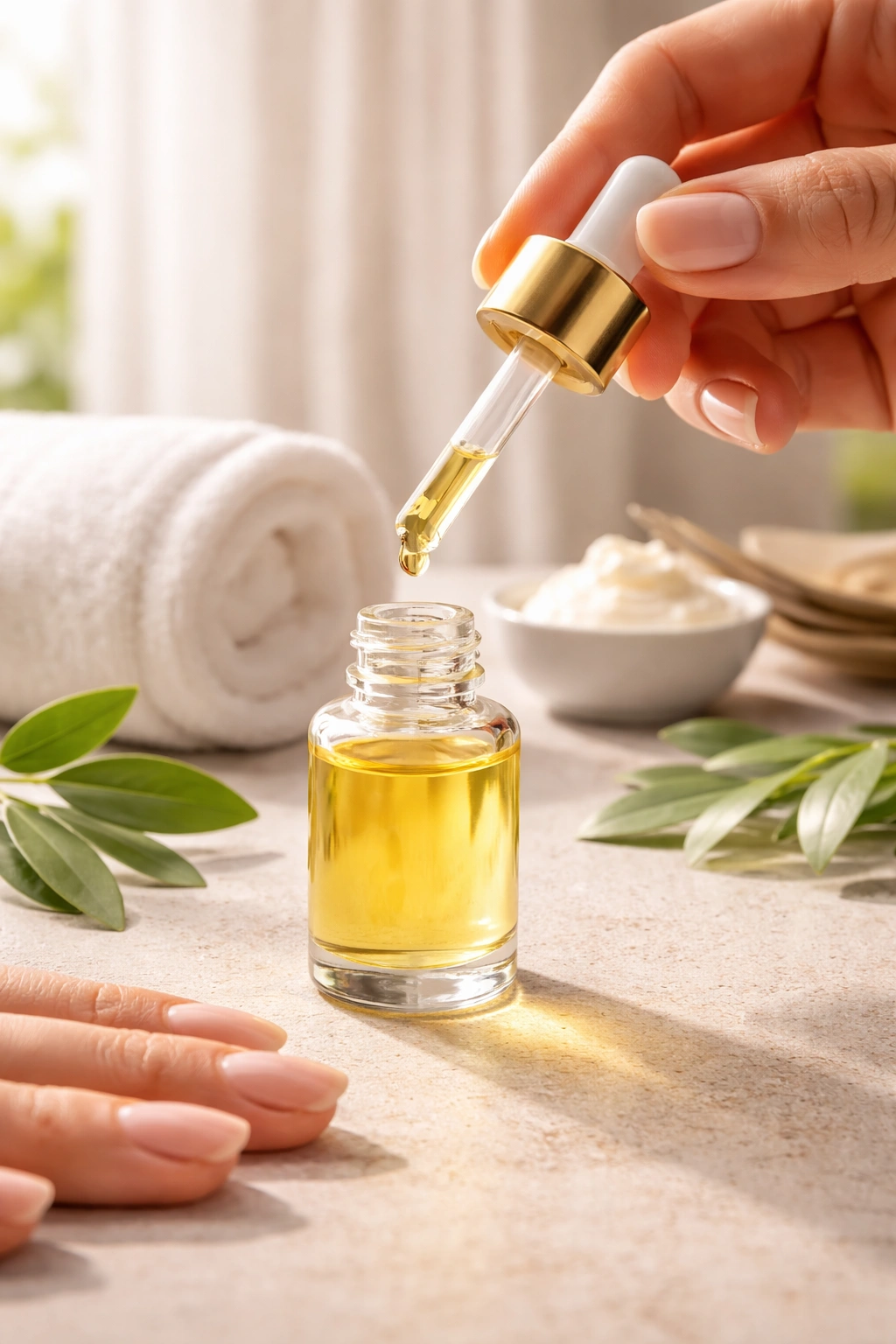
If your cuticle oil uses a dropper, hold it about 1-2 inches above your nail. Squeeze gently to release a small drop directly onto the cuticle area. You want the drop to land right at the base of the nail or slightly on the nail plate itself, not on the surrounding skin (you’ll massage it to the surrounding skin anyway). Holding the dropper at the right distance prevents drips and gives you better control. If you hold it too close, you might apply too much; too far away and the drop might miss or splash.
Brush Applicators
A brush applicator works like a small nail polish brush. You dip it into the oil and then brush it onto each cuticle. This method gives you more control and is slightly less messy than a dropper. You can be very precise about where the oil goes, which is helpful if you’re trying to avoid applying oil to freshly painted nails. Simply dab or brush a small amount onto the cuticle area, then proceed to massage. Brush applicators tend to dispense a little more product than droppers, so adjust your expectations—you might only need to use 7-8 strokes across all ten nails rather than multiple drops per nail.
Rollerball Applicators
This increasingly popular option is convenient and fun to use. You simply roll the ball gently over each cuticle, and the oil dispenses as you roll. The beauty of rollerballs is that they’re nearly impossible to over-apply with (you can’t accidentally squeeze out a huge amount), they’re travel-friendly, they provide a light massage action as you apply, and they feel indulgent to use. Roll gently over each nail—you don’t need to press hard. A light touch is actually more effective because it gives you better control.
Cotton Ball or Pad Application
If your cuticle oil doesn’t come with any applicator, you can simply dab a few drops onto a cotton ball and press it onto each cuticle. This method is inexpensive and works, though it’s less precise than the other options and you might waste a bit more product. Pat the cotton ball onto each cuticle rather than rubbing, and then use your fingers to massage the oil in.
Whichever applicator you’re using, apply to one hand at a time. That way, you can finish massaging one hand completely before moving to the other, ensuring even absorption and a consistent routine.
The Best Time of Day to Apply Cuticle Oil
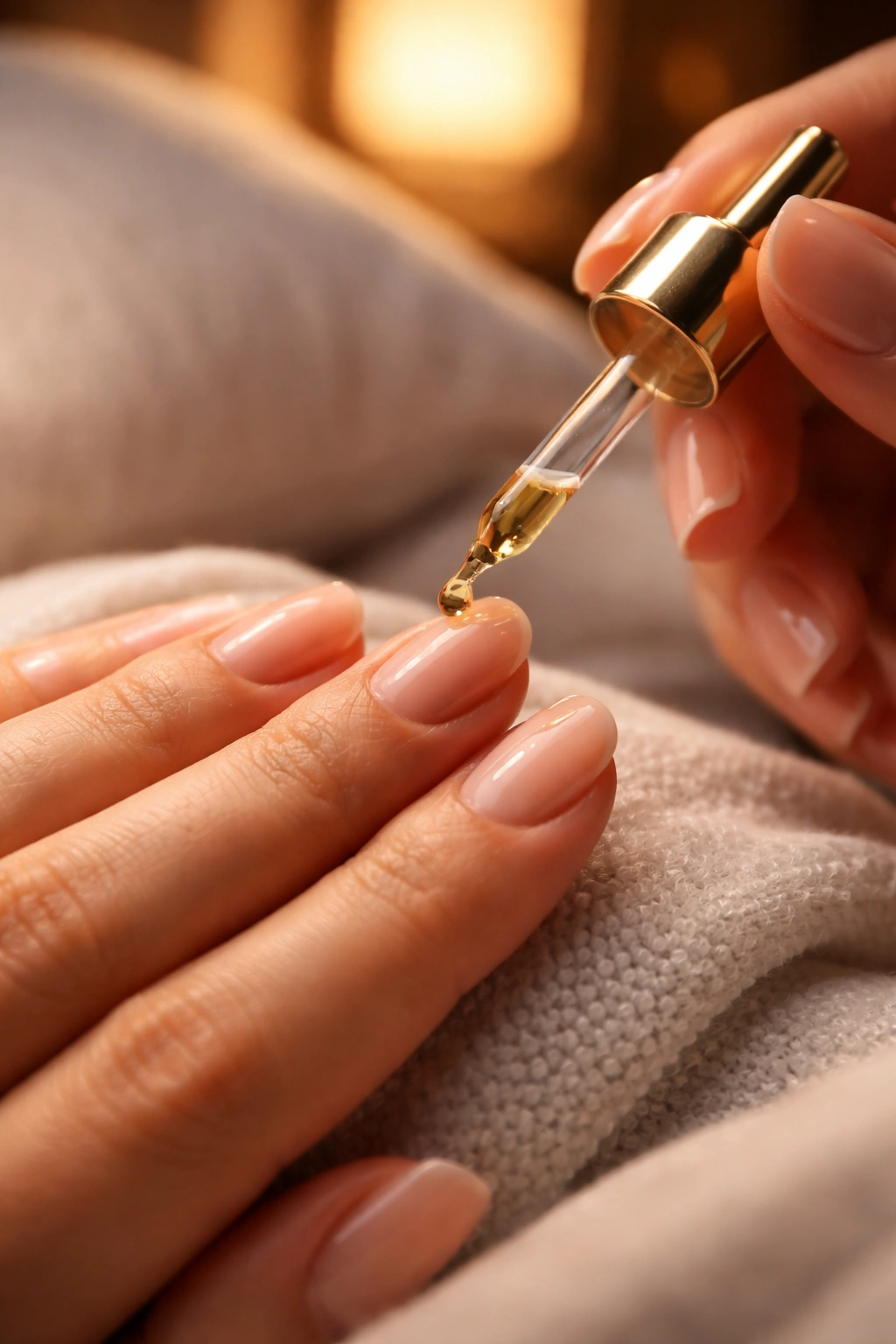
Timing your cuticle oil application strategically ensures you get the maximum benefit and that the oil has time to fully absorb before you need to use your hands normally. The ideal time depends on your lifestyle and what works best for you, but there are definitely windows of time that are more effective than others.
The Bedtime Application
This is hands-down the most effective time to apply cuticle oil if you can manage it. Apply oil 30-60 minutes before bed, giving it time to absorb somewhat (so it doesn’t transfer onto your pillowcase), and then let it work overnight while you sleep. Your cuticles spend 8+ hours soaking in nourishing oil, which translates to deeply hydrated, supple skin and maximum benefit. This is the single most important application time if you can only manage one per day. Even if you do nothing else, a consistent nighttime cuticle oil routine changes your nail health noticeably within a few weeks.
Some people like to apply oil right before bed without waiting and then sleep on a cotton glove or loose mitten to protect their bedding and allow the oil to fully absorb overnight. This extends the absorption time and is especially helpful if your cuticles are extremely dry or damaged.
The Post-Shower Application
Your skin is most receptive immediately after you shower, so this is an excellent secondary time to apply cuticle oil. Your hands are already warm, your pores are open, and the skin is primed for absorption. Apply oil as part of your morning routine after you shower, and it will absorb quickly and effectively. This is also practical because you’re already in a daily ritual where you’re caring for your skin and hair, so adding a one-minute cuticle oil step feels natural.
After Hand Washing
Technically, you should apply cuticle oil every single time you wash your hands. Hot water and soap strip moisture from your skin, so applying oil afterward replenishes what was lost and prevents the cumulative drying effect of frequent handwashing. If you keep a small bottle of cuticle oil by your sink, you can make this a habit. Even if you only do this 2-3 times per day, you’re getting multiple applications without having to remember a special routine. Many people find that placing the bottle right next to the soap makes it impossible to forget—it becomes an automatic step.
Throughout the Day When Needed
If your cuticles look or feel dry at any point during the day, apply oil. You don’t need an excuse or a special time slot—whenever your nails are calling for hydration, give it to them. This flexible approach works especially well in dry climates, during winter months, or if you’re engaging in activities that are particularly drying to your hands (frequent handwashing for work, exposure to harsh chemicals, swimming, or time in heated indoor spaces).
Applying Cuticle Oil Before Your Manicure
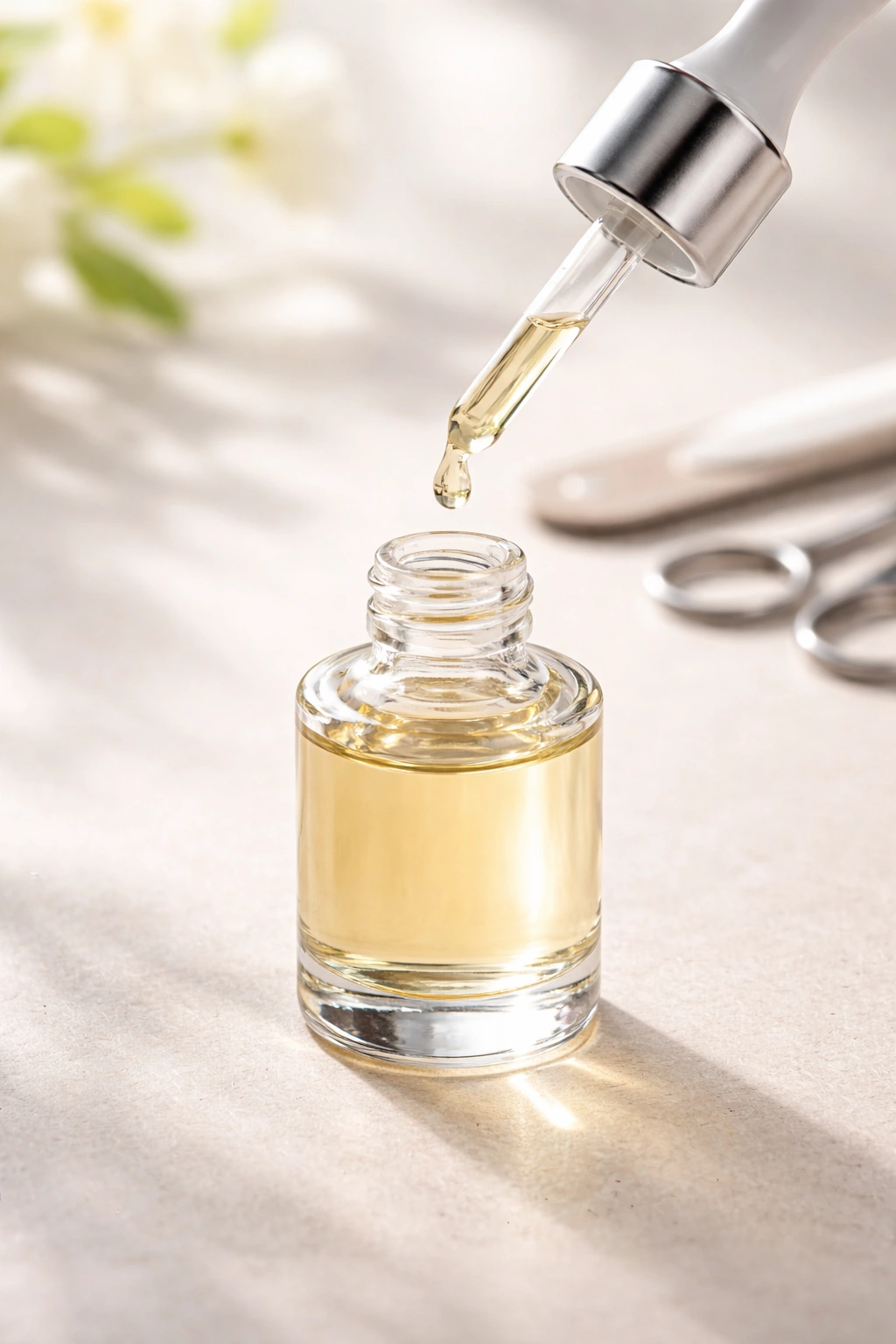
The timing of cuticle oil application in relation to your manicure is crucial. If you apply it at the wrong time, you could end up with chipped polish or oils that prevent the polish from adhering properly. The key rule: apply cuticle oil at least 3-4 hours before you paint your nails, or skip it until after your manicure is completely dry.
If you’re doing a manicure later in the day, apply cuticle oil in the morning or early afternoon so it has plenty of time to absorb completely. Any oil remaining on the nail surface when you apply polish will create a slippery base that polish can’t grip, leading to peeling, chipping, and a manicure that falls apart within days. You’ll be frustrated and will blame the polish when really the issue was the timing of the oil application.
Some nail professionals recommend a slightly different approach: apply cuticle oil the night before your manicure, again in the morning, and then once more about 2 hours before you plan to paint. This way your cuticles are deeply nourished and prepared for the manicure process (which can be drying), but there’s no residual oil interfering with polish adhesion.
If you absolutely must apply cuticle oil very close to when you’re painting your nails, use a tiny amount and massage it in extremely thoroughly. Or, take an extra precaution: after the oil is absorbed, wipe your nail plate with a cotton pad and a tiny bit of rubbing alcohol or nail polish remover. This removes any invisible oil residue and ensures the polish will adhere cleanly. Many nail technicians do this as a routine step before polish application.
Applying Cuticle Oil After Your Manicure
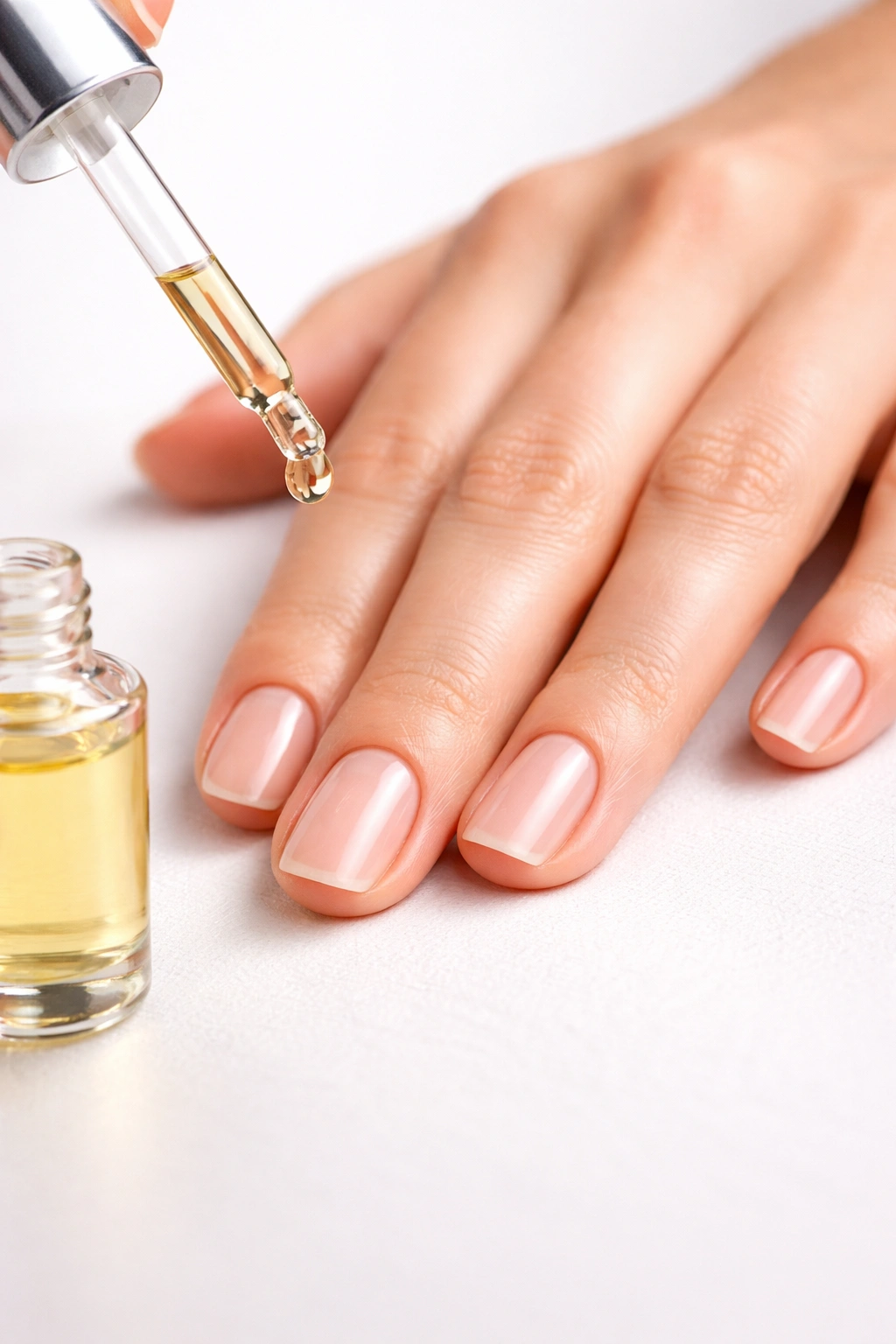
This is where cuticle oil becomes a secret weapon for extending your manicure’s life. Once your polish is completely dry—wait at least 2-3 hours, or preferably overnight—apply cuticle oil generously over your cuticles and around the nail edges. The oil creates a protective barrier that shields your fresh manicure from chipping and cracking, and it gives your polish an extra glossy shine that makes it look freshly done.
When applying oil over fresh polish, be careful not to get it on wet polish, which will smudge and potentially ruin your manicure. But once the polish is completely cured, oil actually enhances both the appearance and the longevity of your mani. The oil doesn’t damage the polish or cause it to peel—it protects it. Apply using your preferred method (dropper, brush, or rollerball), and massage gently around the cuticle area and the edges of your nails. Avoid dragging wet, oily fingers over the polish surface immediately after; wait a couple of minutes for the oil to absorb somewhat first.
This post-manicure application should become a non-negotiable part of your manicure process. Do it every single time you get a manicure or polish your nails at home. You’ll notice your manicure lasts 3-5 days longer and still looks salon-fresh at the end.
Cuticle Oil for Different Nail Types and Conditions
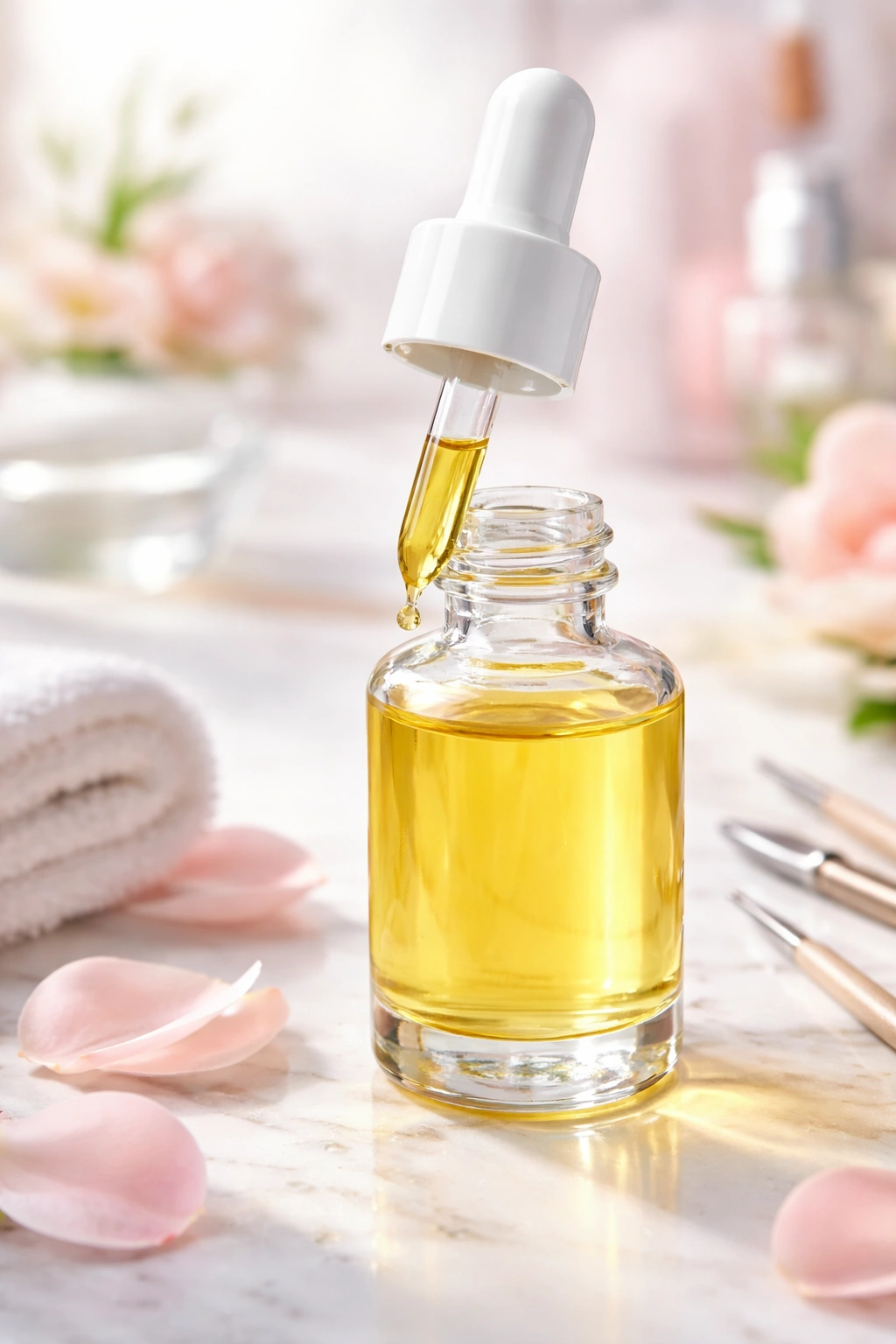
Different nail situations benefit from slightly adjusted cuticle oil strategies. If you have particularly dry, cracked, or damaged cuticles, you might need to apply oil more frequently—potentially 3-4 times per day—until the situation improves. Once your cuticles are healthy, you can drop back to a maintenance routine of once or twice daily.
For gel or acrylic nails, cuticle oil is absolutely essential. These artificial nail enhancements are drying to the natural nail underneath and can cause serious damage if you neglect cuticle care. Apply oil around the edges of your gel or acrylic nails at least twice daily, and especially during the day when the artificial nails are exposed to drying environments. The oil keeps your natural nail bed and cuticles hydrated underneath the enhancement, preventing separation, infections, and damage to the nail matrix that could affect nail growth for months after you remove the artificial nails.
If you have very brittle or peeling nails, you might benefit from a slightly thicker cuticle cream in addition to or instead of liquid oil, especially at night. Some people layer a cuticle oil with a richer cuticle cream or hand cream on top for extra intensive hydration. Apply the oil first, let it absorb slightly (1-2 minutes), and then apply a small amount of cream. This creates a moisture-locking seal.
If your nails are prone to fungal infections or you’re dealing with active nail fungus, look for cuticle oils containing antifungal ingredients like tea tree oil, coconut oil, or neem oil. These natural ingredients have some antifungal properties that may help prevent infections or support healing. However, for active infections, you should consult a healthcare provider rather than relying solely on cuticle oil.
Troubleshooting Common Cuticle Oil Application Mistakes
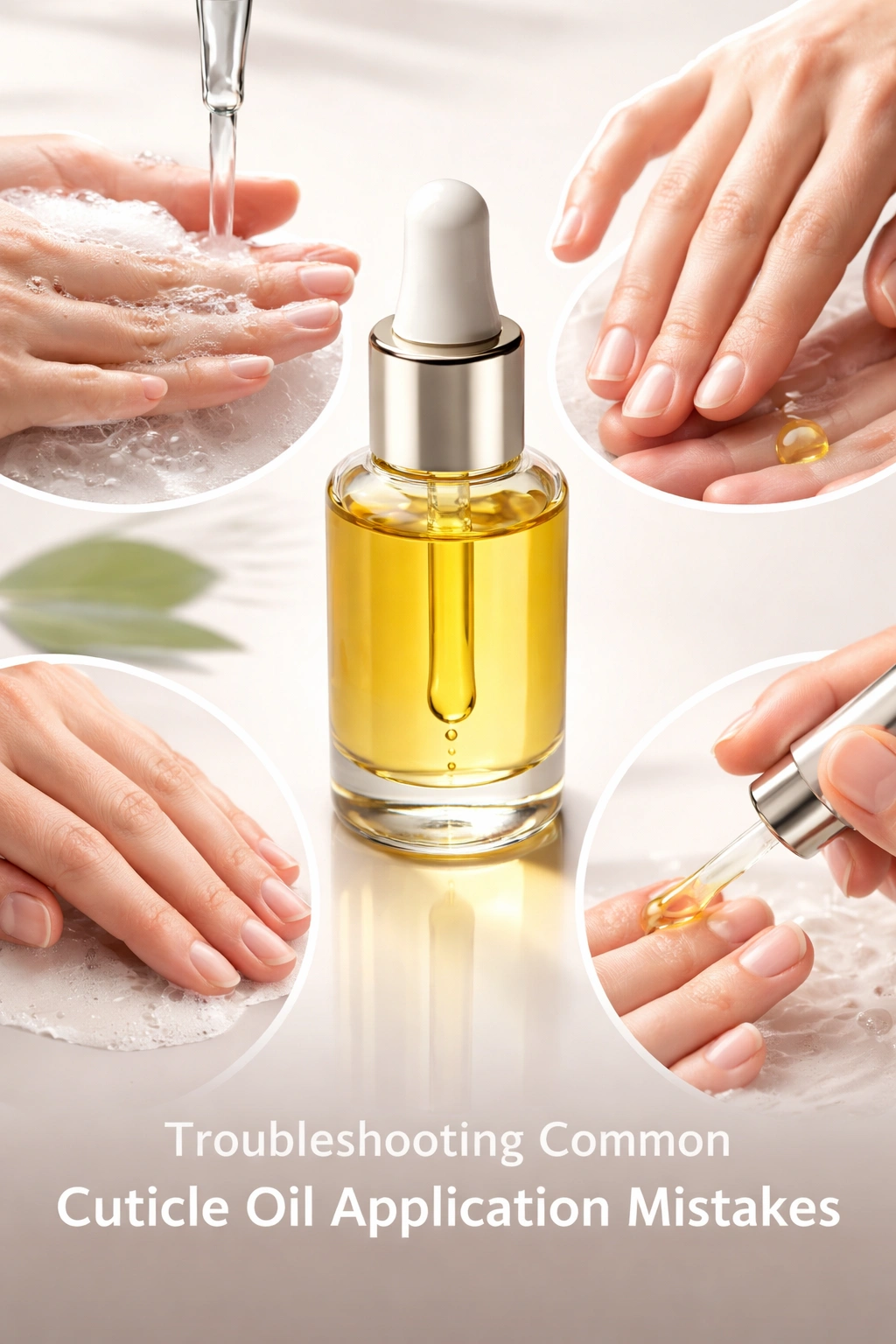
Even with the best intentions, it’s easy to slip into habits that reduce the effectiveness of your cuticle oil routine. Recognizing these mistakes helps you fix them immediately.
Applying Oil and Immediately Washing Your Hands
This completely defeats the purpose. The oil gets rinsed away before it has a chance to absorb and do its work. If you’ve just applied cuticle oil, avoid washing your hands for at least 10-15 minutes. This means timing your application carefully—don’t apply oil right before you wash dishes or take a shower. The oil needs protected time to penetrate the skin.
Skipping the Massage
Simply dabbing oil on your nails and walking away won’t give you optimal results. The massage is what makes the oil actually absorb and what stimulates the circulation that promotes healthy nail growth. Spend at least a minute or two massaging each hand. It’s a small investment for a big payoff.
Using Oil That’s Too Thick
Some oils absorb quickly and some sit on your skin for hours. Cuticle oils are formulated to absorb relatively quickly, but if you’re using a plain olive oil or coconut oil (whether intentionally or because you thought any oil would work), you might find it’s too thick and greasy. Look for oils that are specifically formulated as cuticle oils—they’re blended to absorb efficiently and typically cost only a few dollars.
Applying to Wet Nails Before Polish
As mentioned earlier, any moisture on your nails will interfere with polish adhesion. Make sure your nails are completely dry before you paint them, and if you’ve applied oil, ensure it’s had adequate time to absorb or wipe away residue with rubbing alcohol.
Being Inconsistent
Cuticle oil only works if you use it regularly. One-off applications won’t create lasting change. You need a consistent routine—at least once or twice daily—to see real improvements in your cuticle and nail health. The benefits accumulate over weeks and months, but you have to stick with it.
Applying Too Much and Expecting Results Faster
More oil doesn’t mean faster results. It just means greasy hands and wasted product. Stick with the recommended amount (one drop per nail) and be patient. Real nail health changes take a few weeks to become visible as new, healthier nail cells grow out.
Creating a Cuticle Oil Routine You’ll Actually Stick With
The best cuticle oil routine is the one you’ll actually maintain consistently. This means building it into something you’re already doing rather than trying to add another completely separate step to your day.
Link It to Existing Habits
Apply cuticle oil immediately after your shower, while you’re already thinking about personal care. Or apply it while you’re winding down before bed, as part of your nighttime routine alongside other self-care steps. If you have a habit of washing your hands at specific times (after meals, after getting home, before bed), keep cuticle oil by the sink so it becomes automatic. The key is making it impossible to forget because it’s bundled with something you already do religiously.
Keep It Visible and Accessible
Store one bottle by your sink, one on your nightstand, and one in your purse or desk drawer. When cuticle oil is within arm’s reach, you actually use it. When it’s hidden in a cabinet somewhere, you’ll forget it exists. Visible products get used; hidden products collect dust.
Choose an Applicator Type You Enjoy Using
If you love the feeling of rolling a rollerball, get a rollerball applicator. If you prefer the precision of a brush, choose that. If you like the small ritual of using a dropper, that’s perfect. The right applicator makes the routine feel like a treat rather than a chore, and you’re more likely to stick with it.
Start with One Time Per Day
Don’t try to go from zero cuticle oil applications per day to four. Start with one—probably bedtime—and build the habit. Once that feels automatic, add a second application time. This gradual approach actually works better for habit formation than trying to overhaul everything at once.
Track Your Results
Notice how your cuticles feel and look after a week, two weeks, and a month of consistent application. Are they softer? Is there less hangnail formation? Do your nails feel stronger? Do your manicures last longer? Taking note of these improvements makes you more motivated to keep going. You’ll start to genuinely miss the routine if you skip a day because you’ll feel the difference in your cuticles.
Use a Reminder System If You Need It
Set a phone alarm for your preferred application time, set a calendar reminder, or put a sticky note on your mirror. Whatever works for your brain. Some people find that making it a non-negotiable ritual (like brushing teeth) means they don’t need reminders at all—it just happens.
Final Thoughts
The path to healthy, strong nails that actually grow long and stay beautiful starts with proper cuticle care, and cuticle oil is the most effective tool you have. The application technique matters—the right amount, the proper massage, the optimal timing, and the consistency all make the difference between cuticle oil being a product that sits unused in your bathroom and cuticle oil being the single biggest improvement in your nail health.
You don’t need expensive products, you don’t need complicated techniques, and you don’t need to change your entire life. You need one small bottle of quality cuticle oil, one minute or two per application, and the commitment to do it consistently. Start tonight with a bedtime application—just one drop per nail, a gentle massage, and the knowledge that while you sleep, your nails are getting the nourishment they’ve probably been desperately craving. Within weeks, you’ll notice softer cuticles, fewer hangnails, stronger nails, and manicures that look and last better. That’s not magic—that’s just what happens when you finally give your cuticles the care they deserve.