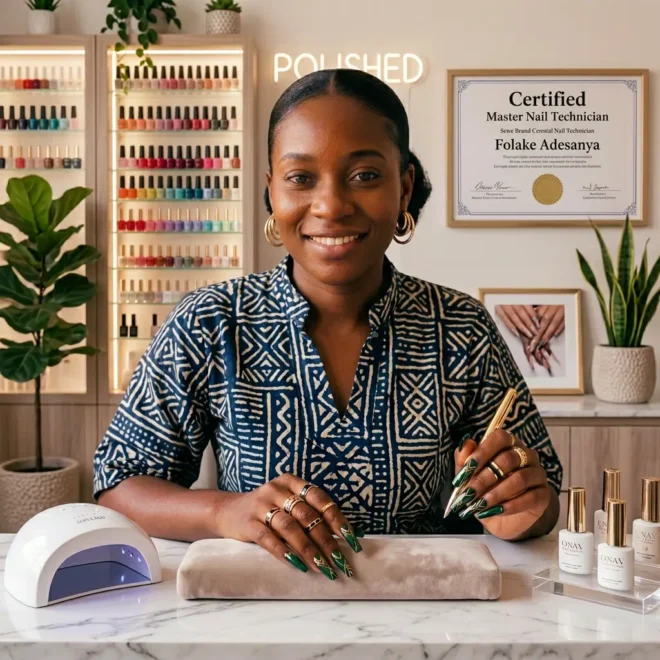


Duck nails have become a sophisticated choice for anyone seeking a modern manicure that stands out without screaming for attention. Unlike their more dramatic counterparts, subtle duck nails deliver the distinctive curved or slightly pointed silhouette in understated color palettes and minimal embellishment. These designs work beautifully in professional settings, casual environments, and everywhere in between—they’re polished without being fussy, trendy without being over-the-top. If you’ve been curious about trying this nail shape but worried it might feel too bold or unconventional, these 20 approaches prove that duck nails can be refined, elegant, and genuinely wearable for everyday life.
The beauty of subtle duck nails lies in their ability to elongate your fingers while maintaining an air of sophistication. The curved edge creates visual interest without relying on intricate nail art or eye-catching colors. Each of the designs below balances the distinctive shape with restrained aesthetics—soft palettes, minimal patterns, and touches of texture that add depth without overwhelming the manicure. Whether you prefer barely-there neutrals, soft pastels, or creamy brights, there’s a duck nail design here that will feel authentically you.
1. Soft Pink Ombre with Subtle Gradient
This design combines the classic appeal of pink ombre with the modern edge of the duck shape. The gradient flows from a barely-there blush at the base to a slightly deeper rose at the curved tip, creating dimension without calling attention to itself.
Why This Works So Well
Soft pink ombre on duck nails feels effortlessly elegant because the gradient naturally enhances the shape without needing additional art or embellishment. The color progression guides the eye along the curve of the nail, making the shape feel intentional rather than dramatic. This combination feels appropriate for both professional environments and social settings.
How to Create This Look
- Start with a clear base coat and apply a pale pink foundation polish to all nails
- Mix a slightly deeper rose tone and apply it to the tips, feathering the color upward with a sponge
- Blend using a clean sponge in light dabbing motions until the transition is seamless
- Seal with a glossy top coat to enhance the gradient effect
Pro tip: Use a light hand with the sponge—multiple thin applications create a smoother gradient than one heavy application.
2. Nude with Clean White Tips
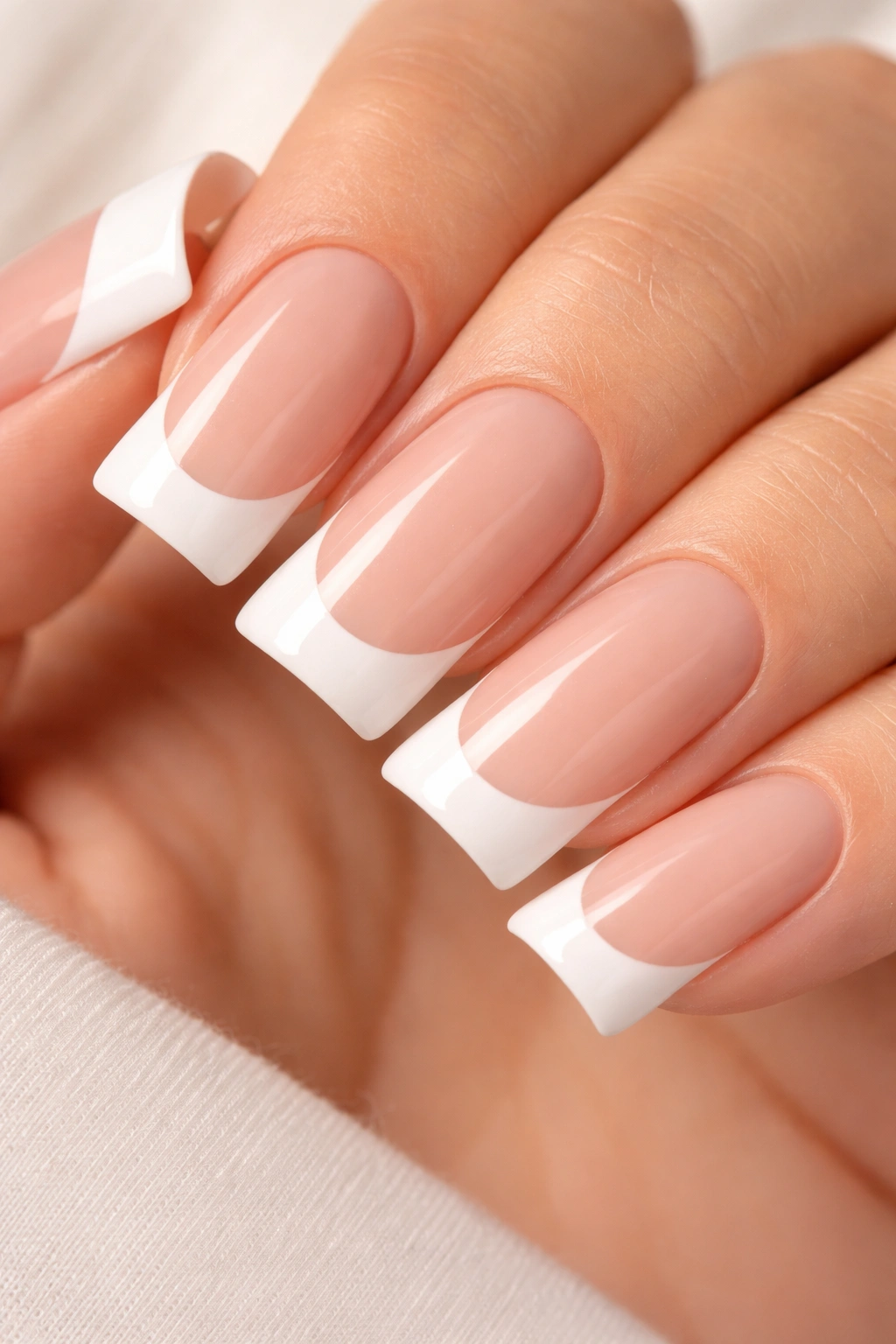
The timeless French manicure gets a fresh interpretation through the duck nail shape. Crisp white edges against a warm nude base create definition without relying on color drama, making this style endlessly versatile.
The Understated Appeal
White tips on duck nails draw attention to the shape itself rather than distracting from it with bright color. The contrast is just enough to make the curved edge visually interesting while maintaining complete professional appropriateness. This design works whether your nails are short and modest or longer and more dramatic.
Application Tips
- Apply two coats of a warm nude or beige that matches your skin tone closely
- Use a thin nail art brush or a steady hand with regular polish to paint a clean white line along the curved tip
- For a softer edge, slightly feather the white using a small detail brush
- Finish with a matte or glossy top coat depending on your preference
Worth knowing: The key to this design’s subtlety is keeping the white tip line relatively thin—about the width of a pencil line feels polished rather than dramatic.
3. Peachy Cream with Warm Undertones
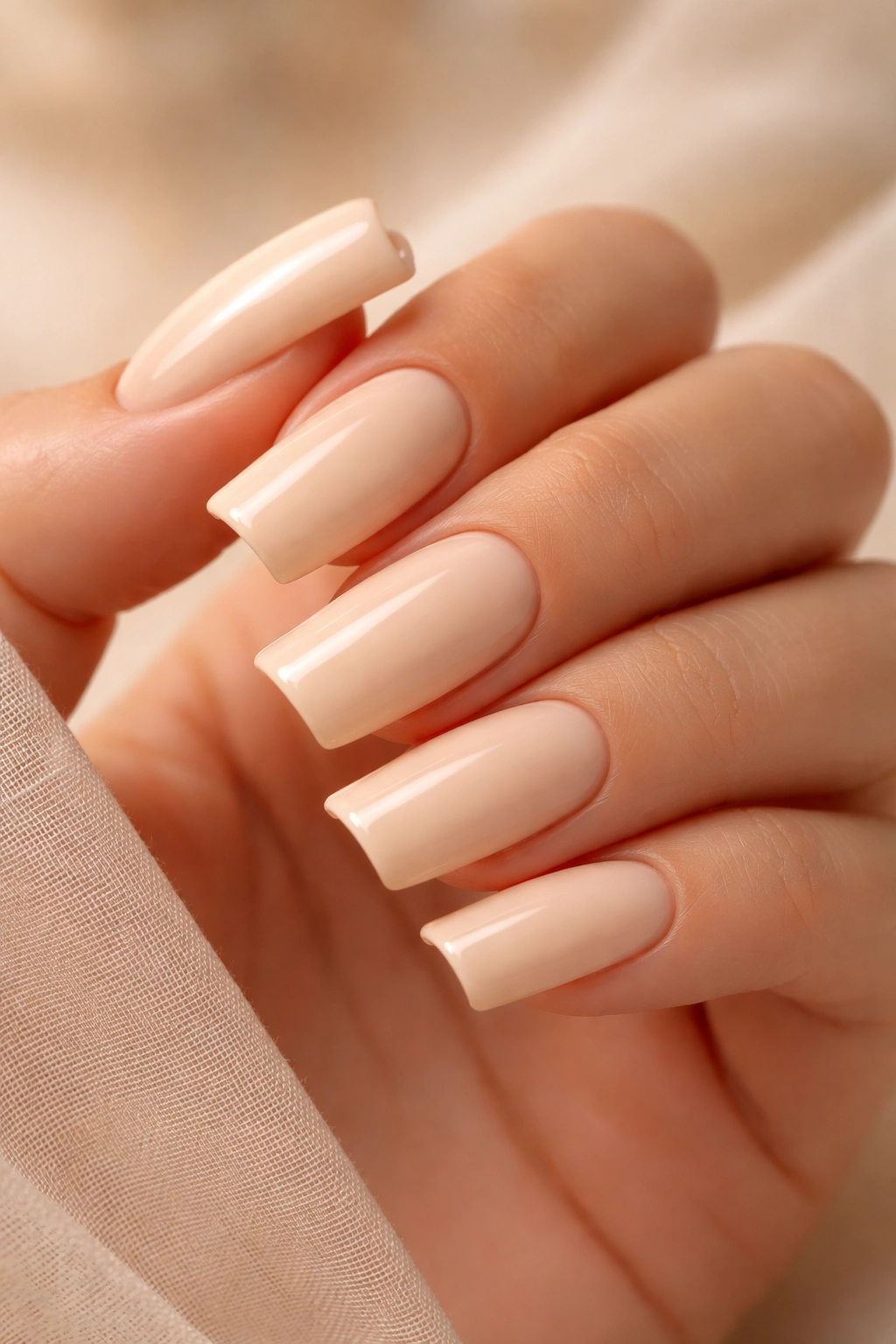
A warm, creamy peach tone flatters nearly every skin tone and pairs beautifully with the duck shape. This isn’t a bright or neon peach—it’s a soft, almost flesh-toned peach that reads as elegantly neutral.
Why Warm Peach Is Perfect for Duck Nails
Warm peachy tones naturally complement the soft, curved aesthetic of duck nails. The color feels approachable and friendly without sacrificing sophistication. This shade works particularly well if you have warm undertones in your skin, as it creates a harmonious, polished appearance.
Getting the Right Shade
- Look for peachy creams in the “soft peach” or “warm nude” categories rather than bright or coral-leaning options
- Test the color on your skin first if possible—the right shade should blend seamlessly with your skin tone while still being visible on the nail
- Apply in two coats for full coverage and maximum warmth
Quick fact: Peachy tones naturally make hands appear younger and more vibrant, making this an excellent choice for everyday wear.
4. Beige with Delicate Gold Accents
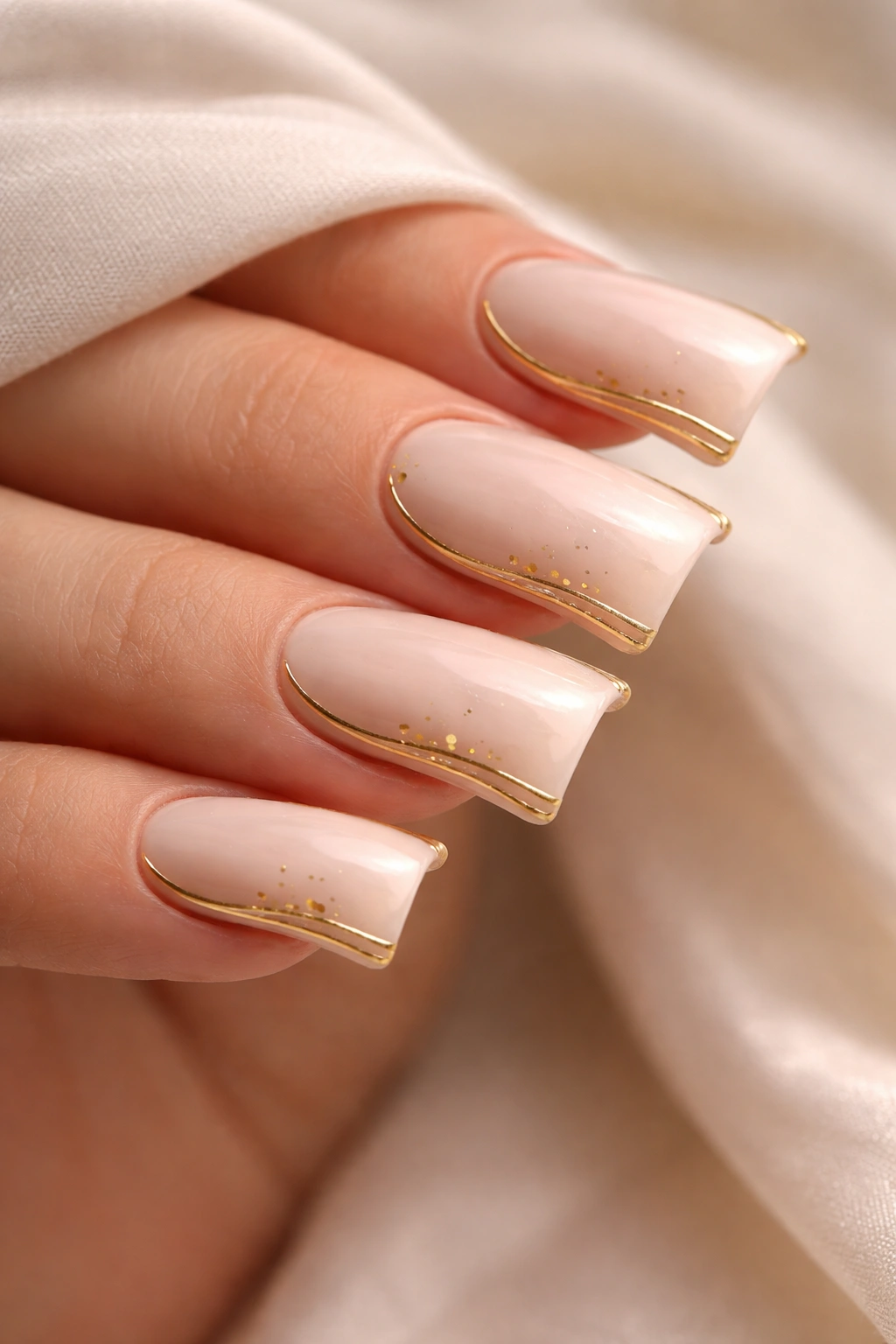
Neutral beige creates the perfect canvas for subtle metallic touches. This design incorporates thin gold lines or small flecks that add understated glamour without making the manicure feel overdone.
The Art of Minimal Metallic Touches
Gold accents on a beige base feel sophisticated rather than flashy when applied with restraint. A single thin line along the edge of the duck curve, or a few small gold flecks near the base, adds just enough interest to elevate the look. The key is letting the neutral base remain the star while gold plays a supporting role.
Design Options
- Apply a clean beige base coat in two thin layers
- Using a fine detail brush, paint a single thin gold line along the outer curve of the duck shape
- Alternatively, use a thin brush to add small gold dots in a scattered pattern near the nail base
- Seal everything with a clear top coat to protect the metallic elements
Pro tip: Gold leaf applications work beautifully on duck nails—tear the leaf into small pieces and press them onto a wet base coat for an organic, sophisticated effect.
5. Champagne with Pearl Finish
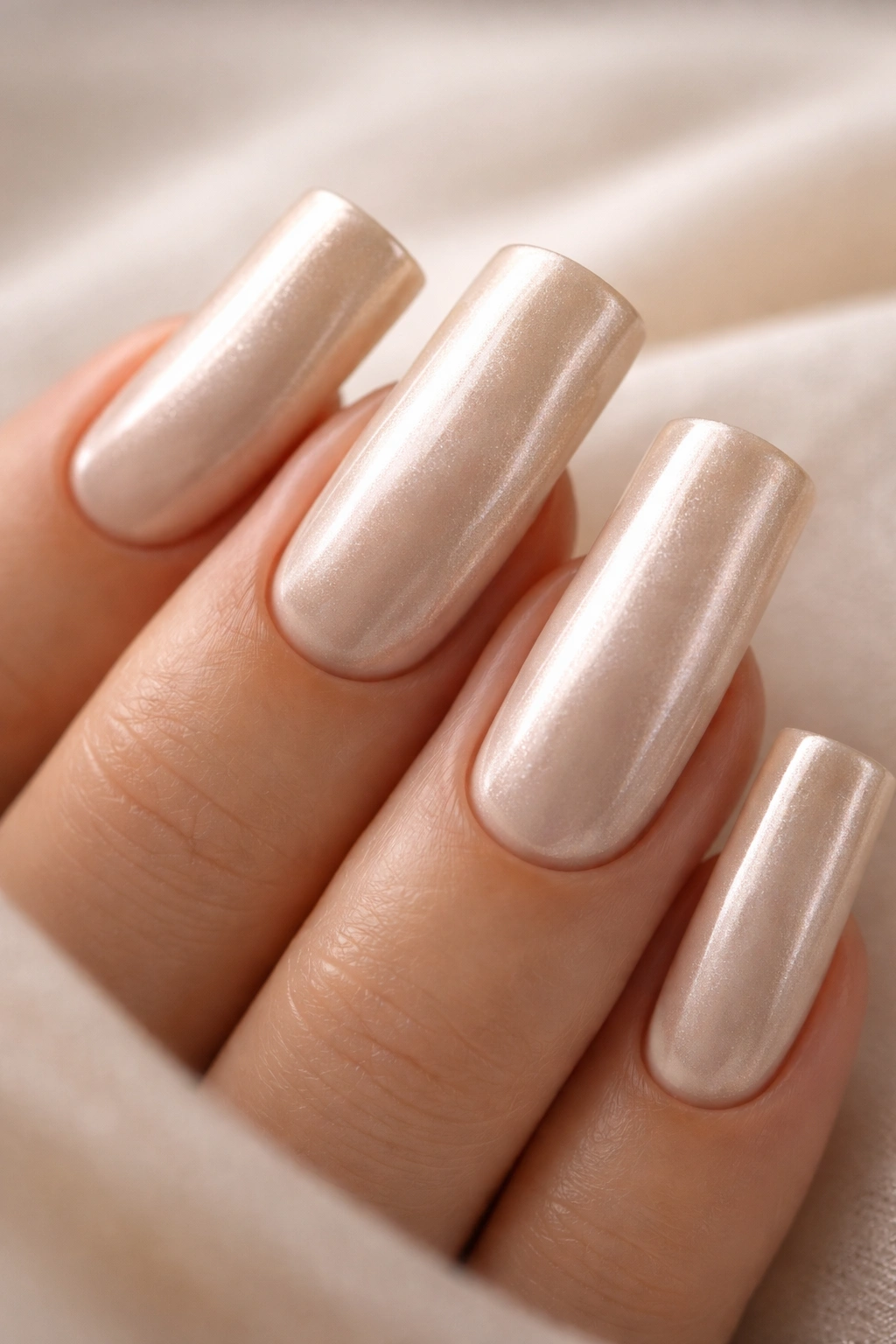
A champagne tone with a subtle pearl finish creates an understated shimmer that catches light beautifully. This design maintains elegance while adding a touch of dimension that feels special without being attention-seeking.
The Pearl Effect
Pearl finishes work particularly well on duck nails because the curved edge reflects light in interesting ways, giving the manicure an almost three-dimensional quality. The champagne base is warm enough to feel like a neutral while the pearl brings a hint of sophistication and polish.
Creating This Finish
- Start with a champagne-toned base polish applied in two coats
- Choose a pearl-finish top coat (many brands offer these specifically) or add pearl dust to a clear gel top coat
- Apply carefully and evenly to achieve consistent shimmer across all nails
- The pearl should be visible but delicate—not overly shiny or holographic
Worth knowing: This design photographs beautifully because the pearl catch creates subtle highlights in different lighting conditions, making your manicure look more intentional and polished than it is.
6. Warm Honey Tone with Natural Depth
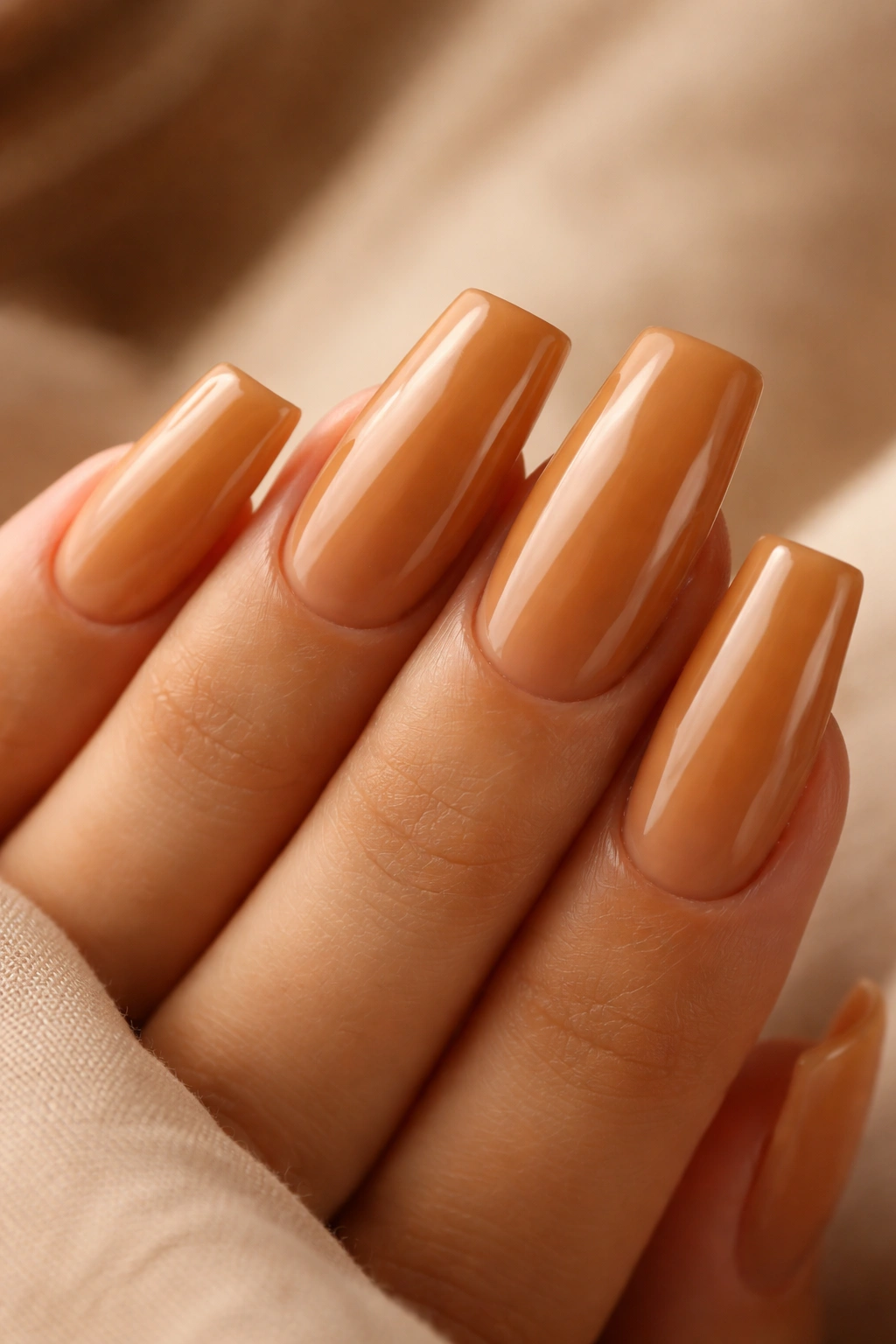
A warm honey shade feels both neutral and warm simultaneously, creating a sophisticated base for duck nails. This tone has enough depth to be interesting while remaining subtle and professional.
Why Honey Works for Duck Nails
Honey tones naturally enhance skin that has warm undertones while still appearing wearable and approachable. The warmth of the color complements the soft curve of the duck shape, creating a cohesive, intentional look. Unlike pure nude, honey has enough personality to feel like an actual design choice rather than a default.
Getting the Application Right
- Choose a honey tone that leans more toward caramel than orange for maximum subtlety
- Apply in thin, even coats—usually two to three thin layers create better color depth than one thick application
- Finish with a slightly thicker top coat to add subtle depth and shine
Quick fact: Honey tones tend to be forgiving on different skin tones because they’re warm but not overwhelming, making this a great choice if you’re uncertain about what shade will suit you.
7. Blush Pink with Minimal Line Art
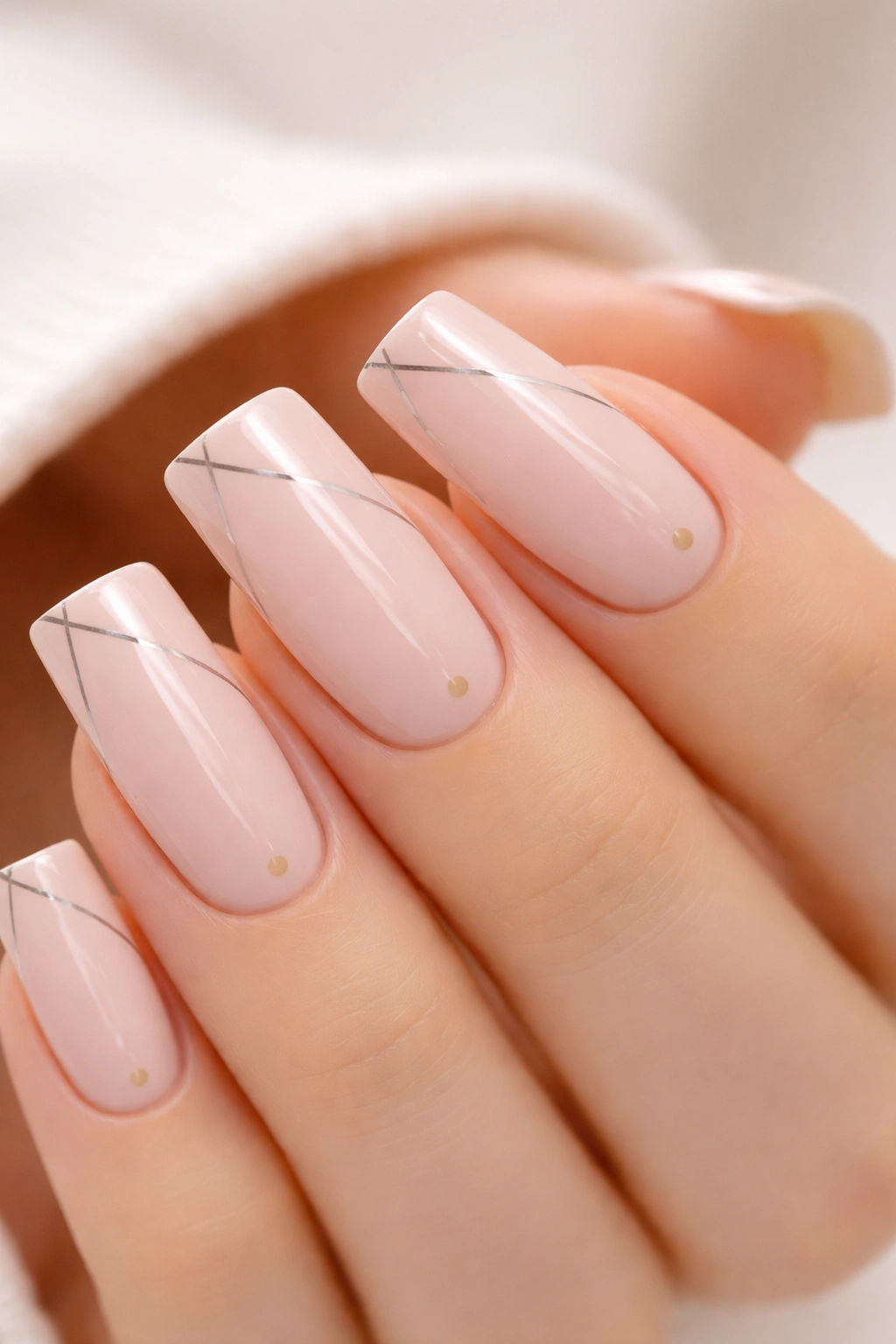
A soft blush pink provides a gentle base for understated line art that adds just enough visual interest. This design maintains the sophistication of the duck shape while incorporating a subtle artistic element.
The Subtlety of Minimalist Line Art
Minimal line art on duck nails can mean a single thin line along the curve, small geometric shapes near the base, or a few delicate brushstrokes. The key is restraint—the art should enhance rather than compete with the shape of the nail.
Design Ideas
- Paint a single thin gray or taupe line that follows the curve of the duck nail
- Add small dots in a complementary neutral shade scattered across the base of the nail
- Create a tiny geometric shape (triangle, square, or line) near the nail base
- Use a very fine detail brush to draw minimal botanical-inspired lines
Pro tip: The thinner your line work, the more sophisticated it will appear—thick lines read as bolder even in pale colors.
8. Natural Clear Polish with Bare Nail
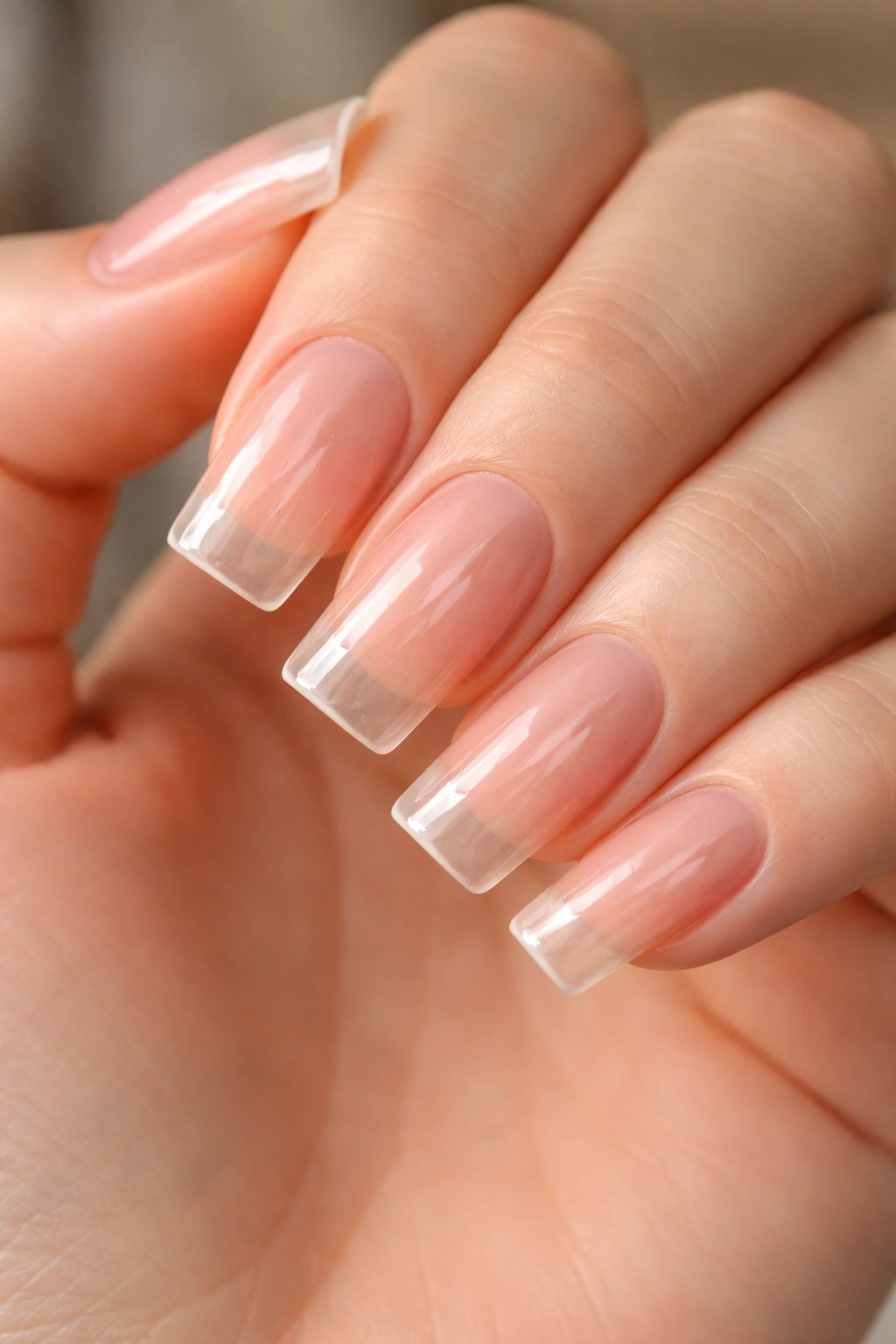
Sometimes the most subtle approach is simply enhancing the natural nail with a clear or barely-tinted polish. This design celebrates the shape of the duck nail without any color or embellishment whatsoever.
When Clear Is Actually a Choice
A clear polish on duck nails shows confidence in the shape itself. This approach works beautifully if you have naturally healthy, strong nails and want to showcase the nail shape without distraction. It’s also practical for people who prefer minimal-effort manicures that still look intentional and polished.
Application Approach
- Start with a nourishing base coat to protect natural nails
- Apply a clear or barely-there nude top coat that adds subtle shine without color
- Consider a glossy finish to make the polish visible while maintaining the barely-there aesthetic
- Maintain healthy nails by moisturizing cuticles regularly
Worth knowing: This design looks best when nails are perfectly shaped and filed—the lack of color means any imperfections become more noticeable, so precision matters.
9. Pale Lavender with Soft Shimmer
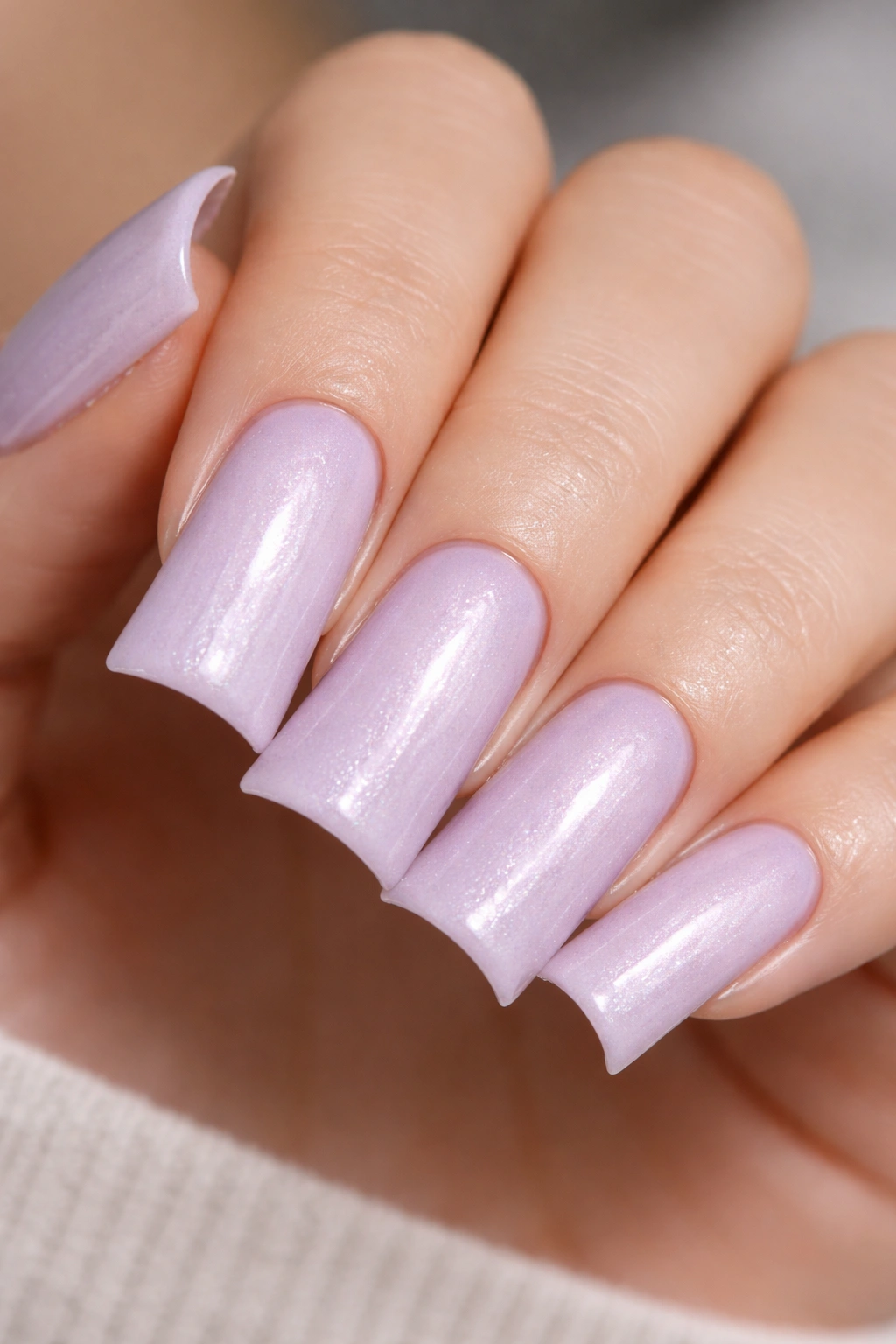
A pale lavender shade delivers unexpected personality while remaining subtle and sophisticated. Adding a soft shimmer gives the color dimension without overwhelming the understated aesthetic.
Why Lavender Works on Duck Nails
Pale lavender has become increasingly popular for those seeking something beyond traditional pinks and nudes. The color feels modern while maintaining sophistication, and the softness of the shade prevents it from feeling too unconventional. A soft shimmer enhances the subtle luxury feel without making the manicure sparkly or over-the-top.
Creating the Look
- Apply a pale lavender base in two coats
- Add a subtle shimmer top coat or mix fine shimmer particles into a clear top coat
- The shimmer should be visible up close but not blindingly obvious from a distance
- Finish with a glossy seal to protect the finish
Quick fact: Lavender tones naturally complement cool undertones in the skin, but pale lavender is warm enough that it works reasonably well for most skin tones.
10. Soft Coral with Warm Depth
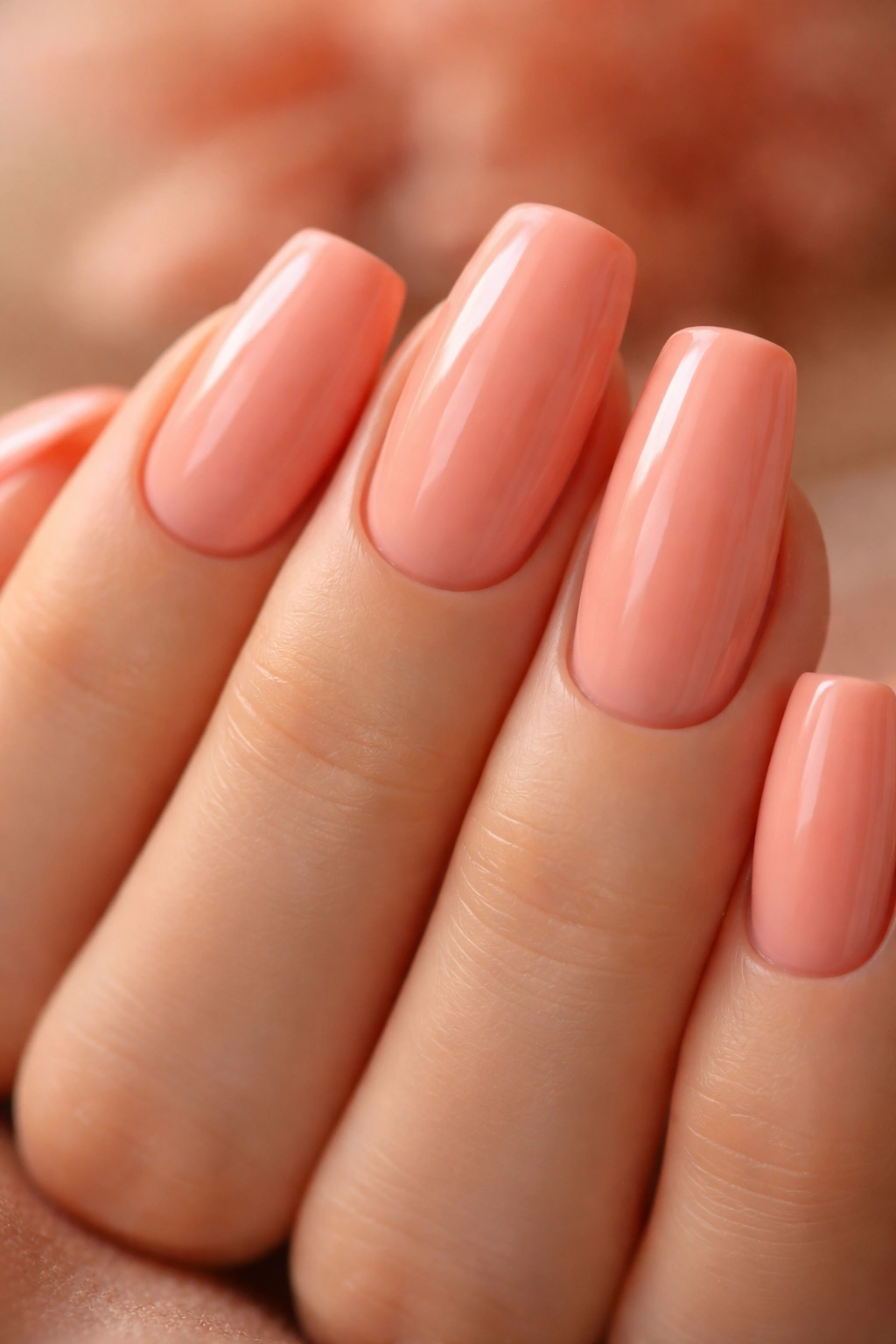
Soft coral occupies a beautiful middle ground between pink and orange, offering warmth without aggressiveness. This shade feels both modern and approachable when paired with the duck nail shape.
The Appeal of Soft Coral
Soft coral can feel understated when you choose a muted, peachy variation rather than a bright or neon option. On duck nails, this tone creates a polished look that feels both contemporary and timeless. The warmth of coral adds dimension to the shape without overshadowing it.
Shade Selection
- Look for peachy-coral or warm-coral options rather than bright coral
- Muted or dusty variations feel more subtle than saturated versions
- Apply in two generous coats for full coverage and true color representation
Pro tip: Soft coral looks particularly striking against cool-toned clothing or skin, as the warm color creates flattering contrast.
11. Warm Taupe with Neutral Sophistication
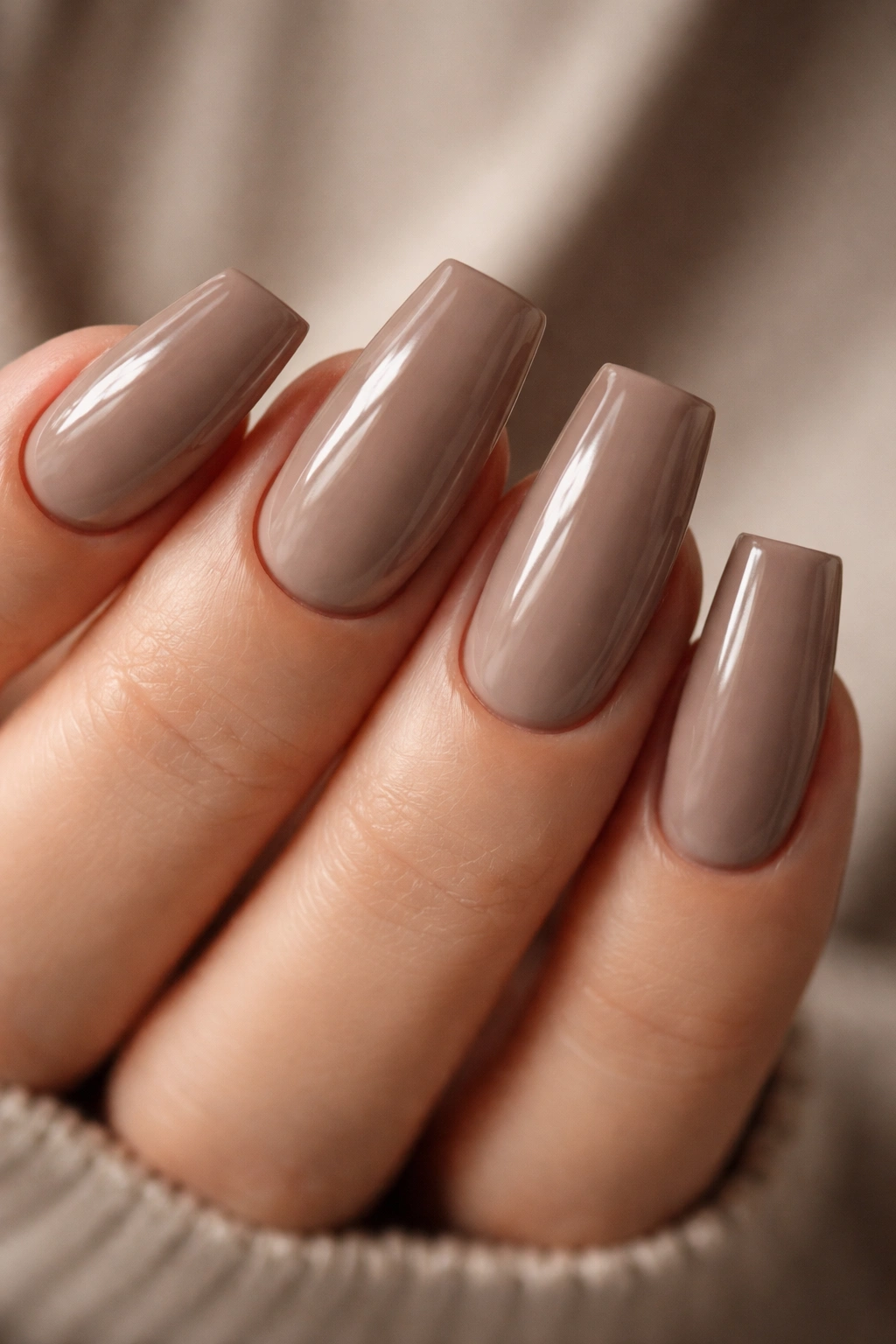
Taupe occupies the intersection of gray, brown, and beige, creating a deeply neutral tone that feels unexpectedly sophisticated. On duck nails, warm taupe reads as both modern and timeless.
Why Taupe Is Underrated
Taupe tends to be overlooked in favor of more obviously neutral shades, but it delivers unmatched versatility and subtle sophistication. The color is warm enough to feel friendly but neutral enough to appear professional. It pairs beautifully with virtually any outfit or aesthetic.
Getting the Right Taupe
- Choose warm taupe rather than cool or ashy versions for maximum flattering effect
- Apply in two to three thin coats to build color depth
- The finished look should feel like a color with depth rather than a flat beige
Worth knowing: Taupe is particularly flattering on deeper skin tones, though it works beautifully across all skin tones when you choose the right undertone.
12. Vanilla with Minimal Geometric Art
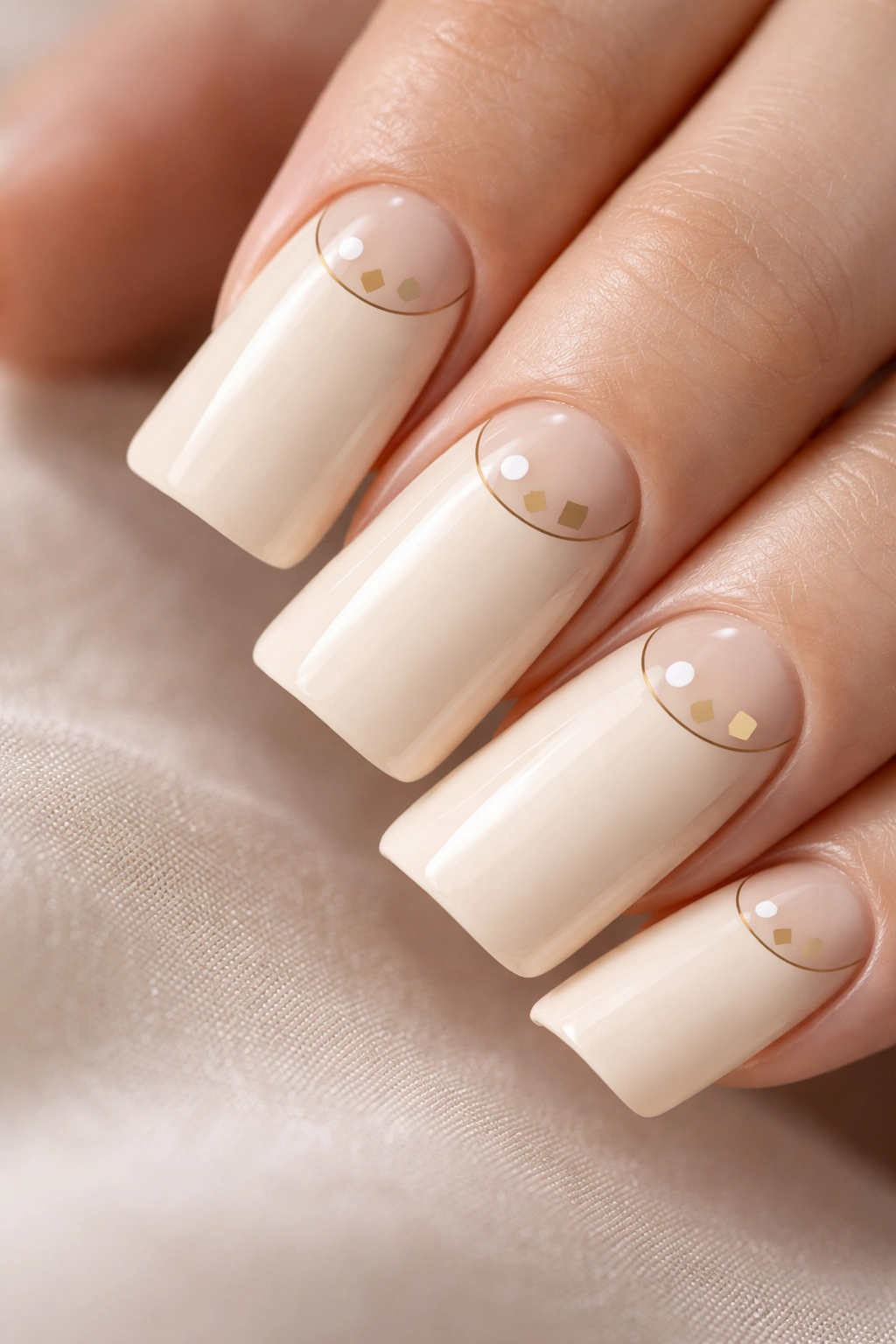
Vanilla—that creamy, off-white tone just slightly warmer than pure white—provides an understated base for minimal geometric elements. This pairing of warmth and restraint creates refined sophistication.
The Vanilla Foundation
Vanilla nails feel clean and polished while being less severe than pure white or stark nude. On duck nails, vanilla serves as a perfect neutral canvas that makes the shape the primary focal point while remaining visually interesting through subtle additions.
Geometric Art Additions
- Add a single thin line in gray, taupe, or pale gold that follows the curve of the duck shape
- Paint small geometric shapes (circles, triangles, or rectangles) near the nail base
- Create a minimalist pattern with dots spaced evenly across the nail
- Use pale pink, gray, or tan for the art to maintain subtlety
Pro tip: Geometric designs feel more intentional and sophisticated when they’re precisely drawn—imperfect lines read as sloppy rather than artsy.
13. Dusty Rose with Matte Finish
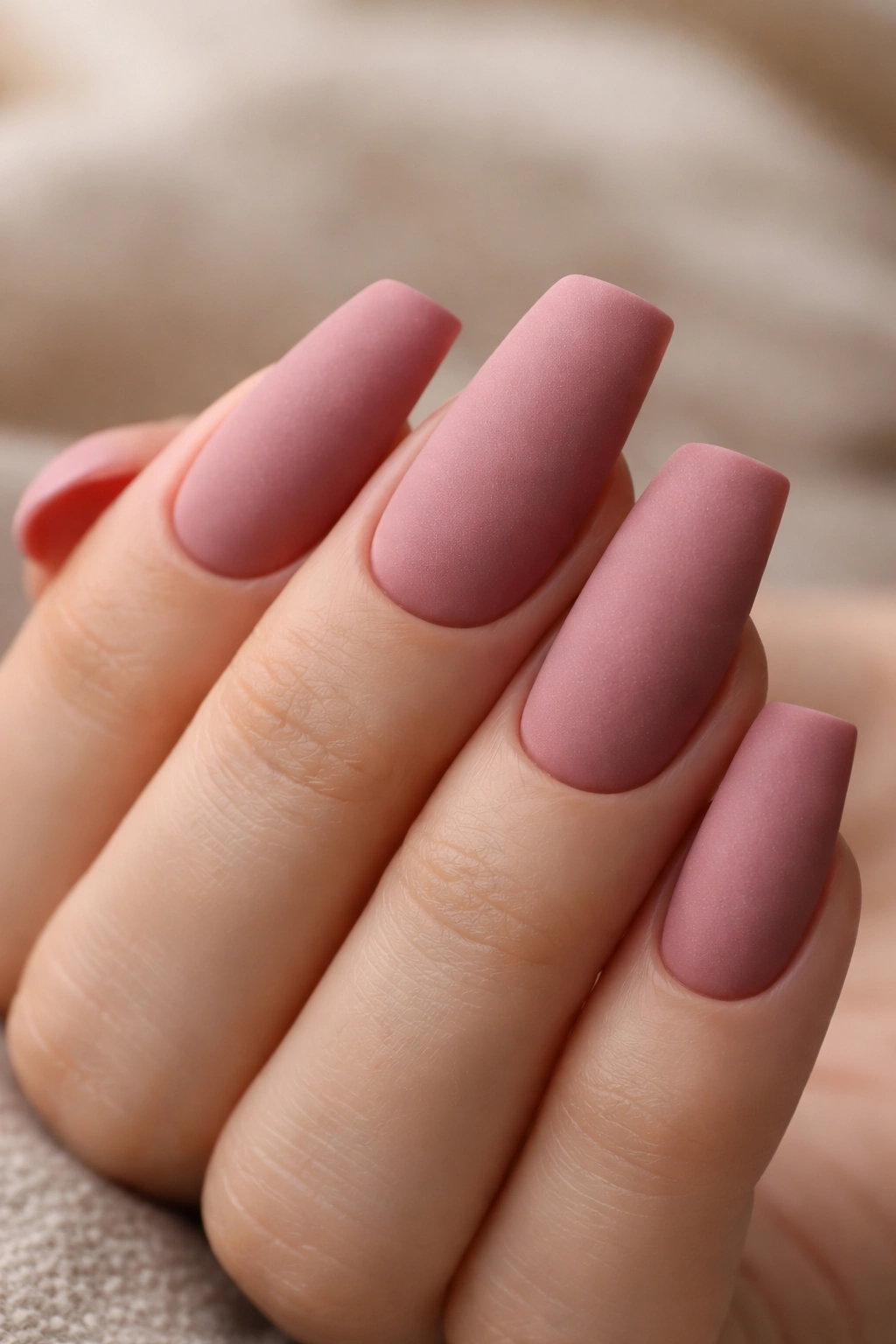
Dusty rose—a muted, grayish-pink tone—delivers color without brightness when finished with a matte top coat. This combination creates an understated, modern aesthetic that feels both vintage and contemporary.
The Impact of Matte Finish
Matte finishes naturally read as more subtle than glossy ones because they lack reflective shine. On duck nails, matte dusty rose creates a velvety, sophisticated appearance that feels intentional and polished. The finish adds depth to the color without adding visual loudness.
Achieving the Matte Look
- Start with a dusty rose base that leans toward gray or mauve rather than pure pink
- Apply two coats for even coverage
- Finish with a matte top coat, ensuring even application for consistent texture
- The final result should feel smooth and velvety without any shiny spots
Quick fact: Matte finishes require slightly more frequent maintenance because they’re more prone to showing smudges and oils from daily handling.
14. Soft Gray with Understated Elegance
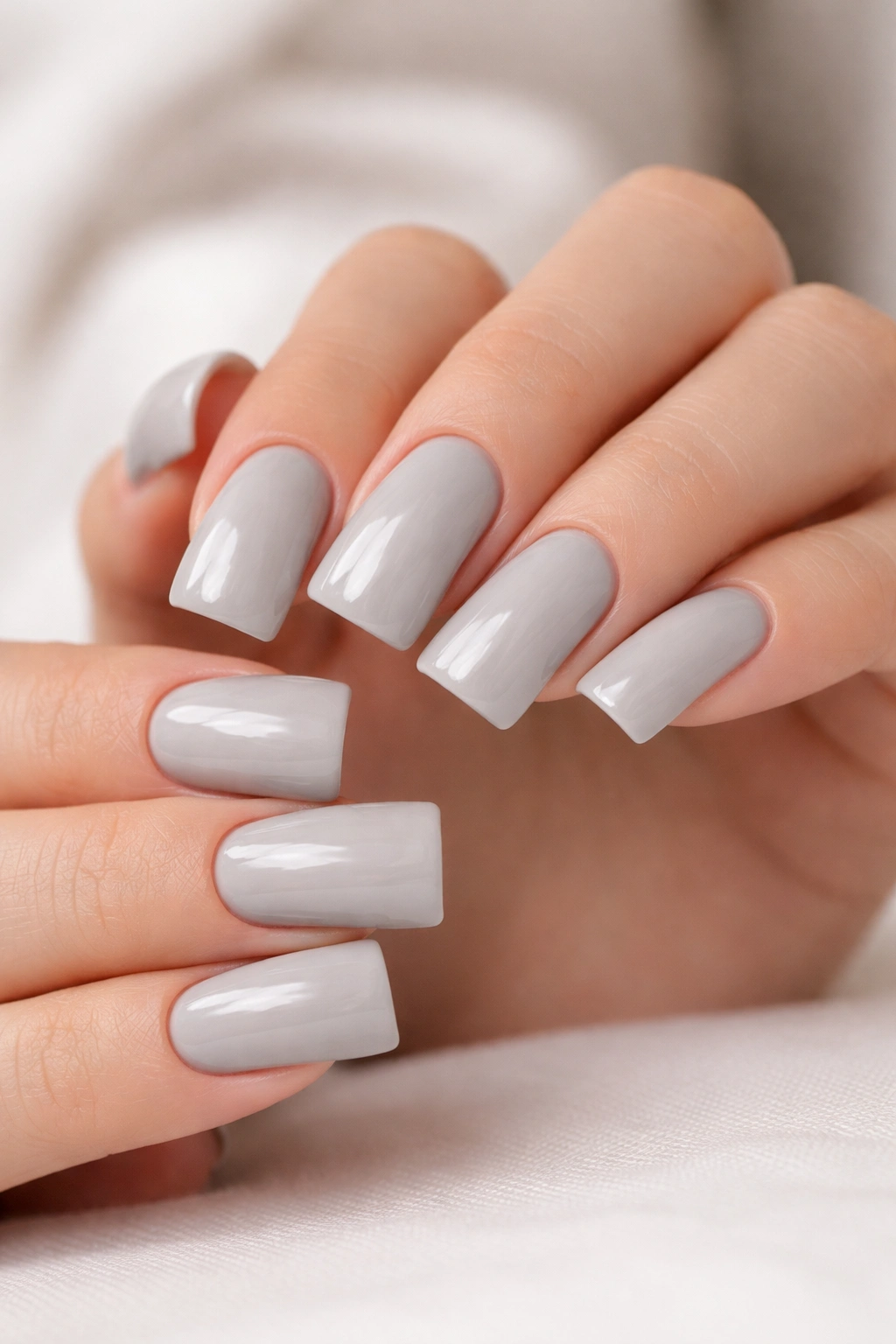
Soft gray feels endlessly sophisticated on duck nails, delivering a modern neutral that works in virtually any context. This shade proves that you don’t need color to create visual interest and polish.
Gray’s Unique Appeal
Soft gray occupies neutral territory that feels both minimalist and intentional. On duck nails, this shade creates a contemporary, slightly edgy look that maintains complete sophistication. Gray pairs beautifully with virtually any metal accent (gold, silver, rose gold) if you choose to add embellishment.
Finding the Right Gray
- Choose warm or cool gray depending on your undertones—cool gray for cool skin, warmer gray for warm skin
- Avoid overly dark or smoky grays for a subtle effect
- Apply in two coats for consistent coverage
- A glossy finish enhances the sophistication of gray
Worth knowing: Soft gray can read as more interesting than it actually is because it’s unexpected—most people expect pink or nude on duck nails, so gray registers as a design choice.
15. Warm Beige with Textured Surface
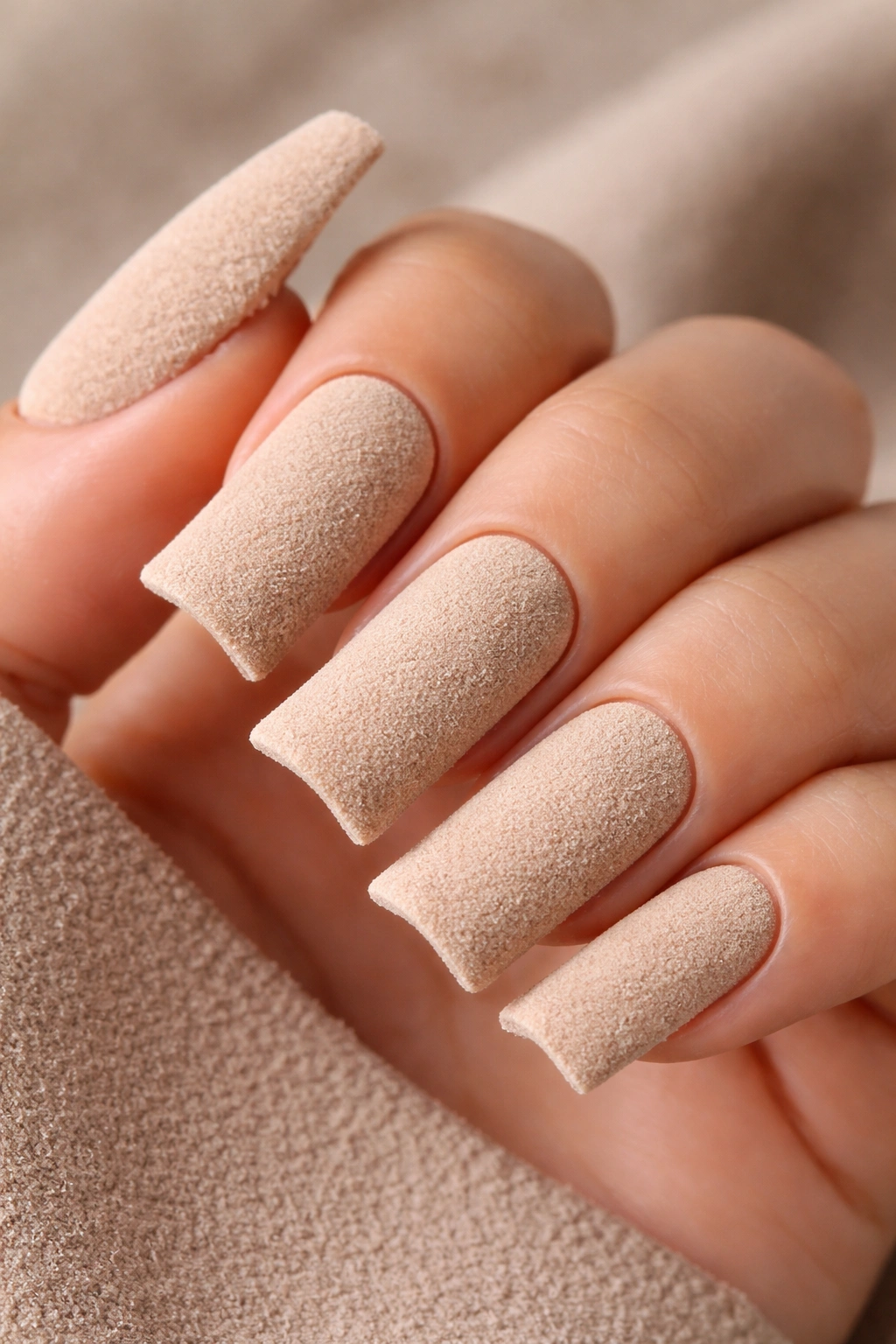
Warm beige provides the perfect neutral base for subtle texture that adds dimension and visual interest. Textured finishes create tactile sophistication without relying on bright colors.
The Appeal of Texture
Textured finishes on duck nails create an unexpectedly luxe appearance because the surface catches light in multiple ways. Texture adds personality to an otherwise plain base color, making the manicure feel more thoughtfully designed. Depending on the texture, this approach can feel bohemian, polished, or artisanal.
Creating Textured Finishes
- Apply a warm beige base in two coats
- Use a textured top coat (matte, suede, velvet, or specialized texture products) applied carefully and evenly
- For DIY texture, try adding fine sand, sugar, or crushed shells to wet top coat
- Seal textured finishes with a clear glossy coat to protect and add subtle shine
Pro tip: Textured finishes require protective top coats because the texture is fragile—the clear seal is essential for longevity.
16. Pale Yellow with Sunny Subtlety
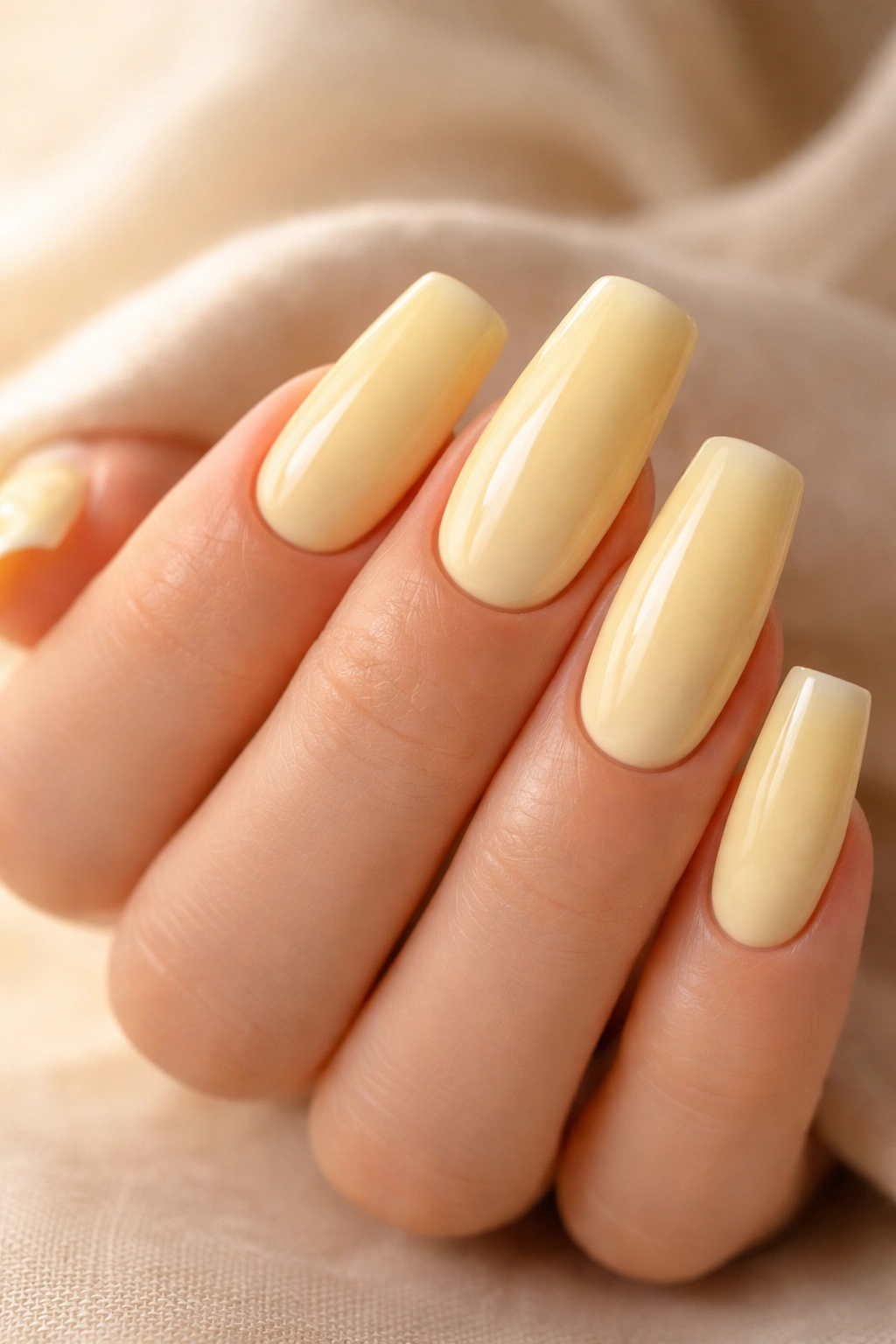
Pale yellow delivers warmth and sunshine without the brightness of saturated yellow. On duck nails, this soft tone creates a cheerful yet sophisticated appearance that feels both modern and approachable.
Why Pale Yellow Works
Most people overlook yellow for nails, assuming it must be bright or neon to be interesting. Pale yellow proves this wrong by delivering genuine color personality with subtle elegance. This shade feels joyful without being loud, making it wearable in both casual and professional contexts.
Shade Selection and Application
- Choose pale, creamy yellow rather than bright or acidic options
- Buttery or honeyed yellows feel more sophisticated than pure lemon tones
- Apply in two generous coats to ensure even coverage and true color
- A glossy finish enhances the warmth of yellow
Quick fact: Pale yellow is surprisingly flattering on most skin tones when you choose the right undertone—buttery yellows suit warm skin, while cooler, paler yellows work for cool tones.
17. Soft Mauve with Cool-Toned Refinement
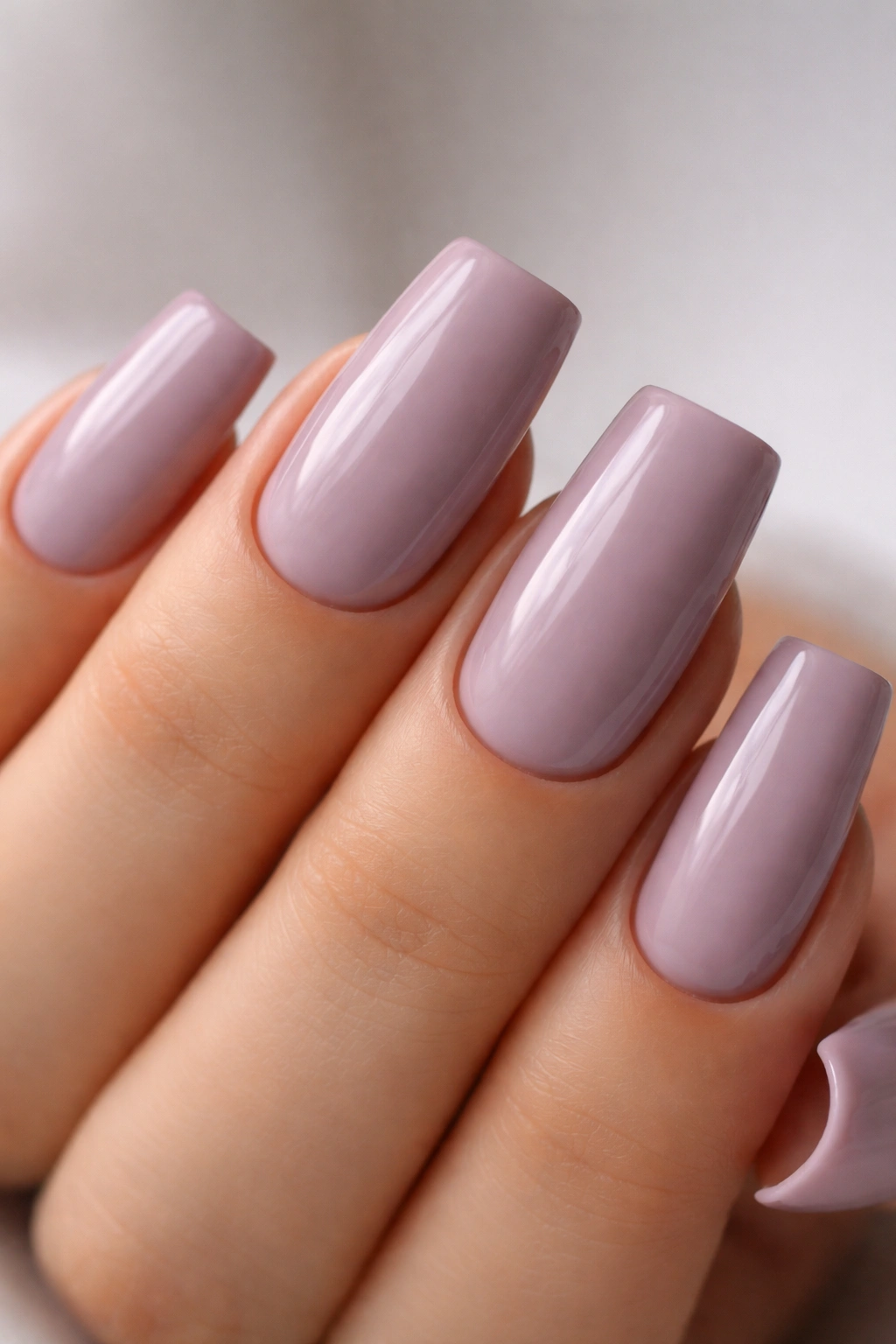
Soft mauve—a gentle blend of gray, pink, and purple—delivers cool-toned sophistication on duck nails. This shade feels unexpectedly modern while maintaining perfect polish and restraint.
The Mauve Advantage
Mauve bridges the gap between pink and neutral, offering personality without the boldness of purple or the sweetness of pink. On duck nails, mauve creates a refined, contemporary look that feels intentional. The cooler undertones give it a sophisticated edge that warm tones sometimes lack.
Getting Mauve Right
- Choose muted, dusty mauve rather than saturated or purple-leaning versions
- Apply in two coats for consistent coverage
- The shade should feel gray-ish and muted rather than obviously pink or purple
Worth knowing: Mauve particularly suits cool-toned skin, but when you choose a warm-leaning mauve variation, it works across different undertones.
18. Cream with Negative Space Design
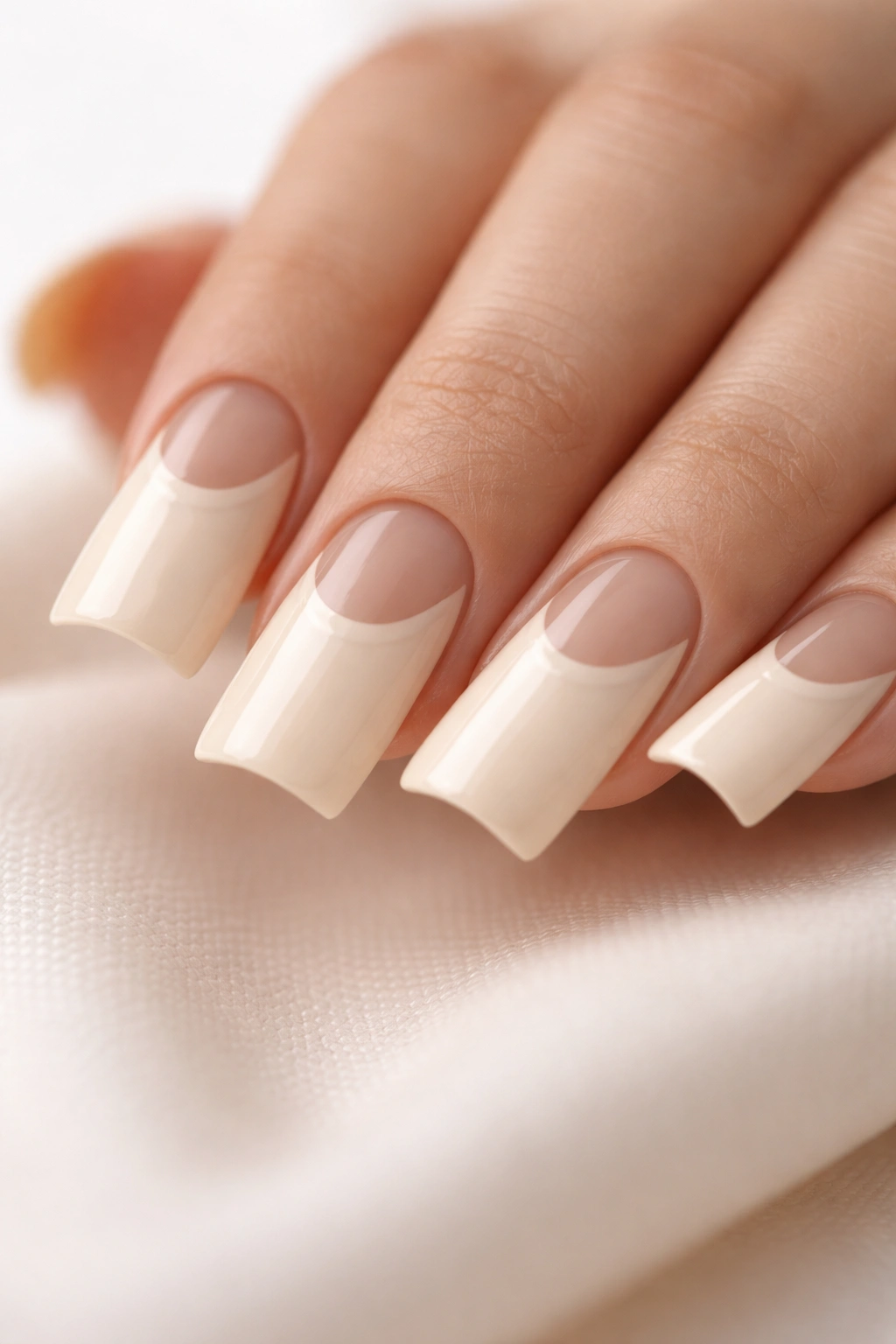
Cream provides an elegant neutral base for negative space designs that reveal natural nails or a contrasting base color. This approach combines subtlety with modern graphic interest.
The Sophistication of Negative Space
Negative space designs feel contemporary and intentional without relying on color or embellishment. On duck nails, carefully planned negative space can emphasize the shape itself while creating visual interest. This approach works beautifully for people seeking something beyond traditional manicure styles.
Negative Space Ideas
- Leave thin strips of natural nail visible on either side of the duck curve
- Create a thin geometric shape on the base of the nail with exposed nail
- Paint cream on the curved tip area, leaving the base bare
- Create a negative space outline that follows the duck shape’s curve
Pro tip: Negative space designs require perfectly clean lines and precise design planning—practice on paper first to ensure symmetry and balance.
19. Pale Peach with Warm Approachability
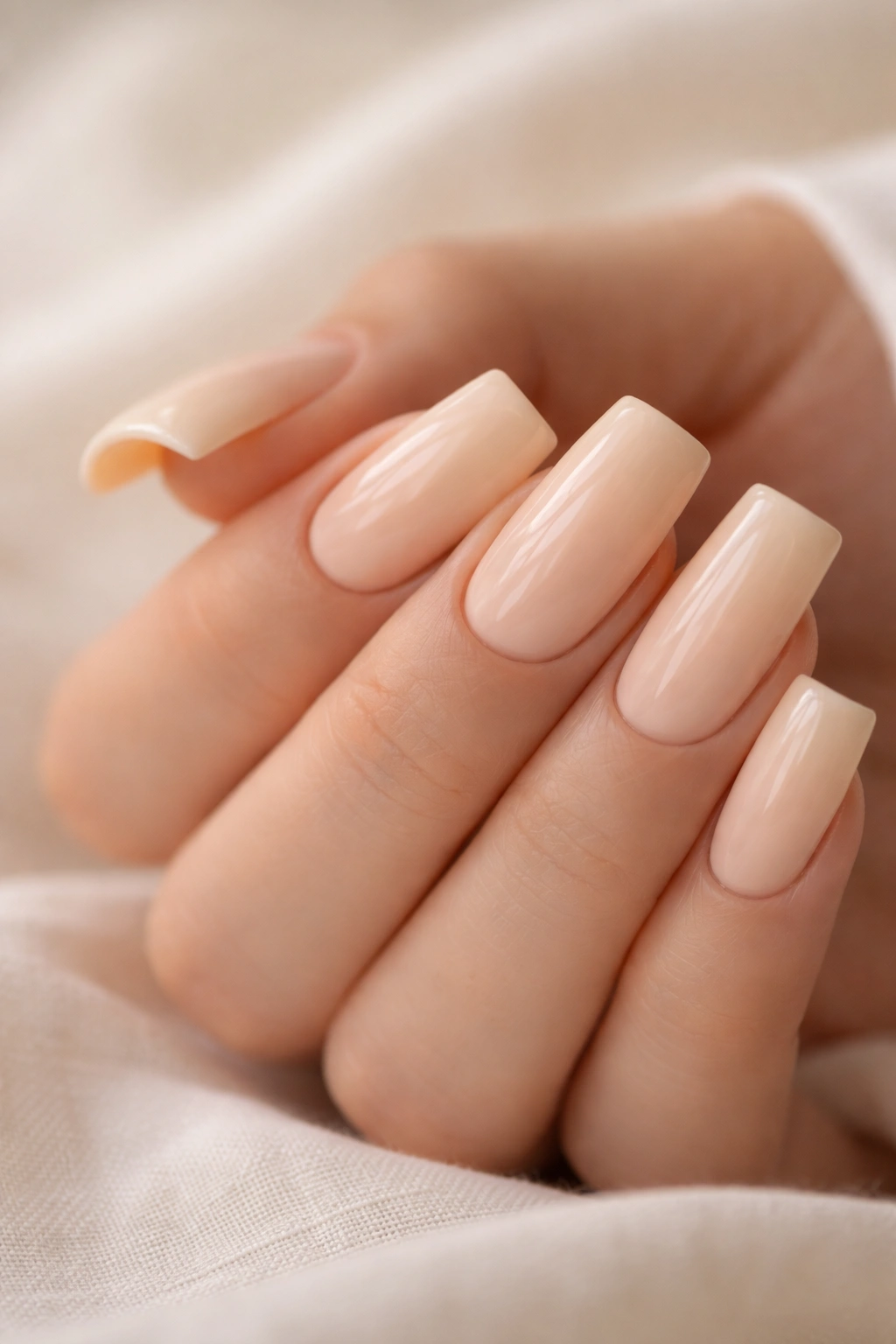
Pale peach delivers the warmth of coral with the subtlety of a soft, barely-there tone. On duck nails, this shade creates an inviting, approachable aesthetic that feels both modern and timeless.
Why Pale Peach Is Universally Flattering
Pale peach works beautifully across different skin tones because it’s warm enough to offer color personality without being so saturated that it clashes. The softness makes it feel effortless rather than designed, which paradoxically makes it feel more intentional and sophisticated.
Application for Maximum Subtlety
- Choose peach shades that lean toward cream or vanilla rather than bright or coral options
- Apply in two coats for even coverage
- The finished result should feel like a barely-there color with warmth
Quick fact: Pale peach photographs beautifully because the warm tone flatters skin in photos while the softness ensures it doesn’t overwhelm features.
20. Warm Stone with Earthy Sophistication
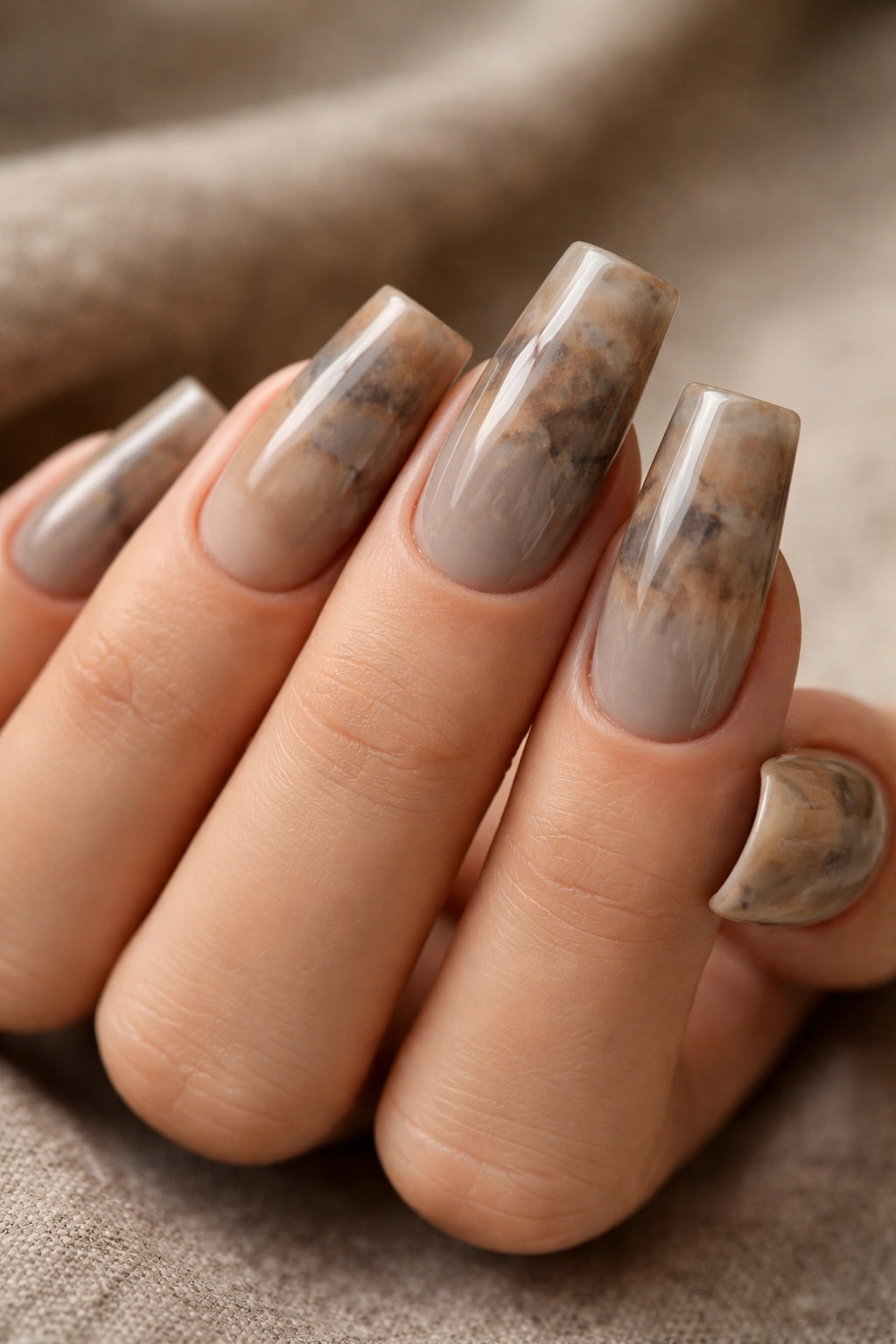
Warm stone—that complex neutral that blends tan, gray, and brown—delivers earthy sophistication that feels both grounded and modern on duck nails. This shade represents the pinnacle of understated elegance.
The Complexity of Warm Stone
Warm stone doesn’t read as a single color but rather as a blended, natural tone that feels organic and intentional. On duck nails, this shade creates an elevated aesthetic that feels mature, confident, and effortlessly sophisticated. The complexity of the tone makes the manicure feel more interesting than a flat neutral.
Achieving Warm Stone
- Look for shades described as “warm stone,” “greige,” or “warm taupe” that have brown undertones
- Apply in two to three thin coats to build depth and color complexity
- A glossy finish enhances the natural, grounded feeling of stone tones
- The final appearance should feel like a color with depth and dimension
Worth knowing: Warm stone is particularly effective on duck nails because the complexity of the shade complements the visual interest of the shape without requiring additional art or embellishment.
Final Thoughts
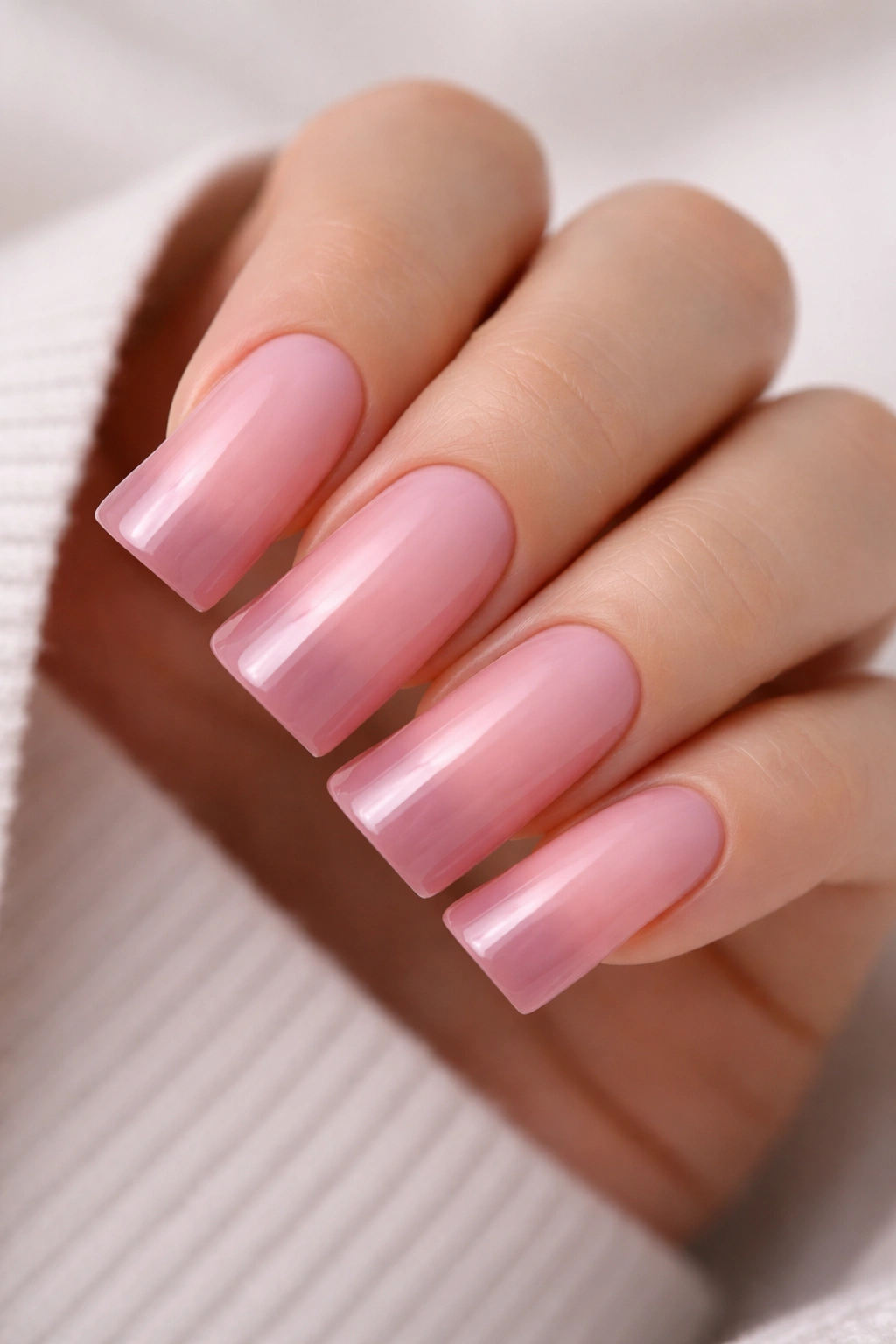
Subtle duck nails prove that modern, sophisticated manicures don’t require bold colors, elaborate designs, or dramatic statements. Each of these 20 approaches demonstrates how the inherent beauty of the duck shape combined with understated color palettes creates polish, elegance, and intentional design.
The real secret to these designs is that they let the shape do most of the visual work. By choosing soft, neutral, or muted color palettes—and keeping embellishment minimal—you create manicures that feel refined and professional while remaining completely contemporary. Whether you’re drawn to warm tones or cool undertones, shimmery finishes or matte textures, there’s a subtle duck nail design that aligns with your aesthetic and lifestyle.
Start with whichever design resonates most strongly with you, and remember that the best manicure is one that makes you feel confident every time you look at your hands. Duck nails aren’t just a trend—they’re a versatile nail shape that works beautifully at any length and with virtually any color choice. Give one of these approaches a try, and you’ll understand why so many people are making the switch from traditional round or square nails to this elegant, modern alternative.