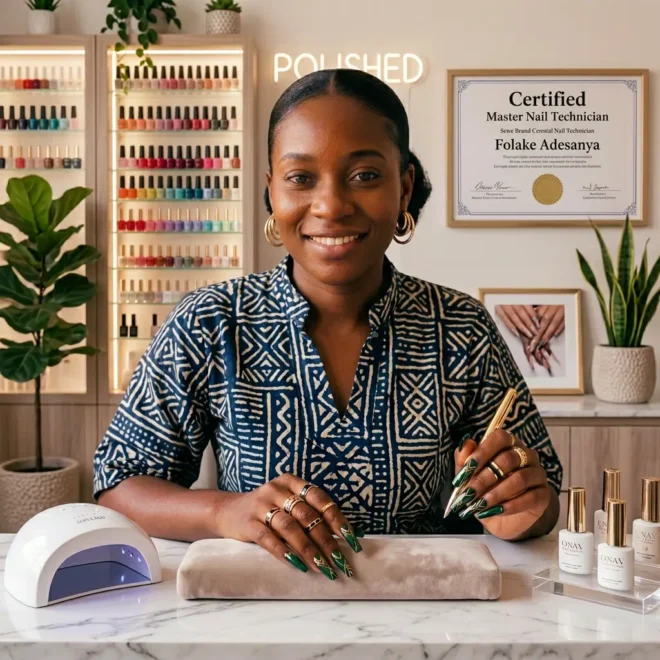


Short nails don’t mean you’re stuck with boring, uninspired manicures. Actually, they’re one of the most practical and stylish choices you can make for your hands. The secret to making short nails look absolutely stunning lies in choosing the right shape. When you find that perfect silhouette, your nails can look polished, elegant, and surprisingly sophisticated—all while being incredibly functional for everyday life.
Here’s the thing: the shape you choose can completely transform how your hands look. It’s not just about following trends or copying what you see on Instagram. The best nail shape for your short nails depends on your finger length, nail bed width, daily activities, and personal style. Some shapes will make your fingers appear longer and more slender, while others might emphasize width or create a more balanced look.
Think about it this way. You wouldn’t wear shoes that don’t fit your feet properly, right? The same logic applies to nail shapes. When you match the right shape to your natural features, everything just clicks. Your hands look more refined, your nails appear healthier, and maintaining your manicure becomes significantly easier.
Why Nail Shape Actually Matters for Short Nails
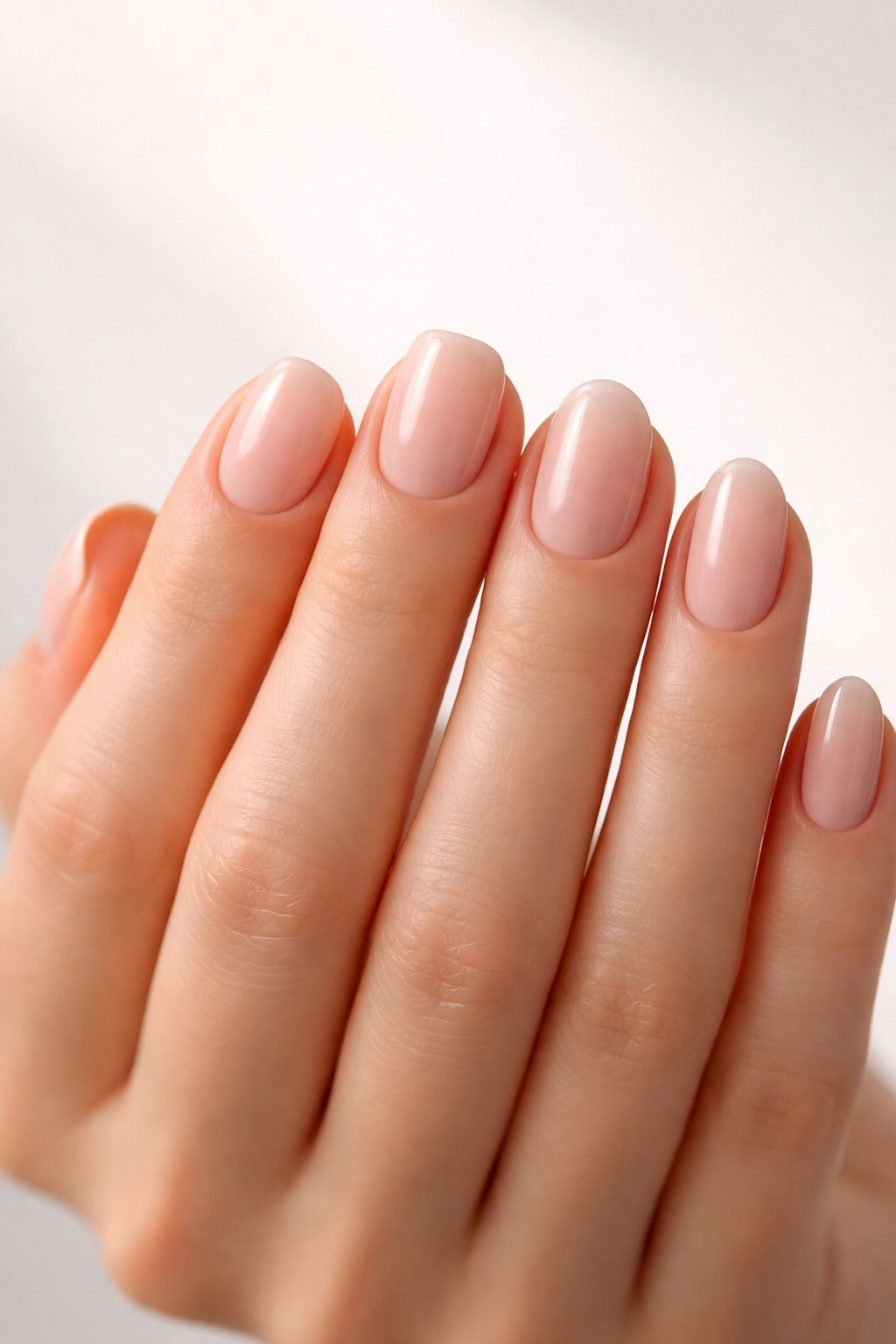
Many people assume that nail shape only matters when you’ve got length to work with. That’s completely wrong. In fact, choosing the right shape becomes even more critical when working with shorter nails because you’ve got less room for error.
The shape of your nails affects how light reflects off the surface, how colors appear, and how your entire hand looks in proportion. A well-chosen shape can create the illusion of length, make wide nail beds appear narrower, and give your hands a more elegant appearance overall.
Beyond aesthetics, there’s a practical side to consider. Certain shapes are naturally more durable and less prone to breaking or snagging. For short nails, this durability factor matters because you’re working with less nail material to begin with. Shapes with softer edges and no sharp corners tend to last longer between manicures.
Your nail shape also serves as a canvas for nail art and polish application. Some shapes showcase colors better, while others provide ideal surfaces for intricate designs. When you’ve got shorter nails, maximizing that limited space means choosing a shape that complements your design choices rather than fighting against them.
Round Nails: The Classic Low-Maintenance Choice
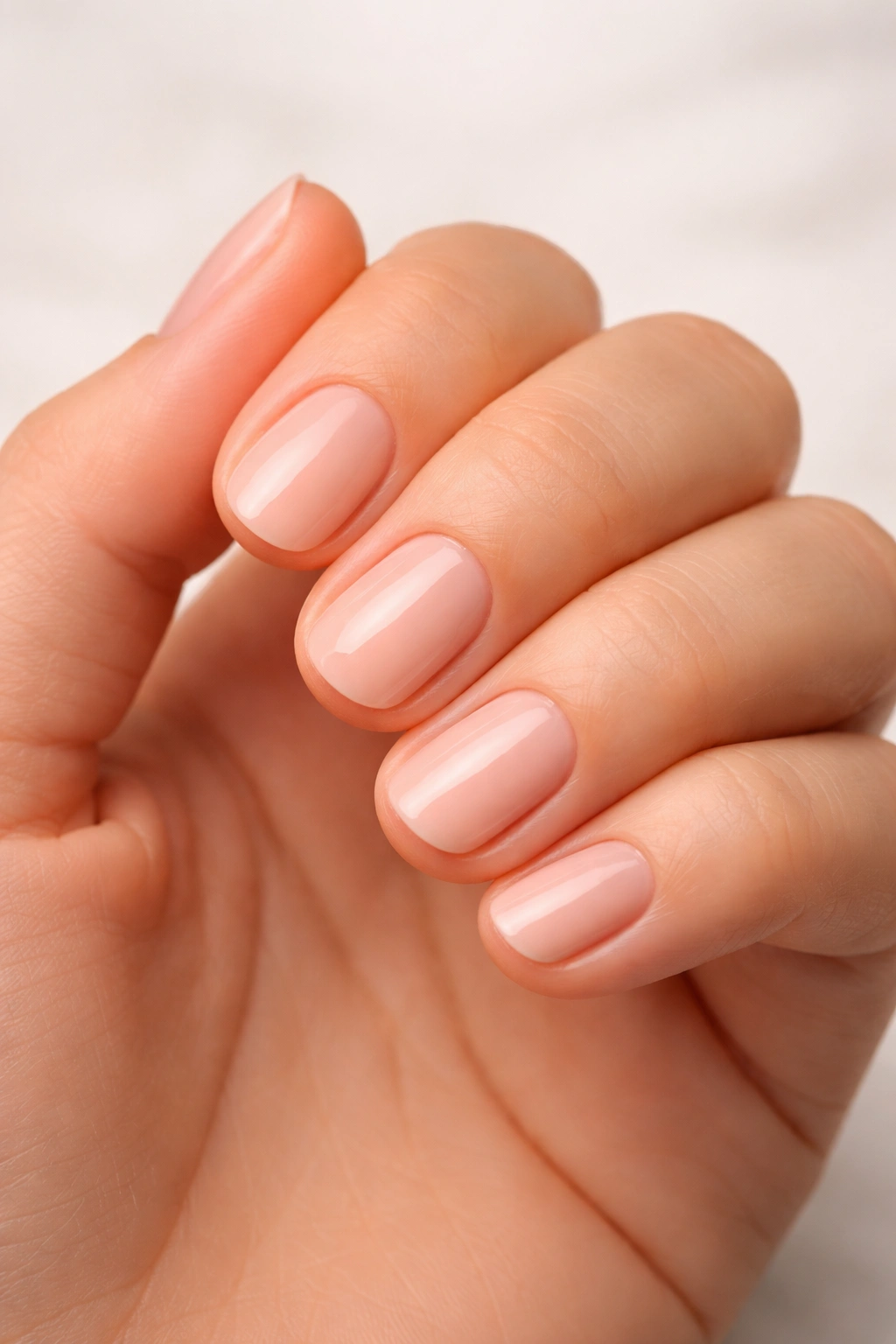
Round nails are hands-down the most natural-looking shape you can choose for short nails. This shape follows the gentle curve of your fingertip, creating a soft, feminine appearance that works beautifully for just about everyone.
Creating round nails is refreshingly simple. You’ll file following your fingertip’s natural contour, keeping the edges smooth and the tip gently curved. There are no sharp corners to catch on things, which means this shape is incredibly resistant to breaking and chipping.
Round nails work particularly well if you’ve got an active lifestyle. Whether you’re typing all day, working with your hands, or chasing after kids, this shape won’t get in your way. The lack of pointy edges or sharp corners means you can go about your daily activities without constantly worrying about snagging or breaking a nail.
This shape is also fantastic for anyone new to nail care or those who prefer minimal maintenance. Round nails require the least amount of upkeep between salon visits. A quick file every week or two keeps them looking fresh and neat.
Best For Round Nails
Round nails are your best bet if you’ve got short, stubby fingers that you’d like to appear more slender. The curved shape draws the eye upward, creating a subtle lengthening effect that can make your fingers look more delicate.
They’re also perfect for people with naturally wide nail beds. The rounded edges help narrow the appearance of the nail, creating better balance and proportion. If you’ve noticed your nails tend to look square or boxy naturally, switching to a round shape can soften that appearance significantly.
Busy professionals, parents, healthcare workers, and anyone who uses their hands constantly throughout the day will find round nails to be the most practical option. You won’t be constantly dealing with broken corners or catching your nails on fabric.
Oval Nails: Elegance Meets Versatility
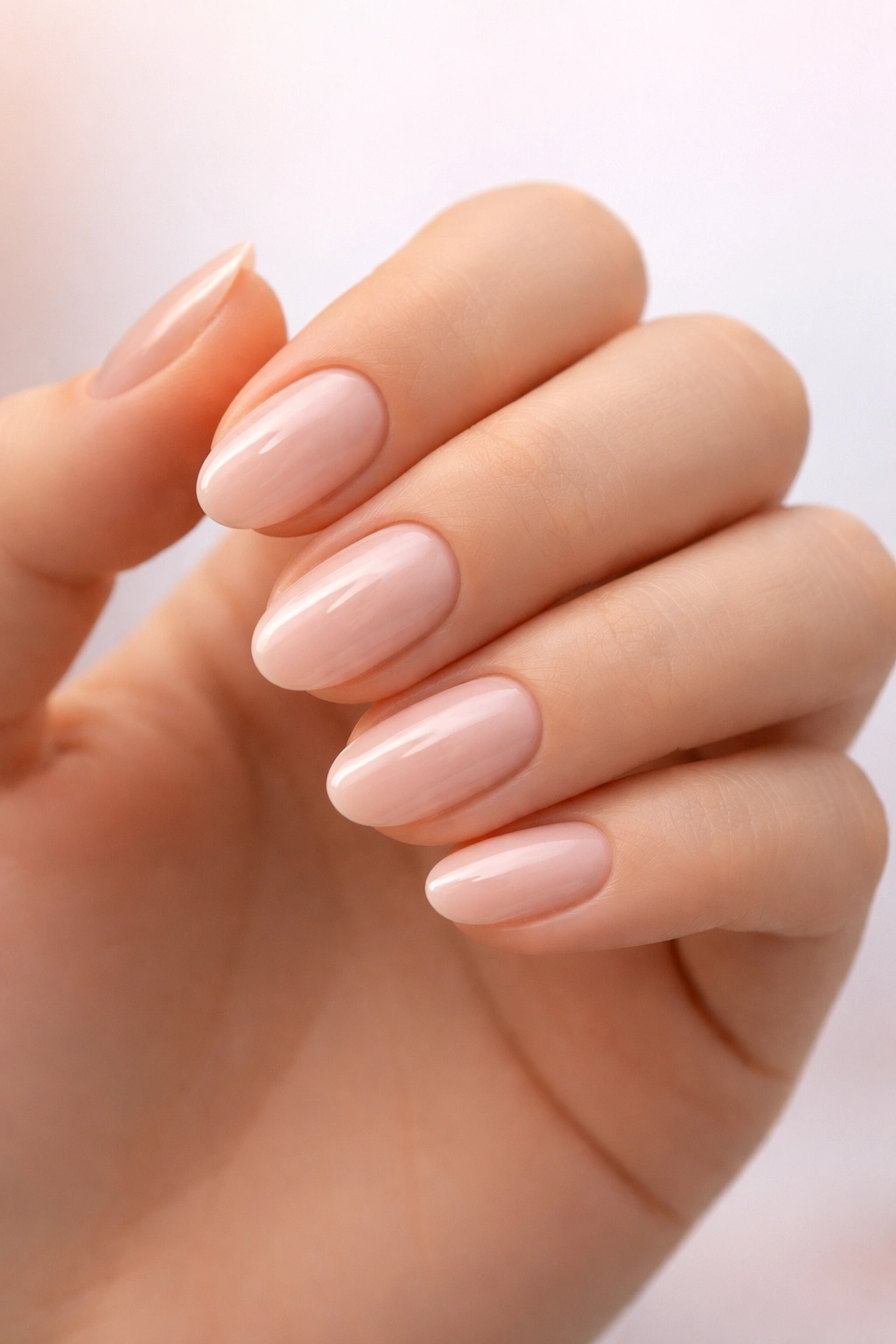
Oval nails take everything great about round nails and add a touch more sophistication. This shape features slightly tapered sides that end in a soft, rounded tip, creating an egg-like silhouette that’s both elegant and flattering.
The beauty of oval nails lies in their versatility. They work wonderfully on short nails while still providing that graceful, elongated look that many people associate with longer manicures. The gentle taper creates visual interest without being overly dramatic or high-maintenance.
When you file oval nails, you’ll start by shaping the sides straight, then gradually curve them toward the center as you reach the tip. The key is maintaining symmetry on both sides while creating that signature smooth curve at the free edge. It’s slightly more involved than creating round nails, but the result is worth the extra effort.
Oval nails strike that perfect balance between being practical enough for everyday wear and stylish enough for special occasions. You can rock this shape at the office during the week and feel equally confident wearing it to a wedding on the weekend.
Why Oval Works for Short Nails
This shape is universally flattering, which is why nail technicians recommend it so frequently. Oval nails complement nearly every finger shape, nail bed width, and hand size. They’re particularly excellent for people with shorter fingers or wider palms because they create a lengthening effect.
The tapered sides of oval nails make your nail beds appear narrower, even if they’re naturally wide. This slimming effect extends to your fingers as well, creating a more delicate overall appearance. If you’ve got hands that you consider “average” or “nothing special,” oval nails will enhance them beautifully.
Oval nails are also surprisingly durable for their elegant appearance. While they’re slightly more prone to breakage than round nails due to the tapered sides, they’re still far sturdier than more dramatic shapes like stiletto or almond. You get elegance without sacrificing too much practicality.
Squoval Nails: The Modern Hybrid Everyone Loves
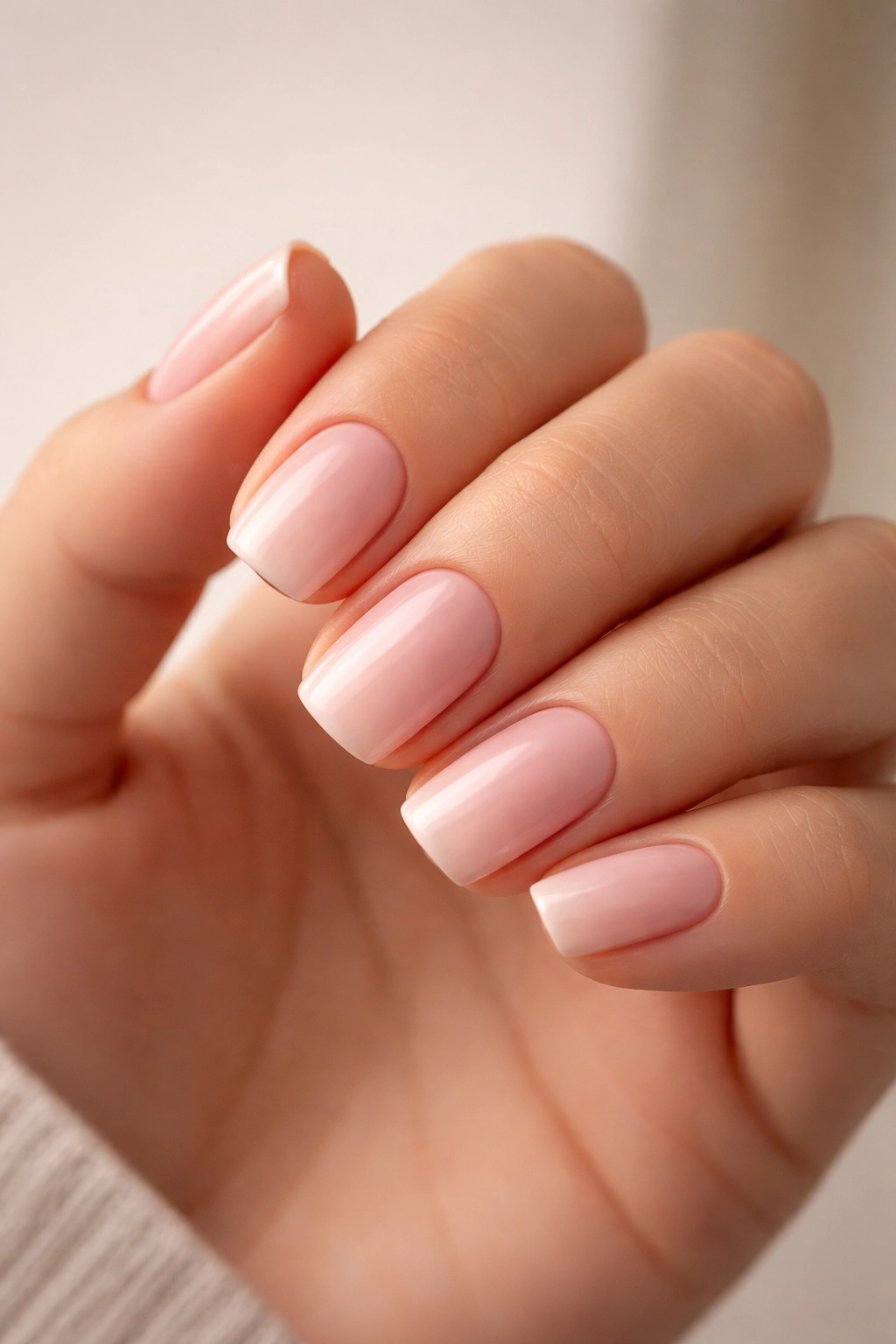
Squoval nails are exactly what they sound like—a clever combination of square and oval. This shape features straight sides with gently rounded corners, creating a look that’s both contemporary and flattering. It’s become incredibly popular precisely because it offers the best of both worlds.
To create squoval nails, you’ll start by filing straight across the free edge to establish that square foundation. Then you’ll carefully round off the corners, connecting the sides to the tip with smooth, curved strokes. The goal is to soften the corners without creating a fully oval shape.
Squoval is hands-down the most versatile shape for short nails. It looks professional enough for conservative workplaces but modern enough to showcase trendy nail art. Whether you’re painting your nails a classic nude or going bold with geometric designs, squoval provides the perfect canvas.
This shape is particularly forgiving if you’re shaping your own nails at home. You don’t need to achieve the perfect symmetry required for pure square nails, and you don’t have to worry about creating the precise taper of oval nails. A little imperfection in your filing won’t be as noticeable with squoval.
Who Should Choose Squoval
Squoval nails are ideal for people with naturally weak or brittle nails. The rounded corners eliminate the weak points found in square nails, making this shape much less likely to break or chip. If you’ve struggled with maintaining square nails in the past, squoval might be your solution.
This shape also works beautifully for those with fingers that are neither particularly long nor short. If you’d describe your hands as “average,” squoval will enhance them without drawing unnecessary attention. It creates a clean, polished look that feels current without being trendy.
Active individuals who still want a bit of edge to their manicure will appreciate squoval nails. You get that modern, structured appearance without the fragility of pure square corners. It’s practical enough for gardening, cooking, or working out, yet polished enough for date night.
Square Nails: Bold Structure for Narrow Beds
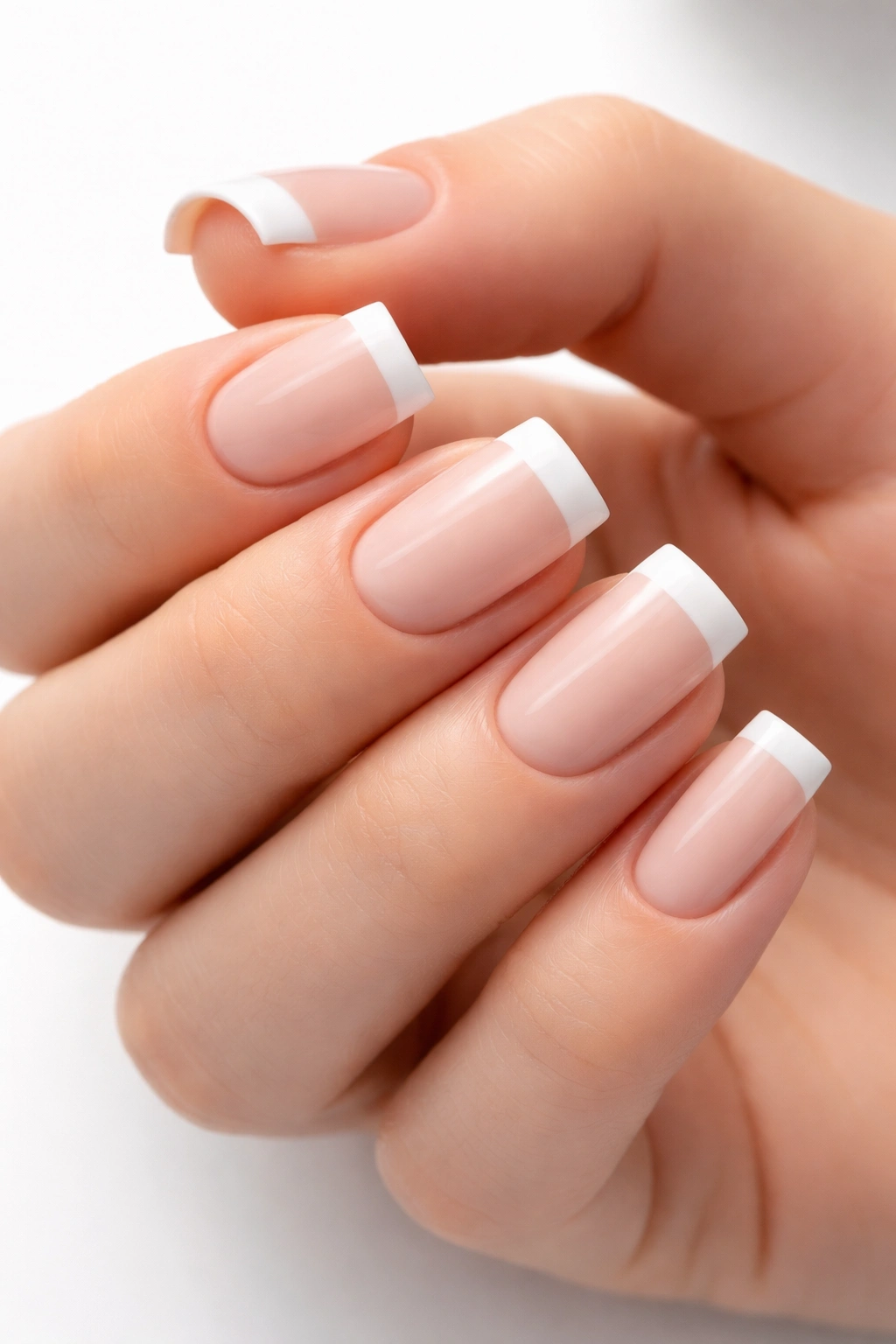
Square nails feature straight sides and a flat, straight-across tip, creating sharp 90-degree angles where everything meets. This shape is modern, clean, and undeniably bold. It’s a statement choice that shows you mean business.
Creating perfect square nails requires a steady hand and patience. You’ll file straight across the free edge, keeping your file parallel to the nail. The sides should be filed straight and perpendicular to the free edge. Getting those corners perfectly sharp takes practice, but it’s worth it for the crisp, clean result.
Here’s what you need to know about square nails on short lengths: they can be tricky. The sharp corners are prone to catching on things and breaking off. If you’re determined to wear square nails, keeping them relatively short and well-maintained is absolutely necessary.
That said, when square nails work, they really work. They create a bold, confident look that commands attention. This shape is perfect for showcasing block colors, geometric nail art, and modern minimalist designs. The clean lines provide structure that more rounded shapes simply can’t match.
When Square Nails Make Sense
Square nails look best on people with long, slender fingers and narrow nail beds. If this describes you, the straight edges and flat tip will add a bit of width, creating better balance and proportion. The shape can make very narrow nails appear more substantial.
This shape is also excellent if you love precision and clean lines in your aesthetic overall. If your personal style leans toward modern, minimalist, or architectural, square nails will complement that beautifully. They work wonderfully with Scandinavian-inspired designs and contemporary fashion.
However, if you’re constantly using your hands for manual work, square nails might frustrate you. Those corners will catch on everything from keyboards to clothing. You’ll find yourself dealing with chips and breaks more frequently than with softer shapes.
Almond Nails: Sophisticated Length on Short Nails
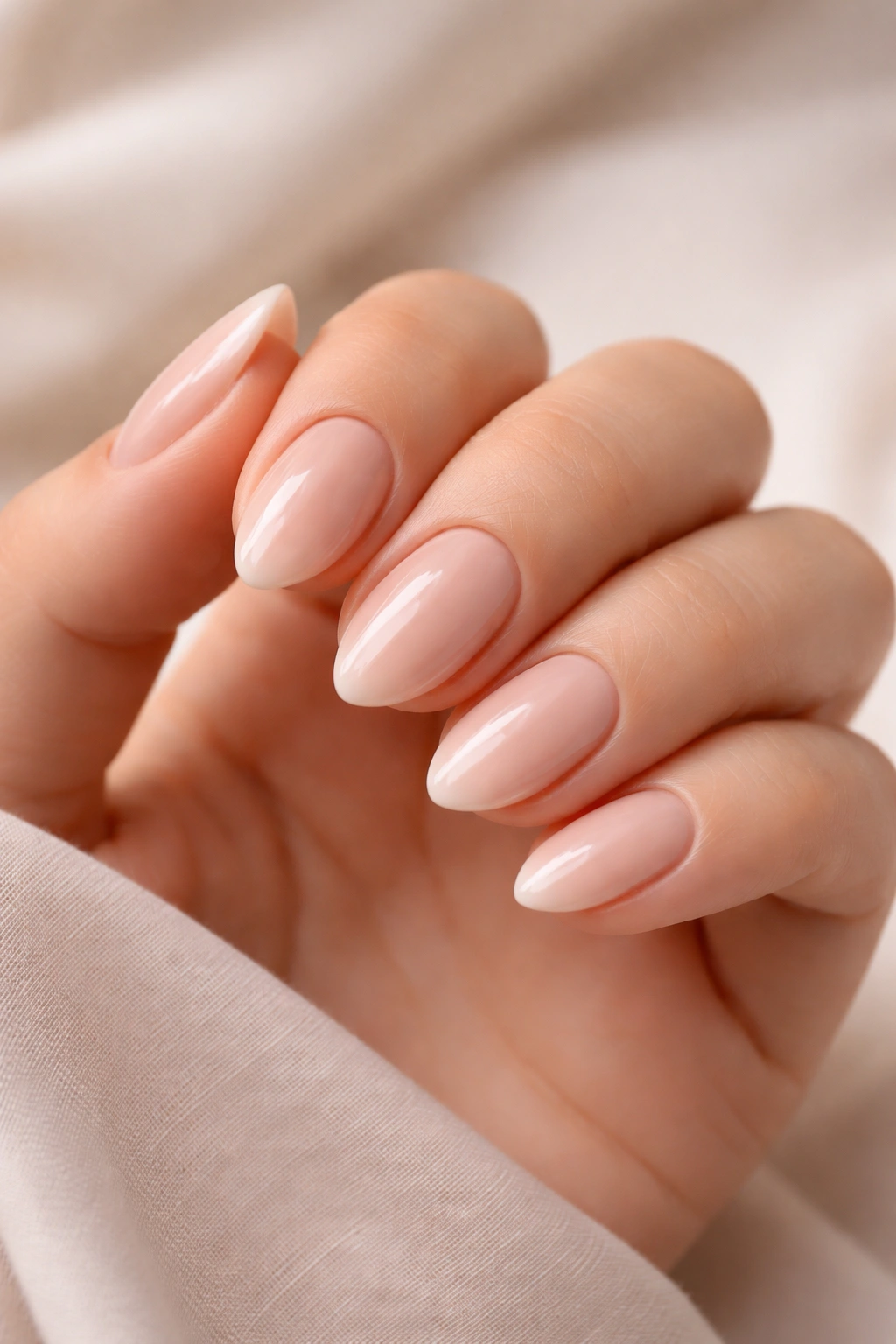
Almond nails feature tapered sides that meet at a soft, rounded point, creating a shape that resembles—you guessed it—an almond. This is one of the most feminine and elegant shapes available, and yes, you absolutely can pull it off with shorter nails.
The key to almond nails on short lengths is keeping the taper subtle. You’re not going for the dramatic, claw-like points you might see on extra-long acrylics. Instead, you’ll create a gentle narrowing that starts near the middle of the nail and ends in a soft point at the tip.
Filing almond nails requires more skill than round or squoval shapes. You’ll work from the outer edges toward the center, maintaining symmetry on both sides while creating that tapered effect. The tip should be refined into a soft point—not sharp, but definitely more pointed than oval.
Almond nails on short lengths create a surprisingly slimming effect for your entire hand. The tapered shape draws the eye inward and upward, making fingers appear longer and more delicate. Even with minimal nail length, you can achieve that graceful, sophisticated look.
Making Almond Work on Short Nails
You’ll need at least a little bit of length beyond your fingertip to pull off almond nails successfully. If your nails are currently at your fingertip or shorter, let them grow out just a few millimeters before attempting this shape. That extra length is crucial for creating the taper.
Almond nails work beautifully for special occasions when you want your hands to look their absolute best. Think weddings, formal events, date nights, or any time you’re dressing up. The shape adds instant elegance that makes even simple polish colors look more sophisticated.
This shape does require more maintenance than round or squoval options. The tapered sides and pointed tip are more delicate, meaning you’ll need to be a bit more careful with your hands. Touch-ups and reshaping might be needed more frequently to keep the almond silhouette looking sharp.
Choosing Based on Your Finger Length and Shape
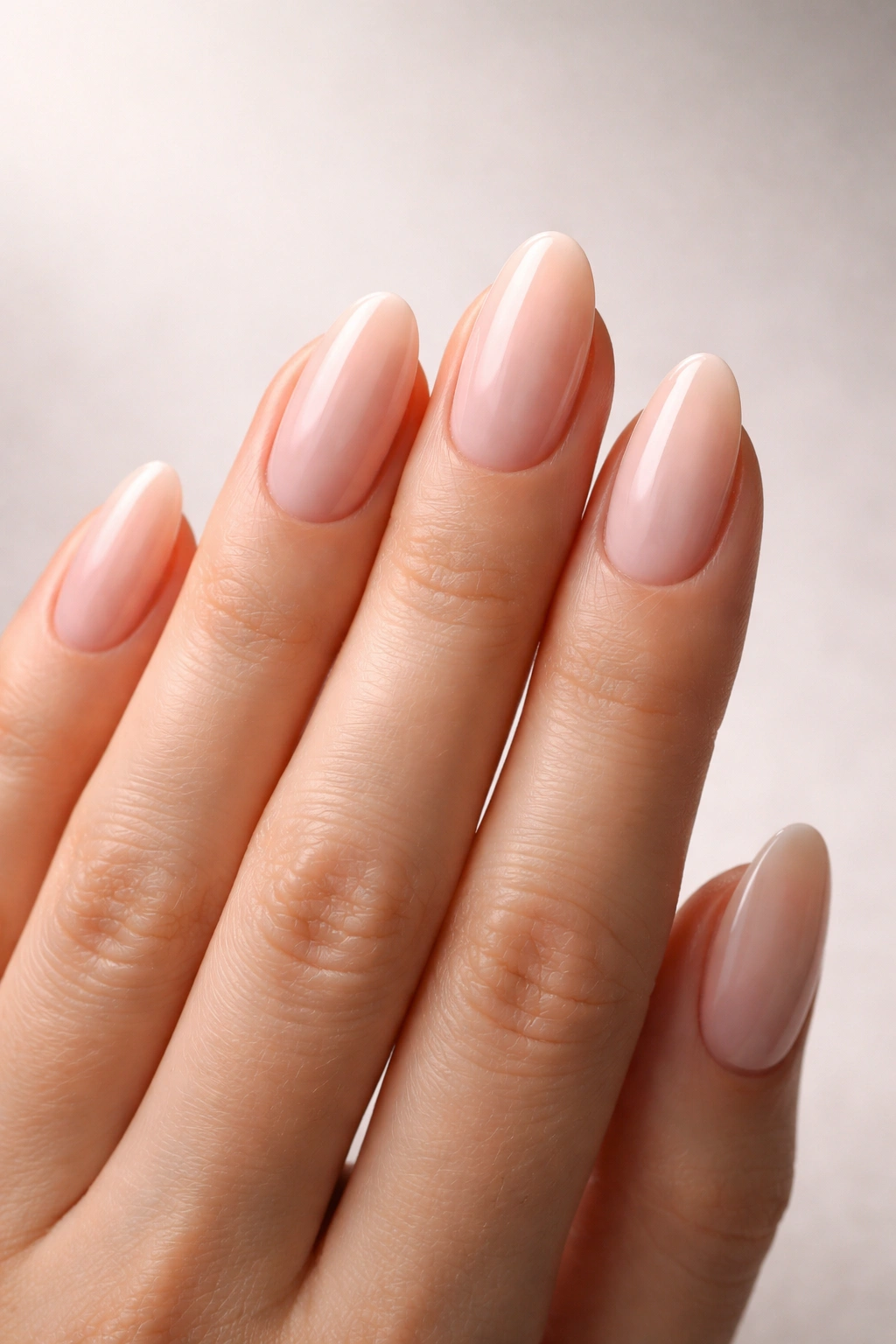
Your finger length and overall hand shape should heavily influence which nail shape you choose. What flatters one hand type might not work as well for another, and understanding these differences helps you make smarter choices.
For Short Fingers
If you’ve got shorter fingers, your goal is to create the illusion of length. Oval and almond shapes are your best friends here. The tapered edges and elongated silhouette draw the eye upward, making your fingers appear longer and more slender than they actually are.
Avoid square nails if you’ve got short fingers. The horizontal line created by the straight tip visually cuts off your finger, making it appear even shorter. Round nails are okay but won’t provide as much lengthening effect as oval or almond shapes.
When choosing nail length with shorter fingers, don’t go too short or you’ll emphasize the finger length even more. Aim for nails that extend just slightly past your fingertip—about 2-3 millimeters is perfect. This provides enough length to create that elongating effect without being impractical.
For Long, Slender Fingers
Lucky you if you’ve got naturally long, slender fingers—you can wear just about any nail shape successfully. However, square and squoval shapes can be particularly flattering because they add a bit of width, creating better balance and proportion.
Round nails work beautifully on long fingers as well, creating a soft, feminine look that’s never too much. The curved edges complement the natural length of your fingers without competing with them. You can go quite short with your nail length and still look polished.
Avoid going too narrow with shapes like almond on very long, thin fingers. While you can certainly pull off the shape, extremely tapered nails might make your fingers look even more elongated. If that’s not the look you’re going for, opt for shapes with a bit more width at the tip.
For Wide Nail Beds
Wide nail beds benefit tremendously from shapes that create a narrowing effect. Oval and almond are fantastic choices because the tapered sides make your nail beds appear slimmer. The elongated shape also helps balance out the width.
Square nails can emphasize width, so they’re generally not the most flattering option for wide nail beds. The straight-across tip and perpendicular sides can make already-wide nails look even wider. If you love the square aesthetic, consider squoval instead for a similar vibe with softer edges.
Round nails can work on wide nail beds, particularly if you keep the curve fairly pronounced. The key is avoiding anything too wide or flat at the tip, which will only accentuate the nail bed width you’re trying to minimize.
Matching Nail Shapes to Your Lifestyle
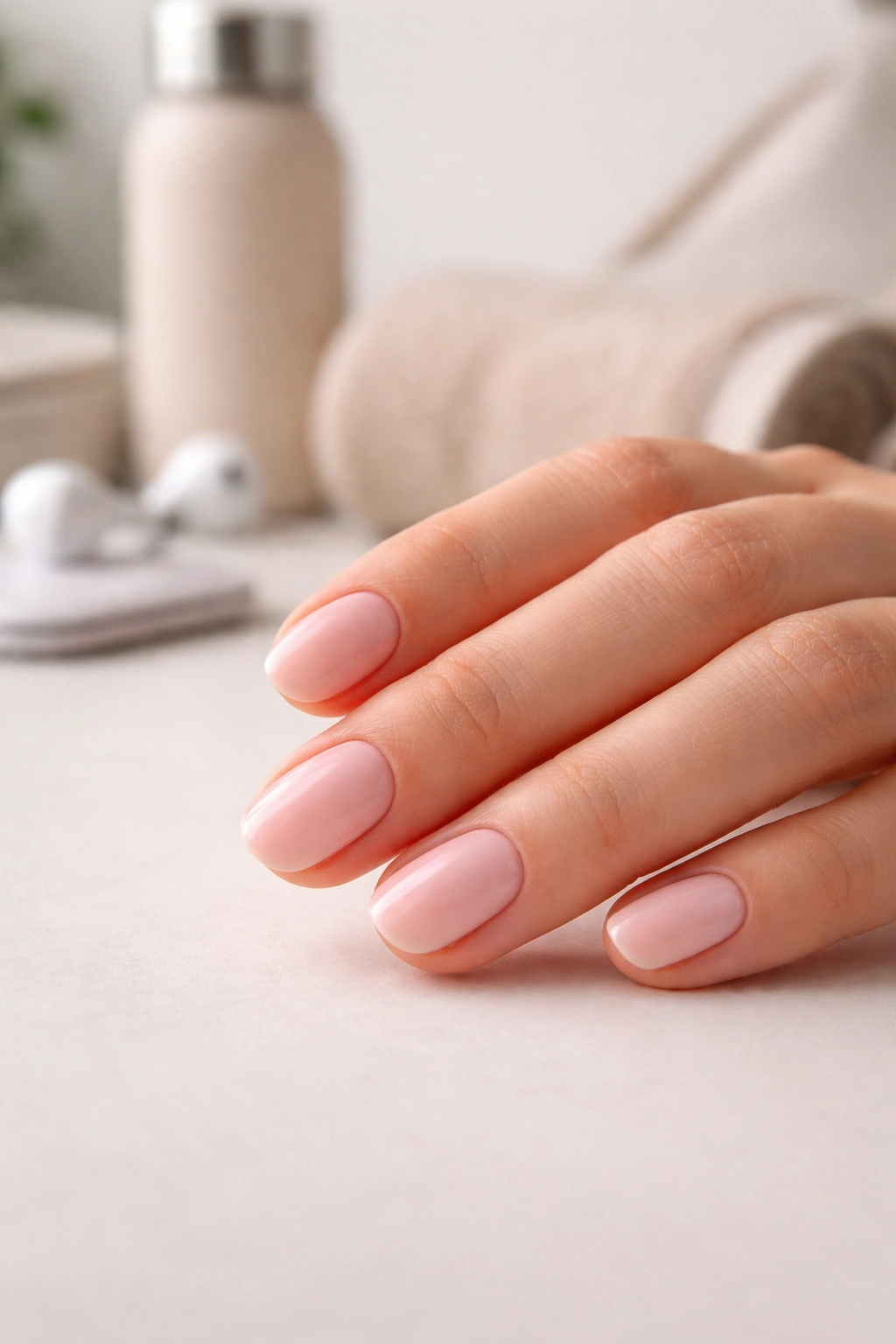
Your daily activities and lifestyle should absolutely factor into your nail shape decision. There’s no point choosing a beautiful shape that’s constantly breaking or getting in the way of your work and hobbies.
Active Lifestyles and Manual Work
If you’re constantly on the move, working with your hands, or hitting the gym regularly, durability needs to be your top priority. Round and squoval nails are your best options. These shapes have no vulnerable corners or points that catch on things, making them incredibly resistant to breakage.
Healthcare workers, teachers, parents with young children, chefs, and anyone in hospitality will find round nails particularly practical. You can go about your day without thinking twice about your nails. They’ll stay intact through hand-washing, glove-wearing, and constant hand use.
Squoval offers a nice middle ground if you want something with a bit more style than basic round but still need durability. The slightly more structured shape provides visual interest while maintaining that practical, break-resistant quality.
Office and Professional Settings
Office workers who type all day need shapes that won’t interfere with keyboard use while still looking professional. Squoval and oval are excellent choices. They’re polished enough for client meetings but practical enough for hours of computer work.
Square nails can work in office settings, but they might slow down your typing speed or create clicking sounds on the keyboard. If you’re trying this shape for the first time, try it during a week when you don’t have major deadlines requiring lots of typing.
Conservative professional environments might call for more classic shapes like round or oval paired with neutral colors. Save the more dramatic shapes for creative industries or workplaces with relaxed dress codes.
Creative and Fashion-Forward Careers
If you work in creative fields—fashion, beauty, design, social media—you’ve got more freedom to experiment. Almond nails on short lengths can look incredibly chic and show that you pay attention to details. Square nails work beautifully for showcasing bold nail art.
You can also play with less common shapes or even vary shapes across different nails for an artistic effect. Your nails become part of your overall aesthetic and personal brand. Just make sure whatever you choose still allows you to do your actual work comfortably.
Professional Shaping Techniques at Home
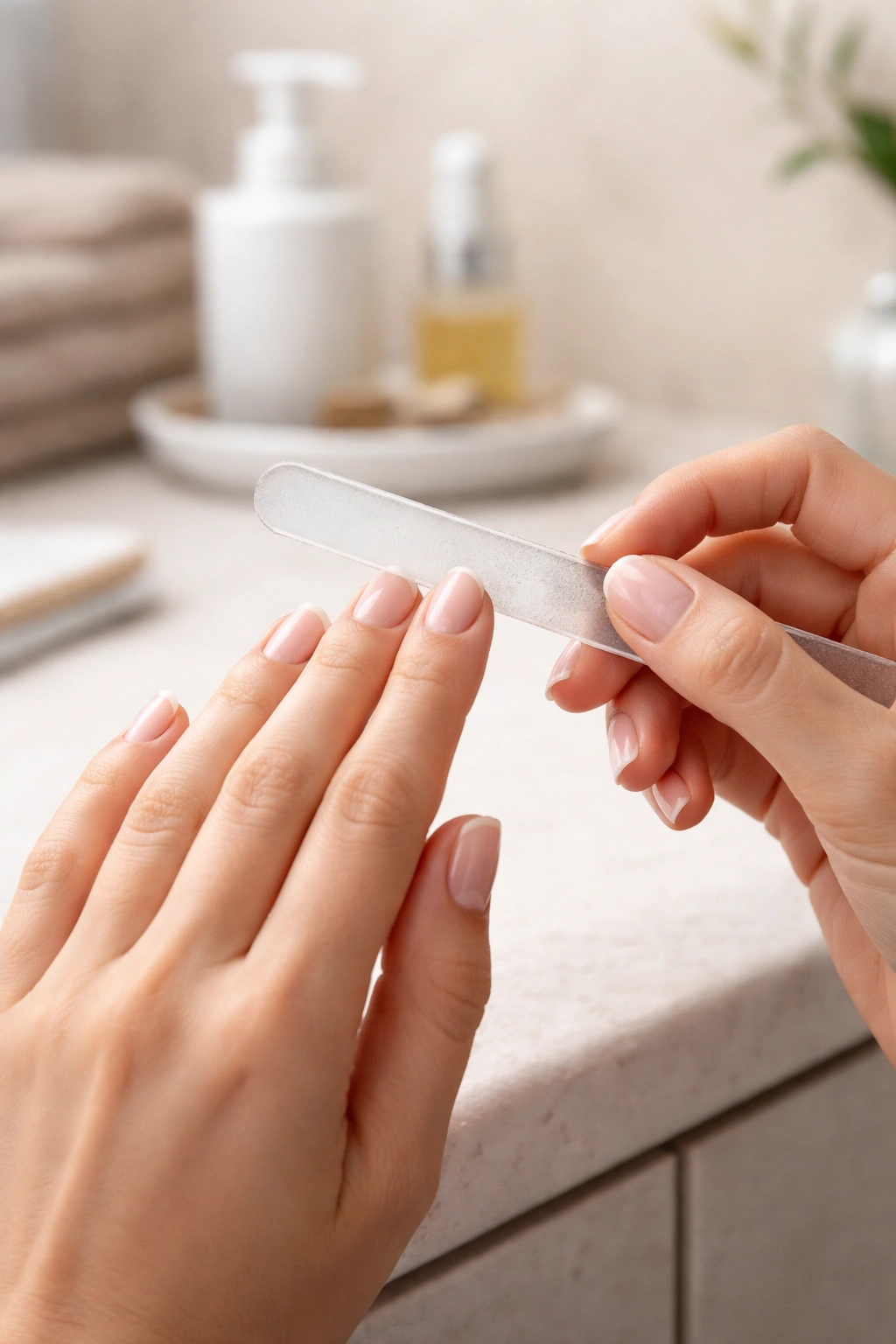
You don’t need to visit a salon to achieve perfectly shaped short nails. With the right tools and techniques, you can create professional-looking results right at home.
Tools You’ll Need
Invest in a high-quality nail file with a fine grit—around 180-240 grit is ideal for natural nails. Glass or crystal files are gentler than traditional emery boards and create smoother edges. Avoid metal files, which can be too harsh and cause splitting.
You’ll also want a good nail buffer, cuticle oil, and sharp nail clippers or scissors for initial length removal. Having proper tools makes the entire process easier and helps you achieve better results.
The Proper Filing Technique
Always file in one direction rather than sawing back and forth. This prevents fraying and weakening of the nail edge. Start at one side and file toward the center, then repeat from the other side. This creates smooth, even edges without causing damage.
Hold the file at a slight angle underneath the nail rather than straight-on. This technique helps seal the layers of the nail together, preventing peeling and splitting. Take your time and file gradually—you can always remove more, but you can’t add it back.
Colors and Designs That Enhance Short Nail Shapes
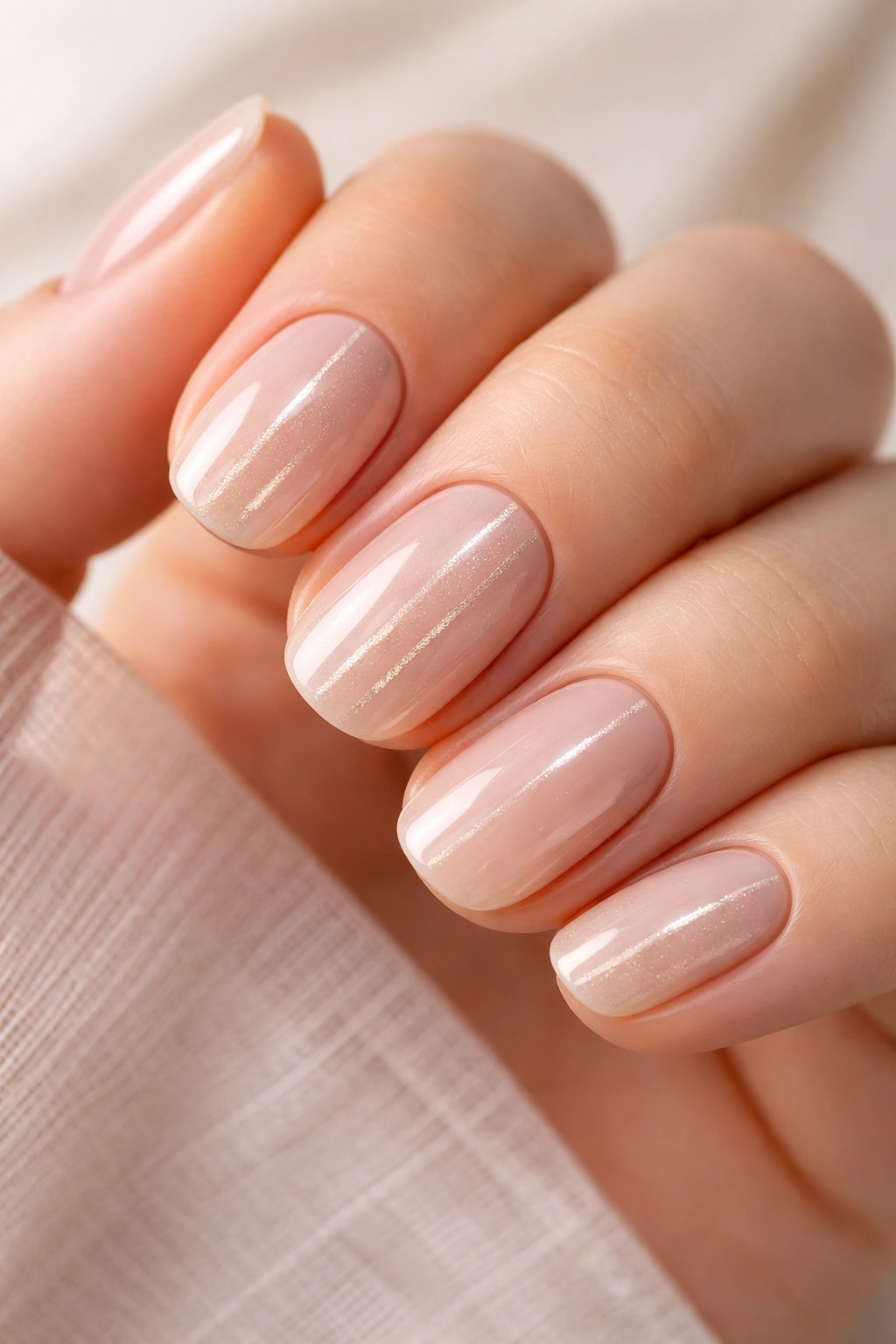
The right polish color and design choices can enhance your chosen nail shape, making your short nails look even more stylish and put-together.
Lengthening Color Tricks
Lighter shades and nude tones that closely match your skin create the illusion of longer nails and fingers. The lack of contrast between your nail and skin makes everything appear more elongated. Soft pinks, peachy nudes, and sheer beiges are particularly flattering.
Vertical designs like thin stripes or gradient effects draw the eye upward, enhancing the lengthening effect of shapes like oval and almond. Avoid horizontal patterns, which can make short nails appear even shorter by visually cutting them off.
Designs That Complement Different Shapes
Round nails showcase circular or curved designs beautifully. Think polka dots, half-moon manicures, or designs with flowing, organic shapes. The curved edge complements curved design elements.
Square and squoval nails are perfect for geometric patterns, color blocking, and negative space designs. The clean lines of these shapes provide structure that works beautifully with angular art.
Oval and almond shapes look stunning with designs that follow the natural taper—think vertical gradients, elongated French tips, or art that flows from base to tip. These shapes also work beautifully with simple, solid colors that showcase the elegant silhouette.
Maintenance Tips for Keeping Short Nails Perfect
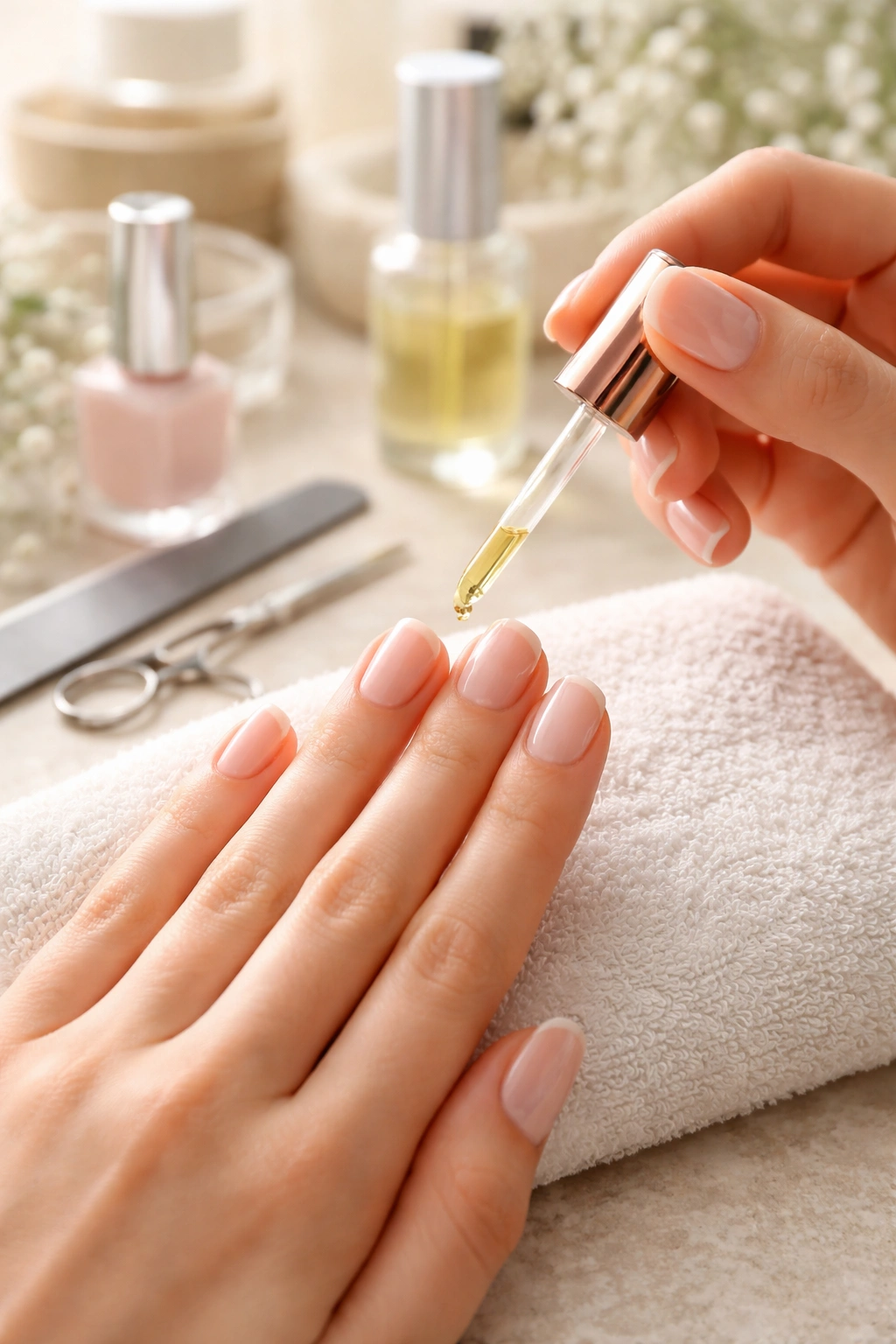
Once you’ve found your ideal nail shape, proper maintenance keeps them looking fresh and prevents damage that could force you to change shapes.
Weekly Maintenance Routine
File your nails weekly to maintain your chosen shape. Even if the length doesn’t need adjustment, smoothing the free edge prevents snags and keeps everything looking neat. This quick maintenance takes just a few minutes but makes a huge difference.
Apply cuticle oil daily, ideally at night before bed. Well-moisturized cuticles and nail beds lead to healthier nail growth and fewer breaks. Oils with vitamin E, jojoba, or almond are particularly nourishing.
Protecting Your Nails
Wear gloves when doing dishes, cleaning, or working with harsh chemicals. Water exposure weakens nails, making them more prone to breaking. Protecting them from excessive moisture and chemicals helps maintain your shape between manicures.
Apply a strengthening base coat before colored polish to add durability. Top coats should be reapplied every 2-3 days to prevent chipping and extend the life of your manicure. These protective layers keep your nails strong enough to maintain their shape.
Common Mistakes to Avoid
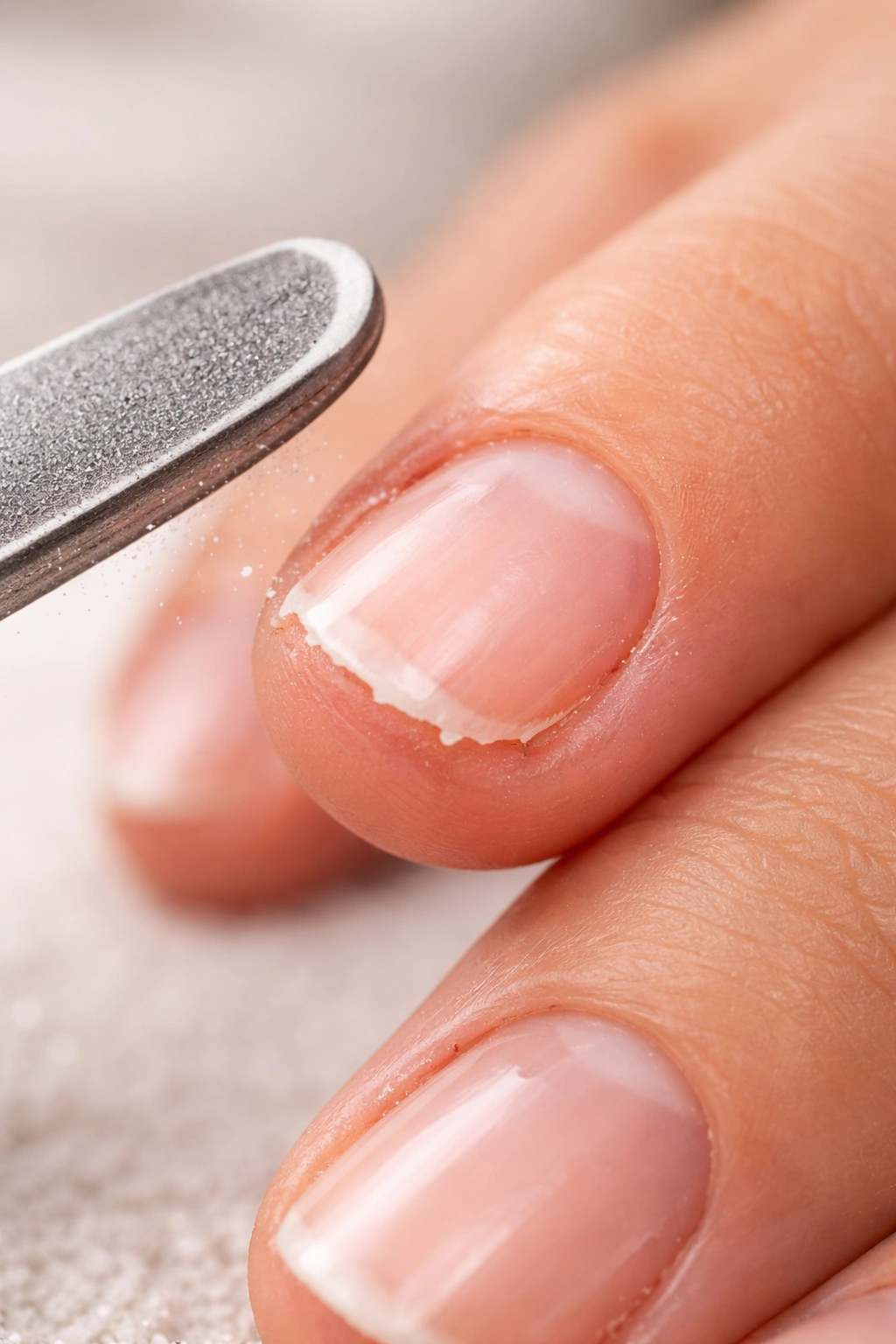
Even with the best intentions, it’s easy to make mistakes when shaping and caring for short nails. Avoiding these common pitfalls will help you maintain beautiful, healthy nails.
Over-Filing
Filing too aggressively or too frequently weakens your nails, making them prone to breakage. If you’re constantly filing because your nails feel rough or uneven, you might be creating the problem yourself by filing too much. Let your nails rest between shapings.
Sawing back and forth with the file is another common mistake that causes fraying and splitting. Always file in one direction, using smooth, even strokes. Your patience will be rewarded with stronger, healthier nails.
Choosing Shape Over Practicality
Falling in love with a shape that doesn’t suit your lifestyle is a recipe for frustration. If you’re constantly dealing with broken nails or finding that your chosen shape interferes with daily activities, it’s time to switch to something more practical.
Be honest with yourself about how much maintenance you’re willing to do. Shapes like almond and square require more upkeep than round or squoval. If you know you’ll skip maintenance, choose a more forgiving shape from the start.
Ignoring Nail Health
Focusing solely on shape while ignoring nail health is counterproductive. Weak, damaged nails won’t hold any shape well. If your nails are currently damaged from acrylics, gel polish, or other treatments, focus on rehabilitation before worrying about achieving the perfect shape.
Give your nails regular breaks from polish to let them breathe. Use strengthening treatments if needed, and keep them properly moisturized. Healthy nails are the foundation for any beautiful manicure, regardless of shape.
Final Thoughts
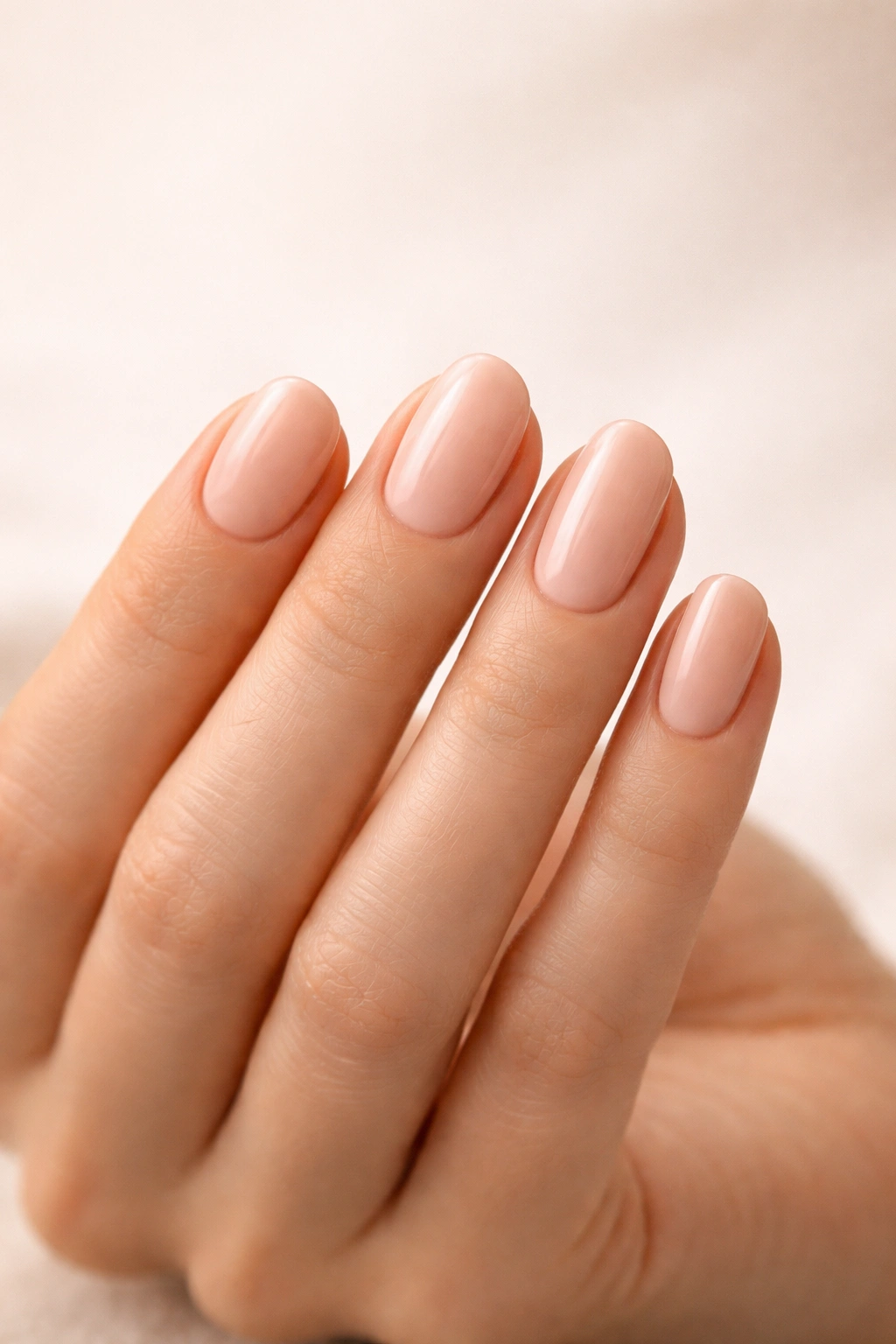
Finding the best nail shape for your short nails isn’t about following trends or copying celebrities. It’s about understanding your unique hands, considering your lifestyle, and choosing a shape that makes you feel confident and put-together.
Round and squoval shapes offer the most versatility and durability for short nails. They’re practical for active lifestyles while still looking polished and intentional. Oval nails bring elegance and sophistication, creating a lengthening effect that flatters most hand types. Square nails make a bold statement, particularly on narrow nail beds. Almond nails prove that you don’t need extreme length to achieve a refined, feminine look.
Don’t be afraid to experiment until you find what works for you. Try different shapes during different seasons or for various occasions. What works for your everyday routine might not be what you want for a special event, and that’s perfectly fine.
Remember that the most important factor is how your nails make you feel. If you love your chosen shape and it works with your lifestyle, then it’s absolutely the right choice for you. Short nails can be just as beautiful, stylish, and versatile as long ones when you give them the attention they deserve.