

Growing long, strong natural nails isn’t about luck or genetics—it’s about understanding what your nails actually need and protecting them consistently over time. Most people who struggle with weak, brittle nails that snap halfway down are inadvertently working against their own nail health with habits they don’t even realize are harmful. The good news? You can completely reverse this pattern.
The reality is that your nails are growing continuously, whether you notice it or not. The average toenail grows about 3 millimeters per month, and fingernails grow a bit faster—somewhere around 3 to 3.5 millimeters monthly, though this varies by individual. Over a full year, that’s roughly 35 to 40 millimeters of new nail growth. The challenge isn’t getting them to grow; it’s getting that growth to stick around long enough to reach the length you want. Most people lose their nails to breakage somewhere between two and four months of growth, which means they never see the cumulative effect. The difference between someone with short nails and someone with beautifully long, strong nails isn’t that the long-nailed person has superior genetics—it’s that they’ve mastered the specific practices that keep nails intact through their growth cycle.
This guide isn’t about quick fixes or polish tricks. It’s about the real, science-backed factors that determine whether your nails will grow long and stay strong, and exactly how to optimize each one. By the end, you’ll understand why your nails break at specific weak points, what your nails are telling you about your overall health, and how to create an environment where long nails become inevitable rather than aspirational.
Why Natural Nails Break and How to Prevent It
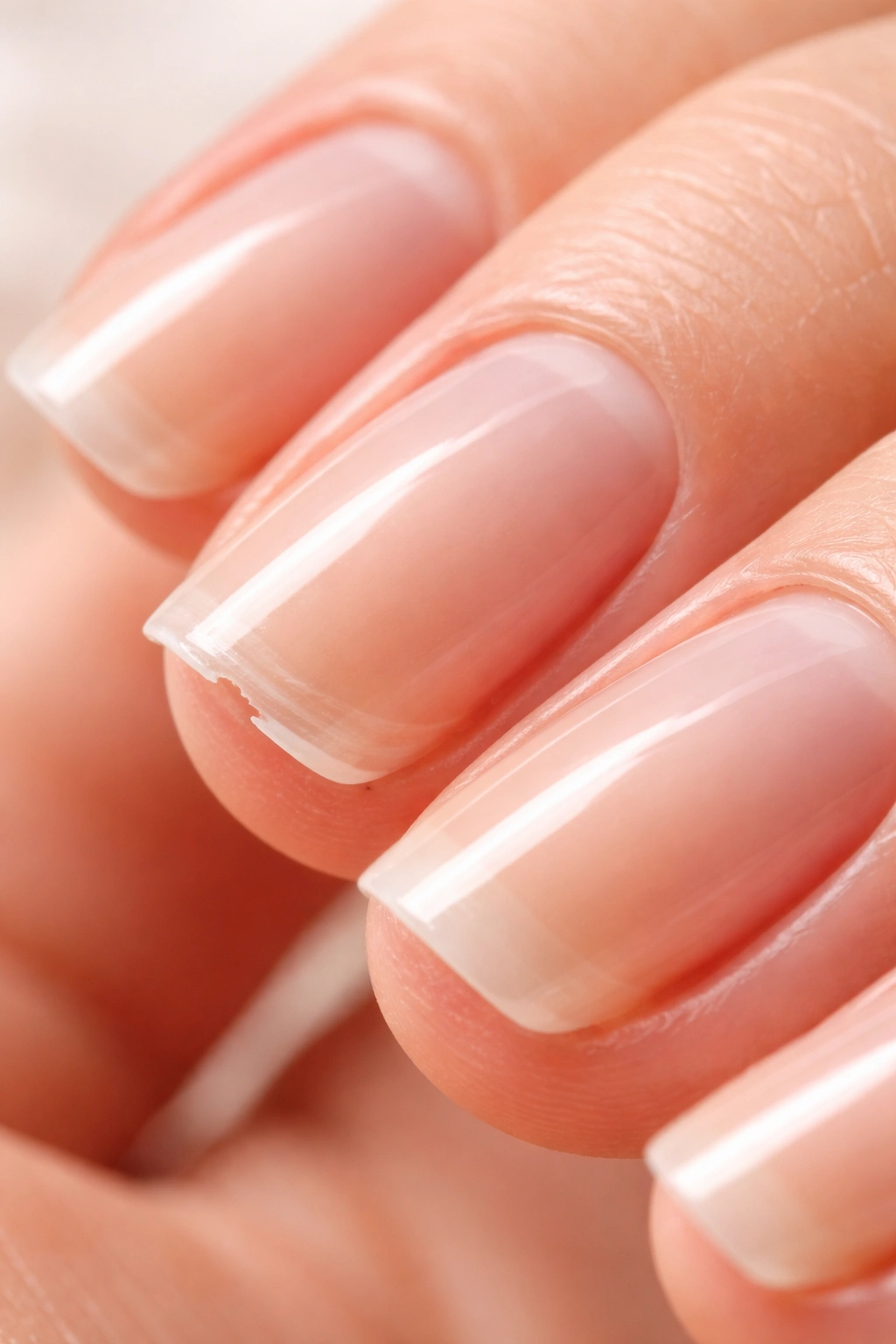
Breaking nails feels sudden, but the damage almost always happens much earlier than the actual snap. When you see a nail tear or break, you’re witnessing the failure of multiple systems that have been compromised over weeks. Understanding where breakage actually occurs is the key to preventing it.
Nails break primarily at the free edge—the part that extends past your fingertip—because that’s where the nail is structurally weakest. The reason becomes obvious once you understand nail anatomy: your nail is made up of overlapping layers of keratin cells, and at the free edge, those layers aren’t anchored to anything. They’re literally exposed and vulnerable. This is why long nails are automatically higher-risk for breakage; the longer the free edge, the more leverage any accidental pressure has to snap it.
But structural weakness alone doesn’t explain why some nails break and others don’t. Moisture content is the hidden factor. Nails that are dehydrated become brittle, and brittle nails snap even under normal stress. A well-hydrated nail is flexible and resilient—it can handle impact and bending without failing. A dehydrated nail is rigid, and rigidity under stress leads to fracture.
The most common breakage pattern is horizontal splitting at the free edge, often called peeling. This happens when the outer layers of the nail separate from the inner layers. The culprit is almost always water exposure without proper sealing: washing dishes without gloves, frequent hand washing without moisturizing afterward, or chlorine exposure from swimming. Each time water enters the nail and then evaporates, it leaves the nail slightly more dehydrated than before, and those outer layers dry out faster than the inner ones, creating separation.
The second breakage pattern is vertical splitting, which runs from the free edge back toward the nail bed. This is usually a sign of chronic dehydration or sometimes nutritional deficiency, and it often develops over weeks before you notice it. It starts microscopically and gradually becomes visible.
Prevention hinges on three factors: keeping nails adequately hydrated, avoiding the specific activities that peel nails, and removing the free edge before it becomes so long that everyday activity breaks it. The next sections will detail exactly how to manage each one.
Building a Nail-Strengthening Routine That Actually Works
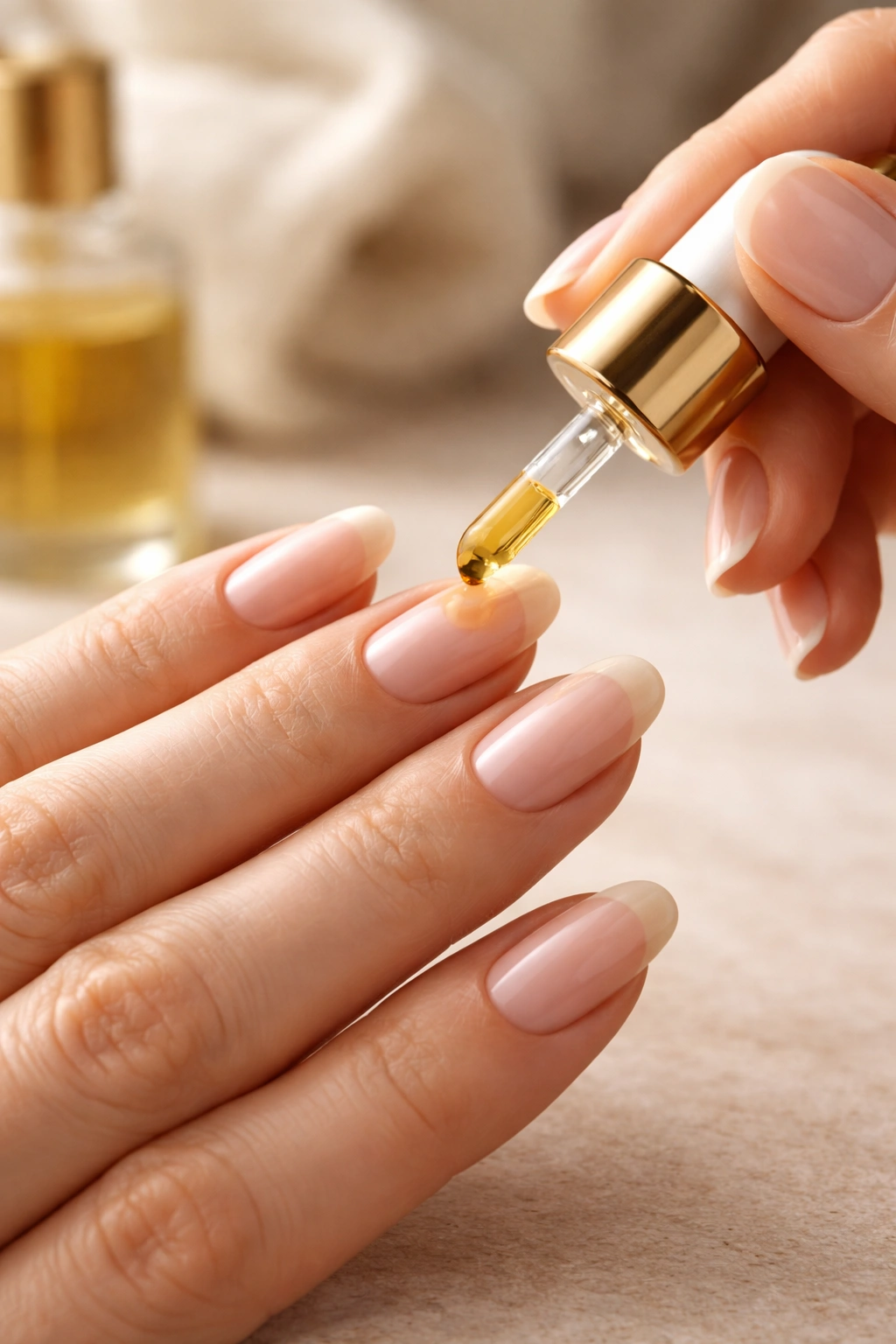
The difference between people with strong nails and those without isn’t complexity—it’s consistency. A genuine nail-strengthening routine takes about five minutes per day and centers on three practices done in sequence.
The first practice is daily moisturizing, specifically targeting the nail and cuticle area. This isn’t optional or aspirational; it’s essential. After washing your hands, pat them dry, then apply a dedicated nail and cuticle oil or a heavy moisturizer like shea butter or cocoa butter directly to the nail surface and around the cuticle line while the nail is still slightly damp. The slight moisture helps the oil penetrate deeper. Massage it in gently for a minute.
The second practice is protection during high-risk activities. Whenever you’re about to expose your hands to prolonged water—dishwashing, laundry, cleaning, bathing—glove up. Cotton-lined latex gloves are ideal because they prevent moisture from trapping against your skin and creating an environment for fungal growth. Thin nitrile gloves work too if you prefer a tighter fit. The glove creates a physical barrier that prevents water from entering your nails.
The third practice is strategic trimming. Once per week, examine your nails for any signs of peeling, splitting, or whitening at the free edge. At the first sign of damage, trim that edge away. This prevents the damage from traveling back toward the nail bed. Yes, you’ll be trimming more frequently in the early weeks, but this stops the cascade of breakage that would otherwise require you to trim even more aggressively.
Morning is the ideal time for your moisturizing routine because it sets your nails up for the day ahead. Evening is your second-best option. If you can only manage once daily, choose the time when you’re most likely to stick with it consistently. Consistency matters more than perfection.
Some people wonder if wearing nail polish interferes with this routine. Quality polish actually offers some protection by creating a barrier against water and minor damage. The key is using a base coat that protects the nail surface, allowing the polish to come off cleanly without damage, and giving your nails bare days between applications so they can fully absorb moisture. If you use gel polish or acrylics, know that these are accelerated risk factors for breakage. The removal process, even when done professionally, can damage the nail surface and weaken it. It’s absolutely possible to grow strong natural nails while using polish; just be aware of the added vulnerability.
Moisture and Hydration for Nail Health
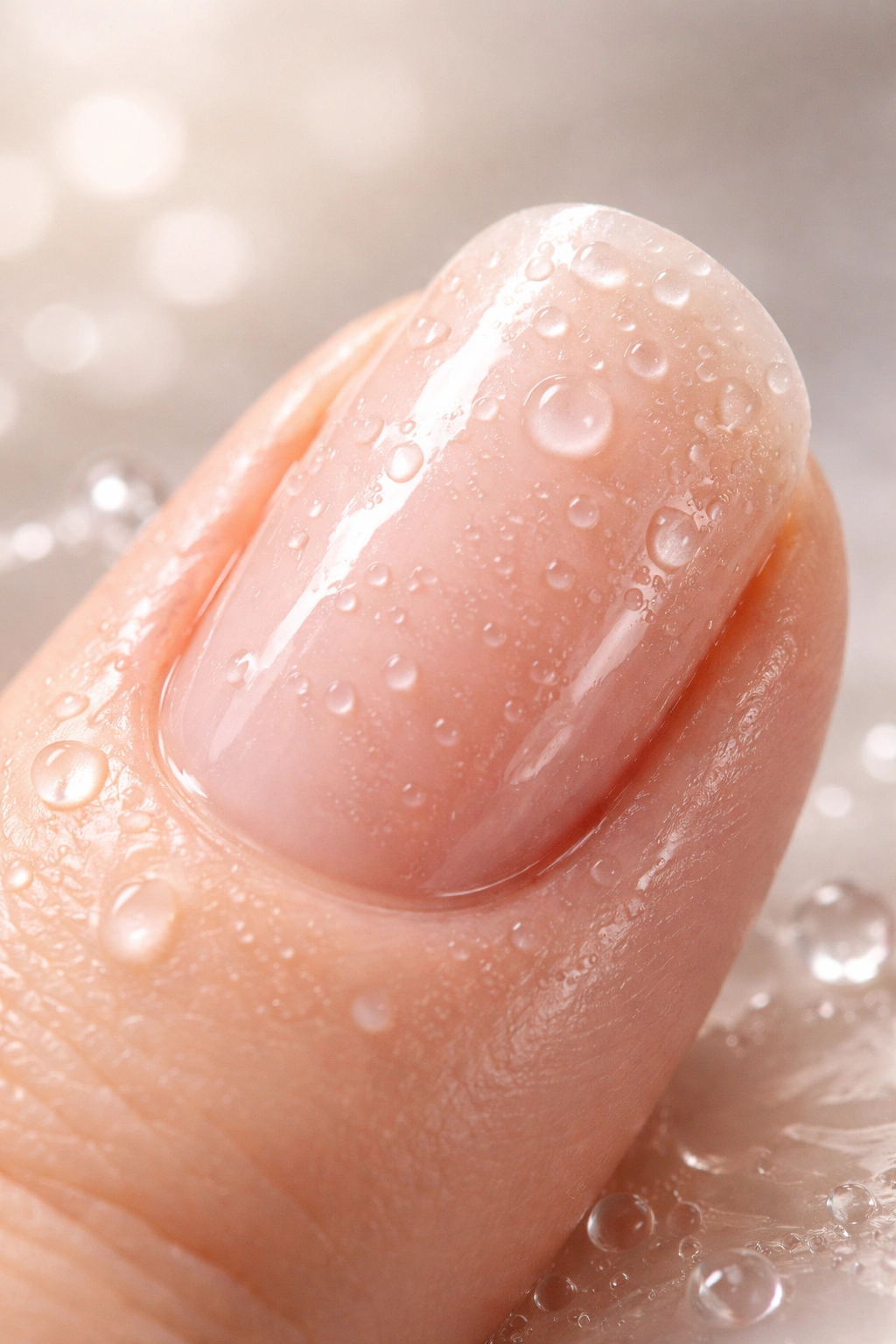
Your nails are made of keratin, but what determines whether that keratin remains flexible or becomes brittle is water content. A healthy nail contains about 12-13% water by weight. When water content drops below 11%, nails become noticeably more fragile. This is why dehydration is the single biggest controllable factor in nail breakage.
The tricky part is that nails don’t just absorb moisture passively. Water moves in and out of the nail through a process called osmosis, and it’s influenced by what you’re exposing your nails to. When you soak your nails in water—whether that’s from a long shower, dishwashing without gloves, or intentionally soaking them to soften cuticles—water does enter the nail temporarily. But here’s the critical part: when that water evaporates, the nail loses moisture and contracts slightly. If this cycle happens repeatedly without moisture being sealed in afterward, the nail gradually becomes more dehydrated overall.
This is why the protective oil or moisturizer step isn’t just cosmetic—it’s functional. The oil creates an occlusive layer that slows water loss through the nail surface. It doesn’t seal water in perfectly, but it significantly reduces the evaporation rate, which means your nails retain more moisture overall.
The most effective moisturizers for nails are those that combine humectants—ingredients that draw water into the nail—with occlusive agents that prevent water loss. Glycerin is an excellent humectant. Oils like jojoba, argan, and cuticle oil are effective occlusives. Many commercial cuticle oils blend both. You can also create an effective mixture by combining a humectant like glycerin or aloe vera with an oil.
One often-overlooked hydration factor is internal water intake. While your nails can’t directly absorb water from inside your body the way skin can, overall hydration status does affect the health of the tissue that produces new nail growth. If you’re chronically dehydrated, the cells in your nail matrix—the living tissue under your nail bed where new nail cells are produced—don’t function optimally. This shows up weeks later as weaker nail growth. Drinking adequate water throughout the day supports nail health from the inside. For most people, this means aiming for about 8-10 glasses daily, though individual needs vary based on activity level and climate.
Protecting Your Nails From Daily Damage
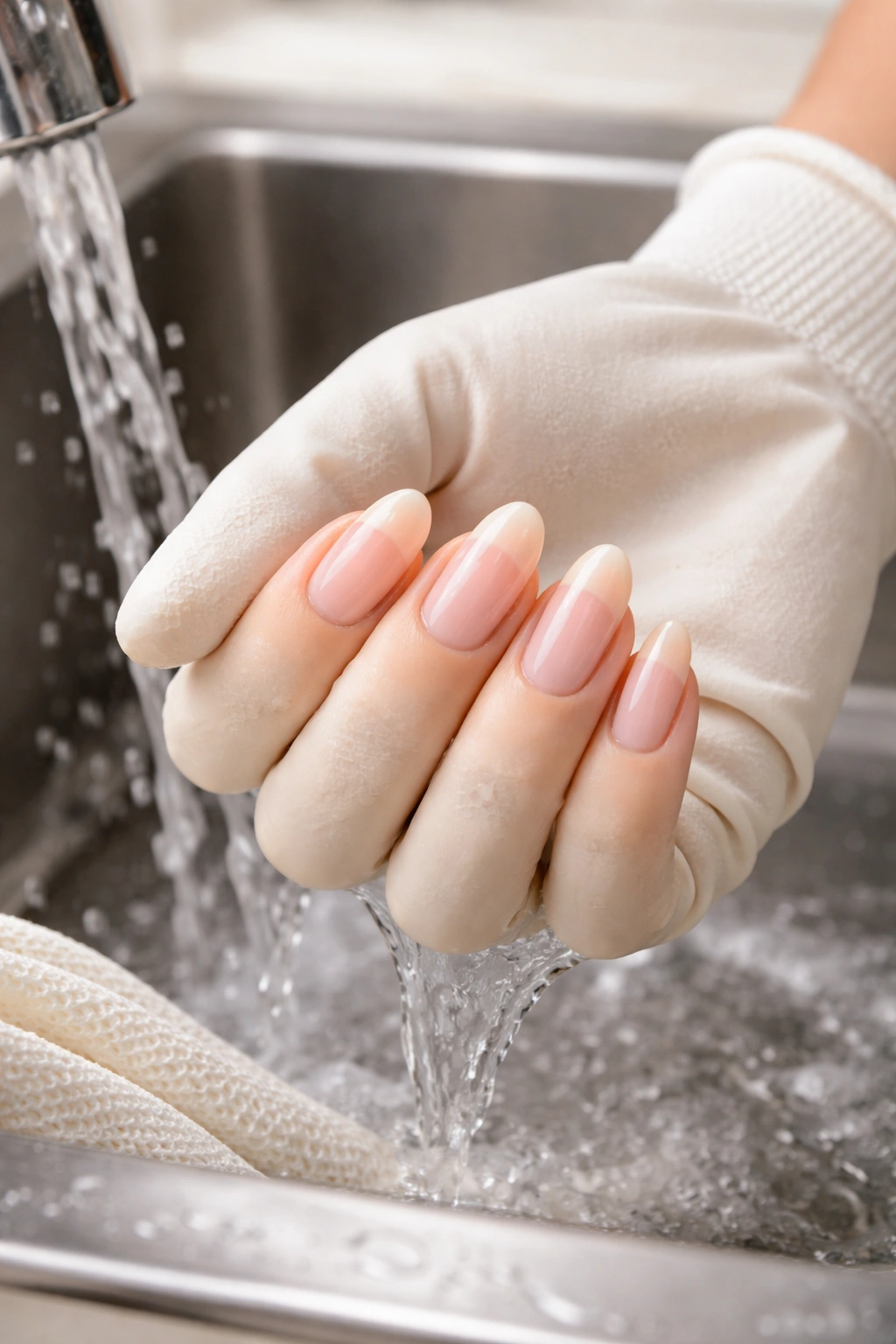
The day-to-day activities most people don’t think twice about are responsible for the majority of nail damage. Identifying and adapting these activities is where real nail strength comes from.
Water exposure is the first priority. Dishwashing, laundry, floor cleaning, and even prolonged showering soften the nail temporarily and cause micro-damage to the nail surface. If you’re washing dishes by hand without gloves multiple times per week, you’re essentially sabotaging your nail-growth efforts. Wear gloves every single time. This sounds extreme, but consider what you’re actually protecting: weeks of growth. The five-second effort to put on gloves protects hours of growth. Once you see your nails actually start to grow strong and long, you won’t mind the gloves.
The second major damage source is mechanical stress on the free edge. Using your nails as tools—opening cans, scratching off stickers, picking at things, scratching your scalp aggressively—concentrates force directly on the weakest part of your nail. Every time you use a nail as a tool, you’re creating microscopic damage that weakens that edge. You might not see it immediately, but that damage accumulates. Train yourself to use actual tools instead. Use a bottle opener, a flathead screwdriver, or your knuckle instead of your nail. This single behavior change pays enormous dividends.
The third damage factor is chemical exposure. Nail polish remover, harsh hand soaps, alcohol-based sanitizers, and cleaning chemicals all interact with your nail’s outer surface. Acetone-based polish removers are particularly drying. If you use nail polish, invest in acetone-free remover, which is gentler. After using any harsh chemical, apply moisturizer immediately to mitigate water loss.
Cold, dry air environments cause nails to lose moisture faster. If you live in or work in a very dry climate, especially during colder months, you might need to increase your moisturizing frequency to twice daily. Some people also benefit from using a humidifier in their bedroom while sleeping, which helps prevent overnight moisture loss.
Heat exposure accelerates water loss too. Very hot water in showers softens nails and opens them up to moisture loss. Warm water is fine; very hot water is counterproductive. If you love hot showers, at least apply oil to your nails immediately afterward while they’re still slightly damp.
The Right Nutrition for Keratin Growth
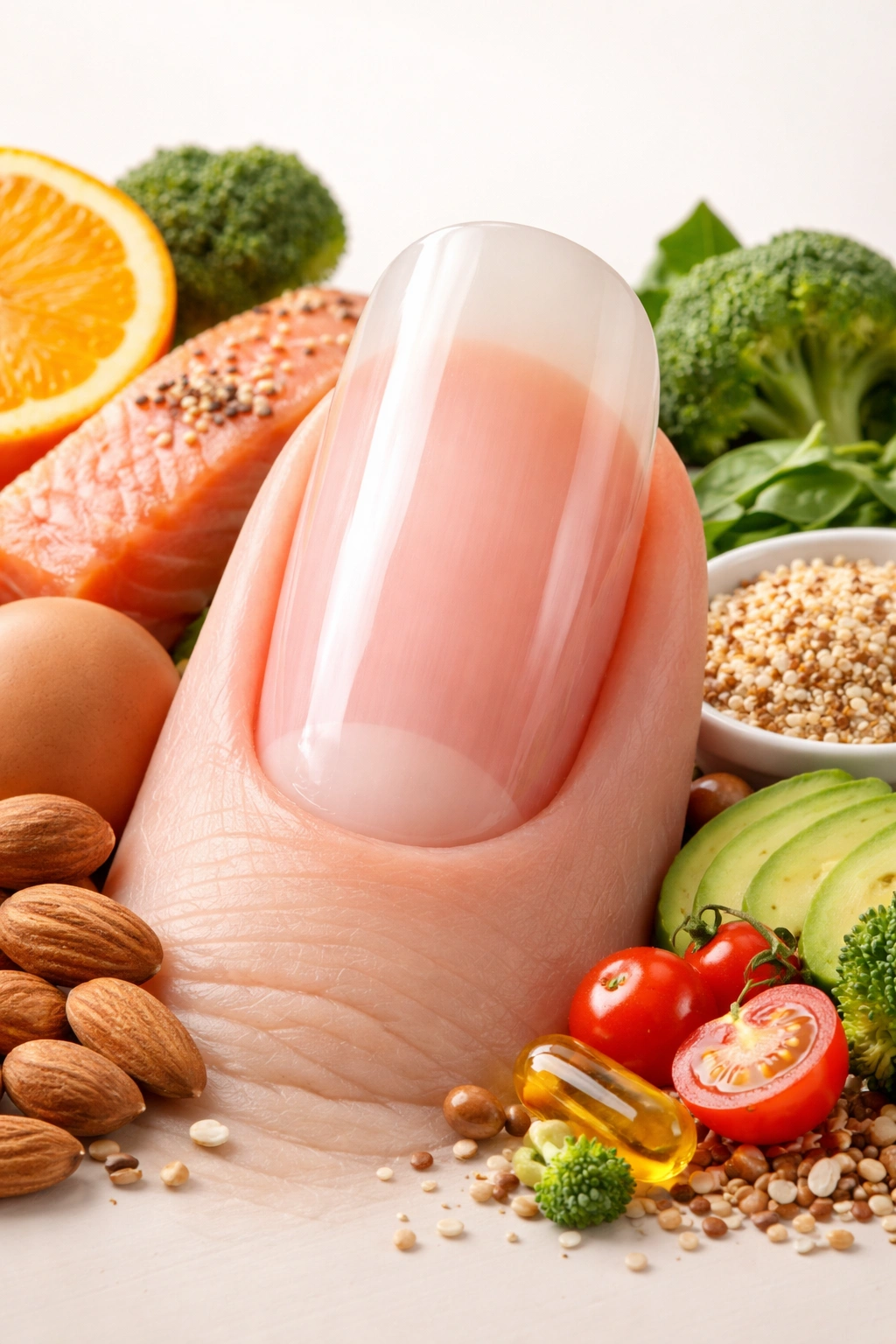
Your nails are made of protein, specifically a tough protein called alpha-keratin. To grow strong nails, your body needs adequate protein intake and the specific micronutrients required to synthesize keratin effectively. This is why nail health is often a visible indicator of overall nutritional status.
The foundation is protein. Keratin is a fibrous protein, and your body builds it from amino acids that come from dietary protein. There’s no magic ratio, but generally, adults should aim for about 0.8 to 1 gram of protein per kilogram of body weight daily. For someone weighing 150 pounds (about 68 kg), that’s roughly 55 to 68 grams of protein daily. If you’re regularly falling short of this, your nails won’t grow as robustly. Quality protein sources include chicken, fish, eggs, Greek yogurt, cottage cheese, legumes, nuts, and seeds.
Beyond protein quantity, several specific micronutrients support nail growth and strength. Biotin, a B-vitamin, is probably the most well-known. Research shows that biotin supplementation can improve nail thickness and reduce splitting, particularly in people with naturally soft nails. A typical supplementation dose is 2.5 milligrams daily, taken consistently for at least two to three months to see results. Biotin is found naturally in eggs, almonds, sweet potatoes, spinach, and salmon, but supplementation is more concentrated.
Iron is critical because it’s necessary for hemoglobin, which carries oxygen to your nail matrix cells. Without adequate oxygen delivery, nail growth weakens. Iron deficiency shows up in nails as pale, whitish appearance and brittleness. If you’re anemic or have been flagged for low iron by a doctor, addressing that will directly improve your nails. Red meat, poultry, beans, and fortified cereals are good iron sources. Pair iron-rich plant foods with vitamin C sources like citrus or tomatoes to enhance absorption.
Zinc supports protein synthesis and is essential for healthy nail growth. Deficiency causes white spots on nails and slow growth. Oysters are the most concentrated source, but meat, legumes, nuts, and seeds all contain zinc. Most people get adequate zinc from a balanced diet.
Vitamin A supports cell turnover in the nail bed. B vitamins (particularly B12 and folate) are needed for cell division and growth. Vitamin C is required for collagen synthesis, which supports nail structure. Rather than tracking each nutrient individually, focusing on eating a variety of whole foods—proteins, colorful vegetables, fruits, nuts, seeds, and whole grains—naturally covers these bases.
The realistic timeline for nutrition to affect nail appearance is four to six weeks minimum, because new nail cells grow slowly and take time to travel from the nail matrix to the free edge. Improvements from better nutrition show up first as slightly stronger growth at the base of your nail, gradually visible as new nail grows out.
How to File and Shape Nails to Prevent Breakage
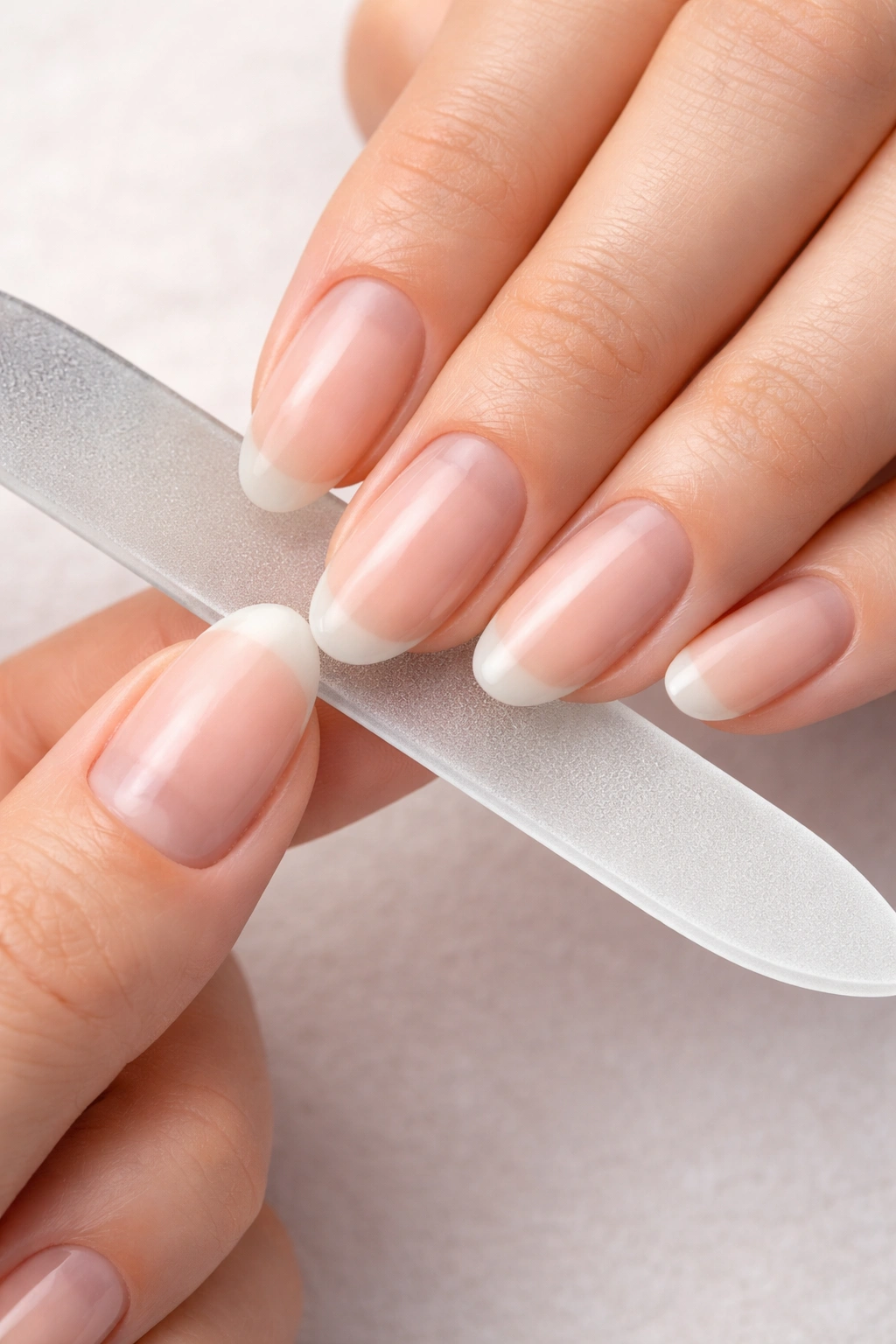
The way you file your nails significantly impacts their strength or fragility. Filing incorrectly can undo weeks of good habits by creating microscopic damage at the edge.
Always file in one direction. This is the critical point most people get wrong. Filing back and forth, sawing at the edge, creates a frayed, damaged nail edge that’s primed to split. Instead, position the file at a slight angle to the edge and file from the corner toward the center, always moving in the same direction. Then do the same from the opposite corner toward the center. This seals the keratin layers at the edge rather than separating them. The difference is significant and immediately visible—a properly filed edge looks smooth and intact, while a back-and-forth filed edge looks slightly rough and whitened.
Use a metal file or a high-quality glass file. Cheap metal files and emery boards create more damage than they prevent because they’re coarser and less precise. A glass file is ideal; it’s gentler on nails and lasts indefinitely. Metal files work well too if they’re smooth and fine-grit. Ceramic files are another solid option.
Shape your nails to support their strength. Nails are structurally strongest when they’re either very short or with a squared-off or slightly rounded free edge. The worst shape for strength is a very pointed or taloned shape, which concentrates force at the point and makes breakage almost inevitable. If you’re growing long nails, keep them either squared with slightly rounded corners or oval-shaped. These shapes distribute force across the wider free edge, making breakage less likely.
The length of your free edge matters too. A free edge longer than about 4-5 millimeters becomes increasingly vulnerable just from the physics of leverage. If you’re not yet at your goal length, this means trimming more frequently than feels intuitive. Yes, you’re cutting away growth, but you’re preventing the breakage that would require even more aggressive trimming. As your nails strengthen and your habits become consistent, you can gradually let the free edge grow longer.
File your nails when they’re dry. Wet nails are softer and more prone to ragged edges from filing. File once every one to two weeks at most. More frequent filing creates unnecessary damage from repetition.
Choosing the Best Nail Care Tools
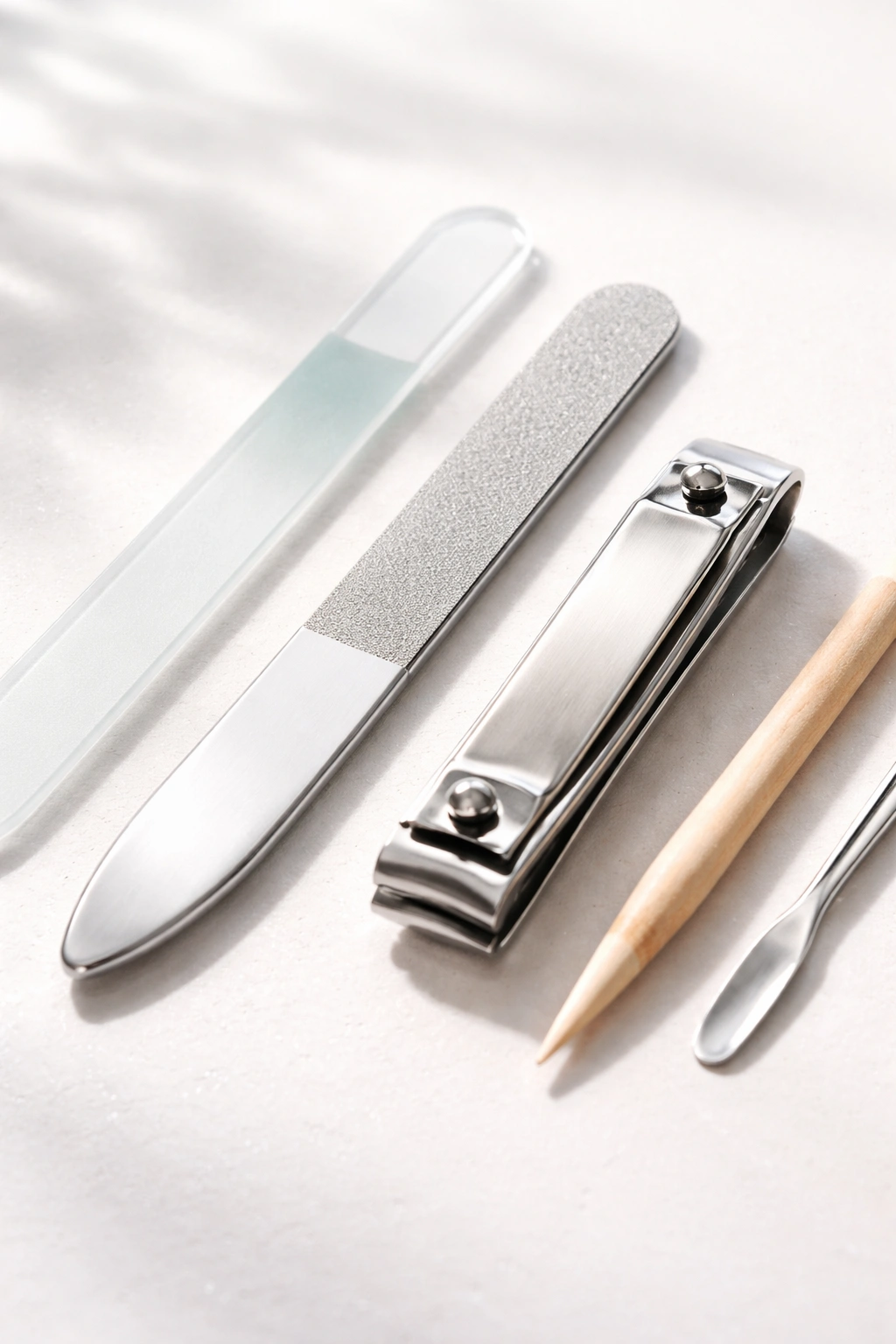
Not all nail tools are created equal, and using subpar tools actually works against your nail-growth goals.
Start with a quality file. As mentioned above, glass is ideal because it seals the keratin edge smoothly rather than creating rough surfaces that split more easily. A fine-grit metal file (around 240 grit or higher) works well too. Cheap, coarse files are false economy; they create more damage than they fix.
Get a proper nail clipper or a nail cutter designed for fingernails, not toenails. Toenail clippers use different mechanics and are too aggressive for delicate fingernail edges. A straight-edge clipper works well for most people, though some prefer scissors-style nail clippers. The key is that the blade is sharp and clean—dull clippers create crushing damage rather than clean cuts, which leads to damage. Sanitize your clipper regularly.
A cuticle pusher is useful for gently moving back the cuticle without damaging it. Don’t cut your cuticles; they’re protective. A wooden or plastic pusher is gentler than metal. Never use a metal cuticle cutter on your cuticles themselves; they’re too harsh and damage the delicate cuticle tissue.
Keep a cuticle oil or nail moisturizer consistently available. A small bottle or stick form is portable enough to keep at your desk, in your bag, or by your sink. The more accessible it is, the more likely you’ll use it.
Consider investing in a humidifier if you live in a dry climate. This isn’t strictly a nail tool, but it’s an environmental factor that supports nail hydration.
Cotton-lined gloves are essential if you frequently expose your hands to water. Latex, nitrile, or vinyl all work, but cotton lining prevents moisture buildup and fungal risk.
Skip the gimmicky tools and treatments that promise instant strength or hardening. They don’t work, and many contain chemicals that are actually drying or damaging. Stick with the basics: a good file, proper clippers, oil, and gloves.
Understanding Nail Growth Cycles and What They Mean
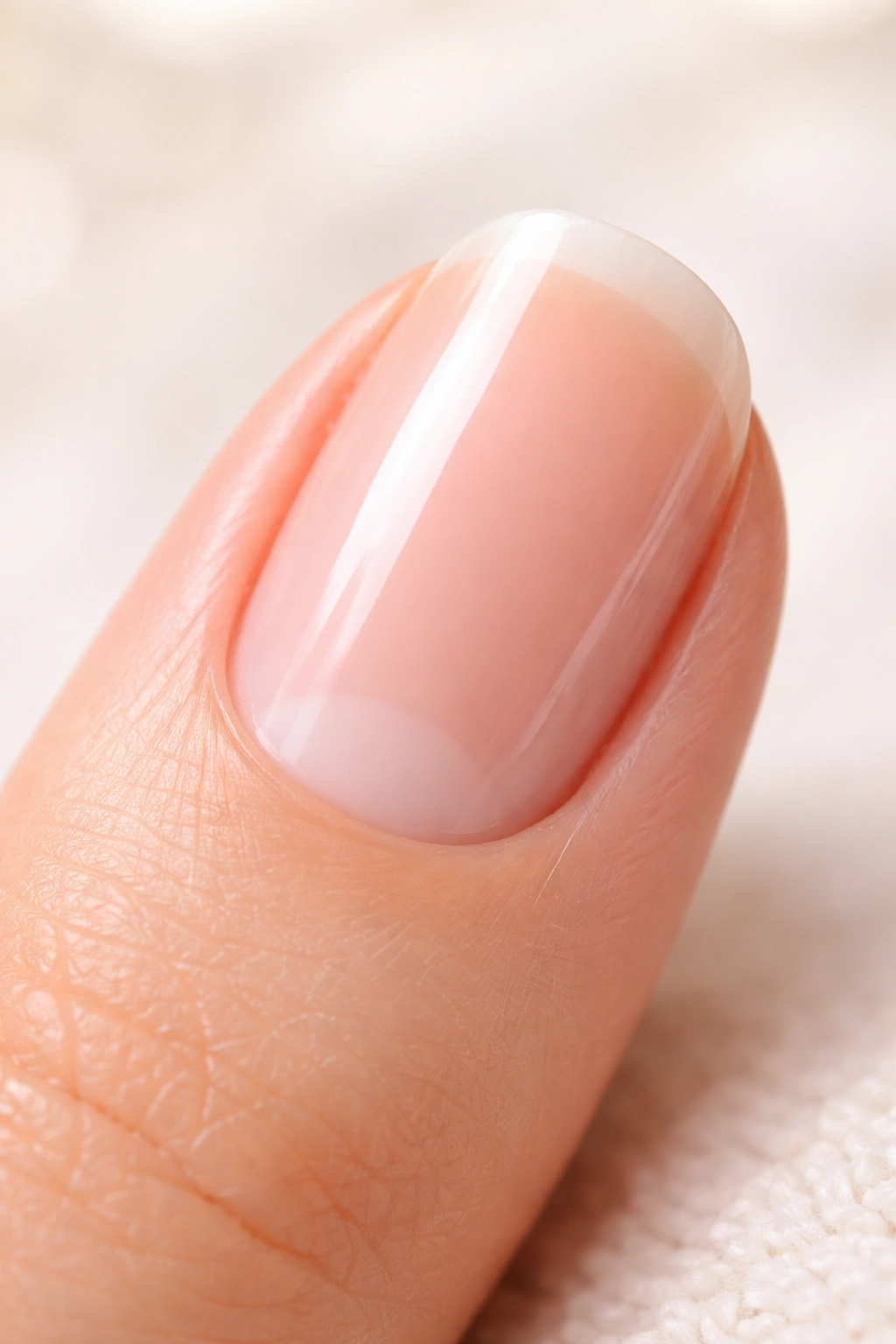
Nails don’t grow at a perfectly constant rate, and understanding the natural variations helps you recognize when something is actually wrong versus when you’re just experiencing normal fluctuation.
The average fingernail grows about 3 to 3.5 millimeters per month, which means a full nail—from the cuticle line to the free edge—is completely replaced roughly every four to six months. However, this varies significantly based on age, season, overall health, and individual genetics. Nails often grow faster in summer and slower in winter, partly because of temperature and partly because of sun exposure and vitamin D production. Young adults typically have faster growth rates than older adults.
During pregnancy, nails often grow noticeably faster and stronger—sometimes growing 25% faster than baseline—due to hormonal changes and increased nutrient circulation. After pregnancy, nails often slow down again and may become more brittle temporarily as hormones normalize.
If you notice a sudden drop in growth rate—your nails growing noticeably more slowly than they have been—or an increase in brittleness or white spots, that’s sometimes a signal that something systemic is off. Nutritional deficiency, hormonal changes, stress, illness, or medication side effects can all show up as changes in nail growth. If the change is sudden and pronounced, it’s worth mentioning to your doctor. Most of the time, though, gradual variations are completely normal.
Stress is a real factor in nail health. Chronic stress elevates cortisol, which can impair nutrient absorption and affect the cells in your nail matrix. If you’ve been under significant stress, expect your nails to temporarily grow more slowly or more brittly. This usually resolves once stress levels drop.
The practical takeaway is this: track your nails’ normal growth rate over a month or two so you know what’s baseline for you. Then, if something changes noticeably, you’ll recognize it. Most of the time, consistent application of the habits covered here will show results within 4-6 weeks—new nail growth will appear stronger, and breakage will decrease.
Common Mistakes That Stunt Nail Growth
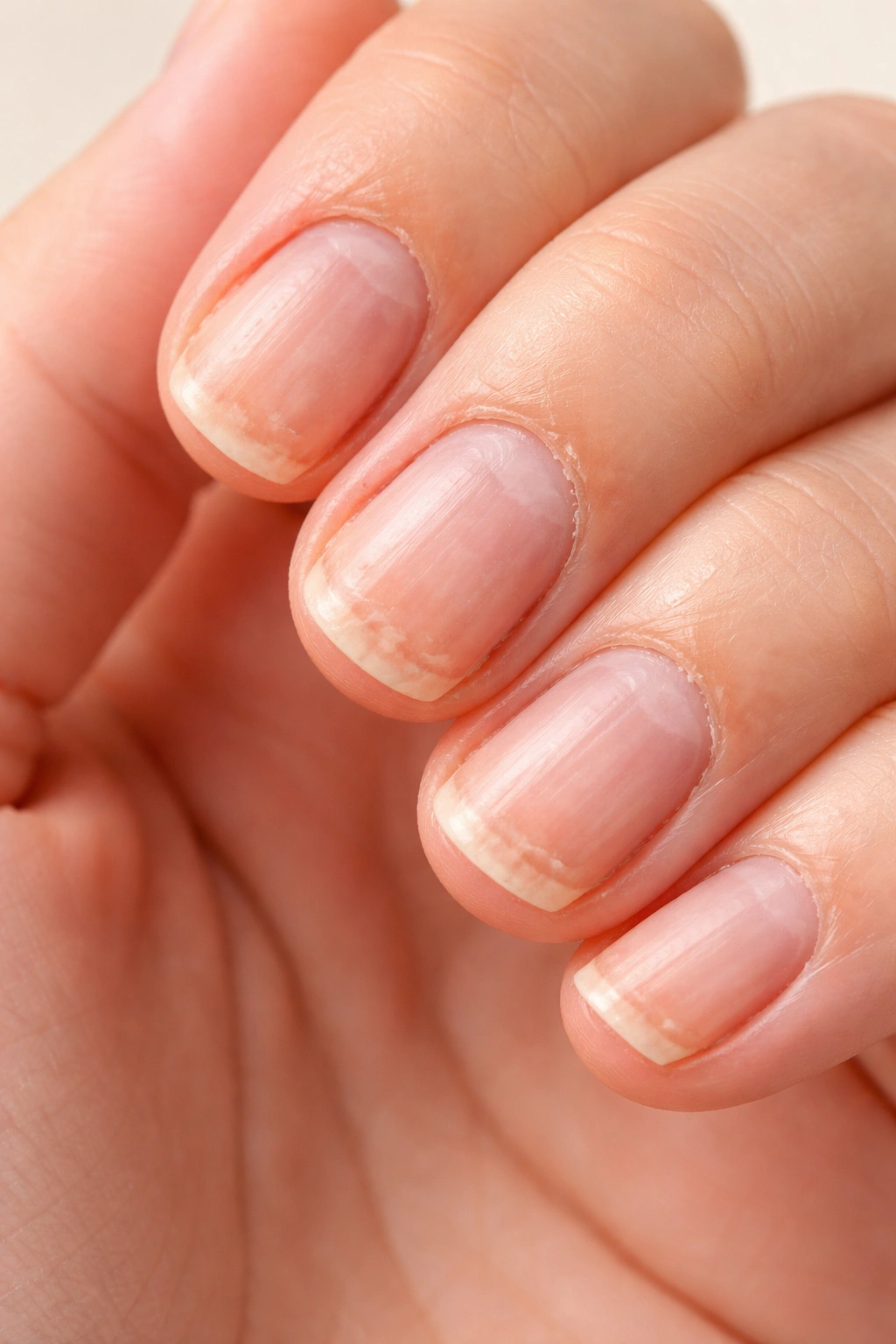
Even people committed to growing strong nails often sabotage themselves with one or two habits they don’t realize are destructive.
The first mistake is infrequent moisturizing. People often apply oil once and then assume their nails are set. Nails need daily moisturizing, ideally twice daily, to maintain hydration. Once daily is the bare minimum; skip this and you’ll see no improvement regardless of other habits. Make it part of your routine like brushing your teeth.
The second mistake is skipping gloves because “just this once” seems harmless. One dishwashing session without gloves won’t destroy your nails, but it causes enough damage that it multiplies. If you do this repeatedly, the cumulative damage overwhelms any protective habits you’re maintaining. Commit to gloves every single time you’re about to expose your hands to water. No exceptions become the rule.
The third mistake is using nail hardeners or strengthening polish products that contain formaldehyde or other harsh chemicals. These products create a temporary appearance of strength by drying out the nail, but they actually make brittleness worse over time. Skip them. Your nails don’t need hardening; they need hydration.
The fourth mistake is using your nails as tools. Opening packages, scraping off stickers, cleaning under other nails—these all create damage at the most vulnerable part of your nail. Use actual tools instead. This isn’t negotiable if you want long nails.
The fifth mistake is excessive buffing. Buffing the surface of your nail to create shine might look good temporarily, but it removes the outer protective layer of the nail and weakens it. If you want shine, use a nail oil or a sheer polish instead. Buffing once every month or two is fine; weekly buffing damages nails.
The sixth mistake is harsh or acetone-based polish removers used frequently. If you wear polish, use gentler removers and follow up with moisturizer. Or consider gel polish or acrylics alternatives only if you’re willing to accept the additional damage risk and management that comes with them.
The seventh mistake is ignoring signs of peeling or splitting. Many people notice their nails starting to peel and think “I’ll deal with it later.” By the time “later” arrives, the peeling has traveled several millimeters back toward the nail bed, and you end up losing much more of the nail. The moment you see peeling starting at the free edge, trim it away. This prevents the cascade of damage that forces you to trim back repeatedly.
When to Trim vs When to Let Nails Grow
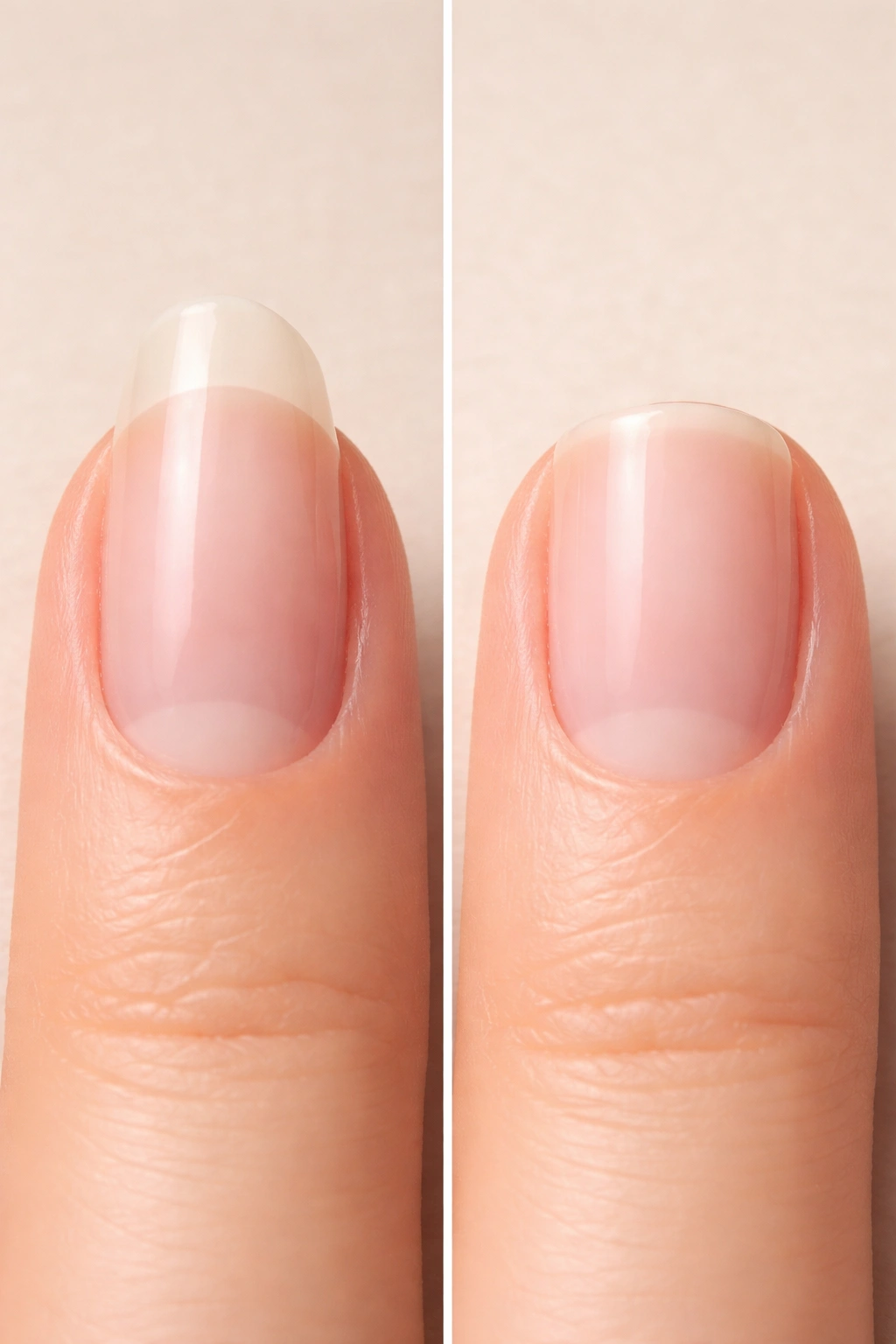
This is the tension that trips up most people trying to grow long nails. You want them long, but trimming is essential for preventing breakage. The key is understanding what to trim and when.
You should trim the entire nail when there’s visible damage anywhere along the free edge. If you see horizontal peeling, splitting, breakage, or whitening starting anywhere, trim across the entire free edge in a straight line. This removes all the damaged tissue at once and prevents the damage from spreading. Yes, this setbacks your length, but it prevents worse setback later.
You should trim individual nails as needed when only one nail has broken or damaged while the others are fine. This creates slight unevenness for a short time, but the other nails will catch up quickly.
You should NOT trim nails shorter than they need to be. If your nails are strong and healthy at their current length with no peeling or breakage, let them grow. The goal is to grow as long as possible while maintaining health. Some people with very strong nails can maintain 6-8 millimeter free edges without issue. Others only manage 4-5 millimeters comfortably. Work within your nail’s actual capacity rather than forcing length that leads to breakage.
You should NOT trim frequently “just to keep them tidy” if the trimming prevents growth. Each trim removes weeks of growth. If your nails are growing healthily at a particular length, that length is where they want to be right now. Keep them there until they demonstrate they can grow further without breaking.
The realistic timeline is this: first 4-6 weeks, you might not see length increase at all because you’re removing damaged edges as they appear. Around week 6-8, you’ll likely see your growth rate finally exceed your trim rate, and length will start accumulating. By 12 weeks, the difference becomes obvious. By 6 months of consistent habits, you’ll have nails that are visibly longer and stronger than where you started.
Managing Cuticles for Healthier Growth
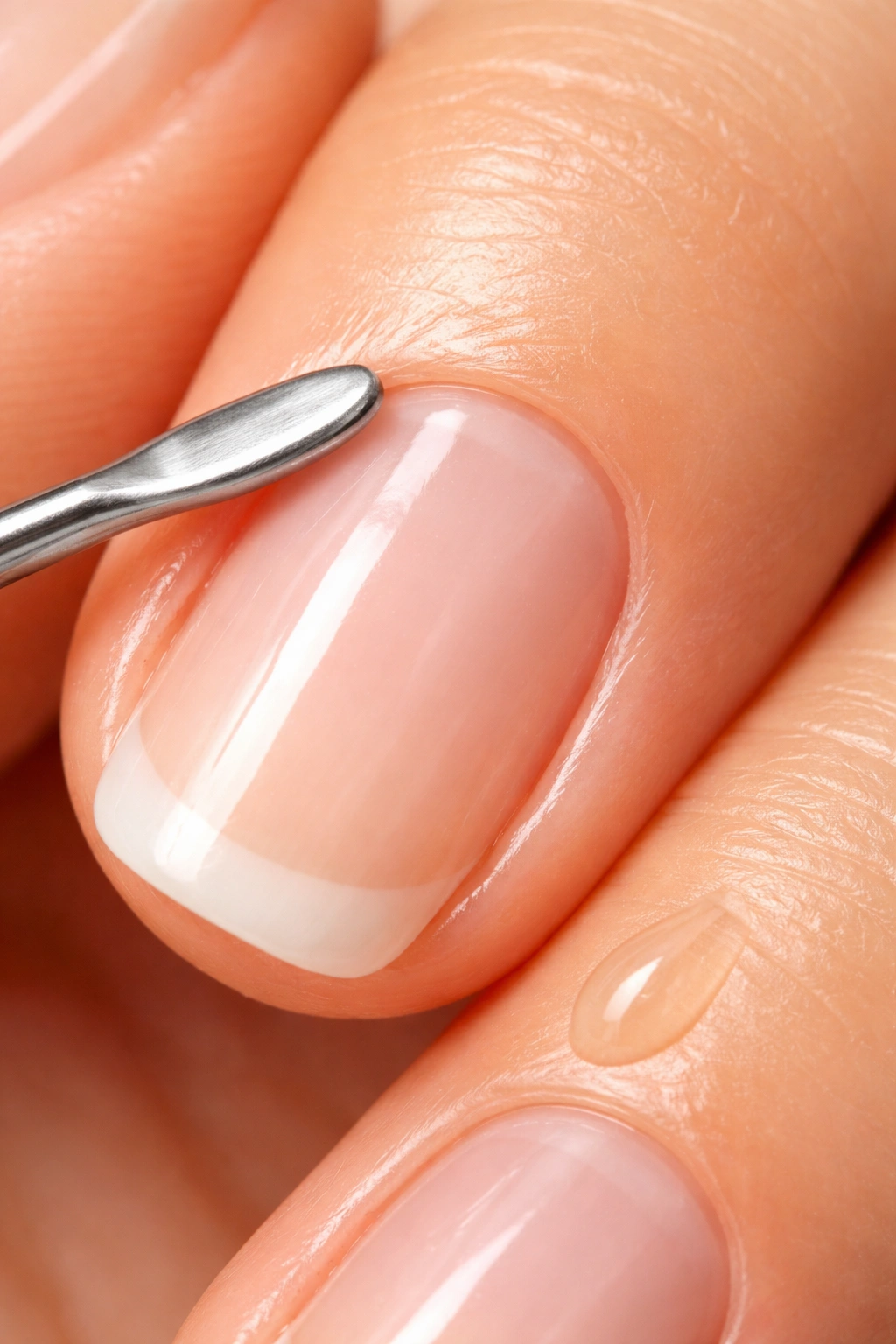
Your cuticles are protective tissue—they seal the space where the new nail emerges from under your skin, preventing bacteria and fungi from entering. Damaging your cuticles actually undermines your nail health, yet most nail care advice treats cuticles as obstacles to remove.
Never cut your cuticles. They will grow back, and the removal process damages the protective seal. Instead, push them back gently using a wooden or plastic cuticle pusher after softening them with warm water or cuticle oil. Soak your hands in warm water for a minute or two, then use gentle pressure to push the cuticle back toward the base of your nail. It should move easily; don’t force it.
Keep your cuticles moisturized with oil or cuticle cream. Dry, cracked cuticles are prone to infection and allow bacteria to enter the nail bed, which can cause nail problems. A few drops of cuticle oil applied daily keeps them healthy and seal intact.
If you notice your cuticles looking red, inflamed, or painful, or if you see any pus or infection, that’s a sign of cuticle damage or infection. Back off on cuticle manipulation and apply medicated ointment if appropriate. If it doesn’t improve in a few days, see a dermatologist.
One common cuticle mistake is over-moisturizing with heavy creams that sit on the cuticle without absorbing. Use oils or lighter cuticle balms that sink in rather than sitting on the surface.
Supplements and Biotin: Do They Actually Work
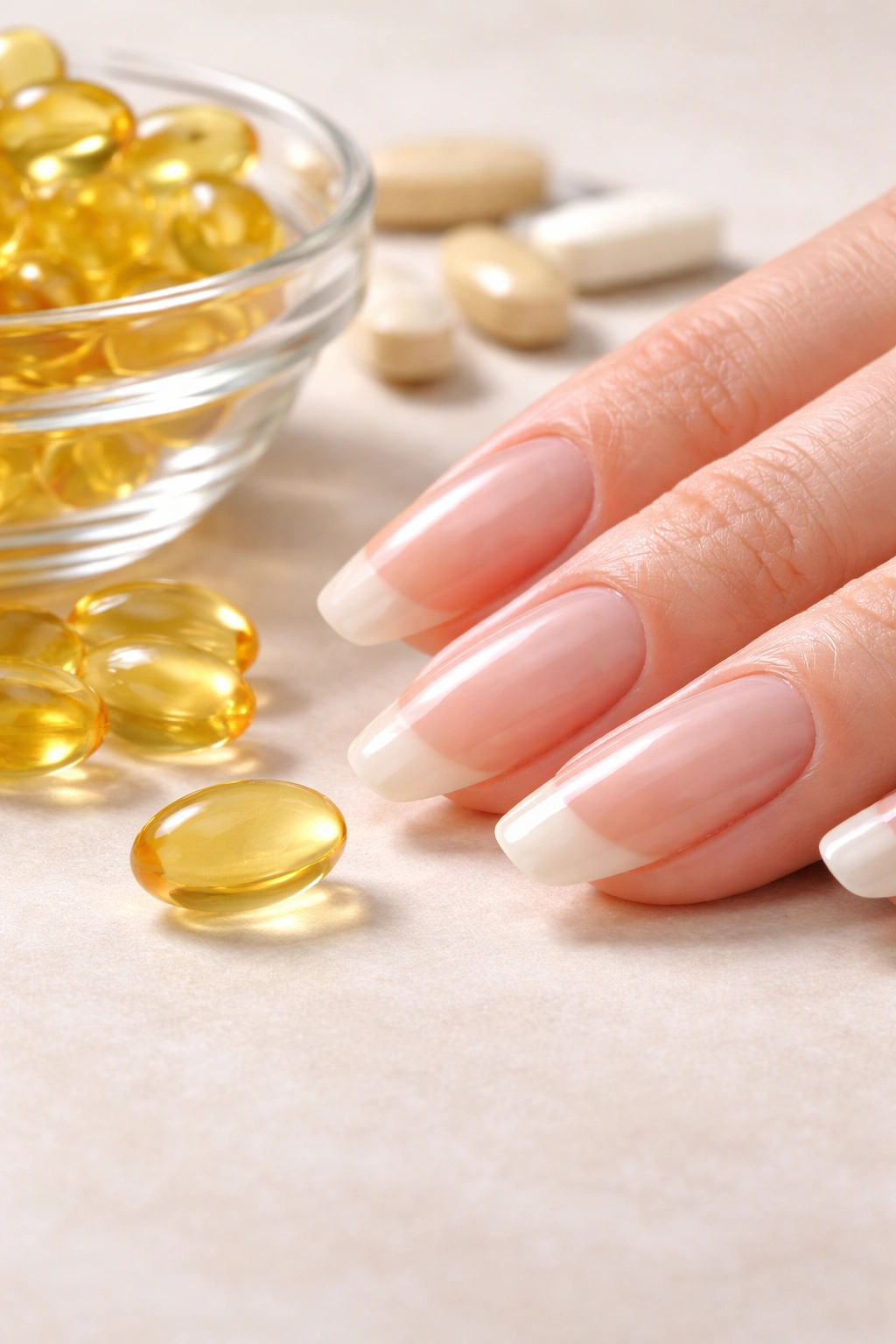
The supplement aisle is full of products promising stronger nails, faster growth, and glossy shine. Most don’t live up to the hype, but biotin specifically has legitimate research behind it.
Biotin, a B-vitamin also called vitamin B7, is involved in the synthesis of keratin. Studies have shown that supplementation with 2.5 milligrams of biotin daily for 12 weeks or longer can increase nail thickness by about 25% and reduce splitting. The effect is modest but real, particularly for people whose nails are naturally soft or weak. The improvement isn’t dramatic overnight; it builds gradually as new nail grows out.
Biotin won’t create strong nails if other factors are working against you—if you’re still using your nails as tools or skipping moisturizer, biotin won’t overcome those habits. But added to a solid foundation of protection and hydration, it can provide a meaningful boost.
Other supplements marketed for nail health include collagen, silica, vitamin C, and various mineral blends. The evidence for these is much weaker than for biotin. Some preliminary research suggests collagen might support nail health, but the studies are small. Silica is heavily marketed for hair, skin, and nails, but solid evidence of nail benefit is limited. Your money is better spent on a basic multivitamin that covers nutritional gaps, biotin if you want to try it, and the fundamental practices of hydration and protection.
If you do try biotin, give it at least 12 weeks before deciding whether it’s working. Results are gradual. The nail you see today grew months ago, so improvements from supplementation take time to become visible.
Quality matters with supplements. Choose brands that are third-party tested and GMP-certified. Biotin is well-tolerated with minimal side effects, but if you’re taking medications or have health conditions, check with your doctor before starting any supplement.
Final Thoughts
The gap between short, fragile nails and long, strong nails isn’t about genetics or luck—it’s about understanding that nails are living tissue that require consistent, specific care. The people with beautiful long nails haven’t found a secret formula; they’ve simply committed to the daily practices that protect and hydrate their nails through months of growth.
Your nail strength and length are determined by four factors working together: daily moisturizing that maintains hydration, gloves during water exposure that prevent damage, protection from using nails as tools, and trimming damage promptly so it doesn’t cascade. These four habits alone, maintained for three to six months, will transform your nails more than any polish, product, or supplement. Add solid nutrition, avoid harsh chemicals, and file correctly, and you’ve created an environment where strong, long nails are virtually inevitable.
The truth that changes everything: you don’t need to do anything complicated. You need to do simple things consistently. Five minutes daily of moisturizing, gloves whenever you touch water, and one eye-check per week for damage to trim. That’s the entire system. Start there, and you’ll see your first visible improvement within 6-8 weeks. By three months, your nails will be noticeably stronger. By six months, people will ask what you’ve changed because the difference will be that obvious.