


Your nails deserve better than that dusty emery board you’ve been using since 2019. Seriously.
If you’ve noticed your natural nails constantly splitting, peeling, or breaking no matter how careful you are, there’s a good chance your nail file is working against you. The wrong file can shred through the delicate layers of keratin that make up your nails, leaving them weaker with every stroke. On the flip side, the right nail file can actually seal your nail edges, prevent damage, and give you that smooth, salon-quality finish at home.
Here’s the thing—most people grab whatever nail file is cheapest or most convenient without realizing that material, grit level, and even filing technique make a massive difference. Glass files work differently than metal ones. A 100-grit file will tear through your natural nails, while a 240-grit option treats them gently. Some files last for years, others fall apart after a few uses.
We’ve done the research, consulted nail experts, and tested options across different price points to bring you the absolute best nail files for natural nails. Whether you’re dealing with weak, brittle nails or just want a cleaner shape between salon visits, we’ve got you covered.
Understanding Nail File Grit: What Those Numbers Actually Mean
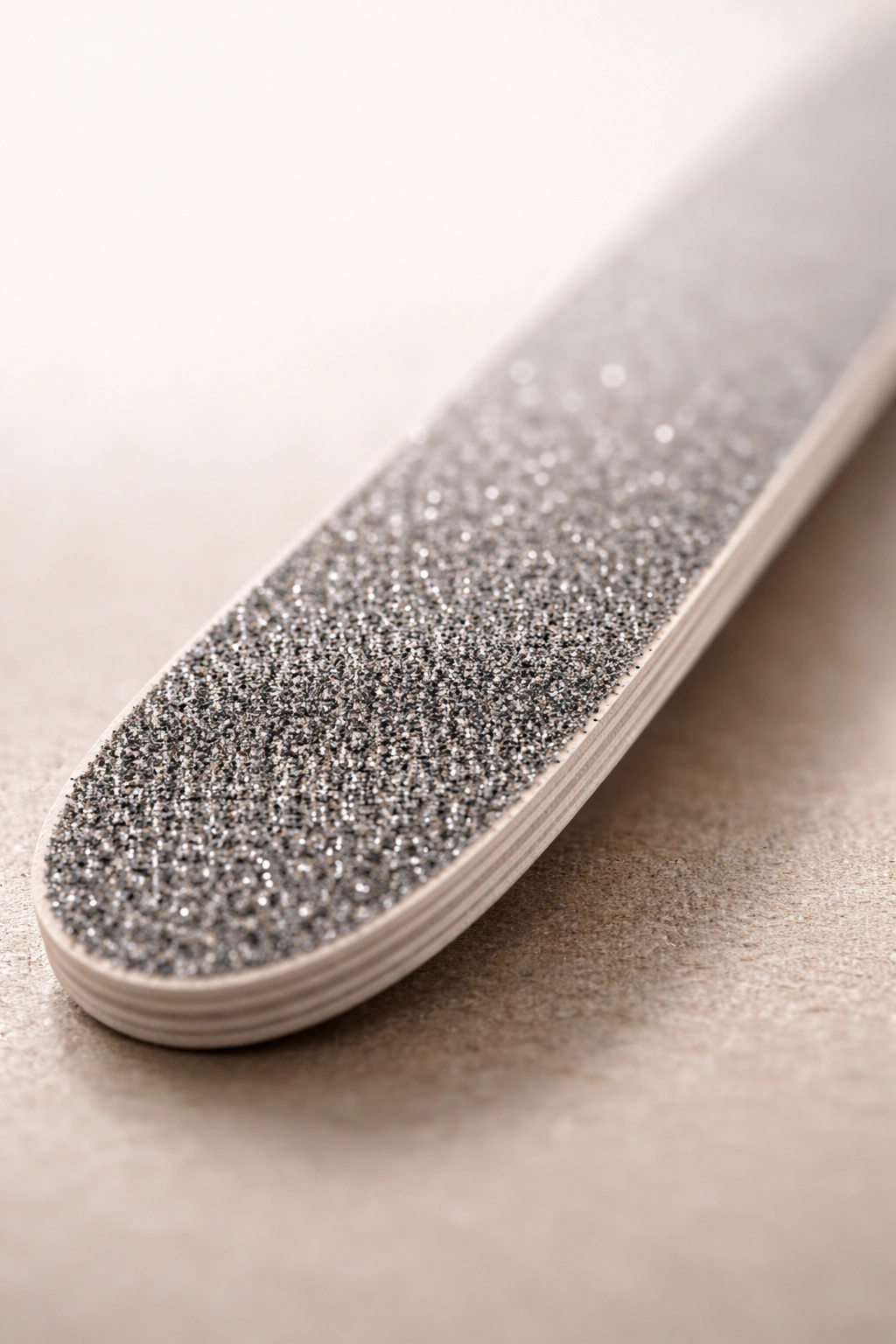
Before we jump into our top picks, you need to understand grit levels. This isn’t optional—it’s the difference between helping your nails and accidentally damaging them.
Grit refers to how many abrasive particles exist per square inch on your file’s surface. Lower numbers mean coarser, more aggressive files. Higher numbers mean finer, gentler surfaces. Think of it like sandpaper for wood—you wouldn’t use the roughest grade on a delicate piece of furniture, right? Same concept applies to your nails.
For natural nails, you’re looking at grit levels between 180 and 240 as your sweet spot. Anything below 180 is designed for acrylics, gels, or thick nail enhancements—way too harsh for the natural nail plate. Files with 240 grit or higher are gentle enough to shape without tearing through those protective keratin layers.
Celebrity manicurist Sonya Meesh confirms this range works best for most people. “Anything below 180 works for nail enhancements,” she explains, “but for natural nails, you want that higher, finer grit to avoid damage.”
If your nails are particularly thin or prone to peeling, consider going even higher—some experts recommend 280 to 320 grit for fragile nails. These super-fine files take a bit longer to shape your nails, but they’re much safer for delicate nail plates.
Why Material Matters More Than You Think
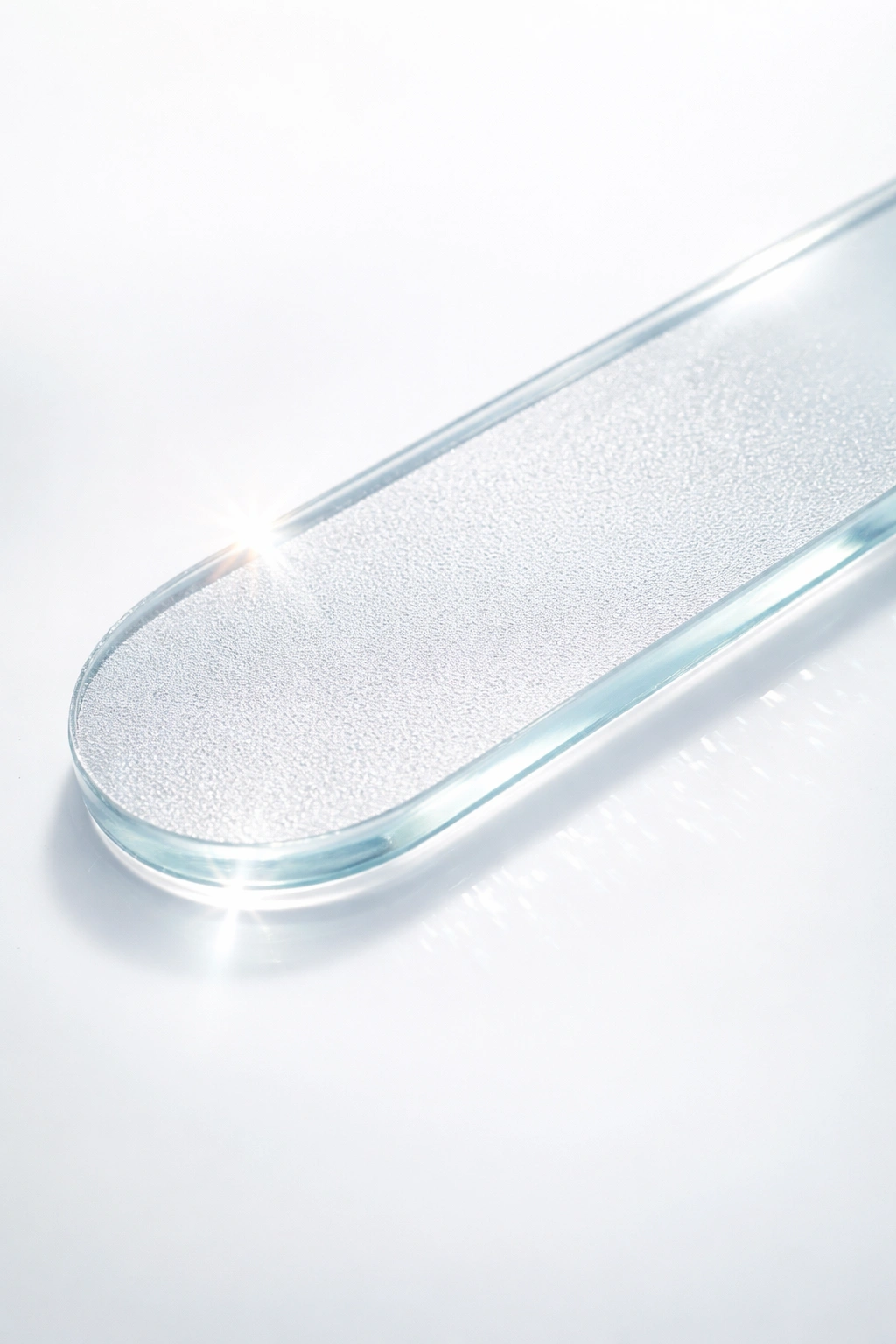
Grit level isn’t the only factor. The material your nail file is made from affects everything from how long it lasts to how it impacts your nail health.
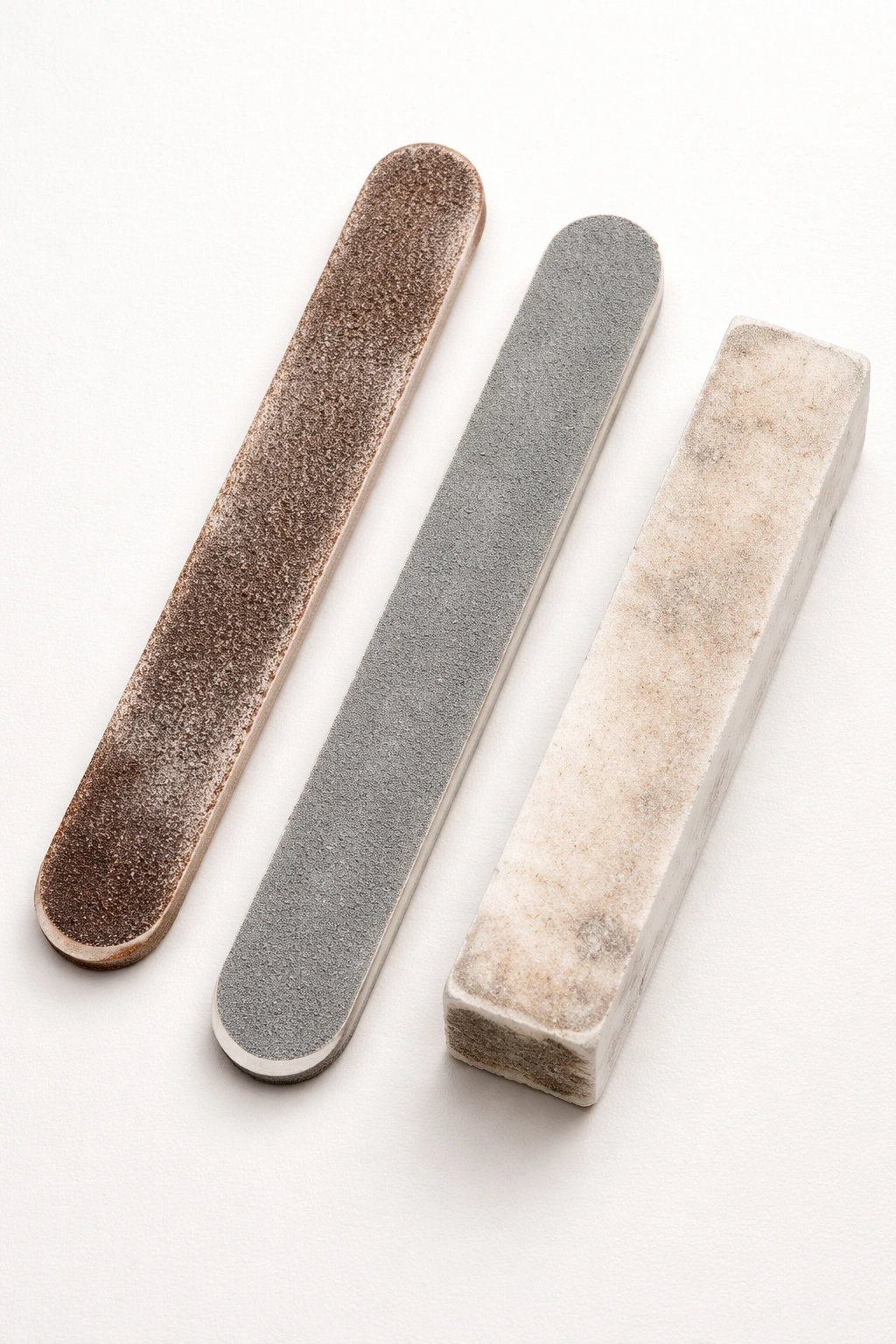
Emery boards are those classic cardboard files everyone recognizes. They’re cheap and widely available, but they absorb moisture, harbor bacteria, and wear out quickly. Most nail professionals suggest replacing them every three months—or more often if you file regularly.
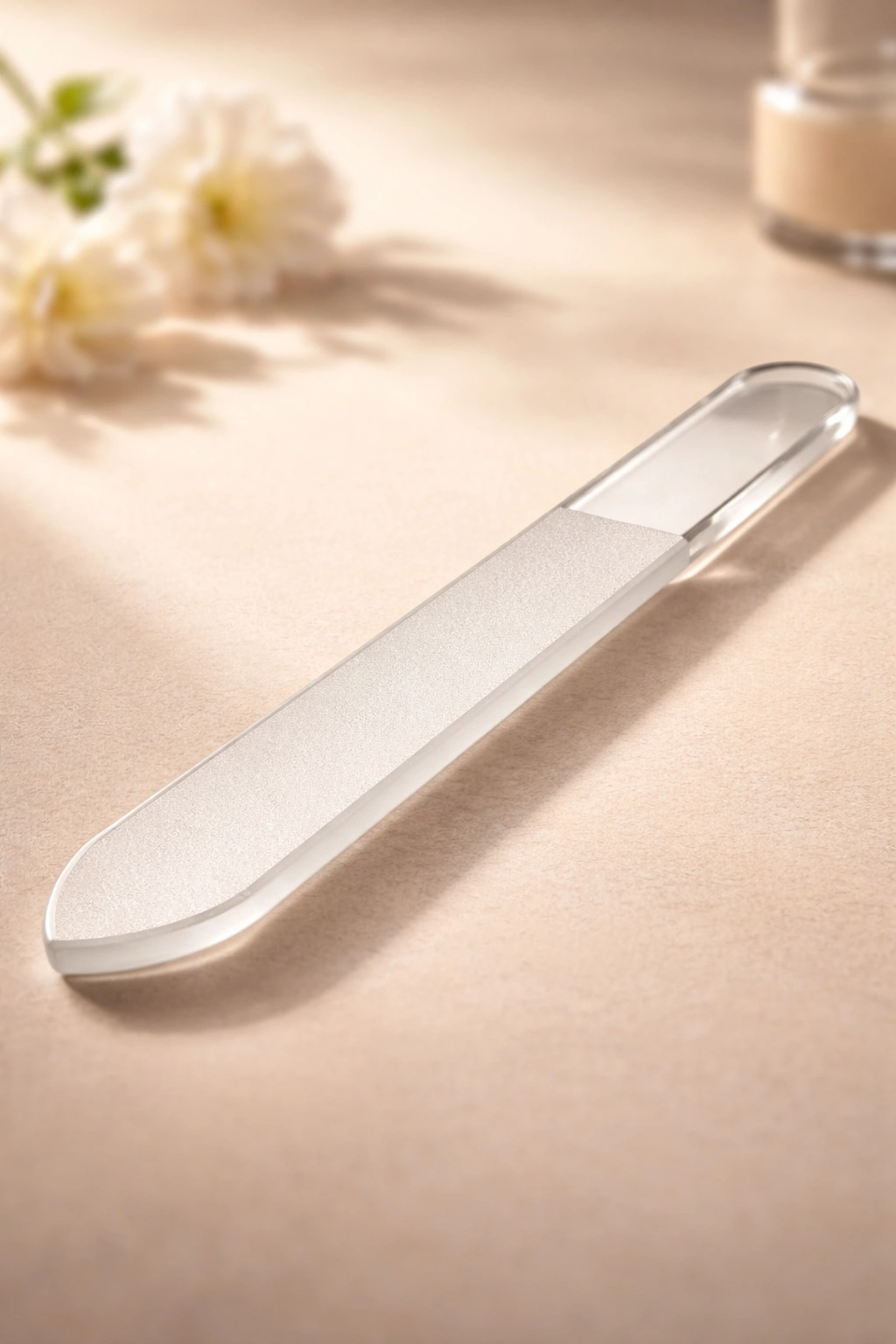
Glass or crystal files are game-changers for natural nails. Their filing surface is etched directly into the glass, so it won’t wear down like emery boards. They seal the keratin layers in your nails regardless of which direction you file, preventing splits and peeling. Plus, they’re non-porous and easy to sanitize.
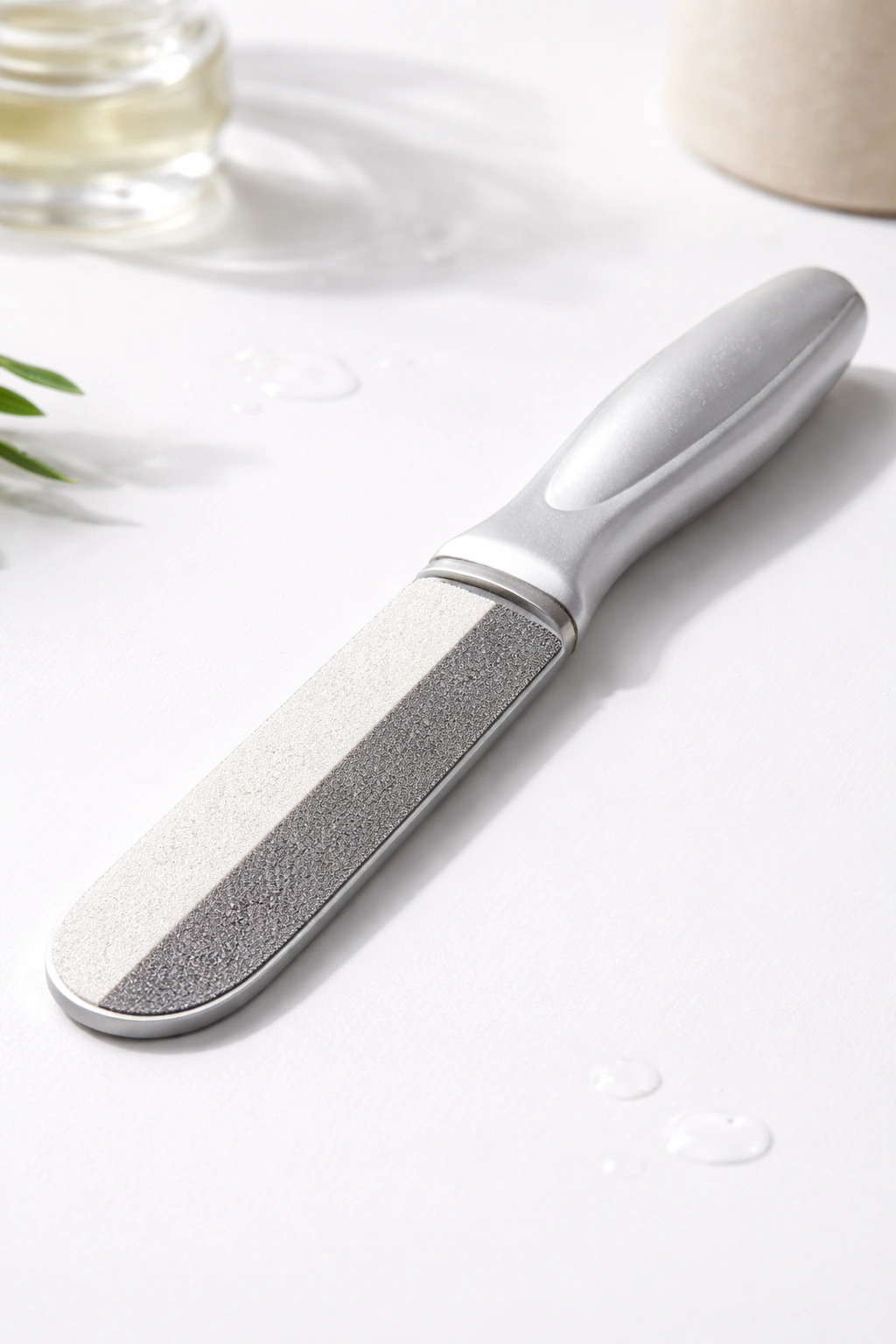
Metal files used to have a terrible reputation for being too abrasive, but modern versions have improved dramatically. Stainless steel files with sapphire or diamond coatings can be surprisingly gentle while still being practically indestructible. They’re rust-proof, easy to clean, and great for travel.
Nail specialist Marlisse Murguido from Paul Labrecque Salon strongly advocates for glass files: “Crystal/glass files are best for overall nail care. They’re also non-porous, which means they can be cleaned and reused and are gentle enough for natural nails.”
## 1. Bona Fide Beauty Czech Glass Nail File – Best Overall
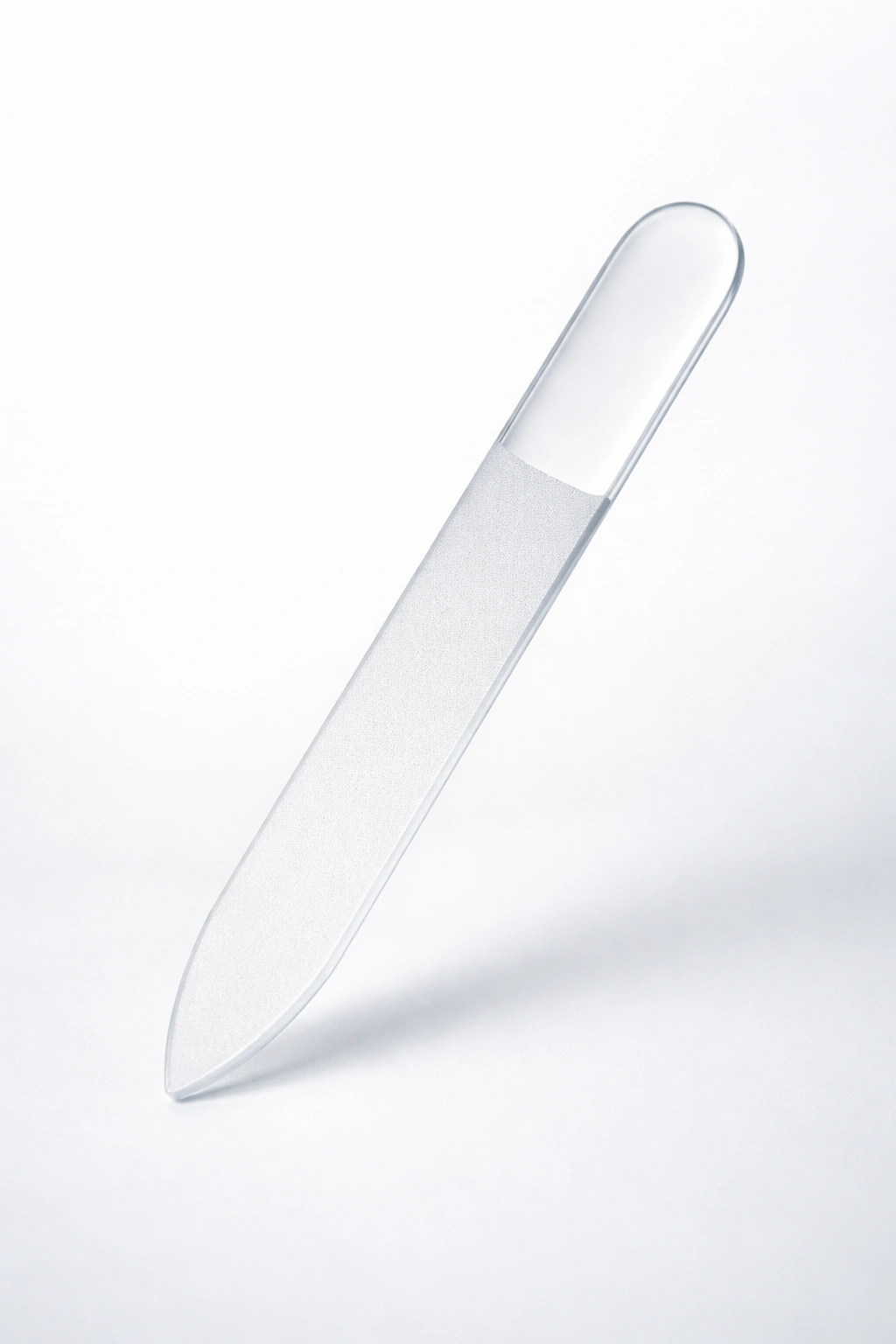
This isn’t just another glass file—it’s the one that consistently tops best-seller lists for good reason.
Made from genuine Czech crystal glass, this file is handcrafted in the Czech Republic using techniques perfected over generations. The etched surface won’t wear out like cheaper alternatives, meaning your investment lasts for years. It comes with a protective hard case, making it perfect for tossing in your purse without worry.
The 180/240 grit level hits that perfect balance for natural nails. You can shape efficiently without being too aggressive. Whether you’re rounding out edges or taking down length, this file handles it smoothly.
What really sets this apart is how it seals your nail edges as you file. That etched glass surface doesn’t tear through keratin layers—it gently smooths them, actually preventing the splits and peeling that traditional files often cause. You can file in any direction without damage, though we still recommend the one-direction technique for best results.
Over 31,000 reviewers give it a 4.7-star rating, with people consistently mentioning how much stronger their nails have become since switching. One reviewer noted, “My nails used to peel constantly. This file changed everything.”
At around $9, it’s more expensive than a pack of emery boards, but you’ll replace those multiple times while this glass file keeps performing. That makes it incredibly cost-effective over time.
## 2. Teenitor Nail File and Buffer Set – Best Value Pack
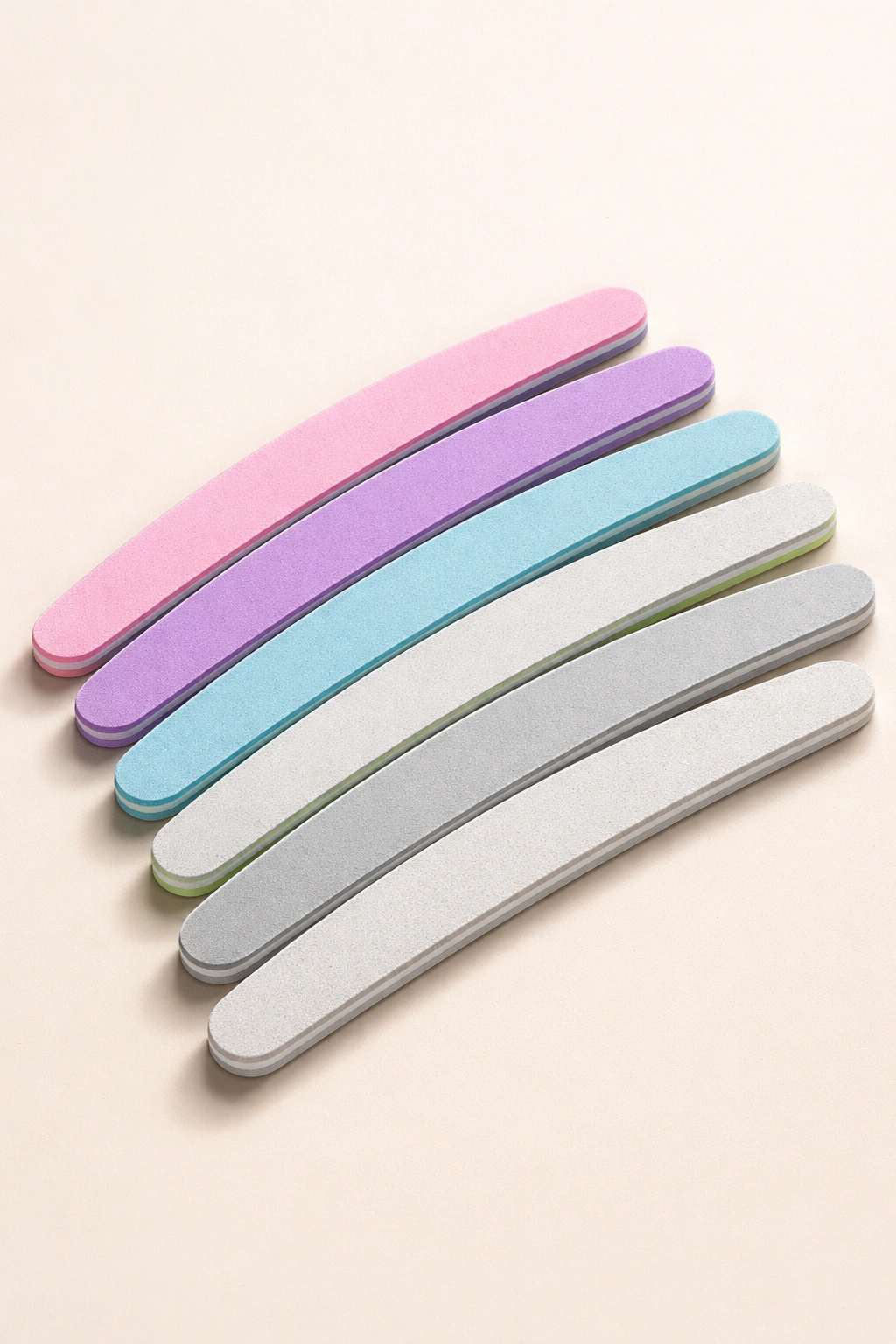
Sometimes you need options, and this six-piece set delivers without breaking the bank.
For under $7, you get six double-sided nail files with 100/180 grit. The dual-grit design means you have some versatility—the 180 side works beautifully for shaping natural nails, while the 100 side can handle tougher jobs if you occasionally wear enhancements.
These emery board-style files have a foam core that makes them flexible yet sturdy. That flexibility helps when you’re working around the curves of your nails or trying to reach those side angles. They’re washable and reusable, though you’ll want to replace them periodically as the grit wears down.
The assorted colors are honestly just fun. Having six files means you can stash them everywhere—bathroom drawer, purse, desk at work, gym bag. You’ll always have one when you snag a nail.
With nearly 20,000 five-star reviews, people love these for their reliability and affordability. They’re not going to last as long as a glass file, but at this price point, you can replace them guilt-free. One user shared, “I keep these everywhere. Perfect for quick fixes and they actually work well.”
These ranked as an Amazon’s Choice product and a best-seller, which speaks to how consistently they perform for the price.
## 3. 3 Swords Germany Sapphire Metal Nail File Set – Best for Durability
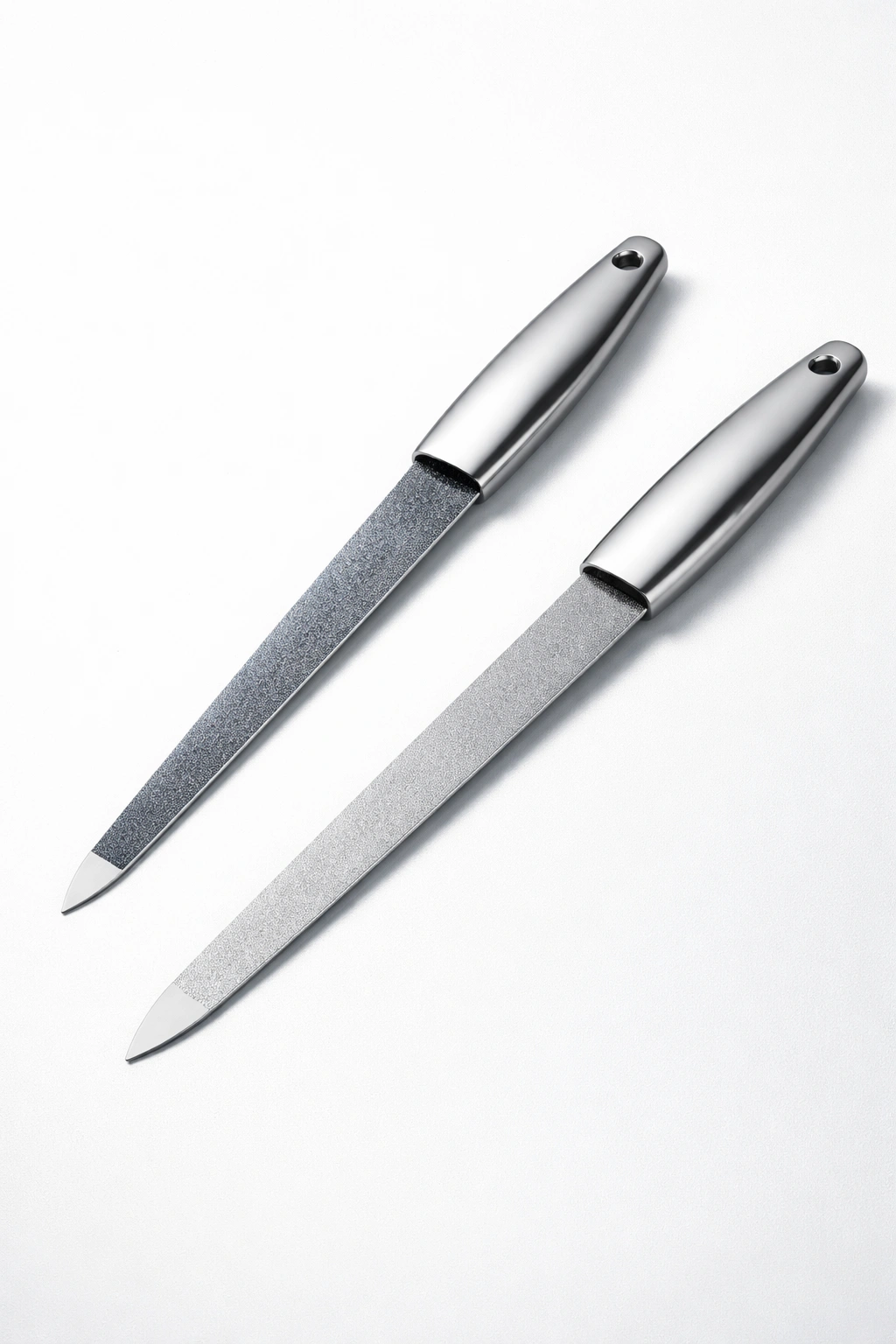
If you’re rough on your tools or travel frequently, you need something practically indestructible.
This set from 3 Swords Germany includes two metal nail files with sapphire coating plus a three-way buffer block. Made in Solingen, Germany—a city famous for manufacturing high-quality blades and files—these tools are built to last decades, not months.
The sapphire coating provides a gentle filing surface despite the metal base. It’s fine enough for natural nails but tough enough to handle absolutely anything. The double-sided design offers slightly different grits for shaping versus smoothing.
Metal files are incredibly hygienic since they’re non-porous and can be sanitized easily. Just wash with soap and water or wipe with alcohol. They won’t absorb moisture or harbor bacteria like cardboard-based files can.
The pointed tips are surprisingly useful for cleaning under your nails or gently working around cuticles. Some people find metal files feel too “industrial” compared to gentler glass options, but the quality here makes a difference. This isn’t a cheap metal file that tears through nails—it’s precision-engineered.
At under $9 for the set, the value is incredible considering these files will outlast dozens of disposable options. Over 16,000 reviewers rate it 4.7 stars, with many mentioning they’ve had theirs for years without any degradation in performance.
## 4. Revlon Compact Emery Boards – Best Budget Option
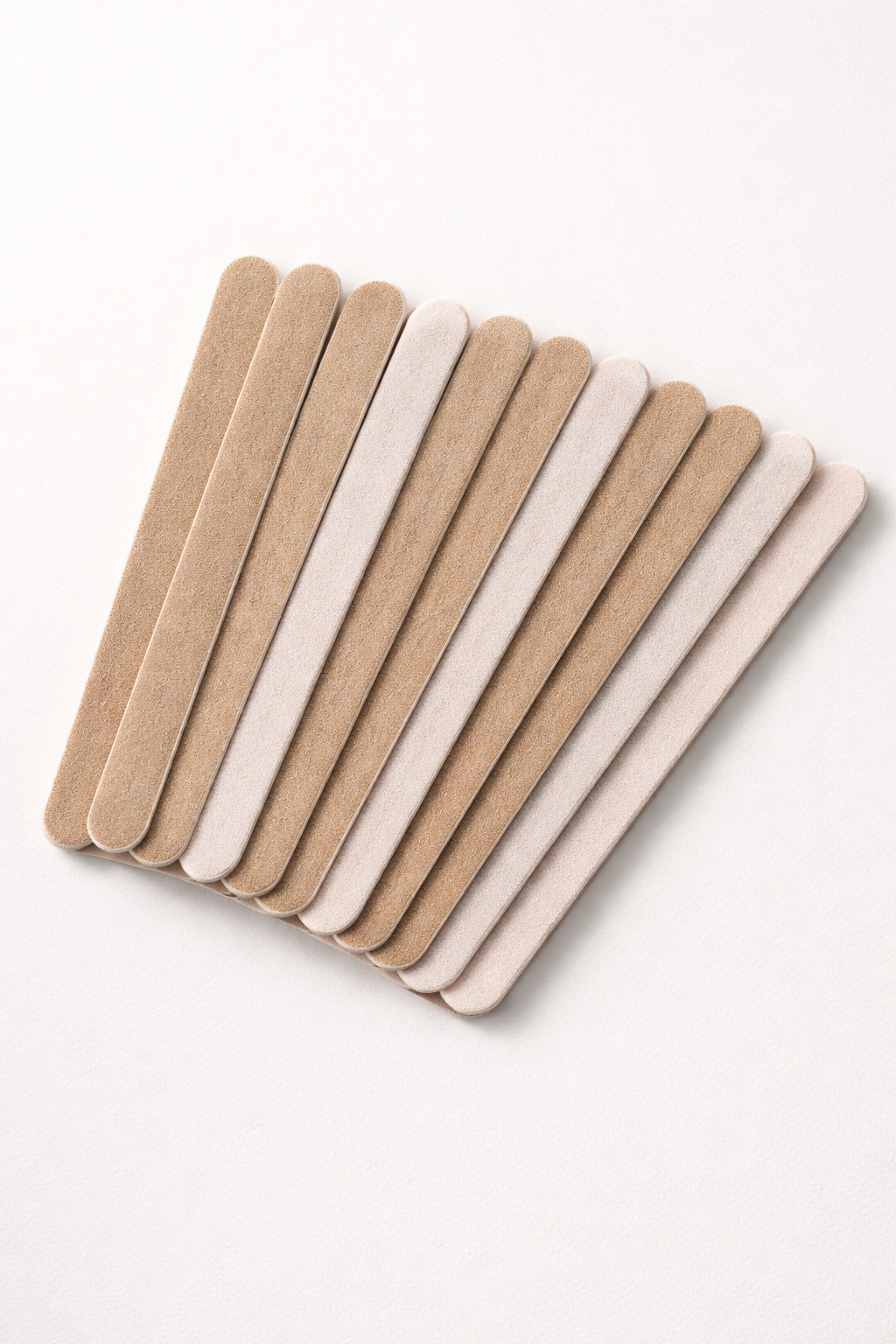
Not everyone wants to spend money on fancy nail files, and that’s completely fair.
These classic Revlon emery boards come in a 24-pack for under $5, making them the most affordable option by far. Each board is compact (about 4.6 inches), so they easily slip into pockets or small makeup bags.
The 80/150 dual-sided grit means the coarser side is too rough for delicate natural nails, but the 150 side works fine for most people. They’re flexible, lightweight, and totally disposable—which some people actually prefer over reusable options.
Sure, they’re not going to last as long as glass or metal files. The cardboard base can bend, and the grit wears down. But when you’re paying about 20 cents per file, replacing them isn’t a big deal. Some people like having fresh files regularly for hygiene reasons anyway.
These are perfect for keeping on hand “just in case” or for distributing among family members. Nearly 3,000 reviewers give them 4.7 stars, appreciating their reliability and convenience. One person wrote, “They’re basic, but they work. I keep them everywhere.”
If you’re just getting into nail care or want backups for your backups, you can’t beat this price point.
## 5. Makartt Professional Nail Files – Best for Shaping Acrylics and Natural Nails
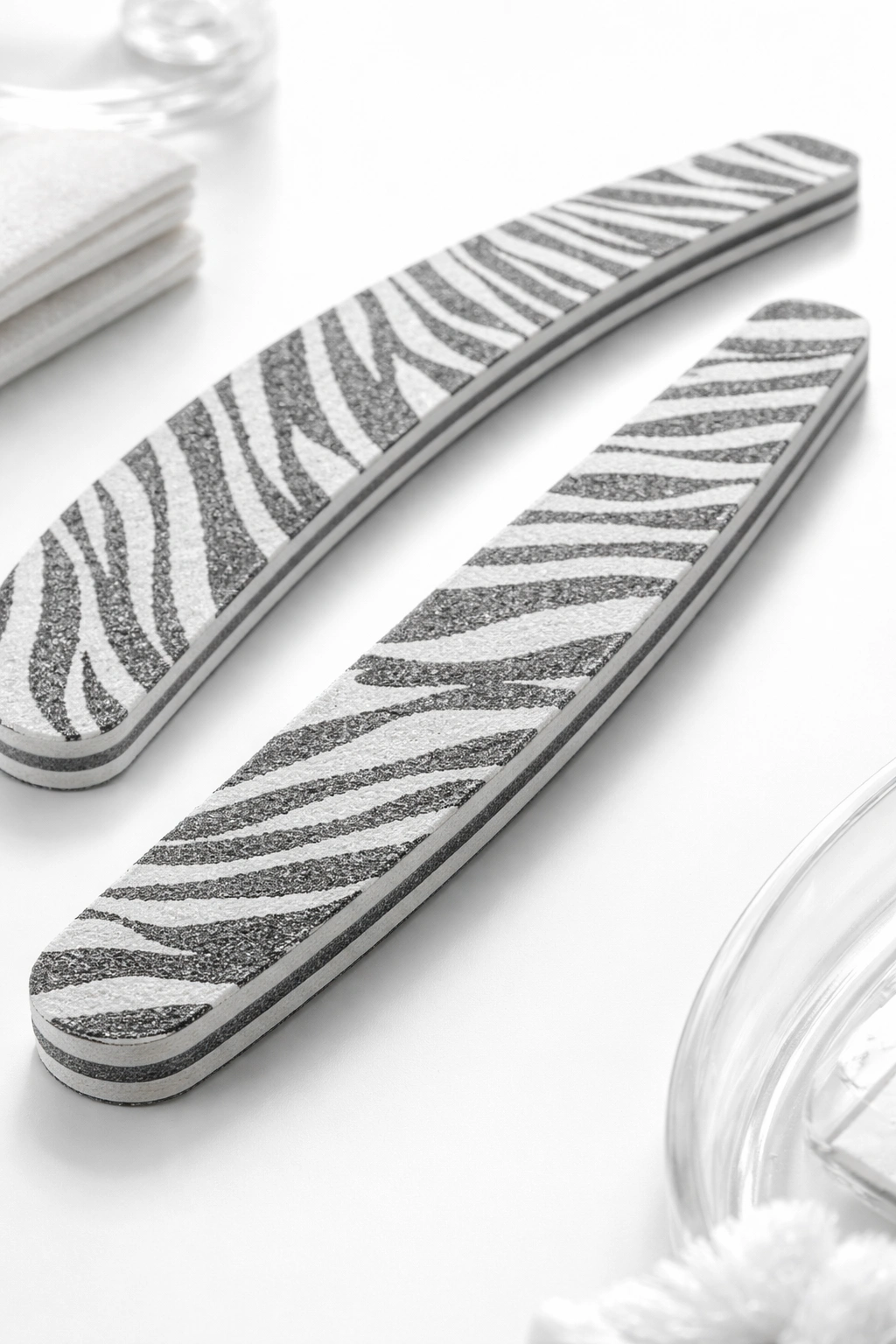
Here’s an option that works beautifully whether you’re team natural nails or you occasionally rock enhancements.
This 10-pack features the classic zebra-stripe design you’ll recognize from professional salons. The 100/180 grit combination gives you serious versatility—use the coarser side for removing length on acrylics or gel extensions, then flip to the finer side for shaping and smoothing natural nails.
The files themselves are about 7 inches long with a slightly curved shape that feels comfortable in your hand during longer filing sessions. They’re washable and reusable, with a foam core that provides nice flexibility without being flimsy.
What makes these stand out is their professional-grade quality at a consumer-friendly price. Nail techs often use these exact files in salons because they’re reliable, consistent, and effective. You’re essentially getting the same tools the pros use for under $9.
With over 15,000 reviews and a 4.8-star rating, customers rave about how well these hold up to regular use. One reviewer mentioned, “I’ve been doing my own nails for years, and these files perform just as well as the ones my nail tech uses.”
The zebra pattern isn’t just aesthetic—it indicates a specific type of coating (silicon carbide with zinc stearate) that prevents the grit from clogging with dust. That means the file stays effective longer.
## 6. Glass Nail File 3-Pack – Best Travel Set
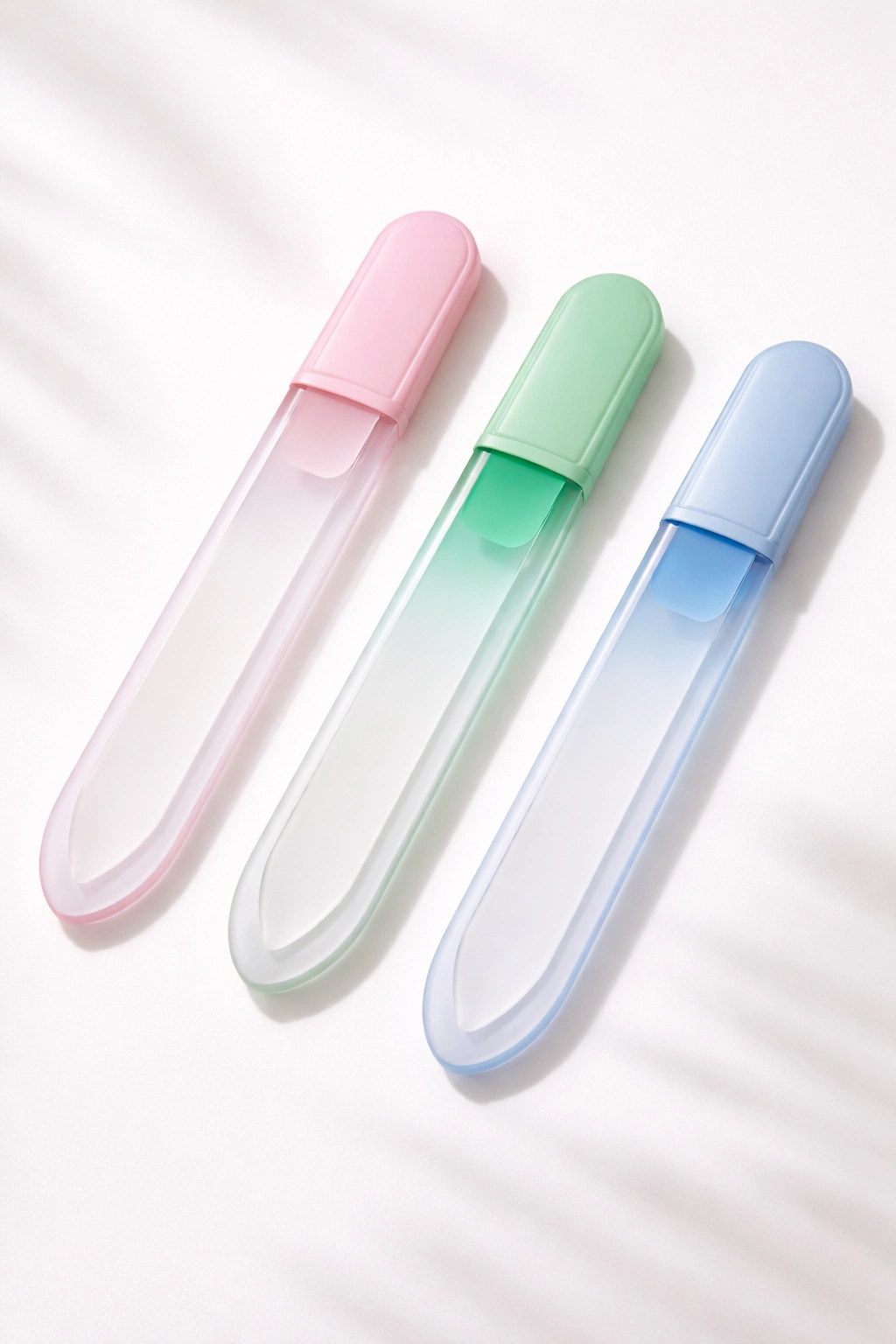
Carrying one glass file is smart. Having three means you’re prepared for anything.
This three-pack of crystal glass files comes with protective cases and includes different colors (typically pink, green, and blue), making them easy to tell apart if you’re sharing with family or roommates. Each file has a fine etched grit that’s perfect for natural nails.
Glass files are inherently travel-friendly since they won’t bend or break easily like emery boards, and these cases add an extra layer of protection. Toss them in your carry-on, gym bag, or desk drawer without worry.
The double-sided etched surface means you’re getting filing power on both sides, and that surface won’t wear down even with daily use. You can wash them with warm water and soap, making them more hygienic than disposable options.
Over 6,700 reviewers give this set 4.5 stars, with many mentioning they love having multiple files in different locations. At around $10 for three files with cases, the value is solid. One happy customer shared, “One in my purse, one at home, one at the office. Never without a good nail file again.”
The Czech-style glass construction means these are similar quality to much pricier options, just without the fancy branding.
## 7. Revlon Shape ‘N’ Buff Nail Buffer Block – Best for Finishing
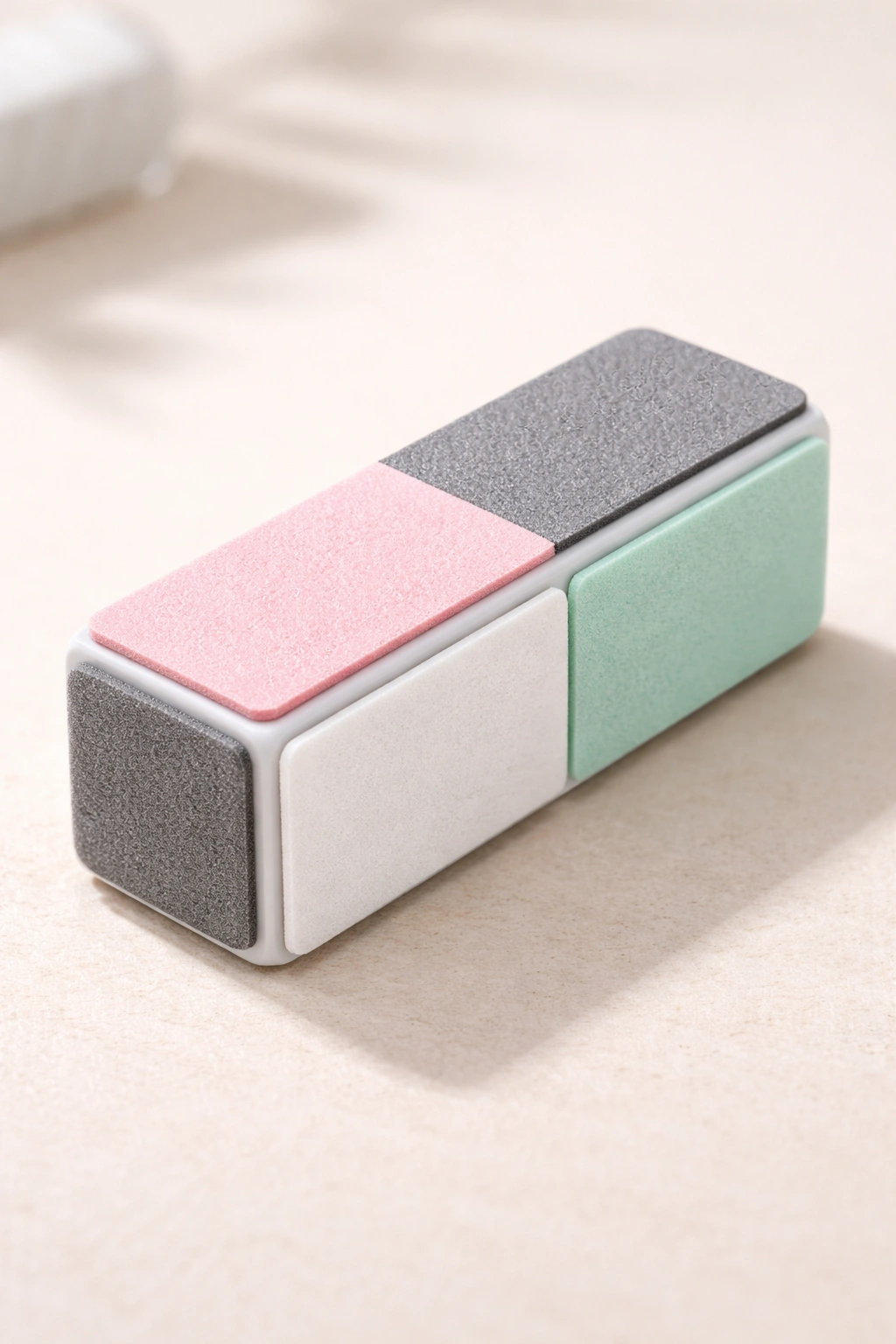
Filing is just one step—sometimes you need to smooth and shine too.
This all-in-one buffer block from Revlon handles multiple steps in one compact tool. It’s designed specifically for natural nails, taking them from shaped to salon-smooth in minutes.
The different sides have varying grits for specific purposes: shaping the free edge, smoothing the nail surface, and buffing to a natural shine. It’s particularly useful if you prefer the look of bare nails or use clear polish—that buffed shine makes nails look healthy and well-maintained without any product.
Buffer blocks are gentler than regular files for overall nail care since they’re designed to refine rather than remove material. This one is small enough to grip comfortably but substantial enough to feel sturdy in your hand.
With over 11,000 reviews and a 4.6-star rating, people love how simple it makes at-home manicures. “My nails look professionally done, and I haven’t even applied polish yet,” one reviewer raved.
At under $6, it’s an affordable addition to your nail care routine. It won’t replace your regular nail file for shaping, but it’s perfect for that finishing step that takes your nails from good to great.
How to Choose the Right Nail File for Your Specific Needs
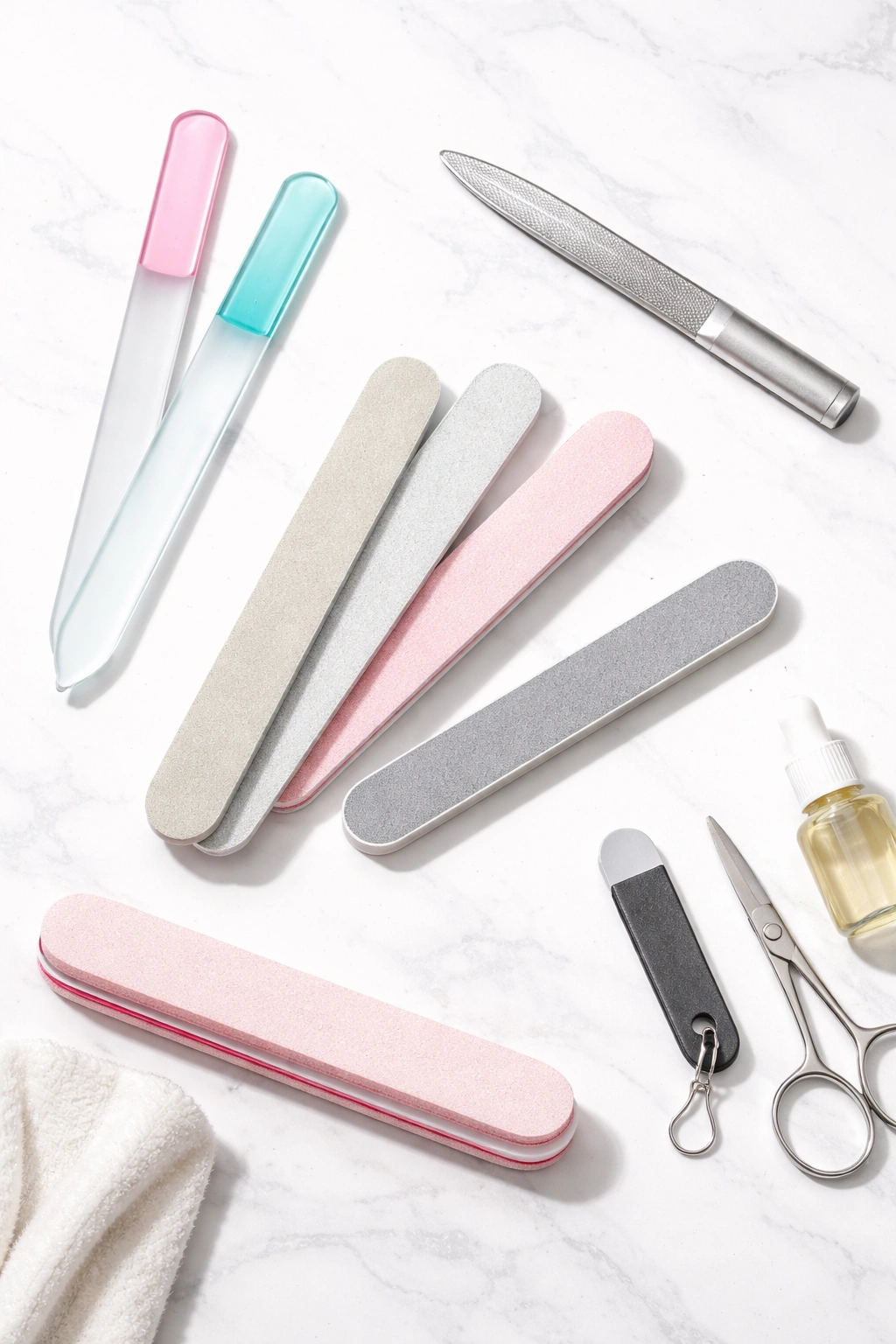
Not all natural nails are created equal. Your perfect file depends on your nail type and what you’re trying to accomplish.
For weak, brittle nails: Go with a glass file rated 240 grit or higher. The gentler surface won’t cause additional damage, and the sealing action actually helps strengthen edges over time. Avoid anything coarser than 180 grit at all costs.
For strong, healthy nails: You have more options. Files in the 180-240 range work beautifully, and you can choose based on preference—glass for longevity and hygiene, emery boards for affordability and convenience, or metal for durability and travel.
For occasional acrylic or gel users: Dual-grit files are your friend. Something with 100/180 grit lets you handle enhancements when you have them while still being gentle enough for natural nails during breaks. Just remember to use the finer side on your natural nails.
For on-the-go touch-ups: Compact options with protective cases are essential. Glass files with hard cases or small metal files won’t get damaged bouncing around in your bag. Keep one in your purse, car, and desk drawer.
Nail artist Erica De Los Santos points out, “I personally prefer using an emery board-style file because it’s more universal and works well for both shaping all types of nails and refining enhancements like gel or acrylic. Glass or crystal files are great for natural nails, as they seal the free edge and reduce splitting.”
The Filing Technique That Actually Protects Your Nails
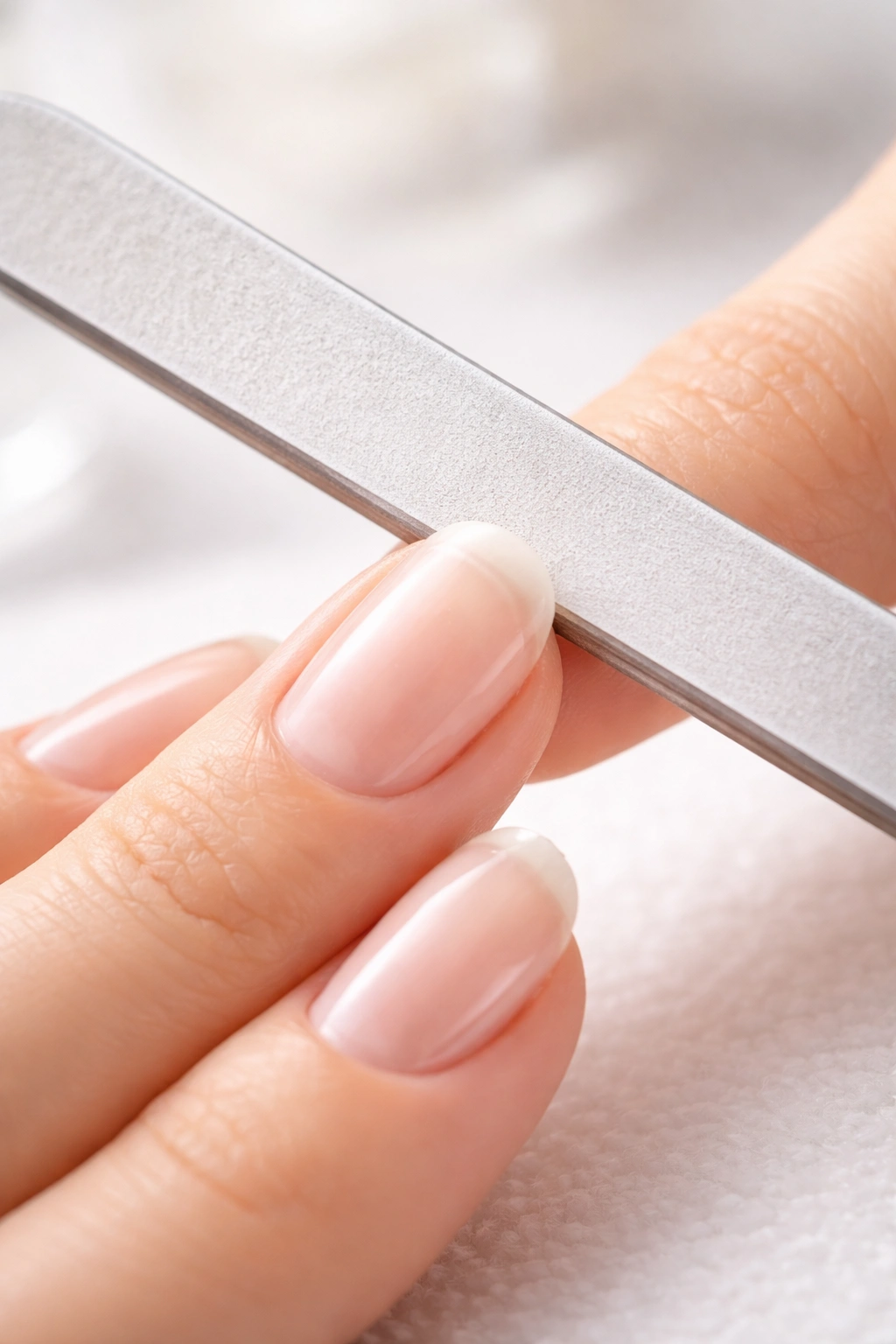
Having the right file is only half the battle. Filing technique matters just as much.
Always file in one direction. That back-and-forth sawing motion might feel faster, but it’s terrible for your nails. It shreds through the keratin layers, causing splits and peeling that won’t show up until days later.
Start at one outer edge and file toward the center using long, smooth strokes. Then do the same from the other outer edge toward the center. This seals the layers rather than tearing through them.
Keep your nails dry while filing. Wet nails are more flexible and prone to tearing. If you’ve just gotten out of the shower, wait at least 10 minutes before filing.
Hold the file at a slight angle under the nail tip rather than straight on. This helps prevent you from filing too deeply into the nail bed, which can cause sensitivity or damage.
Don’t overdo it. A few gentle strokes are usually enough to shape or smooth an edge. Aggressive, prolonged filing thins out your nail plate, making it weaker over time. Less is more here.
Laura Malarkey, celebrity nail artist, emphasizes this point: “Never use a coarse grit to buff the bare nail plate or file the edges of a thin natural nail. It will do irreparable damage.”
Maintaining and Cleaning Your Nail Files
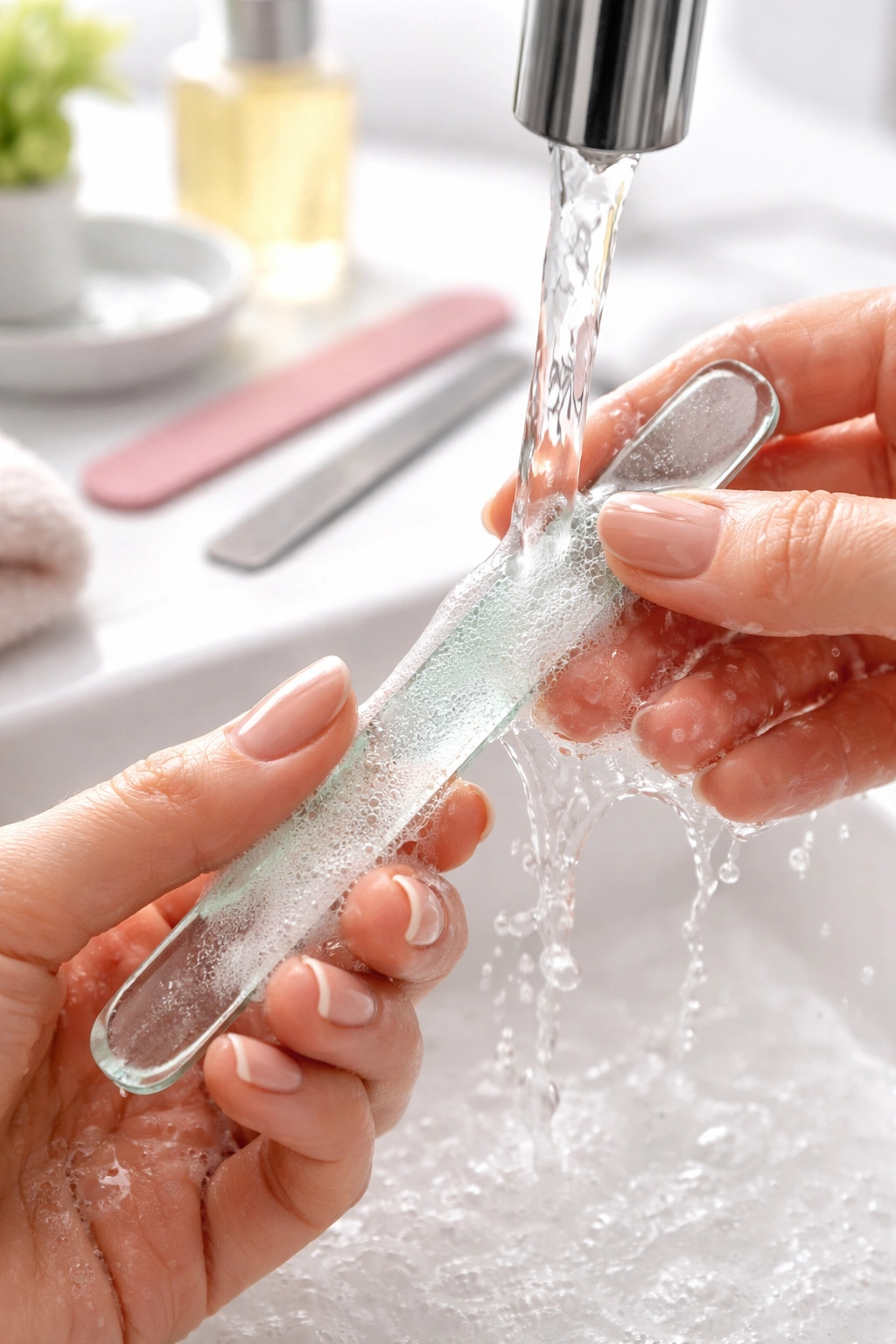
Your nail file touches dead skin cells, oils, and sometimes polish residue. Cleaning it isn’t optional—it’s necessary for both hygiene and performance.
For glass files: Wash with warm water and gentle soap after each use. You can also use rubbing alcohol or sanitizer for a deeper clean. The non-porous surface won’t harbor bacteria, making these the most hygienic option.
For metal files: Similar to glass—soap and water work great, and they can handle alcohol or disinfectant spray without any issues. Make sure they’re completely dry before storing to prevent any moisture issues.
For emery boards: These are trickier. Wood and cardboard-based files will deteriorate if they get too wet, so your best option is to brush off dust with a clean toothbrush and replace them every few months. Some experts suggest replacing them even sooner if you use them frequently.
Nail educator Syreeta Aaron recommends, “Another good sign of overuse is when you have bent the file or if the file is not as stiff as it once was.” When your file starts feeling less effective or looks worn, it’s time for a replacement.
Store your files in a clean, dry place—preferably in a case or drawer rather than loose in a bag where they’ll collect lint and debris.
When to Replace Your Nail File
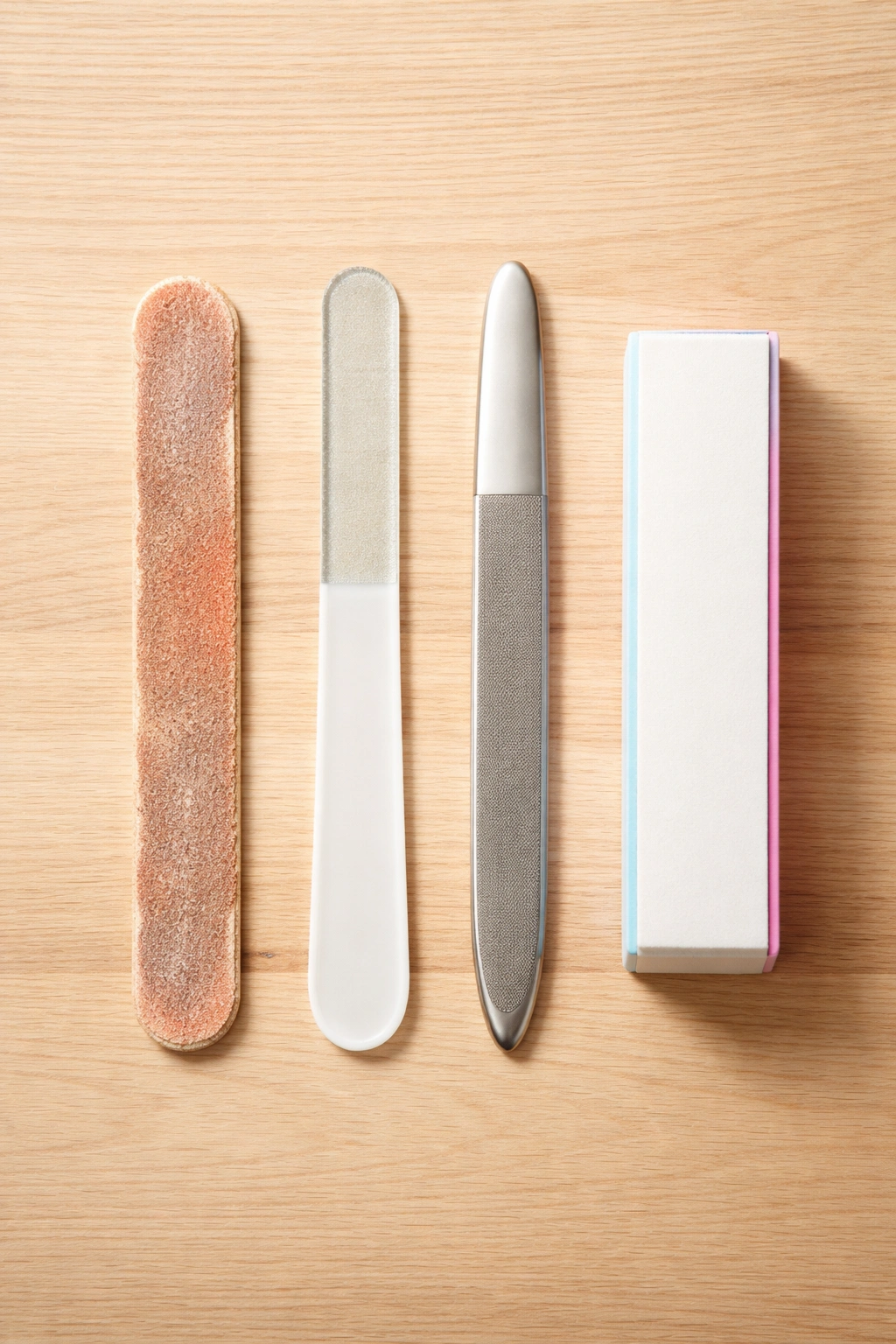
Even the best nail files don’t last forever. Well, glass and metal ones practically do, but others need replacement.
Emery boards should be replaced every three months with regular use, or sooner if the grit feels smooth or the file is visibly worn. If it’s taking more effort to shape your nails than it used to, the abrasive surface has worn down.
Glass files can last for years—sometimes decades—if cared for properly. The etched surface doesn’t wear down like other materials. Replace them only if they chip or break (which is rare).
Metal files are similarly long-lasting. Quality stainless steel files with sapphire or diamond coatings can last indefinitely with proper care. The coating might eventually wear in high-use areas, but this takes years.
Buffer blocks typically need replacement more frequently—every six months to a year depending on use. The multiple surfaces wear at different rates, and once they feel smooth instead of slightly rough, they’re not doing their job anymore.
If you notice your nails are splitting more than usual or not getting as smooth as they used to, your file might be past its prime even if it looks okay.
Common Nail File Mistakes That Damage Your Nails
Plenty of people unknowingly sabotage their nail health with these filing errors.
Using too coarse a grit is probably the most common mistake. Those 80-100 grit files designed for acrylics are way too aggressive for natural nails. They’ll thin out your nail plate and cause long-term weakness.
Filing immediately after water exposure is another big one. Shower, then file? Bad idea. Your nails are softer and more flexible when wet, making them prone to tears and damage during filing.
Sawing back and forth might seem efficient, but it shreds through nail layers. Celebrity nail artist Rachel Joseph explains, “This sawing motion causes keratin to peel off and layers of your nails to peel and split as you file.”
Filing too aggressively or too often thins out the nail plate over time. Your nails don’t need filing every day—once a week is plenty for most people, unless you’ve snagged something and need a quick fix.
Using the wrong file for your nail type is surprisingly common. Strong acrylics need coarse files; delicate natural nails need fine ones. Match your tool to your situation.
Extra Features Worth Considering
Some nail files come with thoughtful additions that make them even more useful.
Protective cases aren’t just about keeping your file clean—they also prevent the abrasive surface from scratching other items in your bag. Glass and metal files especially benefit from cases since they can damage phone screens or sunglasses if they’re loose in your purse.
Dual-grit options give you flexibility without needing multiple files. One side for shaping, another for smoothing. Just make sure the coarser side isn’t too aggressive for your natural nails.
Pointed tips on metal files can double as cuticle cleaners or tools for getting under your nails. They’re surprisingly handy for multiple tasks beyond just filing.
Ergonomic handles or grips make longer filing sessions more comfortable. If you regularly do your own manicures, this feature is worth seeking out.
Sustainable materials matter to many people. Glass and metal files are more eco-friendly than disposable emery boards since they last for years. Some brands now make files from recycled materials or sustainably sourced wood.
Final Thoughts
Your nails are constantly exposed—people notice them. Well-maintained nails don’t require elaborate nail art or expensive salon visits, but they do require the right tools.
A quality nail file specifically designed for natural nails can transform your nail health. Glass files seal edges and prevent splitting. Fine-grit options shape gently without causing damage. Durable materials mean you’re not constantly buying replacements.
Whether you invest in a single high-quality Czech glass file or stock up on affordable emery boards to scatter throughout your life, make sure you’re using the right grit level (180-240 for natural nails) and proper technique (one direction, dry nails, gentle pressure).
Your nails will thank you with fewer breaks, less peeling, and that smooth, clean look that makes people ask if you just came from the salon. Even though you definitely didn’t.