

If your nails break before they reach a decent length, split at the edges, or feel perpetually fragile, you’re not alone. Countless people struggle with weak nails that refuse to grow past a certain point. The frustrating part is that all the expensive treatments and fancy polishes in the world won’t fix the problem if the underlying causes aren’t addressed. The truth is, nail growth isn’t mysterious—it’s biochemistry and consistent care working together. When you understand what actually moves the needle on nail strength and longevity, you can ditch the hype and focus on strategies that genuinely work.
Your nails are made primarily of keratin, a structural protein that your body produces continuously. The nail matrix—a hidden pocket of tissue at the base of your nail under the skin—generates new nail cells that push upward, creating the visible nail plate. If this matrix and the nail bed beneath aren’t getting what they need to function optimally, your nails will show it through brittleness, peeling, slow growth, or persistent breakage. The good news is that seven key factors sit at the center of nail health, and most of them are completely within your control.
1. Biotin (Vitamin B7)
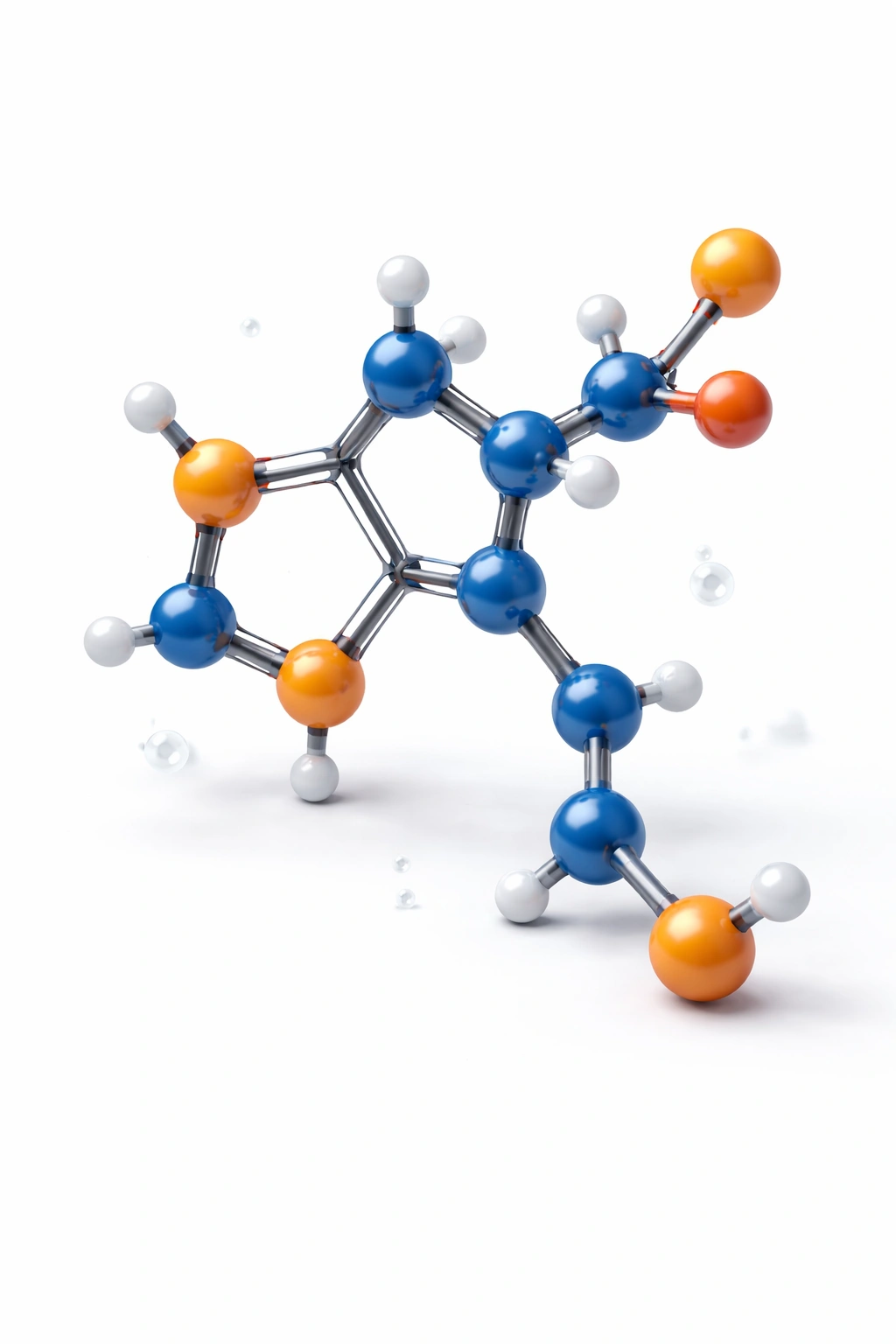
Biotin stands out as the single most evidence-backed supplement for strengthening nails. This water-soluble B vitamin plays a direct role in cellular growth and protein metabolism, making it essential for keratin synthesis. If your nails are consistently brittle or prone to breaking, biotin deficiency is often part of the problem—and addressing it can create measurable improvement.
The Science Behind Biotin for Nails
Research from the 1990s examined people with persistently brittle fingernails. When participants took 2.5 milligrams of biotin daily for six to seven months, over 60 percent showed measurable improvements in nail thickness and reduced splitting. That’s not a guarantee, but it’s solid evidence that biotin directly influences the structural integrity of the nail plate itself. Biotin enables your body to metabolize amino acids—the building blocks that form keratin—which means without adequate biotin, you literally cannot manufacture strong nails no matter how much protein you eat.
Best Dietary Sources of Biotin
Rather than relying on supplements alone, getting biotin from food is ideal. Cooked eggs are one of the most bioavailable sources, containing significant biotin in both the white and yolk. Almonds, walnuts, and other nuts deliver biotin alongside other nail-supporting minerals like magnesium and vitamin E. Salmon provides biotin while also supplying omega-3 fatty acids that support cell integrity. Avocados, cauliflower, whole grains, and legumes like lentils all contribute meaningful amounts. Nutritional yeast is particularly concentrated—just two tablespoons provides more than three times your daily biotin requirement.
When to Consider Supplementation
If you’ve tried increasing biotin-rich foods for several weeks and haven’t noticed improvement, a biotin supplement makes sense. The Adequate Intake recommendation for adults is 30 micrograms per day, but studies showing benefits typically use 2.5 milligrams daily—roughly 80 times higher than the baseline recommendation. That dose is safe and water-soluble, meaning excess amounts simply exit your body through urine. Always consult with a healthcare provider before starting any supplement regimen, especially if you take medications.
2. Adequate Protein Intake
Since nails are literally made of keratin—a structural protein your body synthesizes—getting enough total protein in your diet isn’t optional if you want your nails to grow strong and long. Protein deficiency doesn’t just affect muscles; it cascades through your entire body, and your nails will be among the first things to deteriorate. Low protein intake results in weak, thin nails that break easily and grow slowly, if at all.
Understanding Protein and Keratin Formation
When you consume protein, your digestive system breaks it down into amino acids. Your body then reassembles these amino acids into new proteins, including keratin. Collagen, another protein critical for nail health, is similarly dependent on adequate protein intake. Without sufficient dietary protein, your body cannot manufacture these structural proteins fast enough to build strong, resilient nails. This is why people who restrict calories severely or follow inadequate diets often develop brittle nails alongside other signs of nutritional stress.
Optimal Protein Sources for Nail Health
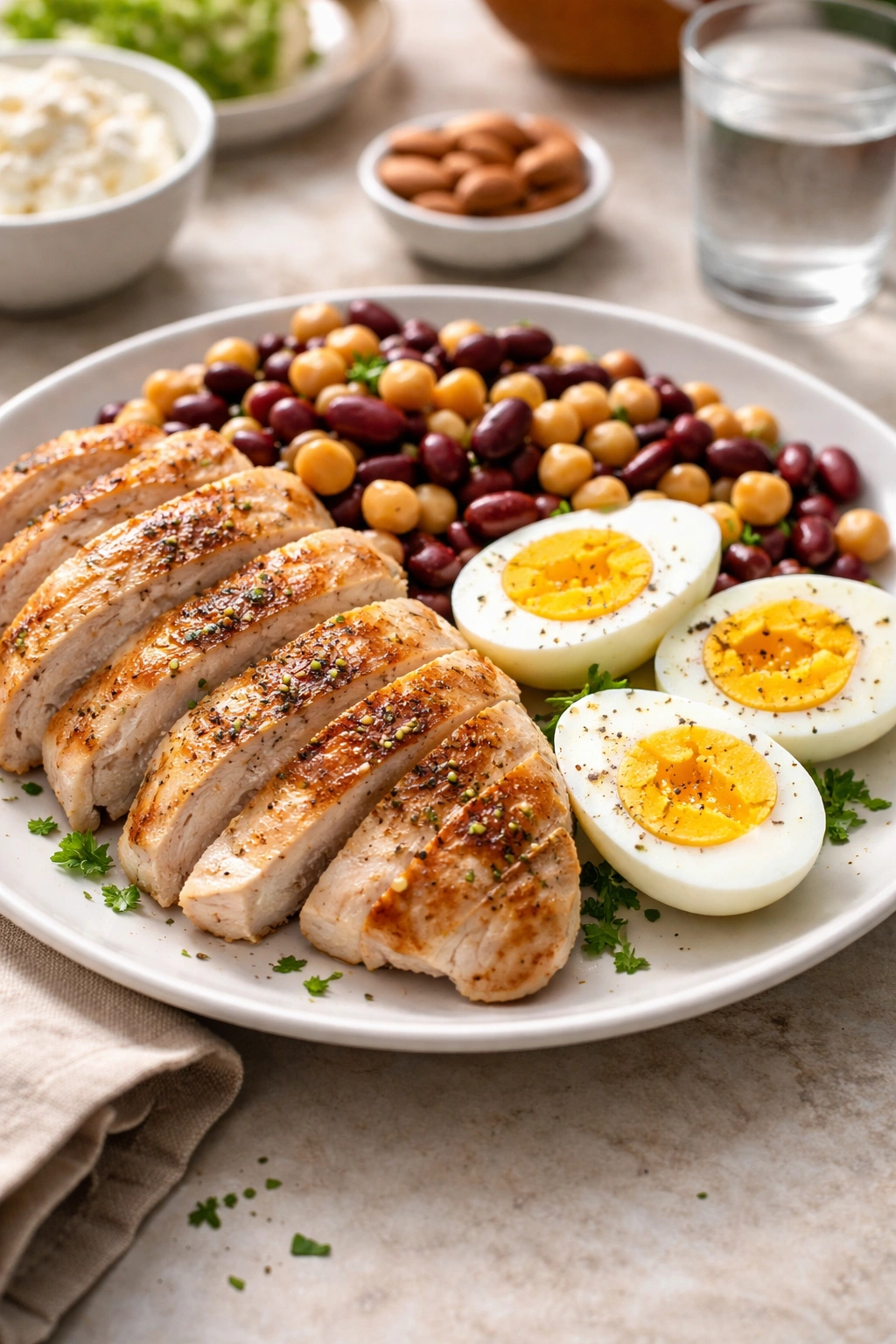
The Recommended Dietary Allowance for protein is 0.36 grams per pound of body weight daily—so a 150-pound person needs roughly 55 grams per day. However, research suggests higher protein intake often supports better outcomes for hair, skin, and nail health. Lean meats like chicken, turkey, and beef provide complete proteins rich in all essential amino acids. Fatty fish like salmon adds protein while delivering omega-3 fatty acids that support cellular health. Eggs are particularly effective because they’re one of the most bioavailable protein sources and contain biotin, vitamin D, and selenium—all supporting nail strength.
For vegetarian and vegan eaters, legumes including lentils, chickpeas, and black beans deliver substantial protein plus additional minerals like iron and zinc. Dairy products like Greek yogurt and cottage cheese provide casein and whey proteins alongside calcium. Nuts and seeds contribute protein while supplying magnesium and other minerals that nails require.
The Minimum You Need
Aim for protein at every meal rather than front-loading it into one or two sittings. A palm-sized serving of protein at breakfast, lunch, and dinner—roughly 20-30 grams total—ensures your body has consistent amino acids available for keratin synthesis. This steady supply matters more than occasional large doses because your body continuously manufactures new nail cells.
3. Proper Hydration
Water is arguably the most overlooked nutrient for nail health, yet dehydration directly causes brittle, peeling nails that break before they can grow long. Your nail bed—the tissue under the nail plate—must maintain adequate moisture to function properly. When you’re chronically dehydrated, water is drawn away from peripheral tissues like your nails to maintain critical functions in your organs and brain. This leaves nails dry, inflexible, and prone to splitting at the slightest stress.
How Dehydration Affects Nails
The visible nail plate is technically dead tissue, but the nail matrix and nail bed beneath are living, metabolically active tissues. These structures need hydration to produce new cells efficiently. Without adequate water, the nail matrix produces cells more slowly and with compromised structural integrity. Additionally, water aids nutrient transport—vitamins and minerals cannot reach the nail matrix effectively if you’re dehydrated. This means that excellent nutrition and supplementation won’t fully benefit your nails if you’re not drinking enough water.
How Much Water You Actually Need
A practical starting point is the “divide your body weight in half” method: if you weigh 150 pounds, aim for 75 ounces of water daily. However, this is a minimum baseline, not a precise target. Individual needs vary based on activity level, climate, metabolism, and other factors. A better approach is monitoring your urine color—pale, nearly clear urine indicates adequate hydration, while darker yellow suggests you need more water. If you notice your nails becoming drier or more brittle, dehydration is a likely culprit.
Water-Rich Foods Count Too
Drinking plain water is important, but you also absorb hydration through foods. Cucumbers, tomatoes, lettuce, celery, watermelon, oranges, and grapefruits all contain 85-95 percent water. Soups, broths, and herbal teas contribute to daily hydration as well. The goal is consistent moisture throughout the day, not chugging large amounts at once. Your nails respond positively to steady, adequate hydration far more than to sporadic heavy water consumption.
4. Iron and Essential Minerals
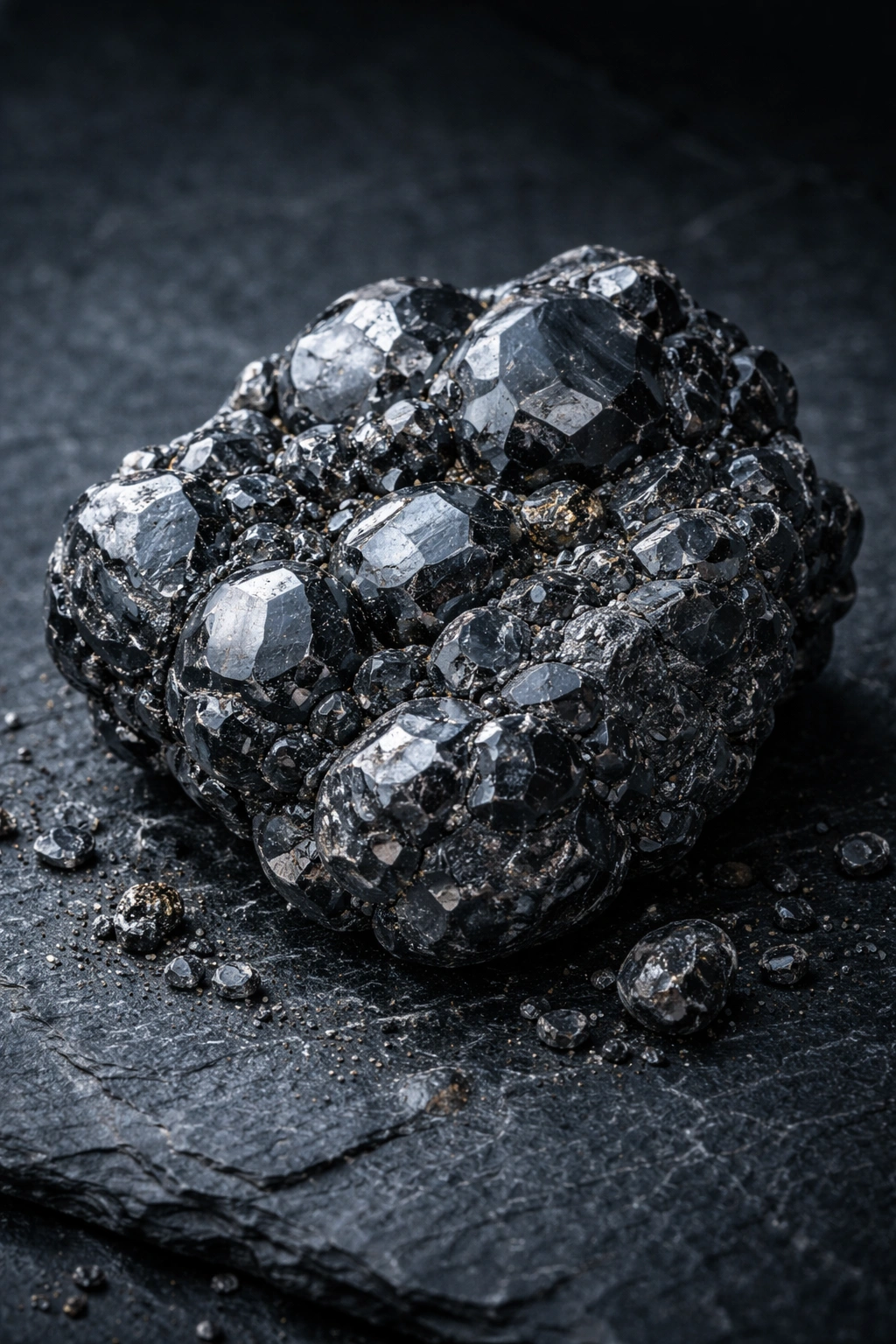
Iron plays a critical role in nail health that many people don’t realize. This mineral forms the center of hemoglobin molecules, which carry oxygen to every cell in your body—including the cells in your nail matrix. Without sufficient iron, your nail-producing tissues don’t receive adequate oxygen, leading to thin, brittle, slow-growing nails with characteristic ridges or concave “spoon” shapes. Even mild iron deficiency creates measurable changes in nail appearance and growth rate.
Iron Deficiency and Nail Problems
When iron levels drop, your nails are often the first place the deficiency becomes visible. A person with iron deficiency anemia frequently develops vertical ridges along the nail, horizontal grooves, or even koilonychia—a clinical term for nails that curve upward like spoons. These changes happen because the nail matrix cannot synthesize keratin efficiently without adequate oxygen. Slow-growing nails are another red flag for iron insufficiency, as the cell division that creates new nails slows considerably when oxygen delivery is impaired.
Best Iron Sources
Your body absorbs iron from animal sources—called heme iron—far more efficiently than iron from plant sources. Red meat, chicken, fish, and eggs all provide highly bioavailable iron. If you eat plant-based, pair iron-rich foods like spinach, lentils, beans, and pumpkin seeds with vitamin C sources like oranges, strawberries, or bell peppers to dramatically improve absorption. Taking an iron supplement alongside food containing vitamin C enhances uptake significantly.
Magnesium, Zinc, and Calcium Matter Too
Beyond iron, several other minerals directly support nail strength. Magnesium is involved in over 300 enzymatic reactions in your body, including those required for protein synthesis. A magnesium deficiency shows up as vertical ridges in nails. Zinc supports rapid cell division and regeneration—essential given how quickly nail cells multiply. Calcium isn’t just for bones; it supports the overall structural integrity of nails and cuticles. Dark leafy greens like spinach and kale deliver iron, magnesium, and calcium simultaneously, making them exceptionally valuable for nail health.
5. Protective Nail Care Habits
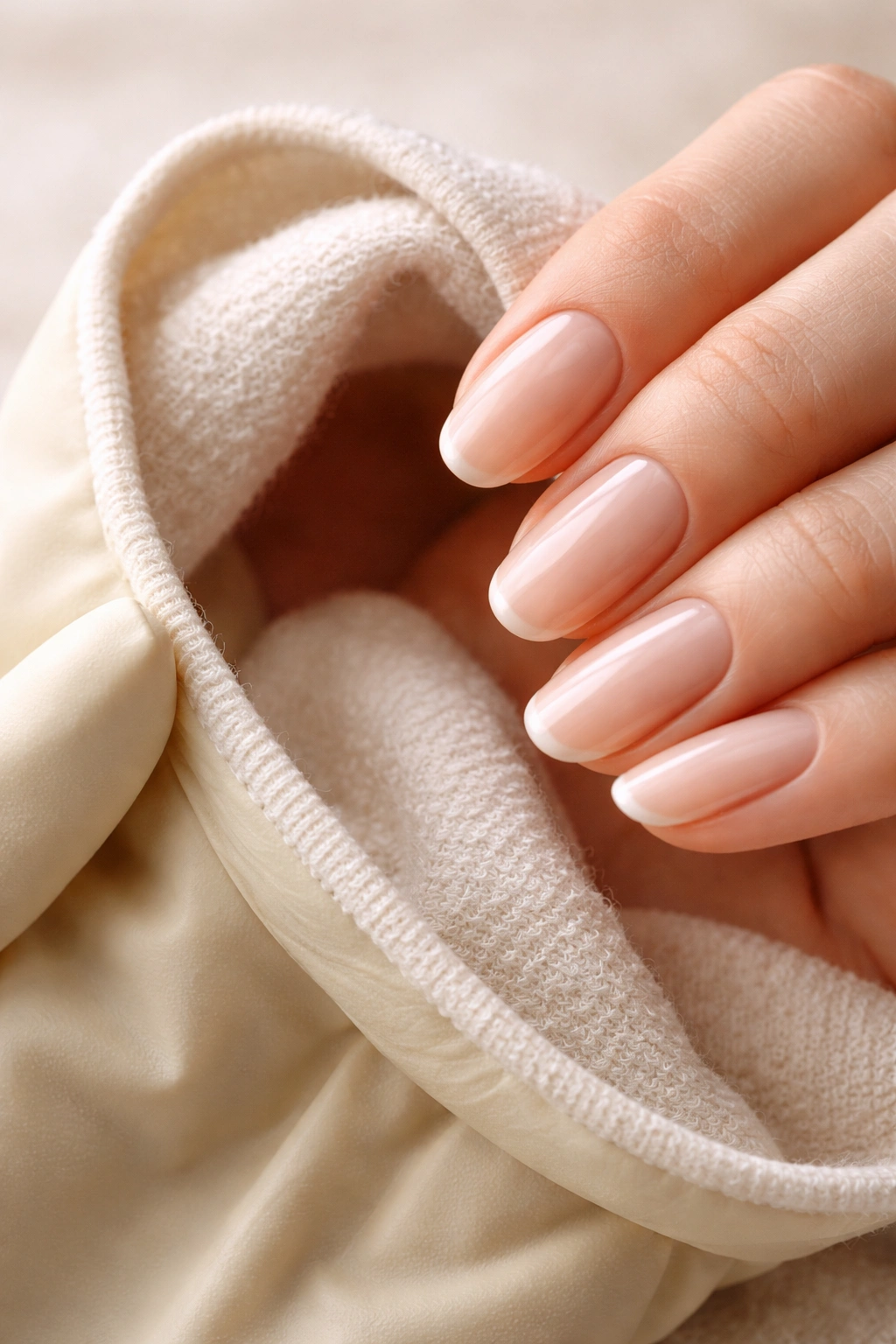
Even if you’re nourishing your nails perfectly from the inside, destructive daily habits can sabotage growth. Every time your nails break, split, or experience trauma, you reset the growth timeline. A nail that could have reached a beautiful length in six months breaks off at month three, and you start over. Protecting your nails from preventable damage multiplies the benefits of every nutritional strategy you’re using.
Keep Your Nails Dry
Paradoxically, excessive water exposure weakens nails dramatically. Water softens the nail plate, making it pliable but also more vulnerable to peeling and splitting. Repeated wetting and drying cycles create stress that manifests as ridges, peeling layers, and brittleness. This is why people who wash dishes frequently, swim regularly, or take long baths often struggle with nail quality. The solution is practical: wear cotton-lined rubber gloves when washing dishes, doing housework, or using cleaning products. Dry your nails thoroughly after bathing or showering rather than leaving them damp.
Stop Using Your Nails as Tools
This habit is so common that most people don’t realize how damaging it is. Opening soda cans, peeling off stickers, scratching dried-on food, or prying open containers with your fingernails creates micro-fractures in the nail plate. Even if you don’t see visible damage immediately, these small injuries accumulate and eventually manifest as breakage. Using a bottle opener, a coin, or a dedicated tool instead of your nails takes no extra effort but protects months of growth.
File Correctly to Prevent Splitting
The way you file your nails matters significantly. Filing back-and-forth in a sawing motion creates stress fractures at the nail edge that propagate upward, causing splitting and peeling. Instead, file in one direction only—from the outer edge toward the center. This seals the nail edge rather than creating fractures. Use a gentle, fine-grit file rather than rough metal files that shred the nail. File straight across the nail, then gently round the corners into a soft curve. This shape is less prone to snagging than sharp corners or excessively rounded edges.
6. Moisturizing and Cuticle Care
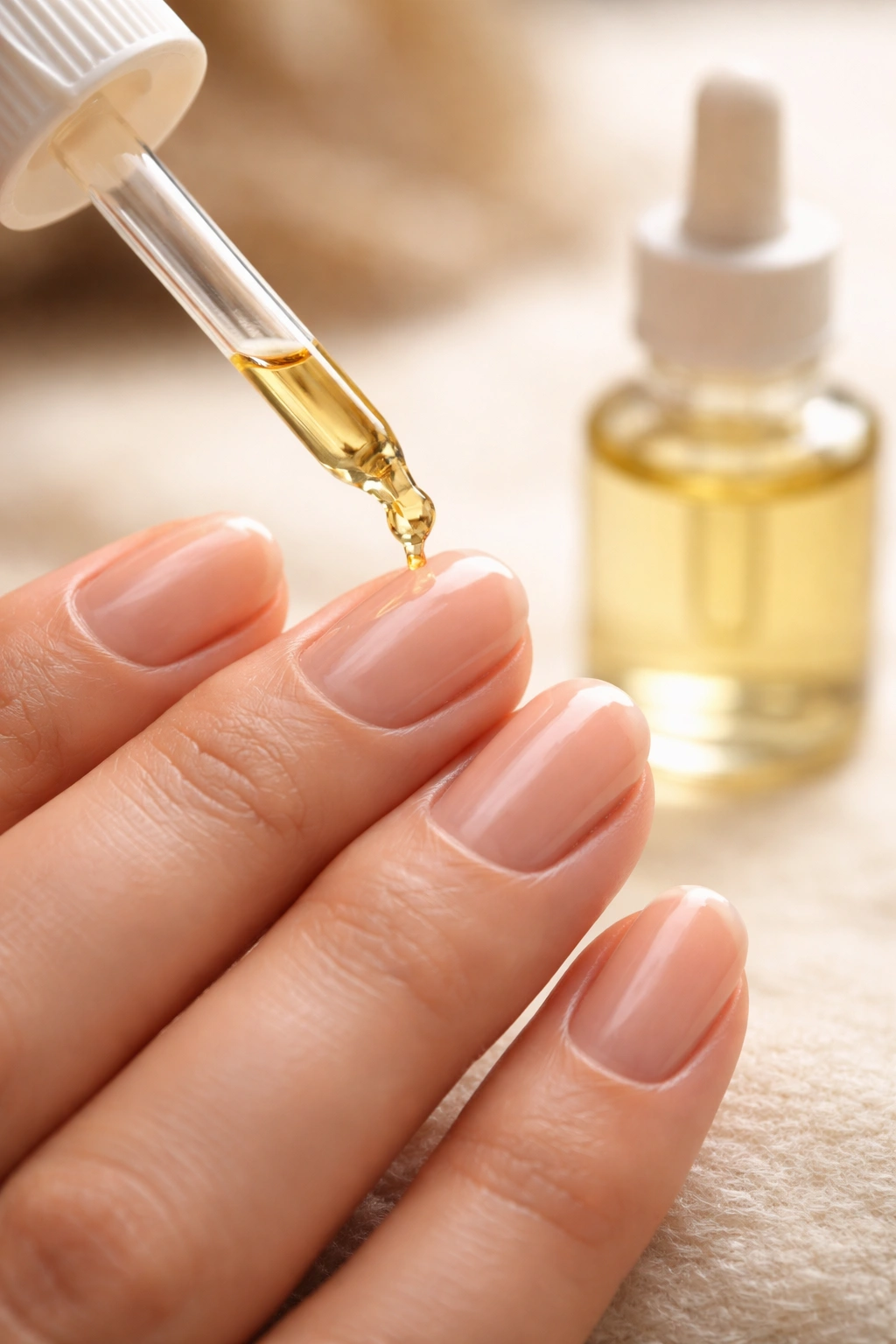
Your cuticles are thin pieces of skin that seal the nail matrix and protect the nail bed from bacteria and infection. Yet most people either ignore their cuticles entirely or damage them through aggressive removal. Healthy, well-maintained cuticles create an optimal environment for nail growth. Moisturized, intact cuticles also look better and feel less irritated, which is a nice side benefit of proper care.
Why Cuticle Health Matters
The cuticle is not decorative—it’s a critical barrier. When cuticles are dry, cracked, or removed entirely, bacteria can enter the nail bed, causing infection that damages the nail matrix and dramatically slows or stops growth. Aggressive cuticle trimming at salons is a common source of nail damage and infection. Instead of cutting cuticles, you should moisturize them daily and gently push them back if they’re overgrown. Healthy cuticles should be smooth, flexible, and intact.
Daily Cuticle and Nail Moisturizing
After every hand wash, apply cuticle oil or hand lotion directly to your nails and cuticles. Warm coconut oil, vitamin E oil, or commercial cuticle oils work effectively. Massage the oil into your cuticles using gentle circular motions to stimulate blood circulation toward the nail matrix, which encourages growth. Do this nightly before bed for especially dry nails—the extended time allows deep penetration. Within two to three weeks of consistent moisturizing, you’ll notice softer cuticles, reduced hangnails, and stronger nails that don’t feel as brittle.
Avoid Harsh Cuticle Removal
If you get professional manicures, explicitly ask technicians not to cut your cuticles. Instead, they can gently push back overgrown cuticle skin after softening it with warm water or cuticle oil. If you notice swelling, redness, or pain around your nail beds after a manicure, that’s a sign of cuticle damage. Seek a different salon or do your own manicures at home where you control the technique and pressure.
7. Avoiding Damaging Chemicals
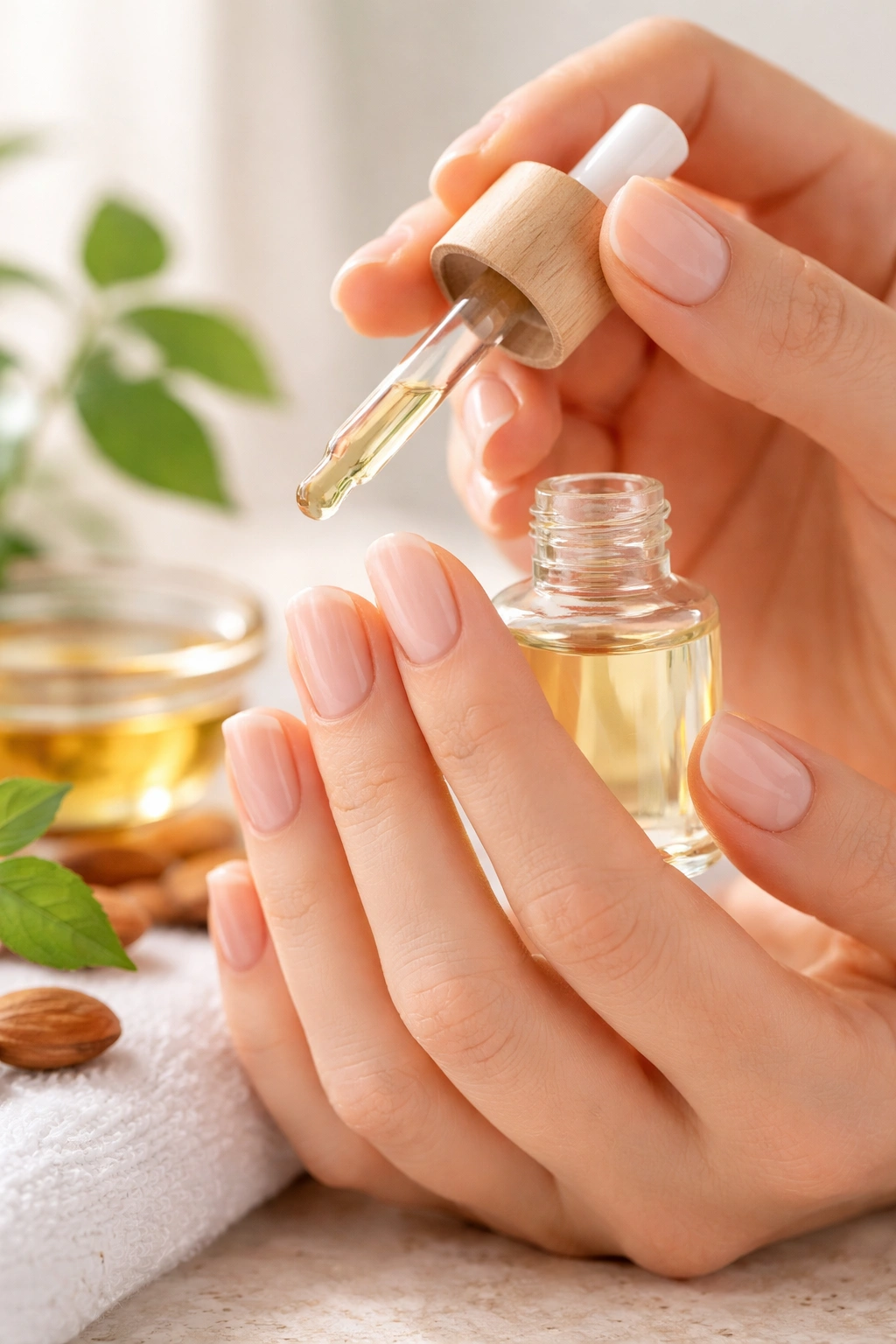
Many common nail products and household chemicals contain compounds that actively weaken nails. The solvents in nail polish remover, formaldehyde in regular nail polish, and harsh cleaning product residue all accumulate damage over time. Switching to gentler alternatives or using protective strategies dramatically reduces nail damage and allows your growth efforts to succeed.
The Acetone Problem
Acetone, the primary solvent in traditional nail polish remover, strips oils from both your nails and the surrounding skin. This dehydration makes nails brittle and more prone to peeling and breaking. If you must use acetone-based remover, soak your nails briefly rather than scrubbing repeatedly, then immediately moisturize your nails and hands. Better yet, switch to acetone-free polish remover, which works more gently though sometimes requires a bit more patience. Water-based nail polish removers and natural alternatives containing ingredients like soy are increasingly available and much gentler on nails.
Choose Nontoxic Nail Polish
Regular nail polish often contains the toxic trio: toluene (a solvent), formaldehyde (a hardening agent), and dibutyl phthalate or DBP (a plasticizer). These chemicals aren’t inherently absorbed through nails in dangerous amounts for occasional use, but chronic exposure weakens the nail structure. Switching to “3-free,” “5-free,” or even “toxin-free” nail polish brands eliminates these harsh chemicals. Water-based formulations exist and have improved dramatically in quality and durability over the past several years. If you love nail color, using a quality nontoxic polish with an acetone-free remover is a reasonable compromise.
Limit Gel and Acrylic Nails
While gel and acrylic nails look beautiful temporarily, frequent use weakens underlying natural nails. The UV light required to cure gel polish contributes skin damage and ages the supporting tissue. The removal process—particularly for acrylics—often involves aggressive filing and soaking in acetone that damages the nail plate. If you do wear gel or acrylic nails, give your nails a break of at least two to three weeks between applications to allow them to recover and strengthen. During these breaks, focus intensely on hydration and nutrition to repair any damage.
Protect from Cleaning Products
Many household cleaners contain harsh chemicals that weaken nails with repeated exposure. Even hand sanitizers with high alcohol content dry nails substantially when applied directly to them. Wearing rubber gloves when cleaning or using hand sanitizer on your palms rather than your fingers protects your nails from cumulative chemical damage. This is a simple habit that pays dividends over months and years.
Final Thoughts
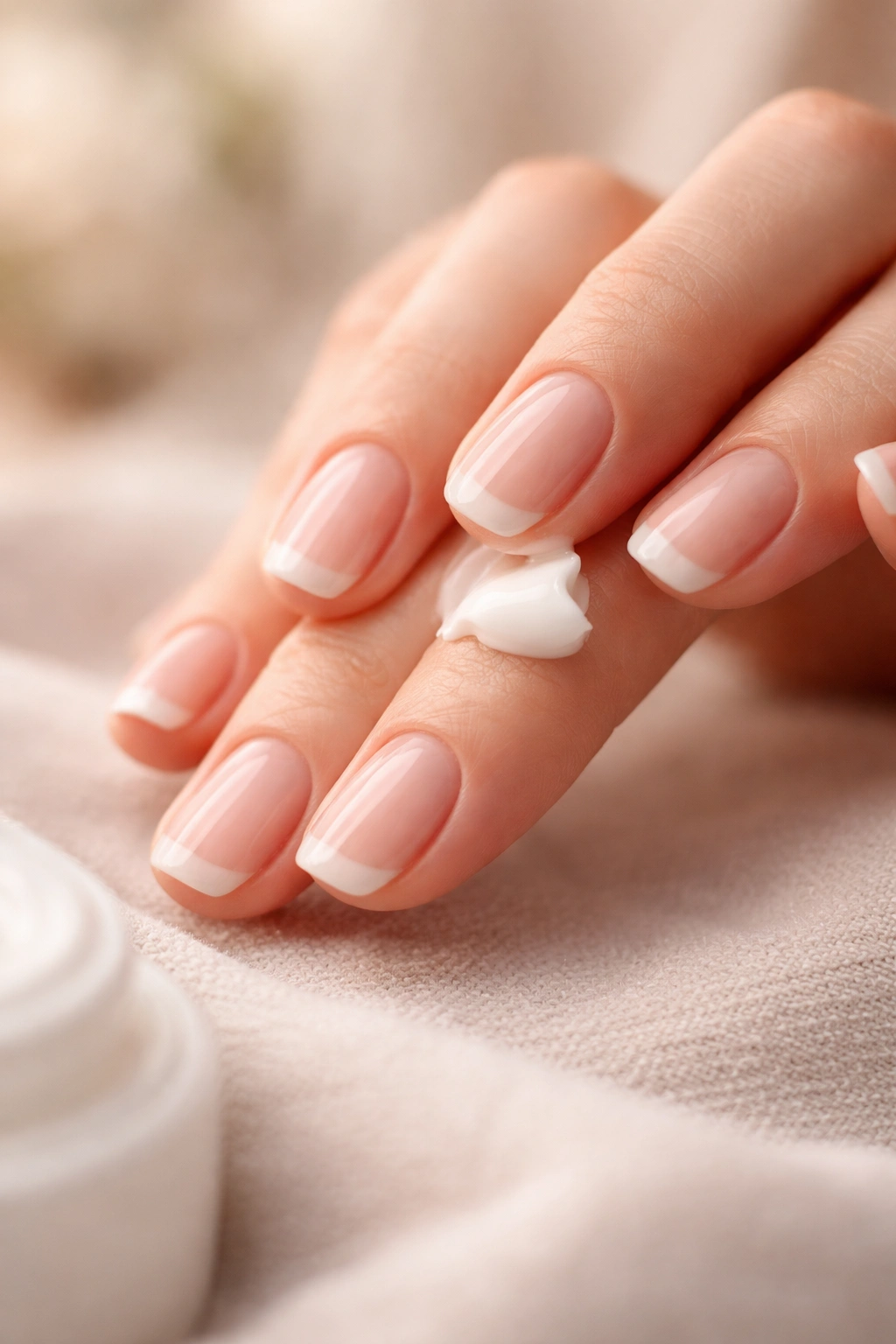
Strong, growing nails don’t emerge from any single miracle product or strategy—they result from consistent foundational care addressing nutrition, hydration, protection, and chemical exposure simultaneously. Biotin supports cellular synthesis, protein provides the building blocks for keratin, adequate water enables nutrient transport and cellular function, and minerals like iron and zinc keep the nail matrix productive. Meanwhile, protective habits and careful moisturizing prevent the damage that undoes months of growth.
The timeline matters too. Fingernails grow at roughly 3.5 millimeters per month, so visible improvement from dietary and habit changes typically takes four to eight weeks. This isn’t because your nails suddenly improve; it’s because the damaged portion of the nail grows out and reveals healthier nail beneath. Be patient with the process, stay consistent with these seven fundamentals, and you’ll genuinely see the difference. Your nails reflect your overall health and self-care, and the effort you invest pays forward in nails that look and feel noticeably stronger.