

Squoval nails have become the go-to shape for anyone wanting a balance between practical and polished. But here’s where things get interesting: length completely changes the game. Short squovals and long squovals might share the same rounded-square silhouette, but they’re almost two different nail personalities. The length you choose affects everything from how long your manicure lasts to whether you can actually text without frustration.
Most people assume that choosing a nail shape is the real decision—but the truth is, length matters just as much, if not more. A short squoval feels completely different to wear and maintain than the same shape stretched to a longer length. If you’ve ever sat in the salon chair thinking “Should I go short or long with my squovals?” you’re asking exactly the right question. The answer depends on your lifestyle, your daily habits, how much time you want to spend on upkeep, and honestly, how confident you feel with longer nails.
Let’s cut through the hype. I’m going to break down everything that actually changes when you choose short versus long squovals—not just the obvious stuff like length, but the real practical differences that affect your day-to-day experience. By the end of this, you’ll know exactly which one is right for you.
The Visual Impact on Your Hands
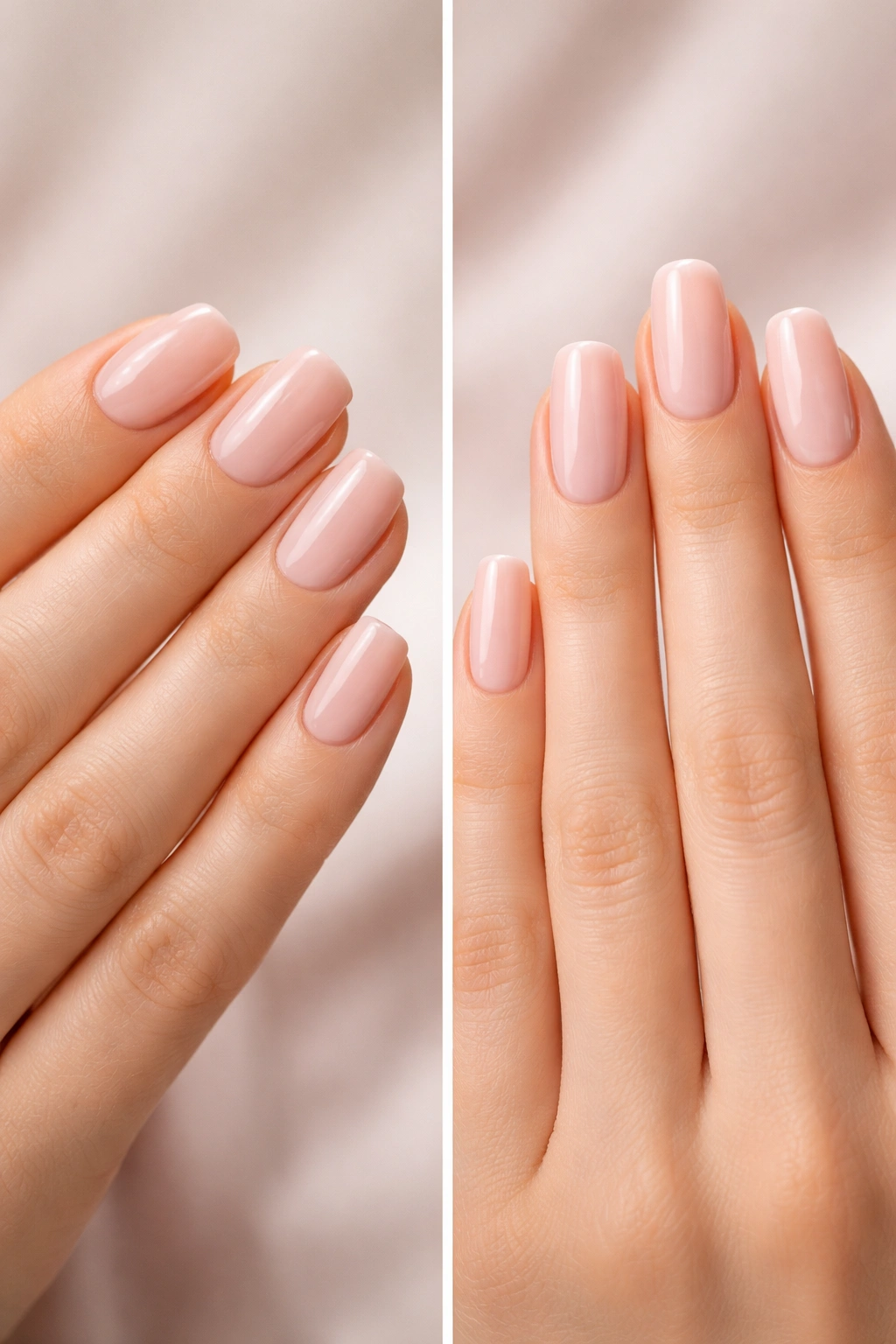
Short squovals sit just slightly past your fingertip—we’re talking maybe a quarter-inch of nail showing. They create clean, compact nail beds that look neat and professional without drawing attention to your hands. The rounded-square shape keeps the look modern, but the short length prevents them from dominating your overall appearance.
Long squovals extend noticeably beyond your fingertip—usually between a half-inch to a full inch depending on your preference. This extra length stretches the squoval shape vertically, making your fingers appear longer and your nails much more visible. They become an accessory in their own right, whether you’re wearing them neutral or decorated with nail art.
Here’s what you might not expect: short squovals actually make your nail beds look wider proportionally. The rounded edges and compact length emphasize the width of your nail plate rather than length. Long squovals do the opposite—they elongate your entire finger visually, which many people find more elegant and striking. If you have naturally short or wide nail beds, long squovals can create the illusion of better proportions.
How Maintenance Demands Differ
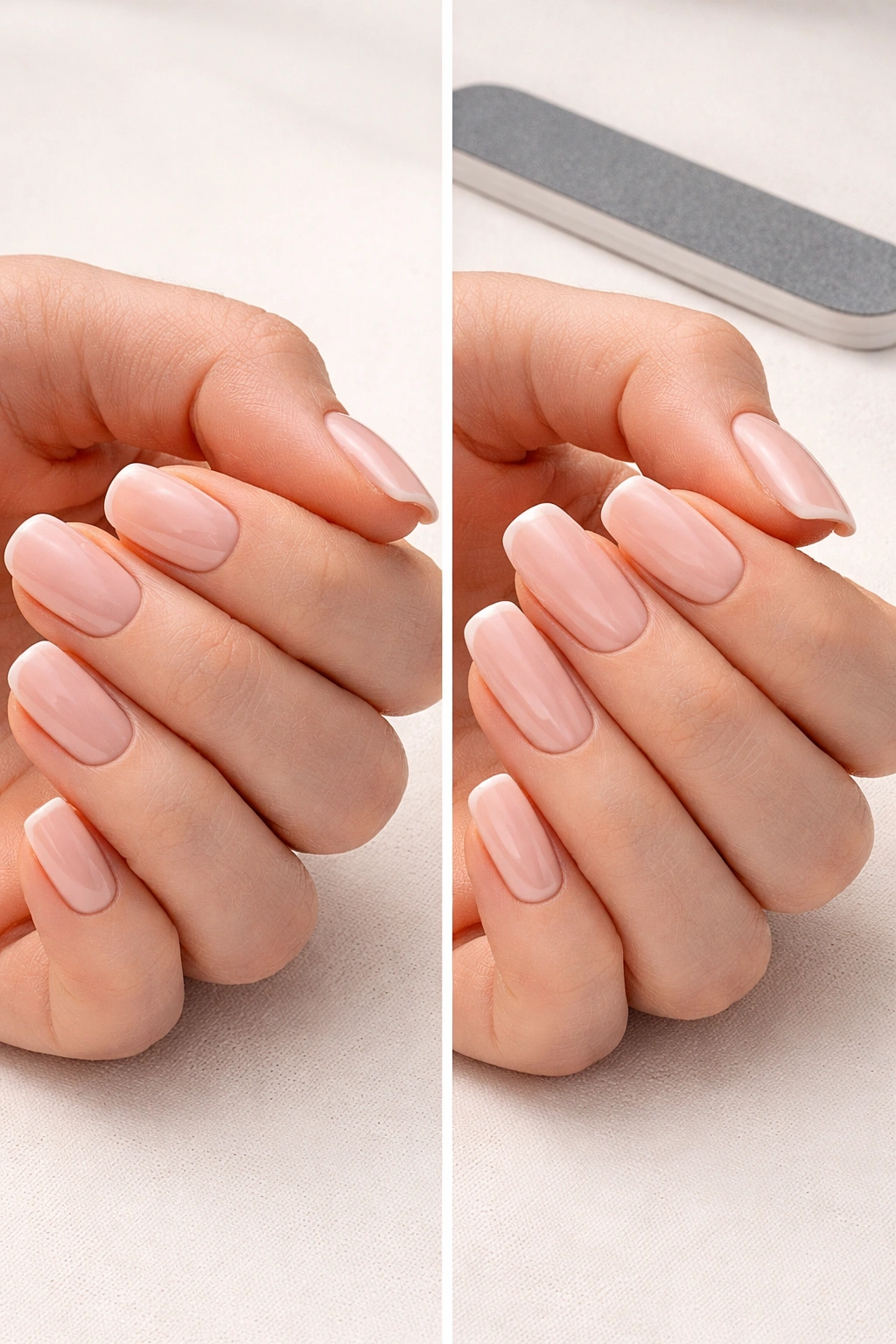
Short squovals need to be shaped roughly every two to three weeks if you’re growing them naturally, or every four to five weeks if you’re getting gel manicures. The edges stay relatively intact during daily life because there’s less overhang to catch and break. You’re basically looking at a single fill appointment before you need a complete reshape.
Long squovals demand more attention. Natural regrowth becomes visible faster because you have more nail showing, and the extended length means the edges are more exposed to damage. Between professional appointments, you’ll probably want to file or maintain them yourself once a week to keep the shape sharp. Gel manicures stay smoother longer simply because there’s more surface area, but you’ll still want to file the tips periodically to maintain that perfect squoval curve.
The real difference is how you spend your time between appointments. Short squovals are genuinely low-maintenance—you can almost ignore them if you want. Long squovals require active participation. If you’re the type of person who can’t be bothered to file their nails between salon visits, short squovals are your answer. If you enjoy the ritual of nail maintenance and actually like touching up your nails at home, long squovals won’t feel like a burden.
Breaking and Durability Reality
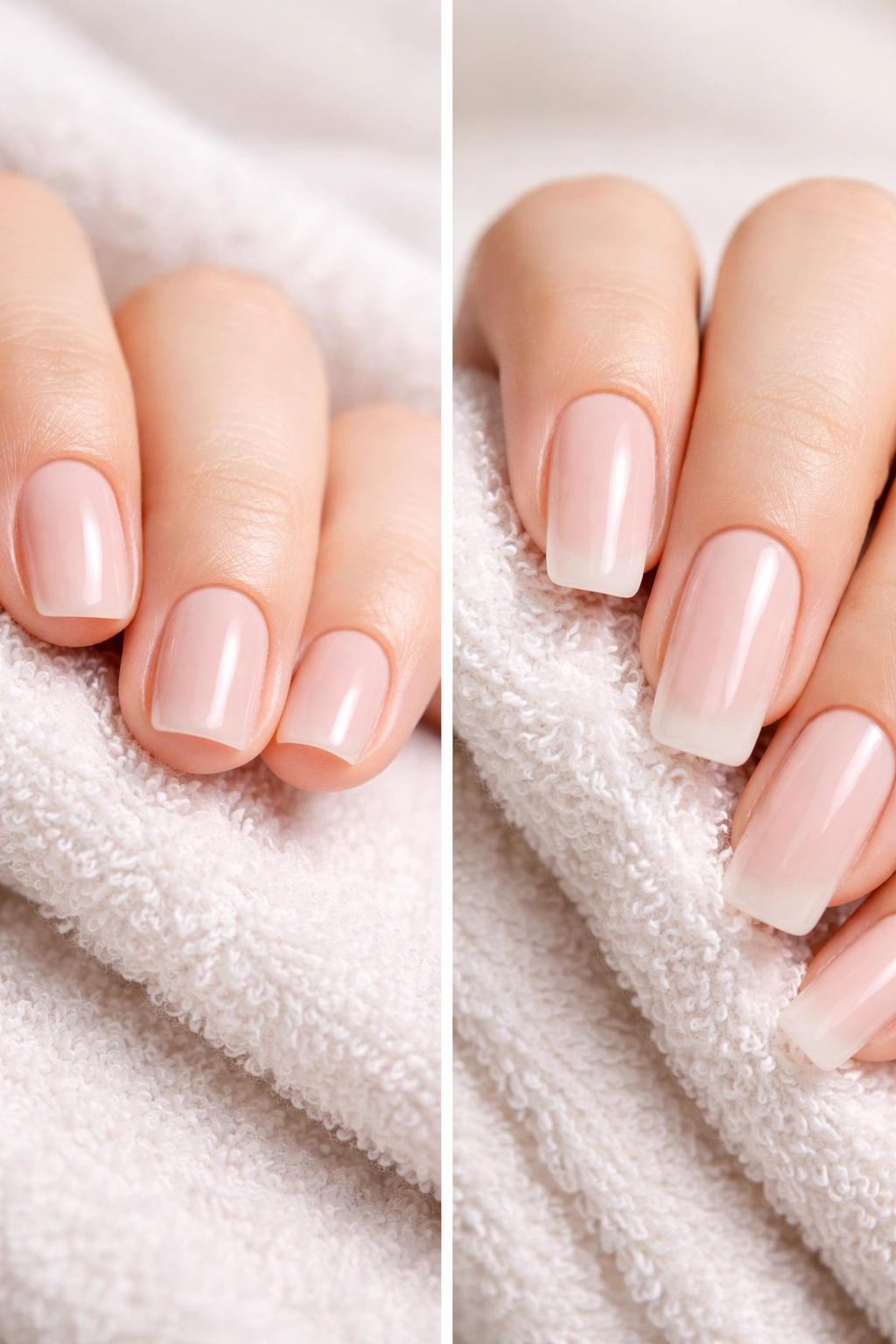
Short squovals are genuinely durable. The minimal extension past your fingertip means less leverage stress on the nail bed. When you bump your hand or do something clumsy, short squovals usually survive unscathed. If one does break, you’ve lost maybe a quarter-inch of length—usually not catastrophic.
Long squovals are more fragile, period. The extended length creates mechanical stress on the nail bed. Catching them on something—a zipper, a piece of fabric, a door frame—is inevitable eventually. When they break, you’re losing real length. The good news is that long squovals still hold up better than pointy shapes like stilettos or coffins, which have a higher break rate. The rounded edges of a squoval help distribute force more evenly than sharp corners would.
If you work with your hands—cooking, gardening, manual labor, any activity involving water or friction—short squovals are dramatically more forgiving. You can actually do dishes, shower, exercise, and live life without constantly worrying about a nail catching on something. Long squovals demand protective awareness. You learn to open doors with your knuckles and use your finger pads for typing. It becomes second nature, but it’s absolutely something you’re managing.
The Comfort and Tactile Experience

Wearing short squovals feels almost imperceptible. Your hands feel like your hands. You can touch your face, rub your eyes, use touchscreens, type on a keyboard—everything feels normal. They don’t get in the way of anything. Most people forget they’re wearing nail polish at all once they get used to short squovals.
Long squovals take adjustment. There’s a learning curve the first week or two where your brain has to recalibrate spatial awareness for your fingertips. Typing feels different because you’re tapping with a longer surface area. Touchscreens require a slightly different approach. Some daily tasks that feel automatic with short nails suddenly need conscious thought with long ones.
That said, many people find long squovals oddly satisfying to wear once they adapt. There’s something genuinely pleasant about that weight and presence on your fingers. People often describe it as feeling more elegant or feminine, though that’s entirely subjective. If you enjoy the tactile experience of nail extensions or acrylics, you’ll probably enjoy the same sensation with long natural squovals.
Professional Settings and Workplace Perception

Short squovals are universally acceptable in every professional environment. Law offices, hospitals, corporate settings, conservative industries—short nails never raise an eyebrow. They signal competence and professionalism without any risk of appearing frivolous. If your workplace has strict appearance policies, short squovals are the safest choice.
Long squovals walk a middle line. They’re more professional-looking than acrylics or dramatic shapes, but they’re still clearly intentional nail styling. In conservative industries, they might register as slightly bold. In creative fields or modern workplaces, they’re completely normal. The nail art you choose matters more than the length itself—a long squoval with subtle nude polish reads more professional than the same length with glitter or designs.
Here’s the practical reality: most workplaces care less about nail length than we think they do. If your organization has never mentioned your nails, long squovals are probably fine. If there’s any doubt, ask or observe what your colleagues wear. Short squovals are the nuclear option for “no one will ever comment on this”—but if you’re debating between them and long, the length difference might not actually be the issue.
Nail Art Possibilities and Design Canvas
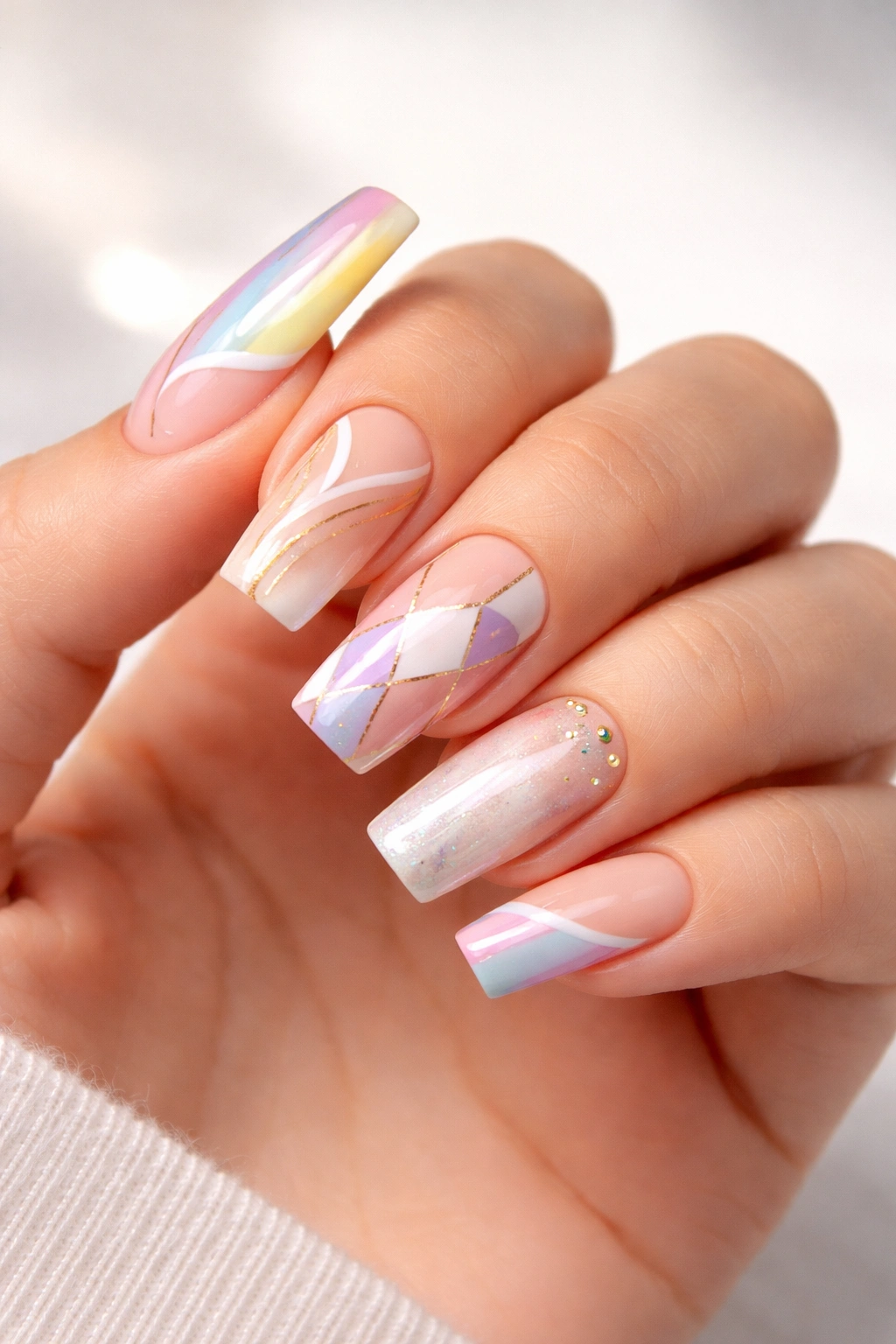
Short squovals offer a compact design space. Intricate nail art works because it’s compressed into a smaller area—every detail shows up clearly. Geometric patterns, tiny illustrations, negative space designs, ombre effects—they all look sharp and defined on short squovals. The canvas is limited, but you can pack a surprising amount of detail into it.
Long squovals give you an expansive design canvas. You can do longer gradient designs that flow from cuticle to tip. Multi-element nail art—say, a design with three different visual components—has room to breathe on a long squoval. Ombre effects look more dramatic across a longer vertical surface. Character designs or portraits feel less cramped.
The real advantage goes to long squovals for ambitious designs, but short squovals’ limitation is also an asset. They force art to be clean and refined rather than cluttered. If you love detailed minimalist designs or negative space art, short squovals actually showcase your style better. If you dream of elaborate designs or specific artistic visions that need room, go long.
Growth Patterns and Timeline Reality
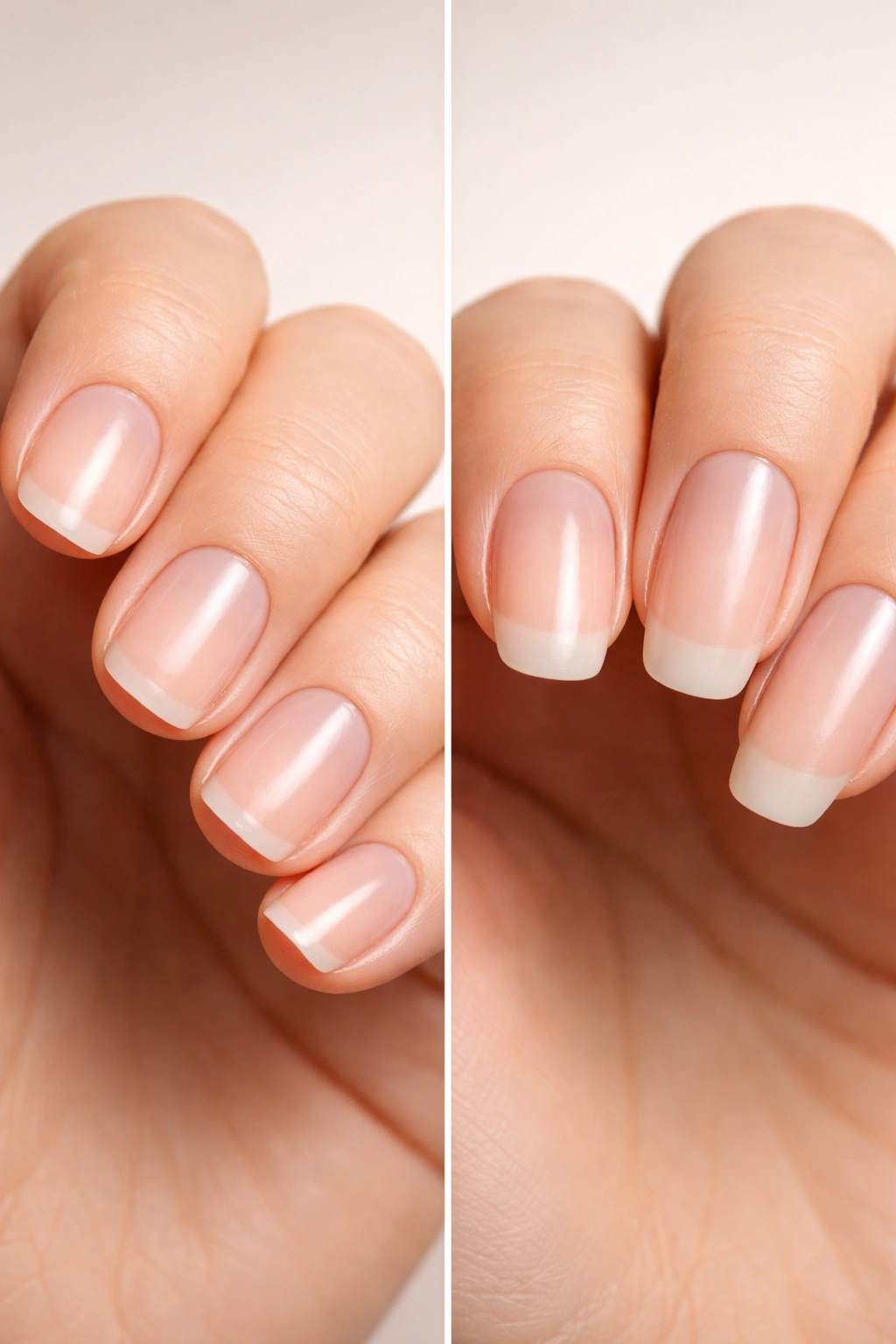
Natural short squovals growing out look acceptable for longer than you’d think. A short squoval can grow a quarter-inch before it starts looking noticeably longer and shapeless. That means you might get five to six weeks before you actually need maintenance if you’re just leaving them alone.
Long squovals show growth almost immediately. By week two, you’re noticing the gap between your natural nail and the polish line. By week three, regrowth is obvious. If you prioritize having perfect-looking nails, long squovals demand more frequent salon visits or more frequent at-home filing.
Here’s something most people don’t consider: if you’re growing your natural nails from scratch and they break frequently, short squovals get you to a nice length faster. You can achieve a truly short squoval in maybe three weeks of growth with minimal risk of breaking mid-journey. Long squovals take longer to grow out without breaking—you’re asking your nails to stay intact for six to eight weeks minimum.
Daily Activities and Practical Functionality

Short squovals let you live without modification. Swimming, showering, exercising, playing sports, doing household tasks—everything works normally. You’re not adjusting how you do anything. This is genuinely valuable if you have an active lifestyle.
Long squovals require behavioral adaptation. Swimming is fine, but you’re more aware of your nails in the water. Showering requires conscious thought about not breaking them. Exercise means being careful about contact. Household tasks like scrubbing, dishwashing, or handling rough materials feel riskier. You adapt quickly, but you’re always managing.
The question to ask yourself: do you want to think about your nails during your day, or do you want them to be invisible? If you’d rather forget you’re wearing nail polish and just live your life, short squovals let you do that. If you’re willing to be conscious of your nails as an accessory you’re maintaining, long squovals are worth it for the aesthetic payoff.
Cost and Salon Visit Frequency
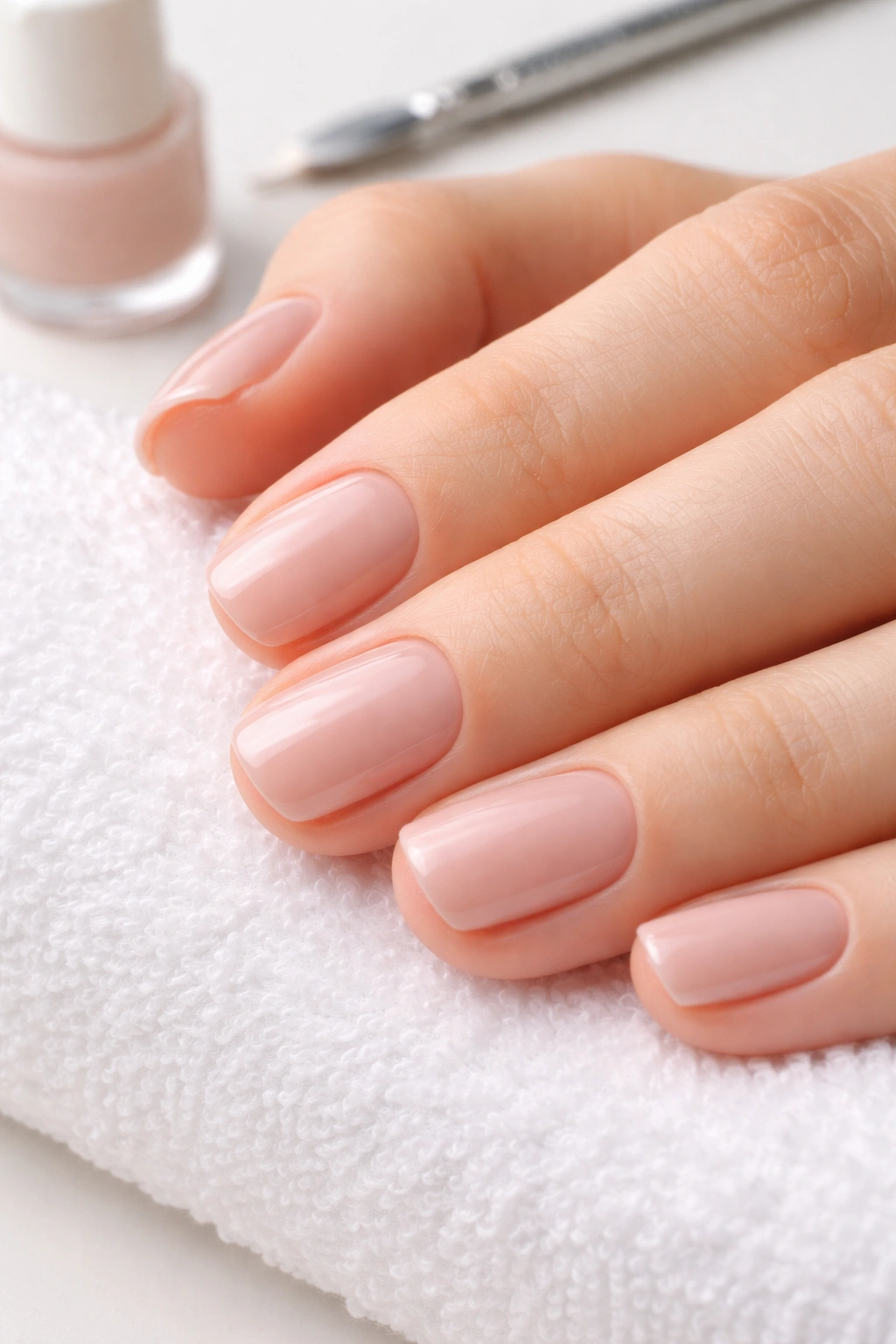
Short squovals cost less overall because you need fewer appointments. A gel manicure every four to five weeks instead of every three weeks adds up to fewer salon visits per year. Basic maintenance is minimal—you might file them yourself or get a budget-friendly fill appointment.
Long squovals mean more frequent salon visits for fills, complete manicures more often, and potentially more money spent on designs if you like detailed art. The salon cost per appointment is probably the same, but you’re making more trips. Over a year, the difference is noticeable.
That said, if you’re into nail art, the longer canvas of long squovals might inspire you to get more elaborate designs, which costs more per appointment. Short squovals usually mean simpler designs (by necessity), which are less expensive. So your total spending might be more than the appointment frequency alone suggests.
Styling Flexibility and Polish Finishes
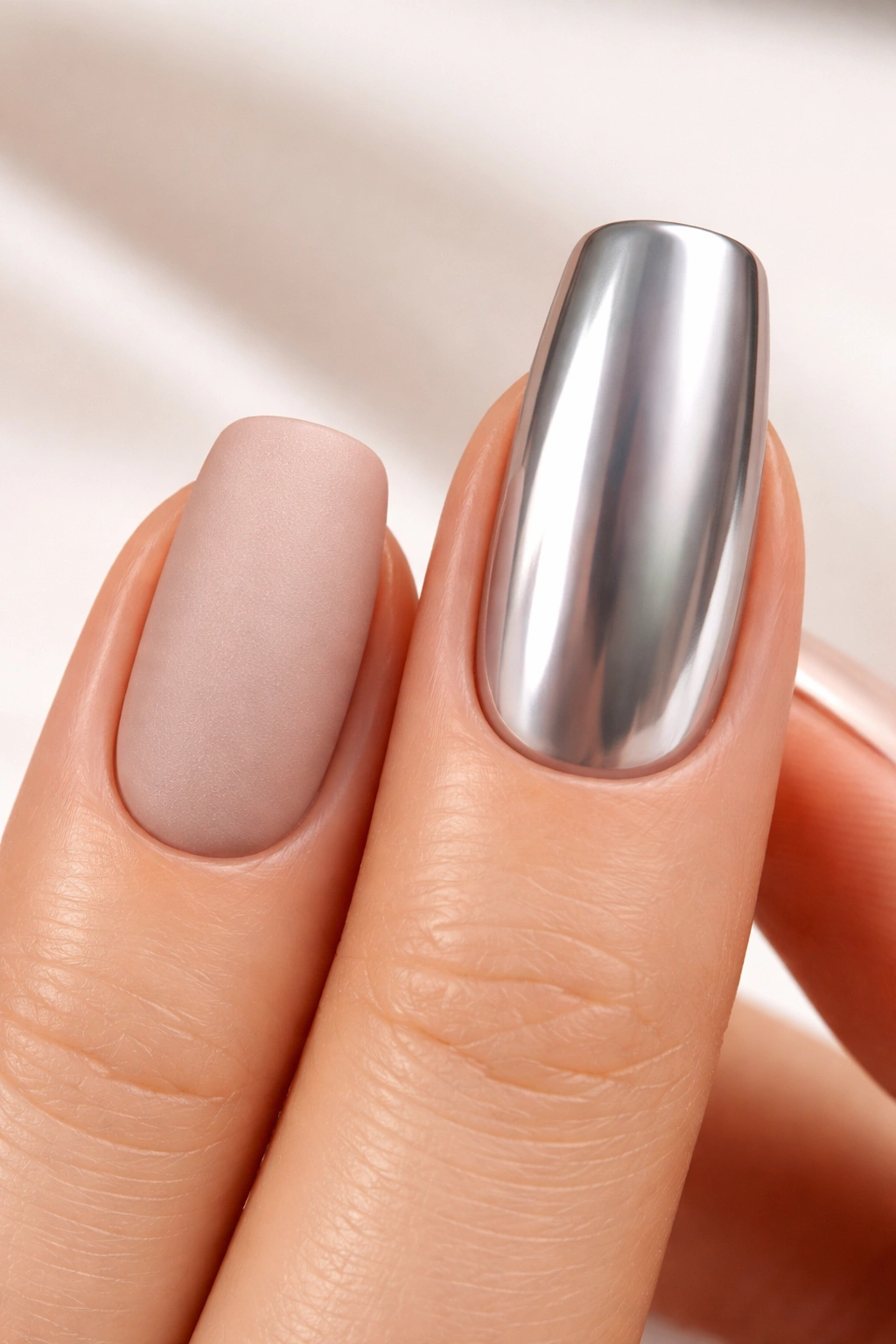
Short squovals look good in virtually every polish color and finish. Metallics, neutrals, bold colors, patterns, matte, glossy—everything works because the design space is small enough that nothing looks overwhelming. A subtle sparkle or an intricate pattern both hit the mark.
Long squovals also work with most styles, but some designs translate differently. A solid bold color looks more dramatic on a longer nail because there’s more visible surface. A subtle design can almost disappear on a long squoval if it’s not bold enough. Chrome or mirror finishes look more striking on long nails because the effect covers more area.
The freedom exists in both lengths, but the visual weight is different. Short squovals feel fresher with playful or delicate designs. Long squovals feel more luxe with bold statement designs or moody, sophisticated finishes.
Comfort During Sleep and Sensitive Touch

Short squovals virtually never cause sleeping discomfort. They don’t press into your palms, they don’t get caught in bedding, and they don’t require any special accommodation for sleep.
Long squovals can be uncomfortable during sleep at first. They can press into your palm if you sleep with your hands curled. They sometimes catch on fabric or pillow edges. Most people adapt and find comfortable sleeping positions within a week or two, but it’s worth knowing about if you’re a restless sleeper.
There’s also a difference in tactile sensitivity. Some people find that long squovals slightly reduce fingertip sensitivity because the nail extends beyond the sensitive pad of your finger. For most activities this doesn’t matter, but people who do precision work sometimes prefer short nails for this reason.
Personality Expression and Identity
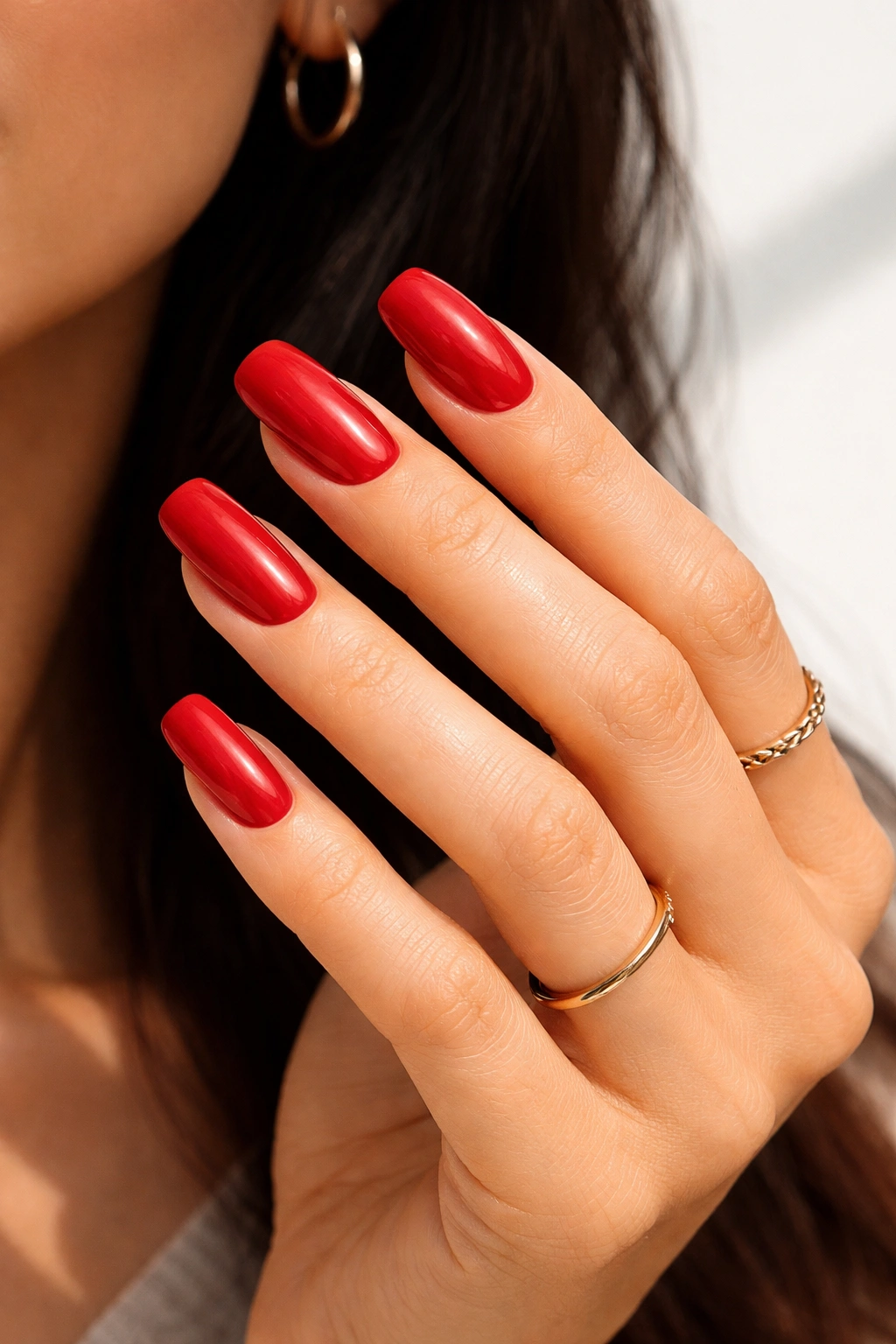
This one matters more than people admit. Short squovals project “I have my life together” and “I’m practical but polished.” They’re the nail equivalent of having a well-maintained appearance without making a statement. Nothing wrong with that—it’s genuinely appealing to many people.
Long squovals communicate “I care about aesthetics” and “I’m willing to maintain this.” There’s an intentionality to them. They say you’re willing to invest in how you look. Some people find this empowering and genuinely enjoy the identity it creates. Others would rather have nails be invisible to their self-image.
This is deeply personal. Some people feel more confident and put-together with long squovals. Others feel more like themselves with short ones. Neither is right—it’s about which version of yourself you want to present to the world.
Making Your Decision Based on Real Life
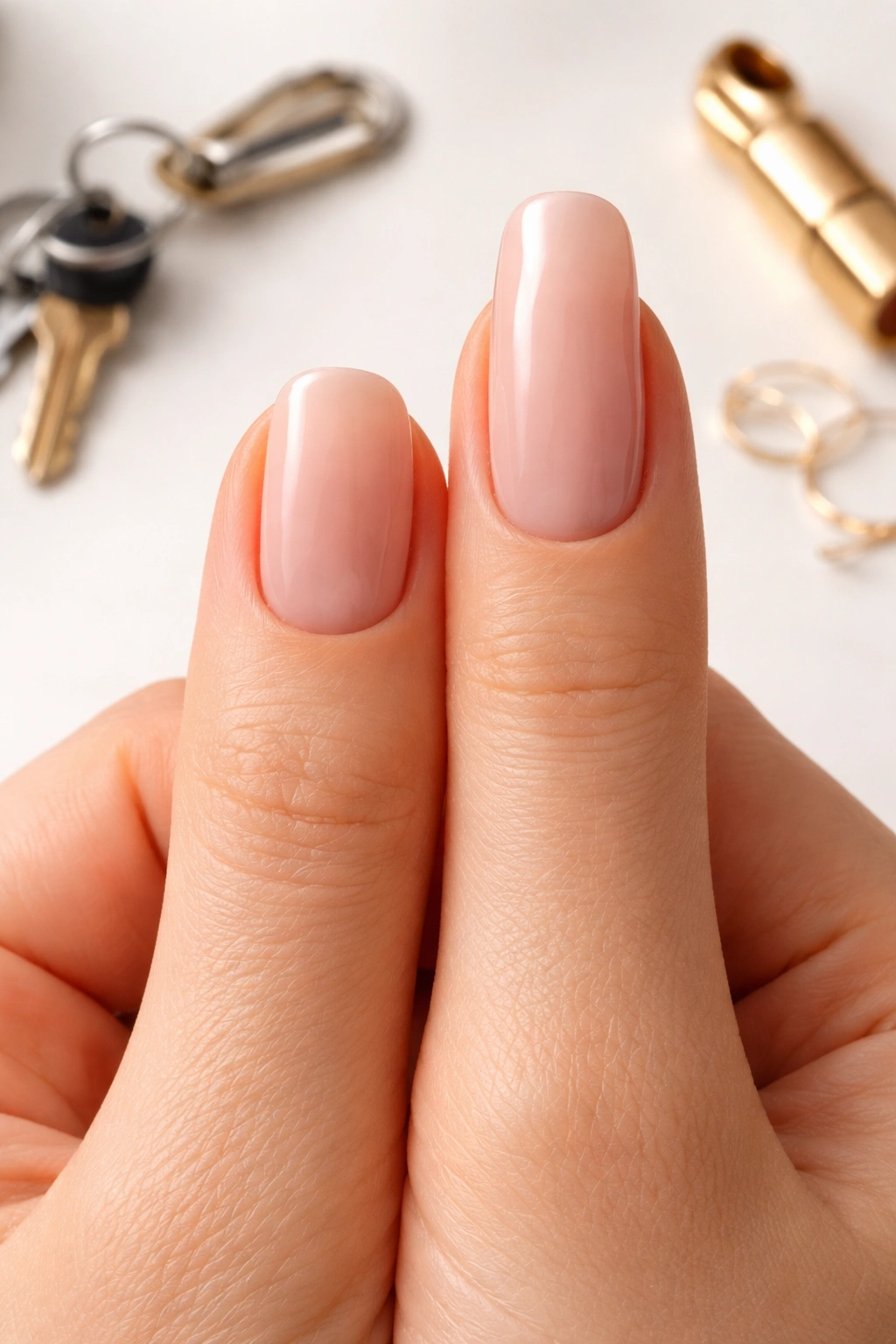
The honest truth is that short squovals are the practical choice for almost everyone. If you’re on the fence, short squovals win on convenience, durability, daily functionality, and overall stress-free living. You get a modern, professional nail shape without the maintenance demands.
Long squovals are the choice if you specifically value the aesthetic experience enough to manage the higher maintenance. You want nails to be a visible part of your appearance. You enjoy the ritual of nail care. You don’t mind the small limitations on activities. The visual payoff matters more to you than the practicality trade-offs.
You can always start with short squovals and grow them longer later if you want to experiment. You can’t go the opposite direction without waiting for them to break or cutting them short. Use that to your advantage if you’re genuinely uncertain.
Final Thoughts
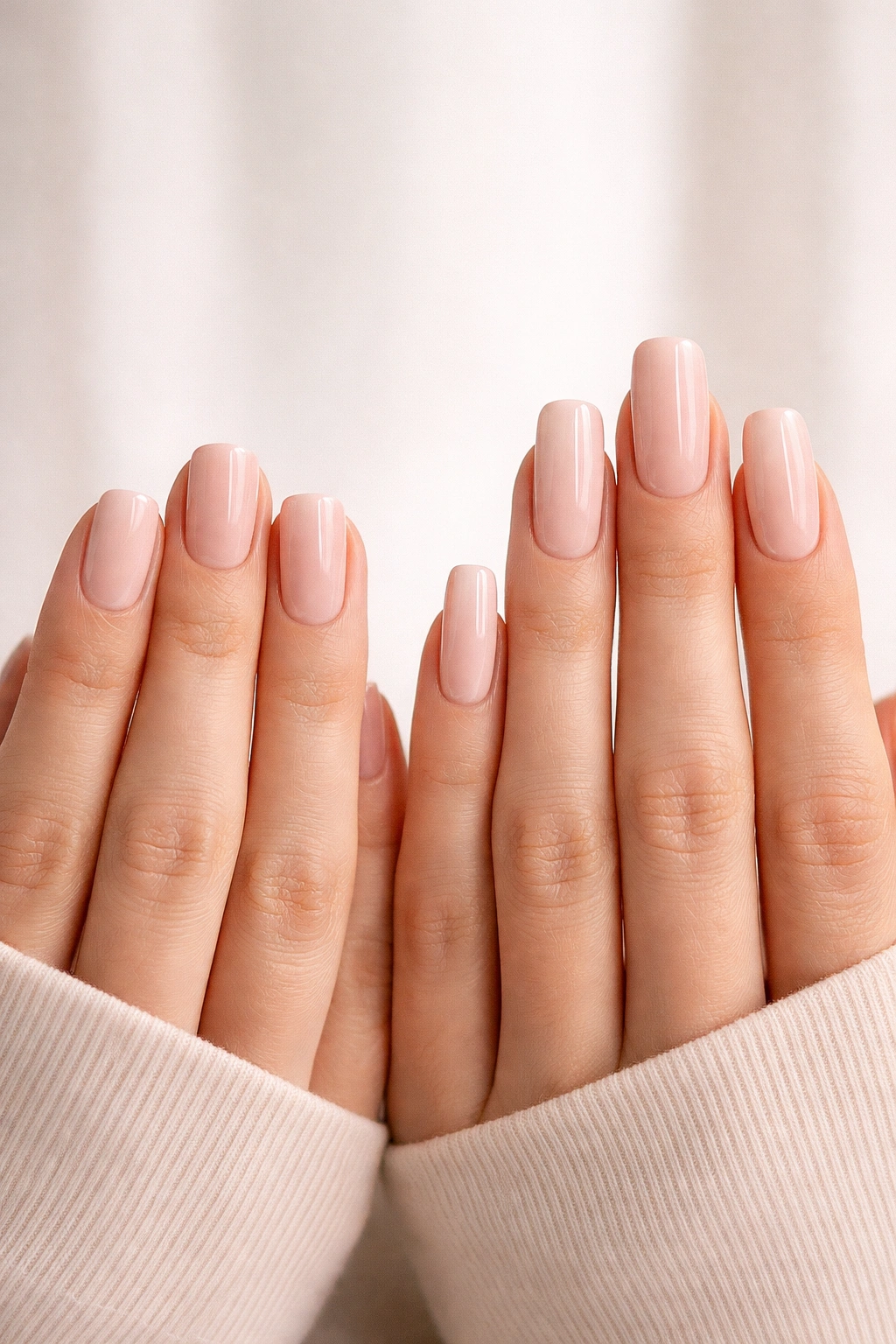
The squoval shape itself is perfect either way—that rounded-square hybrid is genuinely one of the most flattering and versatile nail shapes available. The difference between short and long squovals isn’t about which shape is better; it’s about which length matches your actual lifestyle and values.
Short squovals work for anyone because they’re low-maintenance, durable, and universally appropriate. You can focus on living your life rather than managing your nails. Long squovals work for anyone willing to be more intentional about maintenance, and they offer a more dramatic visual impact.
The real question isn’t which one is objectively better. It’s which one you’ll actually be happy wearing six months from now. Think about your typical week, your work environment, how much you genuinely enjoy nail care, and whether you value practicality or aesthetics more. Your answer should fall pretty clearly into one category. Trust that instinct, and you’ll end up with exactly the nails you want.