


Wide nail beds can feel like a challenge when you’re trying to find the most flattering shape, but they’re actually a canvas for some of the most elegant and sophisticated nail designs. The truth is, most women with wider nails have been told conflicting advice — some swear certain shapes are “wrong” for them, while others see wide nail beds as ideal. The reality is more nuanced. Your nail bed width doesn’t limit your options; it just means you need to understand which shapes will make your nails feel and look their best based on how proportions work together.
The width of your nail bed is determined by genetics and is largely fixed, but the shape you choose to file your nails into can completely transform how that width reads visually. A shape that elongates and balances your nail proportions can make even very wide beds feel refined and intentional. The key isn’t fighting your natural nail width — it’s choosing a shape that works with it rather than against it.
Understanding the relationship between your nail bed width and the shape you choose is one of the most practical beauty decisions you can make. It affects not just how your nails look, but also their durability, how easy they are to maintain, and how versatile they can be with different polish colors and nail art. Let’s break down exactly which shapes work beautifully for wide nail beds and why.
Understanding Your Nail Bed Width and What It Means
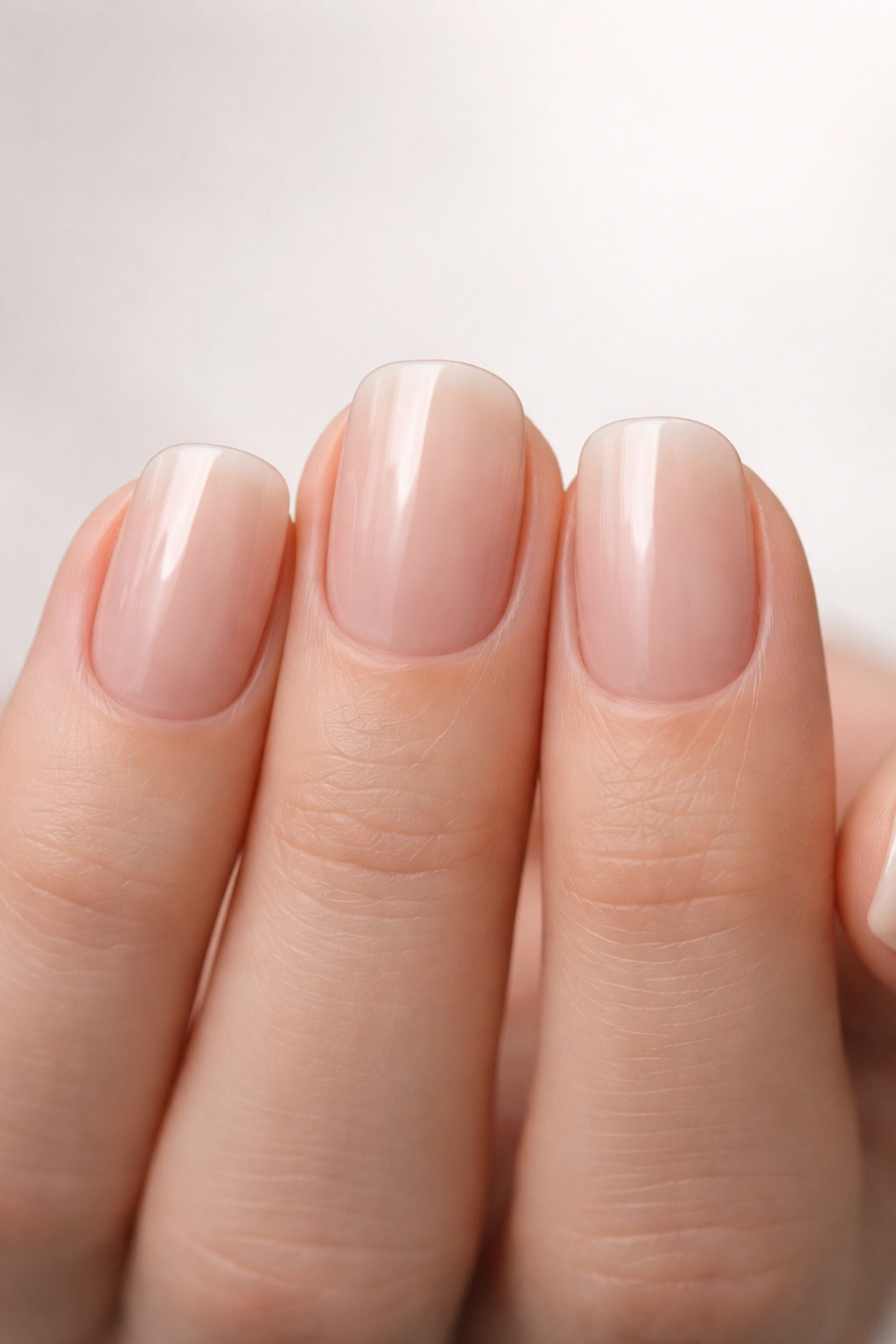
Your nail bed width is the distance across your nail from one side to the other, measured at the widest point (usually near the base where the nail emerges from the cuticle). This width is determined by the bone structure of your fingertip — it’s the actual width of your fingertip itself. Wide nail beds typically mean your fingertips are naturally broad or square-shaped, which is a completely normal and common trait.
The confusion around wide nail beds usually comes from mixing up two different things: the width of your nail bed and the length of your nail. These are separate measurements. You can have a wide nail bed with long nails, short nails, or anything in between. Your nail bed width doesn’t change — what changes is the nail shape you file your nails into and how long you let them grow.
Why does this distinction matter? Because shape proportions are all about ratios. A shape that looks beautiful on a narrow, delicate nail bed might look completely different on a wider one, not because one is objectively “wrong,” but because the visual proportions read differently. A very tapered shape on a very wide nail bed can actually look thin and pinched. The same tapered shape on a narrow bed can look perfect.
The goal with wide nail beds is to choose shapes that feel proportional — where the length and taper of the shape are balanced to the width you’re working with. This creates visual harmony and makes your nails look intentional and elegant rather than like you’re fighting your natural nail structure.
The Oval Shape: The Most Universally Flattering Option
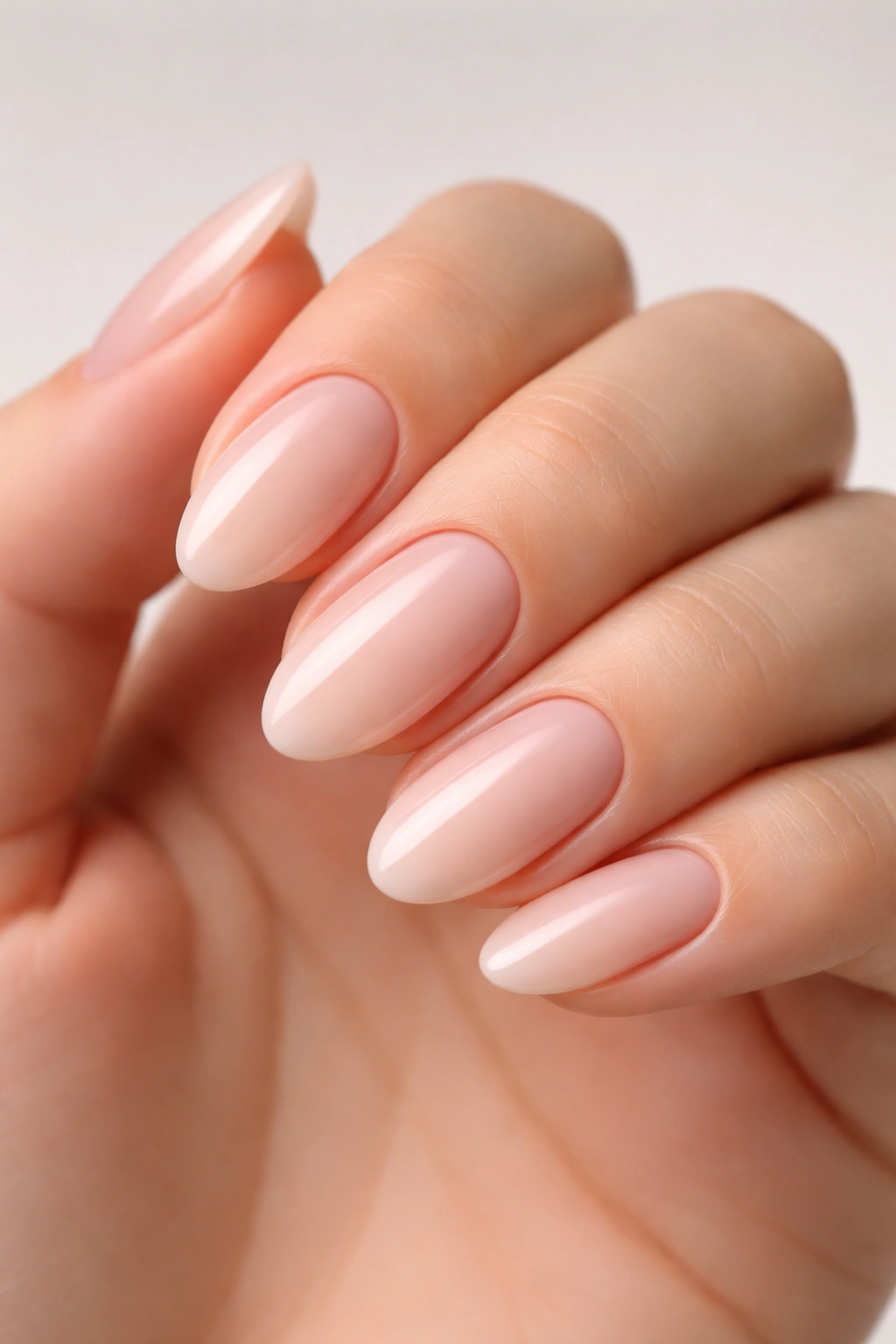
The oval shape is often called the “safe choice,” but that undersells how genuinely flattering it is for wide nail beds. An oval is essentially a shape that’s rounded on the sides and slightly tapered at the tip, creating a gentle elongation without any sharp angles. For wide nail beds, this shape does something really important: it creates the illusion of length while being balanced and proportional to the width of your nail.
Here’s the geometry that makes oval work so well. An oval tapers gradually from the center of the nail toward the tip, which naturally draws the eye down and creates a lengthening effect. For a wide nail bed, this visual elongation counterbalances the width, making your nail appear more balanced overall. You’re not making your nail narrower (you can’t change your actual nail bed), but you’re creating proportions where the length and width feel harmonious.
The oval shape is also remarkably practical for daily life. It doesn’t have sharp corners that break easily, so if you’re not someone who wants to constantly repair broken nails, the oval is genuinely durable. It works with virtually any nail length — short, medium, or long — so you can wear it however feels right for your lifestyle. Whether you’re going for a polished professional look or something more casual, oval nails read as intentional and elegant.
Why Oval Works Specifically for Wide Beds
Oval creates what designers call “visual balance.” The curved sides of the oval shape naturally guide the eye along the length of the nail, which works beautifully when your width is generous. You’re not trying to hide or minimize your width; you’re just creating a shape where width and length feel equally important, rather than the width dominating.
The oval shape also photographs beautifully and photographs true to what you see in person. Unlike some more dramatic shapes that can look different depending on the angle you hold your hand, an oval looks consistently elegant whether you’re looking straight down at your nails or viewing them from the side.
How to Get the Perfect Oval Proportions
The ideal oval for a wide nail bed is one where the length is roughly 1.5 to 2 times the width of your nail bed. So if your nail bed width is, say, 8 millimeters wide (which is on the wider side), you’d want your nail tip to extend somewhere between 12 and 16 millimeters beyond the edge of your fingertip. This creates elegant proportions where the oval elongates your nails without looking extreme.
The sides of your oval should curve inward gradually, not dramatically. Sharp inward curves can look harsh and make your nails feel pointy. A gentle, graceful curve — almost like the shape of an egg standing on its point — looks far more refined.
The Almond Shape: Sophisticated and Lengthening
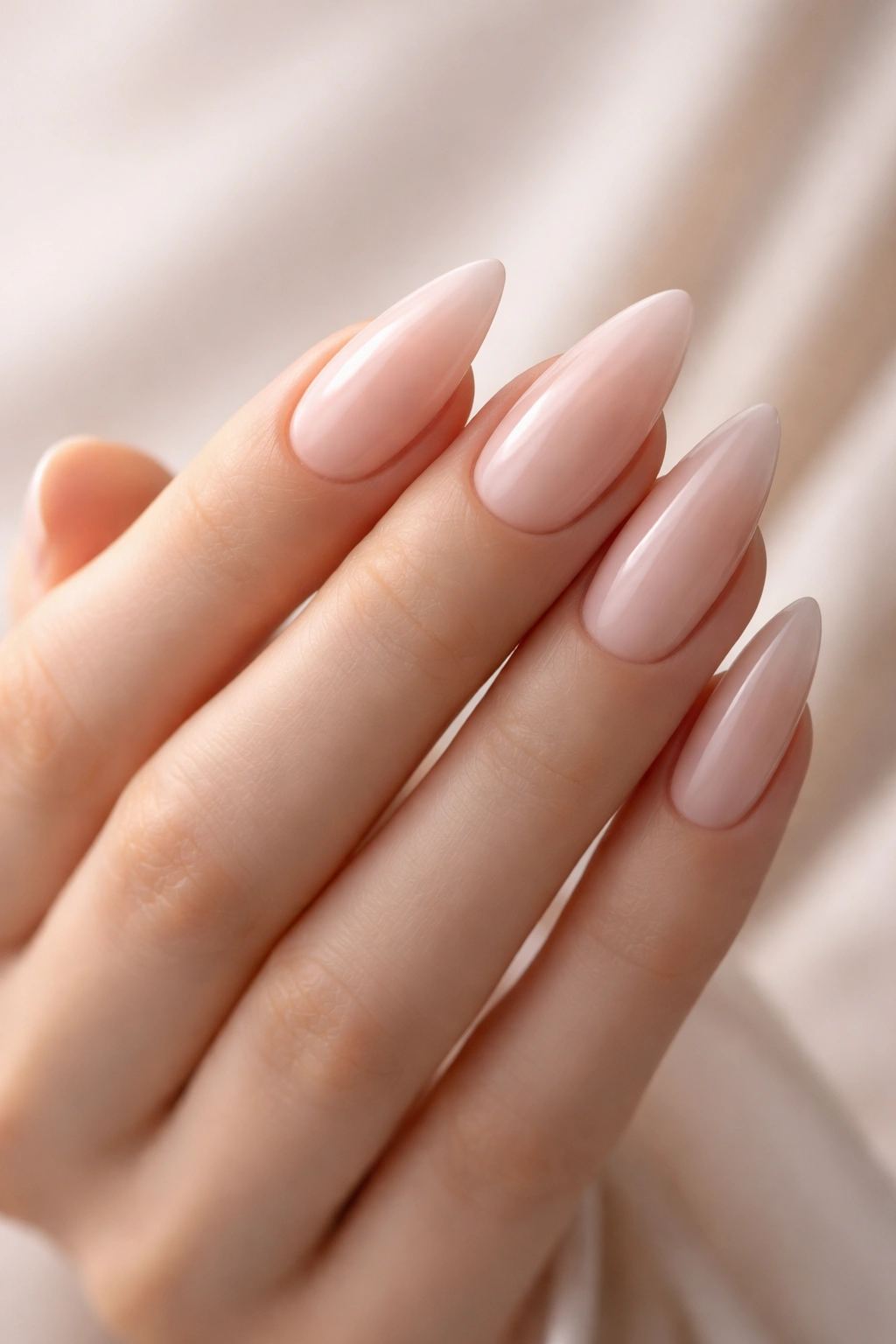
The almond shape is like a more dramatic cousin of the oval. It’s more tapered at the tip and creates a stronger sense of length and elegance. For women with wide nail beds, an almond shape can be absolutely stunning because it creates such a clear elongating effect. The tapered tip draws the eye and creates visual interest in a way that balances out the width of your nail bed.
An almond requires a bit more commitment than an oval — the tapered sides need to be maintained, and the narrower tip is slightly more delicate and prone to breaking if your nails take a lot of impact. But if you’re gentle with your hands or primarily do detail-work rather than physical labor, an almond shape can look incredibly sophisticated. Many women with wide nail beds actually prefer almond because the extra tapering creates exactly the kind of visual elongation they’re looking for.
The psychology of the almond shape also matters. There’s something about the elegance of a well-executed almond that just feels refined. It’s a shape that reads as intentional and polished — it’s not something you accidentally end up with; you clearly chose it and maintain it. For many women, that sense of intentionality is part of why they love wearing almond nails.
Creating the Right Almond Proportions for Wide Beds
An almond shape needs more length to feel proportional on a wide nail bed than an oval does. Aim for a length that’s roughly 2 to 2.5 times the width of your nail bed. So if you have a wider nail bed, you’d want your nails longer to make the almond proportions work. A short almond on a very wide nail bed can feel stumpy, while a medium-to-long almond creates beautiful visual balance.
The key to a flattering almond is that the taper should be gradual and even on both sides. Many people make the mistake of creating a shape that’s tapered unevenly or too sharply pointed at the very tip. The most elegant almond has a gentle point — there’s a defined tip, but it’s not needle-sharp. This looks far more sophisticated and is also more durable.
Why Square Shapes Can Be Tricky for Wide Nail Beds
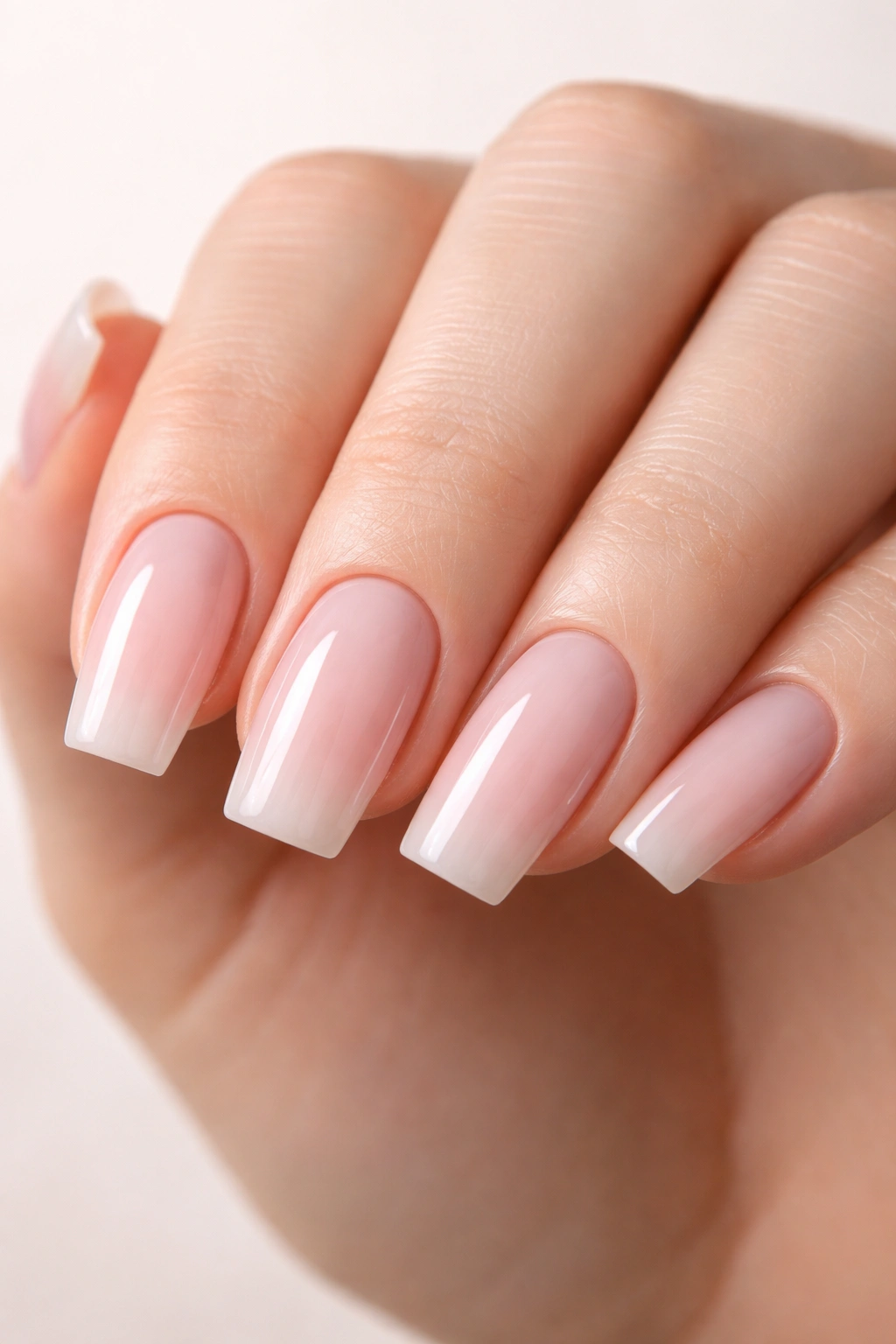
A square or blunt-edged shape is wonderful for many nail types, but it’s one of the trickier choices for genuinely wide nail beds. The reason isn’t that it’s “wrong” — it’s purely about proportions. A square nail emphasizes the width of your nail because there’s no tapering, no visual movement toward a narrower point. The entire shape, from base to tip, is essentially one consistent width.
For someone with a naturally narrow nail bed, a square shape looks crisp and modern. For someone with a wide nail bed, that same square shape can actually emphasize how wide the nail is, which might not be the effect you’re going for. It’s not inherently bad — it’s just that square doesn’t create the elongating, balancing effect that many women with wide beds prefer.
That said, if you love the look of square nails or prefer the practical benefits (they’re durable, they look clean and minimalist, they work for any style), you can absolutely wear them. Just know that to make them work well with a wide nail bed, you typically need to go longer than you might with an oval or almond shape. The extra length helps balance the width and prevents the nail from looking too squat or blocky.
When Square Works for Wide Beds
Square nails look best on wide nail beds when the length is at least 1.5 to 2 times the width, similar to oval. The additional length creates proportions where the width and length feel balanced rather than the width dominating. Some women with wide beds also love pairing square nails with bold colors or interesting nail art — the clean lines and flat surface of square nails are a beautiful canvas for designs.
If you want to soften the effect of a square shape slightly without giving up that clean-lined look, you can choose a “soft square” — which has the straight edges of a square but with just slightly rounded corners instead of sharp right angles. This tiny softening creates a less dramatic presence while keeping that modern, minimalist aesthetic.
The Coffin and Ballerina Shapes: Bold Choices for Confident Wearers
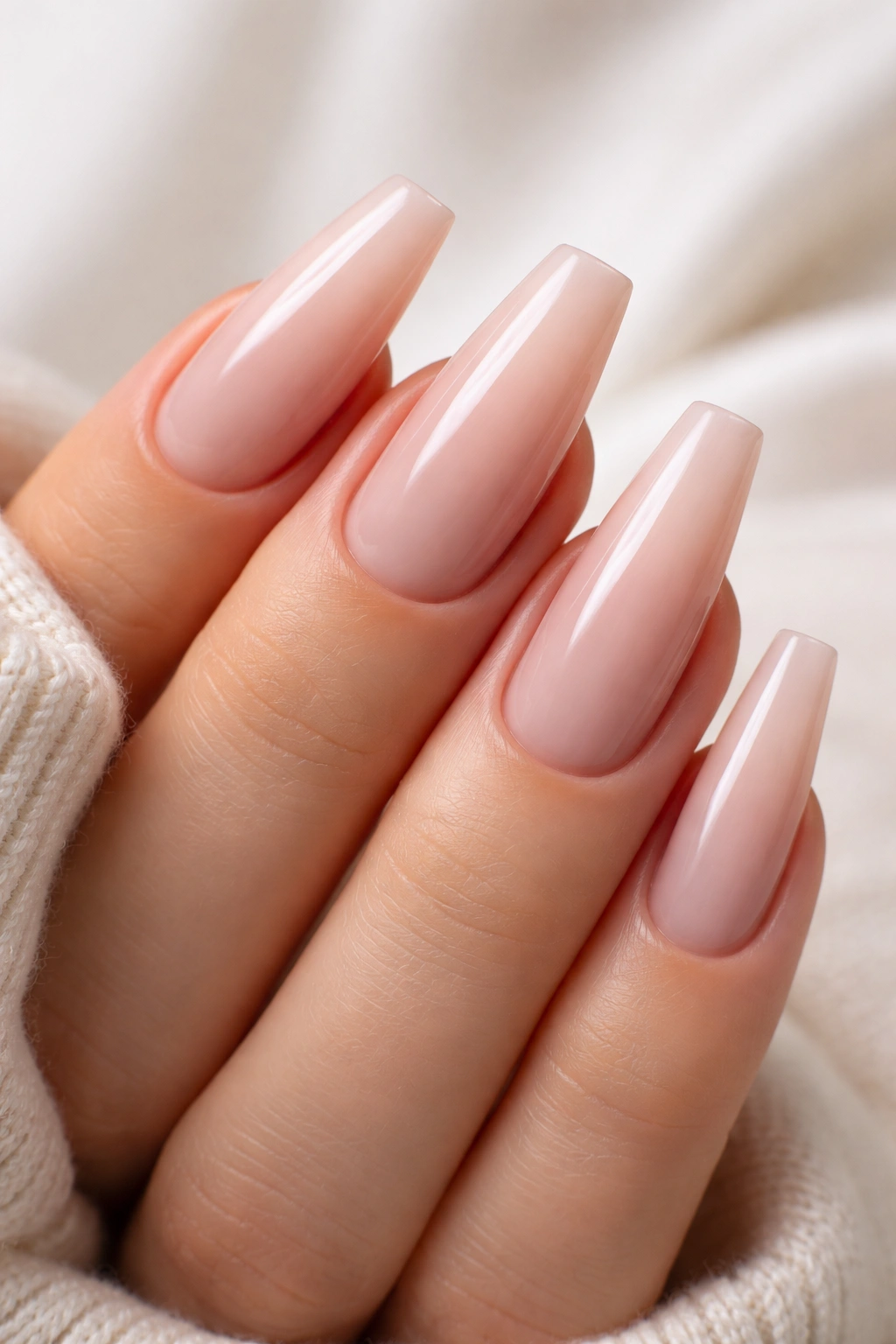
Coffin and ballerina shapes (which are quite similar — ballerina is slightly more tapered) are more trendy and dramatic choices. These shapes feature straight sides and a flat, tapered tip, creating a sophisticated and intentional look. For women with wide nail beds, these shapes can work beautifully, but they require intention and confidence.
The coffin shape creates a strong visual line and a defined tip in a way that can actually be quite flattering for wide nails. Because of the straight sides, the coffin draws a clear border around your nail, which can actually make your nail bed feel more defined and intentional rather than overly wide. The visual power of the coffin shape can balance the visual weight of a wide nail bed.
However, coffin and ballerina shapes need to be done with the right proportions on a wide nail bed. These shapes look best when they’re medium to long — short coffin nails on a very wide nail bed can look awkward. The longer length gives you the space to execute the shape properly and to create flattering proportions. They also require more maintenance — the tapered tip needs to be kept in good condition and sharp edges need to be filed carefully.
These shapes also require a certain lifestyle tolerance. The tapered tips are narrower and more prone to breaking with impact. If you regularly do things like typing intensely, doing dishes without gloves, gardening, or other hands-on work, coffin and ballerina shapes might be frustrating to maintain. But if you’re gentle with your nails or willing to file and repair them regularly, they can look incredibly chic.
Round Nails: Understated Elegance for Wide Beds
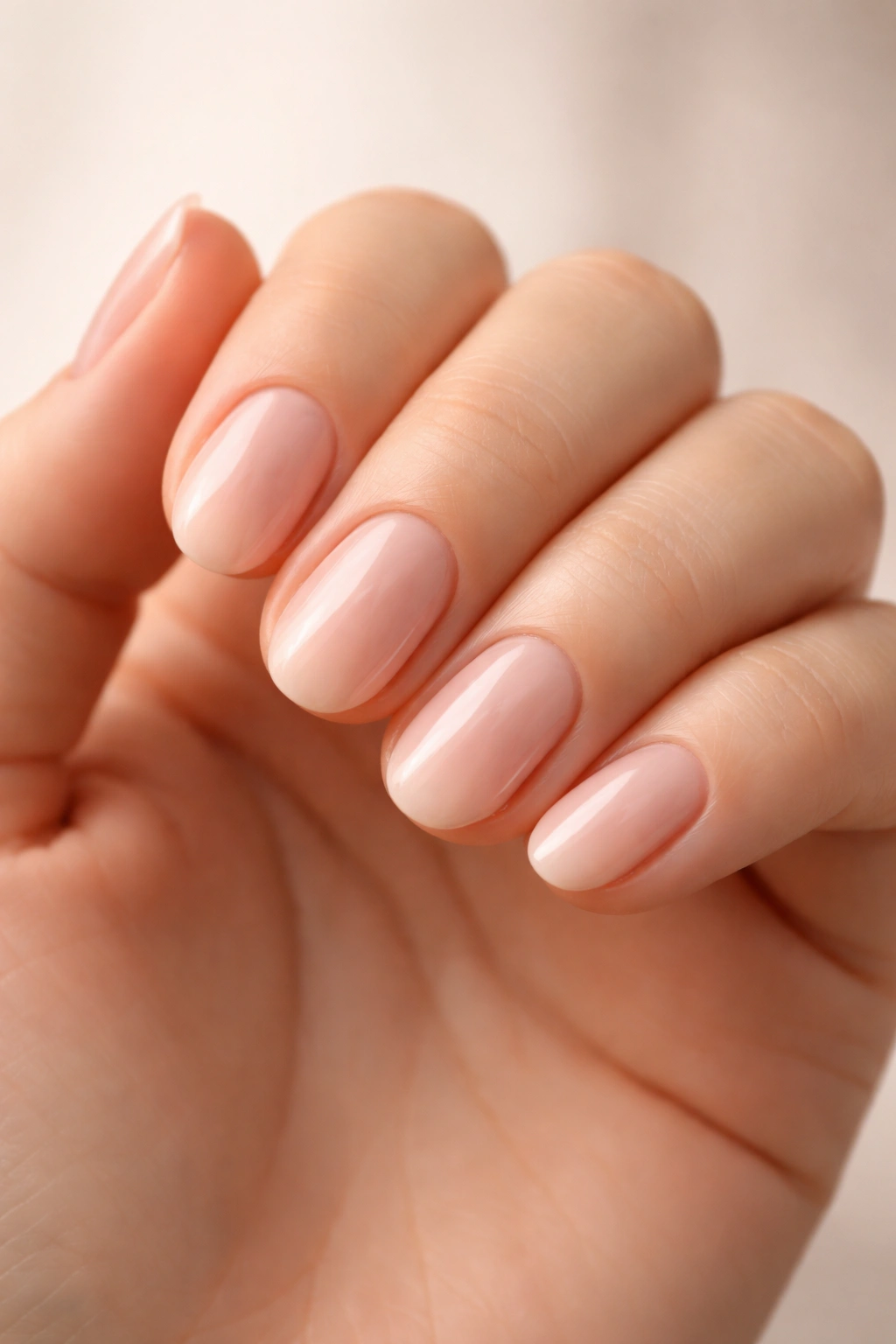
The round shape is the minimalist, understated choice, and it’s actually more flattering for wide nail beds than many people realize. A round shape is simply your nail filed to follow the natural curve of your fingertip — no sharp edges, no dramatic tapering, just a gentle semicircle from side to side. This shape is incredibly durable, practical, and surprisingly elegant when executed well.
Round nails on a wide nail bed have a soft, approachable quality. They don’t create dramatic elongation the way an almond does, but they also don’t emphasize width the way a square might. Instead, round nails create a gentle, balanced aesthetic that feels natural and harmonious. For women who prefer a low-maintenance, understated approach to nails, round is genuinely perfect.
The beauty of round nails is that they work beautifully at any length. Short round nails look clean and practical. Medium-length round nails look polished and elegant. Long round nails look graceful and sophisticated. Because there are no sharp edges or delicate tapered tips, round nails can handle daily life without constantly needing repairs.
Round nails are also particularly forgiving if your natural nail beds vary slightly in width from one nail to the next (which is totally normal). The gentle, curved shape means minor variations in width are barely noticeable, whereas more dramatic shapes like almond or coffin can emphasize those slight differences. If you want a consistently polished look without having to fight to make each nail perfectly identical, round is your shape.
How Nail Length Changes What Looks Good with Wide Beds
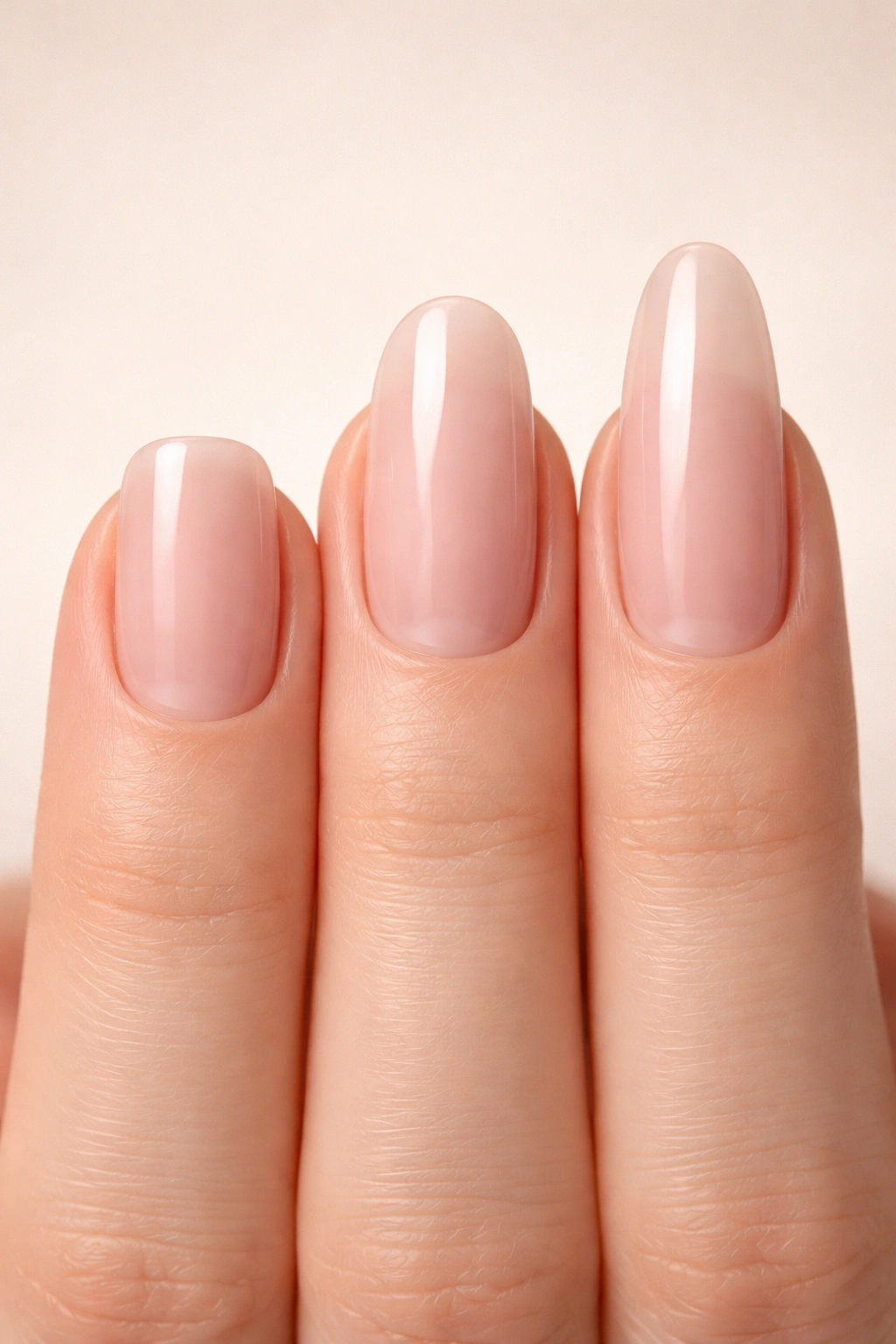
The length of your nails interacts significantly with your nail bed width. A shape that looks perfect at one length might feel wrong at a different length on the same person. Understanding this relationship helps you make decisions that work for your actual lifestyle and preferences.
Short nails on a wide nail bed (typically anything under 3-4 millimeters of free edge beyond your fingertip) need to be balanced carefully. Very short nails emphasize width more than longer nails do, simply because there’s more width visible relative to length. Short nails look best on wide beds when the shape is either oval (which creates some visual lengthening even in a short format) or round (which looks intentional and elegant at any length). Short square nails on a very wide bed can sometimes look too stocky.
Medium-length nails (roughly 5-8 millimeters of free edge) are where you have the most flexibility. Almost any shape works beautifully at medium length on a wide nail bed. This is the sweet spot where you get the benefit of some elongation, your nails are practical for most activities, and you have enough nail to work with that the shape can be executed elegantly.
Long nails (anything beyond 8-10 millimeters of free edge) open up every shape possibility. The extra length automatically creates better proportion with your nail bed width, so even shapes like coffin or almond that might feel extreme on short nails look beautiful when you have the length to support them. Long nails also allow more dramatic nail art and designs.
Common Mistakes People with Wide Nail Beds Make
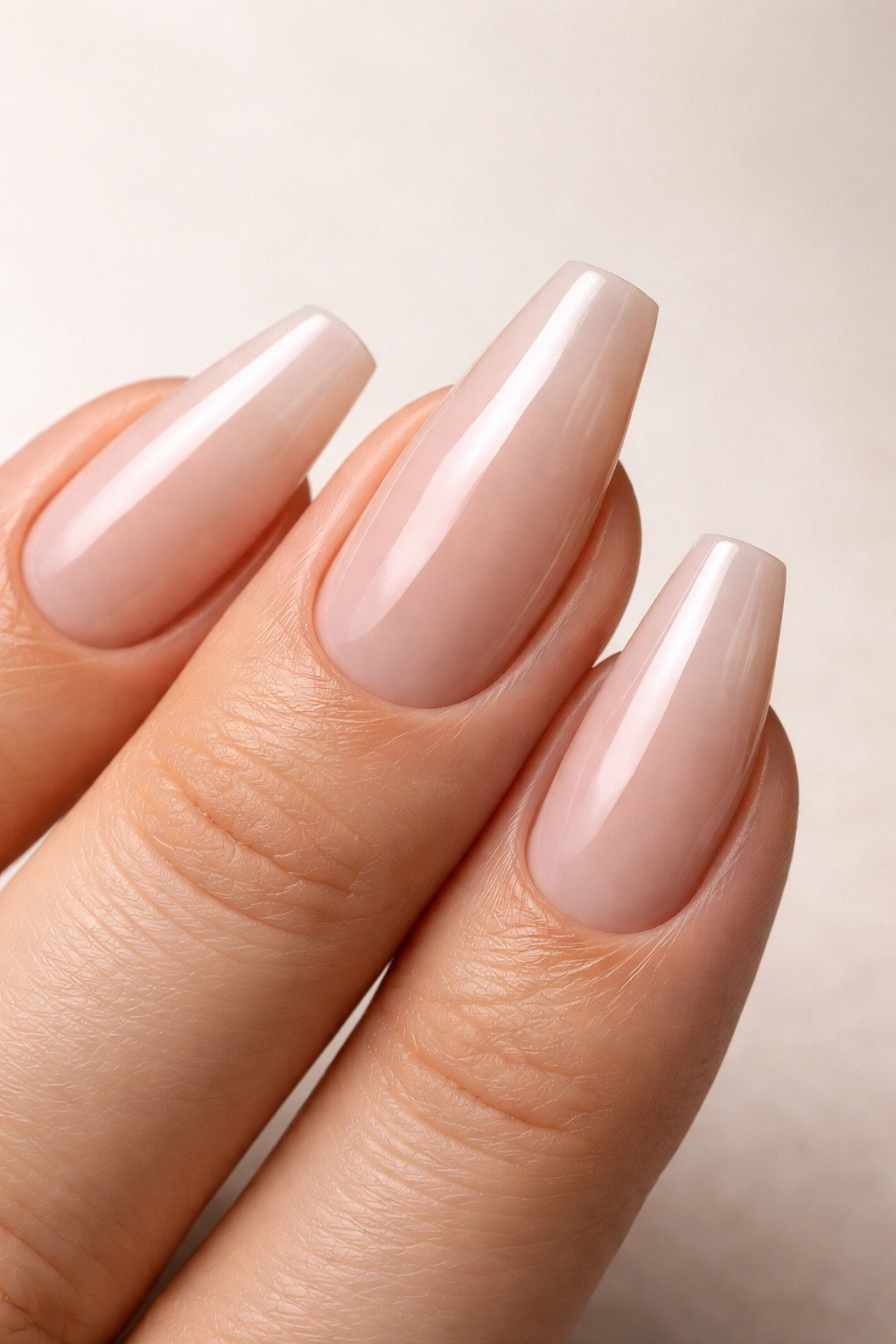
One of the biggest mistakes is choosing a shape based on what looks good on someone else rather than what’s proportional to your specific nail bed width. Your best friend might absolutely love her tapered almond nails, but if her nail beds are narrower than yours, the same shape might not create the same proportion and harmony on your hands. Nail shape should be personalized to your actual nail structure, not copied from someone else.
Another frequent mistake is going too short with shapes that need length to work. Short tapered shapes like almond or coffin don’t have enough space to create their characteristic elegance on a wide nail bed — they just look pinched. If you love these shapes, you need to commit to at least medium length to make them work.
People also often make the mistake of assuming their nail beds are wider than they actually are, or they overly worry about them being “too wide.” Most nail beds are more proportional than their owners realize. What feels impossibly wide to you likely looks completely normal and beautiful to everyone else. Before making shape decisions based on worrying your beds are too wide, honestly assess whether you’re working with genuinely wide beds or whether you’re being harder on yourself than you should be.
Working with Your Nail Technician to Get the Right Shape
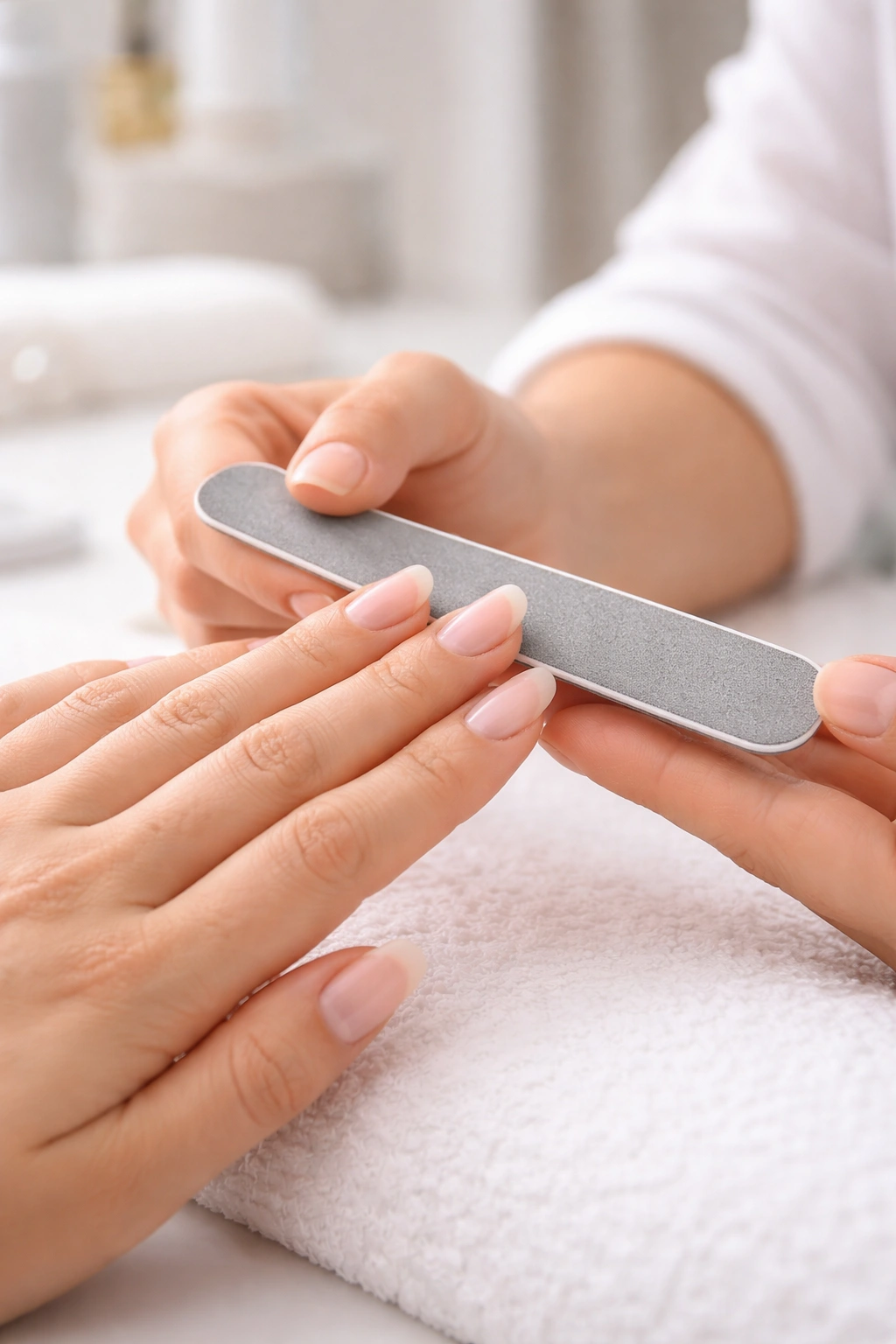
If you get professional manicures, communication with your technician is crucial. Don’t just show them a picture of a nail shape you like — explain what proportions matter to you. For instance, you might say: “I have wide nail beds, and I want a shape that creates some elongation. I’m thinking oval or almond, but I want to make sure the length is right to balance the width.” A good technician understands that nail shapes need to be proportional to your nail structure and will adjust accordingly.
Bring reference photos, but don’t expect your nails to look identical to photos you find online. Those photos might be of someone with very different nail bed proportions than you have. Instead, discuss proportions with your technician. If you like the idea of a particular shape but want it adjusted to work better with your wide beds, a skilled technician can make those adjustments while keeping the essence of the shape you love.
It’s also worth noting that filing technique matters enormously. A technician who files carelessly can make any shape look awkward. You want someone who takes time to file evenly and create smooth curves or lines that are actually intentional and polished, not rushed and sloppy.
How Color and Design Choices Work with Wide Nails
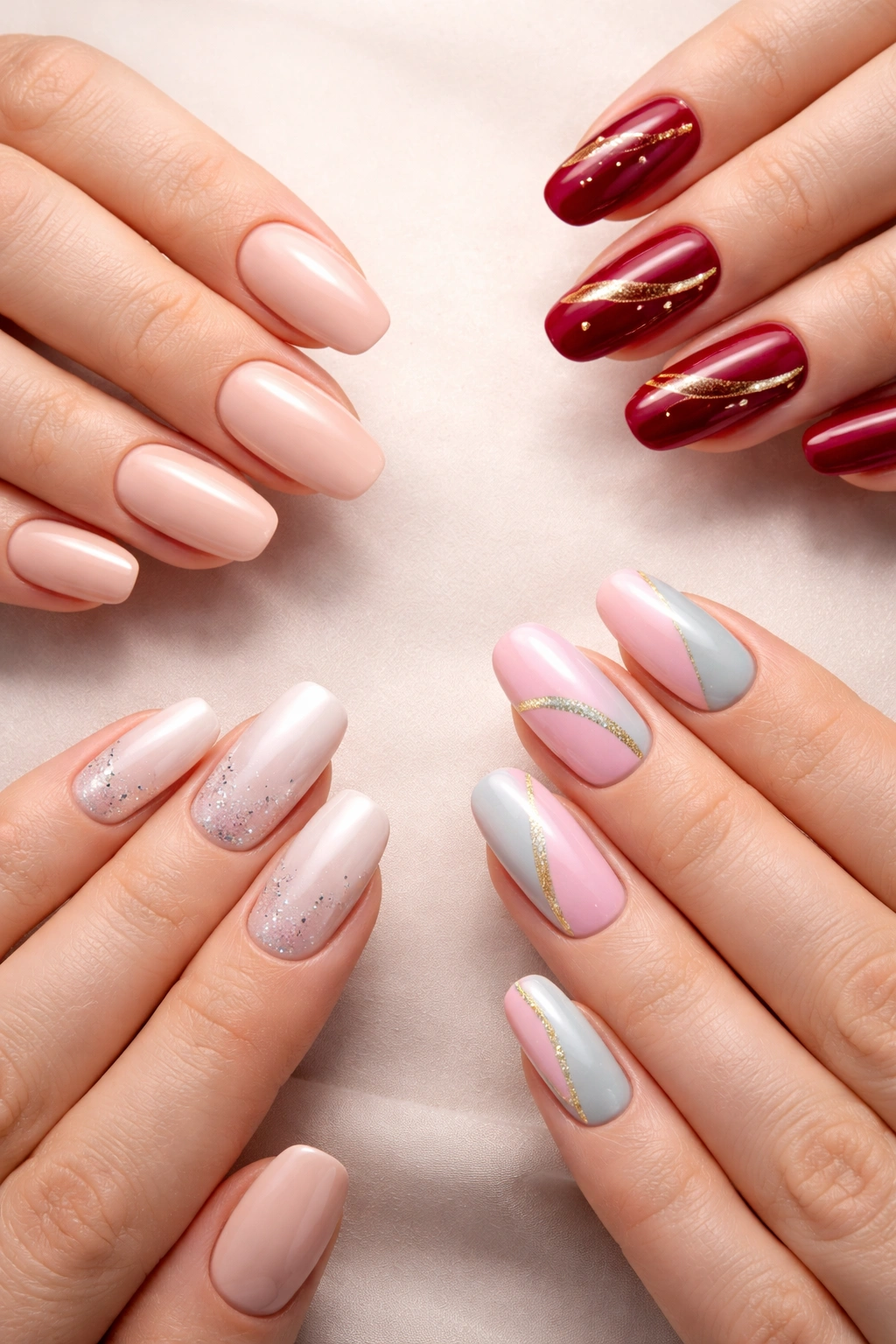
The nail shape you choose interacts with color in meaningful ways. Lighter, neutral colors tend to feel more minimalist and can make nails look more refined — this works beautifully with almost any shape, but it’s particularly lovely with round or soft oval nails. Bold, saturated colors draw attention and create visual drama — they tend to look especially stunning on shapes with clear lines like square or coffin, or on the tapered elegance of almond.
Nail art and design also interact with shape. Designs that emphasize the length of your nail (vertical stripes, ombre from dark at the base to light at the tip, elongating nail art patterns) work beautifully on wide nail beds with shapes like oval or almond. Designs that emphasize width (wide horizontal stripes, designs that spread across the entire nail surface) work better on shapes like round or square, where the width is less of a concern proportionally.
If your wide nail beds make you feel self-conscious, bolder colors and more elaborate designs can actually help by drawing attention to the artistry rather than the width. Conversely, if you love minimalism, nude or clear polish with any shape you choose creates a clean, elegant look that’s always in style.
Proportions and Growth: Maintaining Your Shape Between Appointments
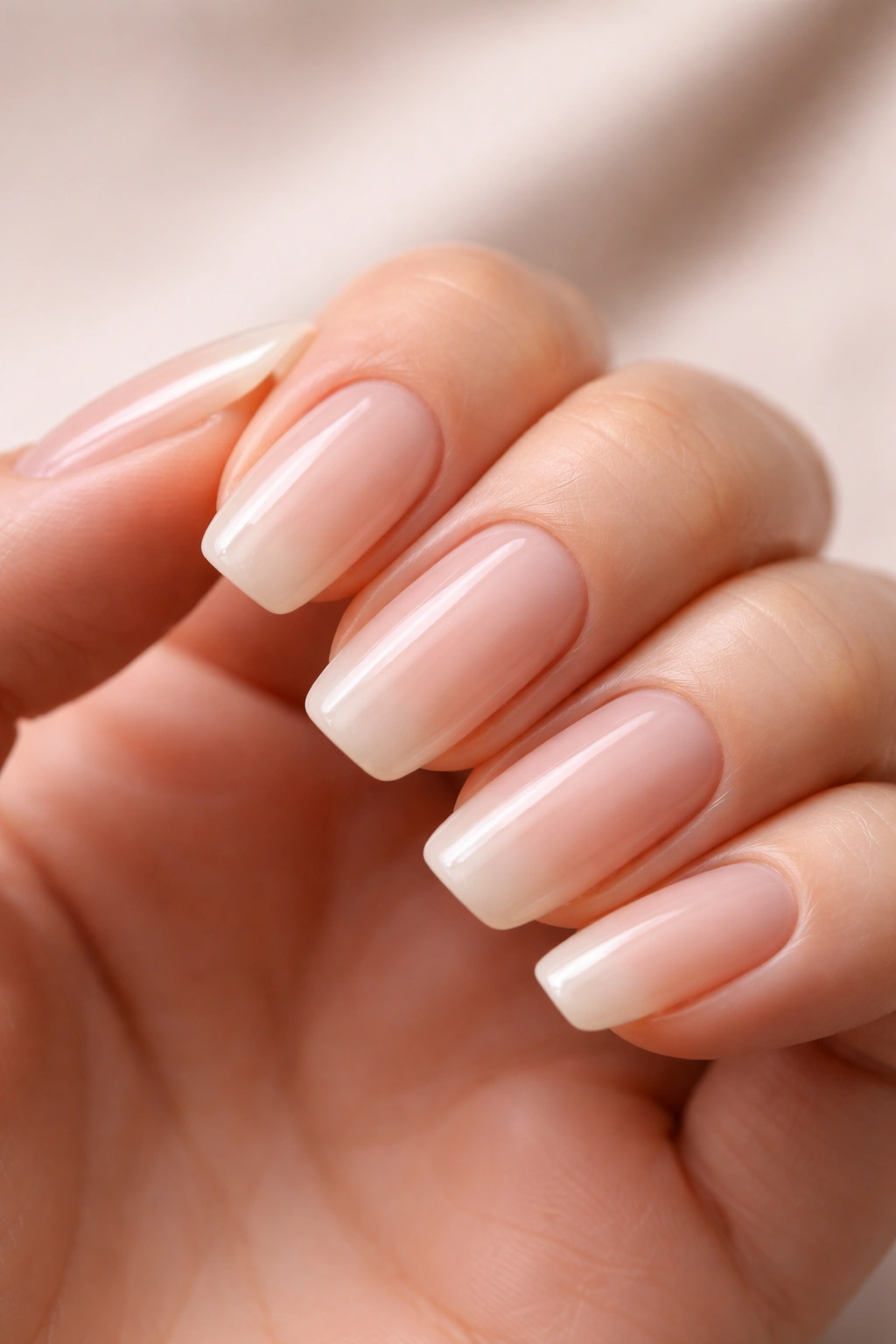
Once you’ve chosen a shape for your wide nail beds, maintenance matters. As your nails grow, the proportions change slightly. A shape that felt perfectly balanced at one point in its growth cycle might feel different after two weeks of growth, especially if you’re growing your nails longer.
Most shapes need to be re-filed every 2-4 weeks to maintain their proportions and appearance. For shapes like almond or coffin that have more distinct tapered points, more frequent maintenance (every 2-3 weeks) keeps them looking intentional and polished. For simpler shapes like oval or round, you can often go longer between appointments without the shape looking noticeably off.
Many people benefit from learning to do basic maintenance filing between professional appointments. A simple file and some shaping can make a huge difference in how good your nails look, and it helps extend the time between professional services. For wide nail beds especially, maintaining the shape you’ve chosen is part of what makes that shape work for you.
Choosing Based on Lifestyle and Commitment Level
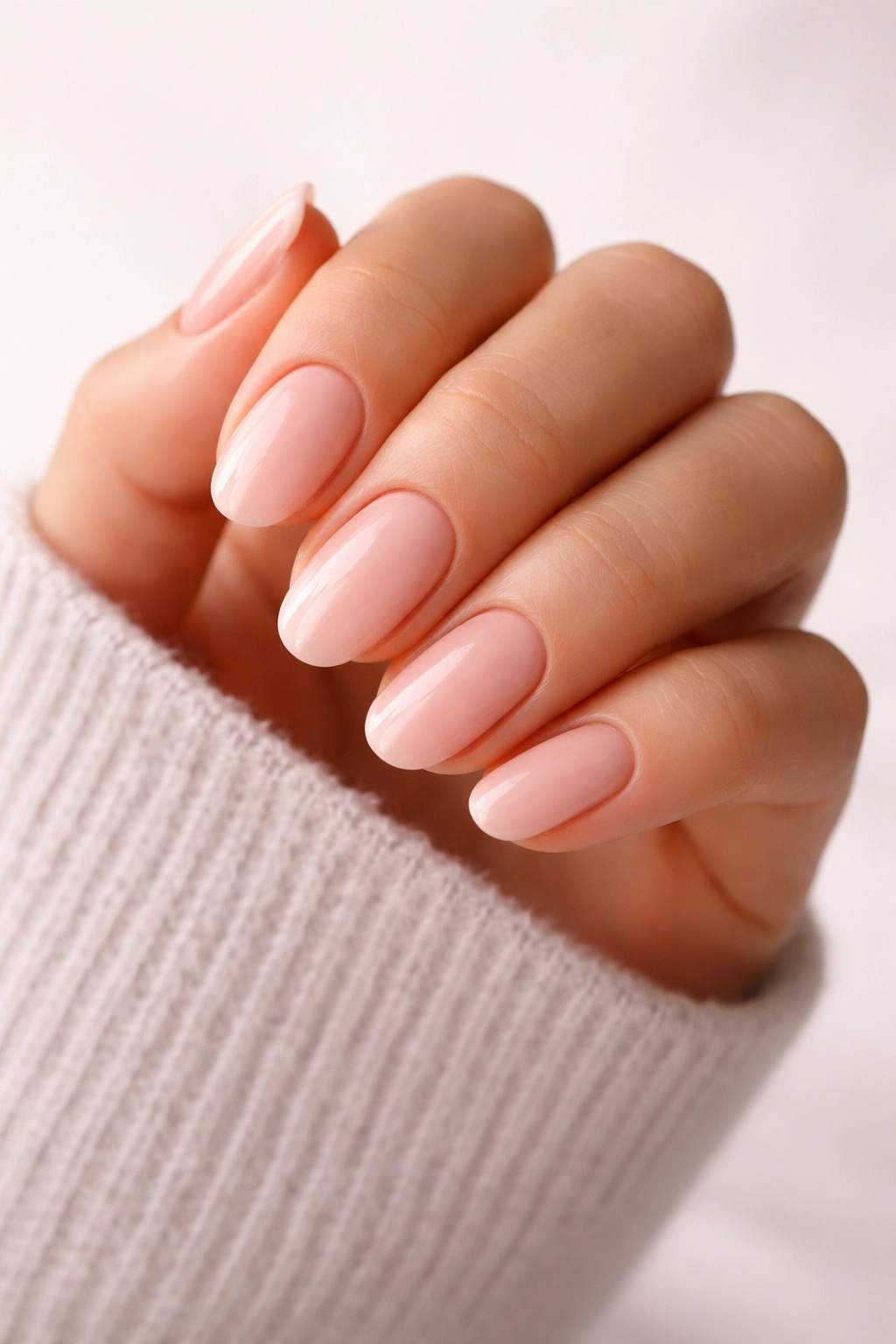
Your lifestyle should absolutely influence which shape you choose for your wide nail beds. If your hands are very busy — if you’re frequently typing, doing detailed work, or engaging in activities where long nails might catch or break — oval or round shapes are your friends. These shapes are durable and require less frequent maintenance.
If you prefer a more polished, high-maintenance aesthetic and your lifestyle allows for it, shapes like almond, coffin, or ballerina create that sophisticated look. Just be honest about whether you’re willing to maintain them. A beautifully executed coffin nail is stunning; a coffin nail with a broken tip that you’ve neglected to fix just looks unfinished.
Medium-length oval or almond shapes are the perfect middle ground for many women with wide nail beds. They create elongation and elegance, they’re practical enough for daily life, and they don’t require obsessive maintenance. You get the best of both worlds — intentional shape and reasonable durability.
Think about what you’ll actually do with your nails. Will you wear them with regular polish, gel, or acrylics? Will you do nail art? Do you need your nails to be very short for work? What does your ideal manicure look like when you imagine it? Your real-world preferences and lifestyle should drive your shape choice more than any “rules” about what should work with wide nail beds.
Final Thoughts
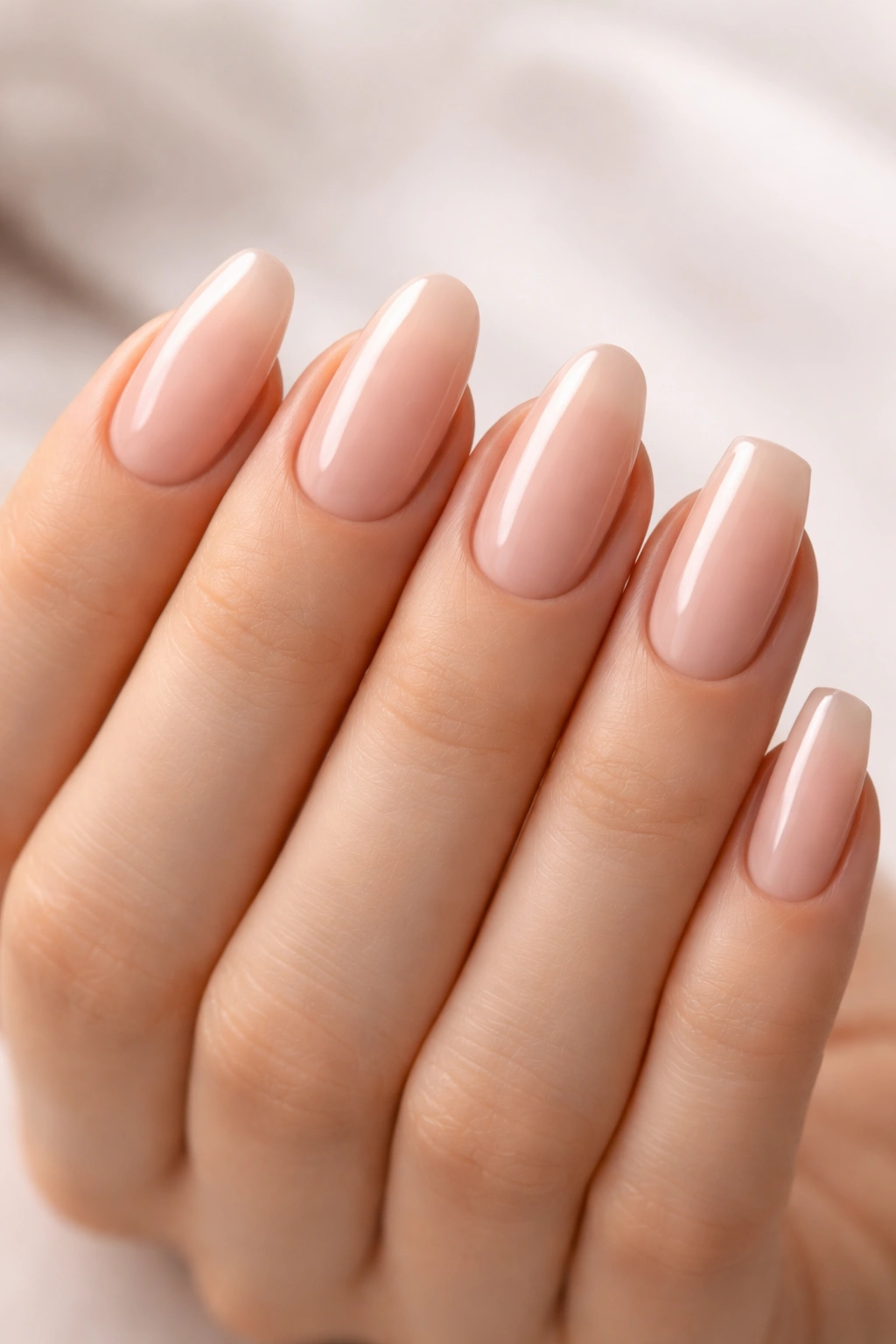
The best nail shape for wide nail beds isn’t determined by rules — it’s determined by which shape creates proportions that feel balanced and beautiful to you, combined with your lifestyle and how much maintenance you’re willing to do. For most women with wide nail beds, oval and almond are the most flattering because they create visual elongation that balances width. But round, square, and even dramatic shapes like coffin can all look stunning when they’re the right length and when you maintain them well.
The most important thing is to stop worrying that your wide nail beds are a limitation. They’re actually a feature that allows you to wear almost any shape beautifully — you just need proportions that work. Choose a shape that makes you feel confident and elegant, get it executed well, maintain it between appointments, and trust that it looks better than you think it does.
Remember that nail shape is also not permanent. If you choose oval and decide you want to try almond after a few months, you can simply file your nails into a new shape at your next appointment. This isn’t a permanent decision; it’s just an experiment with your appearance. Give yourself permission to try different shapes and figure out which one genuinely makes you feel your best.