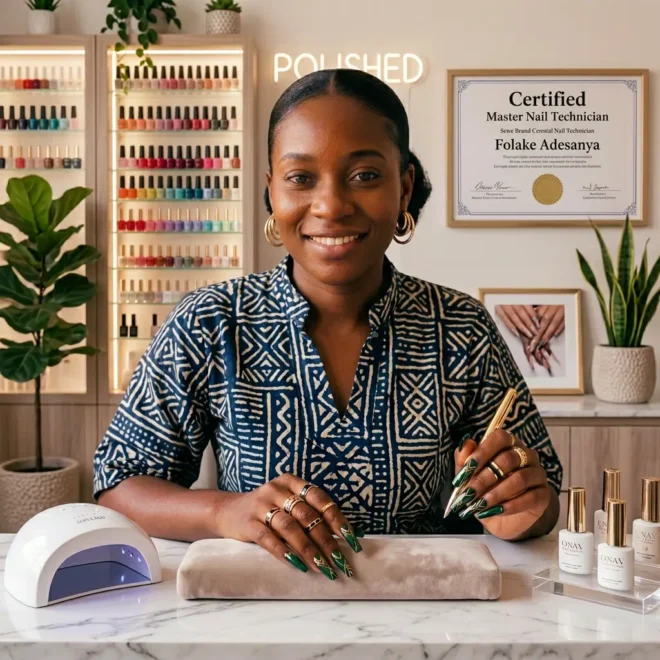


When you’re sitting in the nail salon chair, scrolling through pages of nail shape inspiration, two names keep appearing: almond and oval. Both are elegant, flattering, and far more popular than the edgier shapes that demand bolder personalities. But they’re not interchangeable, and picking the wrong one for your hands, lifestyle, or skill level can mean spending money on a manicure that either breaks within days or feels uncomfortable every time you try to type. The choice between almond and oval nails comes down to understanding what each shape actually offers—not just how they look in a photo, but how they feel on your hands, how long they last, and whether they genuinely suit the way you live.
Both shapes are rounded and sophisticated, which is probably why the distinction feels subtle at first glance. But the geometry matters. Almond nails taper to a defined point at the tip, creating an elongated silhouette that makes fingers look longer and more delicate. Oval nails round off completely at the end, maintaining width throughout and creating a softer, more balanced appearance. That single difference ripples outward into durability, maintenance, nail art options, hand compatibility, and comfort in ways most people don’t anticipate until they’re already committed. Understanding these differences before you book your appointment—or before you start filing your own nails—means you’ll make a choice that actually works for your life, not just one that looked good on someone else’s Instagram.
What Almond Nails Actually Are
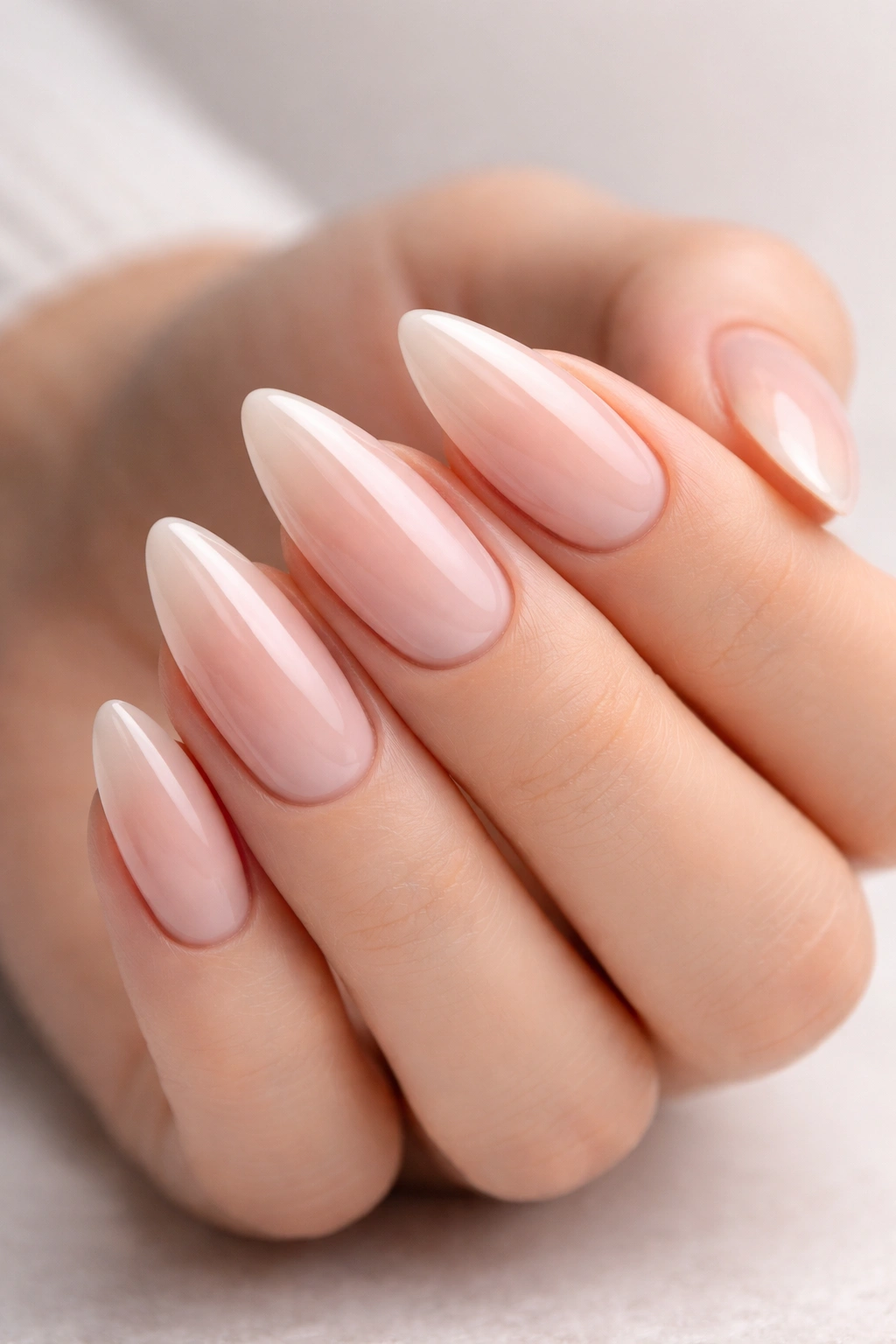
Almond nails are defined by their distinctive tapered shape: wider at the base and narrowing gradually to a pointed or slightly rounded tip. Imagine the profile of an actual almond seed, and you’ve got the reference point for the shape. The taper typically begins about midway down the nail bed and becomes noticeably narrower by the time it reaches the free edge. This creates an elongated, refined look that’s become synonymous with sophistication and elegance.
The key characteristic that separates almond from every other shape is that gradual, intentional narrowing. It’s not a sharp point like a coffin or stiletto nail—almond tips are generally softer and less dramatic. The point is there, yes, but it’s refined and subtle. Many nail technicians aim for an almost imperceptible rounding at the very tip, so almond nails read as pointed-yet-approachable rather than statement-making.
The effect on hand and finger appearance is immediate and measurable. Almond nails elongate fingers visually, making hands appear more delicate and refined. If you have shorter fingers or broader nail beds, almond shape works hard to counteract those characteristics, creating an optical illusion that makes your hands look longer and more graceful. This is precisely why almond nails became a favorite for people who wanted to add length and elegance without committing to the drama of a stiletto or coffin shape.
What Oval Nails Actually Are
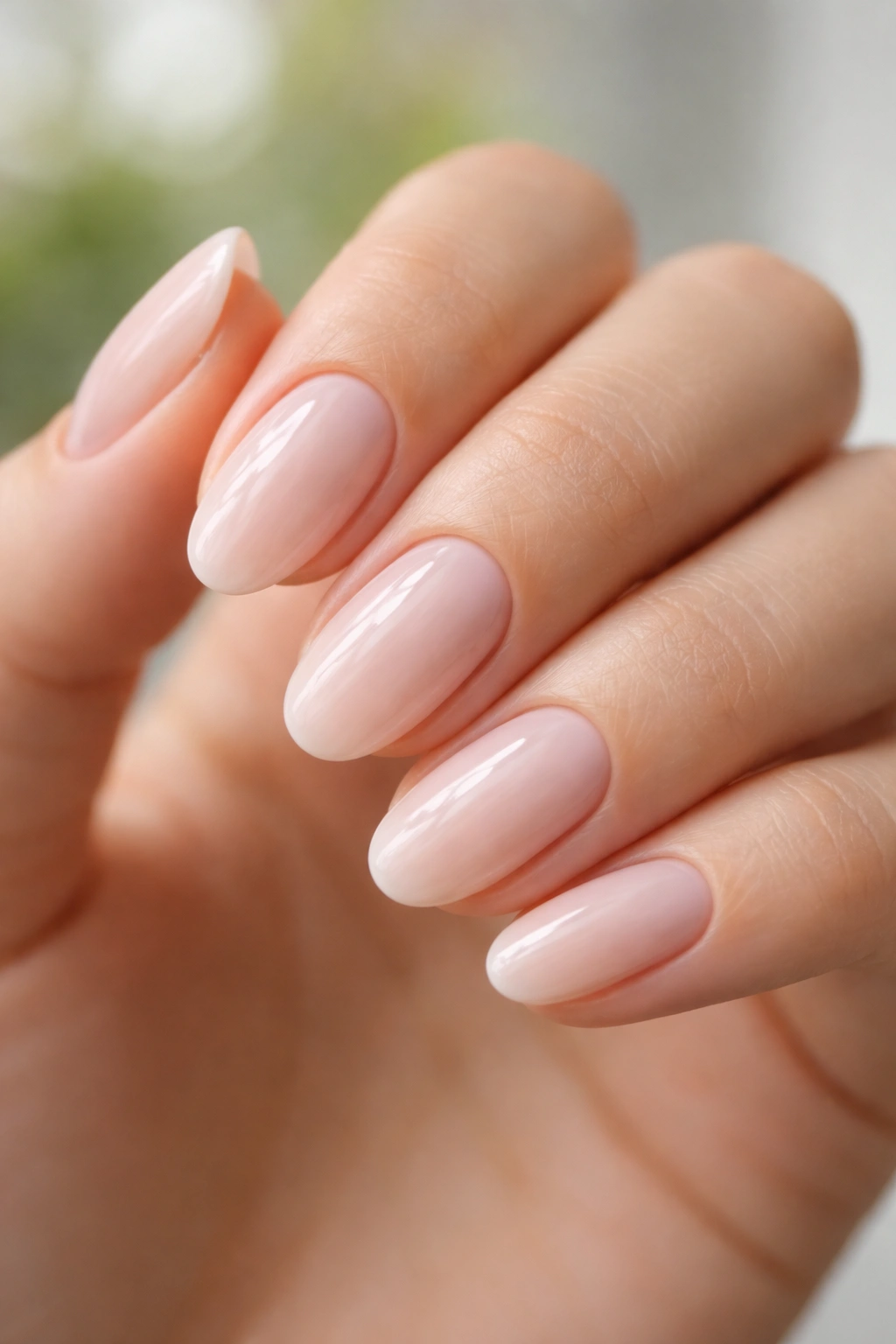
Oval nails are rounded across the entire tip, with the nail maintaining consistent width from the nail bed all the way to the free edge. Think of an egg standing on its pointed end, then imagine looking at that egg from above—that’s essentially the shape you’re creating. The sides of the nail are gently curved rather than dramatically tapered, and the tip itself is smoothly rounded with no hint of a point.
This shape has been the standard for “natural-looking” manicures for decades because it closely mimics the shape a healthy, well-maintained unpolished nail naturally grows into. When you see someone with beautiful, professionally manicured nails that look effortlessly elegant, there’s a strong chance they’re ovals. The shape reads as classic and understated, which makes it infinitely versatile and appropriate for literally any setting—boardroom or brunch, formal wedding or casual weekend.
The oval shape is also the most forgiving of all the nail shapes. It works on nearly every hand shape, every finger length, and every skin tone. There’s no fighting against geometry here—the oval simply adapts to whatever you’re working with. Fingers that are short, long, narrow, or wide all look proportional in an oval shape because the width of the nail is consistent throughout. This universal adaptability is part of why ovals are considered the “safe” choice, the shape dermatologists recommend, and the most frequently requested shape across all demographics.
How Almond Nails Affect Finger and Hand Appearance
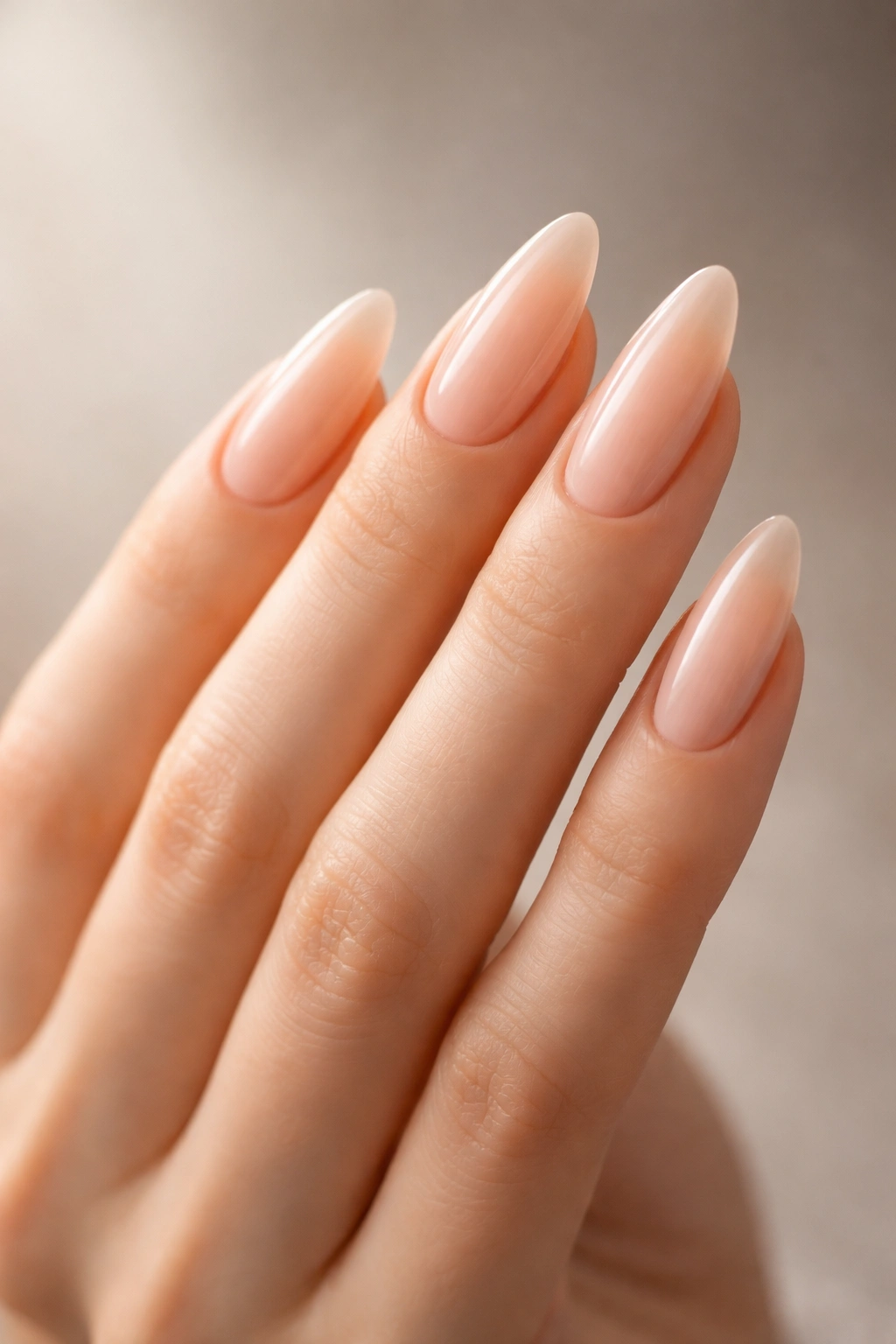
The visual impact of almond nails extends beyond just “making fingers look longer.” The taper actively reshapes how your hands read, both in profile and head-on. When you look at your hands from the side, almond nails extend the visual line of your fingers, creating a continuous graceful arc from your knuckle to your nail tip. This elongation is particularly flattering for hands with shorter fingers or wider nail beds—the almond shape compensates for natural proportions and creates a more balanced aesthetic.
From above, almond nails create definition. The way the nail narrows naturally draws the eye down the center line of your finger, emphasizing length and creating a streamlined appearance. This is why almond nails have become a favorite for people with broader fingers or hands they perceive as “square”—the shape counteracts those characteristics through visual illusion.
The tapered point also has a subtle psychological effect on perception. The pointed tip reads as elegant and intentional, as though you’ve made a deliberate choice to present yourself in a refined way. This is why almond nails are disproportionately popular among people in fashion, beauty, and high-profile professional fields where presentation carries weight. The shape communicates effort and intention.
However—and this is important—almond nails can also make certain hand shapes appear narrower or more delicate than they actually are. If you have very long, slender fingers already, almond nails might overemphasize that delicacy in a way that doesn’t feel balanced to you. Similarly, if you have hands you consider masculine or broad, almond nails create a stark contrast that some people love and others find visually uncomfortable. Understanding how the shape interacts with your specific hand geometry is crucial before committing.
How Oval Nails Affect Finger and Hand Appearance
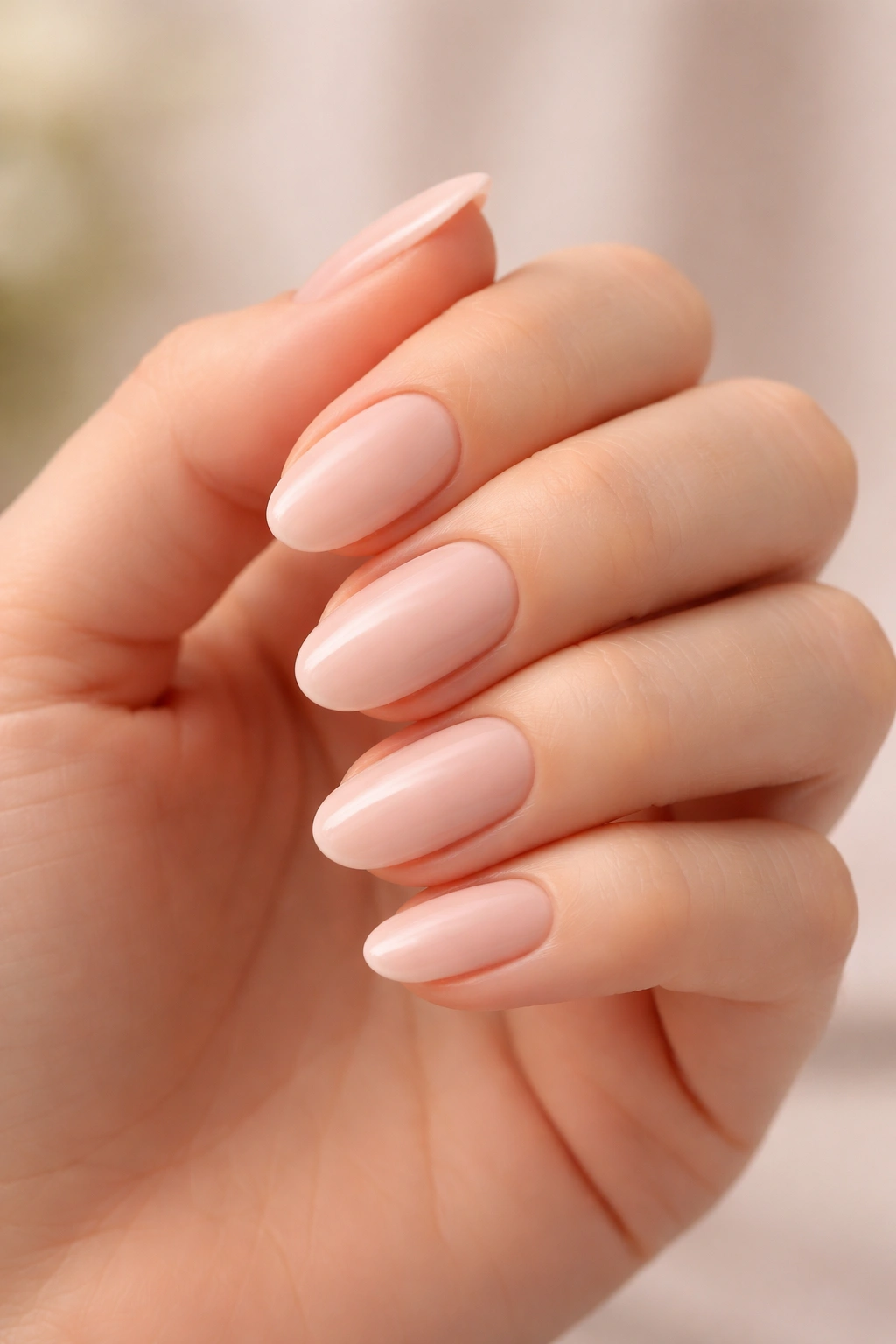
Oval nails take a more harmonious approach to hand aesthetics. Rather than creating dramatic visual effects, they work with your natural hand shape to enhance proportion and balance. The consistent width of oval nails means that the nail is always proportional to the finger itself—no tapering creates narrowness that might look unnatural, and no bluntness makes fingers appear stubby.
The rounded tip creates a visual sense of softness and approachability. When you hold your hands out in front of you with oval nails, the shape reads as natural and refined without any edge of drama. This is partly why oval nails are considered universally flattering—they don’t impose a particular aesthetic or make a statement. They simply allow your hands to look like the best, most polished version of themselves.
For people with shorter fingers, oval nails don’t create as much elongation as almond would, but they do create the appearance of balance and proportion. The consistent width means your nails don’t look disproportionately large or small relative to your fingers. If you have long fingers already, oval nails won’t overwhelm them with elongation—instead, the shape will feel balanced and intentional.
The psychological reading of oval nails is quiet sophistication. Where almond reads as intentionally elegant, oval reads as effortlessly refined. This distinction matters more than you might think, especially if you work in conservative professional environments where a dramatic nail shape might register as attention-seeking rather than polished.
Durability: Which Shape Holds Up Better
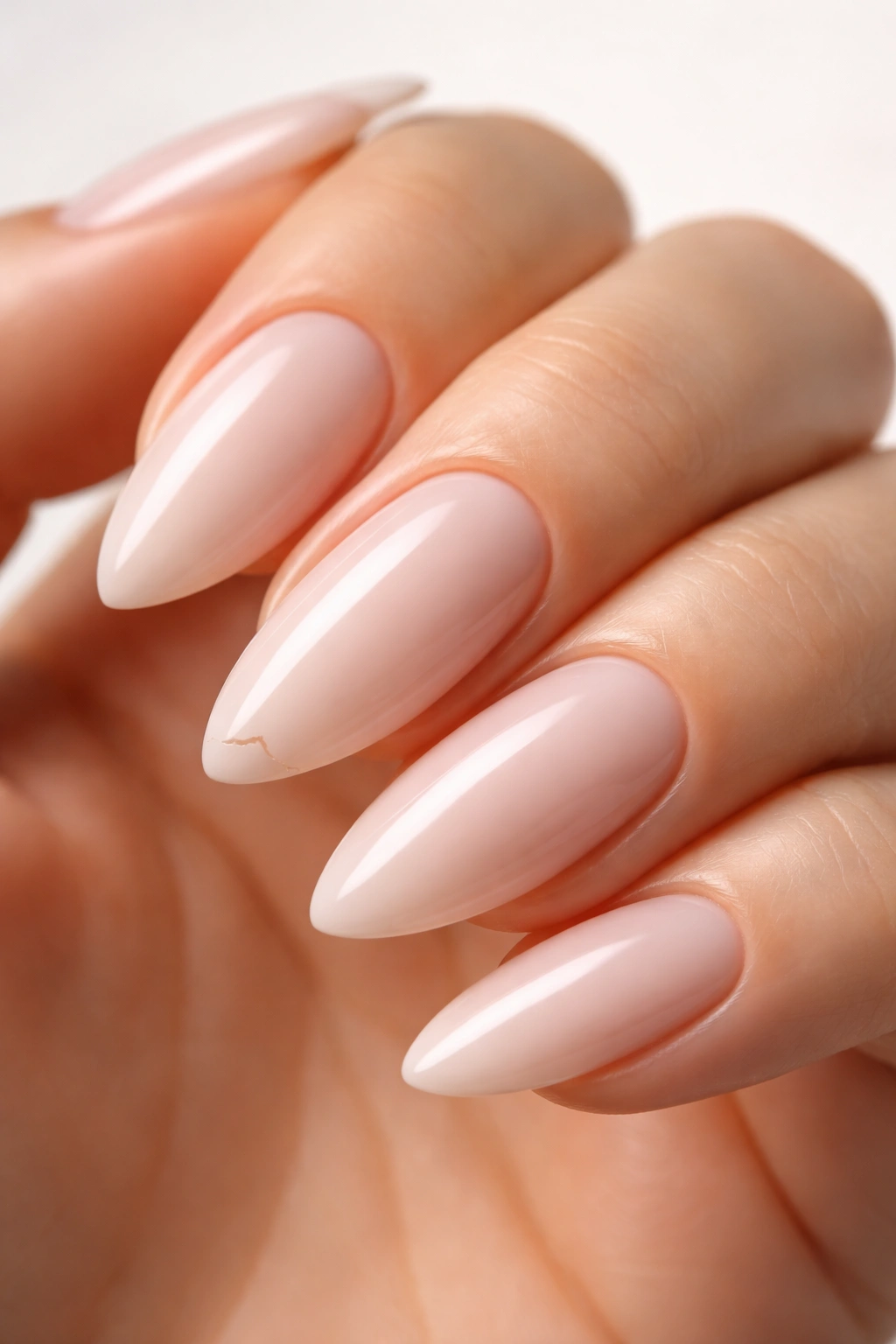
This is where the shapes diverge significantly in practical terms. Almond nails have a critical structural weakness: the pointed tip. Because the nail tapers to a point, stress concentrates at that narrowest section of the free edge. When you accidentally bump your hand against something, press too firmly on a keyboard, or catch your nail on fabric, that pointed tip is the first thing to break or crack. The taper means there’s simply less material at the weakest point, and geometry works against durability.
People wearing almond nails for more than a few weeks typically develop a relationship with their nail file—a breakage is less a matter of if and more a matter of when. This doesn’t mean almond nails are impractical, but it does mean they require more active maintenance and acceptance of occasional damage. If you’re the type of person who notices a chip immediately and rushes to fix it, almond nails might actually suit your personality well. If you prefer a set-it-and-forget-it manicure that stays pristine for weeks, almond nails will frustrate you.
Oval nails, by contrast, have inherent structural strength because the rounded tip distributes pressure evenly across a wider area. When you bump an oval nail, the impact is distributed across the entire rounded tip rather than concentrated at a single point. The width of the free edge at the tip gives oval nails significantly more material to work with, which translates directly into durability. Oval nails can genuinely last 4-6 weeks without chipping, while almond nails typically show visible wear or breakage by week 3-4.
This durability difference is particularly relevant if you have a lifestyle that’s hard on nails—you work with your hands, you exercise regularly, you play sports, you type intensively, or you do any activity that creates friction or impact against your nails. In these scenarios, oval nails are objectively the better choice. Almond nails in the same lifestyle will require constant repair and maintenance.
Maintenance Requirements and Effort
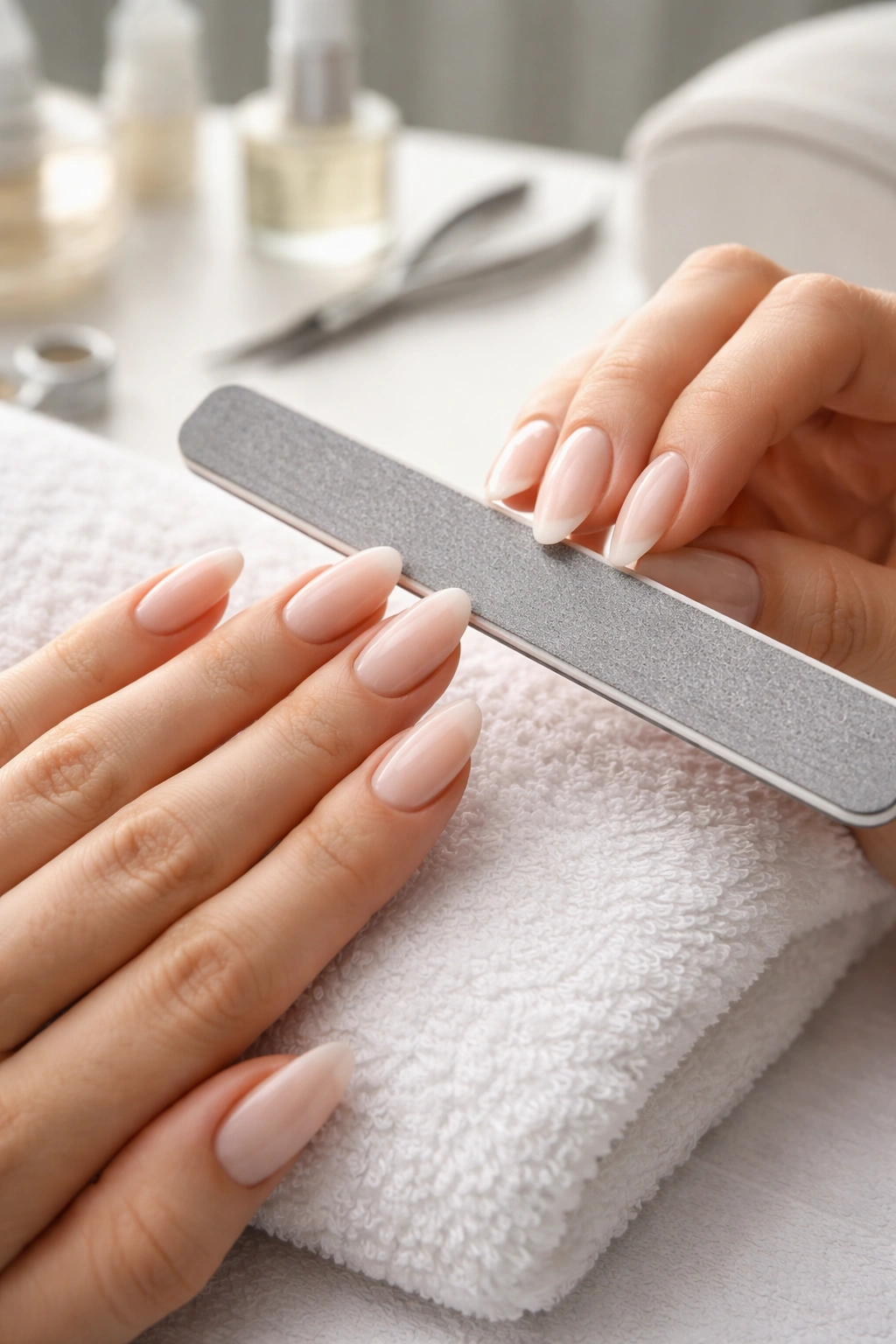
Almond nails demand more consistent care and attention, starting from the moment they’re applied. Maintaining the shape requires regular filing to preserve the taper and prevent the edges from becoming ragged or splitting. Every time you break a nail—and you will—you have to decide whether to file it back to match the other nails or wait for it to grow out enough to reshapeIt into the almond taper. Many people find themselves scheduling maintenance appointments more frequently simply to keep the shape looking intentional rather than damaged.
The daily maintenance of almond nails also includes being more conscious of how you use your hands. You learn quickly to avoid certain movements or habits that put pressure on the pointed tip. You become hyperaware of when you’re reaching for things, typing, or opening containers. This heightened awareness isn’t necessarily a drawback—some people find it focuses them on using their hands more carefully and gracefully. But it is a form of maintenance and mental energy that oval nails simply don’t require.
Oval nails are remarkably low-maintenance once they’re shaped. The rounded tip doesn’t require constant filing because the shape self-corrects naturally as the nail grows. A chip in an oval nail doesn’t immediately destroy the overall shape the way a split on a pointed almond tip does. You can let an oval manicure go longer before needing touch-ups, and the shape remains intentional and polished rather than appearing damaged.
The difference in maintenance time is real: oval nails might require a professional touch-up every 4-5 weeks, while almond nails often need attention every 2-3 weeks. If you’re paying for professional manicures, this difference adds up significantly over months and years. If you’re doing your own nails, almond requires more skill and more frequent sessions to maintain the precise taper.
Nail Art Versatility and Design Options
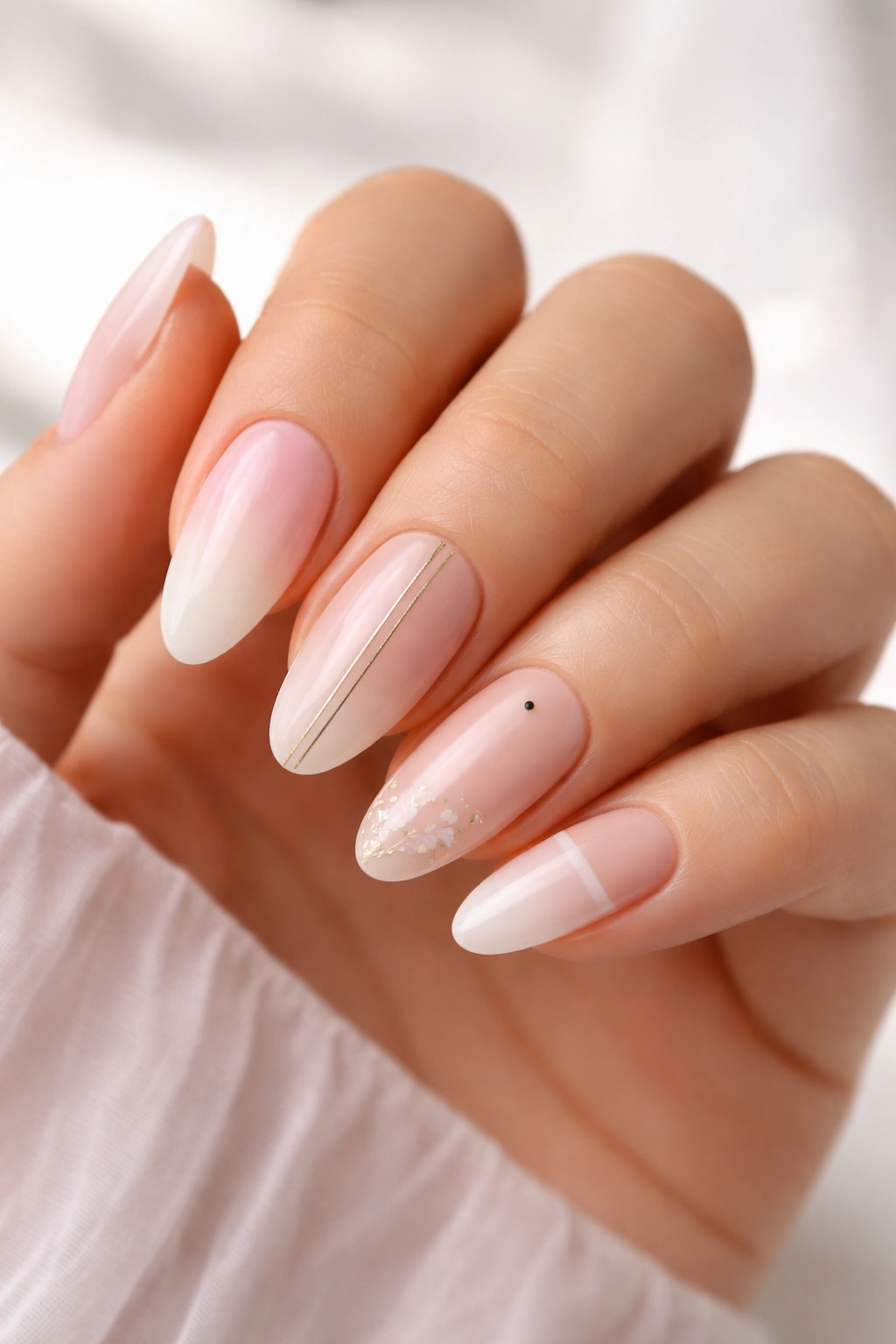
Almond nails create a particular canvas for nail art. The tapered shape naturally draws the eye down the center of the nail, which is excellent for designs that emphasize length and elegance. Ombre gradients, thin vertical lines, minimalist designs, and delicate details all look particularly striking on almond nails because the elongated shape frames them beautifully. The pointed tip also creates a distinctive endpoint for designs—gradient designs can be dramatic because they have a clear vanishing point.
However, almond nails create constraints for certain design categories. Bold, geometric patterns can look unbalanced on a tapered shape because the taper distorts the geometry. Large statement designs can overwhelm the narrower tip. Designs that rely on symmetrical width—thick stripes, bold color blocks, or geometric shapes—read differently on almond than on other shapes because the taper breaks the symmetry.
Oval nails are the ultimate chameleon when it comes to nail art. The consistent width accommodates every design category beautifully. Bold geometric patterns, thick color blocks, detailed scenes, symmetrical designs—all of these look exactly as the designer intended on an oval shape. The rounded tip provides visual balance for any design, and there’s no taper to distort or complicate the aesthetic.
If you’re the type of person who rotates through multiple nail art designs frequently, or if you love bold, statement-making designs, oval nails give you maximum flexibility and guarantee that whatever you choose will look intentional and balanced. If you prefer minimalist designs or delicate details, almond nails might actually serve your aesthetic preferences better because those designs benefit from the elongation and the pointed endpoint.
Professional Appearance and Workplace Perception
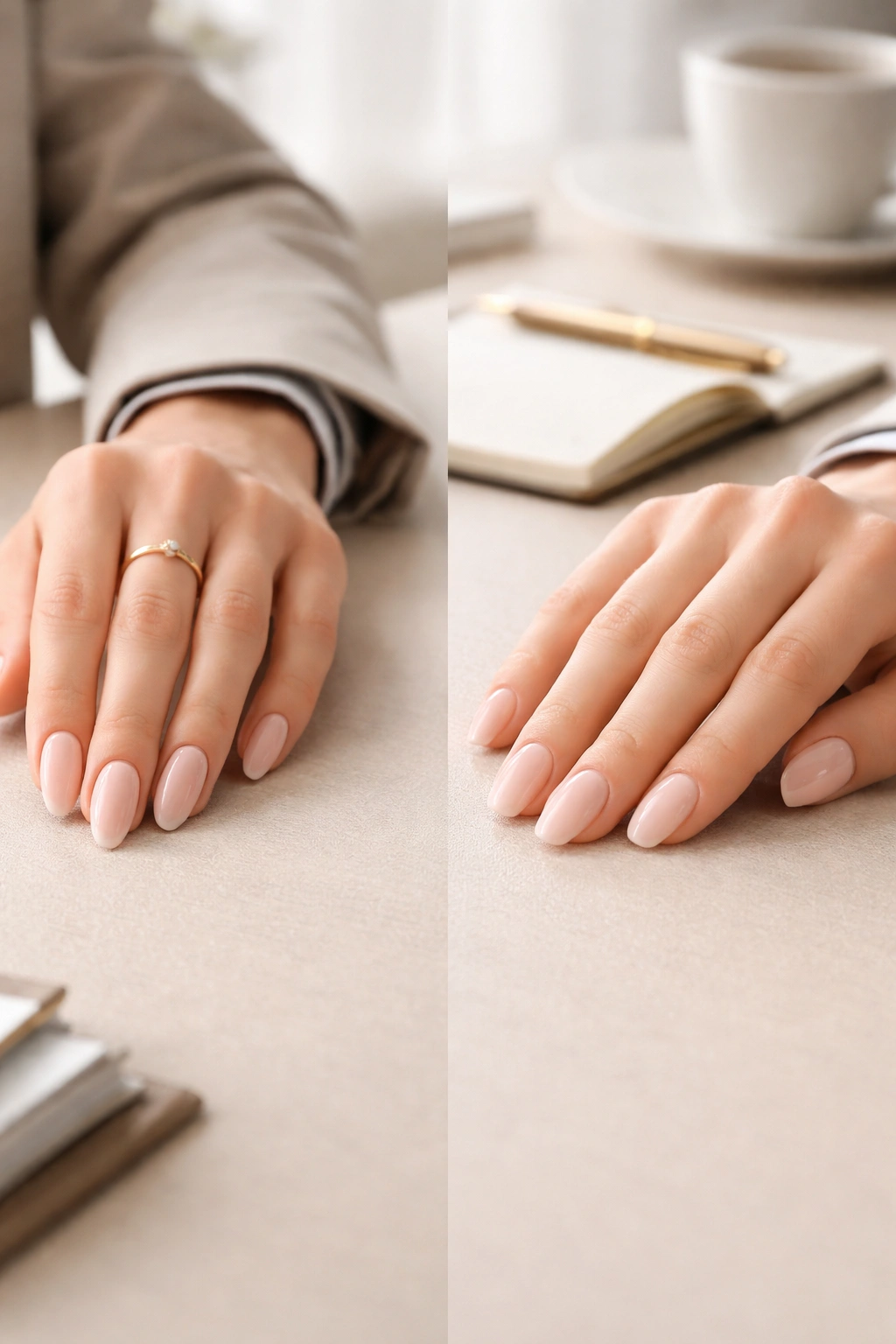
The perception surrounding almond nails in professional settings is more nuanced than you might expect. Almond nails read as deliberately elegant and fashion-forward, which can be an asset in creative fields, client-facing roles in luxury industries, or any position where personal presentation is part of your professional value. In these environments, almond nails signal that you invest in your appearance and have refined taste.
However, in conservative professional environments—law firms, finance, certain corporate cultures—almond nails can read as attention-drawing rather than understated. The pointed tip and tapered shape might register as a fashion choice rather than a simply well-maintained appearance. This isn’t universally true, but it’s a consideration worth acknowledging, particularly in industries with strict or traditional dress codes.
Oval nails, by contrast, read as effortlessly professional across virtually every workplace context. They’re polished and refined without being dramatic. They signal that you maintain good grooming habits without making a statement about your personal style or priorities. Oval nails are the shape that allows your actual work and competence to be the focus rather than your nails themselves.
If you work in an environment where you want your nails to be noticed as well-maintained but not distracting, or if you prioritize fitting comfortably into your workplace culture, oval nails are the safer choice. If you work somewhere that celebrates personal style and fashion-forward choices, almond nails might actually enhance your professional image.
Comfort and Functionality in Daily Life

The comfort level of almond nails surprises many first-time wearers. The pointed tip can feel delicate and requires an adjustment period for how you use your hands. Activities that seem simple—typing on a keyboard, texting on a phone, opening a jar, untying shoelaces—require a shift in technique and hand position. Many people adapt within a few days, but some never fully adjust, particularly if they spend their days typing or doing detailed hand work.
The taper also creates a psychological sensation of fragility. Even if almond nails are objectively durable for your particular lifestyle, the pointed tip feels more delicate and vulnerable than other shapes. This psychological sensation influences behavior—people tend to use their hands more carefully and conservatively with almond nails, which can feel either liberating or restrictive depending on your personality.
Oval nails feel fundamentally comfortable almost immediately. The rounded tip doesn’t feel delicate or vulnerable, so you can use your hands normally without any adjustment period. Typing, texting, opening containers, working with your hands—all of these activities feel exactly as they did before your manicure. The shape doesn’t impose limitations or require technique changes, which is a significant practical advantage for people who work with their hands intensively.
For people with active lifestyles, this comfort difference is genuinely meaningful. Oval nails won’t interfere with your gym routine, your hobbies, or your daily activities. Almond nails require enough accommodation that they might eventually influence how you move or what activities you choose. Neither option is objectively right or wrong, but the comfort reality should factor into your decision.
Cost and Application Complexity
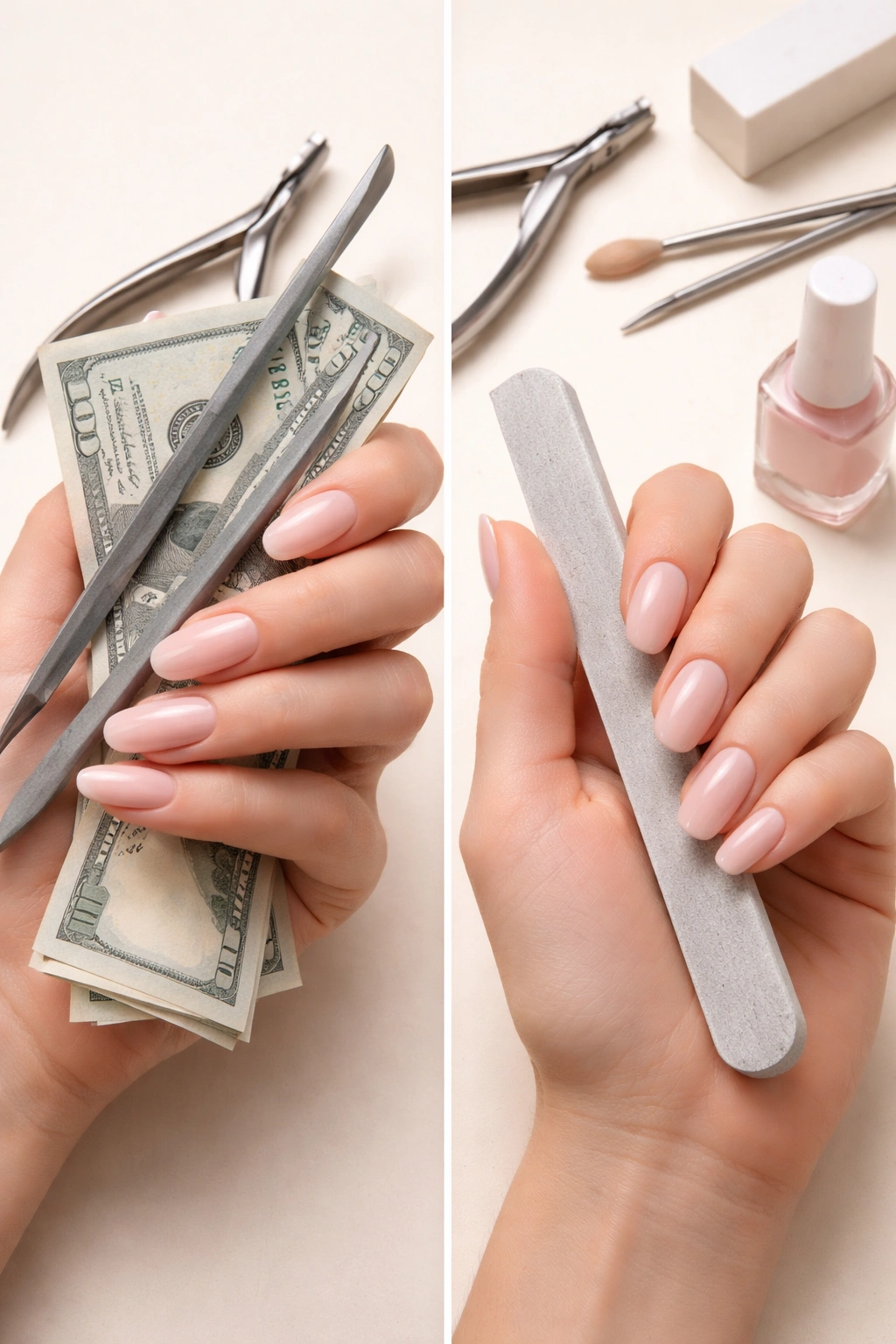
The actual price of almond versus oval nails is nearly identical when applied by a professional technician. Both shapes require the same skill level and take approximately the same time to apply. The base cost difference is negligible—what matters more is the maintenance cost differential.
Because almond nails require more frequent professional touch-ups to maintain the shape and repair breakage, the cumulative cost over months is noticeably higher. If you’re paying $50 for a manicure and getting almond nails every 3 weeks versus oval nails every 5 weeks, you’re spending significantly more on almond nails annually. Over a year, that difference could amount to several hundred dollars depending on your frequency and local pricing.
If you do your own nails, the complexity difference is more significant. Oval nails are genuinely manageable for DIY manicures—the shape is forgiving, doesn’t require precision taper work, and is difficult to mess up. Almond nails demand more skill, more precision filing, and more patience to get the taper exactly right. If you’re new to doing your own nails, starting with oval is far more realistic than starting with almond.
The learning curve for applying gel or acrylic almond nails yourself is considerably steeper than for ovals. The taper requires understanding how to build product strategically, and mistakes in the taper become immediately visible. Many professional technicians recommend that DIY nail enthusiasts master oval shapes first before attempting almond.
Longevity and How Long They Actually Last
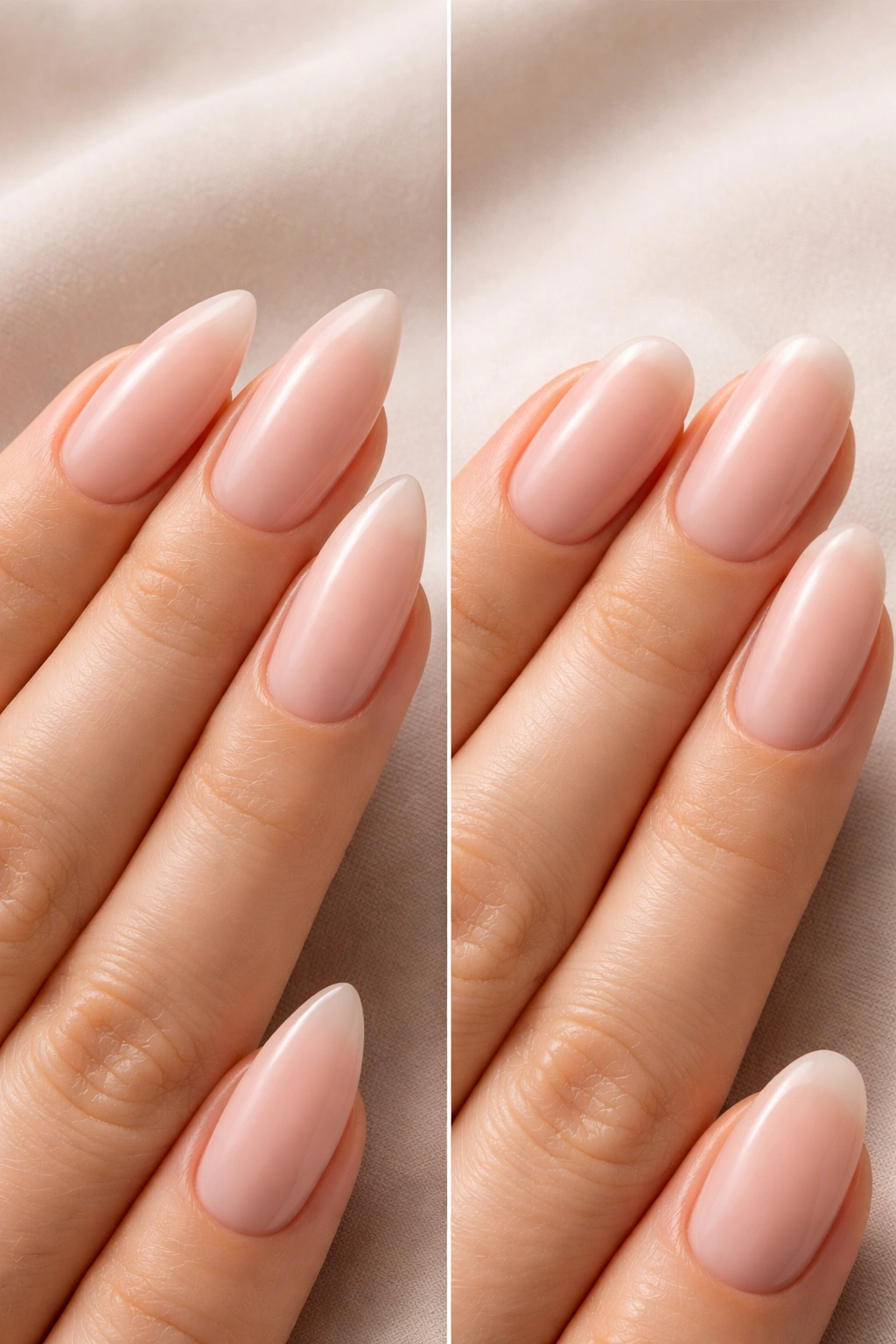
Almond nails, when applied professionally, typically remain looking intentional and polished for 2-3 weeks. By week 3, most people notice visible breakage, splitting at the edges, or lifting that makes the breakage option seem preferable to continuing to wear them. The pointed tips are particularly vulnerable to catching and breaking during week 2-3 of growth and wear.
Natural almond nails—if you’re simply filing your own nails into an almond shape—last about 1-2 weeks before breakage becomes an issue, depending entirely on your lifestyle and how hard you are on your nails. For people with very gentle lifestyles and minimal hand impact, natural almond nails might stretch to 3 weeks. For most people, they’re a weekly or bi-weekly commitment.
Oval nails, whether professionally applied or naturally shaped, maintain their appearance and integrity for 4-6 weeks without showing significant wear. The structural strength of the rounded tip means genuine damage is less common, and whatever light breakage does occur doesn’t destroy the overall aesthetic. A tiny chip on an oval nail’s edge is barely noticeable and doesn’t require immediate repair. The same chip on an almond nail’s pointed tip is immediately visible and typically warrants reshaping or repair.
This longevity difference is genuinely significant for people who value convenience or who want their manicure to truly last. If you book a professional manicure expecting it to stay perfect for 6 weeks, almond nails will disappoint you consistently. Oval nails will actually deliver that longevity.
Lifestyle Compatibility: Which Shape Fits Your Life
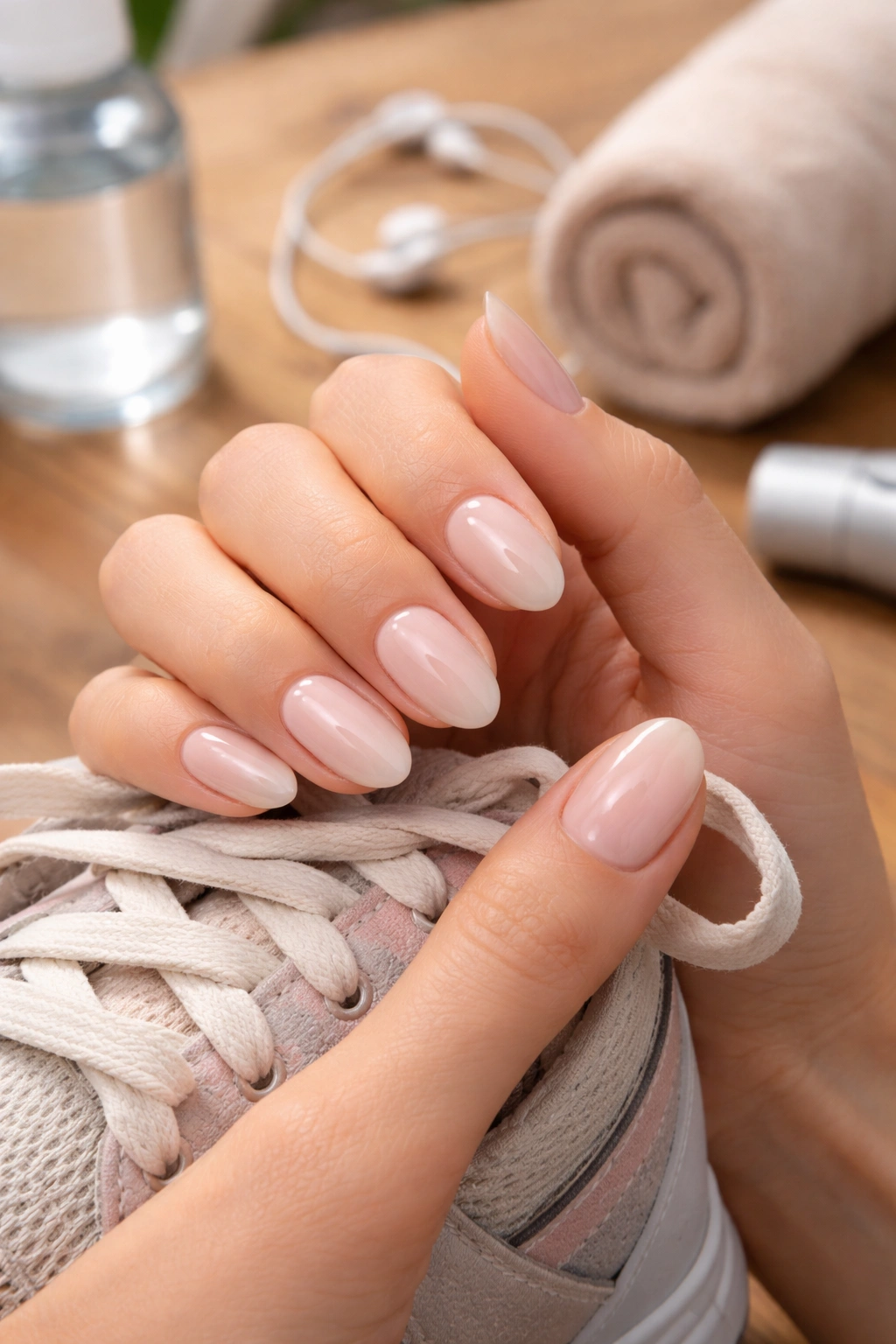
Certain lifestyles pair naturally with certain nail shapes. If you’re very active—you exercise regularly, play sports, do yoga, or engage in activities that involve hand impact or friction—oval nails are the objectively better choice. The durability and structural integrity of the oval shape means you won’t spend your time worrying about your nails or managing breakage.
If you work with your hands professionally—you’re a nurse, chef, dentist, mechanic, or hairdresser—oval nails are not just a suggestion but practically necessary. Almond nails in these professions would break constantly and require constant maintenance that would be frustrating and expensive.
If your lifestyle is relatively sedentary and your work is primarily desk-based with minimal hand impact, you have more flexibility. Almond nails would work in this scenario because the risk of breakage is lower. Your lifestyle would actually support the more delicate shape.
If you travel frequently or lack consistent access to maintenance appointments, oval nails are the safer choice. They’ll look polished and intentional even if you can’t get regular touch-ups. Almond nails in this situation would show wear and breakage too quickly.
If you’re willing to regularly maintain your nails—whether professionally or DIY—and you prioritize aesthetic goals over convenience, almond nails could work regardless of your lifestyle. The key is honest assessment of whether maintenance is something you’ll actually do versus something you wish you would do.
Who Should Choose Almond Nails
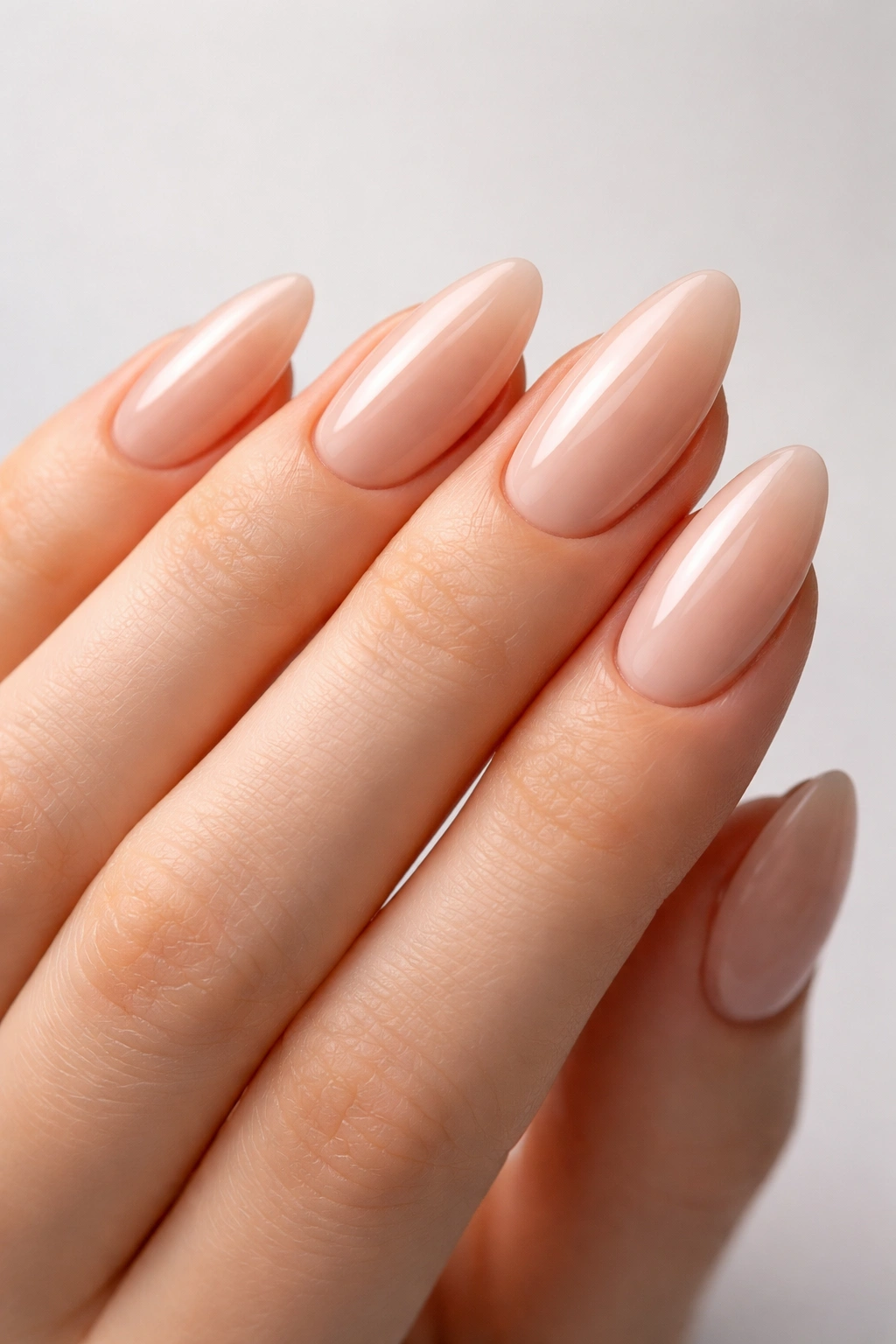
Almond nails are genuinely the right choice for specific people in specific situations. If you have shorter fingers or a broader nail bed and want to visually elongate your hands, almond nails deliver that effect reliably. The taper actively counteracts perceived width and creates elegant length, which is difficult for other shapes to achieve as effectively.
If your work emphasizes personal presentation and fashion—you work in luxury retail, fashion, beauty, or any creative field where your presentation is part of your professional value—almond nails communicate intentional style and refinement. The shape supports your professional image in these contexts.
If you love minimalist nail designs, delicate details, and designs that emphasize length and elegance, almond nails provide the ideal canvas. Your designs will look exactly as you envision them, with the elongation and pointed endpoint adding to the overall aesthetic.
If you have a lifestyle that’s genuinely gentle on nails—you spend most of your time typing, reading, or in controlled environments without much hand impact—almond nails are realistic. You can maintain them, and you’ll appreciate the visual elegance without constantly managing breakage.
If you enjoy the process of maintaining and caring for your nails—you find it satisfying rather than burdensome—almond nails suit your personality well. The regular filing, the awareness of how you use your hands, the frequent touch-ups—these become part of your self-care routine rather than frustrations.
Who Should Choose Oval Nails
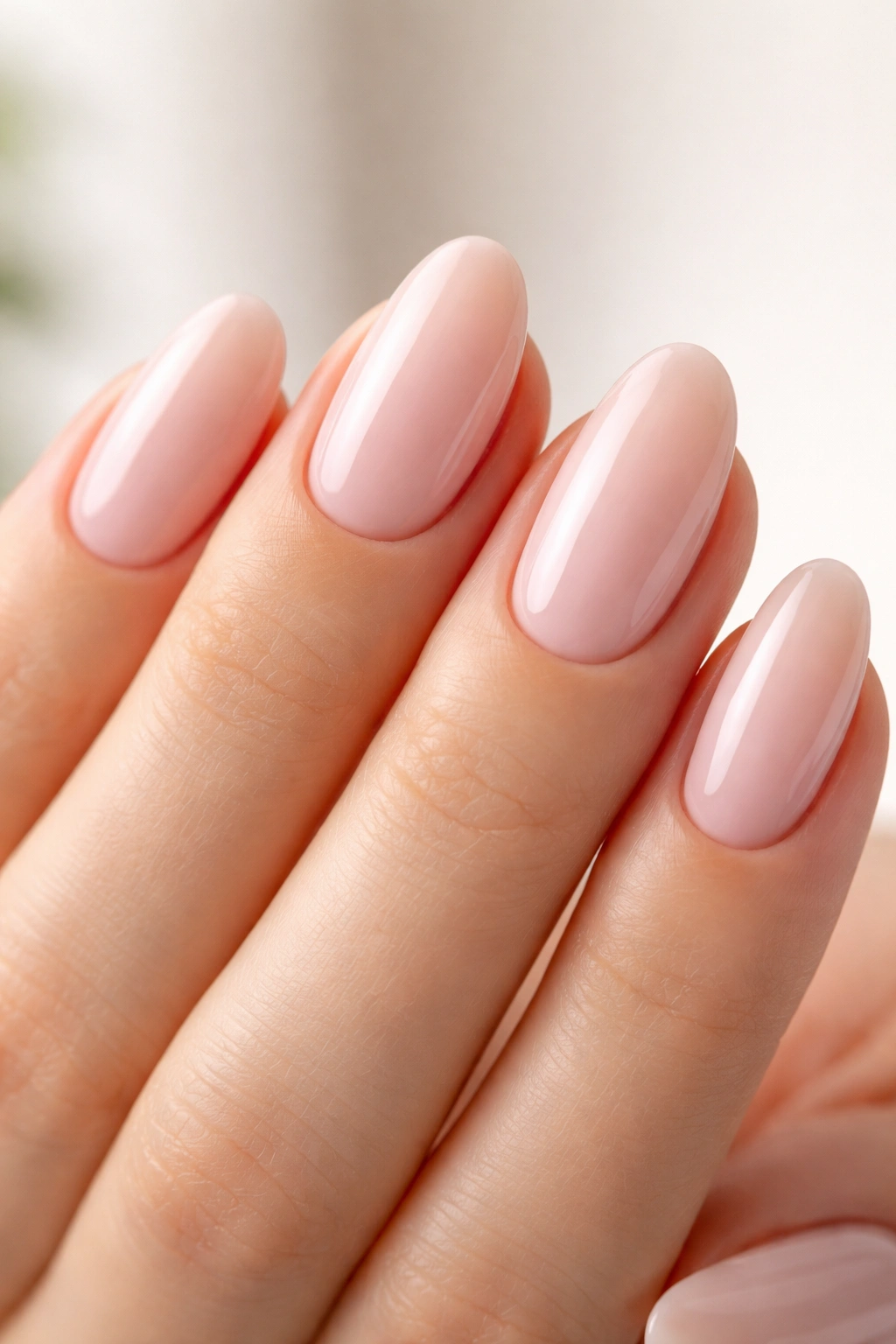
Oval nails are the right choice for a much broader range of people, which is partly why they’re so popular. If you have an active lifestyle—you exercise regularly, play sports, do physical work, or engage in activities that put impact or stress on your hands—oval nails are not a preference but a practical necessity. The shape protects your investment and prevents constant frustration.
If you work with your hands in any capacity—you’re a healthcare provider, educator, chef, parent, or anyone whose job involves hand impact and movement—oval nails are the shape that will actually last and look intentional despite your lifestyle. They’re not fighting against your daily reality the way almond nails would.
If you prefer convenience and low-maintenance beauty, oval nails deliver that promise. You get a genuinely polished, professional look that requires minimal upkeep and lasts weeks without needing attention. It’s the shape for people who want their nails to look great without being a constant focus.
If you’re uncertain about committing to nail maintenance or if you lack consistent access to professional touch-ups, oval nails are forgiving and look intentional even when worn longer than ideal. They’re the reliable choice when life gets unpredictable.
If you work in a conservative professional environment where you want your nails to communicate competence and polish rather than personal style, oval nails are the shape that serves that purpose across essentially every context.
If you love bold nail art designs, geometric patterns, or statement-making colors, oval nails provide the canvas that lets those designs shine without distortion from taper. Your designs look exactly as created, without the tapered shape changing how they read.
Making Your Final Decision
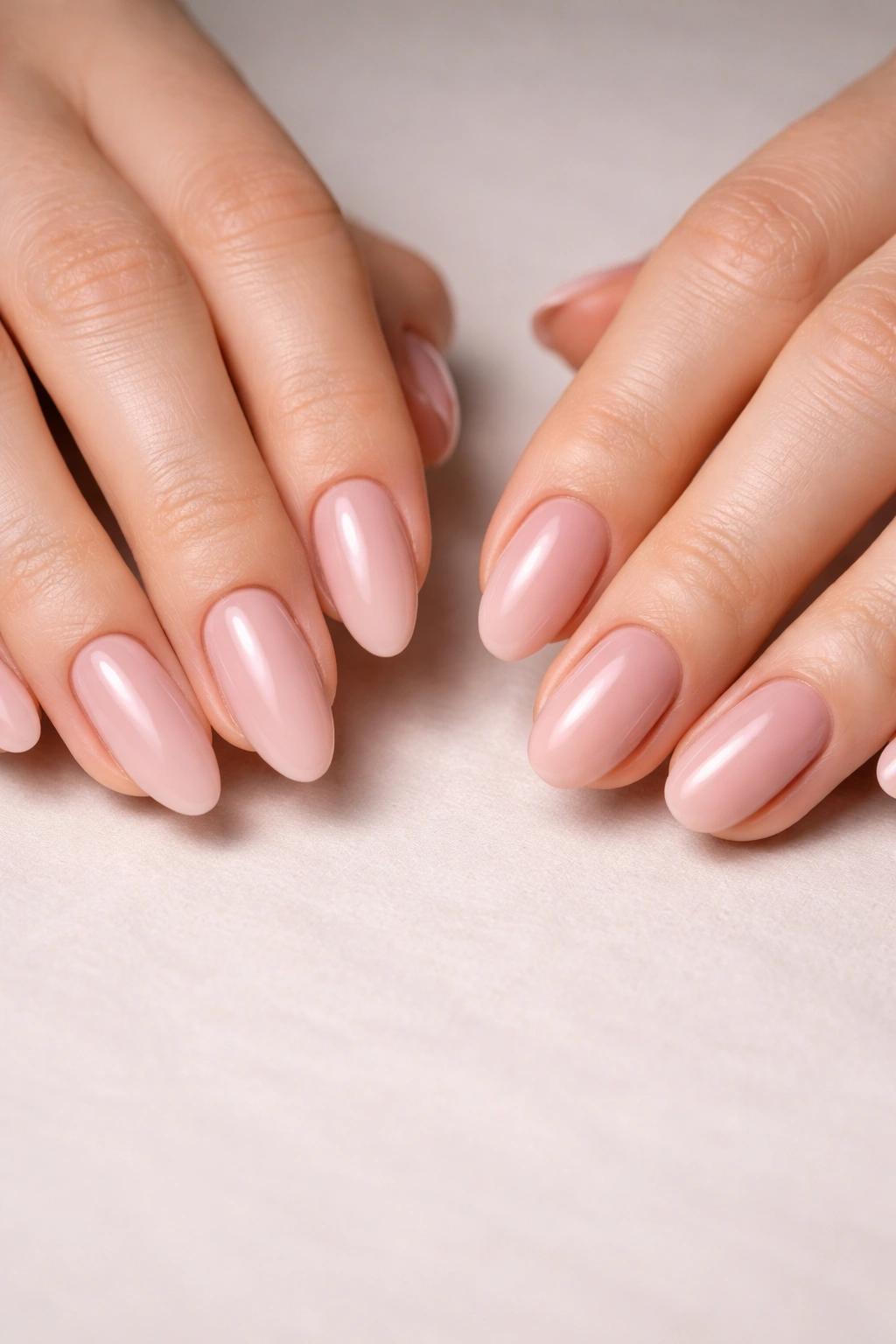
The choice between almond and oval ultimately comes down to honest assessment of three factors: your hand shape and how you want it to appear, your actual lifestyle and how much hand impact you endure, and your willingness to maintain your nails regularly. A framework for decision-making: If you have shorter fingers or a wider nail bed, and if you have a genuinely gentle lifestyle with minimal hand impact, almond nails are worth considering. If you don’t meet both those criteria, oval nails will serve you better.
If you spend more than 50% of your day using your hands—typing, writing, creating, caregiving, exercising—oval nails are the right choice. Almond nails will break constantly and become frustrating. If you prioritize convenience and longevity above all else, oval nails deliver both. If you prioritize visual elongation and delicate elegance above all else, almond might be worth the maintenance trade-off.
The honest reality is that oval nails are the better practical choice for most people most of the time. They’re durable, versatile, professional, comfortable, and genuinely last as long as claimed. Almond nails are beautiful and elegantly elongating, but they require accepting maintenance, breakage, and limitations that don’t suit everyone’s life.
Consider this: Would you rather have nails that look elegant but require you to think about them constantly, or nails that look polished without demanding any thought at all? That answer largely determines which shape actually serves your life best.
Final Thoughts
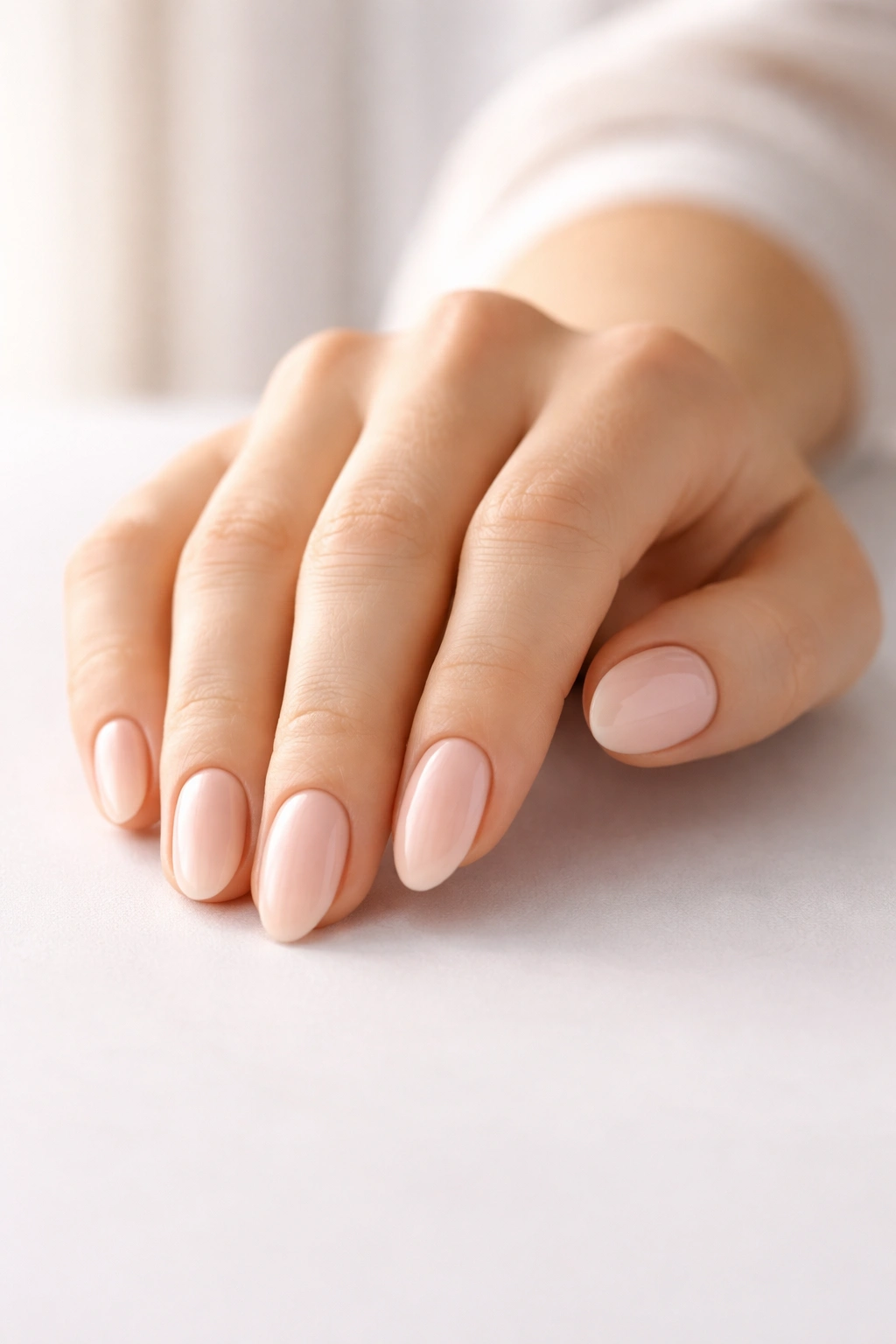
The choice between almond and oval nails isn’t actually about which shape is objectively better—it’s about which shape matches your hands, your lifestyle, and your genuine willingness to maintain them. Almond nails are undeniably elegant and elongating, particularly for hands that benefit from visual taper. But that elegance comes with a maintenance cost that not everyone wants to pay.
Oval nails offer something equally valuable: polish without compromise, elegance without fragility, and genuine longevity without constant management. They look beautiful on nearly every hand, they last through real life without breaking constantly, and they require nothing except regular filing.
If you’re sitting in the salon chair right now unable to decide, choose oval. You can always transition to almond later once you understand your own nail tolerance and lifestyle demands. But if you choose almond without that baseline understanding, you’ll likely find yourself frustrated within weeks, staring at broken tips and wondering why you didn’t start with oval in the first place. Give yourself the advantage of practical beauty first, and the elegance of shape second.