

Soft Square vs Squoval: What Is the Difference
If you’ve spent any time scrolling through nail inspiration or sitting in a salon chair, you’ve probably heard someone mention “soft square” or “squoval” nails — and maybe felt confused about what actually sets them apart. From a distance, they can look remarkably similar, and to the untrained eye, they might seem like the same shape with different names. But here’s the reality: these two shapes have distinct characteristics that impact how they look on your hand, how long they last, and what kind of maintenance they demand.
The confusion is understandable, because both soft square and squoval occupy that middle ground between the ultra-sharp edges of a true square and the gentle curves of an oval. Both have become enormously popular over the past several years, and for good reason — they’re flattering, practical, and work across virtually every aesthetic from minimalist to maximalist. But the differences between them matter, especially if you’re trying to communicate with a nail technician, commit to a new shape, or figure out which one will actually work with your lifestyle.
Let’s be honest: getting your nails done is an investment of time and money, so you deserve to know exactly what you’re asking for and why one shape might serve you better than another. This guide breaks down every meaningful difference between soft square and squoval nails — how they’re shaped, how they wear, who they suit best, and how to decide which one is right for you.
What Exactly Is a Soft Square Nail Shape
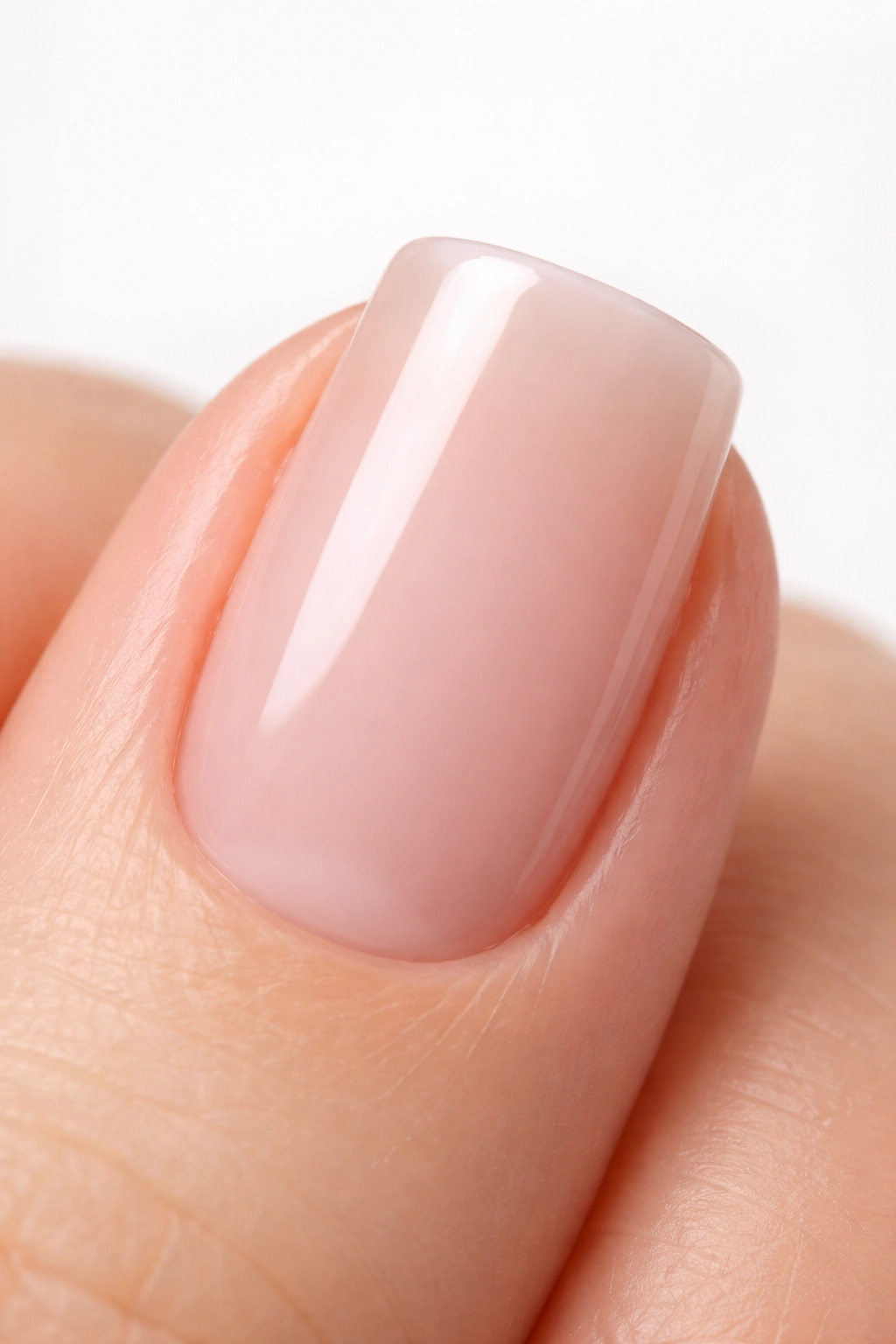
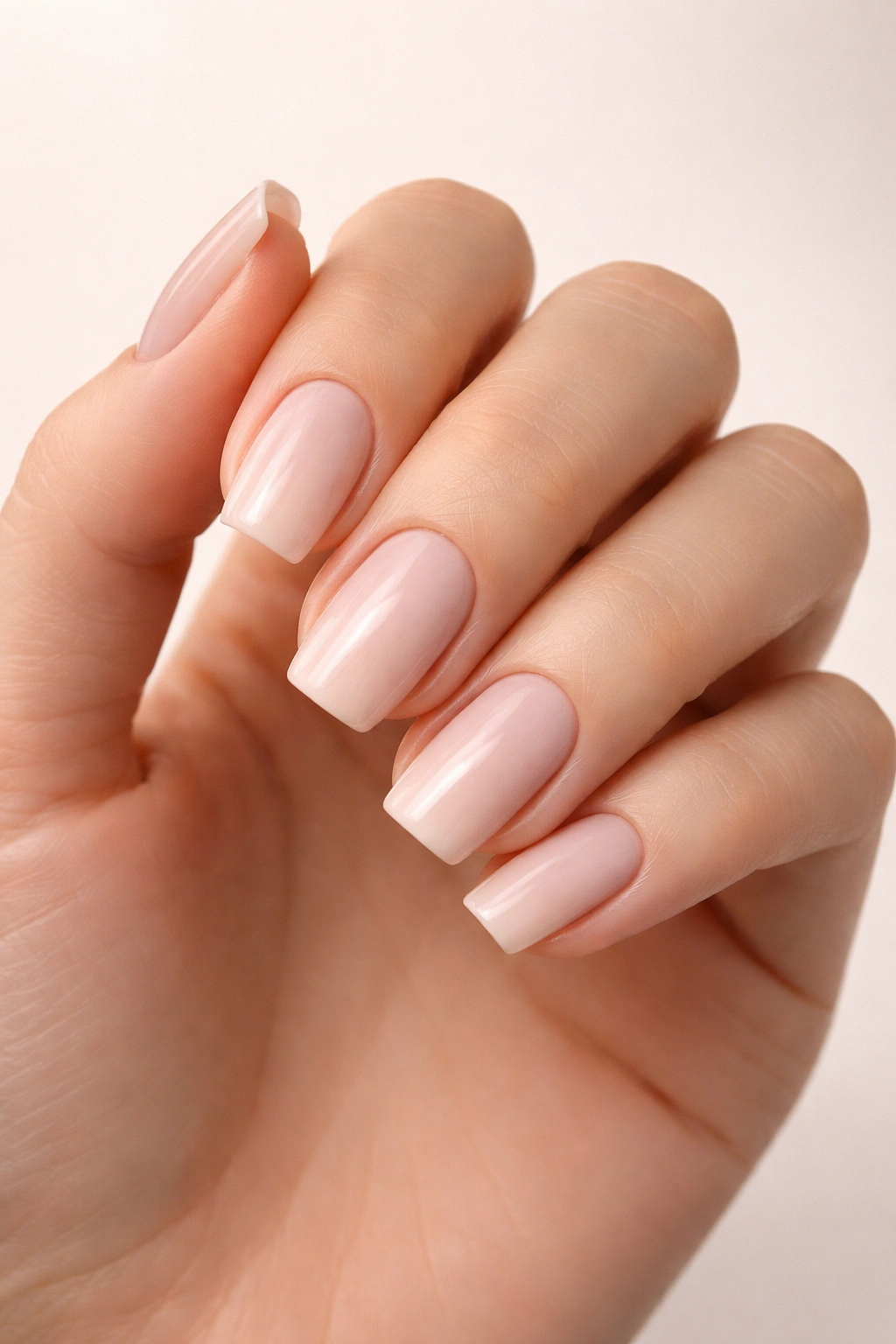
A soft square nail is exactly what its name suggests: a square shape with softened, rounded corners instead of sharp 90-degree angles. The key defining features are a straight edge along the tip of the nail and relatively straight sides that run parallel to each other down the length of the nail bed. The only curves in a soft square are at the corners — those four edges are rounded off so the nail doesn’t feel sharp or look harsh.
When you look at a soft square nail head-on, you’re seeing a fairly geometric shape. The sides maintain consistent width from the cuticle all the way to the tip, and that straight edge at the nail tip is clean and defined. Think of it like taking a square and gently filing down all four corners until they’re slightly rounded rather than pointy. The overall effect is tidy, modern, and polished without being aggressive.
The straight sides of a soft square nail mean it has more visual width than shapes that taper, which can make fingers look shorter if the nail length extends too far past the fingertip. However, that geometric quality also creates a really striking visual line that frames the nail bed beautifully. If you love clean lines, architectural polish designs, or that crisp, structured aesthetic, soft square nails deliver exactly that.
Why Soft Square Works So Well
Soft square nails offer the best of both worlds for people who want structure without attitude. The rounded corners prevent the nails from snagging on fabric, catching when you’re typing, or breaking at those vulnerable edge points. At the same time, the geometric shape maintains enough definition to look intentional and polished — you won’t feel like you’re wearing something undefined or shapeless.
The Construction Details
The success of a soft square shape depends on nail length. A soft square nail should have enough length that the straight edge across the tip is clearly visible and takes up a reasonable proportion of the nail. If the nail is too short, you lose that defining straight-edge quality and it starts to look more like a rounded square, which is technically a different shape altogether. Most nail artists recommend at least a quarter-inch of extension past the fingertip to make the soft square shape read clearly.
Understanding the Squoval Nail Shape
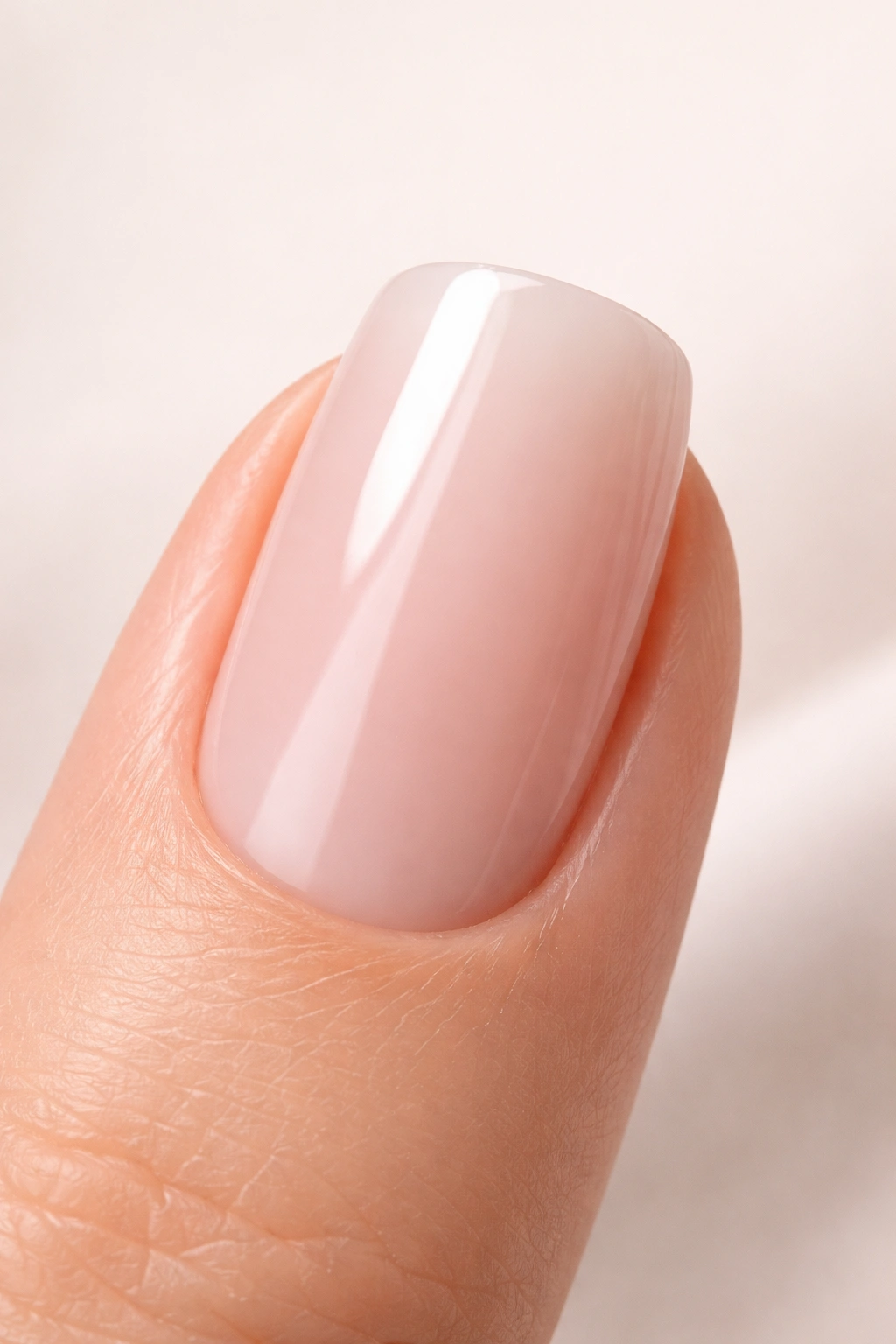
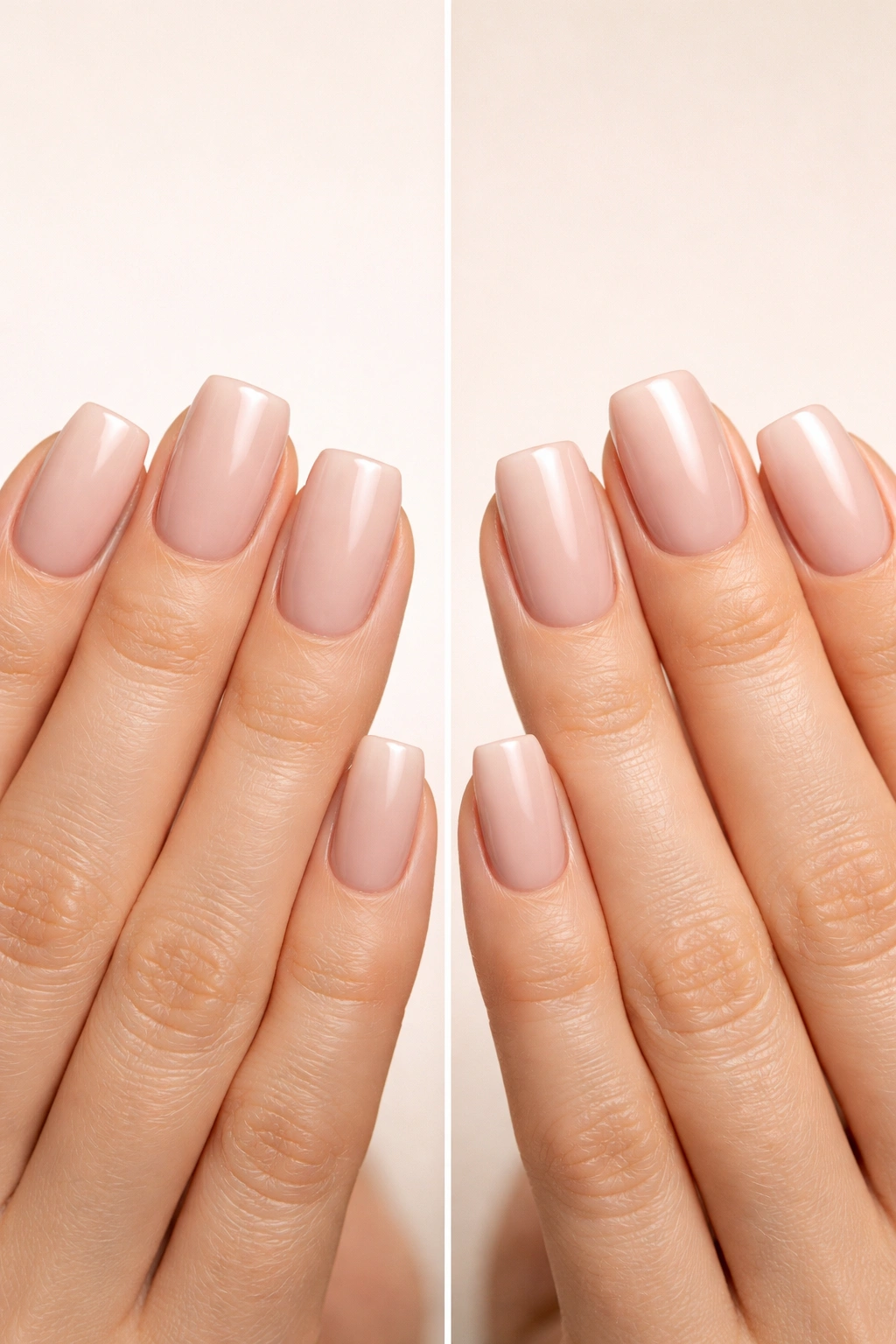
A squoval nail is a hybrid shape that blends characteristics of both square and oval nails in equal measure — hence the name. Instead of having parallel sides like a square, a squoval nail gradually tapers from a wider nail bed down to a slightly narrower tip. That tip is then squared off rather than pointed, giving you straight edge across the very end of the nail without the sharp corners you’d get from a true square.
The best way to visualize a squoval is to imagine an oval nail that flattens out at the tip, creating that squared-off edge. The sides of the nail curve inward as they move down toward the tip, creating a more tapered silhouette than a soft square. The squared-off finish at the end gives you some of that clean, structured aesthetic, but the overall shape is much less geometric and more flowing.
When you look at a squoval nail from the side, you’ll notice the side profile shows a gentle curve rather than straight lines. This taper is what makes a squoval feel more elegant and less blocky than a soft square. The shape works with the natural taper of a finger rather than fighting against it, which is why many people find squovals more universally flattering.
The Visual Sweetspot
Squovals hit a really appealing middle ground because they’re modern and intentional without being severe. You get enough of that squared aesthetic to look current and put-together, but the tapered sides prevent the look from feeling architectural or overly rigid. For people who want a shape that photographs beautifully and works with multiple design styles, squoval delivers.
How Squoval Changes Your Hand Appearance
Because squovals taper, they tend to elongate the finger and hand visually. The gradual narrowing draws the eye toward the tip of the nail, creating an illusion of length even on shorter nails. This is why squoval is often recommended for people with shorter nail beds or those who feel self-conscious about hand proportions — the shape works in your favor visually.
Head-to-Head: The Core Differences Explained
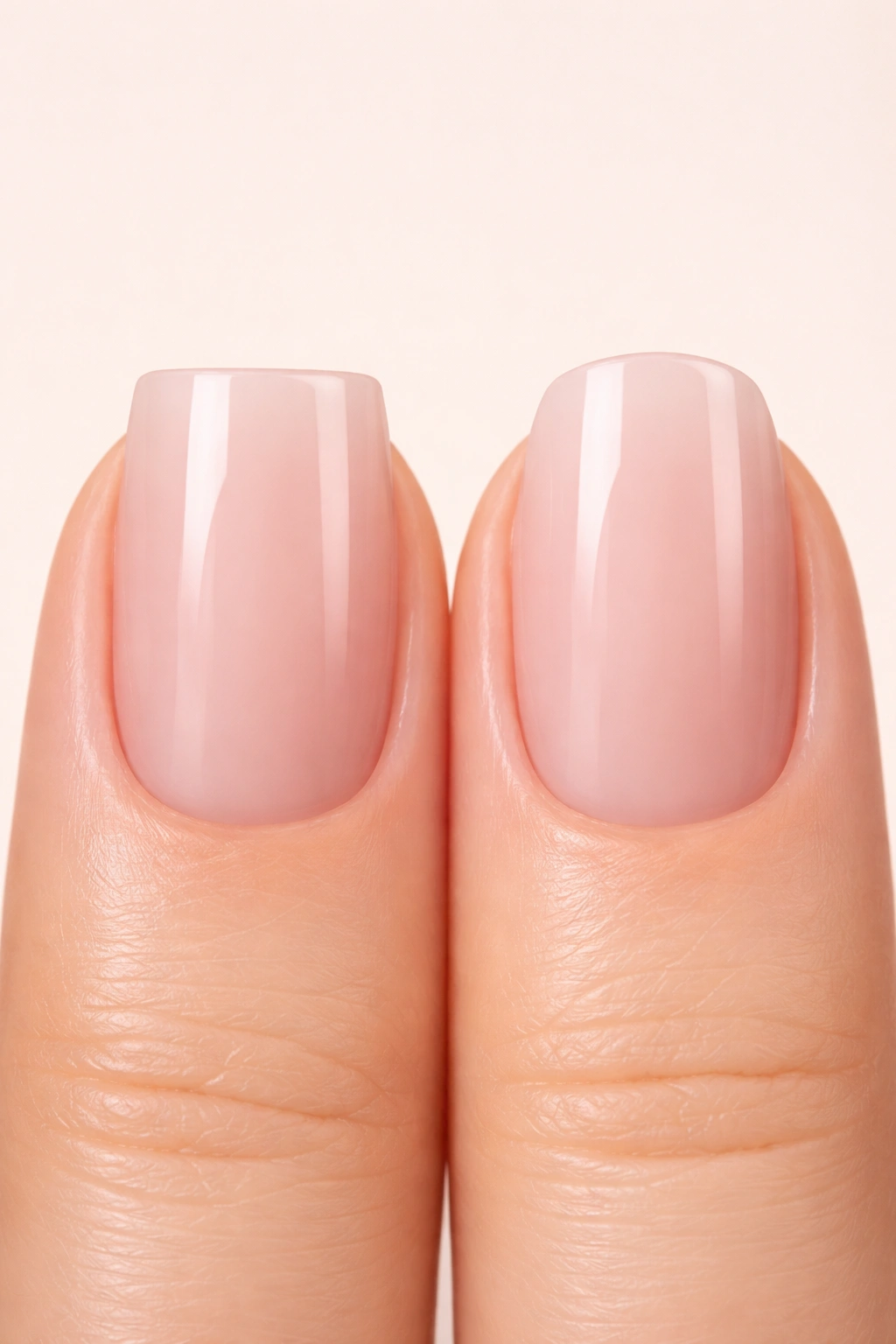
The fundamental difference between these two shapes comes down to the sides of the nail and how they relate to the overall silhouette. A soft square maintains consistent width from base to tip (aside from those rounded corners), while a squoval gradually narrows as it extends downward. This single difference cascades into several practical and aesthetic consequences worth understanding.
The straight sides of a soft square make the nail bed appear wider and create a more dramatic visual statement. You’re essentially framing the nail bed with clean parallel lines, which can make nail art, polish colors, and designs look more striking and defined. The geometric quality reads as intentional and contemporary — you’re clearly making a stylistic choice rather than just letting nails grow naturally.
Squovals, by contrast, create a more subtle visual effect. Because the sides taper, there’s less contrast between the nail and the finger, and the overall shape feels more unified with your hand. The tapered silhouette is arguably more universal because it doesn’t emphasize width the way a soft square does. For people who prefer understated elegance over bold geometry, squovals feel more natural and comfortable as a permanent shape choice.
Edge Durability: Which Holds Up Better
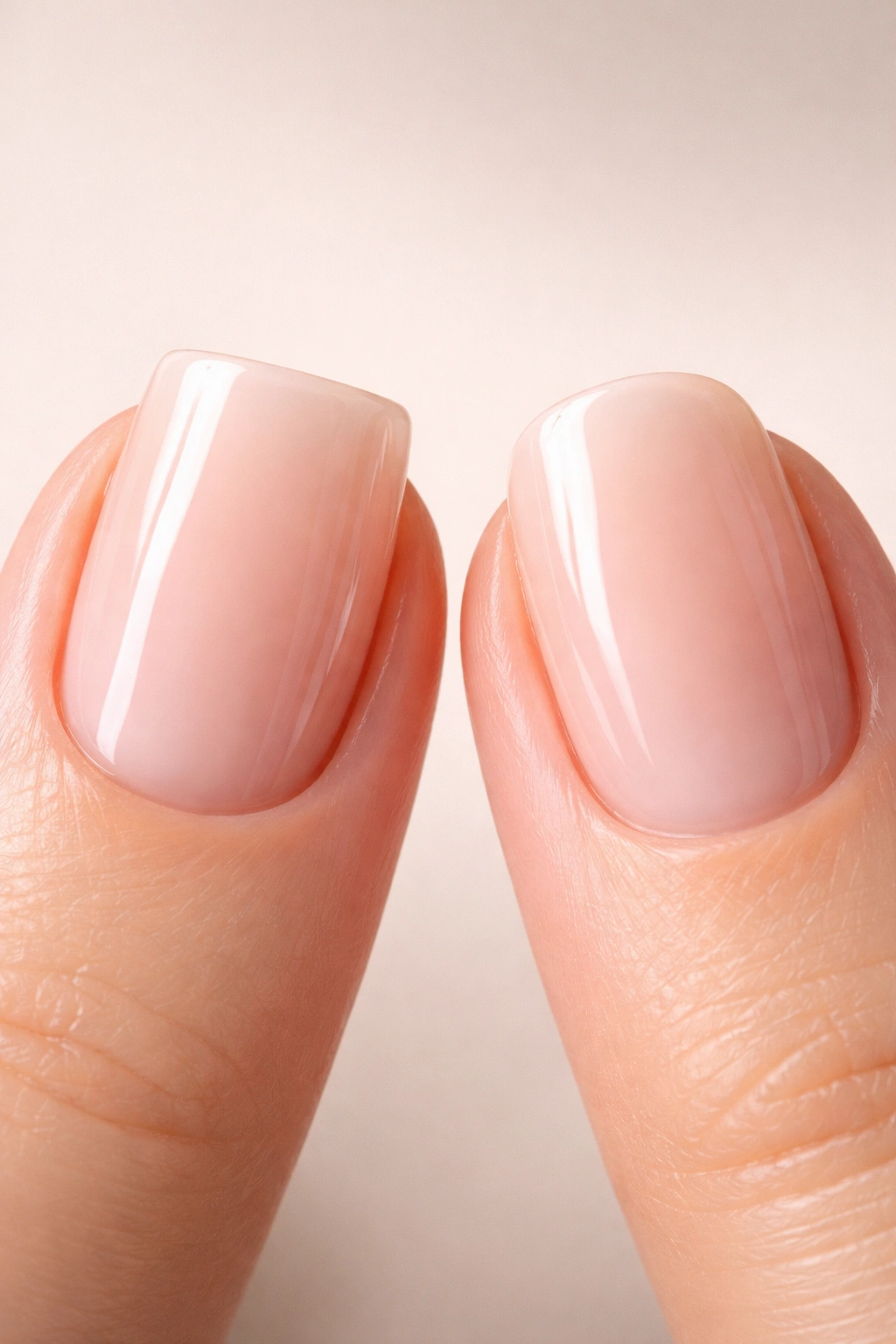
Here’s something critical that often gets overlooked: the corners of your nail shape directly impact how durable those edges are under real-world pressure. This is where the practical differences between soft square and squoval become impossible to ignore if you’re wearing these shapes daily.
A soft square nail, even with rounded corners, still has four distinct edge points — just softened rather than sharp. These corners are more vulnerable to catching on fabric, snagging on zippers, or breaking if you bump your hand against something at an angle. The straight sides create leverage points that concentrate stress on those four rounded corners. Over time, if you’re using your hands actively, soft squares tend to chip or break at one of those corner areas.
Squovals, because they taper, distribute stress along the entire curved edge rather than concentrating it at specific corner points. That curved edge is inherently stronger because there’s no weak point where force can concentrates. If you lead an active lifestyle, type for hours, work with your hands, or just tend to bump into things, squovals typically hold up significantly better. The shape is more forgiving of impacts because impacts distribute across the whole edge rather than targeting one vulnerable spot.
Which Shape Works Better for Different Nail Lengths
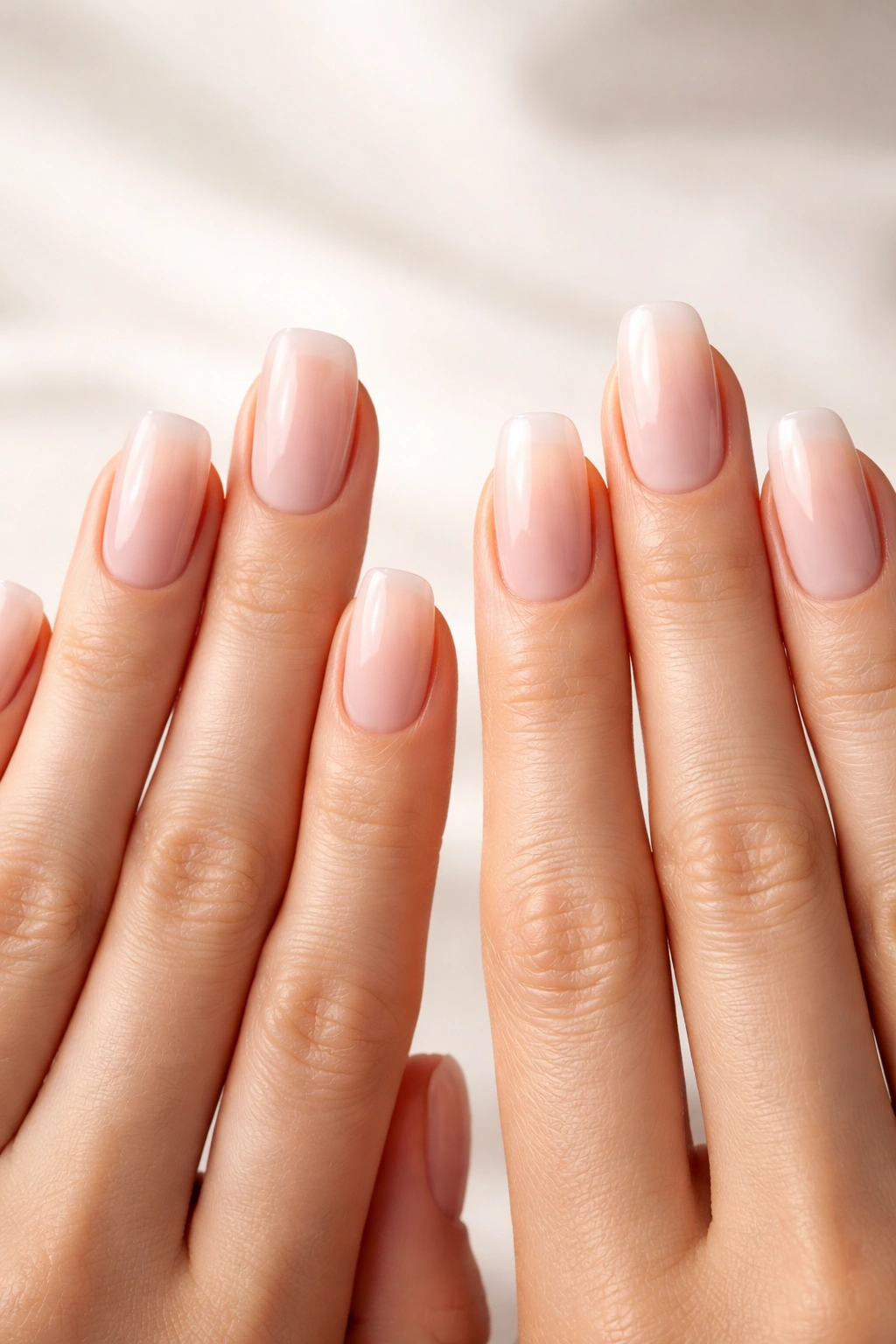
Nail length dramatically affects how these shapes appear and perform, and it’s worth considering before you commit to one direction. A soft square really shines when you have a moderate amount of length — typically somewhere between a half-inch and three-quarters of an inch past the fingertip. At this length, the straight edge across the tip is prominent and creates that striking geometric look the shape is known for.
If you go very short with a soft square — basically a barely-there manicure — the shape can look a bit stubby or undefined. That straight edge becomes less prominent, and the overall visual impact diminishes. You’re also losing the structural definition that makes soft square appealing in the first place. Soft square really benefits from having enough length to make a statement.
Squovals, conversely, work beautifully across a much broader range of lengths. Short squovals look elegant and understated. Medium-length squovals feel versatile and polished. Long squovals feel sophisticated and elongated. Because the shape tapers and flows with your hand, it flatters virtually any length you choose. This versatility is one of squoval’s biggest advantages — you can wear it whether you’re going for a practical short manicure or a glamorous long-nail moment.
Maintenance and Filing Demands
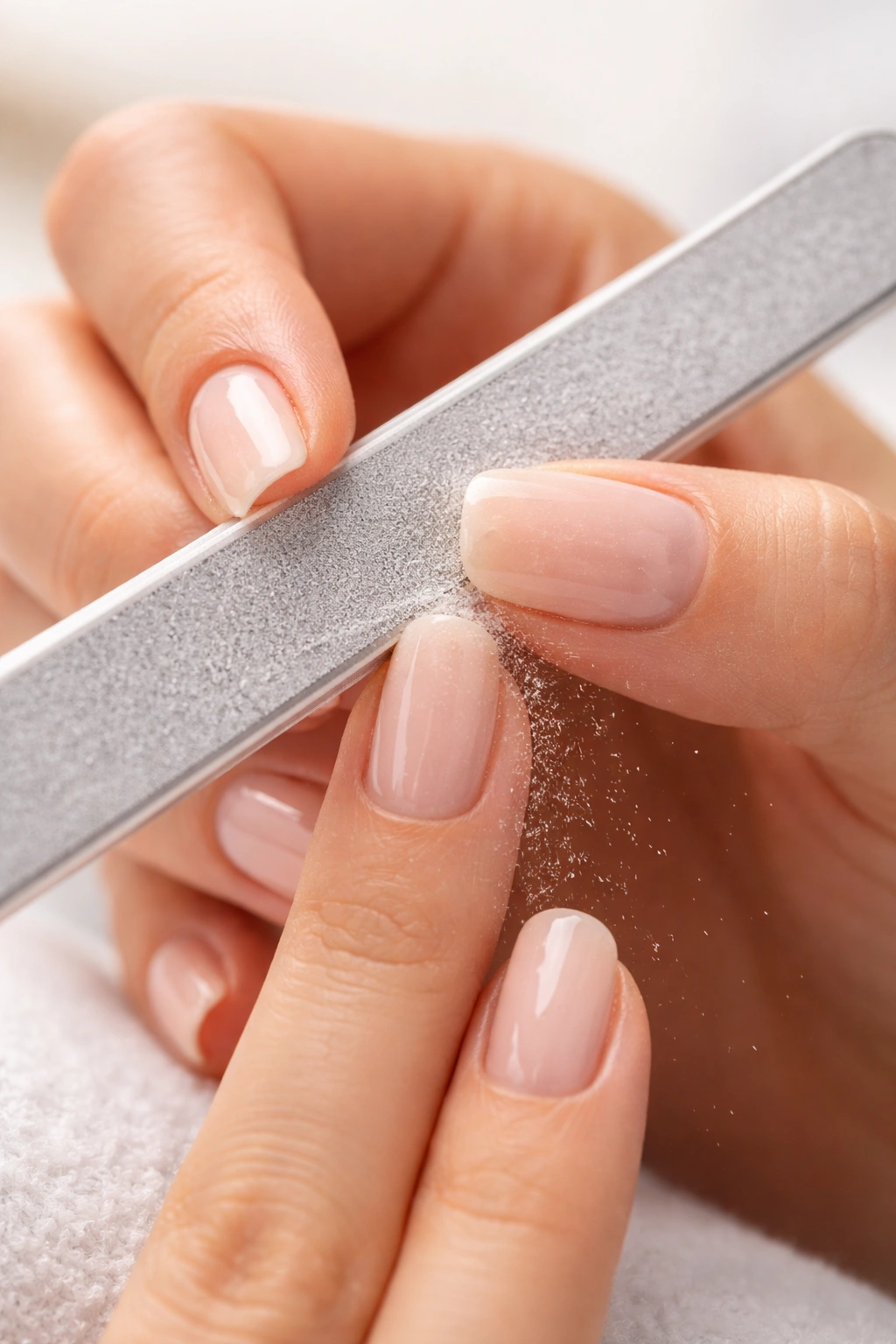
Both shapes require regular maintenance to stay defined, but soft square demands more frequent upkeep to look intentional. As a soft square nail grows out naturally, the geometry gets less pronounced. The straight edge migrates further from the nail bed, and after a week or two, the shape starts to look less crisp unless you’re actively maintaining it with a file.
Keeping a soft square looking fresh typically means filing the tips square every three to five days if you want that clean architectural aesthetic to hold. This is especially true if you wear nail polish and want the design to look intentional and aligned with the shape. Many people find this maintenance level worthwhile because a well-maintained soft square looks absolutely stunning, but it’s important to go in with realistic expectations.
Squovals are significantly lower-maintenance because the shape is more forgiving as it grows out. The tapered sides naturally accommodate new growth without looking obviously unkempt. You can go longer between filing sessions — often a week or even slightly longer — before the shape loses definition. The gradual taper is more flexible and doesn’t require the same level of precision filing to maintain visual impact.
If you value low-maintenance nails or you don’t want to file every few days, squoval is the more practical choice. You’ll still want to file occasionally to maintain the squared-off tip, but the overall upkeep is notably lighter than soft square demands.
Aesthetic and Design Versatility
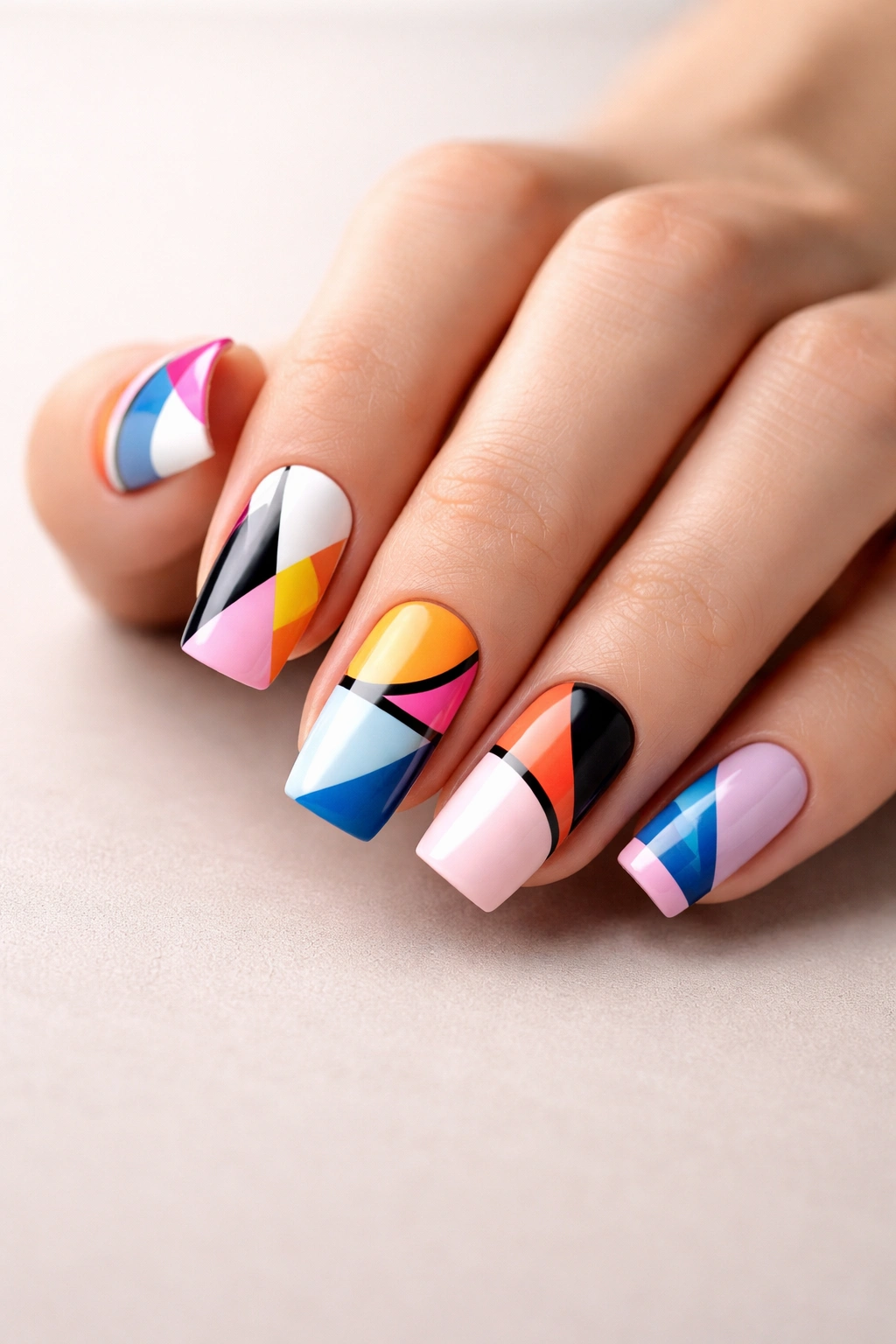
Soft square nails create a framework that really showcases nail design work. The flat square tip and parallel sides are perfect for geometric patterns, linear designs, ombre effects that you want to look crisp, and any art that benefits from clean, defined edges. The structured shape gives nail art a platform to shine, and designs tend to photograph beautifully because the shape itself is already visually interesting.
If you love intricate nail art, bold colors, or designs with sharp geometric elements, soft square is your ideal canvas. The shape complements these design choices and creates a cohesive, intentional look. Many nail artists actually prefer working on soft squares specifically because the geometry works with their designs rather than against them.
Squovals, while also versatile, excel at showcasing more elegant, flowing designs. The tapered shape pairs beautifully with subtle gradients, minimalist art, delicate florals, or negative space designs where the nail’s natural beauty is part of the aesthetic. The softer edges work with the nail’s curves rather than framing them with geometry. Squovals also look stunning in solid colors because the shape itself is so graceful — you don’t need art to make them feel complete.
Consider Your Hand Proportions and Finger Shape
How a nail shape looks ultimately depends on the canvas you’re working with — your hand and finger proportions. This is something salons often discuss but that you should definitely think about before committing to a shape.
Soft square nails work best if you have longer fingers or a hand with moderate to generous width. On very delicate, narrow fingers, a soft square can sometimes look disproportionately wide and can make fingers appear shorter. If your hands are already on the smaller or more delicate side, soft square can feel overwhelming rather than flattering. However, if you have naturally wider hands or longer fingers, soft square is incredibly striking and elegant.
Squovals are more universally flattering regardless of hand proportions. The tapered shape adapts to finger width and actually makes fingers appear longer because of the gradual taper toward the tip. If you have narrower hands, shorter fingers, or you’re just unsure what will suit you best, squoval is the safer choice. It’s genuinely hard to make a squoval look unflattering on any hand type.
How To Ask For Each Shape at a Salon
Communication is everything when you’re getting your nails done, so knowing exactly how to describe what you want prevents disappointment. These terms aren’t always used consistently across salons, and a miscommunication can result in a shape that’s not what you envisioned.
When requesting a soft square, be explicit: say you want straight sides that run parallel down the length of the nail, with a flat edge across the tip and rounded corners. Some salons might call this “soft square,” but in others you might need to specify “square with softened corners” or even show a reference photo. The key details to emphasize are the parallel sides and the straight tip edge.
For squoval, you can simply say “squoval,” but if the technician looks uncertain, clarify by saying you want the sides to taper gradually as they move down toward the tip, with a squared-off (not pointed) finish at the end. Showing a reference photo is genuinely helpful with both shapes, since visual communication eliminates the possibility of miscommunication better than words alone.
Most reputable salons are familiar with both shapes and won’t hesitate to ask clarifying questions if they’re unsure what you’re describing. Don’t be shy about bringing a reference image or asking them to file carefully and check with you before they finalize the shape. You’re paying for a service, and getting exactly what you want is the whole point.
Maintaining Shape Between Salon Visits
If you’re getting gel manicures or acrylics, your shape stays consistent for the lifespan of the product — typically two to four weeks depending on the system. However, if you’re doing natural nails or you want to extend time between professional visits, knowing how to maintain your shape helps.
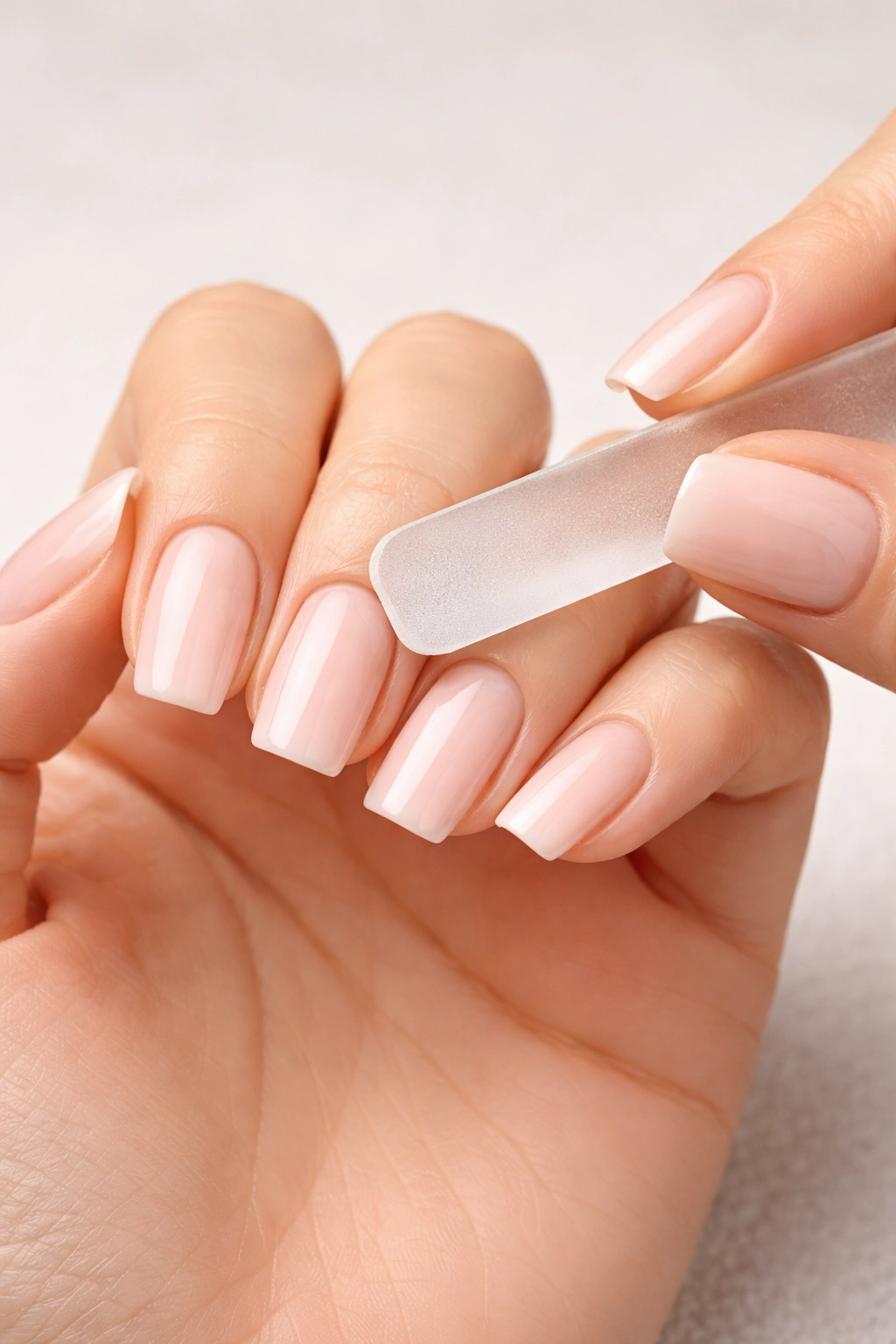
For soft squares, a glass file is your best friend. Glass files seal the keratin at the edge of the nail, preventing peeling and splintering better than metal files do. File straight across to maintain that flat edge, then gently round just the corners. Check the straightness of your sides too — they should remain parallel. Most people need to file every three to five days to keep the shape looking intentional.
With squovals, you’ll want to file the sides in gentle curves that gradually narrow toward the tip. This is slightly trickier to do yourself than maintaining a soft square, but it’s absolutely doable with practice. Use a glass file and think of yourself as enhancing the natural taper of your nail rather than creating sharp angles. File every week or slightly longer, and focus primarily on maintaining the squared-off tip.
The DIY Factor: Can You Shape These At Home
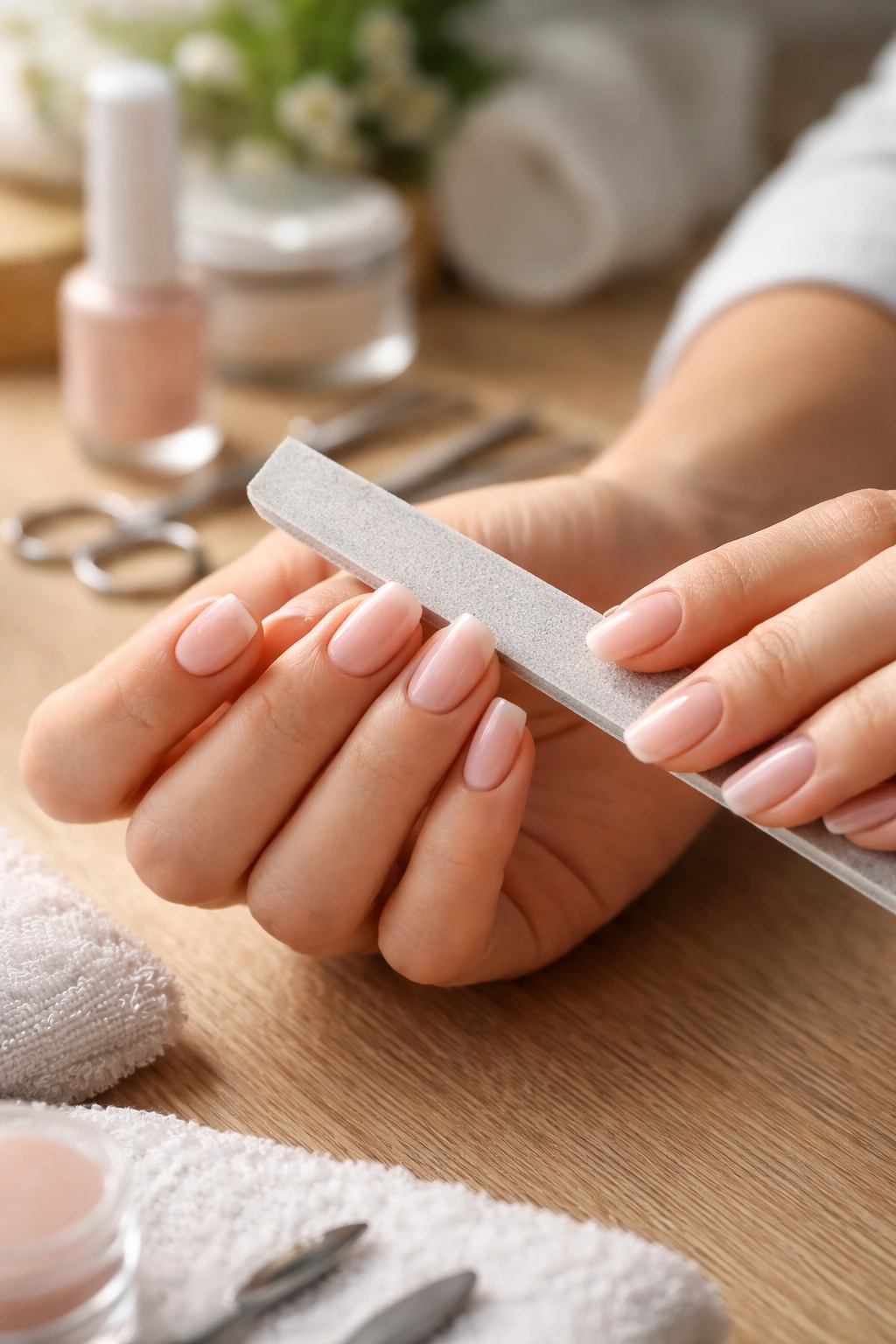
Many people wonder whether they can achieve these shapes through careful filing at home without going to a salon, especially if they’re working with their natural nails.
Soft square is genuinely easier to DIY than many shapes. The geometry is straightforward — file the sides parallel to each other, file the tip straight across, and round the corners. You can feel whether your sides are parallel by running your finger along the side of the nail. It takes practice to get it perfectly balanced, but the concept is simple enough for home maintenance.
Squoval is more challenging to DIY because the taper needs to be gradual and even. It’s very easy to accidentally create a shape that’s too tapered or too square, rather than hitting that sweet middle ground. If you’re working with natural nails, achieving a perfect squoval requires more skill and a steady hand. Many people can maintain a squoval between professional visits, but creating the initial shape is usually better left to a pro.
If you’re doing gel or acrylics at home, shaping is more forgiving because the product is more malleable. You can file more gradually and make adjustments more easily. For natural nails, professional shaping followed by your own maintenance is usually the better approach.
Cost and Time Considerations
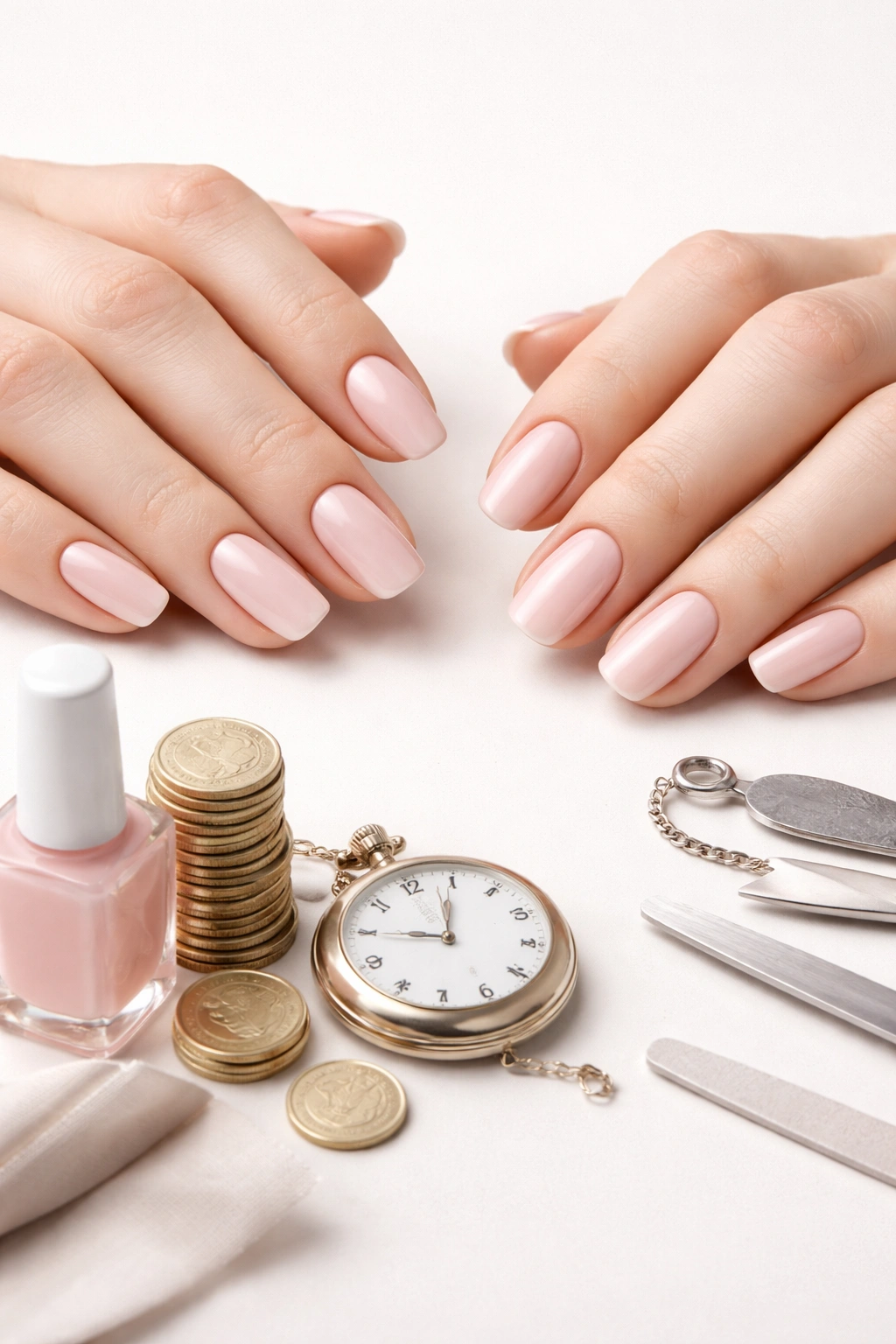
The cost difference between soft square and squoval nails is typically negligible at a salon — both shapes take roughly the same amount of time to create and maintain. There’s no significant cost advantage to choosing one over the other. Time-wise, both shapes take a similar amount of filing and shaping, whether you’re getting a full set, a fill, or a fresh manicure.
Where cost differs is in maintenance. Soft squares, because they require more frequent filing to maintain their definition, may involve more frequent salon visits if you want them to always look perfect. Squovals, with their lower maintenance requirements, can stretch the time between appointments. Over the course of a year, squoval might be marginally more economical just because you’re visiting the salon slightly less frequently.
That said, the difference is usually minimal — we’re talking maybe one or two fewer visits per year. Choose the shape you genuinely prefer rather than trying to game the system based on cost. The right shape for your hand and lifestyle is worth the minimal difference in maintenance.
Real-World Durability: The Longevity Test
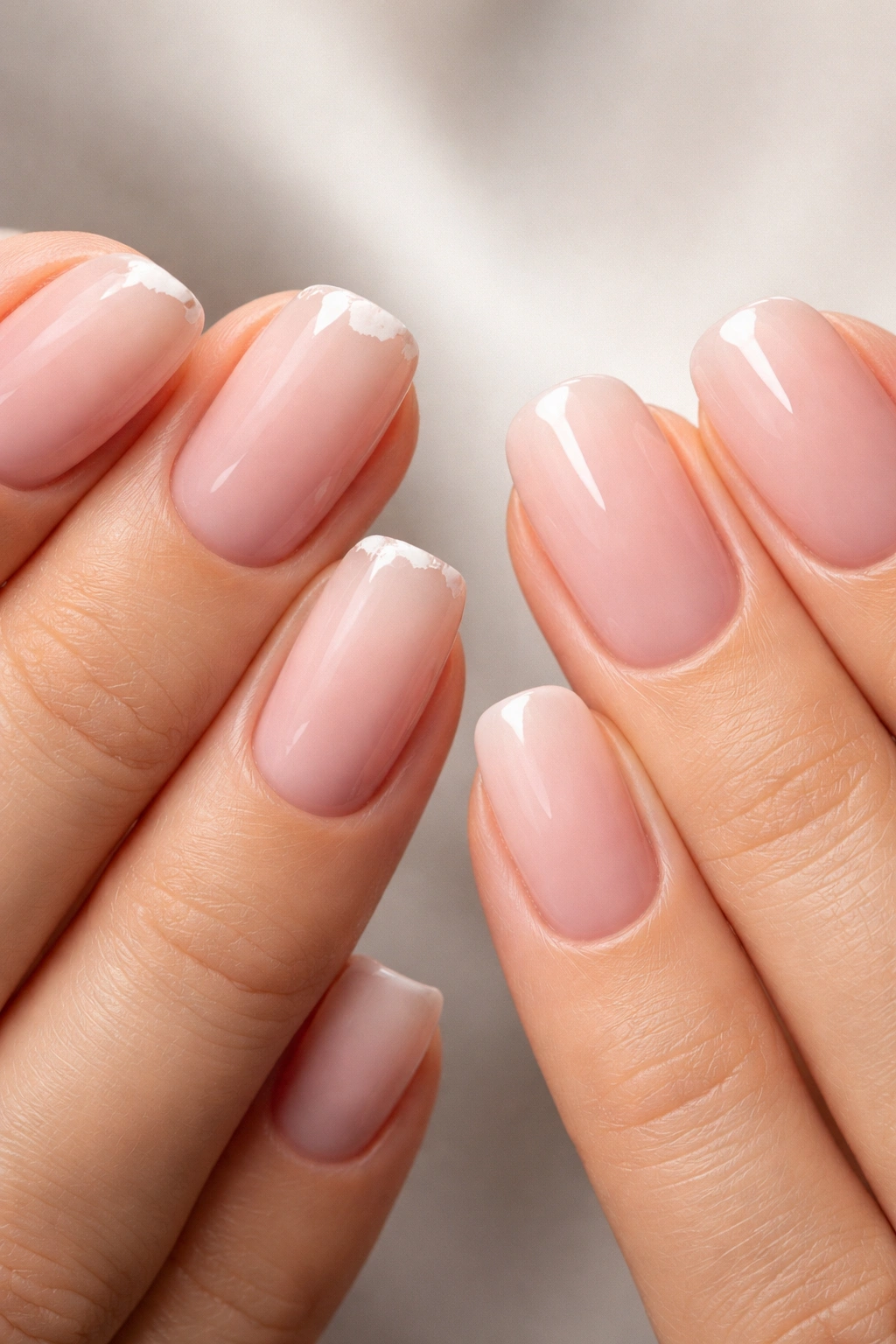
In real-world conditions, how long do these shapes actually last before they need attention or start to chip? This depends heavily on what you’re doing with your hands, but some general patterns emerge.
Soft square nails, with their vulnerable corners, tend to show wear first. If you’re opening jars, typing aggressively, working with your hands, or just living an active life, soft square corners are the first place you’ll notice chips or breaks. Many people with this shape report that they get at least one chip or break per week if they’re living a normal active life. That’s not a deal-breaker for everyone — some people simply accept this as the cost of having a shape they love. But it’s worth knowing going in.
Squovals, with their tapered edges, typically hold up notably better. People with squovals often report going full weeks, sometimes multiple weeks, with zero chips despite the same level of activity. The shape is just more forgiving of the normal bumps and dings of daily life. For people who value durability and don’t want to constantly be managing chips and breaks, squoval is significantly more practical.
This durability difference is often the deciding factor for people who lead active lifestyles, work in certain fields, or simply aren’t willing to accept weekly repairs as the cost of having nails.
Health Implications and Nail Bed Stress
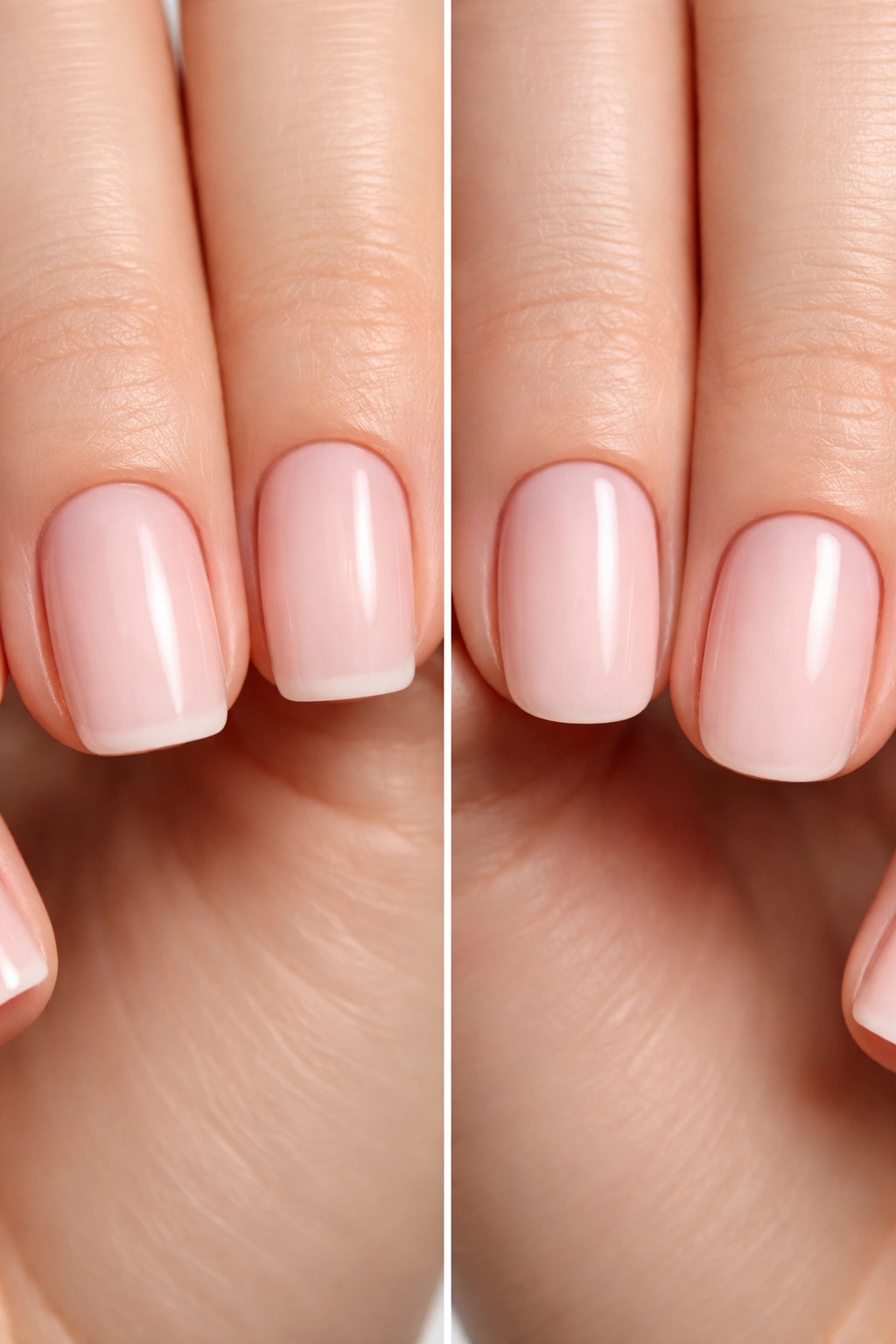
Both soft square and squoval shapes are generally safe for nail health, but there are subtle differences worth considering. The stress on your nail beds from either shape is minimal compared to designs like coffin, stiletto, or other extreme shapes. Both soft square and squoval represent reasonable, moderate extensions that don’t create excessive leverage or stress.
The one consideration is that soft square’s parallel sides create slightly more lateral stress on the nail bed at each corner point, while squoval distributes stress more evenly. For people with sensitive nail beds or those prone to breakage, squoval might reduce the chance of damage simply because the stress is more distributed.
Pressure from the nail shape itself — whether from artificial nails or filing natural nails into these shapes — is minimal with either option. Both are considered gentle, healthy choices that don’t compromise the integrity of the nail bed long-term.
Making the Final Decision: A Practical Framework
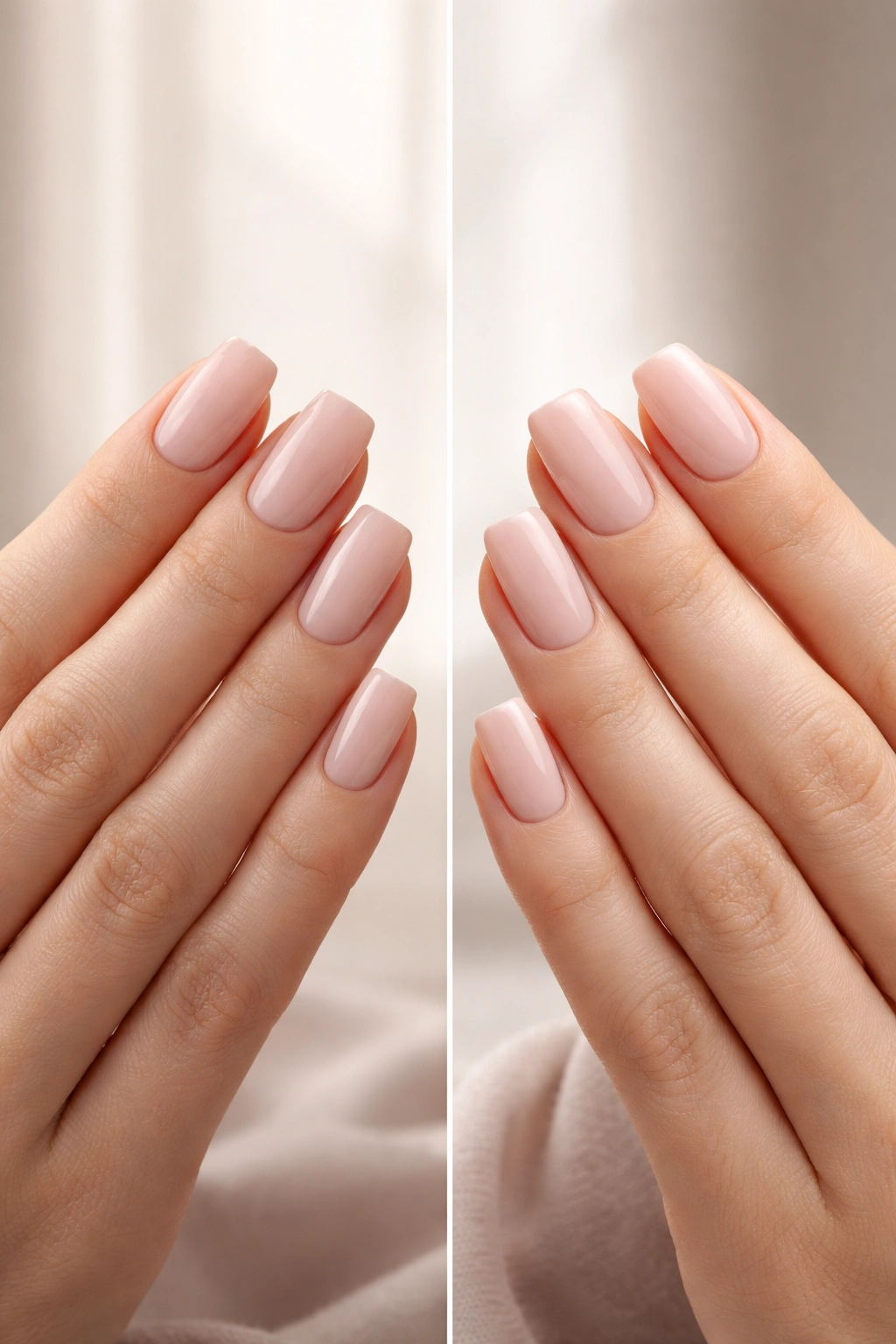
So which shape should you actually choose? Here’s a practical framework to help you decide.
Choose soft square if: You love geometric, intentional-looking nails. You don’t mind filing every few days to maintain definition. You have longer fingers or wider hands and want to showcase them. You love nail art and want a shape that frames designs beautifully. You’re willing to accept that you’ll probably get the occasional chip and that’s okay.
Choose squoval if: You want a versatile shape that works with any hand size or finger proportion. You prefer low-maintenance nails that don’t require constant filing. You value durability and want your manicure to last longer between touch-ups. You appreciate elegant, flowing aesthetics more than geometric statements. You want a shape that looks intentional but feels natural on your hand.
Honestly, if you’re truly torn, squoval is the safer bet because it’s more universally flattering and lower-maintenance. But if you’ve tried both and you genuinely prefer the look of soft square, the additional maintenance is worth it to you. Personal preference matters more than theoretical advantages.
Trying Both: A Smart Strategy
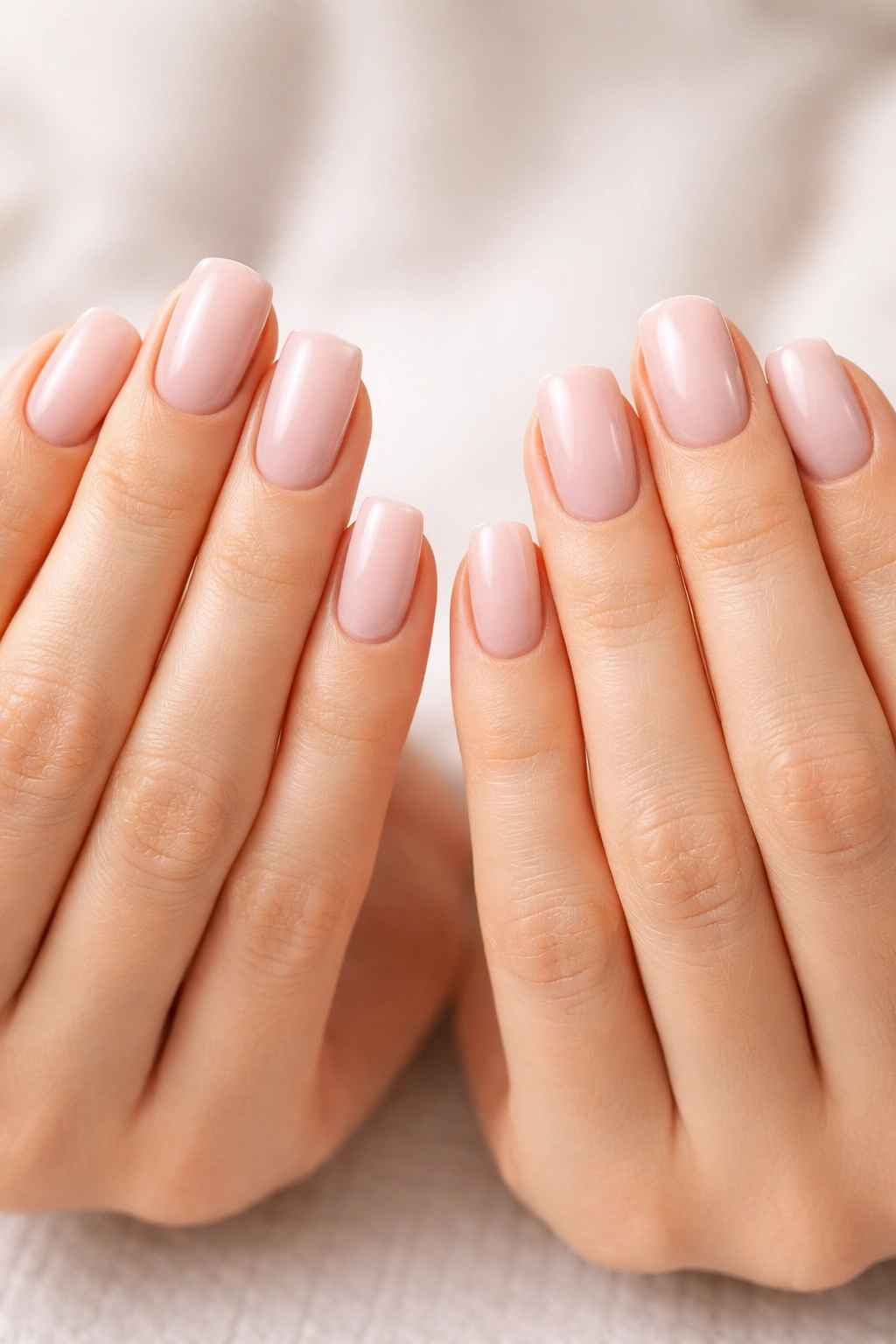
If you’re genuinely unsure, the smartest approach is actually to try both shapes and see how each feels in real life. Soft square on your right hand, squoval on your left, for a week or two. See which shape you reach for in photos, which one feels more natural on your hand, which one holds up better with your lifestyle. This real-world test tells you infinitely more than any article can.
Many nail technicians are happy to create slightly different shapes on each hand if you ask — it’s actually a common request from people trying to decide. This gives you direct comparison data based on your own hands, your own activities, and your own aesthetic preferences.
Final Thoughts
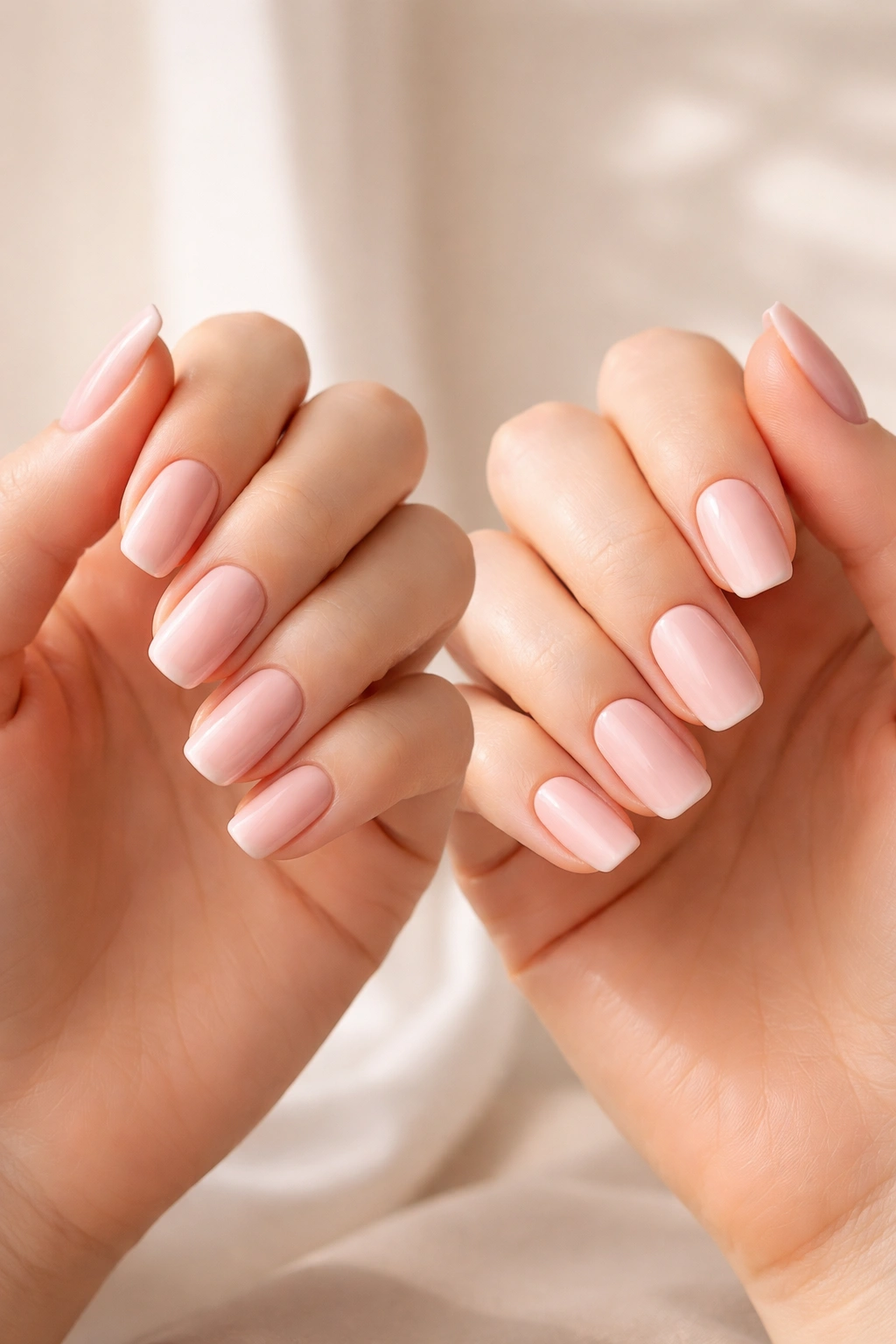
Soft square and squoval nails might look similar from a distance, but they’re meaningfully different in how they’re shaped, how they perform, how much maintenance they demand, and who they suit best. A soft square is geometric, striking, and requires regular maintenance to look intentional. A squoval is elegant, low-maintenance, and more universally flattering across hand sizes and proportions.
Neither shape is objectively “better” — it entirely depends on your hands, your lifestyle, your aesthetic preferences, and how much maintenance you’re willing to commit to. The fact that you’re thinking this carefully about your nail choice means you’re going to be happy with whichever direction you choose. Get clear on what matters most to you, communicate clearly with your nail technician, and enjoy having nails that feel exactly right for who you are.