


Choosing between round and stiletto nails isn’t just a cosmetic decision—it’s about committing to a specific lifestyle and aesthetic for weeks at a time. You’re looking at two fundamentally different nail philosophies: one prioritizes practicality and understated elegance, while the other demands confidence and sacrifices function for drama. The difference between them goes far deeper than just the tip shape. It affects how you’ll type, how vulnerable your nails become to breaking, what activities become risky, how often you’ll need professional maintenance, and ultimately whether you’ll feel like yourself wearing them.
The truth most nail blogs won’t tell you is that there’s no objectively “better” choice. Round tips and stiletto nails solve different problems for different people. But the choice does have real consequences—consequences that reveal themselves the moment you try to open a can of tomatoes or accidentally bump your hand against a doorframe. One shape will leave you frustrated and broken-nailed within days; the other will feel like second nature. The key is understanding exactly what trade-offs each shape demands, who genuinely thrives with each style, and how to make a decision you won’t regret two weeks in.
This comparison goes beyond aesthetics. We’re talking about durability, daily functionality, comfort, maintenance schedules, cost, and honest assessment of which style actually fits your real life—not the life you wish you had. By the end, you’ll know not just the differences between these shapes, but which one is actually right for you.
The Visual Impact and Aesthetic Difference
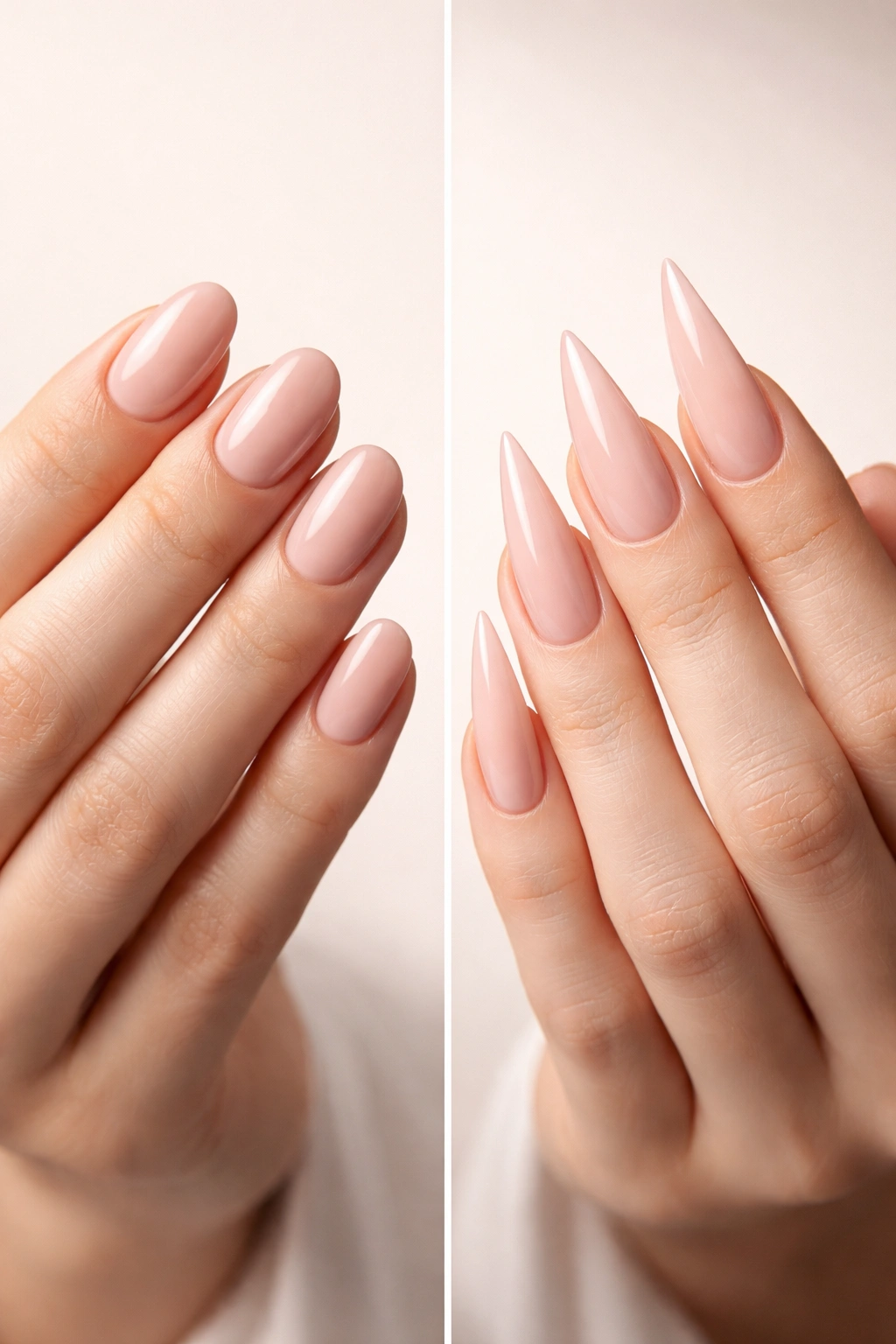
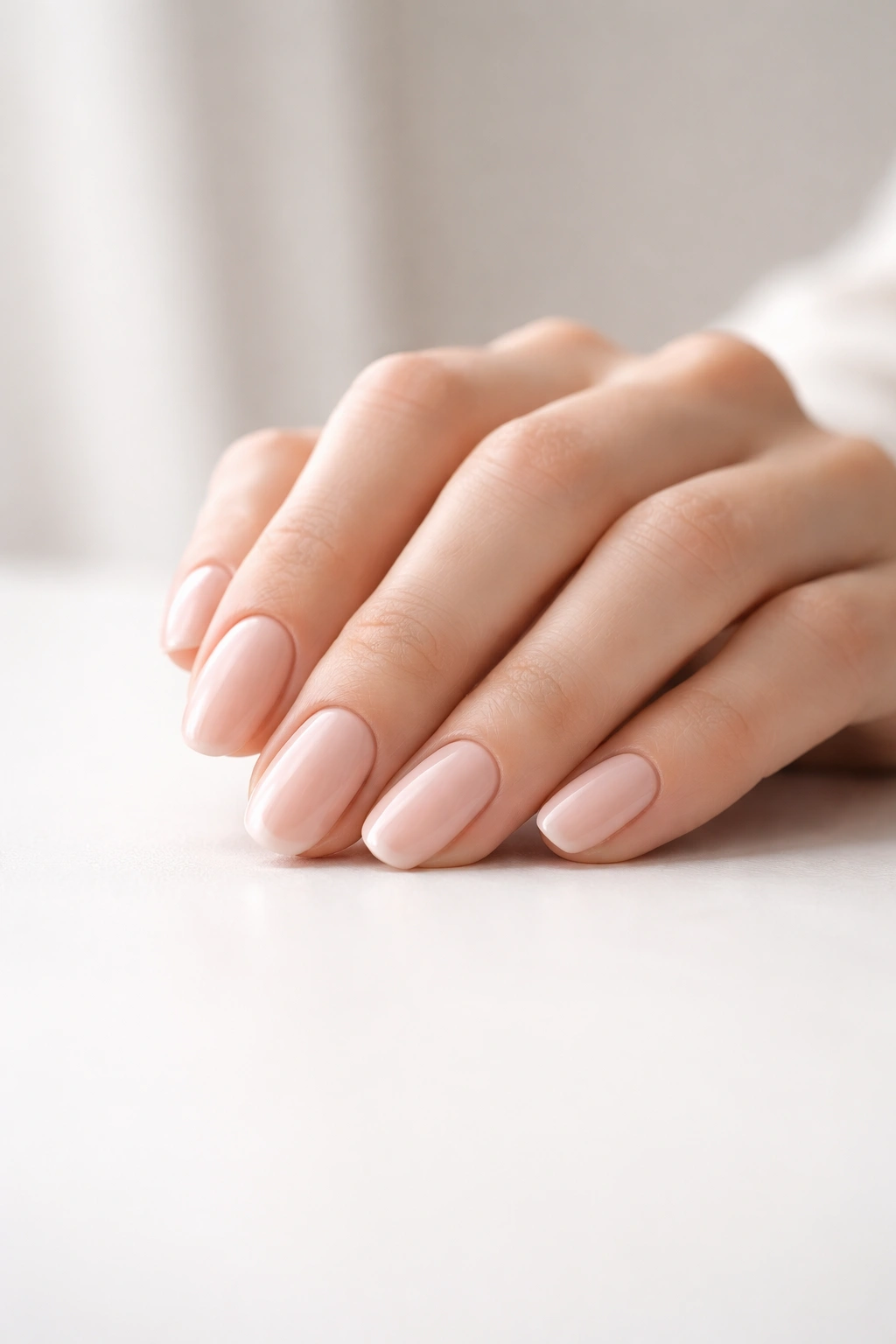
Round nails and stiletto nails project completely different energy. Round tips create a soft, approachable, almost classic look—they suggest refinement without aggression. The curved edge catches light gently and feels timeless across almost any nail art or color choice. Stiletto nails, on the other hand, demand attention. They’re architectural, bold, and unmistakably glamorous. That dramatic tapered point creates visual drama and elongates the hand in a way round tips simply can’t match.
This aesthetic difference matters because it shapes how people perceive you. Round nails work seamlessly in corporate environments, healthcare settings, or anywhere understated professionalism is valued. Stilettos signal confidence, fashion-forwardness, and a willingness to prioritize appearance over pure practicality. Neither is objectively better—but they communicate different messages, and you need to know which message you actually want to send on a daily basis.
The key insight: your nail shape becomes part of your recognizable look. People notice it. They notice it in photos. It becomes part of how they remember you. If you’re someone who changes their aesthetic constantly, this matters less. If you’re building a consistent personal brand, the shape you choose should align with who you are and who you want to present yourself as.
Durability and How Long They Actually Last
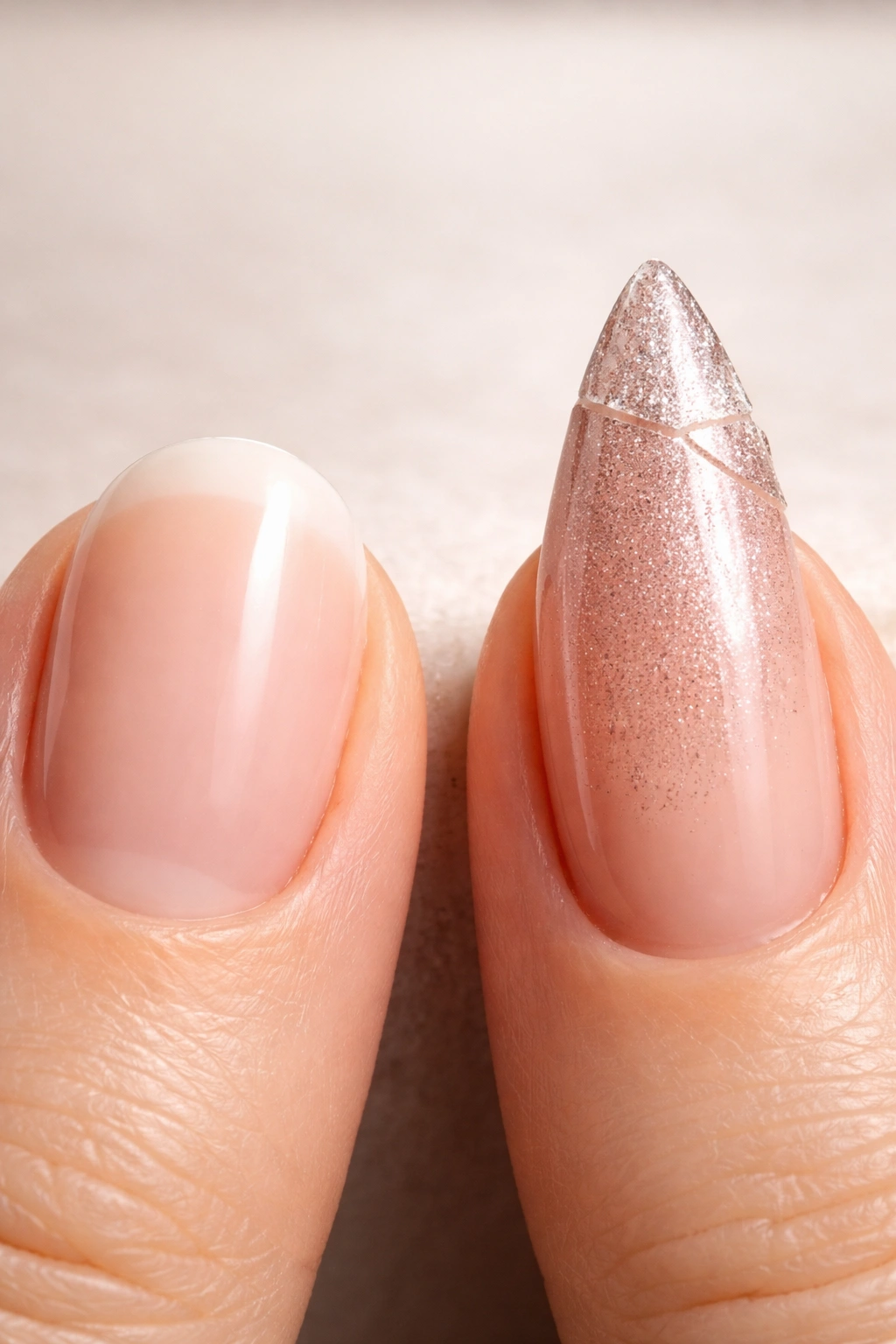
This is where the comparison gets brutally honest. Round nails last significantly longer than stiletto nails—we’re talking about a difference that manifests itself almost immediately. Round tips, with their blunt, reinforced edge, distribute stress more evenly across the nail structure. When your hand hits something, that stress spreads across a wider surface area instead of concentrating on a razor-thin point.
Stiletto nails, conversely, are vulnerability incarnate. That dramatic point concentrates all impact stress into the smallest possible area. One careless bump, one moment of distraction, and that point shatters. Not bends. Not chips. Shatters, usually requiring a full rebuild at the salon. Regular users of stilettos know that maintaining them means accepting breakage as part of the cost of wearing them. Some nails will break. This isn’t a failure on your part; it’s simply the structural reality of the shape.
The durability question also extends to the base of the nail. Round tips, because they distribute stress more evenly, are less likely to develop stress fractures near the nail bed—the area where the artificial nail attaches to your natural nail. Stilettos, with their pointed design, can create pressure points that weaken the bond between natural and artificial nail, increasing the likelihood of lifting or splitting along the sides. If you’re someone who needs their nails to look perfect for weeks without touch-ups, stilettos will frustrate you quickly.
Daily Functionality and Real-World Practicality

Let’s talk about what life actually looks like with each nail shape. With round nails, you can type at normal speed. You can open packages, peel stickers, untie knots, and handle most daily tasks without adapting your technique or risking catastrophic breakage. Your nails become an extension of yourself rather than something you have to work around. You can pick up a baby, hold a phone, tie your shoes, and generally navigate the world without constantly thinking about your fingertips.
Stiletto nails rewrite the rules of your daily life. Typing becomes an art form—you learn to strike keys with the sides of your fingertips rather than the pads, developing a completely different hand position. Opening bottles requires strategy. Pulling your hair into a ponytail becomes a deliberate, cautious process. Even scrolling on your phone demands awareness. You’ll catch yourself using the knuckle of your index finger to operate touchscreens. Inserting contact lenses, if you wear them, shifts from routine to high-stakes procedure. Changing a baby’s diaper, playing with a pet, or handling anything with rough or sharp edges becomes genuinely stressful.
The practicality question hinges on your profession and lifestyle. If you work with your hands—whether that’s healthcare, skilled trades, food service, or any hands-on work—stilettos become genuinely impractical. Round nails quietly handle these demands. But if you work in an office, spend most of your day in meetings or on video calls, and rarely handle delicate or challenging tasks with your hands, stilettos become far more feasible. The decision requires honest assessment of how you actually spend your time, not how you imagine spending it.
Maintenance Demands and Time Commitment
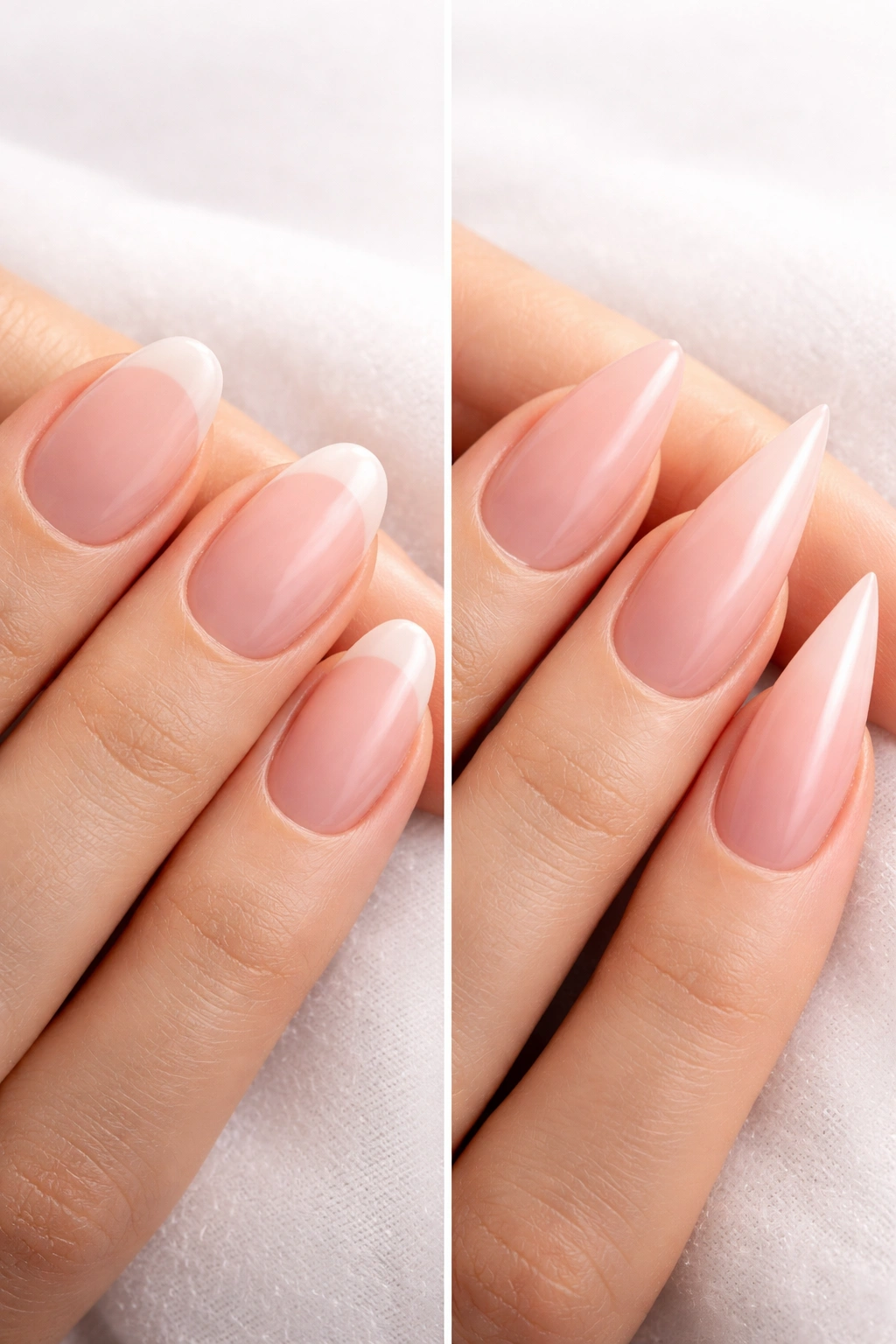
Round nails are relatively low-maintenance. They don’t require refills as frequently because the stress on the attachment point is distributed evenly. Many people can stretch refills to four or five weeks without them looking noticeably grown out. You can also customize how frequently you maintain them based on how quickly your natural nails grow. Round tips forgive neglect better than most nail shapes—even if you miss a refill appointment, they’ll still look relatively intentional and complete.
Stiletto nails demand religious maintenance schedules. Because the tapered point is fragile and stress-concentrated, even a small break requires professional attention to maintain the shape. You can’t just glue a broken stiletto back together and hope for the best—it needs rebuilding. This means more frequent salon visits, more money spent, and more time invested. If you’re someone who struggles to commit to regular appointments or who works unpredictable hours, stilettos become a frustrating financial and scheduling commitment.
Beyond breaks, stilettos also reveal growth more noticeably. That tapered point creates a visual line that makes the growing-out phase much more obvious. Round tips, because they extend evenly across your fingertip, mask growth more gracefully. A round nail that’s two weeks grown-out still looks relatively finished. A stiletto at two weeks looks distinctly different—the point becomes less defined, and the overall aesthetic begins to feel incomplete.
Comfort and How They Feel Day-to-Day
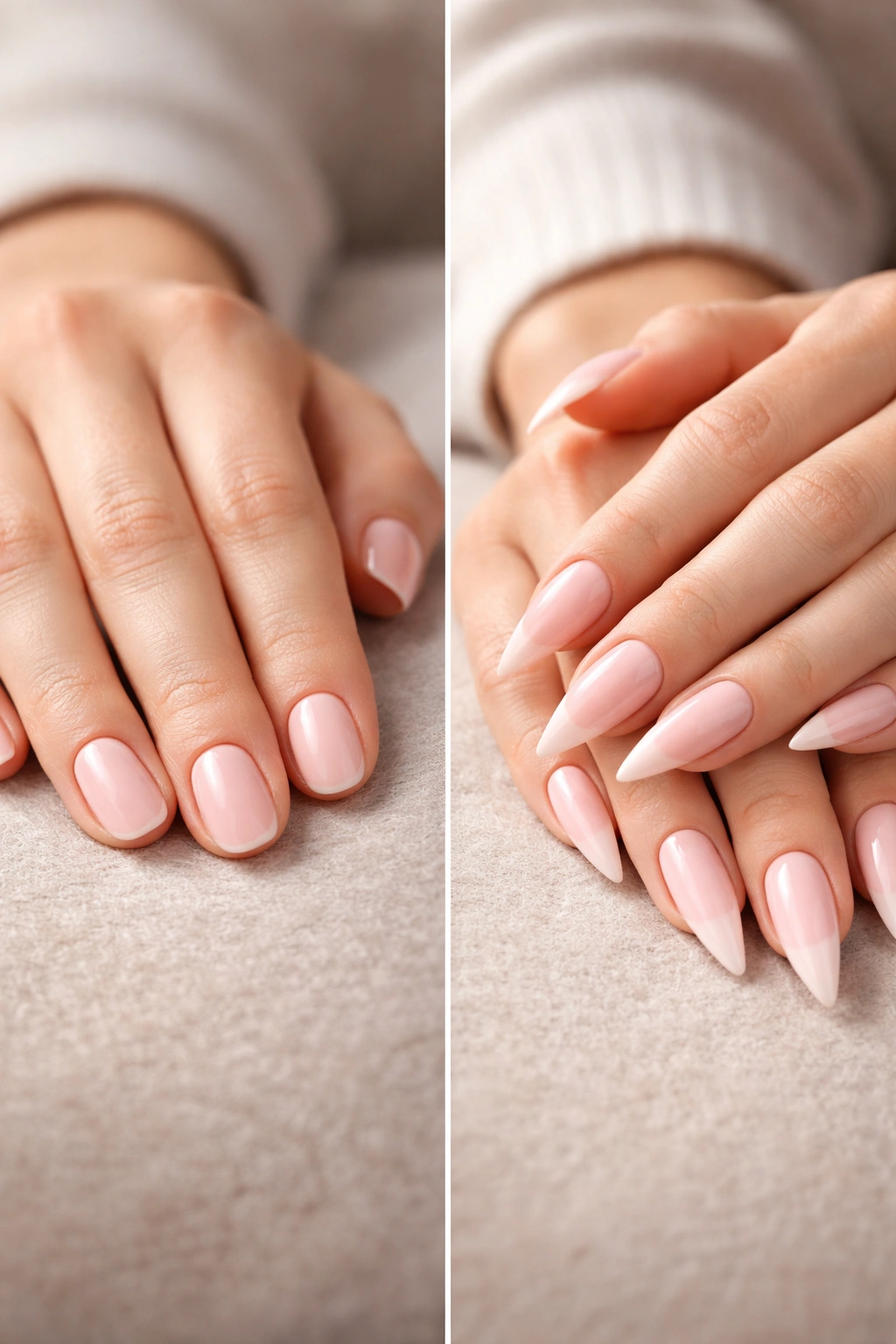
This is deeply personal, but it’s also measurable. Round nails feel comfortable to most people quickly. They don’t create unusual pressure points, they don’t catch on clothing or hair unexpectedly, and they rarely cause the subtle hand fatigue that comes from constantly protecting protruding points. Within a few days of application, most people stop noticing they’re wearing them.
Stilettos take longer to adjust to, and some people never fully adjust. The pointed tips create constant physical awareness—you’re hyper-conscious of where your hands are, how they’re positioned, and what they might contact. This heightened awareness can feel empowering to some people and exhausting to others. There’s also a genuine comfort question around hand strain. Holding your hands in modified positions to protect your nails—not striking keyboard keys dead-center, tensioning your fingers differently while typing—can create subtle strain patterns. Over weeks of this, some people develop hand discomfort that completely vanishes once they switch back to round nails.
Comfort also includes sleep comfort. Sleeping with your hands curled near your face, or sleeping on your side with hands folded—stilettos can catch on pillowcases, blankets, or your own face and hair in ways round nails never do. This seems like a minor detail until it wakes you up at two in the morning because your nail caught in your hair.
Cost Comparison and Budget Reality
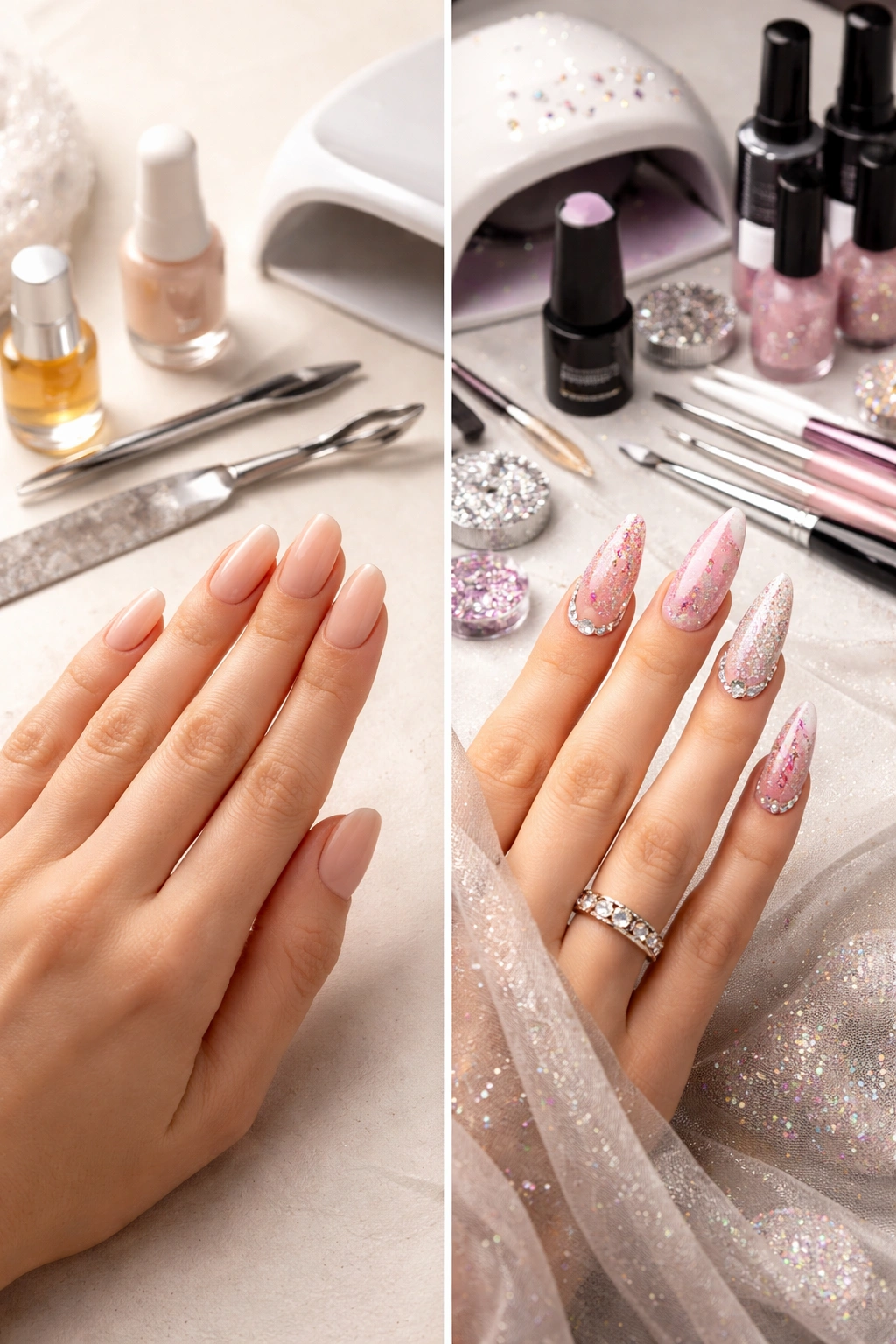
Initial application costs are roughly equivalent—round and stiletto nails cost about the same at first application. But the cost divergence happens in maintenance. Round nails, with less frequent necessary refills and lower breakage rates, cost substantially less over time. If you’re committing to nails for a full year, the cost difference between shapes becomes significant. Round nails might require eight to ten salon visits annually; stilettos often require twelve to sixteen because of necessary touch-ups and repairs.
The hidden cost of stilettos is breakage replacement. Some salons charge a standard refill price; others charge additional fees for breaks and rebuilds. If you break two nails per month—not unusual for stiletto wearers—that’s an extra $40-$80 monthly depending on your location and salon. Over a year, that’s a $500+ difference compared to round nails. For people on tight beauty budgets, this isn’t negligible. For others, it’s the cost of the aesthetic they want—but it’s worth naming explicitly.
There’s also the durability angle on products. Stilettos tend to consume nail treatments and reinforcements faster because they break more frequently. If you’re using at-home maintenance products between salon visits, stiletto users typically spend more. Round nails are more forgiving of gaps between professional appointments, meaning you can potentially extend refill timing or use fewer supplementary products.
Who Actually Thrives with Round Nails
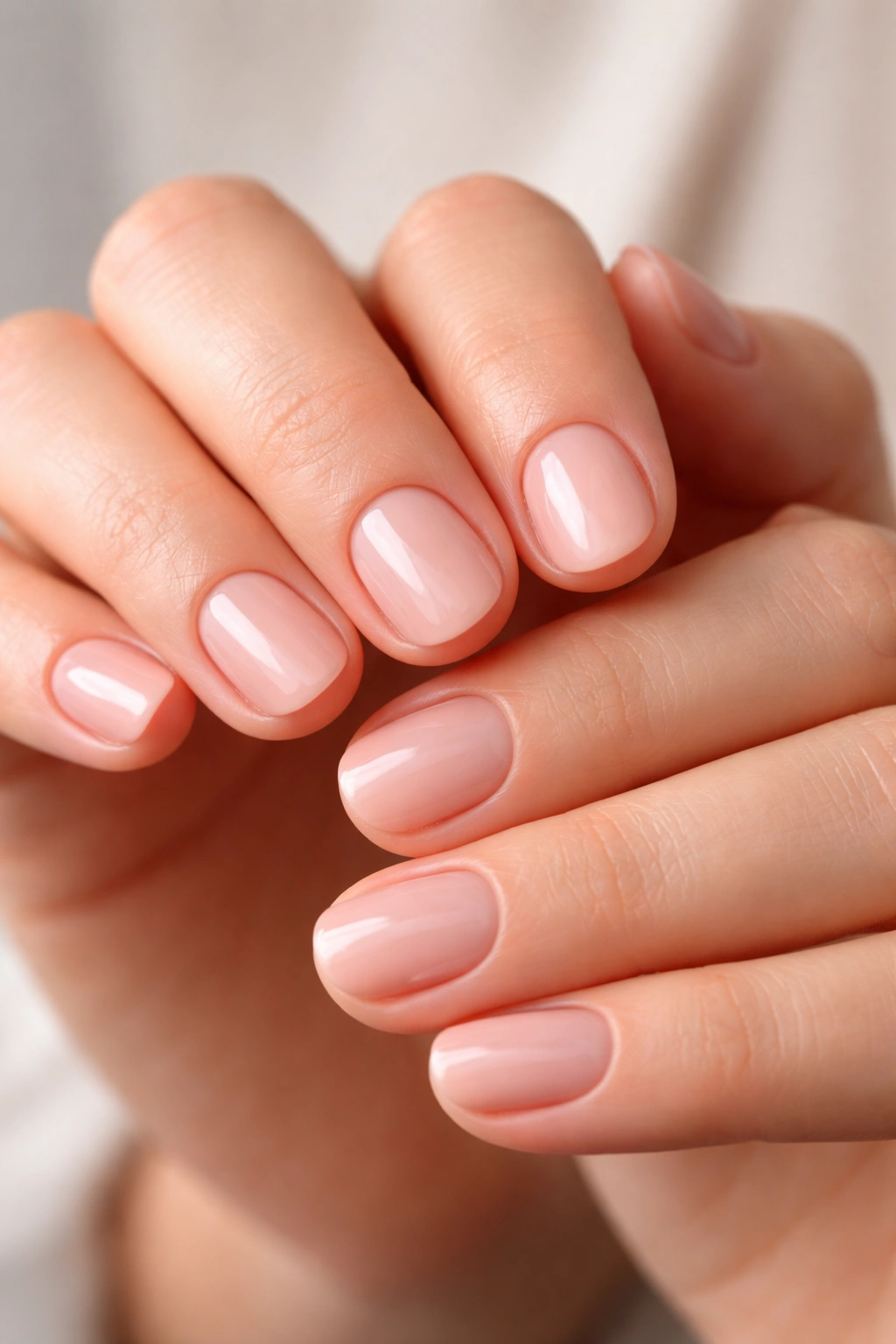
Round nails suit people whose lives involve hand-heavy work or constant hand activity. If you’re a parent with young children, a healthcare worker, a chef, a hairdresser, or anyone whose professional life means your hands are active and exposed to risk, round nails become almost a necessity rather than a choice. They also suit people who value function over fashion, who work in conservative environments, or who simply don’t want nails to dominate their self-image.
Round nails are perfect for people with a more casual, approachable aesthetic who want nails to be a subtle enhancement rather than a statement. They’re ideal for people with shorter natural nail beds—because round tips look proportional and intentional even on shorter nails, whereas stilettos can look awkward if you don’t have significant nail bed length. They also suit people who are new to artificial nails and still building confidence. Round nails are forgiving enough that you can experiment with colors and art without the stress of protecting a fragile pointed tip.
Round nails especially suit people who travel frequently, who have unpredictable schedules, or who can’t reliably get to salon appointments. Because they’re more durable and require less frequent maintenance, they accommodate irregular lifestyles. They’re also the shape of choice for people dealing with nail anxiety—those who worry about breaking nails or who have had traumatic experiences with broken stilettos shattering at inopportune moments.
Who Actually Thrives with Stiletto Nails
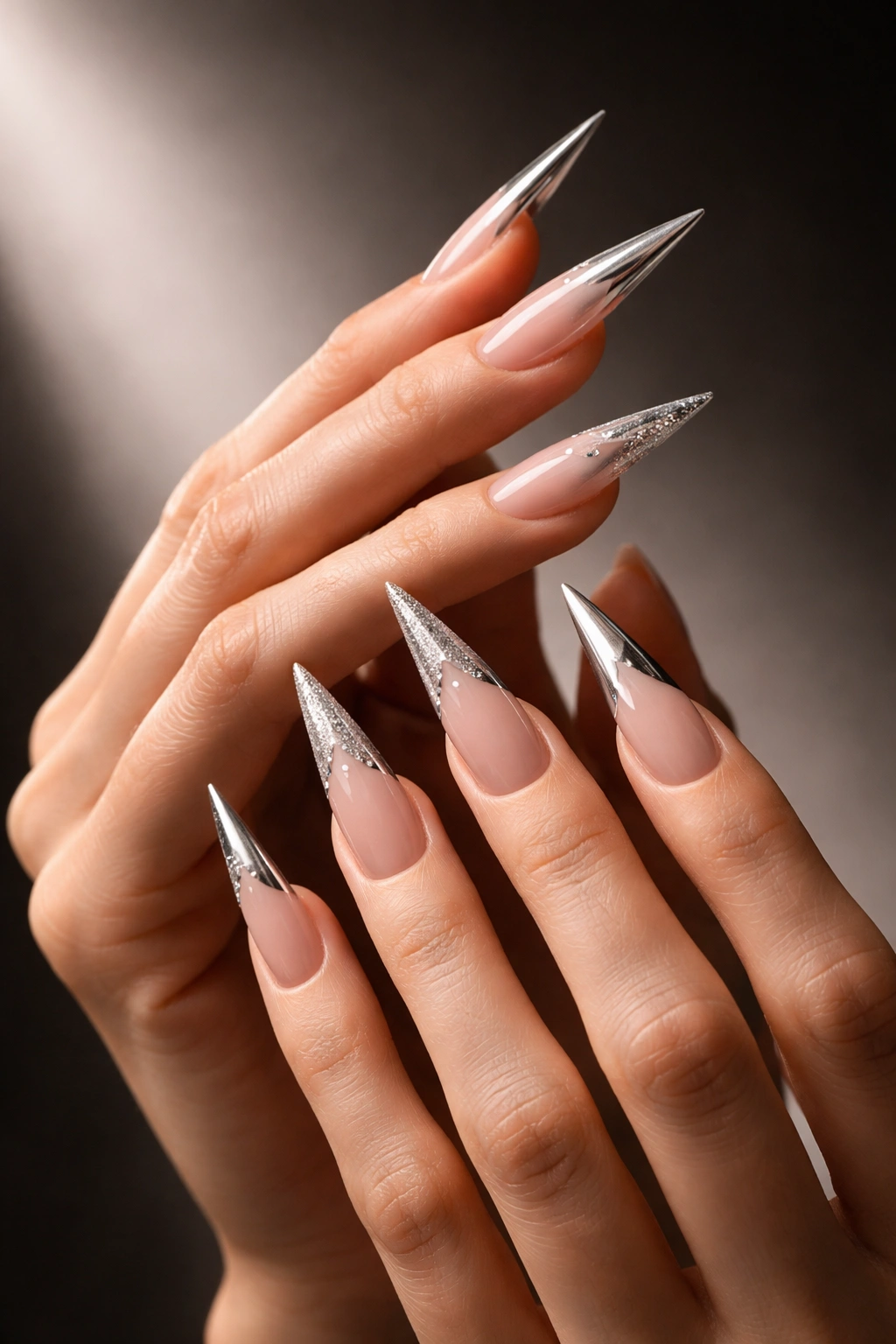
Stiletto nails suit people with strong aesthetic vision who want their hands to be a focal point. If you love fashion, carefully curate your image, spend time on beauty and self-presentation, and see nails as art and self-expression rather than utility, stilettos let you express that passion fully. They suit people who work in image-focused industries—fashion, beauty, entertainment, sales—where a bold aesthetic is an asset rather than a liability.
Stilettos suit people with naturally longer nail beds and slower-growing nails. If your natural nails grow slowly and you have significant length even when short, stilettos will look proportional and stunning. They also suit people with the lifestyle flexibility to maintain them—those who don’t need their hands constantly available for rough work. Remote workers, people in office-based roles, executives, and anyone whose work involves minimal hands-on tasks can wear stilettos without functional compromise.
Stilettos especially suit people who live with household help, who have partners or family members handling most domestic tasks, or who have the resources to outsource work that would risk their nails. They suit people who genuinely enjoy the salon experience and see nail appointments as self-care time rather than a chore. They also suit people with genuine nail confidence—those who’ve worn them before, who trust their ability to protect them, and who aren’t stressed by occasional breakage.
Importantly, stilettos suit people who want them for themselves, not because they feel obligated. Nails are visible every single day. If you’re wearing a shape you don’t actually like because you think you should, you’ll resent it within weeks. Stilettos demand genuine enthusiasm to wear them successfully.
How Each Shape Handles Different Activities and Environments
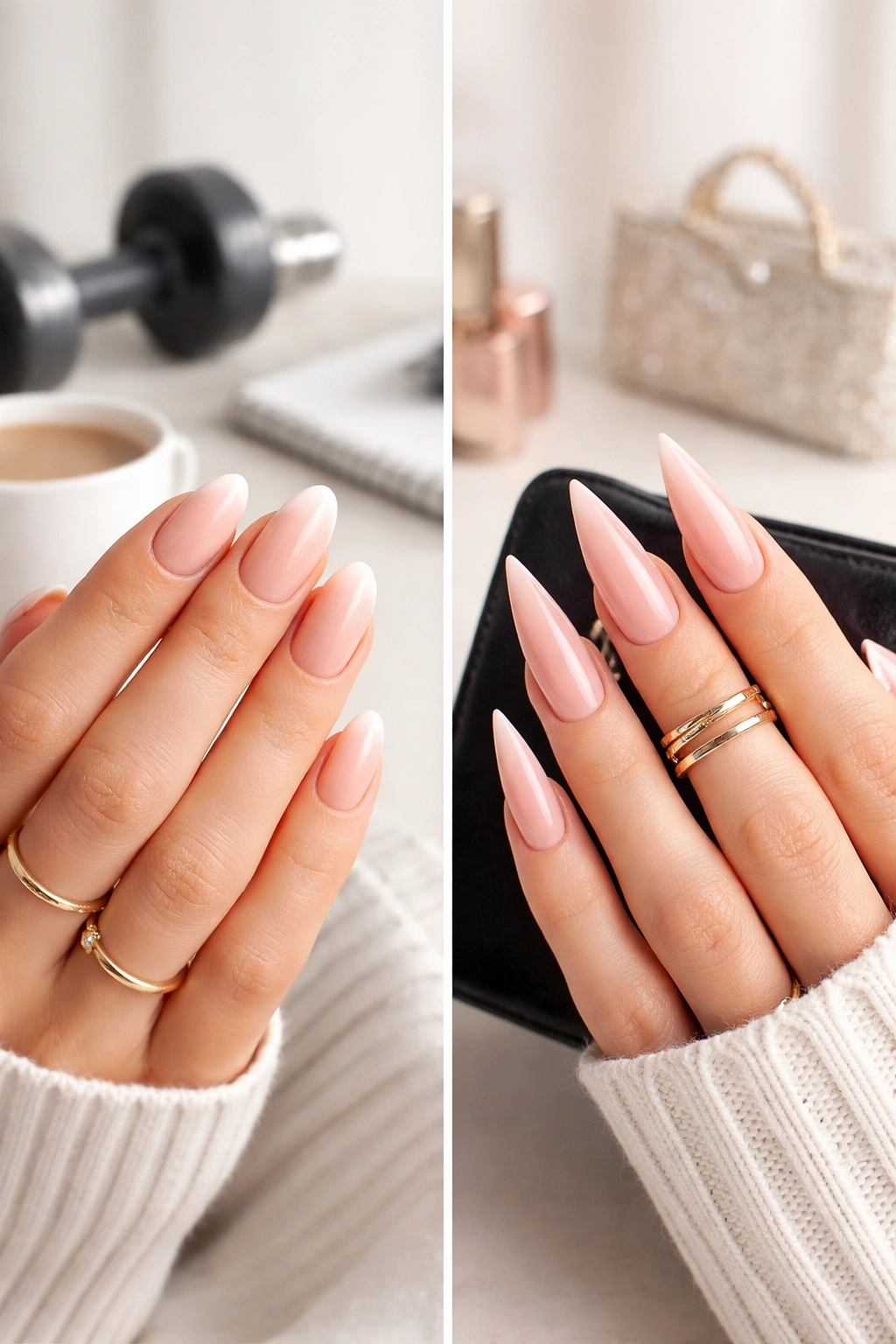
Round nails transition seamlessly across every environment. You can wear them to a casual family dinner, a formal work presentation, a weekend hiking trip, or a night out dancing without them feeling mismatched to the setting. They’re genuinely versatile because they don’t demand anything from you. This versatility is profound if you have a varied lifestyle—you’re not constantly managing cognitive load around “can I do this activity with my nails?”
Stilettos create environmental friction. Certain activities become risk factors. Gardening, hiking, working on a car, playing contact sports, swimming (chlorine and saltwater weaken acrylics), or any activity with significant hand exposure becomes stressful. Some stiletto wearers literally avoid these activities entirely rather than risk breakage. Others embrace the limitation as part of the aesthetic—if wearing stilettos means you’re not the person who goes hiking with friends, that’s the trade-off. But you need to consciously accept it rather than discover it frustrated.
For vacation and travel, round nails win decisively. You can be spontaneous, say yes to activities without worrying, and handle unexpected situations without constantly managing your nails. Stilettos require advance planning—you need to consider what activities are planned and whether they’re nail-compatible. If you’re the type who enjoys flexible, spontaneous travel, this becomes annoying quickly.
The environment question also extends to seasons. In winter, round nails handle cold, dry air more gracefully because breakage is less frequent. In summer, when hands are more exposed, round nails feel less vulnerable during outdoor activities. Stilettos work fine year-round in terms of appearance, but they create more seasonal anxiety around breakage and damage.
The Maintenance and Application Process
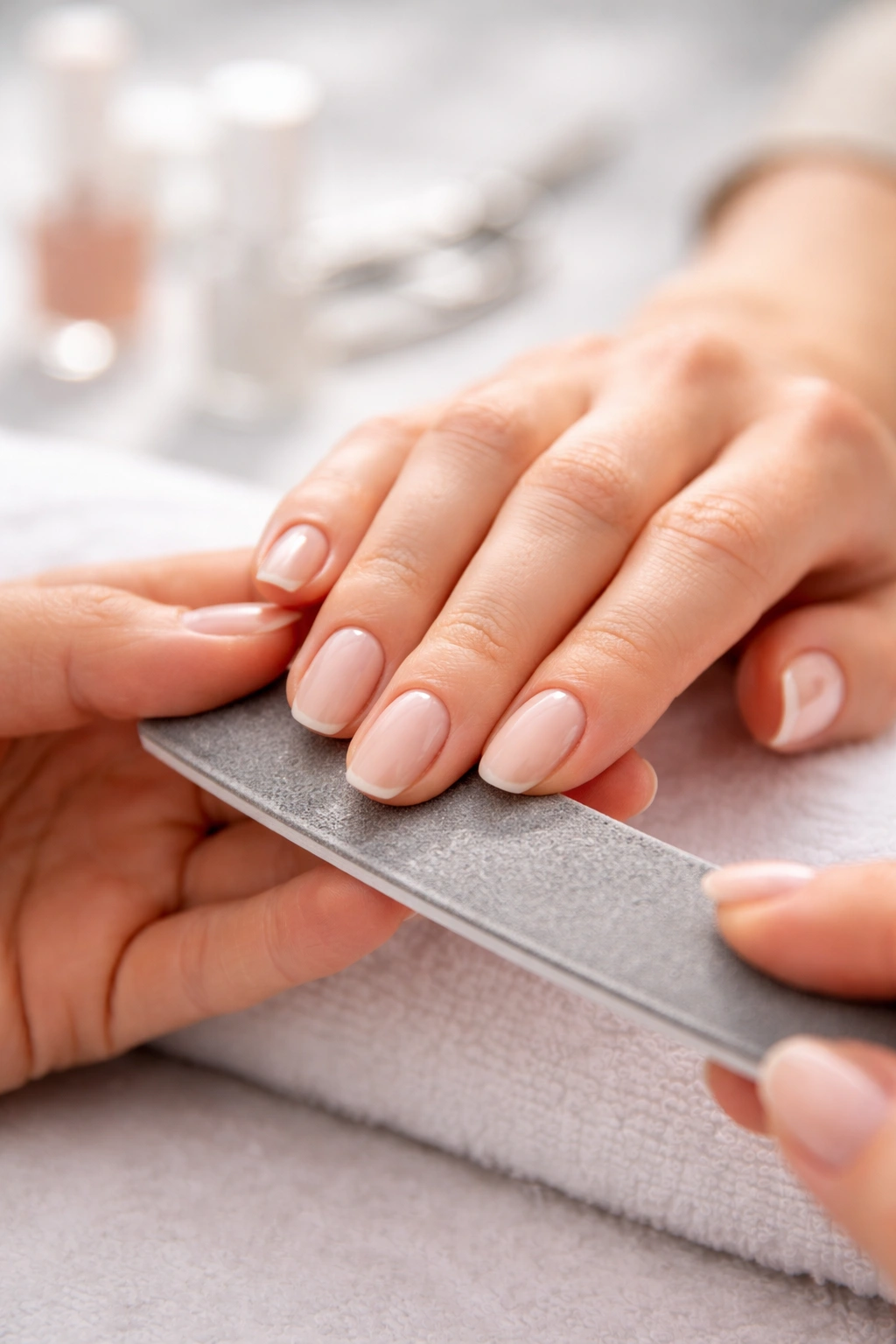
Both round and stiletto nails require professional application and periodic refills, so the baseline time commitment is similar. However, the maintenance complexity differs. A nail technician applies round nails relatively quickly—the shape is forgiving, the endpoint isn’t precision-dependent, and mistakes are easily corrected. Stilettos demand more technical precision. Getting the point perfectly symmetrical, perfectly centered, and at exactly the right angle and sharpness requires skill and focus. This is why good stiletto nails cost more at some salons—they literally take longer to create properly.
Between professional appointments, round nails require less supplementary care. You don’t need protective top coats as frequently because they’re not vulnerable to breakage in the same way. A good moisturizing routine keeps them healthy, but they forgive inconsistency. Stilettos benefit from more frequent at-home top-coat applications because every break you can prevent saves money and frustration. Many stiletto wearers keep a bottle of quick-dry top coat at home and apply it regularly, while round nail wearers rarely bother.
The removal process also differs slightly. Round nails, being more robust, can usually be soaked off without complications. Stilettos, especially if they’ve broken and been built back up, sometimes develop stress points that make removal tricky. They occasionally snag during removal or come off in chunks rather than as a single nail. This isn’t catastrophic, but it’s another minor complexity stiletto wearers navigate regularly.
Nail Health Implications and Long-Term Effects
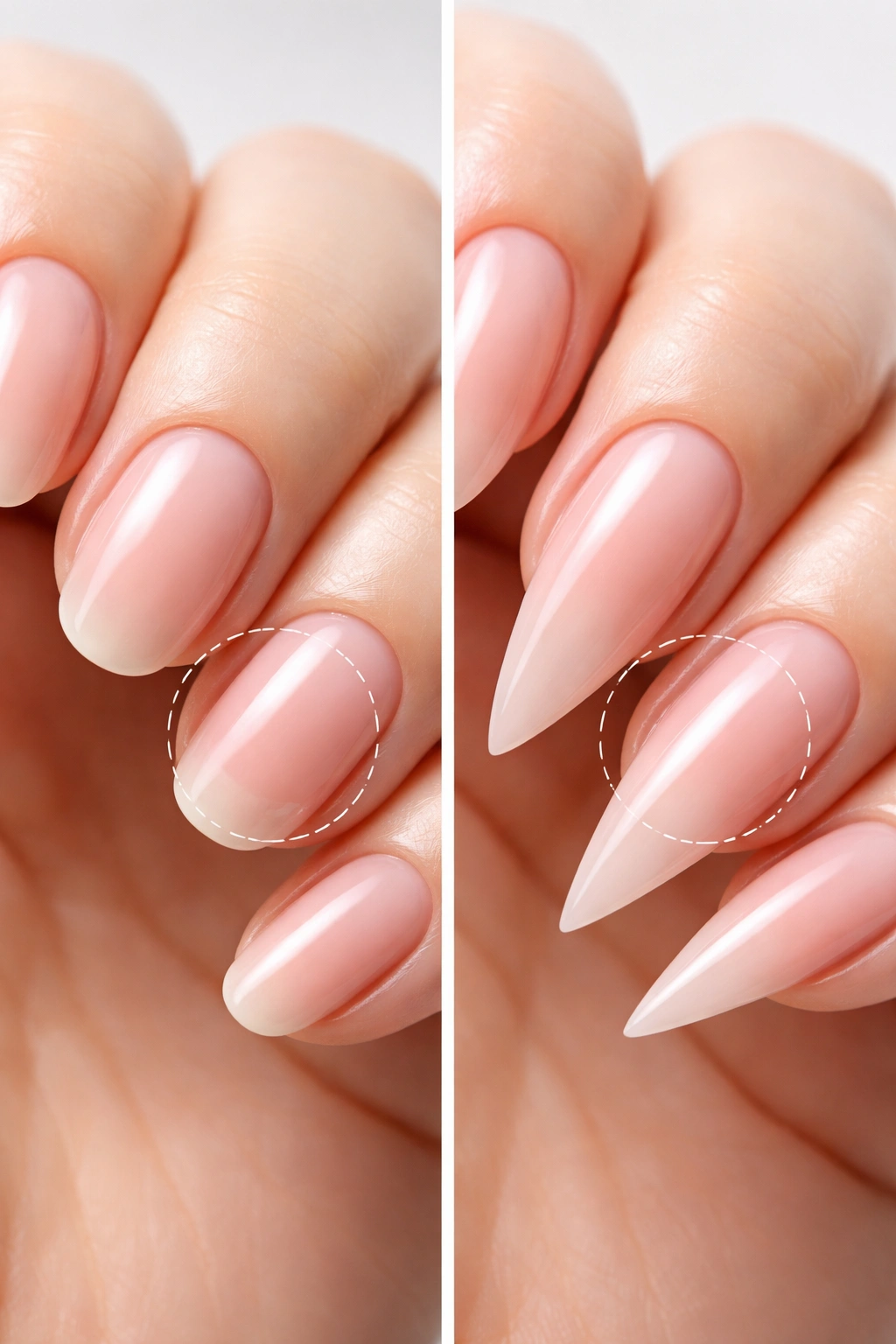
Both artificial nail types require healthy natural nails underneath to be applied successfully, but they create different stress patterns on your natural nail structure. Round nails distribute pressure evenly and are less likely to create stress fractures or weaken the nail bond. Long-term wear of round nails typically doesn’t compromise natural nail health as long as you’re using a reputable technician and maintaining proper nail care between appointments.
Stilettos, because of their concentrated stress points and the pressure required to keep them protected, can create lasting changes in natural nail structure over years of continuous wear. Some long-term stiletto users report that their natural nails become slightly weaker or more prone to splitting after extended periods of wearing artificial stilettos—their natural nails literally adapt to the stress pattern. This isn’t permanent or necessarily severe, but it’s worth knowing if you’re planning to wear stilettos continuously for years.
The application itself—the process of bonding artificial nail material to your natural nail—affects both shapes equally. Proper application involves creating a small texture on the natural nail surface, applying a primer, and then bonding the artificial nail material. Removal, if done properly, involves soaking and gentle filing rather than ripping them off. Improper removal can damage the natural nail plate. Both shapes require conscientious removal, but because stilettos are more delicate, they’re sometimes removed too hastily, increasing damage risk.
The honest assessment: if you take care of your natural nails and use professional technicians, neither shape will cause lasting damage. But round nails are gentler over the long term, especially if you plan to wear them continuously for years.
Making Your Decision with Honest Assessment
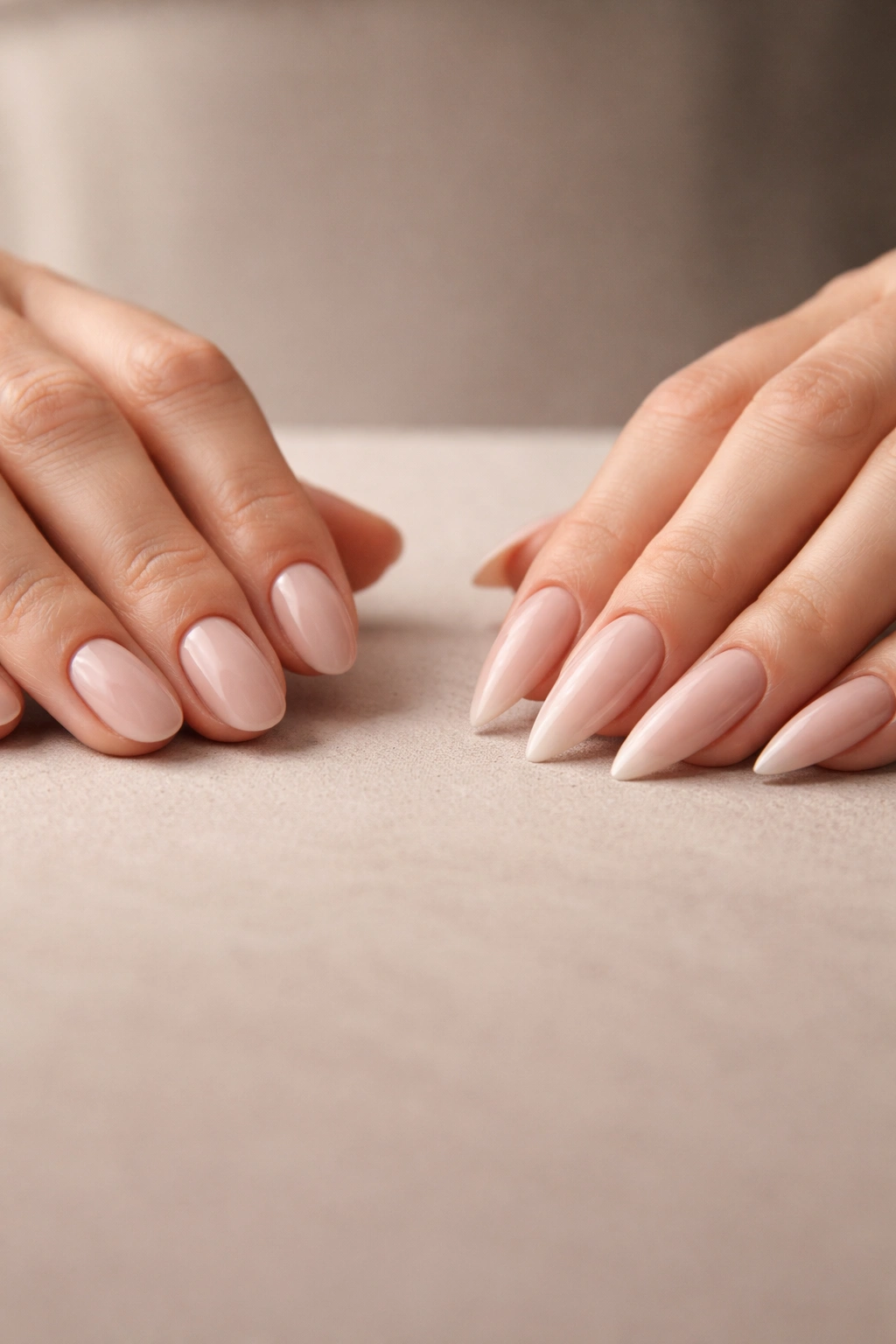
The decision doesn’t come down to which shape is objectively better. It comes down to alignment. You need to assess your lifestyle, your aesthetic preferences, and your maintenance capacity honestly—not optimistically. Ask yourself genuine questions. How much hand work do you actually do? How often can you reliably get to salon appointments? Are you someone who changes aesthetics frequently or maintains a consistent look? Do you value practicality or fashion-forwardness more? What does your daily life actually involve?
Next, consider your natural nails. How long is your nail bed? How quickly do your nails grow? Do you have a history of weak or brittle nails? If you have a shorter nail bed, round tips are more proportional. If you have a longer bed and slower growth, stilettos can look stunning. If you have a history of weak nails, round tips are more forgiving.
Then think about your professional environment and social circle. Is there an implicit expectation about appearance in your workplace? Are you in an industry where bold aesthetics are appreciated or where understated professionalism is valued? This doesn’t mean you have to conform, but you should know what you’re choosing and why. Similarly, consider your social circle—are you surrounded by people who do nails as fashion or do most people in your life not do nails? Your choice won’t be controversial either way, but social reinforcement matters for maintenance motivation.
Finally, ask yourself whether you’d genuinely enjoy the shape in a year. Nails are very visible. You see them constantly. If you choose a shape because you think you should rather than because you actively want them, you’ll resent them. The best nail choice is the one you’ll still be excited about three months in when the novelty wears off.
Hybrid Solutions and Middle Grounds
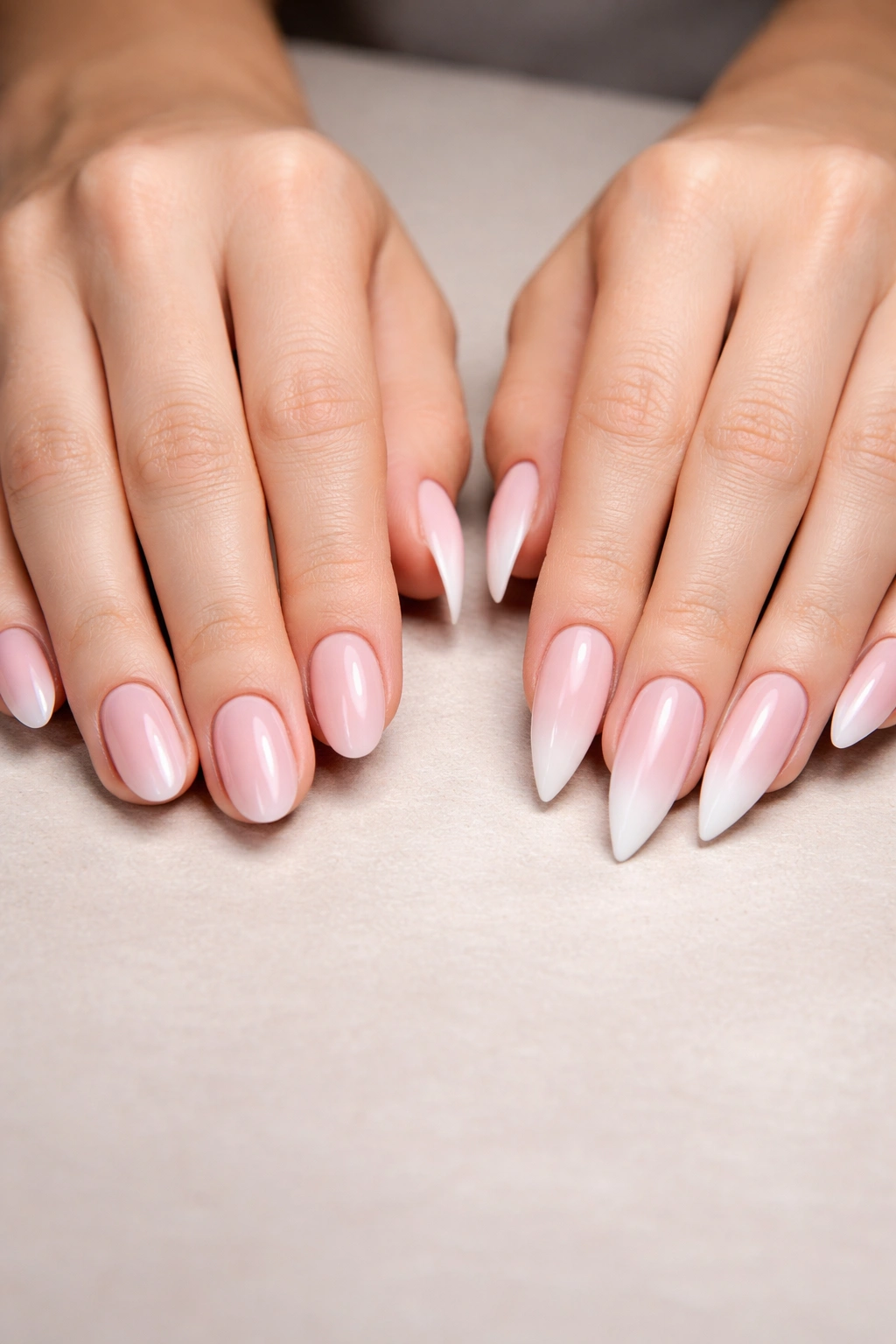
If you’re genuinely torn between shapes, consider that you don’t have to commit to one or the other forever. Some people do round nails as their baseline and add stilettos for specific events or seasons when their lifestyle allows it. This gives you the versatility of round nails day-to-day while letting you experience stiletto aesthetics when you want them. The trade-off is paying for more salon visits and more applications throughout the year, but if the cost isn’t prohibitive, it’s a legitimate option.
Other people do coffin or almond nails as a visual compromise—they get more drama than a round tip but more functionality than a full stiletto point. These shapes give you about 70% of the stiletto aesthetic while retaining most of the practical functionality of round nails. They break less frequently than stilettos, last longer between refills, and feel less risky during daily activities. For people who genuinely love the pointed nail aesthetic but whose lifestyles don’t quite support true stilettos, these shapes often become the permanent choice.
Some people switch between shapes seasonally—round in summer when travel and activities increase, stilettos in winter when their schedule is more controlled. This lets you optimize for each season’s realities. Others rotate based on their professional calendar—round during busy work seasons and stilettos during slower periods when maintenance is easier.
The point: you don’t have to pick one shape and stay with it forever. Nails can evolve as your life changes.
Final Thoughts
The round versus stiletto decision isn’t about which shape is beautiful—both are beautiful in different ways. It’s about which shape aligns with how you actually live and who you actually are. Round nails are the choice for people who want gorgeous nails that don’t dominate their daily life. They work for hands-on professions, active lifestyles, and anyone who values function without sacrificing aesthetics. Stiletto nails are the choice for people who see nails as fashion, who have the lifestyle flexibility to maintain them, and who want their hands to make a statement.
The secret most nail blogs won’t tell you: the best nail shape is the one you’ll actually enjoy wearing. If you’re choosing between these shapes, spend a moment visualizing your next month. Picture opening your car door, typing at work, doing laundry, handling whatever daily tasks fill your time. Picture your hands in photos, in meetings, in the moment when you catch your reflection. Which shape do you see? Which one excites you? Which one makes you feel like yourself?
That answer—not a generic guide’s recommendation—is your real decision. Trust it.