

The hardest part about ballerina nails on very short nails is not the polish shade. It’s getting that tiny tapered tip to look deliberate instead of boxy, clipped, or one filing stroke away from a square nail.
A lot of people get told the same thing at the salon: you need more length for ballerina shape. That’s half true. A dramatic ballerina silhouette does need length, but a micro ballerina—a short, softened coffin shape with a flat edge—can look sharp on short nails when the taper is light, the sidewalls stay clean, and the design doesn’t fight the shape.
Tiny details matter more here than they do on long sets. A French tip that’s 2 millimeters too thick can make the whole nail look shorter. A dark color that floods the sidewalls can widen the nail bed. And if the flat tip is filed too broad, you lose the whole point of the shape.
That’s also why short ballerina nails can look so good when they’re done right: they force restraint. The best ones aren’t overloaded. They use line, color placement, texture, and finish to cheat length in a subtle way—and yes, some designs do that far better than others.
Why Short Ballerina Works Better Than Most People Expect
Length helps, but it isn’t the whole story.
What makes ballerina nails read as ballerina is the combination of straight side lines, a soft inward taper, and a flat tip. On long nails, that shape looks dramatic. On short nails, it becomes quieter—more tailored, less theatrical—but the shape still reads if the proportions are right.
The mistake I see most often is trying to force a long-nail silhouette onto a tiny nail plate. That’s when the sides get over-filed, the stress area gets weak, and the nail starts to look pinched. On very short nails, you want a gentle taper, not a severe one. Think “trim suit pants” rather than “stage costume.”
And yes, salons use the words ballerina and coffin almost interchangeably. On very short nails, the difference gets even smaller. If you ask for a short coffin with softened corners and a narrow flat tip, you’ll usually land in the right place.
Natural nails can wear this shape if you have at least 1 to 2 millimeters of free edge. Less than that, and you’ll get a cleaner result from a builder gel overlay or a short soft-gel tip. There is no shame in that route. If your nail edge sits flush with the fingertip, filing a ballerina shape straight from the natural nail is a fast way to lose strength.
Where the shape usually goes wrong
A short ballerina starts looking off when one of three things happens:
- The tip is too wide, so the nail reads square instead of tapered.
- The sidewalls are filed too hard, which makes the nail look narrow in the worst way and can lead to breaks.
- The polish placement is too heavy, especially with dark colors or thick French tips.
Tiny nail shapes don’t forgive sloppy proportions. That’s the whole game.
The Filing Line That Keeps Tiny Ballerina Nails From Looking Boxy
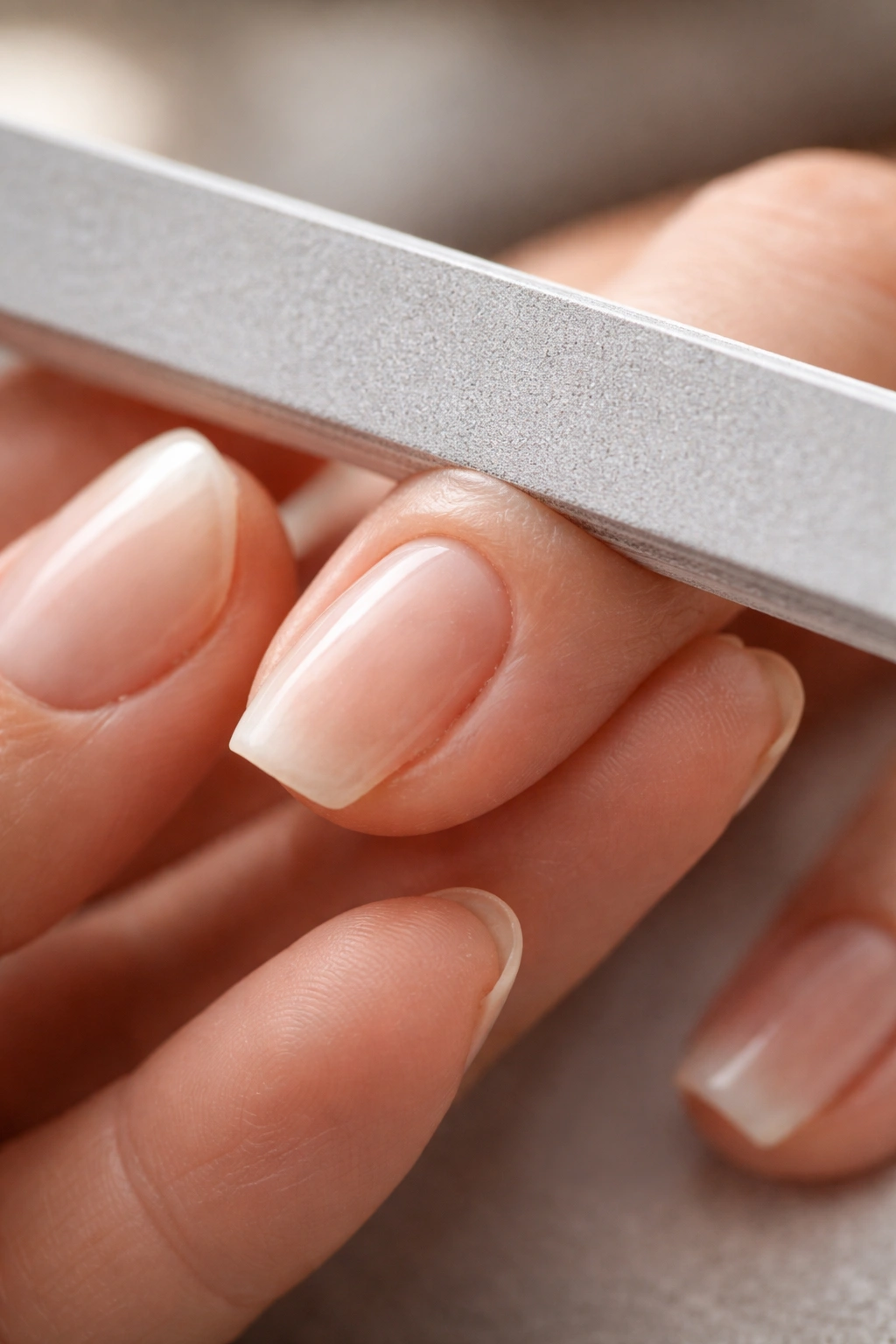
Picture the nail from above. You do not want the sides curving inward from the cuticle right away. On a short ballerina, the cleaner move is to keep the sidewalls almost straight for the first stretch of nail, then taper lightly near the tip so the free edge stays flat and small.
A good visual target is this: the tip should be about 1 to 2 millimeters narrower than the widest part of the nail bed. Wider than that, and you lose the ballerina effect. Narrower than that, and the shape starts to look strained.
A short filing map that works
- File the free edge straight across first.
- Refine one sidewall at a time with 2 to 3 light strokes, not ten aggressive ones.
- Check the nail head-on after every few strokes.
- Keep the corners soft, not round.
- Finish with a 180-grit file for natural nails or a 180/240 buffer over overlays.
That head-on check matters more than people think. From your own angle, the taper can look even. Flip the hand forward and you’ll spot the truth right away.
One more thing: the top surface matters. A lumpy builder overlay can make a short ballerina look thick and blunt even if the edge is filed well. You want a low, neat apex and slim side profile. Not flat, not bulky—controlled.
What to Ask for at the Salon if Your Natural Nails Have Almost No Free Edge
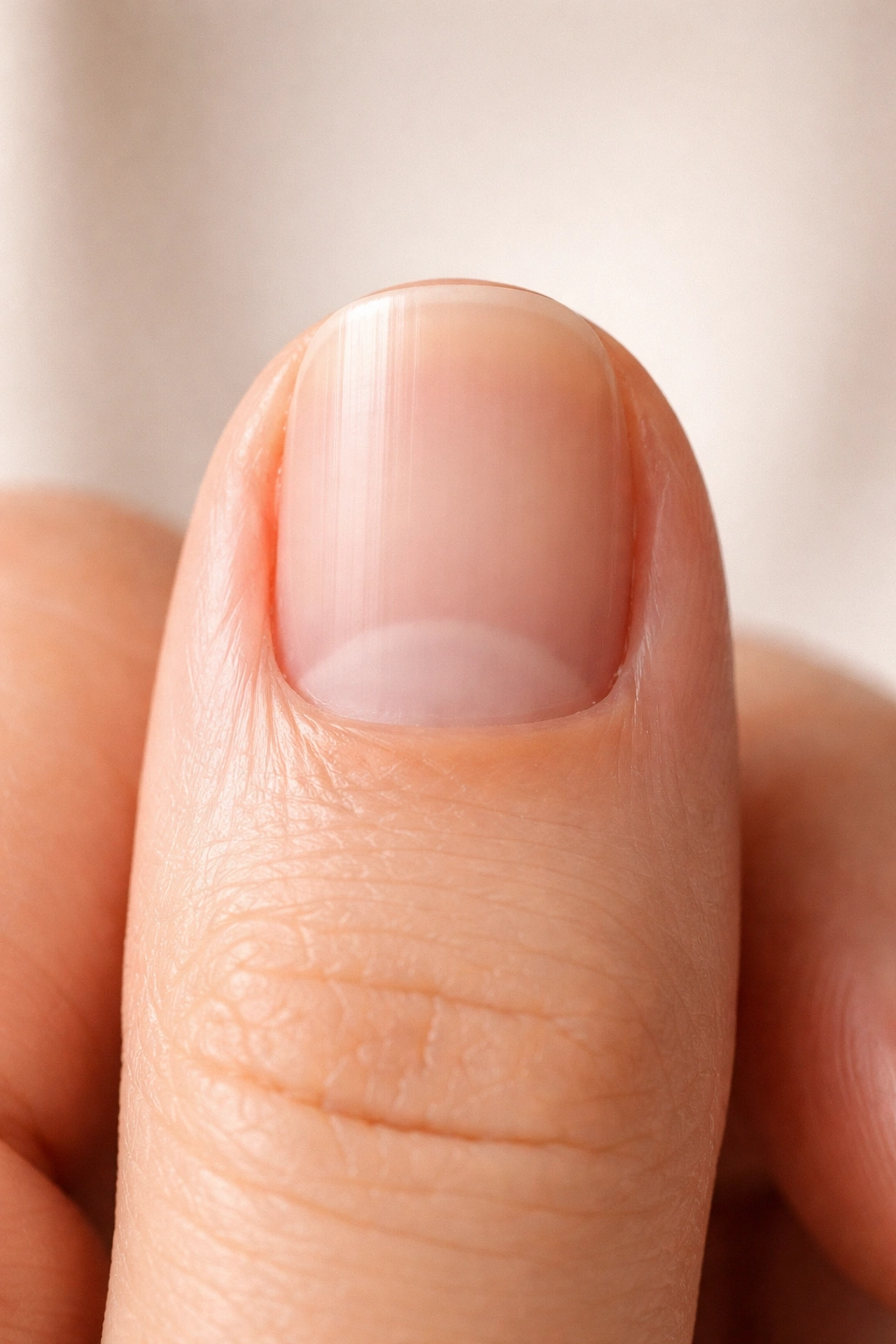
If your nails are short-short—bitten, peeled, or growing out damage—showing your tech one front-view photo isn’t enough. Bring two reference shots: one from the front and one from the side. The front view shows taper. The side view shows thickness. Both matter.
Ask for one of these, depending on your starting point:
Natural nail with builder overlay
Best if you have 1 to 2 millimeters of free edge and your nails are strong enough to hold a shape. The overlay gives structure, smooths ridges, and lets the free edge look crisp.
Short soft-gel tips
Best if your free edge is almost gone or the corners keep splitting. A short full-cover tip can create that tiny flat end cleanly, then the color and design do the rest.
Hard gel sculpt for uneven nail beds
This is the move when one or two nails grow downward, flare at the sides, or break in the same spot every time. It takes more skill, though, so not every salon is the right salon.
Skip vague requests like “make them coffin but natural.” That can mean six different things to six different techs. Ask for micro ballerina, soft taper, flat tip, no bulky apex, and a length that sits close to the fingertip. Short, clear, done.
1. Milky Nude Micro Ballerina
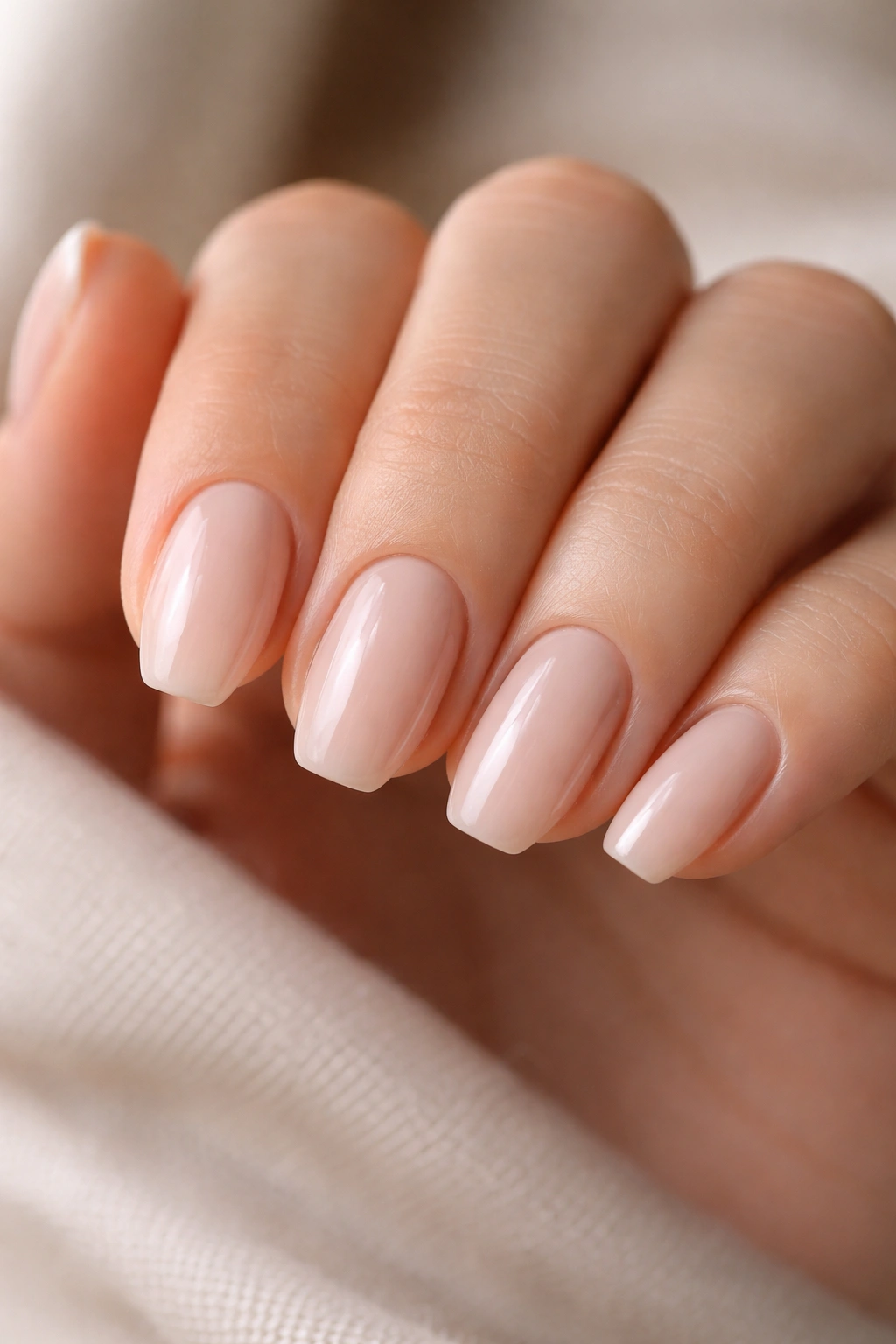
If you want the safest entry point into short ballerina nails, start here. A milky nude softens the edges of the nail plate, blurs tiny imperfections, and makes the taper read cleaner because your eye isn’t stopping at a harsh color line.
Why this one works so well on short length
The trick is opacity. You want the color to sit at about 60 to 70 percent coverage, not full beige paint. That sheer wash lets light pass through the nail a little, which keeps the shape from looking heavy. Full-coverage nude can flatten the whole look, especially on wider nail beds.
A milky nude also grows out better than almost anything else on this list. The regrowth line stays soft, and short nails show regrowth fast because the whole canvas is tiny to begin with.
Best way to wear it
- Pick a pink-beige, peach-beige, or neutral beige with a jelly or milky finish
- Use two thin coats, not one thick coat
- Keep the sidewalls clean with a detail brush dipped in acetone
- Finish with a high-gloss top coat to sharpen the tip visually
My take: if someone says ballerina nails cannot work on very short nails, this is the set I’d show them first.
2. Thin Micro French on a Soft Pink Base
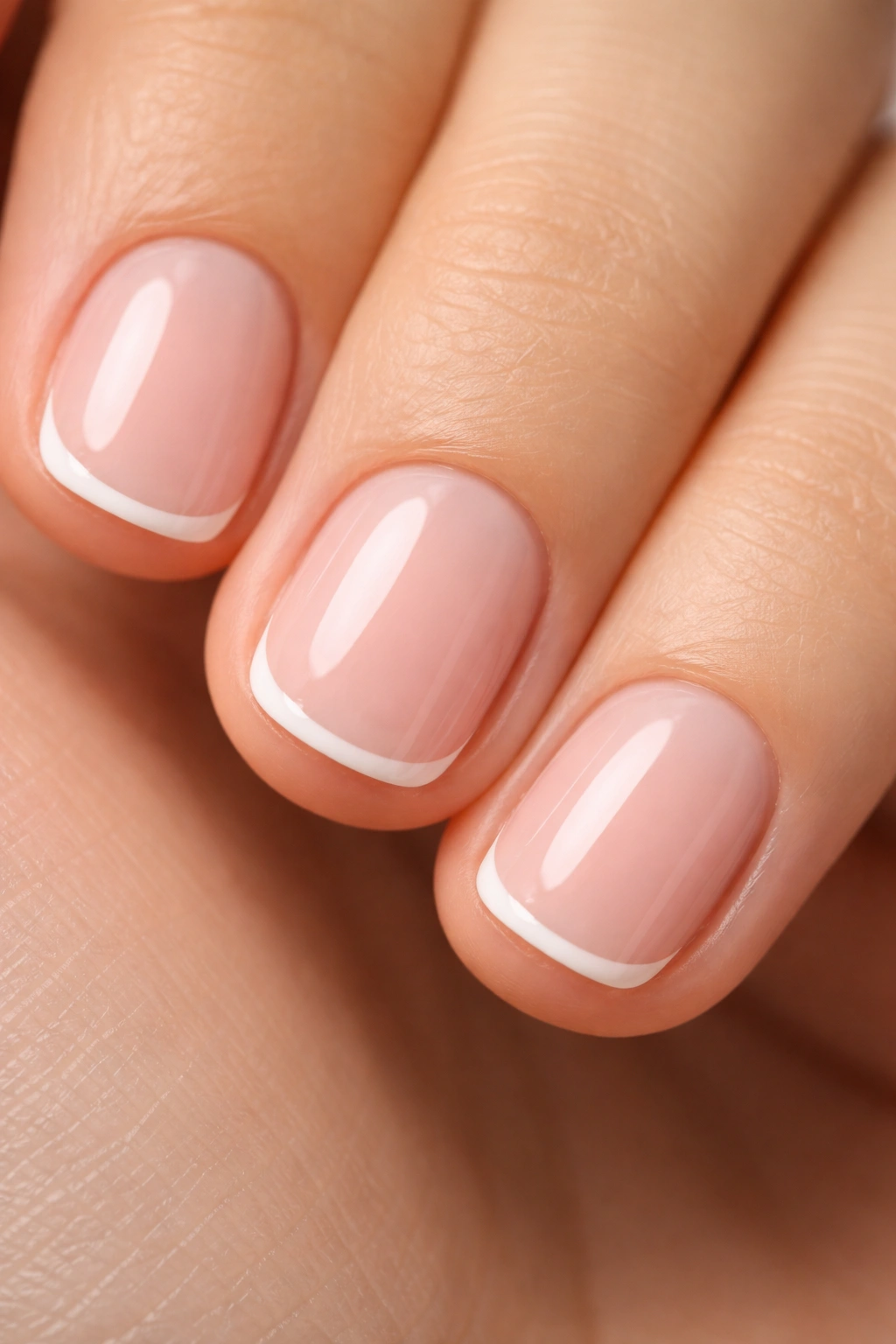
A French tip can either rescue a short ballerina or wreck it. There’s almost no middle ground.
The version that works uses a hairline tip, not the chunky white band people often picture. On a very short nail, that free-edge line should sit around 0.5 to 1 millimeter, and the smile line should rise slightly at the sides. That upward angle gives the nail a longer read. A thick straight-across French does the opposite. It chops the nail in half.
Soft pink base color matters too. A cool, sheer pink gives the white line something to sit on without turning the whole nail opaque. When the base is too chalky, the contrast gets hard and the tip looks pasted on.
This design also suits people who want a clean manicure that still looks polished at work, on short hands, with casual clothes—any setting where glitter or dark color might feel like too much. It has structure, but it doesn’t shout.
If you try this at home, paint the guide line with the brush almost flat to the nail, then refine the smile with a liner brush. Paint less than you think you need. You can always widen a French tip. Pulling it back once it goes broad is where the swearing starts.
3. Cool Taupe Matte Ballerina
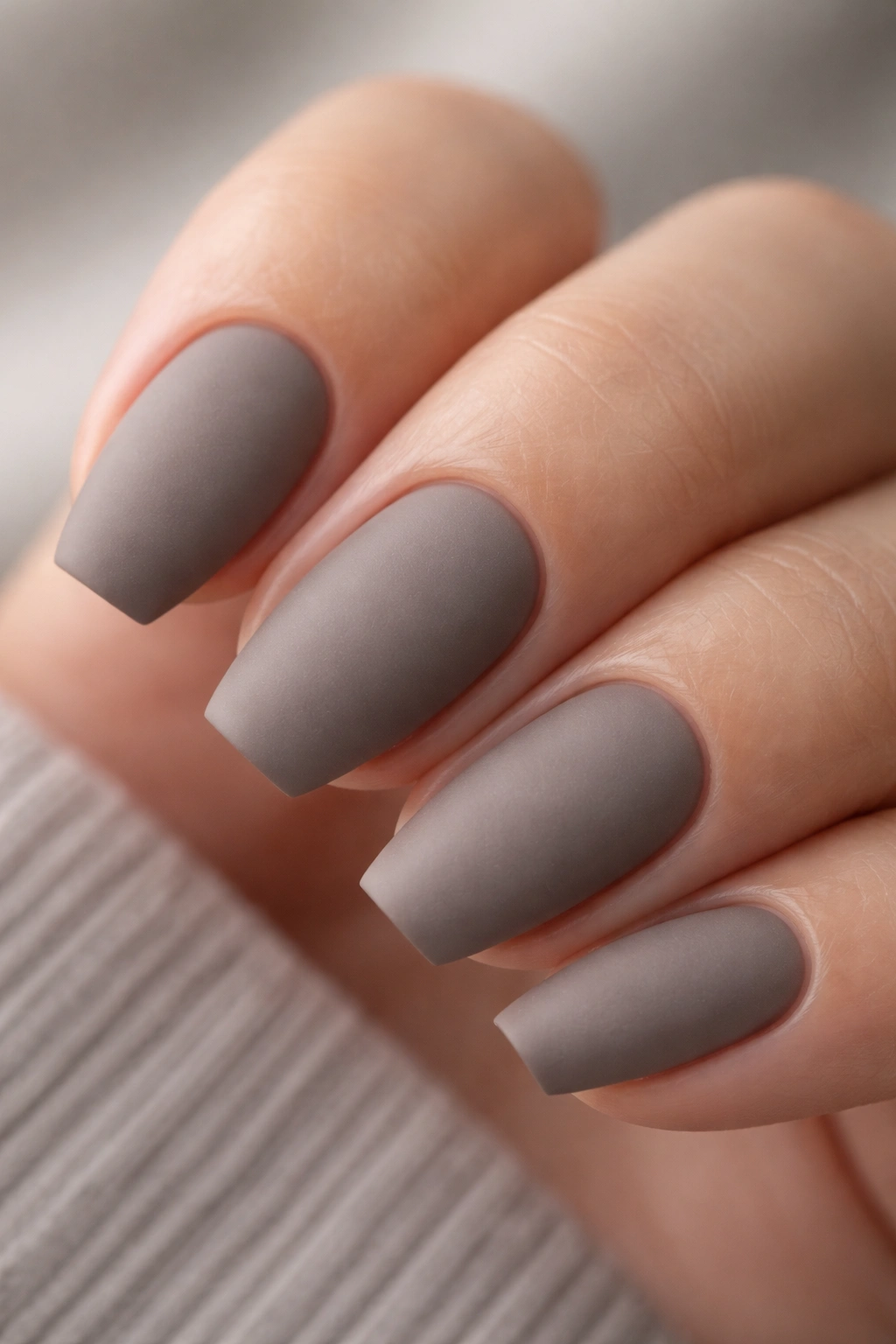
Can matte polish make a very short ballerina look longer? Yes—if the color has enough depth to keep the edges defined.
Cool taupe is one of those shades that does quiet work. It isn’t as stark as gray, it isn’t as warm as beige, and on a short tapered nail it gives the shape a clean outline without the visual weight of black or navy. The matte finish takes away glare, which means the eye notices the silhouette first.
What keeps matte taupe from looking dull
A muddy taupe can make short nails look dry and lifeless. The fix is choosing a shade with a touch of stone, mushroom, or cocoa in it, then pairing it with meticulous cuticle prep. Matte finishes show rough edges fast. Any leftover cuticle or sidewall flooding will stand out within two seconds.
I like this look best when the tip is filed a little narrower than usual—nothing drastic, just enough to sharpen the shape. Matte needs a strong outline because it doesn’t have shine doing half the visual work.
Try this if you wear neutrals all week
Use a ridge-filling base first, then two thin coats of taupe, then a matte top coat only after the color is fully dry. If you apply matte top coat over semi-wet polish, it can cloud or drag. Not glamorous, but true.
4. Cherry Jelly Short Ballerina
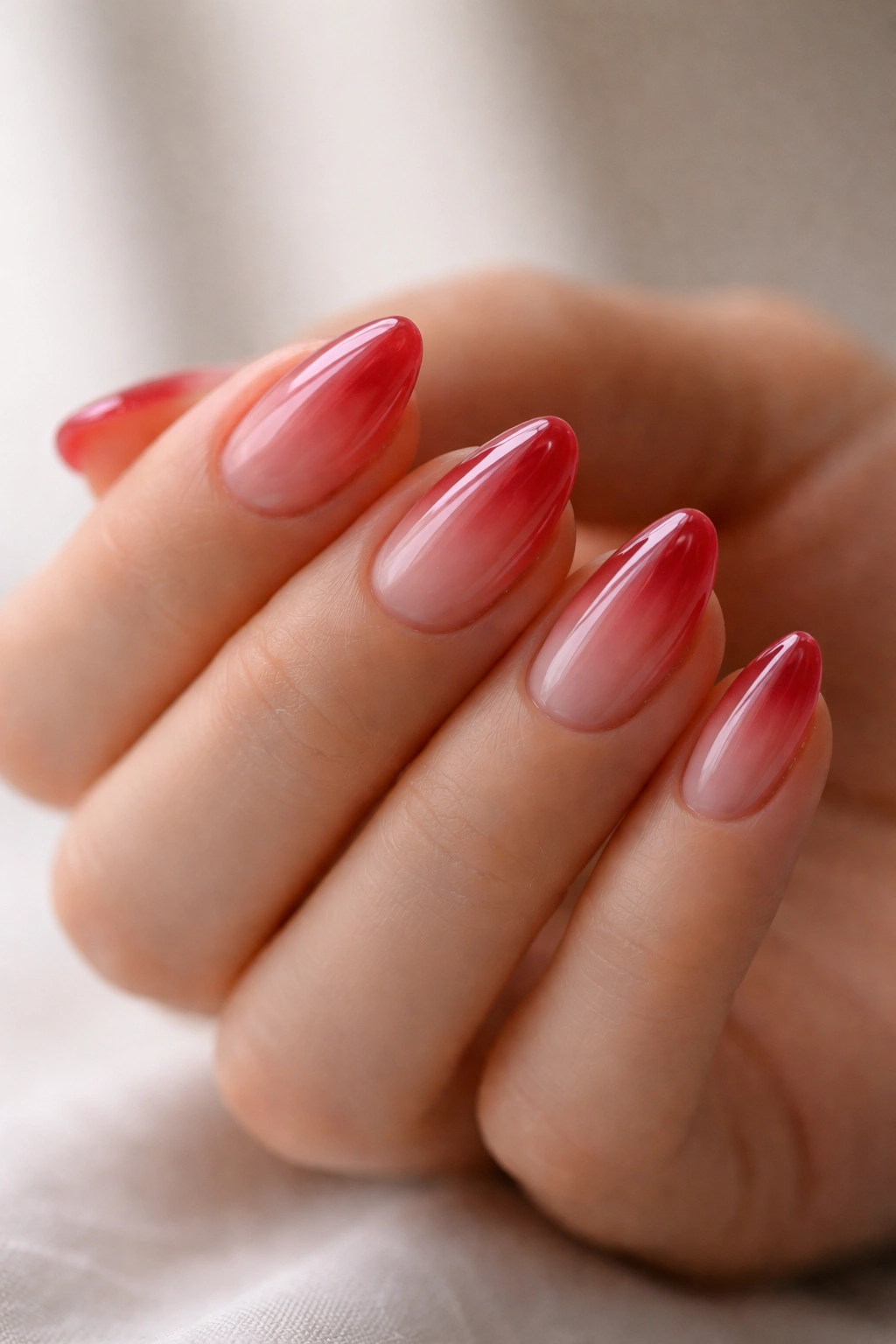
I used to think jelly shades belonged on longer nails. Then I saw a short cherry jelly set with a tiny ballerina tip, and the whole thing looked like hard candy—clean, translucent, and far lighter than opaque red ever does on short nails.
That’s the strength of this look. A cherry jelly gives color without thickness. You still get that red mood, but because you can see a little light through it, the nail doesn’t feel blocked off.
What makes jelly different from cream polish
- Two to three thin coats build depth without turning solid
- A clear or pink-tinted base keeps the red from staining the natural nail
- Cooler cherry shades look crisp; brick-red jelly can read muddy on tiny nails
- Gloss matters here more than color density
There’s also a practical upside: minor chips are less obvious in translucent red than they are in flat cream red. Short nails take hits—keyboards, seat belts, cans, all the glamorous stuff of daily life—so that forgiveness counts.
I would skip chunky glitter over this one. The whole point is that glassy, candy-shell finish.
5. Baby Boomer Ombre on a Tiny Flat Tip
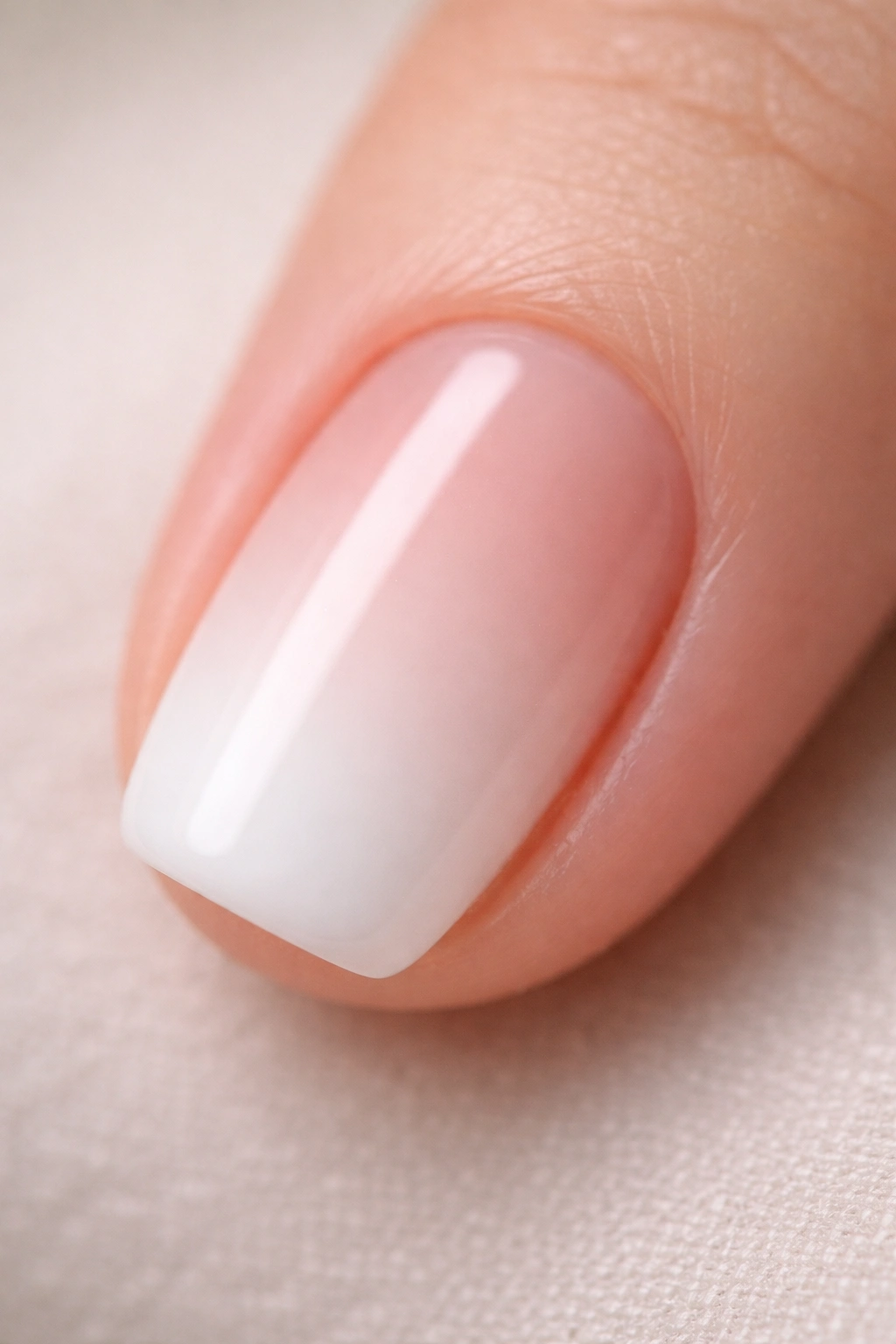
Soft ombré is one of the smartest things you can do with a short ballerina shape because it removes the sharp horizontal break between base color and tip. On a tiny nail, that horizontal break is often the thing making the nail look shorter than it is.
A baby boomer blend—sheer pink near the cuticle melting into soft white near the free edge—stretches the nail visually. The fade needs to be compressed on short nails, though. You are not working with a long runway. The blend should happen over the full nail in a tight gradient, with the white concentrated toward the last third.
This is also one of the kindest designs for regrowth. There’s no harsh cuticle line, no dark shade creeping downward, no heavy detail that shows gaps right away. If you wear your sets for two to three weeks, that matters.
Application is fussier than it looks. A sponge can work, but a small ombré brush or airbrush finish tends to give a softer transition. And the white should be milky, not bright correction-fluid white. Bright white swallows short nails whole.
When this design is done badly, it turns chalky and thick. When it’s done well, the nail looks longer than it is, and the shape reads from across the room.
6. Espresso Half-Moon Ballerina
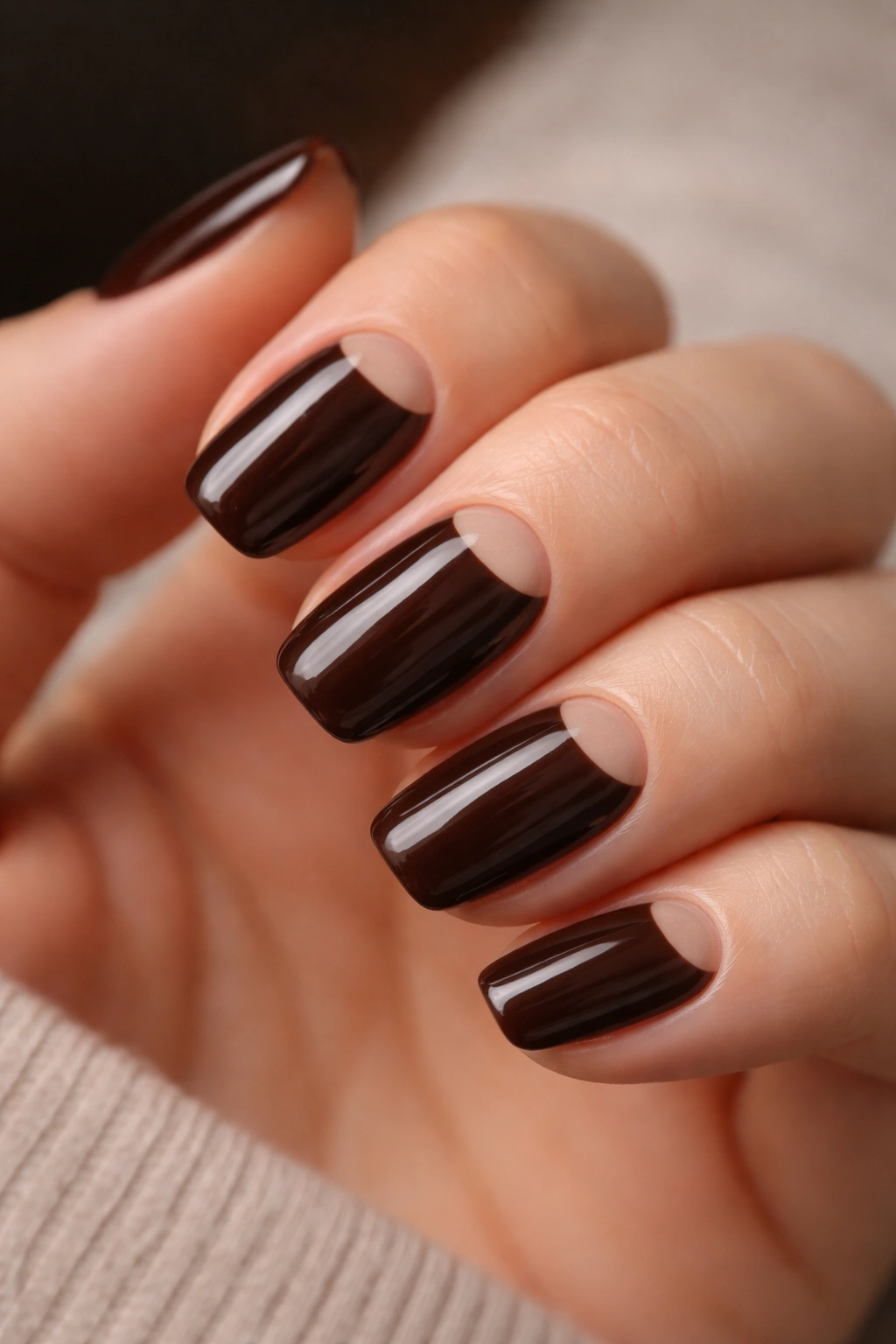
Unlike a full dark manicure, a half-moon design gives you depth without coating every millimeter of nail in color. That’s why it works so well on very short ballerina nails.
The version I like uses an espresso or bitter-chocolate shade with a small naked or sheer crescent near the cuticle. That cuticle space keeps the base of the nail light, while the dark body color pulls the eye forward toward the flat tip. The effect is graphic, a little vintage, and much sharper than plain brown polish.
Who benefits most from this one? People with short, broad nail beds. Full dark polish can make broad nails look wider. The half-moon breaks that width up.
A few technical notes matter:
- Keep the moon shape thin—about 1 to 2 millimeters
- Use a curved detail brush rather than relying on the bottle brush
- Choose warm espresso, not flat black-brown, if your skin pulls golden
- Gloss top coat works better than matte here because it keeps the dark area clean-edged
I would not do this on all ten nails if you dislike visible grow-out. Negative-space cuticle designs show the shift sooner than milky shades do. Still, for a short ballerina that feels intentional and a touch dressier, this one earns its place.
7. Soft Black Patent Ballerina
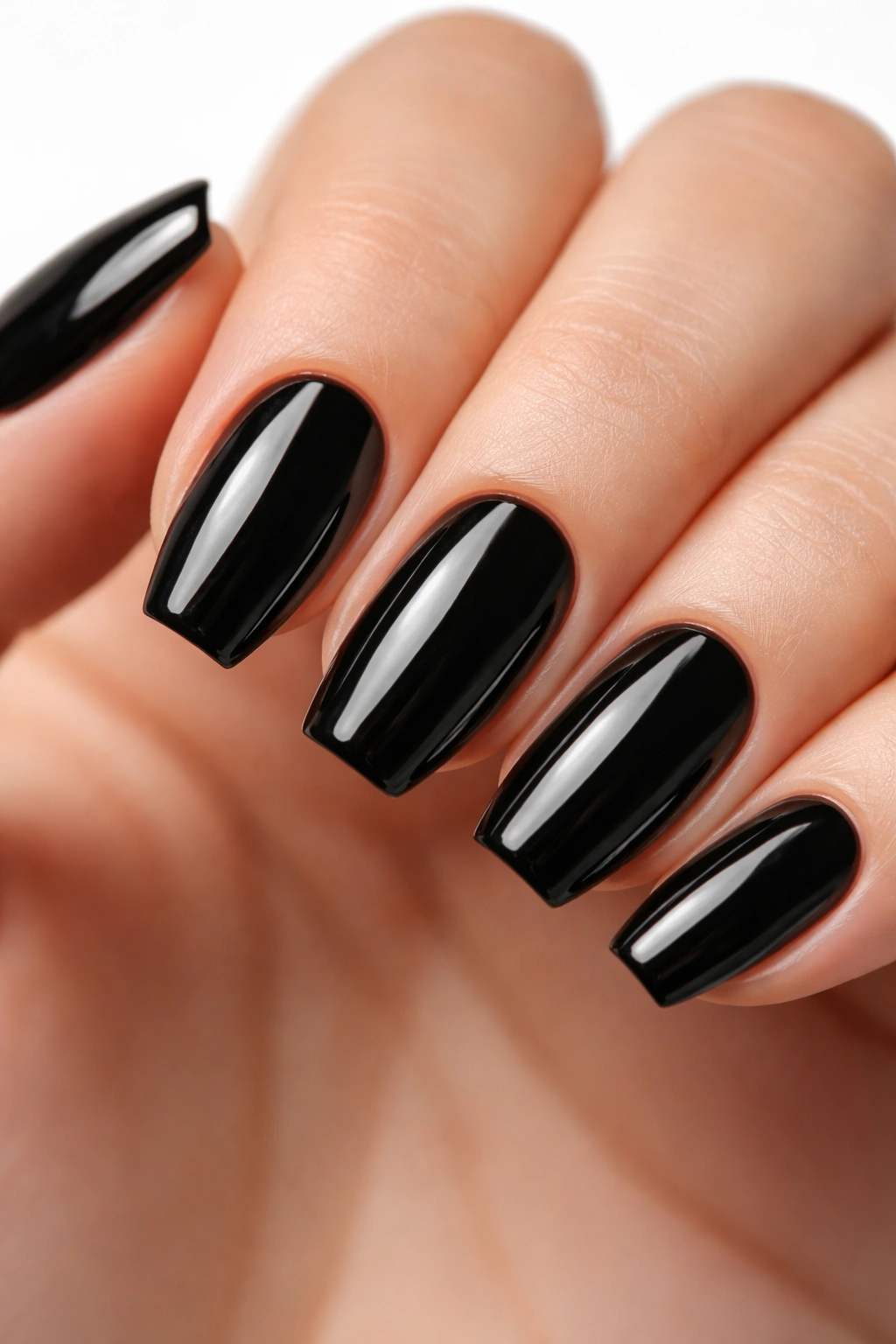
Black on short nails gets dismissed far too quickly. The issue isn’t the color. The issue is thickness.
A short ballerina in glossy black looks polished when the shape is thin from the side, the cuticle line is sharp, and the tip is crisp enough to show that tiny coffin outline. If the overlay is bulky, black will expose it in seconds. No mercy.
Where black earns its keep
Black gives the strongest silhouette on this list. You can spot the taper from arm’s length away, which is not true of every nude or pastel. That makes it useful when your nail beds are short and you want the shape itself—not the art—to be the main event.
What to watch for
- Use two thin coats, not one thick flood
- Cap the free edge lightly so the flat tip stays neat
- Clean around the cuticle before curing; black floods are impossible to ignore
- Pick a glass-gloss top coat rather than a soft shine
And yes, chips show sooner in black. That’s the tradeoff. I still like it because it makes short ballerina nails look deliberate instead of apologetic.
8. Pearl Glaze Over Milky Beige
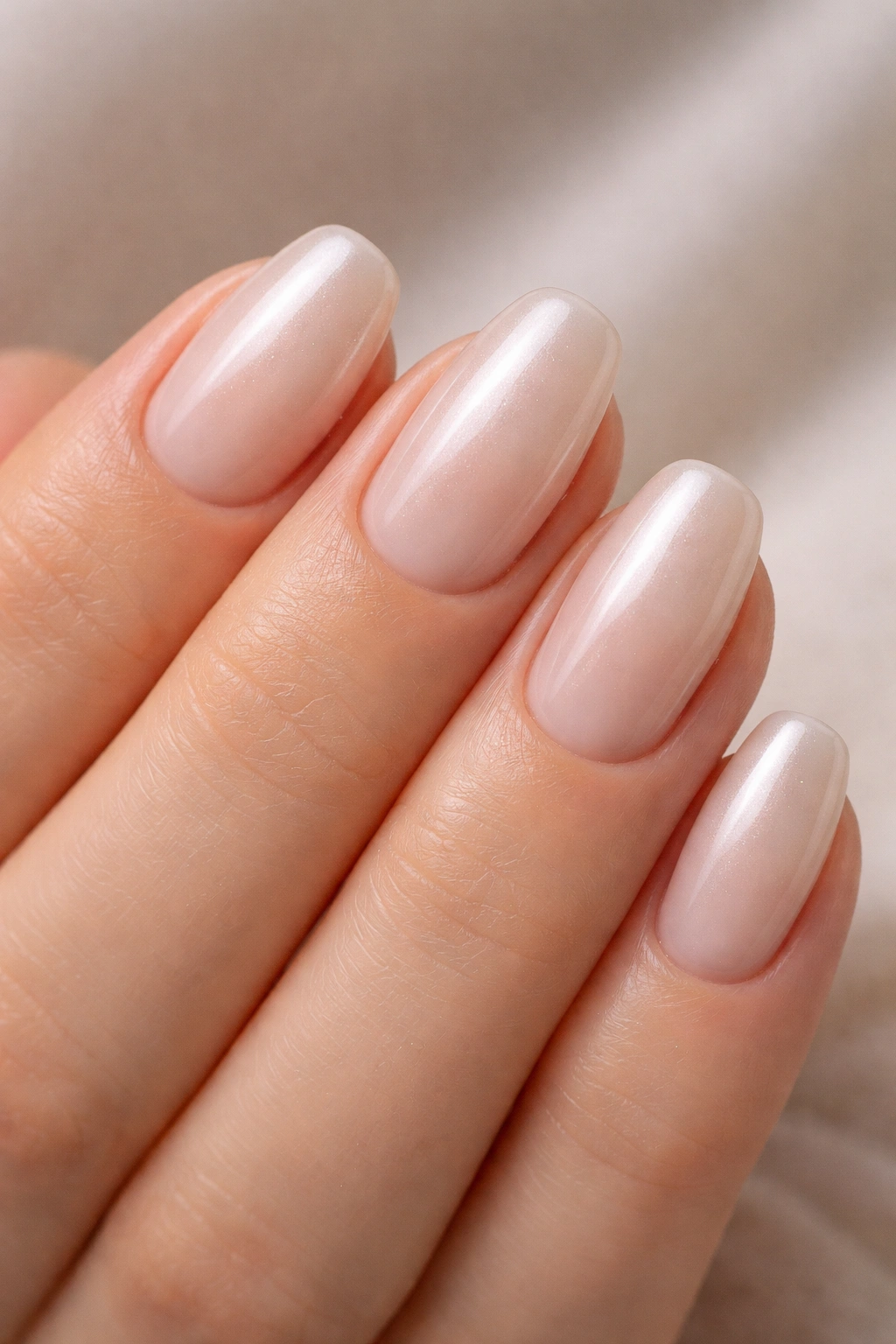
Two thin coats of milky beige and a fine pearl chrome rub can do more for a short ballerina than a whole bag of nail charms. The sheen skims across the nail and highlights the flat edge without adding bulk.
This style works because the chrome is soft-focus, not mirror-bright. You want pearl, glazed donut, opal milk—something in that family. Harsh silver chrome can make tiny nails look like metal tabs. A gentle glaze keeps the look fluid.
I also like how this finish changes through the day. Under cool indoor light it looks creamy. Near a window, the pearl catches and you get a little flash on the tip and sidewall. Not loud. Just enough movement to keep a neutral manicure from going dull.
Application matters more than people think. The chrome powder should be rubbed over a no-wipe top coat that has cured fully but not overcured into a rough surface. Then it needs a second top coat sealed tightly around the edge. Skip that final seal and the pearl can wear thin at the tips fast, especially on short nails that get used hard.
If you want a quiet manicure with a bit of lift, this one does the job with less maintenance than gems, decals, or raised art.
9. Rose Quartz Sheer Marble
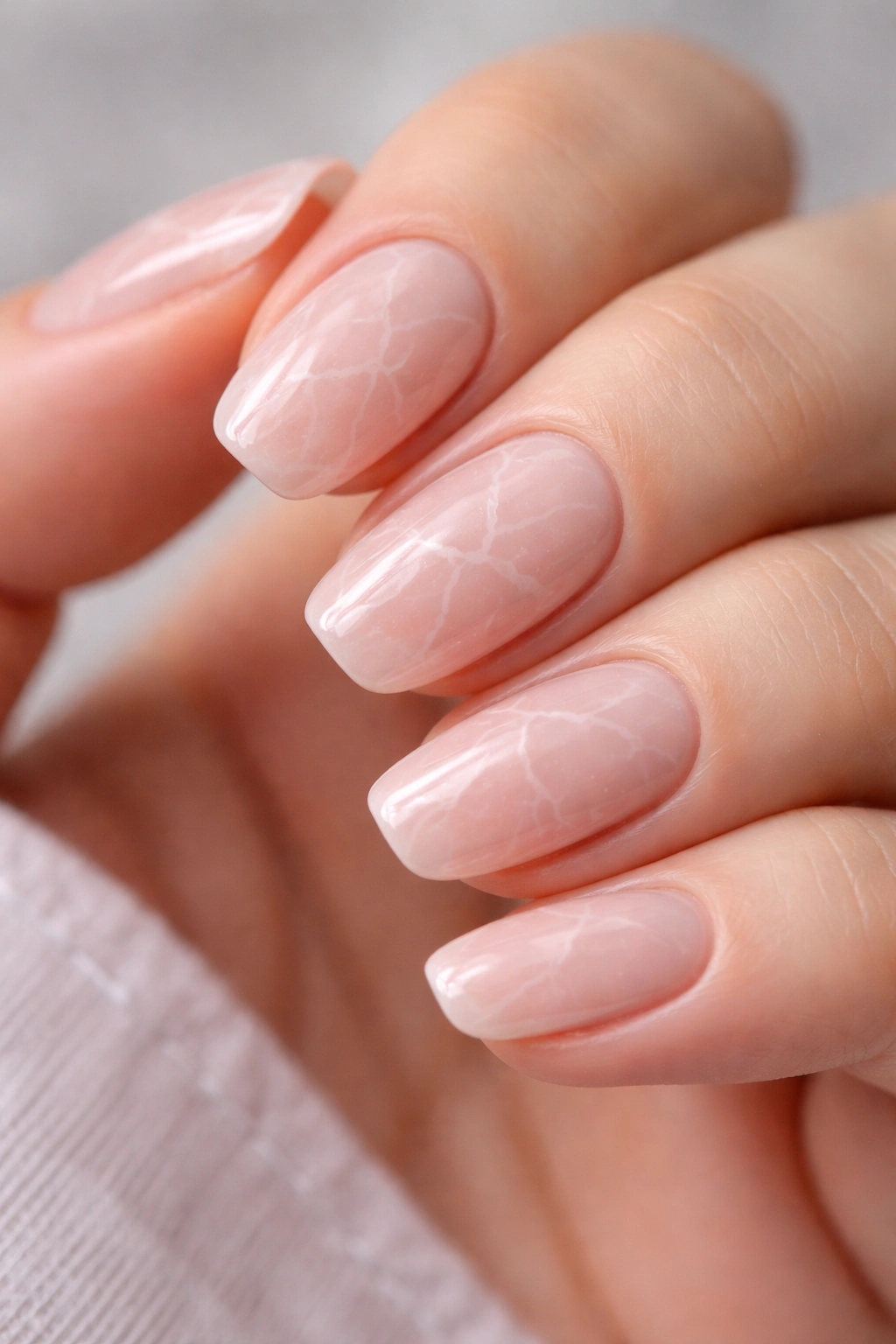
There’s a reason rose quartz nail art keeps sticking around: on a small nail, it gives you pattern without chaos. A sheer pink base, a few fine white veining lines, and one whisper of metallic detail can make a short ballerina feel finished without crowding the shape.
Why the pattern works on a tiny canvas
The marble effect is soft and broken, so your eye doesn’t lock onto one hard stripe or block of color. That softness flatters short nails. Strong geometric art can cut them up. Rose quartz floats.
You do need restraint. Two or three faint white veins per nail is enough. More than that, and the manicure starts looking cloudy instead of stone-like.
How to place the veining
Drag a thin white line with a detail brush, then blur parts of it before it cures so the line fades in and out. Add foil or metallic ink to one or two nails, not every finger. The accent should feel accidental, like a seam in stone.
I’d keep this design glossy. Matte marble can look dusty on short nails unless the execution is near flawless, and near flawless is not what most of us are pulling off on a Tuesday night.
10. Vertical Chrome Stripe Down the Center
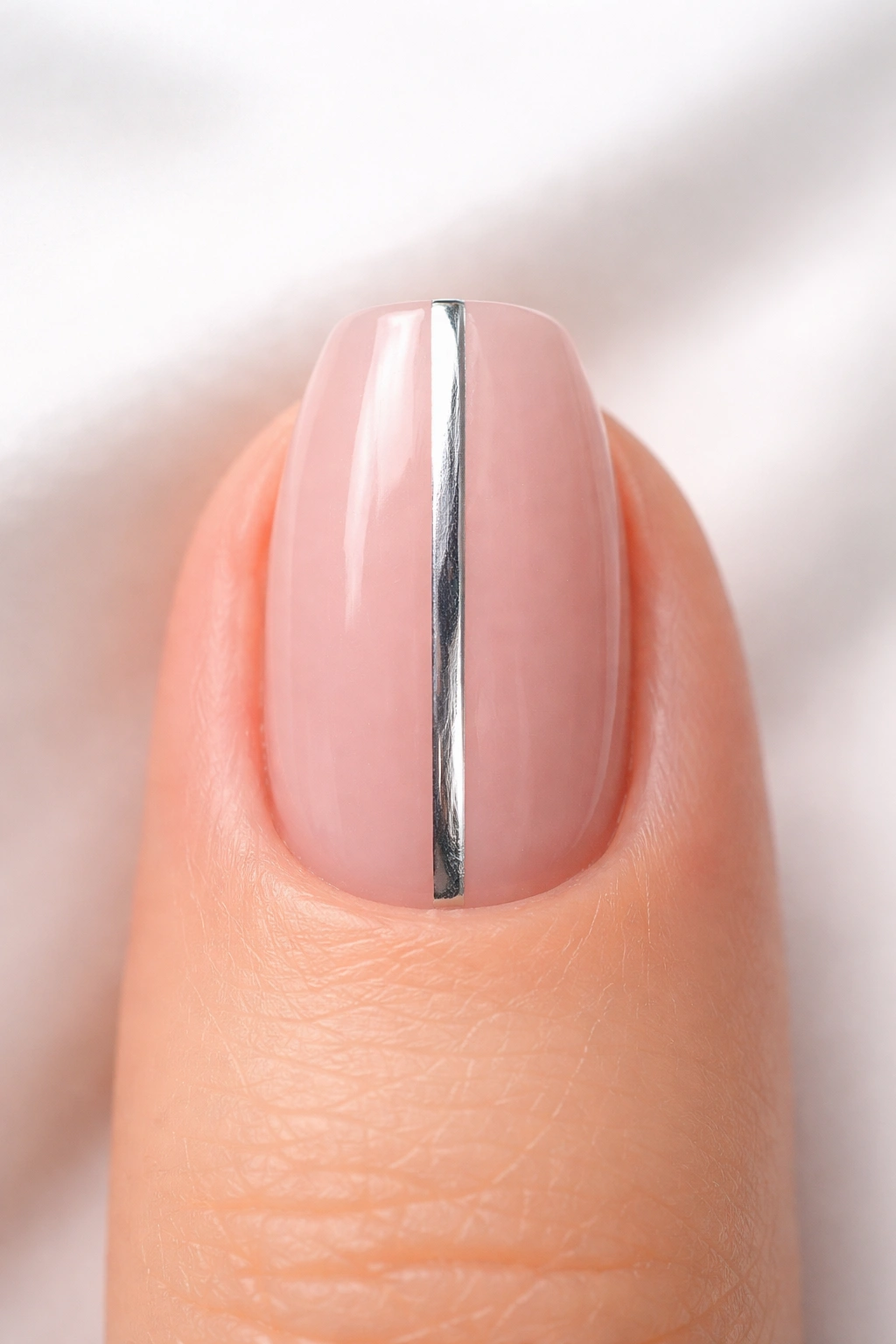
A narrow vertical line down the center of a short nail sounds almost too basic to mention. It isn’t. Done right, it’s one of the cleanest visual tricks in the whole short-nail playbook.
That stripe gives the eye a path. Instead of reading the width of the nail first, your eye travels from cuticle to tip. On a micro ballerina, that movement helps the shape feel longer and more tailored.
Quick design specs
- Base color: sheer pink, nude, taupe, or black
- Stripe width: about 1 millimeter
- Placement: dead center or slightly off-center
- Finish: chrome paint gel, striping tape, or metallic gel liner
You can leave the rest of the nail bare-ish or fully painted. Both work. What matters is control. A wobbly stripe ruins the effect. I’d rather see one accent nail with a ruler-straight line than ten nails with shaky ones.
This is also a strong option if you want something graphic but hate bulky art. No stones. No raised gel. No texture catching in your hair. Just one line doing a lot of visual work.
11. Side-Swoop French Ballerina
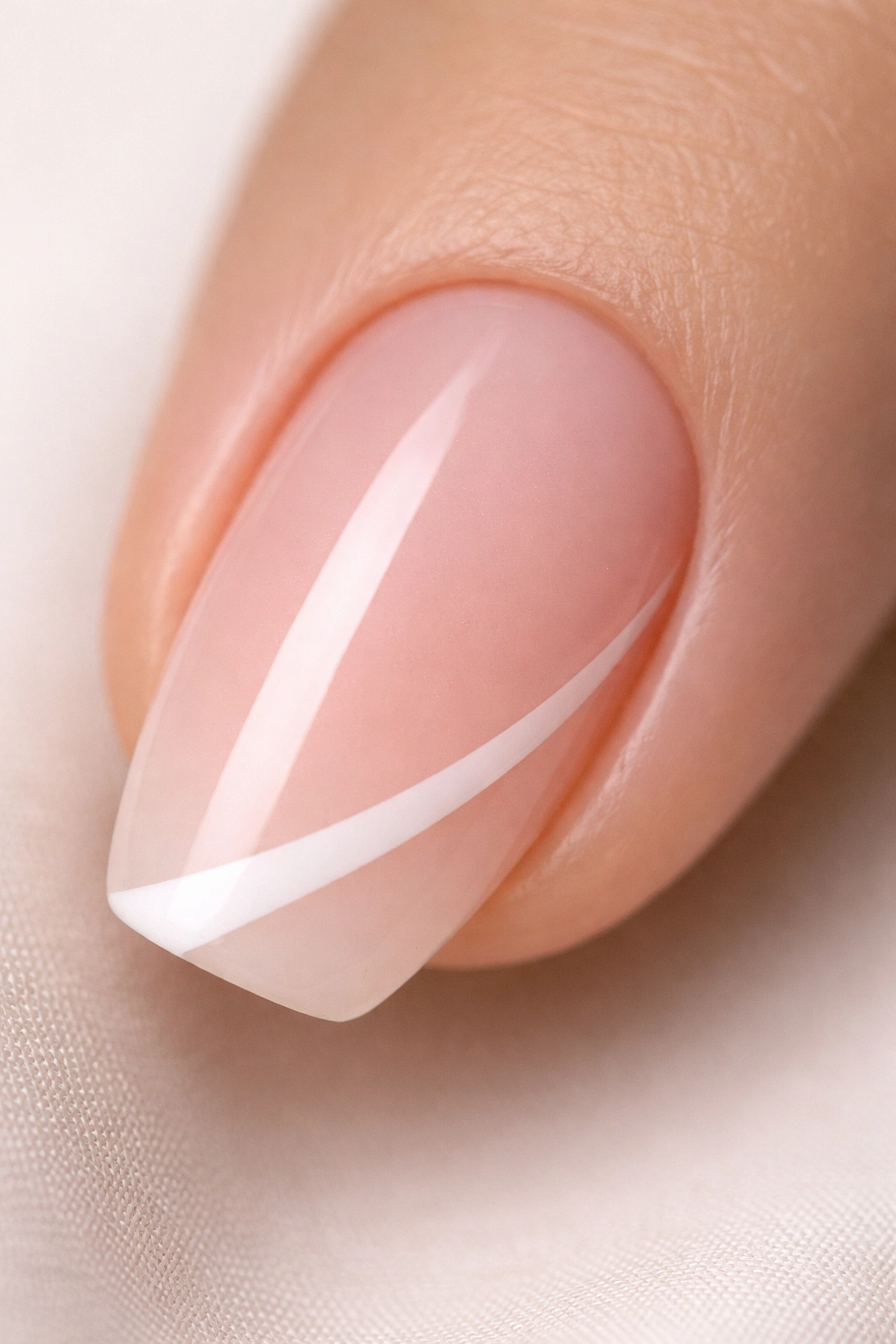
When a straight French tip makes your short nails look squat, angle the line. A side-swoop French starts near one sidewall and arcs diagonally across the tip, which breaks the width and gives the nail a more directional shape.
I love this design on very short ballerina nails because it leans into the taper instead of fighting it. A straight French demands length. A diagonal French creates movement, which is often more useful on short nails than length illusion alone.
You can keep it soft with white over pink, or make it sharper with espresso, navy, or silver over a milky base. What matters is the slope. Too flat, and you’re back to square one. Too steep, and the nail can start looking lopsided.
The line should also be thin. That keeps coming up because it matters. Short nails do not have room for thick decorative bands, and once you accept that, design choices get easier.
This one is also kinder to minor shape differences between nails. If your ring fingers grow a little wider than your index fingers—common, annoying, normal—the angled line disguises that mismatch better than a standard French does.
12. Dusty Lilac Cream on a Short Taper
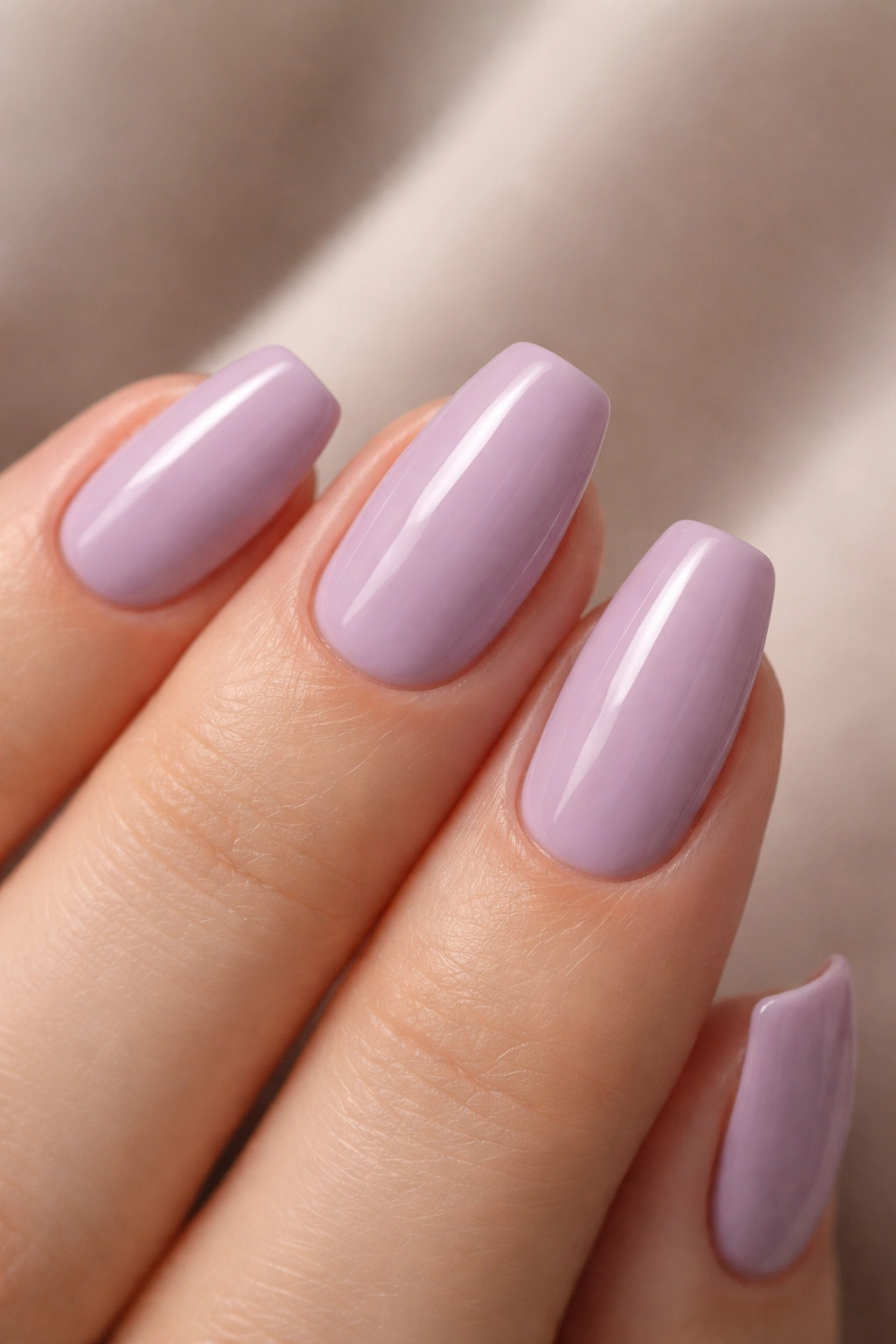
Pastel can work on very short ballerina nails, but the sugary versions rarely do. Dusty lilac is the fix.
A muted lilac with a gray or mauve undertone gives you color while keeping the shape crisp. Baby purple often turns chalky on short nails and can make the free edge look thick. Dusty lilac has enough body to define the nail without making it look toy-like.
I like this look best in a cream finish with a high-gloss top coat. No shimmer, no glitter, no extra detail. The color itself does the talking. That restraint is what keeps it chic rather than cute in a way that can read younger than you intended.
There’s also something unexpectedly good about lilac on a ballerina shape. The softness of the color offsets the sharper outline of the tip. That contrast gives the manicure personality even when the design is minimal.
If your hands run red or you deal with visible knuckles, choose a lilac that leans a touch blue-gray instead of pink-purple. Small color shifts matter on short nails because the nail sits so close to the skin tone surrounding it.
13. Tortoiseshell Accent Pair on a Neutral Base
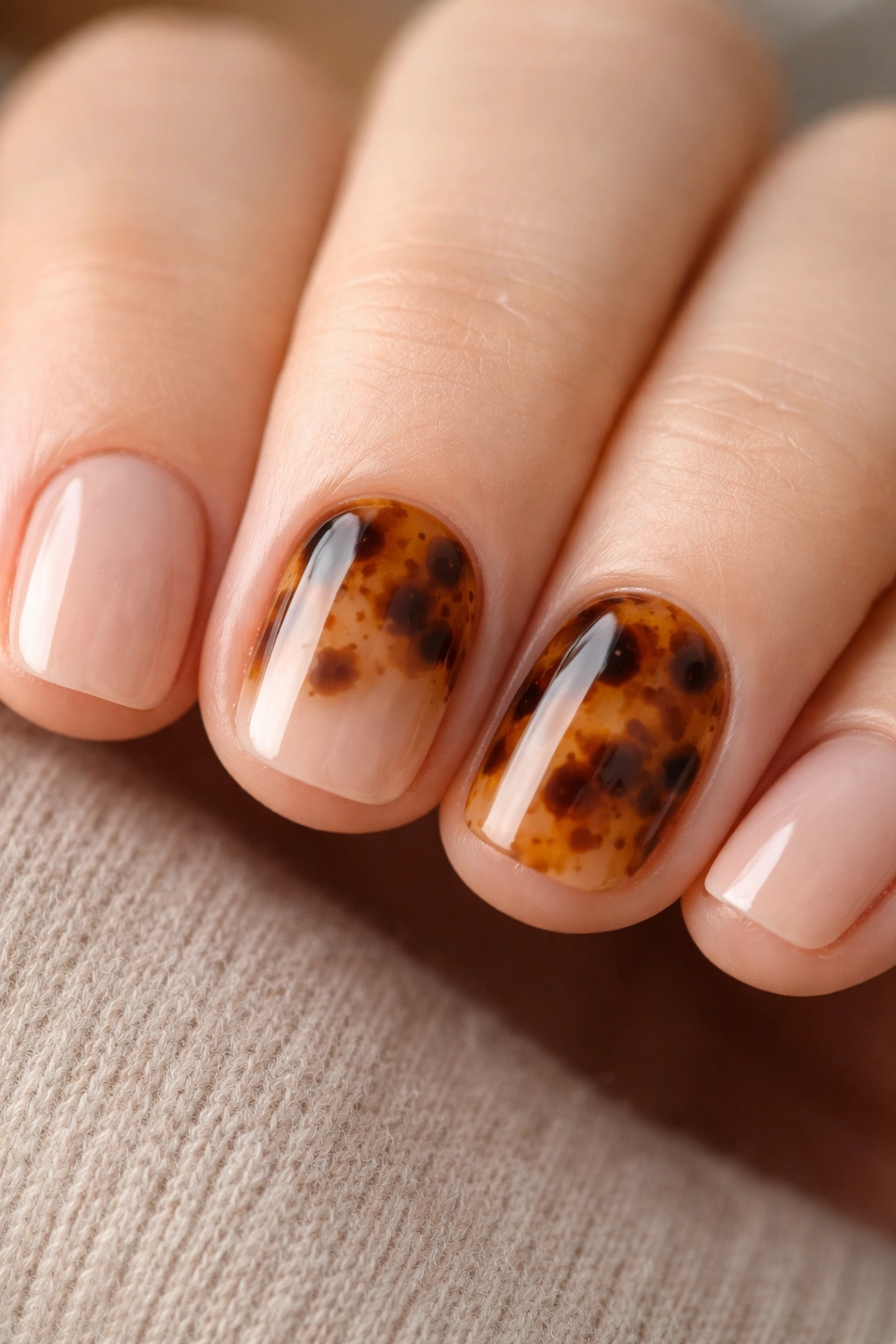
Does tortoiseshell get too busy on very short nails? On all ten nails, yes, often. On two accent nails with a neutral base on the rest, it can look spot-on.
The reason is scale. Tortoiseshell needs space for amber, brown, and smoke to layer into each other. Tiny nails don’t give you much. Restricting the pattern to the ring finger and thumb—or ring finger and middle finger if you prefer symmetry—keeps the effect readable.
Placement plan that works
- Use a sheer caramel or nude on the non-accent nails
- Build tortoiseshell in translucent layers on 2 nails per hand at most
- Keep the spots irregular and soft-edged
- Seal with a thick enough top coat to smooth the pattern, but not so thick that the short tip gets bulky
This is one of those designs that looks expensive when it’s done with patience and cheap when the blobs are too dark or too uniform. Tortoiseshell should have depth, not polka dots.
I also think it pairs well with gold jewelry in a way that plain brown polish doesn’t always manage. Small note, but it changes the whole feel.
14. Fine Glitter Fade From the Tip
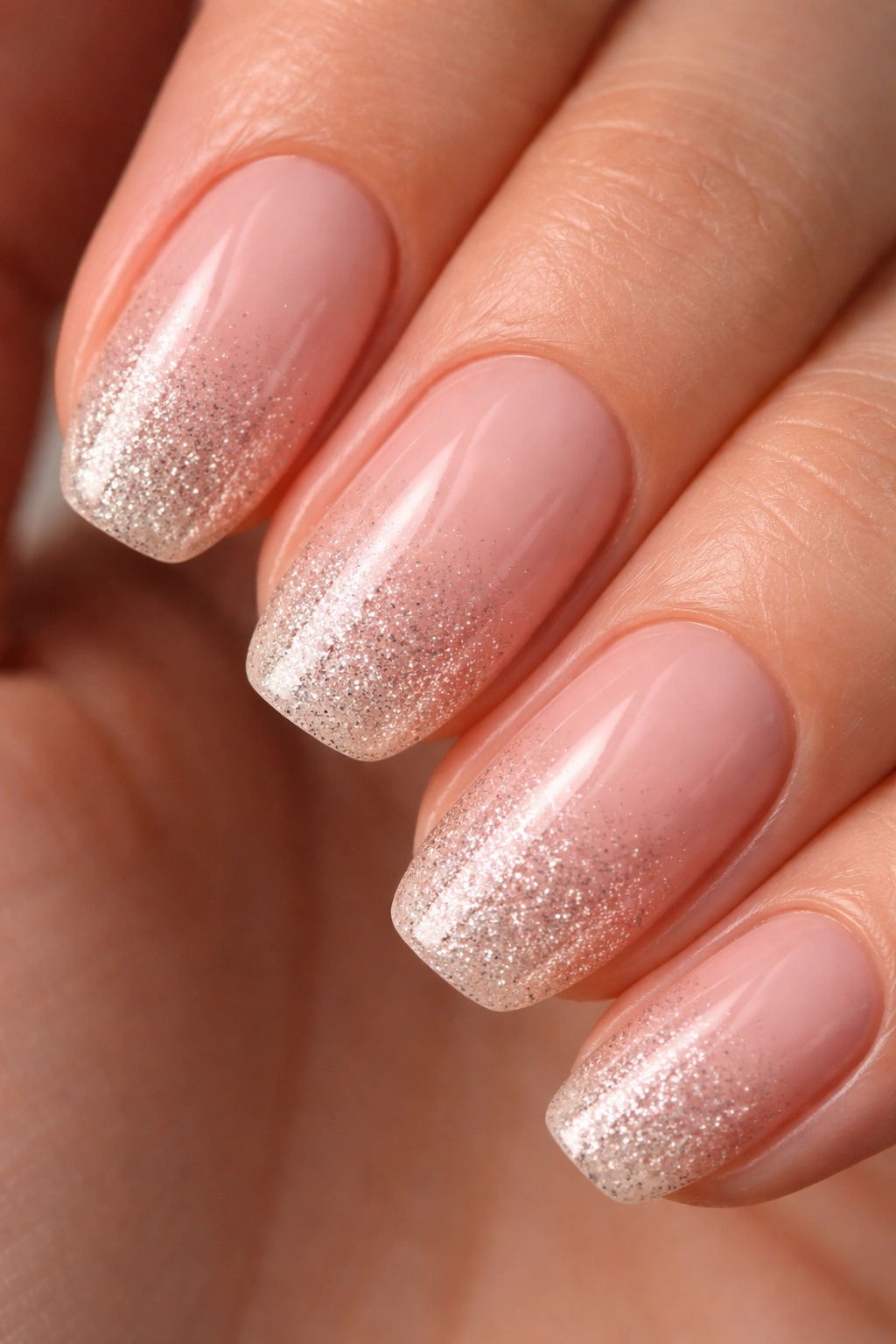
Under indoor light, a fine glitter fade can look like frost on glass rather than chunky sparkle. That’s why it works on short ballerina nails while heavy glitter often does not.
You want micro-shimmer or finely milled glitter concentrated at the tip and fading downward by the middle of the nail. The base can be sheer pink, nude, mauve, or even soft gray. The fade should stay light enough that the flat tip still reads.
A chunky glitter pack ruins this quickly. Large hex pieces eat visual space, and short nails do not have spare space to give. Fine shimmer, though, gives motion without clutter. Champagne glitter feels softer. Silver looks cleaner. Rose-gold can be nice, though it needs the right base color or it starts looking too warm.
This design also holds up well between appointments because tip wear blends into the sparkle. Not invisible, no manicure is, but easier to live with than a hard chrome edge or dark solid color.
If you want one upgrade, pair the glitter fade with one solid accent nail in a coordinating cream shade. That little contrast keeps the set from drifting into party territory.
15. Barely-There Peach Builder Ballerina
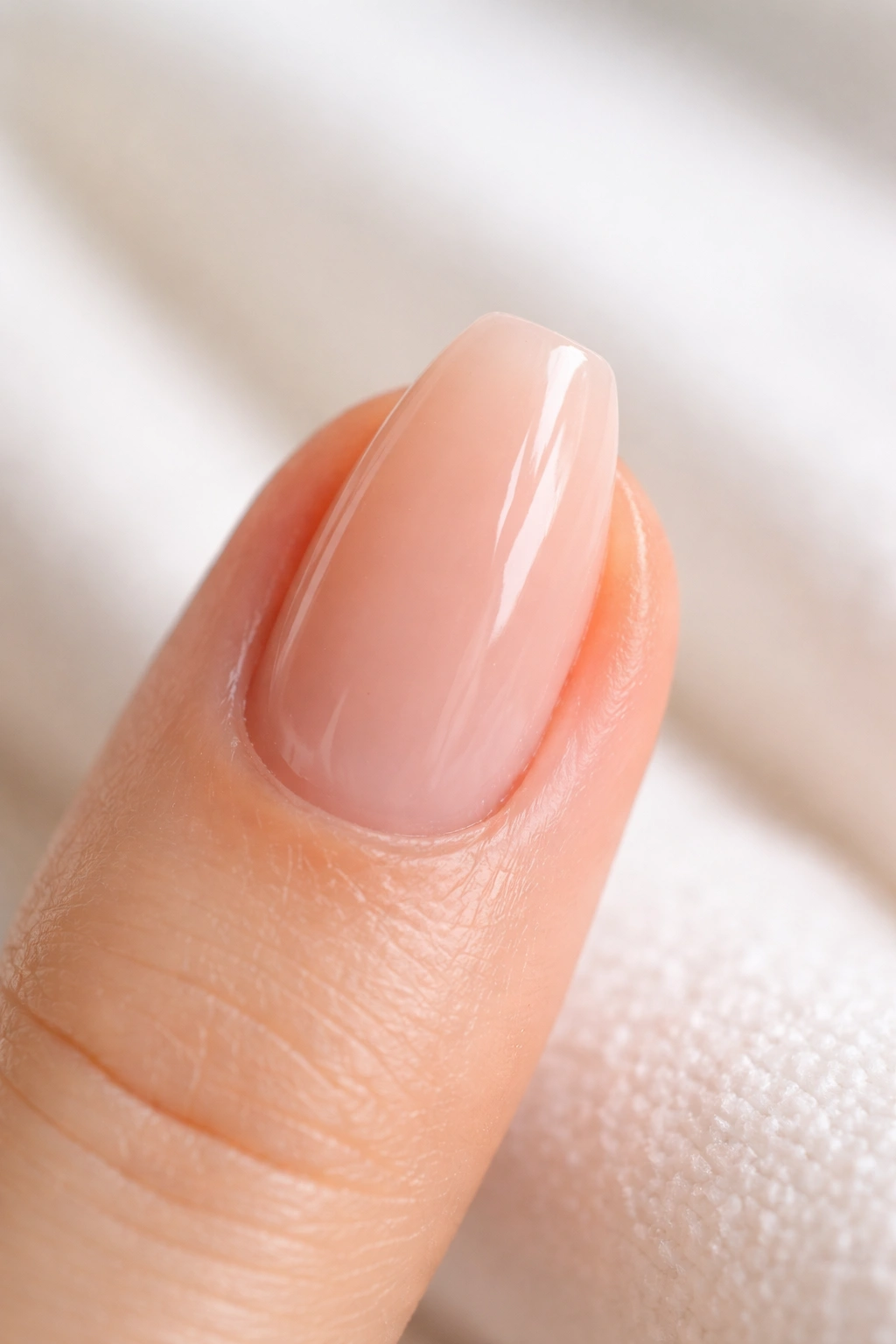
If low-maintenance is your main goal, this is the one I keep circling back to. A sheer peach builder base shaped into a short ballerina, sealed glossy, and left alone can look clean for weeks with almost no visual fatigue.
The peach tone does something beige doesn’t always manage: it brings warmth to the nail without making the plate look flat. On short nails, that warmth can make the hands look more awake, especially if your skin leans olive, tan, or golden.
How to wear it for the longest stretch
Keep the overlay thin at the free edge and ask for a soft peach with jelly coverage, not opaque salmon. Opaque peach can read heavy fast. Finish with cuticle oil twice a day so the clean nude look stays intentional instead of dry.
This is also the best base if you like to change your mind. Add a chrome powder one week, a micro French the next fill, or leave it bare. The shape carries the manicure.
Short ballerina nails do not always need art. Sometimes the filing, the tone, and the shine are enough.
Tiny Design Rules That Make These Looks Hold Up Better
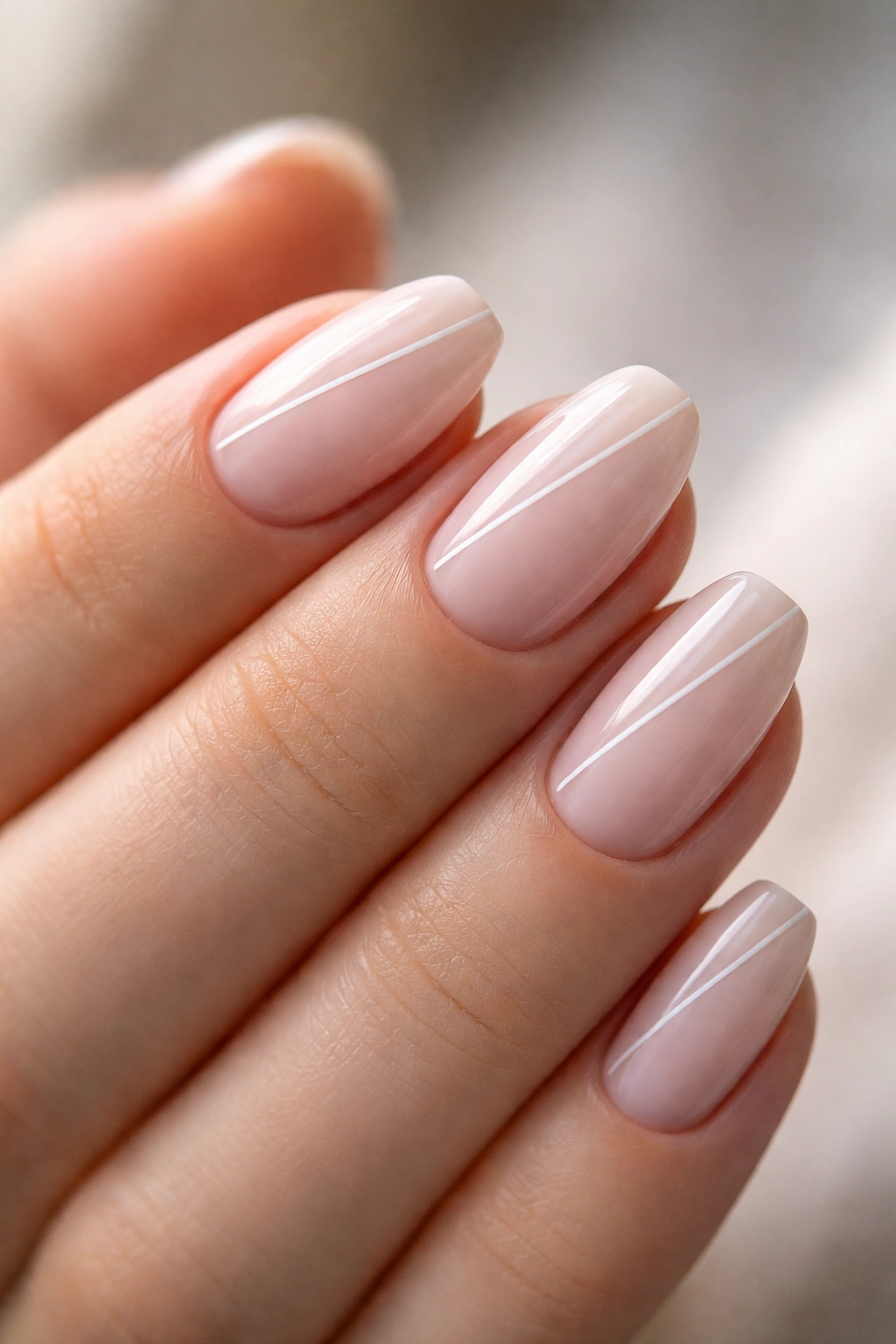
Some short ballerina sets look sharp on day one and tired by day four. Usually that comes down to scale and maintenance, not bad taste.
Here’s what keeps these designs looking crisp longer:
Keep detail work finer than you think
On short nails, thin lines look intentional. Thick lines look crowded. If a stripe or French tip seems a little too narrow before top coat, it’s often exactly right once everything is sealed.
Don’t stack too many effects
Choose one lead idea: jelly, chrome, marble, glitter, tortoiseshell. Two can work if one stays quiet. Three is where tiny nails start to feel busy.
Re-oil the cuticles
A short nude or sheer manicure can look tired faster from dry skin than from actual wear. Cuticle oil once in the morning and once before bed makes more difference than people want to admit.
And if one sidewall chips? File the tip back into shape before you do anything else. On a micro ballerina, shape drift shows before color damage does.
Final Notes
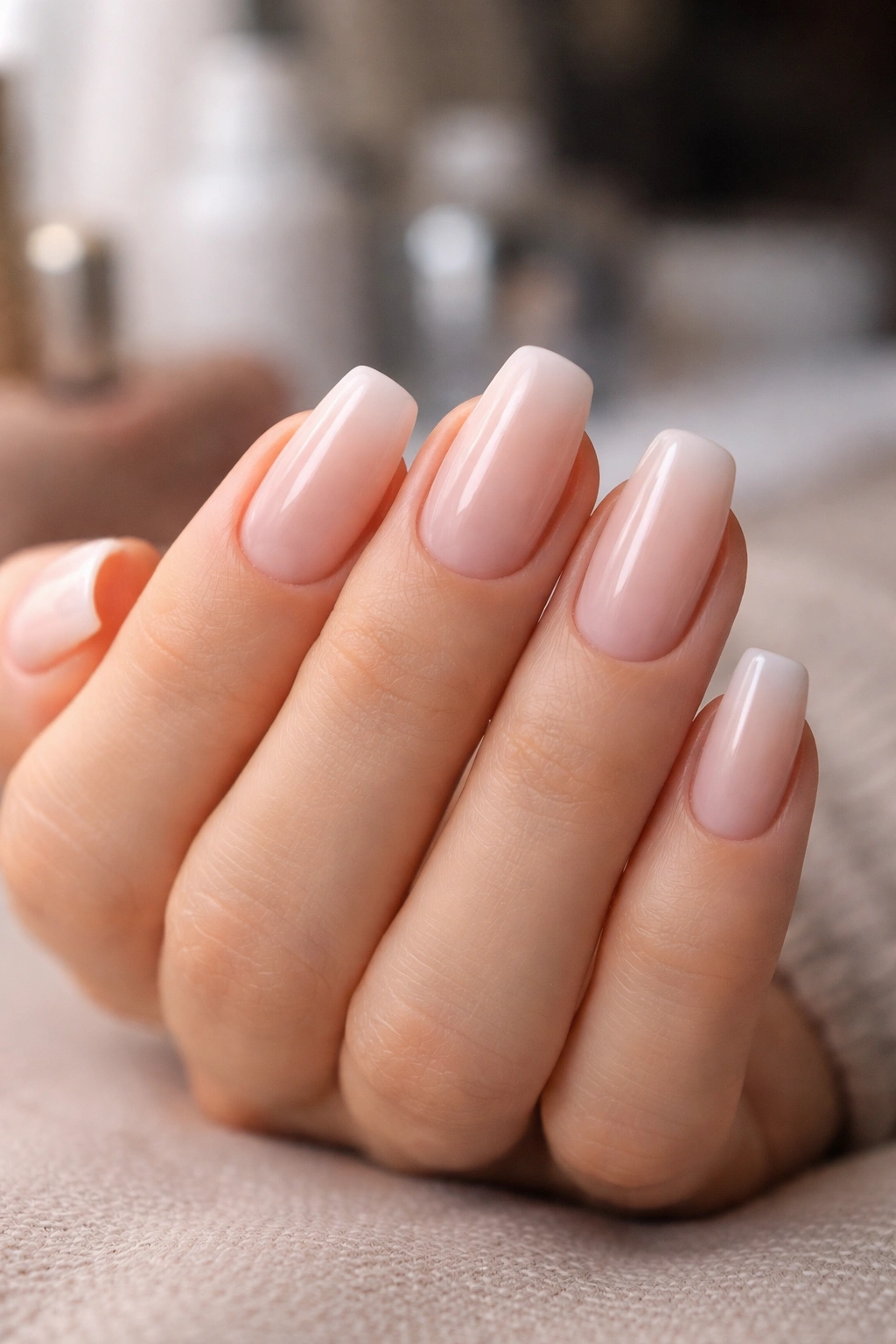
Short ballerina nails live or die on proportion. Keep the taper light, the tip flat and small, and the design scaled to the nail instead of scaled to a photo of a much longer set.
If you’re choosing from the list, the safest bets are milky nude, baby boomer ombré, pearl glaze, and sheer peach builder. If you want more attitude, go for soft black patent, cherry jelly, or the center chrome stripe. Those give the shape a louder outline without asking for extra length.
One last practical tip: when you save reference photos, pick images where the hand is relaxed and facing forward. Curled fingers and extreme close-ups can hide bulk, hide bad sidewalls, and make any shape look better than it does in real life. A short ballerina done cleanly doesn’t need tricks.