


Duck nails have taken over the nail world, and honestly, if you’ve been holding back because you have short nails, it’s time to reconsider. The beauty of white duck nails is that they’re not just a trend—they’re a statement that works beautifully on shorter nail lengths. While longer nails might give you more dramatic webbed definition, short duck nails offer something special: they’re edgy without being over-the-top, sophisticated without being boring, and most importantly, they’re actually practical for real life. White, in particular, gives duck nails a clean, modern, almost architectural quality that’s both professional enough for the office and fun enough for the weekend.
Short nails paired with duck nail design create an unexpectedly chic look. The webbed, widened nail tip becomes the focal point of your fingers, drawing attention in a way that longer nails sometimes can’t achieve. You get all the trendy appeal of duck nails without the maintenance headaches or accidental breakage that comes with length. Plus, white duck nails on short nails feel more accessible—they read as intentional and curated rather than trying too hard.
Whether you’re into minimalist elegance, glittery glamour, or artistic embellishment, white duck nails offer endless possibilities. The key is finding a design that feels true to your style while working with the constraints of shorter nail beds. Let’s explore ten stunning white duck nail designs that prove short nails can absolutely rock this look.
1. Classic Pure White Duck Nails
This is the purest form of the trend, and it’s surprisingly striking on short nails. A crisp, opaque white in a traditional duck nail shape—widened at the tip with that signature webbed appearance—creates clean lines that actually look sharper and more defined on a shorter nail bed. There’s no distraction, just pure white against your skin tone.
Why This Design Stands Out
The minimalist approach gives this look a modern, almost architectural quality. On short nails, the proportions feel balanced because the webbing isn’t stretched thin over extra length. You get that bold, trendy silhouette without any risk of it looking overwhelming or impractical. This is the kind of manicure that works whether you’re presenting at a meeting or meeting friends for dinner.
How to Get It Right
- Choose a one-coat opaque white formula that covers completely without streaking—cheaper polishes often require three coats, which can look chalky
- The shape is everything: use a fine nail file to create the gentle curve from your natural nail width to the widened tip
- Keep edges crisp and clean; any fuzzy edges will make short duck nails look unfinished
- High-gloss finish adds sophistication; matte finish adds edge
Pro tip: Apply a glossy top coat that’s specifically formulated to be sticky-free—some top coats leave a tacky layer that collects dust throughout the day.
2. White Duck with Subtle Sparkle
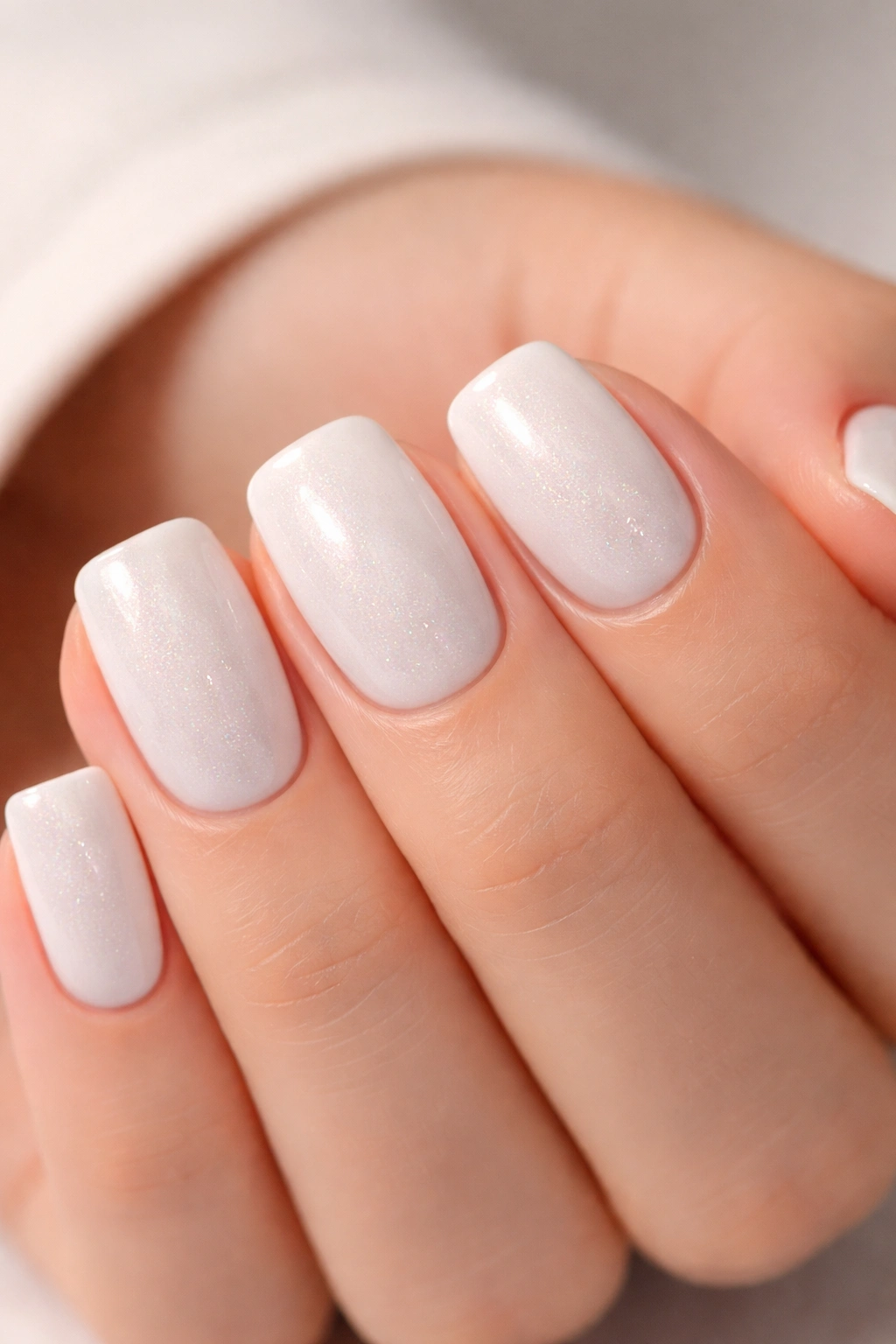
Add just enough shimmer to make your nails catch the light without turning them into a disco ball. A fine iridescent shimmer or pearl dust mixed into white polish creates this ethereal, barely-there sparkle effect that’s sophisticated and modern. On short nails, the shimmer becomes more visible because the surface is smaller and more concentrated, making even a subtle shimmer read as intentional and polished.
What Makes It Different
The sparkle gives the design depth without adding visual bulk. Where a full glitter deck might overwhelm short nails, a subtle shimmer enhances the duck nail shape and adds dimension that photographs beautifully. This is the version that catches compliments because people notice something is special about your nails, even if they can’t quite pinpoint what.
Application Tips
- Use a shimmery base coat under white polish to build shimmer gradually rather than applying sparkle directly on white (this prevents a muddy appearance)
- A single coat of shimmery white is often sufficient if the formula is concentrated
- Seal with a matte top coat instead of glossy for a more modern, less “blingy” appearance
- The shimmer should only be visible in direct light, not under fluorescent office lighting
Worth knowing: Iridescent shimmer shifts colors slightly depending on light, which makes the same manicure look different in sunlight versus indoor lighting—totally intentional and beautiful.
3. French Tip Duck Nails
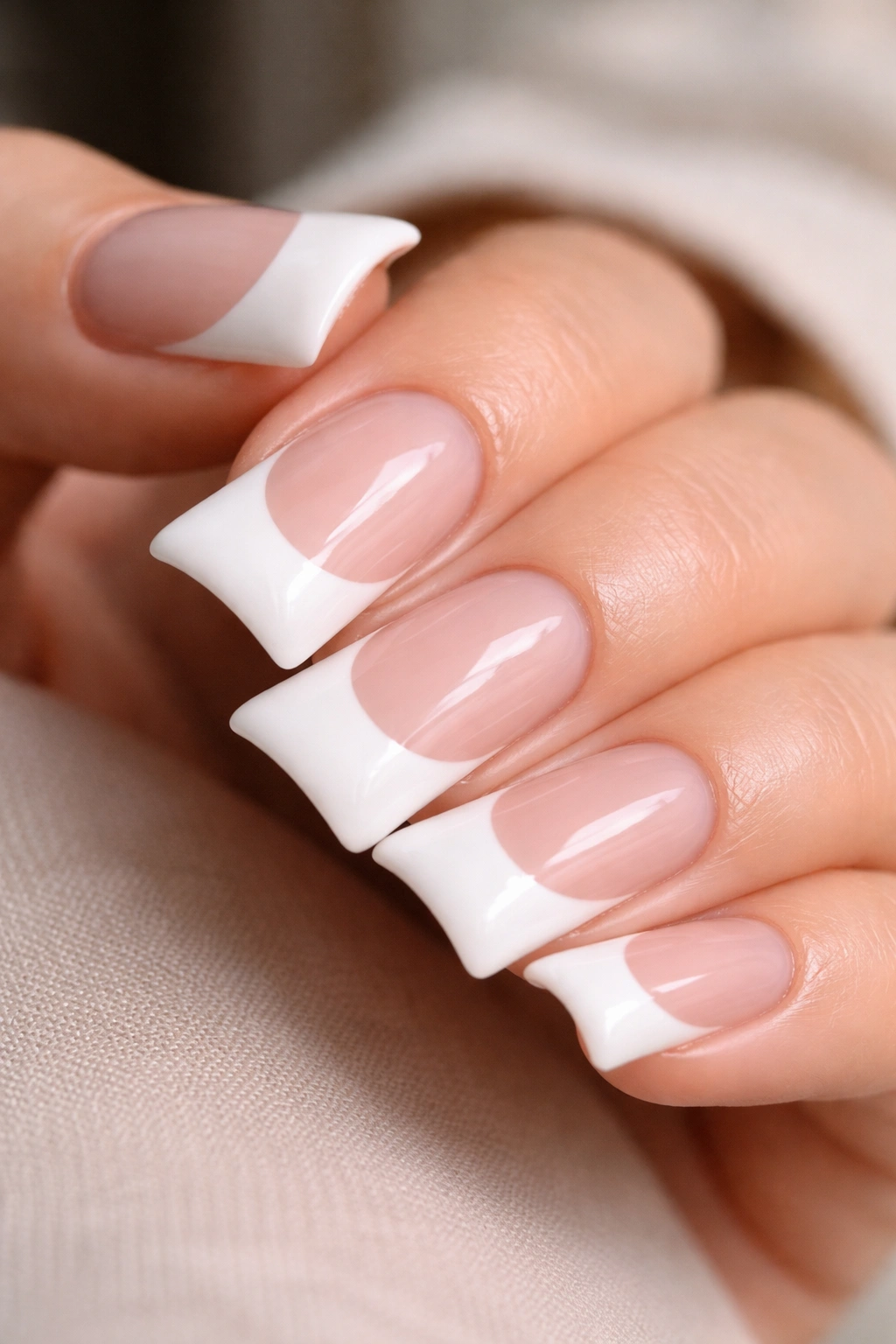
Take the timeless French manicure and reimagine it as a duck nail. Instead of a thin white line at the tip, the entire widened duck nail tip is white, while the nail bed stays nude, soft pink, or a barely-there beige. This creates an elegant contrast that’s undeniably chic, especially on short nails where every detail reads clearly.
Why It Works on Short Nails
The French tip duck nail version feels more refined than a full white duck nail, which makes it perfect for professional settings or anyone who prefers their statement to be slightly more understated. The color block between the nude base and white tip is visually interesting without being loud. On short nails, this contrast actually makes your fingers look longer than they are because the white tip draws the eye outward and downward.
How to Execute It
- The separation between nude and white must be clean and precise—use a thin nail striping brush or a fine-tip detailing pen for accuracy
- Line the separation along the widest part of the duck nail tip, not at the traditional French tip line
- For easier application, use a nude base coat all over, then paint the white webbed tip area carefully
- A high-gloss top coat over both colors unifies the look and makes it read as intentional rather than accidental
Insider note: If hand-drawing a straight line stresses you out, apply painter’s tape along your desired line, paint white over the tape, then remove the tape while polish is still slightly wet for a perfect edge.
4. White Duck with Gold Accents
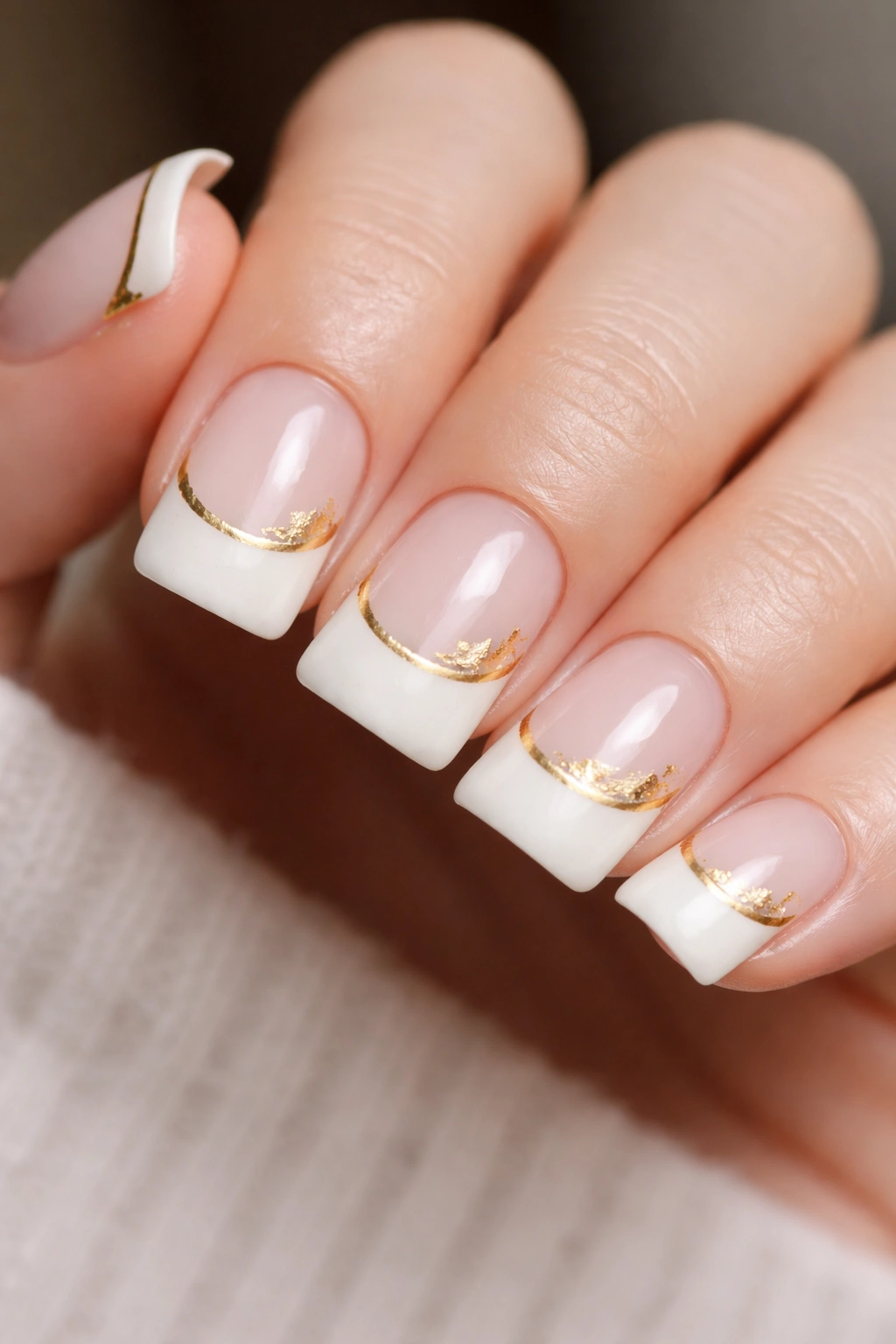
Gold and white is an unexpectedly luxe combination. Add gold through thin lines, a gold-leaf detail, gold foil, or even a brushstroke of liquid gold placed strategically across the duck nail tip or side of the nail. The contrast between cool white and warm gold feels sophisticated and modern without being over-decorated.
What Makes It Special
Gold brings warmth to white, which can sometimes feel cold. The metals complement each other beautifully, and on short nails, this accent-based approach means you get visual interest and luxury without overwhelming the small surface area. This design feels intentional and collected rather than random or overly embellished.
Application Methods
- Use a thin gold striping brush to create a single line down the center or along the edge of the white duck nail
- Apply gold foil by pressing it onto wet adhesive base and sealing with a sticky top coat
- Create a thin gold frame around the edge of the webbed tip for a more graphic look
- A single brushstroke of gold across one corner adds artistic flair
Pro tip: Metallic gold shows every fingerprint and dust particle, so seal it completely with a crystal-clear top coat applied in generous layers to protect the design and keep it looking pristine.
5. Matte White Duck Nails
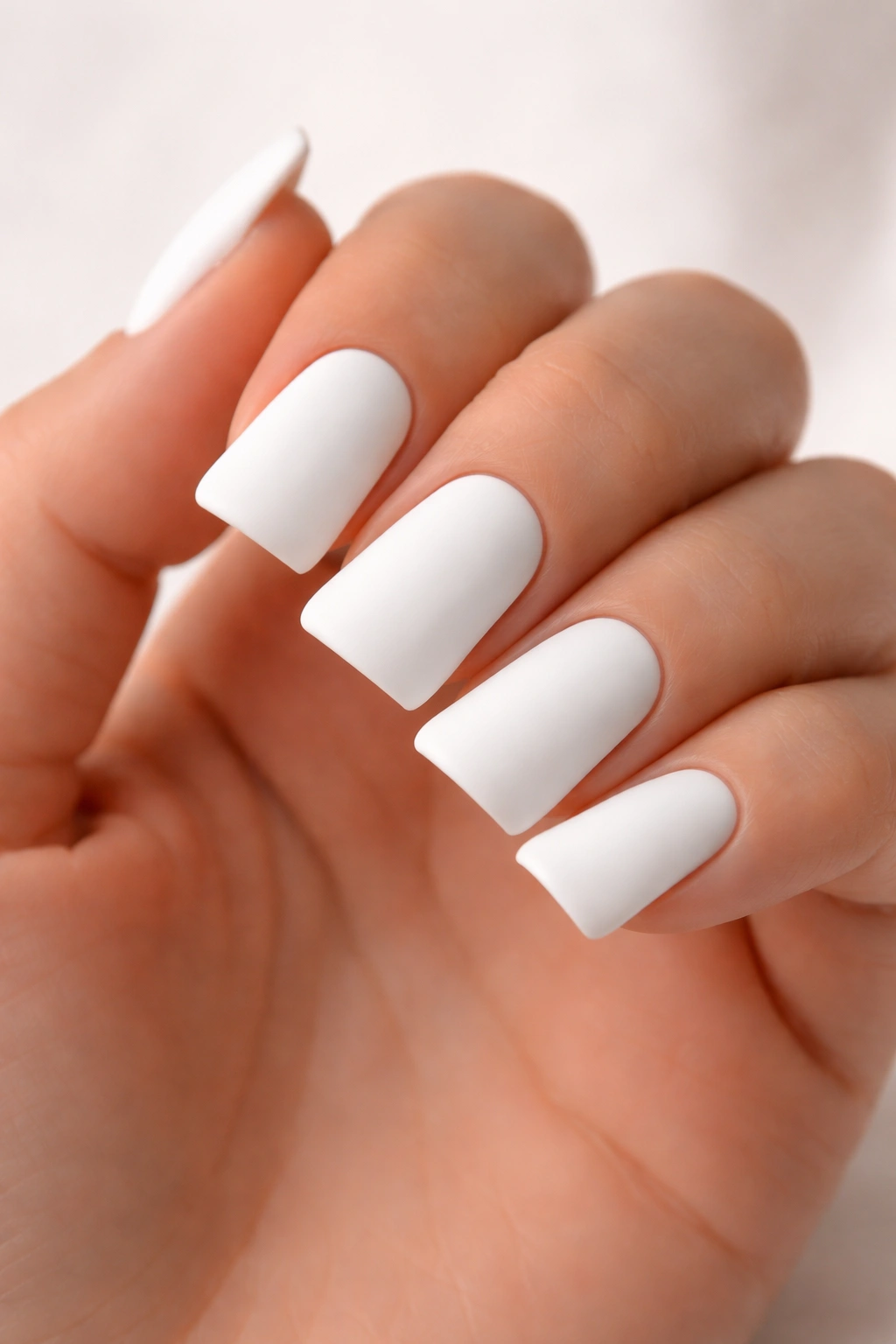
Trading glossy shine for a soft matte finish changes the entire feel of white duck nails. Matte white reads as more modern, more editorial, almost architectural in its precision. On short nails, matte finish makes the duck nail shape pop because there’s no shine to distract—just pure white form. This is the version that feels contemporary and intentional rather than traditional.
Why Matte Changes Everything
Matte eliminates shine, which paradoxically makes the nails look cleaner and more sculpted. The finish draws focus to the precise shape and lines of the duck nail rather than the reflective quality of the polish. This works particularly well on short nails because the form itself becomes the focal point instead of any shine or sparkle.
Getting the Finish Right
- Use a dedicated matte top coat rather than matte polish, which can look dusty and uneven
- Apply matte top coat in thin, even layers to avoid streaking
- Avoid touching your nails while the matte top coat dries, as fingerprints and dust particles will show
- If you want a subtle sheen rather than completely flat matte, use a satin finish top coat as a compromise
Worth knowing: Matte finishes require more frequent touch-ups than glossy finishes because they show wear and chips more obviously—plan on a fresh matte top coat every 5-7 days if you want them to look magazine-fresh.
6. White Duck with Pearl Finish
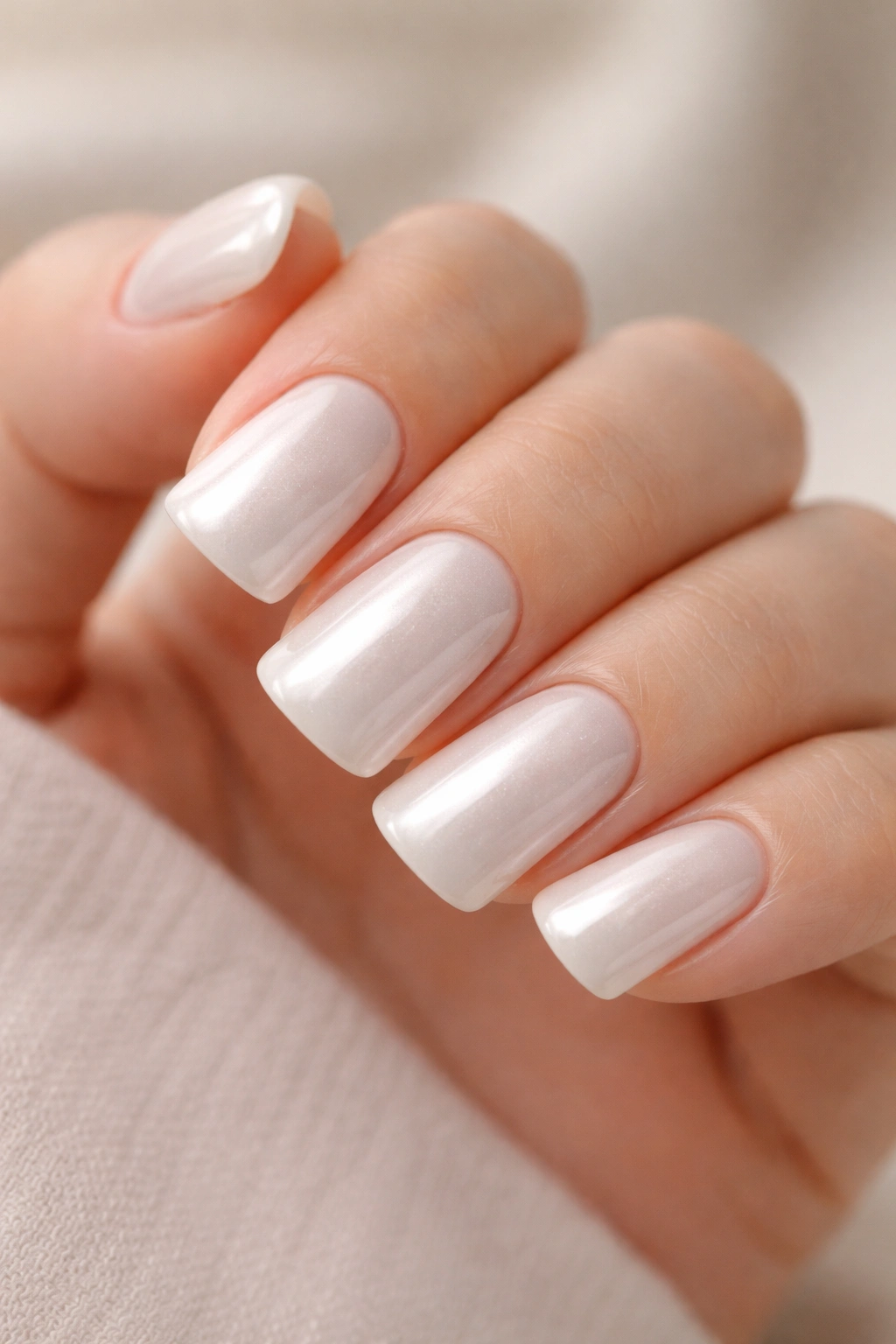
Pearl finish white adds luminous dimension that’s entirely different from shimmer. Where shimmer is sparkly, pearl is glowing from within. A pearl white polish creates a soft, creamy appearance with depth that catches light subtly and beautifully. On short nails, pearl finish makes the duck nail shape appear fuller and more luxurious without being obvious about it.
What Sets Pearl Apart
Pearl doesn’t flash or sparkle—it creates a soft glow that makes white look more expensive and refined. The finish has an almost three-dimensional quality that’s mesmerizing in person but photographs cleanly without needing special lighting. This is the version that feels naturally elegant rather than designed-for-effect.
Application and Care
- Pearl finish polishes often require two coats for full opacity and that glowing effect
- Use a pearl top coat over standard white polish if you prefer more control over the effect
- Glossy top coat over pearl creates more luminosity; matte top coat over pearl creates a softer, almost porcelain effect
- Pearl shows smudges less than high-gloss, making it practical for daily wear
Pro tip: Pearl white looks particularly gorgeous in natural daylight and warm lighting—if you spend most of your time under fluorescent lights, this might not be your best choice because the glow won’t be as visible.
7. White Duck with Minimalist Line Design
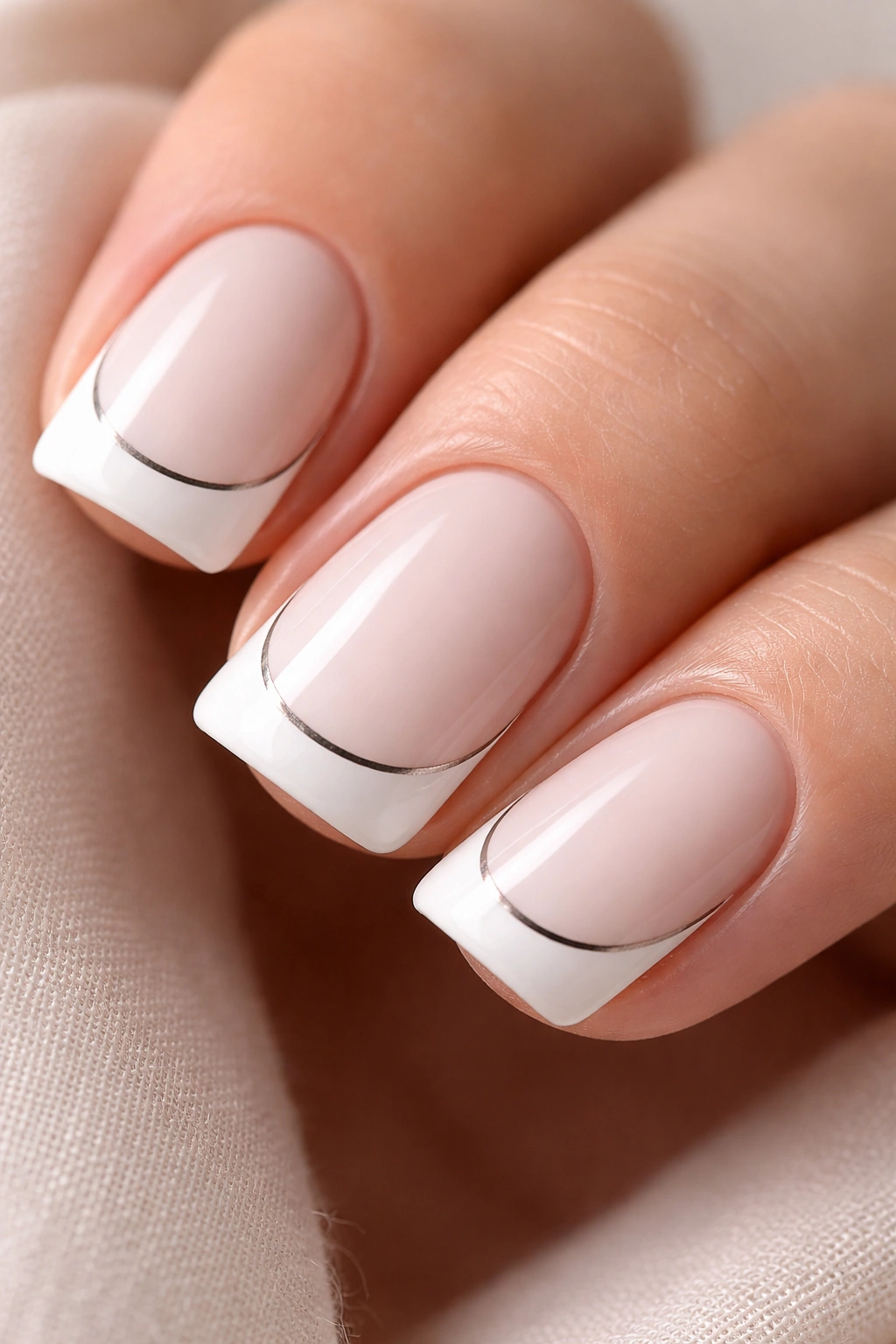
Add a single fine line, perhaps in black or dark gray, drawn down the center of the duck nail tip or along the webbed edge. This is graphic design applied to nail art—no clutter, no embellishment, just a clean line that emphasizes the duck nail shape. On short nails, this minimalist approach reads as incredibly sophisticated because it respects the small surface area and enhances it rather than competing with it.
Why Minimalism Works
One line adds intentional detail without making the design feel busy or cluttered. It emphasizes the geometric shape of the duck nail and creates a focal point that’s both artistic and restrained. This is the design for someone who loves fashion and art but thinks less is more.
Execution
- Use a fine-tipped striping brush or nail art pen for precision
- A perfectly straight line requires a steady hand or a striping brush guide
- Dark lines contrast best with white—consider charcoal, black, or deep gray
- Skip the top coat over the line and apply it afterward for a crisp, graphic appearance
Insider note: If your hand isn’t steady, use a thin strip of painter’s tape as a guide, paint your line along the edge of the tape, and remove the tape before the polish dries completely.
8. Glazed Ceramic White Duck Nails
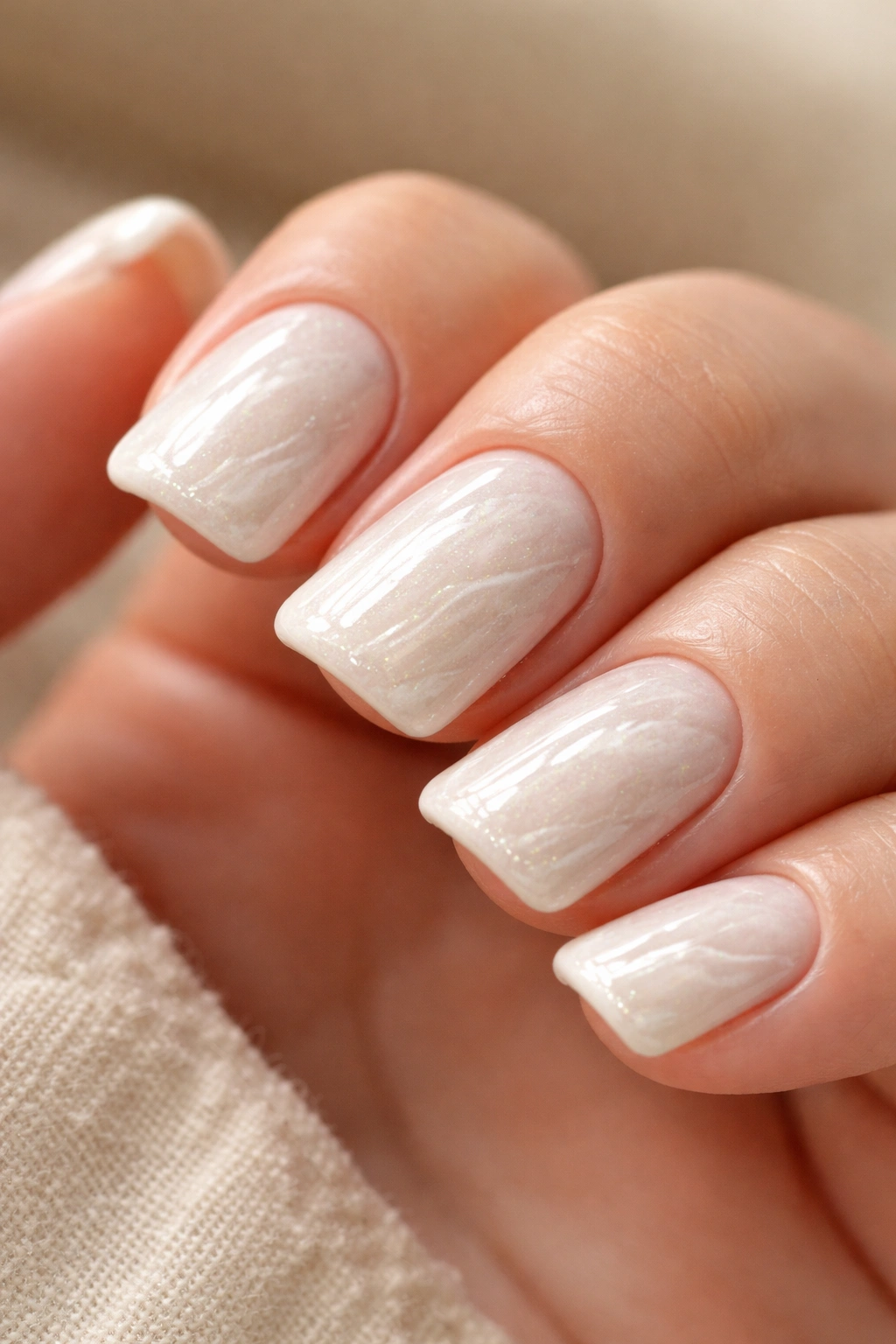
Inspired by glazed ceramic pottery, this design uses a thick, creamy white polish that has a dimensional, almost textured appearance—more like a glaze than liquid polish. The finish looks hand-applied and organic rather than machine-perfect, which sounds less refined but actually reads as more artistic and intentional. On short nails, the ceramic effect makes the duck nail shape look handcrafted and artistic.
What Makes It Unique
Glazed ceramic finish is trending because it feels artisanal and modern simultaneously. It’s slightly chalky or matte-meets-cream in texture, never high-gloss. The nails look like they were hand-painted by an artist rather than mass-manufactured, which adds personality and warmth. This is particularly beautiful on short nails where the artisan quality isn’t lost at a distance.
How to Achieve It
- Use a creamy, slightly thick white polish rather than a thin, translucent one
- Apply in 2-3 coats, allowing each to dry completely before adding the next
- Skip high-gloss top coat; use matte or satin top coat for that glazed ceramic effect
- The finish should look slightly chalky and hand-applied, not perfectly smooth
Worth knowing: Thick, creamy polishes dry more slowly, so plan extra time between coats and before you use your hands—rushing this look makes it look sloppy rather than artistic.
9. White Duck with Soft Gradient
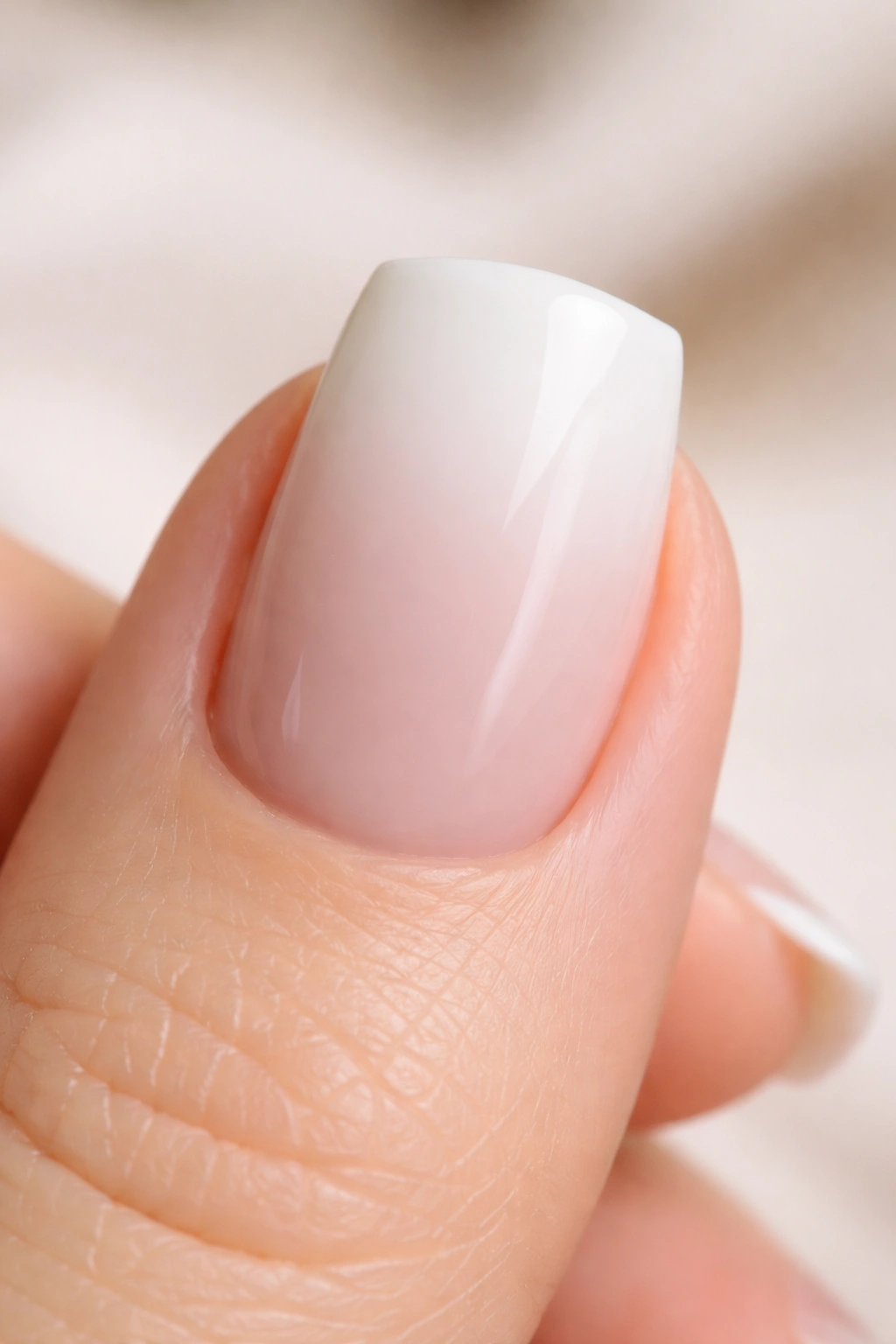
A gradient from white at the tip to nude, pale pink, or transparent at the base creates visual flow and elongation. The duck nail tip stays pure white while the rest of the nail transitions gradually to a lighter shade. On short nails, gradient effect actually creates an illusion of more nail length because your eye follows the color transition.
Why Gradient Transforms Short Nails
Gradients create movement and flow that makes short nails appear more elongated and elegant. The transition from white to nude feels intentional and modern rather than accidental or ombre. This design works because it enhances the duck nail shape without fighting it—the shape is still the focal point, but the color gradient adds sophistication.
Application Techniques
- Use two polishes: pure white and a nude or pale pink
- Either sponge the transition using a makeup sponge (quick and effective) or use a gradient brush to blend the colors on the nail
- Sponging is easier for beginners: apply white on the sponge tip, nude in the middle, and dab onto the nail with a sponging motion
- Seal with top coat to blend the colors completely and create a smooth, finished appearance
Pro tip: Practice on a piece of paper first—gradient application has a learning curve, but once you get the motion down, it becomes easy and fast.
10. White Duck with Delicate Nail Art
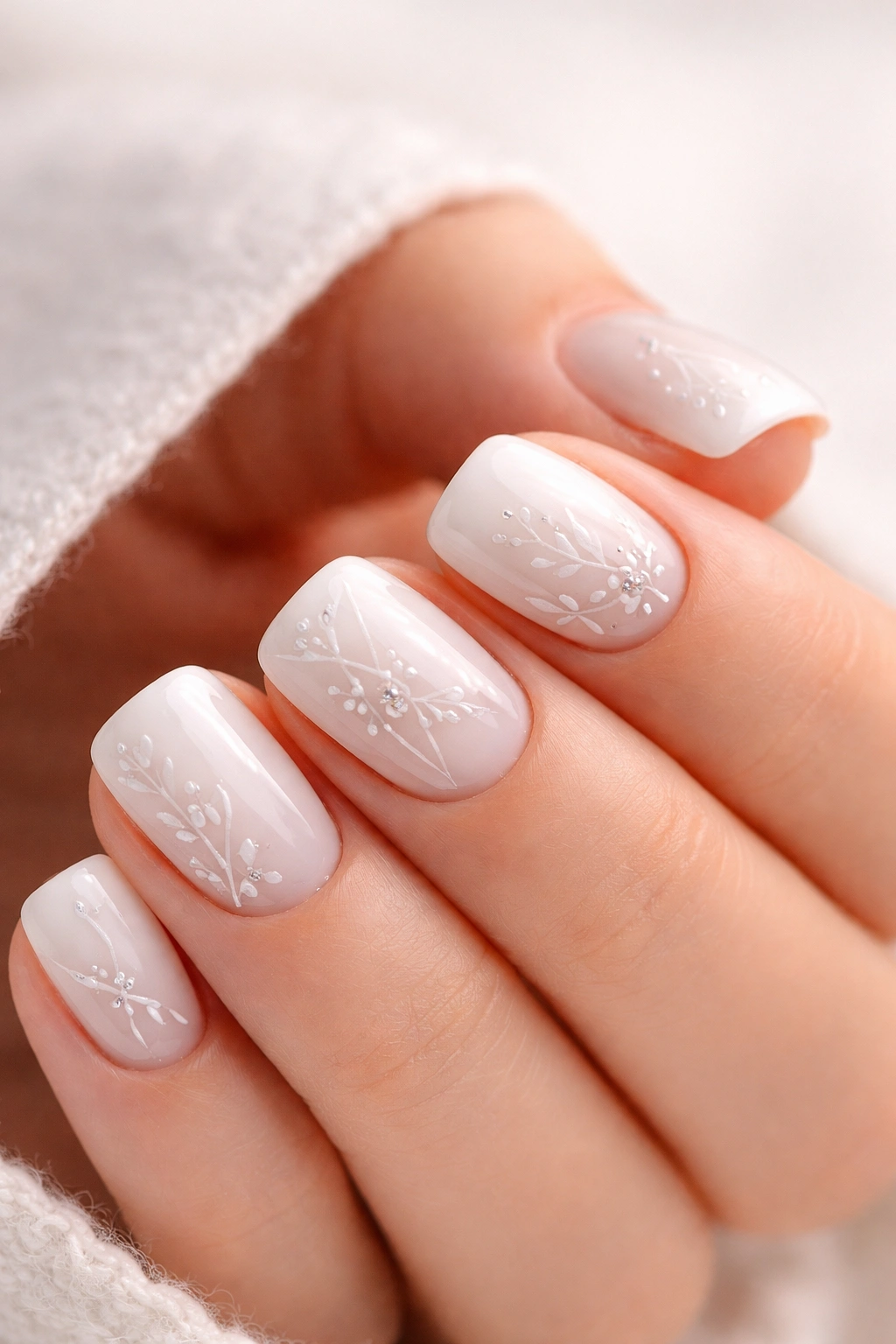
Reserve this design for someone who loves detailed art: tiny florals, geometric patterns, or fine-line drawings placed on the white duck nail tip or distributed across the surface. The key is keeping the art delicate and precise—not cartoonish or chunky. On short nails, fine detail work actually reads more clearly because the surface is compact and focused.
What Makes Delicate Art Work
Busy patterns overwhelm short nails, but delicate, precise art enhances them. Think tiny hand-painted florals, minimal geometric shapes, or fine-line illustrations rather than large motifs or chunky designs. The art should feel like something you’d find in a fine art museum, not a children’s book.
Bringing It Together
- Use a fine-tipped nail art brush or pen for precision
- Plan your design in advance or sketch it lightly with a pencil first
- Delicate designs take time, so be patient and steady
- Seal carefully with top coat to protect the fine details without covering them
Insider note: If hand-painting makes you nervous, many nail artists offer custom hand-painted designs—this might be worth the investment if detailed art is your goal.
Why Duck Nails Look Even Better on Short Nails
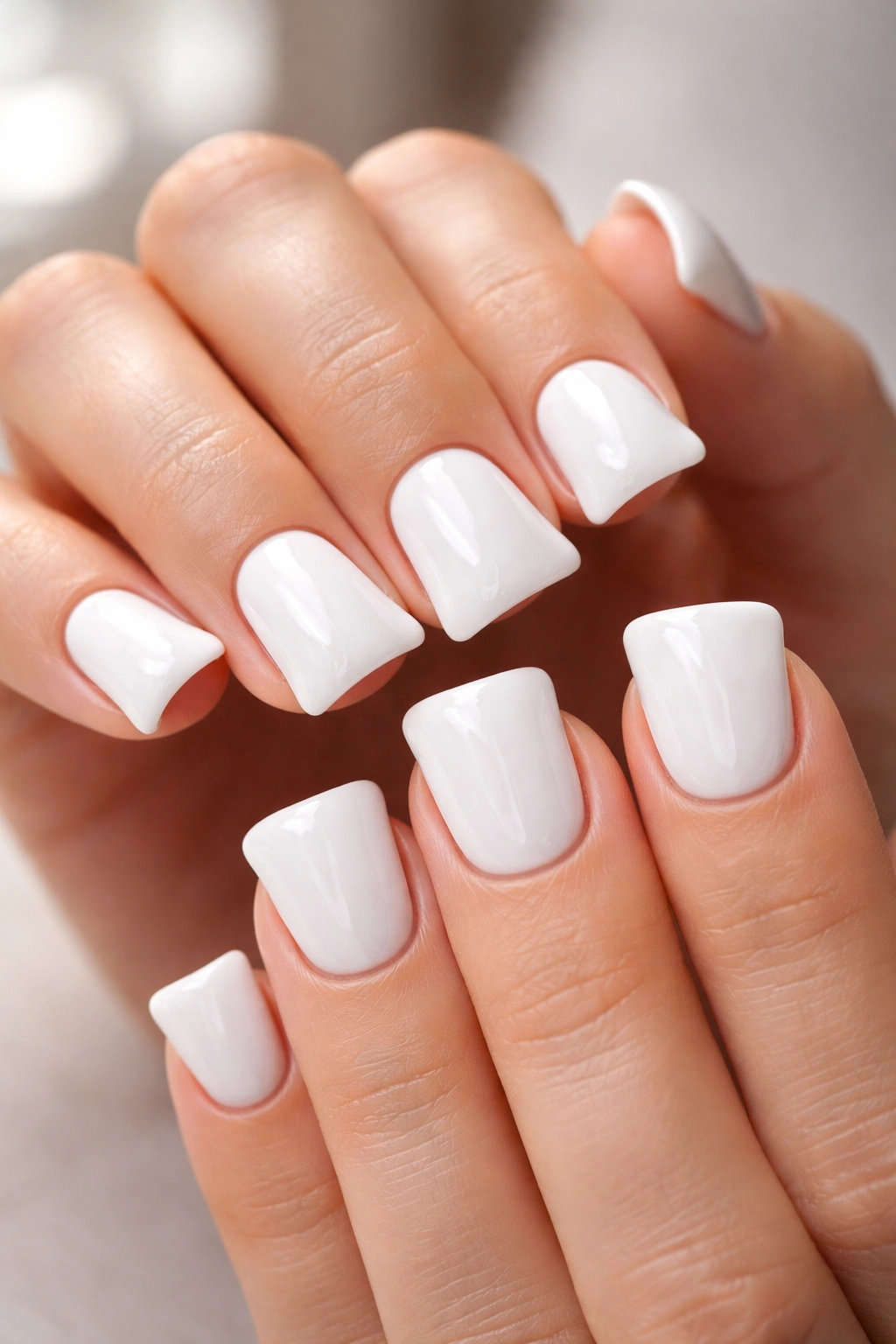
Here’s something people don’t expect: duck nails can actually look more striking on short nails than long ones. When you have a shorter nail bed, the widened duck nail tip becomes more pronounced as a percentage of the total nail. That webbed, fanned-out appearance creates drama and visual impact because it’s more compressed. The proportions feel bolder and more intentional.
Short duck nails are also inherently more practical. You get the trendy, statement-making shape without the broken nails, the difficulty opening packages, or the constant worry about catching on things. Real life becomes manageable while your nails still turn heads. This is the sweet spot where trend-following meets everyday functionality.
How to Shape Duck Nails on Short Nails
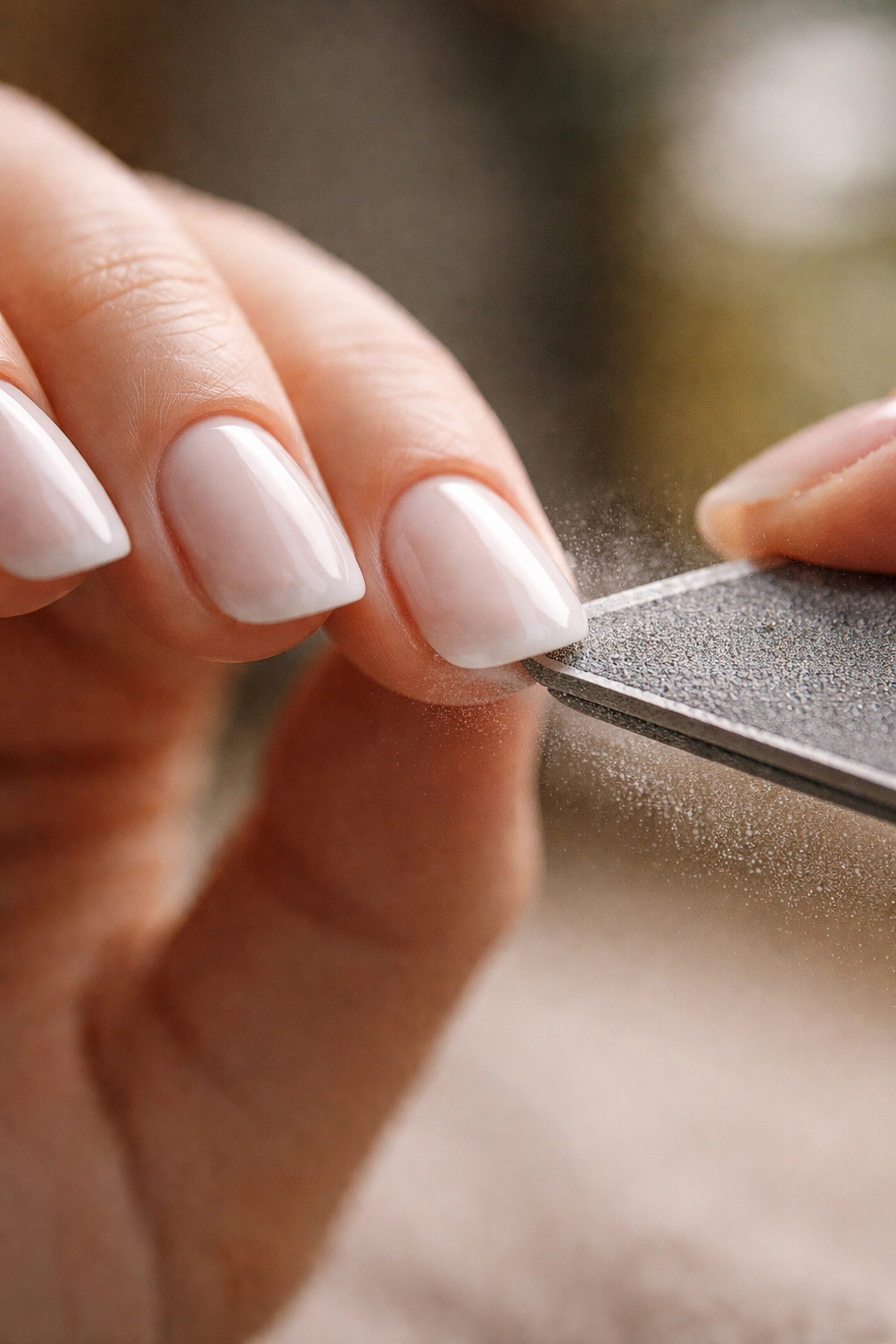
The shaping process is what makes or breaks a duck nail manicure. Start with nails filed to a comfortable short length—somewhere around the tip of your finger when you press your finger flat. Using a fine nail file, create a gentle curve from the inner edge of your nail outward and downward. The widest part should be about halfway down the length of the nail tip.
Think of the shape like an upside-down teardrop or a gentle fan when viewed from above. File slowly and symmetrically on both sides—you want the widening to feel balanced. The webbed appearance comes naturally as the nail widens; you’re not creating individual “webs” but rather one continuous widened shape.
The filing direction matters: file from the outer edge of the nail inward toward the center, never sawing back and forth. This prevents the nail edge from peeling or fracturing. On short nails, edges are more prone to damage because there’s less structural support, so careful, deliberate filing is especially important.
Maintaining White Duck Nails
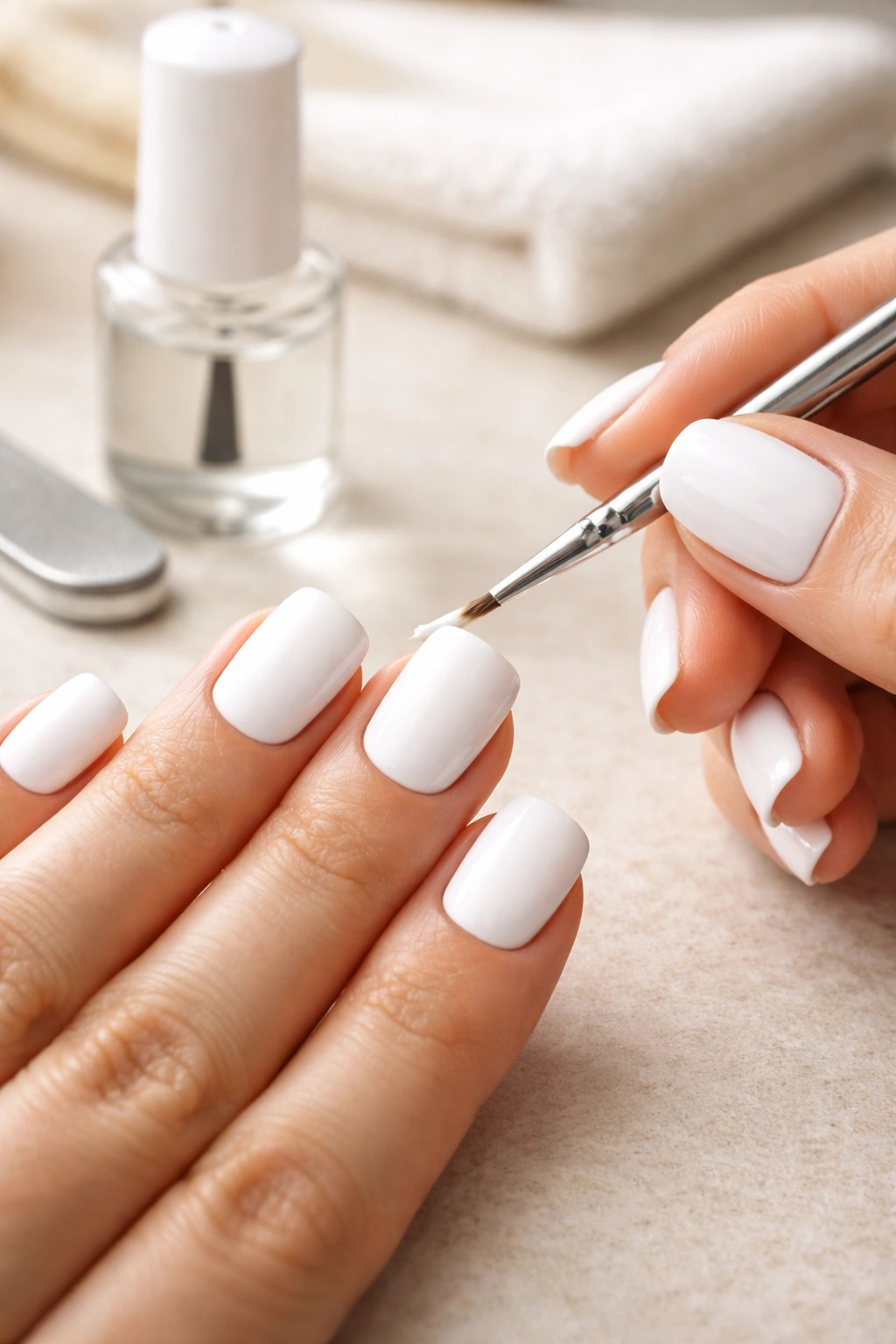
White polish shows every smudge, so maintenance is real. Touch up chips as soon as they appear—a small chip at the edge can spread quickly if ignored. Use a base coat every single time you paint, not just for durability but to prevent white polish from staining your nails yellow.
Wear gloves when cleaning, doing dishes, or gardening. White on short nails is slightly more delicate than you’d think because the surface area is smaller and concentrated at the tip. Protect that investment with simple precautions. Quick-dry top coats are your friend if you’re always on the go—they seal the design faster and allow you to get back to your day without worrying about smudging.
Refresh your manicure every 7-10 days with a fresh top coat at minimum, or every 2-3 weeks with a full polish reapplication. White shows growth at the base faster than other colors, so if you’re particular about a polished appearance, plan accordingly.
Extending the Life of Your Design
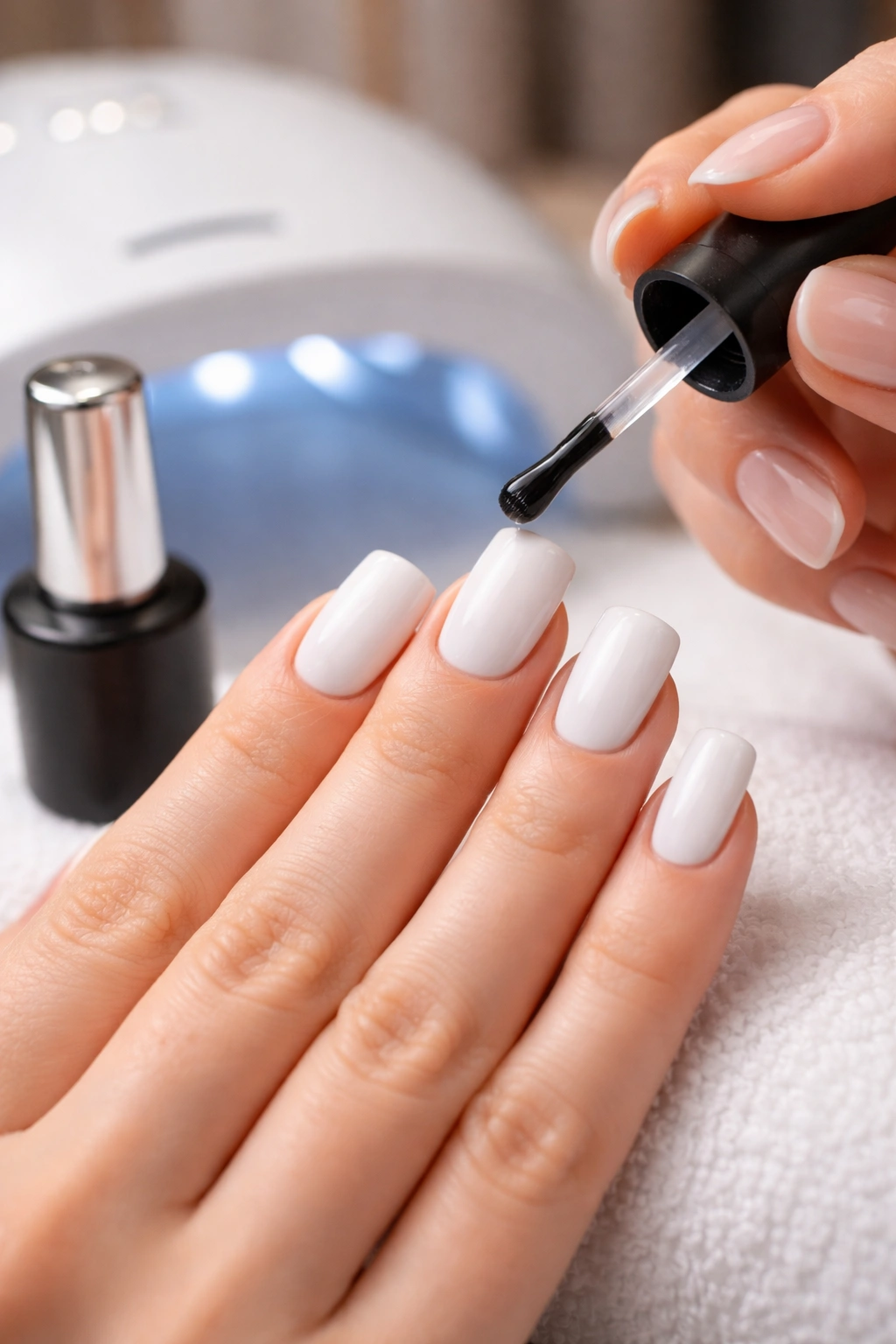
If you’re getting professional manicures, discuss longevity with your mailer. Gel or dip powder manicures last significantly longer than regular polish—usually 3-4 weeks without chipping. For short nails, this extended wear is worth considering because white shows damage faster than darker colors.
If you’re painting at home, use a quality base coat and top coat system. Cheap combinations are why manicures fail after a few days. Invest in products that are known for durability, even if they cost a bit more. A manicure that lasts two weeks is more economical than one that needs redoing after four days.
Choosing Your White
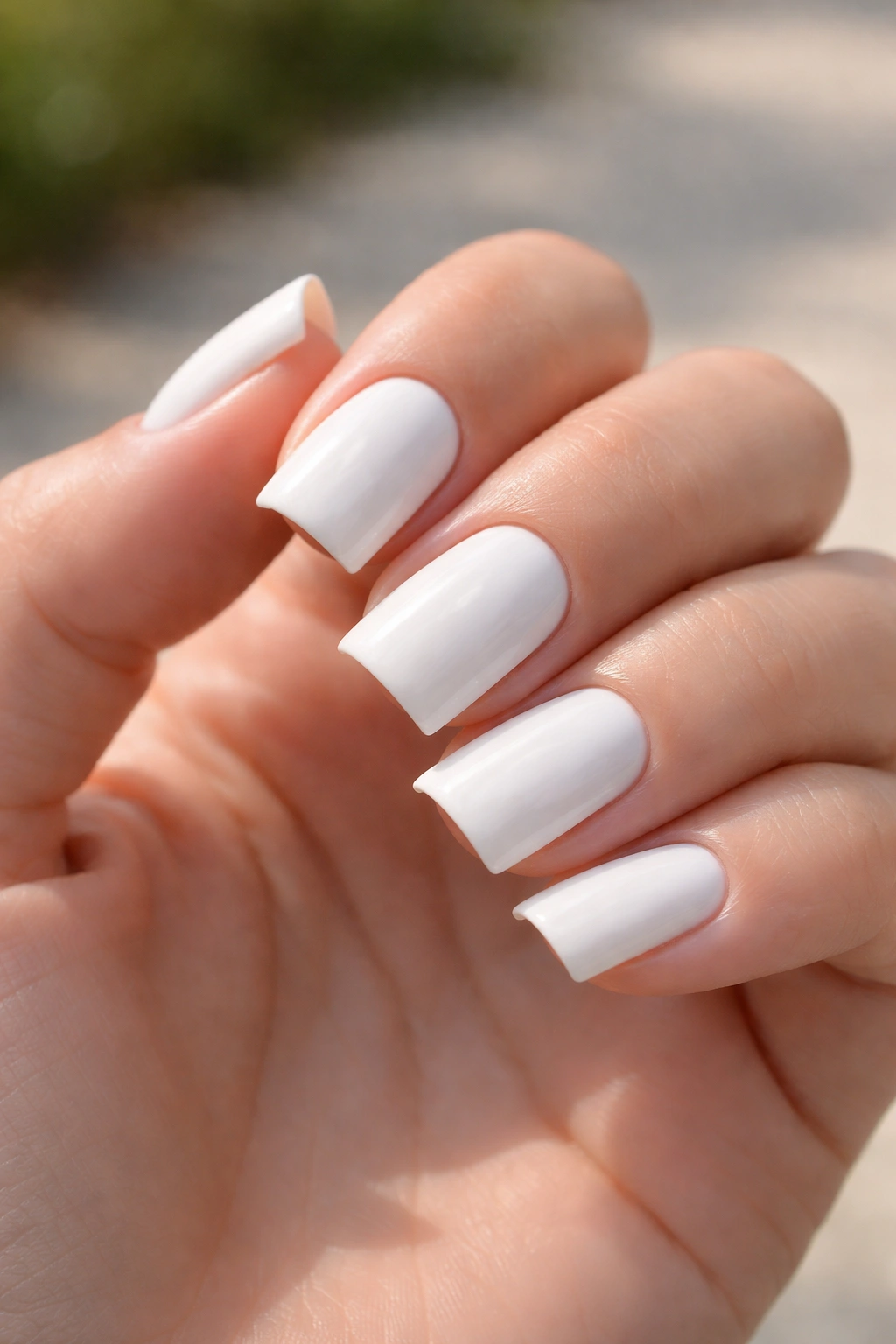
Not all whites are created equal. Warm whites have a slight cream or vanilla undertone and look softer and more traditional. Cool whites are bright and pure, reading more modern and graphic. Neutral pure whites are clean and versatile. On short nails, test your white in natural light before committing—what looks pure white under store lighting might have yellow or blue undertones in daylight.
Opaque whites that fully cover in one or two coats are preferable to thin, translucent whites that require three or four coats. The fewer coats you need, the more durable and crisp your manicure will be. Read reviews or ask friends for specific brand recommendations if you’re shopping blind.
Final Thoughts
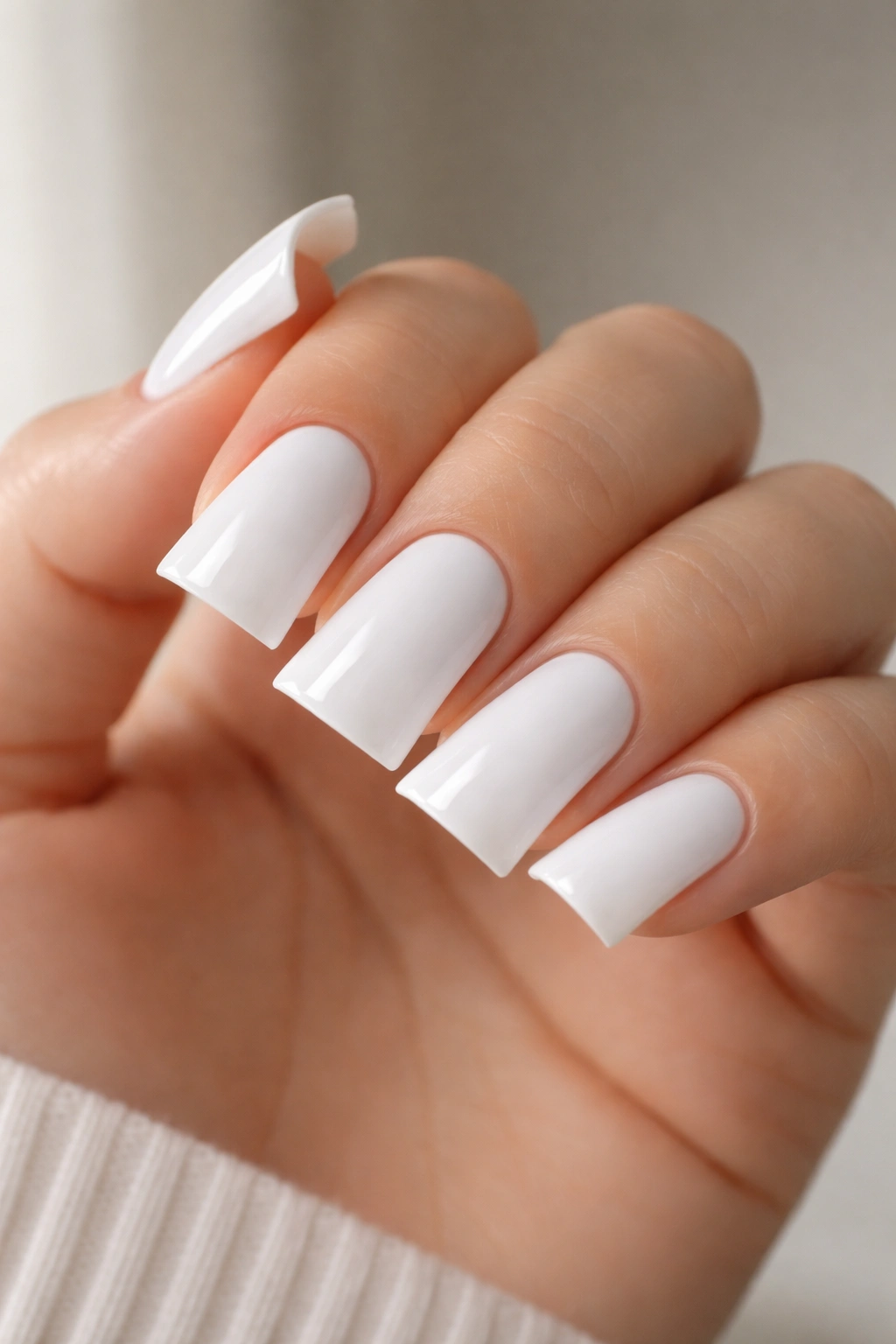
White duck nails on short nails are proof that bigger, bolder statements don’t require length. You get all the trendiness, all the visual impact, and all the personality of duck nails while keeping your nails at a practical, manageable length. Whether you choose the minimalist purity of classic white, the warmth of gold accents, or the delicate detail of custom nail art, there’s a white duck nail design that matches your style perfectly.
Short nails have been typecast as boring or conservative for too long. Duck nails smash that assumption entirely. They’re edgy without being extreme, trendy without being temporary, and undeniably chic. Your short nails aren’t a limitation—they’re an opportunity to make a statement that’s both bold and beautiful.