

The struggle is real when you’re sitting in a nail salon chair and your technician asks, “So, what shape do you want?” If you’ve been hovering between squoval and oval, you’re not alone — these two are constantly mistaken for one another, yet they offer distinctly different looks and practical benefits. Understanding the real differences between them could be the key to finally choosing a shape you’ll love wearing long-term.
Both squoval and oval nails are considered modern, versatile options that have surged in popularity over the years. They sit comfortably in the middle ground between the rigid geometry of square nails and the delicate tapering of pure oval. But that’s where the similarities end. The subtle but significant differences in their actual shape, the way they suit various hand proportions, their durability, and how they photograph all matter when you’re deciding which direction to take your nails.
This comparison goes beyond surface-level aesthetics. We’re talking about the practical realities of maintaining each shape, how they actually wear in daily life, which works better for different nail lengths, and how to know which one is genuinely the right match for your hands and lifestyle.
What Exactly Is an Oval Nail Shape
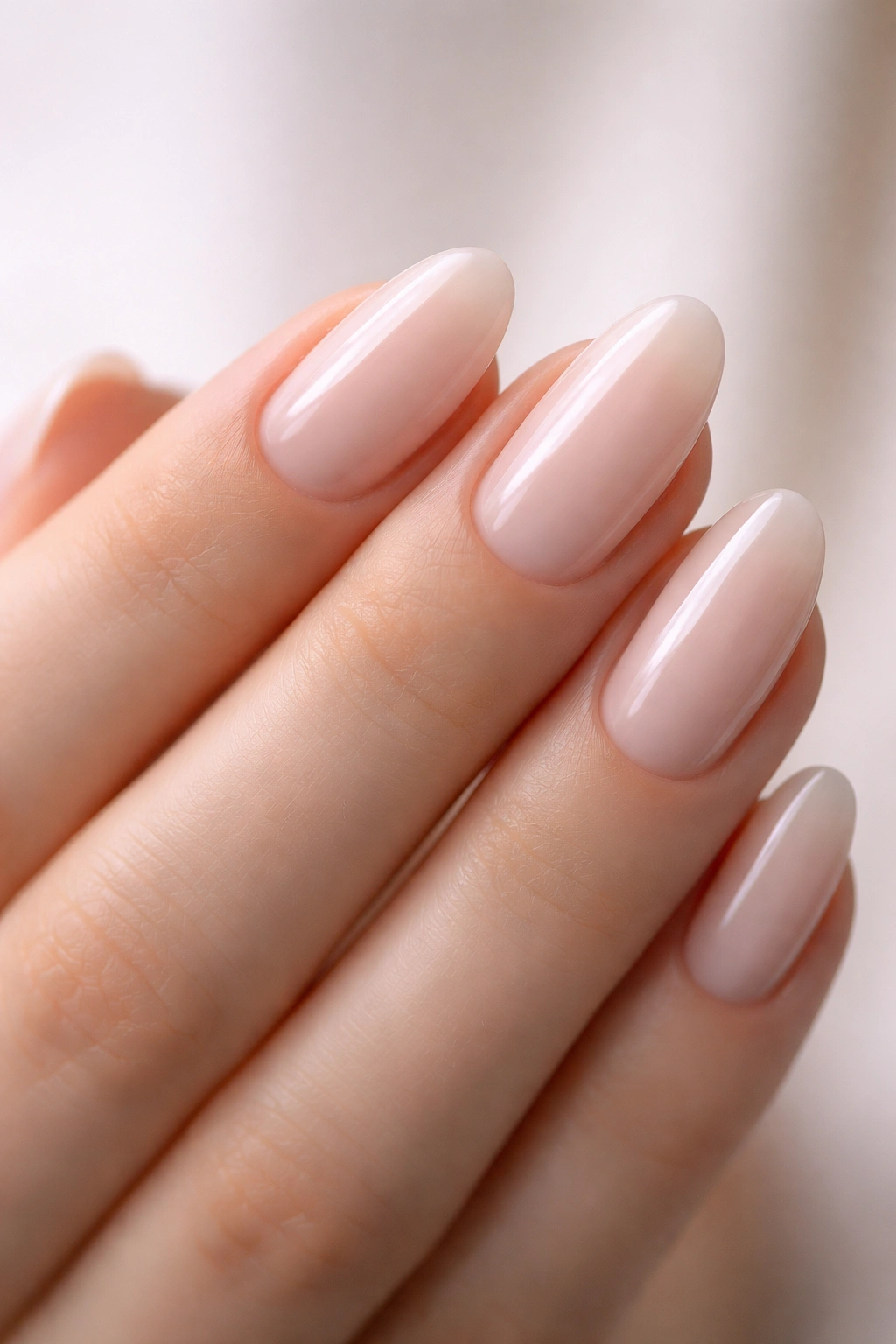
Oval nails follow a smooth, curved silhouette from base to tip. The nail bed tapers gradually in all directions as it extends outward, creating a gentle, elongated point. Think of the shape of an actual egg standing on its smaller end — that’s the visual reference most nail professionals use. The sides of the nail narrow consistently from where it leaves the nail bed all the way to the tip, maintaining fluid curves on both edges.
The defining characteristic of a true oval is symmetry and uniformity. Both sides of the nail are mirror images of each other, with the width at the base gracefully narrowing toward a rounded, slightly pointed finish. There’s no flat edge anywhere — it’s all soft curves. This creates an inherently feminine, elegant aesthetic that photographs beautifully and suits almost any occasion.
Ovals work exceptionally well on longer nails because the extended length amplifies the elongating effect of the shape. The tapering sides create an optical illusion that makes fingers appear longer and slimmer. This is why oval remains the go-to choice for anyone who wants to look polished for formal events or professional settings where understated elegance reads as trustworthy.
The practical advantage of oval shape is that it distributes stress more evenly across the nail tip. Because there’s no abrupt transition from the sides to the point, the nail is less prone to catching on things. The curved edges mean there’s truly no corner that can snag a sweater or catch on fabric.
What Exactly Is a Squoval Nail Shape
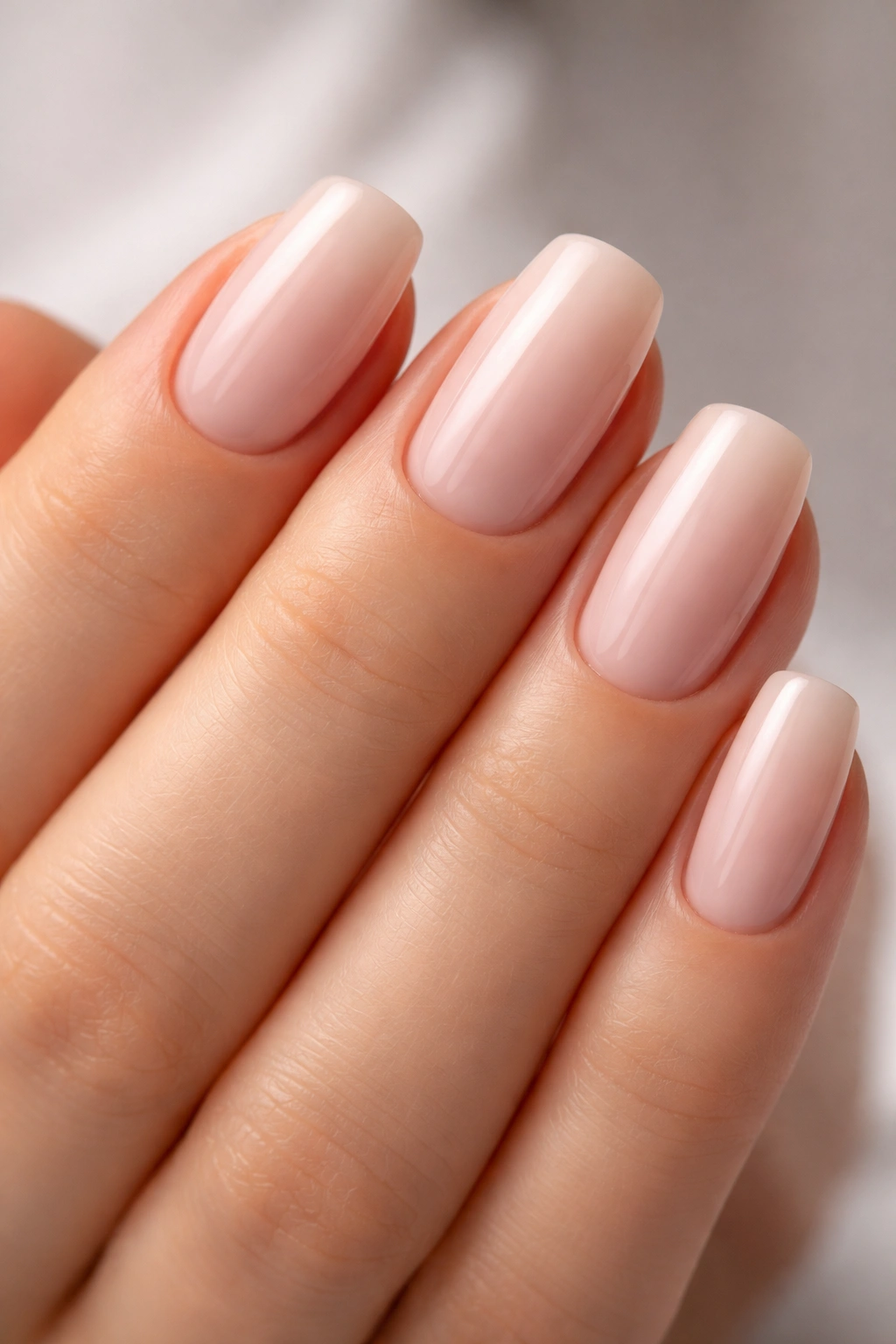
Squoval nails are exactly what the name suggests — a hybrid that borrows elements from both square and oval shapes. The nail maintains straighter, more defined sides like a square would, but instead of ending in a sharp corner, the edges soften and round out slightly as they approach the tip. It’s like taking a square nail and gently beveling the corners.
The key visual difference is that squoval nails have a broader, more rectangular base that extends further toward the tip than an oval would. The sides stay relatively parallel for most of the nail’s length before they finally soften near the very end. This creates a sturdier, more modern appearance compared to the delicate tapering of oval.
Squoval hits a sweet spot for people who want the sophisticated look of an oval but prefer something with a bit more structure and edge definition. The nail reads as stronger and more contemporary while still avoiding the bluntness of a true square. It’s become the default shape at many high-end salons because it flatters a wide range of hand shapes and works at virtually any length.
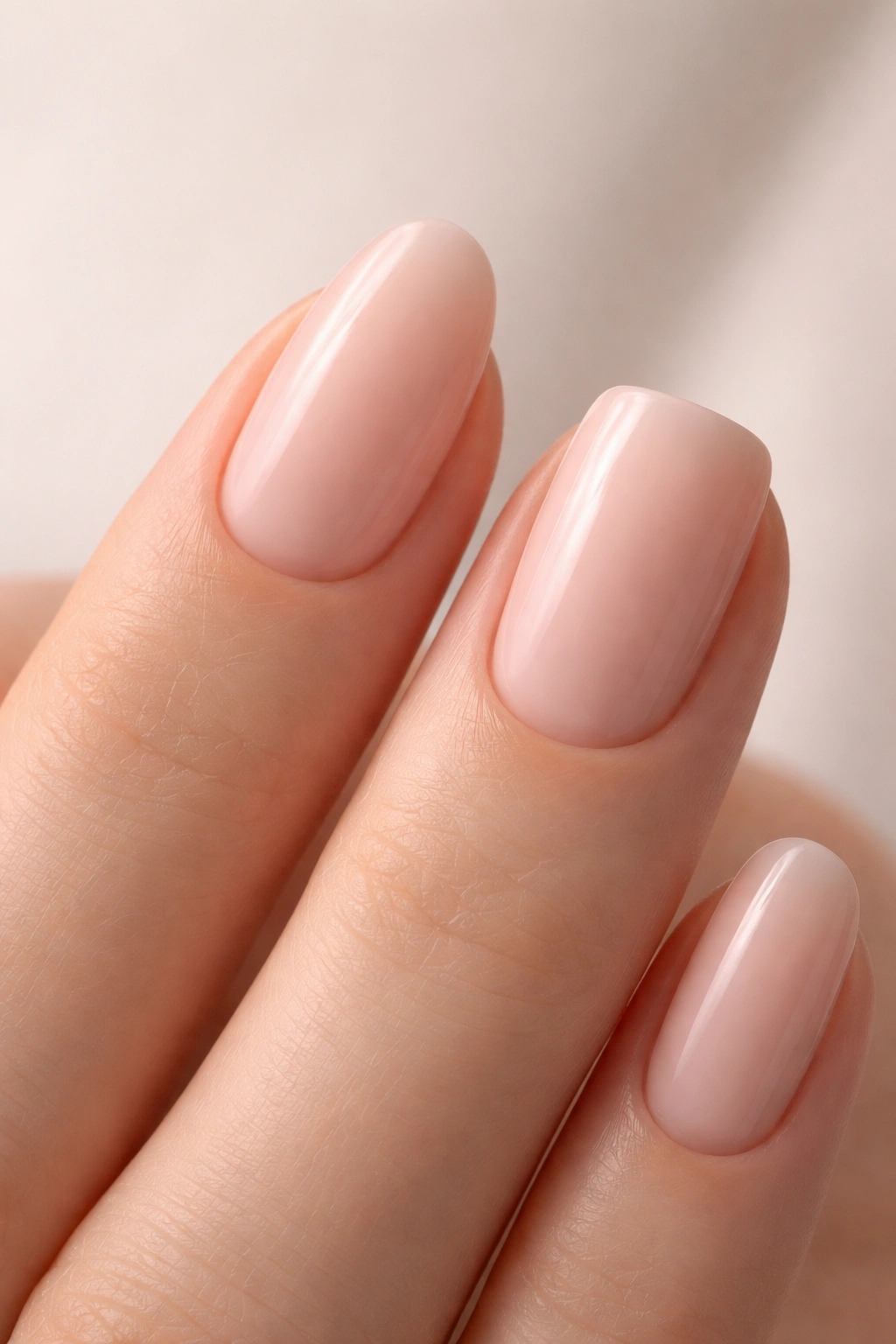
The distinction between squoval and oval becomes most obvious when you look at the nail from directly above. A true oval will have curved, tapered sides that come to a more pointed tip. A squoval will show more visible parallel sides with corners that round rather than taper. The nail looks wider relative to its length in a squoval than it would in an oval.
How They Look Visually and Aesthetically
Oval nails project a refined, classic elegance that feels timeless. They’re the shape you see on runway models, in high-fashion photography, and in any context where the goal is to appear polished and sophisticated. The elongated point draws the eye upward along the finger, creating a lengthening visual effect that flatters most hand shapes.
Squoval nails feel modern and strong in a way that oval doesn’t quite achieve. They’re broader across the nail bed, making them read as more present and contemporary. This shape has become increasingly popular in minimalist design aesthetics and modern luxury contexts. The squared-off base paired with the softened point creates visual interest — it’s not boring, but it’s not fussy either.
The key difference in how they photograph is substantial. Oval nails create an optical illusion of extreme length and slenderness because the taper is so pronounced. On camera, they read as almost ethereal and delicate. Squoval nails photograph as fuller, bolder, and more grounded — the width is visible and that’s by design.
Hand shape makes a huge difference in which looks better on you personally. Small, narrow hands tend to look more elegant with oval because the additional tapering doesn’t overwhelm the proportions. Hands with wider palms and fuller nail beds often look better with squoval because the shape complements the natural width rather than fighting against it.
Oval pairs beautifully with intricate nail art, delicate designs, and French manicures because the elongated shape gives canvas space to work with. Squoval is equally versatile but reads differently — the same design looks more modern and editorial on a squoval than it does on an oval, which tends to feel more traditional and refined.
Durability and Breakage Risk Compared
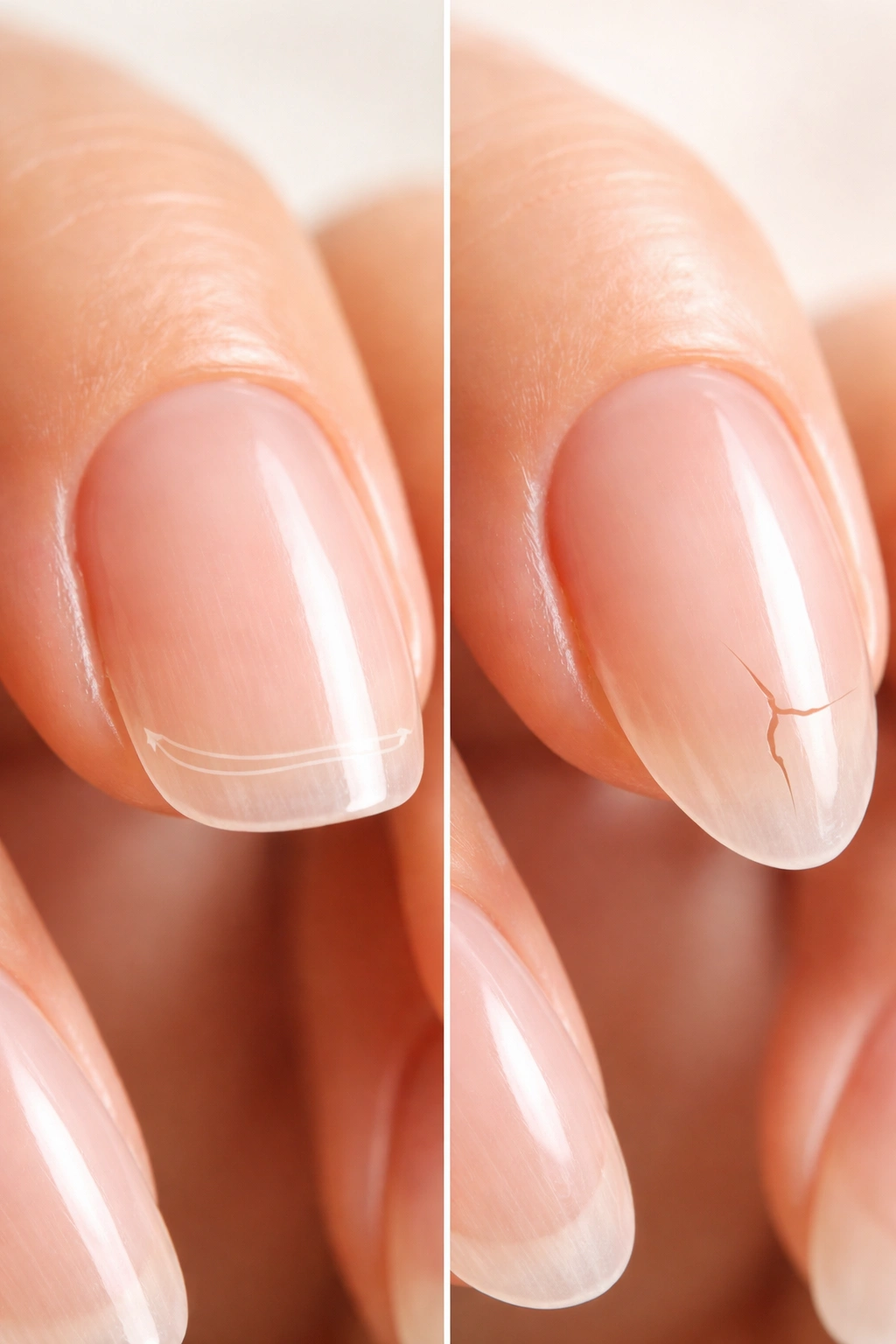
This is where the structural differences actually matter in real life. Oval nails, especially when grown longer, are more prone to breaking because all the stress concentrates on that tapered point. The narrower the tip, the less surface area there is to bear weight and impact. If you catch an oval nail on something, that fine point is the weak link that typically snaps first.
Squoval nails have a significant durability advantage because the squared-off base extends further along the length of the nail. The broader tip distributes stress across a larger surface area, making it substantially less likely to break. People with active lifestyles, regular use of their hands, or simply clumsy tendencies report far fewer breaks with squoval than with oval.
The nail’s thickness also interacts with shape durability. A naturally thick nail can carry an oval much better than someone with naturally thin nails can. If you have delicate, thin nails that break easily, squoval might genuinely be the more practical choice — the shape compensates for what your natural nail structure lacks.
Real-world durability also depends on how your nails actually grow and where breakage happens. Oval nails are most vulnerable right at the tip, where the point gets thinnest. Squoval nails are more likely to experience breaks at the outer edges where the corners soften, but because there’s more structure overall, the frequency tends to be lower.
If you’re extending your nails with polish or gel, the difference becomes even more pronounced. A gel extension on an oval shape requires more precision work to maintain that perfect taper, and any weakness in the application compound becomes a breakage risk. Squoval extensions are more forgiving to apply and maintain because the broader base provides more support.
Which Shape Suits Different Hand Proportions
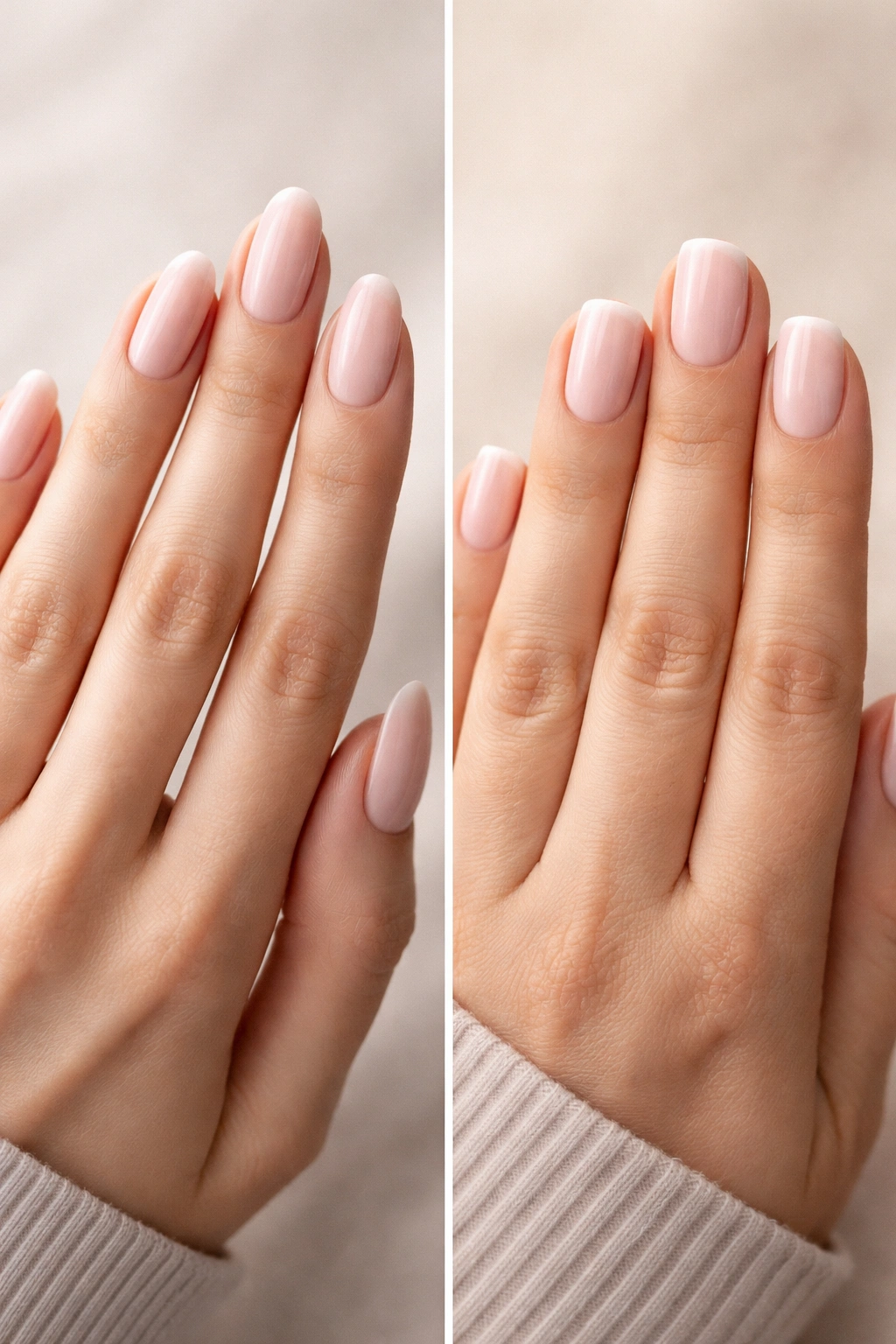
Oval nails are the universally flattering option — they work across almost all hand shapes, which is partly why they’ve remained the gold standard for formal occasions and professional photography. Long, slender hands with fine bone structure look absolutely stunning with oval nails because the shape echoes and amplifies the natural elegance of the proportions.
Hands with wider palms or shorter fingers can sometimes look off-balance with oval nails if the oval is too extreme — the extreme tapering can make wider nails look even wider by contrast. For these hand shapes, squoval is genuinely the better choice because the fuller shape harmonizes with the proportions rather than creating visual contrast.
Small hands benefit immensely from oval because the elongating visual effect makes fingers appear longer and the overall hand more delicate. A squoval on a small hand, while still looking nice, doesn’t create that optical illusion in the same way. If you have petite hands and want to elongate them visually, oval is the stronger choice.
Hands with pronounced knuckles and defined bone structure look more striking with squoval because the shape’s structure complements the definition. Oval on these hands can sometimes look too delicate and soften the presence you might be going for. The squared base of squoval echoes the angular features and creates visual harmony.
Wide, round nail beds — the kind where the nail bed looks more circular than elongated — actually look better as squoval because the shape respects the natural width. Forcing an extreme oval taper on a naturally wide nail bed can create an awkward mismatch between the nail bed shape and the free edge shape. Squoval bridges that gap.
The length you wear your nails also interacts with hand shape. Very long nails on someone with small hands can look overwhelming, and oval’s extreme taper can actually magnify this. Medium-length squoval on small hands might hit the sweet spot better. Conversely, long oval nails on someone with longer, more slender hands look absolutely proportional and beautiful.
Maintenance Requirements and Upkeep
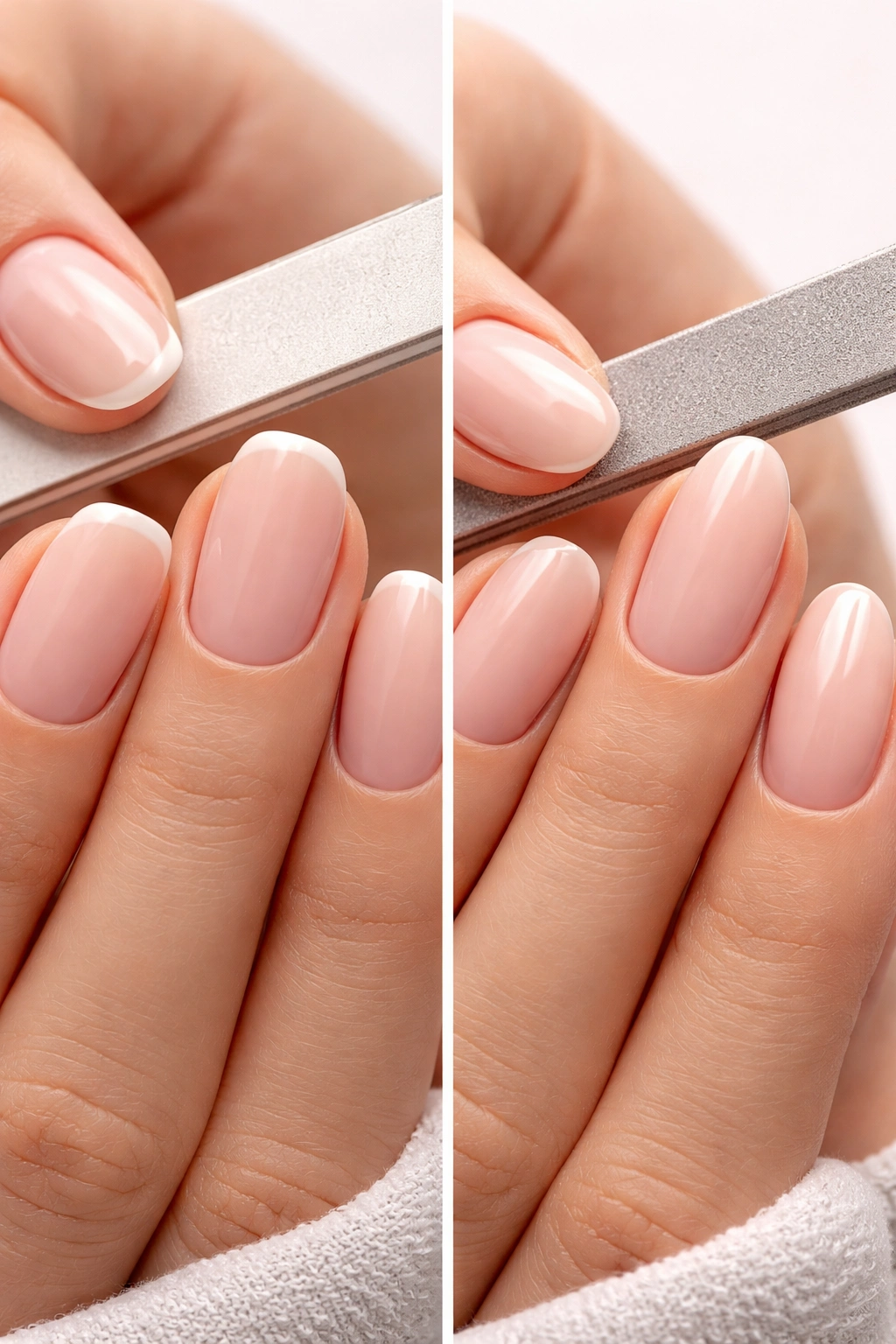
Oval nails demand more frequent filing maintenance because that pointed tip is constantly catching, stubbing, and slightly splitting at the edges. To keep an oval looking crisp and intentional, you’re ideally filing every three to four days if you’re active or working with your hands. The shape deteriorates quickly from its original pristine form into something ragged and imperfect.
Squoval nails are more forgiving between fill appointments or maintenance sessions. The broader, less delicate tip withstands daily wear better, so a squoval can go a full week without filing and still look intentional and neat. You’re maintaining structure rather than chasing a perfect point.
The filing technique differs significantly between the two shapes. Oval requires a very specific method — you’re angling the file to taper the sides evenly, then rounding the point with careful precision. If you’re using a nail file at home, getting a truly symmetrical oval is surprisingly difficult. Squoval is easier to maintain yourself because you’re filing straighter sides and then softly rounding the corners, which is a more forgiving motion.
If you’re wearing polish (whether traditional or gel), oval nails require more precision in application because you have less margin for error near the tip. Any unevenness in the polish application is visible on a tapered oval point. Squoval polish application is more forgiving because the broader base means slight imperfections are less noticeable.
Gel extension maintenance also differs. Oval extensions need to be infilled more frequently at the tip because the thinner point tends to chip more easily. Squoval extensions can comfortably go the full three weeks between fills with minimal chipping because the broader tip is structurally more stable.
The edge itself requires different care. Oval’s fine point can become slightly ragged just from normal use — typing, opening containers, touching your face. To keep it looking fresh, you’re sealing that edge regularly. Squoval’s softened edges are more resilient and stay neat-looking longer with less intervention.
How Long Each Shape Lasts at Different Lengths
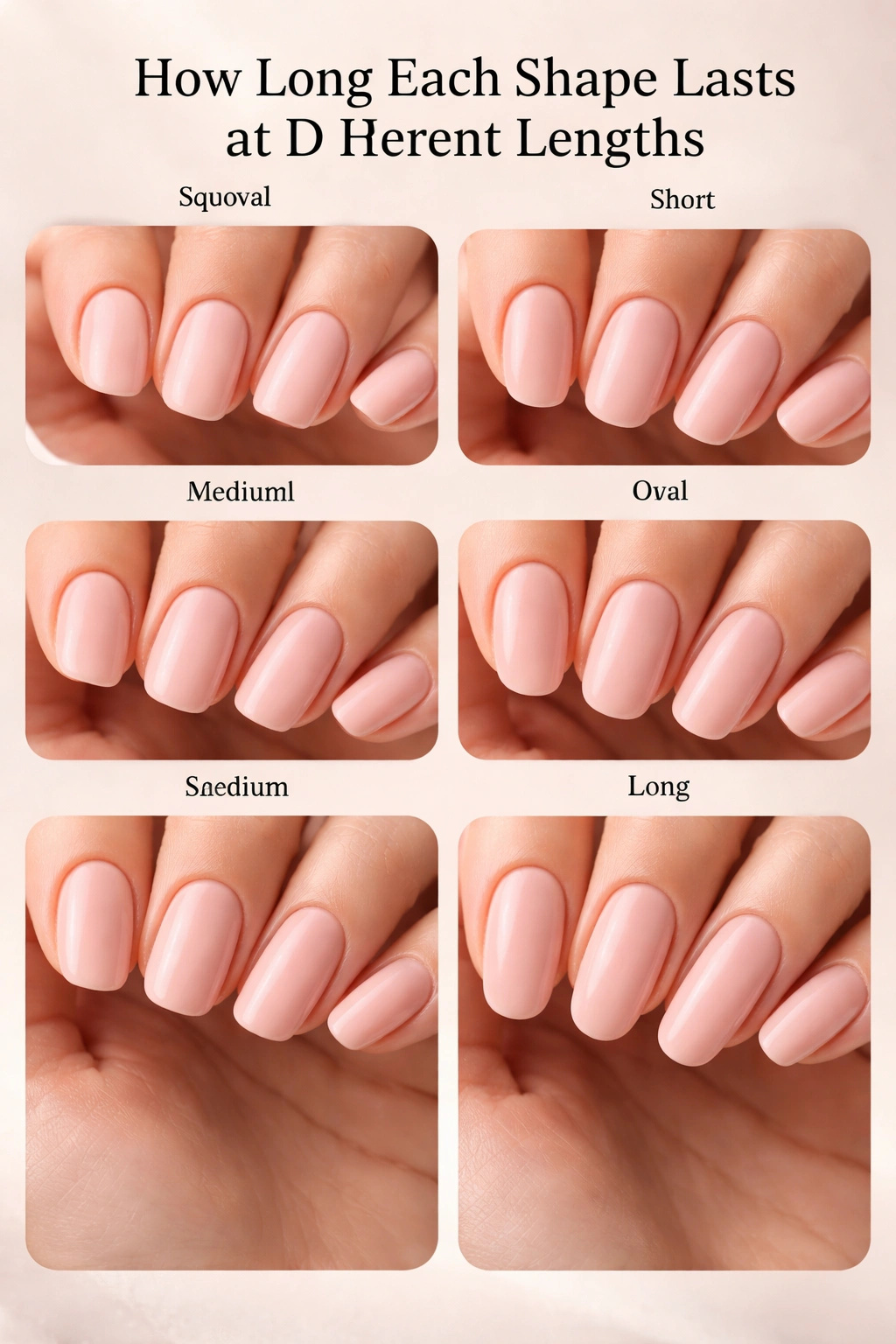
At very short lengths (barely past the fingertip), both shapes work fine, but there’s minimal visual difference between them. The shape distinction really shows up once you get to medium length and beyond. Short oval and short squoval are so subtle in their differences that most people wouldn’t notice the distinction.
Medium length is where both shapes truly shine. Oval at medium length (about a quarter inch past the fingertip) looks elegant without becoming fragile. Squoval at the same length looks modern and polished. Both are equally wearable for work or daily life. The durability difference becomes noticeable here if you’re particularly hard on your nails — squoval’s resilience becomes an advantage.
Long nails amplify the differences substantially. A long oval nail is objectively stunning but requires careful attention and frequent maintenance to stay perfect. Long squoval is also beautiful but demands less fussy maintenance, making it the practical choice if you want to stay looking polished without filing every few days.
Extra-long nails (half inch or more past the fingertip) are where oval truly reaches its most dramatic, elegant form. The extreme length makes the taper look absolutely ethereal. However, breakage risk increases exponentially. For extra-long wear without constant breakage stress, squoval is genuinely the more realistic choice — you can actually maintain that length without living in fear of your nails snapping.
The growth phase matters too. As your nails grow between appointments, an oval’s shape sometimes looks awkward during that in-between phase as the new growth curves differently. Squoval’s shape remains more visually consistent as it grows because the straighter base extends the length more naturally.
If you’re transitioning from shorter to longer nails gradually, squoval might be the better intermediate choice. You can comfortably grow it out to whatever length you want without facing the durability anxiety that comes with growing out an oval to extreme lengths.
Best Nail Art and Design Compatibility
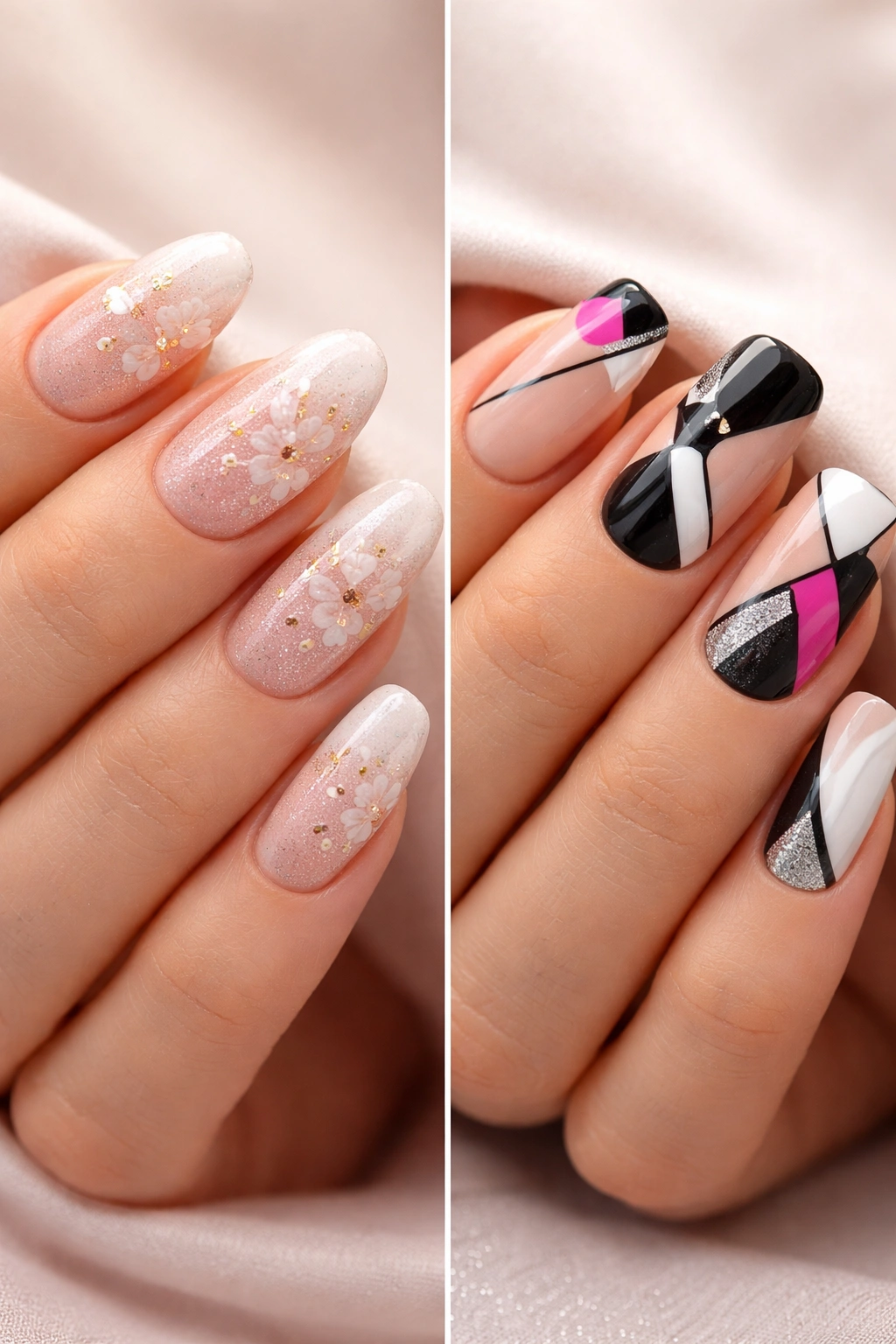
Oval nails are the canvas of choice for delicate, feminine designs and intricate nail art. The elongated shape gives you literal extra space to work with, and designs that spread across the length of the nail look more dramatic and beautiful. French manicures, ombre gradients, and linear designs all look proportionally perfect on an oval.
Detailed artwork that requires precise line work or small imagery benefits from the extra length of an oval nail. Tiny florals, miniature portraits, or intricate geometric patterns all read better on the extended surface. The shape itself is so elegant that even a simple solid color looks refined and intentional.
Squoval nails offer versatility in a different way — they’re the shape that makes trendy, editorial designs look most contemporary. Negative space designs, chunky geometric patterns, and bold color blocks all read as more modern on a squoval than they do on an oval. The shape’s structured nature makes modern design concepts feel cohesive.
Gradient and ombre designs work beautifully on both, but they read differently. On oval, they feel romantic and soft. On squoval, the same gradient reads as more sophisticated and editorial. If you’re trying to decide between shapes based on a specific design you love, consider how that design looks on each shape visually.
Minimalist designs are equally at home on either shape, though they photograph differently. A single stripe, a tiny dot, or a color-blocked design looks elegant on oval and modern on squoval. Both are equally valid depending on the overall aesthetic you’re going for.
Seasonal and occasional designs sometimes feel better on one shape than the other. Romantic holiday designs and delicate festive patterns suit oval. Bold, graphic, statement-making designs work better on squoval. If you change your nail designs seasonally, you might actually prefer having one shape that works with all your design preferences.
Application Difficulty and Professional Workload
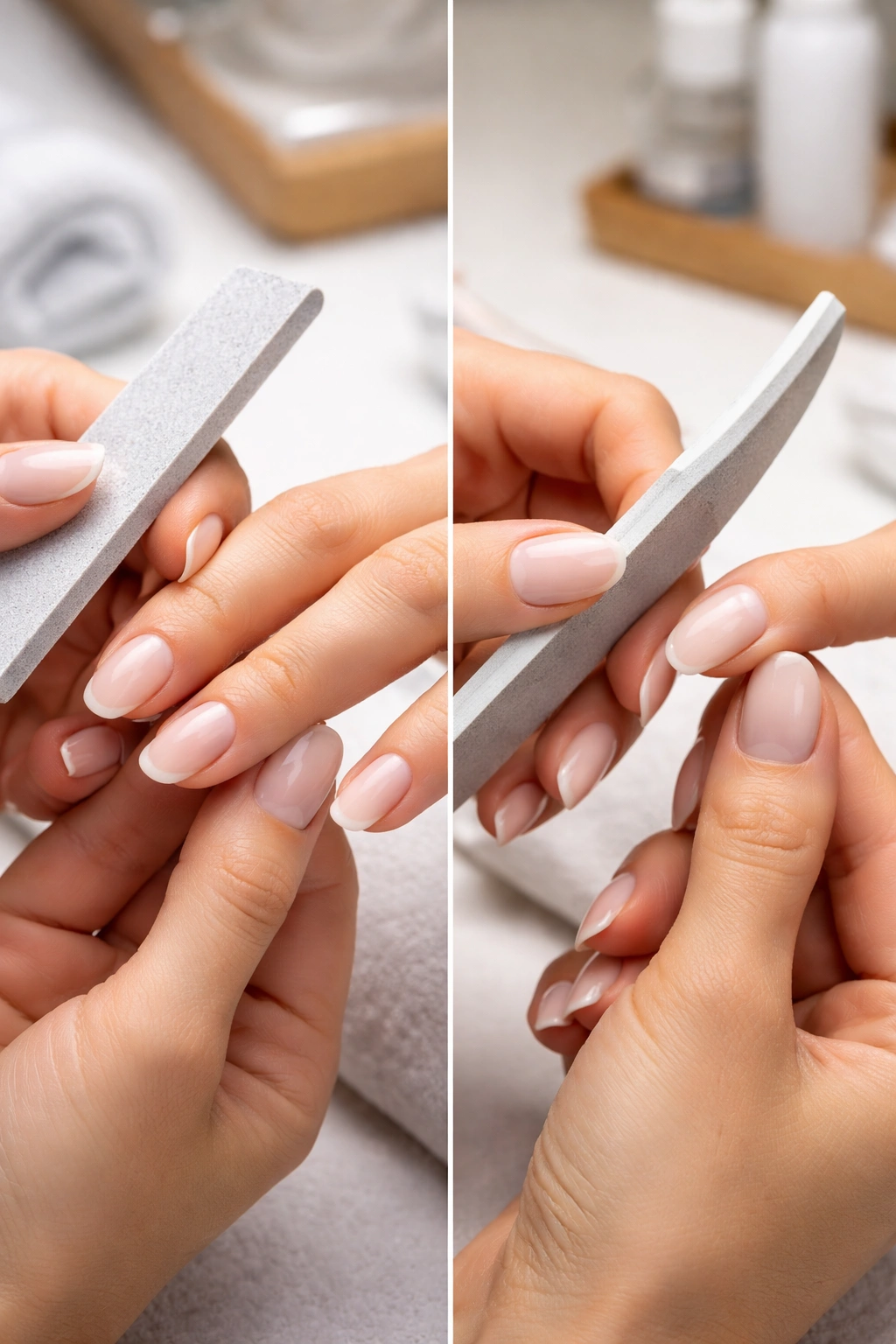
Oval nails require more precision during application, whether you’re getting them professionally or doing them yourself. A technician has to hand-file each nail into a perfectly symmetrical oval, which takes skill and experience. The margin for error is smaller because if the taper is uneven, it’s immediately visible.
Squoval nails are slightly faster to apply because the technician is filing straighter lines first and then softly rounding corners. The process is a bit more forgiving, and it’s easier to correct small mistakes. Many salons prefer squoval as a default because it reduces the time per client while still delivering a polished result.
If you’re maintaining your nails at home, squoval is genuinely easier. The filing motion is more straightforward — you’re not trying to achieve a perfect taper that requires angling the file just right. Most people can maintain a squoval successfully with basic nail care tools. Oval requires more skill and patience.
The initial application time at a salon is slightly longer for oval because precision matters more. A technician might spend an extra few minutes fine-tuning that taper to ensure it’s perfect. Squoval typically moves faster, which sometimes means lower cost, though pricing varies widely by salon.
If you’re using extensions (whether acrylics or gel), oval extensions require more careful sculpting during application because you’re creating that taper from a form. Squoval extensions are faster to create because you’re extending straighter lines. This translates to slightly lower extension costs if you’re getting squoval versus oval extensions, though, again, this varies by salon.
Touch-up and fill appointments also differ. An oval fill requires more time to blend the new growth and recreate the taper. A squoval fill is quicker because you’re working with straighter geometry that’s easier to recreate and blend smoothly.
Versatility Across Different Styles and Settings
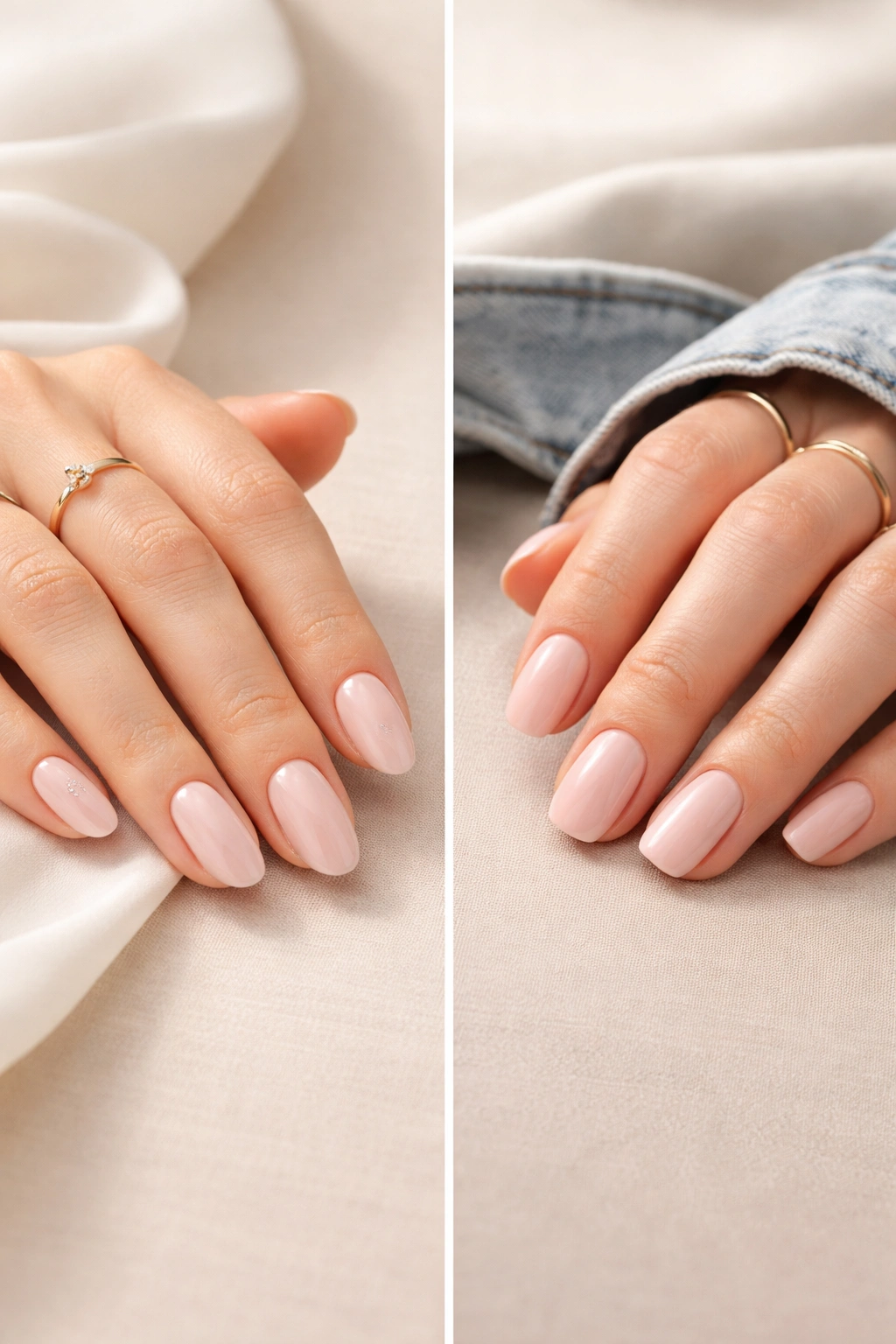
Oval nails are inherently formal and elegant. They work beautifully in professional settings, at formal events, and in any context where refined beauty is the goal. They’re the shape you see on news anchors, in luxury advertising, and at formal occasions. They transcend trends and always read as polished.
Squoval nails are equally versatile but in a different direction. They work in professional settings (perhaps slightly more contemporary and less traditionally formal than oval), they work in casual settings, they work with both minimalist and maximalist aesthetics. Squoval has become the default because it’s genuinely hard to find a context where it doesn’t work.
If you’re someone who likes to change your nail aesthetic frequently — from corporate to casual to bold to minimal — squoval might be the better foundational shape because it adapts easily to different designs and contexts. Oval is better if you prefer a consistent, classically elegant aesthetic across all contexts.
Athletic or active contexts slightly favor squoval because durability matters more than pure aesthetics. If you’re someone who genuinely uses your hands actively — playing sports, working with your hands professionally, gardening, or just living a high-energy lifestyle — squoval’s structural advantage is a real daily quality-of-life benefit.
Creative or artistic aesthetics work with both, but differently. An oval nail with elaborate nail art feels like a deliberate, artistic choice. A squoval nail with the same art reads as more editorial. Neither is better; they just communicate different aesthetics.
Both shapes work equally well with different polish finishes and textures — matte, glossy, glitter, chrome, etc. The shape itself doesn’t limit your design options. What changes is the overall feel of how the design reads on your hands.
The Growth and Maintenance Timeline
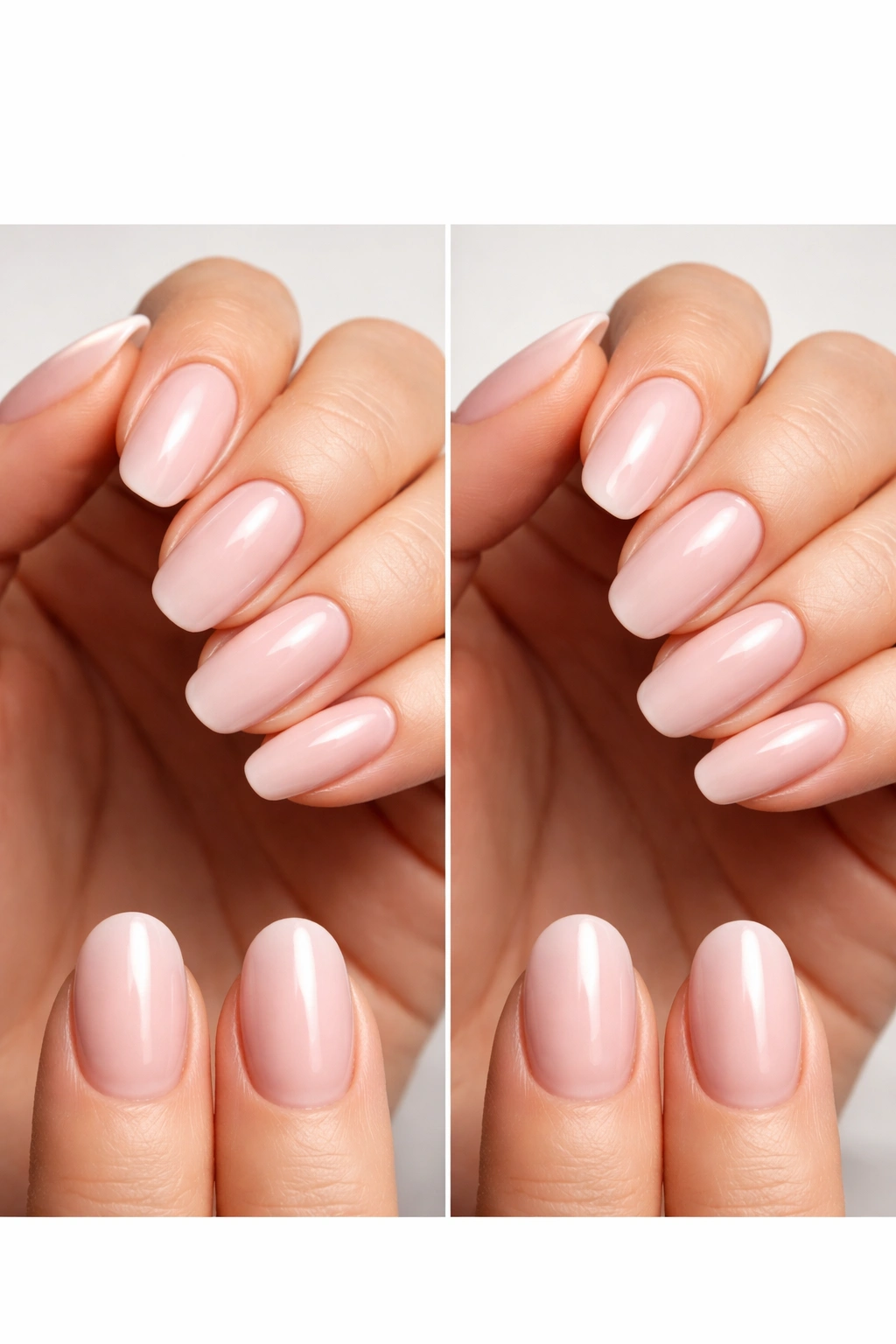
As your nails grow, oval and squoval maintain their shapes quite differently. An oval’s taper remains consistent as the nail grows because the shape is uniform from base to tip. However, the junction between your new growth and the original oval shape can sometimes look slightly off — the new keratin that grows in often grows in at a slightly different angle.
Squoval actually maintains its look more naturally as it grows because the straighter base extends the length without dramatic shape change. The new growth blends more seamlessly with the existing shape, which means that awkward in-between growth phase is less noticeable.
At a typical three-week refresh cycle (common for gel extensions), both shapes look fine right after application and still look great at two weeks. By week three, an oval might show more wear at the tip, while a squoval holds its intentional look longer. This assumes normal activity — obviously, if you’re particularly hard on your nails, all bets are off.
If you’re trying to grow out your natural nails longer, oval’s shape means you’re fighting against durability as the length increases. By the time you reach four or five weeks of growth, that long oval tip starts feeling fragile. Squoval can comfortably go longer between maintenance because the shape isn’t creating concentration of stress at the tip.
The psychological timeline also differs. An oval might look absolutely perfect at day three post-appointment, but by day five, it might feel like it needs attention because the tip has roughed up slightly. A squoval looks intentional right after application and continues looking intentional throughout the two weeks, making it feel less maintenance-dependent.
Which Shape Should You Actually Choose
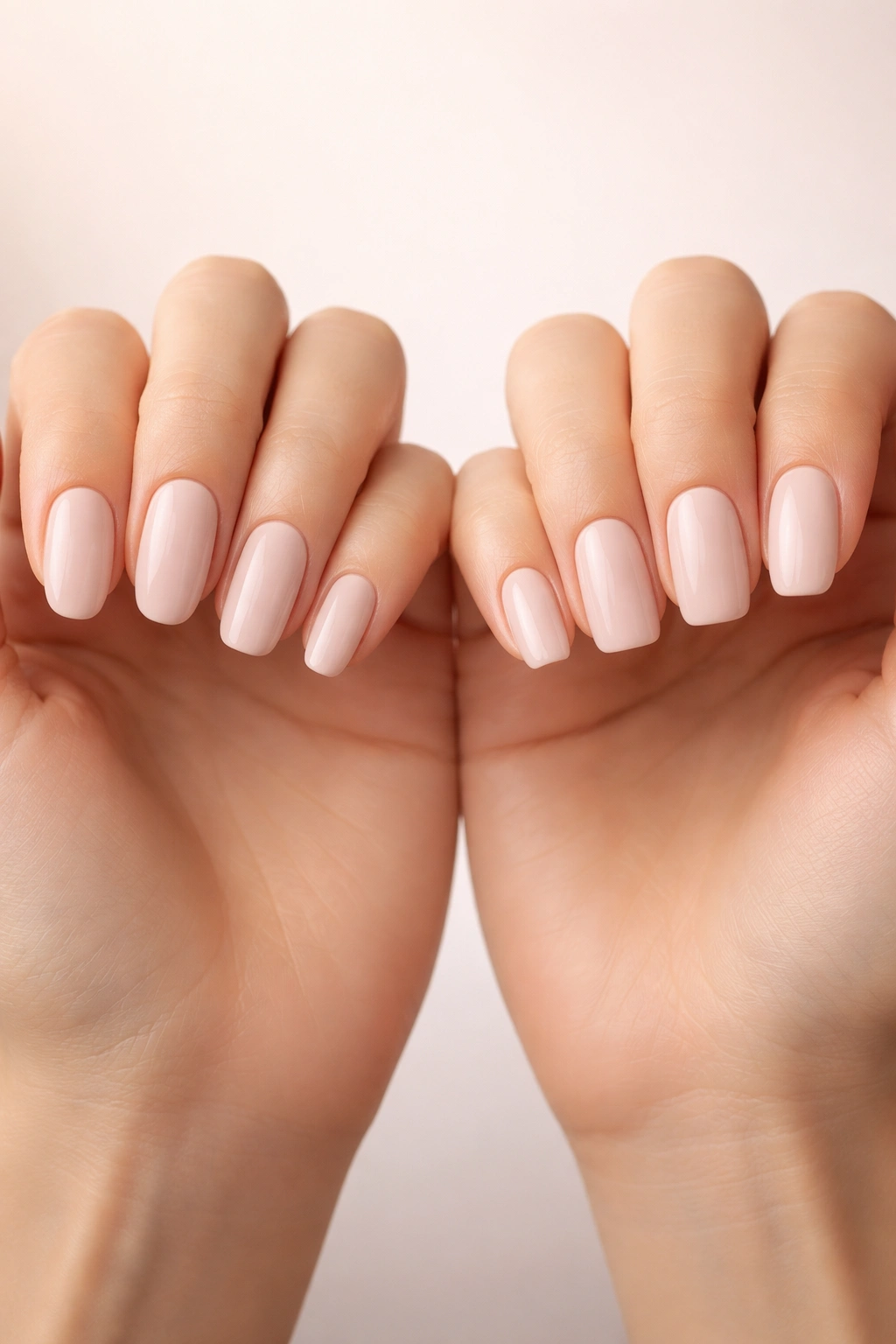
Choose oval if you prioritize aesthetics and elegance above all else, if you have smaller hands that benefit from the lengthening effect, if you’re willing to do frequent maintenance to keep the shape pristine, or if you prefer a classically formal appearance. Oval is the choice if you’re getting your nails professionally maintained regularly and you love the refined sophistication the shape projects.
Choose squoval if you want versatility without sacrificing elegance, if you have an active lifestyle and durability matters, if you prefer lower-maintenance beauty, if you have wider hands that suit the fuller shape, or if you appreciate a more contemporary aesthetic. Squoval is genuinely the better choice if you struggle with keeping nails maintained or if you’re hard on your hands.
The honest reality is that both shapes are beautiful and flattering on most people. The choice often comes down to practical lifestyle factors rather than pure aesthetics. If you’re on the fence and you can’t decide, squoval is probably the safer bet because it offers most of what oval offers with fewer practical drawbacks.
Your natural nail shape can influence which shape looks better on you. If your natural nails are naturally more tapered, an oval feels like a natural extension of what your nails already do. If your natural nails have a wider nail bed, squoval honors that natural shape better.
The frequency of your salon visits also matters. If you go to the salon every two weeks, either shape works. If you go every four weeks or if you maintain your nails at home between appointments, squoval is significantly more forgiving. The shape stays looking intentional longer without constant fussing.
Consider also how you use your hands during your typical day. If you work at a desk most of the time and your nails don’t encounter much stress, oval is fine. If you’re typing constantly, opening things, gardening, or using your hands actively, squoval’s durability advantage becomes genuinely meaningful.
Final Thoughts
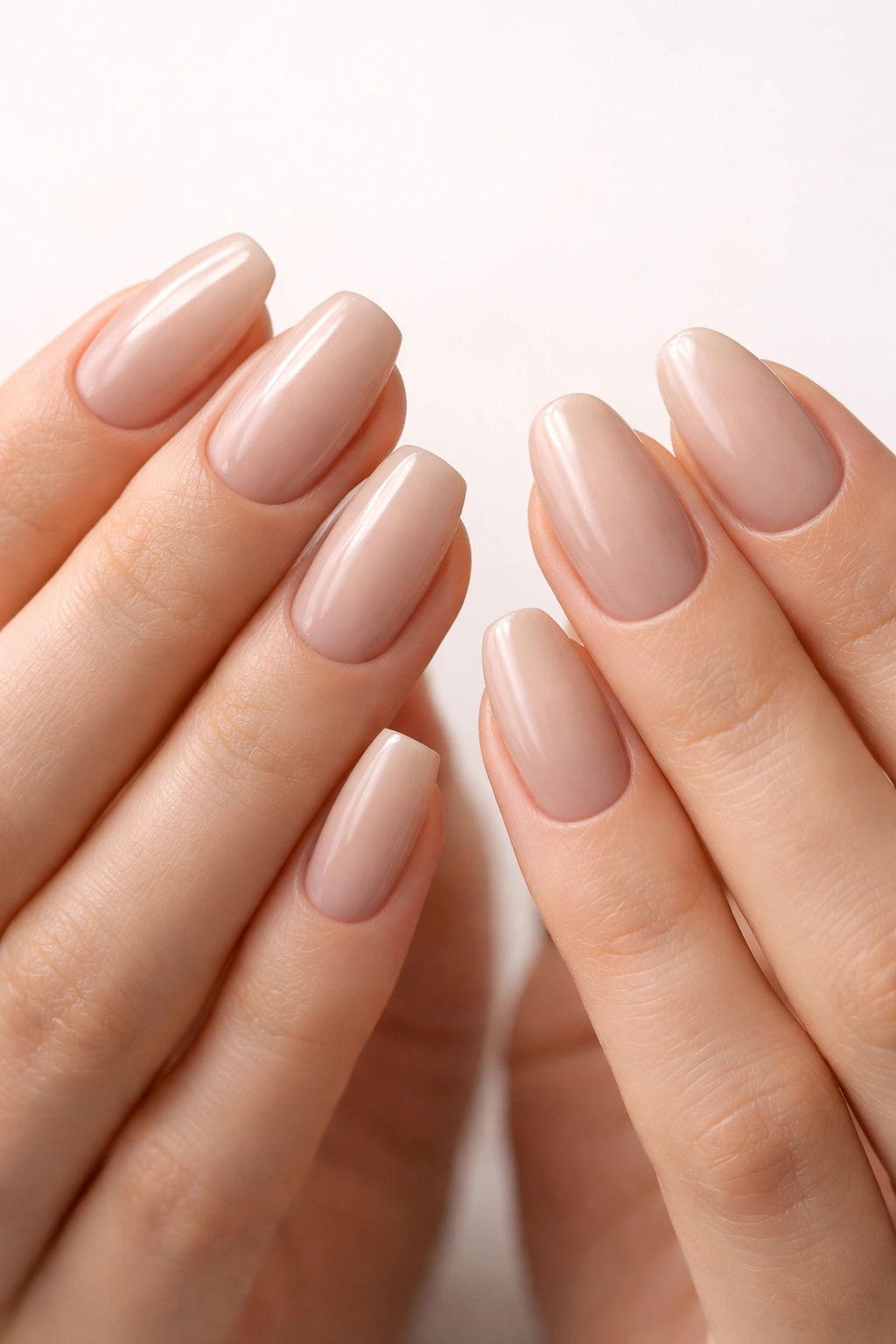
Both oval and squoval nails are genuinely excellent shapes — they’re not a matter of one being objectively better. The real question is which one aligns better with your lifestyle, hand shape, maintenance preferences, and aesthetic priorities. Oval wins on pure elegance and the optical lengthening effect. Squoval wins on versatility, durability, and ease of maintenance.
The beautiful part is that you don’t have to choose one and stick with it forever. Many people transition between shapes seasonally or based on what’s happening in their lives. Maybe you go with squoval year-round for its practical benefits and then switch to oval for a special event. Or maybe you live in oval shape and accept that maintenance is part of the commitment.
Whichever shape you choose, the most important factor is that you love how it looks on your hands and that it fits realistically into your life. A shape you have to maintain constantly but that makes you happy is worth it. A shape that’s lower-maintenance but leaves you feeling less confident isn’t worth the convenience. The best nail shape is always the one that makes you feel great when you look at your hands.