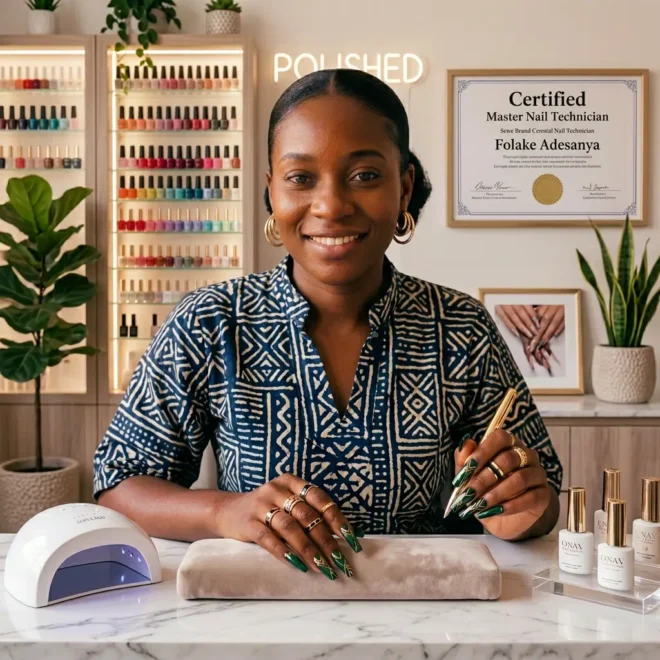


You’ve probably caught yourself staring at someone’s perfectly manicured hands and wondering whether you should grow your nails out or keep them clipped short. Maybe you’ve been team long nails forever, or perhaps you’re a die-hard short nail enthusiast. The truth is, there’s no universal answer to which length works best.
Your ideal nail length isn’t about following trends or copying what looks good on someone else. It’s about finding what fits your daily routine, your personal style, and what makes you feel most like yourself. Both short and long nails have their own unique advantages and challenges that are worth considering before you commit to a length.
The Everyday Practicality of Short Nails
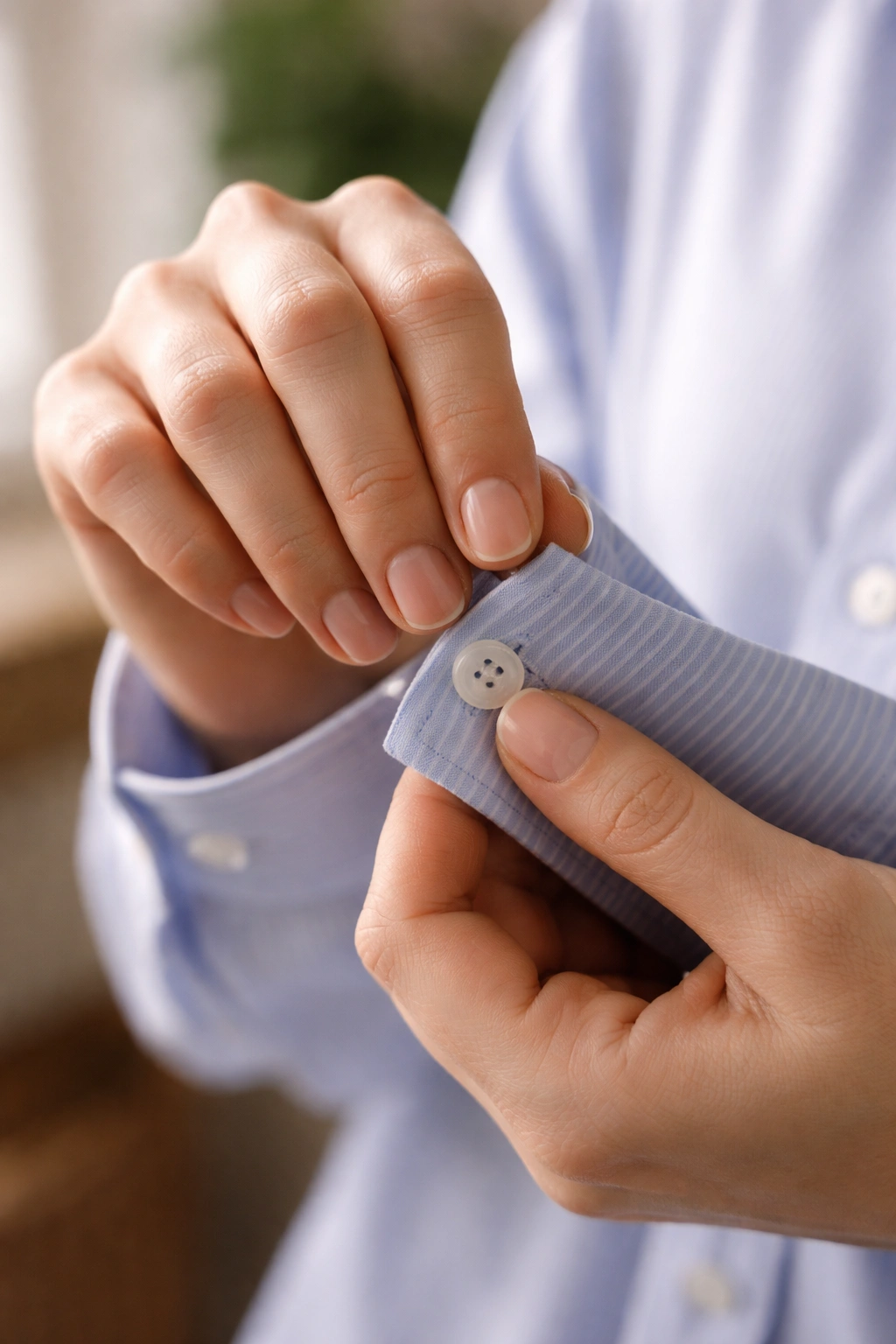
Short nails make life simpler in ways you don’t realize until you try growing them out. Think about all those daily tasks that require precision—buttoning a shirt, working a zipper, or typing out a long email. With shorter nails, these actions happen without a second thought.
There’s something refreshing about not having to adjust how you pick things up or open a soda can. Your nails become tools rather than obstacles. You can dig through your bag for keys, handle contact lenses, or scratch an itch without worrying about breaking a nail or causing damage.
For anyone with an active job or hands-on hobbies, short nails just make sense. Gardening, cooking, playing an instrument, working with your hands—all of these become more manageable when you’re not constantly protecting your nail length. You can grip things firmly without that awkward finger positioning that long nails sometimes require.
Short nails are less prone to breakage, which means fewer emergency nail repairs and less frustration. They’re basically the low-maintenance friend of the nail world.
Professional Polish with Shorter Lengths
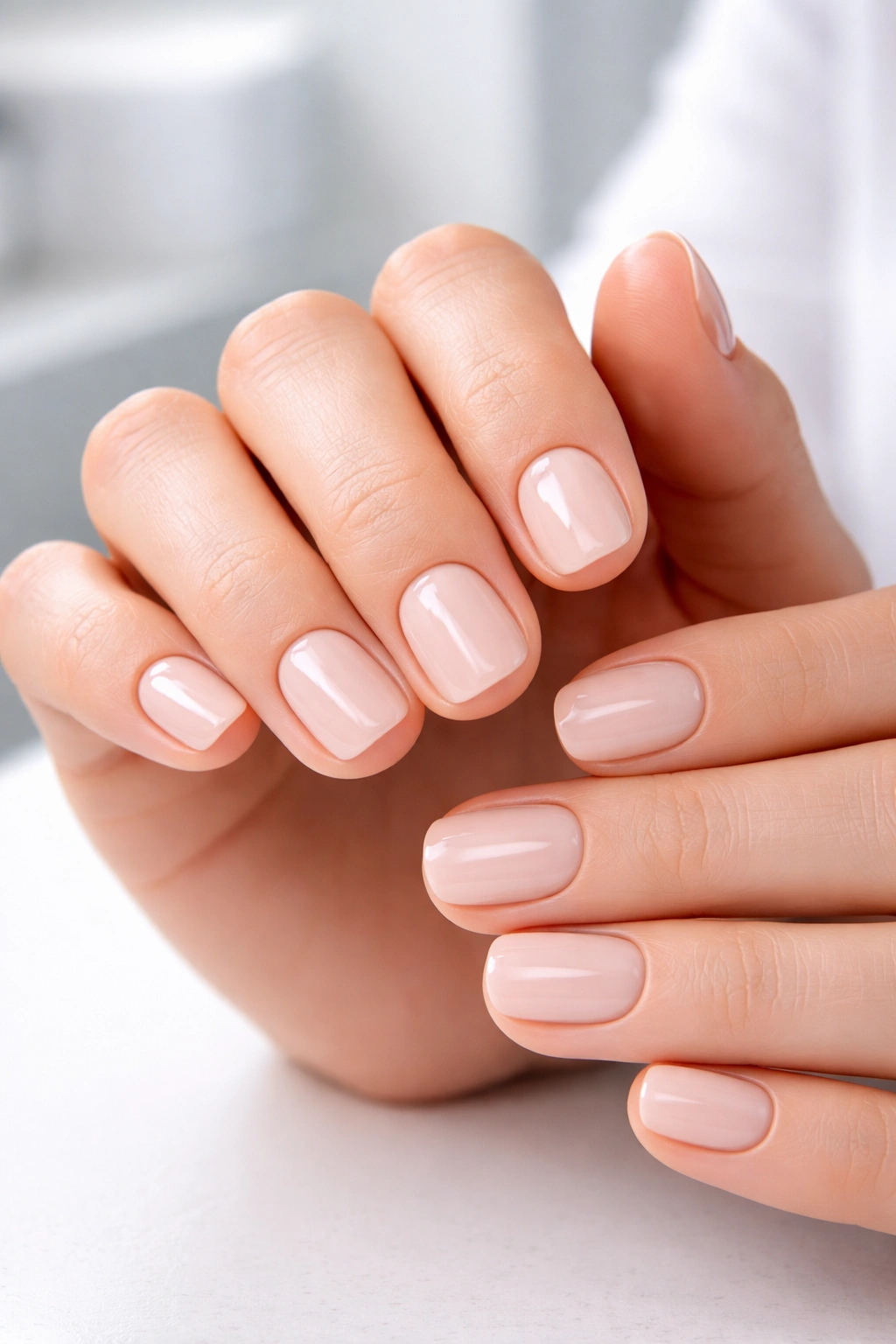
Short, well-maintained nails convey a clean, professional image that works in pretty much any workplace setting. They look intentional rather than neglected, especially when you keep them shaped and polished.
Many professional environments lean toward conservative grooming standards. Short nails fit seamlessly into corporate settings, healthcare roles, food service, and customer-facing positions. They don’t raise eyebrows or violate dress codes.
The polished look you get from short nails comes from proper shaping and cuticle care. A squoval or rounded shape tends to make shorter nails appear more graceful and elongated. Even the shortest nails can look elegant when you’ve taken the time to file them evenly and push back your cuticles.
A fresh coat of polish in a classic shade like nude, red, or even a bold color looks effortlessly chic on short nails. The smaller canvas actually makes the color choice feel more intentional and refined.
Health and Hygiene Benefits of Keeping Nails Short

Shorter nails reduce the risk of bacteria and dirt buildup under the nail bed. That space between your nail and fingertip becomes a breeding ground for germs when nails grow long, but keeping them trimmed minimizes this issue.
Anyone who works in healthcare, childcare, or food preparation knows that short nails aren’t just preferred—they’re often required for hygiene reasons. It’s easier to wash your hands thoroughly when you’re not trying to clean under long nails.
Short nails protect your natural nail health. When nails grow beyond a certain length, they’re more vulnerable to trauma, splits, and lifting. Keeping them shorter reduces stress on the nail bed and helps prevent painful tears that can damage the nail matrix.
You’ll notice fewer hangnails and less cuticle damage with shorter nails. The mechanics of your hand movement don’t put constant pressure on the nail, which means healthier growth overall.
Simplified Nail Care and Maintenance
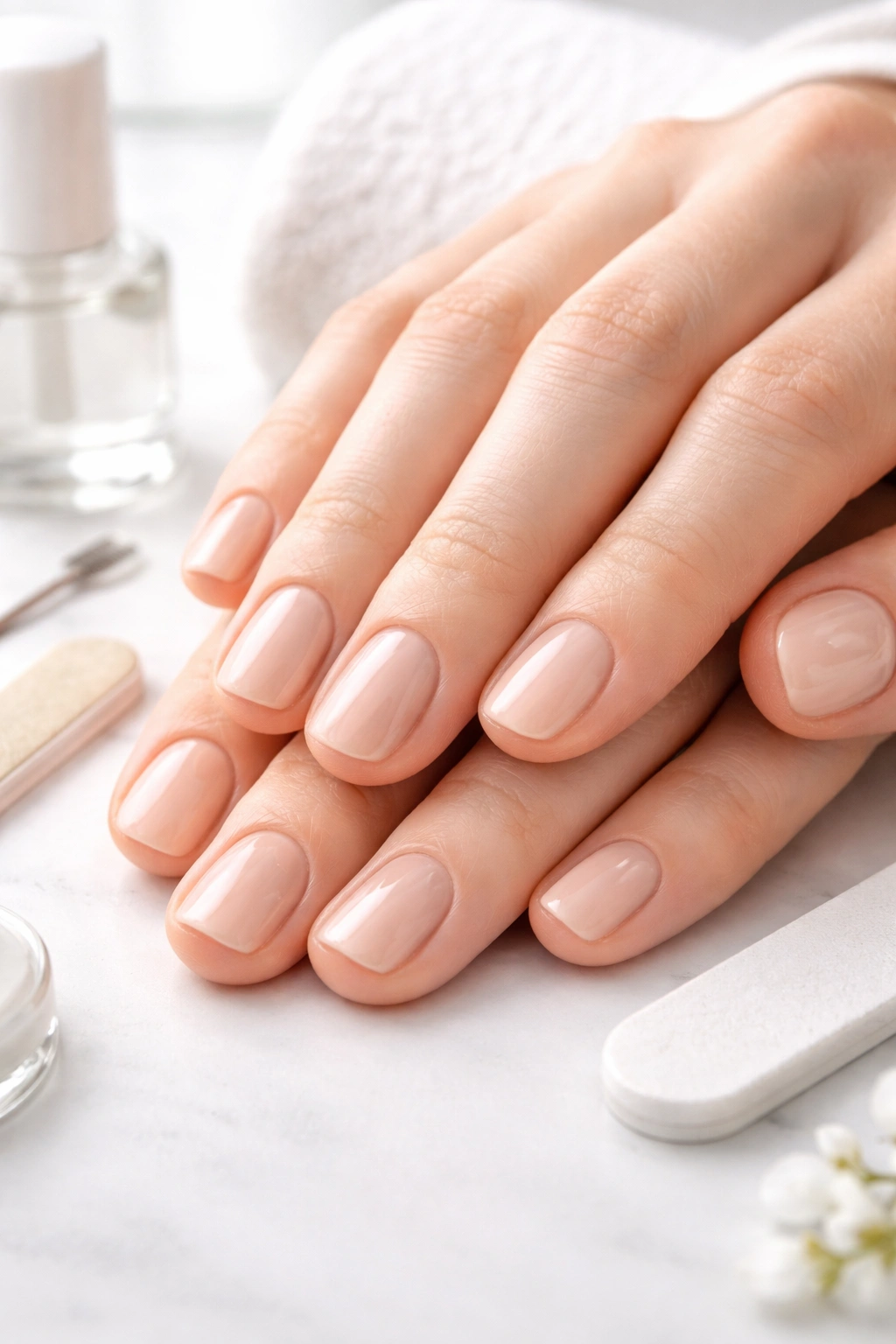
Let’s be honest—short nails require way less upkeep than long ones. You’ll use less polish, less remover, and spend less time on each manicure. The whole process becomes quicker and easier.
Polish application is more forgiving on shorter nails. You don’t have to worry as much about tip wear or wrapping your tips perfectly. A quick swipe of color and you’re done in minutes rather than dedicating a whole evening to nail care.
Cleanup becomes almost non-existent when your nails are short. With longer nails, it’s easier to avoid getting polish on your skin, but with shorties, you might get a bit more on your fingers. Still, the overall maintenance time stays much lower.
You can get away with longer stretches between manicures when your nails are short. Chips and growth lines are less noticeable, and the overall wear and tear happens at a slower, more manageable pace.
The Dramatic Statement of Long Nails
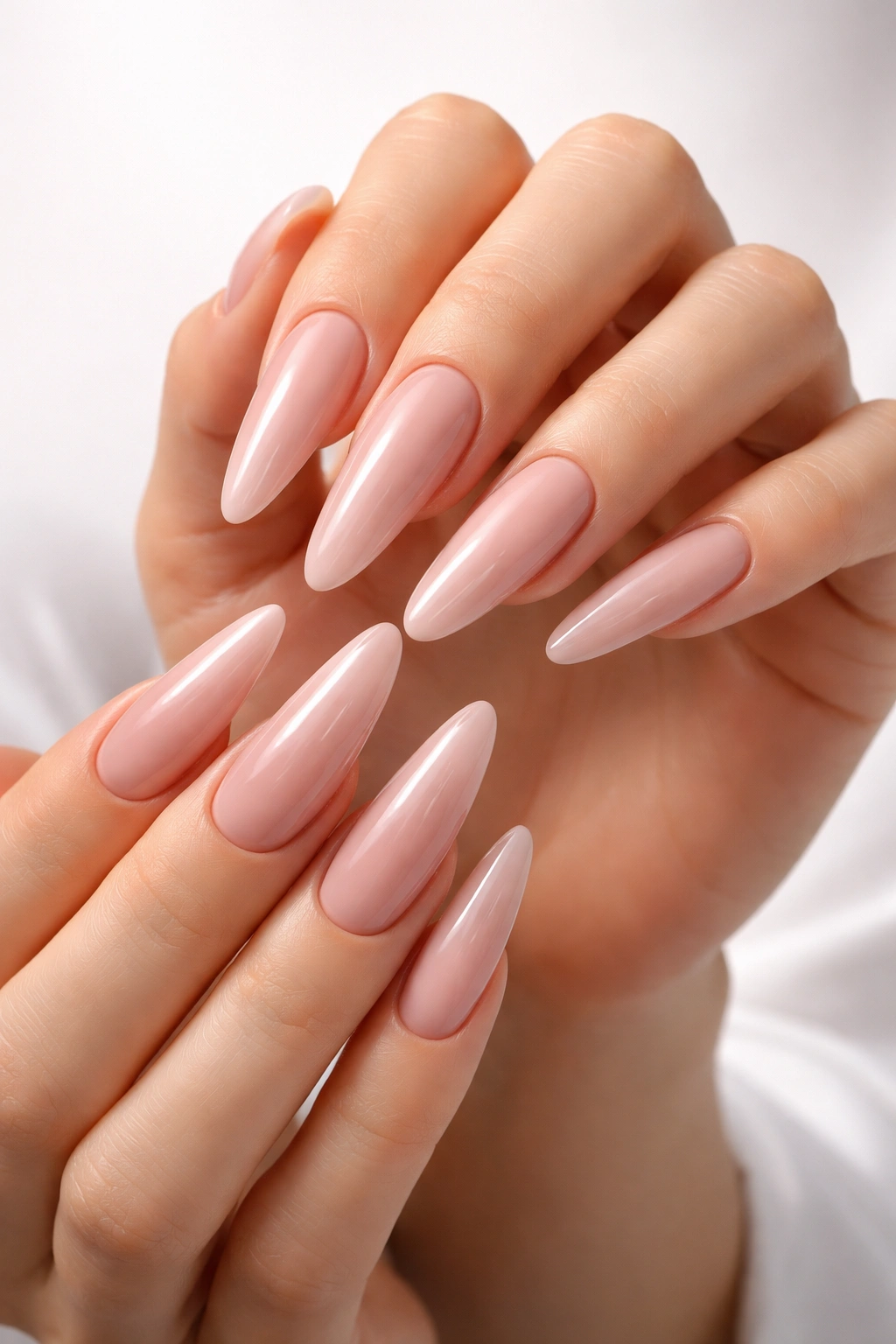
Long nails command attention in a way that short nails simply don’t. They’re bold, glamorous, and unapologetically feminine. When you walk into a room with beautifully maintained long nails, people notice.
There’s an elegance to elongated nails that can make your fingers appear longer and more graceful. The extended length creates visual interest and becomes part of your overall aesthetic. Whether natural or enhanced with acrylics or gels, long nails carry a fashion-forward vibe.
Long nails make a statement about self-care and style priorities. They show you’re willing to invest time and effort into your appearance. For special occasions, events, or just everyday glamour, they deliver that extra dose of sophistication.
The confidence boost that comes with long, gorgeous nails is real. They can transform how you carry yourself and interact with others. Many people feel more put-together and polished when their nails are longer.
A Canvas for Creative Expression
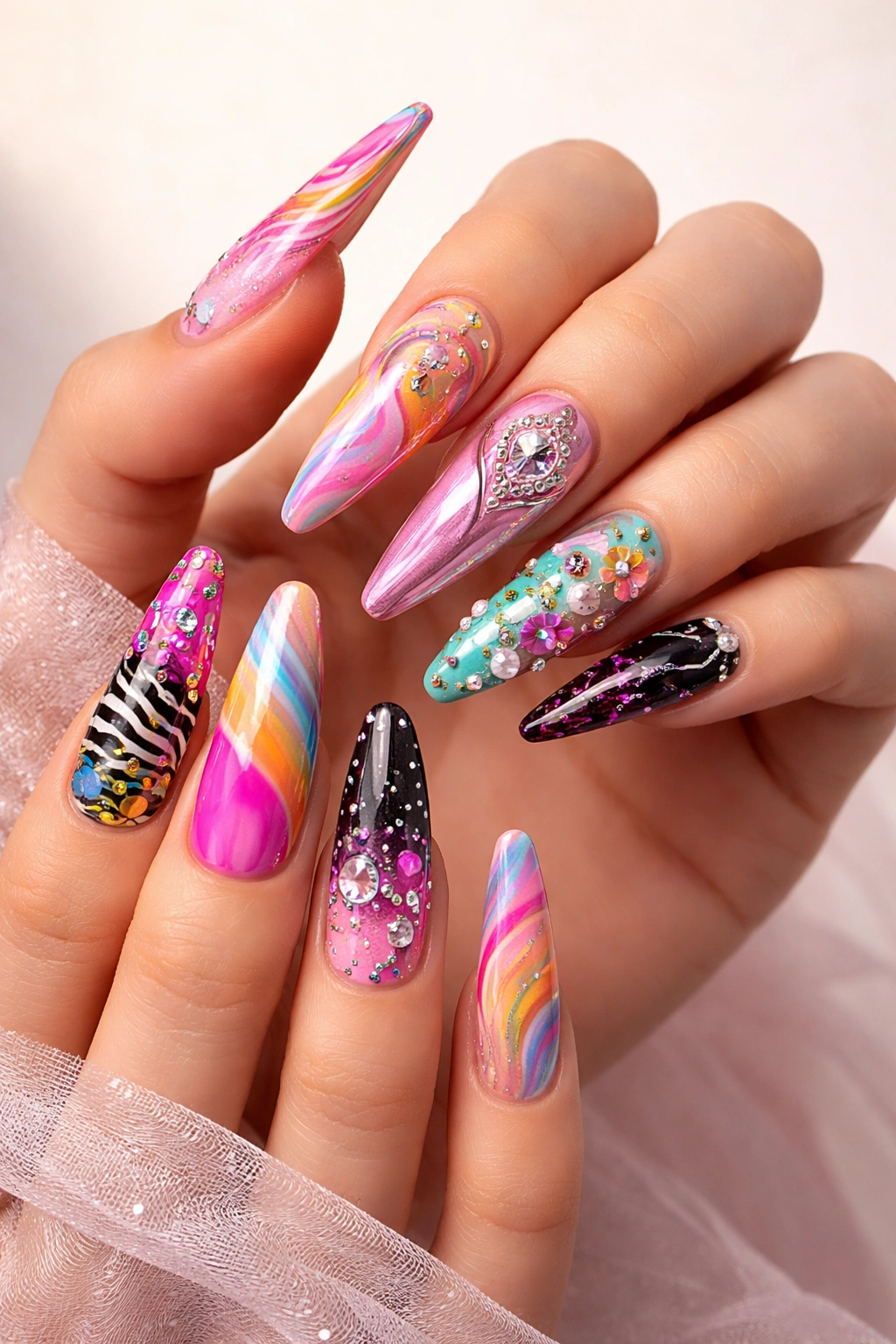
If you love intricate nail art, long nails offer the space you need to really showcase designs. Detailed patterns, elaborate artwork, and complex techniques all look more impressive on a larger canvas.
Nail artists can work magic on longer nails—think ombré effects, rhinestone placements, hand-painted florals, or geometric patterns. The extra length provides room for creativity that shorter nails just can’t accommodate. You can actually see the details of the design without everything looking cramped or cluttered.
Different nail shapes become possible with length. Stiletto, coffin, almond, square, or ballerina shapes each create a distinct look that can complement your hand shape and personal style. Short nails limit you mostly to round or squoval shapes.
Layering techniques, 3D elements, and mixed media nail art all work better when you have the real estate that long nails provide. Your nails become tiny works of art rather than just colored fingertips.
The Reality of Long Nail Maintenance
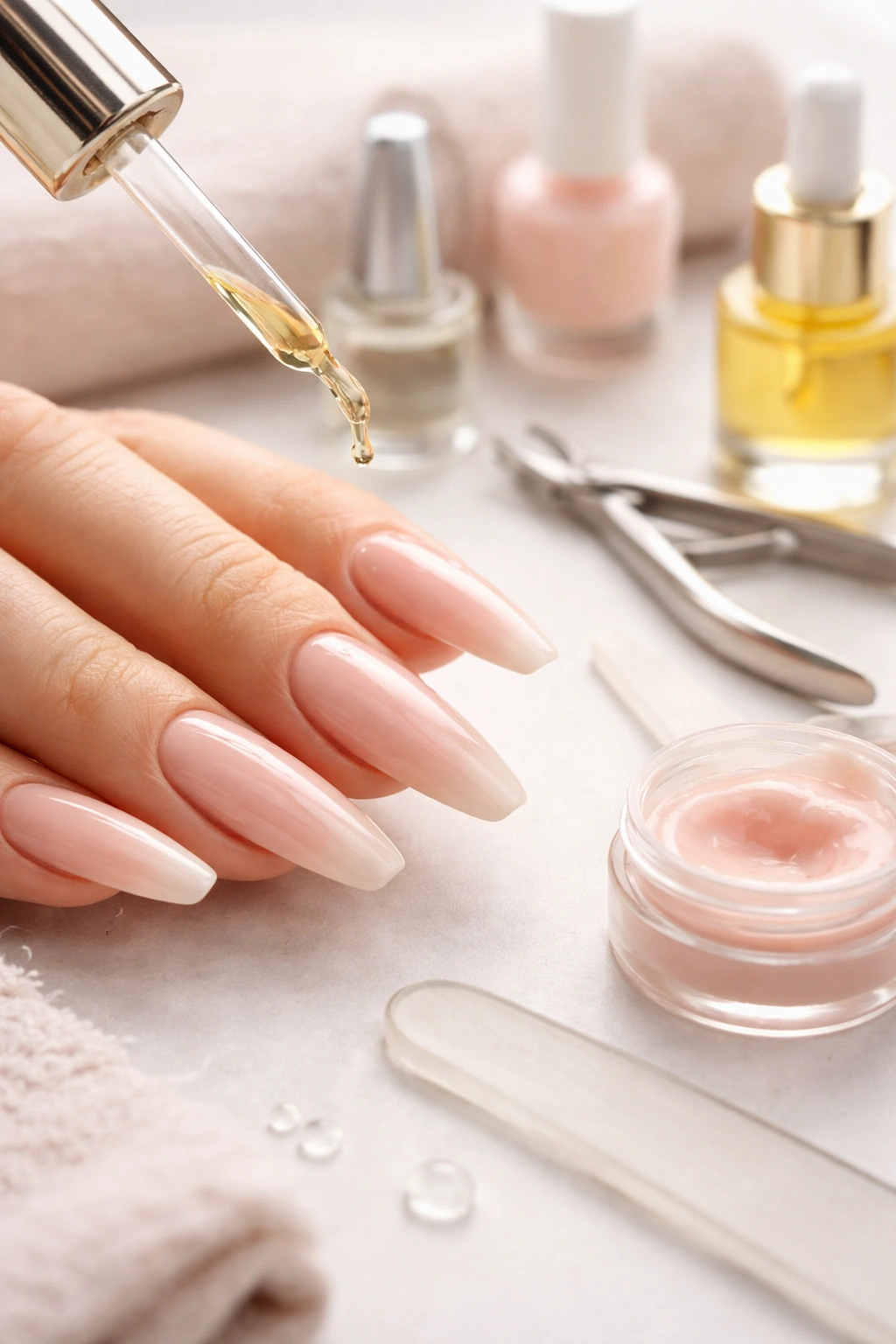
Long nails demand consistent care and attention. You’ll go through more products—more polish, more strengthener, more cuticle oil—just to keep them looking good. Budget for these ongoing costs if you’re committing to length.
Breaks and chips become more devastating with long nails. Losing one nail means either filing them all down to match or dealing with uneven lengths until it grows back. The frustration factor increases significantly.
You’ll need to develop new techniques for everyday tasks. Opening things, typing, texting, and handling small objects all require adjustments. Some people adapt quickly, while others find the learning curve annoying. Your smartphone might become your enemy as you struggle with touchscreen accuracy.
Professional maintenance helps, but it’s expensive. Regular fills for acrylics or gel extensions, repairs for breaks, and shaping appointments add up fast. If you’re growing your natural nails long, you’ll need strengthening treatments and careful monitoring to prevent damage.
Lifestyle Limitations with Extended Length
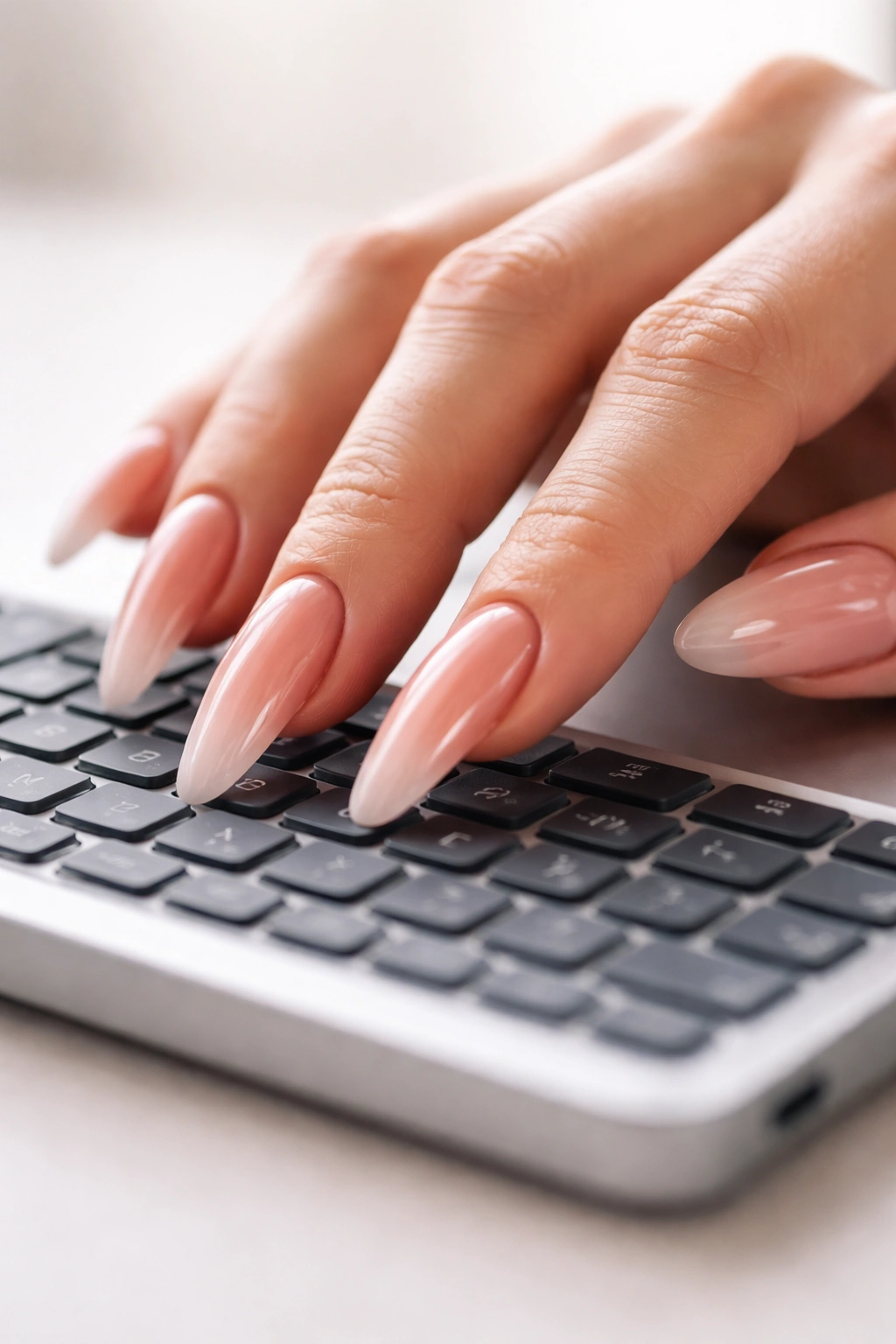
Certain activities become genuinely difficult or even impossible with long nails. Try putting in contact lenses, working tiny buttons, or typing at your normal speed. Athletic activities like rock climbing, weightlifting, or even volleyball become challenging.
Anyone with a hands-on job will struggle to maintain long nails. Construction, healthcare, teaching young children, mechanics, hairstyling—these careers don’t mix well with extended nail length. You’ll either break them constantly or have to give up the length entirely.
Long nails can interfere with playing musical instruments. Pianists, guitarists, and string players often can’t maintain length on their dominant hand. The clicking on piano keys or the inability to properly fret guitar strings makes long nails incompatible with serious music practice.
Even simple hygiene tasks change with long nails. Washing your hair becomes an awkward finger-pad-only situation unless you want to scratch your scalp (which some people love, but many find uncomfortable). Contact lens wearers often cite this as their main reason for keeping nails shorter.
Choosing Length Based on Your Lifestyle
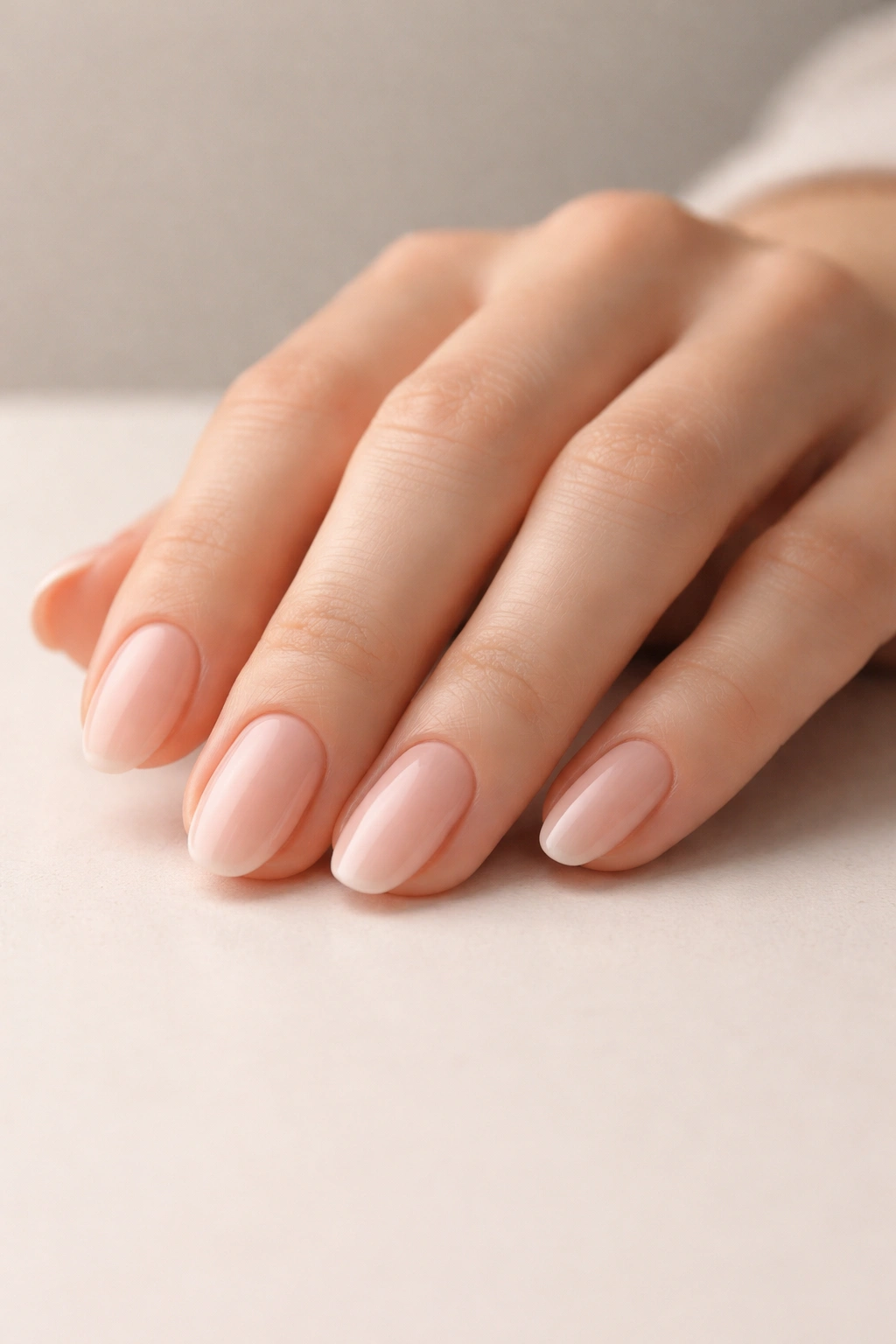
Your daily activities should drive your nail length decision more than aesthetics alone. If you’re constantly doing physical work, short nails make practical sense. If you have a desk job and love making a statement, long nails might work perfectly.
Think about your hobbies and interests. Do you garden, bake, do crafts, or play sports? These activities heavily favor shorter nails. Are you into fashion, photography (not hands-on shooting), or creative work that doesn’t require manual dexterity? Long nails won’t hold you back.
Consider your patience level for maintenance. Some people love the ritual of nail care and don’t mind the extra time. Others want a quick, fuss-free routine that lets them move on with their day. Neither approach is wrong—it’s about honest self-assessment.
Your personal style matters too. Minimalist aesthetics often pair well with short, clean nails, while maximalist or glamorous styles can embrace the drama of length. Let your overall fashion sense guide your choice.
Nail Health Considerations for Both Lengths
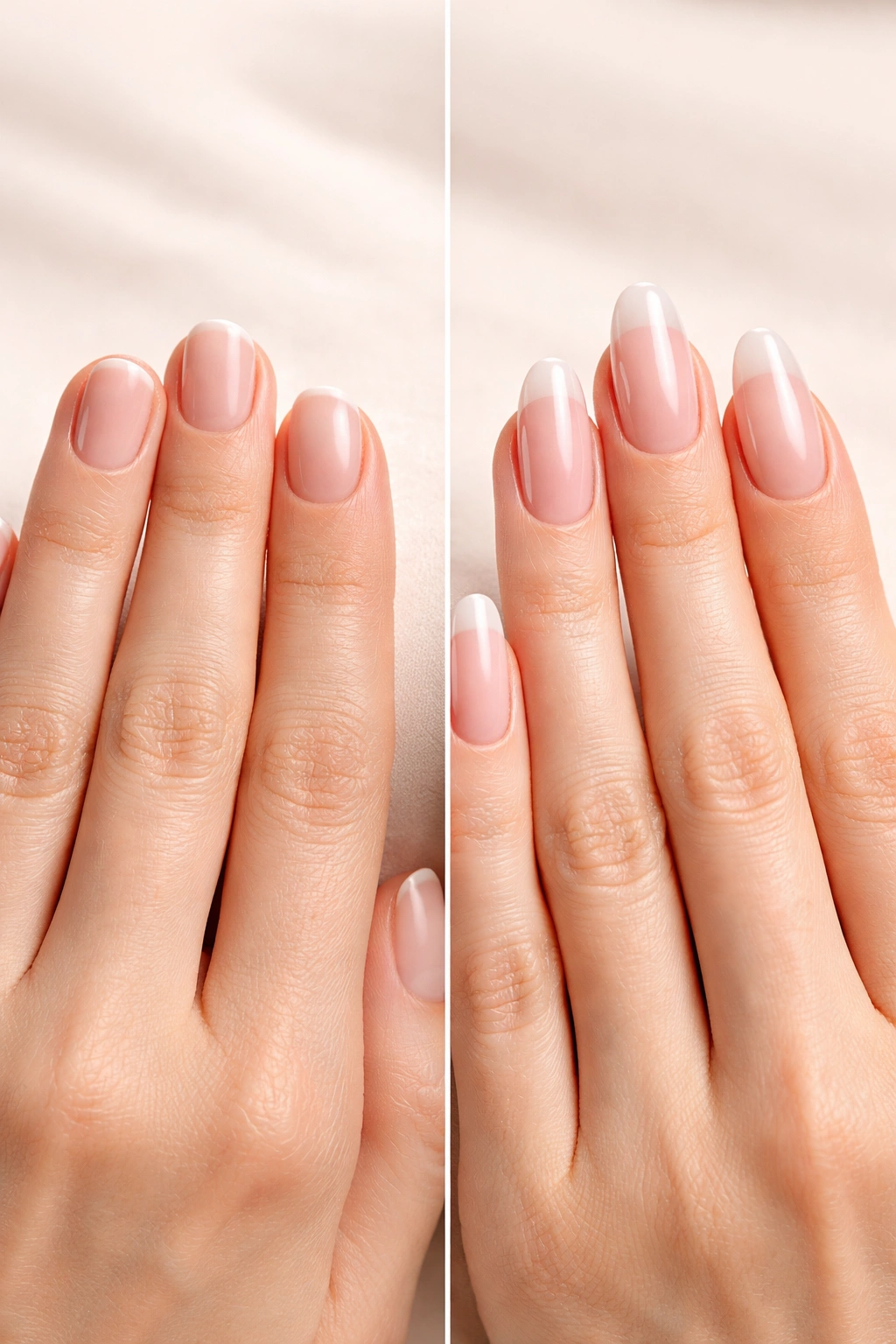
Healthy nails can be any length, but maintaining that health requires different approaches. Short nails need regular filing to prevent jagged edges that can catch and tear. Keep them shaped evenly to avoid weak corners that might split.
Long nails need strengthening treatments and extra moisture to prevent brittleness. The longer your nails grow, the older the tip becomes, which means it’s more prone to dryness and splitting. Cuticle oil becomes non-negotiable for maintaining flexibility and preventing breaks.
Both lengths benefit from proper nail care basics—a good base coat, quality polish, gentle removal techniques, and occasional breaks from polish. Your nails need to breathe and recover, regardless of length.
Watch for signs of damage like peeling, ridging, or discoloration. These issues can happen at any length but require attention before they worsen. Sometimes giving your nails a break by cutting them shorter helps them recover from damage or over-processing.
Making the Transition Between Lengths
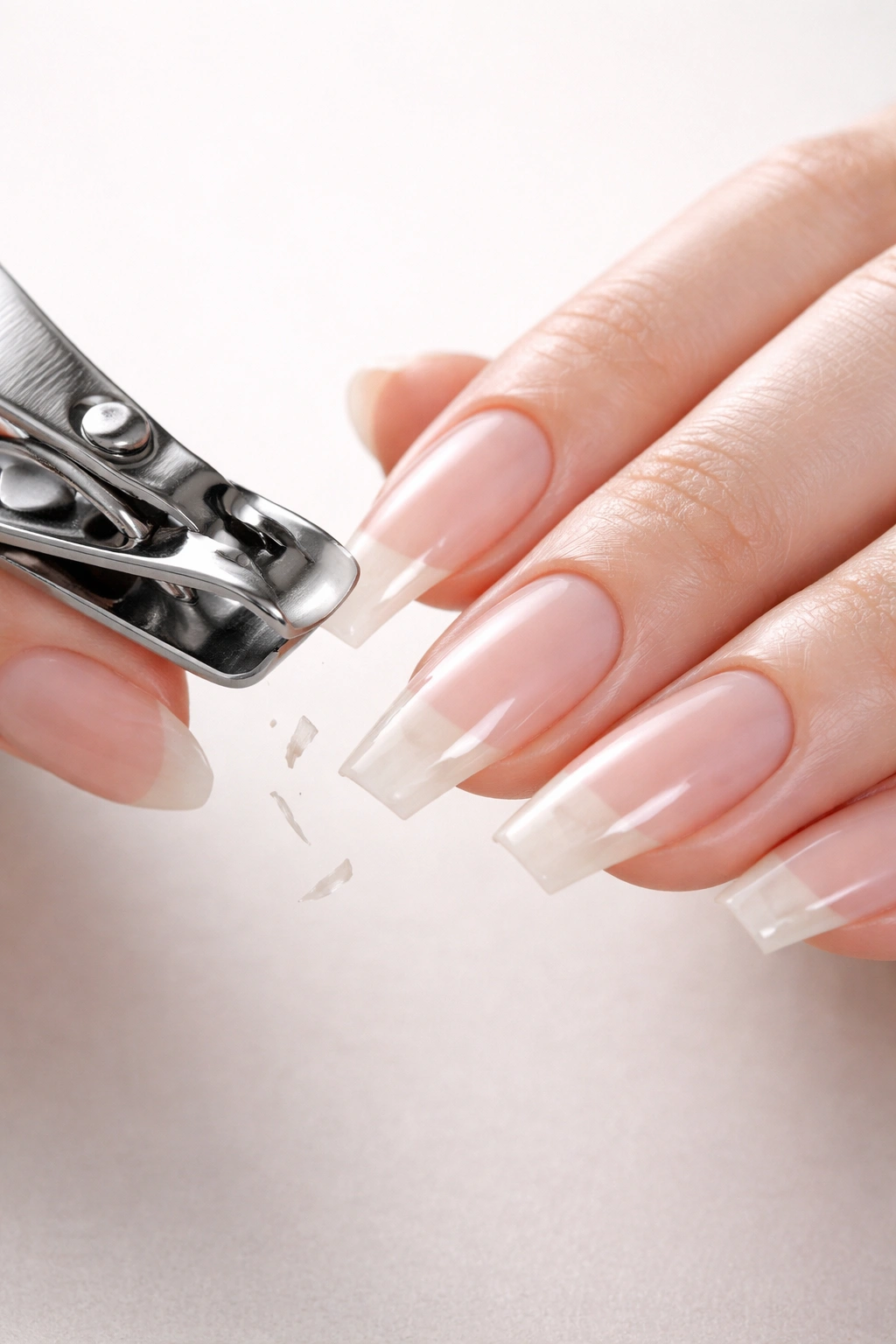
Going from long to short is instant—just grab the clippers and you’re done. The emotional adjustment takes longer though. Many people feel oddly exposed or incomplete when they first cut down significant length.
Growing from short to long requires patience and strategy. You’ll need to keep nails strong with strengthening treatments, avoid harsh chemicals, and wear gloves during chores. Breaks will happen, which means filing everyone down to match and starting over.
Protective polish or gel overlays can help bridge the awkward growing-out phase. They provide extra strength and protection while adding minimal length. This prevents the frustrating break-and-restart cycle that makes growing nails out feel impossible.
Some people compromise by keeping their dominant hand shorter for functionality while growing out their non-dominant hand for aesthetic purposes. It’s unconventional, but if it works for your lifestyle, why not? Your nails, your rules.
Styling and Shaping Tips for Short Nails
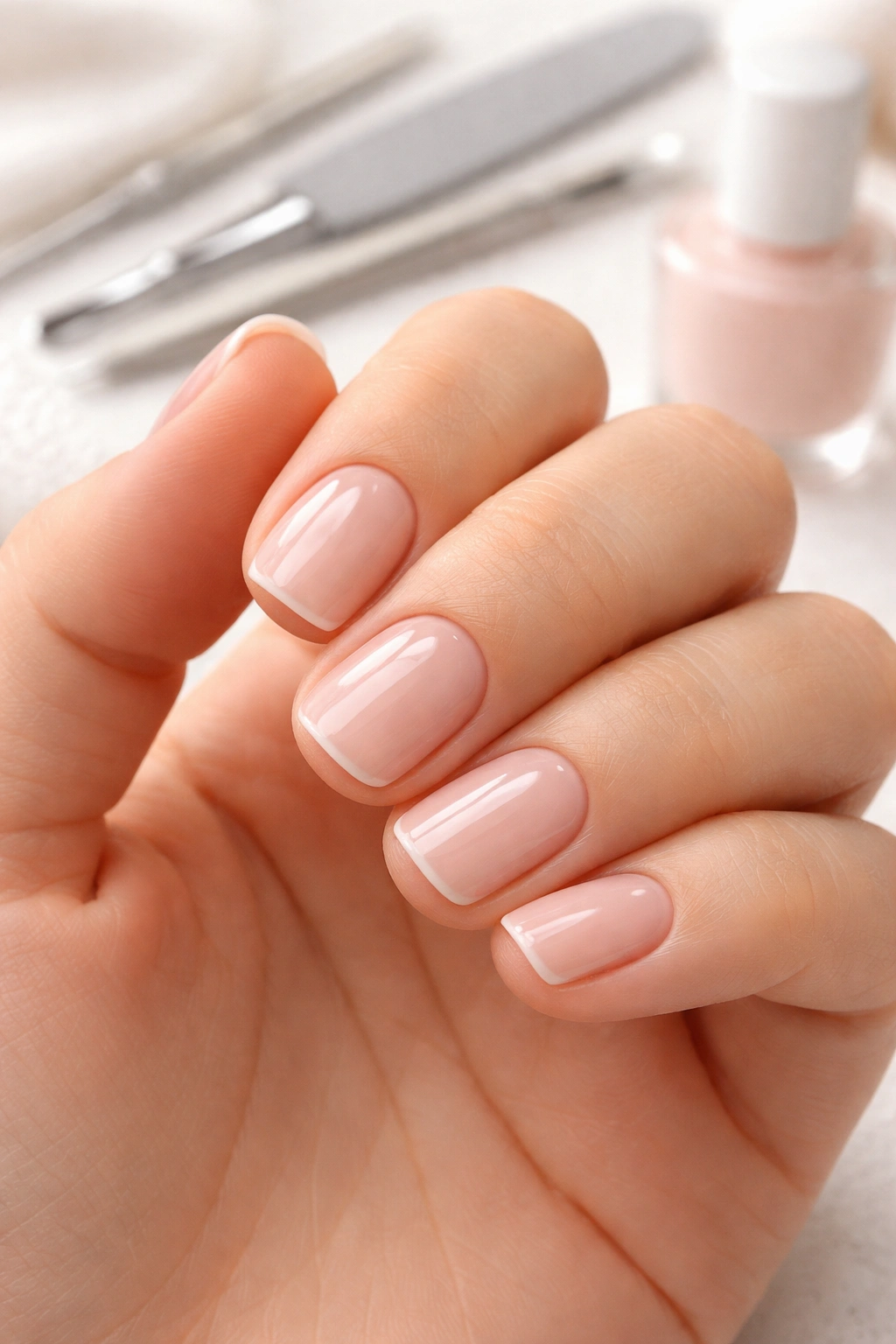
The right shape makes short nails look polished and intentional. Rounded or squoval shapes tend to be most flattering because they create the illusion of length while maintaining durability. Avoid harsh square shapes on very short nails—they can make them look stubby.
Nude and light colors create a lengthening effect on shorter nails. They blend with your skin tone and make your nail bed appear longer. That said, don’t be afraid of bold, dark colors either. Deep reds, vampy purples, and rich chocolates look incredibly chic on well-maintained short nails.
Keep your cuticles pushed back and moisturized. This creates the appearance of more nail bed and makes even the shortest nails look more elegant. Sloppy cuticles ruin the polished look you’re going for.
Simple nail art works better on short nails than complex designs. Think accent nails, simple geometric patterns, or single-color application with a glossy or matte finish. Minimalism is your friend here.
Styling and Shaping Tips for Long Nails
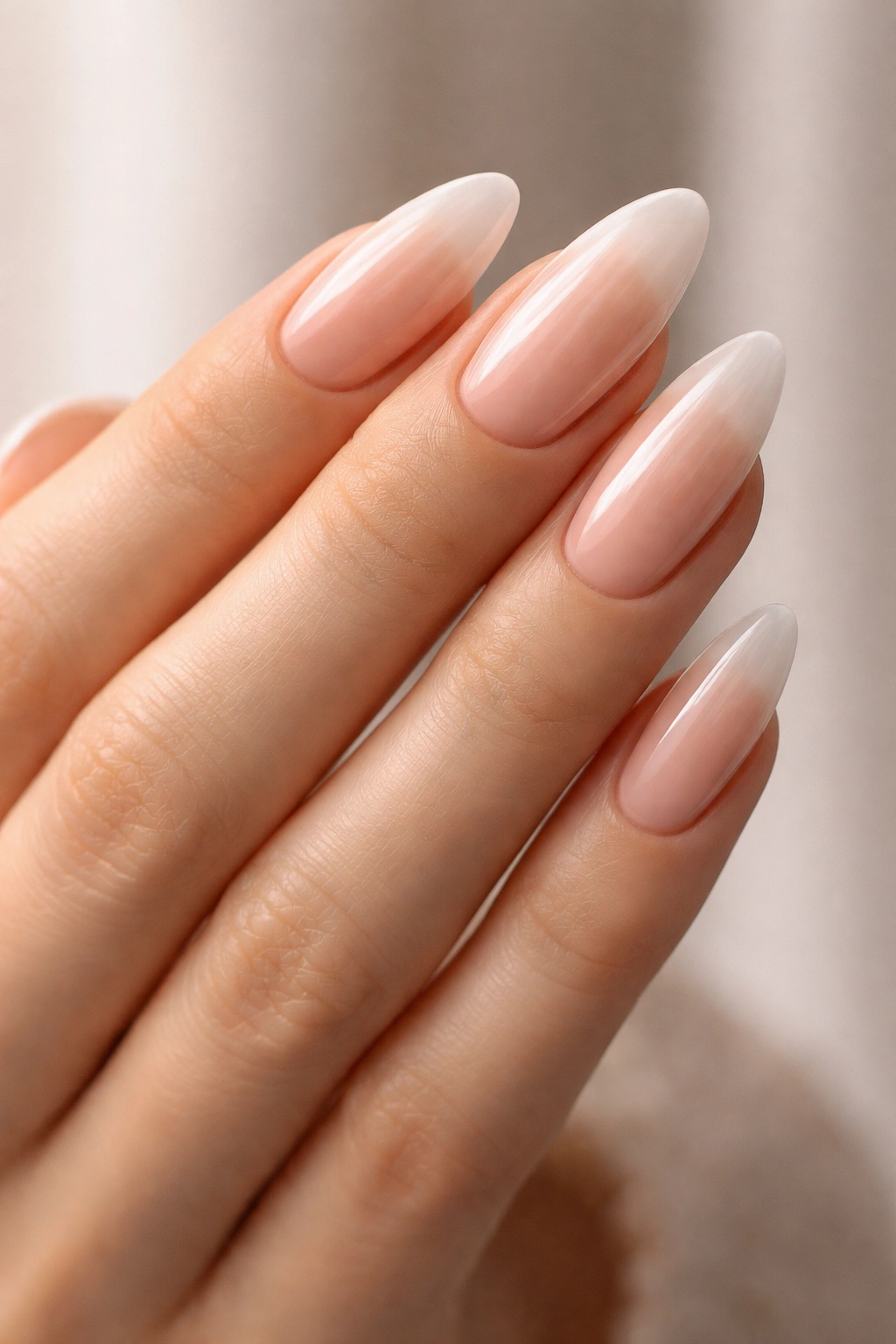
Experiment with different shapes to find what complements your hand shape and finger length. Almond and oval shapes are universally flattering and less prone to breakage than sharp stilettos or harsh squares. The shape you choose affects both aesthetics and durability.
Proper tip maintenance prevents breaks and keeps long nails looking fresh. File in one direction rather than sawing back and forth, which weakens the nail structure. Seal your tips with polish or a strengthening treatment to prevent peeling and splits.
Balance is important with long nail designs. A heavily decorated nail on every finger can look overwhelming, while strategic accent nails or gradient effects let your length shine without feeling overdone. Let the length be part of the design rather than fighting against it.
Light to medium nail lengths (the kind where you can see free edge but it’s not extreme) offer the sweet spot for many people. You get enough canvas for nail art and the elegant look of longer nails without the severe lifestyle limitations of extreme length.
Conclusion
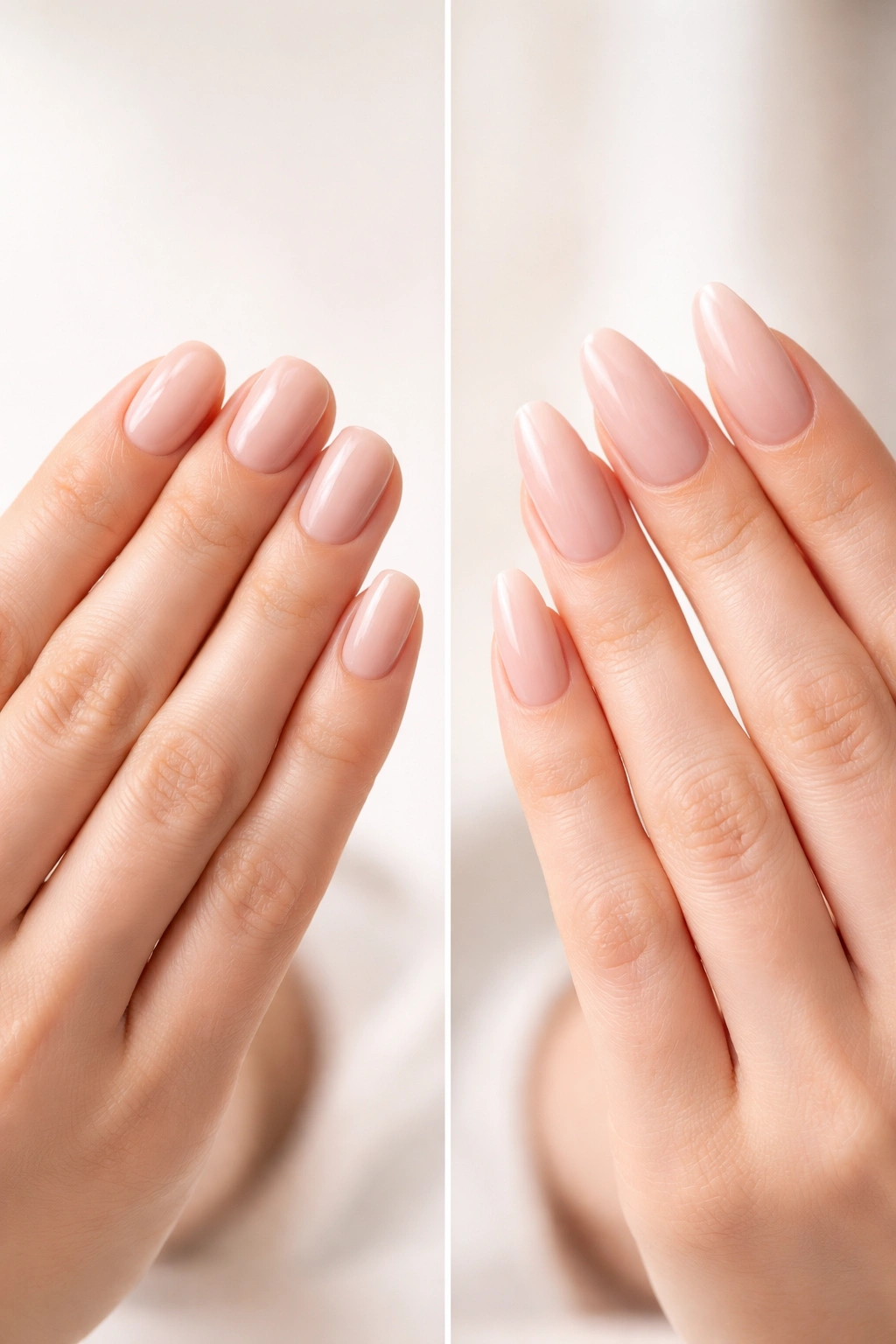
Both short and long nails have legitimate advantages depending on your lifestyle, aesthetic preferences, and willingness to maintain them. Short nails offer practicality, ease of maintenance, and professional polish with minimal effort. Long nails deliver drama, creative possibilities, and that undeniable glamorous factor.
Your choice doesn’t have to be permanent. Feel free to switch things up based on the season, your work schedule, or just your current mood. What matters most is that your nails feel right for you—comfortable, functional, and confidence-boosting in equal measure.