


You’ve been rocking your acrylic nails for a few weeks now, and they’re still looking pretty good. But you’ve started to notice a little gap near your cuticles. Maybe they’re catching on your sweater more than usual. You’re probably wondering if it’s time to book that fill appointment—or if you can squeeze out another week.
Here’s the thing: knowing when to get your acrylics filled isn’t just about aesthetics. Sure, that visible growth line isn’t cute, but waiting too long can actually compromise the health of your natural nails. That gap between your cuticle and the acrylic? It’s not just unsightly—it’s a potential entry point for moisture, bacteria, and all sorts of issues you don’t want.
Most people need a fill every two to three weeks, depending on how fast their nails grow. But your nails will give you some pretty clear signals when they’re ready for attention. Sometimes it’s obvious, like when you can see a quarter-inch of natural nail peeking out. Other times, the signs are more subtle—a slight lifting here, a change in how your nails feel there.
Your acrylics are an investment, both in time and money. Getting fills on schedule keeps them looking fresh and extends the life of your set. Skip too many appointments, and you might end up needing a whole new set instead of a simple fill. That’s not just more expensive—it’s also harder on your natural nails.
So how do you know when it’s actually time? Your nails will tell you. Let’s break down the five telltale signs that it’s time to get your acrylic nails filled.
1. There’s a Visible Gap Between Your Cuticle and the Acrylic
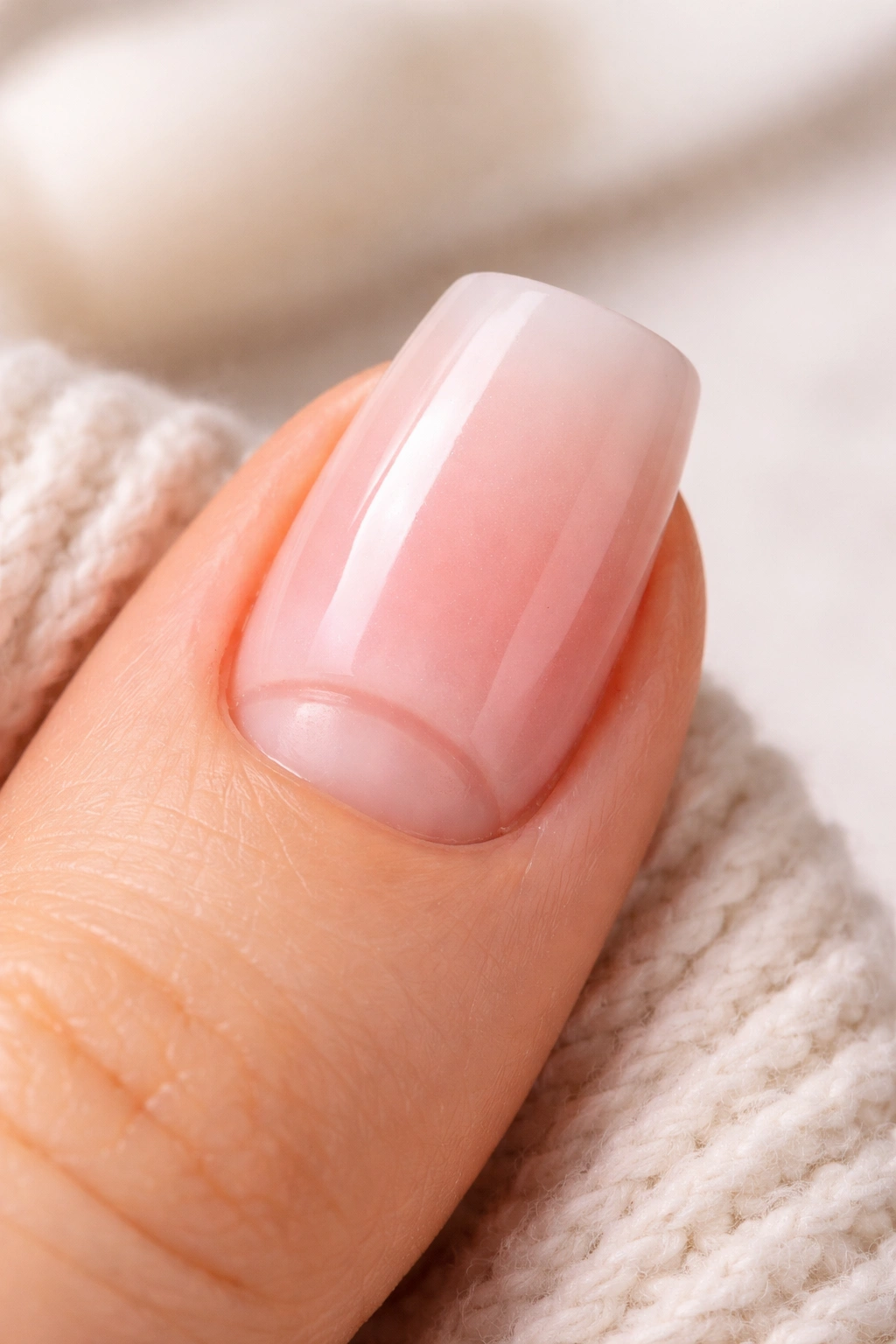
This one’s pretty straightforward. When you first get your acrylics done, they sit flush against your cuticle with no visible gap. But as your natural nails grow (and they’re always growing), that acrylic gets pushed forward. Before you know it, there’s a noticeable space between where the acrylic starts and where your cuticle sits.
That gap is your nail’s way of waving a red flag. Most people start seeing this around the two-week mark, though it varies based on how quickly your nails grow. Some people have fast-growing nails and might see a gap after just 10 days. Others can go closer to three weeks before it becomes obvious.
The gap isn’t just a cosmetic issue, though it definitely affects how polished your manicure looks. That space creates a weak point in your nail structure. It’s also a perfect hiding spot for moisture, dirt, and debris. When water gets trapped under there, you’re creating an environment where bacteria and fungus can thrive.
You might think you can just ignore it for another week. Maybe it’s not that noticeable. But here’s what happens when you wait too long: that gap gets bigger, the lifting gets worse, and suddenly you’re dealing with more serious problems than just an overgrown manicure.
Why the Gap Matters More Than You Think
That visible growth line does more than make your nails look less fresh. As the gap widens, the structural integrity of your entire acrylic nail weakens. The acrylic is essentially floating further and further from your nail bed, which means it has less support. This makes your nails more prone to breaking, cracking, or snapping—especially if you accidentally catch them on something.
The risk of infection increases too. When moisture sneaks under that gap, it doesn’t just sit there. It creates a warm, damp environment between your natural nail and the acrylic. That’s basically a five-star resort for bacteria. You definitely don’t want to deal with a nail infection, which can cause discoloration, pain, and in severe cases, damage to your natural nail.
Getting your fill on time prevents all of this. Your nail tech will apply fresh acrylic to that growth area, restoring the seamless look and reinforcing the structure. It’s maintenance that keeps your nails healthy and beautiful.
2. You Notice Lifting at the Edges or Sides
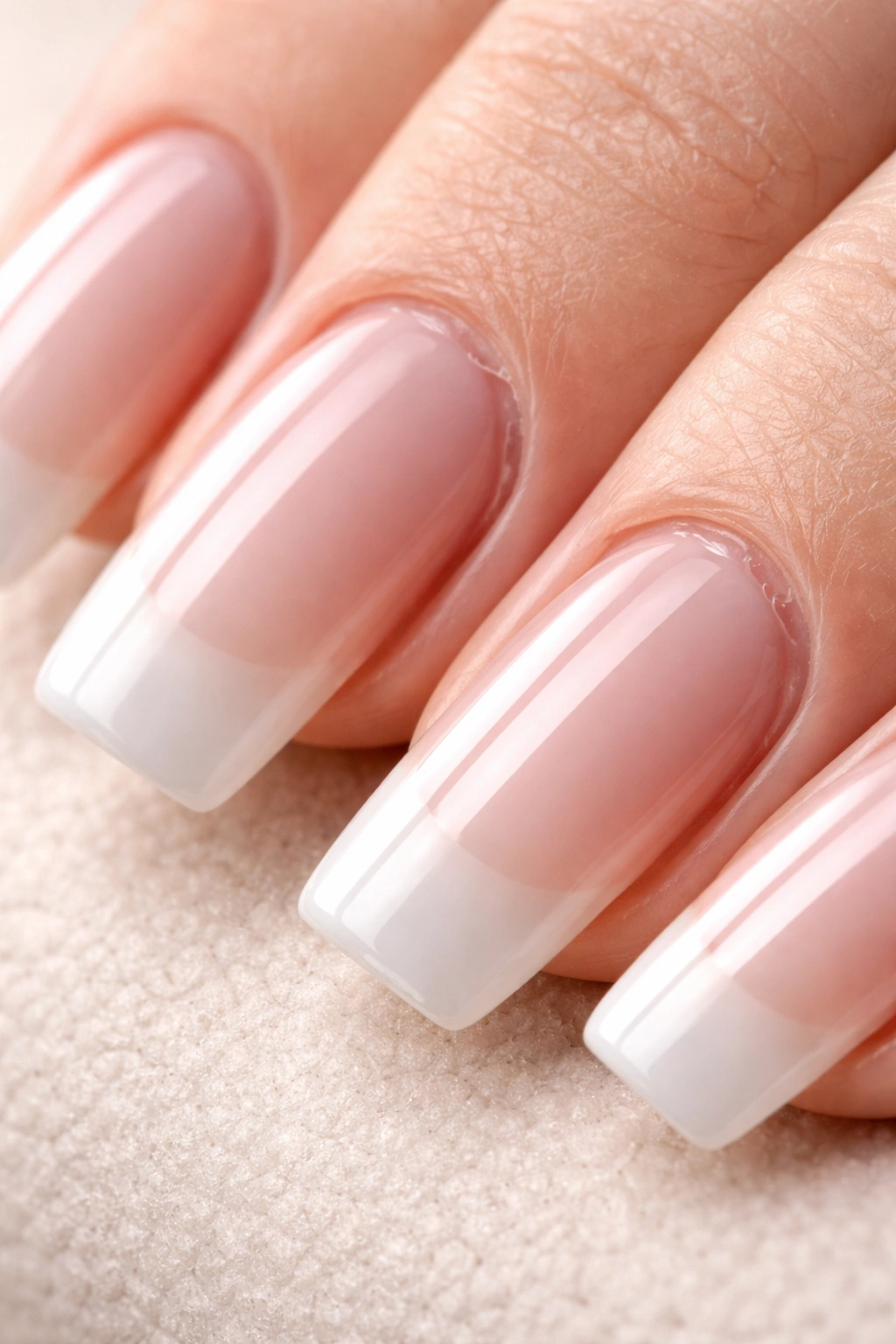
Lifting is one of those things that can sneak up on you. One day your nails are perfectly adhered, and the next, you notice the acrylic pulling away from your natural nail at the edges or sides. Sometimes you can see it—a little gap where the acrylic has separated. Other times, you can feel it when you run your finger along the edge of your nail.
Lifting is a big deal, and it’s a sign you need a fill ASAP. When acrylic lifts, it breaks that waterproof seal between the enhancement and your natural nail. Once that seal is broken, all sorts of problems can move in. Water, soap, lotion, cleaning products—anything you touch can get trapped underneath.
The longer you ignore lifting, the worse it gets. That small lifted area can spread, causing more and more of the acrylic to separate from your nail. Eventually, the whole nail can become compromised, and you might even lose the enhancement entirely. Nobody wants to see their acrylic nail pop off in the middle of washing dishes.
Lifting happens for a few reasons. Natural nail growth is the main culprit—as your nails grow, the acrylic doesn’t grow with them, which can cause stress points where the enhancement pulls away. Sometimes it’s related to how the acrylics were originally applied, but often it’s just a natural part of the wear process.
What Lifting Can Lead To
If you’ve noticed lifting but haven’t booked your fill yet, you’re playing with fire. One of the most common consequences is a bacterial infection called pseudomonas, which causes a greenish discoloration on the nail. People sometimes call this a “greenie,” and it’s not something you want to experience.
Lifting also makes your nails more fragile. The lifted portion acts like a lever—if you catch it on something, it can cause the acrylic to tear or break, potentially taking part of your natural nail with it. That’s painful, and it can cause damage that takes months to grow out.
Your nail tech can’t just paint over lifting. They need to remove the lifted portion, prep your natural nail again, and apply fresh acrylic. The sooner you catch lifting and get it addressed, the easier and quicker the fix. Wait too long, and you might need a complete removal and new set instead of a simple fill.
3. Your Nails Keep Catching on Hair, Clothes, or Other Surfaces
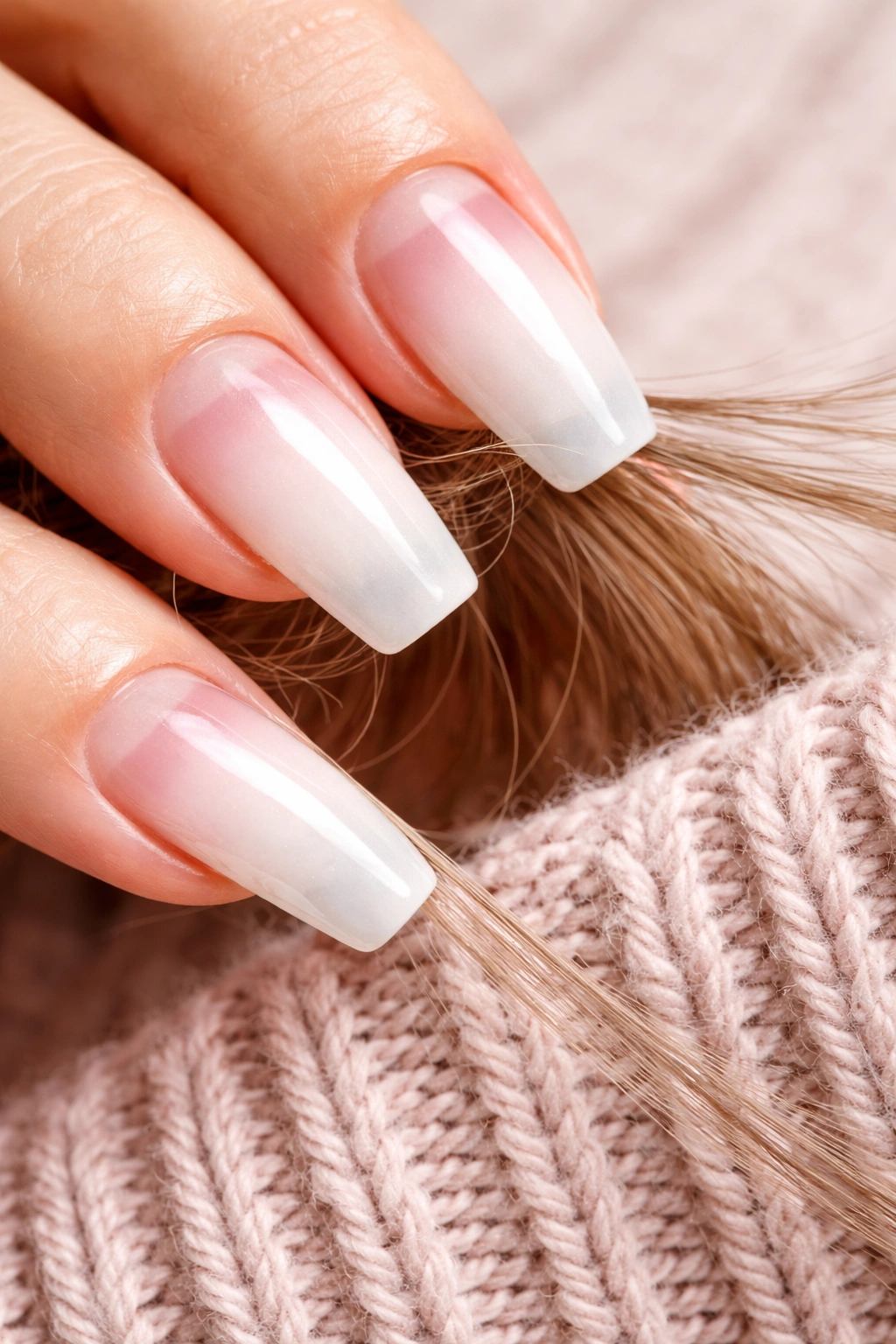
Have you been running your fingers through your hair only to have your nails snag on every strand? Or maybe you’re constantly catching your sweater when you pull it on. When your acrylics start acting like velcro, catching on everything they touch, that’s a clear sign they need attention.
This happens because of nail growth and the changes in structure that come with it. As your natural nails grow and push the acrylic forward, the balance of the nail changes. The edges might start to feel rougher or more pronounced. Sometimes the acrylic develops tiny imperfections or rough spots as it wears down from daily activities.
Your nails shouldn’t be grabbing onto things constantly. If you find yourself being extra careful about how you move your hands, or if you’re wincing every time you reach into your purse, it’s definitely time for that fill. These catching points aren’t just annoying—they’re also weak spots where your acrylic is more likely to break.
Think about how many times a day you use your hands. You’re typing, texting, opening things, styling your hair, getting dressed. Every time your nail catches on something, it puts stress on the acrylic. Over time, that repeated stress can cause cracks, breaks, or even damage to your natural nail underneath.
The Snagging Problem
The snagging issue often starts small. Maybe your nails catch on silk or satin fabrics first—the smooth, delicate materials that slide against rough edges. Then it progresses to cotton, then hair, then basically everything. By the time you’re catching on everything, you’re well past the point where you should’ve gotten your fill.
Some people try to file down the rough edges themselves at home. While this might work as a very temporary fix, it’s not addressing the root cause. That roughness is a symptom of nails that need professional maintenance. Plus, excessive filing at home can actually make things worse by weakening the acrylic further.
When you get your fill, your nail tech will file and shape the entire nail, smoothing out any rough edges and restoring that sleek, polished finish. They’ll also apply fresh acrylic where needed, which eliminates the structural issues causing the snagging in the first place.
4. The Shape or Structure Has Changed Noticeably
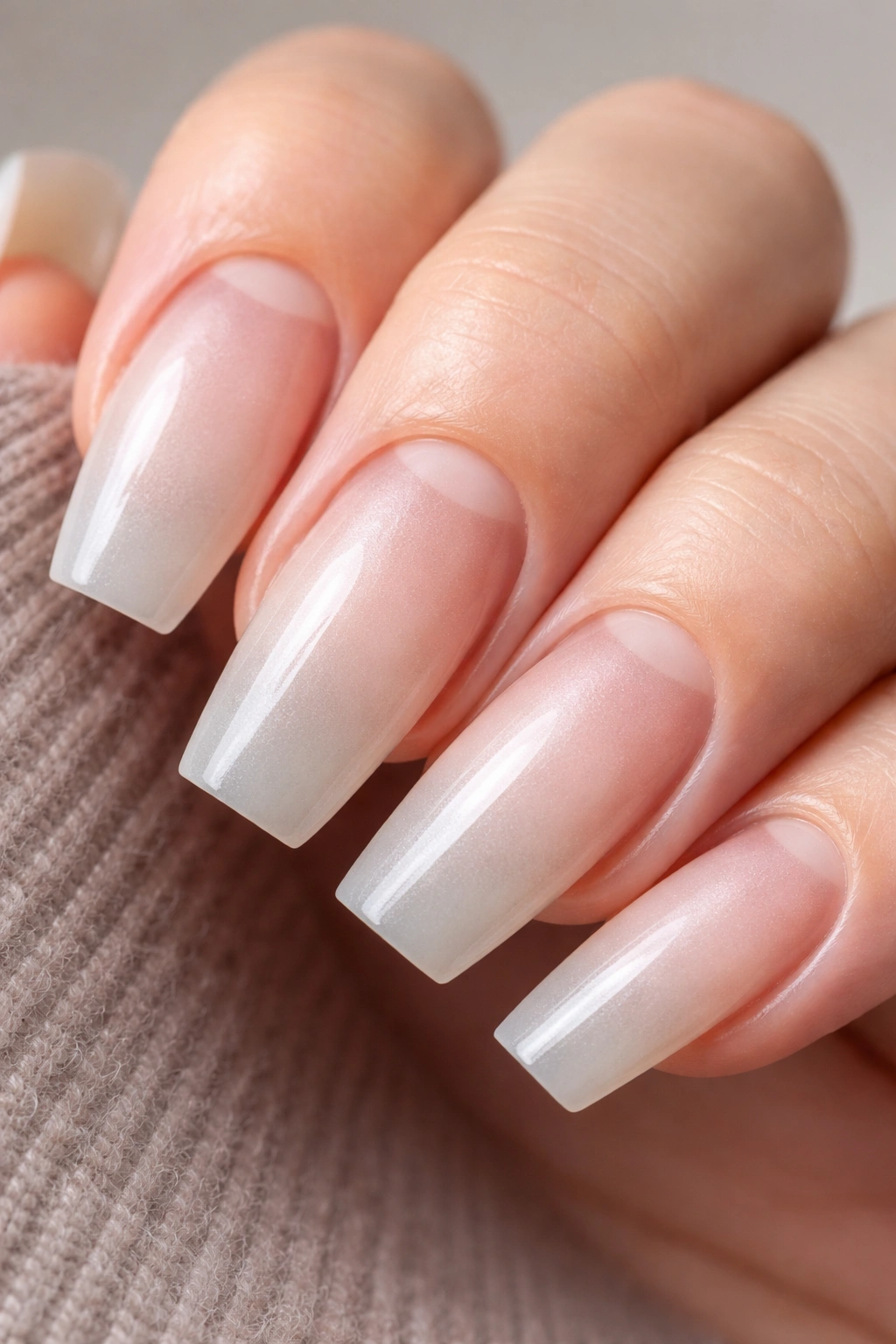
When you first walked out of the salon, your acrylics had a perfect, uniform shape. They were all the same length, the same curve, the same everything. But now? Maybe one nail looks slightly different. Or the overall structure seems a bit off—not quite as crisp as it used to be.
Changes in shape and structure are subtle signs that your nails need a fill. As your natural nails grow, they push the acrylic forward and upward. This shifts the apex of the nail—that’s the highest point of the curve. When the apex moves too far forward, your nails can start to look flat or unbalanced.
You might notice that your nails don’t have the same strength they had when they were fresh. They might feel more flexible, or like they could snap more easily. That’s because the structural integrity has been compromised by growth. The acrylic isn’t sitting where it’s supposed to anymore, which affects how well it can support the length and shape.
Sometimes the changes are so gradual that you don’t notice them day to day. But if you compare how your nails look now to a photo from when you first got them done, the difference becomes obvious. The sleek, uniform appearance has given way to something less polished.
Structural Integrity Matters
The structure of your acrylic nail isn’t just about looks—it’s about function too. A properly balanced nail distributes stress evenly across the enhancement. When the structure changes due to growth, certain areas become stress points. These are the spots where breaks and cracks are most likely to happen.
Think of it like a bridge. When the support beams are in the right place, the bridge can handle a lot of weight and stress. But if those support beams shift, suddenly the whole structure is compromised. Your acrylic nails work the same way. The apex needs to be in the right spot to provide maximum strength and durability.
During a fill, your nail tech will rebalance the nail. They’ll file and reshape to restore that proper structure, then apply fresh acrylic exactly where it needs to go. This brings back the strength and appearance of a fresh set without having to start from scratch.
5. It’s Been Two to Three Weeks Since Your Last Appointment
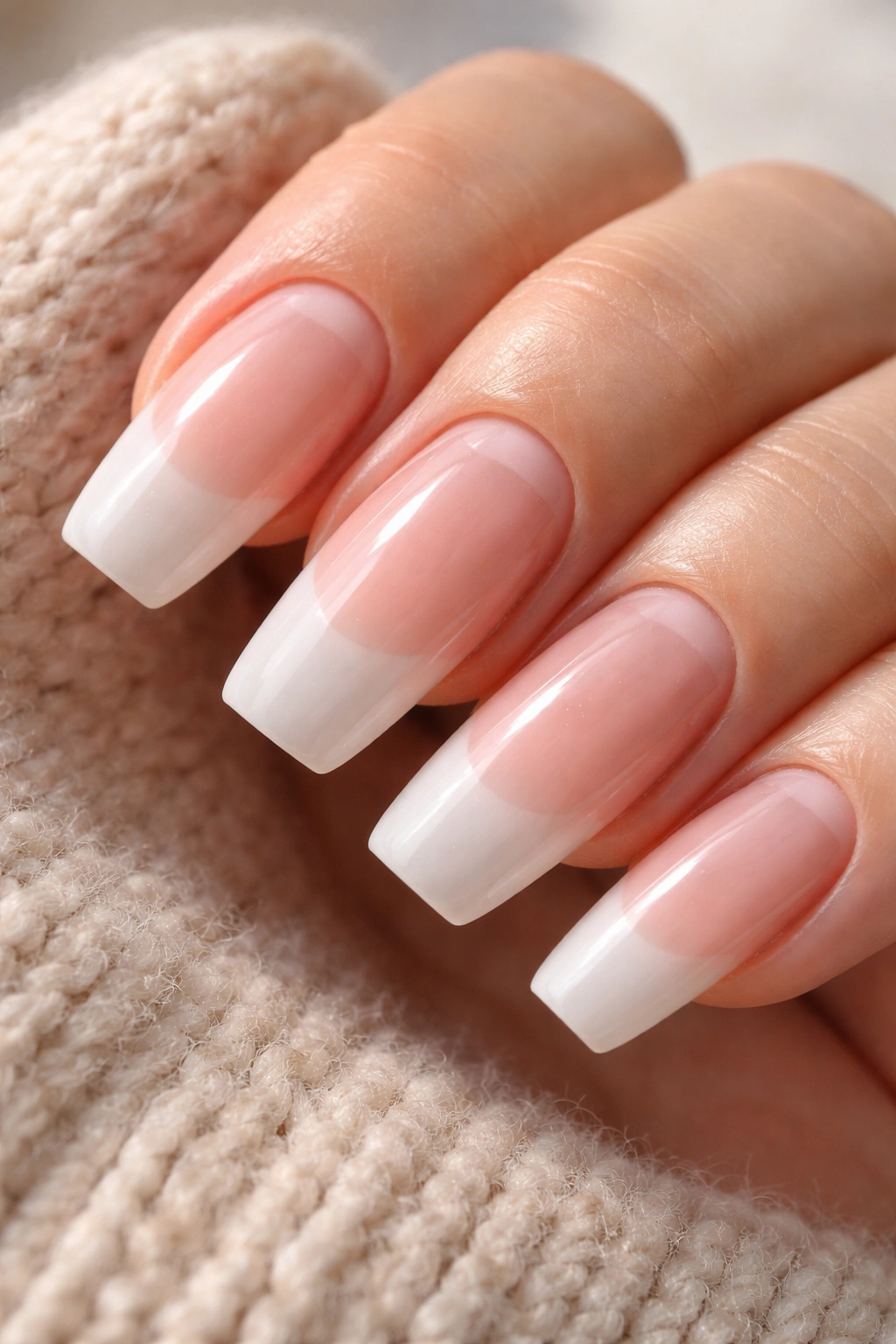
Sometimes the simplest sign is just looking at the calendar. If it’s been two to three weeks since you got your acrylics done (or since your last fill), it’s time to book another appointment. Even if you don’t see obvious gaps or lifting, your nails have still grown during that time.
Most people’s nails grow about 3 millimeters per month. That might not sound like much, but over two or three weeks, it’s enough to create issues. Your nail tech can spot problems you might miss—tiny lifting, structural concerns, or weak points that could become bigger issues if left unchecked.
Think of fills like oil changes for your car. You don’t wait until the engine starts making weird noises. You follow the recommended schedule because that’s how you prevent problems. Acrylic nail fills work the same way. Regular maintenance keeps your nails in top condition and actually extends the life of your set.
Some people try to stretch their fills to four weeks or longer to save money. But here’s the catch: waiting too long often means you’ll need more extensive work, which takes longer and might cost more. You could even end up needing a whole new set instead of a fill, which is definitely more expensive.
The Maintenance Schedule
Professional nail techs recommend fills every two to three weeks for good reason. This timeframe is the sweet spot where your nails have grown enough to need attention, but not so much that you’re dealing with serious problems. It keeps your manicure looking fresh and prevents the kind of damage that requires starting over.
Your personal growth rate matters here. If you know your nails grow quickly, stick to the two-week mark. If your growth is slower, you might be fine stretching to three weeks. But going longer than that? You’re asking for trouble.
Pre-booking your next appointment when you leave the salon is a smart move. It keeps you on schedule and ensures you can get the time slot you want. Many nail techs are booked out weeks in advance, so waiting until you desperately need a fill might mean waiting even longer for an available appointment.
What Happens During a Fill Appointment
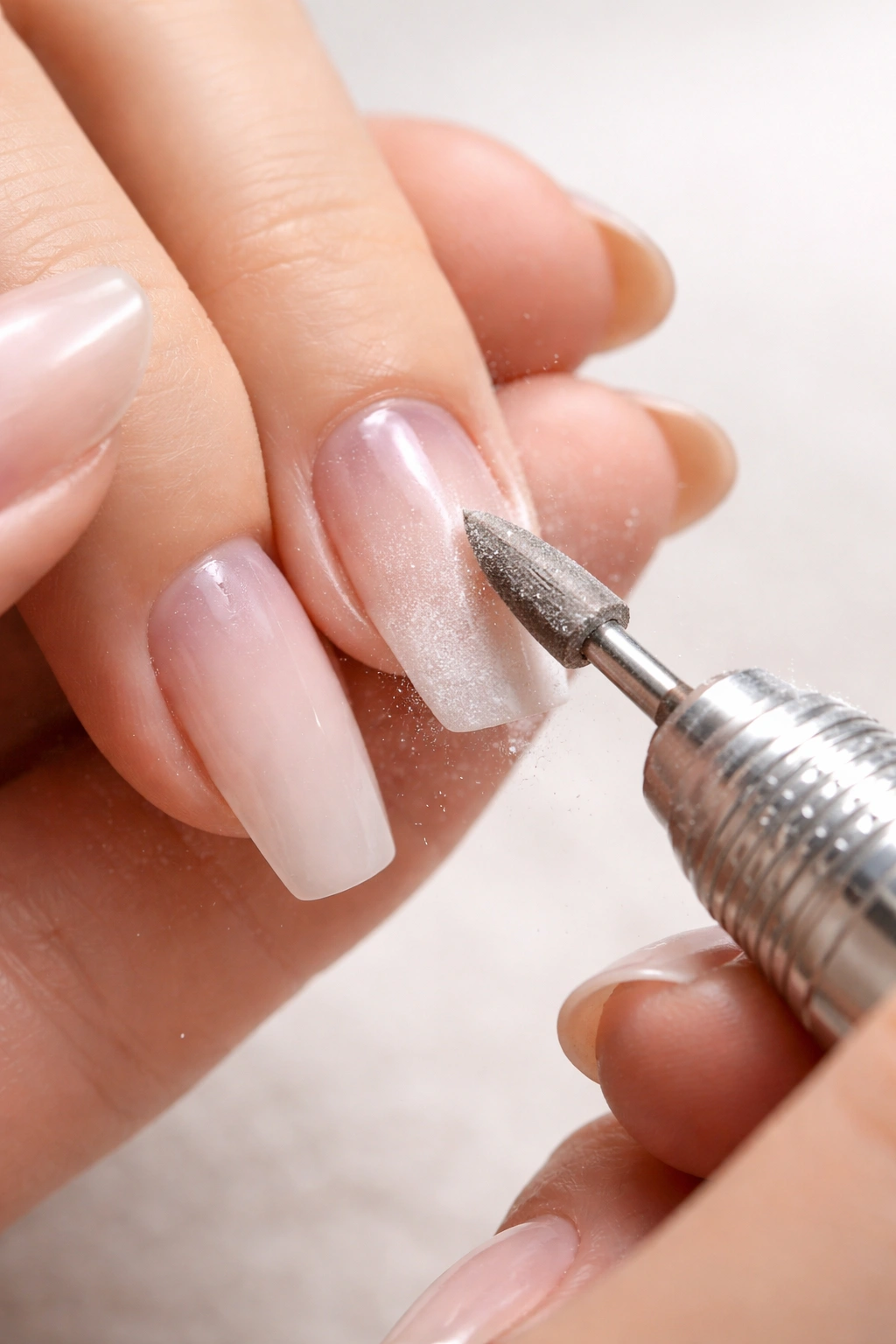
Now that you know when it’s time for a fill, you might be wondering what actually happens during the appointment. The process takes about 45 to 60 minutes, depending on the condition of your nails and whether you’re changing colors or designs.
Your nail tech starts by removing any existing polish. They’ll use acetone or polish remover to take off the color, revealing the bare acrylic underneath. This lets them see exactly what they’re working with—where the growth is, if there’s any lifting, and what needs to be addressed.
Next comes the filing and buffing. Using either a hand file or an electric file, your tech will gently buff the surface of the existing acrylic to remove shine and smooth out any rough spots. They’ll also file down the area where your natural nail has grown, blending it seamlessly with the existing acrylic. This step is crucial for creating a smooth, even surface.
After buffing, they’ll push back your cuticles and remove any dry skin. This preps the growth area for the new acrylic. Your tech will then apply a dehydrator and primer to your natural nail. These products help the fresh acrylic adhere properly and prevent lifting.
The Application Process
Once your nails are prepped, it’s time for the actual fill. Your nail tech will mix the acrylic liquid (monomer) and powder (polymer) to create a workable bead. They’ll apply this mixture to the growth area near your cuticle, carefully blending it with the existing acrylic to create a seamless transition.
As the acrylic hardens (which happens through air-drying, not UV light), your tech will shape and sculpt it. They’re essentially rebuilding the structure of the nail, restoring the proper apex and ensuring everything is balanced. This is what brings back that fresh, just-done look.
After the acrylic has fully hardened, your nail tech will file and shape the nails to your desired length and form. They’ll buff the entire surface smooth, removing any lumps or imperfections. The result should be a nail that looks and feels just like a brand new set.
Finally, it’s time for color. You can stick with the same shade, try something new, or even add nail art. Your tech will apply your chosen polish and a top coat to seal everything in. Some people prefer to leave their fills with a natural look, which is totally fine too.
How to Make Your Fills Last Longer
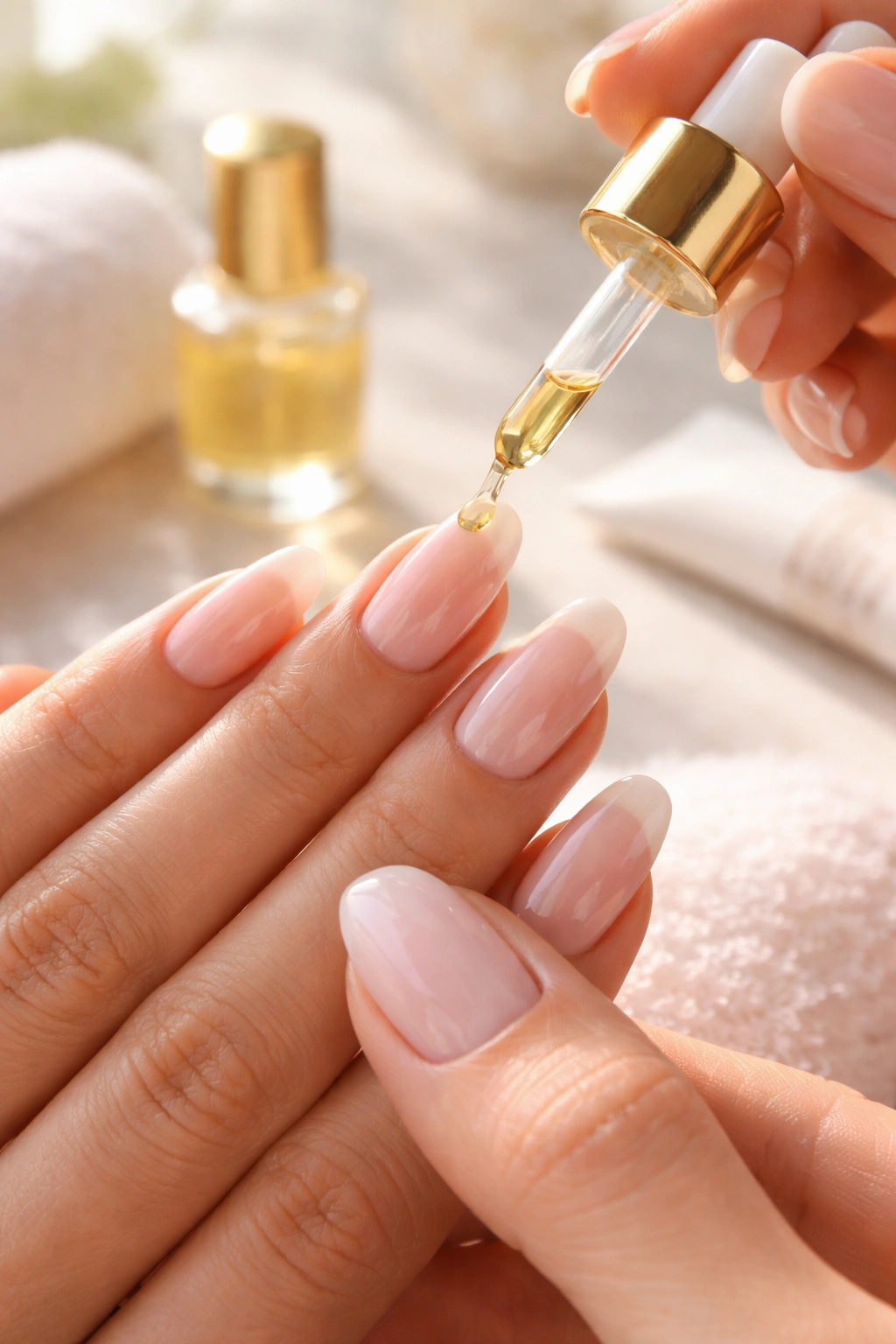
Getting regular fills is important, but you can maximize the time between appointments with proper care. Taking care of your acrylics at home keeps them looking good and prevents damage that might require more extensive repairs.
Moisturize religiously. Apply cuticle oil at least once or twice a day, paying special attention to the area where your natural nail meets the acrylic. This keeps the skin hydrated and prevents dryness that can lead to lifting. Hand cream is your friend too—keeping your skin moisturized protects the overall health of your nails.
Wear gloves when you’re doing chores. Cleaning products, dish soap, and prolonged water exposure can all weaken acrylic and contribute to lifting. Those few seconds it takes to put on rubber gloves can add days to your manicure’s lifespan. This is especially true if you work with your hands in water frequently.
Be gentle with your nails. Don’t use them as tools to open cans, peel off stickers, or pry things apart. Every time you put excessive pressure on your acrylics, you risk causing damage or weakening the structure. Treat them with respect, and they’ll last longer.
Daily Care Habits
Avoid acetone-based products between fills. While acetone is necessary for removing acrylics, using it regularly (like with nail polish remover) can dry out and weaken your enhancements. Look for non-acetone remover if you need to clean up polish mistakes or remove color at home.
Keep your nails dry whenever possible. After washing your hands, make sure to dry them thoroughly, including under the free edge of your nails. Standing water is one of the main culprits behind lifting and bacterial growth. Pat your nails dry rather than rubbing them, which can cause friction and potential damage.
If you notice any small chips or rough edges, resist the urge to pick at them. Picking can turn a minor issue into a major one, potentially causing lifting or breaks. Instead, gently smooth the area with a soft nail file if needed, or better yet, wait for your fill appointment.
Taking biotin or collagen supplements can strengthen your natural nails underneath the acrylic. Stronger natural nails mean better adhesion and less likelihood of damage. Plus, when you eventually take your acrylics off, you’ll have healthier nails underneath.
When to Skip the Fill and Get a New Set Instead
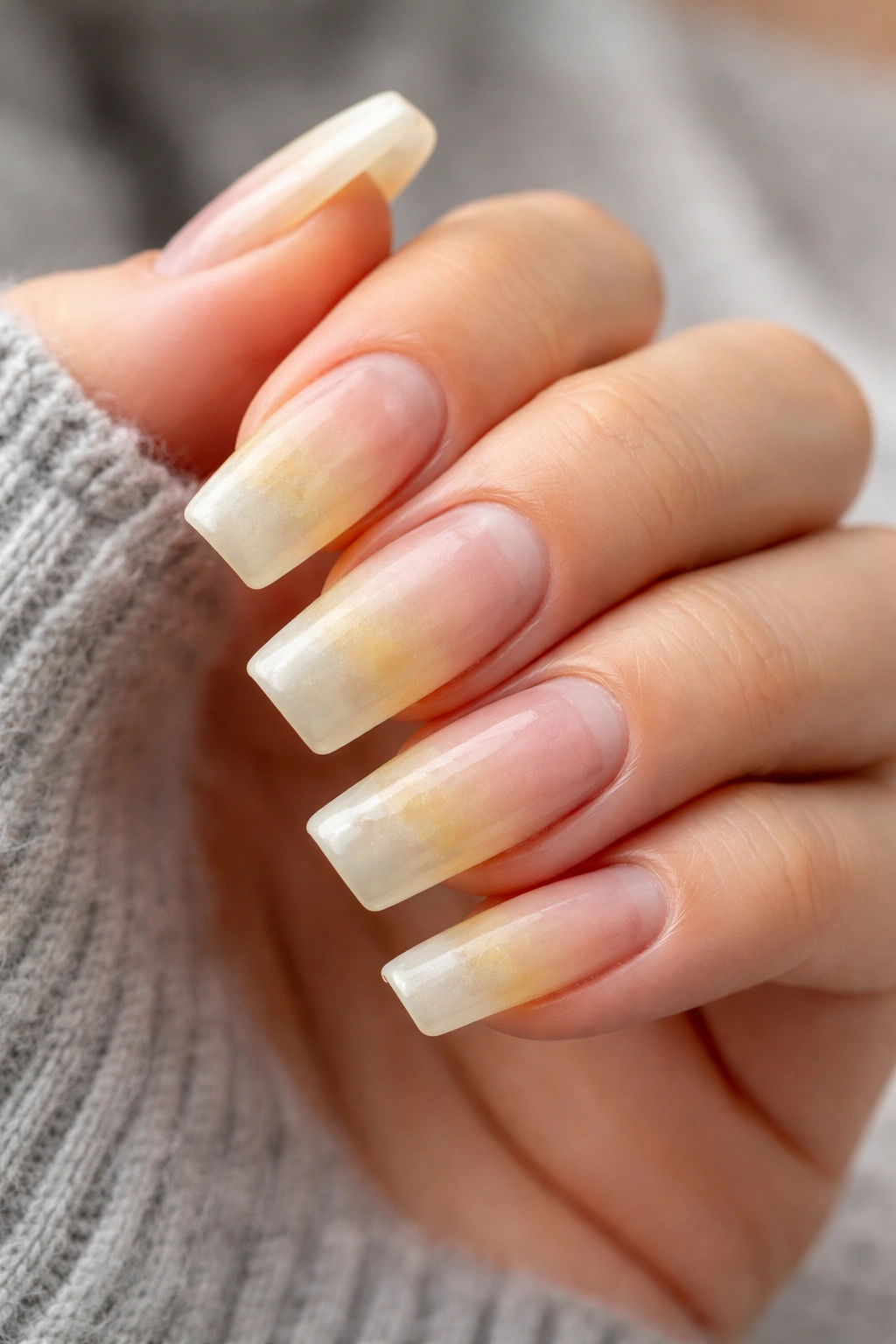
Sometimes a fill isn’t the right choice. If you’ve been getting fills for a while, there comes a point when starting fresh with a new set makes more sense. Most nail techs recommend getting a new set after three to four fills, which usually works out to about eight to 12 weeks total.
One telltale sign you need a new set is visible banding or lines from previous fills. Each time you get a fill, there’s a line where the new acrylic meets the old. Over multiple fills, these lines can stack up, creating a noticeable pattern that doesn’t look great. These bands can also become discolored over time from sun exposure or staining.
Significant discoloration or yellowing is another indicator. If your acrylics have taken on a yellow or dingy tint that won’t buff out, it’s time to start over. This yellowing can happen from UV exposure, certain products, or just general wear over time. Fresh acrylics will bring back that clean, pristine look.
If the acrylic has become significantly thickened from multiple fills, removal and a new set is your best bet. Too many layers of acrylic can make your nails feel heavy and unnatural. They might also become more prone to breaking because the weight distribution is off.
Health Considerations
Sometimes you need a new set for health reasons rather than aesthetic ones. If you’re experiencing persistent lifting that keeps coming back even after fills, or if you suspect any kind of infection or fungal issue, it’s time for a complete removal. Your nail tech needs to see your natural nails to assess their condition and address any problems.
Major damage to the acrylic—like large cracks, significant breaks, or multiple nails with issues—often warrants starting fresh. Trying to repair extensively damaged acrylics is like putting a bandaid on a broken bone. You’ll get better, longer-lasting results with a new set.
If you want to dramatically change your nail shape or length, you’ll also need a new set. Fills are for maintenance, not major redesigns. Going from coffin to stiletto, or from long to short, requires rebuilding the nail from scratch.
Final Thoughts
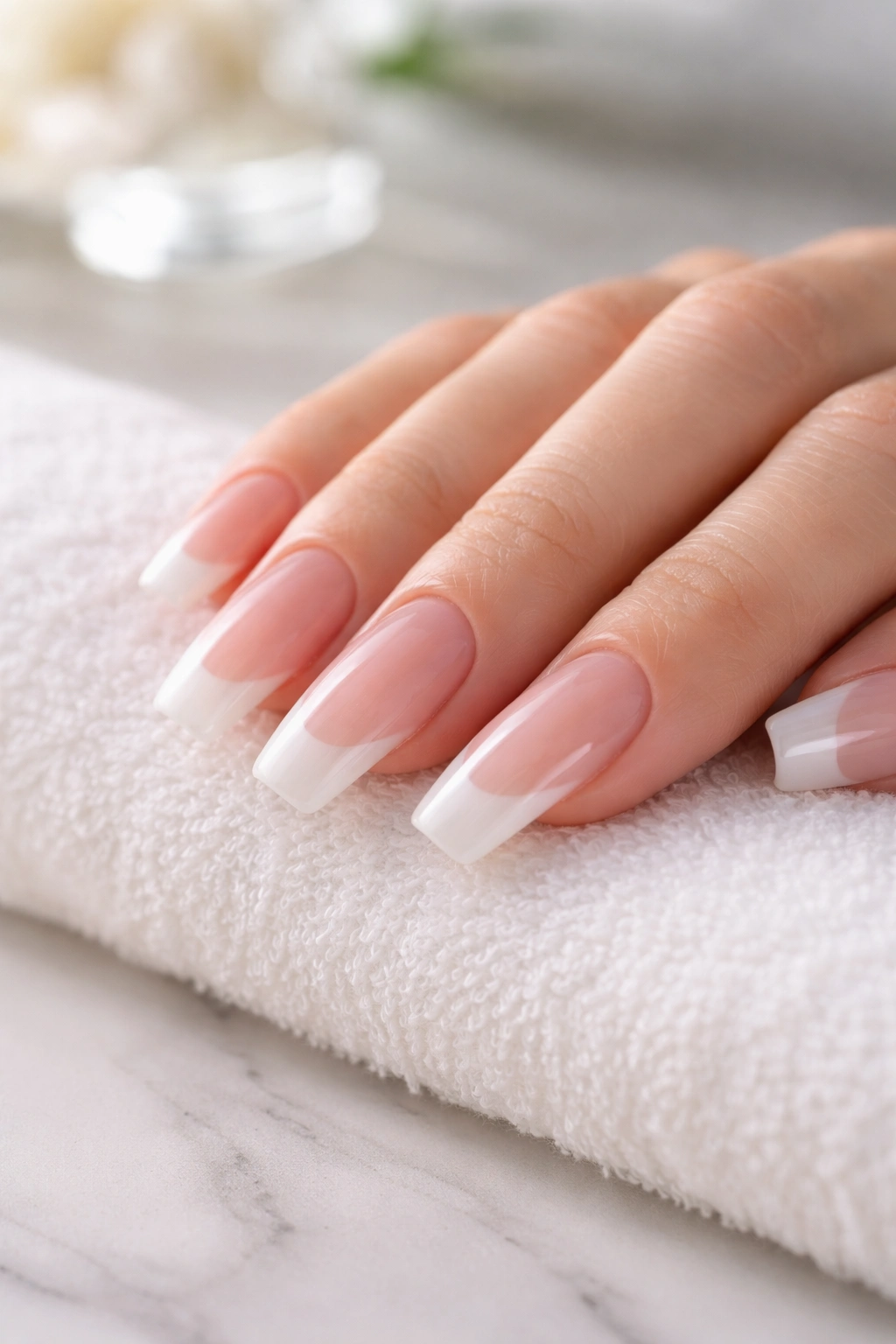
Your acrylic nails will tell you when they need attention—you just have to know what to look for. That visible gap, the lifting edges, the constant snagging, changes in structure, and the calendar itself are all reliable indicators that it’s fill time.
Staying on top of your fill schedule isn’t just about vanity. It’s about maintaining the health of your natural nails and extending the life of your acrylic set. Those regular appointments prevent small issues from becoming big problems, and they keep your nails looking salon-fresh for months.
Think of fills as essential maintenance rather than optional touch-ups. You wouldn’t skip changing your car’s oil because it seems like it’s running fine. Your nails deserve the same proactive care. Two to three weeks between fills is the golden standard, and sticking to that schedule pays off in healthier nails and a better-looking manicure.
When you notice any of these five signs, don’t wait. Book that appointment and give your acrylics the care they need. Your nails—and your manicure—will thank you for it.