


When you’re sitting in the nail salon chair staring at the shape chart, the decision between round and almond nails might seem straightforward—but it’s actually one of the most consequential choices you’ll make for your overall look. Your nail shape isn’t just about aesthetics; it affects how your hands photograph, how your rings sit, how long your manicures last, and what kinds of designs actually look good on your nails. The shape you choose becomes your daily accessory, visible every time you text, type, gesture, or reach for something.
Round and almond nails are the two most popular shapes in nail design right now, and for good reason—both are flattering, versatile, and achievable whether you’re working with natural nails or extensions. But they’re fundamentally different in character, and choosing the right one depends on your lifestyle, your aesthetic preferences, your hand shape, and honestly, how much time you’re willing to invest in maintenance. One shape might make your hands look instantly longer and more elegant, while the other might feel more practical and grounded. The good news is that this isn’t a permanent decision—you can transition between shapes or even experiment with both to figure out what genuinely feels like you.
The shape of your nails influences not just beauty but real, practical considerations. Round nails break differently than almond nails. They chip in different places. They file differently. They hold nail art in completely different ways. If you’re someone with an active lifestyle, certain shapes make significantly more sense. If you love detailed nail designs, one shape gives you a much larger canvas. By the end of understanding these two shapes in detail, you’ll know exactly which one aligns with your life and your vision for how you want your hands to look.
What Round Nails Actually Look Like
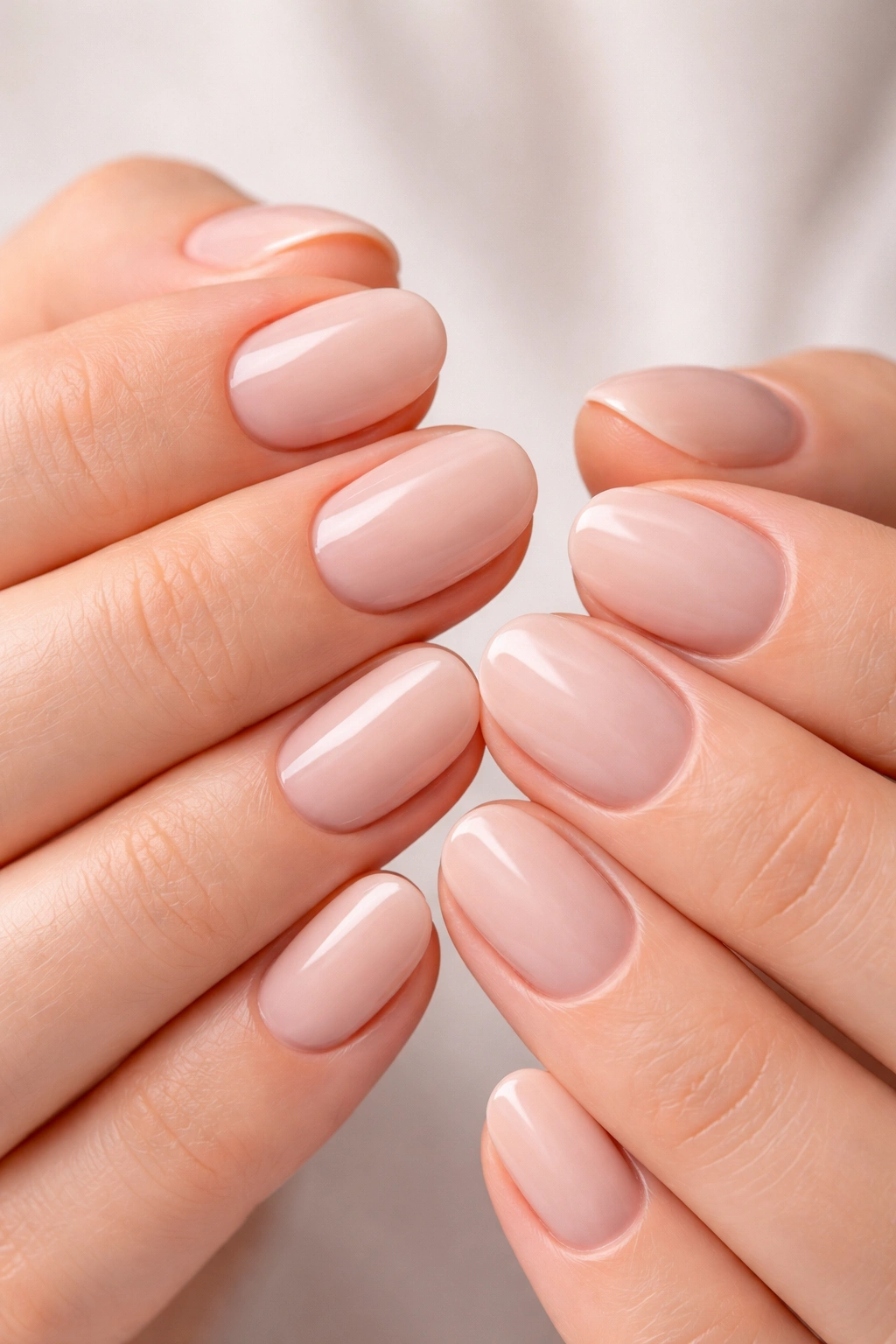
Round nails are exactly what the name suggests—nail beds shaped like the rounded tip of a circle. When you look at a round nail from above, you see a gentle curve that extends evenly on both sides of the center, creating a soft, dome-like profile. The sides of the nail don’t taper or angle inward; instead, they maintain an even width all the way from the cuticle to the free edge. This creates a nail shape that feels stable, approachable, and universally proportioned.
The classic round shape comes from filing the sides parallel to one another and then rounding the very tip into a smooth arc. Think of it like the top of a half-circle standing upright. There’s no sharpness, no angle, no dramatic point—just smooth, curved softness all the way across. This shape works beautifully on both short and long nails, though it’s especially popular on shorter lengths because the rounder profile doesn’t draw quite as much attention to length.
One of the biggest appeals of round nails is their forgiving nature. They’re probably the most foolproof shape to maintain at home if you’re doing your own filing and upkeep. The curve is easy to recreate, and if your filing is slightly uneven, it reads as natural and organic rather than obviously imperfect. Round nails also feel less formal than almond nails—they carry a relaxed, no-fuss sensibility that works whether you’re going to the gym or a board meeting.
What Almond Nails Bring to the Table
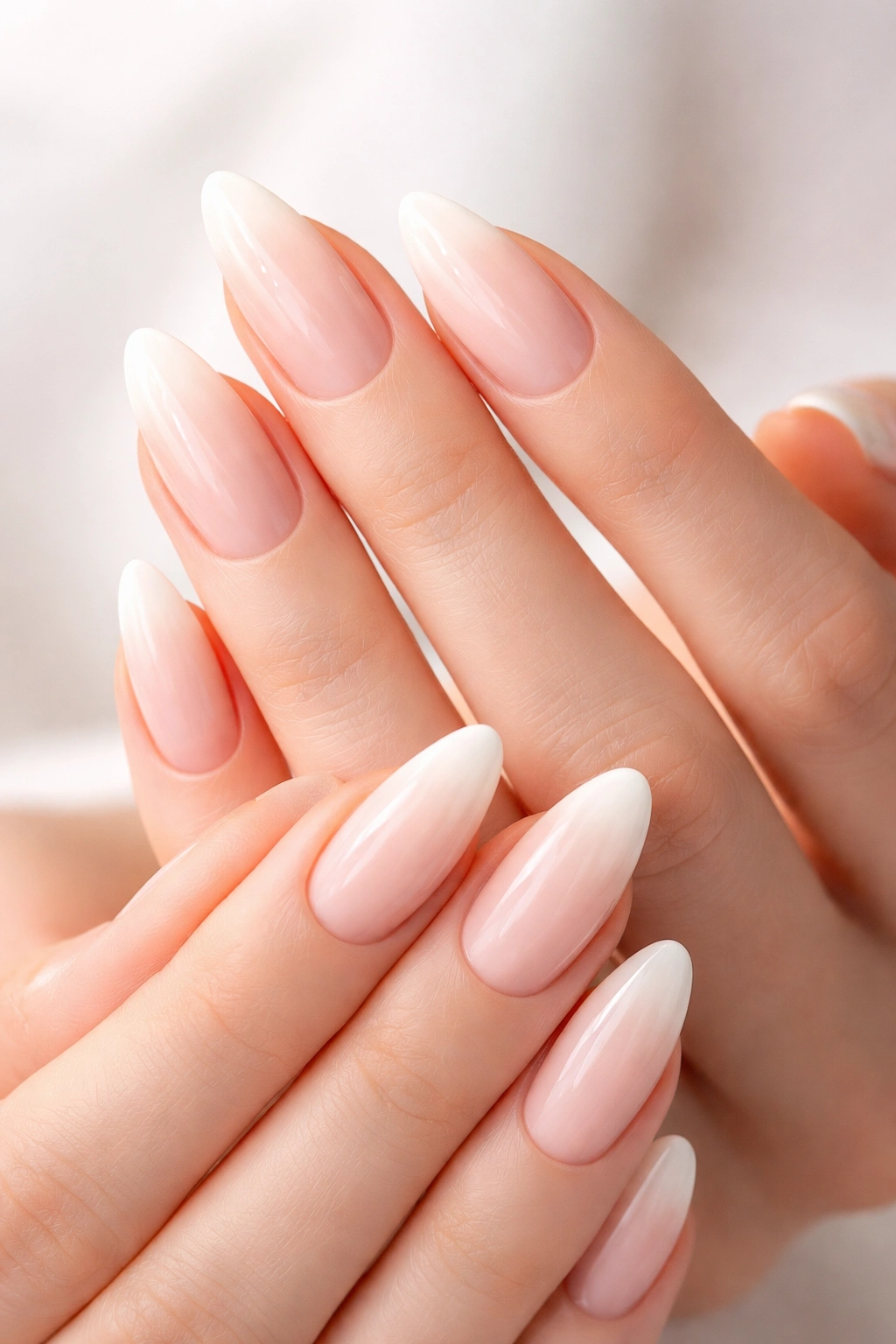
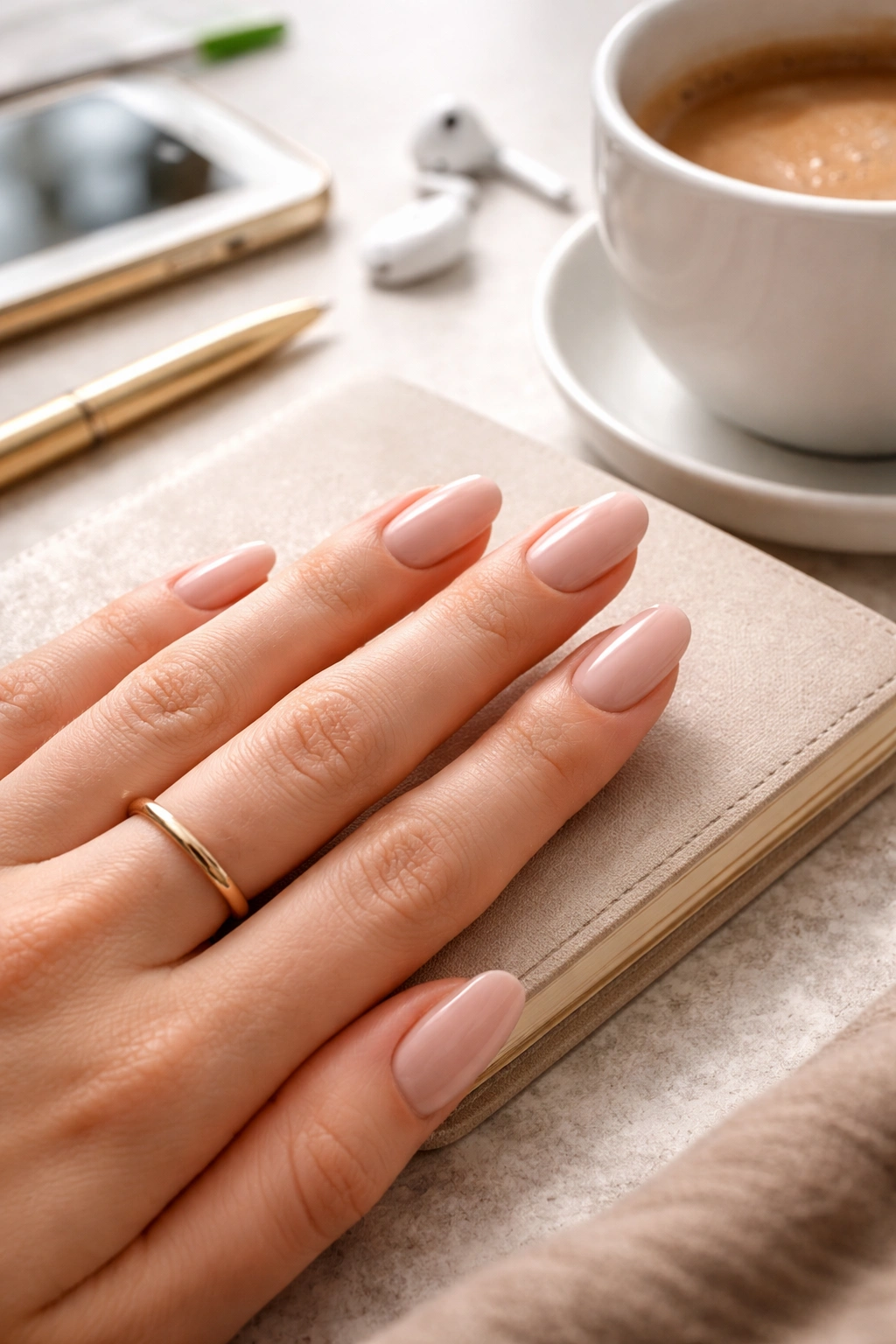
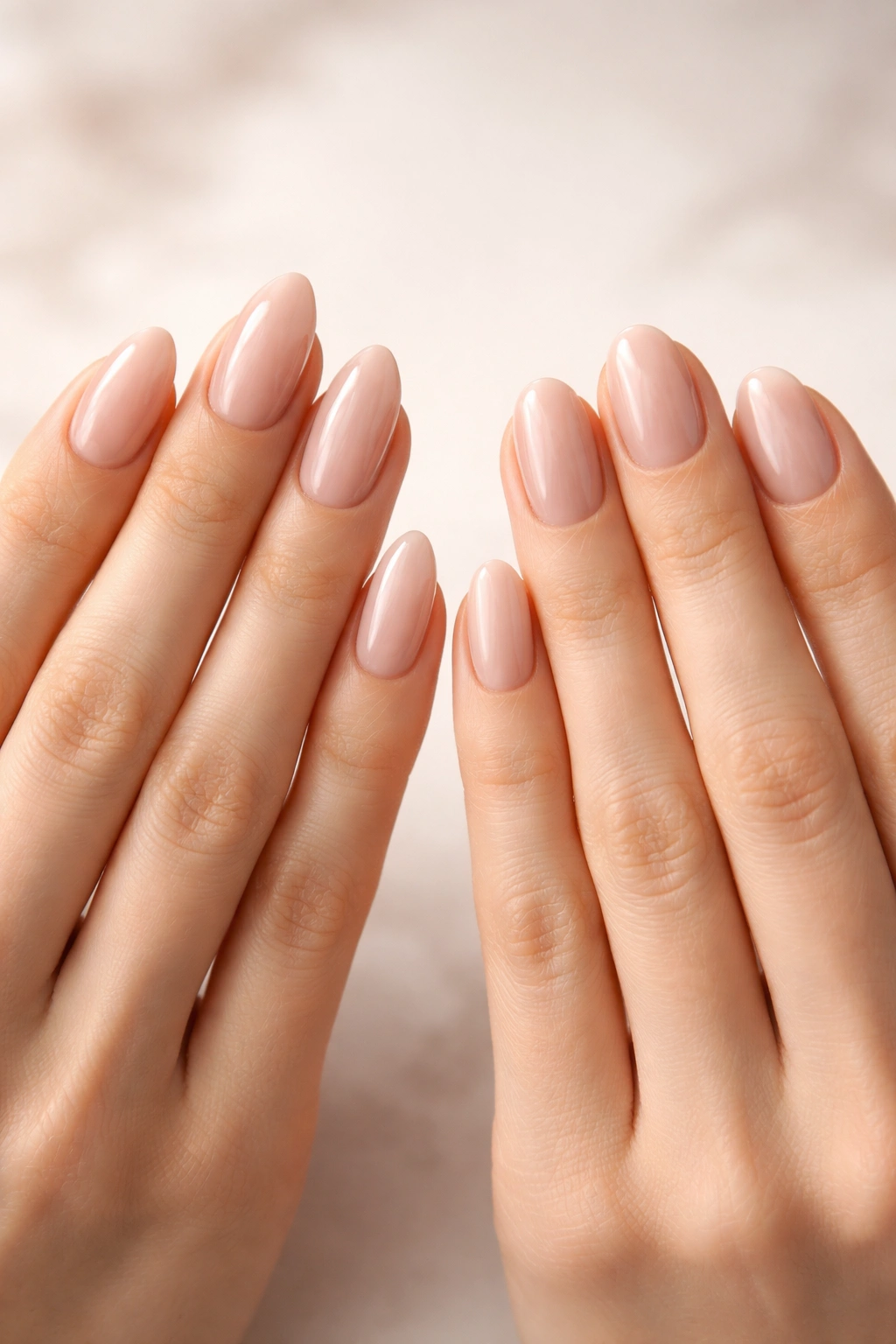
Almond nails are tapered nails that narrow gradually from the width of the nail bed down to a softly pointed tip. The shape comes from its resemblance to an almond with its pointed but not-sharp end. The sides angle inward as they extend toward the free edge, creating an elongating effect that makes fingers appear longer and more elegant. When you look at an almond nail from above, you see the dramatic taper toward the point; from the side, you notice how the angle creates visual height.
The key to almond nails is that point—but it’s not a harsh, stiletto point. Almond nails maintain enough rounded softness at the very tip that they feel refined rather than aggressive. The point is a suggestion of sharpness rather than actual sharpness. This distinction is important because it means almond nails read as sophisticated and intentional while still being wearable and not overly dramatic.
Almond nails are historically associated with elegance and luxury, partly because they require more intentional styling and upkeep. They’re also more technically challenging to file correctly because you need precision in creating that even taper on both sides. This isn’t a shape you can rush or approximate—if the taper is uneven, everyone notices. But when almond nails are done well, they create an instantaneous sense of polish and intention that round nails, for all their charm, simply don’t match.
The Visual Difference: How Each Shape Frames Your Hands
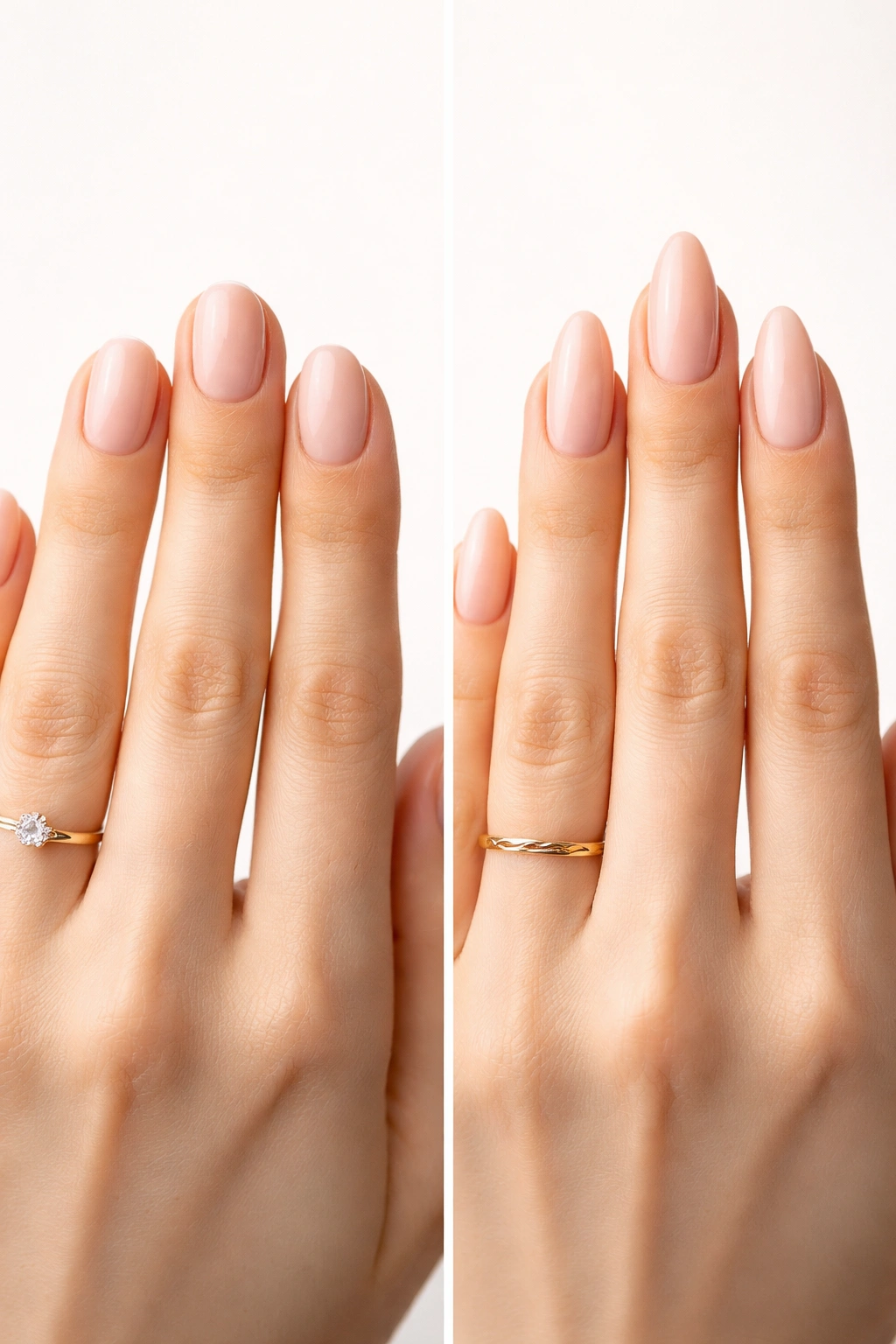
This is where the choice becomes deeply personal because it’s about how the shape makes your specific hands look. Round nails have a democratizing effect—they make most hands look balanced, approachable, and well-proportioned without drawing attention to any particular feature. They won’t elongate short fingers, but they also won’t emphasize width. They’re neutral in the best way.
Almond nails, by contrast, create an elongating effect that works especially beautifully if you have shorter fingers or wider hands. The taper pulls the eye vertically, making fingers appear longer and more slender than they actually are. If you already have long, slender fingers, almond nails amplify that elegance. But if you have genuinely short, stumpy fingers, almond nails might emphasize that proportional mismatch rather than improve it.
The nail beds themselves also matter here. If you have naturally wider nail beds, round nails will look proportional and balanced. If your nail beds are narrow, round nails might look a bit awkward because the curve won’t have much space to express itself. Almond nails actually work better on narrower beds because the taper creates visual proportion even if the actual bed is small.
There’s also the psychological element: how do you want your hands to feel? Some people see their hands and think, “I want them to look longer, more refined, more dramatic.” Those people usually prefer almond. Other people think, “I want my hands to look neat, capable, approachable.” Those people usually end up loving round nails. Neither answer is right or wrong—it’s about alignment with your personal aesthetic.
Durability and Breaking Patterns
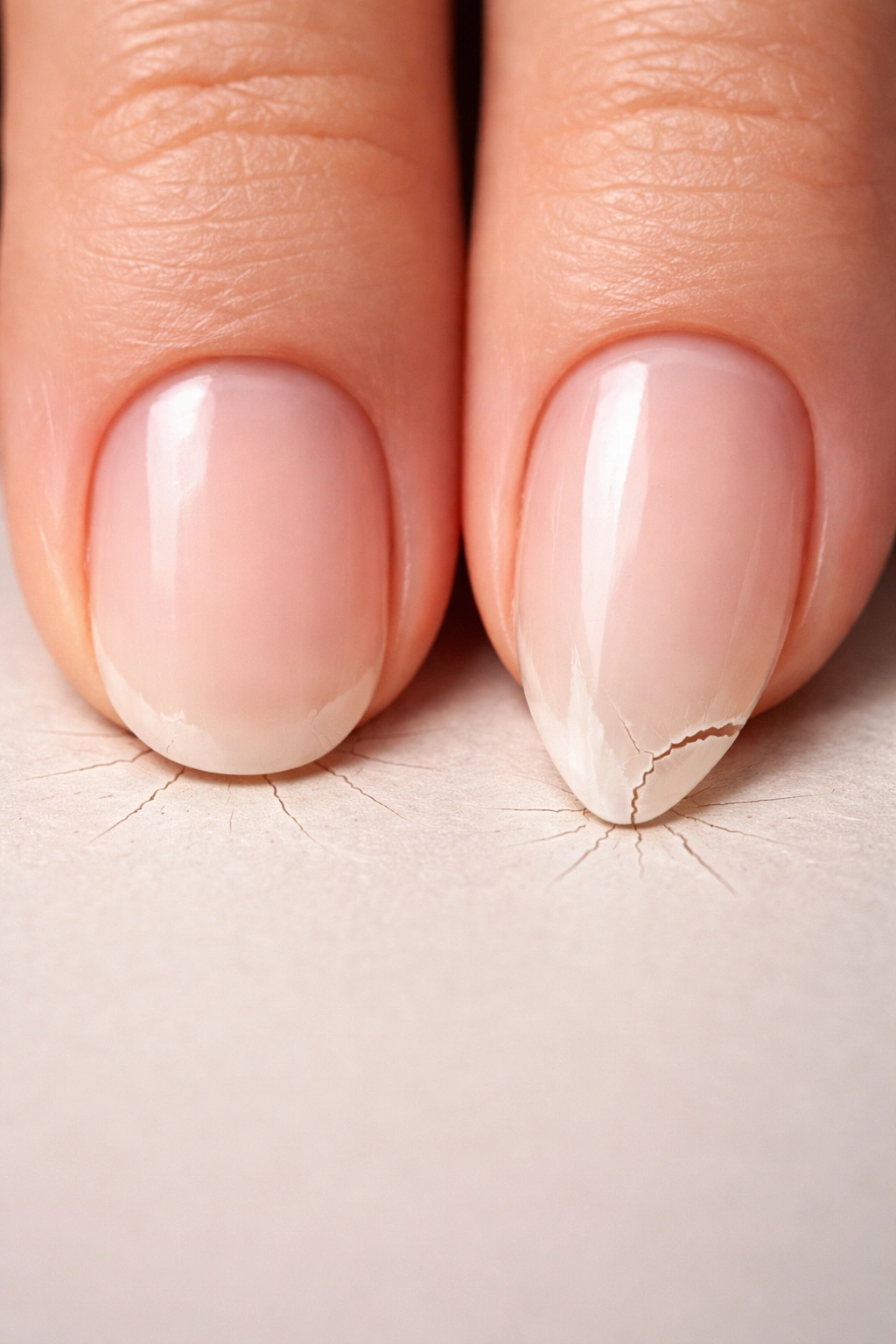
This is the practical stuff that actually impacts your daily life with your nails. Round nails are significantly more durable than almond nails, and this isn’t a subtle difference. The rounded tip is structurally stronger because there’s no tapered weak point. The tip is wider, which means it distributes impact across a broader area. If your nail catches on something—a car door, a piece of fabric, a rough edge—a round nail can often absorb that impact without breaking, or it breaks in a less dramatic way.
Almond nails break more easily, specifically at that pointed tip. The taper creates a structural weakness because the thinner point takes the brunt of any impact. One sharp catch and the point snaps off. For people with active lifestyles—athletes, parents of young kids, people who work with their hands—this becomes genuinely frustrating. You can go through almond nails quickly if you’re not extremely careful.
That said, this durability difference shrinks considerably if you’re wearing extensions rather than natural nails. Both gel and acrylic extensions, when properly applied and maintained, are reinforced by the builder material itself, so the shape becomes less of a durability factor. But if you’re working with natural nails, round wins decisively on longevity.
The breakage pattern also differs. Round nails tend to break on the sides or chip gradually along the edge. Almond nails break at the tip in a more dramatic way—the pointed section just snaps off suddenly. For appearance purposes, a round nail that chips gradually is often easier to repair or reshape by simply filing it shorter. An almond nail that breaks usually requires waiting for regrowth or applying a rebuilding extension if you want to maintain that shape.
Maintenance and Filing Requirements
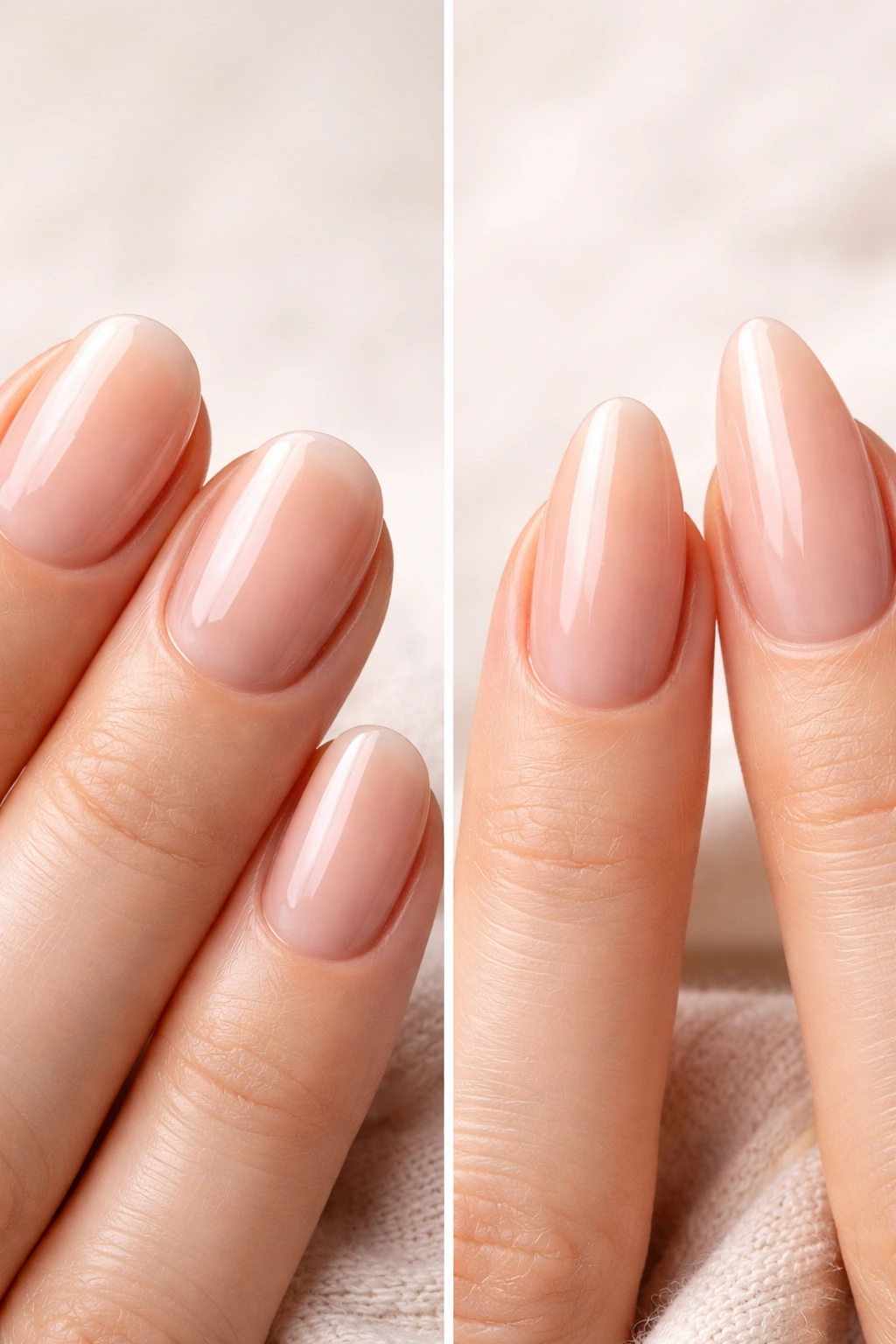
Round nails are low-maintenance in terms of filing. You’re essentially maintaining an even curve, which is forgiving and relatively quick. If you’re doing your own maintenance at home, round nails are genuinely approachable. You can file them with a medium-grit file without obsessing over precision. A little unevenness just reads as natural.
Almond nails require more technical skill to maintain, especially if you’re filing your own nails. You need to create an even taper on both sides, and if one side is slightly wider than the other, the asymmetry is immediately noticeable. The angle of your filing matters too—too steep and the nail looks stubby, too shallow and it looks rounded. This is doable if you’re patient and precise, but it’s not forgiving. Many people find it easier to go back to a salon every 2-3 weeks to keep their almond shape looking perfect rather than attempting home maintenance.
The filing process itself is also different. Round nails file quickly—you’re just rounding the tips in both directions. Almond nails take longer because you’re creating more of a deliberate shape. You’re usually filing more of the nail surface because the taper spans a larger area. On natural nails, this means you’re removing more of the nail with each maintenance session, which can eventually impact nail strength and thickness.
If you have gel or acrylic extensions, maintenance patterns flip somewhat. Both shapes need fills every 2-3 weeks as your natural nail grows out. But with acrylics, almond shapes are actually easier to maintain because the builder acrylic provides structure that holds the shape naturally. With round nails on acrylics, you might notice the shape looking less crisp if you don’t file the tips regularly.
Versatility Across Different Occasions
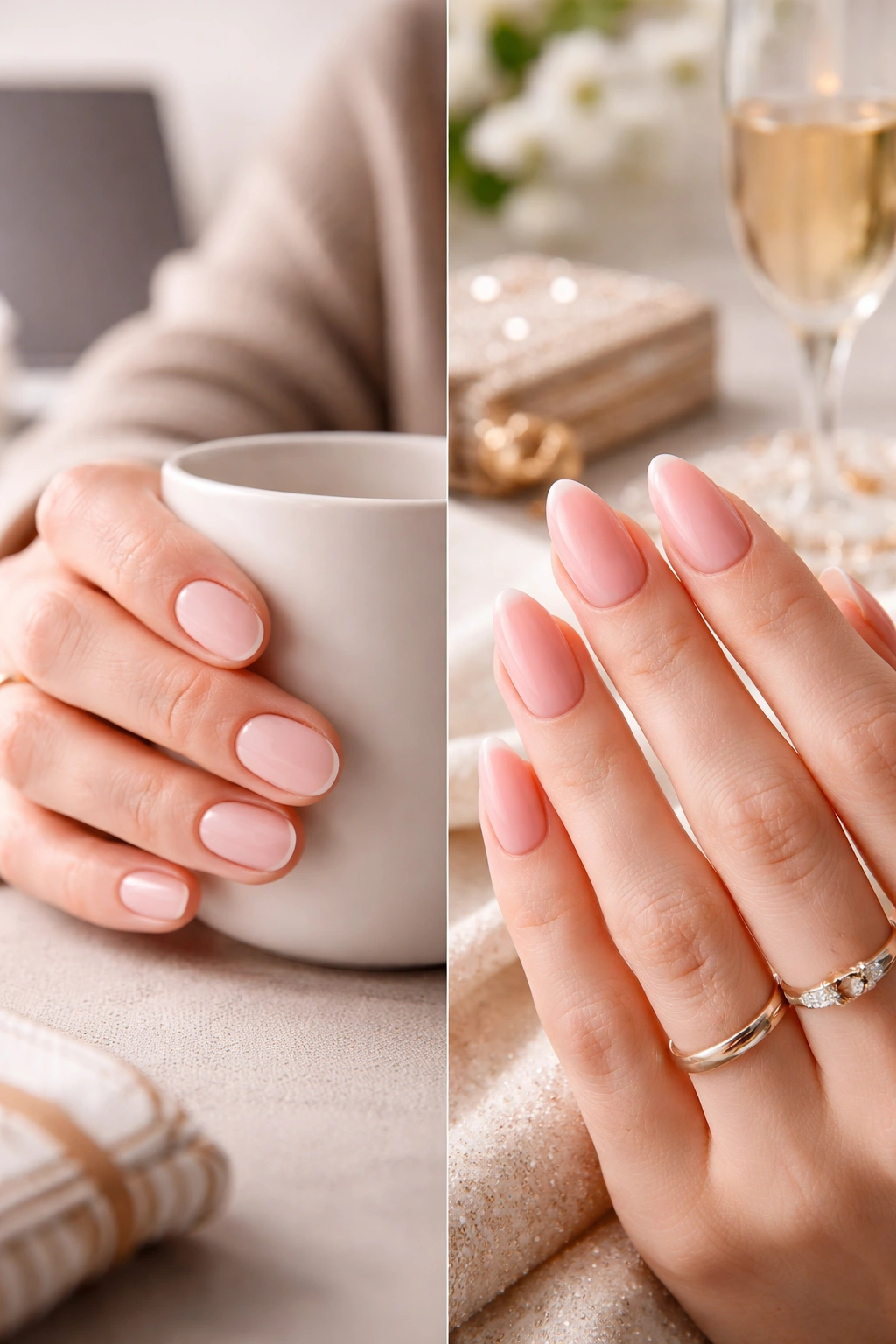
Round nails fit seamlessly into virtually every context. Professional environments? Round nails work beautifully. They read as clean and competent. Casual settings? They’re perfect. You can wear them minimally decorated or fully designed, and they adapt to the occasion. Round nails are the chameleon of nail shapes—they don’t call attention to themselves, so the focus stays on your overall presentation.
Almond nails make a statement, and that’s their strength and their limitation. They automatically signal that you’re intentional about your appearance. In very conservative professional settings, some people find almond nails feel too bold or decorative. In creative fields or fashion-forward environments, almond nails are ideal. For dates, events, and occasions where you want to feel a bit more glamorous, almond nails deliver that energy.
The occasion also matters in terms of how practical the shape is. If you’re traveling with minimal luggage and won’t have access to maintenance, round nails are more forgiving because they hold their shape longer and don’t break as easily. If you’re doing something like hiking, gardening, or yard work, round nails are significantly more practical. If you’re going to an event where you want polished, elegant hands and you’re willing to be careful, almond nails photograph beautifully.
How Nail Length Interacts With Shape Choice
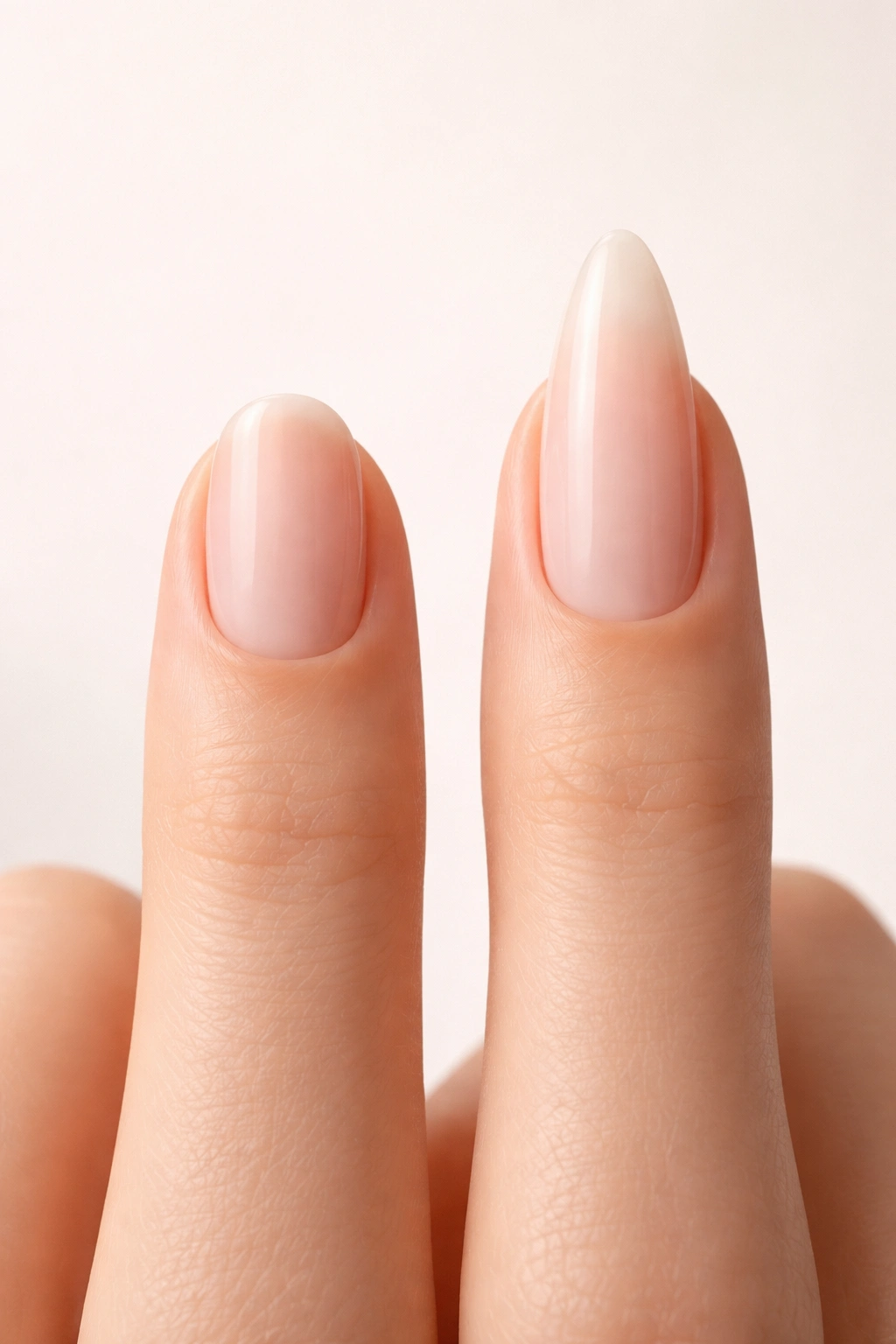
Round nails actually look better on shorter to medium lengths. A very short round nail can feel almost blunt, while a medium round nail feels intentional and neat. Long round nails do work, but they start to look a bit like they’re trying to be almond without committing to the shape. There’s a visual confusion that happens when you extend a truly round nail very long—it doesn’t have the sharpness to warrant the length, and it starts to read as just “long” rather than “fashionably long.”
Almond nails, by contrast, absolutely require length to look correct. A short almond nail looks stumpy and awkward because the taper makes the nail appear stubby rather than elegant. Medium-length almond nails work well, but truly gorgeous almond nails are usually at least a half-inch to three-quarters of an inch of free edge. The length is what allows that elegant taper to fully express itself and create the elongating effect that makes the shape worth choosing.
This is crucial information if you’re trying to decide between the two. If you love keeping your nails short because of your lifestyle or preference, round is probably your shape. If you’re willing to grow your nails out or maintain extensions, almond becomes a viable and potentially more flattering option. The length dramatically affects how well each shape works for your overall look.
Lifestyle Compatibility and Daily Practicality

If your life involves typing all day, round nails are superior. The wider tip hits keys with more surface area, reducing that distinctive clicking sound that can drive people crazy in quiet offices. There’s also less chance of the tip getting caught or bent at awkward angles while typing.
If you have young children, round nails are more practical. They’re less likely to break when you’re reaching into car seats, playing on the floor, or handling the thousand small physical interactions that come with parenting. They’re also slightly safer—while the difference is small, a rounded edge is marginally less likely to catch skin than a pointed tip.
If you work with your hands—cooking, gardening, cleaning, manual labor, fitness—round nails are definitively the better choice. The durability difference becomes significant when your nails are being impacted regularly. People in these fields who wear almond nails often find themselves frustrated by constant breakage.
If your lifestyle is calmer and more controlled—office work where you’re careful with your hands, no young kids, no manual labor—the practicality difference shrinks. Almond nails become a viable choice if you’re willing to be slightly more cautious and accept occasional breakage as the cost of having the shape you prefer.
Fitness activities deserve special mention. If you do weightlifting, rock climbing, yoga with downward dog, or any activity where your hands bear weight, almond nails become problematic. Even gentle activities like vinyasa flow yoga can snap an almond nail. Round nails handle these activities far better.
Nail Art and Design Possibilities
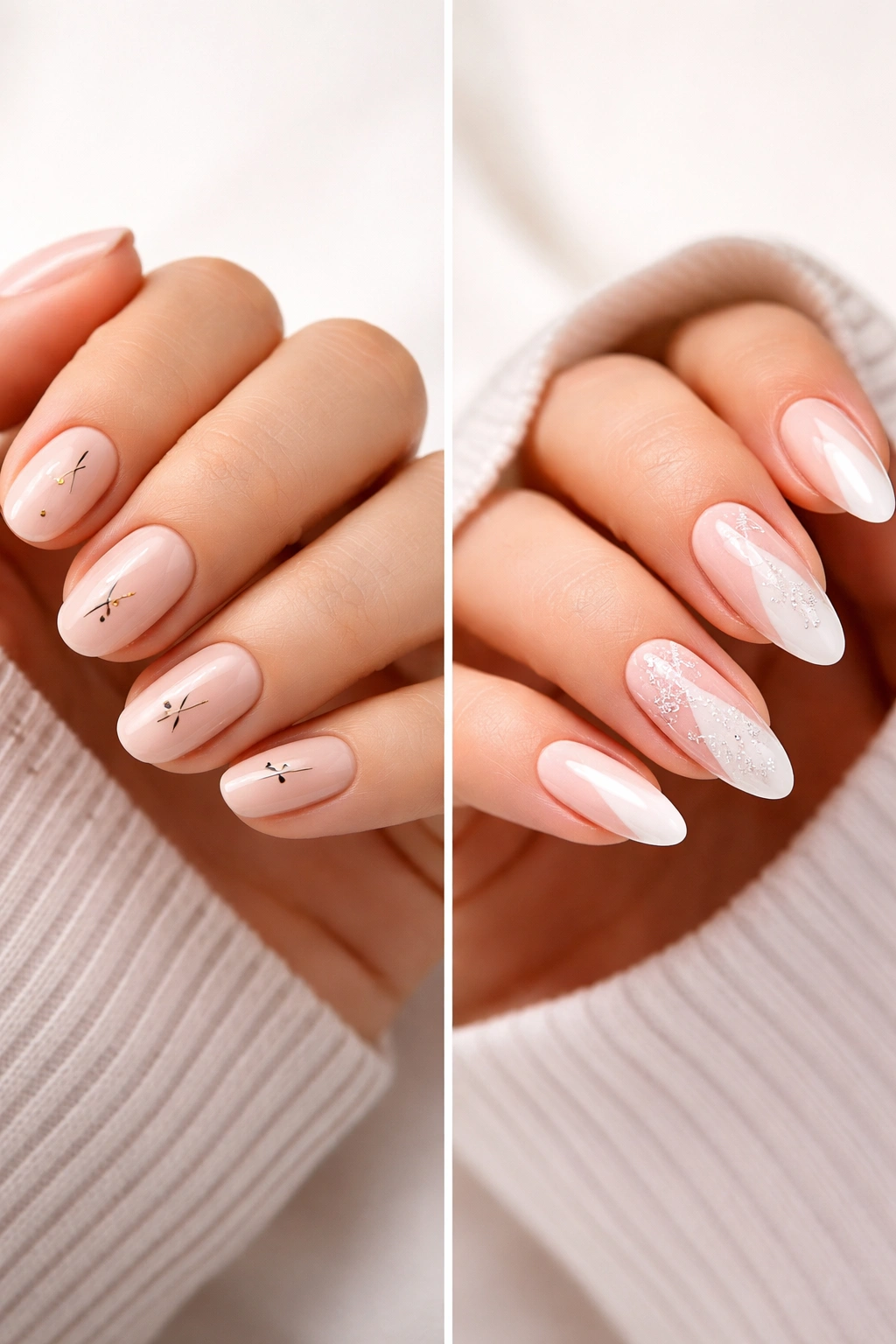
Round nails and almond nails actually create different visual effects for the same designs, and this matters if nail art is important to you. On round nails, designs feel balanced and classic. The space is more limited laterally, so intricate designs might feel crowded. Geometric patterns look good, solid colors look sophisticated, and minimalist designs feel intentional. Detailed artwork that spans the full nail can feel busy because the rounded edges break up the negative space.
On almond nails, designs have more room to breathe because the sides taper inward less abruptly. Intricate artwork looks more elegant on the longer, narrower canvas. French tips look exceptionally good on almond nails because the pointed tip is the perfect showcase for that contrast. Ombre and gradient designs look particularly beautiful on almond because the taper creates natural dimension. Character designs, portraits, and detailed artwork generally look better on almond nails just because there’s more space to work with.
If you love complex nail art, almond nails are probably your better choice. The canvas is larger, the space works with the design rather than fighting it, and the pointed tip becomes part of the artistic statement. If you prefer simple, minimalist nail art or solid colors, round nails are equally beautiful and actually might look more refined.
There’s also the practical element: designs on almond nails need to be planned around the point. If the point snaps off, part of your design goes with it. Designs on round nails are more forgiving because the full design survives the nail intact.
Suitability for Different Professional Environments
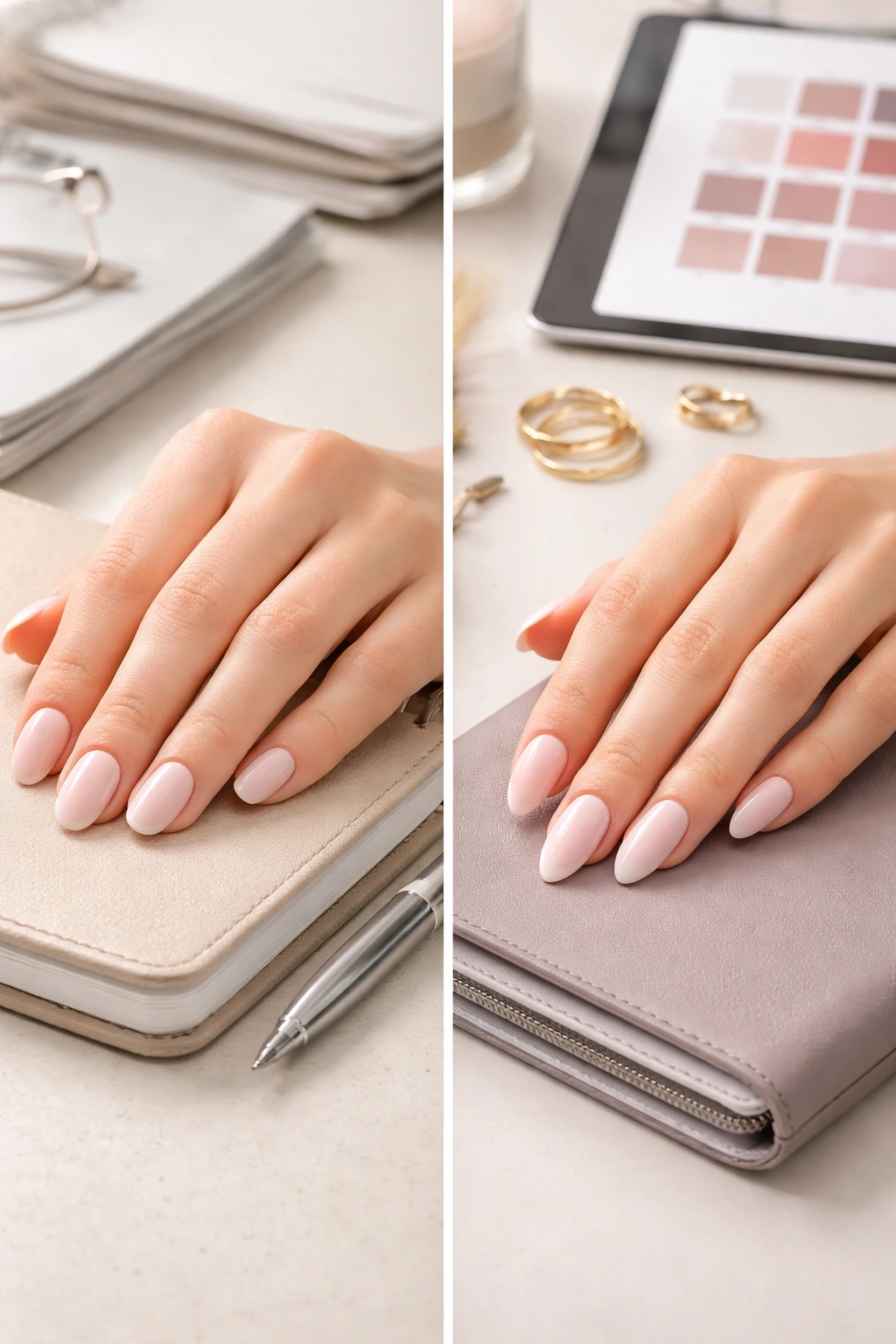
In corporate finance, law, and other traditionally conservative fields, round nails are the safer choice. They read as professional and polished without sending any “I’m highly focused on decoration” signals. Almond nails work in these environments too, especially if they’re done in neutral colors, but they’re slightly more likely to raise eyebrows from older, more traditionally-minded colleagues or clients.
In creative fields—design, fashion, marketing, entertainment—almond nails are equally appropriate and might even be preferred. They signal taste and intentionality about aesthetics, which aligns with the values of these industries. Round nails work fine too, but they’re less of a statement.
In healthcare, round nails are the standard recommendation. They’re easier to keep clean, less likely to scratch patients, and more universally professional. Many healthcare facilities actually have guidelines about nail shape and length, and round nails are typically what’s suggested or required.
In service industries—hospitality, food service, retail—the shape matters less than overall neatness and professionalism. Either shape works as long as the nails are well-maintained and clean. Some service settings have guidelines suggesting that more conservative shapes like round are preferable, but this varies by specific job.
The reality is that in most professional environments, what matters more than the specific shape is that your nails look intentionally maintained and groomed. A perfectly maintained almond nail looks more professional than a neglected round nail. The shape is secondary to the care you’ve invested in them.
The Transition Process: Changing Your Nail Shape
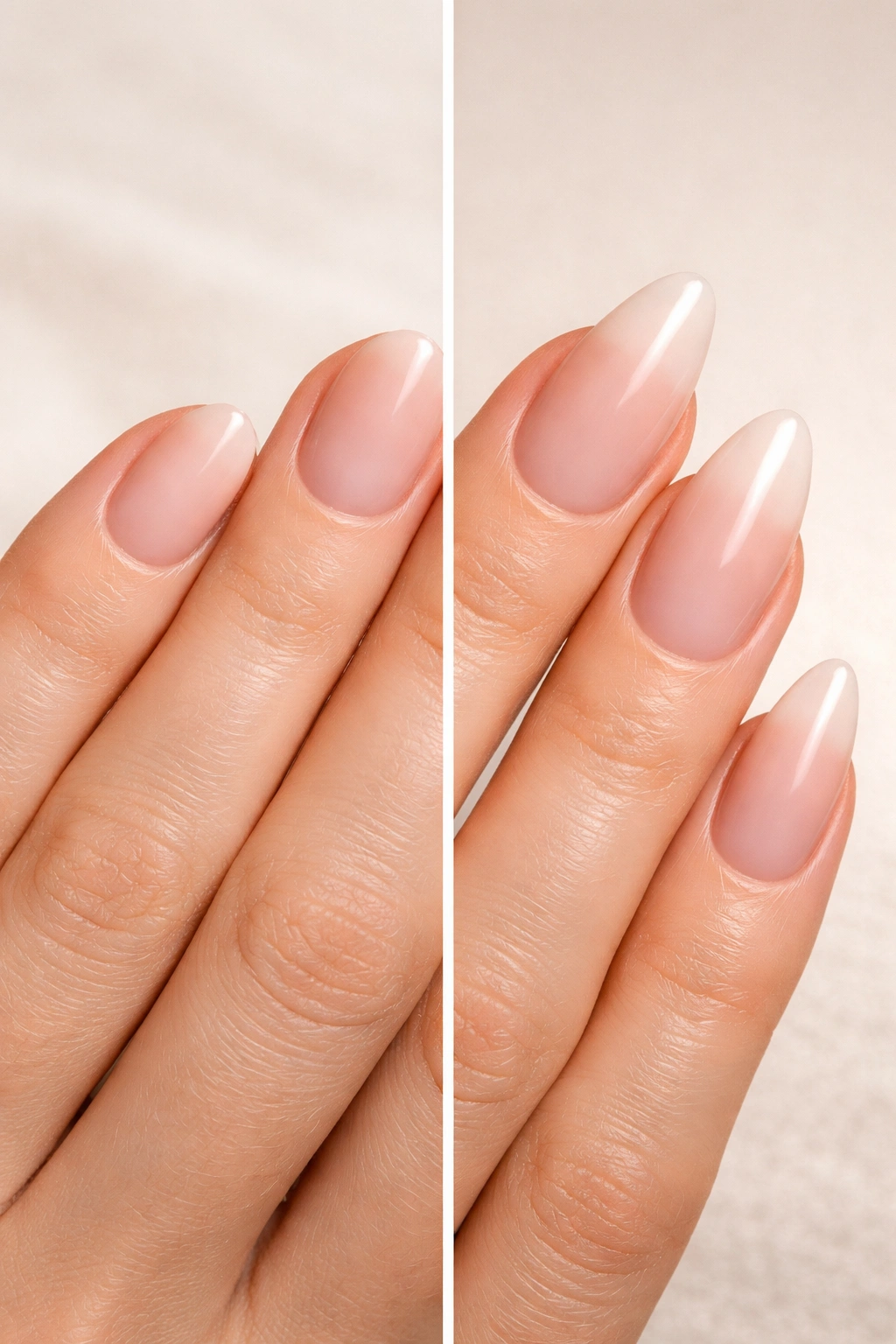
If you’re currently wearing round nails and want to switch to almond, you have two approaches. The first is to grow out your natural nails and gradually file them into an almond shape. This takes time—probably 4-6 weeks to grow enough length to taper safely—but it works and it’s low-cost. During the transition, your nails will look somewhere between round and almond, which is fine. Just keep filing gradually toward the shape you want.
The faster approach is to extend with gel or acrylic. A nail technician can build almond-shaped extensions that give you the full effect immediately. This is especially helpful if your natural nails are weak or if you want to try the shape without waiting weeks for growth.
The reverse transition—going from almond back to round—is faster. You simply file off the points and round out the tips. Since you’re removing length rather than adding it, this can happen in one appointment or even at home if you’re comfortable filing.
One practical note: if you’re switching from almond to round, your nails might feel slightly naked or odd for a few days. This is purely psychological—you’ve gotten used to the pointed tip, and without it, the sensation is subtly different. This passes quickly.
Cost Considerations and Salon Requirements
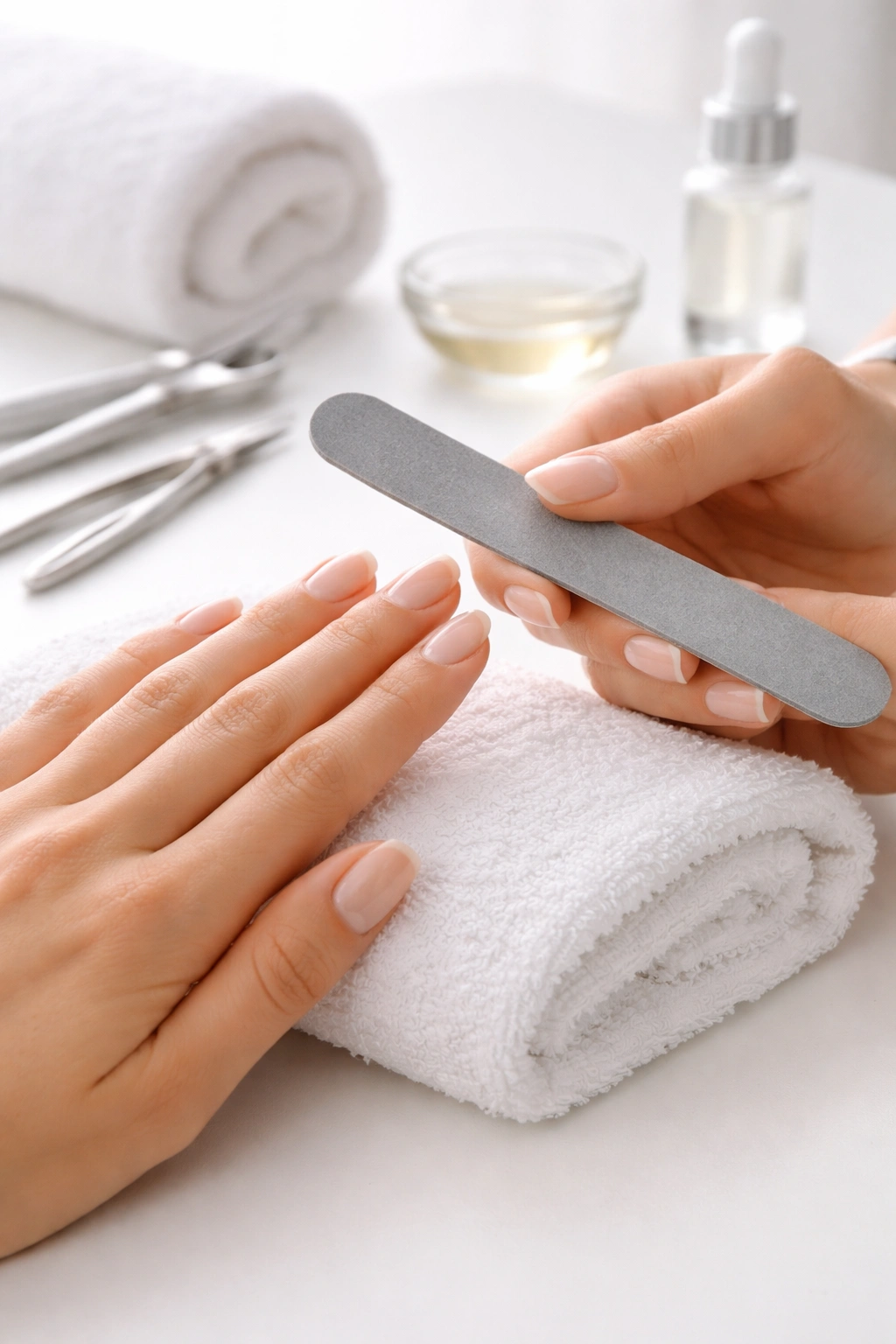
Round nails on natural nails cost nothing beyond what you’re already spending on basic maintenance. You can file them yourself at home with a basic nail file. If you’re going to a salon for maintenance, the cost is identical whether you’re getting round or almond shapes—you’re paying for the filing time and expertise.
With extensions, both shapes cost the same in terms of the application and material. The difference comes in maintenance. Almond shapes might require slightly more technical skill to maintain perfectly, so some nail technicians charge a premium for almond shapes. This is usually minimal—maybe $5-10 more per appointment—but it varies by location and salon.
If you’re someone who can only visit the salon occasionally, round nails are more forgiving between appointments. The shape holds longer, and slight growth doesn’t immediately make them look less intentional. Almond nails start to look less polished as the natural nail grows in because the shape is so dependent on precise tapering.
For at-home maintenance, round nails are cheaper. You only need a basic file. For almond nails, you might want to invest in better-quality files and possibly a buffing block to maintain that smooth taper. The investment is small—maybe $15-30 total—but it exists.
Hand Shape Considerations and Personal Proportions
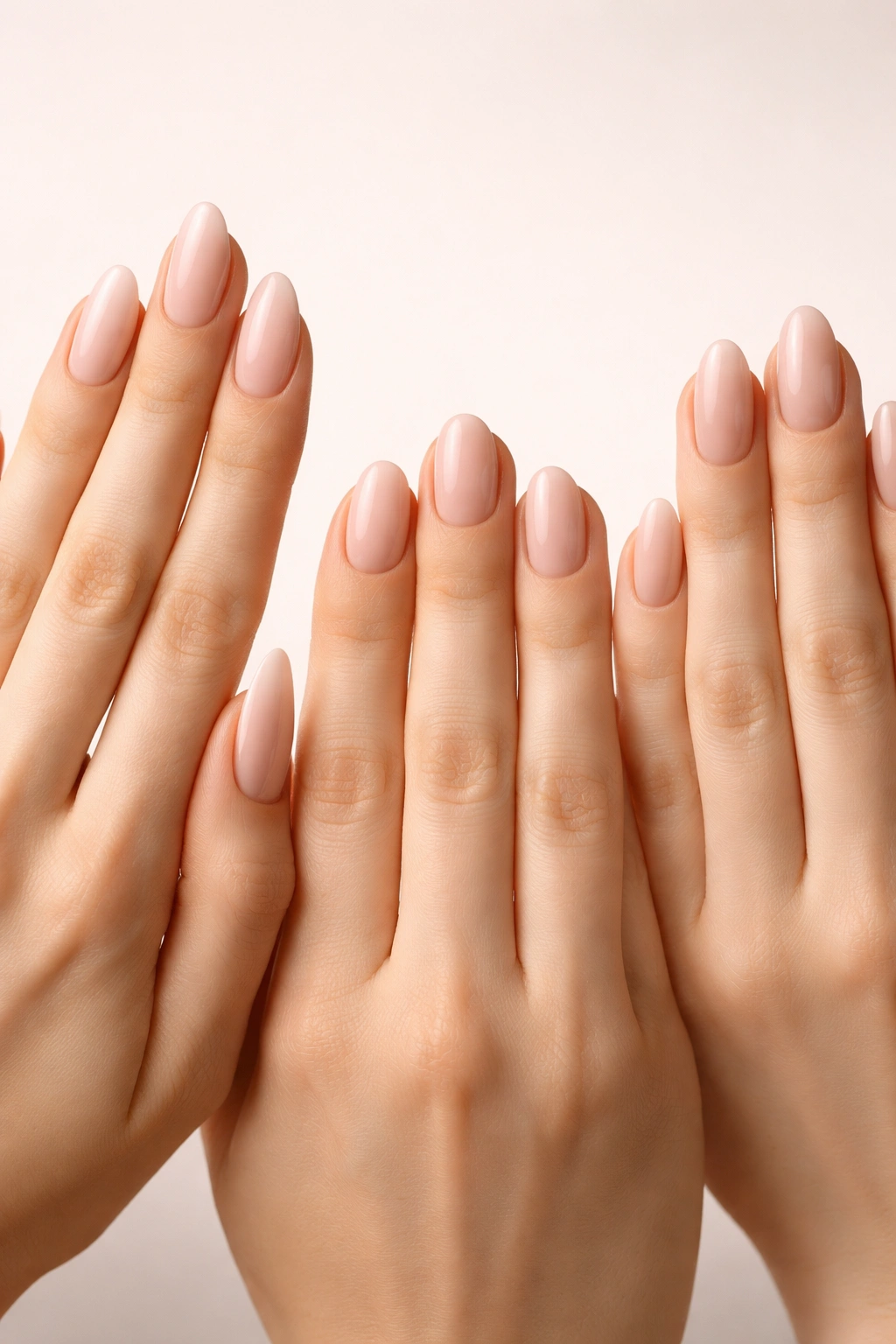
Specific hand shapes interact with nail shapes in interesting ways. If you have long, slender fingers naturally, both shapes look beautiful on you. Almond might look slightly better because it echoes the natural elongation. Round nails also work well and actually add a nice visual break that prevents your hands from looking too delicate or bony.
If you have shorter, wider hands, almond nails create a lengthening effect that’s genuinely flattering. The taper pulls the eye vertically and makes fingers appear more slender. This is probably the strongest case for choosing almond—if your hands feel stubby, almond truly transforms how they look.
If you have wide nail beds relative to the length, round nails look very proportional. Almond nails on very wide beds can sometimes look odd because the taper might be too dramatic relative to the bed’s width. Some technicians avoid very sharp almond points on wide beds because the proportions don’t balance.
Veins and skin texture on your hands matter too. If you have prominent veins or visible texture, rounder shapes tend to be more forgiving because they don’t draw as much attention to the hand’s entire silhouette. Almond nails make hands more of a focal point, so any skin concerns might feel more visible. This is subtle but worth considering if you’re self-conscious about your hands.
Hand width relative to finger length also affects the choice. Wide hands with long fingers can carry almond beautifully. Wide hands with short fingers might actually look better with round nails because the almond taper might be too dramatic. Again, proportions are everything.
Getting Started: How to Choose Based on Your Situation
Start by considering your lifestyle practically. Are you active, do you type a lot, do you have young kids, do you work with your hands? If you answered yes to any of these, round nails are probably your best choice. They’re forgiving, durable, and low-maintenance. This doesn’t mean you can’t wear almond nails, but round is the practical choice.
Next, think about your aesthetic preference. When you imagine your hands looking beautiful, what shape do you see? If you see pointed elegance, almond is calling to you. If you see clean, neat simplicity, round is your shape. Your gut feeling about this matters—you’ll be happier wearing the shape that genuinely appeals to you.
Then consider whether you’re willing to prioritize maintenance. Almond nails require more consistent care to look perfect. If you’re willing to maintain them or go to the salon regularly, great. If you prefer low-maintenance beauty, round nails are the better match.
Finally, look at your hands. If you have shorter, wider hands and want to feel more elegant, almond nails create that effect. If you have naturally graceful hands or shorter nails you prefer to maintain, round nails probably feel more authentic to you.
Try starting with whichever shape feels like the safer choice based on these factors. You can always transition to the other shape later—this isn’t a permanent commitment. Many people find themselves going back and forth between shapes depending on what phase of life they’re in or what they’re feeling aesthetically at any given moment.
Final Thoughts
The choice between round and almond nails isn’t actually about which shape is objectively better—it’s about which shape aligns better with your life, your hands, and your aesthetic vision. Round nails win on durability, practicality, and ease of maintenance. They’re the shape that works beautifully in virtually every context and requires minimal fuss to keep looking good. Almond nails win on elegance, visual elongation, and that sophisticated aesthetic that makes you feel put-together and intentional. They photograph beautifully and create a sense of polish that round nails, for all their charm, don’t quite match.
What this really means is that both are excellent choices. You’re not choosing between good and bad; you’re choosing between practical and polished, or between easygoing and elegant. The best nail shape is the one that makes you feel confident when you look at your hands, that fits your actual life rather than fighting against it, and that you genuinely enjoy maintaining.
If you’re torn and can’t decide, do this: try whichever feels safer for your lifestyle first. Get comfortable with how it looks and feels. Then, when you’re ready for a change or you’re curious, try the other shape. Most people find that their preferred shape becomes obvious after experiencing both. And honestly, switching shapes is one of the easiest ways to refresh your entire appearance—it costs nothing beyond normal maintenance and takes just a few appointments. Let yourself experiment until you find the shape that feels absolutely yours.