

French tip oval nails have become a timeless choice that transcends trends, offering a sophisticated, elongated aesthetic that flatters nearly every hand shape and personal style. Unlike sharp almond tips or dramatically squared acrylics, the oval silhouette provides that perfect balance between elegance and wearability—it’s polished without demanding constant maintenance, and it works equally well for a professional office setting or a casual weekend look. But here’s what most people don’t realize: not every French tip oval style works for every person. The proportions of your fingers, the width of your nail beds, your skin tone, and even your lifestyle all play a role in determining which specific oval design will look genuinely flattering rather than just “okay.”
The reason French tip ovals are so universally beloved is that they elongate the fingers visually, making hands appear more graceful and slender. The white tip line creates an optical illusion of length, while the gentle curve of the oval shape complements almost any hand structure. But choosing between a subtle, barely-there French tip and a bold, dramatic one—or deciding whether to go with a perfectly symmetrical oval versus a slightly tapered variation—these nuanced choices can completely transform how the final look works with your unique features.
Understanding your options isn’t just about following what’s trending or copying a picture you found on social media. It’s about recognizing what actually suits you, what you can realistically maintain, and what makes you feel confident when you look down at your hands. Let’s walk through exactly how to navigate this decision so you end up with a French tip oval style that feels genuinely yours.
Understanding the Core Oval Shape and Its Variations
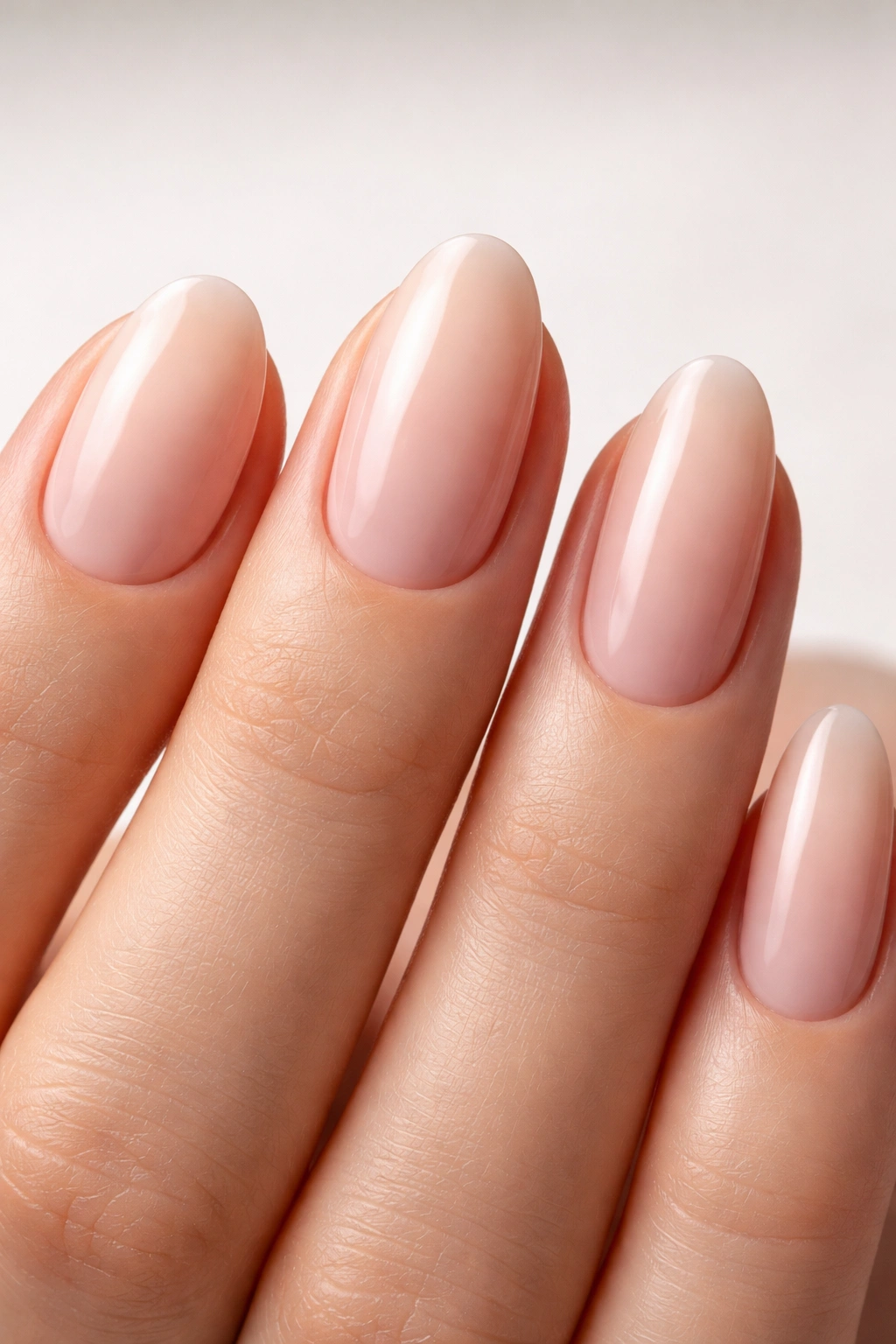
The foundation of any French tip oval decision starts with understanding what “oval” actually means in nail terminology—and that it’s not quite as standardized as you might think. A true oval is widest at the base of the nail and tapers gradually toward a softly rounded tip, creating a continuous, symmetrical curve on both sides. This differs from an almond shape, which comes to a more distinct point, and from a coffin or ballerina shape, which has straighter sides that suddenly widen at the base.
Within the oval category, though, there’s surprising variation. Some ovals are nearly circular with a barely perceptible taper, while others are noticeably elongated with a more pronounced length-to-width ratio. Some nail artists create what’s sometimes called a “soft almond” or “almond oval hybrid,” which sits somewhere between a true oval and an almond—it has the rounded sides of an oval but comes to a slightly sharper tip rather than a perfectly rounded finish.
The key distinction matters because different oval variations suit different hand shapes and nail bed widths. If your nail beds are naturally wide and short, an elongated, more tapered oval creates the visual illusion of length. If your fingers are already long and slender, a rounder, fuller oval can actually feel better proportioned to your hand structure. The white French tip line then interacts with this base shape—a shorter oval with a thick white tip creates a very different visual impression than a longer oval with a thin, delicate French line.
How Oval Differs From Other Popular Shapes
If you’re comparing ovals to other shapes you’ve considered, here’s what sets them apart in practical terms. Almond-shaped nails come to a more defined point, which can look sharp and modern but also shows wear more noticeably—any tiny chip at that pointed tip becomes visible immediately. Ovals are more forgiving; a chip on a rounded edge blends in more naturally and is less likely to catch on things. Square or coffin shapes make a bolder statement and feel more dramatic, but they require more maintenance to keep the corners crisp and are less versatile across casual and formal settings. Ovals, by contrast, are the adaptable middle ground—they feel intentional and polished without being high-maintenance or attention-grabbing.
The French Tip Design: Width, Opacity, and Color Choices
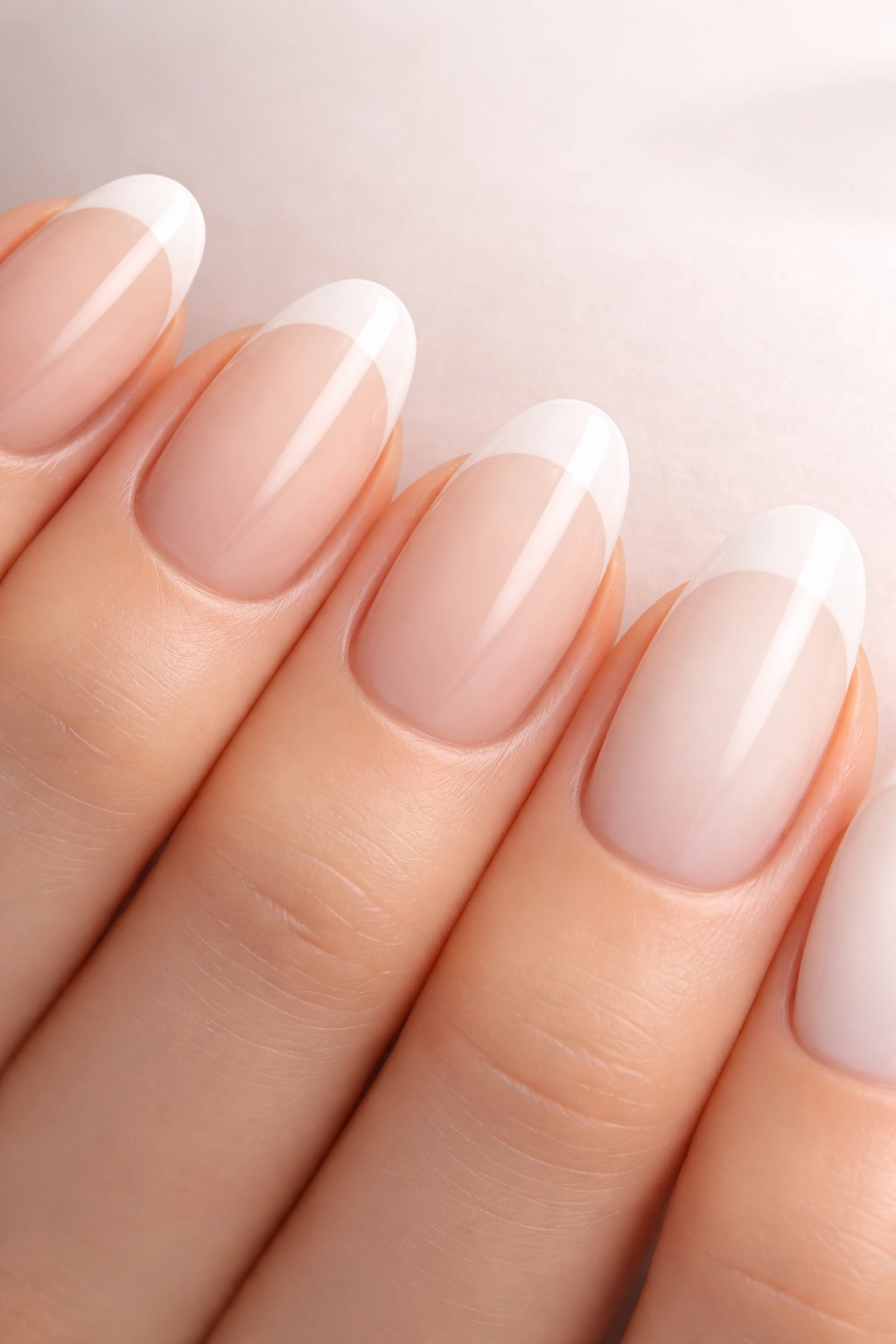
Now let’s talk about the French tip itself—the white or colored line that runs across the top of your nail. This single design element makes an enormous difference in how your French tip oval reads visually, how much maintenance it requires, and how well it actually suits your lifestyle. The tip design is where most people actually make their mistakes, often choosing something they’ve seen on someone else without considering how their own nail shape and hand characteristics interact with that design.
Thin, delicate French tips are the most contemporary interpretation and work beautifully for people with naturally graceful, slender fingers. A thin white line—maybe 1-2 millimeters—creates an almost understated elegance and looks sophisticated in professional settings. The downside? Thin French tips show dirt, discoloration, and regrowth more obviously than thicker ones. If you have a lifestyle where your hands are constantly in soil, makeup, or other pigmented substances, a thin French tip will require touchups more frequently.
Medium-width French tips (around 2-3 millimeters) represent the sweet spot for most people. They’re visible and clear without being overly dramatic, and they’re forgiving enough that minor imperfections don’t scream for immediate attention. This width works across professional environments and casual settings equally well. It’s also the thickness that photographs most clearly and looks balanced on most hand sizes.
Thick, bold French tips (4+ millimeters) make a statement and actually require less frequent maintenance because they’re so obvious that a slightly imperfect regrowth line blends better. If you have shorter fingers or squarer nail beds, a thicker French tip can actually help create visual balance—it draws the eye across the width of the nail rather than emphasizing length. Bold French tips also work wonderfully for people who like maximum visual impact and aren’t concerned about whether the look reads as more dramatic or fashion-forward.
The opacity of the white tip matters as much as its width. A fully opaque, pure white tip creates sharp contrast and reads as very clean and crisp. A softer, slightly translucent white or cream-colored tip feels more natural and blended, almost like the nail is genuinely that color naturally. Some people prefer the artificial elegance of the stark white-against-natural contrast; others find that a softer French line feels more wearable and less obviously “done.”
Colored French Tips as an Alternative
If you’re drawn to French tips but want to move beyond traditional white, colored French tips have become increasingly sophisticated. A nude or natural tone French tip—using a shade that matches your skin tone—creates a lengthening effect similar to white but feels more subtle and modern. This works beautifully for professional environments where a stark white tip might feel too bold, and it’s genuinely flattering for most skin tones.
Gold, blush, or champagne French tips add warmth and work especially well for oval nails with warmer undertones in the base color. A soft pink French tip on a milky, translucent base creates the classic “barely-there” manicure that looks effortlessly polished. Deeper French tips—charcoal, navy, or burgundy—require intentional styling and work best when the rest of your look is equally deliberate and fashion-forward.
Matching Oval Styles to Your Face Shape
One factor that many people overlook when choosing a French tip oval style is how their face shape interacts with their hands’ visual presentation. Your hands are often visible during conversation, on social media, and in photos, and they contribute to your overall aesthetic coherence.
Round faces tend to be balanced and soft, and they pair beautifully with elongated, more tapered ovals that echo the length and sophistication of the face shape itself. A slightly narrower oval with a delicate or medium-width French tip creates a cohesive, refined impression. Very round, fat ovals can actually emphasize roundness in hands, so the more tapered variation is ideal here.
Square or angular faces work well with either full, rounder ovals (which soften the angularity of the face and create balance) or with more pronounced, tapered ovals (which echo and emphasize the intentional, defined aesthetic of the face). The key is intentionality—you’re either using the oval to soften or to echo, not creating visual confusion by mixing messages.
Heart-shaped faces (wider at the forehead, narrowing to the chin) actually pair beautifully with softer, rounder ovals that echo the full forehead and create balance with gentle curves. These faces tend to have fine, delicate features, so medium or thin French tips work particularly well.
Oblong or rectangular faces benefit from fuller, rounder ovals that break up visual length, and from thicker French tips that add width and visual interest across the nail.
This isn’t a hard rule—plenty of people wear French tip ovals that technically don’t “match” their face shape and look wonderful. But if you’re genuinely trying to figure out what will feel most flattering and coherent, considering this relationship often provides clarity.
How Skin Tone Influences Your Oval and Tip Choice
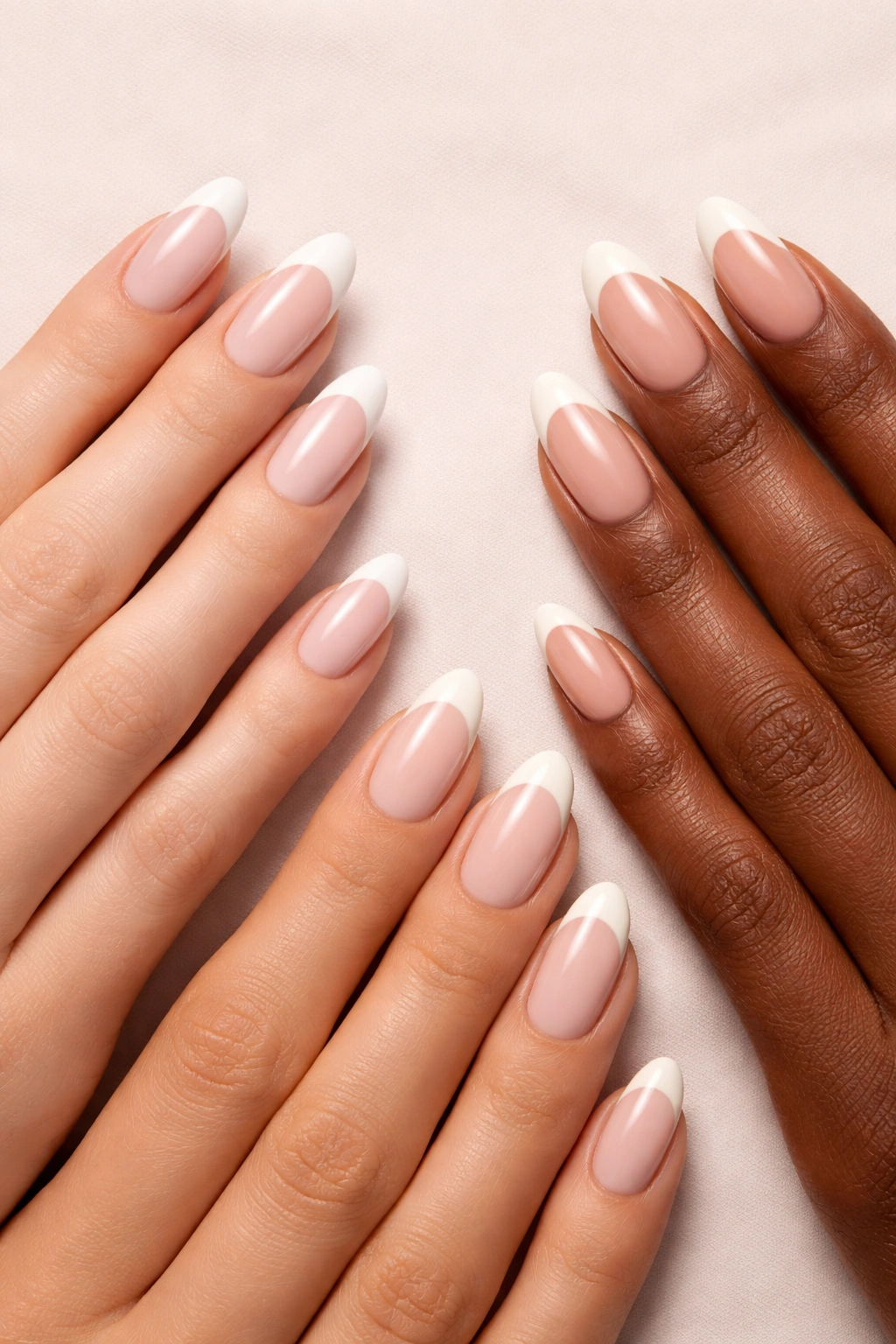
Your skin tone fundamentally affects which French tip designs will actually look stunning on you versus merely okay. This is particularly important because French tips create stark color contrast on your nail, and that contrast reads very differently depending on what’s underneath.
Warm skin tones (golden, olive, or peachy undertones) are flattered by off-white, cream, or ivory French tips rather than pure white, which can look harsh and create too much visual separation. A warmer-toned base with a softer French line feels more integrated and sophisticated. If you’re going with a colored French tip, warm golds, corals, peaches, and warm reds interact beautifully with warm undertones. A rounder, fuller oval tends to work particularly well with warm skin tones because it creates a softer overall impression.
Cool skin tones (pink, red, or bluish undertones) can absolutely wear pure white French tips—they look crisp and clean against cool undertones and create that classic high-contrast look that photographs beautifully. Cool-toned nudes (think pale pink or almost clear), silvers, and cool reds and berries also work stunningly. Cool skin tones can carry both rounded and tapered oval styles effectively; the cooler undertones provide enough contrast that shape variation matters less than with warmer skin.
Neutral or balanced skin tones have flexibility and can wear either warm or cool French tip colors, which means you have genuine freedom to choose based purely on the aesthetic you prefer rather than what works with your undertones. Lucky you.
Deeper skin tones are absolutely flattered by bold, opaque white French tips, which create striking contrast and look intentional and modern. Ivory or cream can sometimes disappear against deeper skin, so the purity of the white line matters more. Nude tips on deeper skin tones need to be a true nude-for-your-skin-tone (not a light nude that disappears) to create that same lengthening effect. Jewel tones, deep golds, and rich colors work stunningly because they’re bold enough to read as intentional against deeper skin.
Considering Your Actual Nail Bed Width and Finger Length
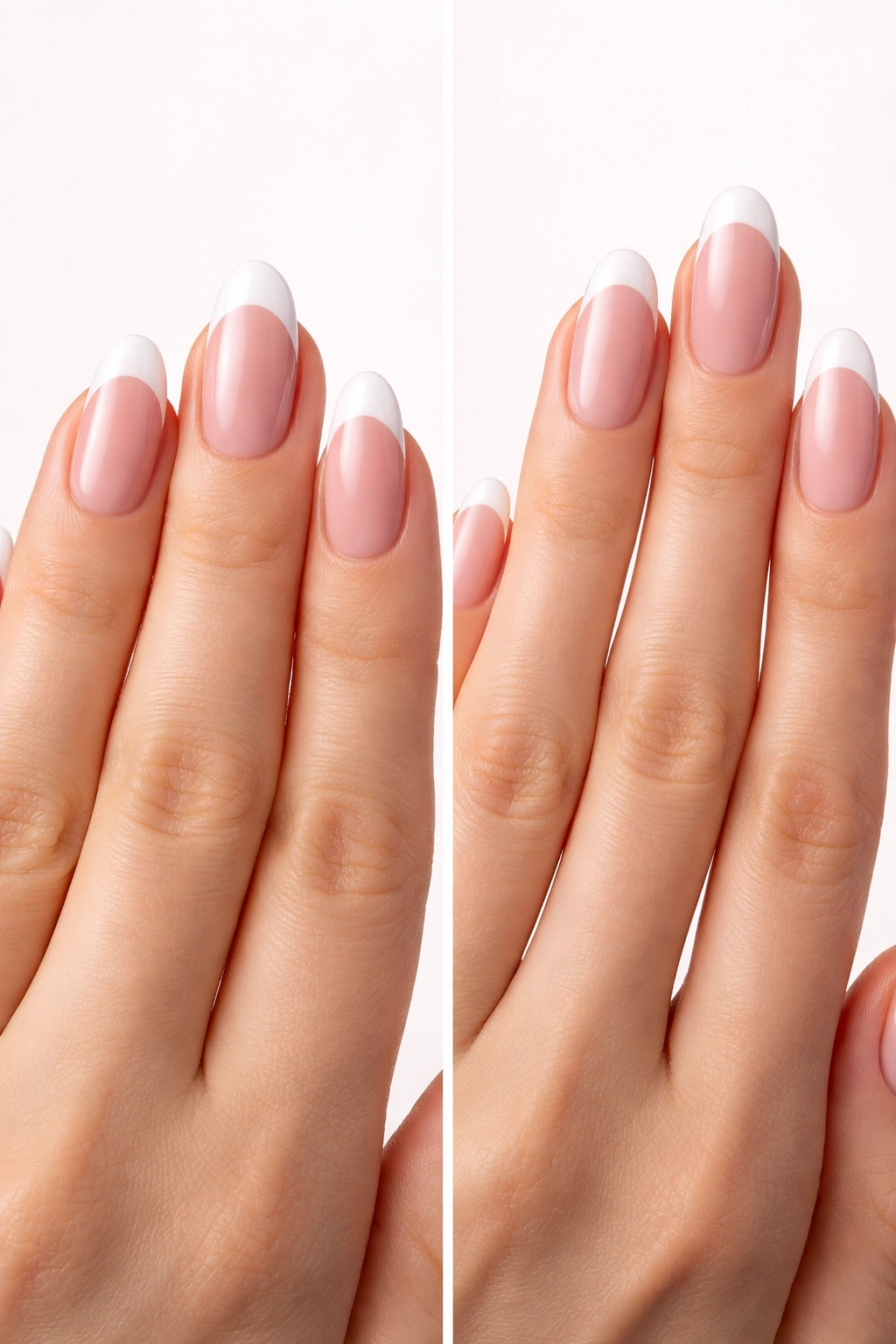
This is perhaps the most overlooked factor in choosing a French tip oval style, and it’s genuinely crucial. Your natural nail proportions matter far more than you’d expect.
Naturally short, wide nail beds need careful oval selection. A perfectly symmetrical, round oval on a short nail bed can actually emphasize the width and make fingers appear stockier. A more tapered, elongated oval—even if your natural nail is only moderately long—creates the illusion of length and makes proportions feel more refined. The white French tip line also matters here; a thin or medium tip on a tapered oval creates more length than a thick tip would. This is one situation where you genuinely benefit from strategic nail length and shaping, even if you prefer shorter nails overall.
Naturally long, slender nail beds are incredibly flexible and can wear nearly any oval variation beautifully. If anything, you might want to avoid extremely tapered ovals that elongate further, potentially making fingers feel disproportionately delicate. A rounder, fuller oval actually balances better proportionally. Thick French tips work nicely to add visual weight and balance against naturally slender fingers.
Wide nail beds with prominent knuckles (which many people have and rarely discuss) benefit from ovals that don’t emphasize the nail bed width further. A slightly tapered, more almond-leaning oval can actually look better proportioned than a perfectly round one. The French tip line should be medium rather than very thick, so it doesn’t add extra visual width.
Naturally curved or curved-growing nail beds (nails that curve upward from the finger in profile) need special consideration. These nail beds actually suit fuller, rounder ovals beautifully because the natural curve works with rather than against the shape. Avoid extremely tapered ovals, which can look unnatural or fragile on naturally curved nails.
If you’re genuinely unsure about your natural nail proportions, take a close-up photo of your bare nails from directly above and from the side. Look at the ratio of length to width, and note whether your nails naturally grow straight or curved. This information helps you and your nail technician make decisions that actually flatter your hands.
Matching Oval Ovals to Your Lifestyle and Maintenance Comfort Level
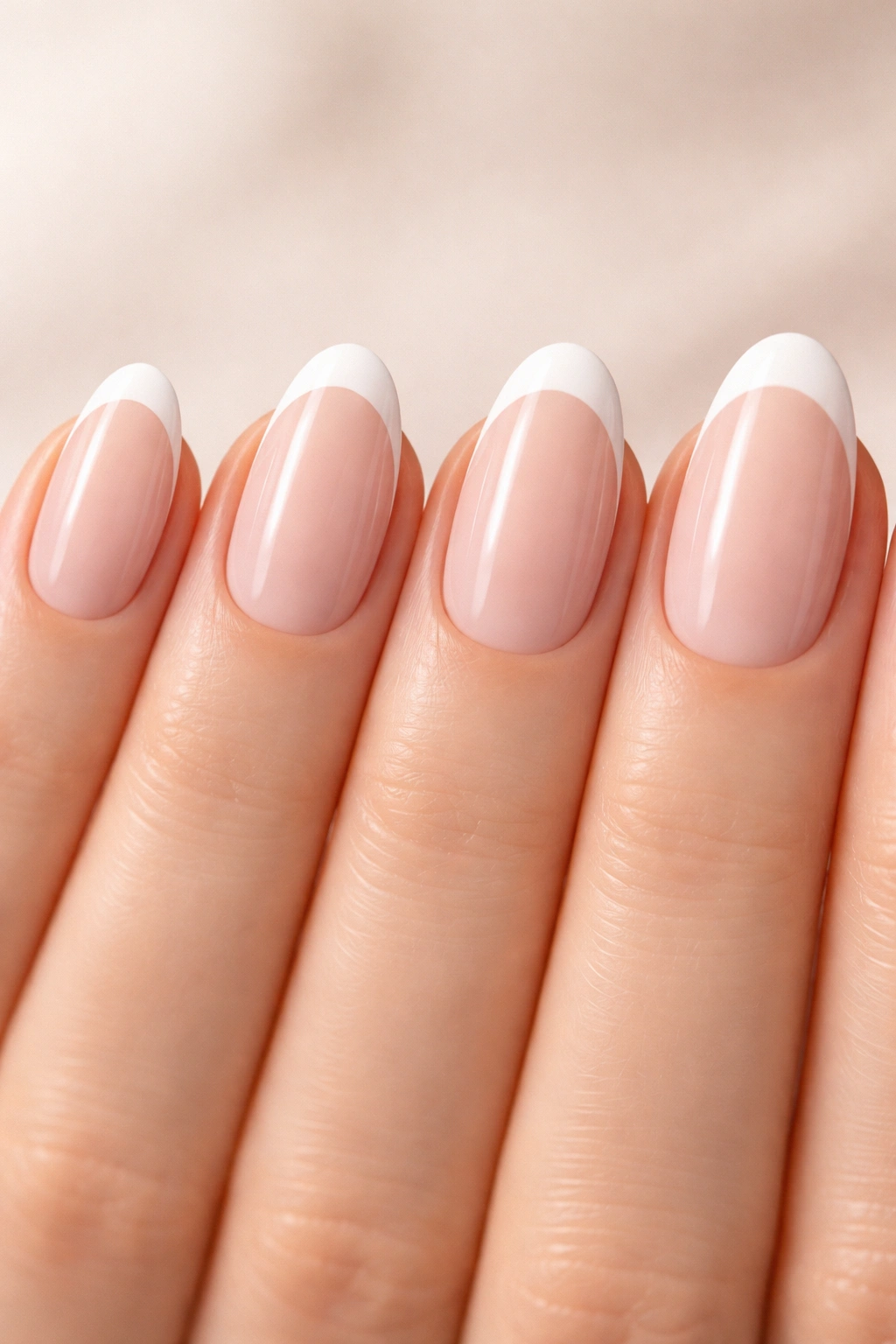
Here’s where aspirational nail design meets reality. A gorgeous, delicate tapered French tip oval is absolutely stunning, but if it requires touchups every two weeks and you’re genuinely someone who tolerates imperfection poorly, you need to be honest about that.
If you have a high-maintenance approach to nails, you can absolutely commit to delicate designs, thin French tips, and pure white colors that show every imperfection. You’ll schedule regular appointments, and you’ll be okay with the investment. In this case, choose your French tip oval style purely based on what you love aesthetically, because you’ll maintain it religiously.
If you prefer lower-maintenance styles, opt for thicker French tips that forgive regrowth more gracefully, rounder ovals that hide minor chips better than sharp points, and slightly softer colors that don’t show dirt and discoloration as obviously. You might space appointments further apart and use nail polish or dip powder at home between professional appointments.
If you work in an environment where nails regularly come into contact with water, soil, or other substances, pure white tips will discolor unless you’re meticulous about cleaning under the nails. Consider cream, ivory, or even a very pale nude tip instead. A slightly thicker French line is also more forgiving in these situations. Ovals are actually more practical than pointed shapes because they’re less likely to catch and break during active work.
If you spend significant time in chlorinated pools, saltwater, or hot tubs, be aware that French tips can sometimes develop slight yellowing or lifting at the edge more quickly than solid colors. This isn’t a reason to avoid them—it’s just information to set appropriate expectations. More frequent brief touchups might be necessary than with other nail styles.
The Relationship Between Hand Size and Oval Proportions
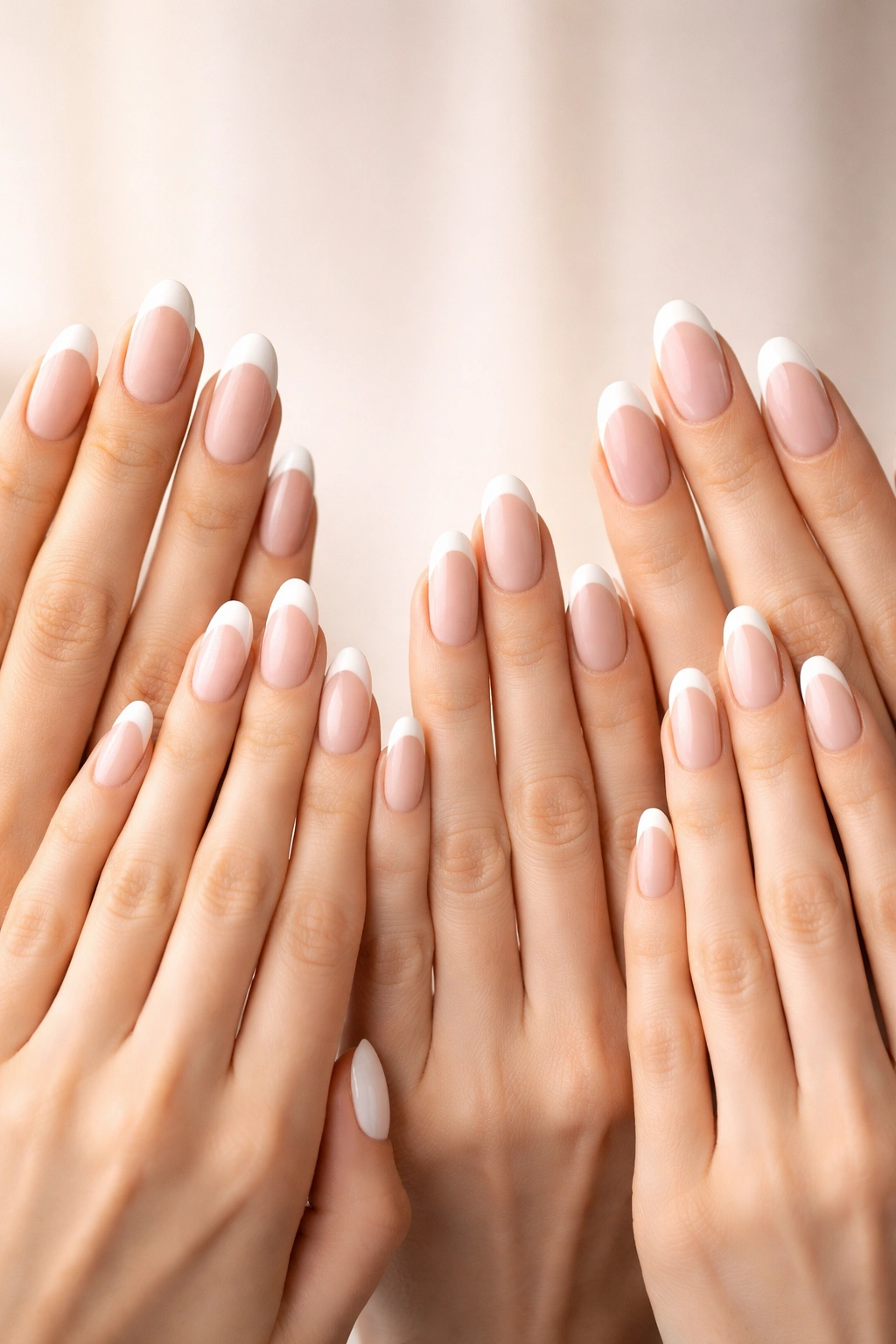
Large hands can carry bold, thick French tips and fuller, rounder ovals beautifully. The visual weight of thicker design elements balances against the larger scale of the hand. A delicate, thin French tip on very large hands can sometimes feel proportionally lost or underwhelming.
Small hands benefit from more refined, delicate French tips and potentially more tapered ovals that don’t overwhelm the hand scale. A very thick, bold French tip on small hands can feel disproportionately heavy. That said, small hands absolutely can wear any French tip style beautifully if you’re intentional about it—it’s just about proportion and intentionality.
Very large hands with prominent knuckles or veins are actually beautifully served by French tip ovals because the soft shape and clean tip line create visual interest and sophistication without being fussy. The fullness of the hand is balanced by the elegance of the shape.
Very slender, delicate hands can wear delicate designs but also benefit from thicker French tips and rounder ovals that add visual substance and prevent the hands from appearing too fragile or thin.
Professional vs. Personal Style Considerations
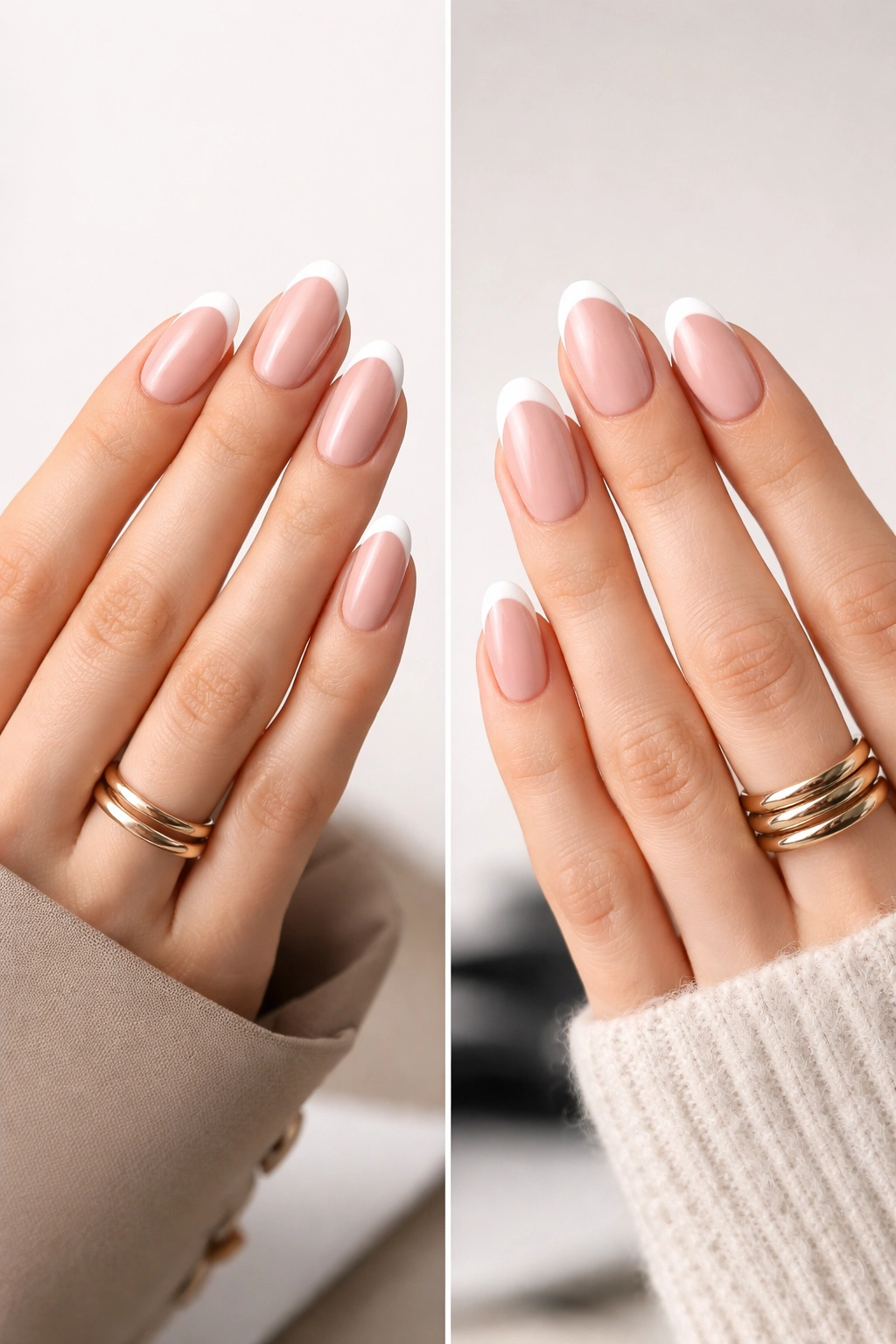
Your work environment genuinely influences which French tip oval styles will read as appropriate and polished versus trendy or casual.
Corporate or conservative professional environments call for delicate, refined French tip ovals—thin or medium white tips, subtle colors, and perfectly symmetrical ovals. Everything should read as classic, well-maintained, and intentional without being statement-making. Ivory, cream, or barely-there nude French tips often work better than pure white in these settings because they feel more subtle.
Creative professional environments allow for more boldness—thicker French tips, colored tips, and ovals with personality. You can experiment more freely while still maintaining that polish and intentionality that separates professional nails from purely casual designs.
Casual or artistic contexts give you complete freedom. Any French tip oval variation works as long as it reflects your personal aesthetic and is well-maintained.
The key in professional settings isn’t avoiding French tip ovals (they’re universally appropriate) but rather choosing the more restrained, classic interpretations rather than bold or trendy variations. Once you leave a professional context, that same manicure can feel delightfully refined instead of overly corporate.
Seasonal and Occasion-Based Choices
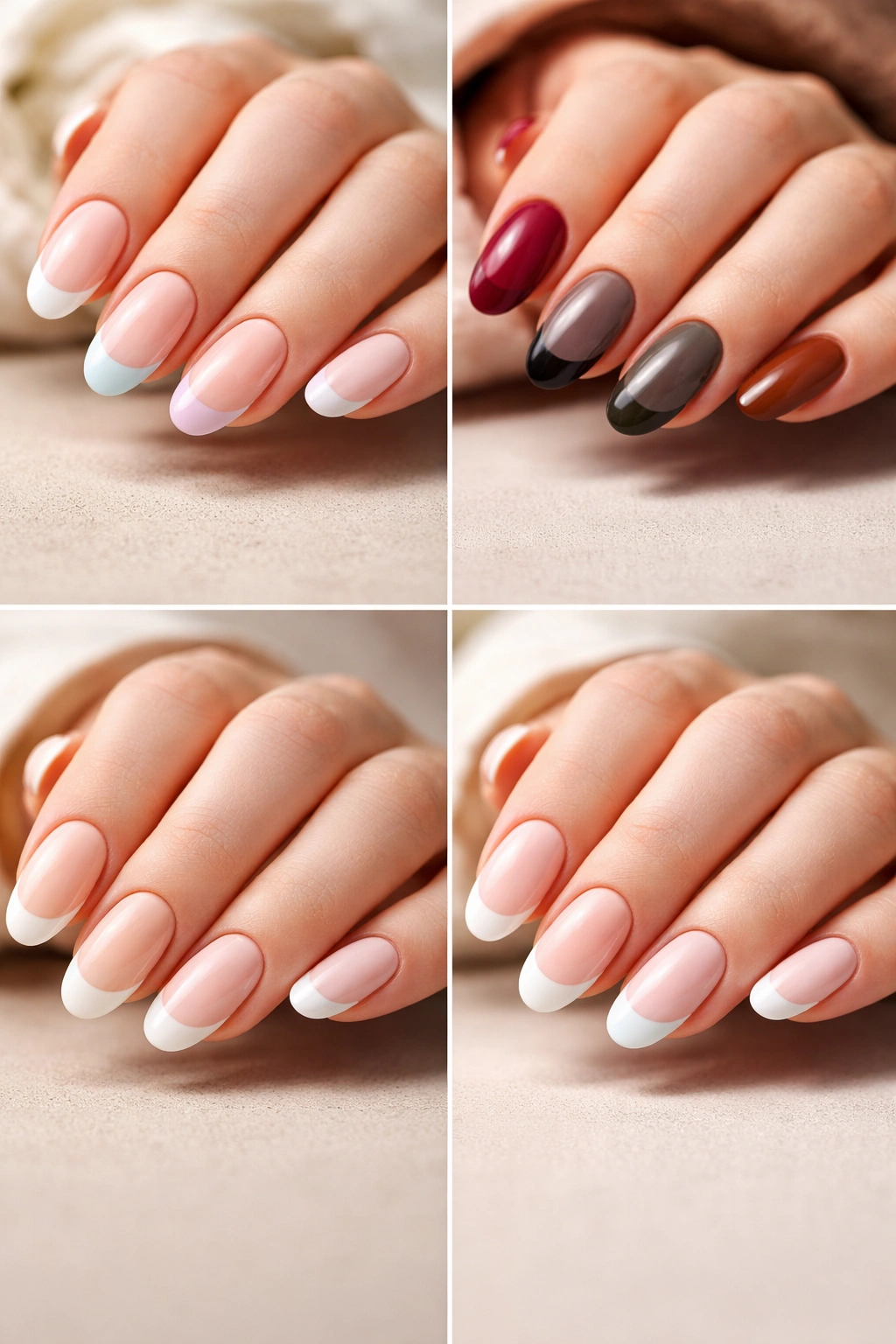
While French tip ovals are genuinely year-round styles, certain variations feel more seasonally aligned or occasion-appropriate.
Delicate, thin French tips with soft colors feel particularly fresh during warmer months and suit summer events, weddings, and garden occasions beautifully. They read as light and ethereal.
Thicker, bolder French tips feel grounded and work beautifully during colder months, for evening events, and for winter gatherings. They also photograph well in natural light, making them ideal for holiday celebrations or special occasions where photos will be taken.
Cream or ivory French tips work across all seasons and occasions, making them genuinely versatile for anyone who wants a single manicure style that feels appropriate everywhere.
Pure white French tips are classic year-round but feel particularly fresh and crisp during spring and summer, and they’re stunning for formal occasions like weddings and galas.
Don’t let seasonal thinking overly constrain you—a French tip oval style you love works in any season. But if you’re choosing between options, considering the occasion and season is one more data point that helps you feel confident in your selection.
Common Mistakes That Make French Tip Ovals Less Flattering
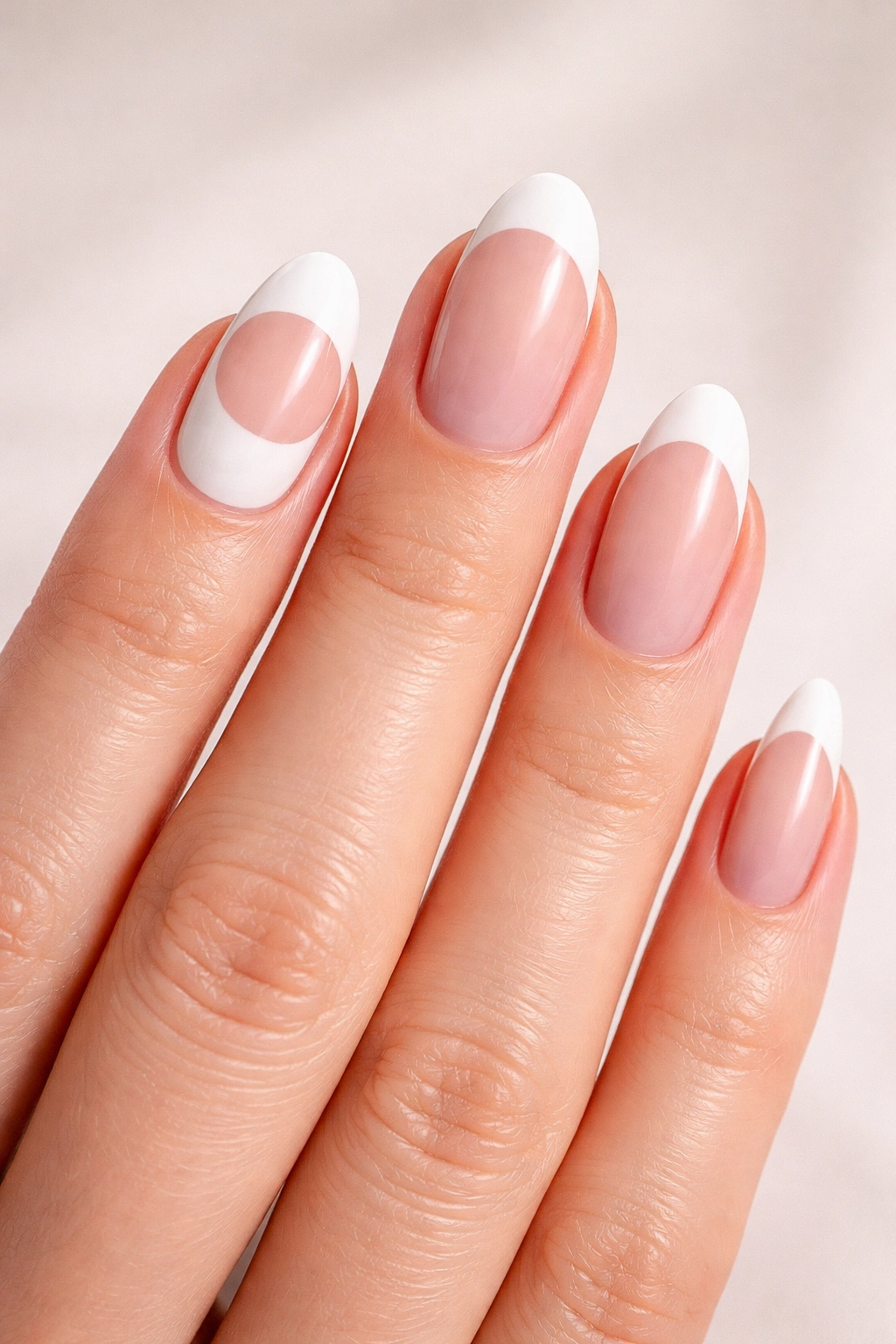
Most people’s French tip oval regrets stem from a few predictable mistakes, and knowing about them helps you avoid them.
Choosing a French tip width that doesn’t match your hand scale is the most common error. Large hands with delicate, thin tips can feel off-balance; small hands with very thick tips can feel overwhelmed. Match the thickness to your hand proportions, and you’ve solved half the problem.
Opting for pure white tips without considering skin undertone is the second-biggest mistake. That stark white that looks stunning on some people can look harsh on others. Even if you love the look of pure white French tips, doing a test run or asking your nail technician how pure white looks on your specific skin tone prevents disappointment.
Going too tapered when your nail beds are naturally very short backfires because even a tapered oval on a genuinely short nail looks a bit stubby. If this describes you, embrace a rounder, fuller oval and use the French tip color to create visual interest rather than trying to elongate something that won’t elongate much.
Choosing a design that’s higher-maintenance than your real-world lifestyle allows almost always leads to dissatisfaction. You stop loving the look when you see it constantly imperfectly maintained. Be honest about maintenance, and choose something you’ll actually keep up with.
Selecting a colored French tip that clashes with your undertone creates a subtly off-looking manicure even though you can’t quite pinpoint why. Warm tips on cool undertones (or vice versa) read as slightly discordant, even at a subconscious level. This is genuinely solvable with a quick conversation with your technician about your undertones.
Finding Your Ideal Oval Through Testing and Refinement
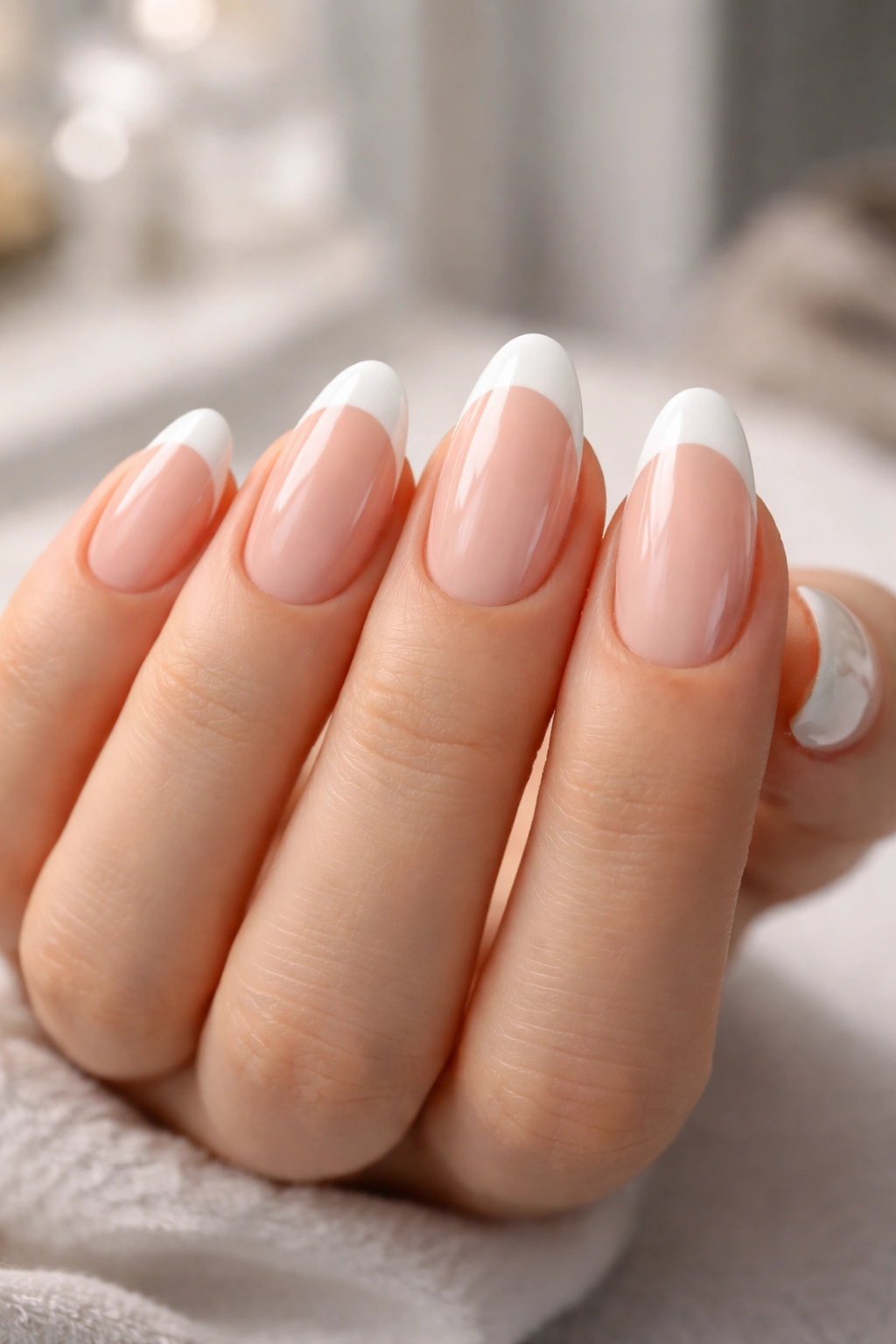
If you’re genuinely uncertain which French tip oval variation will suit you best, there’s no need to commit immediately to a full set. Most nail technicians are happy to do a trial run on a few nails or to create one accent nail in your potential style so you can see how it looks on your hands in real life, in your lighting, with your skin and daily environment.
Take photos of trial designs in natural light, in your actual work or daily environment, and next to your face. Look at how the proportions work in context rather than just on the nail itself. Often, seeing the design in context clarifies whether it feels right.
Wear the trial for a day or two before committing to a full set. Notice whether you find yourself admiring your nails or feeling like they don’t quite look like you. That intuitive response matters—if your gut says something feels off, your gut is probably right, even if you can’t articulate exactly why.
Ask your nail technician for recommendations based on their experience with your nail beds and hand shape. Professional technicians see hands all day and develop genuine expertise in what works proportionally. They might suggest a variation you hadn’t considered that ends up being perfect for you.
Compare to photos of people with similar hand characteristics rather than just people you admire generally. Someone with completely different hand proportions from you can wear a French tip oval beautifully, but that doesn’t mean it will work identically on your hands. Finding reference photos of people with similar nail bed width, finger length, and hand size is genuinely helpful.
The Timeless Appeal and Your Personal Aesthetic
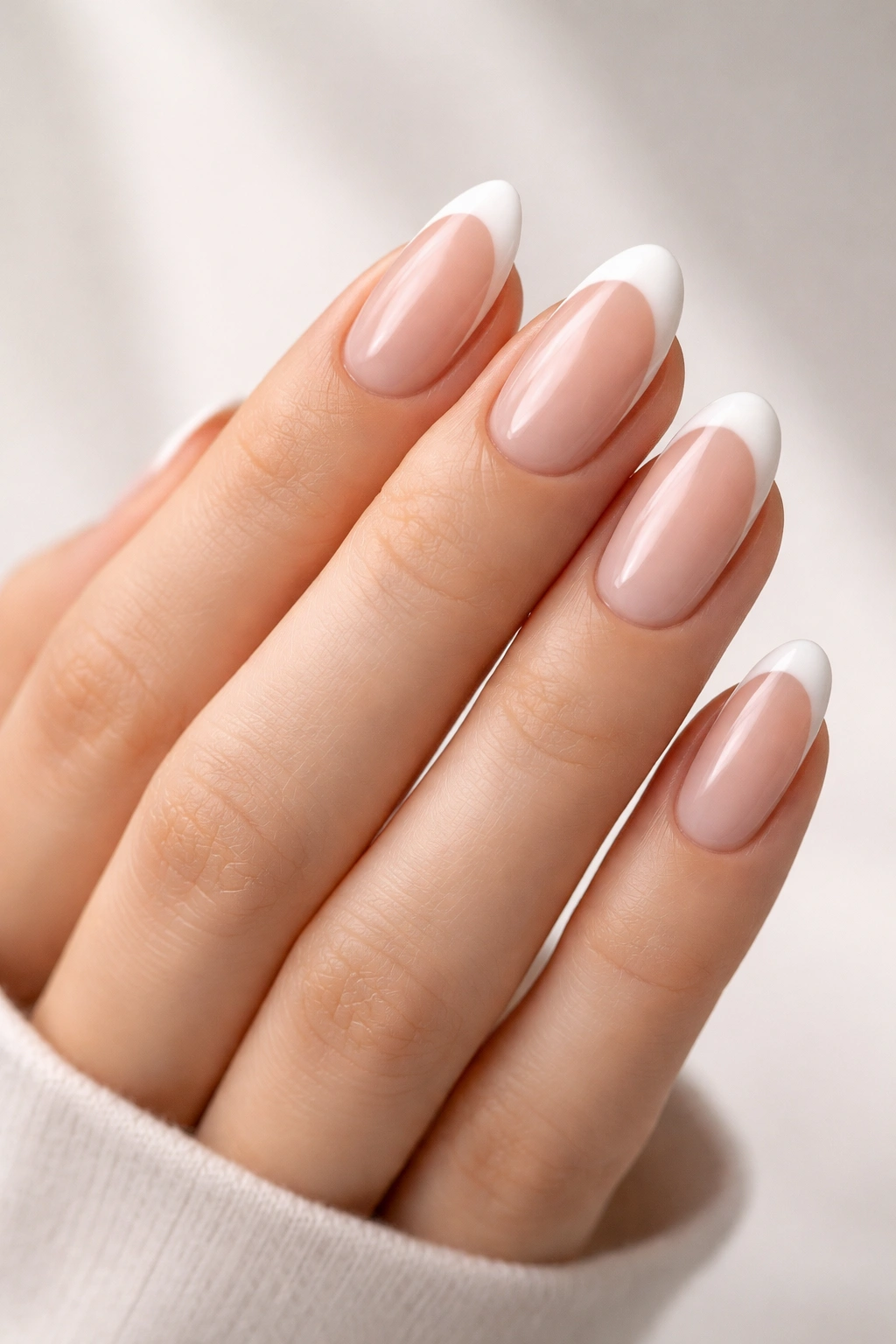
At the absolute foundation of choosing a French tip oval style is recognizing that this is genuinely a timeless, versatile design. French tip ovals aren’t trendy—they’re classic. That means you’re not choosing something that will feel dated in six months or that you’ll regret committing to.
Your choice should ultimately reflect your personal aesthetic, not what’s currently popular or what someone else is wearing. Do you prefer delicate and refined, or bold and statement-making? Do you lean toward classic and understated, or fashionable and intentional? Do you prioritize easy maintenance, or are you willing to invest in higher-maintenance designs you genuinely love?
The most flattering French tip oval style is the one that aligns with how you naturally dress, how much time and energy you’re willing to invest in nail maintenance, and what actually makes you feel confident when you look down at your hands. That might be a delicate, barely-there thin French tip on a soft oval, or it might be a bold, thick white line on a rounder, fuller shape. Both are equally valid; they just suit different people and different lives.
Final Thoughts
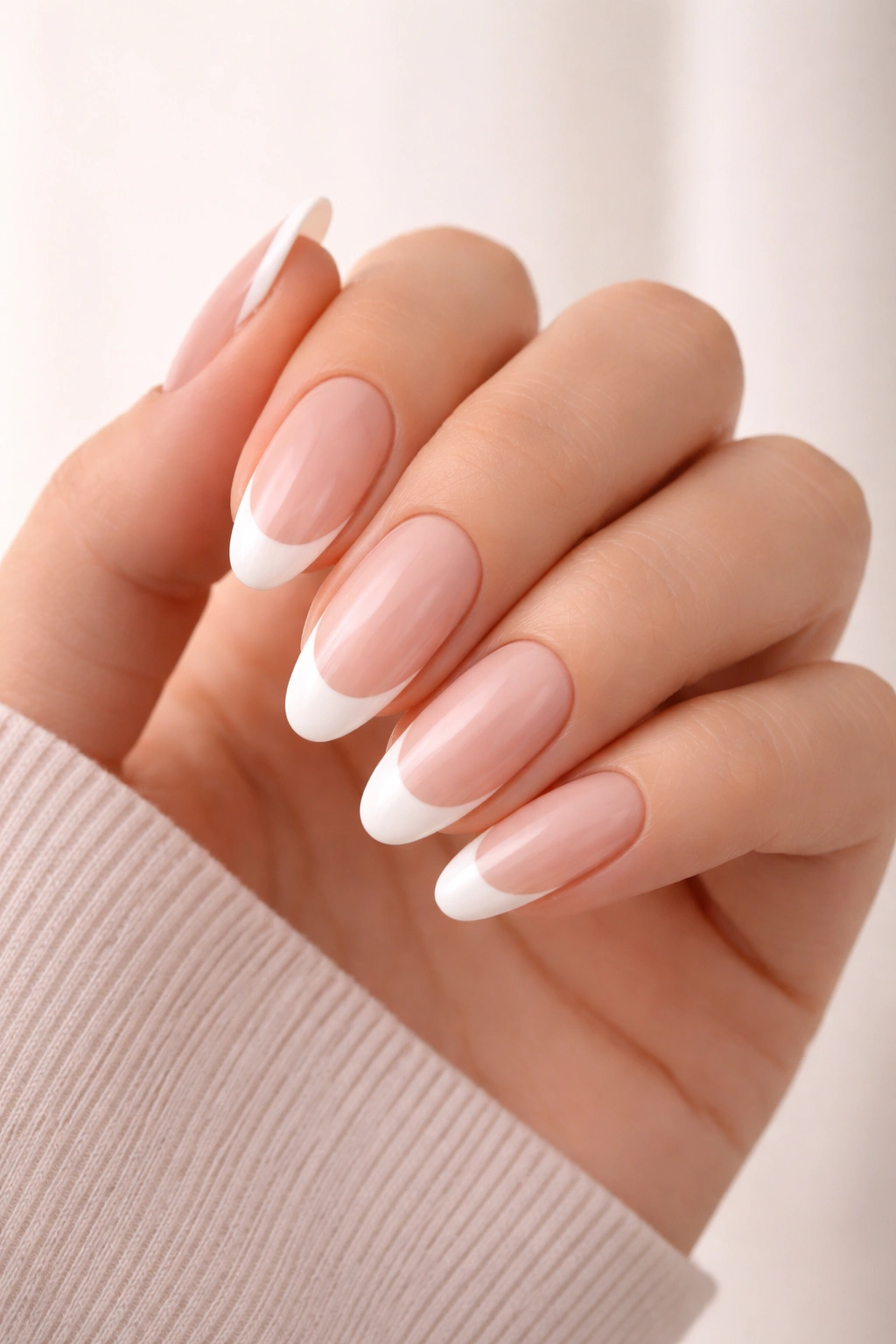
Choosing the right French tip oval style isn’t actually complicated once you consider the key factors: your natural nail proportions, your skin undertone, your hand size and shape, your lifestyle and maintenance comfort level, and your personal aesthetic. Start by being honest about your real-world preferences and constraints, and let that information guide you toward a variation that feels genuinely sustainable and flattering rather than just aspirational.
Your hands are visible constantly—in conversations, in photos, on video calls, in your daily work. Investing a bit of thoughtfulness into a French tip oval design that works specifically for you rather than just generally for “everyone” means you’ll actually enjoy wearing it, maintain it gladly, and feel genuinely confident in how it looks. That’s when a nail design moves from being something you wear to being something that feels like an authentic expression of yourself.