

The nail shape you choose is one of the first decisions you’ll make when getting a manicure, growing out your nails, or switching up your look—and yet it’s easy to underestimate how much this single choice affects everything from how your hands photograph to how easily you can type and open things. Oval and round nails are the two most popular shapes globally, and for good reason: both are flattering, practical, and endlessly wearable. But they’re not interchangeable. Oval nails create visual drama and elongation, while round nails offer a softer, more understated elegance that works with nearly every hand shape. The best choice depends on your hand structure, lifestyle, aesthetic preferences, and how much maintenance you’re willing to commit to. Let’s dig into the real differences—not the Instagram fantasy version, but what actually happens when you wear each shape day to day.
How Oval Nails Shape Your Hands Visually
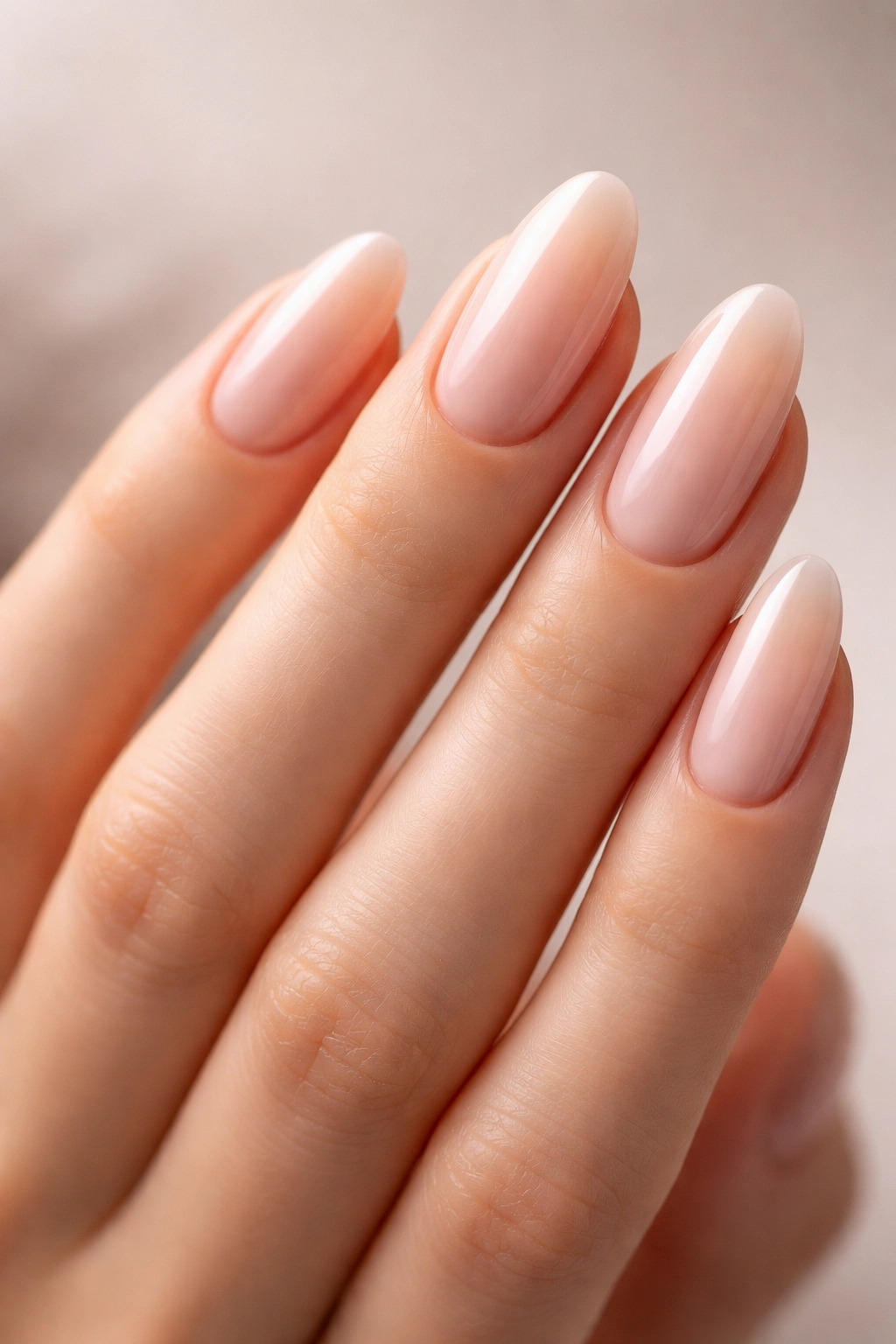
Oval nails create an optical illusion that makes your fingers look longer and more slender. The tapered sides draw the eye vertically, and when the nail extends past your fingertip, it creates an unbroken line that stretches the entire finger. This is why oval nails are often called the “classic” or “universally flattering” shape—they genuinely work on most hand shapes and skin tones.
The magic of oval nails lies in proportion. When you have shorter fingers or a broader palm, that extra length in the nail bed becomes a visual tool that counteracts stockiness. Your hand looks more refined. Hands that already look elegant become almost delicate. This visual elongation is permanent as long as you wear the shape—it’s not something you need to maintain through styling or posture.
Oval nails also tend to feel more intentional and polished than other shapes. There’s a reason red oval nails are the classic movie-star look. They photograph beautifully. They look expensive. They convey a quiet confidence that rounder shapes sometimes struggle to achieve, which is why oval dominates in professional and luxury settings.
The downside is that this same elongating effect can make already-long fingers look disproportionate, and on very slender hands, oval nails can sometimes read as fragile or exaggerated rather than elegant. If you have naturally long, thin fingers, you might find that oval feels like overkill.
The Softness and Wearability of Round Nails
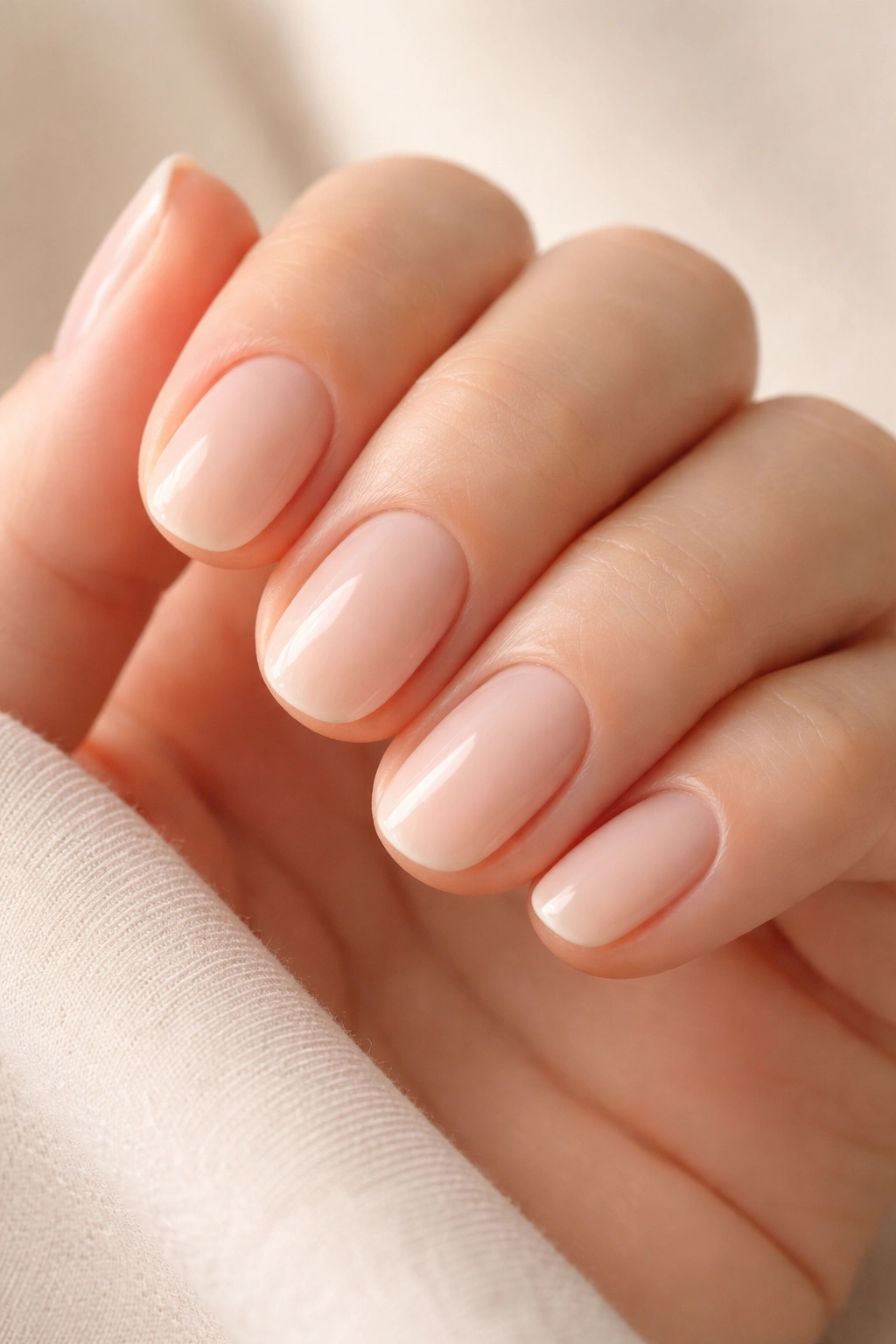
Round nails feel like a reset button. They’re what your nails look like when you let them grow naturally without filing them into a specific shape—or rather, they’re what happens when you file them into their most natural, forgiving shape. There’s something inherently friendly about round nails. They don’t demand attention. They let your other features—your rings, your nail art, your skin tone—shine without competing for visual space.
Round nails work particularly well on short nail lengths because they look intentional rather than just “unfinished.” A round shape at half an inch looks confident. An oval shape at half an inch can sometimes read as either “I’m growing them out” or “I couldn’t afford the full set.” Round nails eliminate that ambiguity.
Round nails are also significantly easier to live with on a day-to-day basis. They don’t catch on fabrics as easily. They’re less likely to snag hair or tear at the edge. Typing feels natural and unrestricted. Opening cans, untying knots, scratching an itch—all of these mundane activities are genuinely easier with round nails because there’s no sharp edge to get in the way.
Visually, round nails create a softer overall aesthetic. Instead of drawing the eye vertically, they create a horizontal line at the fingertip. On some hands, this makes fingers look slightly shorter or stubbier, but on others—particularly hands with longer, more prominent knuckles—round nails actually balance the proportions better than oval ever could. If you have shorter, wider fingers, round might actually be more flattering than you’d expect.
Durability: Which Shape Breaks More Easily
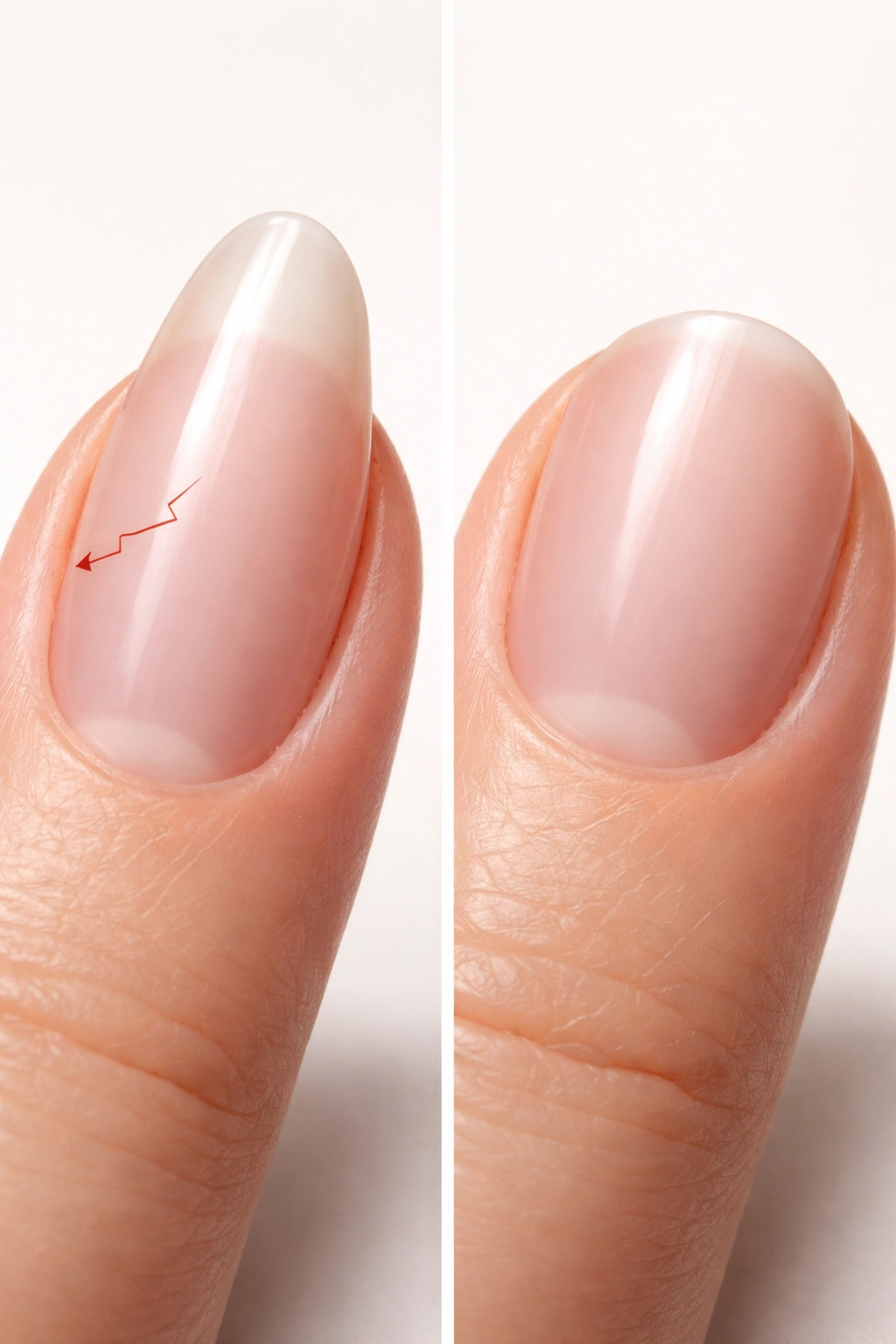
Here’s where shape genuinely matters for structural integrity. Oval nails break more easily than round ones. The reason is physics: oval nails come to points at the sides, and those corners are inherently weaker than the broader, more distributed pressure of a round shape. When you bump your hand against something, the impact is concentrated at that tapered edge. Over time, those weak points crack, split, and break.
Round nails distribute pressure much more evenly across the entire nail edge. There’s no concentrated weak point. You can bang your hand against a door frame, bump it on a desk, catch it on fabric, or apply pressure in almost any direction—and a round nail will simply resist better. This is particularly noticeable if you work with your hands: cooking, gardening, construction, physical labor, or even activities like rock climbing or sports.
The durability difference becomes even more pronounced as nails get longer. A half-inch oval nail is reasonably durable. A two-inch oval nail is fragile. A two-inch round nail can handle real wear and tear. This is why people who want to maintain very long nails often switch to round or almond shapes—the extended length creates so much leverage that only a broader base can withstand daily impact.
If you’re prone to breaking nails—or if you’ve tried oval and found yourself constantly repairing chips and splits—round nails might genuinely change your experience. You might actually be able to keep them the length you want without constant maintenance.
Maintenance: The Time and Effort Reality
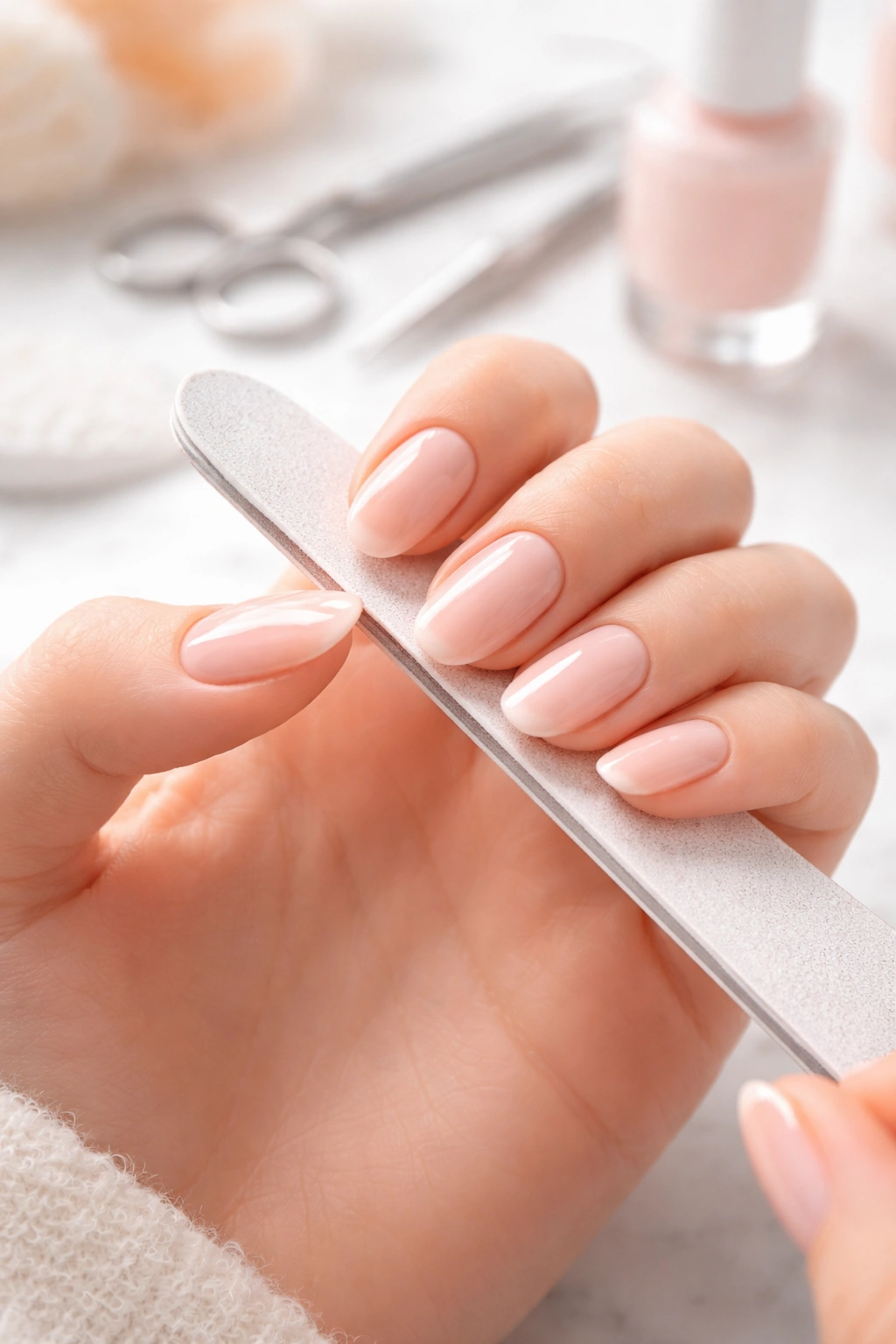
Oval nails require consistent, deliberate upkeep. You need to file them regularly to maintain the shape because as they grow, the sides grow out wider and the shape becomes less defined. You’re probably looking at a filing session every 7-10 days if you want them to look intentional rather than “growing out unevenly.” If you’re doing manicures at home, this is extra work. If you’re paying someone, this is extra cost every month.
The sides of oval nails also collect debris more easily because of their shape—dirt, nail polish, lint from fabrics—settles into those tapered corners. Keeping them clean takes a few extra seconds each time you wash your hands. It’s not a huge burden, but it’s real.
Round nails practically maintain themselves. You can go 2-3 weeks between shaping sessions and they still look intentional and neat. The shape is forgiving. Your nails grow out relatively evenly in a round shape, so you don’t get the lopsided appearance that sometimes happens with oval as one side grows faster than the other. This is a genuine quality-of-life advantage if you’re busy or if you prefer lower-maintenance beauty routines.
That said, if you like very short nails, both shapes require regular filing. The difference in effort is relatively minimal at that length. It’s mainly as you grow them out longer that maintenance diverges.
Design Versatility and Nail Art Compatibility
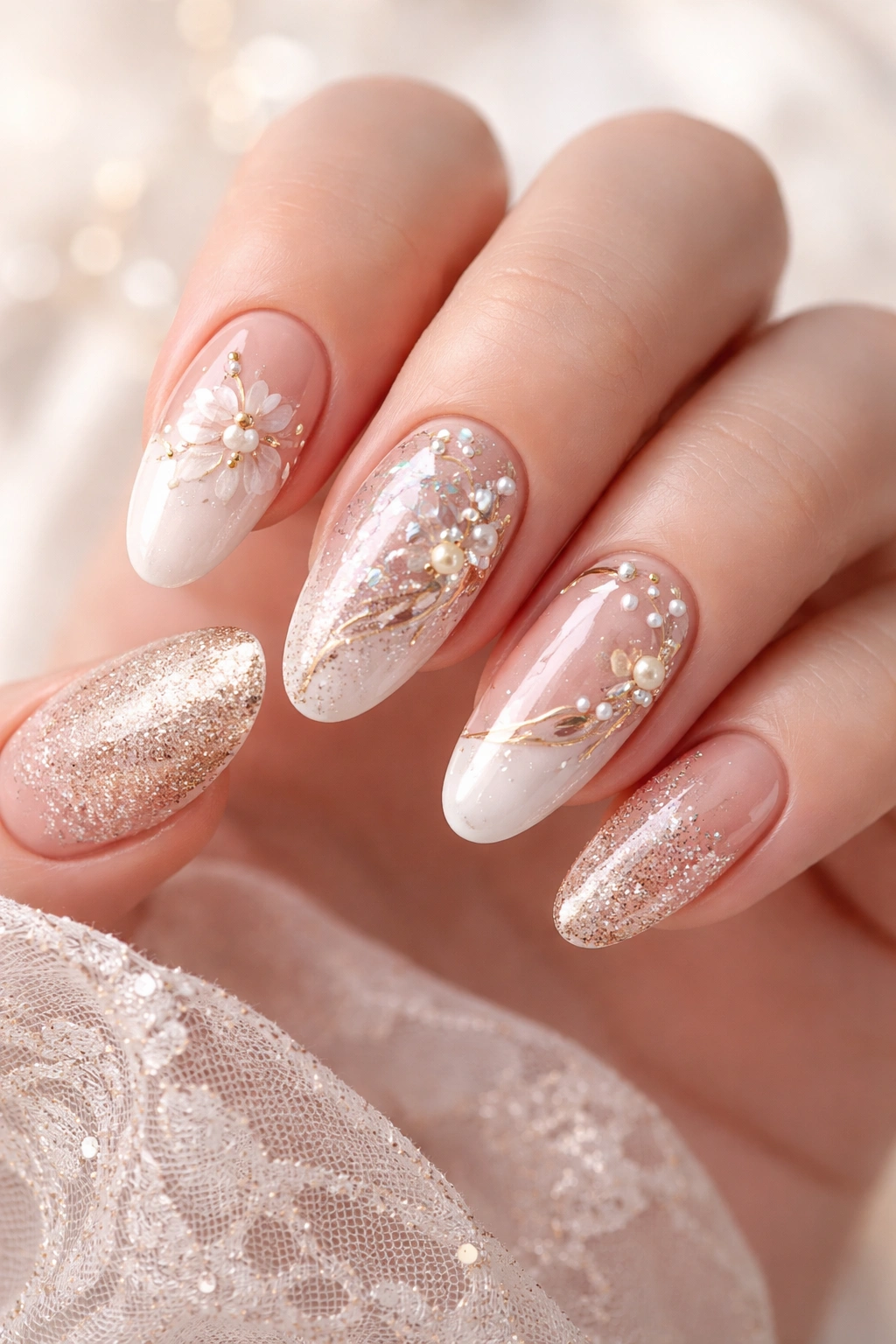
Oval nails have a slight edge here—but it’s mostly psychological. Because oval nails are longer, you have more surface area to work with for detailed nail art. A full set of long oval nails gives you a big canvas for intricate designs, ombre gradients, and complex patterns. French manicures look particularly elegant on oval nails because the slender shape makes the white tip look more refined.
That said, round nails work beautifully with nail art too. The wider surface area actually makes art easier to see and appreciate in some cases. Geometric designs, solid colors, and minimalist art often look fresher and more modern on round nails. Seasonal designs—florals, snowflakes, beach themes—can feel less “try-hard” on round nails because the softer shape creates a more relaxed aesthetic overall.
If you’re doing very short nails with nail art, round actually wins. There’s barely any room on a short oval nail to make art look intentional rather than cramped. Round short nails can carry off a tiny geometric shape, a dot, or a pop of color beautifully.
The real difference is subtle: oval nails photograph better with complex art (especially if you’re on social media), while round nails feel more wearable with art in a real-life context.
Professional Settings and Perception

In boardrooms, law offices, healthcare settings, and other traditionally formal environments, oval nails still carry an edge in perception. They read as “polished” and “put-together” in a way that’s almost automatic. This isn’t because round nails look unprofessional—they don’t. It’s because oval nails have been coded as elegant and professional for so long that most people have internalized that association.
If you’re in an industry where appearance is part of your brand—consulting, client-facing roles, executive positions—oval nails give you a small advantage. They signal attention to detail and intentionality. In a job interview, an oval manicure might be subtly more memorable than a round one, all else being equal.
Round nails in professional settings read as “sensible” and “unobtrusive,” which is actually a huge advantage in some contexts. They say “I’m competent and I don’t distract from the work.” In creative fields, academia, or tech, round nails might actually be the smarter choice because they avoid the “polished feminine” associations that could work against you in environments that devalue that presentation style.
The honest truth is that unless you’re working in luxury retail, fashion, or high-end hospitality, the shape of your nails matters far less than whether they’re clean, well-maintained, and aligned with your industry’s overall style. Most professional environments simply care that you look intentional, not about whether you chose oval or round.
Comfort and Functionality in Daily Life

This is where round nails have a legitimate, measurable advantage. Round nails don’t interfere with most daily tasks. You can type naturally. You can tie your shoes, hold a pen, button a shirt, and scratch an itch without the nail shape getting in your way.
Oval nails, especially longer oval nails, require adaptation. You develop a different typing technique—usually hitting keys with the pads of your fingers rather than the tips. You learn to tie shoes differently. Opening cans becomes a deliberate action rather than automatic. None of this is insurmountable, but it’s real adjustment, and not everyone wants to invest that energy into their nails.
If you have a job that involves fine motor control—surgery, dentistry, detailed craftsmanship, music performance, painting—oval nails might genuinely interfere with your work. Round nails let you do your job without thinking about your nails at all.
Tactile sensitivity also changes. Round nails let you feel things more precisely because you’re using your fingertips more directly. Oval nails create a buffer between your sensitive fingertip and the world. Some people prefer that buffer; others find it frustrating.
If you’re an athlete or someone who works out regularly, the sweat and friction under longer oval nails can sometimes feel uncomfortable. Round nails minimize this issue.
Best Nail Lengths for Each Shape
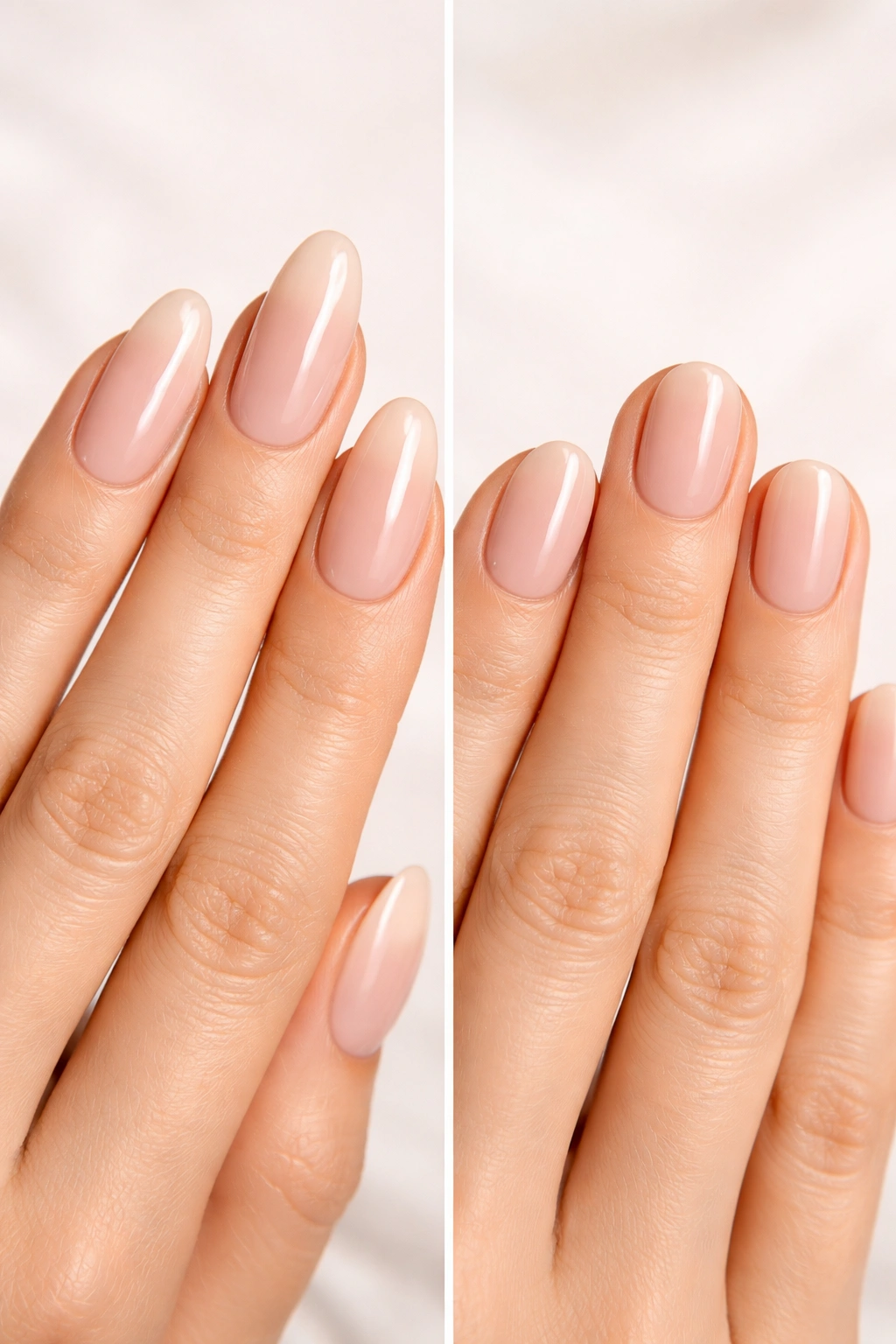
Oval nails look their absolute best when they have room to breathe—typically a quarter-inch to a half-inch extension past your fingertip at minimum. Anything shorter and the shape loses its visual impact. You can do short oval nails, but they’re less forgiving of imperfect shaping and they don’t deliver as much of the visual elongation advantage.
Longer oval nails (half-inch to three-quarter-inch) are where this shape truly shines. They look dramatic, elegant, and intentional. If you’re going to commit to oval, going a bit longer is usually worth it because the visual payoff is real.
Round nails are genuinely flattering at any length. Short round nails look intentional and neat. Medium round nails look classic and practical. Even long round nails look graceful (though they become less durable at extreme lengths). This flexibility is genuinely valuable if you like changing your nail length seasonally or based on your lifestyle needs.
If you can’t decide between shapes, your nail length should influence you. Planning short nails? Round is probably easier. Planning long nails? Oval probably gives you more of the visual impact you’re paying for.
Application Time and Cost for Extensions
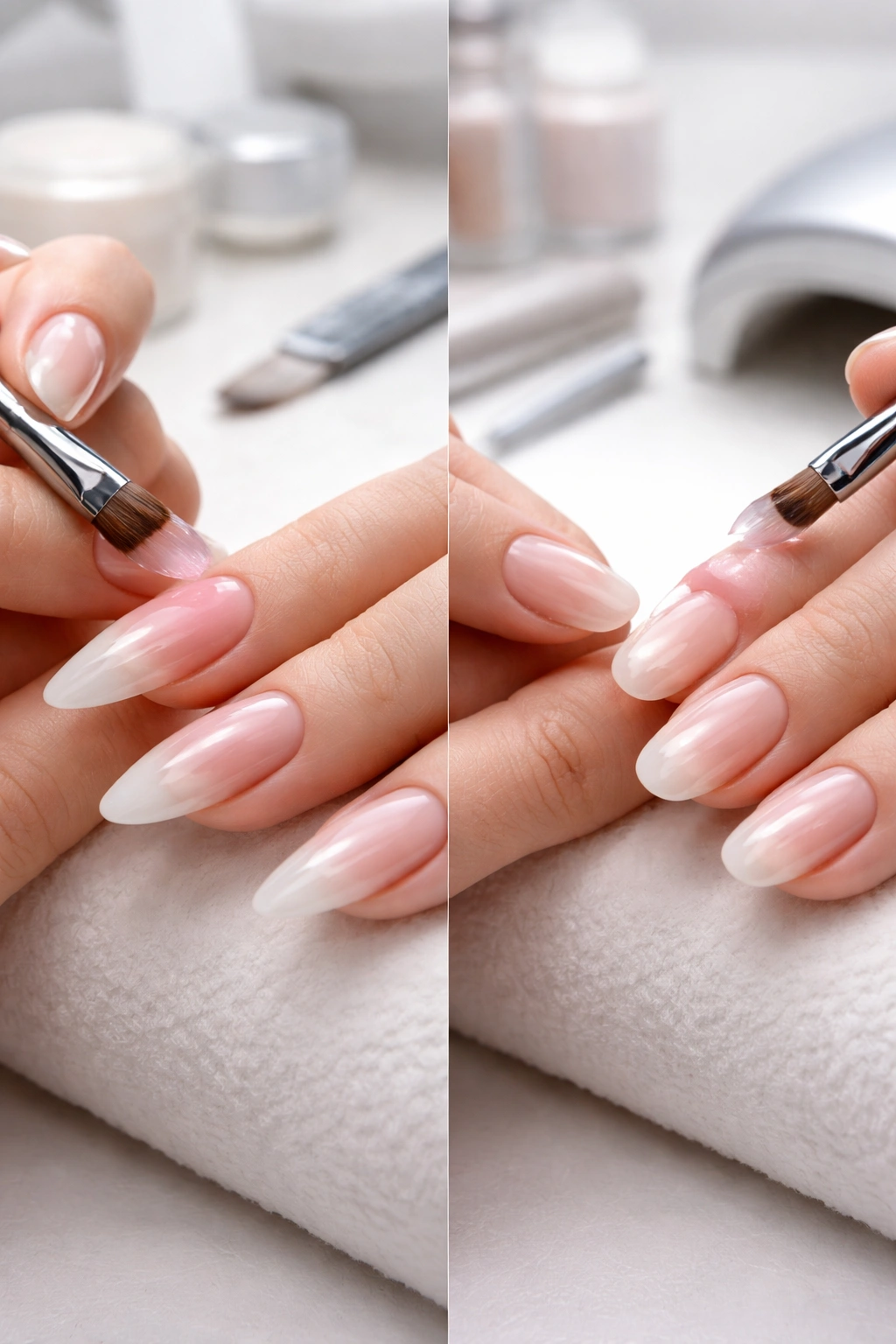
If you’re doing acrylic or gel extensions, oval nails typically require slightly more time to apply and shape than round nails. The technician needs to create those tapered sides carefully, and then shape them with precision. This can add 5-10 minutes to your appointment.
Round nails are slightly faster to apply and shape, which occasionally translates to lower cost depending on how your salon bills. More importantly, when you return for fill-ins or repairs, round nails need less reshaping work because the shape grows out more evenly.
On natural nails, the difference is minimal—you’re mainly talking about how often you need to file them.
The cost difference is usually small enough that it shouldn’t be the deciding factor, but if you’re budget-conscious and getting extensions frequently, round nails might be marginally more economical.
How Nails Interact With Hair and Clothing
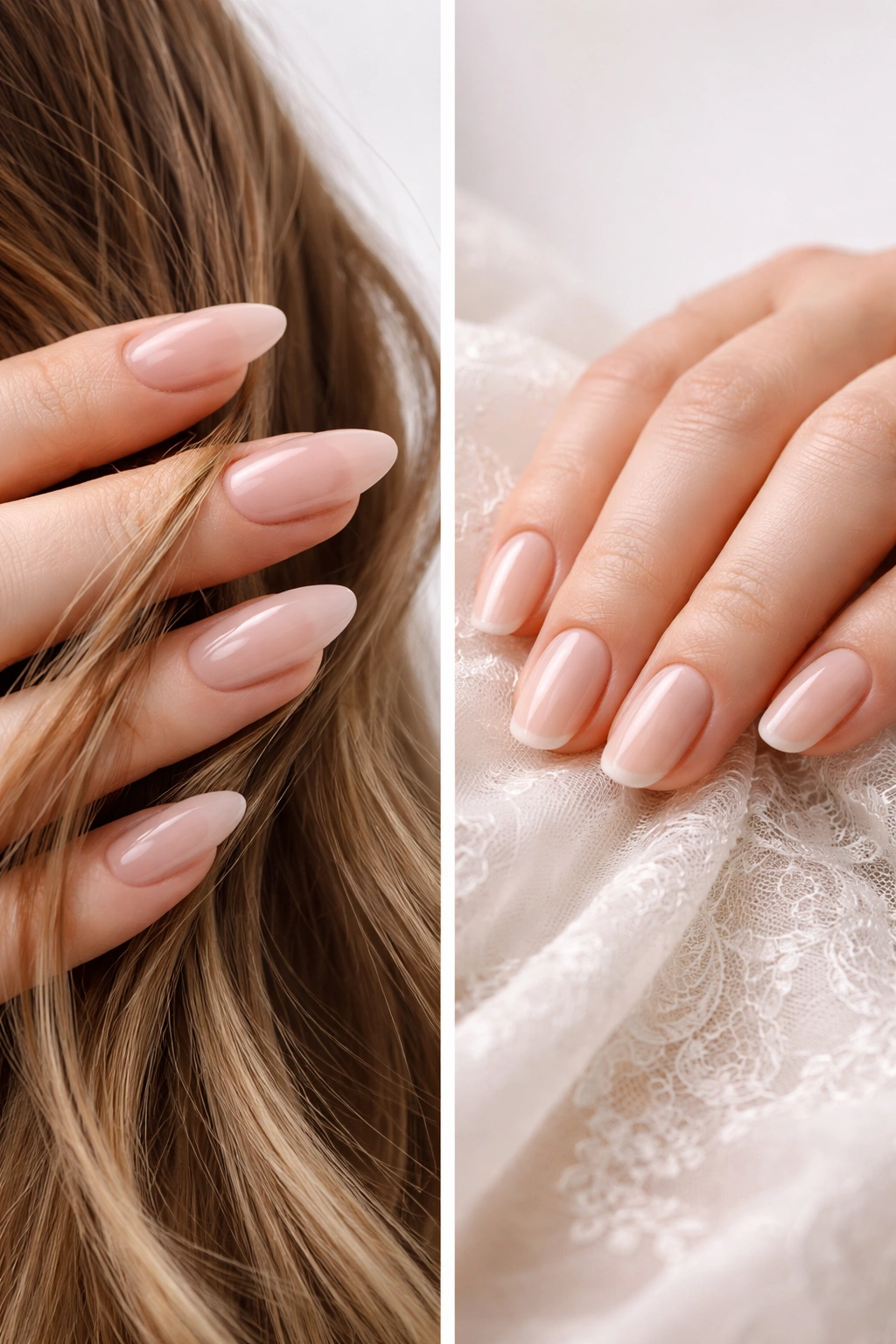
Longer oval nails catch on things more easily than round nails. Your hair gets caught in the nails when you’re styling it, brushing it, or running your fingers through it. This is annoying. It can also snag and break strands.
Fabric snags and runs more easily on oval nails too. Getting your sweater caught on a nail edge is a real hazard with longer oval nails, especially if the edge isn’t perfectly smooth. Delicate fabrics—silk, chiffon, lace—are particularly vulnerable.
Round nails reduce these interactions significantly. Your hair is less likely to catch. Fabrics snag less. This might sound minor, but if you have long hair or you wear delicate clothing regularly, it’s a genuine quality-of-life improvement.
If you get acrylic or gel extensions, this matters more because the nails are harder and sharper than natural nails. An oval acrylic nail will absolutely catch your hair and tear it. A round acrylic nail is much gentler.
Transitioning Between Oval and Round
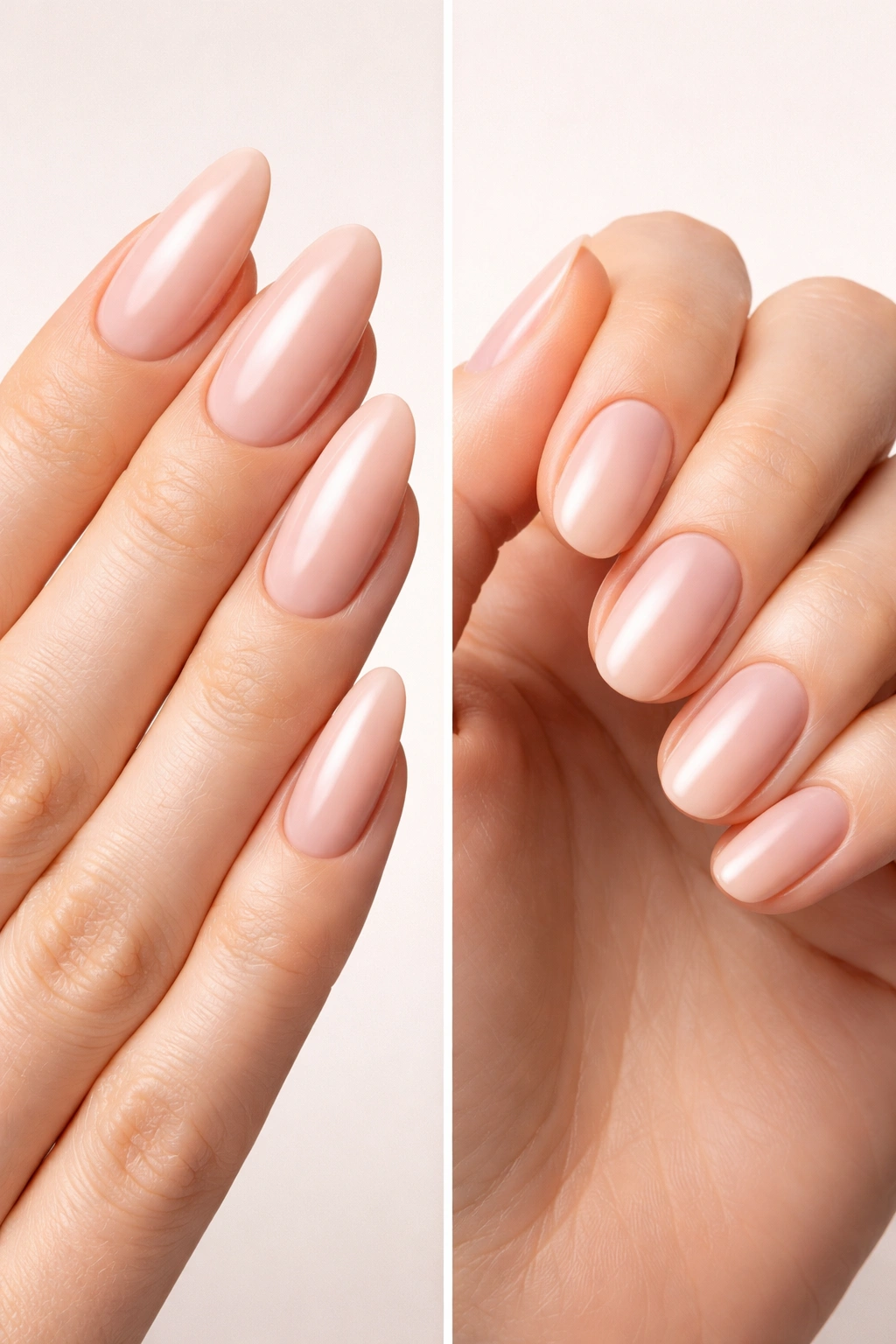
If you’ve been wearing oval nails and want to switch to round, the transition is straightforward: file them shorter and rounder. Takes one session.
The reverse—going from round to oval—is slightly trickier. You need length first, so you’re either waiting for them to grow or getting extensions. Then you shape them into a point. The transition period can feel awkward because you’re in that “growing out” phase where the nails look sort of shapeless.
This might seem like a small thing, but if you’re the type of person who likes to change things up seasonally or based on your mood, round nails give you more flexibility. You can switch to oval anytime. Switching back from oval requires a reset.
Which Shape Works Best With Different Finger Shapes
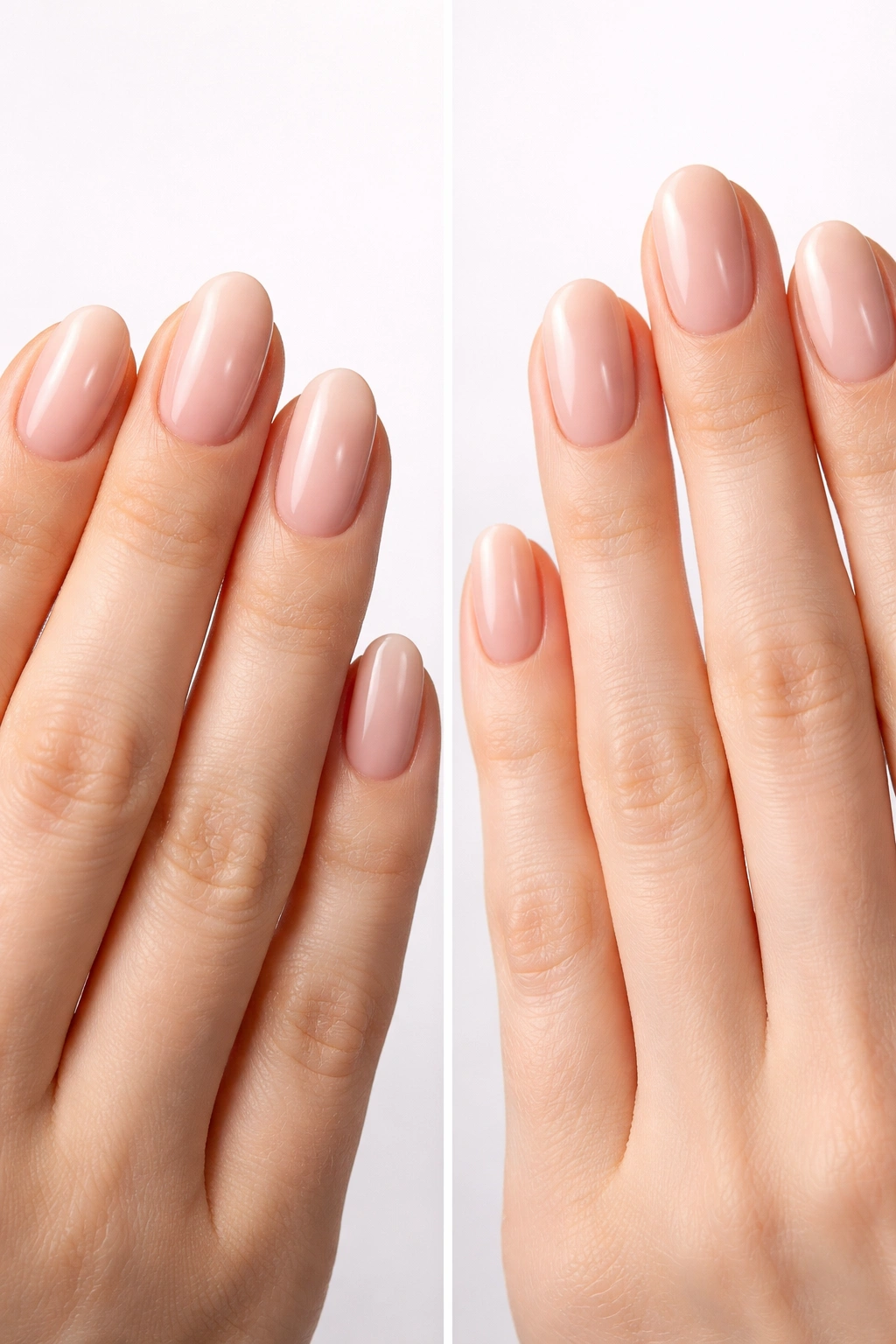
Square fingers tend to look better with oval nails because the tapered shape narrows the visual width and adds length. Oval nails elongate what’s already proportional, creating an elegant line.
Long, thin fingers are actually beautifully complimented by round nails, which create a more balanced proportion. Oval nails on already-slender fingers can sometimes look too extreme.
Short, wide fingers work well with oval nails for the elongating effect. They also work with round nails, which actually look more proportionate on this hand shape than you might expect.
Very broad hands with wide palms benefit from oval nails for the elongation, but they also look polished with round nails if you prefer the lower-maintenance route. The key is choosing a length that feels proportionate to your overall hand size.
Knuckles that protrude noticeably sometimes look better with round nails, which balance the eye horizontally rather than drawing it vertically. Oval nails can sometimes emphasize prominent knuckles.
The honest truth is that both shapes work on almost every hand. Your hand shape should be one factor, but not the deciding one.
Lifestyle Suitability and Your Daily Reality

Think about what you actually do with your hands every day. If you’re washing dishes, gardening, working with your hands in any way, playing sports, or spending time outdoors doing active things—round nails are honestly the smarter choice. They’ll last longer and cause you fewer problems.
If your life involves minimal hands-on work, if you work in an office or creative field where appearance is valued, if you take a lot of photos, or if you genuinely enjoy the high-maintenance aesthetic—oval nails deliver more visual payoff.
If you travel frequently, live an unpredictable lifestyle, or prefer beauty routines that require minimal upkeep, round nails are the low-stress option.
If you’re someone who loves investing in beauty and self-care, who enjoys getting regular manicures, and who sees nail maintenance as a form of self-expression rather than a chore—oval nails are probably more rewarding for you.
Neither shape is objectively “better.” The better shape is the one that aligns with your actual life, not your fantasy life.
Long-Term Nail Health Considerations
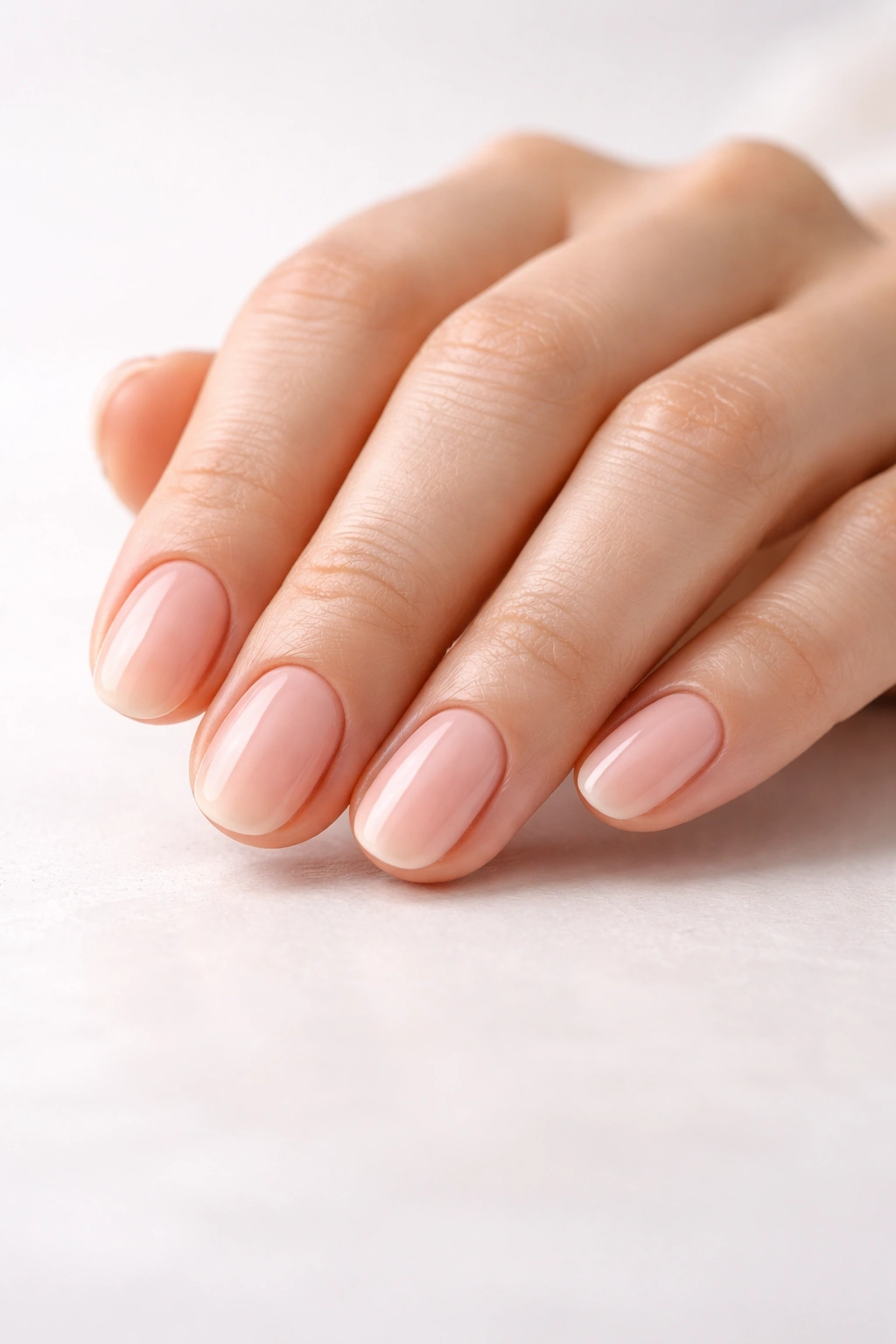
Both shapes, when done properly on healthy nails, are fine for long-term wear. There’s no evidence that one shape damages nails more than the other if you’re maintaining them correctly.
That said, round nails put less stress on the nail structure because of their shape. If you have naturally weak nails, brittle nails, or nails that break easily, round nails might genuinely be kinder to your nails over years of wear.
With either shape, keeping your nails moisturized, avoiding harsh chemicals, and getting regular manicures with proper technique matters far more than the shape itself.
If you’re removing extensions regularly or doing frequent manicures, you might notice your natural nails are healthier and stronger with round nails simply because there’s less structural stress and less frequent reshaping.
Seasonal and Aesthetic Shifts
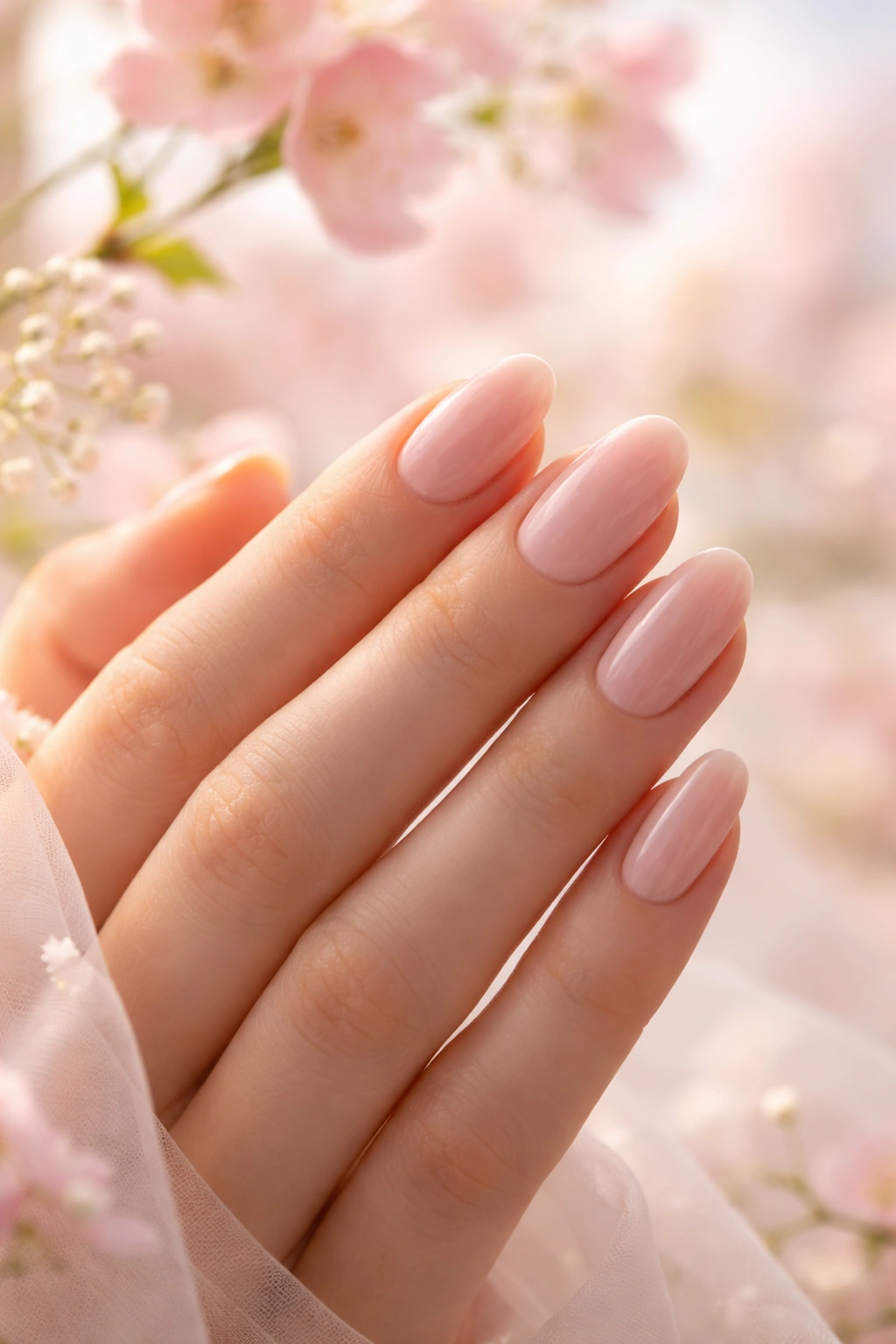
Some people find they prefer different shapes at different times of year. Oval nails feel more appropriate for spring and summer—they read as intentional and special. Round nails feel like the default, which some people prefer in fall and winter when the mood is cozy and low-key.
Trend-wise, oval nails cycle in and out of fashion, though “fashion” is increasingly irrelevant in nail trends. Right now, round nails have been gaining ground in popularity because of minimalism and the low-maintenance beauty movement. Oval nails remain timeless and classic. Neither is going anywhere.
If you care about fashion trends, oval probably has slightly more prestige right now and will for the foreseeable future. If you prefer to ignore trends, round nails are equally elegant and feel less trend-dependent.
Final Thoughts
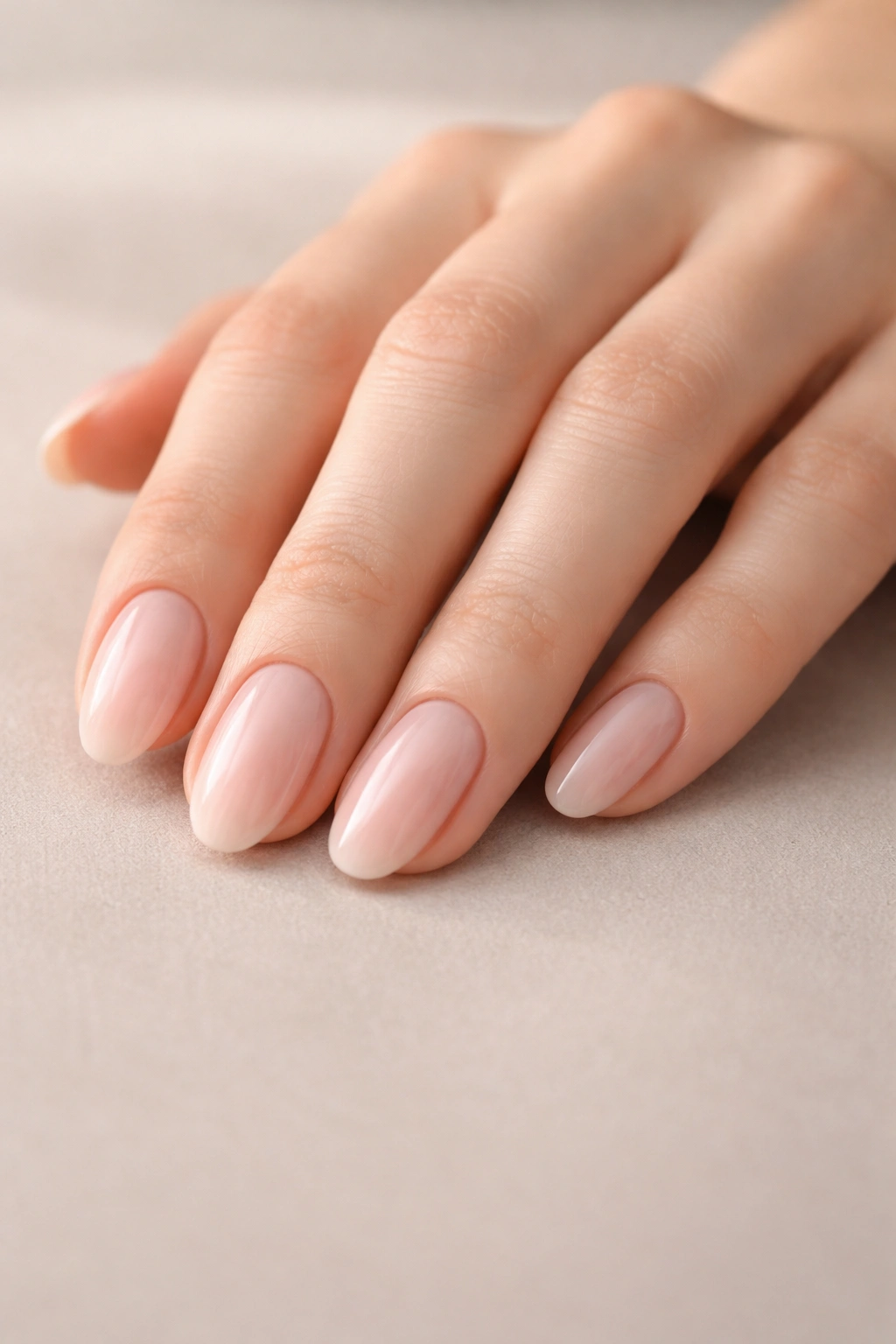
Choosing between oval and round nails comes down to three practical questions: How much maintenance are you willing to do? How much does visual elongation matter to you? And what does your actual lifestyle demand?
If you want maximum visual impact and you’re willing to file regularly and adapt your daily habits, oval nails deliver genuine elegance. If you want a shape that works with minimal fuss and doesn’t interfere with your life, round nails are the answer.
The most important thing isn’t picking the objectively “right” shape—it’s picking the shape that feels right for you in this moment of your life. And if you change your mind in six months, that’s completely fine. Nails are one of the easiest things to change. Whatever you choose, own it completely and enjoy the details of how it looks and feels.