


The debate between coffin and squoval nails has divided nail enthusiasts for years—and for good reason. Both shapes have earned serious devotion among people who care deeply about how their hands look, and each one genuinely does something different for your appearance. The catch? Neither one is objectively “better.” The right shape for you depends entirely on your hand structure, lifestyle, personal style, and what you actually want your nails to accomplish.
Here’s what confuses most people: coffin and squoval nails look similar at first glance, but they’re architecturally different in ways that genuinely affect how they look on your specific fingers and hands. A shape that photographs beautifully on someone with long, slender fingers might look completely different—and less flattering—on shorter, wider fingers. The same goes for how these shapes interact with different skin tones, hand proportions, and the way you actually use your hands every single day.
This isn’t one of those situations where you flip a coin and hope for the best. By the end of this comparison, you’ll understand exactly what makes each shape distinctive, which one genuinely suits your hands better, and whether the “look” you’re drawn to actually translates to your real life. Let’s dig into the details that actually matter.
Understanding Coffin Nails: Shape, Structure, and Visual Impact
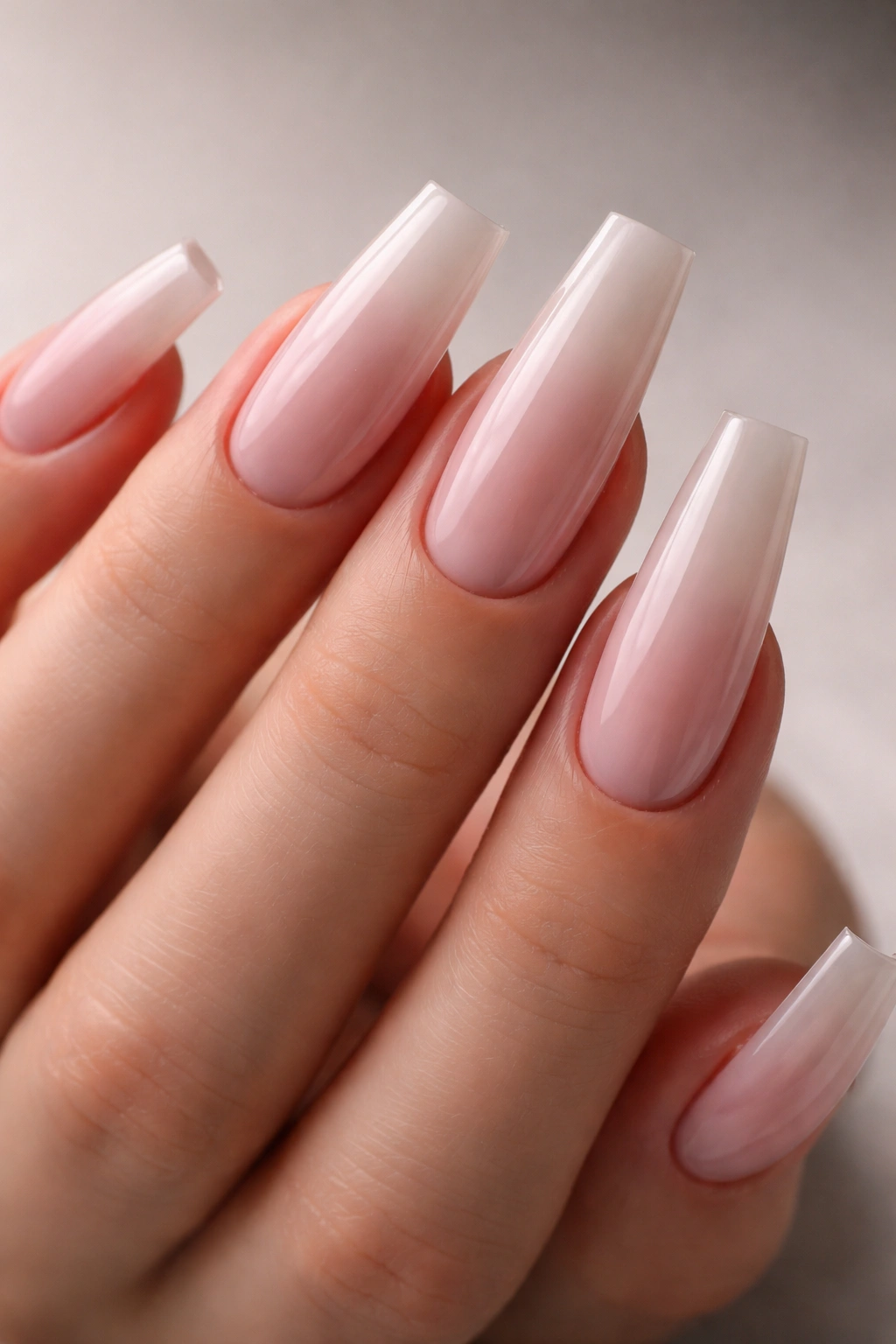
Coffin nails are tapered dramatically on the sides and then squared off at the tip—creating that distinctive wide-at-the-base, pinched-in-the-middle, blunt-at-the-finish silhouette. The sides slope inward as they grow longer, which is what gives them their shape’s name. When done well, they create a striking, almost sculptural appearance. When done poorly, they look cramped and uncomfortable.
The visual weight of coffin nails sits heavily at the tip. Because of that squared-off finish, your eye lands on the center of your nail first—and then traces outward to the sides. This creates a focal point effect that draws attention to your fingers. If you have beautiful nail beds or want people to notice your nail art, coffin nails amplify that effect. If you’re self-conscious about your nail length or hand shape, they can also draw attention to things you’d rather downplay.
Coffin nails require genuine length to look intentional rather than just uncomfortable. Shorter coffin nails (under three-quarters of an inch) tend to look stubby and pinched. Medium coffin nails (around an inch) hit that sweet spot where the taper becomes visible and flattering. Long coffin nails (1.5 inches or longer) transform into statement pieces—elegant and dramatic.
The commitment factor is real with coffin nails. Because of their width at the base narrowing toward the tip, they’re structurally more delicate than other shapes at the edges. That squared tip is also more prone to catching on things, chipping at the edges, and requiring more careful maintenance. Coffin nails genuinely need you to pay attention to them.
What Squoval Nails Are: The Practical-Meets-Glamorous Hybrid
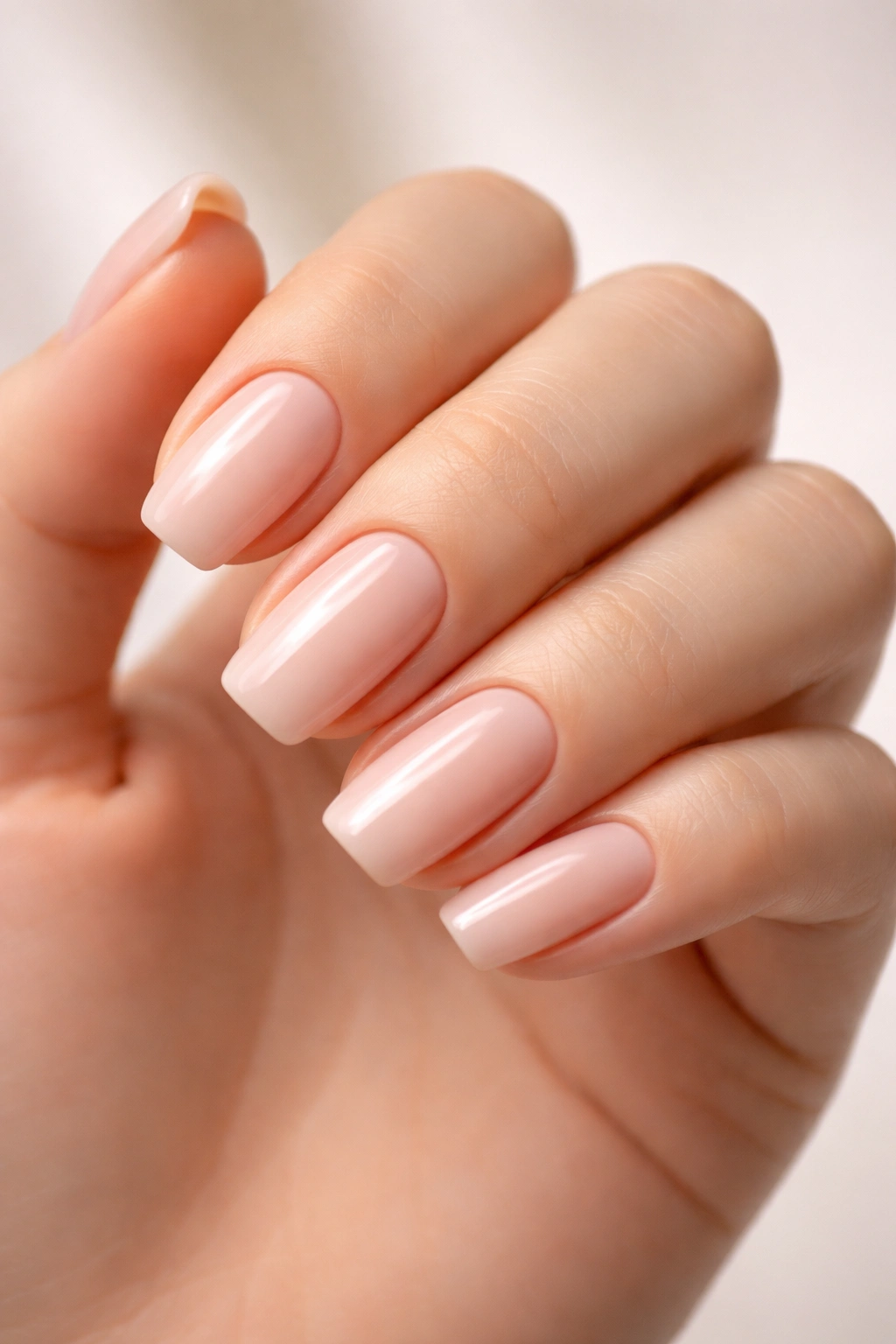
Squoval is exactly what the name suggests: a blend between square and oval. The sides are mostly straight, like a square nail, but the corners are rounded instead of sharp. The tip is slightly wider than a true oval but more tapered than a pure square. It’s the middle ground, and that’s precisely why it’s become such a popular choice.
Squoval nails work across a much wider range of lengths than coffin nails do. A short squoval nail (even as short as half an inch) still looks intentional and polished. A medium squoval nail (three-quarters to an inch) is genuinely the sweet spot—long enough to look graceful but short enough to feel practical. Long squoval nails maintain elegance without the drama or fragility of coffin nails at the same length.
The visual effect of squoval nails is stability and approachability. Because the sides are relatively straight, your eyes read them as straightforward and no-nonsense. They don’t create the dramatic pinch-and-flare of coffin nails. Instead, they create subtle elongation of the finger without theatrical flair. For people who want their nails to look intentional and well-groomed rather than statement-making, squoval delivers exactly that.
Squoval nails are also structurally more forgiving than coffin nails. The rounded corners are less prone to chipping and catching. The straightness of the sides means they’re less likely to peel or break at the edges. If you have a lifestyle that’s harder on your nails—if you type a lot, work with your hands, swim, or do any activity that puts stress on your nails—squoval offers real practical advantages.
Hand Shape and Proportion: The Make-or-Break Factor
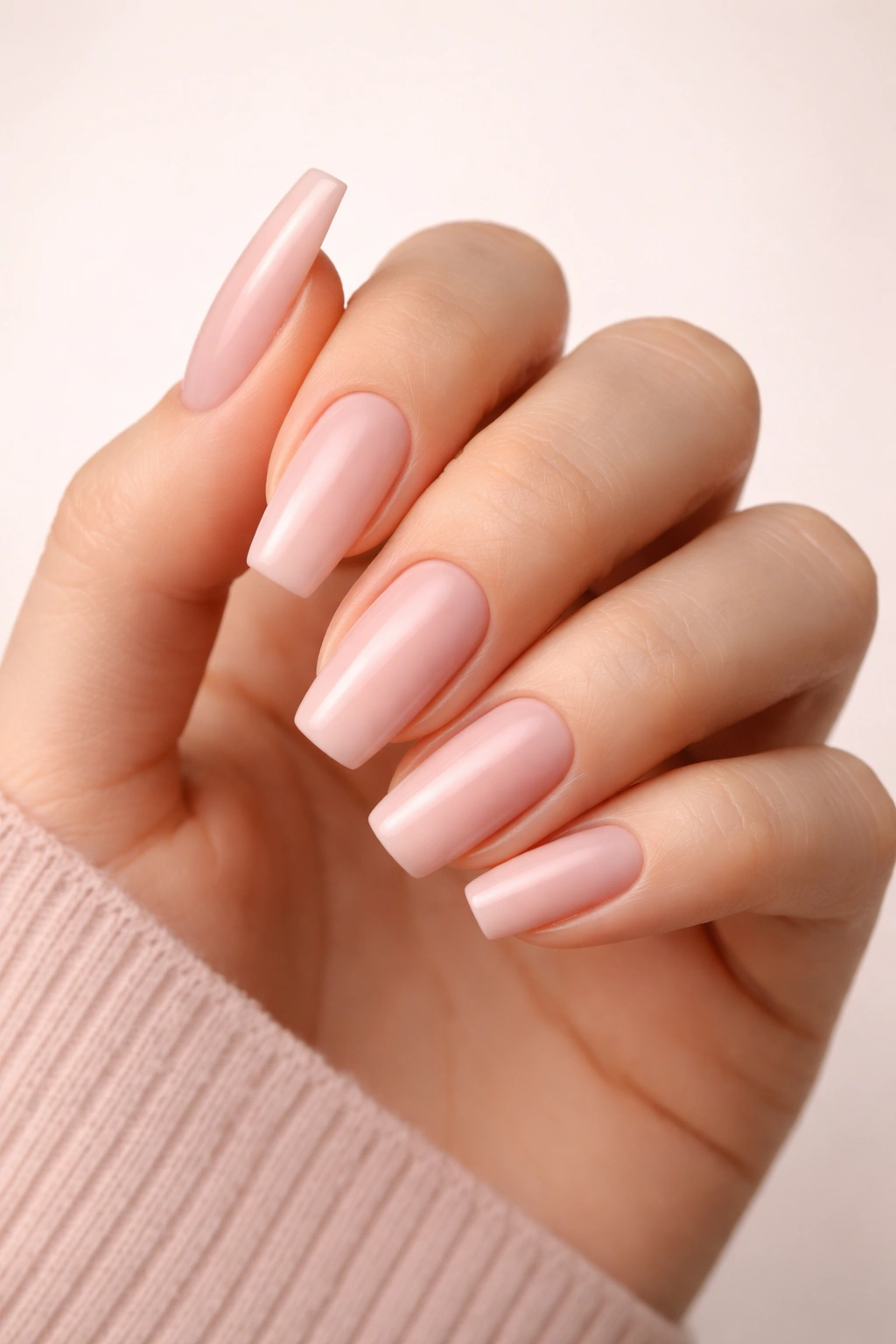
Your actual hand structure is the invisible force that determines whether either shape will genuinely flatter you. This is the part most nail articles skip, but it’s everything.
Coffin nails create the visual effect of narrowing your hand from the base to the tip. They work best on hands that are already relatively slender or that have longer fingers relative to the width of the hand. On broader hands or hands with shorter, stockier fingers, coffin nails can actually emphasize width rather than minimize it. The inward taper is supposed to be elegant, but on the wrong hand structure, it just looks constrained.
If you have long, delicate fingers with a narrow hand, coffin nails can be genuinely gorgeous—they create an unbroken line from your wrist through your fingertips that feels elongated and refined. If you have shorter fingers or a broader hand, that same shape can read as cramped rather than elegant.
Squoval nails are more universally flattering because they don’t dramatically manipulate proportions. The straight sides create length without narrowing, so they work on broader hands without looking pinched. On slender hands, squoval nails still look elegant—they’re just less dramatic about it. Short fingers look longer in squoval because of the length without the visual interruption of a sharp taper. Wide hands look proportionate in squoval because the straightness doesn’t exaggerate the width.
This doesn’t mean squoval is always better—it means squoval is more forgiving across different hand structures. Coffin nails are more specialized. They look stunning on the hands they suit and less flattering on others. Before committing to either shape, actually look at your hands from above and think about their proportions. Do you have a narrow hand relative to your finger length? Coffin might be your shape. Do you have a broader hand or shorter fingers? Squoval probably serves you better.
Nail Art and Design Versatility
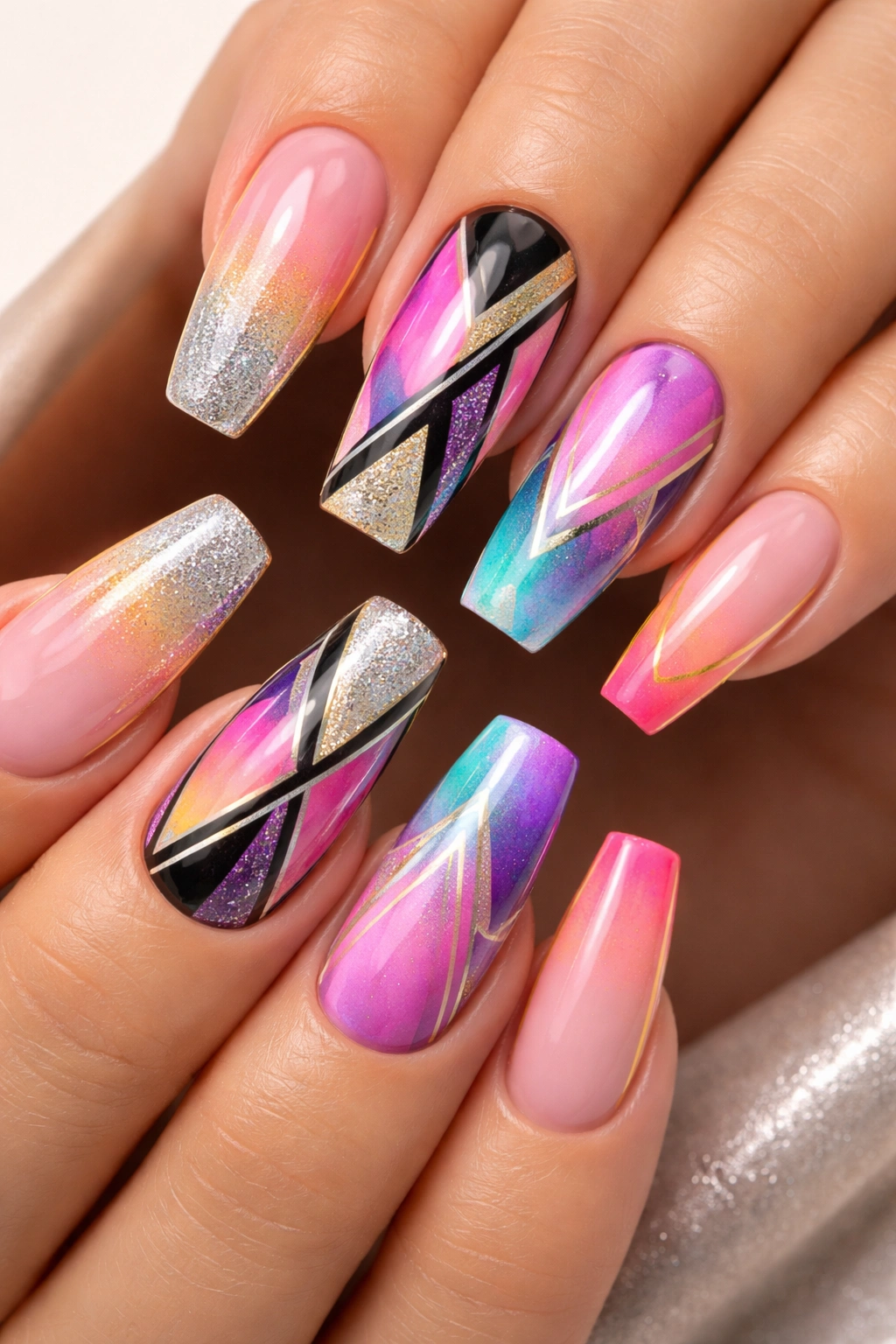
Coffin nails offer a unique canvas for nail art because of their shape. That squared tip and tapered sides give nail artists more room to play with geometric designs, ombre effects, and detailed artwork. The center of the nail is wider, giving plenty of space for intricate designs. The narrowness at the sides creates natural borders that frame artwork beautifully.
If you’re someone who loves detailed nail art, gradient designs, or anything that requires a specific canvas to look right, coffin nails give you options that other shapes don’t. Long, geometric designs, detailed portraits, or intricate patterns all have more room to breathe on a coffin nail than they would on a smaller or differently shaped surface.
However—and this is important—coffin nails make minimalist designs look scattered. A simple line, dot, or small accent nail design can look sparse on a coffin nail’s large canvas. Solid colors work, but they need to be rich, interesting colors. Pastels can feel washed out on the wider surface. If you prefer understated, minimal nail design, coffin nails actually work against you aesthetically.
Squoval nails are the versatile workhorse of nail art. They work with intricate designs without feeling like you need a full artwork to justify their size. They also work beautifully with minimalist designs—a single line, a tiny accent, a dot, or simple geometry feels intentional rather than sparse. Solid colors look rich and professional. Ombre transitions feel subtle and elegant. Squoval nails are genuinely great with any design approach, which is one reason they’ve become the default choice for professional manicurists who need to work with clients who have different tastes.
If nail art is important to you, ask yourself whether you want a canvas that demands statement designs (coffin) or a shape that works with any design you choose (squoval). Neither is wrong—it’s a question of how much you enjoy detailed nail art versus how often you actually want to commit to it.
Durability and Structural Integrity
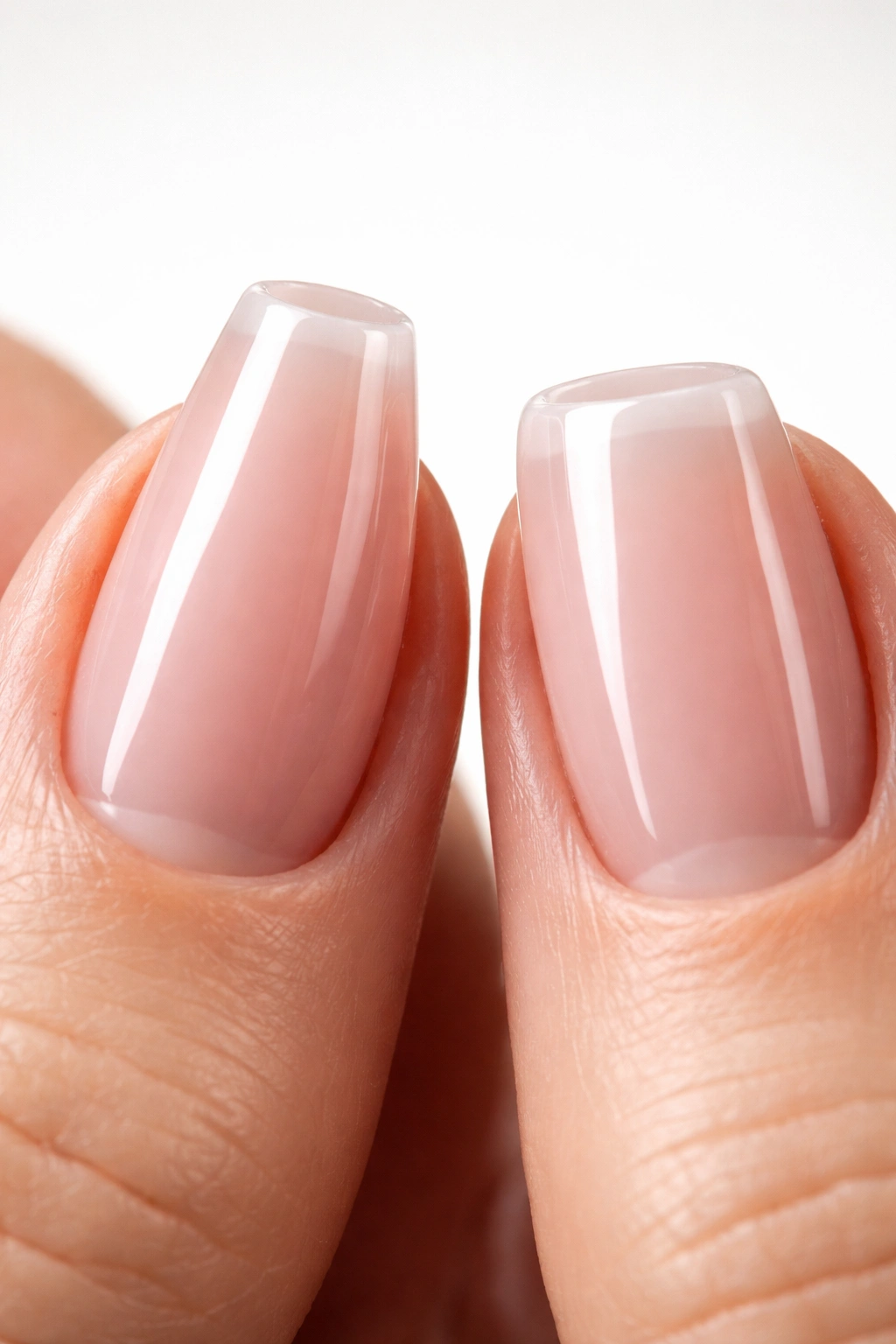
The architecture of these two shapes translates to real differences in how they hold up to daily life. Coffin nails, with their tapered sides and squared tip, are more structurally delicate. That squared tip catches on things more easily—fabric, hair, door edges, your own skin. The taper means less structural support at the sides, so they’re more prone to peeling, breaking at the edges, and chipping at the tip.
This doesn’t make coffin nails weak. Healthy, well-maintained coffin nails on acrylic or gel extensions are plenty durable. But they require more maintenance. You’ll need to be more careful about what you do with your hands. You’ll need to file the tip more frequently as tiny chips appear. You’ll need to reinforce the edges if you notice any lifting or peeling starting. If your manicure is in gel, you’ll probably need fills more frequently because the structural stress is higher.
Squoval nails are inherently more durable. The rounded corners don’t catch as easily. The straighter sides provide more structural support along the edges. The tip, being slightly more tapered than a square but not as pointed as a true oval, is less likely to catch and chip. If you get a nail broken or chipped, a squoval is easier to repair because the geometry is simpler.
For people with active lifestyles, people who work with their hands, people who type frequently, or people who just don’t want to think about their nails constantly, squoval is the more practical choice. Your manicure will last longer between fills or touch-ups. You’ll spend less time managing breakage and damage. This might not sound glamorous, but it’s actually huge if you care about consistently pretty nails rather than perfect nails with high maintenance in between.
Length Requirements and Growth Appearance
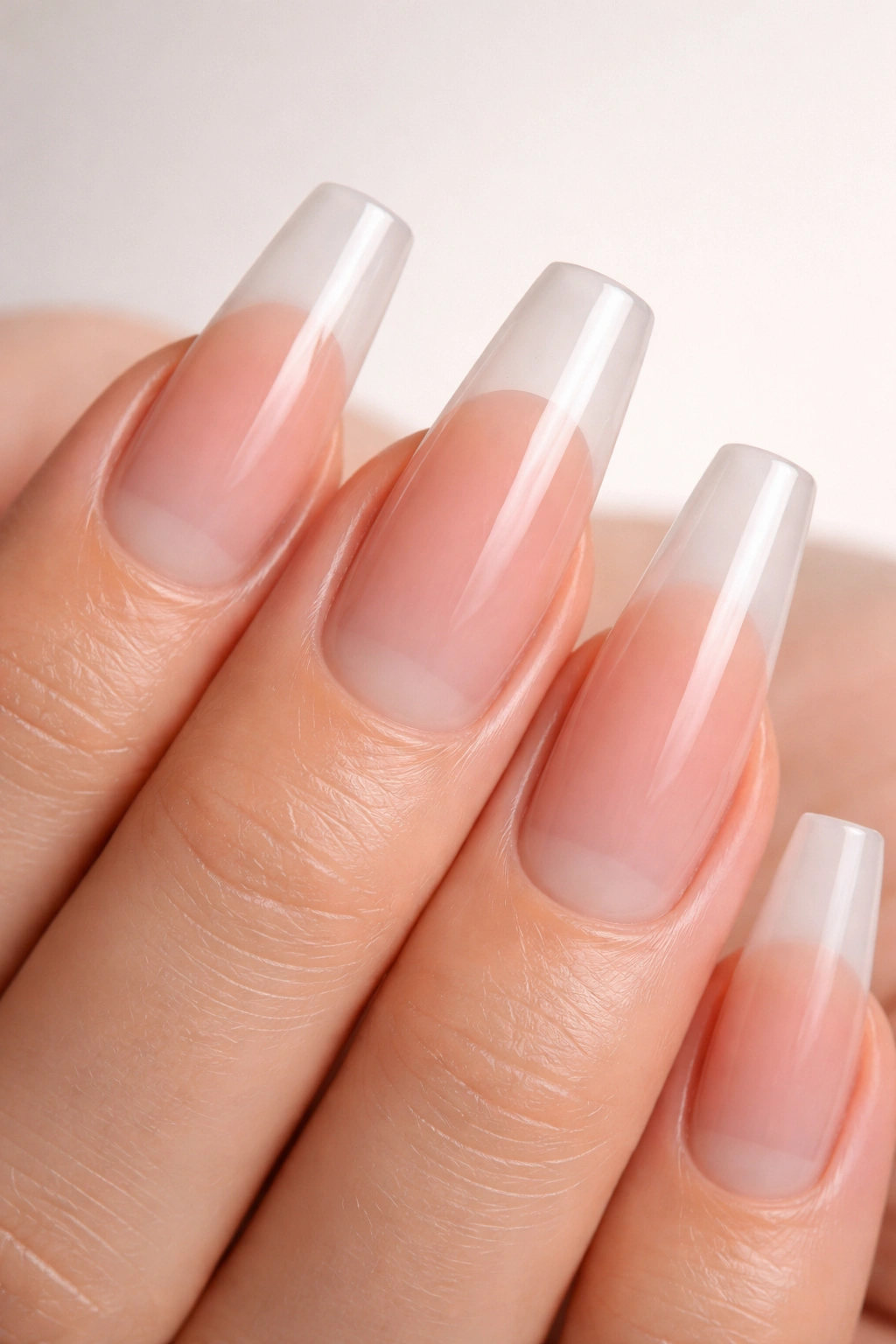
Coffin nails need length to look intentional. Anything shorter than three-quarters of an inch reads as either too short or incompletely shaped. This means you’re committing to growing your nails out or getting nail extensions if you want the coffin shape to actually look like coffin nails rather than just damaged squares.
During the growth phase, coffin nails go through an awkward period. As they grow out, the taper becomes less defined and you’re left with a shape that looks neither square nor tapered—just sort of lumpy. You’ll need to reshape them regularly to maintain the coffin silhouette. If you’re growing natural nails and want to maintain the shape as they grow, you’re filing them every few days to keep the taper consistent.
Squoval nails look intentional at basically any length. Short squoval nails (even half an inch) read as a deliberate choice. Medium squoval nails are the easiest to maintain—you can go longer between shaping appointments because the shape is simple to file. As they grow, the proportions stay balanced. During the growth phase, they don’t go through an ugly awkward stage—they just get slightly longer while maintaining their shape.
If you value the ability to take breaks from nail maintenance, or if you prefer not to get extensions, squoval is significantly more forgiving. You can grow your nails at your own pace and they’ll look good the entire time. Coffin nails require commitment to either professional appointments or frequent home maintenance to keep them shaped correctly.
Comfort and Practical Wearability
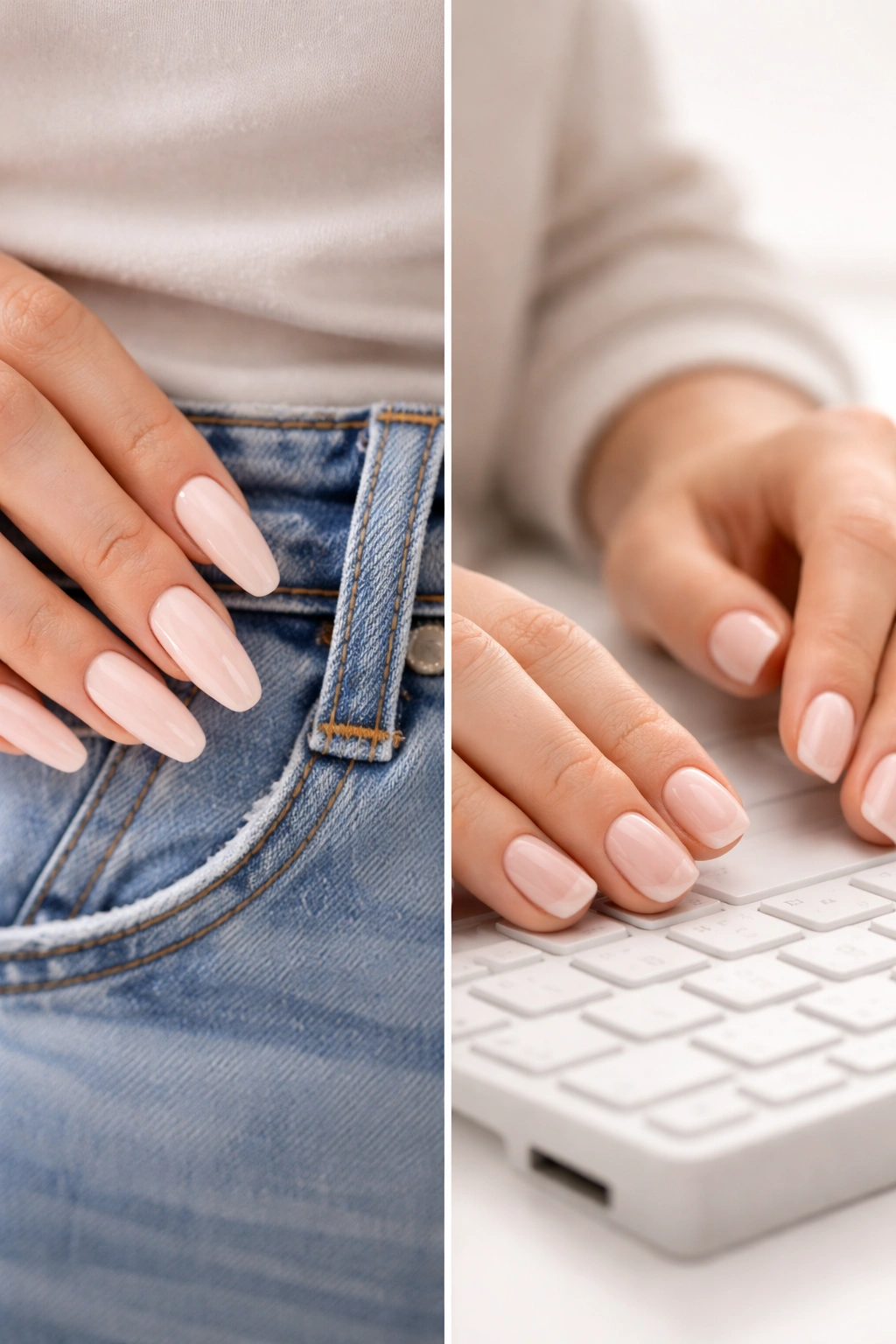
This is where the rubber meets the road: can you actually live with these nails, or will you be frustrated and uncomfortable every single day?
Coffin nails, especially long ones, are legitimately in the way sometimes. That squared tip catches on things—the phone screen, your keyboard, your own face when you’re trying to do anything near your eyes. Some people adjust and don’t notice. Others find it maddening. Typing is slower and requires a learning curve. Showering involves being careful not to let the nail catch on your hair. Opening things requires a different technique than you’re used to.
For people who are accustomed to wearing long nails, none of this is a problem. They’ve already adapted their muscle memory. But if you’re transitioning to coffin nails for the first time, expect a week or two of minor frustration before your brain catches up to the new shape.
Squoval nails are gentler on your day-to-day experience. They’re less likely to catch on things. Typing feels more natural because the sides are straight rather than angled inward. You can use your fingers more intuitively without worrying about the nail geometry. They feel less like something you’re “wearing” and more like an extension of your natural nails.
If comfort and frictionless daily living matter to you, squoval wins this round. You’re not sacrificing any elegance or polish—you’re just choosing a shape that gets out of your own way.
Professional Settings and Workplace Appropriateness
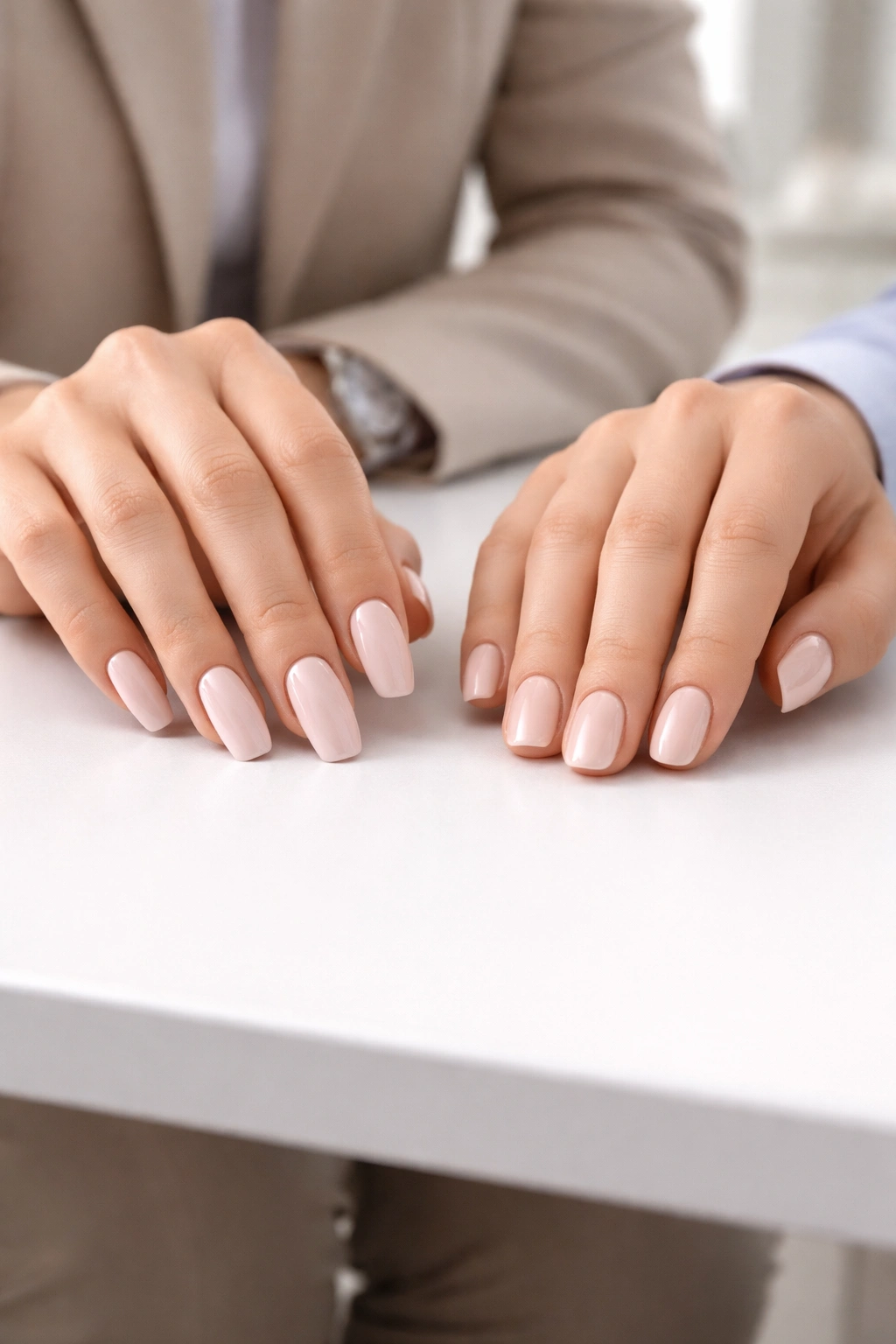
Perception matters in professional environments, and nails are part of that whether we like it or not. Coffin nails read as intentional, modern, and fashion-forward. Depending on your industry, that’s either perfect or potentially distracting. In creative fields, tech, fashion, beauty, hospitality, and other industries where personal style is celebrated, coffin nails are absolutely fine—sometimes even expected. In more conservative industries like finance, law, healthcare, or government, they might read as too trendy or attention-seeking.
This is unfair, but it’s real. Long nails in general draw more attention in conservative professional settings. Coffin nails, because of their dramatic shape, draw even more attention. If your workplace culture celebrates personal style, this is fine. If your workplace culture prioritizes conformity and minimizing distraction, long coffin nails might work against you subtly.
Squoval nails are the neutral choice. They read as polished and intentional without being particularly trendy or attention-grabbing. They work in every professional setting from the most casual startup to the most conservative law firm. They signal good grooming and attention to detail without making a statement about personal style. If you need your nails to be invisible—professional background that says “put together” without saying anything else—squoval is your shape.
In hospitality, healthcare, or service industries where your hands are frequently visible to clients or customers, squoval’s practicality also wins. They’re less likely to catch on things or create concerns about hygiene. They’re easier to keep clean because there’s less complex geometry to maintain.
Skin Tone and Visual Contrast
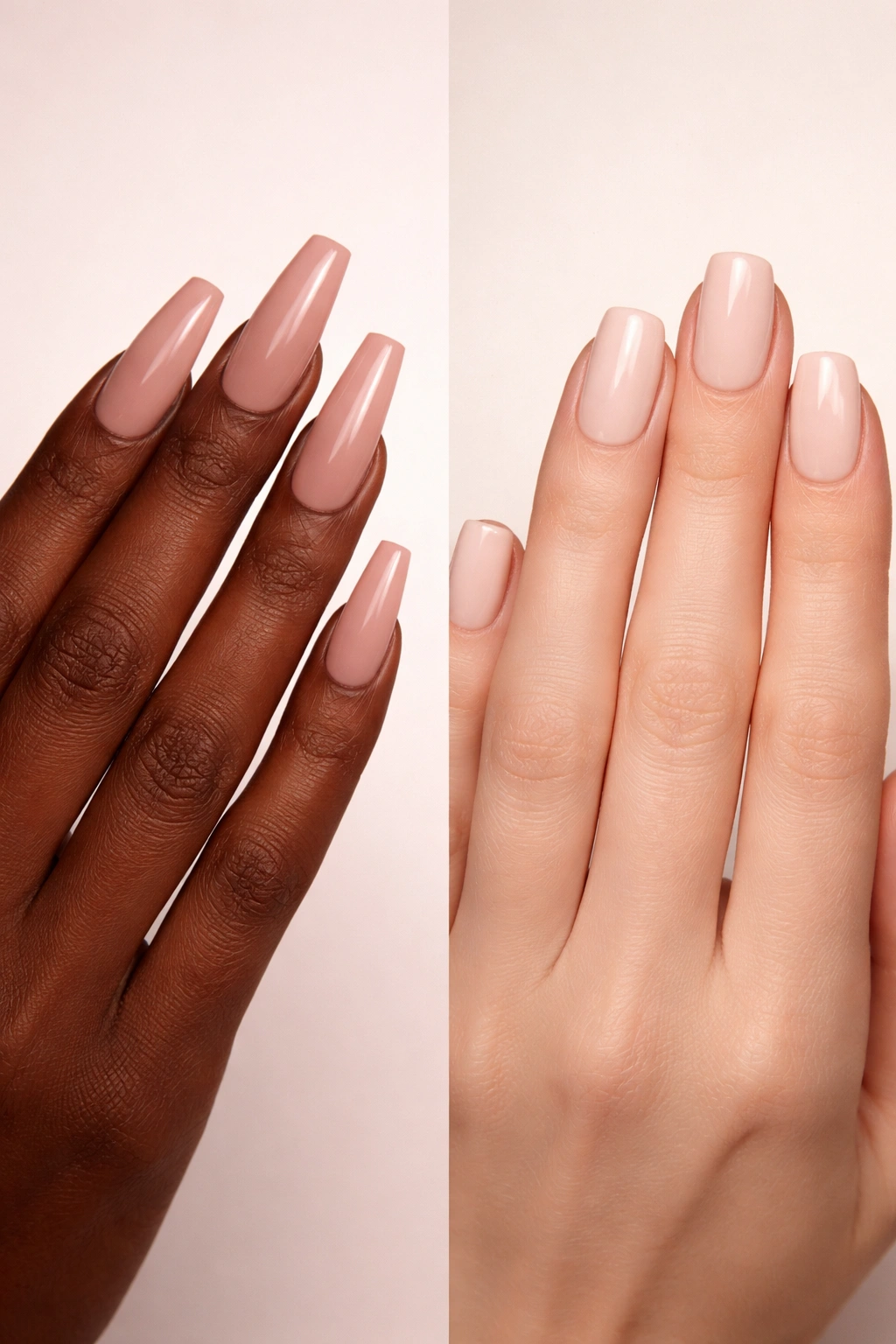
This is subtle but real. How a nail shape interacts with your skin tone affects how flattering it looks overall.
Coffin nails create dramatic visual contrast between the nail and the skin because of the sharp edge where the nail widens from the taper to the squared tip. That transition point becomes a visual focal point. If you have deep, rich skin tones, that contrast often reads as elegant and striking. If you have very pale or very light skin tones, that same contrast can be too harsh, especially if the nail color is dark or has high contrast with your skin. The geometry becomes very obvious and sometimes visually jarring.
Squoval nails create softer visual transitions because the rounded corners blend more smoothly. The straight sides don’t create that dramatic widening effect. The rounded tip softens the overall shape. This subtlety works beautifully with every skin tone. Light skin tones aren’t overwhelmed by the nail geometry. Deep skin tones get to appreciate the color and finish without the shape dominating the visual. Medium and olive skin tones look equally elegant in squoval regardless of nail color choices.
This doesn’t mean deep skin tones can’t wear coffin nails beautifully—they absolutely can. But the shape is more neutral and universally flattering in squoval, especially if you prefer nail colors with high contrast to your skin tone.
Maintenance Time and Appointment Frequency
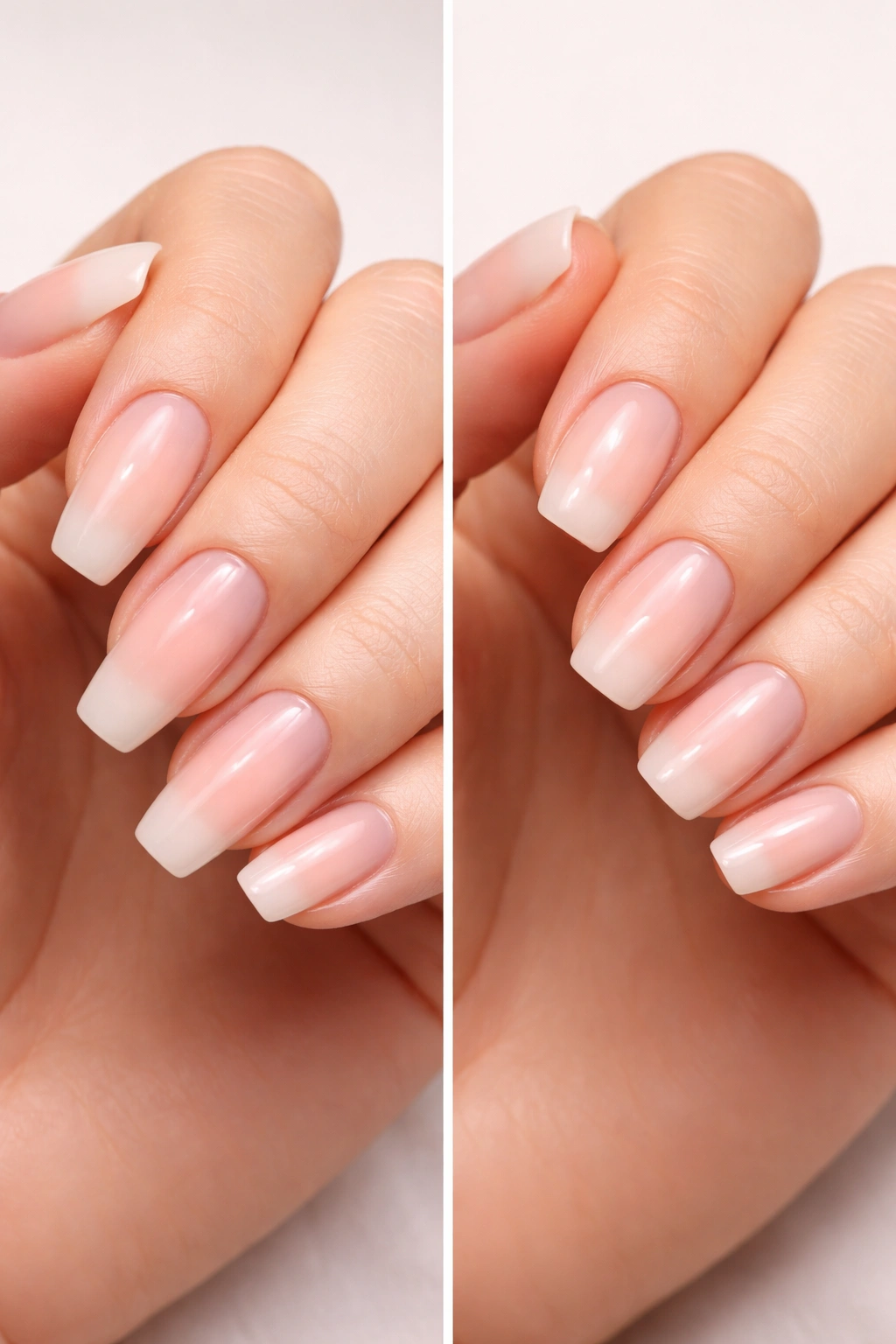
Real talk: one of these shapes requires more ongoing attention than the other, and that affects your actual life.
Coffin nails, if you’re getting them professionally, typically require fills or touch-ups every three to four weeks. The tapered sides and squared tip are harder for growth to accommodate gracefully, so the shape degrades faster. The edges are more prone to chipping, which means you might need touch-ups sooner than you’d like. If you’re maintaining them at home, you’re shaping the taper frequently—multiple times per week if you want them to look perfect.
The cost of maintaining coffin nails professionally is higher because the work is more detailed. A fill on coffin nails takes longer than a fill on a simpler shape because the artist needs to reshape the taper and redefine the tip. The more complex geometry means more work, which translates to higher prices at most salons.
Squoval nails are lower maintenance. Professional fills or touch-ups can stretch to five or six weeks because the shape maintains itself through growth better. The rounded corners mean fewer opportunities for chipping. At-home maintenance is simpler—you’re filing the straight sides and rounding the corners, which is easier than creating a perfect taper.
If you’re on a budget or you prefer appointments less frequently, squoval is objectively less demanding of your time and money. You’re not sacrificing beauty—you’re choosing a shape that’s easier to sustain at the level of quality you want.
Trending, Longevity, and Personal Style Fit
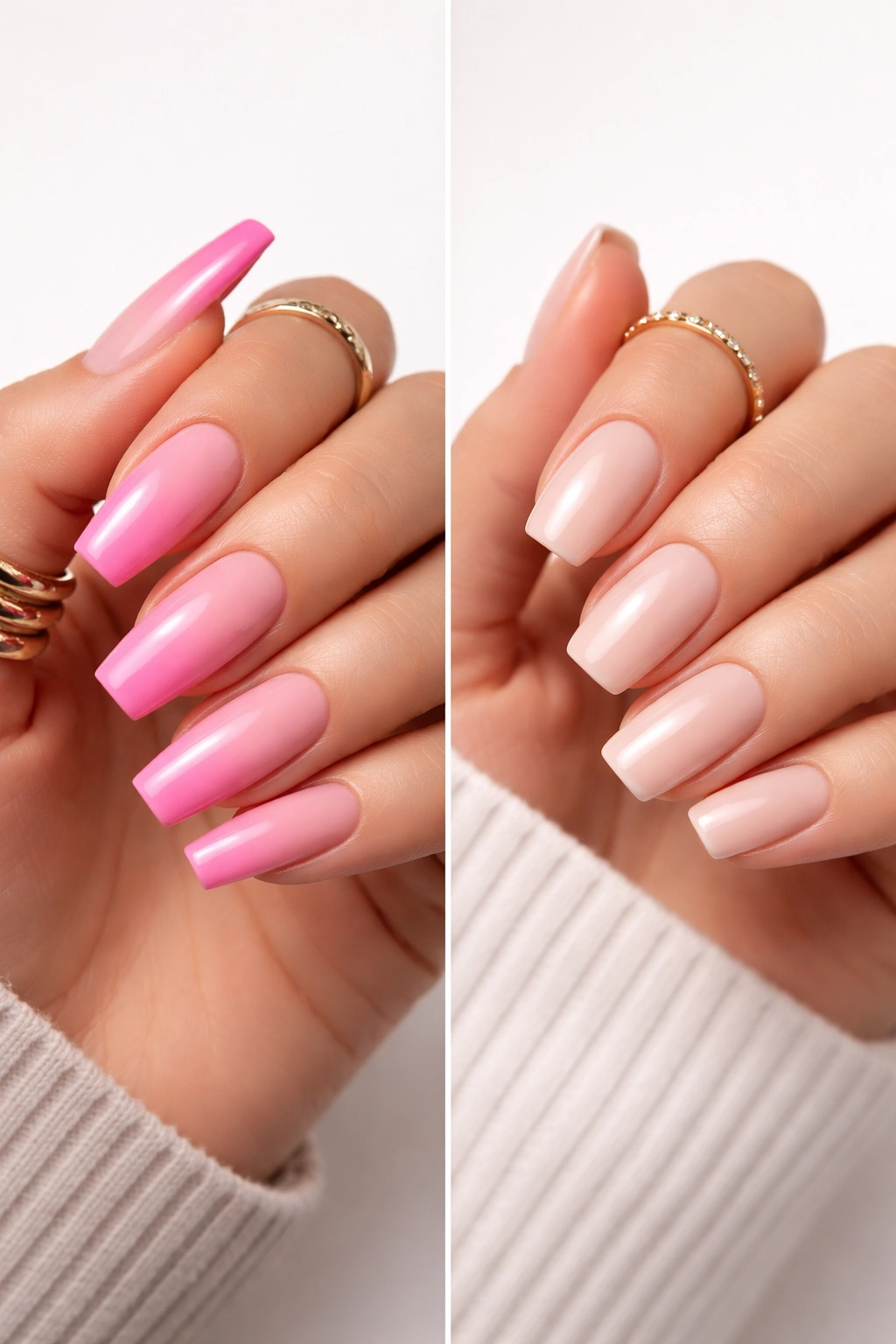
Coffin nails have been trendy for over a decade, which actually suggests they might have more longevity than truly fleeting trends. They’ve moved beyond “trend” into “established style choice.” But they do read as intentional about fashion and nails. If you wear coffin nails, people notice that you care about how your hands look.
Whether that’s the message you want to send matters. Some people love that coffin nails are a statement. Others find it exhausting to have something so noticeable on their hands. There’s no right answer—it’s personal. But coffin nails are inherently more about projection and style whereas squoval nails are about grooming and polish without particular style.
Squoval nails are the definition of evergreen. They’ve been popular for years and will probably remain popular for decades because they’re simply a flattering, practical shape. They’re not trendy—they’re classic. They’re not making a statement—they’re just looking good. If you prefer personal style to be subtle, or if you’re uncomfortable with trends, squoval gives you a shape that’s always appropriate without ever feeling dated.
Think about which message aligns with how you want to present yourself. Do you want your nails to be part of your personal style statement? Coffin. Do you want your nails to be invisible but clearly well-maintained? Squoval.
Getting the Right Shape: What Actually Works for Your Hands
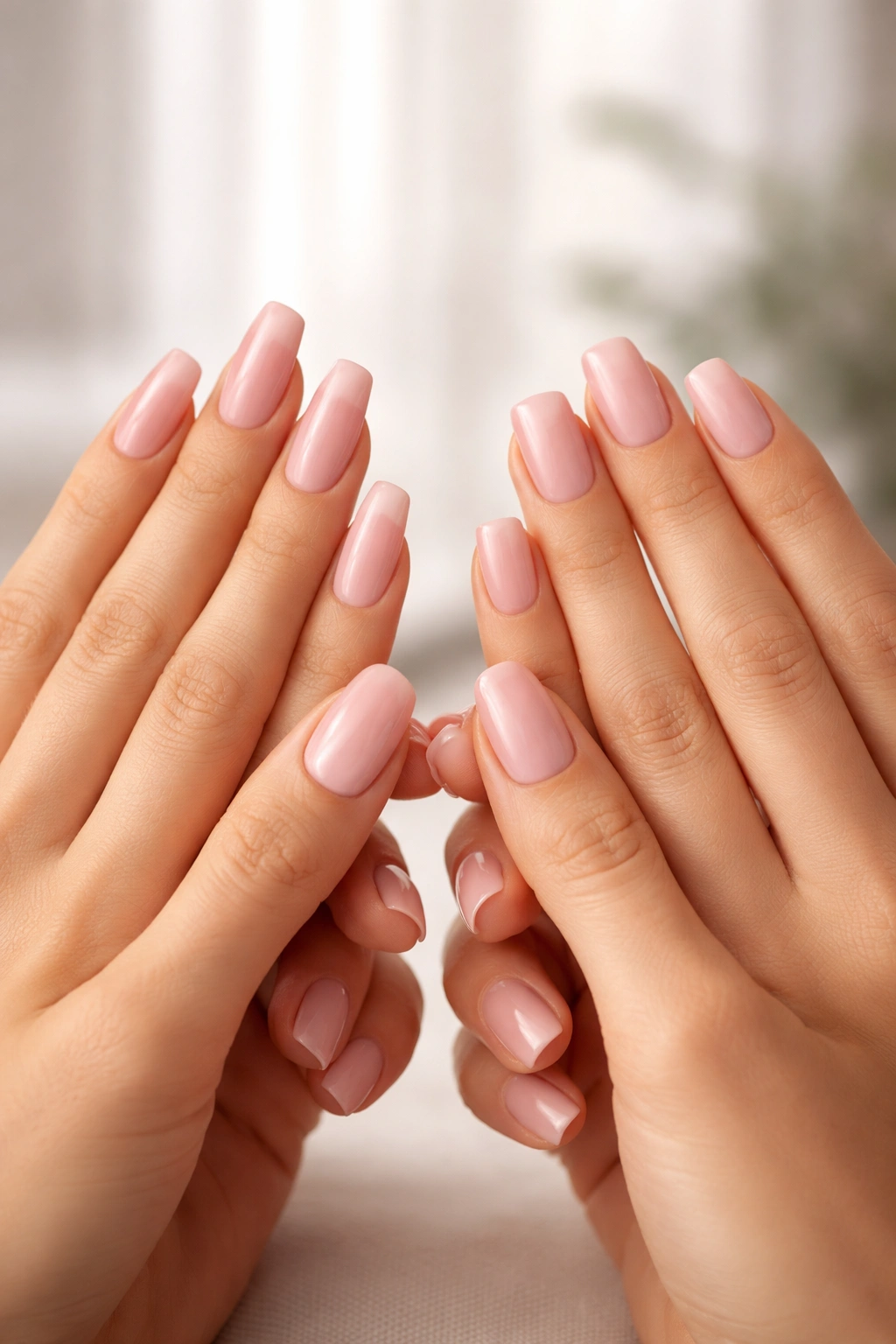
The only way to know for certain which shape works better for you is to actually try it. If you get manicures professionally, ask your nail artist which shape they think would be most flattering for your hand structure. A good manicurist can look at your hands and tell you honestly whether you have the proportions that coffin nails will flatter or whether squoval would serve you better.
If you’re doing your nails at home, take a photo of your hands from above with your fingers extended (like you’re about to make a typing motion) and look at the actual width and length proportions. Do your fingers look long relative to the width of your palm? Coffin might work. Do they look more balanced or slightly shorter than they are wide? Squoval will probably look better. Do you have visible knuckles and structured hands? Coffin can be elegant. Do you prefer your hands to look soft and approachable? Squoval usually reads that way more naturally.
Also be honest about your lifestyle. If you’re typing eight hours a day, or if you shower and wash your hands frequently, or if you do anything that puts stress on your nails, squoval’s durability advantage is real and worth prioritizing. If you’re careful with your hands and you genuinely enjoy the feeling of statement nails, coffin nails’ drama is worth the extra maintenance.
Real-World Performance: Longevity and Satisfaction

People who love coffin nails are usually passionate about them—they’re comfortable with the maintenance, they appreciate the boldness, and they’ve made peace with the practical tradeoffs. When coffin nails work for someone’s lifestyle, they’re genuinely the right choice.
People who love squoval nails appreciate the balance between looking intentional and feeling practical. They don’t require you to adjust your entire approach to daily activities. They look polished without demanding attention. For a lot of people, that balance is exactly what they want from their nails.
Here’s what matters: a shape that makes you feel confident and looks good in your actual life beats a shape that looks amazing in photos but frustrates you every day. If you’re constantly adjusting your hands to accommodate the shape, or if you’re annoyed by how they catch on things, or if the maintenance is exhausting you—that’s not the right shape, even if it’s trendy or dramatic.
The real test is how you feel two weeks in, when the newness has worn off and you’re just living with your nails. Are you happy? Are they serving you? Or are you already tired of the commitment?
Final Thoughts
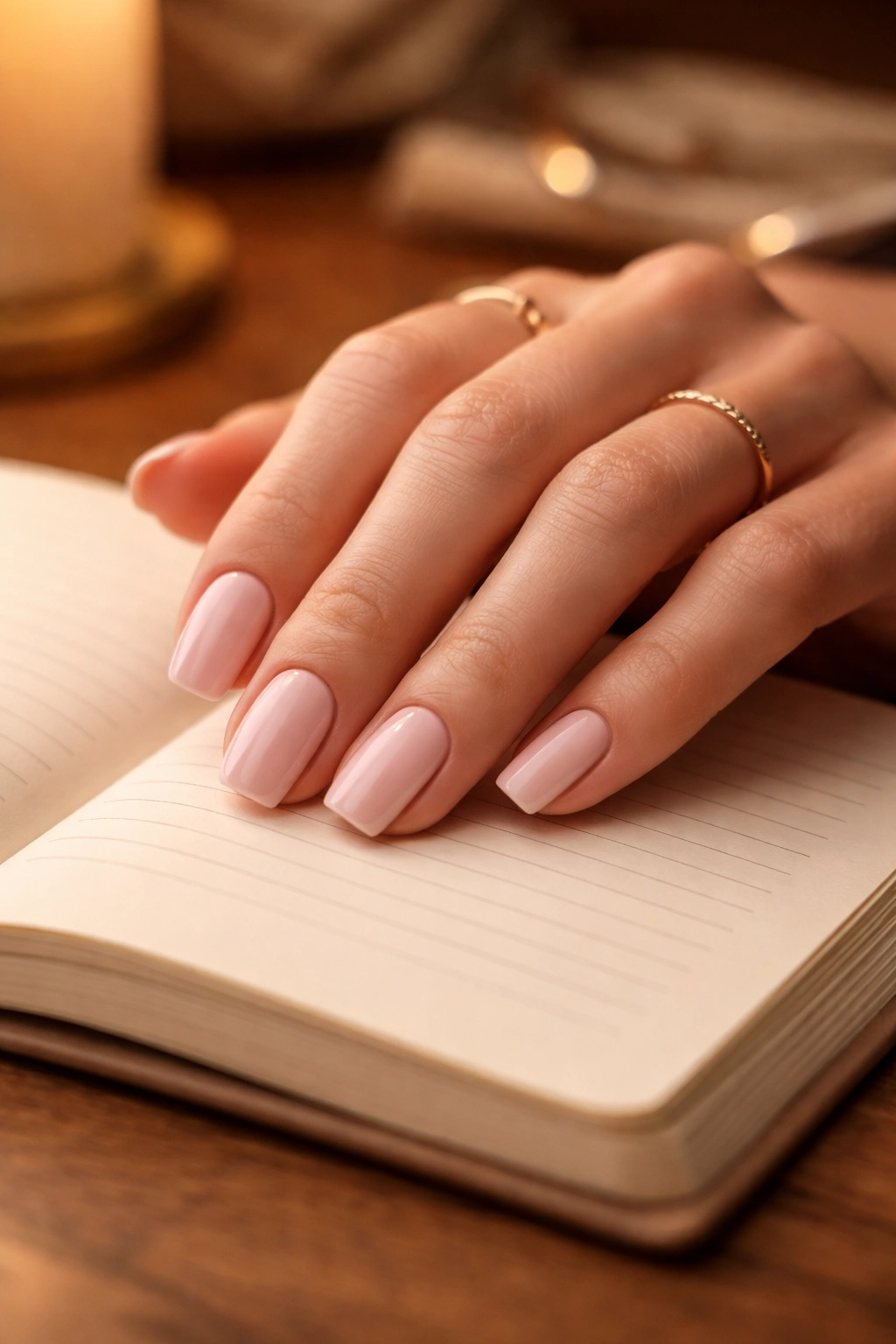
Both coffin and squoval nails are beautiful when done well on the hands they suit. Coffin nails are bolder, more dramatic, and demand more commitment. Squoval nails are versatile, practical, and universally flattering. The better shape for you depends entirely on your hand structure, lifestyle, professional environment, and how much you want your nails to be part of your personal style statement.
If you have long, slender fingers and you love intentional style choices, coffin nails might be genuinely perfect for you. If you prefer your nails to enhance your appearance without demanding maintenance or drawing attention, squoval is probably the right call. And honestly? You don’t have to commit to one forever. Try squoval for a few months, then try coffin. Your hands will tell you which one feels right.
The best nail shape is the one that makes you feel confident every single day—not just in photos. Start there, and you’ll know exactly which direction to go.