

Nurses face a unique challenge when it comes to nails. You want polished, attractive hands that boost your confidence during those long shifts, but you’re also bound by strict healthcare regulations that prioritize patient safety. The good news? Short nails can be absolutely stunning, and there’s way more creative freedom than you might think. You don’t need length to look put-together—you just need the right approach.
The restrictions you’re navigating exist for solid reasons. Healthcare facilities follow guidelines from the Centers for Disease Control and Prevention (CDC) and the World Health Organization (WHO), which recommend keeping nails shorter than one-quarter inch beyond the fingertip to prevent bacterial growth and maintain proper hand hygiene. This means artificial nails like acrylics, gel extensions, and traditional dip powder are typically off-limits in clinical settings. But here’s what many nurses don’t realize: you have plenty of beautiful, compliant options that still look professional and polished. The key is choosing finishes, colors, and designs that work with short natural nails rather than against them.
Whether you’re prepping for a wedding, heading back to the unit, or just want your nails to look intentional instead of neglected, there’s an approach that’ll work for you. The following ideas are all healthcare-approved, require minimal maintenance, and prove that short nails can actually be more versatile than you’d expect. Each option works beautifully on natural nails and aligns with infection control standards—so you can focus on patient care without worrying about your manicure.
1. Classic French Manicure on Short Nails
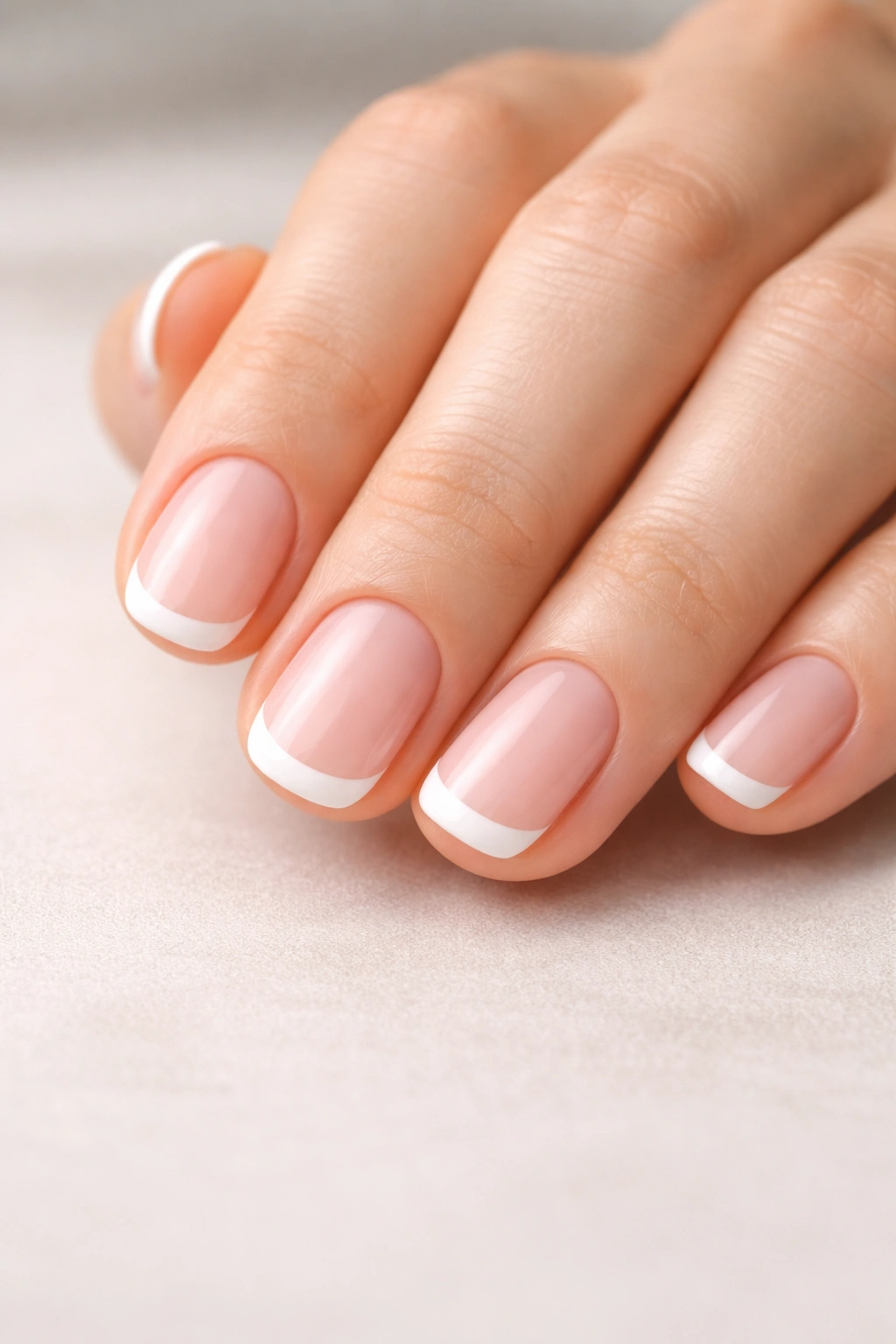
The French manicure isn’t just for long nails, and it’s absolutely one of the most professional nail looks you can wear in a healthcare setting. When done on short nails, it actually looks even cleaner and more refined because the white tip-to-nail-bed ratio is more balanced. The key is keeping the white line thin—about 1 to 2 millimeters at the tip—rather than going thick and dramatic like you might on longer nails.
Why It Works for Healthcare Professionals
The beauty of the French manicure is that it’s universally considered professional and compliant. You’re not flaunting length, you’re not wearing bold colors that might clash with your scrubs, and you’re not sporting trendy designs that could distract in a clinical environment. Instead, you’re wearing a timeless manicure that reads as intentional and put-together. The contrast between the nude or pale pink base and the white tip creates visual interest and makes your nails appear slightly longer than they actually are—which is a helpful optical illusion when working with short nails. Plus, the design is simple enough that it doesn’t require intricate application, meaning you can maintain it easily between appointments.
Application Tips for Short Nails
- Use a thin brush or nail striping tool to keep the white line precise and narrow
- Choose a soft pink or nude base rather than stark white base, which can look harsh on very short nails
- Keep the white line straight across rather than curved—straight edges look more polished on shorter lengths
- Apply a high-gloss topcoat to make the design pop without adding thickness to your nails
- Regular polish is perfectly acceptable, though some nurses find that a no-chip gel formula lasts longer through multiple hand-washings throughout the shift
The French manicure typically lasts about a week with regular polish before needing a touch-up, or up to three weeks if you opt for a gel polish version—both are compliant options since you’re not adding artificial length or bulk.
2. Soft Pink Nude Base with Clear Topcoat
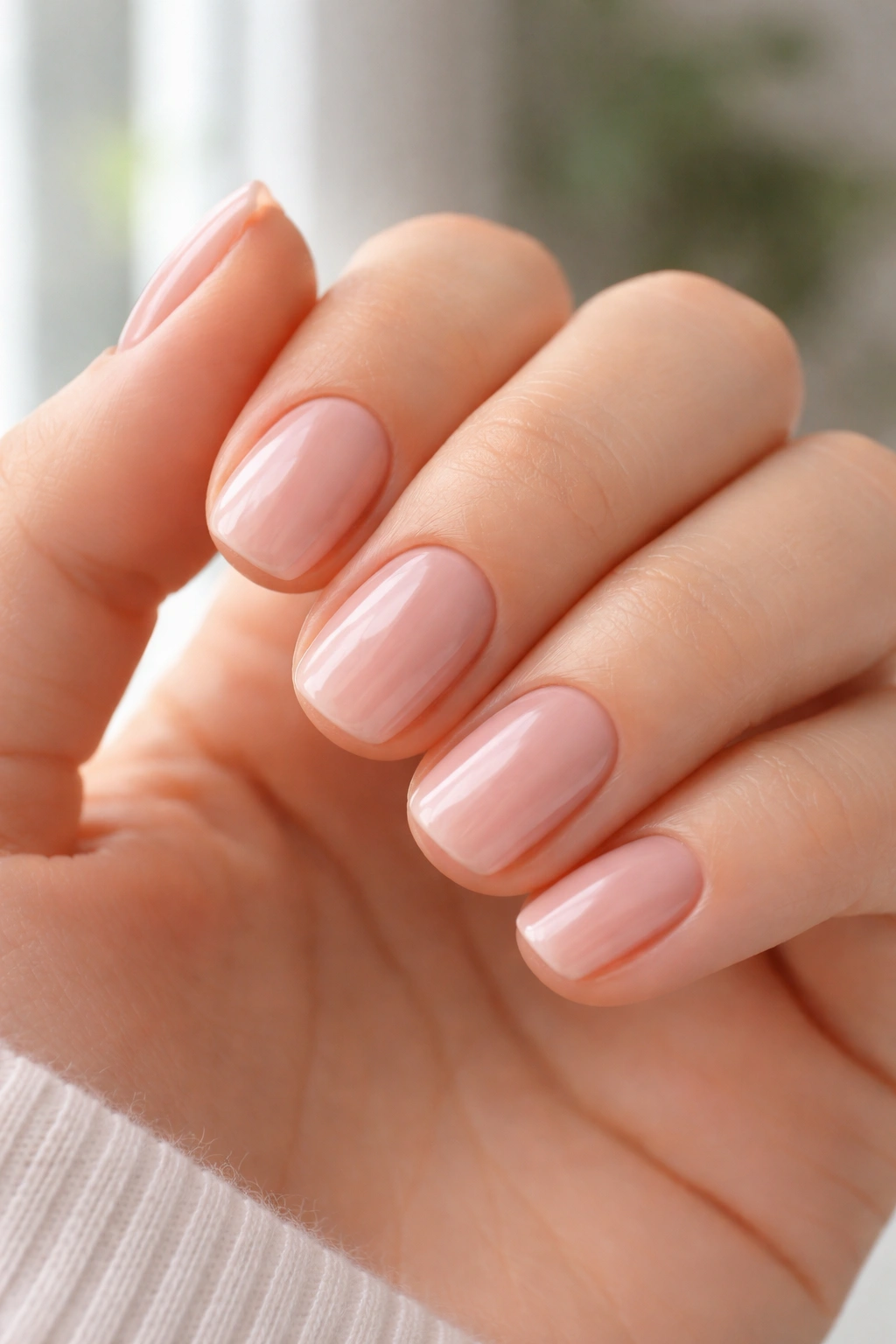
Sometimes the most elegant approach is the simplest one. A soft pink or warm nude base with just a glossy clear topcoat is incredibly versatile, works with any scrub color, and looks genuinely polished without trying too hard. This is the “clean girl” aesthetic applied to healthcare nails—minimal but intentional.
Why This Approach Stands Out
Your natural nails have their own subtle color and texture, and enhancing them rather than covering them up actually draws attention to healthy nail beds and cuticles. A soft pink or nude shade that matches or complements your skin tone makes hands look longer and more elegant while staying completely within compliance guidelines. There’s something sophisticated about nails that look naturally healthy rather than heavily decorated. This approach also means zero risk of harboring bacteria under thick coatings or artificial materials—it’s just a thin layer of polish over your natural nail.
Color Selection and Application
- Test shades in natural light before committing—what looks perfect under salon lighting might be too dark or too cool-toned at home
- Warm nudes and soft pinks work better than cool tones on most skin types
- Apply two thin coats rather than one thick coat for better adhesion and longevity
- Consider brands that specifically advertise long wear or chip resistance—you’ll get better results through handwashing and frequent sanitizing
- A matte topcoat gives a more modern, understated finish; glossy is more traditional and elegant
This look is maintenance-friendly and budget-friendly since you’re using regular polish. Repaint every five to seven days or whenever you notice chips, which is the most practical timeline for healthcare workers anyway.
3. Matte Finish Polish on Short Nails
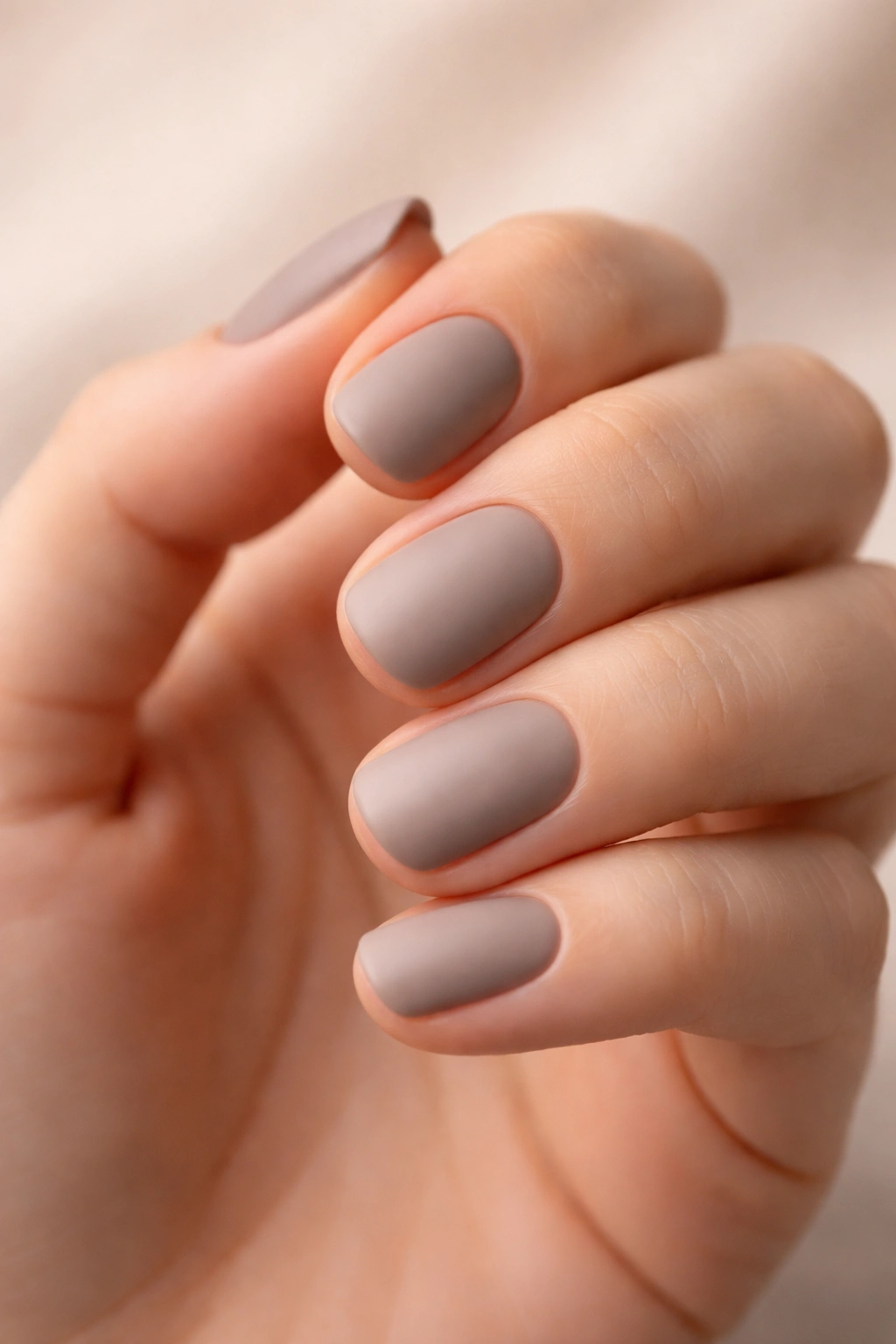
Matte polish has become increasingly sophisticated and is a subtle way to add dimension and visual interest to short nails without breaking any healthcare rules. The flat finish creates a modern, almost velvety appearance that reads as intentional and trendy while remaining completely compliant and professional.
The Modern Appeal of Matte Finishes
A matte topcoat transforms even basic colors into something that feels more contemporary and refined. Your nails catch light differently with matte polish—instead of reflection, they create subtle depth and texture. This actually works beautifully on short nails because it makes them appear less flat and one-dimensional. Matte finishes also tend to be more forgiving of minor imperfections since they don’t highlight every microscopic bump or irregularity the way glossy polish does. You can wear matte in soft colors like taupe, pale gray, soft beige, or dusty mauve for a truly understated professional look.
Achieving the Perfect Matte Look
- Start with a glossy base coat and polish layers as usual
- Apply a matte topcoat in thin, even strokes over completely dry color
- Matte topcoats are usually thinner than glossy ones, so you might need two coats for full coverage
- Some nurses prefer using a matte base coat combined with glossy polish for a hybrid effect that shows color more vibrantly
- When the matte finish starts showing wear, you can add glossy topcoat back on top to refresh between full repaints
- Matte finishes can feel drier and may snag slightly more, so keep cuticles and hangnails well-moisturized
The matte aesthetic pairs particularly well with minimalist designs or single accent nails since the finish itself provides visual interest.
4. Minimalist Line Art and Geometric Designs
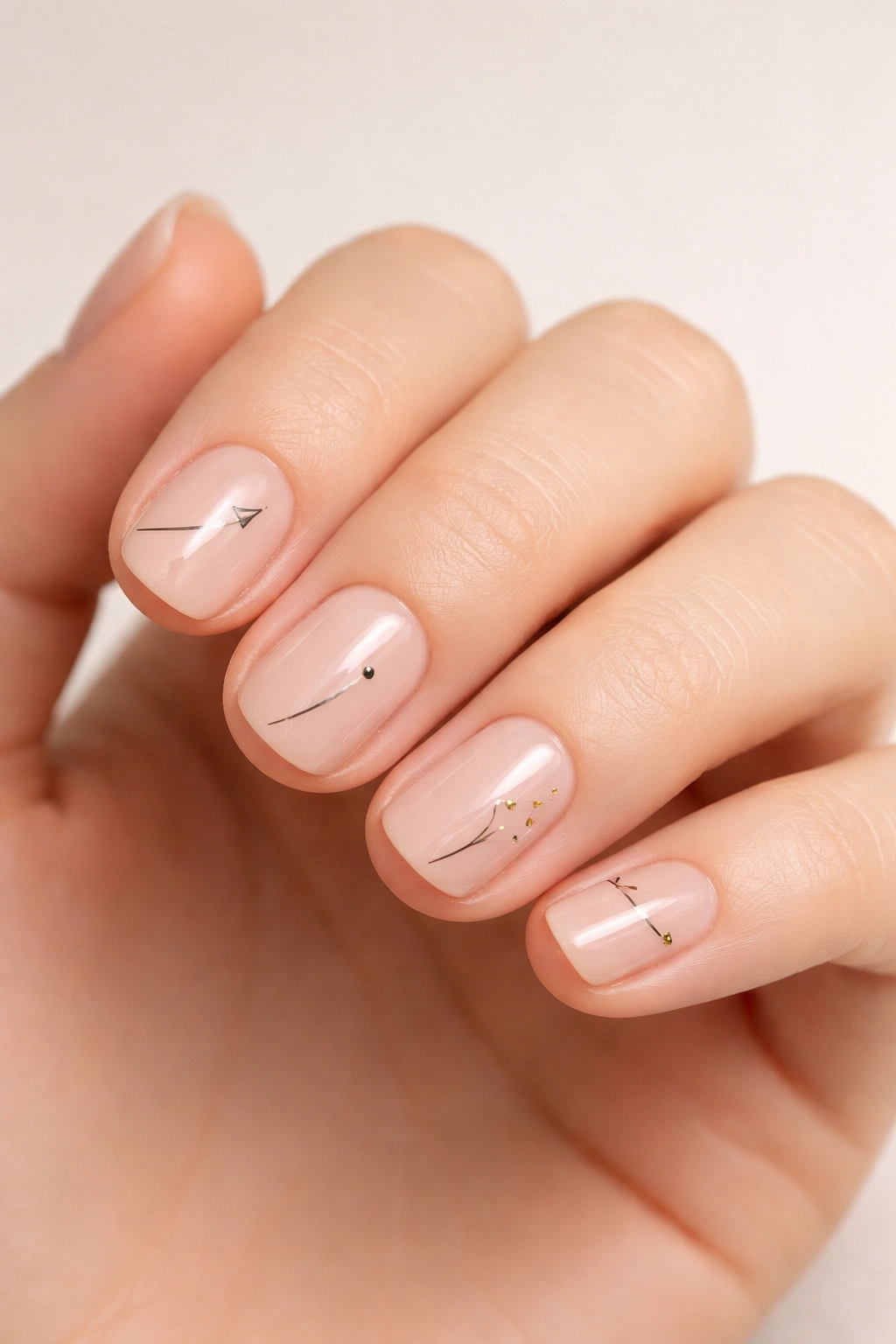
If you want your short nails to look intentional and artistic without breaking compliance, minimalist line art is your answer. We’re talking single thin lines, small geometric shapes, or negative space designs that require a steady hand (or a very thin striping brush) but don’t add any bulk or thickness to your nails.
Why Minimalist Design Works
The beauty of minimalist nail art is that it proves you’ve put thought into your appearance without being ostentatious. A single thin line across the nail, a tiny geometric shape in one corner, or a few dots arranged thoughtfully reads as artistic and intentional rather than attention-seeking. These designs don’t require artificial nails or thick coatings—they’re just fine art applied to your natural nail surface. The designs are small enough that they’re not distracting in a clinical environment but distinctive enough to feel personal and stylish. Plus, minimalist art is timeless; it won’t look dated next month.
Design Ideas and Application Techniques
- Thin horizontal, vertical, or diagonal lines in a contrasting color (white lines on nude, navy lines on soft pink)
- Tiny geometric shapes like triangles or diamonds in the corner of each nail
- Negative space designs where you paint a thin outline and leave the center empty
- Small dots arranged in patterns (two dots per nail, arranged symmetrically)
- Thin stripes across just the nail tips (creating a subtle reverse French manicure look)
Application requires either a very steady hand or the right tools. Invest in a thin striping brush or angular brush (size 00 or even smaller) and practice on paper first. If hand-painting feels too risky, try nail art decals—thin, minimalist designs that you apply to your nail surface and seal with topcoat.
5. Soft Pink with a Single Accent Nail
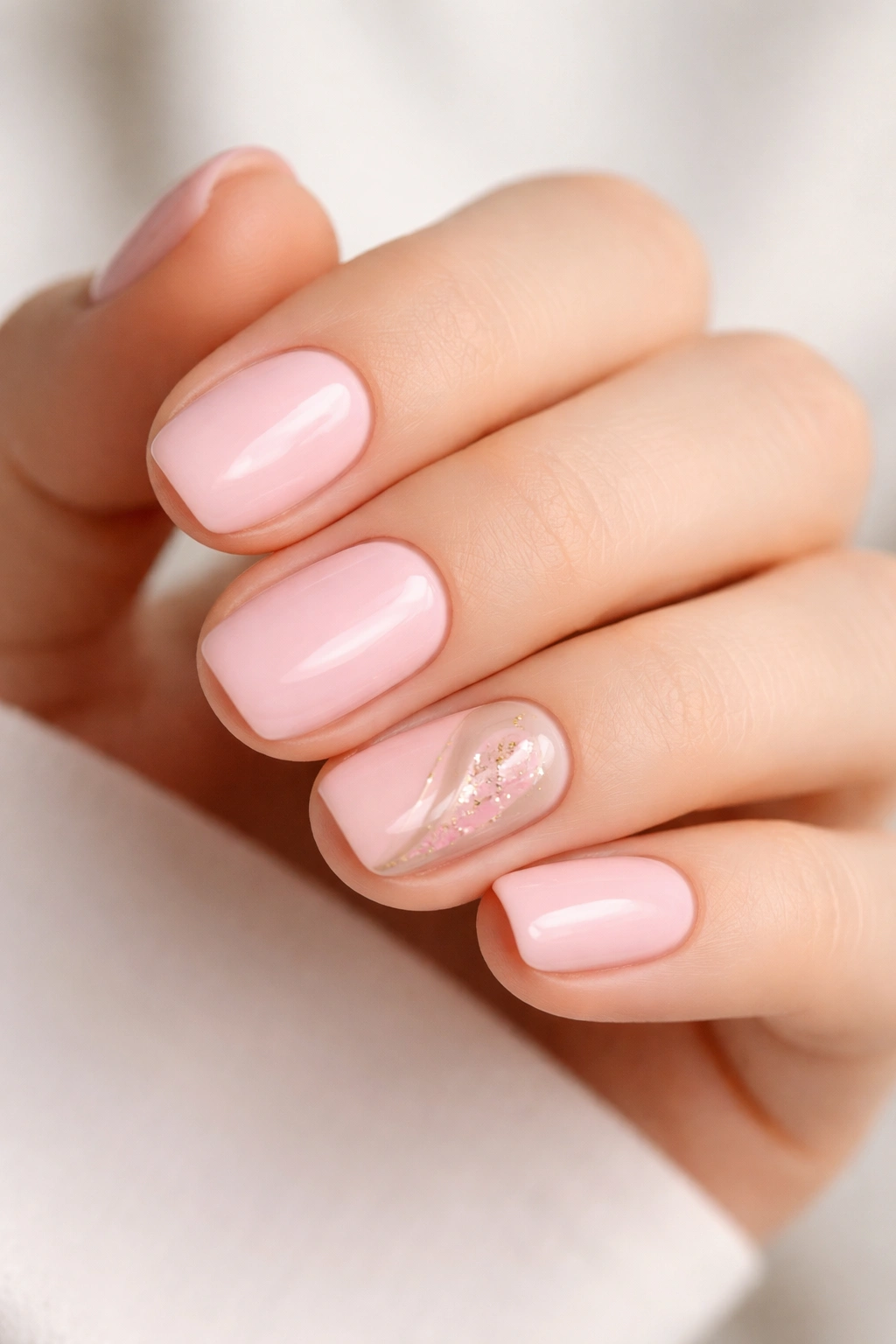
An accent nail is a brilliant way to add interest and personality to short nails without requiring length or bulk. Choose one nail—typically your ring finger—and give it a slightly bolder treatment while keeping the rest neutral. This creates visual balance and gives you a focal point.
The Psychology of the Accent Nail
Your brain naturally gravitates toward variation, so a single accent nail against neutral nails draws attention and creates a sense of intentional design. It’s professional enough for healthcare settings because nine-tenths of your nails are neutral, but it’s interesting enough to feel personal and stylish. The accent nail gives you a creative outlet without crossing any compliance lines. You could do a slightly bolder color, a metallic finish, a simple design, or even a slightly textured or shimmer topcoat on just that one nail.
Accent Nail Options
- Slightly deeper or brighter shade of pink or nude on one accent nail
- Metallic gold or silver foil mixed into the topcoat on the accent nail only
- A minimalist design (like a thin line or small shape) on just the accent nail
- A shimmer or sparkle topcoat on the accent nail with matte on the others
- A slightly textured topcoat (like sugar texture or sandpaper-like finish) on just one nail
- A nude base with white tips on nine nails and a bolder color like mauve or dusty blue on one nail
The key is keeping the accent nail still within healthcare guidelines—no length, no artificial materials, just a different color or finish on one nail to create visual interest.
6. The Clean Girl Aesthetic
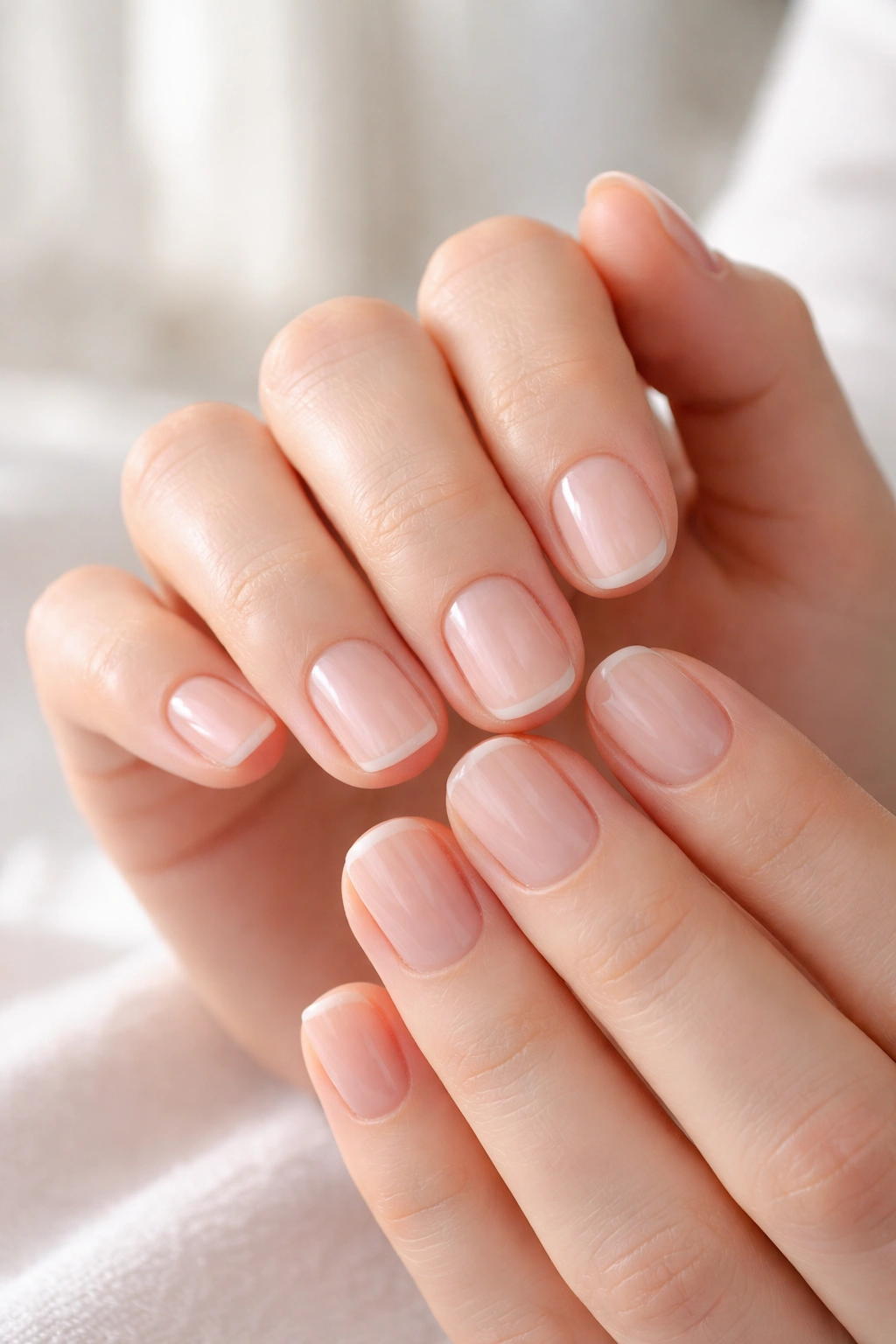
The “clean girl” trend—minimal makeup, clean skin, understated everything—translates beautifully to nails. This look emphasizes healthy, well-maintained nails with just a whisper of color or shine. It’s about letting your nails look naturally healthy and polished rather than decorated.
What Clean Girl Nails Actually Are
This aesthetic prioritizes nail health and cleanliness as the primary appeal. Your nails are trimmed short and neat, cuticles are pushed back and moisturized, and there’s either no polish or the thinnest, most natural-looking polish possible. If you do wear color, it’s something barely-there like a watery pink or ultra-sheer nude. The emphasis is on the condition of the nail itself—smooth, healthy-looking, with visible shine from a good topcoat rather than from thick color layers.
Achieving the Clean Girl Look
- Keep nails impeccably trimmed and shaped (square or slightly rounded edges are most compliant for healthcare)
- Invest in a good cuticle oil or hand cream—healthy cuticles are central to this aesthetic
- Use a buffer to gently smooth the nail surface and create a natural shine
- Apply just a topcoat with no color, or use a very sheer pink or nude polish that barely tints the nail
- Keep a nail file and cuticle stick handy throughout your shift to maintain the polished appearance
- Consider a nail strengthener or conditioning treatment if your nails are brittle from frequent washing
- Alternate between colored polish and “barefaced” nails with just topcoat for variety
This look works particularly well for nurses because it emphasizes that your nails are impeccably clean and maintained—which is exactly what healthcare settings prioritize.
7. Neutral Glazed or Milky Nail Effect
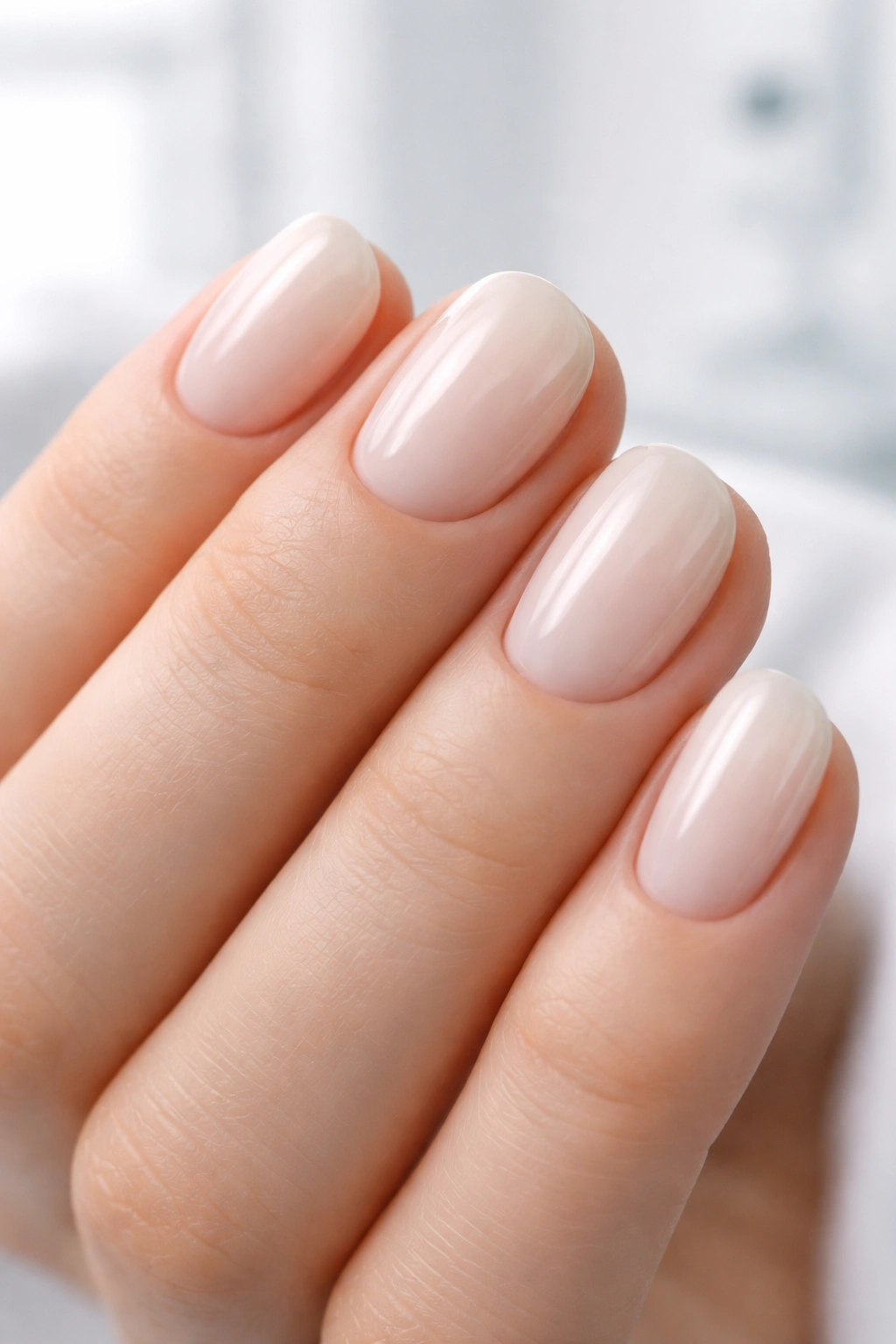
The glazed or “milky” nail trend—semi-transparent, slightly opaque, creamy-looking polish—works wonderfully on short nails and looks undeniably modern and polished. This finish creates the illusion of longer nails while staying completely compliant because there’s no artificial length or bulk.
Why Glazed Nails Flatter Short Nails
The semi-transparent, creamy appearance of glazed polish creates a soft-focus effect that makes nails look slightly longer and more elegant than they actually are. The polish sits between sheer and opaque, creating an almost gel-like appearance without any of the actual gel coating that’s problematic in healthcare settings. Glazed polish tends to be forgiving of minor nail imperfections and looks expensive even though it’s usually just regular polish in a specific color family. The effect is soft, modern, and genuinely flattering on shorter nail beds.
Achieving the Glazed Effect
- Look for polish specifically labeled as “sheer,” “milky,” “glazed,” or “creamy” in the nude, pink, or peach family
- Brands often have entire lines dedicated to glazed finishes—they’re very popular and widely available
- Apply three thin coats rather than two thick coats for the best opaque-but-creamy effect
- Use a good topcoat to enhance the glossy finish and create that gel-like appearance
- Warm neutrals (milky pinks, peachy creams, warm nudes) work better than cool tones on most skin
- This polish tends to show wear slightly more visibly than opaque polish, so plan on refreshing every 5-6 days
- The milky quality photographs beautifully, so this is a great choice if you’re on social media or just want your hands to look good in photos
The glazed effect is particularly flattering for healthcare professionals because it looks polished and intentional without appearing heavy or over-the-top.
8. Simple White Tips (Reverse French or Floating Design)
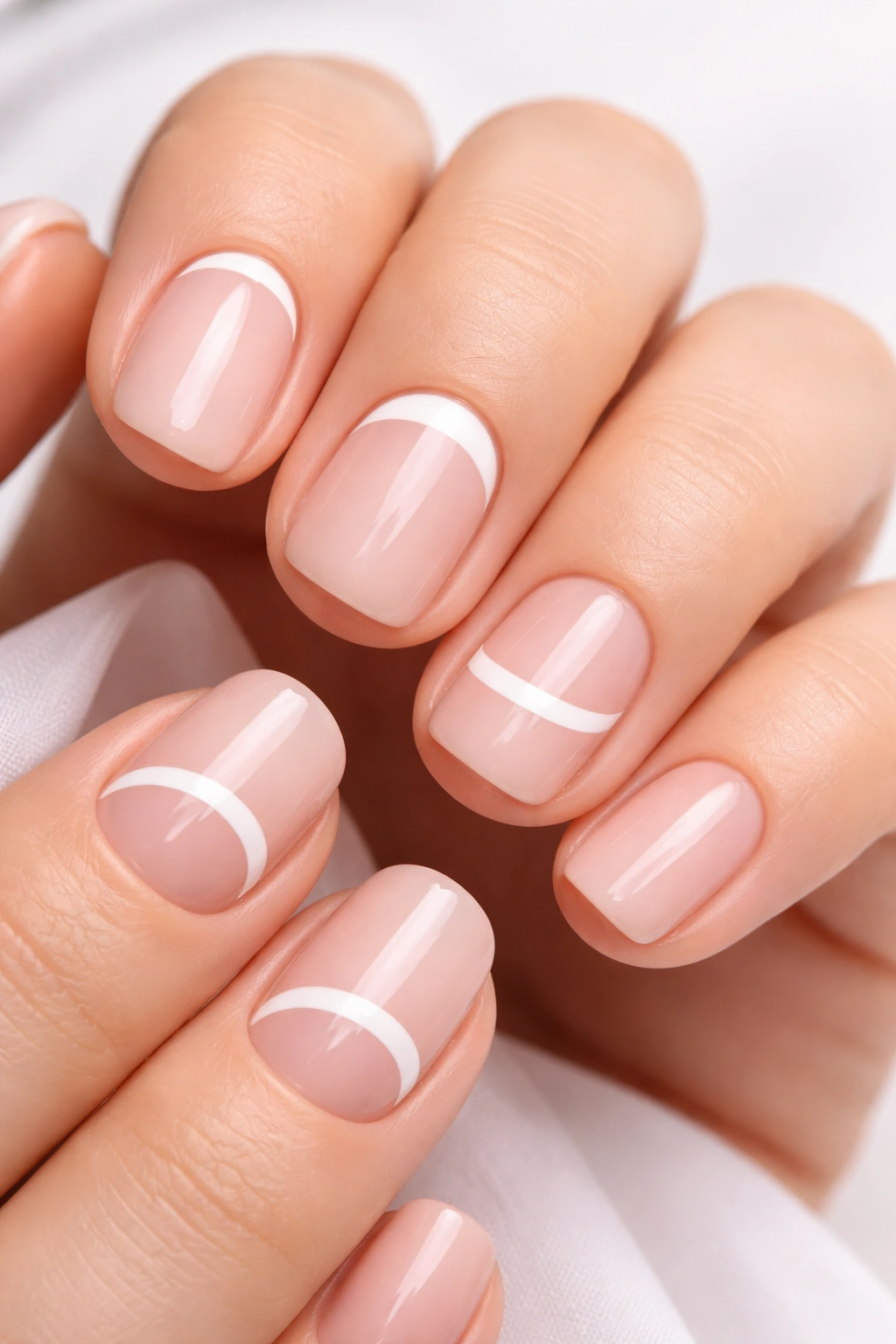
If you love the French manicure concept but want to switch it up, try a reverse French manicure where the white line is at the base of the nail rather than the tip, or a “floating” design where the white is a thin stripe in the middle of the nail. These variations keep the sophistication of the French manicure while adding a modern twist.
Creative Variations on White Tips
The reverse French manicure is having a moment in nail trends and reads as artistic and intentional. Instead of white at the tip, you create a white line at the base where the nail emerges from the cuticle. This can be done on a nude or pale pink base, creating a striking contrast. A floating white stripe—white polish creating a band across the middle of the nail—is another modern variation that works beautifully on short nails. Both options look editorial and sophisticated while staying completely within healthcare guidelines.
Application Techniques
- Use painter’s tape or guide stickers to create clean, straight lines for either variation
- For reverse French, place the tape at the base of the nail and paint white below it
- For floating designs, place two pieces of tape to create a stripe and paint white between them
- Remove tape immediately after painting while the polish is still wet for the cleanest lines
- Use a topcoat to blend the edges slightly and create a seamless finish
- White polish can be tricky to apply evenly—use a thicker white polish formula and apply three thin coats rather than two thick ones
- Combine with soft pink or nude base colors that create high contrast with the white
These designs require a bit more skill than basic polish application, but they’re absolutely worth the practice. They’re distinctly modern and look like you put genuine thought into your nails.
9. Subtle Ombre or Gradient Effect
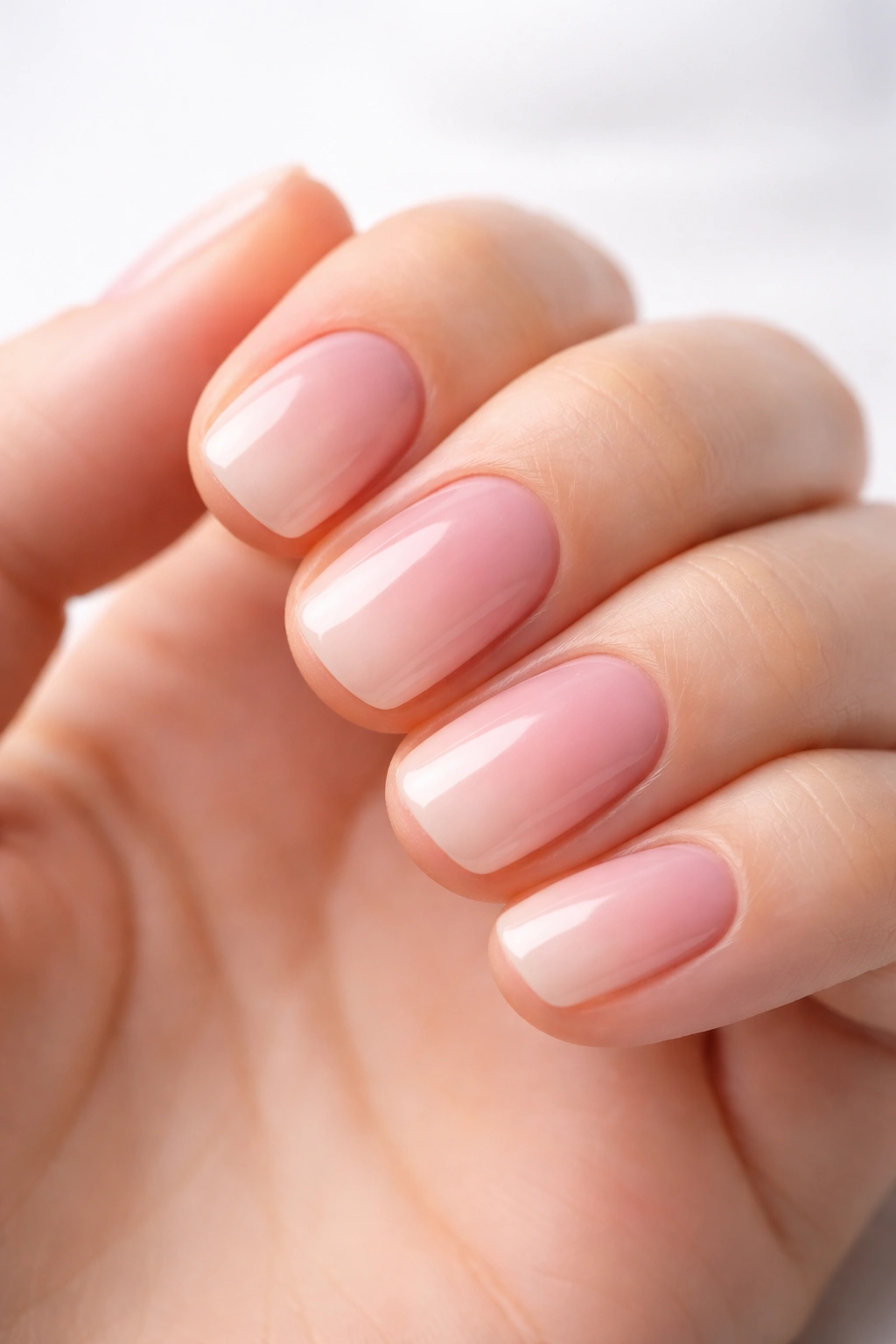
A soft gradient where color shifts from one shade to another across your nails (or from nail to nail) creates depth and visual interest without requiring length or artificial materials. This works beautifully on short nails and looks genuinely impressive even though the technique is simpler than it appears.
How Gradient Nails Create Visual Impact
An ombre effect where the color gradually shifts—say, from pale pink to slightly deeper rose across the nail—creates the illusion of dimensionality and sophistication. A gradient where each nail is slightly different in shade (so your pinky is pale and your thumb is deeper) creates continuity across your hand while each nail feels slightly unique. Both approaches work on short nails and don’t require any artificial materials or bulk—just strategic polish application and blending.
Creating a Gradient Effect
- The sponging method is easiest: paint two colors on a makeup sponge and dab onto the nail, overlapping slightly and dabbing repeatedly to blend the edge between colors
- Alternatively, use a soft brush and dab color over color while still wet, creating a blended transition zone
- Start with light, sheer strokes in the transition area rather than one heavy stroke—multiple light applications blend more smoothly
- Choose colors that are relatively close in the color spectrum (light pink to medium pink, or pale nude to warm beige) for a seamless gradient
- Use a topcoat to seal everything and smooth out any streakiness
- Practice on nail wheels or false nails first if you’re new to the technique
- Gradient is forgiving—imperfect blending looks intentionally artistic rather than sloppy
This technique takes practice but once you master it, you’ll have a signature look that’s completely unique and looks far more complex than it actually is.
10. Gel Polish in Natural Colors
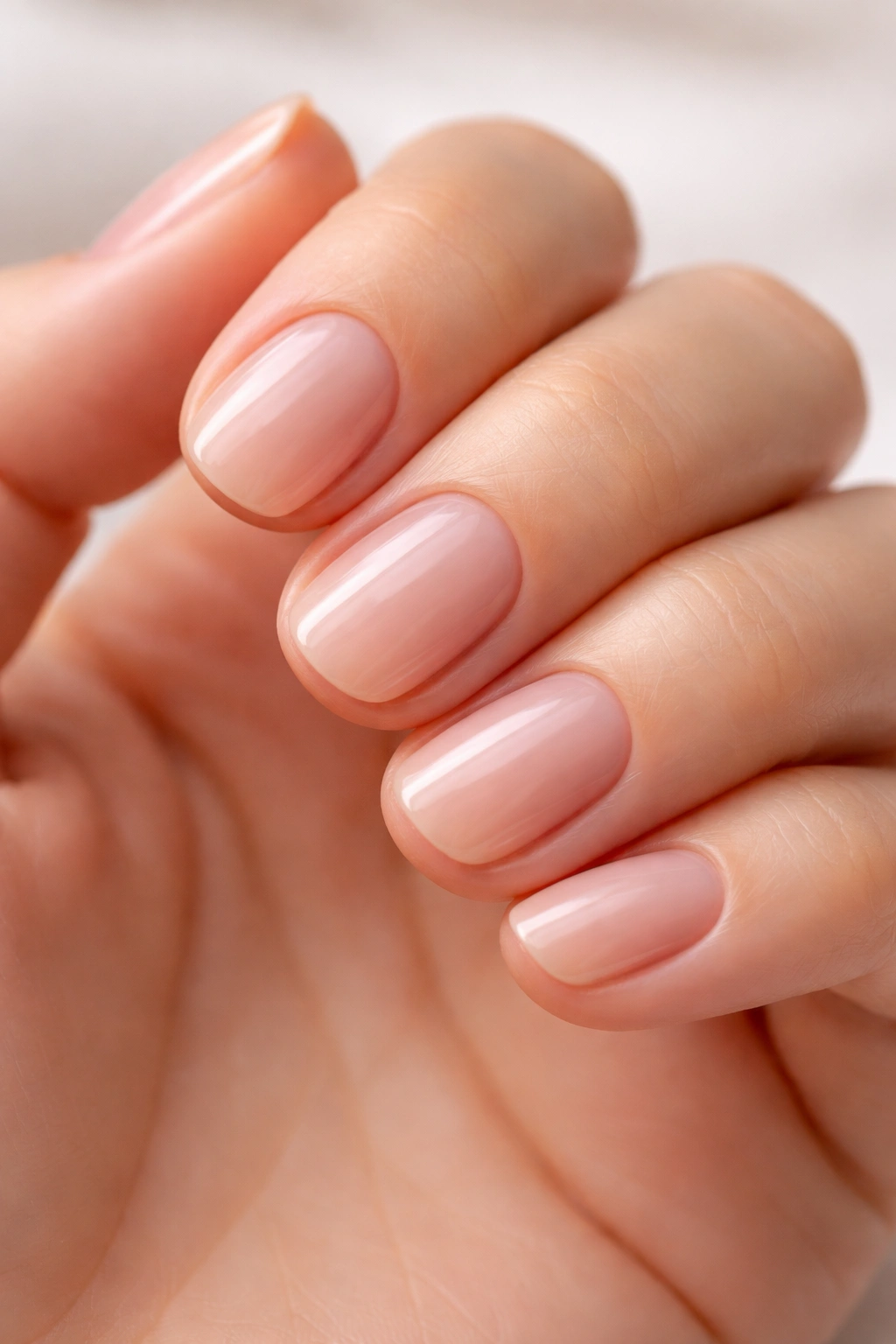
While thick artificial nails and traditional extensions are off-limits in most healthcare settings, some facilities have loosened restrictions on gel polish—a thin coating of color applied directly to natural nails without adding length or bulk. If your facility allows gel polish, this is a game-changer for keeping nails looking polished through your shifts.
Understanding Gel Polish in Healthcare Settings
Gel polish is fundamentally different from acrylic or dip powder nails because it doesn’t add thickness, length, or create a porous surface where bacteria can hide. It’s a thin coating of color cured under UV or LED light that sits directly on your natural nail. Some healthcare facilities have updated their policies to allow gel polish specifically because research shows it doesn’t present the same infection control risk as thicker artificial nails. Check your facility’s current policy—things have evolved from the blanket ban of all artificial enhancements to more nuanced guidelines that distinguish between gel polish and acrylic extensions.
Gel Polish Advantages for Healthcare Professionals
- Lasts 3-4 weeks without chipping, which is ideal for busy nursing schedules
- Eliminates the need for frequent touch-ups or repainting
- Doesn’t feel thick or create a barrier between your hands and your work
- Regular hand-washing and sanitizing don’t damage gel polish the way they do regular polish
- Can be removed properly at home using acetone soaks or by a professional
- Works beautifully in natural colors that look polished without being bold
- Allows you to maintain that manicured look throughout an entire rotation
Important caveat: Gel polish requires proper removal—never peel or pick it off, as this damages your natural nails. Use acetone soaks or have a professional remove it. Always let your nails breathe between gel applications to prevent brittleness.
Best Colors for Healthcare Settings
- Soft pinks and nudes that complement your skin tone
- Pale peach or warm beige
- Very light gray or taupe
- Translucent pink (similar to the glazed effect, but in gel form)
- French manicure in gel (white tips with nude or pale pink base)
- Soft matte nude (if your facility allows matte finishes)
Verify your facility’s specific policy before committing to a gel manicure, as regulations vary by institution and department.
Final Thoughts
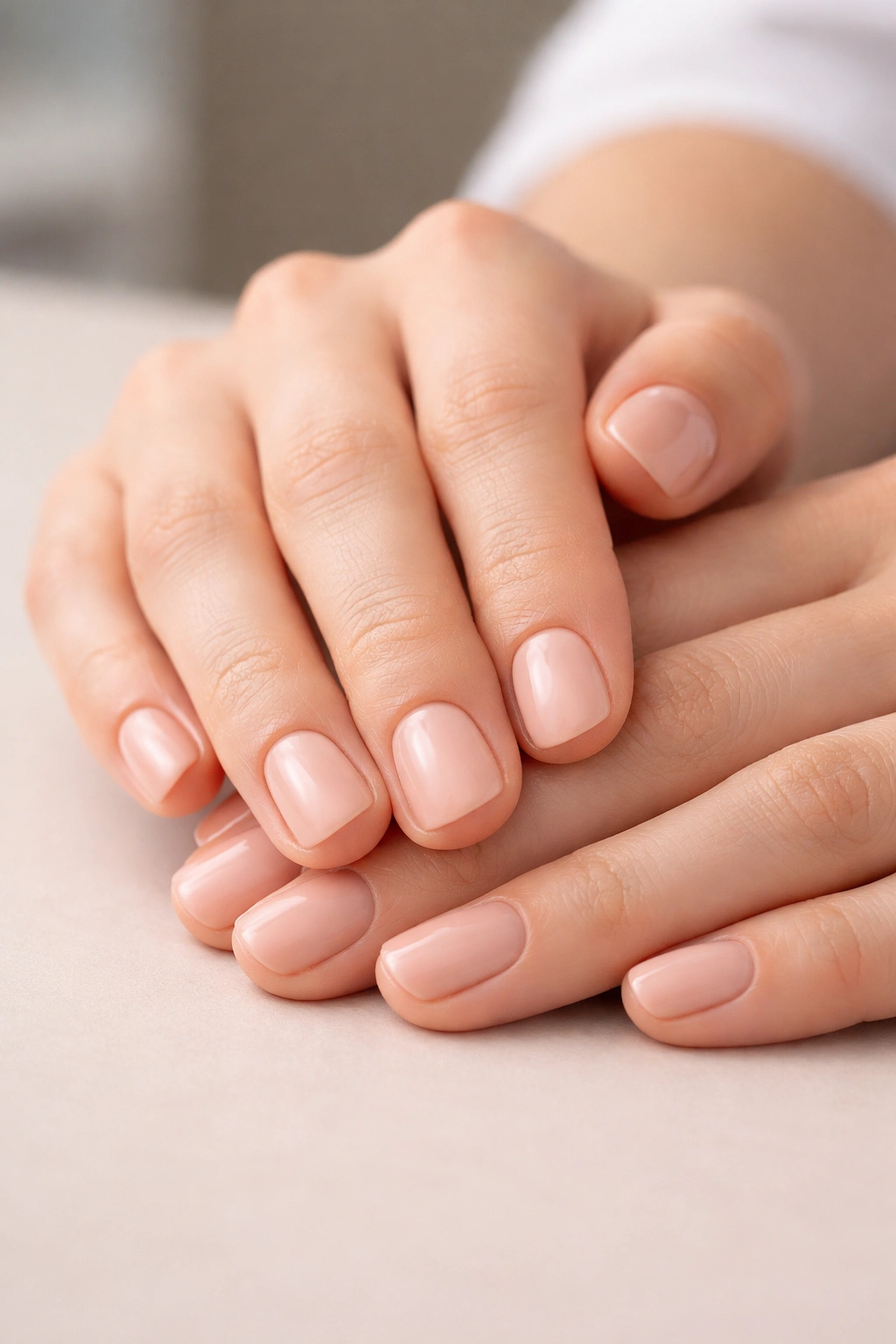
Navigating nail care in healthcare doesn’t mean sacrificing your desire to look polished and put-together. Short nails can be genuinely beautiful when you approach them with the same intentionality you’d give to longer nails. The options range from timeless classics like the French manicure to modern trends like glazed finishes and minimalist art—all of which respect the healthcare guidelines that keep your patients safe while still letting your personal style shine through.
The key to making short nails work is choosing approaches that enhance rather than fight against your natural nail length. Whether you’re opting for simple color, exploring texture and finish variations, or adding a single creative element like an accent nail or subtle design, the goal is looking intentional and polished. Your hands are visible constantly throughout your shift, and they’re one of the first things patients notice about you—so it’s worth investing a few minutes into a manicure that makes you feel confident.
Remember that compliance with your facility’s nail policy isn’t just about following rules; it’s about protecting your patients and maintaining the highest infection control standards. The good news is that you don’t have to sacrifice style to do that. Beautiful, professional nails and strict healthcare guidelines absolutely coexist. Choose the approach that resonates most with your personal style, stick with it consistently, and enjoy having hands you’re genuinely proud of showing off during every shift.